Classic Spaghetti Aglio e Olio (Garlic
Olive Oil Pasta)
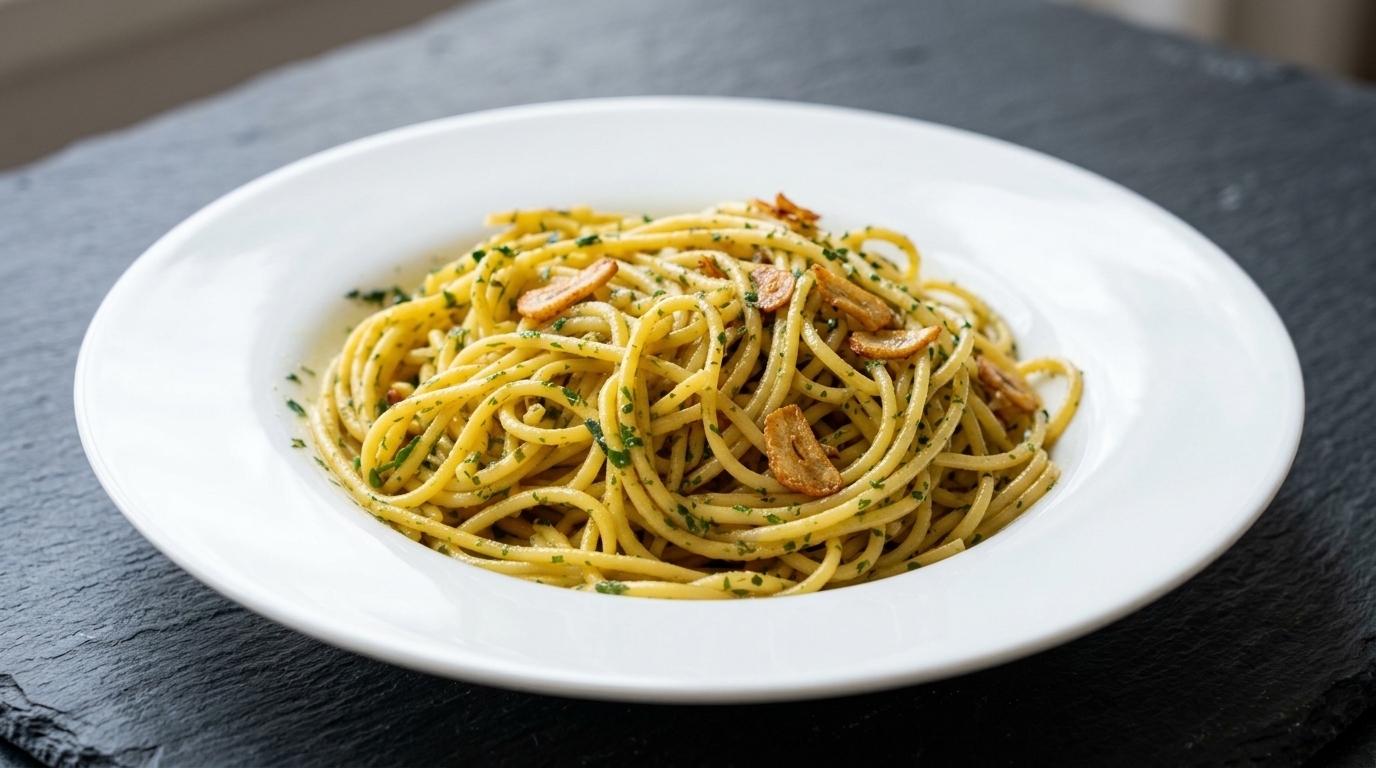
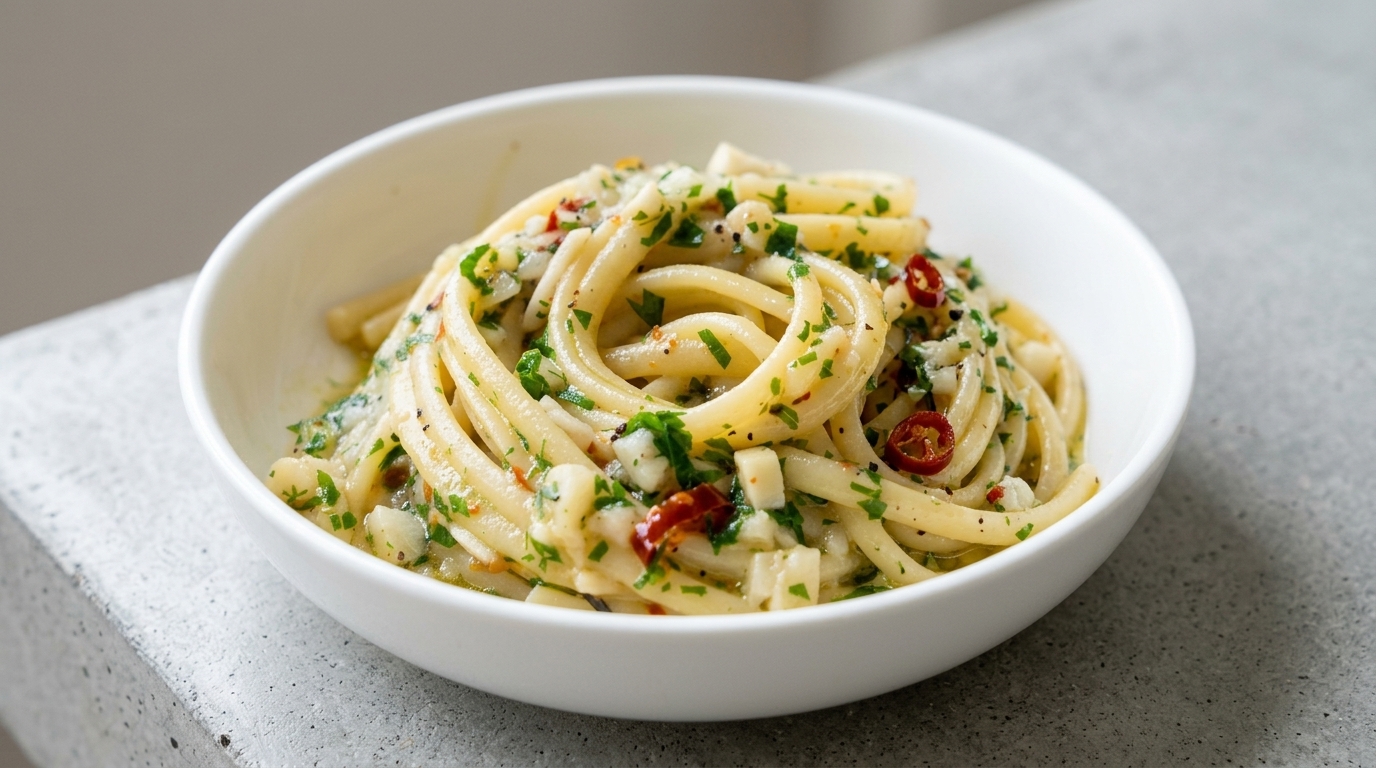
A masterclass in Italian simplicity: al dente spaghetti tossed in a silky, emulsified sauce of golden garlic, spicy dried chili, and fresh parsley.
Spaghetti Aglio e Olio is the ultimate pantry pasta from Naples, celebrated for turning humble ingredients into a luxurious meal. The key lies in the emulsification of starchy pasta water and infused olive oil, creating a glossy sauce that clings perfectly to every strand. It is the perfect late-night snack or a lightning-fast dinner that never fails to satisfy.
Ingredients
- 200 g spaghetti
- 4 cloves garlic
- 60 ml extra virgin olive oil
- 2 pieces dried red chili
- 1 bunch fresh parsley
- 1 tbsp sea salt
- to taste black pepper
Instructions
- 1Mince the garlic
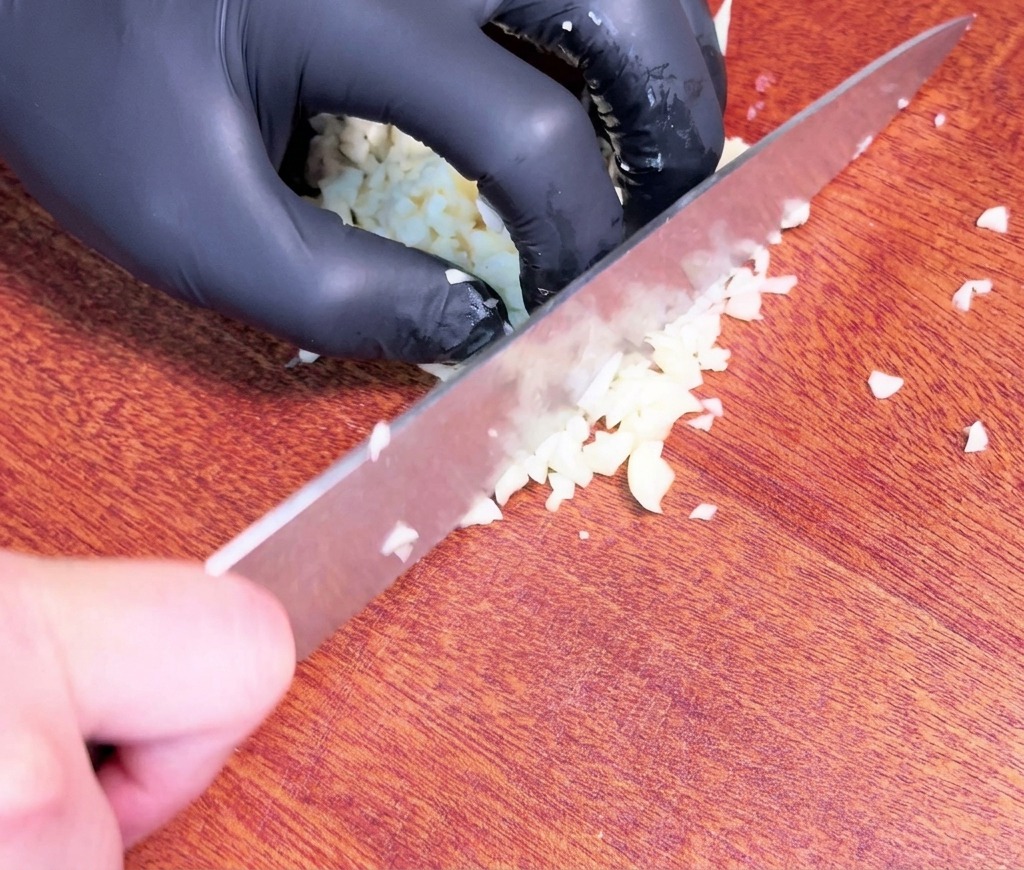
Begin by finely mincing the fresh garlic cloves. Using a sharp chefs knife, chop the garlic until it is in very small, uniform pieces to ensure it releases maximum flavor and blends well into the olive oil sauce during the cooking process.
Tip: For the best flavor, mince the garlic just before you start cooking to prevent it from turning bitter or losing its aromatic oils. - 2Chop the parsley
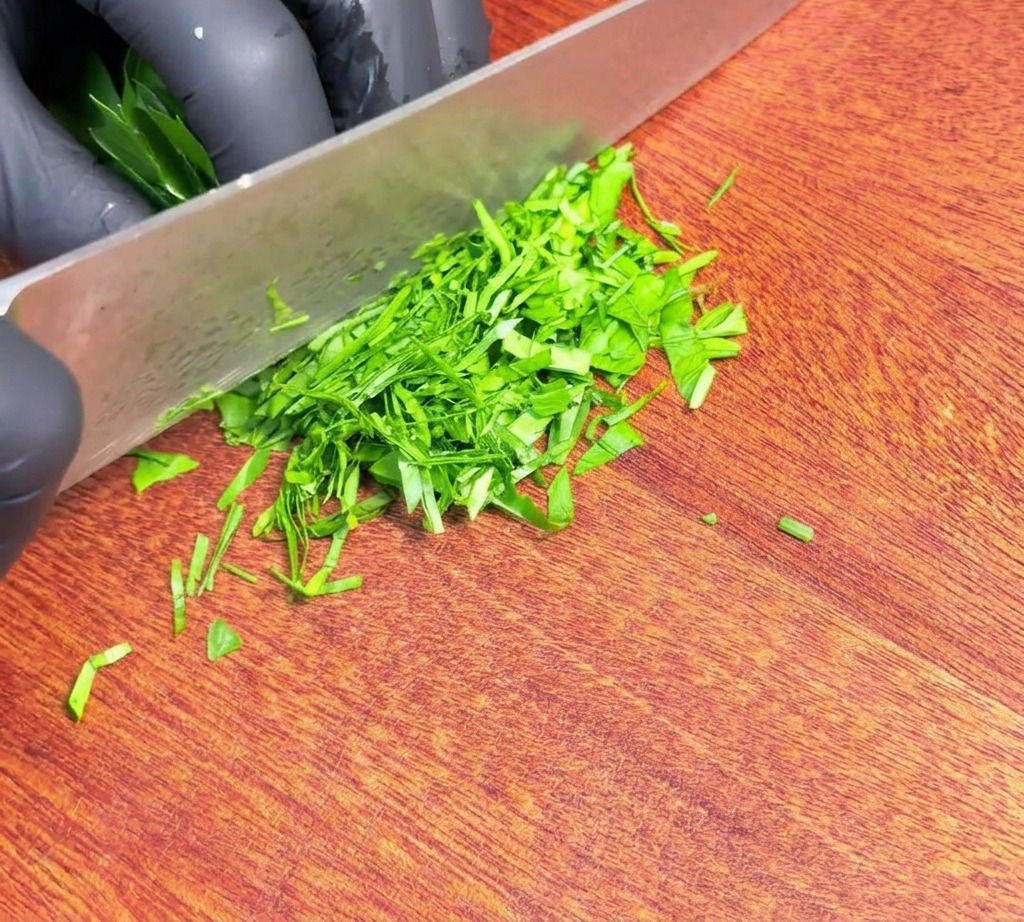
Wash and dry the fresh parsley, then finely chop the leaves on a wooden board. The parsley adds a bright, fresh contrast to the rich garlic and oil, so ensure it is chopped finely enough to distribute evenly throughout the pasta.
Tip: Make sure the parsley is completely dry before chopping to prevent the leaves from bruising or becoming mushy. - 3Prepare the dried chili
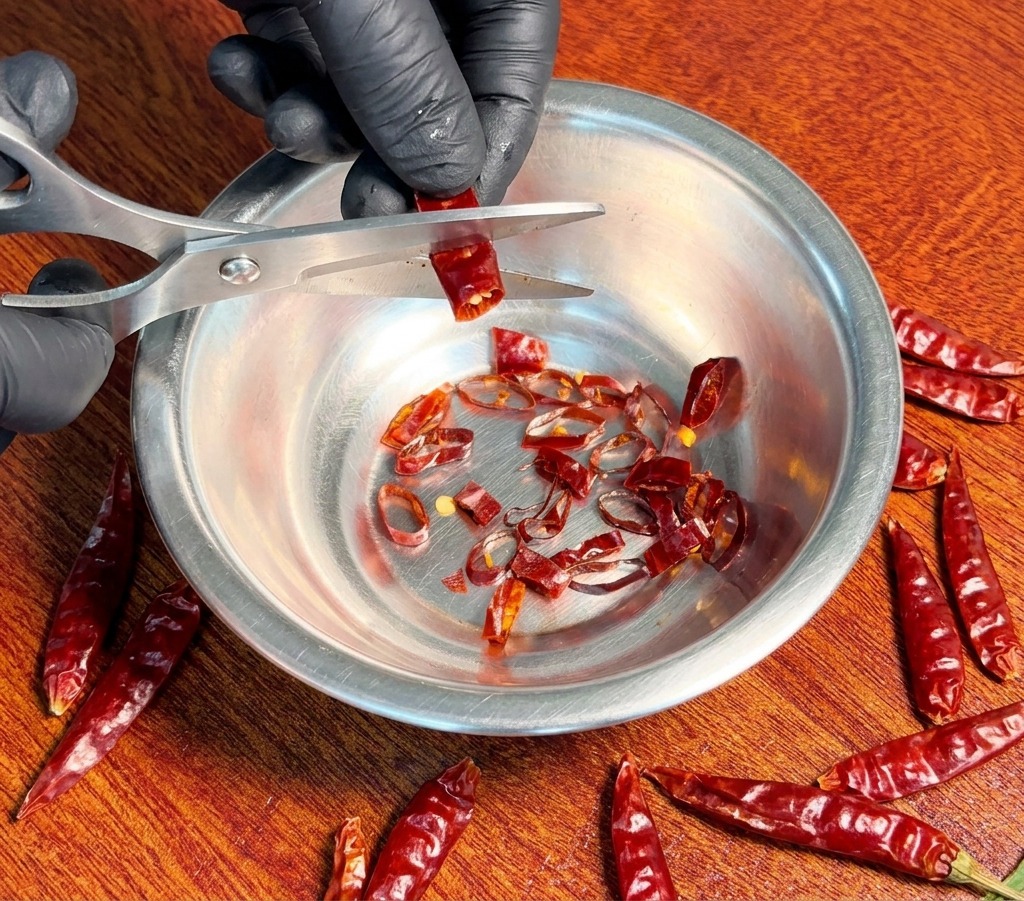
Take the dried red chili peppers and use kitchen scissors to snip them into small, even rings. Collecting them directly in a small metal bowl makes it convenient to add them to the pan later to infuse the oil with a consistent level of heat.
Tip: Using scissors is often more precise than a knife for cutting dried peppers into neat rings without crushing them. - 4Salt the pasta water
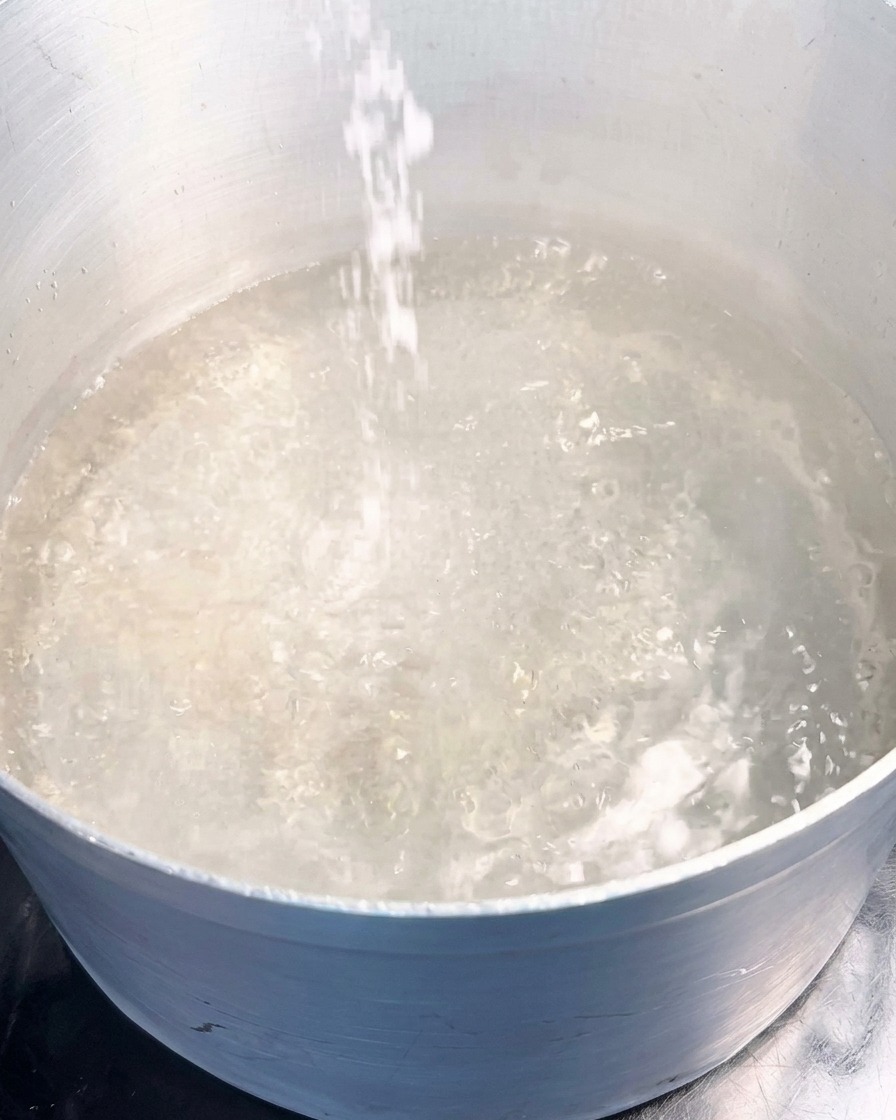
Bring a large pot of water to a rolling boil and add a large spoonful of sea salt. Salting the water is the only opportunity to season the pasta itself from the inside out, providing a fundamental base of flavor for the final dish.
Tip: The water should be well-seasoned—often compared to the saltiness of the sea—to ensure the spaghetti isnt bland once cooked. - 5Maintain water temperature
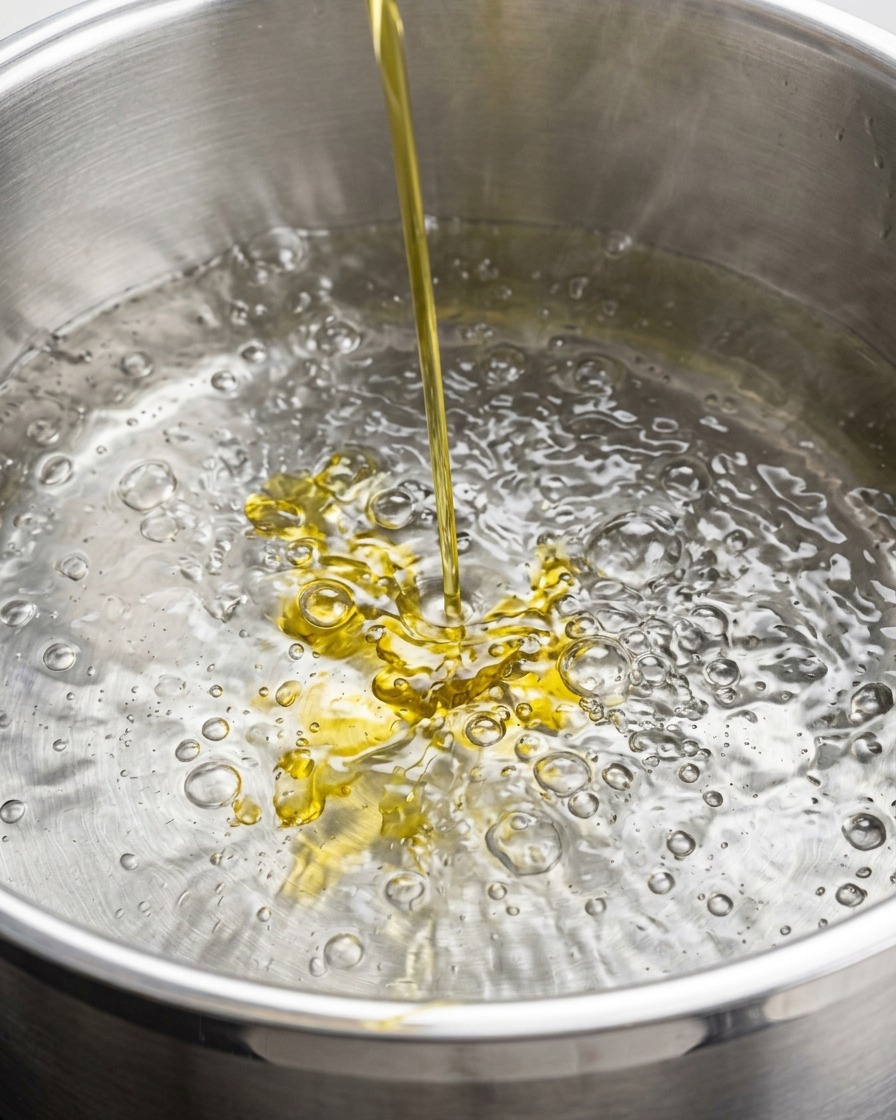
Ensure the water remains at a vigorous rolling boil before adding the pasta. Maintaining high heat ensures the spaghetti cooks evenly and releases the starch necessary for creating a silky sauce later in the process.
Tip: Using a large volume of water and stirring frequently during the first two minutes is the most effective way to prevent sticking. - 6Cook the spaghetti
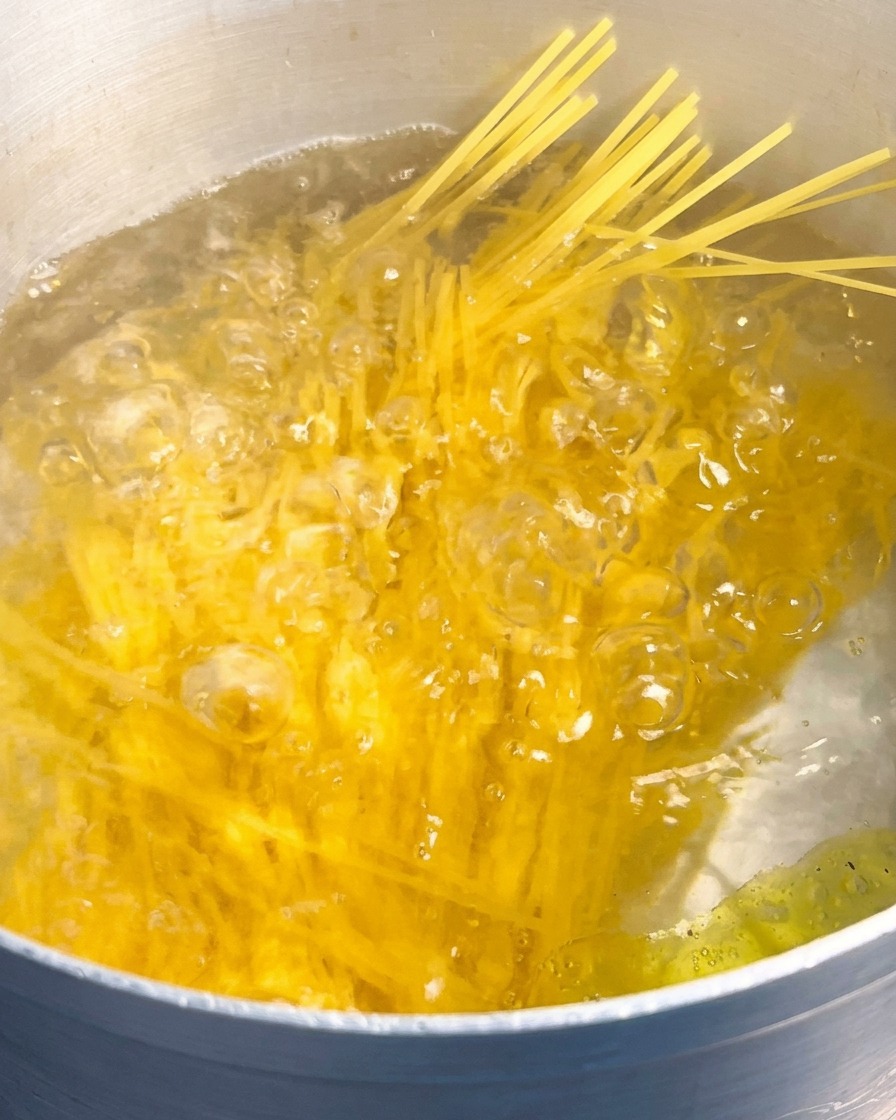
Carefully place the bundle of dry spaghetti into the pot of boiling water. Submerge the noodles completely and boil them for approximately six minutes, or until they reach your desired level of doneness, ensuring they remain firm enough to finish in the pan.
Tip: Stir the pasta occasionally during the first few minutes of boiling to ensure the strands dont clump together in the pot. - 7Drain the spaghetti
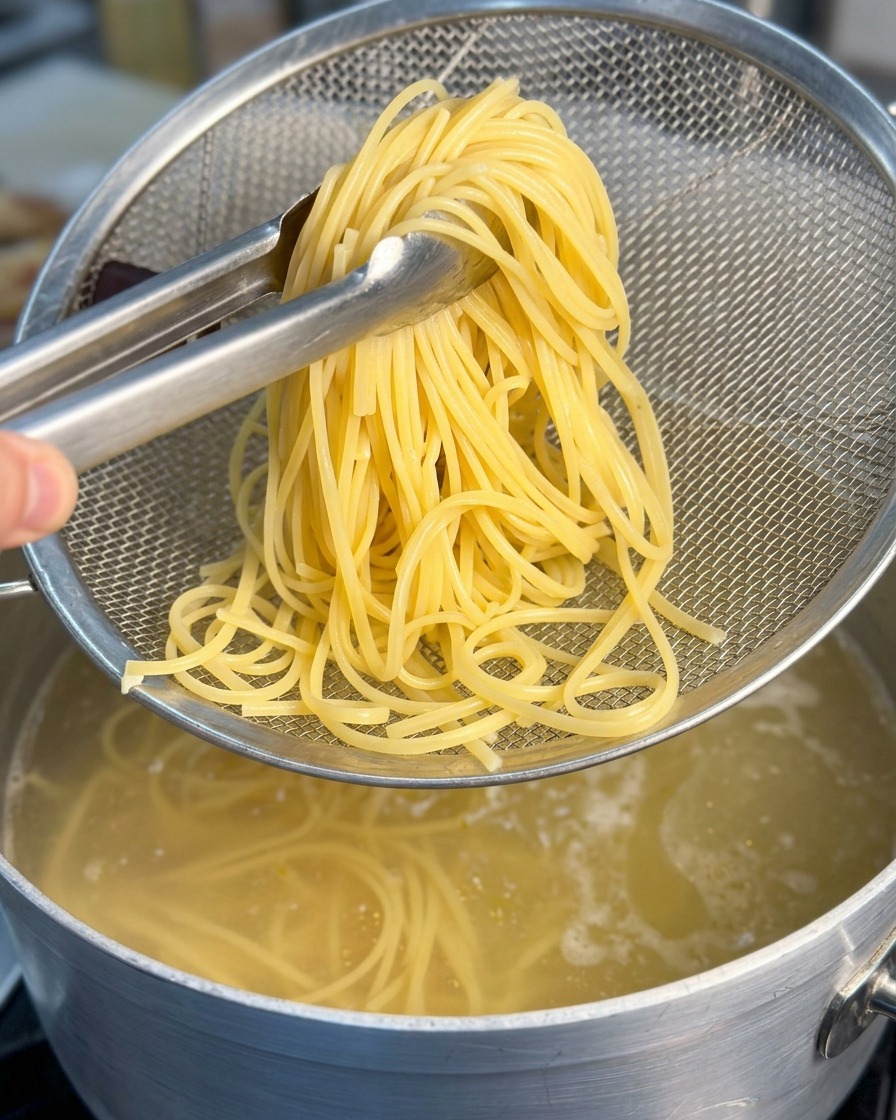
Lift the spaghetti from the boiling water using tongs and place it into a mesh strainer. Draining the pasta properly ensures it is ready to be tossed in the pan without carrying excess water that could dilute the oil infusion.
Tip: Do not rinse the pasta under cold water because the starch on the surface helps the sauce emulsify and cling to the noodles later. - 8Heat the olive oil
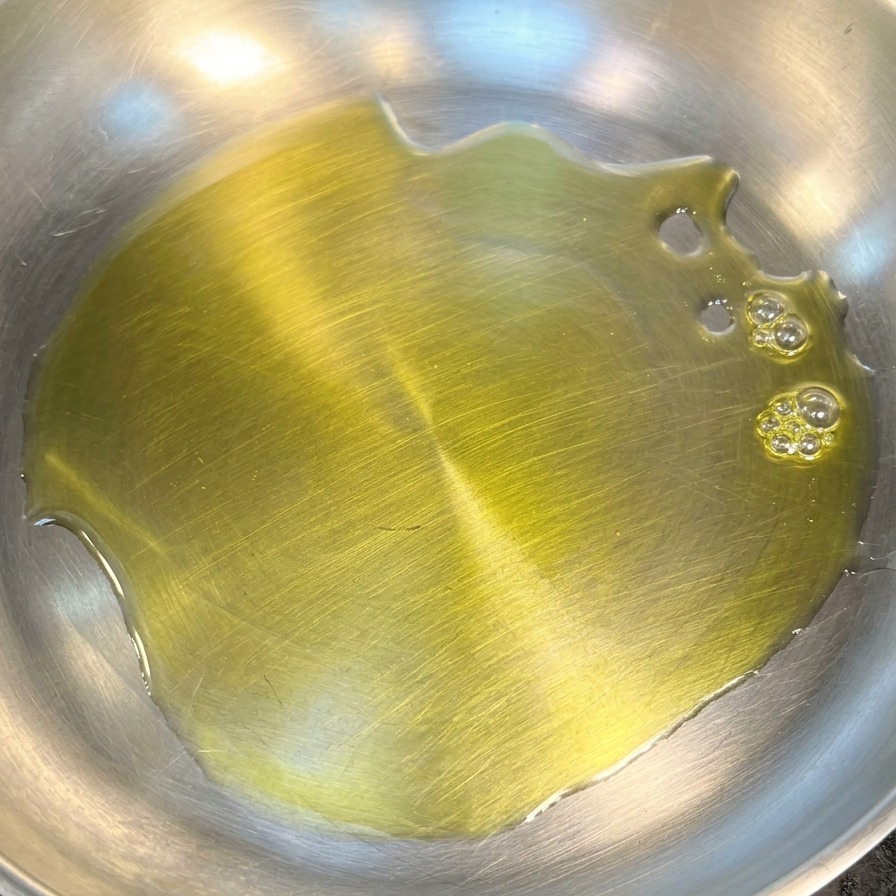
Pour a generous amount of high-quality olive oil into a stainless steel skillet. Set the burner to medium-low heat to ensure the oil warms up gradually without reaching its smoke point, which preserves its delicate flavor.
Tip: Using a cold pan and heating the oil slowly helps to better infuse the flavors of the garlic and chili later. - 9Sauté the aromatics
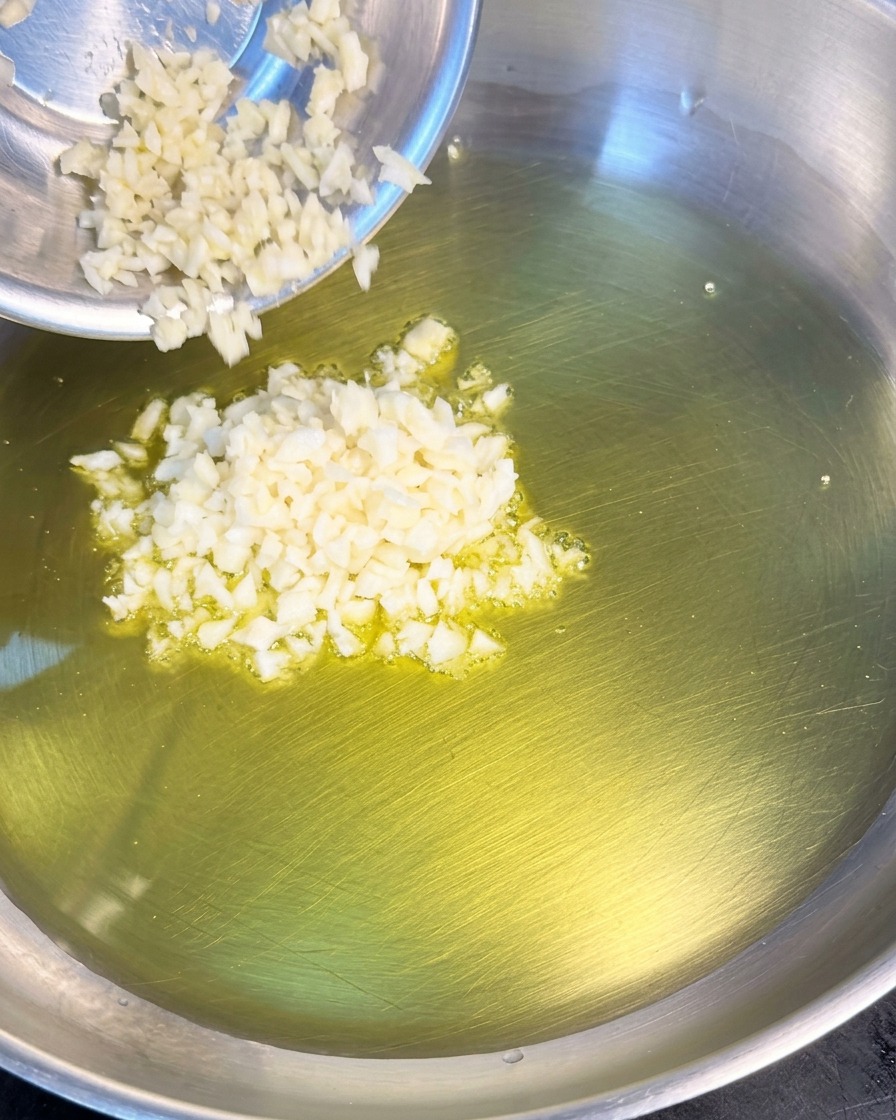
Add the finely minced garlic and the dried chili rings to the warm oil. Sauté them gently over medium-low heat until the garlic becomes fragrant and turns a very light golden color. Be careful not to let the garlic brown too much, as it can turn bitter.
Tip: If the garlic starts to brown too quickly, lift the pan off the heat for a few seconds to lower the temperature. - 10Create the sauce base
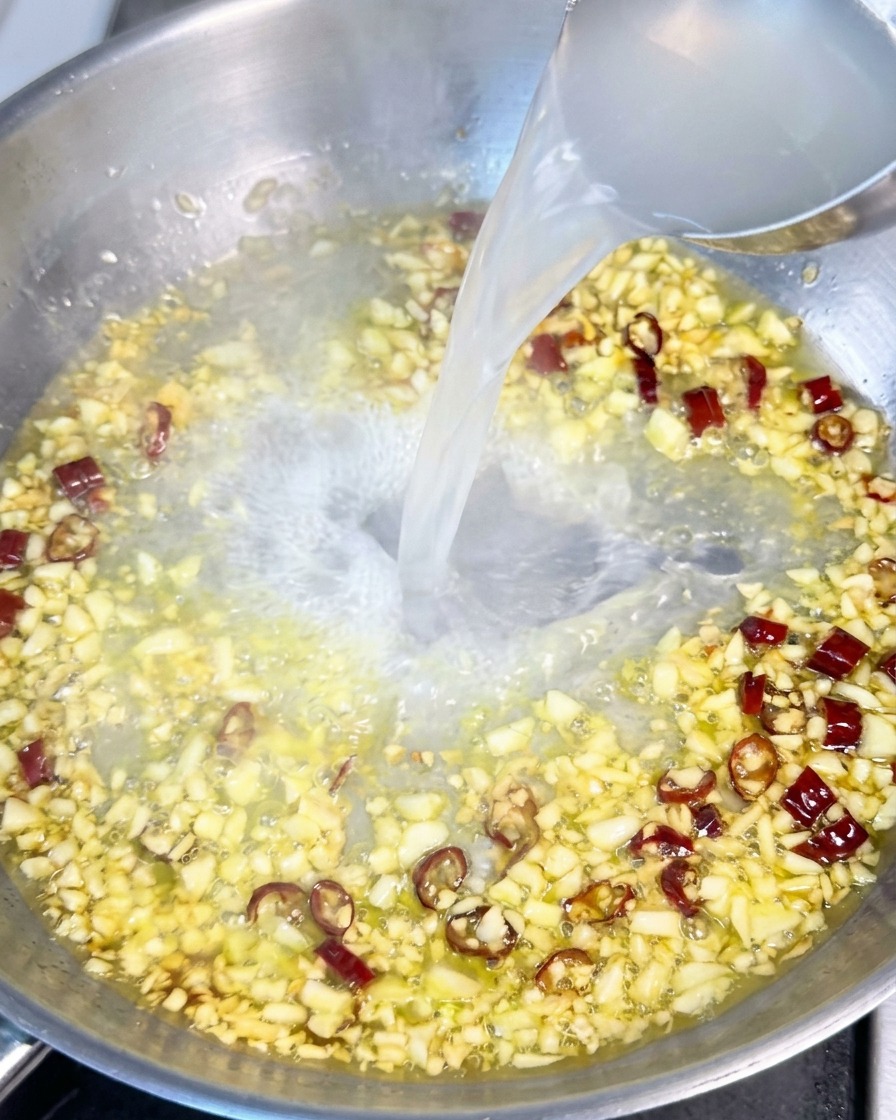
Carefully pour a ladleful of the starchy pasta cooking water into the pan with the sautéed garlic and chili. The water will sizzle and combine with the oil to create a light, emulsified base that will eventually coat the spaghetti.
Tip: The starch in the cooking water is the secret to a silky sauce that doesnt feel overly greasy. - 11Season the pasta
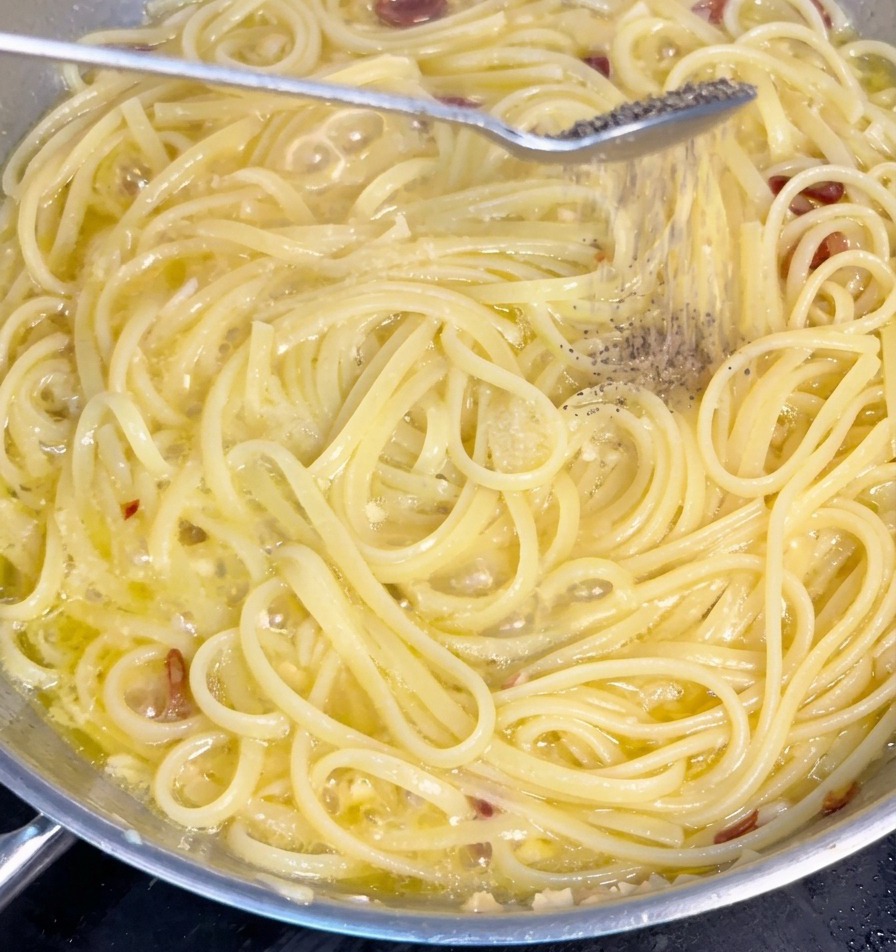
Add the cooked spaghetti into the skillet with the oil and garlic base. Season the dish with a pinch of salt and a generous amount of freshly ground black pepper to enhance the simple flavors of the ingredients.
Tip: Taste a noodle before adding too much salt, as the pasta water used for the sauce base was already salted. - 12Garnish with parsley
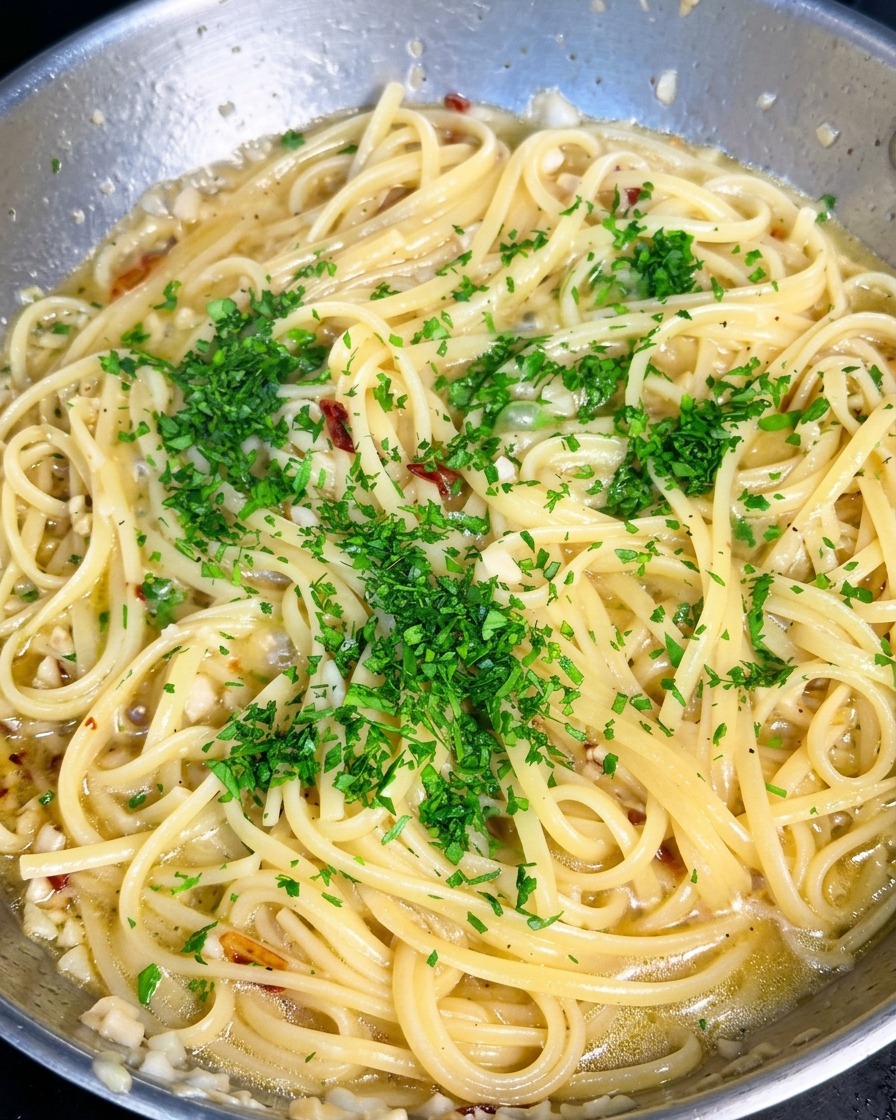
Sprinkle a large handful of freshly chopped green parsley over the pasta. Toss or stir the noodles quickly over the heat until the liquid emulsifies into a rich sauce that thoroughly coats every strand of spaghetti.
Tip: Adding the parsley at the very end preserves its bright color and fresh, herbaceous flavor. - 13Final Toss and Emulsify
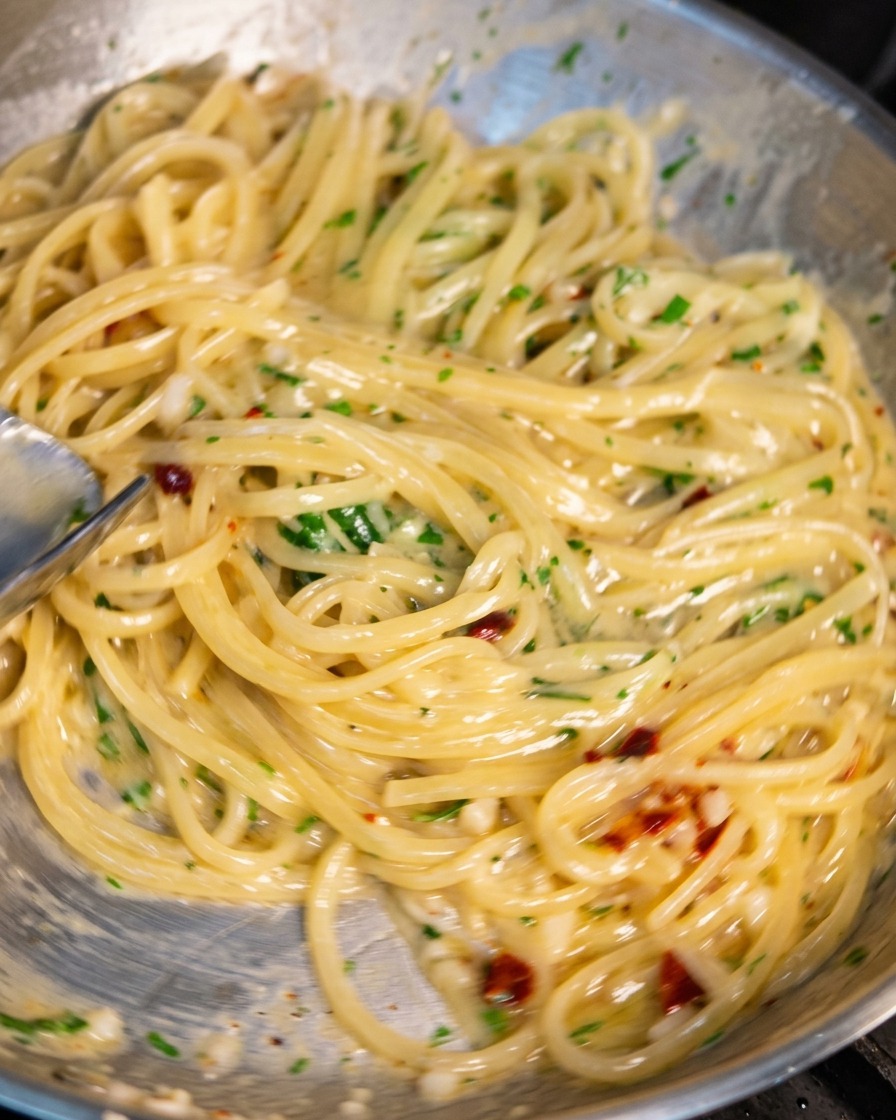
With the heat on medium, use tongs to vigorously toss the noodles with the garlic oil and pasta water. This rapid movement is essential to create a creamy, emulsified sauce that coats every strand. Continue until the liquid has thickened into a glossy sheen.
Tip: Dont be afraid of the pasta water; it is the secret to a silky sauce. Keep the pasta moving constantly until you see the liquid transform into a glossy coating.