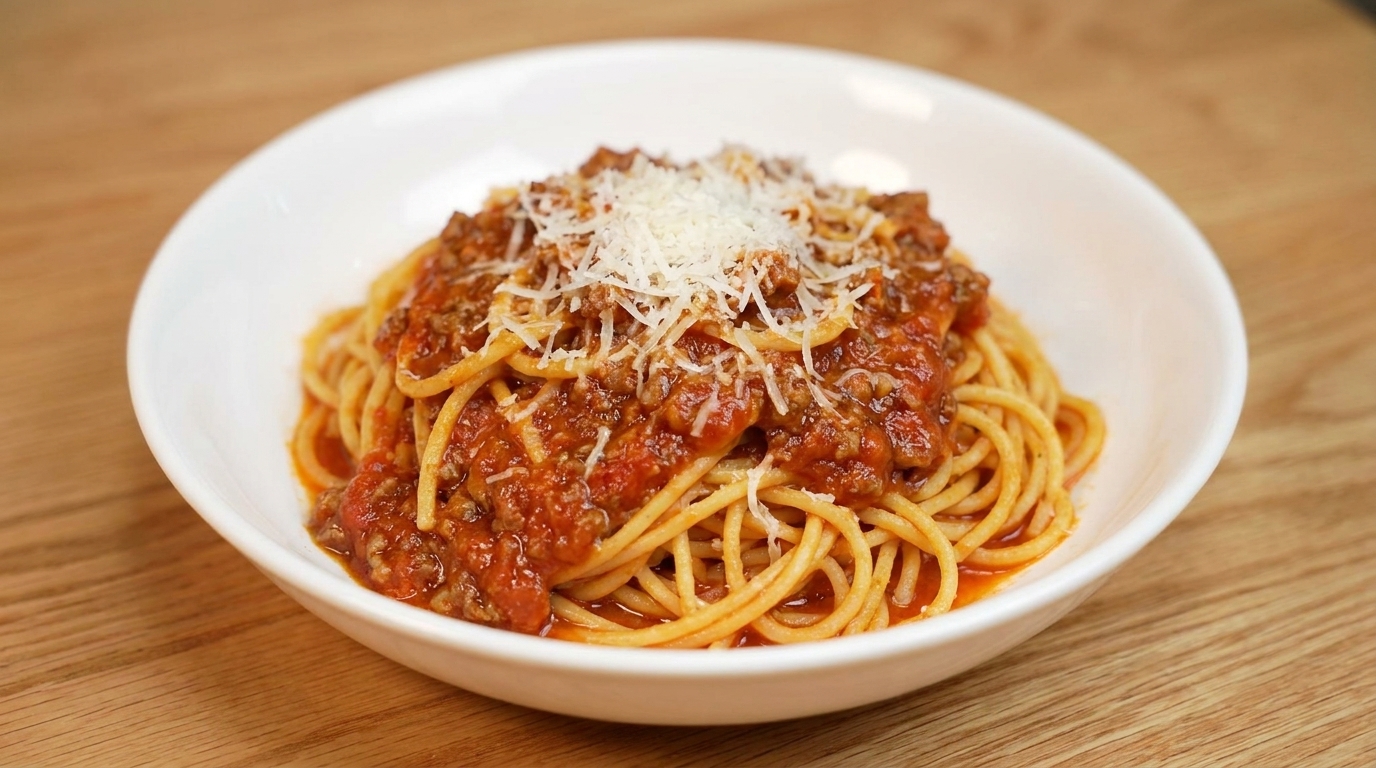
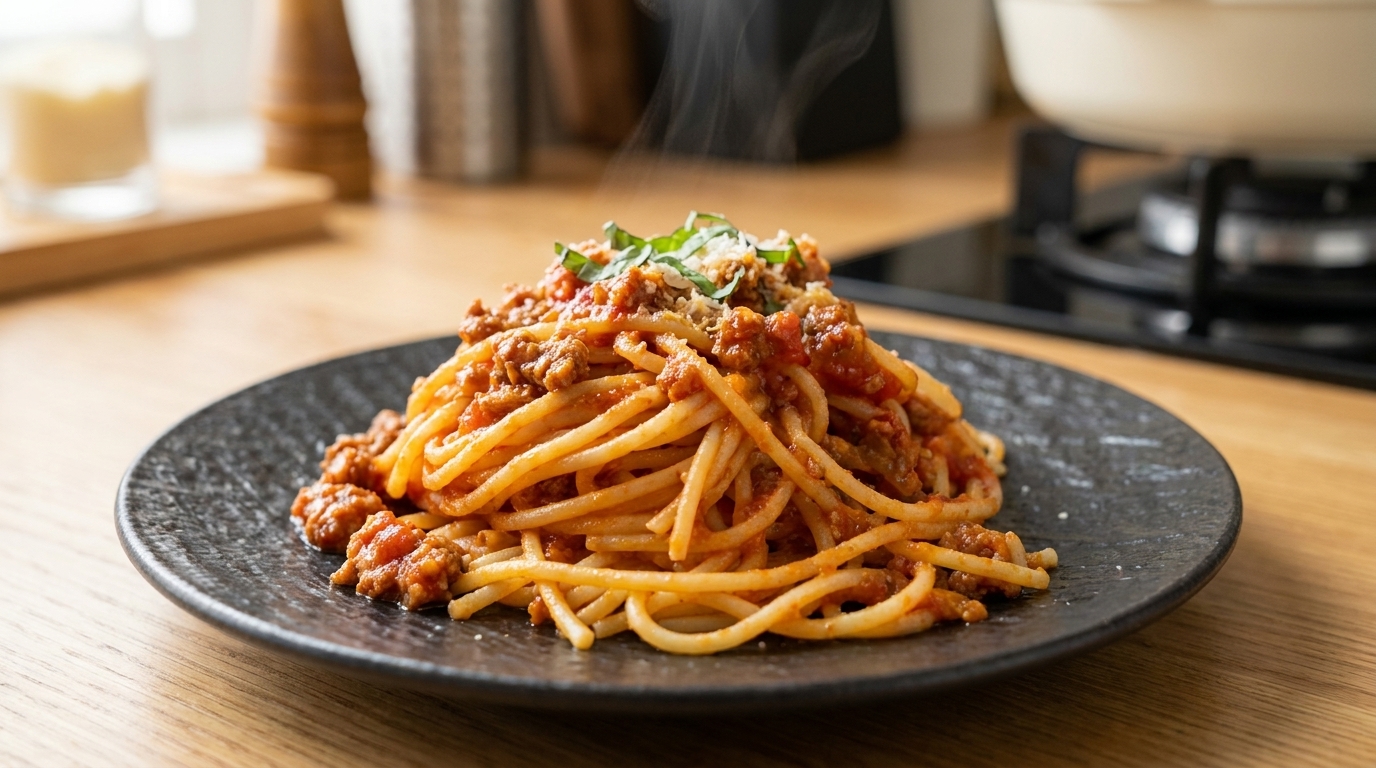
Tomato Meat Sauce Pasta
Onsen Egg
Elevate your homemade pasta with this rich, slow-simmered tomato and minced meat sauce. Topped with a perfectly runny onsen egg, it rivals any Western restaurant.
While spaghetti with meat sauce is a beloved comfort food worldwide, adding a soft-boiled onsen egg introduces a luxurious, creamy dimension to the dish. The combination of pork and beef yields a perfectly balanced, savory base that soaks beautifully into the noodles. Simmering the sauce patiently allows the natural sweetness of the tomatoes and mirepoix to shine.

Ingredients
- 300 g minced pork
- 300 g minced beef
- 1 stalk celery
- 1 carrot
- 1 red onion
- 2-3 fresh tomatoes
- 3 cloves garlic
- to taste salt
- to taste black pepper
- 2 tbsp ketchup
- 2 bay leaves
- 400 g dried spaghetti
- 1 tbsp cooking oil
- 1 per serving onsen egg
- optional fresh parsley
Instructions
- 1Chop the celery
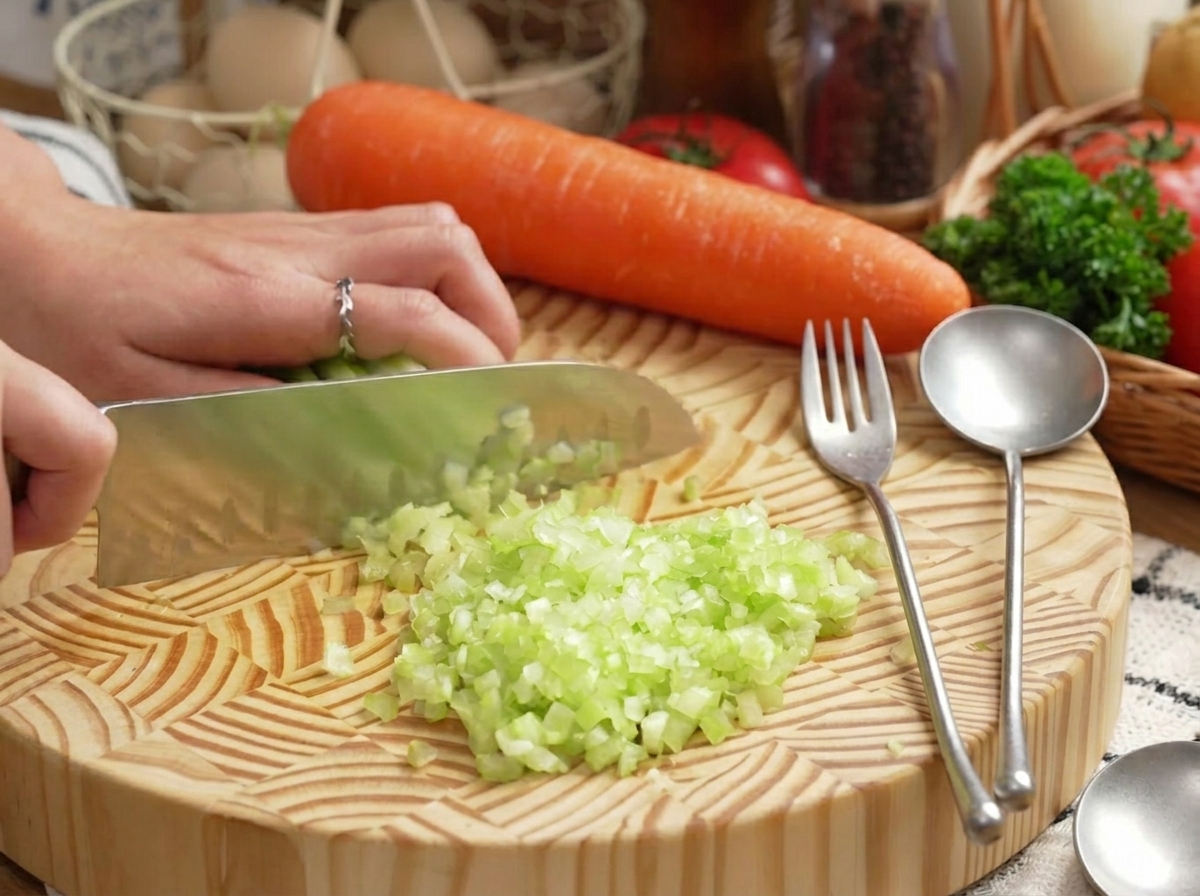
Wash the celery thoroughly and chop it finely on a cutting board. Leaving some texture instead of making it a complete paste will add a nice crunch to the final meat sauce.
Tip: Using a food processor is an option to save time, but hand-chopping ensures a better texture. - 2Dice the carrots
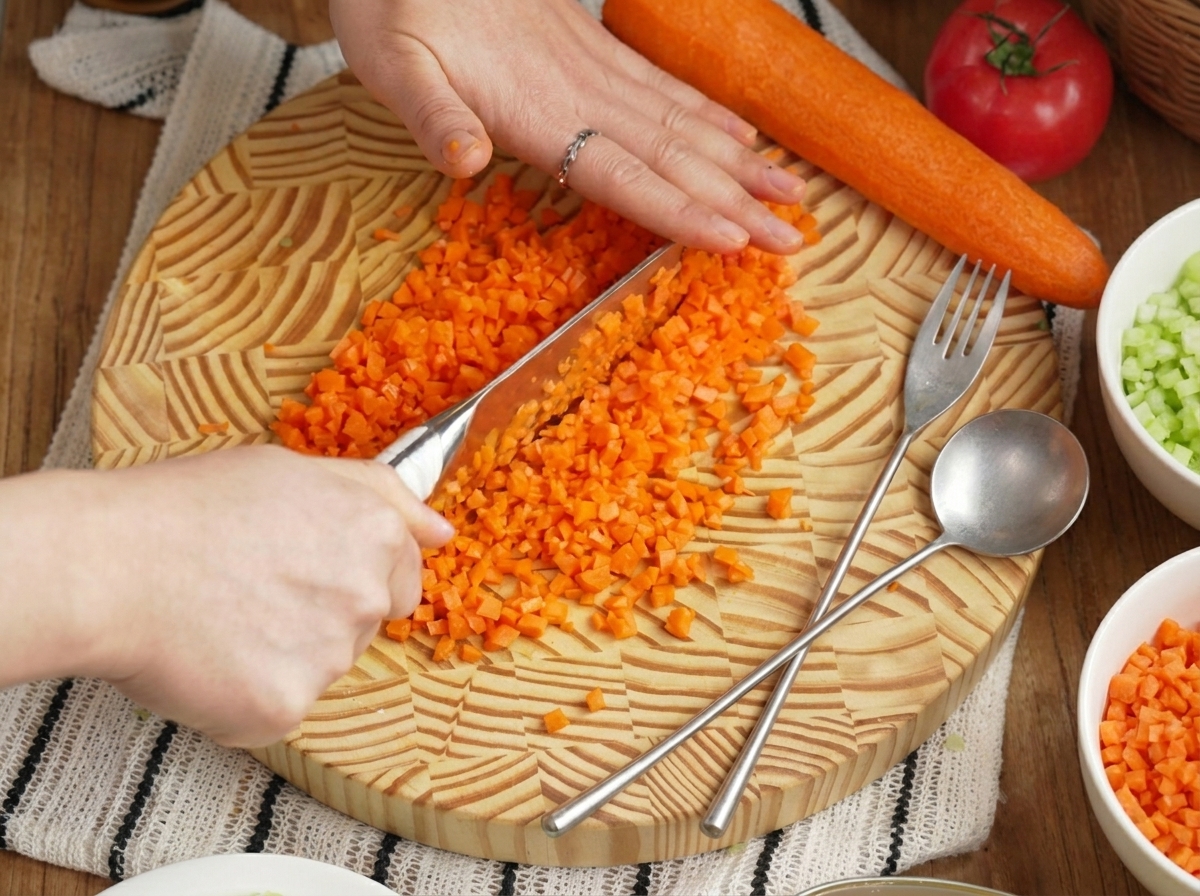
Peel the carrots and dice them finely to match the size of the celery. Keeping the vegetable pieces uniform helps them cook evenly and meld perfectly into the meat sauce.
Tip: Carrots add a natural sweetness to the sauce which perfectly balances the acidity of the tomatoes. - 3Dice the red onion
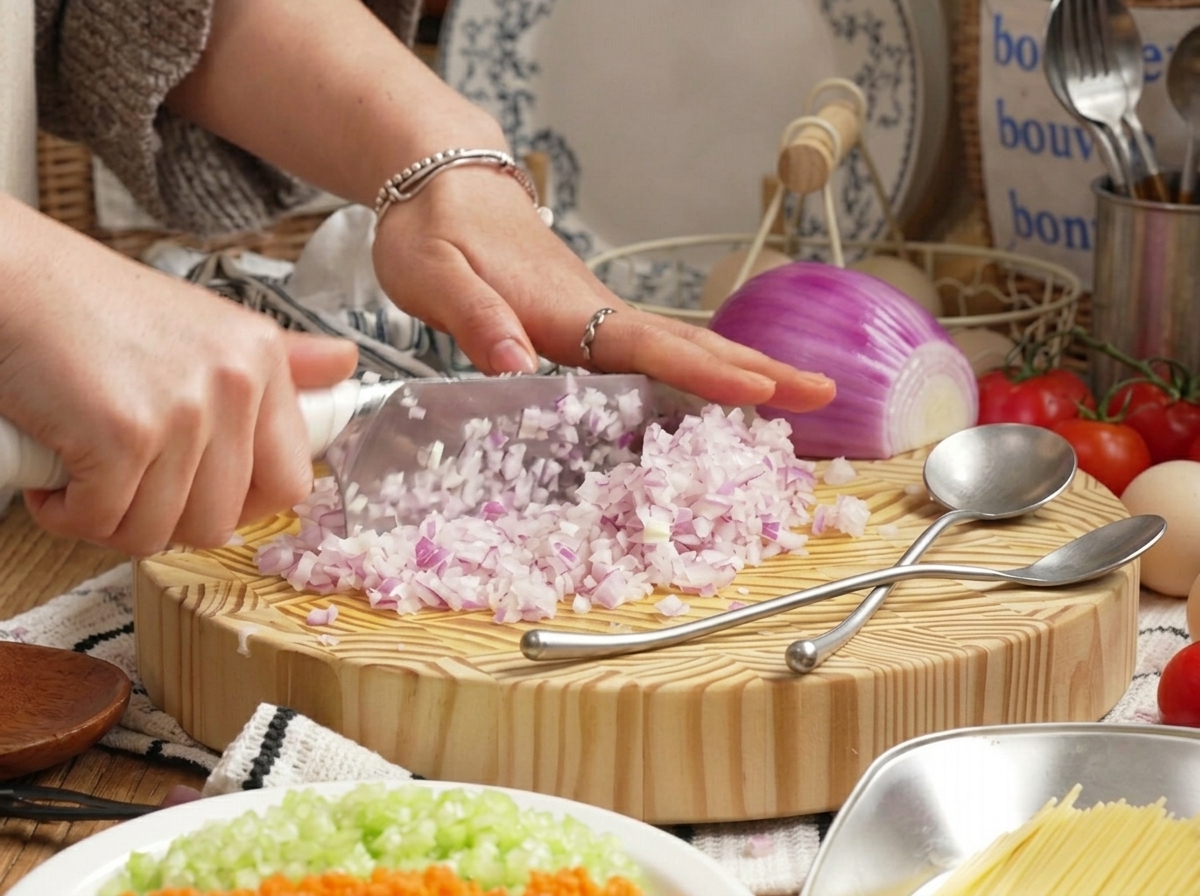
Finely dice the red onion. This combination of celery, carrots, and onions creates the flavor foundation for a classic and aromatic tomato meat sauce.
Tip: Use a sharp knife to dice the onion cleanly; this reduces the amount of tear-inducing gas released. - 4Brown the meat
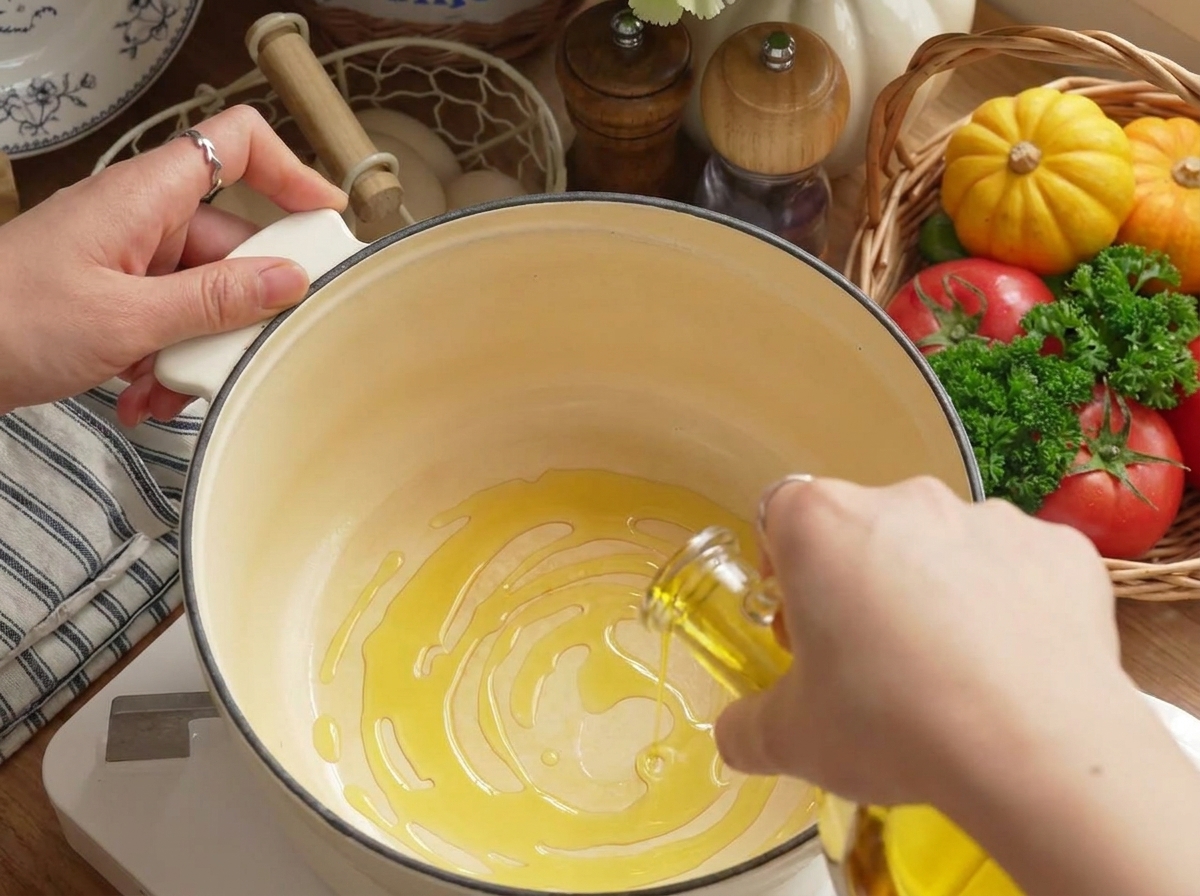
Add the minced pork and beef into the heated pot with oil. Fry the mixture, stirring occasionally, until the moisture evaporates and the meat is well-browned and fragrant.
Tip: Ensure the pan is hot before adding the meat to get a good sear and develop deeper flavor. - 5Stir-fry the meat mixture
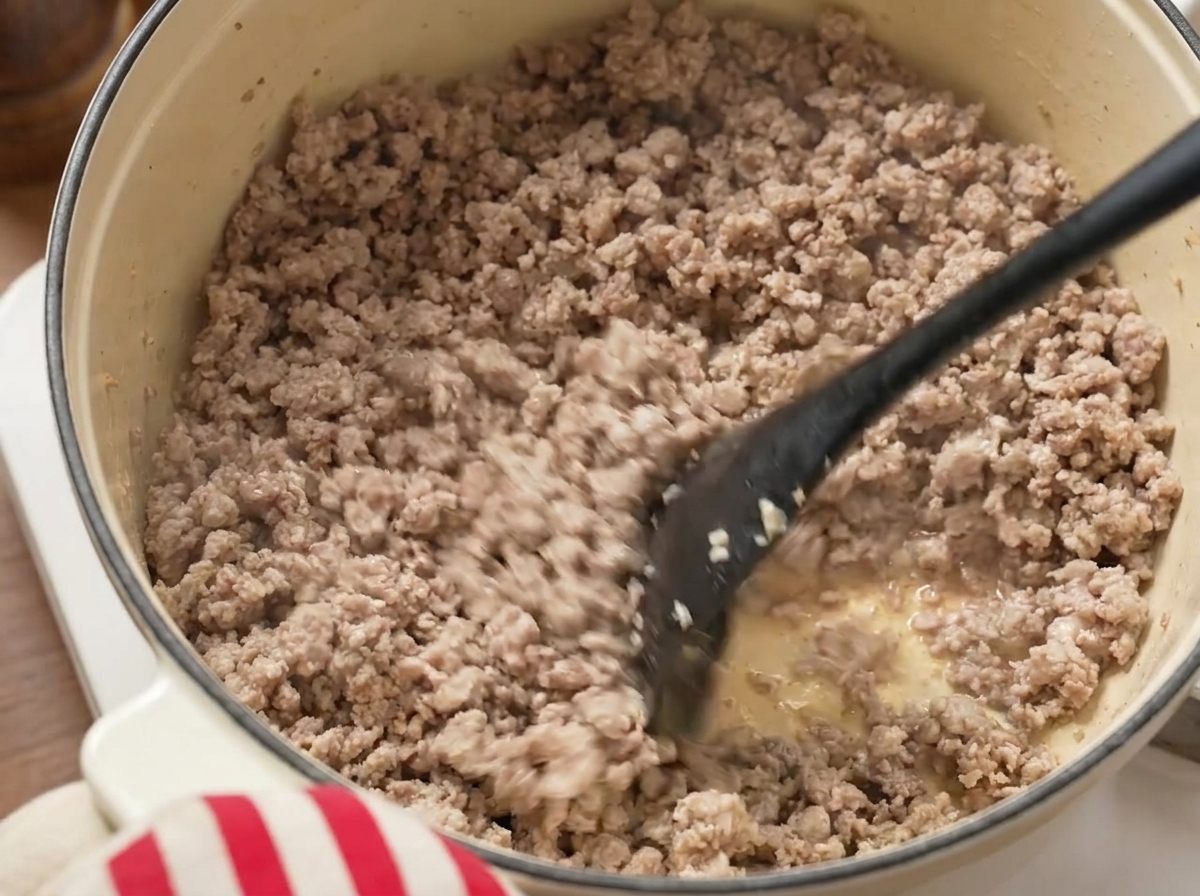
Stir-fry the meat continuously with a spatula to break up any clumps, cooking until the moisture evaporates and the meat is nicely browned.
Tip: A mixture of pork and beef provides the best balance of flavor and richness for a meat sauce. - 6Add the minced garlic
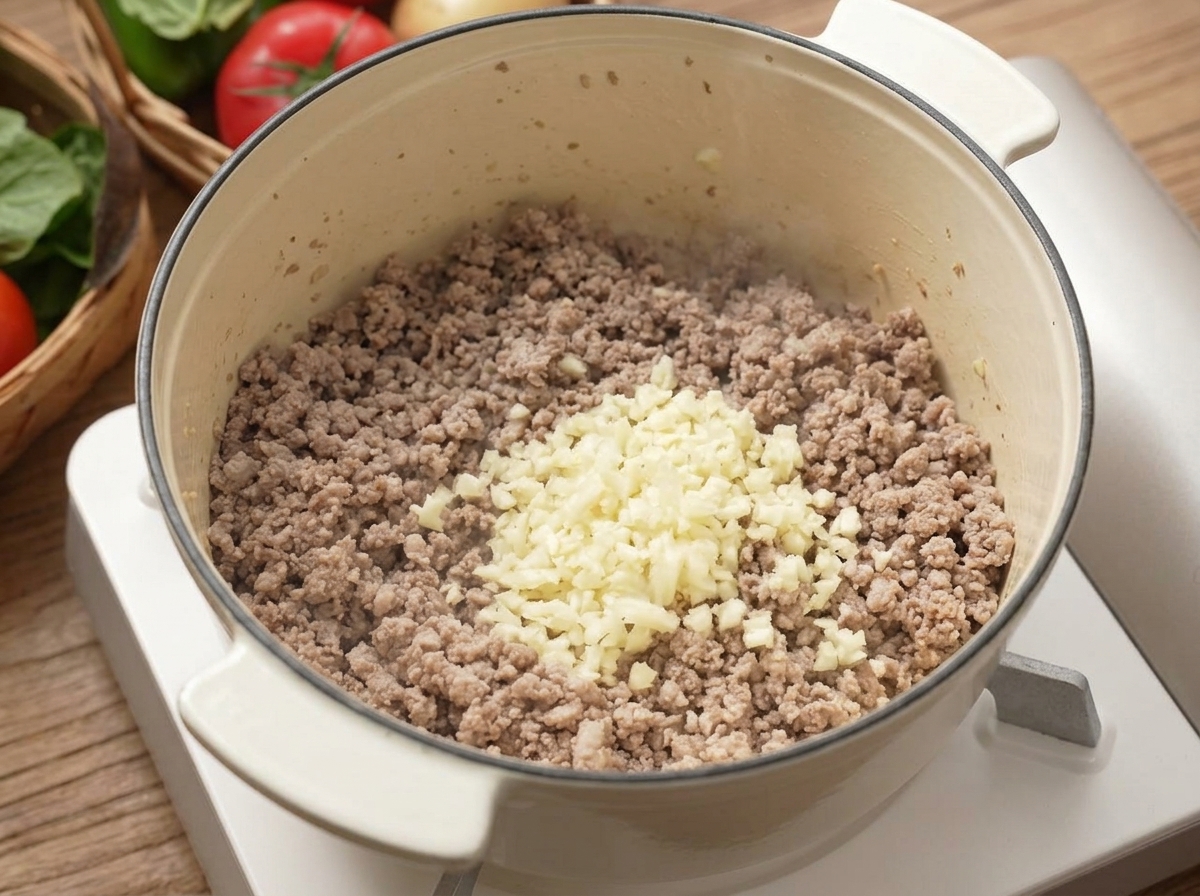
Once the meat is browned, add the finely minced garlic into the pot. Continue to stir-fry everything together to release the aromatic oils of the garlic into the meat mixture.
Tip: Wait until the meat is fully browned before adding garlic to prevent the garlic from burning and turning bitter. - 7Add tomatoes
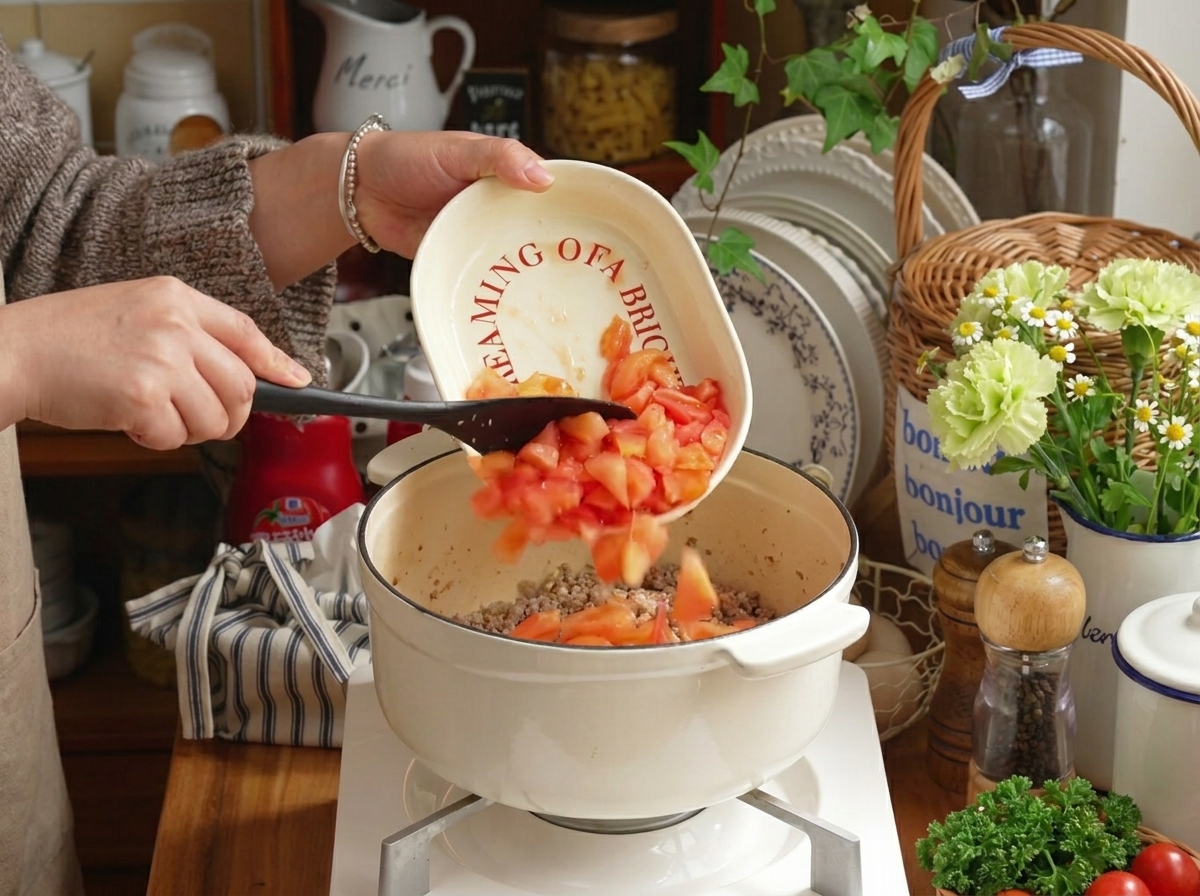
Add the peeled and diced fresh tomatoes to the browned meat. Stir them in to begin incorporating their juices into the sauce.
Tip: Peeling the tomatoes beforehand results in a smoother, more refined sauce texture. - 8Add aromatic vegetables
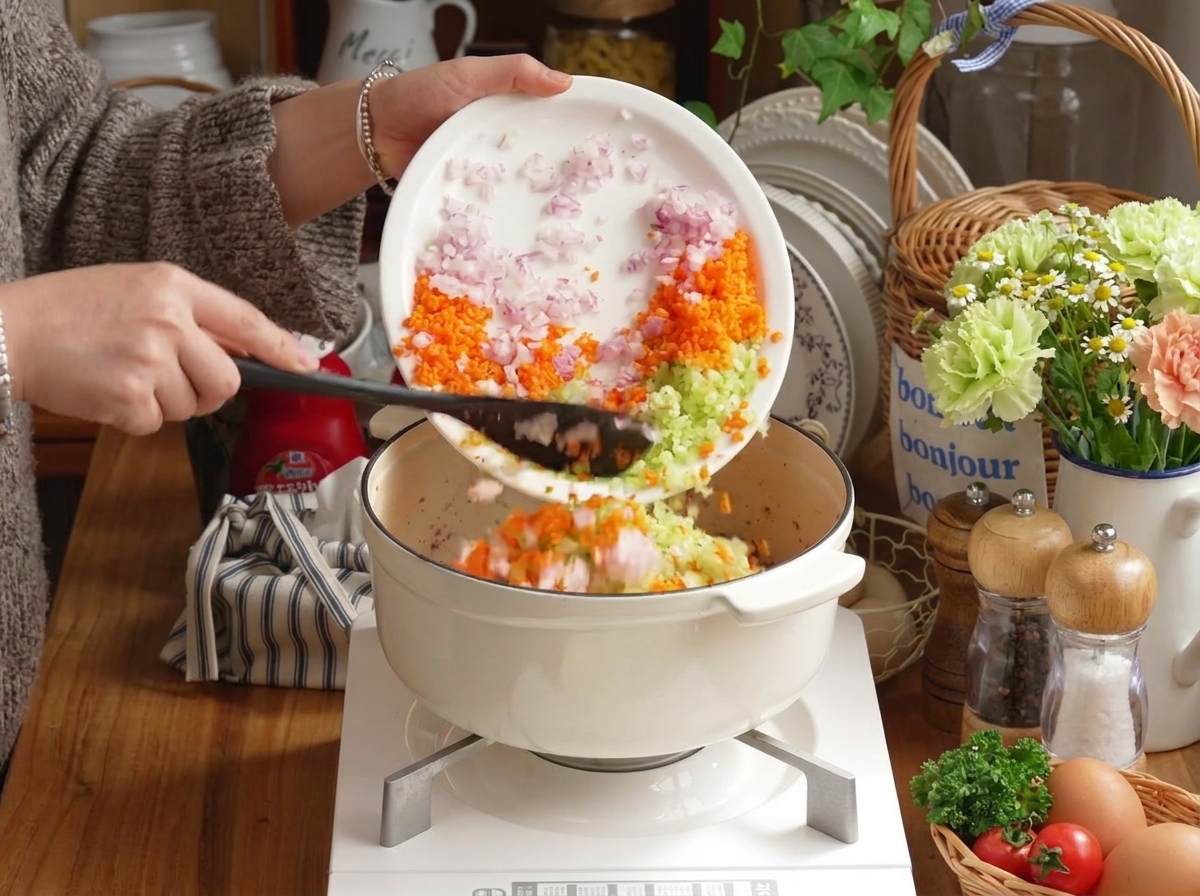
Add the finely chopped celery, carrots, and onions to the pot. Stir-fry the mixture thoroughly until the vegetables soften and release their moisture.
Tip: Keeping a little bit of texture in the chopped vegetables adds a nice bite to the finished sauce. - 9Sauté the mixture
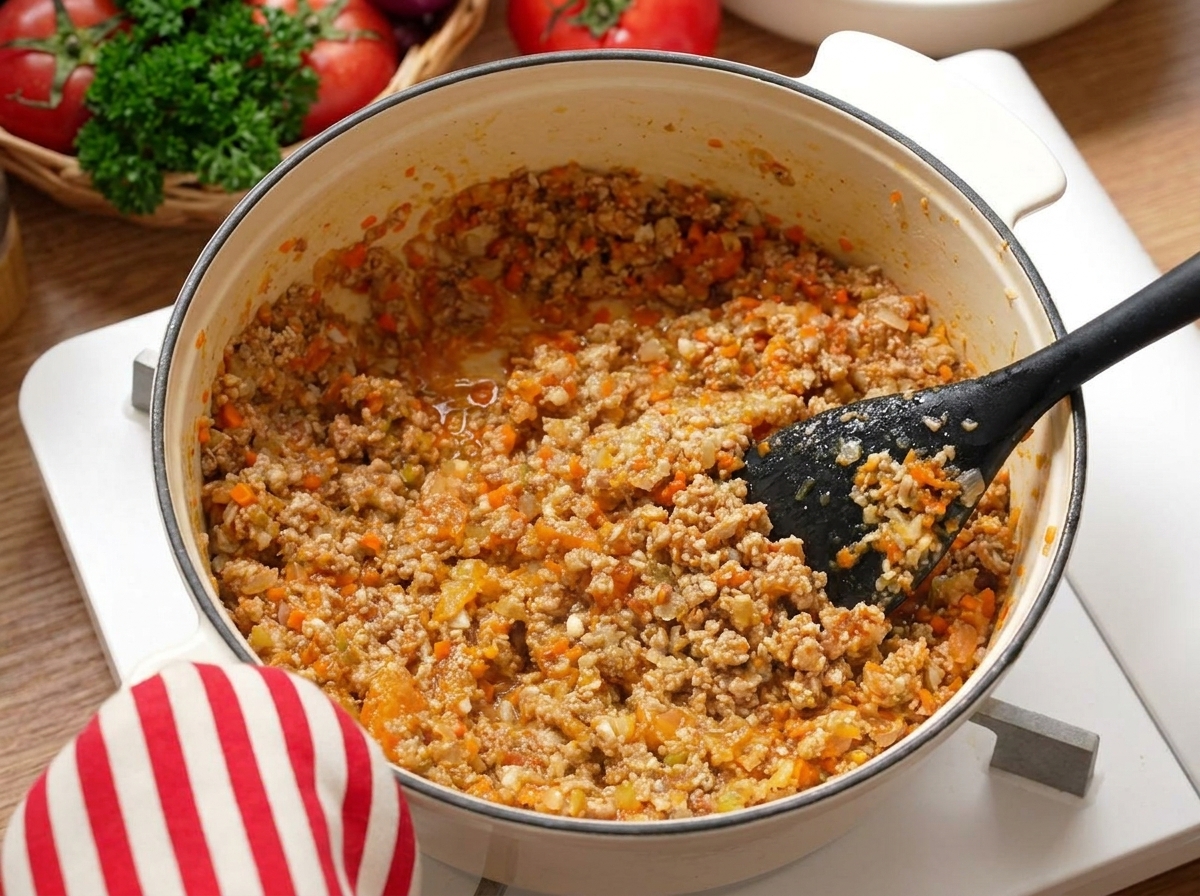
Continue stirring the meat and vegetables over the heat. Ensure they are well-combined and cooking evenly so the flavors meld together.
Tip: Cook until the vegetables are tender to ensure they integrate perfectly into the meat sauce. - 10Season the sauce
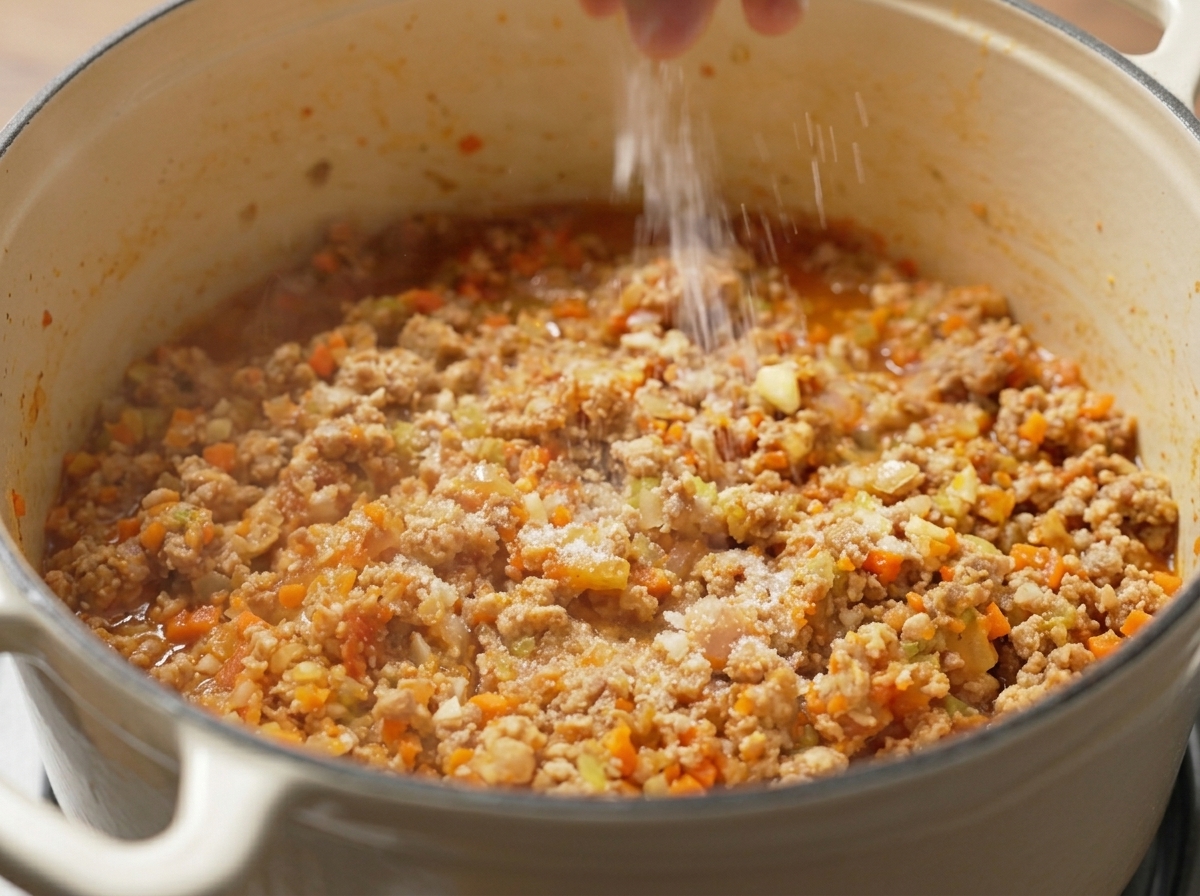
Season the mixture by sprinkling salt evenly over the top. This helps to draw out the remaining moisture and enhances the overall flavor of the sauce base.
Tip: Seasoning in stages helps you balance the flavors more effectively as you cook. - 11Add ketchup
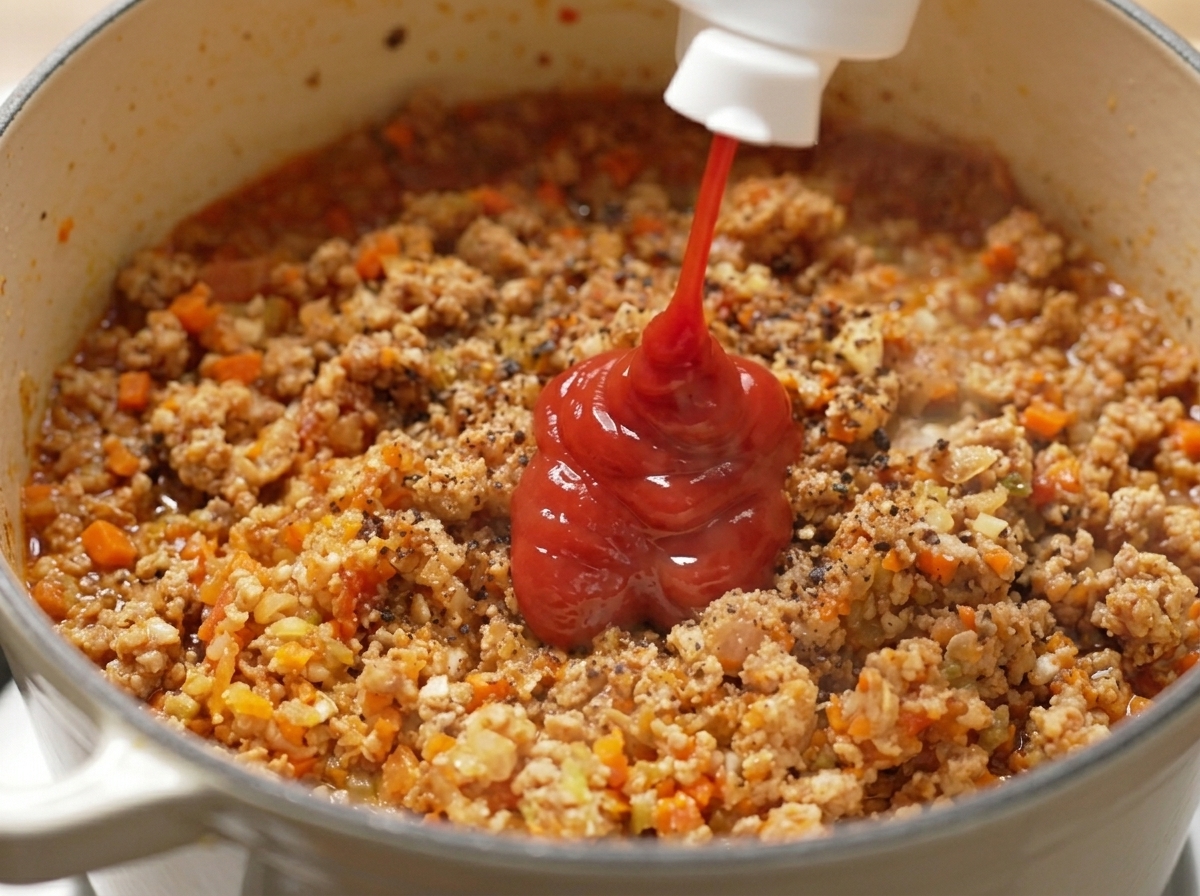
Squeeze the ketchup into the sauce. This provides a balanced sweet and tangy base that is essential for a classic meat sauce.
Tip: Adding ketchup helps provide a rich color and depth to the sauce flavor profile. - 12Mix the ingredients thoroughly
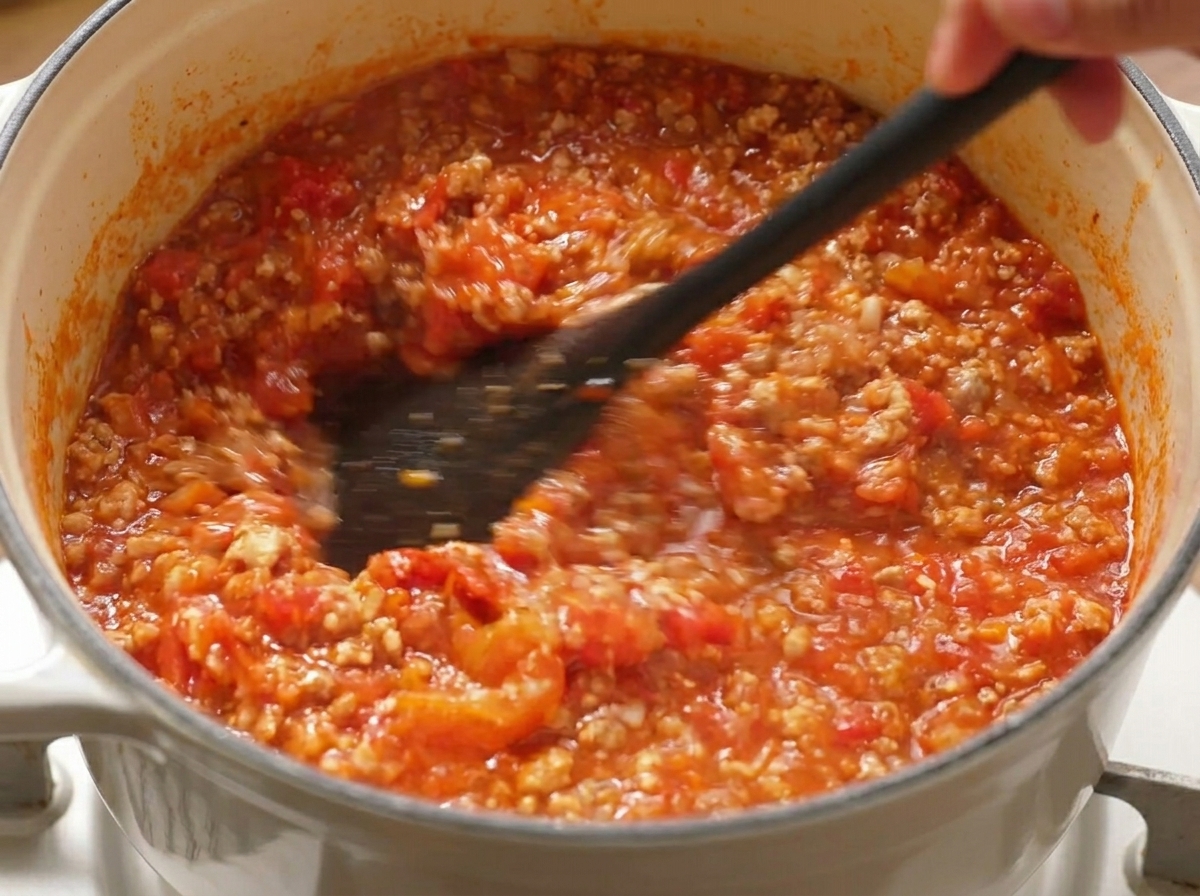
Thoroughly mix the meat and vegetables using a spatula. Stir-fry everything together to combine the flavors and allow the vegetables to cook down, creating a uniform, rich base for the sauce.
Tip: Ensure you stir-fry until the vegetables soften and integrate well with the meat for a uniform sauce texture. - 13Add water and bay leaves
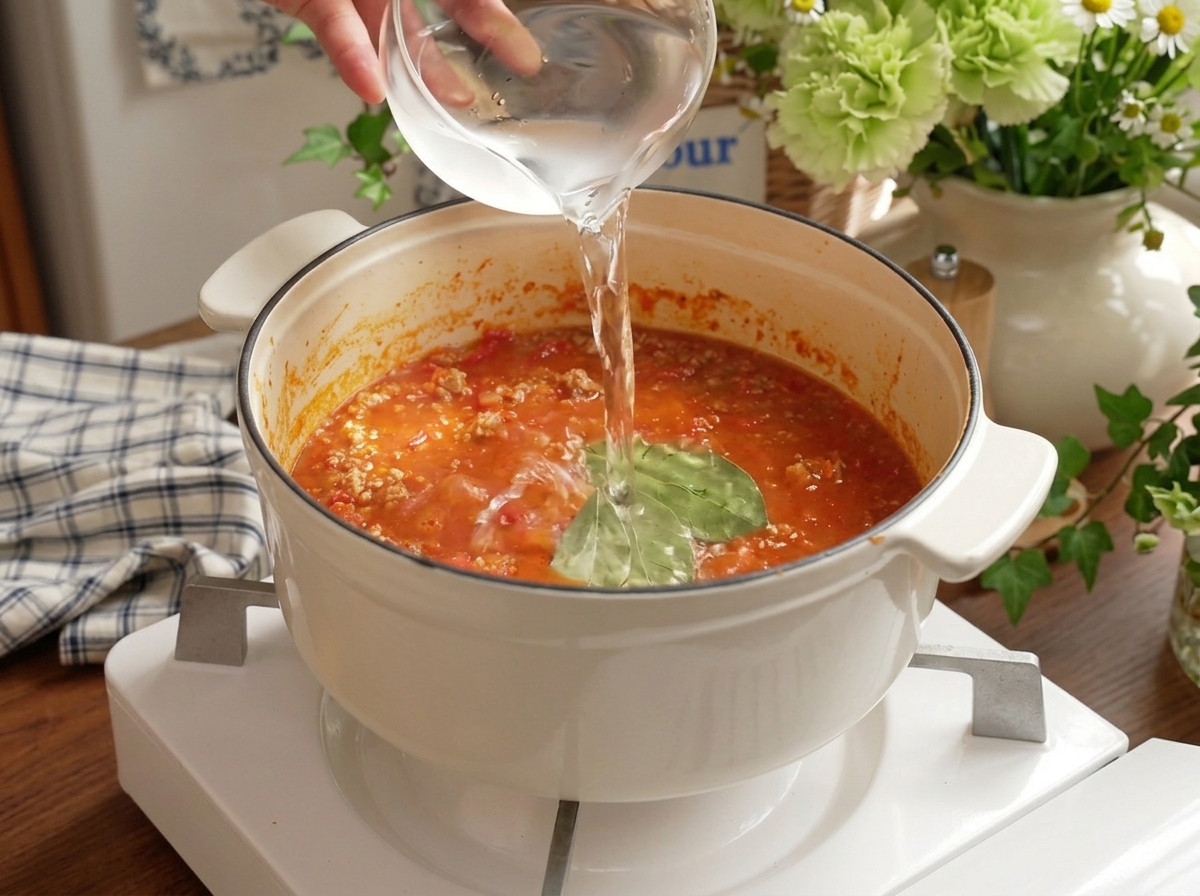
After adding the ketchup and seasonings, nestle two bay leaves into the mixture and pour a bowl of clear water into the pot. This creates the necessary liquid base for the sauce to simmer.
Tip: Use hot water if you want to keep the cooking temperature consistent, though room temperature is also fine. - 14Cover and simmer
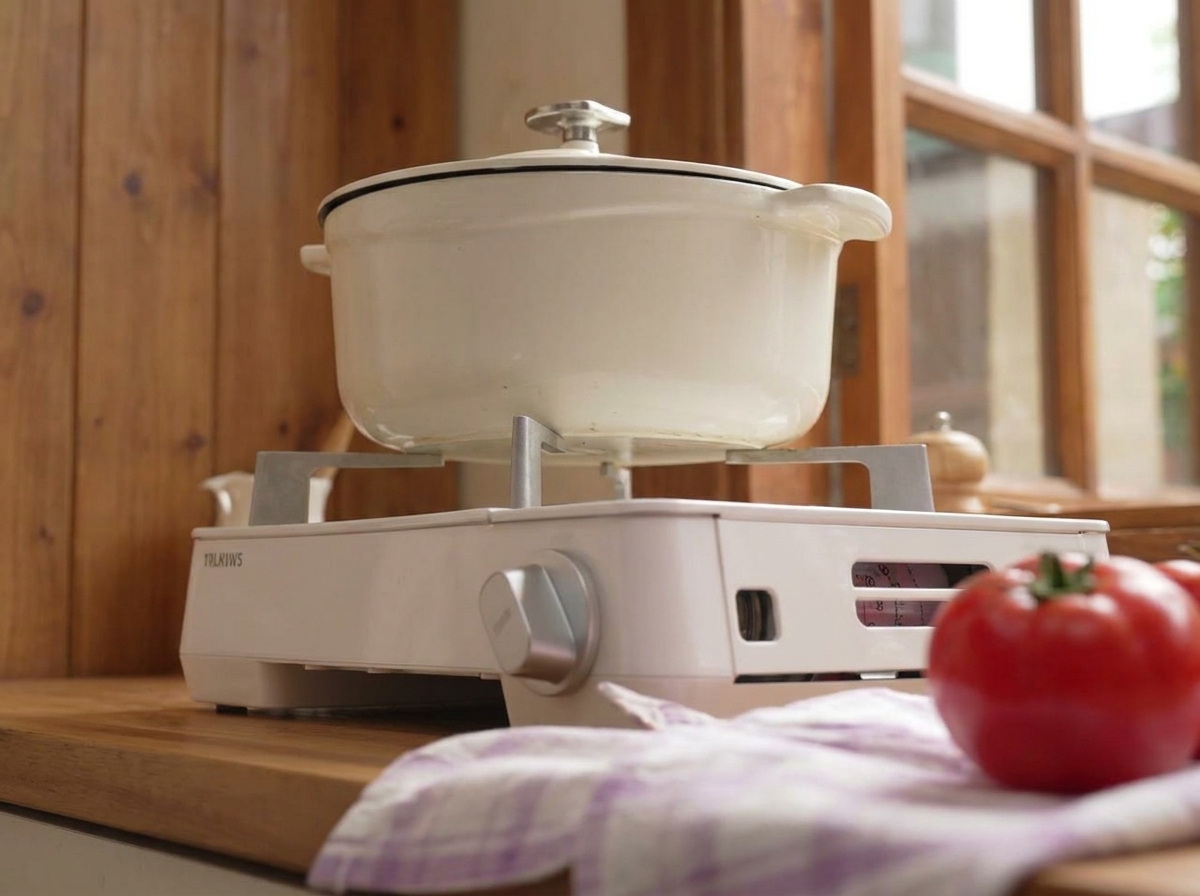
Cover the pot with its lid and reduce the heat to low. Let the sauce simmer gently for about thirty minutes, allowing the flavors to meld and the sauce to thicken into a rich, aromatic consistency.
Tip: Simmering on low heat prevents the sauce from burning at the bottom and ensures the meat stays tender. - 15Prepare pasta water
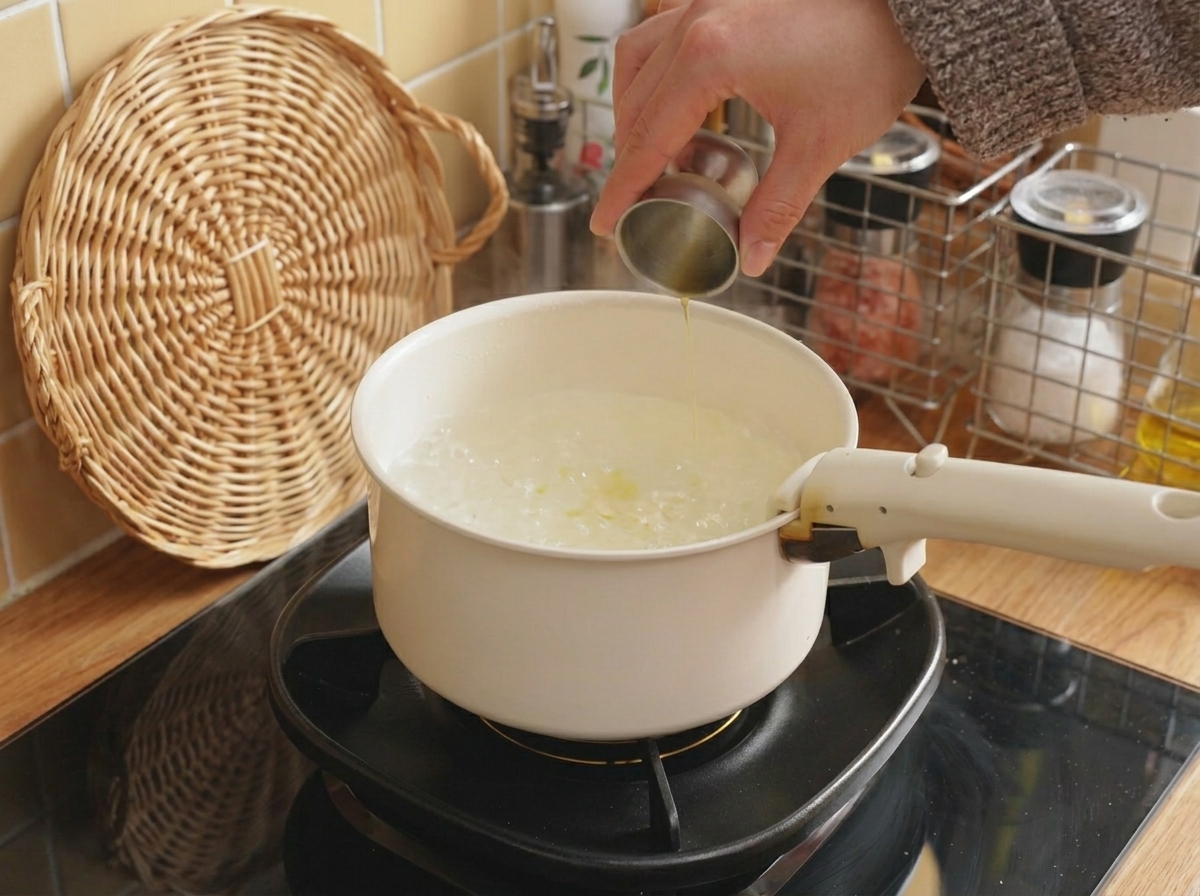
Bring a separate pot of water to a boil for the pasta. Add a little oil and salt to the boiling water, which helps flavor the pasta and prevents the strands from sticking together during the cooking process.
Tip: Adding oil to the water is a great trick to keep the pasta strands separated while they cook. - 16Cook the pasta
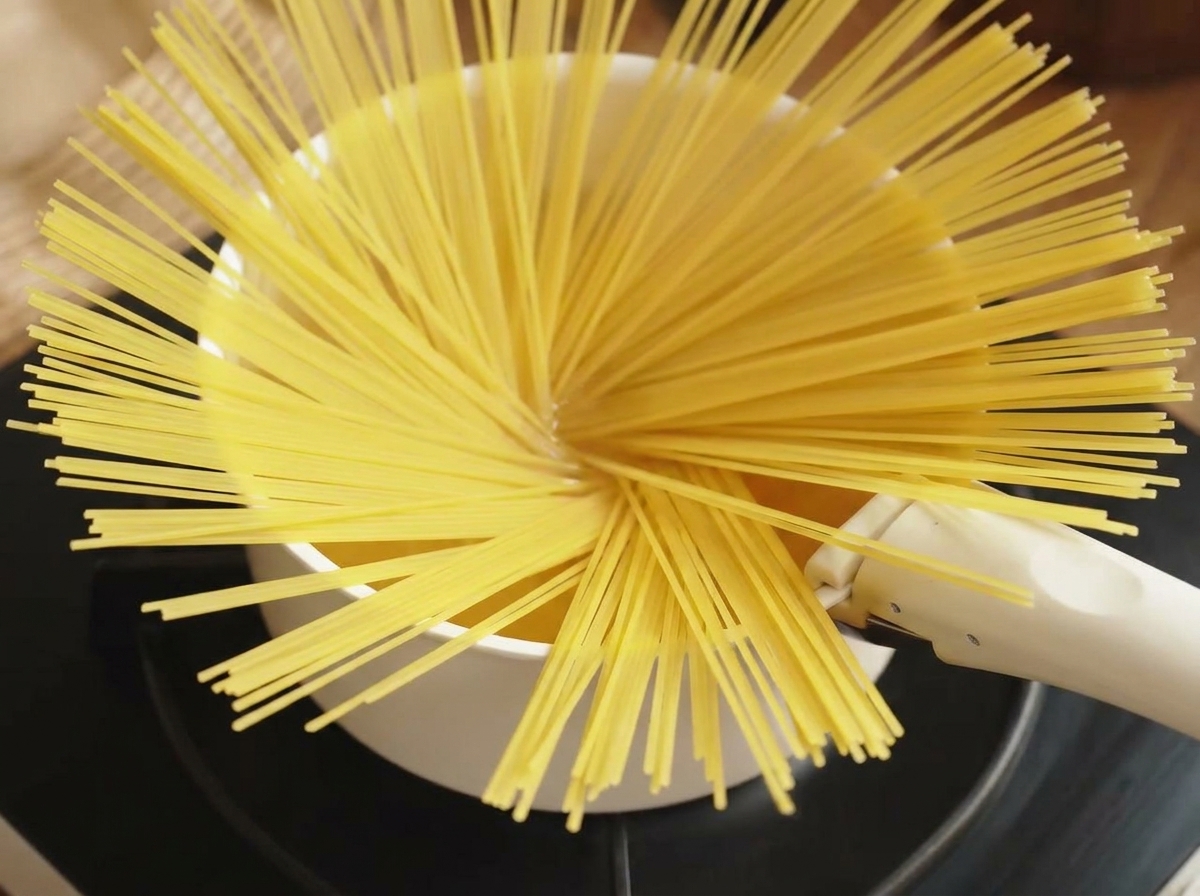
Carefully add the dry spaghetti noodles into the pot of boiling, seasoned water. Cook on medium-low heat for eight to ten minutes, or until the pasta reaches your desired level of tenderness.
Tip: Check the pasta a minute or two before the recommended time to ensure it cooks to a perfect al dente texture. - 17Stir the pasta
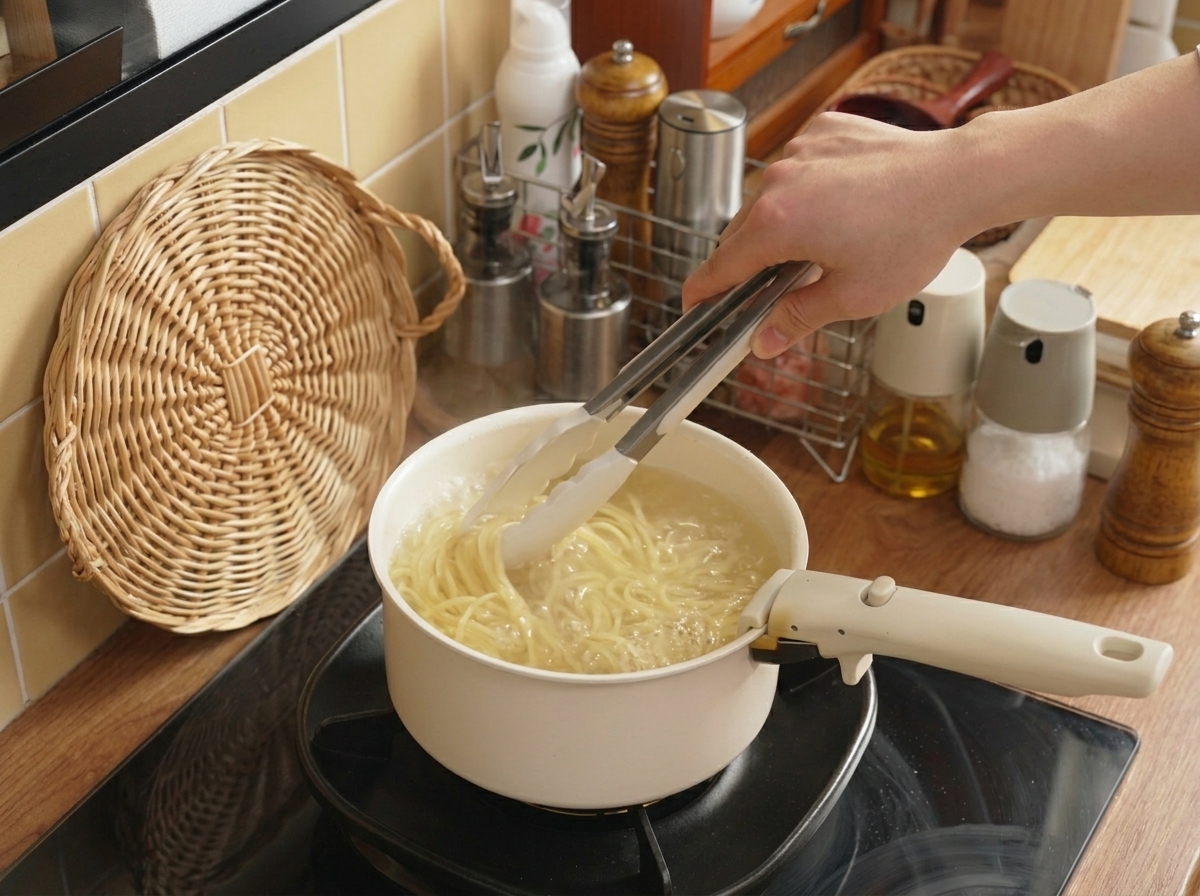
Use a pair of metal tongs to gently submerge the softening noodles into the boiling water and stir them occasionally. This ensures the pasta cooks evenly and does not clump together.
Tip: Stirring during the first minute of cooking is especially important to ensure every strand gets coated with water. - 18Rinse the cooked pasta
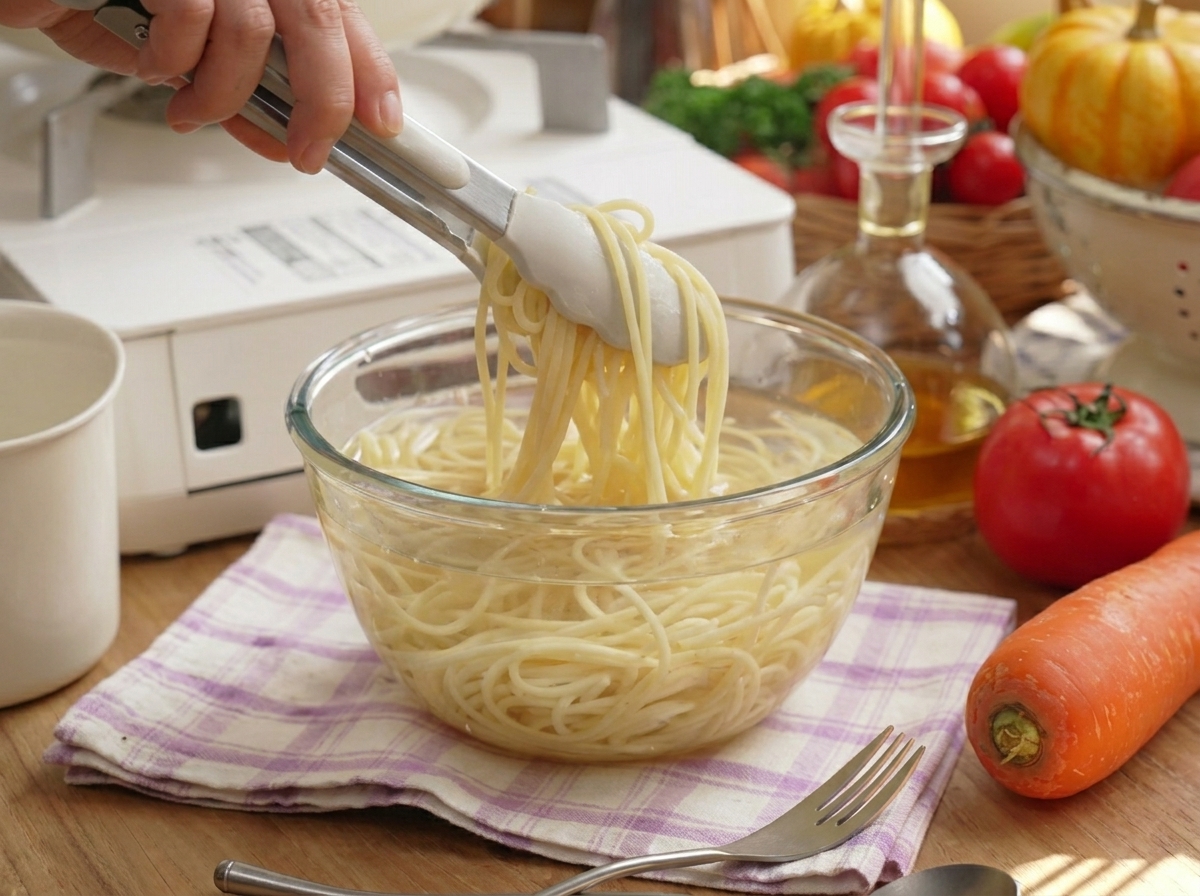
Once the spaghetti is cooked, remove it from the boiling water and transfer it directly into a bowl filled with cold water. Rinsing the pasta in cold water stops the cooking process immediately, yielding a chewier and firmer texture.
Tip: Dont soak the pasta for too long; a quick rinse is sufficient before mixing it with the sauce. - 19Check the meat sauce
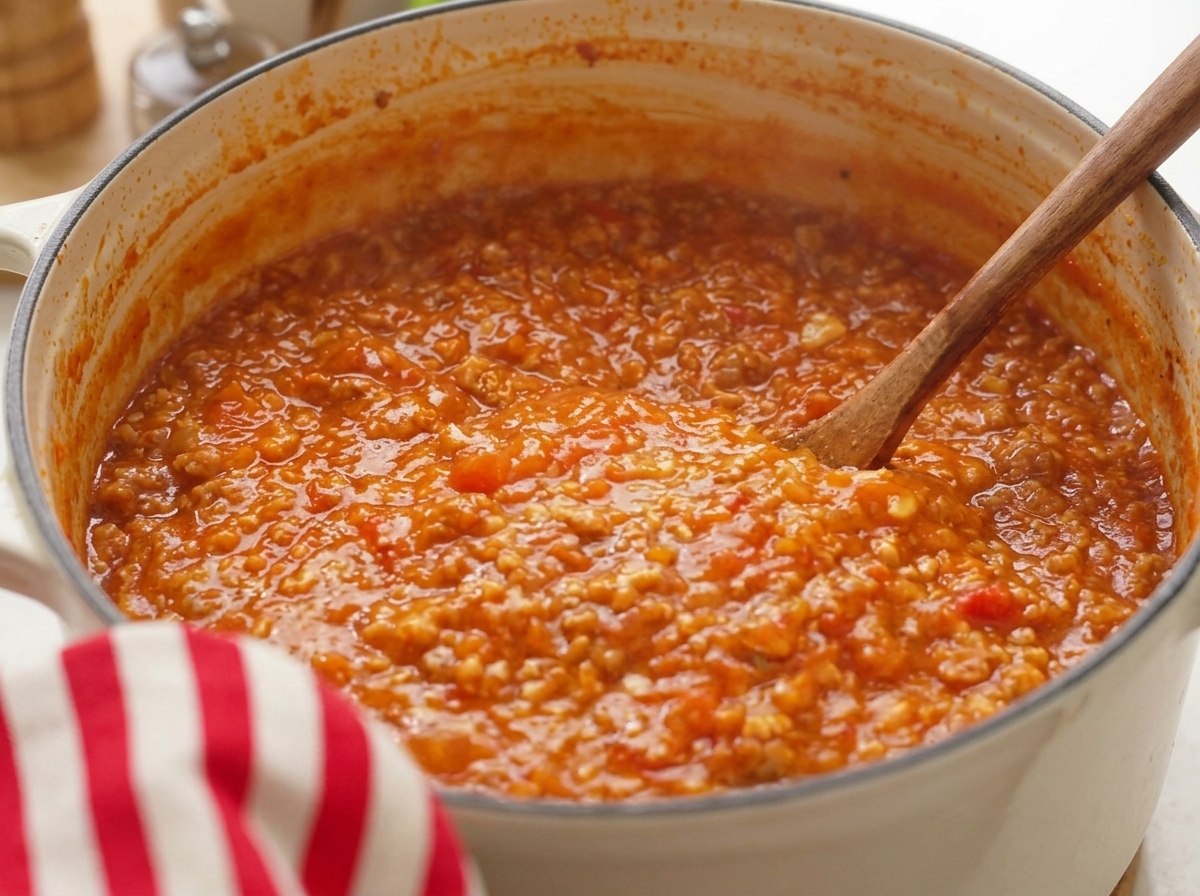
After simmering for thirty minutes, check on the tomato meat sauce. It should be deeply colored, thick, and incredibly fragrant with a rich sweet and sour flavor profile. Give it a good stir to ensure an even consistency.
Tip: You can make extra batches of this meat sauce. It stores beautifully in the fridge for three to five days or can be frozen for up to a month. - 20Combine pasta and sauce
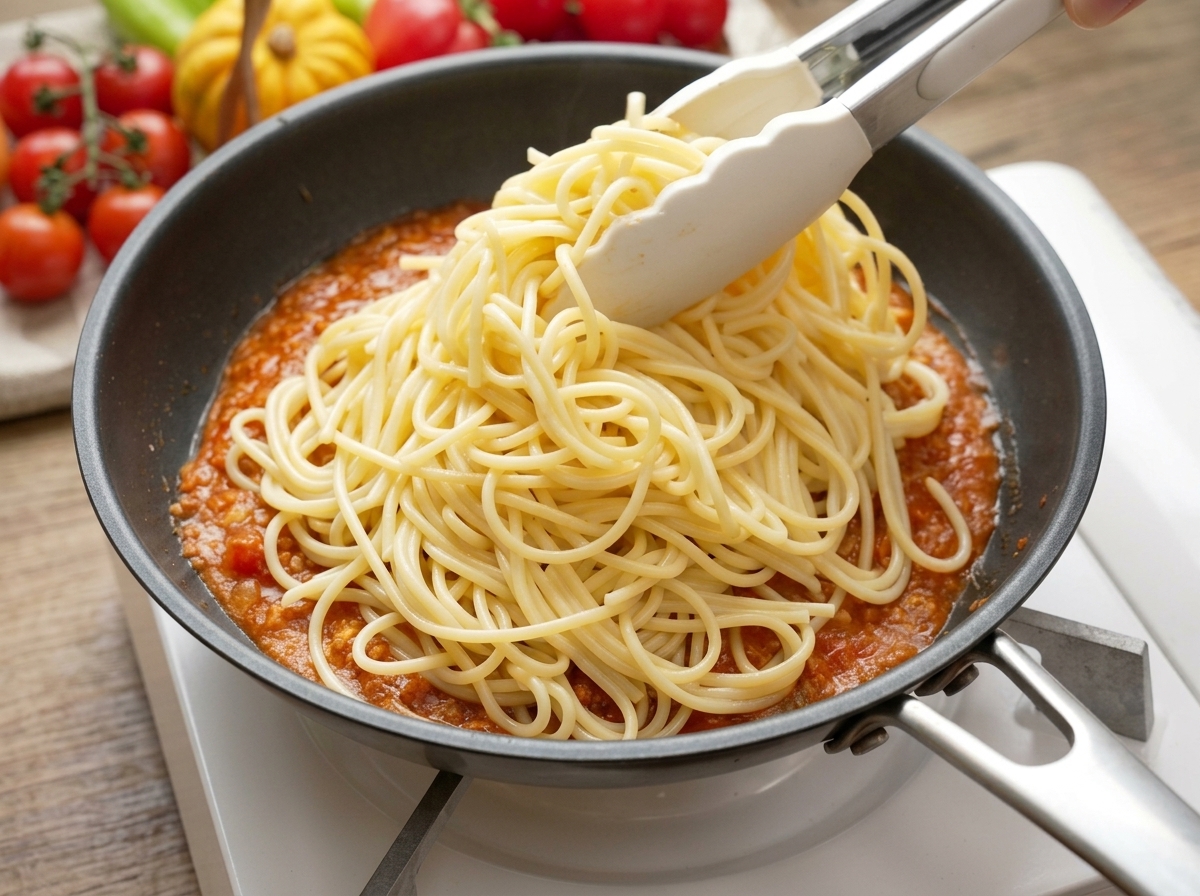
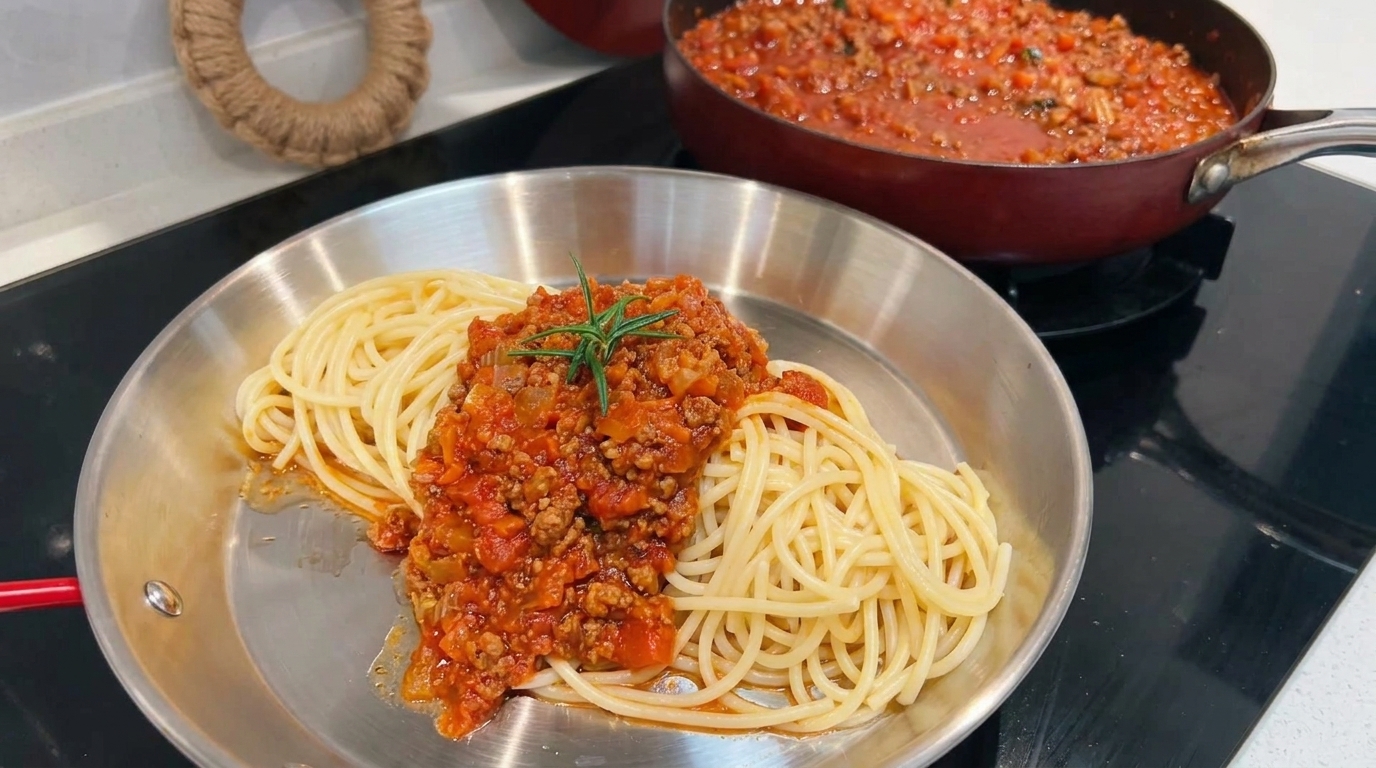
Heat a portion of the prepared meat sauce in a frying pan. Using tongs, take a serving of the cold-rinsed spaghetti and place it directly into the heated sauce to begin mixing them together.
Tip: If the sauce feels a little too thick, add a small splash of hot pasta water to help it loosen and coat the noodles perfectly. - 21Toss to coat evenly
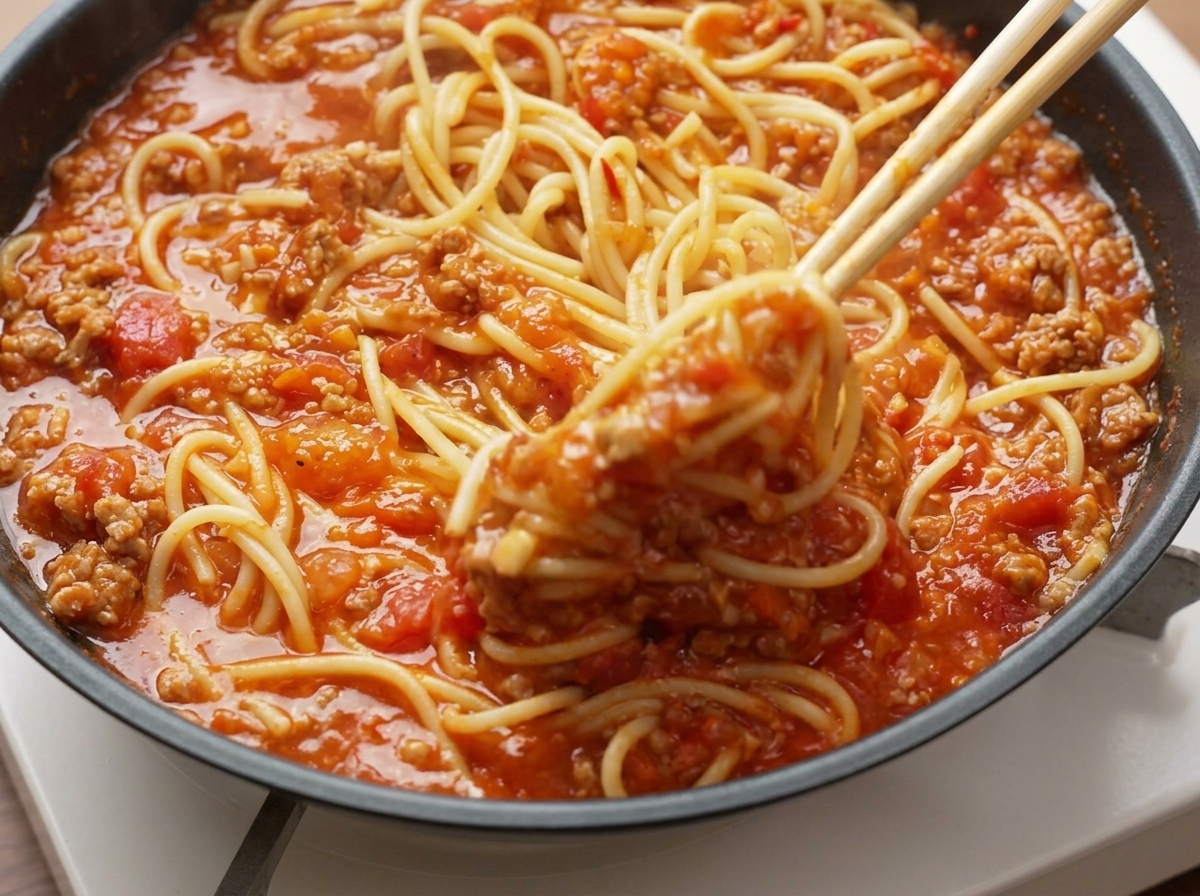
Using wooden chopsticks or tongs, thoroughly toss the spaghetti and meat sauce together in the pan. Keep tossing until every strand of pasta is completely coated and warmed through with the savory sauce.
Tip: For the ultimate Western restaurant experience at home, serve this plated with a runny onsen egg, a sprinkle of fresh chopped parsley, and black pepper.