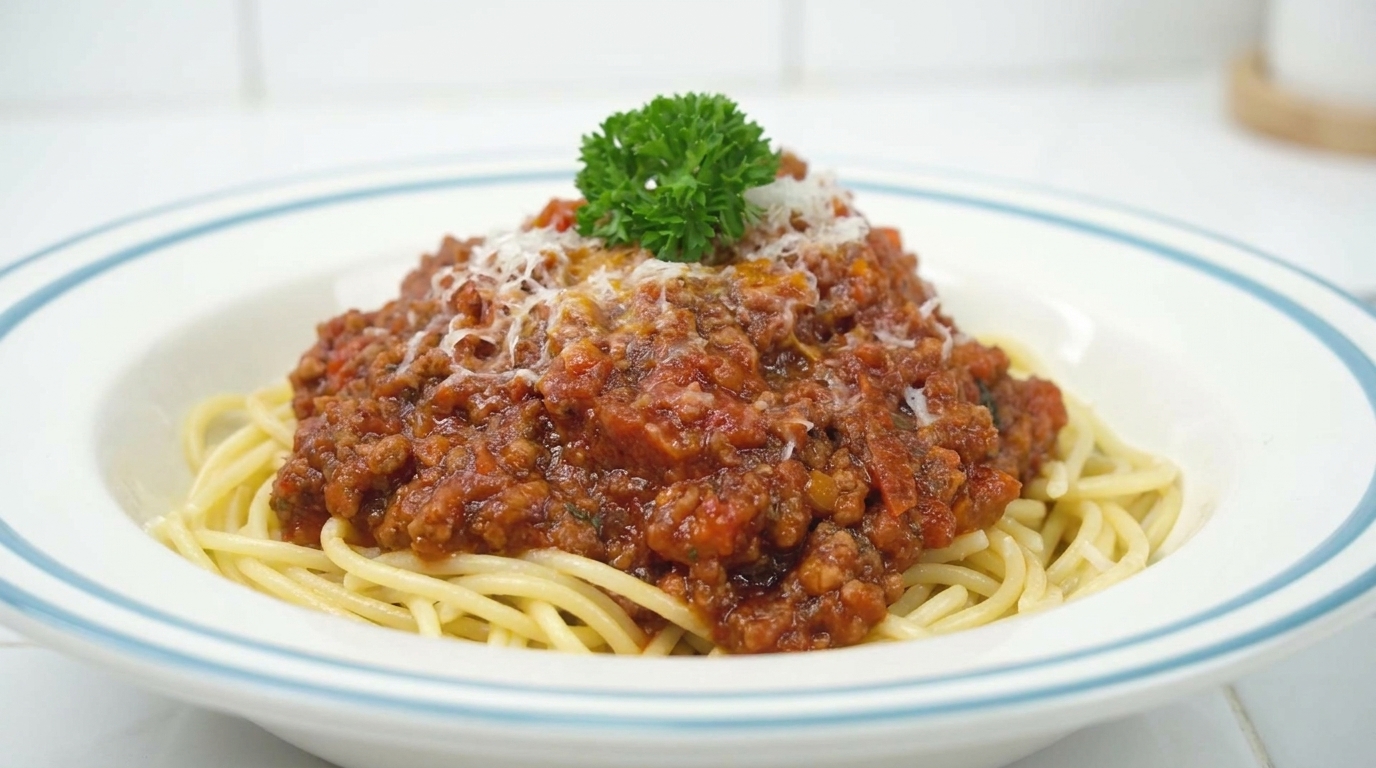
Traditional Ragu alla Bolognese
Penne Pasta
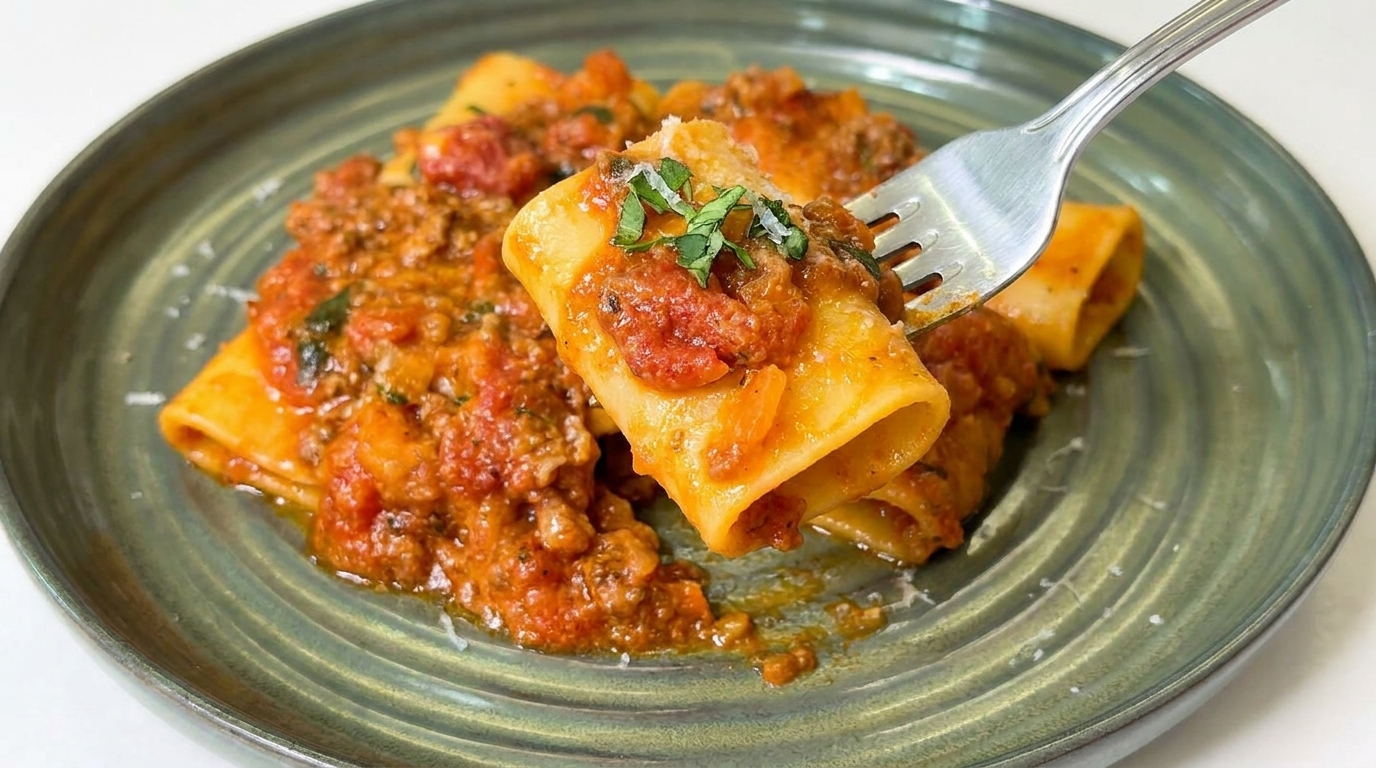
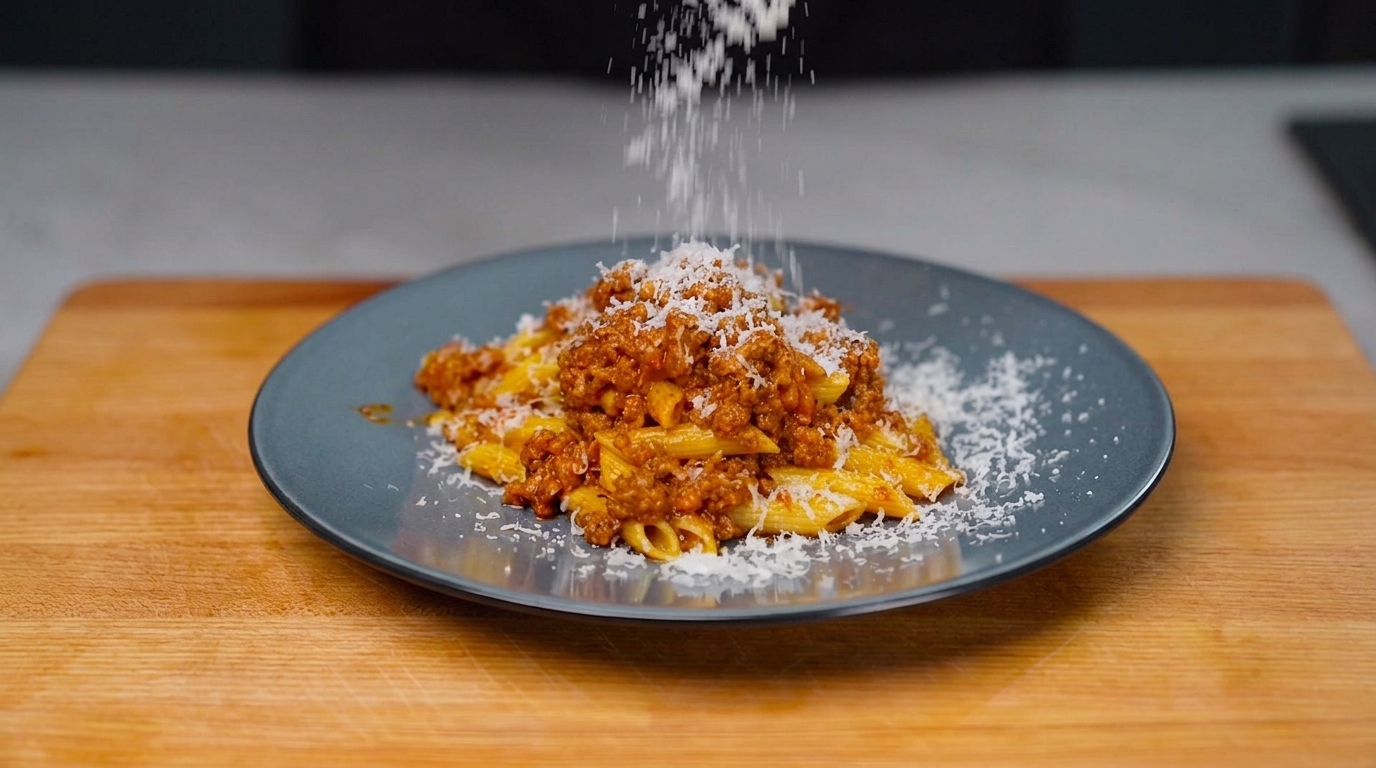
An authentic slow-simmered Bolognese sauce with beef, pork, and aromatic soffritto, deglazed with red wine and served over tender penne pasta.
Ragù alla Bolognese is the soul of Italian comfort food, originating from the city of Bologna. Unlike a quick marinara, this sauce is meat-forward and built on a foundational soffritto of onions, carrots, and celery. Slow-cooked for hours, the ingredients transform into a thick, savory masterpiece that clings perfectly to every ridge of the penne pasta.
Ingredients
- 250 g minced beef
- 250 g minced pork
- 1 medium white onion
- 1 carrot
- 1 celery stalk
- 1 knob butter
- 1 tbsp olive oil
- 250 ml dry red wine
- 400 g whole peeled canned tomatoes
- 1 tbsp tomato paste
- 2 dried bay leaves
- 1 tsp dried sage or oregano
- 1 tsp white sugar
- 400 g penne pasta
- to taste salt and black pepper
- optional Parmesan cheese
- optional fresh parsley
Instructions
- 1Melt the butter
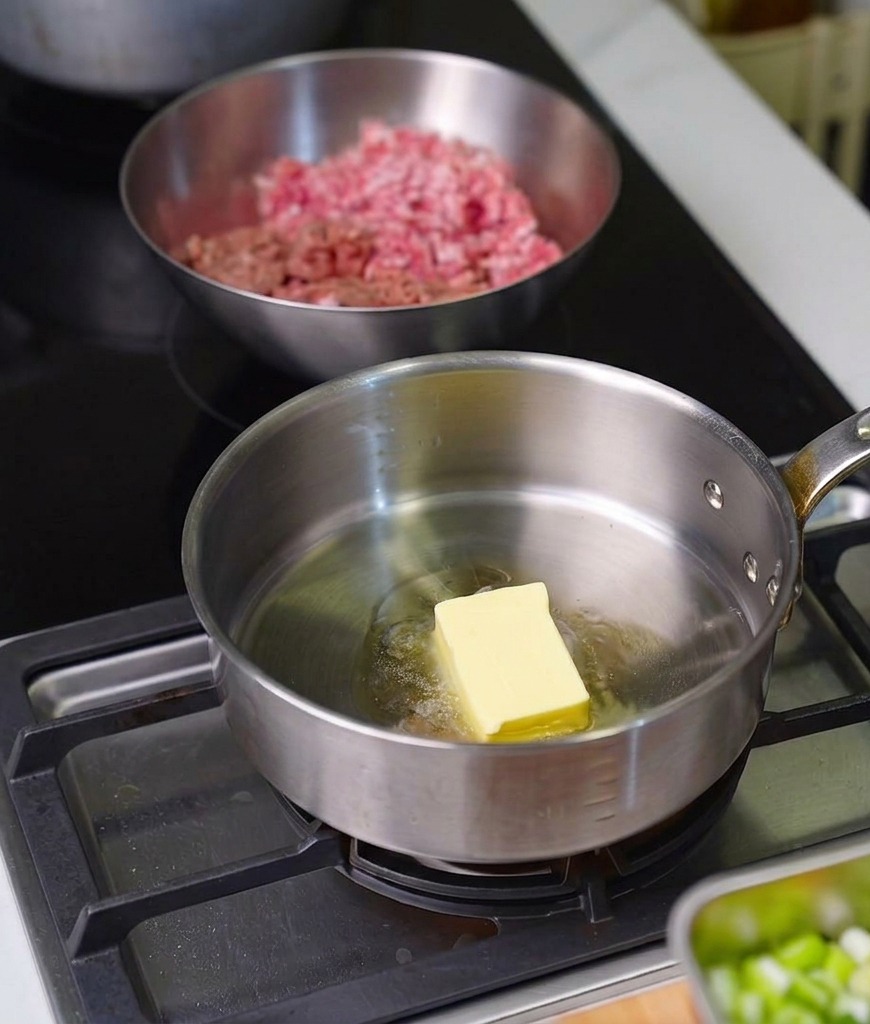
Heat a stainless steel pan over medium heat and add a splash of olive oil along with a knob of butter. Allow the butter to melt completely until it begins to sizzle gently. This combination provides a rich flavor base for browning the meat while preventing the butter from burning.
Tip: Wait for the butter to stop foaming before adding the meat; this ensures the pan is hot enough to sear effectively. - 2Add the meat
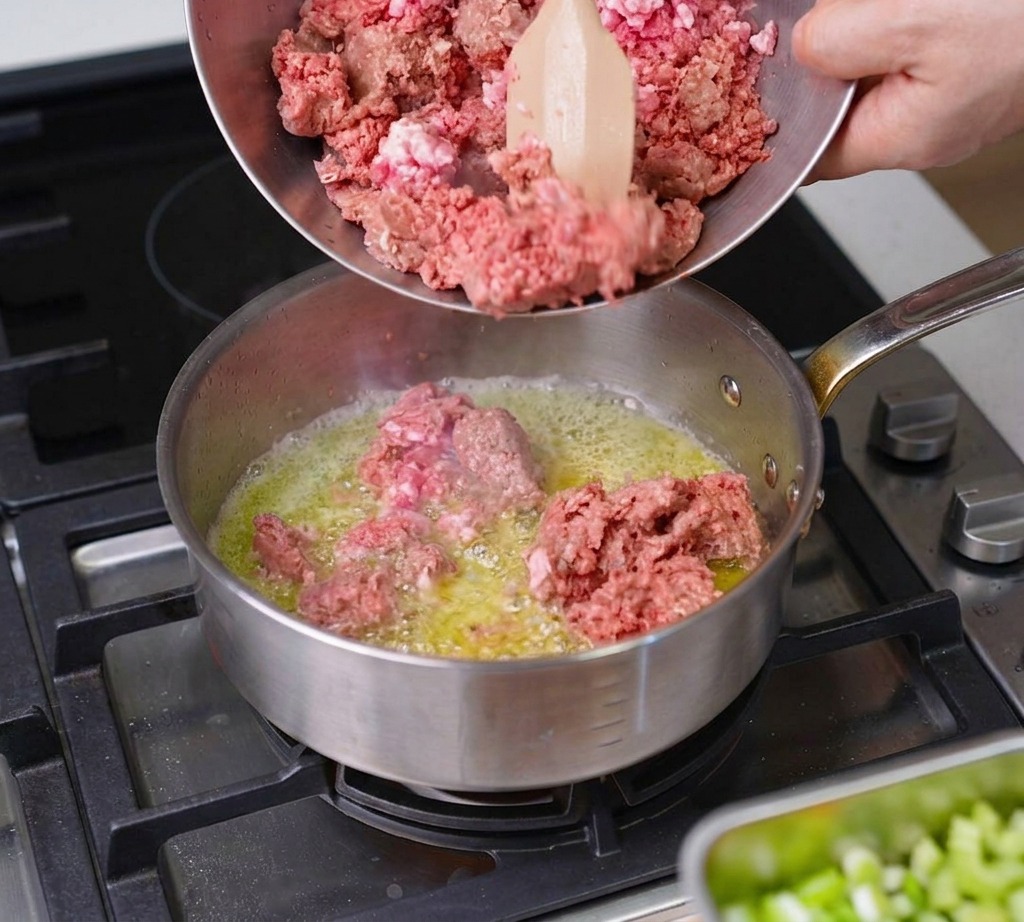
Transfer the mixture of minced beef and pork into the hot pan. Use a one-to-one ratio for a balanced flavor, or adjust based on the fat content of your meat. The combination of both meats creates a deeper, more traditional Bolognese profile.
Tip: Spread the meat out in the pan immediately to ensure even browning and to prevent it from steaming in its own juices. - 3Brown the meat
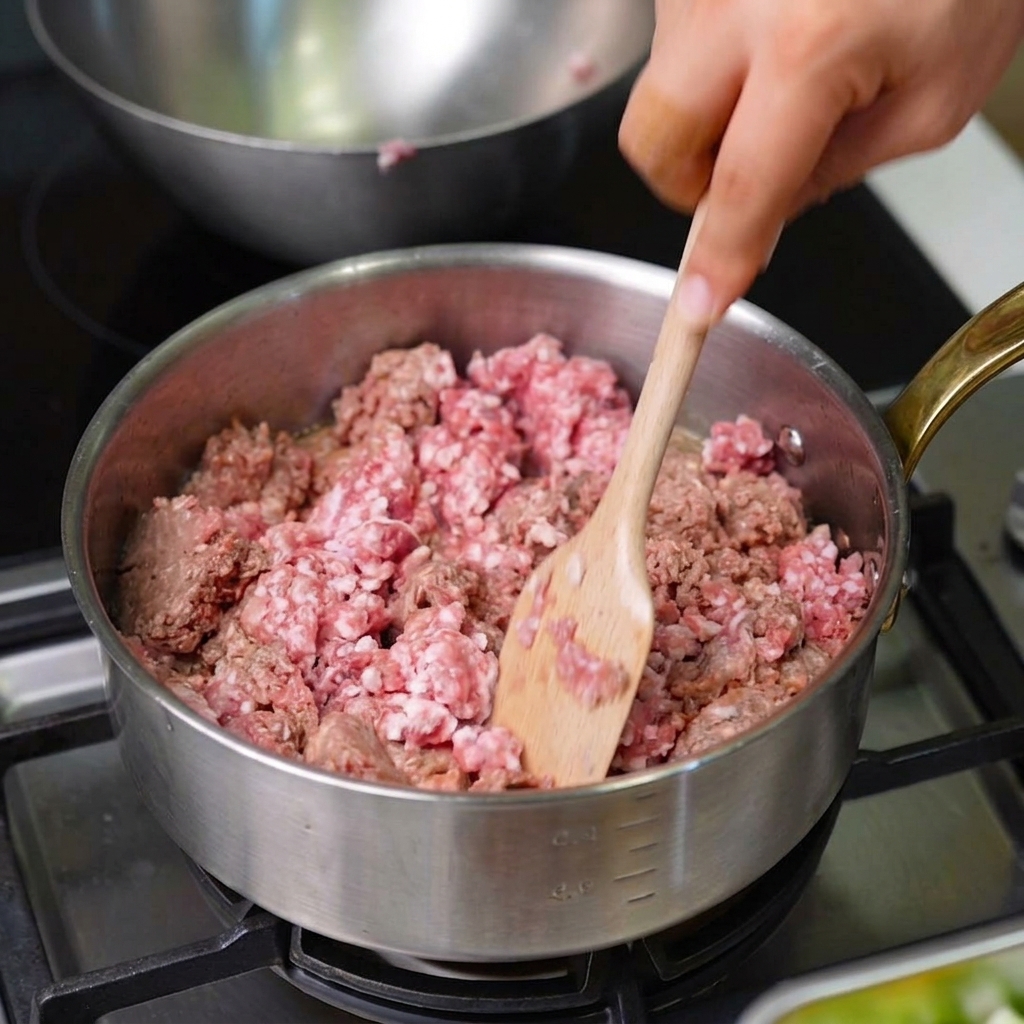
Season the meat with salt and black pepper, then sauté it until thoroughly browned. Stir occasionally with a wooden spatula, breaking up any large clumps. Continue cooking until the meat changes from pink to a greyish-brown and starts to release its juices.
Tip: Avoid stirring too constantly; letting the meat sit for a minute at a time helps develop a better crust and deeper flavor. - 4Start the aromatics
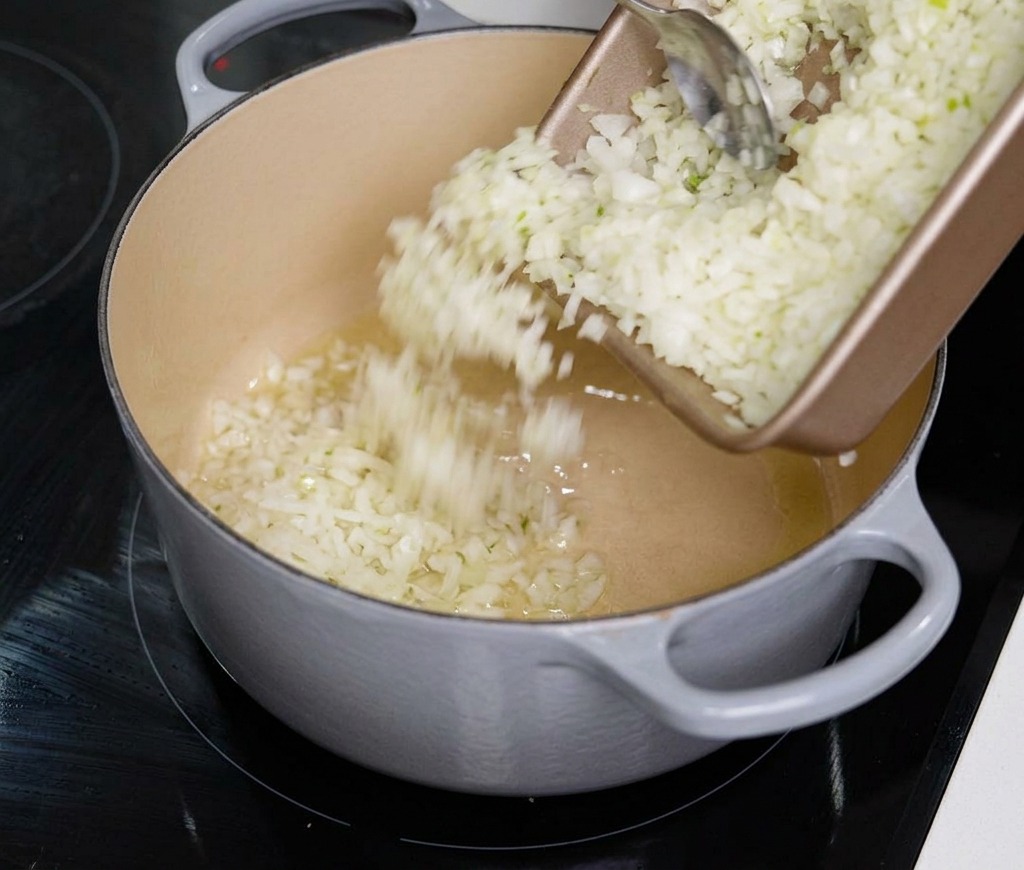
In a separate Dutch oven or heavy-bottomed pot, begin sautéing the vegetable base. Start by adding a large amount of finely diced white onions into the pot with a bit of oil. Sauté over medium heat until they become translucent.
Tip: Dicing the vegetables into very small, uniform pieces ensures they melt into the sauce during the long simmering process. - 5Sauté the soffritto
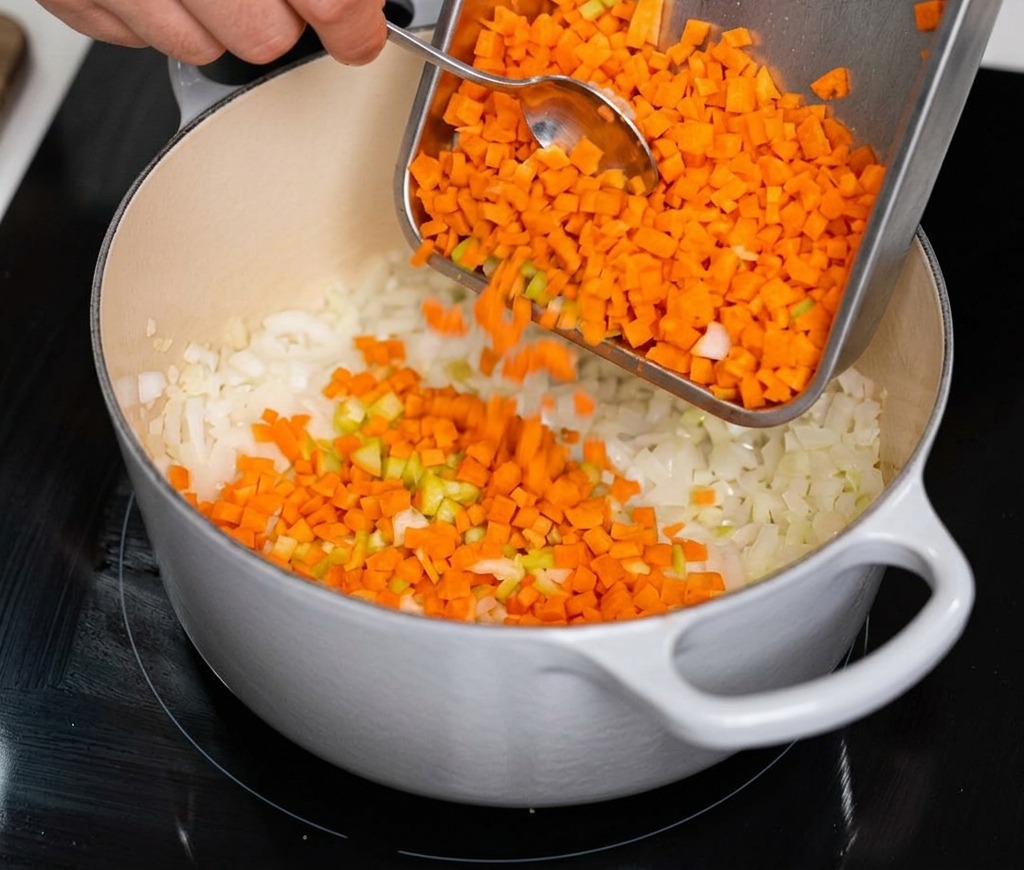
Add the finely diced carrots and celery to the onions in the Dutch oven. Season the vegetables with salt and black pepper and sauté the mixture together over medium heat until they soften and become fragrant.
Tip: Sautéing the vegetables slowly allows their natural sugars to caramelize, creating a sweet and savory base for the sauce. - 6Add the bay leaves
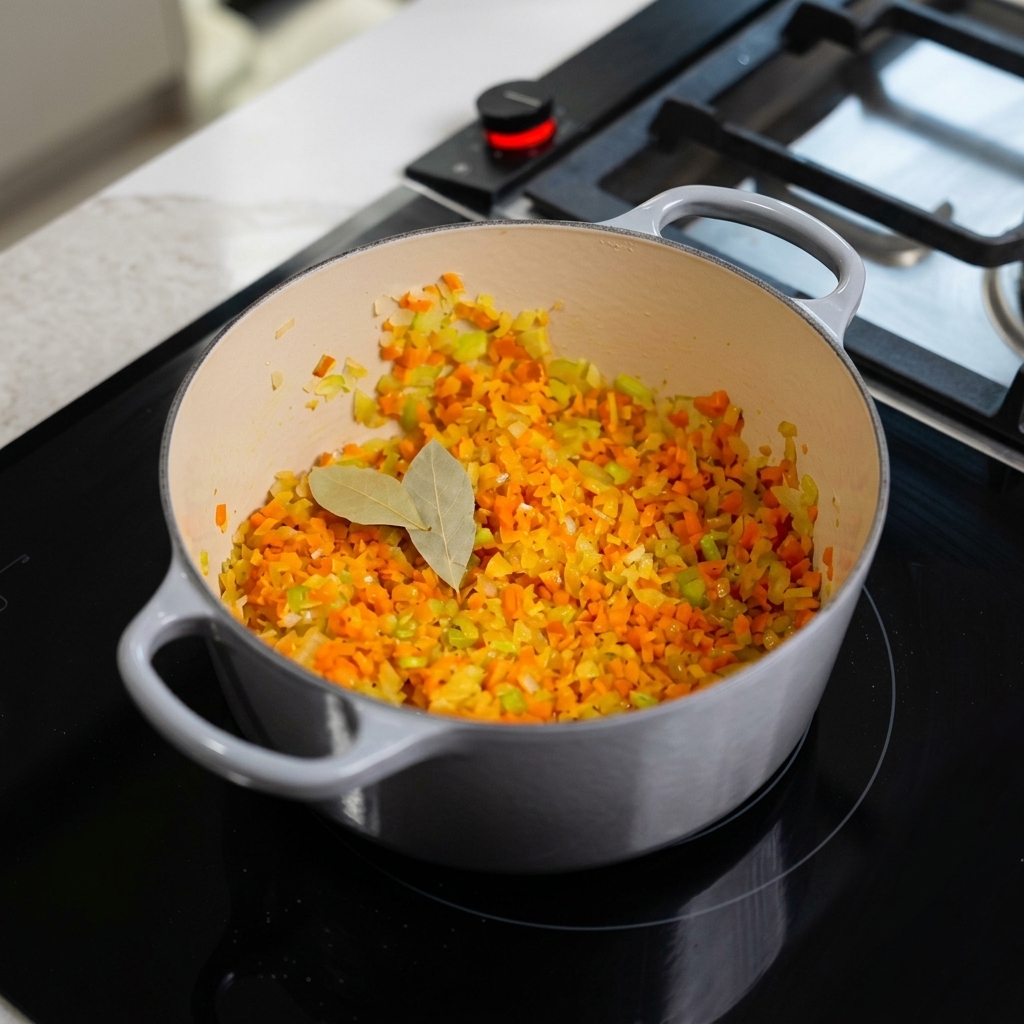
Once the base of finely diced onion, carrot, and celery has softened in the pot, place two dried bay leaves on top of the mixture. These aromatics will release a subtle, woody fragrance that provides a foundational layer of flavor for the Bolognese sauce.
Tip: If you want a more intense herbal flavor, you can lightly crack the bay leaves before adding them to help release their natural oils. - 7De-alcoholize the red wine
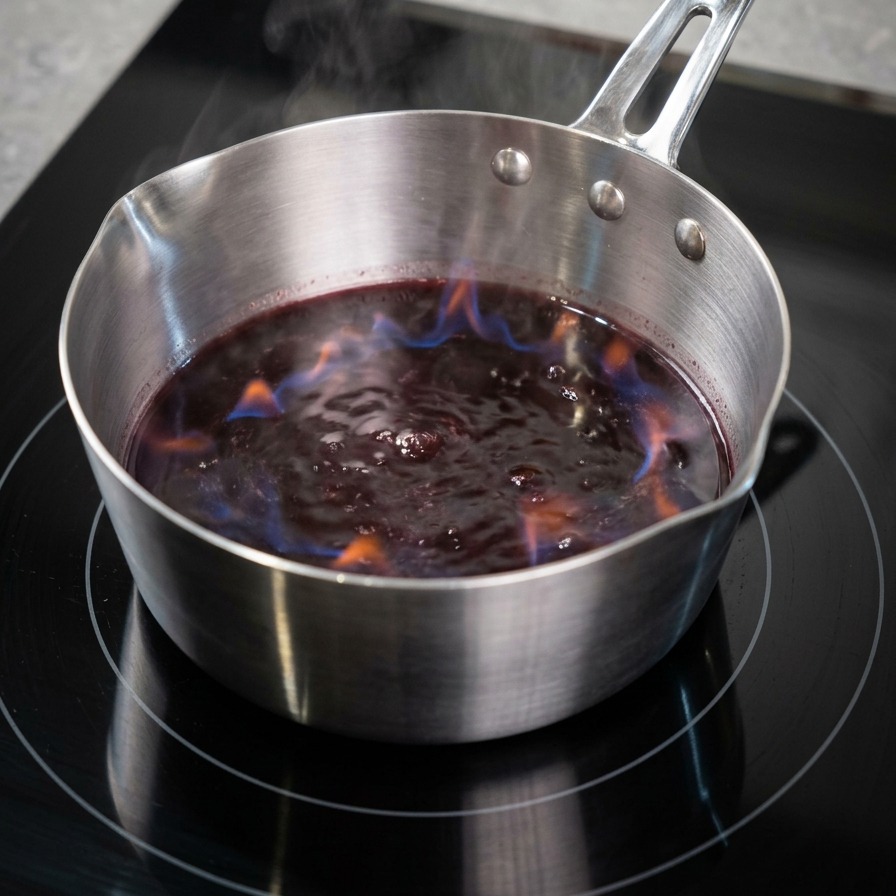
Pour the red wine into a small saucepan over medium heat. Carefully ignite the wine with a long lighter to burn off the alcohol. This flambéing technique removes the sharp alcoholic bite while concentrating the rich fruit flavors and sugars, which will provide a deep base for the sauce.
Tip: Ensure your kitchen hood fan is turned off before igniting the wine to prevent flames from being drawn upwards. - 8Combine the meat and vegetables
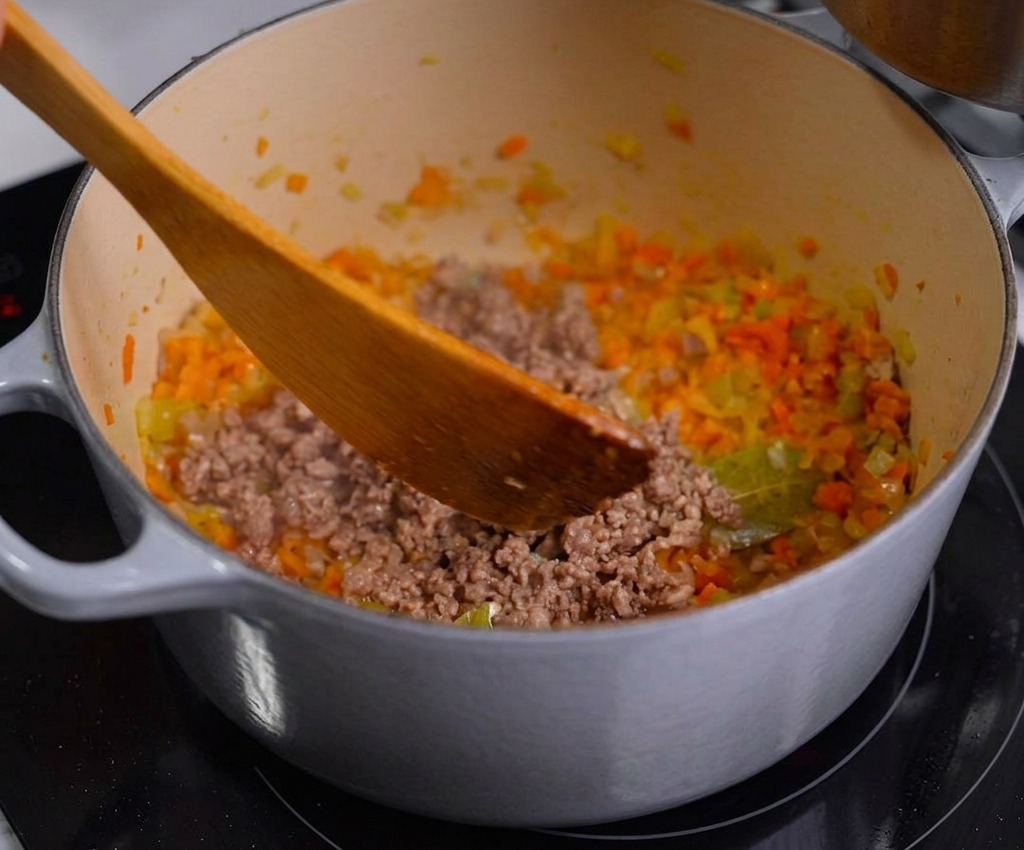
Transfer the browned minced beef and pork into the Dutch oven containing the sautéed carrots, onions, and celery. Be sure to include all the rendered fat and juices from the frying pan, as they contain a high concentration of flavor. Stir the mixture thoroughly to combine the meat with the aromatic vegetables.
Tip: Use a wooden spatula to scrape the bottom of the meat pan to release any browned bits (fond) and add that liquid to the pot for extra depth. - 9Deglaze with the flamed wine
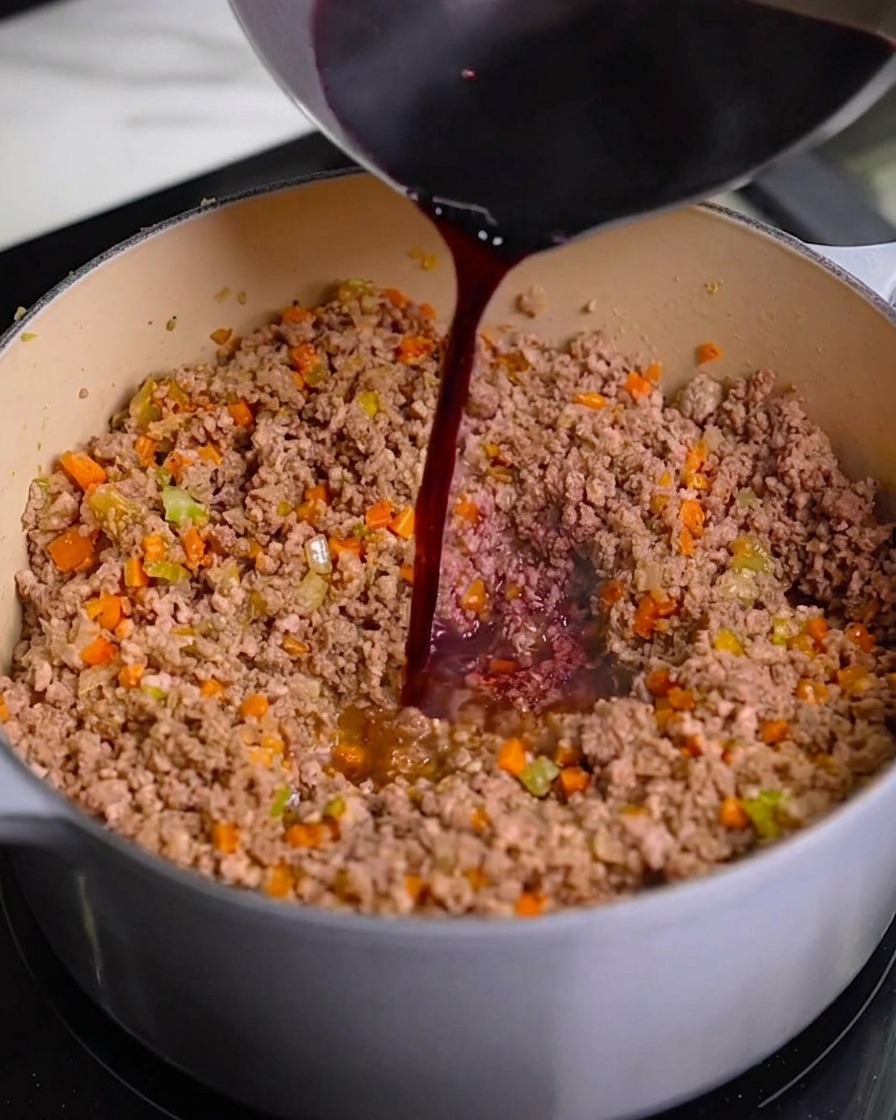
Pour the dealcoholized red wine directly into the Dutch oven with the meat and sautéed vegetables. The liquid will help deglaze the bottom of the pot, releasing the flavorful browned bits and incorporating them into the evolving sauce.
Tip: If you do not want to flame the wine separately, you can pour it in raw and simmer it for a few extra minutes to cook off the alcohol aroma. - 10Add the whole tomatoes
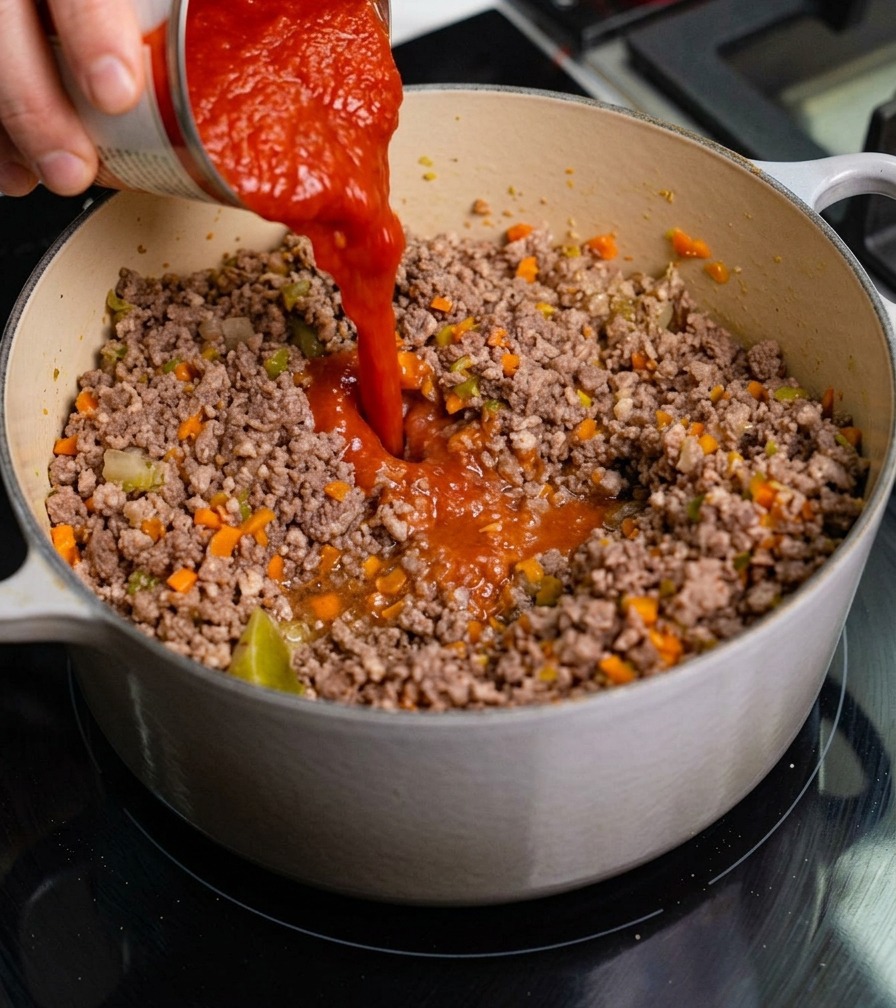
Add a large can of whole peeled tomatoes along with their juices into the pot. Use your wooden spatula to gently break the whole tomatoes apart. As the sauce simmers, these will break down completely, creating a thick and hearty tomato base.
Tip: Use high-quality canned tomatoes, like San Marzano, for a better balance of sweetness and acidity. - 11Rinse the pan for extra flavor
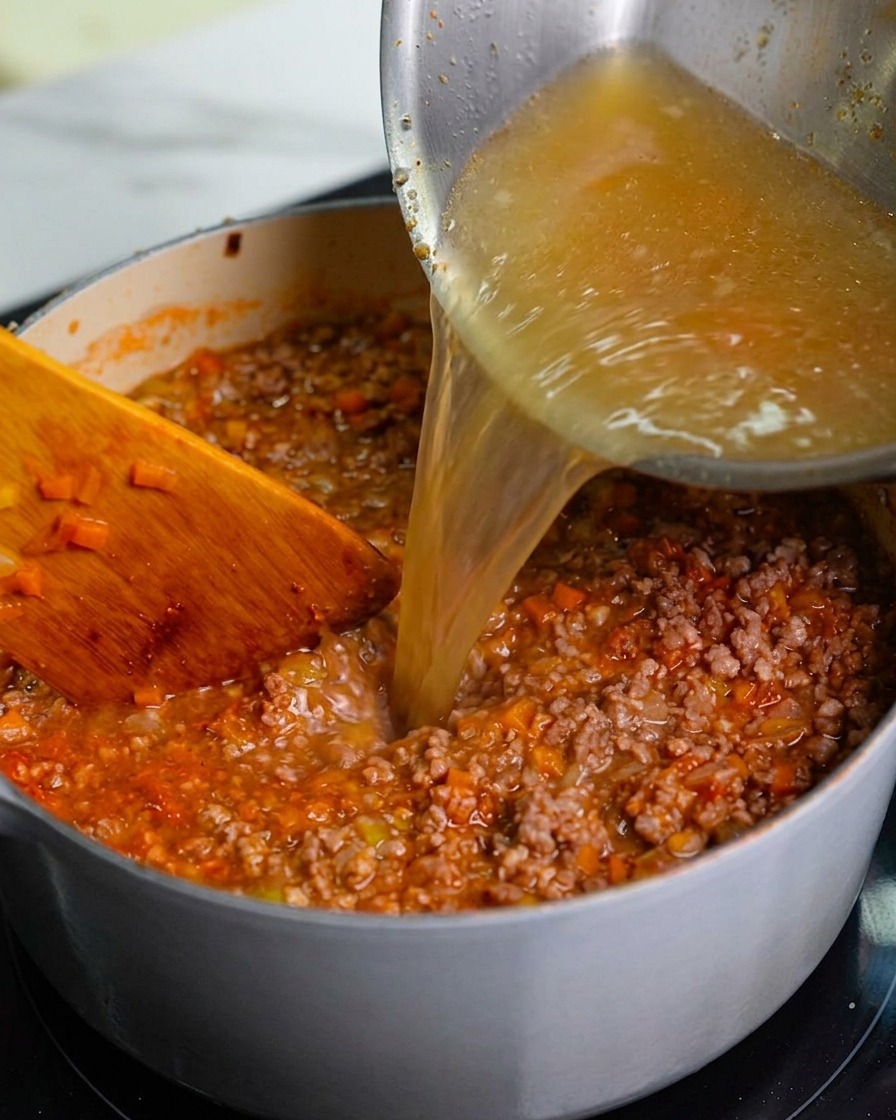
Add a small amount of clean water to the frying pan used to brown the meat. Swirl it around to collect any remaining rendered fat and juices, then pour this flavorful liquid into the main Dutch oven. This ensures no savory goodness is left behind.
Tip: This added liquid also helps prevent the sauce from becoming too dry during the long, slow simmering process. - 12Season with dried herbs
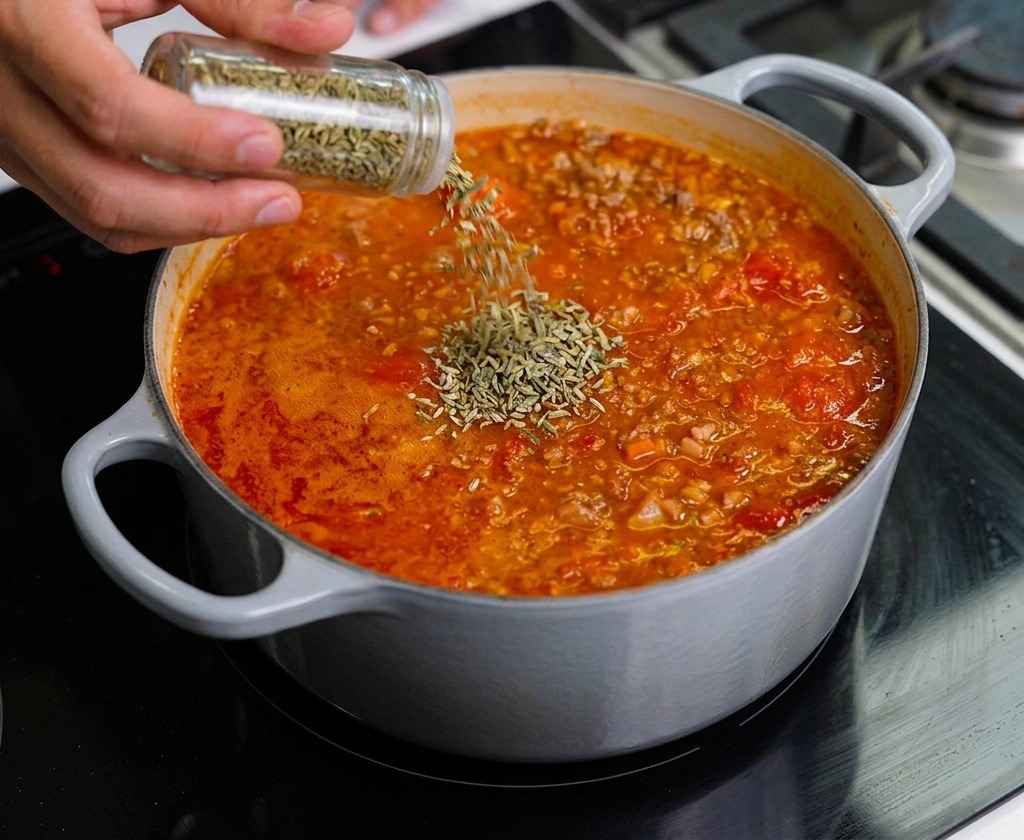
Sprinkle a generous amount of dried sage or oregano into the simmering tomato and meat sauce. These herbs are essential for creating the traditional earthy and aromatic flavor profile of a classic Bolognese. Stir the herbs in gently to ensure they are well distributed throughout the sauce.
Tip: Crush the dried herbs between your fingers as you sprinkle them to help release their natural oils and maximize their fragrance. - 13Balance and thicken the sauce
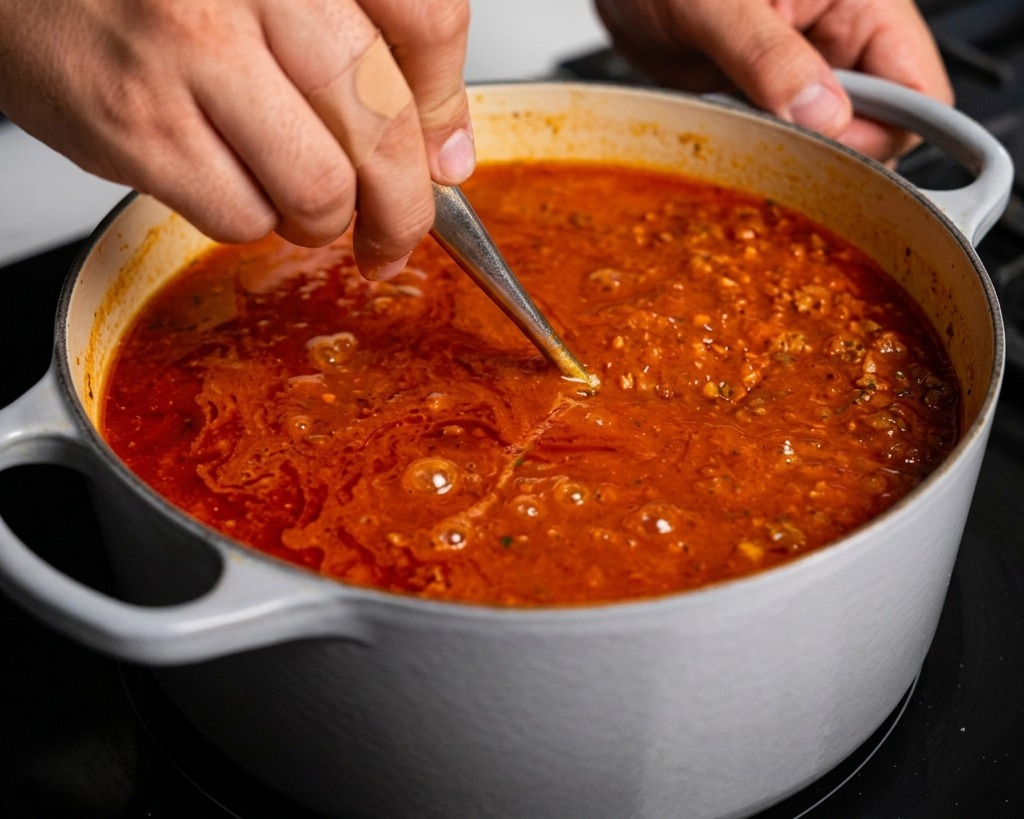
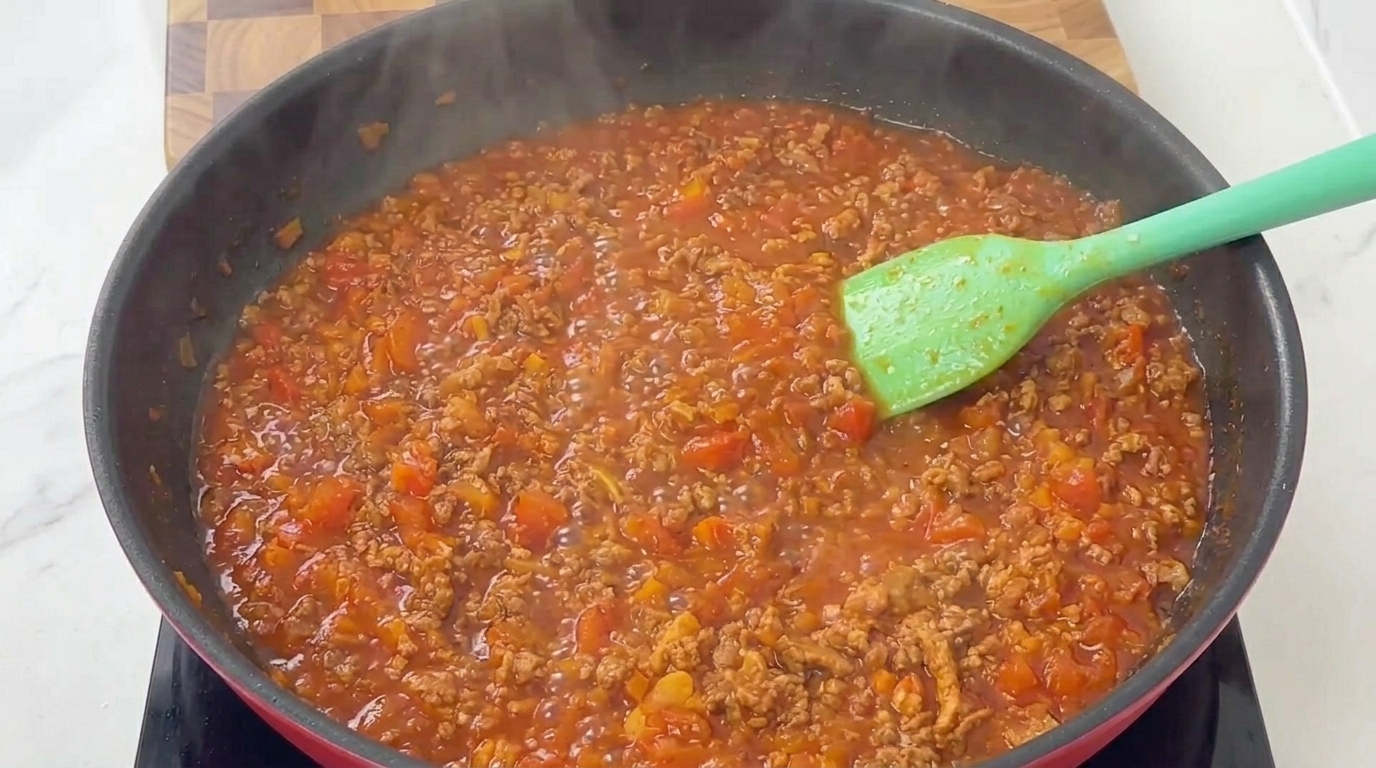
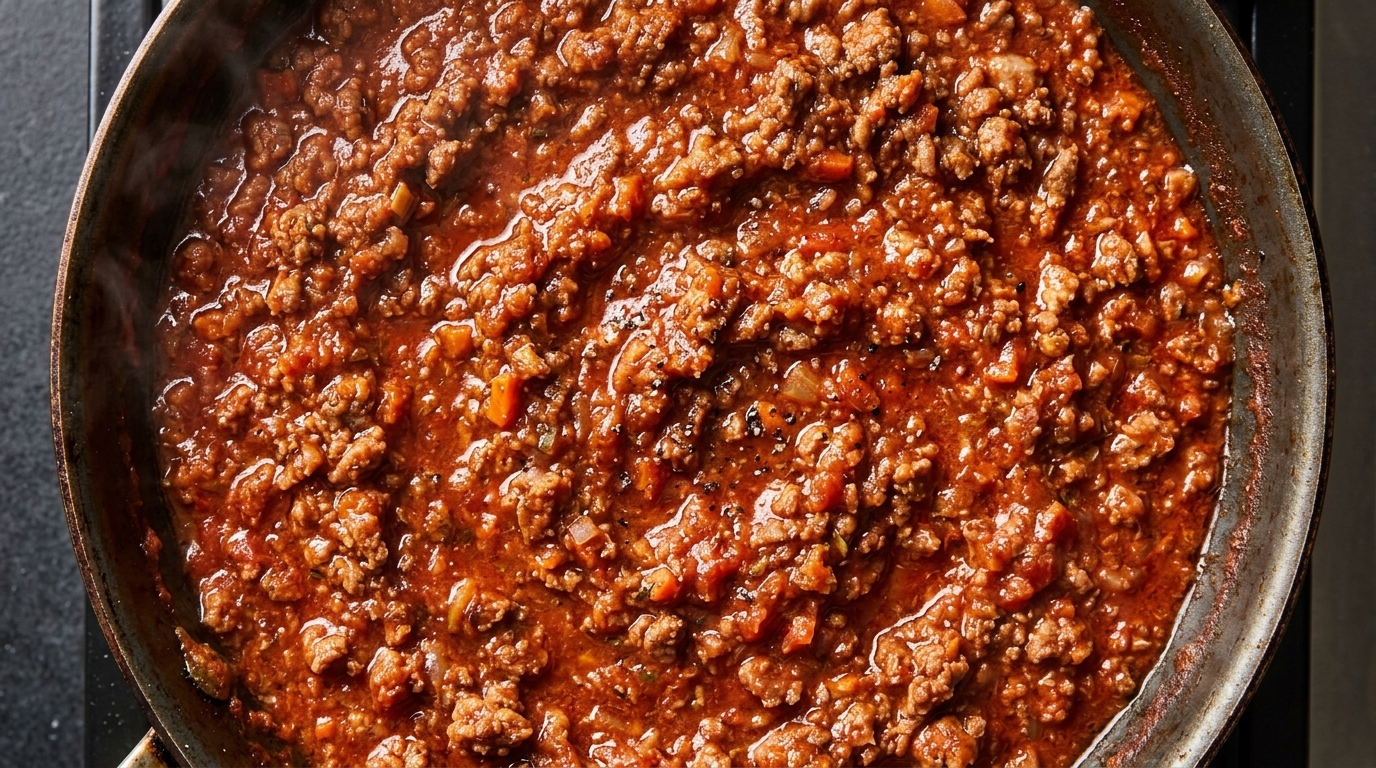
After the sauce has simmered for at least an hour, stir in the tomato paste and a spoonful of white sugar. The tomato paste adds body and a vibrant color, while the sugar balances the natural acidity of the tomatoes. Continue to simmer for at least one more hour.
Tip: Always taste your sauce before adding sugar; if your tomatoes are naturally sweet, you may only need a very small pinch. - 14Combine sauce and pasta
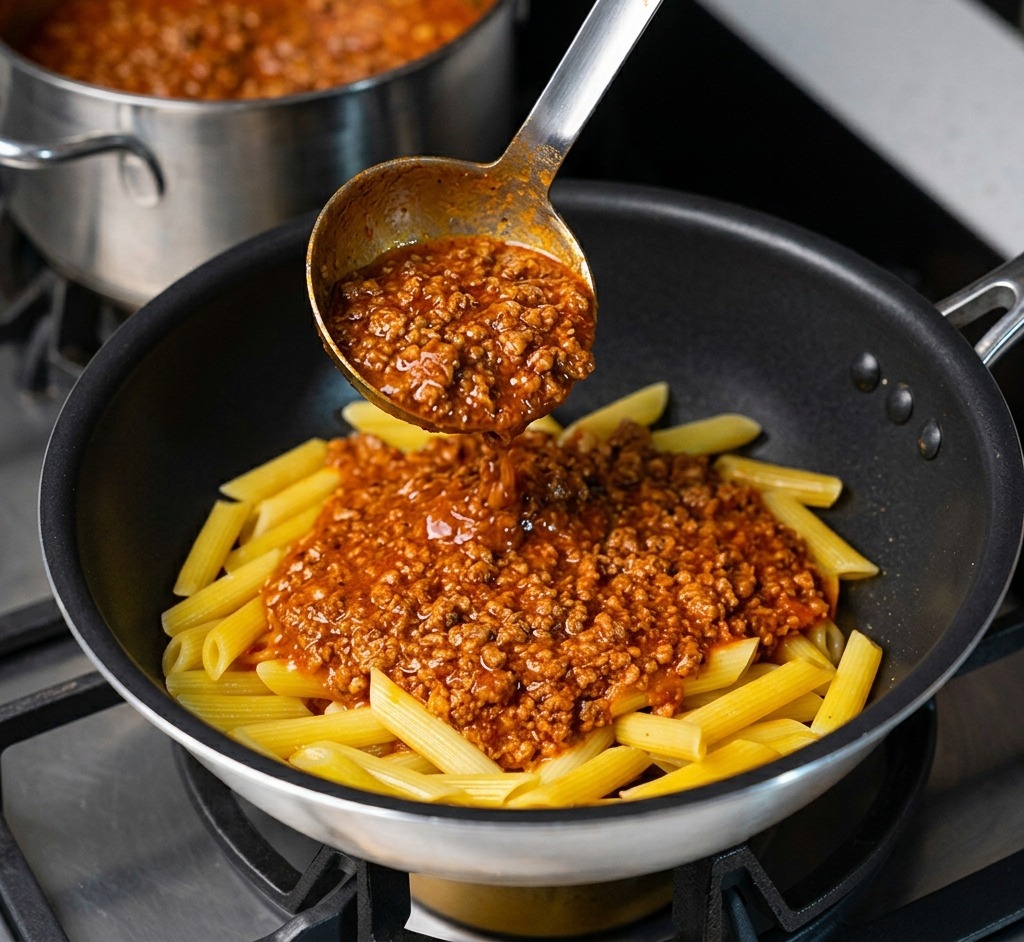
Ladle the rich, finished Bolognese sauce over a bed of cooked penne pasta in a pan. Use a spatula to toss the pasta and sauce together over low heat for about a minute. This ensures that the sauce adheres to the noodles, providing a consistent and flavorful bite throughout the dish.
Tip: For the best results, add a small splash of the pasta cooking water when tossing to help the sauce emulsify and coat the pasta perfectly.