Cheesy Korean Army Stew (Budae Jjigae)
A deeply savory and comforting Budae Jjigae merging spicy Korean flavors with rich melted cheese to create an irresistible fusion dish.
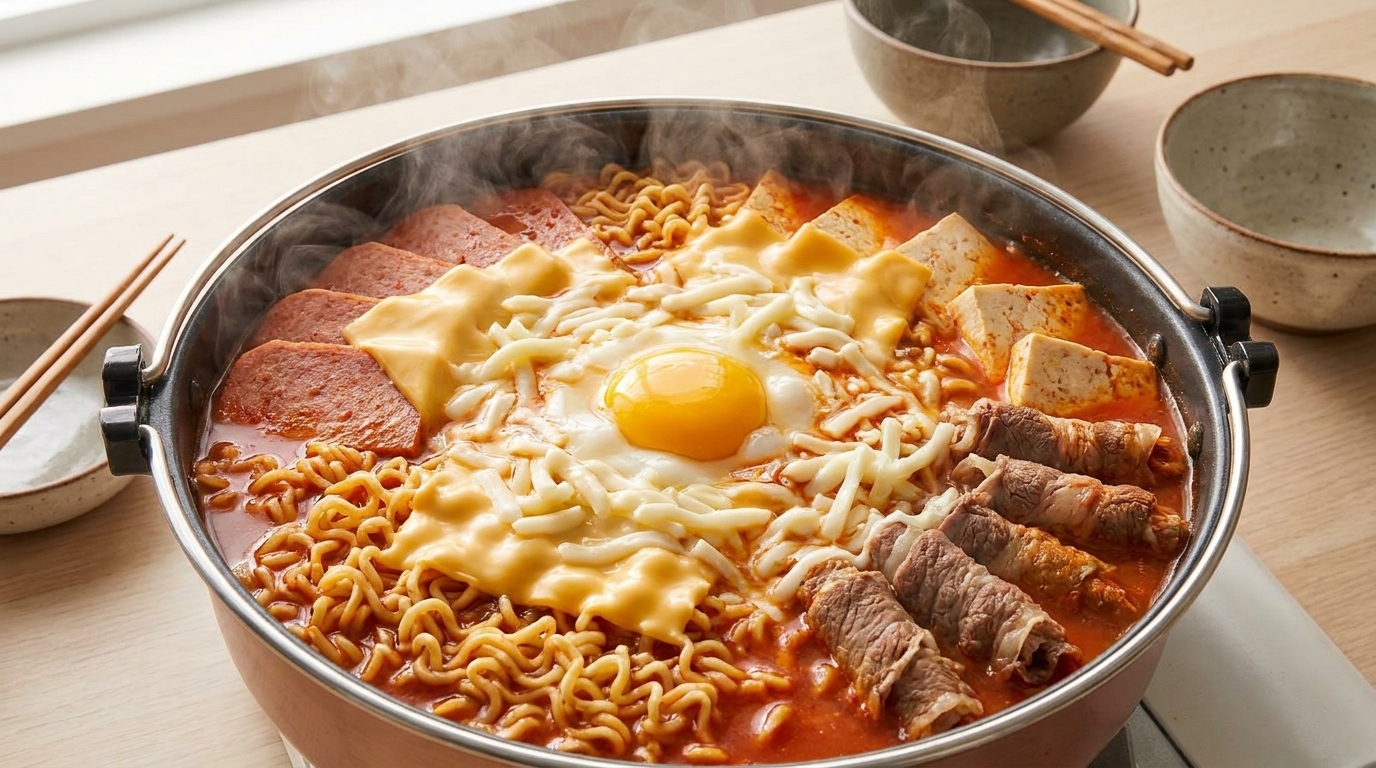
Budae Jjigae originated during the Korean War using surplus processed foods from military bases like luncheon meat and baked beans combined with a spicy base. This version features a creamy addition of melted cheddar and mozzarella to balance the heat for a soul satisfying experience.
Ingredients
- 2 tbsp Korean red chili paste (Gochujang)
- 1 packet Shin Ramyun seasoning powder
- 4 tbsp soy sauce
- 1 tbsp honey
- 1 liter anchovy stock (or water)
- 1 red onion
- 12 green zucchini
- 1 bunch enoki mushrooms
- 1 can luncheon meat (Spam)
- 1 block firm tofu
- 6 leaves napa cabbage
- 1 bunch crown daisy (쑥갓 - sskat)
- 200 g assorted fish balls
- 6 crab sticks
- 200 g thinly sliced beef rolls
- 1 cup aged fermented kimchi
- 1 block instant ramen noodles
- 2 slices yellow cheese slices (Cheddar)
- 12 cup shredded mozzarella cheese
- 1 egg
Instructions
- 1Prepare the sauce base
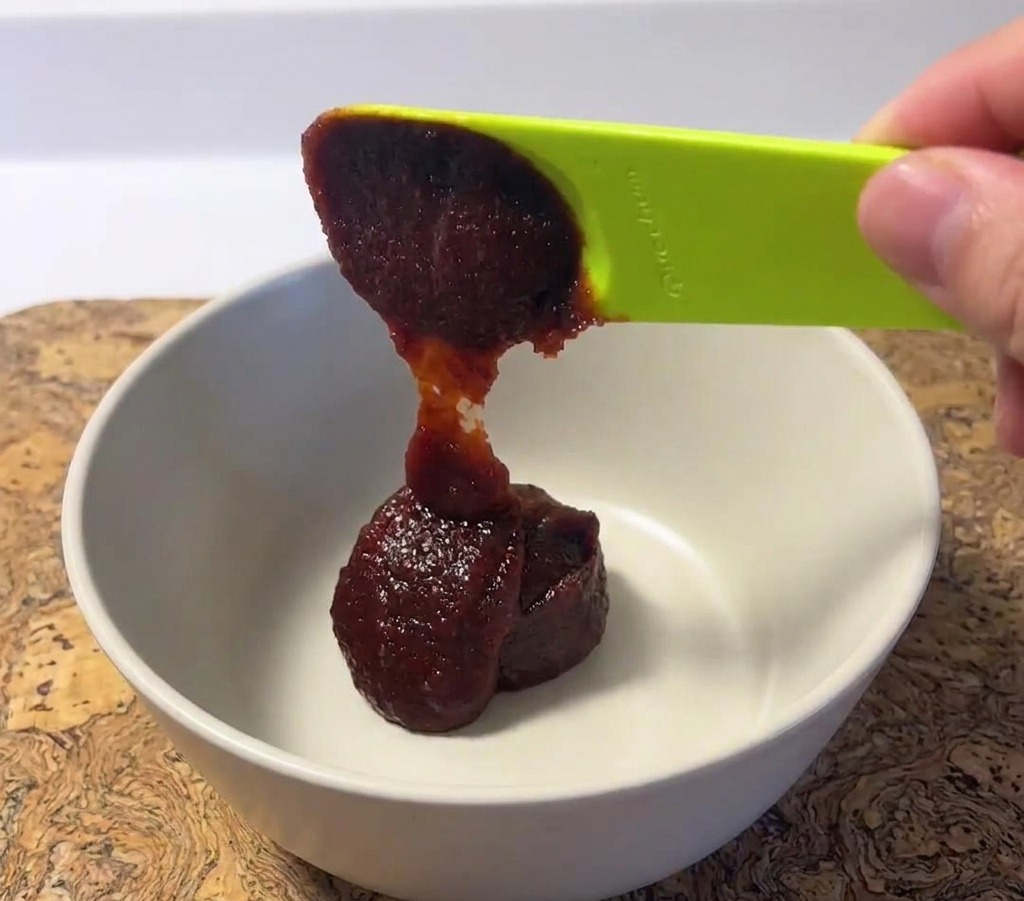
Start by adding two tablespoons of Korean red chili paste also known as gochujang into a clean mixing bowl. This thick fermented paste provides the essential spicy and savory foundation for the iconic broth flavor.
Tip: Use a dry spoon to scoop the gochujang to prevent moisture from entering the jar and spoiling the paste - 2Mix the seasoning sauce
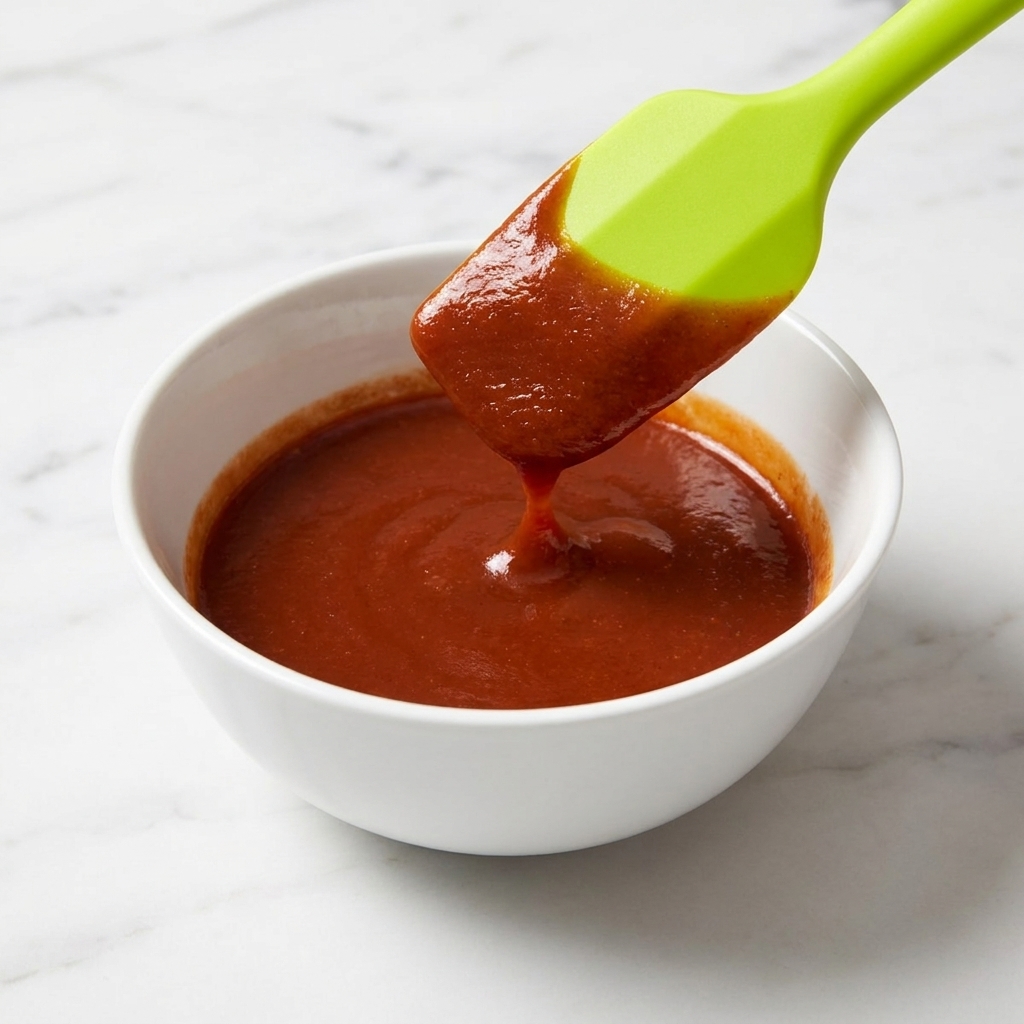
Add one packet of Shin Ramyun seasoning powder, four spoons of soy sauce, and one spoon of honey to the chili paste. Stir all the ingredients together thoroughly until they are well combined and the mixture reaches a smooth, thick consistency similar to yogurt.
Tip: If the sauce feels too thick to stir, you can add a tiny splash of water or mirin to help loosen it up. - 3Start with the vegetable base
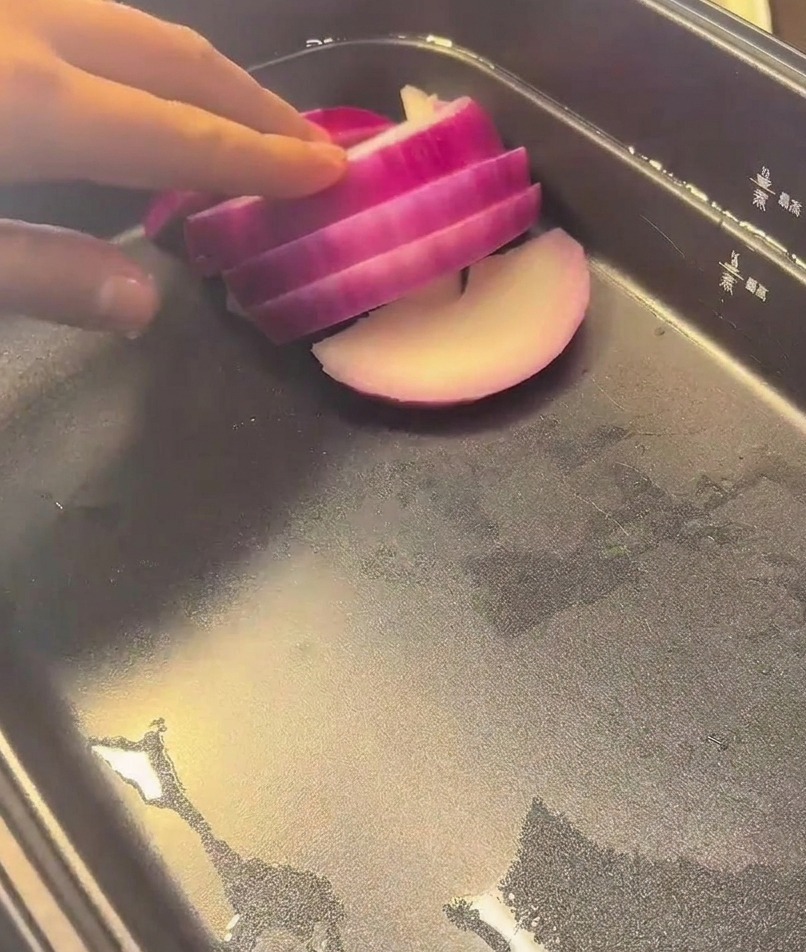
Begin by layering the base of your Army Stew with fresh vegetables. Place the sliced red onions and green zucchini pieces evenly at the bottom of the black electric pot. These aromatics and vegetables will release their natural sweetness and moisture into the stew as it simmers.
Tip: Spreading the onions and zucchini in a flat layer helps prevent the protein and noodles added later from sticking to the bottom of the pot. - 4Add protein and mushrooms
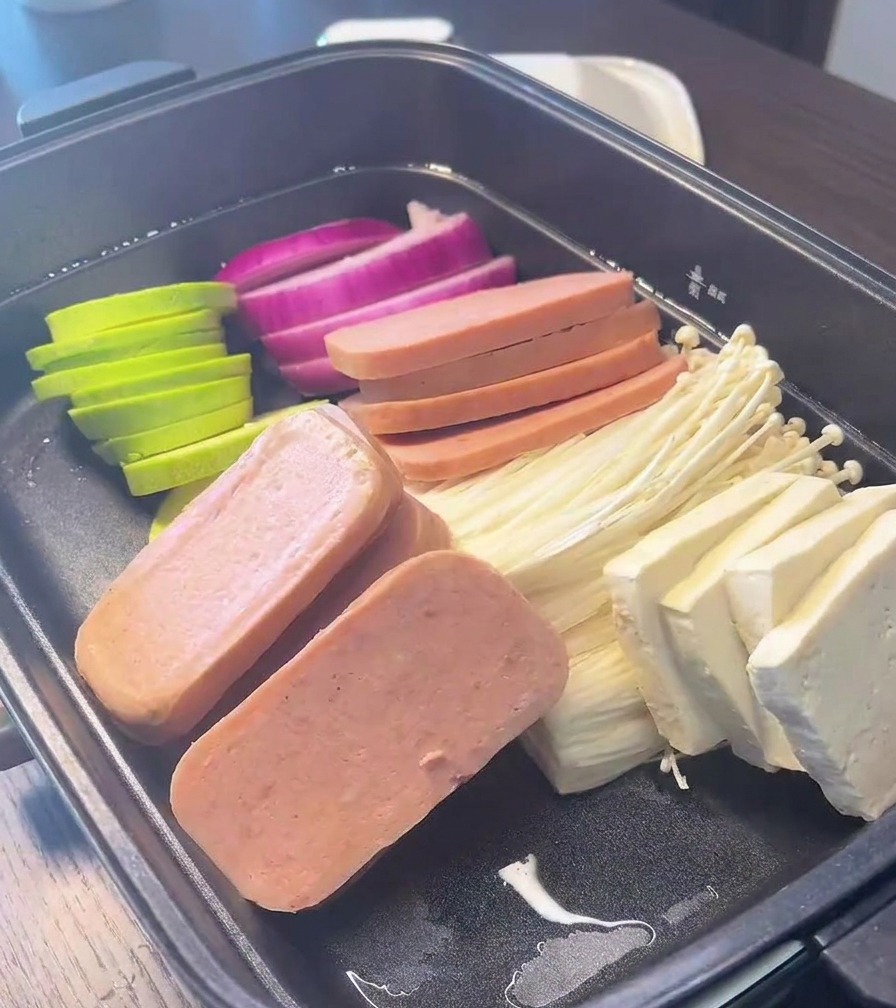
Continue building the stew by adding sections of fresh enoki mushrooms, thick slices of luncheon meat, and soft blocks of white tofu. Arrange these ingredients in neat, separate clusters on top of the onions and zucchini to create a beautiful, organized presentation typical of Korean hot pot.
Tip: Tear the enoki mushrooms into smaller bundles before adding them; this allows them to cook more evenly and soak up the spicy sauce effectively. - 5Add greens and fish balls
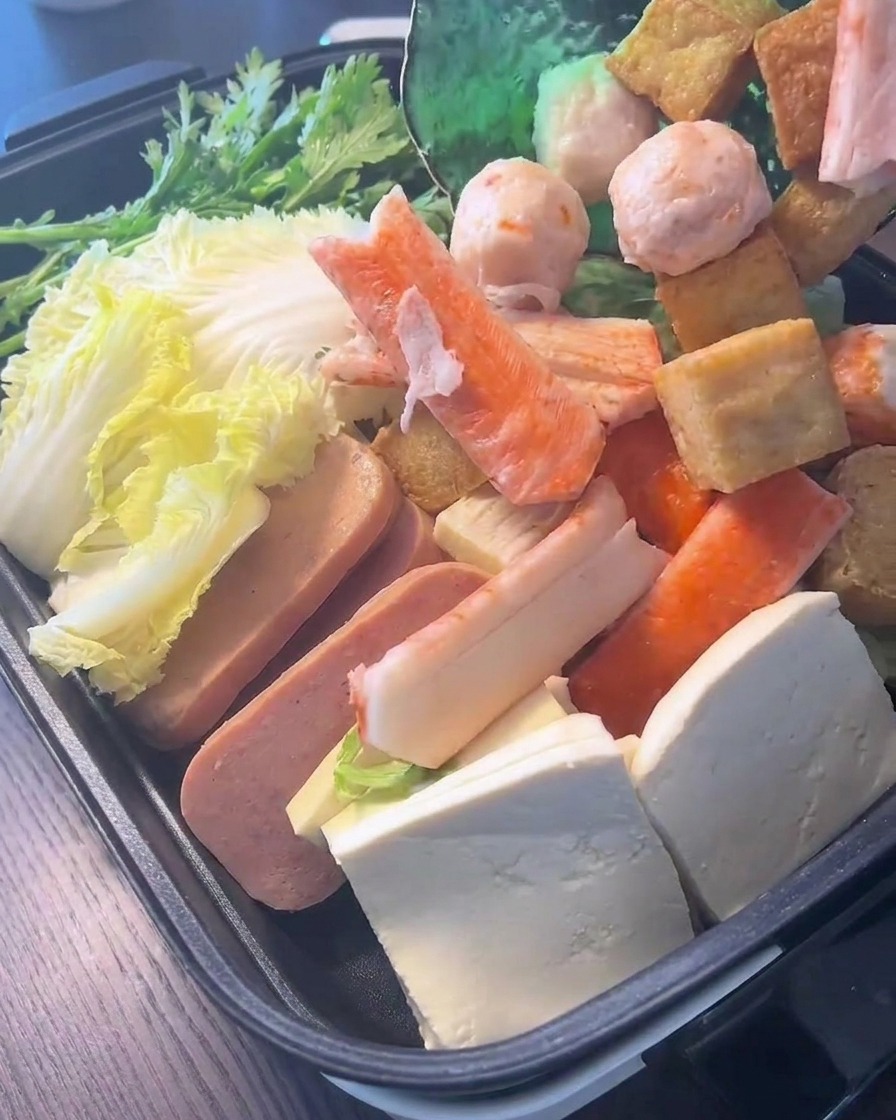
Add fresh napa cabbage leaves and crown daisy greens to the arrangement. Complete the base layering by adding assorted fish balls and crab sticks. This variety of ingredients creates the diverse textures that make a Cheese Army Stew so satisfying.
Tip: If you cant find crown daisy, chrysanthemum greens or even watercress make excellent peppery substitutes. - 6Top with beef rolls
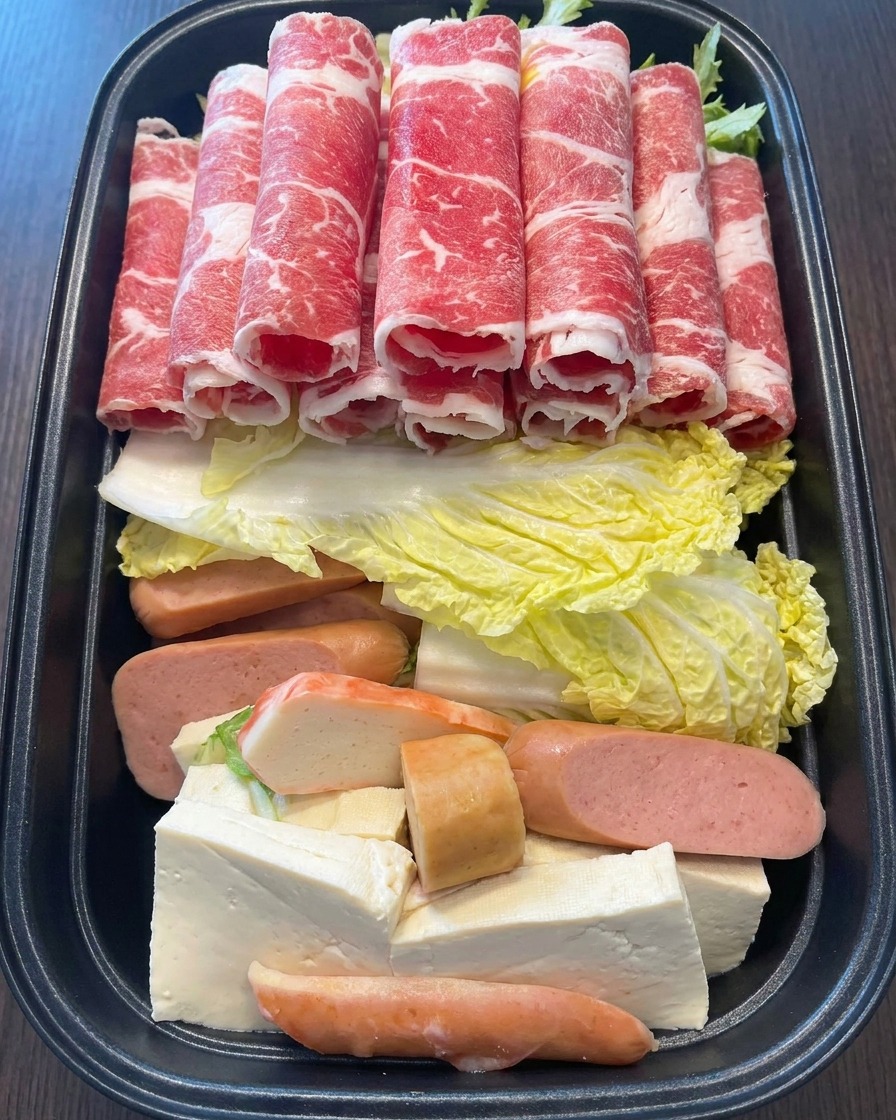
Finally, place several rolls of thinly sliced raw beef on top of the other ingredients. The beef is sliced thin so that it cooks quickly and stays tender once the hot broth is poured over and the heat is turned on.
Tip: Keep the beef rolls in the freezer until the very moment you need them so they stay neatly curled for the presentation. - 7Add the soul-satisfying kimchi
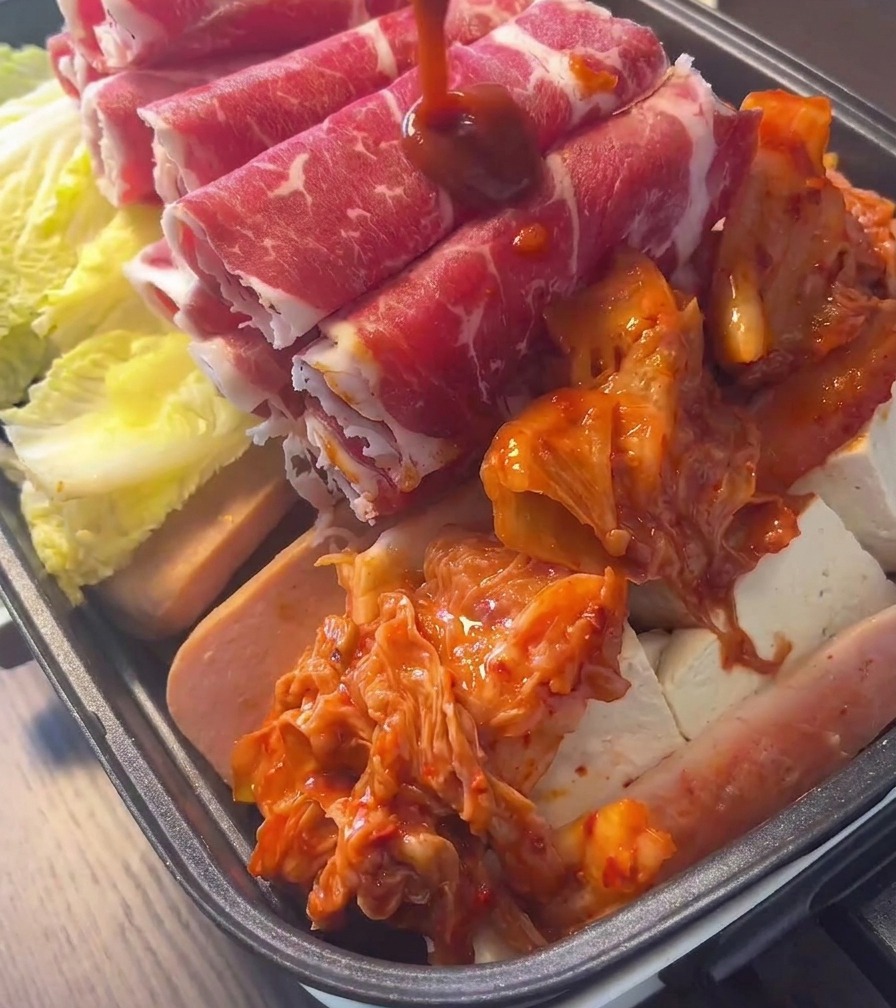
Place a generous mound of fermented spicy kimchi right in the center of the pot, over the beef rolls and vegetables. The kimchi provides the essential tangy and spicy backbone that defines the authentic taste of Budae Jjigae.
Tip: For the best results, use old or well-fermented kimchi, as its acidity better balances the rich, cheesy flavors. - 8Apply the signature sauce
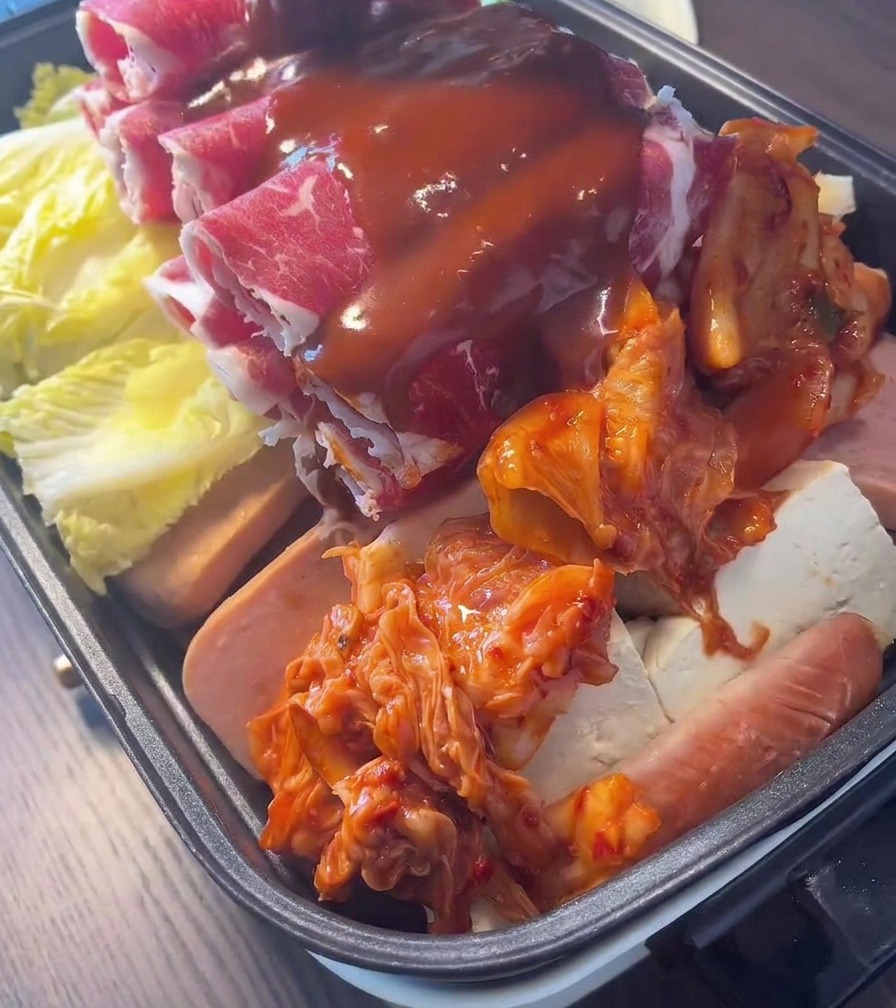
Slowly pour the thick, prepared red sauce—a blend of gochujang, soy sauce, and seasonings—over the ingredients. This concentrated sauce will melt into the simmering liquid to create a bold, savory, and spicy broth.
Tip: Pour the sauce directly over the kimchi and meat to allow the flavors to penetrate the proteins more effectively. - 9Cover and simmer
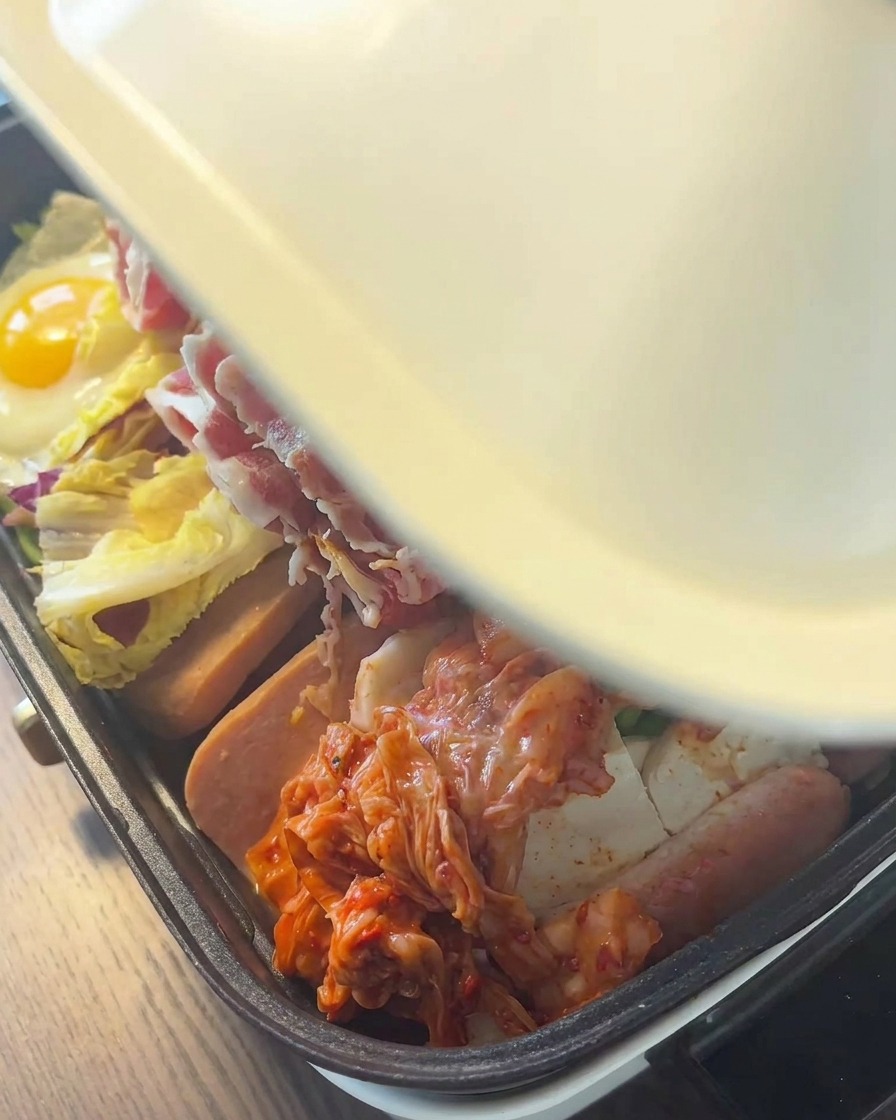
After applying the sauce, add approximately 3 to 4 cups (1 liter) of water or anchovy stock to the pot. Gently place the block of instant noodles among the other ingredients, then place the lid on the pot and simmer over medium heat until the ingredients are approximately eighty percent done and the noodles are tender.
Tip: Keep the lid closed to trap the steam, ensuring that the top layers of meat and cabbage cook through properly. - 10Melt in the cheese
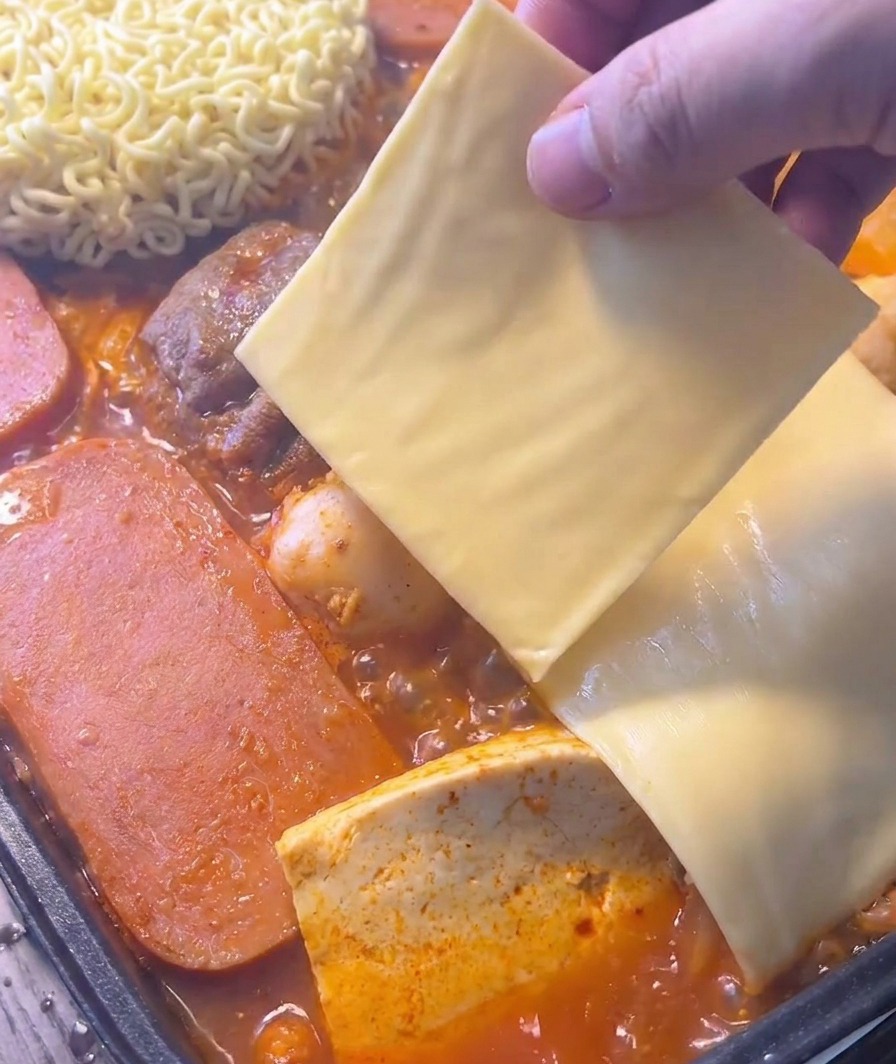
Remove the lid from the pot. Place two slices of yellow cheese and a generous handful of shredded mozzarella directly on top of the cooked ramen block and bubbling stew. A few standard slices provide the perfect level of richness without making the broth greasy.
Tip: Add a few slices for the best flavor without making the soup greasy - 11Finish with a fresh egg

Once the noodles are tender and the cheese has melted into a gooey layer, crack a fresh egg into the center of the pot. The yolk adds a luxurious, creamy texture that cuts through the heat of the spicy sauce.
Tip: Turn off the heat immediately after adding the egg if you prefer a runny yolk, or cover for 30 seconds for a set white.