Classic Roman Cacio e Pepe
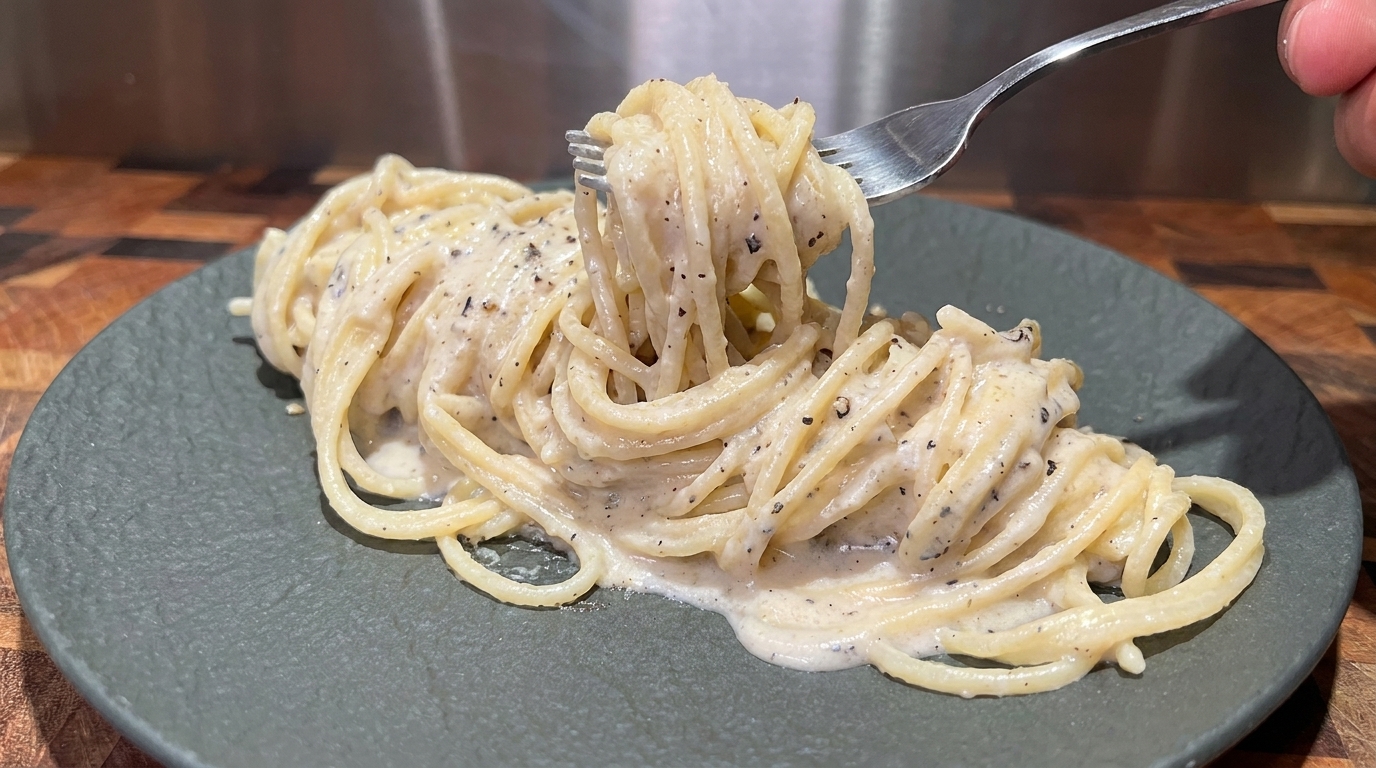
Master the art of the perfect Cacio e Pepe. This iconic Roman pasta relies on the alchemy of toasted black pepper, aged Pecorino Romano, and starchy pasta water.
Cacio e Pepe is a masterclass in Italian culinary restraint, proving that just three humble ingredients can create something extraordinary. The key to this Roman staple lies in the technique: creating a perfectly emulsified, glossy sauce from sharp sheeps milk cheese and the liquid gold that is starchy pasta water. When done right, it is a silky, intensely flavored dish that defines Roman comfort food.
Ingredients
- 350 g spaghetti
- 150 g Pecorino Romano cheese, finely grated
- 2 tbsp whole black peppercorns
- to taste salt
Instructions
- 1Toast the black peppercorns
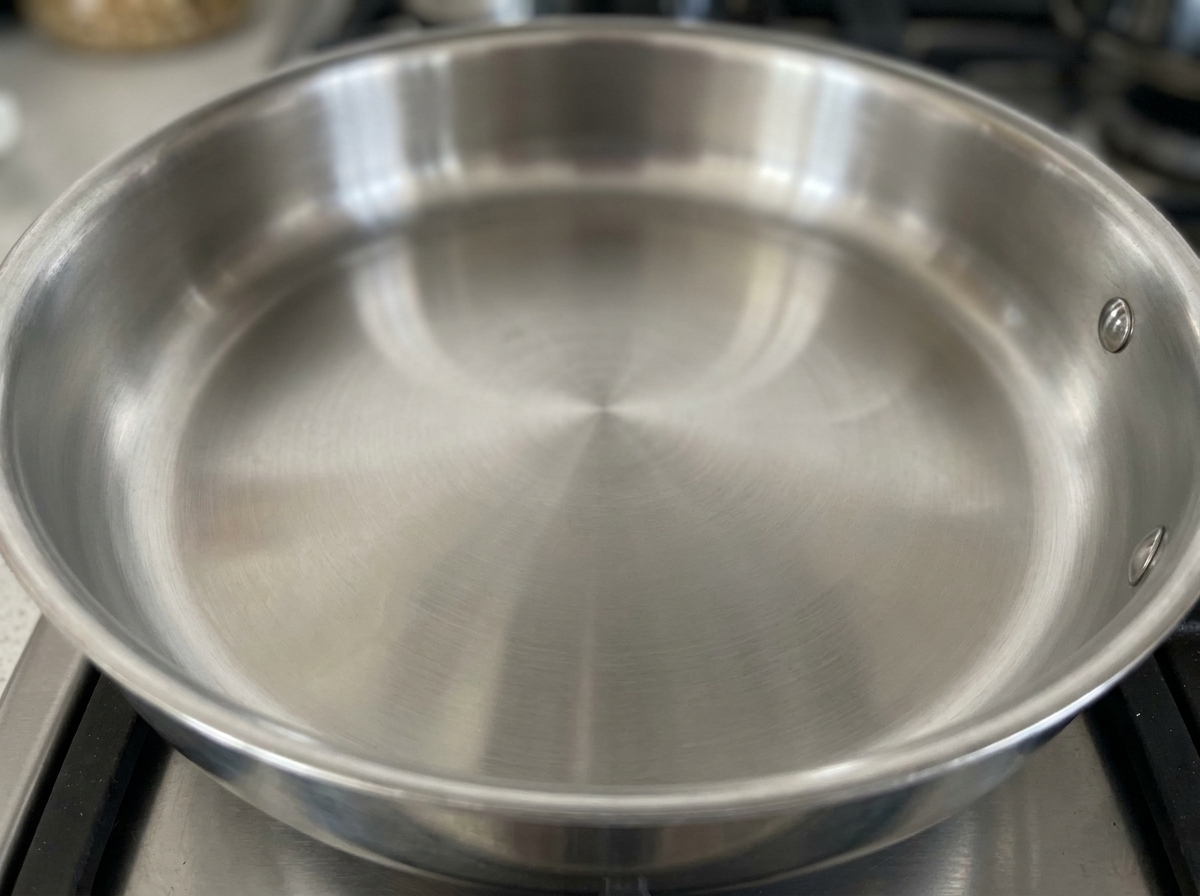
Place the whole black peppercorns into a dry stainless steel pan over medium heat. Toast them for a few minutes, stirring frequently, until they become fragrant.
Tip: Keep the heat moderate to avoid burning the peppercorns, which can turn them bitter. - 2Crush the peppercorns
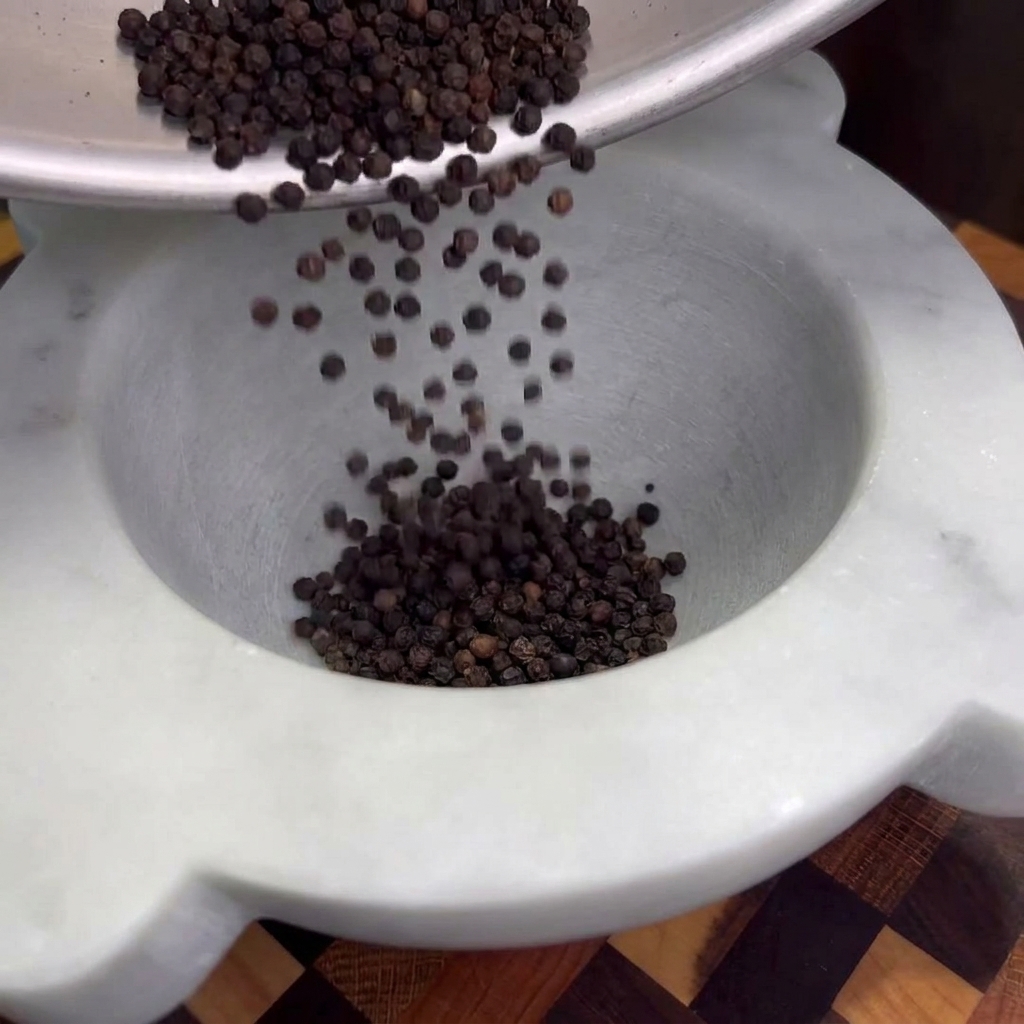
Transfer the toasted peppercorns into a mortar and pestle. Gently grind them until they are coarsely cracked, releasing their oils and intense aroma.
Tip: Crushing them fresh provides a significantly more robust flavor than using pre-ground pepper. - 3Grate the Pecorino Romano
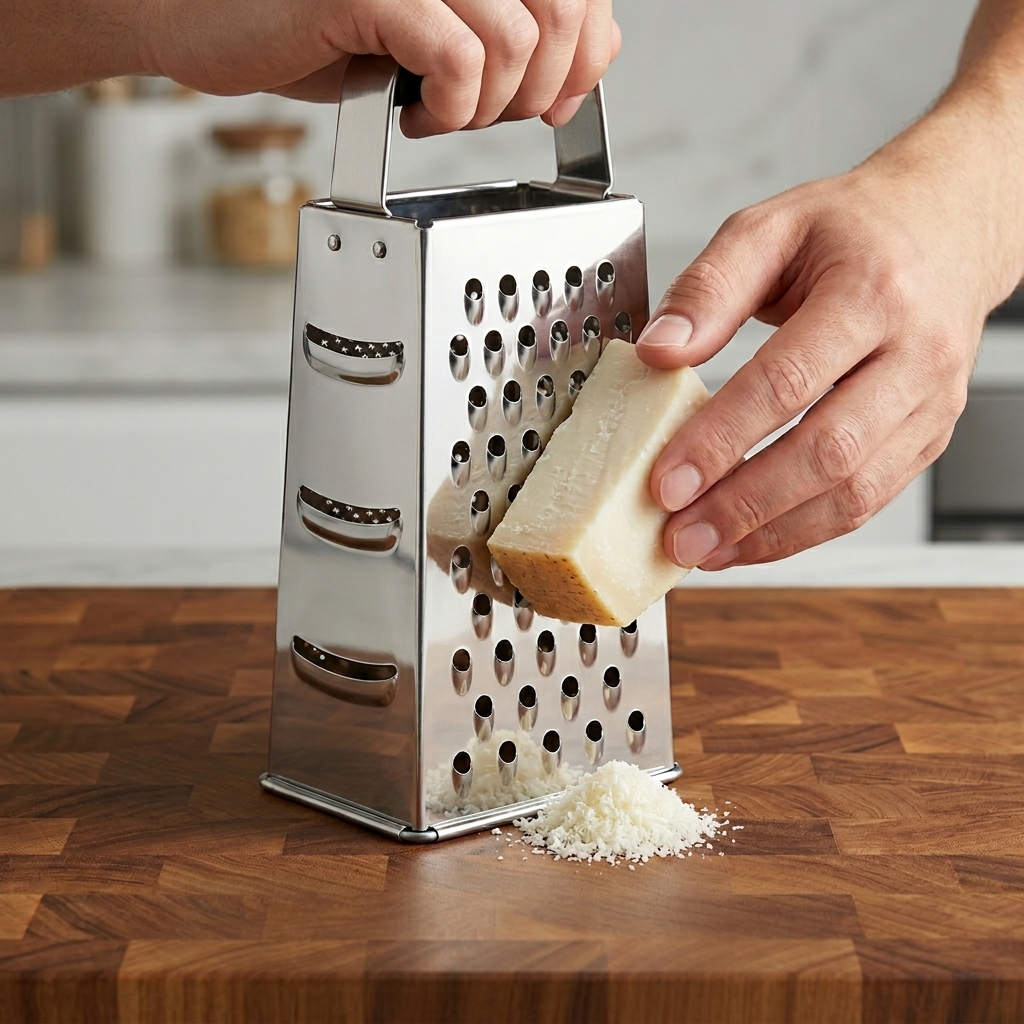
Use the finest side of a box grater to grate the Pecorino Romano cheese. Ensure it is grated finely so it melts smoothly into the pasta water later.
Tip: For the best texture, grate the cheese just before you are ready to use it. - 4Boil the spaghetti
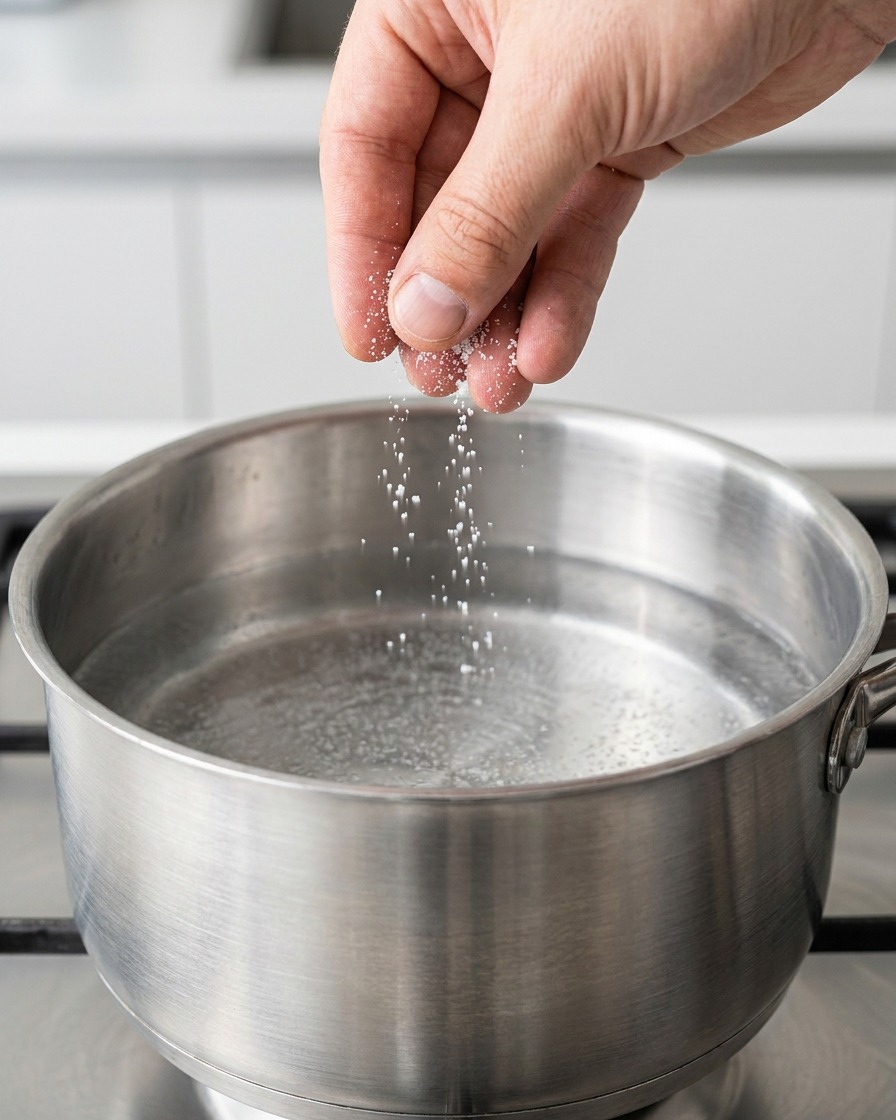
Bring a large pot of salted water to a rolling boil. Add the spaghetti and cook until it is al dente, according to the package instructions.
Tip: Salt the water generously; it is the only chance to season the pasta itself. - 5Prepare the pepper base
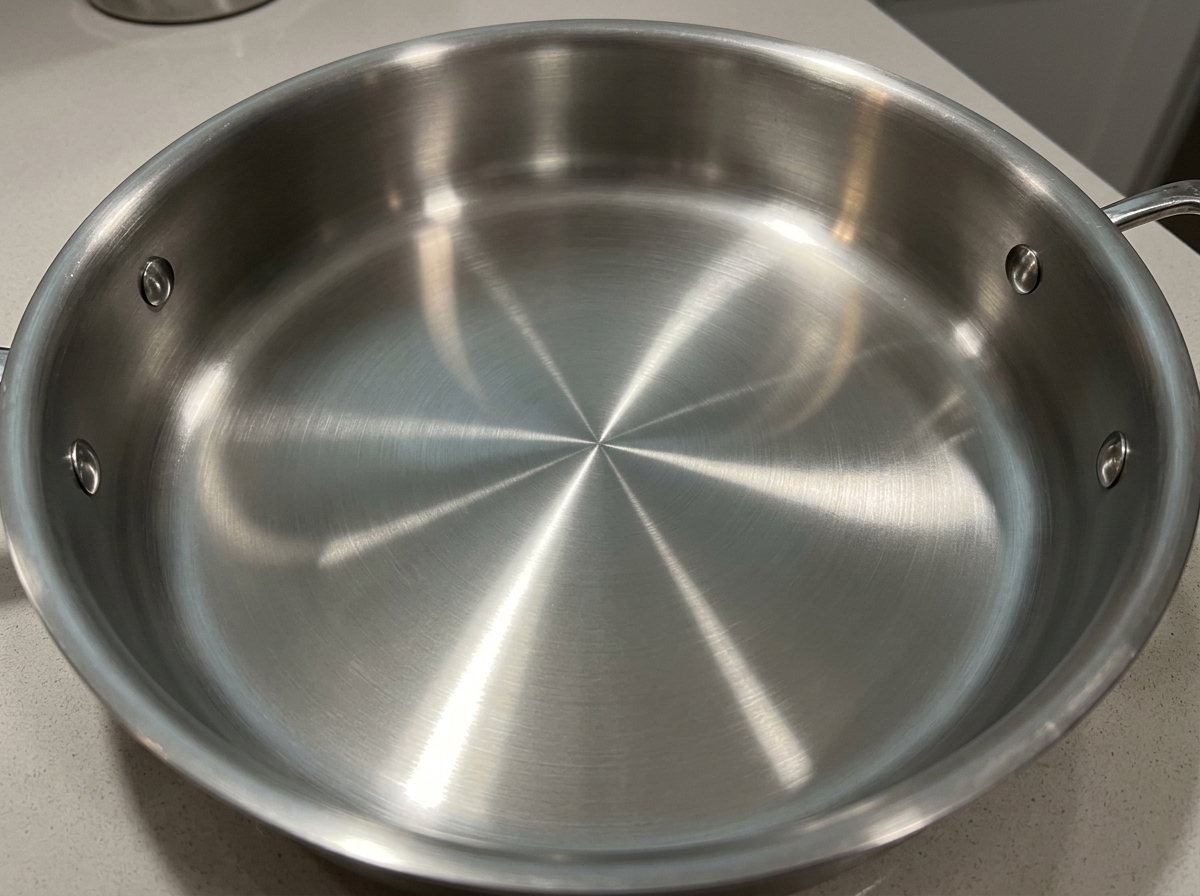
In a separate pan, add the crushed black pepper and a ladle of hot, starchy pasta water. Simmer briefly to infuse the water with the peppers flavor.
Tip: The starchy pasta water is essential for creating the creamy emulsified sauce. - 6Combine pasta and sauce
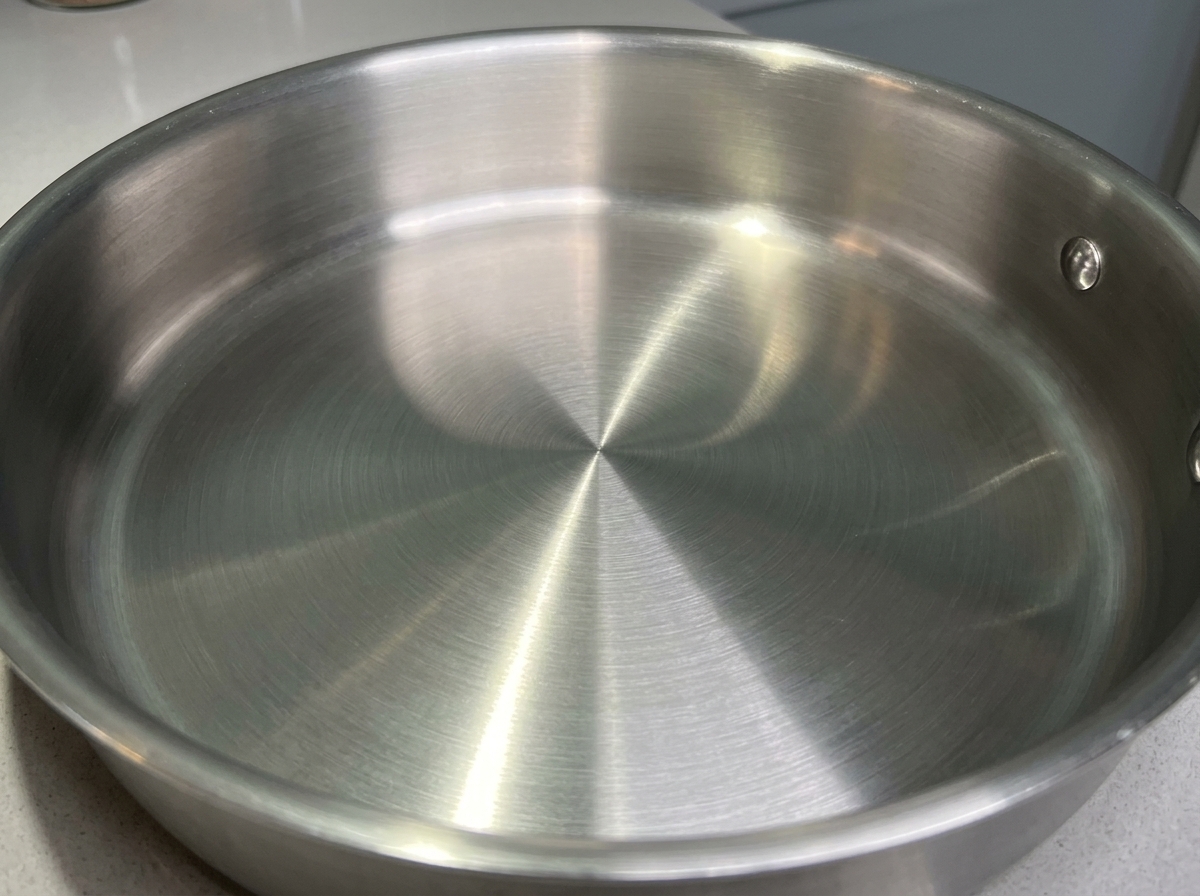
Using tongs, transfer the al dente spaghetti directly from the boiling water into the pan with the pepper base. Toss well to combine and coat the strands.
Tip: Dont drain the pasta completely; the extra water clinging to the noodles helps build the sauce. - 7Emulsify with Pecorino Romano
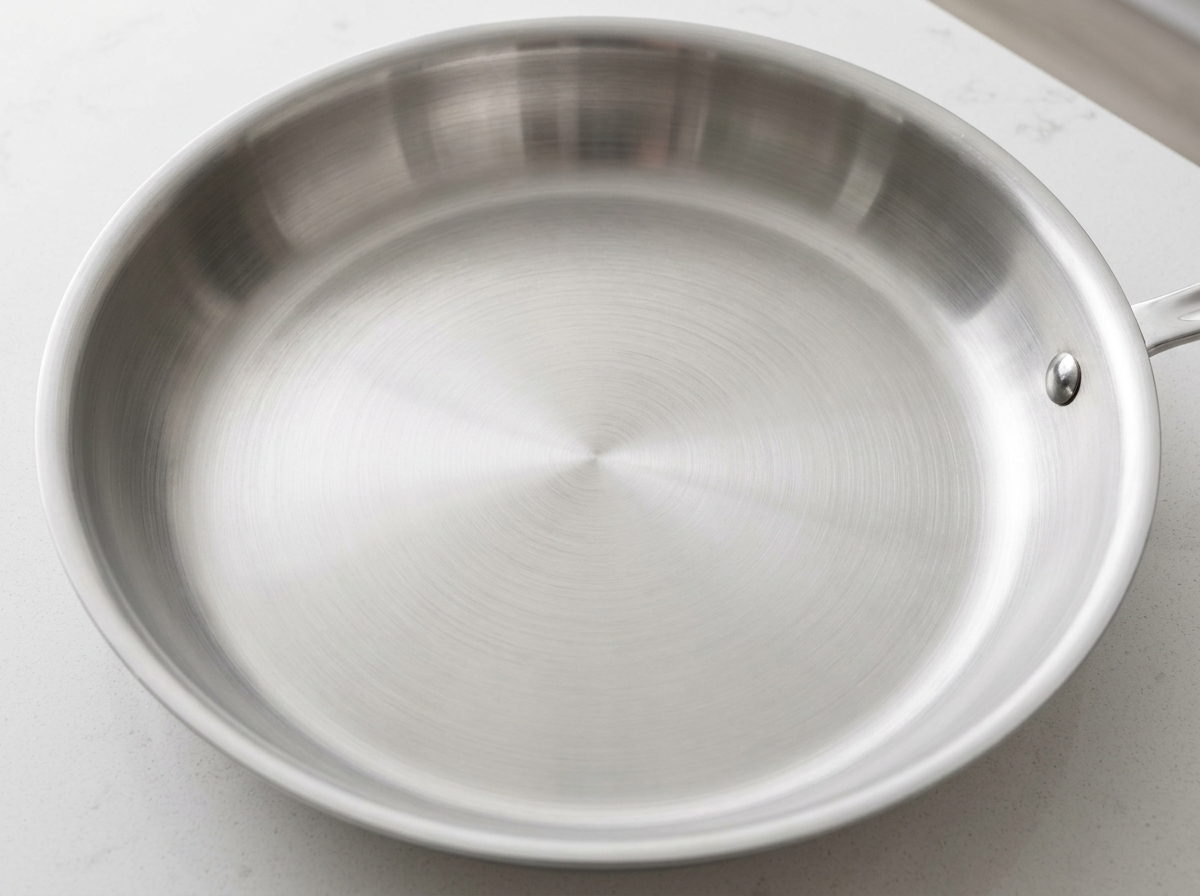
Add a generous amount of freshly grated Pecorino Romano cheese directly into the pan with the spaghetti and pepper-infused pasta water. Continue to stir and toss the pasta vigorously to emulsify the cheese with the starchy water, creating a smooth, creamy sauce that coats every strand.
Tip: Add the cheese slowly while tossing to prevent clumping and ensure the sauce remains silky. - 8Finalize the creamy sauce
Use tongs to thoroughly mix and toss the pasta until the cheese has completely melted into the pasta water, transforming it into a thick, glossy, and creamy sauce that perfectly clings to the noodles. Adjust the consistency with a splash more pasta water if the sauce becomes too thick.
Tip: The residual heat and constant agitation are the keys to a perfect, non-clumpy emulsion.