Authentic Louisiana Cajun Gumbo
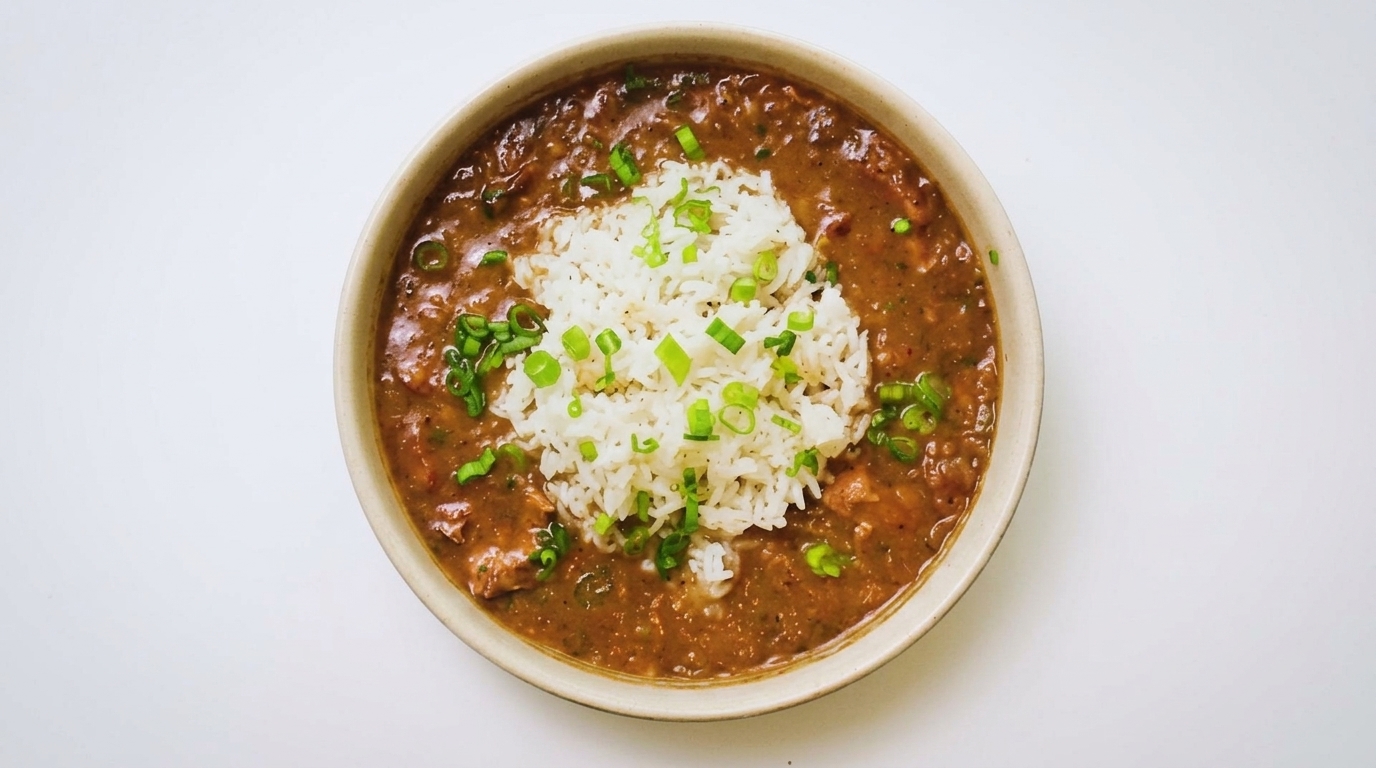
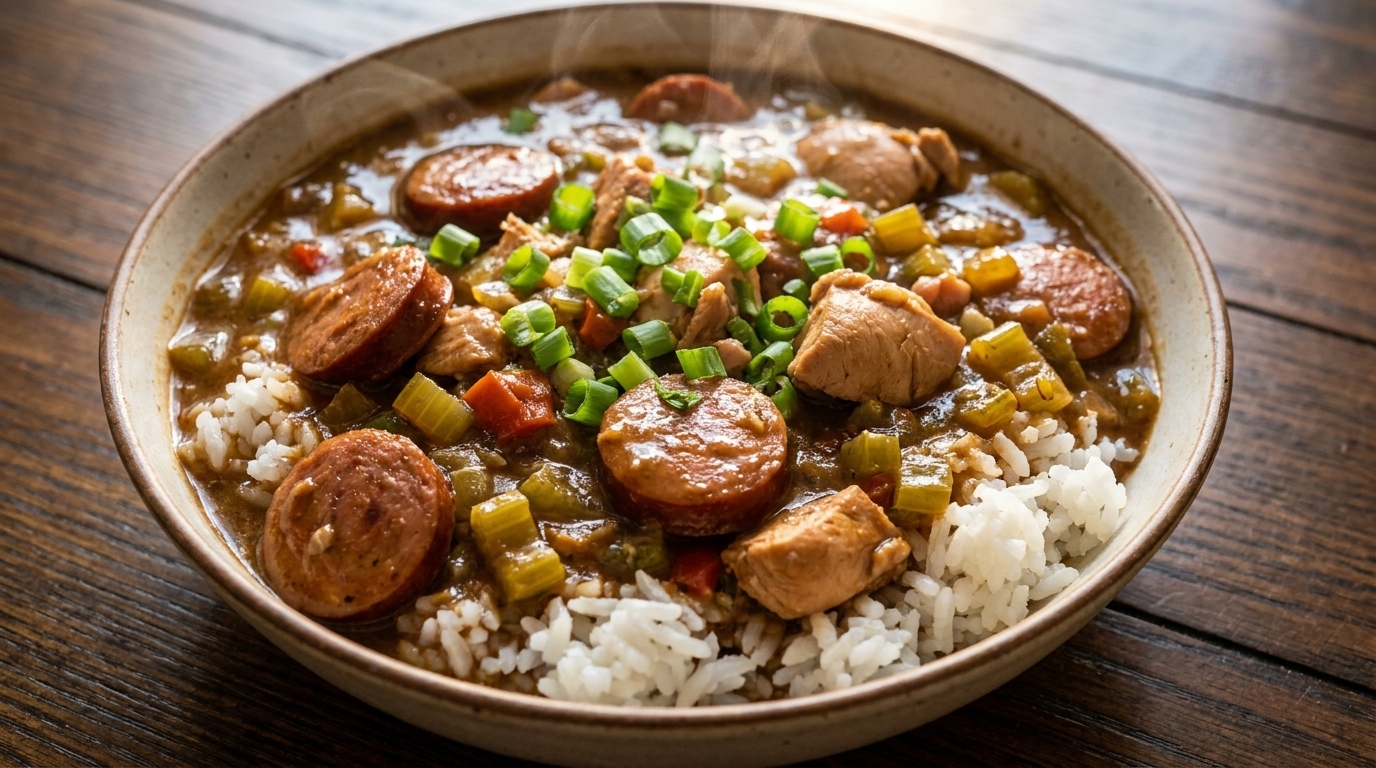
Experience the heart of southern Louisiana with this rich, authentic Cajun gumbo. Featuring a deeply flavorful dark roux, smoked sausage, tender chicken, and the classic vegetable trinity, served over fluffy white rice.
Cajun gumbo is a masterclass in flavor building, reflecting the rich culinary heritage of southern Louisiana. The secret lies in the dark chocolate roux, an elemental thickening base that demands patience but rewards you with an unmatched, toasty depth. True gumbo is more than a stew; it is a comforting, slow-cooked testament to tradition.
Ingredients
- 1 cup all-purpose flour
- 1 cup vegetable oil
- 1 lb smoked sausage (sliced)
- 1 lb cooked chicken meat (chopped or shredded)
- 1 large white onion (diced)
- 3 stalks celery (chopped)
- 1 red or green bell pepper (chopped)
- 6 cups low-sodium chicken broth
- 2 tbsp Cajun seasoning
- to taste cooked white rice (for serving)
- optional green onions (chopped, for garnish)
Instructions
- 1Gather the ingredients
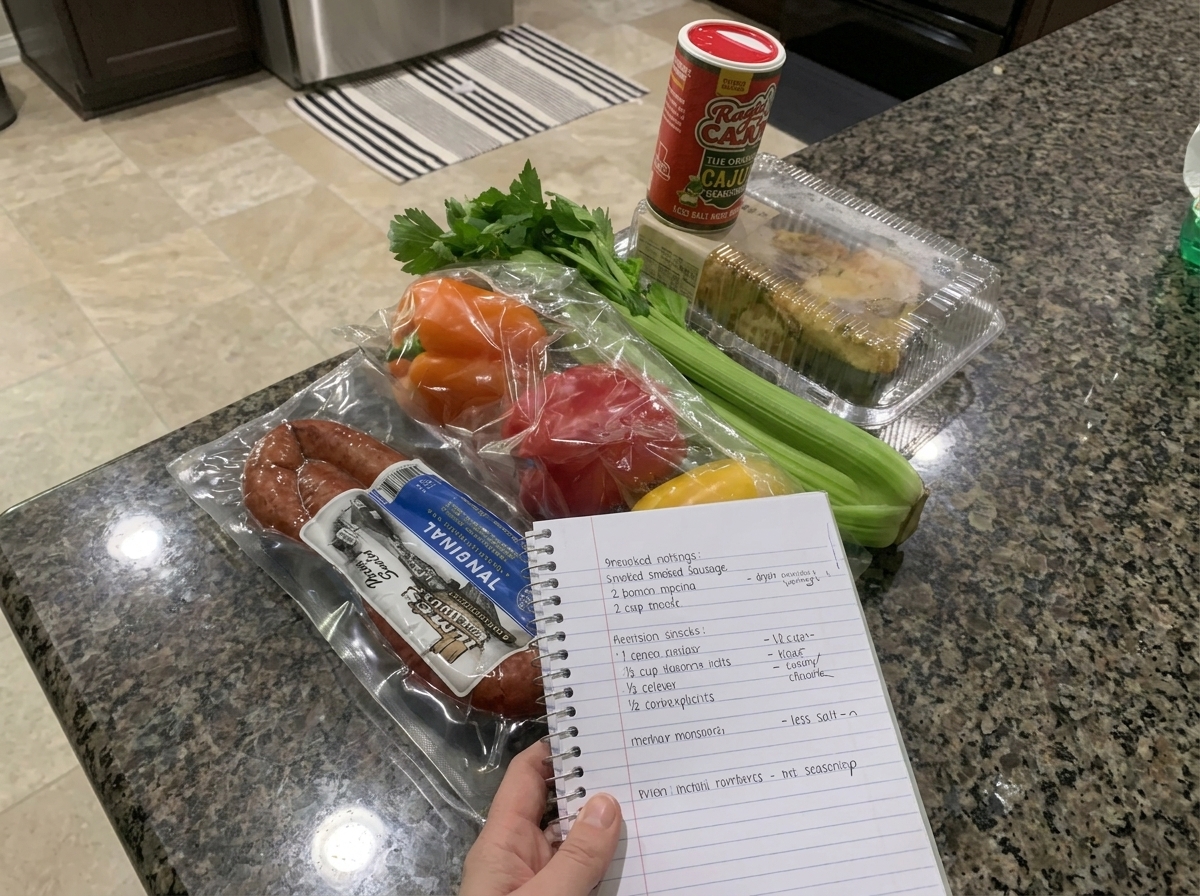
Start by preparing and gathering all the essential ingredients for the gumbo. You will need Cajun seasoning, fresh celery, bell peppers, and a good quality smoked sausage. Having your ingredients and recipe ready on the counter makes the cooking process much smoother.
Tip: The classic base for gumbo is the holy trinity of Cajun cooking: celery, bell peppers, and onions. Make sure they are fresh. - 2Start the roux
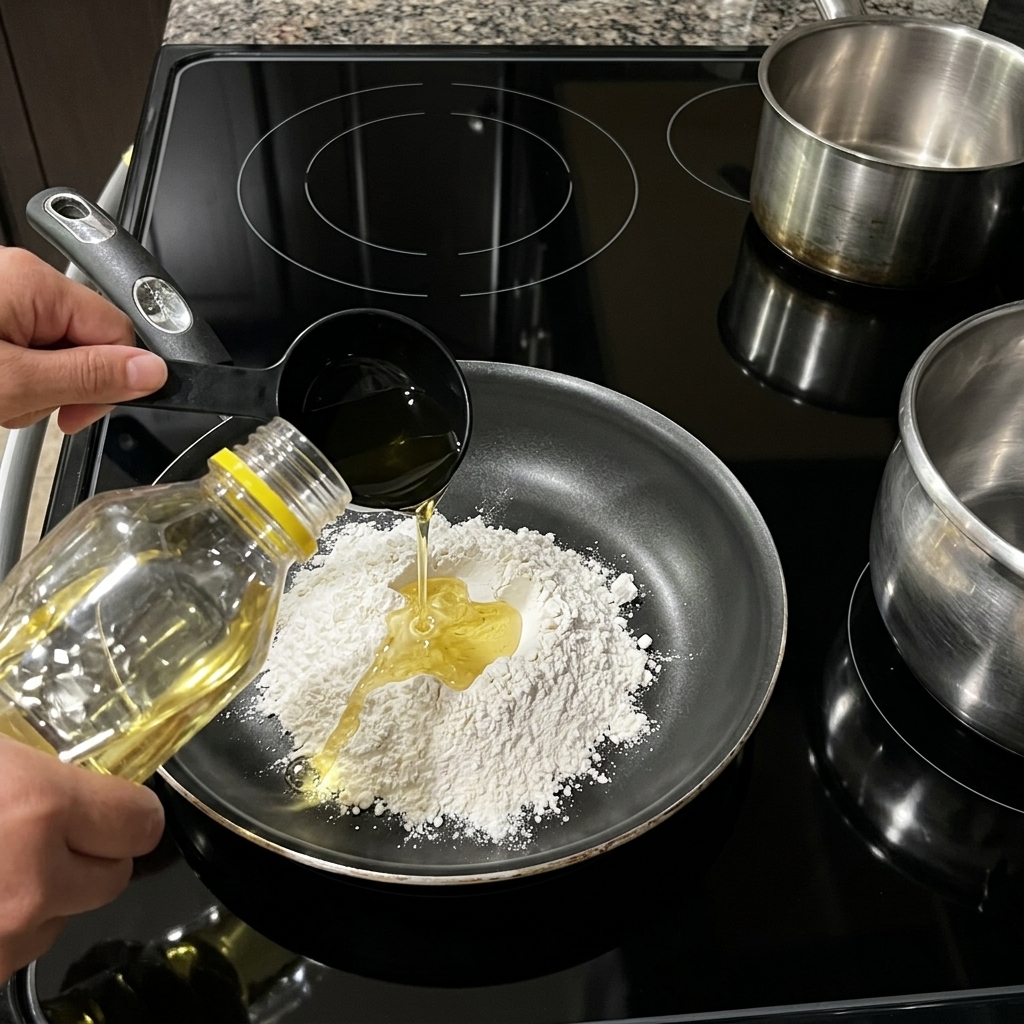
The foundation of a flavorful gumbo is a slow-cooked roux. Begin by adding a mound of all-purpose flour to a skillet, then carefully pour in the cooking oil. These two ingredients will combine to thicken the stew and provide its signature deep, rich taste.
Tip: Use a heavy-bottomed pan or cast-iron skillet to ensure even heat distribution and prevent the flour from burning. - 3Cook the roux
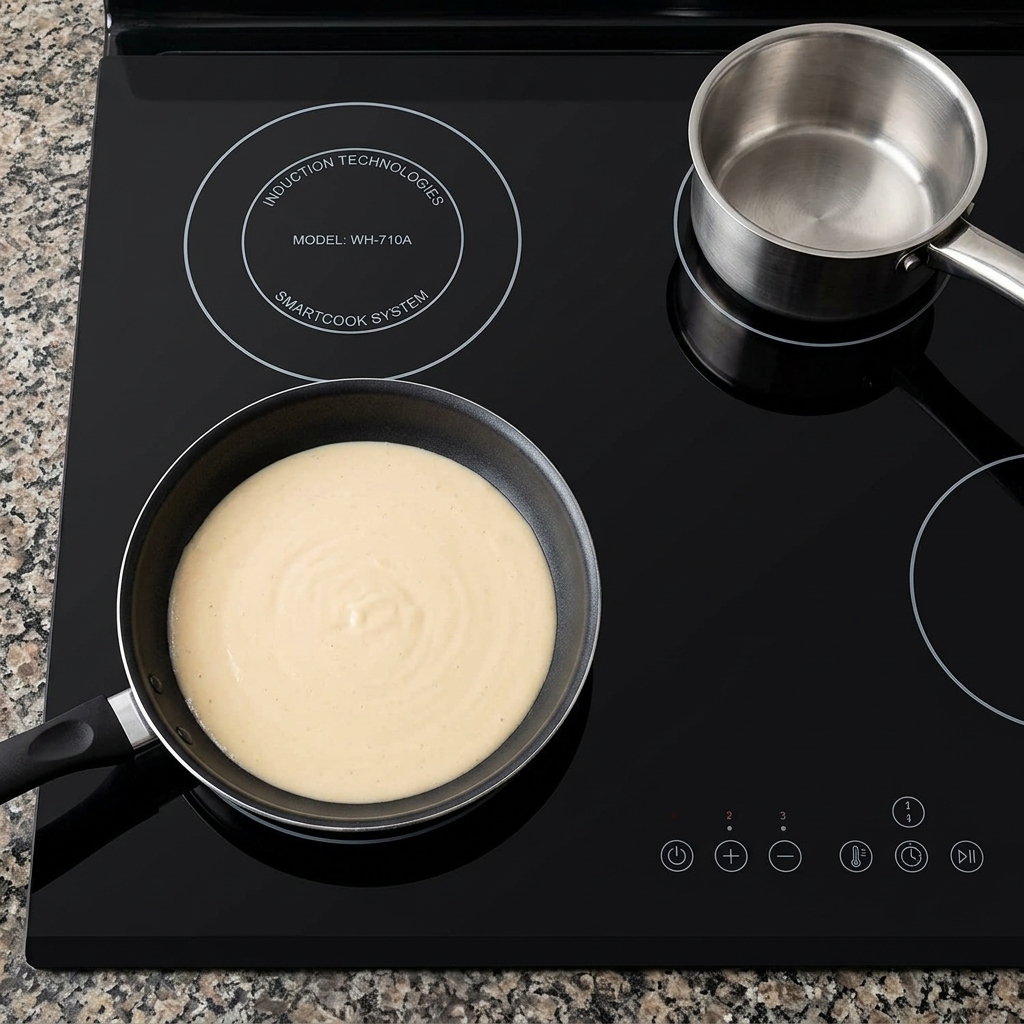
Place the pan over medium-low heat and continuously stir the oil and flour mixture. As it slowly cooks, you will notice the roux transitioning from white to a light tan or blonde color. This slow browning process is crucial for developing a complex flavor profile.
Tip: Do not stop stirring! Roux can easily catch and burn on the bottom of the pan, which will introduce a bitter, burnt taste to your entire dish. - 4Finish the roux
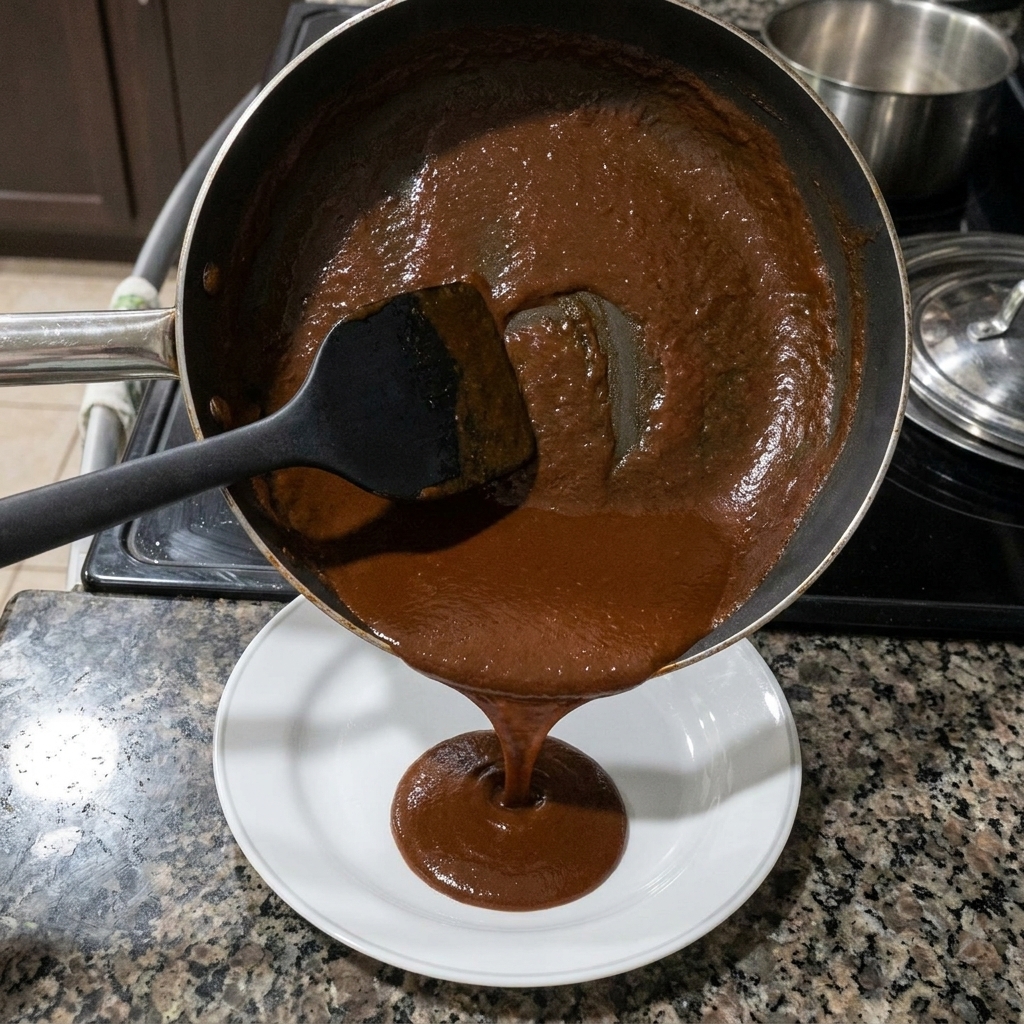
Continue stirring the mixture for about 40 minutes until it reaches a deep, dark chocolate color. Once the roux has achieved this rich color and a nutty aroma, immediately pour it out of the hot pan onto a plate or into a separate bowl to stop the cooking process.
Tip: A dark chocolate roux provides the most authentic and robust flavor for gumbo, though it will have slightly less thickening power than a lighter roux. - 5Slice the smoked sausage
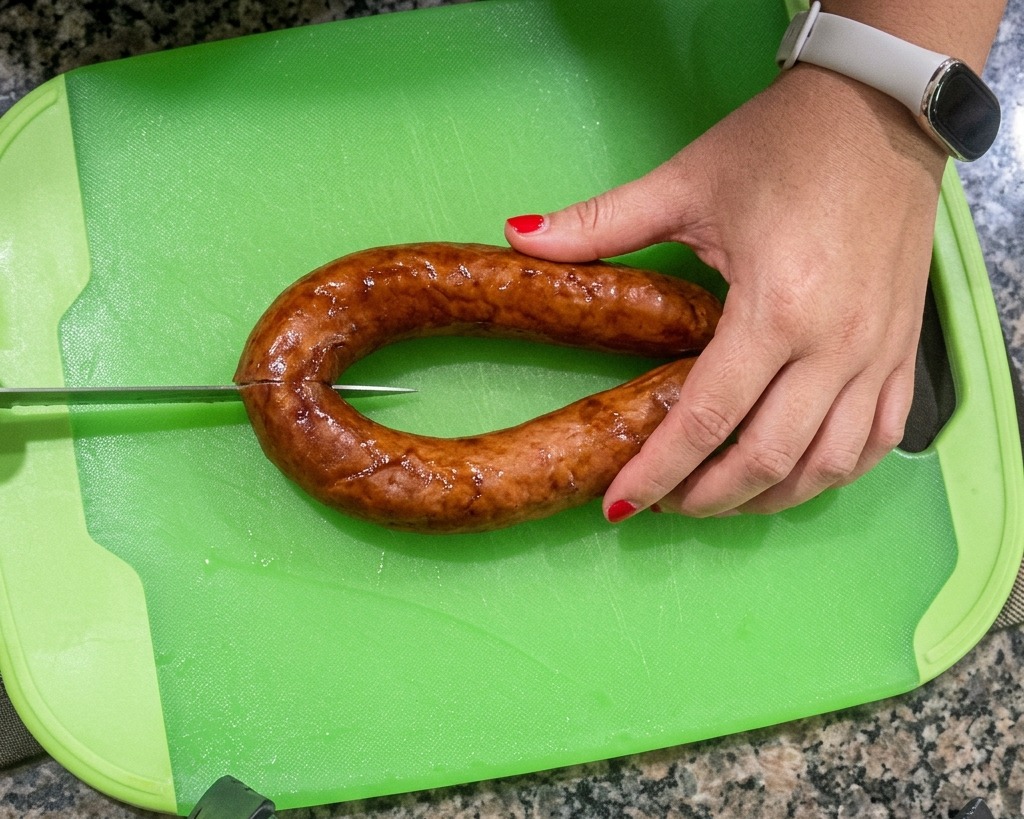
Take the smoked sausage and place it on a clean cutting board. Using a sharp knife, carefully slice the entire link into thin, uniform rounds. Slicing the meat exposes more surface area, which will help it brown better and release its savory flavors into the stew.
Tip: Slicing the sausage at a slight diagonal angle can give you larger pieces and an attractive presentation. - 6Brown the sausage

Transfer the sliced sausage rounds into a heated skillet. Cook them over medium-high heat, stirring occasionally, until the pieces develop a nice sear and their surfaces appear deeply browned. This browning step renders out the flavorful fat that will enhance the final dish.
Tip: Do not overcrowd the skillet. If necessary, cook the sausage in batches so that the pieces brown properly instead of steaming. - 7Chop the celery
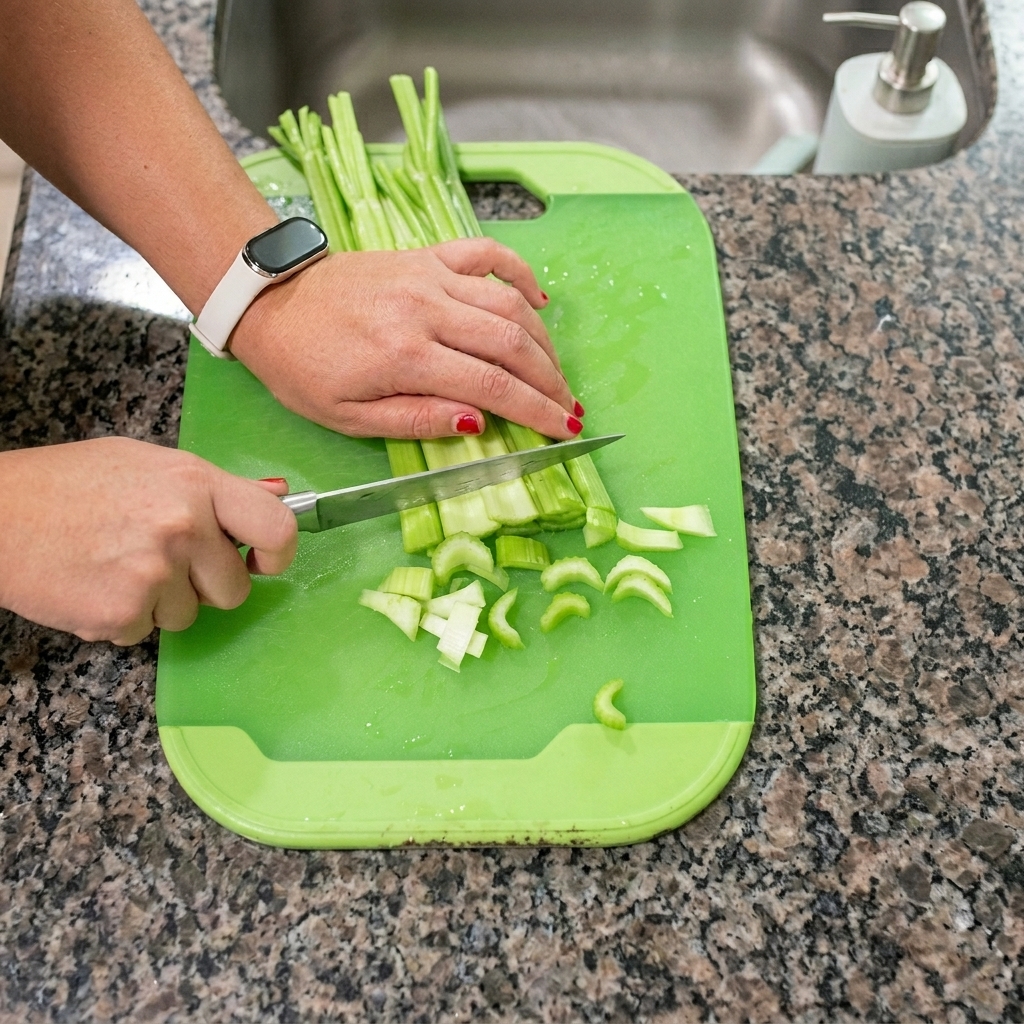
Wash and dry the fresh green celery stalks, then chop them into small, even pieces on a cutting board. This will form the base of the holy trinity of vegetables essential for building the foundational flavor of any authentic Gumbo.
Tip: Keep the chopped celery pieces relatively uniform in size so they cook evenly alongside the other vegetables. - 8Dice the onion
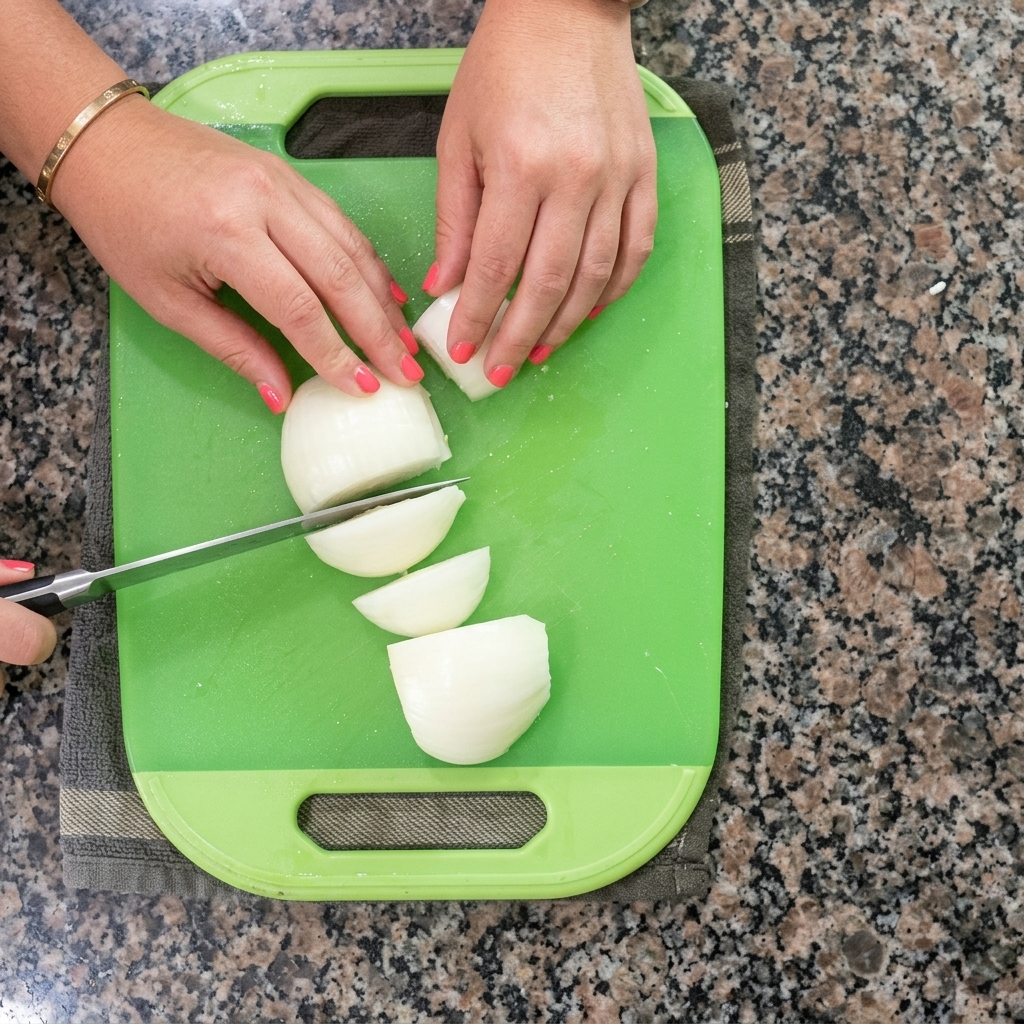
Peel and dice the raw white onion on your cutting board. Along with the celery and bell pepper, the onion provides the sweet and aromatic baseline for the rich stew.
Tip: Leave the root end of the onion intact while dicing to hold the layers together and make chopping much easier. - 9Chop the bell pepper
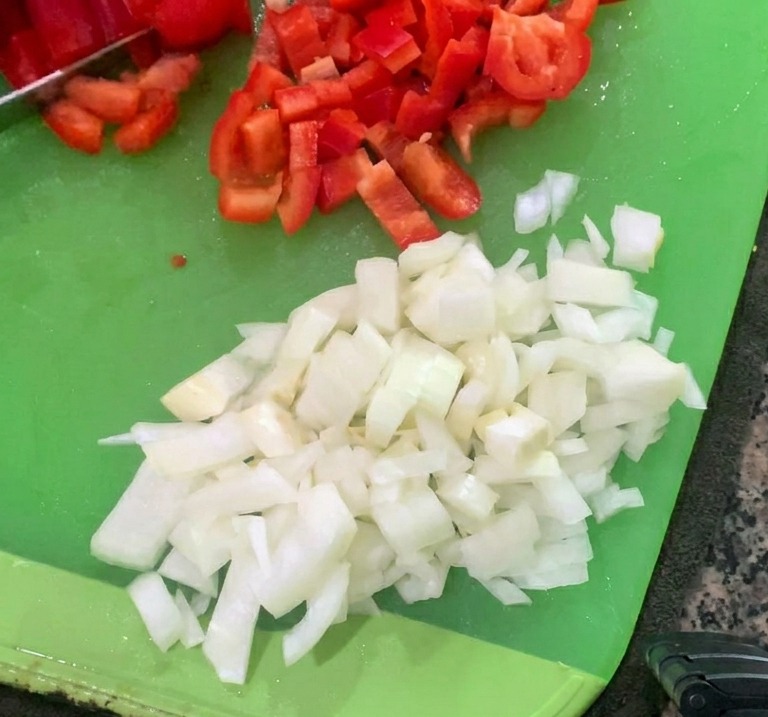
Remove the core and seeds from the red bell pepper, then chop it into small pieces to join the diced onion and celery. This completes the traditional Louisiana holy trinity vegetable base.
Tip: You can use green bell peppers instead of red if you prefer a slightly more traditional, earthy flavor profile for your Gumbo. - 10Sauté the vegetables
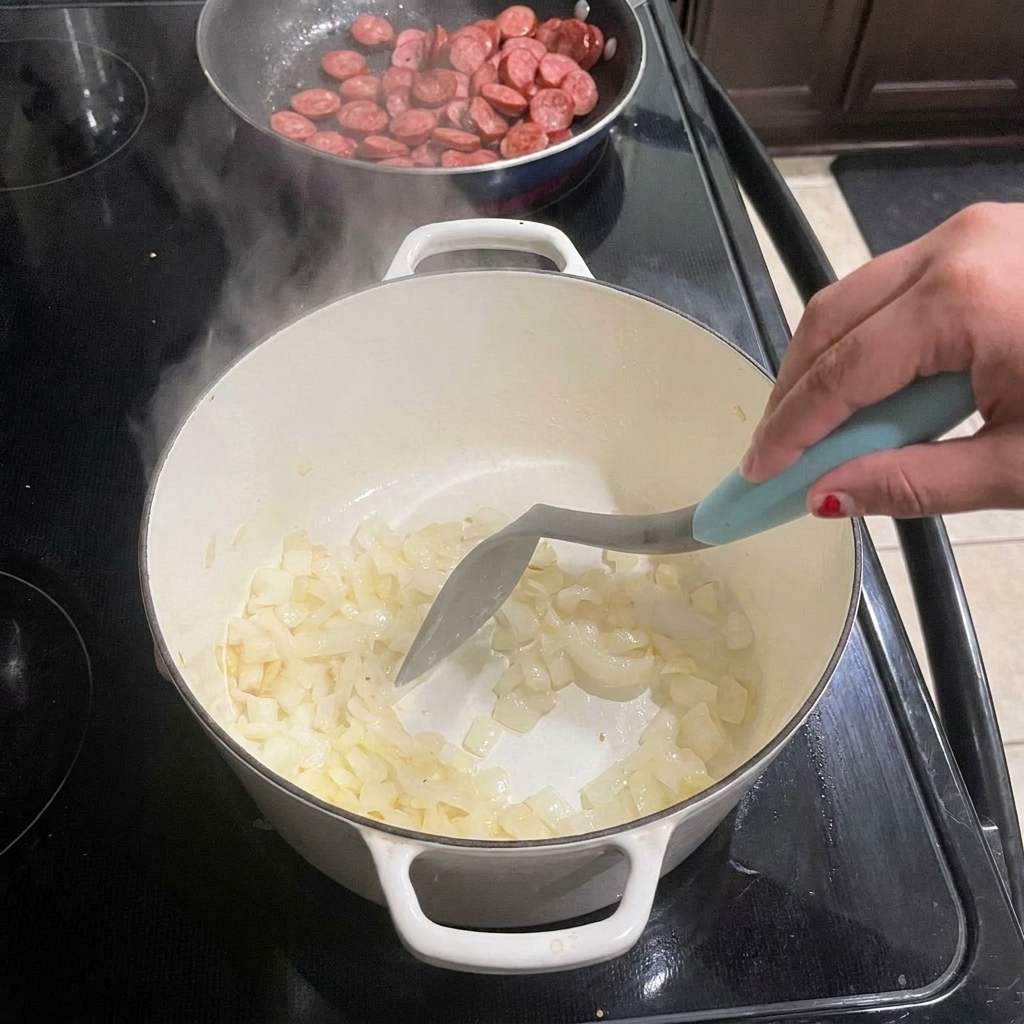
Transfer the diced onions into a large white cooking pot over medium heat. Sauté them, stirring frequently with a spatula, until they become translucent and tender, releasing their natural sweetness.
Tip: Take your time cooking the vegetables down; allowing them to soften slowly builds a deep flavor base without burning them. - 11Add the sausage

Once the onions have softened, carefully add the pan-fried, browned smoked sausage rounds into the large pot. Stir everything together so the onions can absorb the savory fats and smoky flavors from the sausage.
Tip: Browning the sausage in a separate pan first is crucial for developing texture and draining excess fat before adding it to the main pot. - 12Pour in the broth
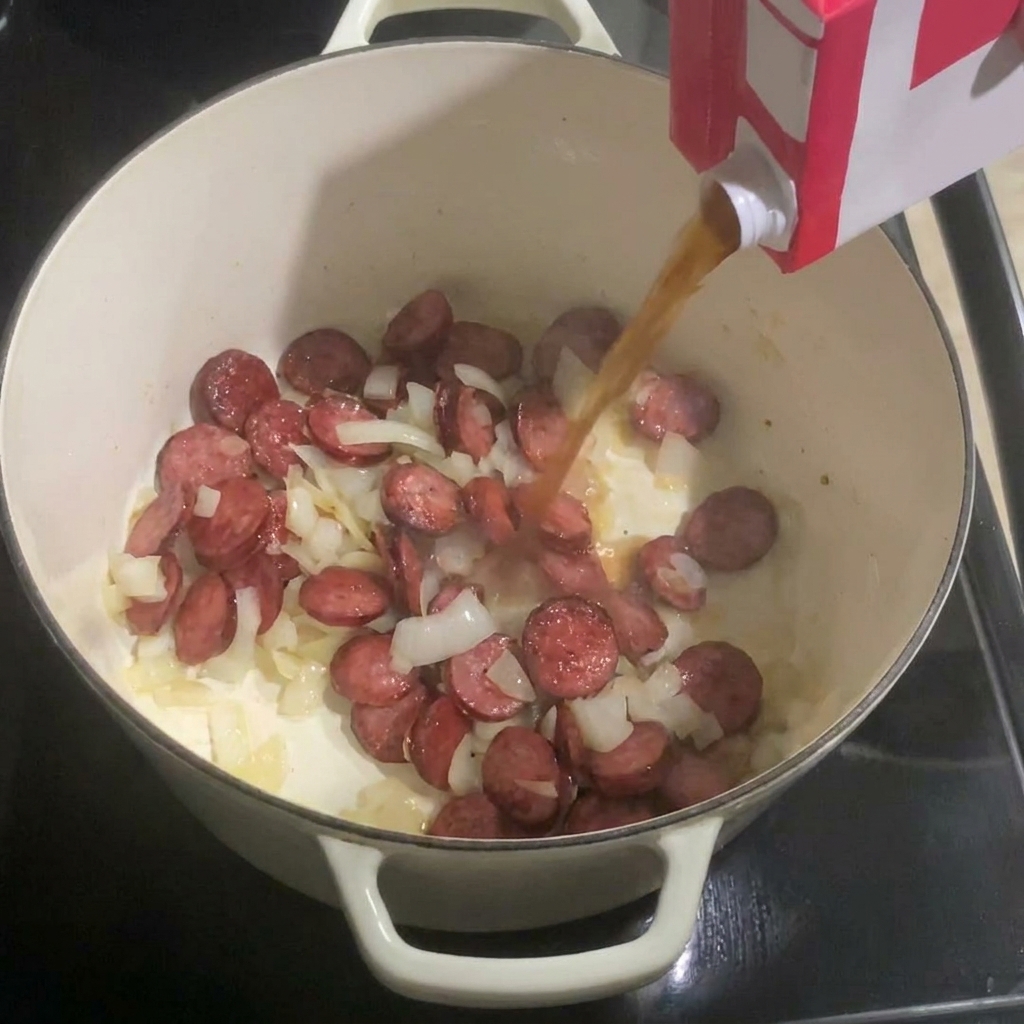
Slowly pour the chicken broth into the pot over the sausage and vegetable mixture. Stir well to combine all the ingredients and scrape up any flavorful browned bits from the bottom of the pot.
Tip: Using low-sodium chicken broth allows you to better control the final salt level of your Gumbo, since Cajun seasoning and sausage are already salty. - 13Add Celery to Broth
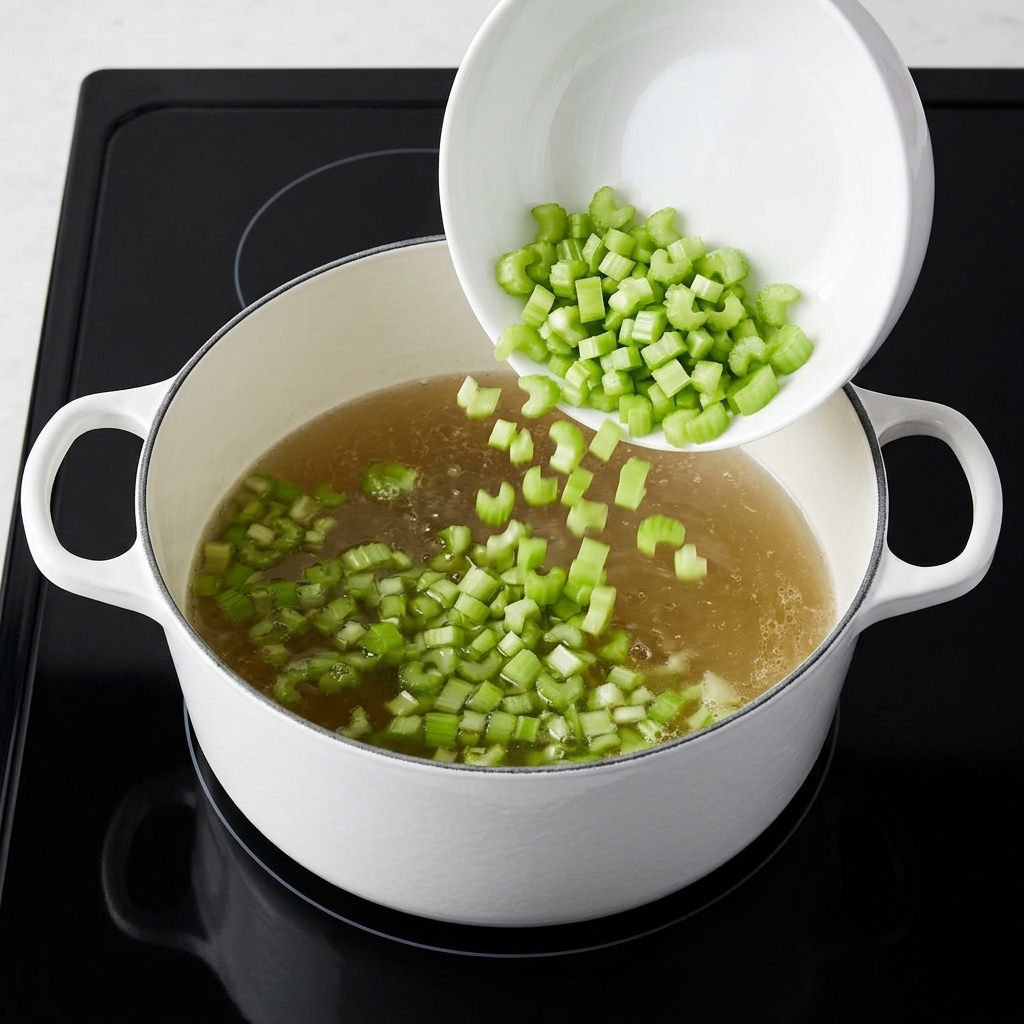
Carefully add the chopped celery into the simmering broth. As part of the traditional Cajun holy trinity, the celery provides a subtle earthy flavor and aromatic foundation for the gumbo.
Tip: Cut the celery into uniform pieces to ensure they soften at the same rate while simmering. - 14Add Red Bell Peppers
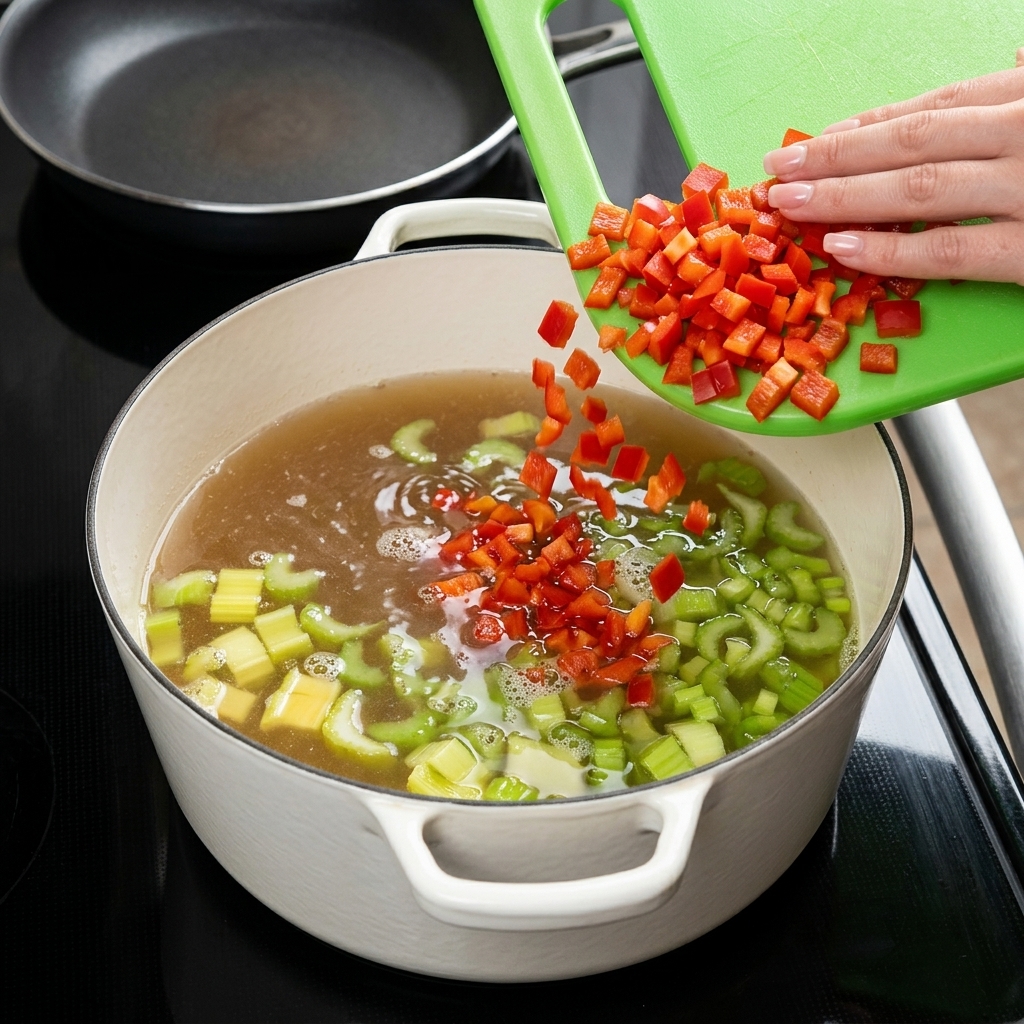
Slide the diced red bell peppers into the pot to join the celery. The peppers will introduce a touch of sweetness and vibrant color, further building the aromatic base of the stew.
Tip: Green bell peppers are more traditional for Cajun gumbo, but red peppers work beautifully if you prefer a slightly sweeter profile. - 15Incorporate Cooked Chicken
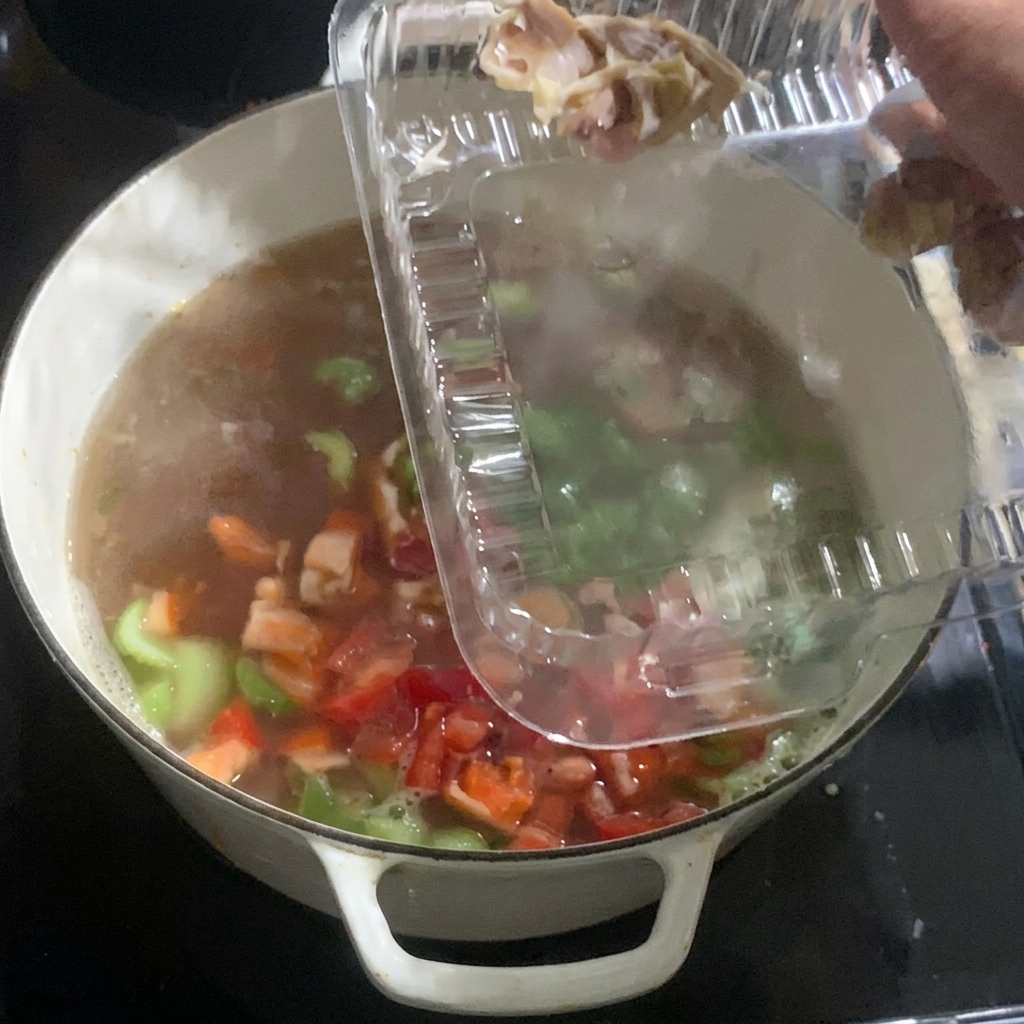
Add the prepared pieces of cooked chicken meat into the simmering pot. As the chicken heats through in the broth, it will begin to absorb the flavors from the aromatic vegetables.
Tip: If you are using raw chicken, make sure to brown it in a skillet before adding it to the pot to build more depth of flavor. - 16Stir in the Dark Roux
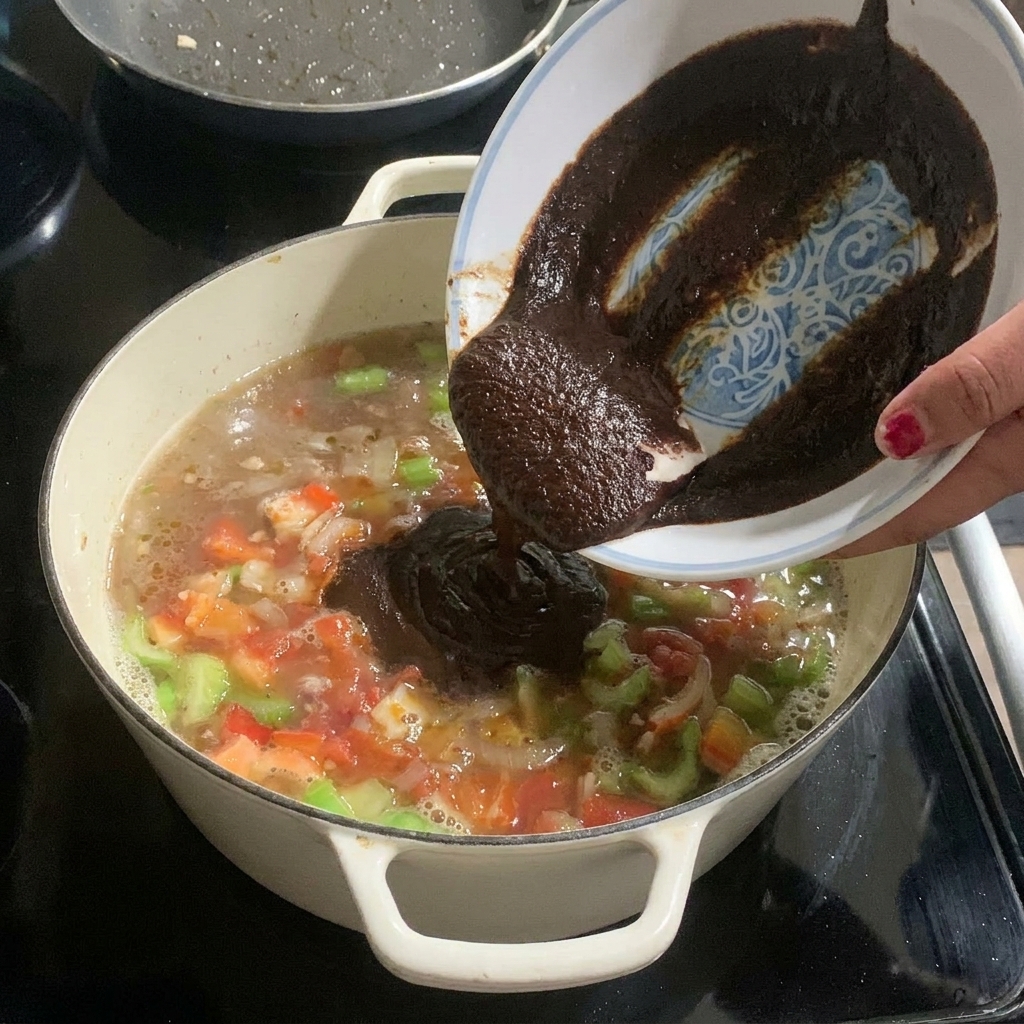
Pour the prepared dark chocolate roux into the simmering pot of vegetables, meat, and broth. Stir continuously until the roux is fully dissolved, giving the gumbo its signature thick texture and deep, toasty flavor.
Tip: Make sure your broth is hot but not at a rolling boil when adding the roux to prevent it from separating.