Silky Okra & Chicken Curry
Pasta and Charred Peppers
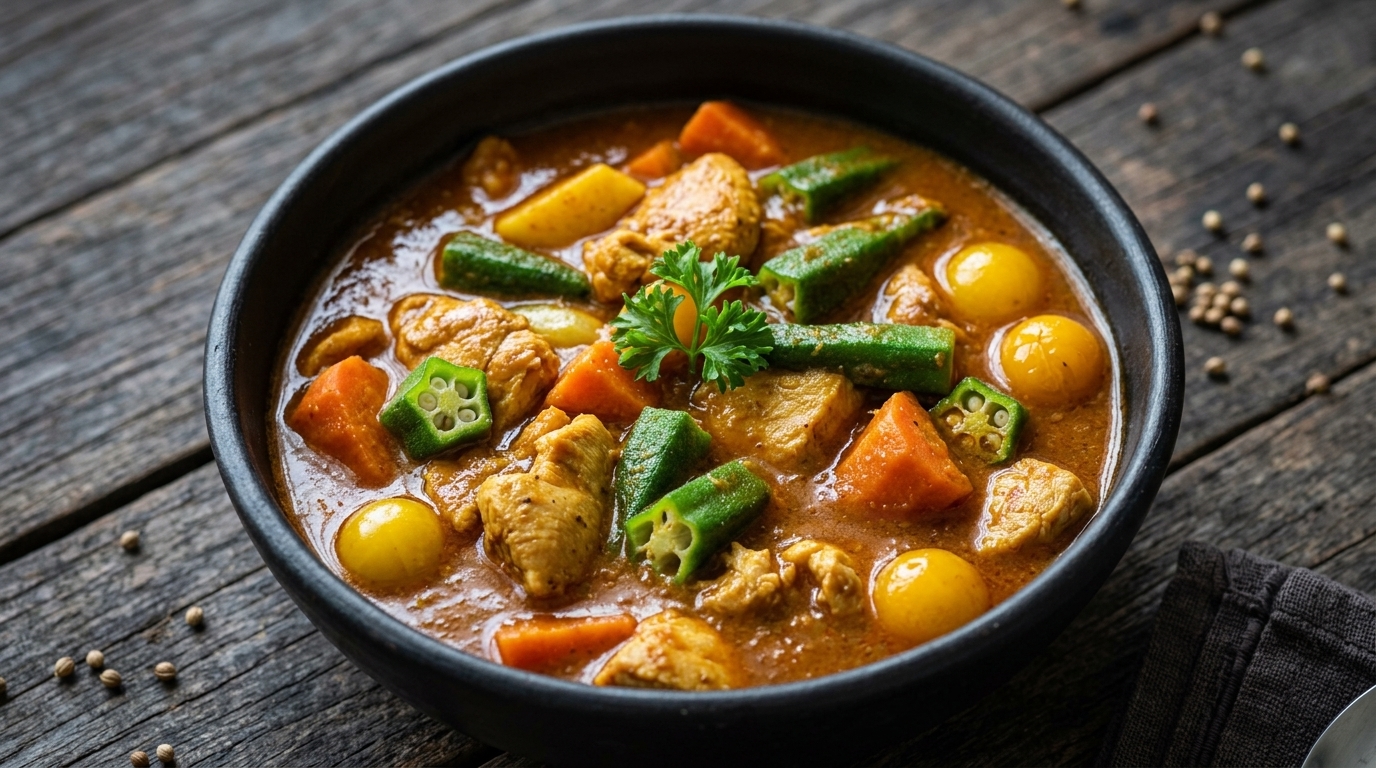
This vibrant chicken curry uses fresh okra as a natural thickener to create a silky, rich sauce. Served over wide pasta noodles and topped with sweet-and-sour charred green peppers, it’s a perfectly balanced, hearty meal.
While serving curry over pasta might seem unconventional, wide noodles provide the perfect canvas for this deeply savory, tomato-based sauce. The real magic here lies in using fresh okra—its natural mucilage thickens the stew to a luxurious consistency without relying heavily on starches or extra potatoes. Paired with the smoky, tangy bite of fire-roasted green peppers, this dish beautifully bridges comforting warmth and bright, contrasting flavors.
Ingredients
- 500 g chicken breast
- 200 g fresh okra
- 1 medium red onion
- 3 cloves garlic
- 100 g shiitake mushrooms
- 1 large yellow potato
- 1 medium carrot
- 2 medium tomatoes
- 100 g cherry tomatoes
- 1 tbsp tomato paste
- 1–2 blocks Japanese curry roux
- 2 whole green peppers
- 300 g wide, flat pasta noodles
- 1 tbsp cornstarch
- 3 tbsp vinegar
- 1 tbsp sugar
- 1 splash milk
- to taste salt and black pepper
- 2 tbsp cooking oil
Instructions
- 1Slice the red onion
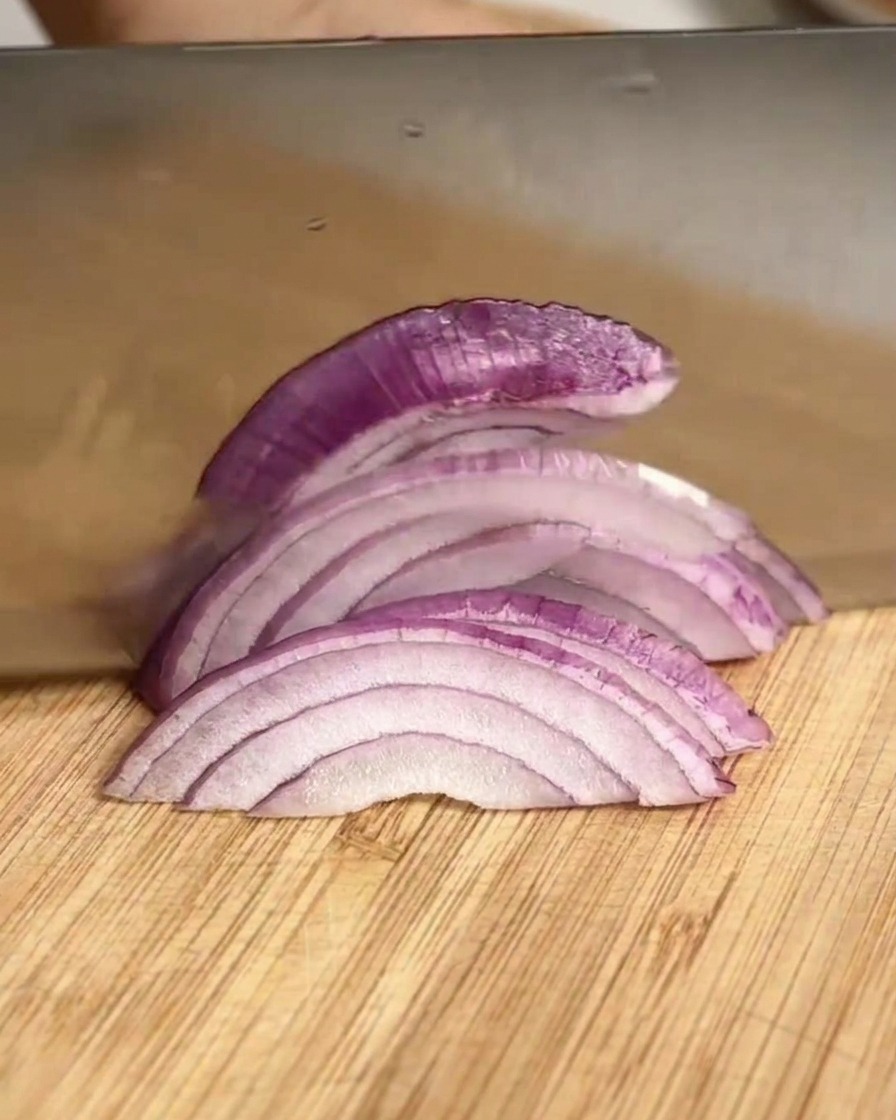
Place the red onion on a wooden cutting board and carefully slice it. The onions will be sautéed later to build a flavorful, aromatic base for the curry sauce.
Tip: Using a sharp knife makes slicing onions much easier and reduces the amount of tear-inducing compounds released into the air. - 2Chop the potatoes
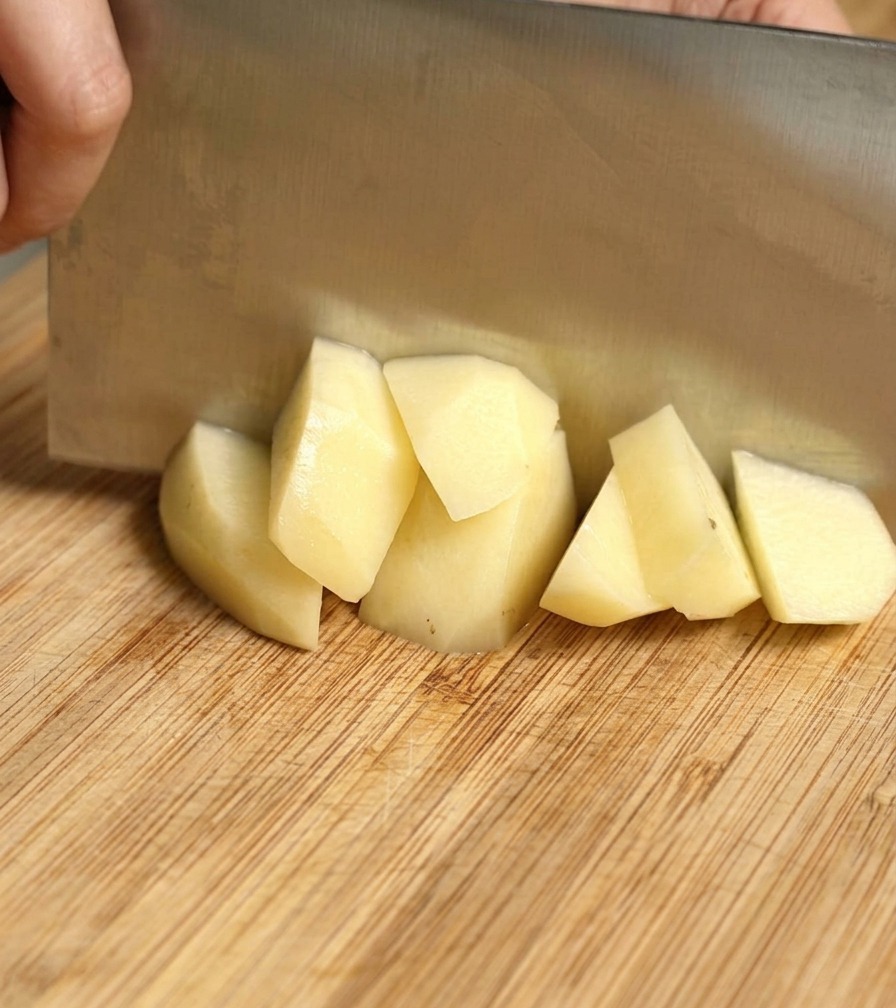
Cut the peeled potatoes into thick, even chunks using a large knife. Because the okra will act as a natural thickener later on, you wont need to use as many potatoes to achieve a rich, hearty texture.
Tip: Try to cut the potato chunks into roughly the same size so they cook evenly in the stew. - 3Slice the okra
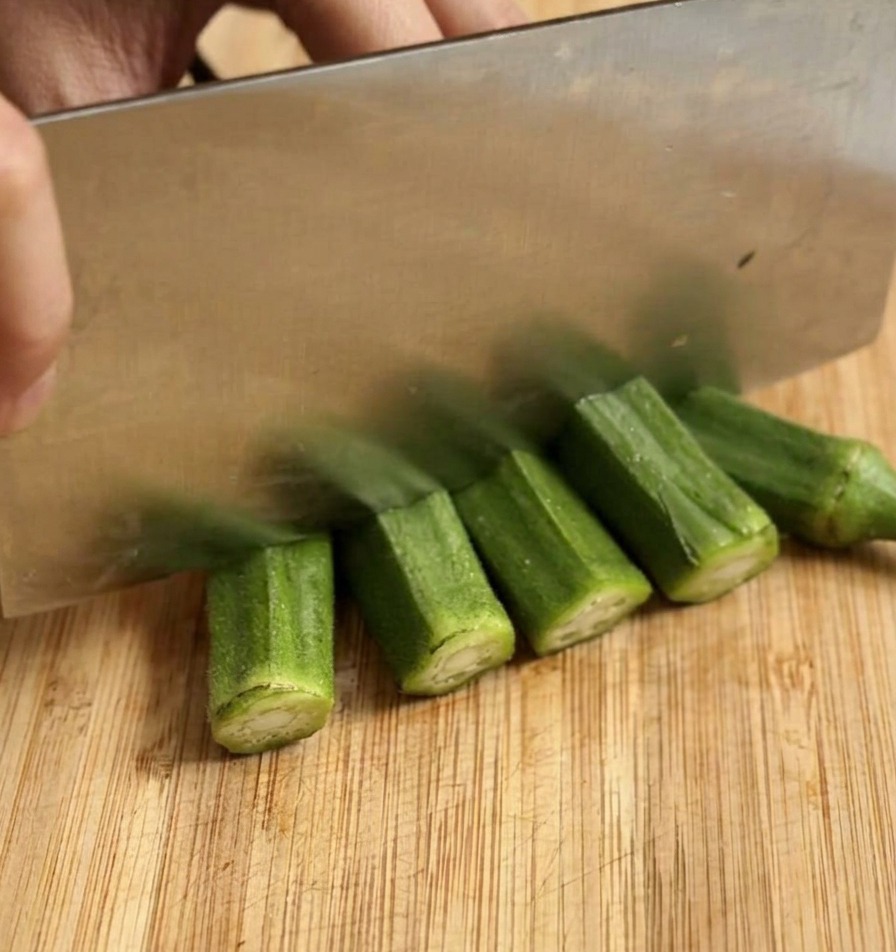
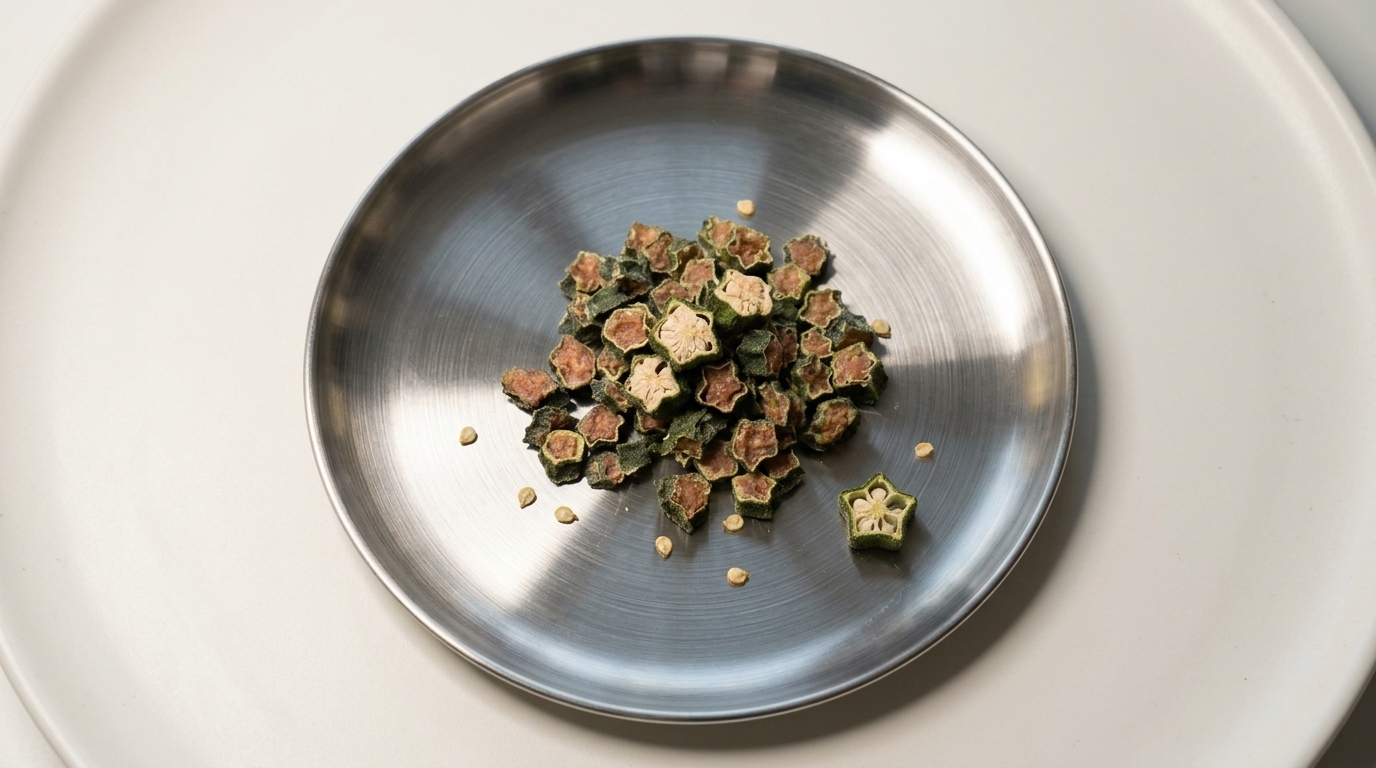
Trim the ends and slice the green okra crosswise into thick, star-shaped pieces. The natural mucilage inside the okra will serve as a fantastic thickener for the curry, giving it a beautifully silky consistency.
Tip: Keep the okra slices relatively thick so they hold their shape and dont turn completely to mush when pan-fried and stewed. - 4Dice the chicken breast
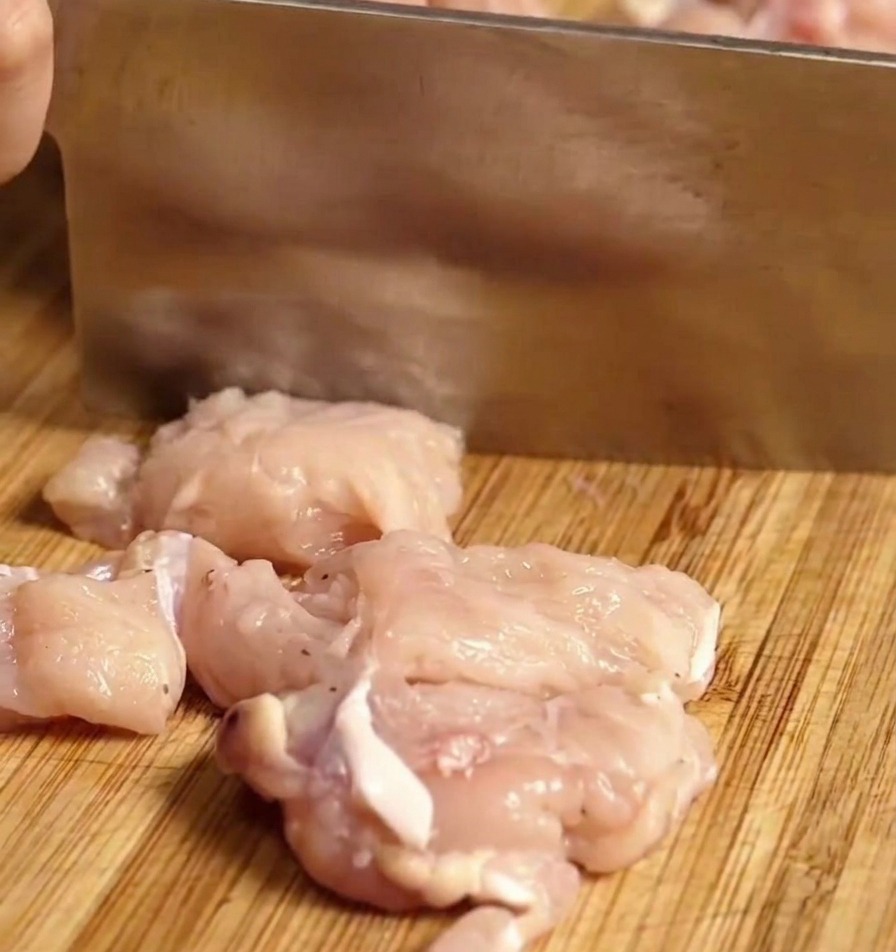
Place the raw chicken breast on the cutting board and dice it into uniform, bite-sized pieces. Cutting them evenly ensures the meat cooks at the same rate and stays perfectly tender in the finished curry.
Tip: Slightly freezing the chicken breast for about 15 minutes beforehand can make it much easier to slice cleanly. - 5Marinate the chicken
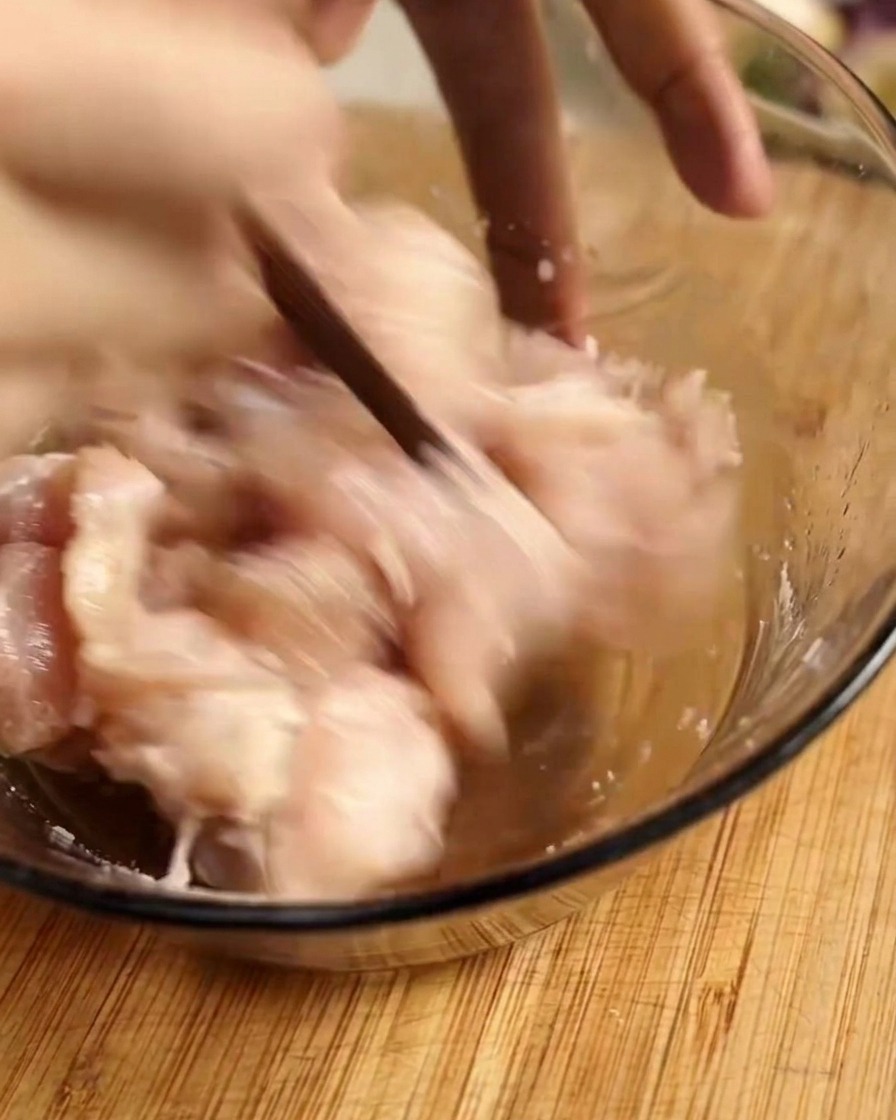
Transfer the diced chicken breast to a clear glass bowl. Add a pinch of salt, black pepper, cornstarch, and a drizzle of cooking oil, then use chopsticks to mix everything thoroughly until the chicken is evenly coated.
Tip: The combination of cornstarch and oil helps seal the moisture inside the chicken, ensuring it stays juicy and tender when pan-fried. - 6Pan-fry the okra
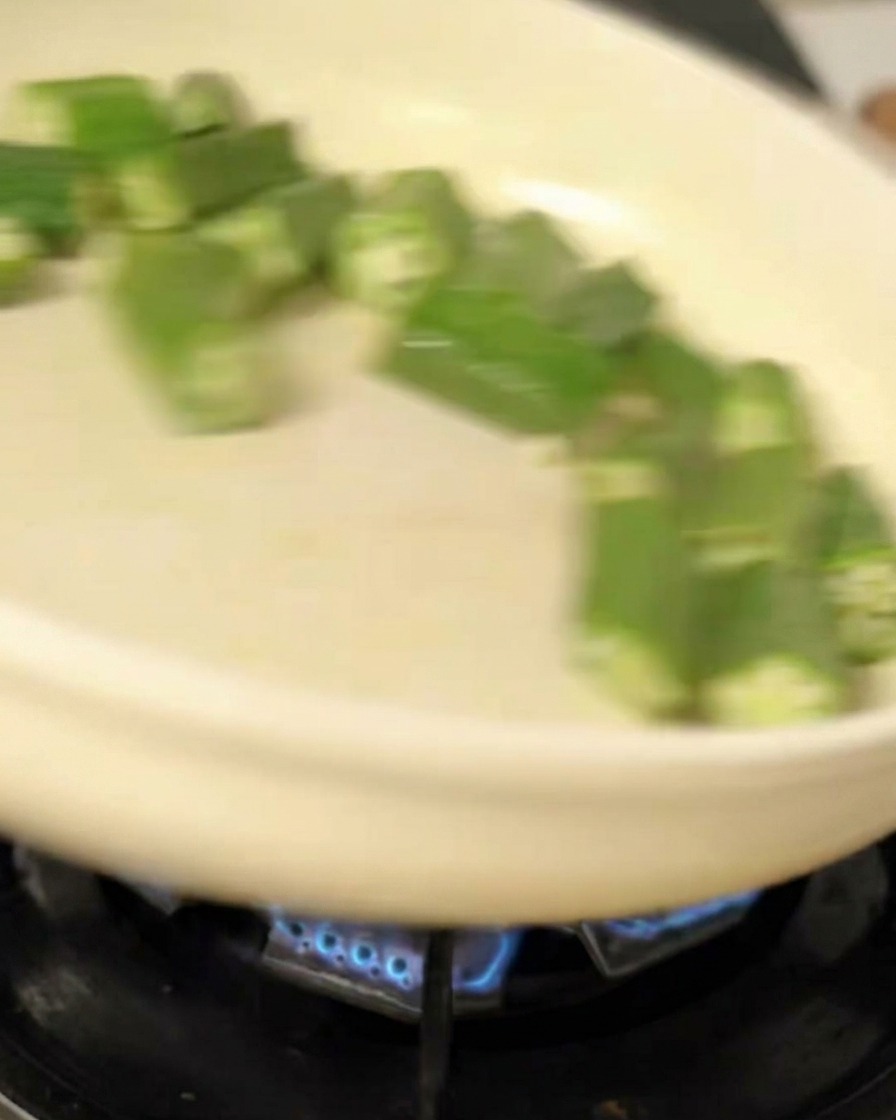
Heat a little oil in a white skillet and add the sliced okra. Lightly fry the pieces just until the cut edges are sealed. This quick step helps keep the seeds intact while cooking, preparing them to be added back into the curry later.
Tip: Dont overcook the okra at this stage; you just want a quick sear to seal the edges before they finish cooking in the stew. - 7Pan-fry the chicken
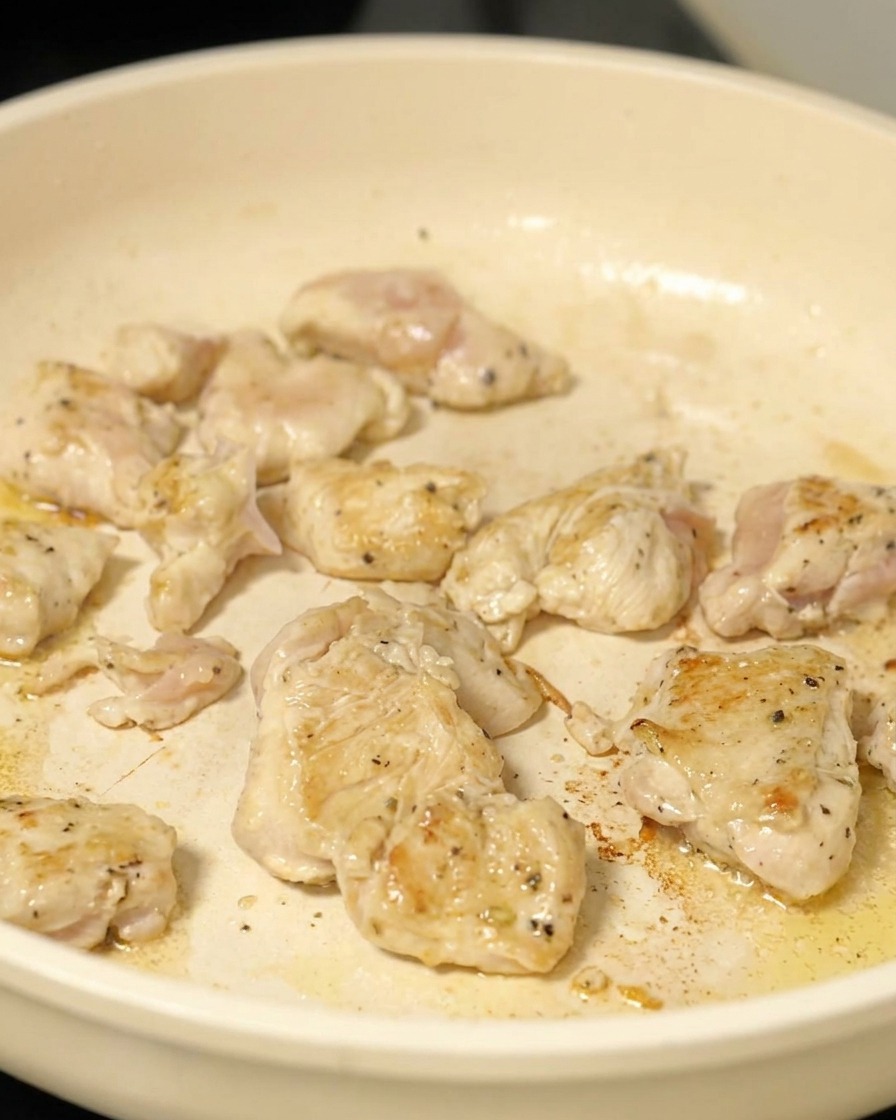
Add the marinated chicken pieces to the skillet. Pan-fry them over medium-high heat until the outside is lightly browned. They dont need to be fully cooked through at this point, as they will finish cooking in the curry later. Once lightly browned, remove the chicken from the pan and set it aside.
Tip: Searing the chicken helps seal in its juices and leaves flavorful browned bits in the pan for the sauce. - 8Sauté the aromatics
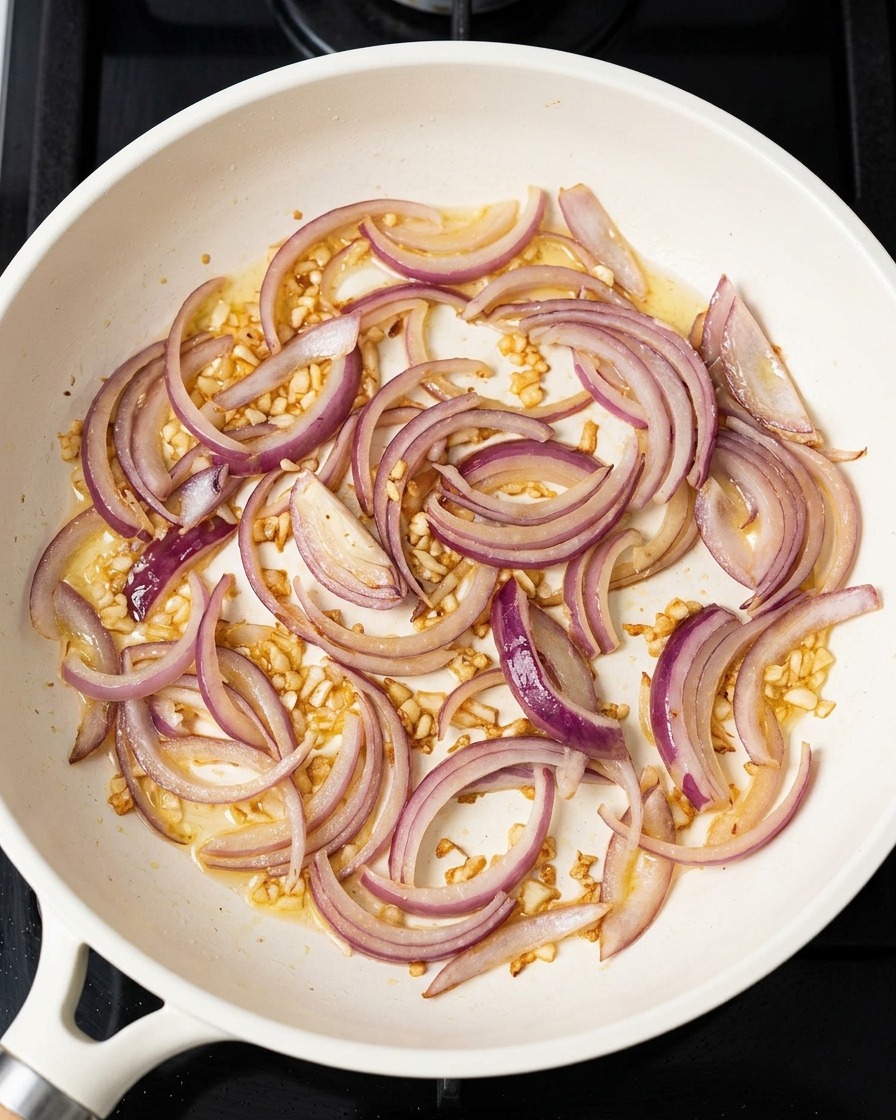
In the same pan, add the sliced red onions and chopped garlic. Season with a pinch of salt and some black pepper. Sauté everything together over medium heat until the onions soften and become fragrant.
Tip: Cooking the aromatics in the residual oil from the chicken incorporates those savory flavors into the base of the curry. - 9Add vegetables to the pan
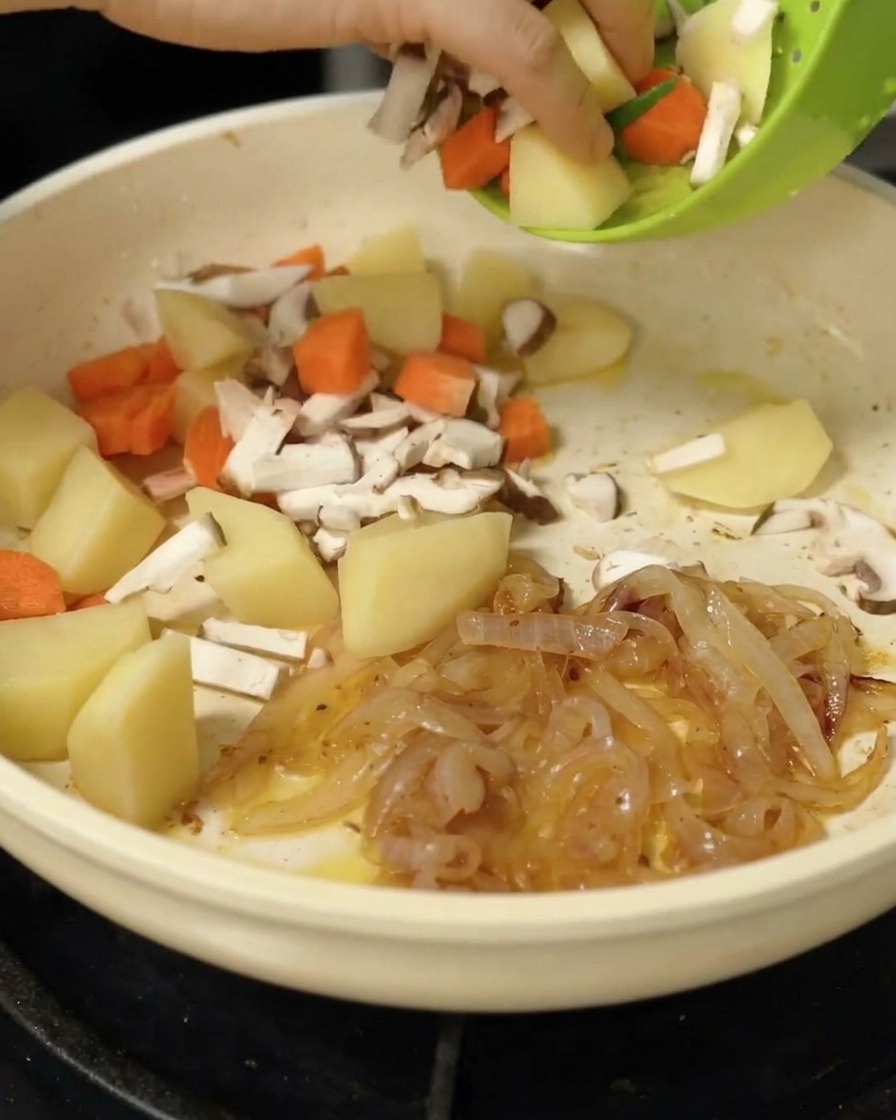
Once the onions are soft, toss in the chopped shiitake mushrooms, diced potatoes, and carrots. Stir-fry the vegetables briefly with the aromatics to coat them in the flavorful oil before building the sauce.
Tip: Stir-frying the root vegetables before adding liquids helps them hold their shape better during the stewing process. - 10Add tomatoes and curry paste
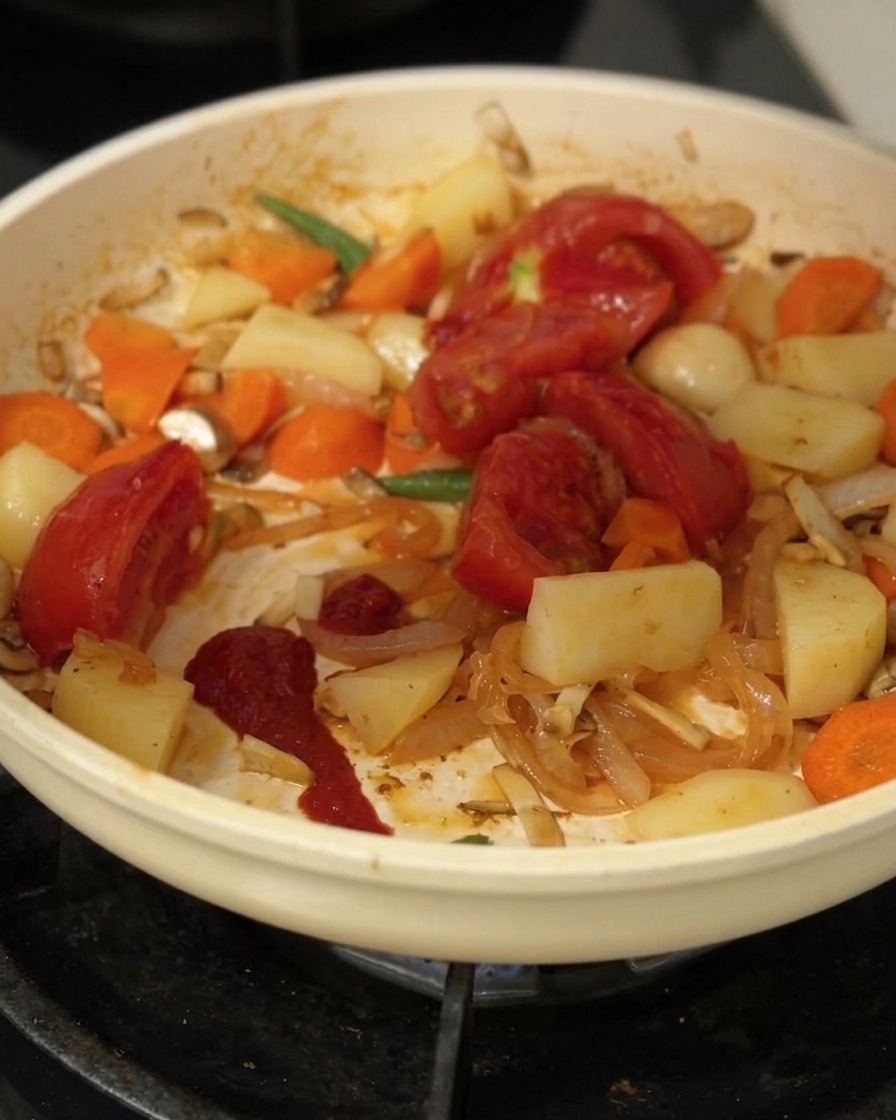
Stir the quartered tomatoes and tomato paste into the pan with the softened vegetables. Add the curry block to the mixture. Cook everything together until the tomatoes break down and turn slightly mushy, releasing their natural juices to form the flavor base.
Tip: Tomato paste adds a concentrated depth of flavor and a beautiful rich color to the curry. - 11Pour in the hot water
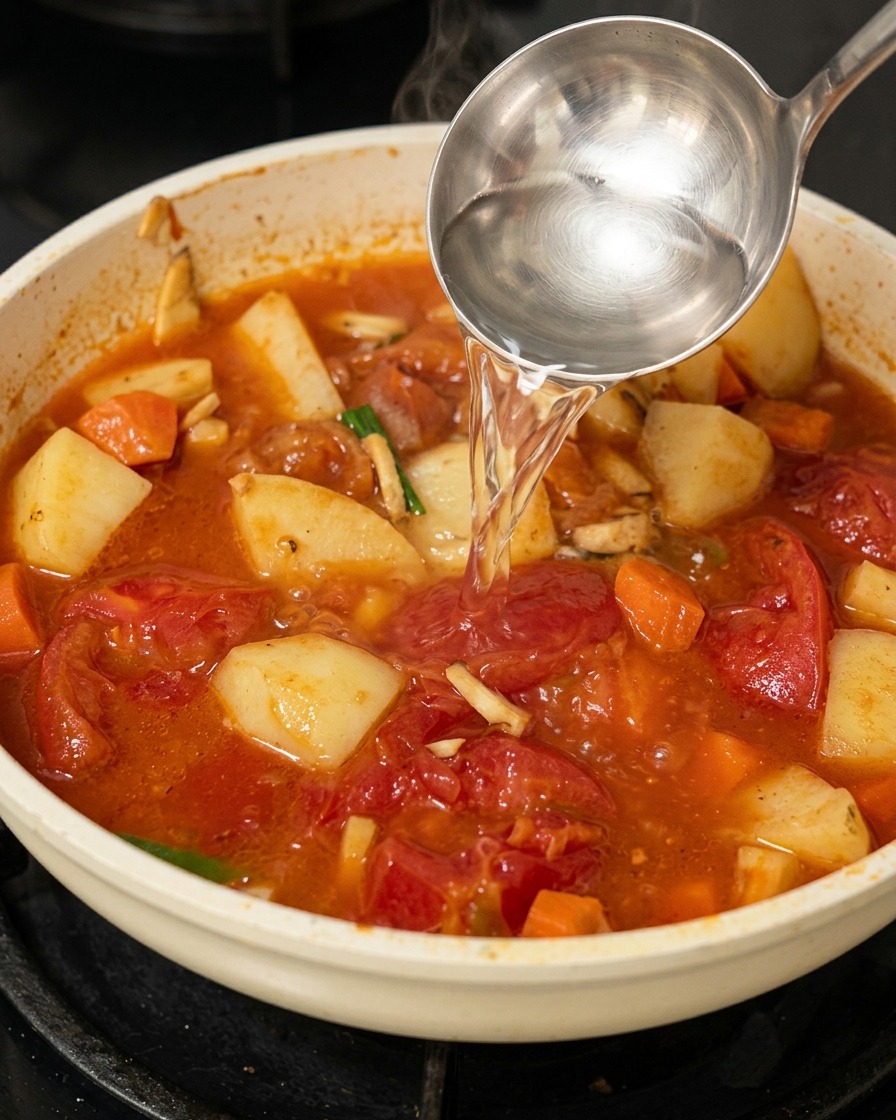
Once the tomatoes and curry block have been incorporated into the vegetables, pour in enough boiling water to create the base for the curry sauce. Season with a little extra salt to taste, and optionally add paprika or soy sauce for a deeper color. Stir well, cover the pan, and let the mixture stew until the potatoes are tender.
Tip: Using boiling water instead of cold water helps maintain the cooking temperature and speeds up the stewing process. - 12Boil the pasta
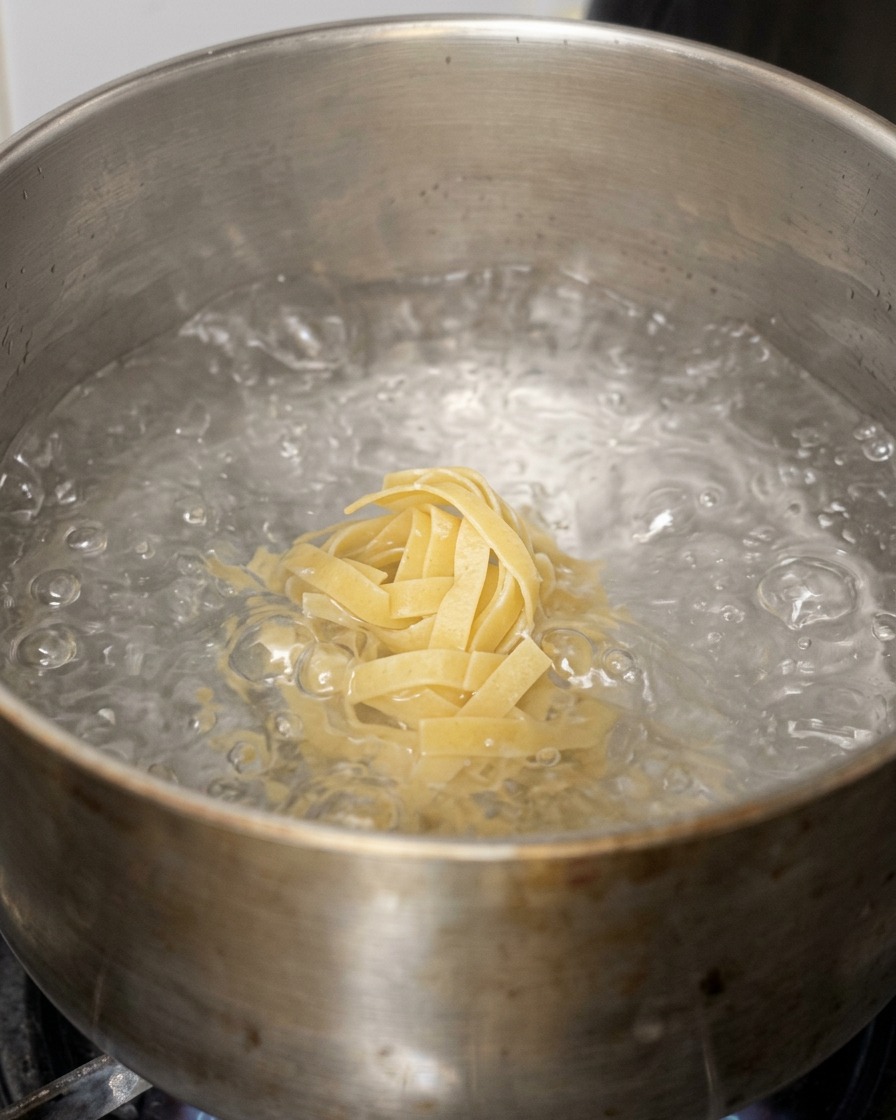
While the curry is simmering and the potatoes are softening, bring a separate pot of water to a rolling boil. Add your flat, wide pasta noodles and cook them according to the package directions until they reach your desired doneness.
Tip: Salt the pasta water generously — it should taste like the sea. This is your only chance to flavor the pasta itself. - 13Roast the green peppers
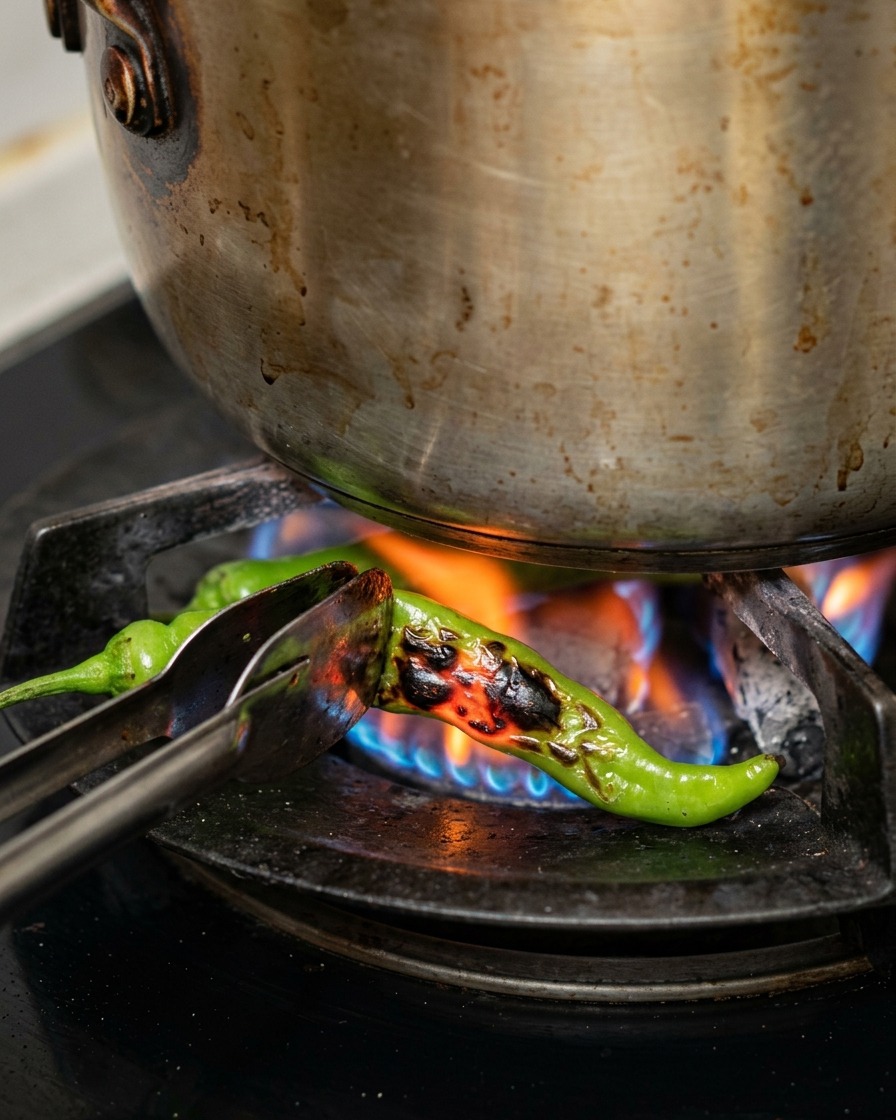
While the curry simmers, use metal tongs to carefully hold the whole green peppers directly over the open flame of a gas stove. Roast them, turning occasionally, until the skin is blistered and beautifully charred on all sides.
Tip: Charring the peppers adds a wonderful smoky aroma and softens their texture, preparing them for the marinade. - 14Marinate the roasted peppers
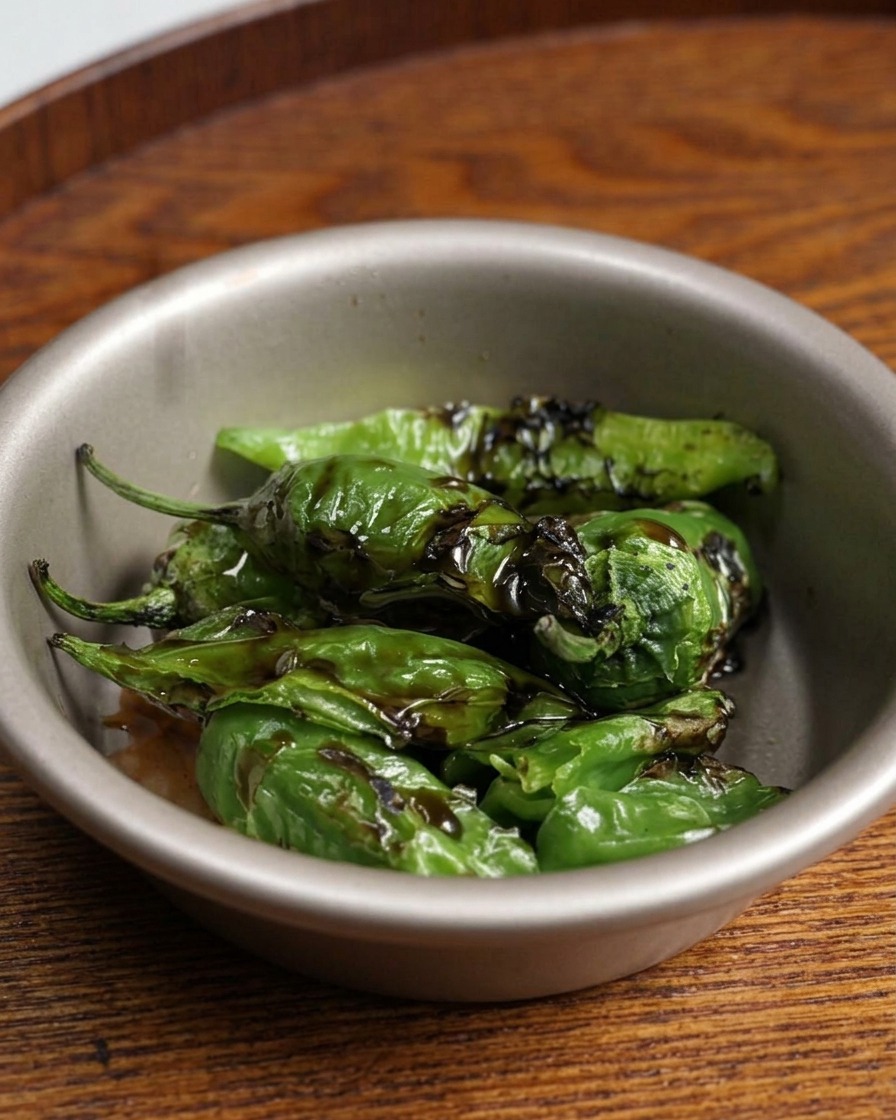
Use scissors to snip the charred green peppers into a small metal bowl. Soak them in a dark, tangy marinade made of vinegar, sugar, and salt. Allowing them to rest in the liquid helps them absorb the bright flavors, which will perfectly cut through the richness of the curry when served.
Tip: Soaking the peppers while they are still warm from the stove allows them to absorb the sweet and tangy marinade much more effectively. - 15Return chicken to the pot
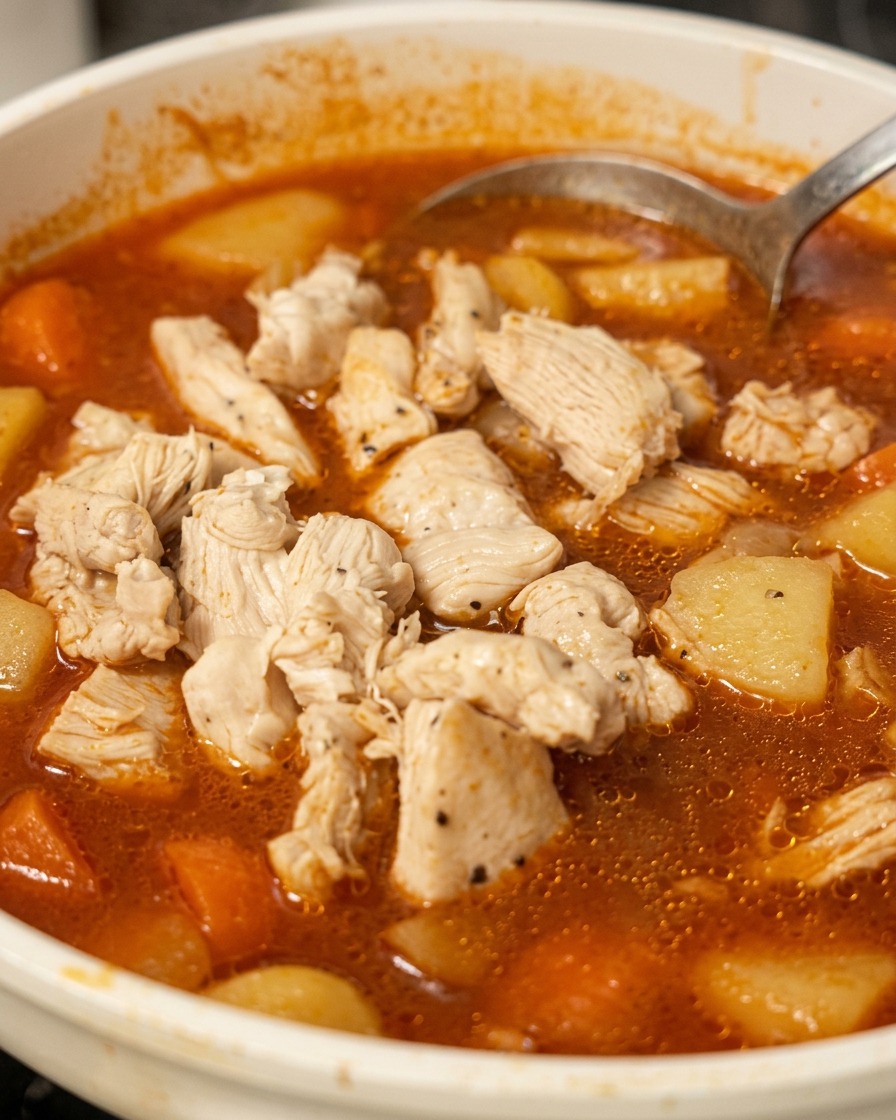
Once the potatoes are soft and the curry has thickened, add the pan-fried chicken pieces back into the simmering pot. Stir gently to ensure the chicken is completely coated in the rich, reddish curry sauce and allow it to heat through.
Tip: Adding the chicken back at the end of the cooking process ensures it stays incredibly tender and prevents it from overcooking. - 16Finish with milk
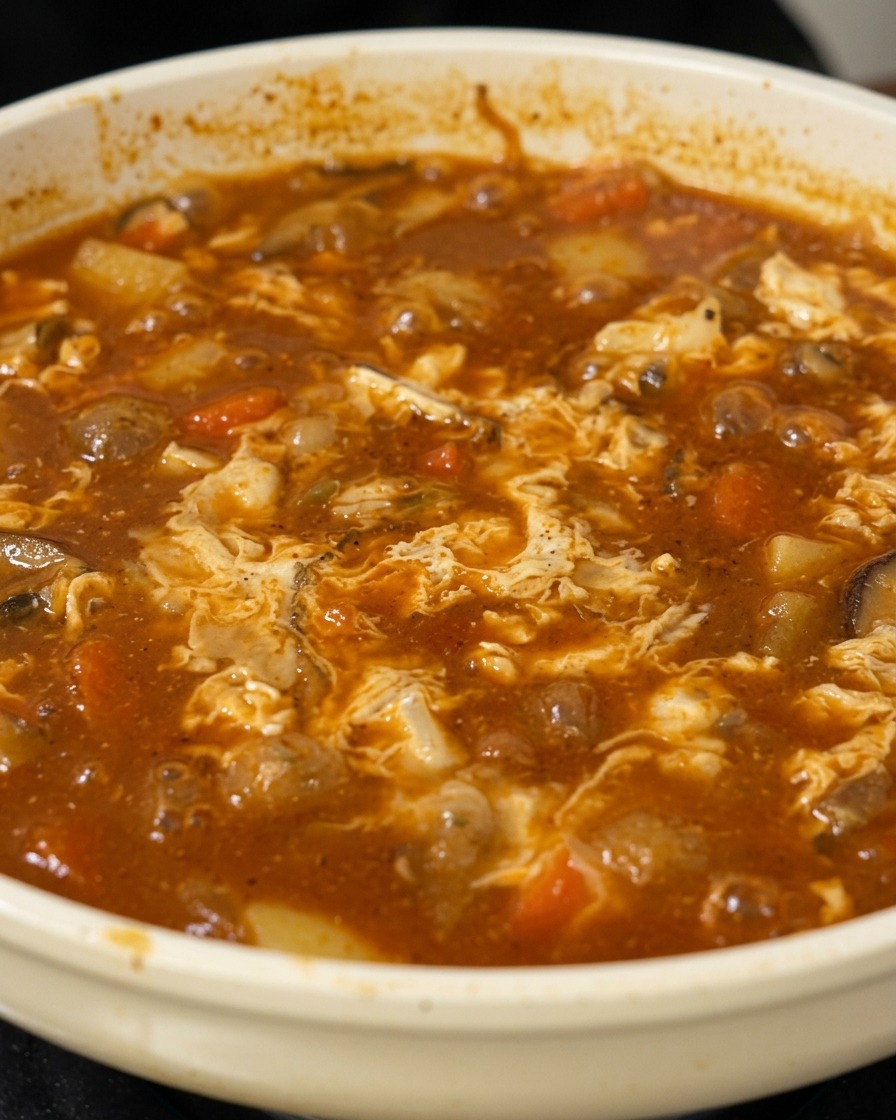
Stir a splash of milk into the bubbling curry mixture. At this stage, you can also add the pan-fried okra and cherry tomatoes. The milk will smooth out the sauce, making it incredibly rich, silky, and well-balanced.
Tip: Adding milk mellows out the acidity of the tomatoes and the heat of the spices, creating a creamier flavor profile.