Black Truffle Clam Chowder
Sourdough Bread Bowl
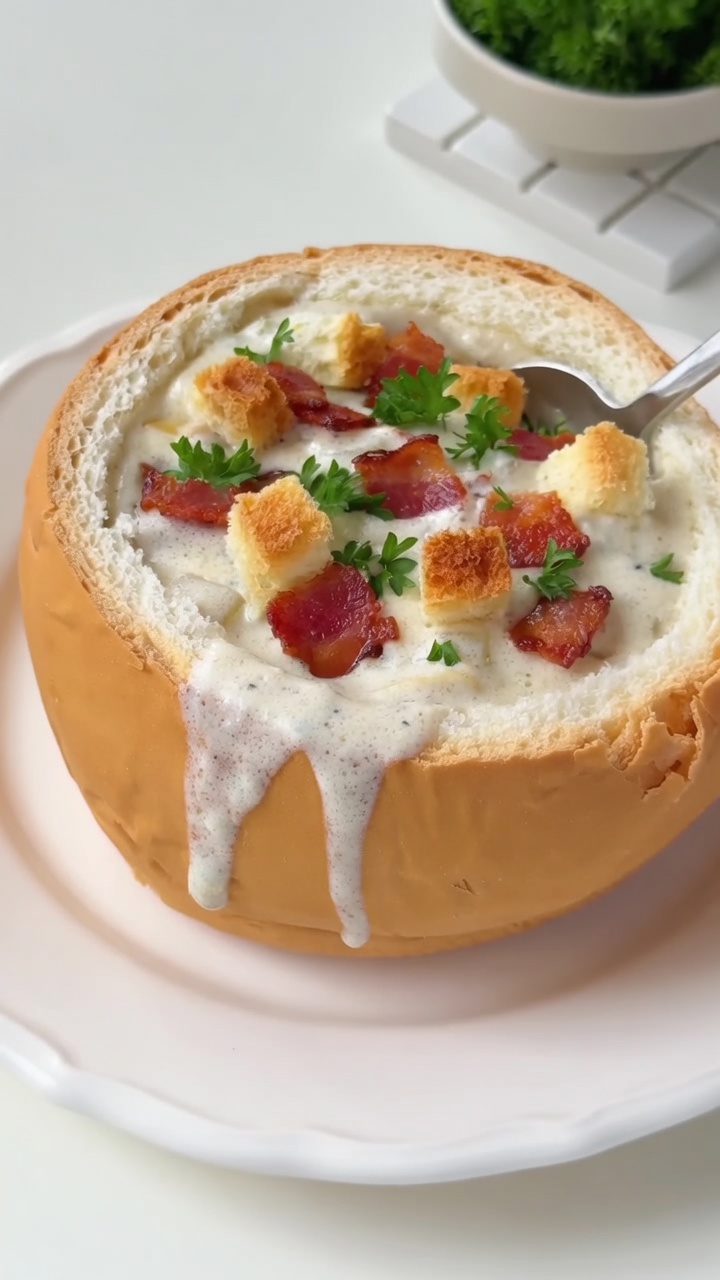
A luxurious twist on classic clam chowder, featuring earthy black truffle sauce and fresh clams served in a warm, crusty sourdough bread bowl.
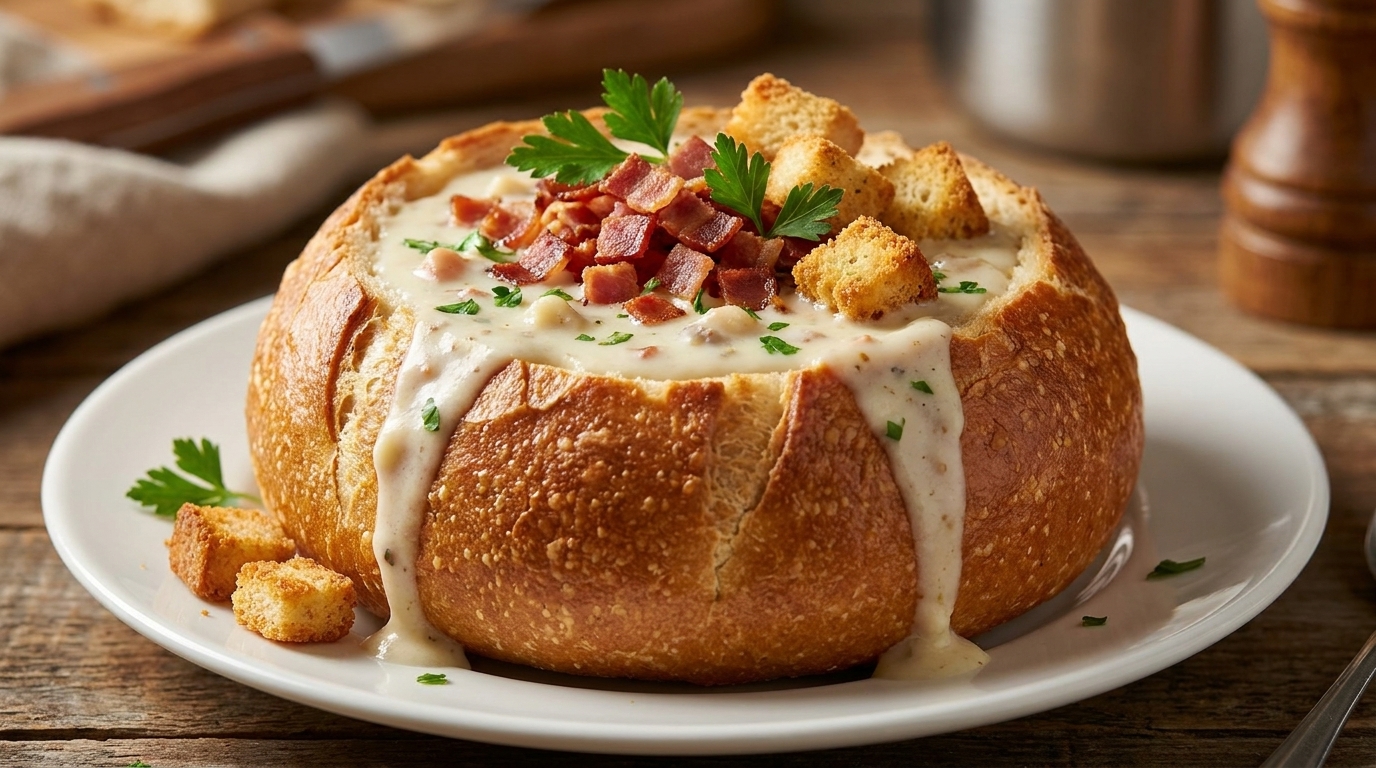
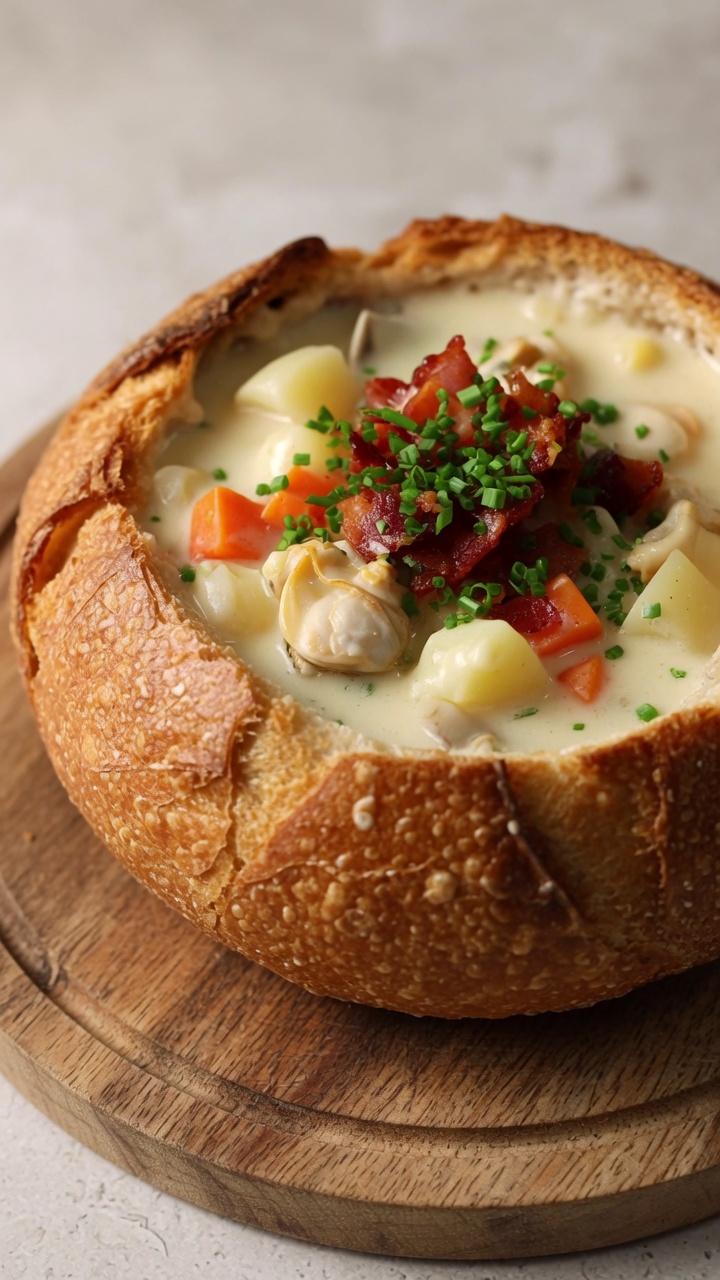
This elevated take on American clam chowder transforms a comfort food staple into a sophisticated brunch or dinner centerpiece. By incorporating black truffle sauce, the soup gains a deep, aromatic complexity that pairs perfectly with the sweet, briny flavor of fresh clams. Served in a hollowed-out sourdough loaf, every bite offers a satisfying contrast between creamy soup and crispy, broth-soaked bread.
Ingredients
- 500 g fresh clams
- 200 g potatoes
- 1 red onion
- 2 stalks celery
- 100 g bacon
- 20 g butter
- 20 g flour
- 200 g heavy cream
- 200 g milk
- 1 tbsp black truffle sauce
- 1 round sourdough bread bowl
- to taste fresh parsley
- to taste bread crisps
Instructions
- 1Prepare the potatoes
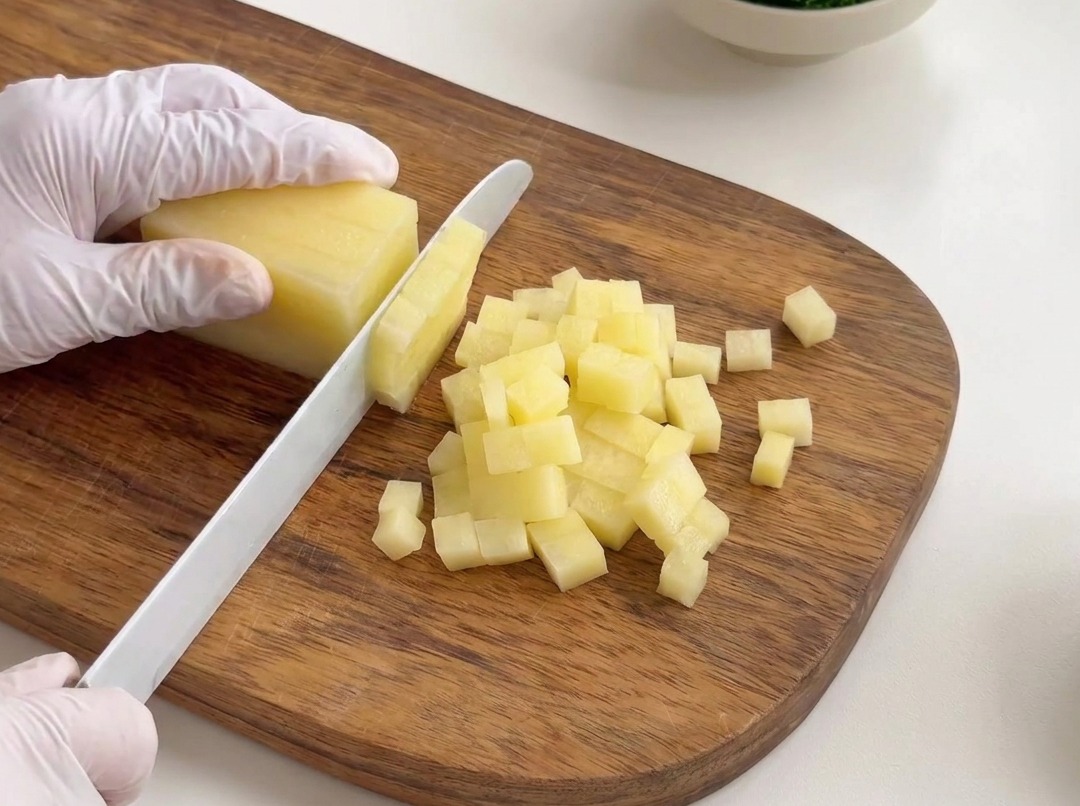
Peel the potatoes and slice them into uniform, small cubes. Using consistent sizes ensures that all potato pieces cook through at the same rate when added to the chowder.
Tip: Keep the potato cubes uniform in size for even cooking. - 2Dice the red onion
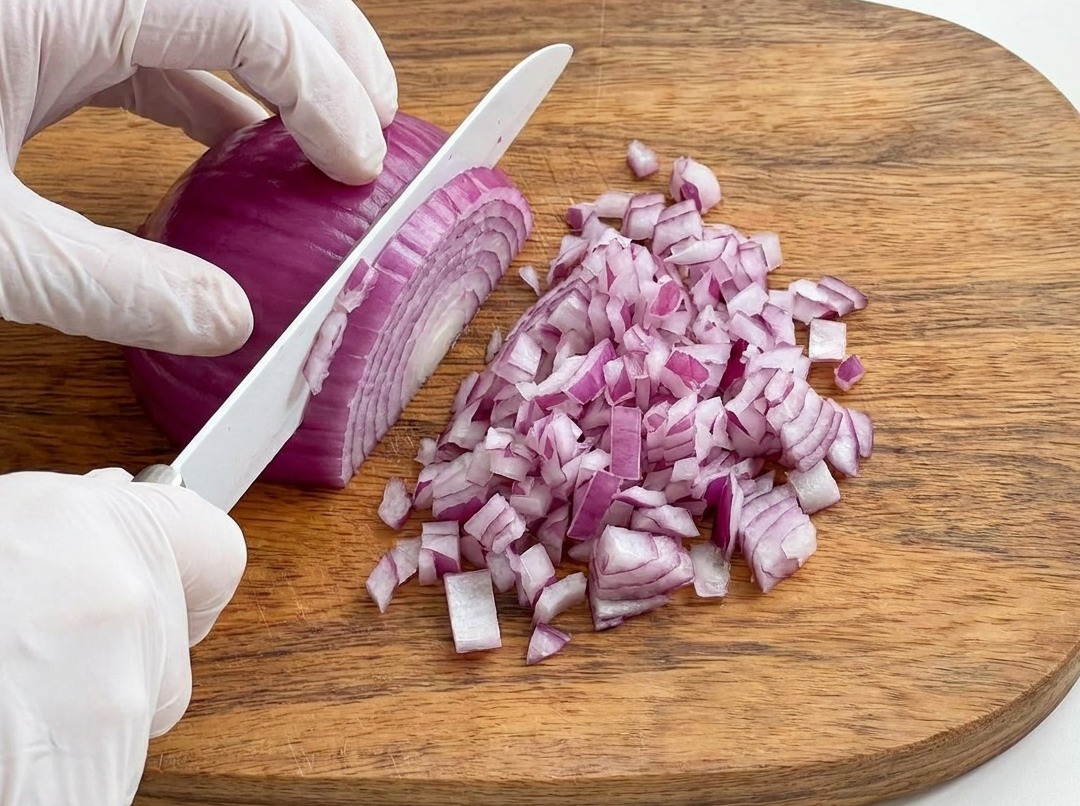
Carefully dice the red onion into small, even pieces. This aromatic base will be sautéed later to build the flavor foundation for the soup.
Tip: A sharp knife makes dicing onions much safer and easier. - 3Chop the celery
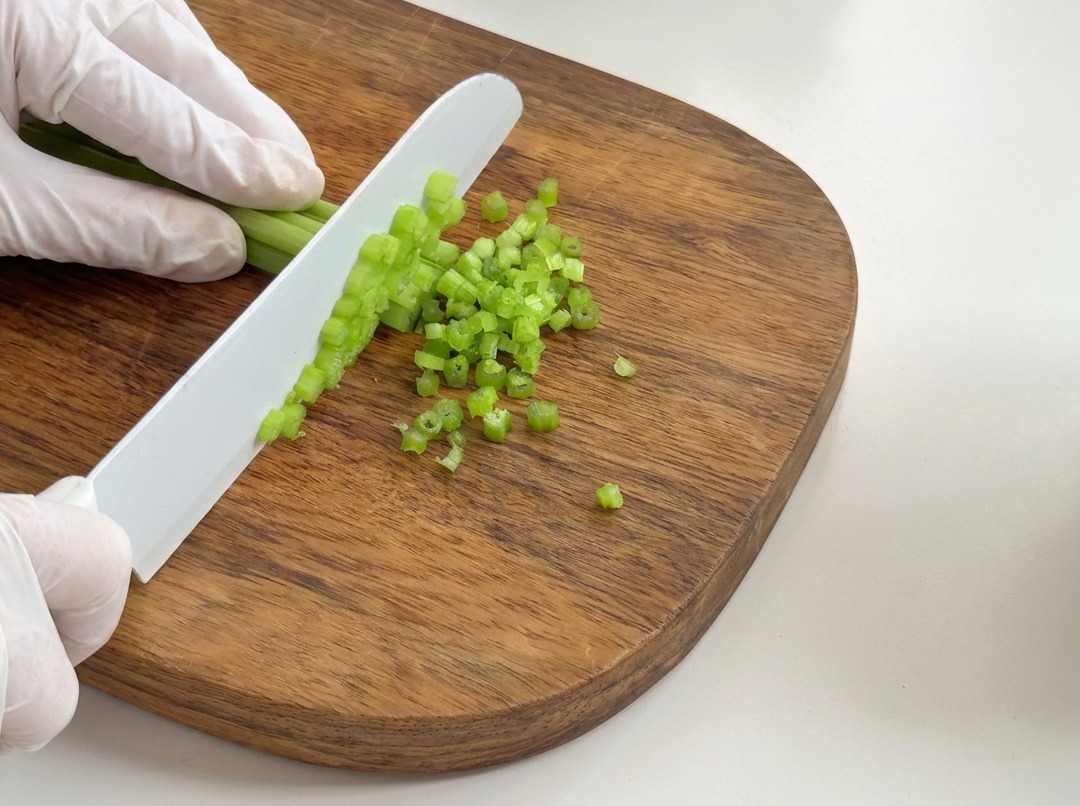
Wash the celery thoroughly and chop the stalks into small, bite-sized pieces to match the size of the other vegetables.
Tip: Ensure the celery pieces are small so they blend well with the texture of the chowder. - 4Prepare the bread bowl
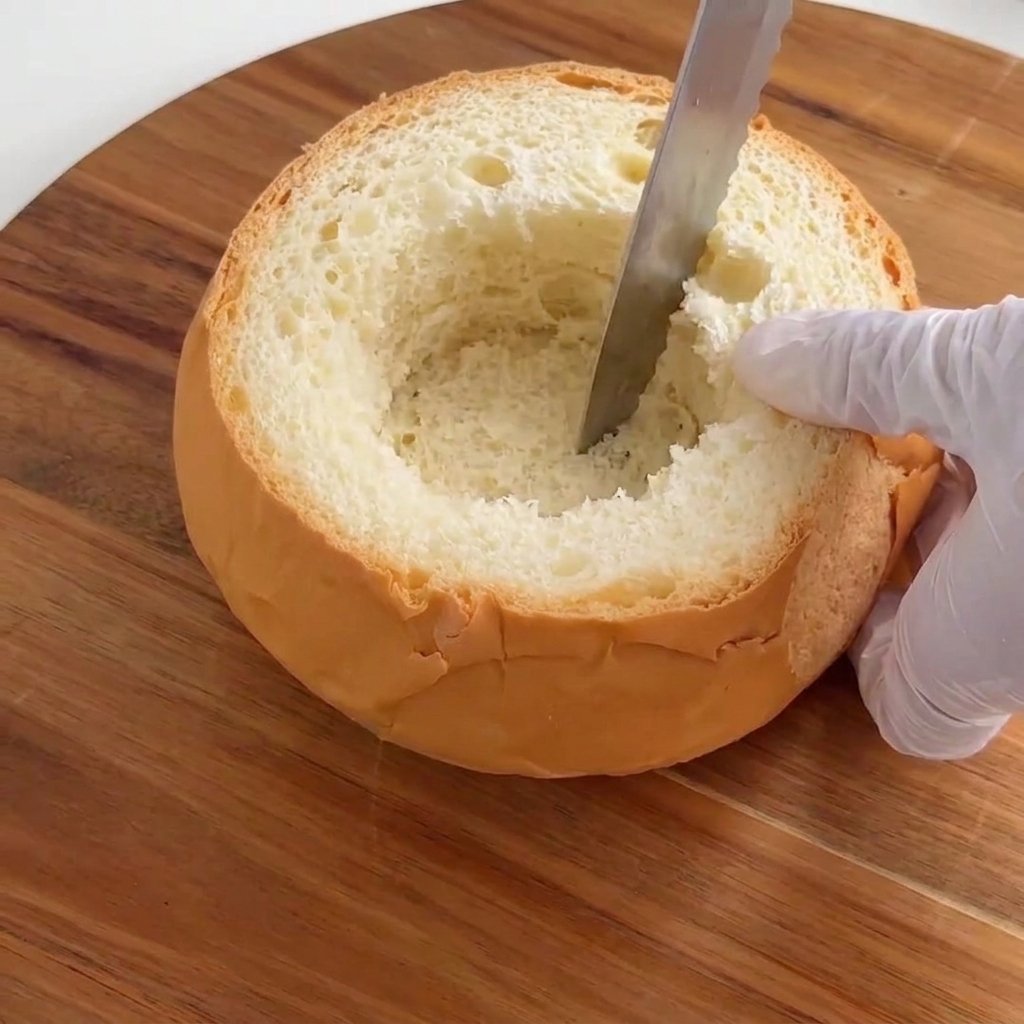
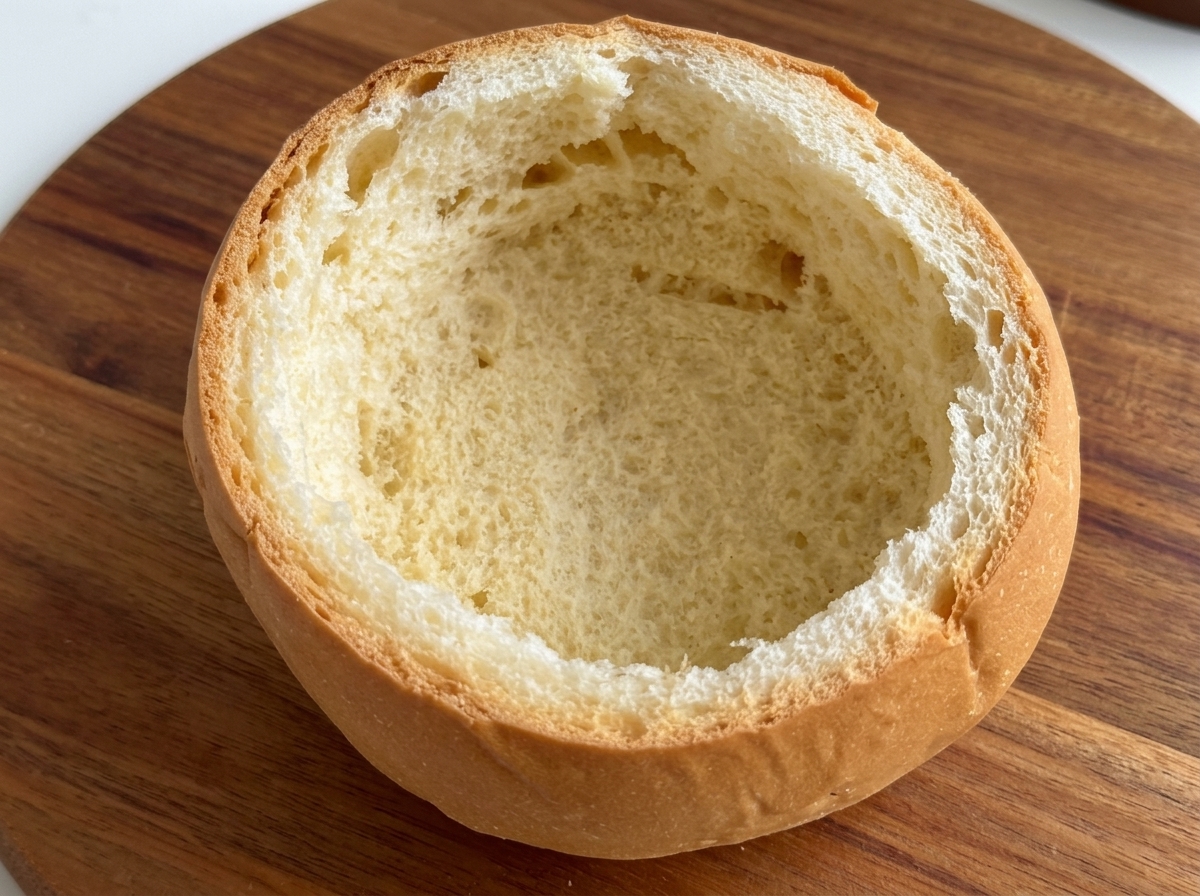
Take a round loaf of bread and carefully hollow out the center by pulling out the soft inner crumb. This creates a crusty vessel that will hold the clam chowder.
Tip: Be careful not to tear through the bottom or sides of the crust. - 5Boil the clams
Bring a pot of water to a boil and carefully add the cleaned, whole clams. Cook them just until the shells open, which indicates they are done.
Tip: Discard any clams that do not open after boiling. - 6Extract the clam meat
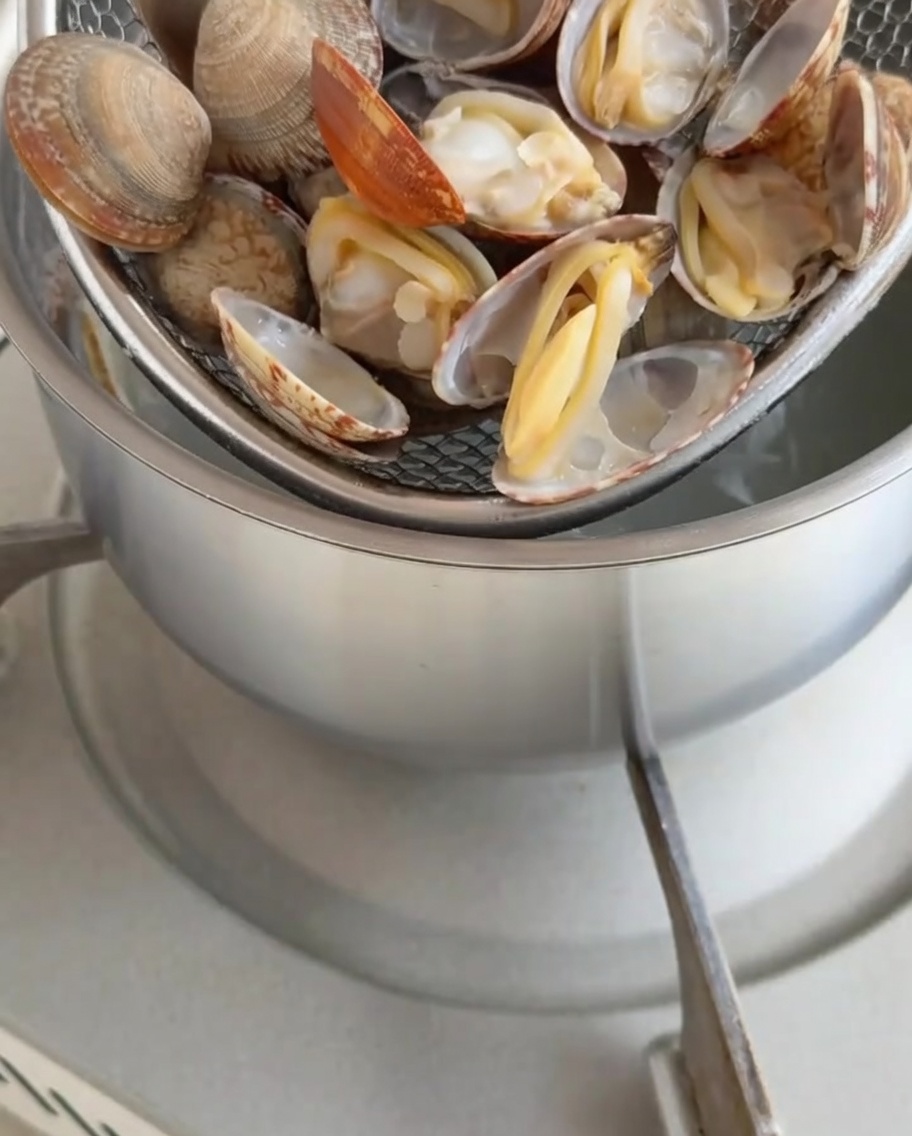
Once the clams have opened, remove them from the pot and carefully extract the meat from the shells. Set the meat aside for the chowder.
Tip: Be careful when handling the hot shells. - 7Reserve the clam broth
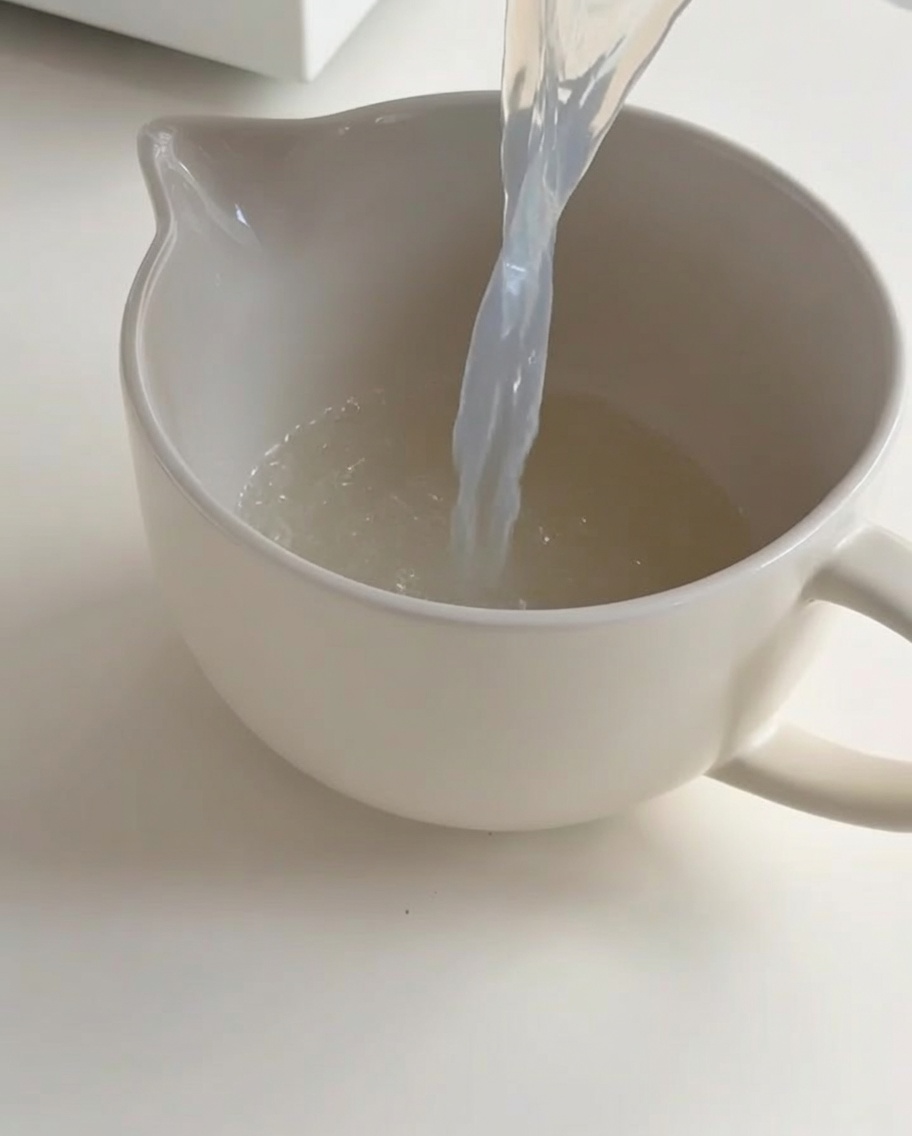
After boiling the clams and extracting the meat, carefully pour the reserved clam broth into a pitcher. Ensure you leave behind any sand or sediment that has settled at the bottom of the pot to maintain a clean-tasting soup base.
Tip: Use a fine-mesh strainer or cheesecloth when pouring if you want to be extra sure the broth is free of grit. - 8Prepare the roux
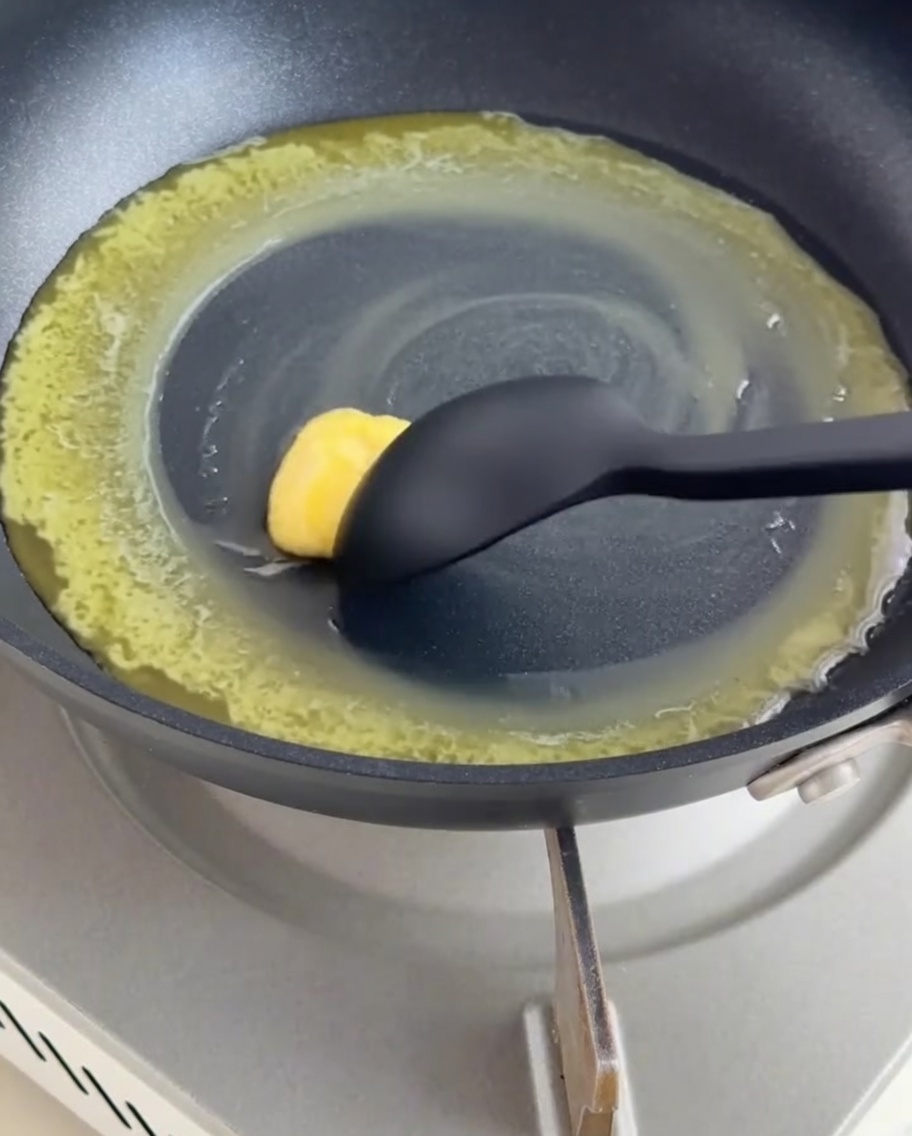
In a pan, melt 20 grams of butter over medium heat. Add 20 grams of flour and stir continuously until the mixture is smooth and well-combined. This roux will serve as the thickening agent for your chowder base.
Tip: Keep stirring to prevent the flour from burning; it should look like a golden, bubbly paste. - 9Create the white sauce base
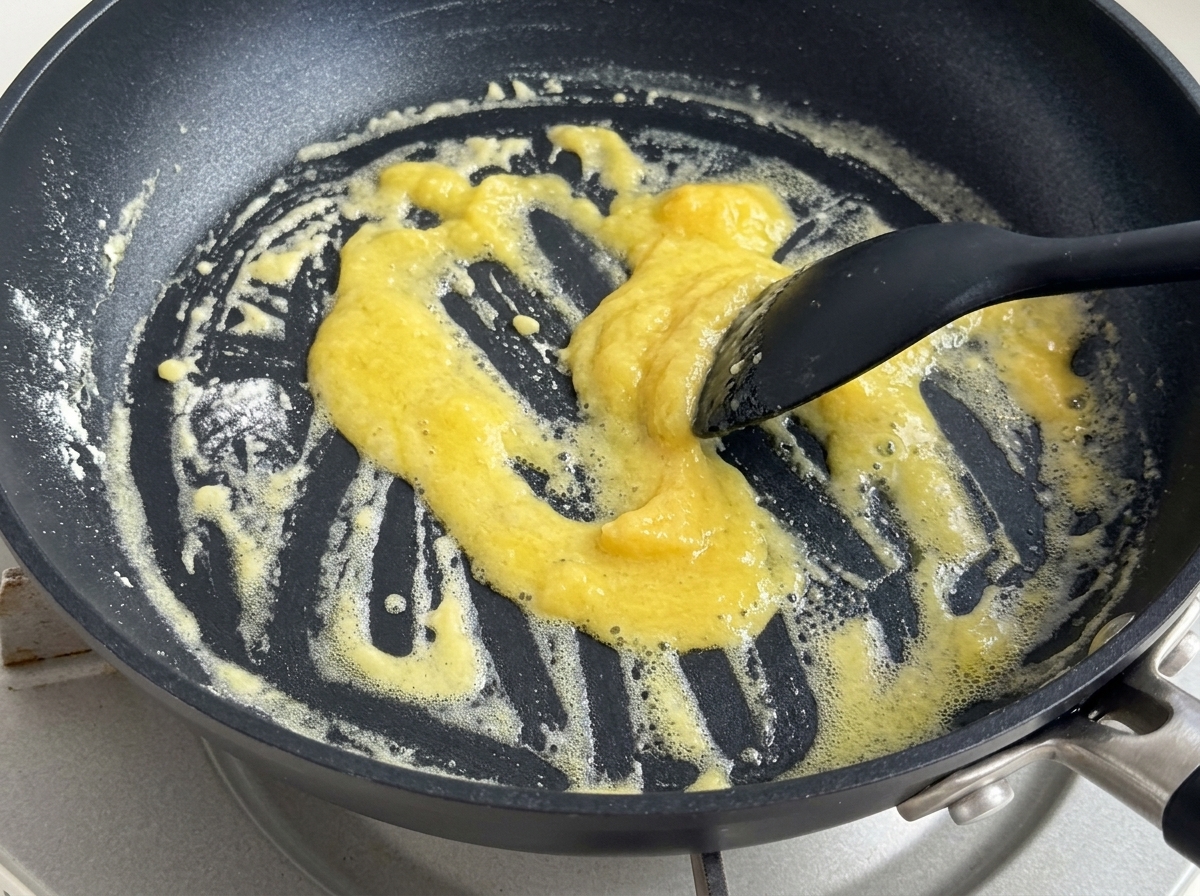
Gradually whisk 100 grams of heavy cream and 100 grams of milk into the roux. Continue stirring over medium heat until the mixture thickens into a smooth white sauce. Once thickened, turn off the heat and set the sauce aside for later use.
Tip: Add the liquid slowly at first to ensure the roux incorporates smoothly without any lumps. - 10Fry the bacon
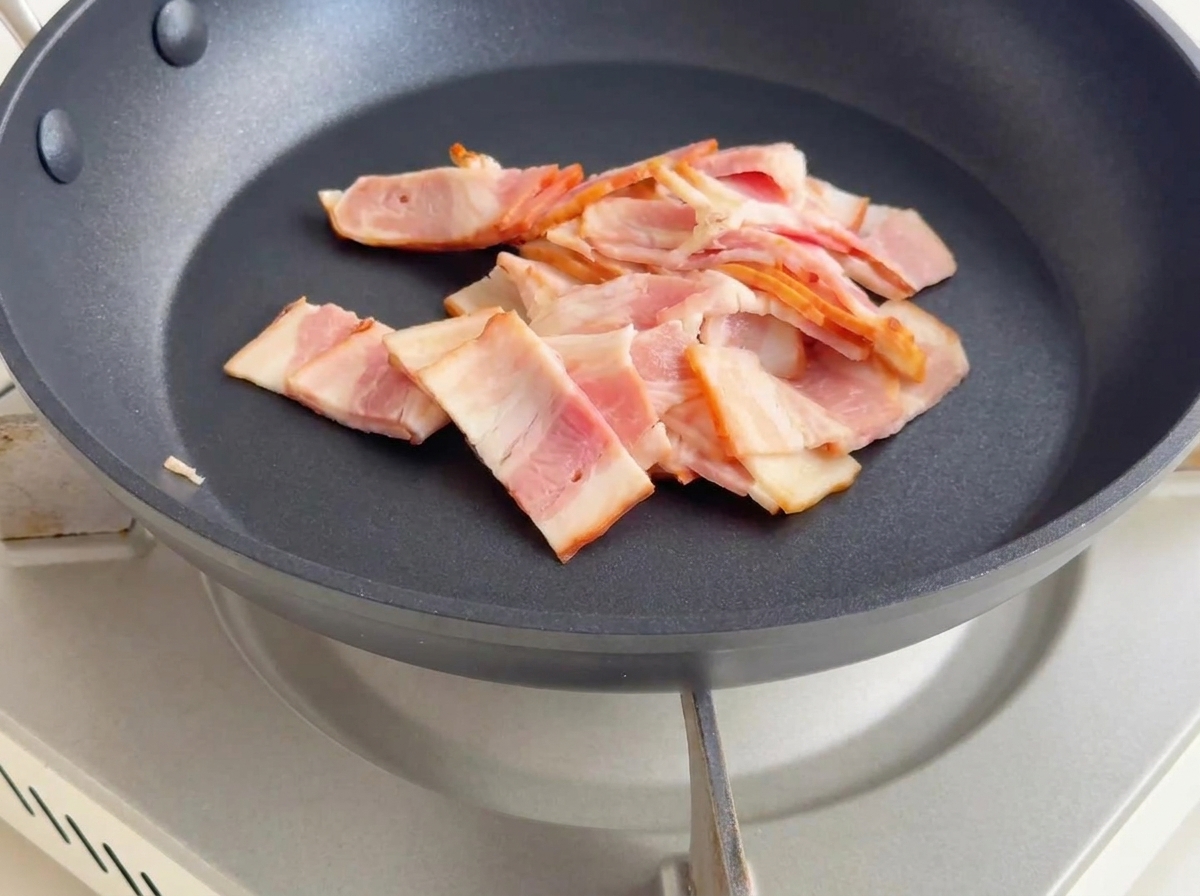
Add the small bacon pieces to a pan and fry them over medium heat until they are fragrant and browned. The bacon will release its rendered fat, which will provide a deep, savory flavor to the vegetables.
Tip: Render the bacon slowly to get maximum flavor without burning the edges. - 11Reserve bacon garnish
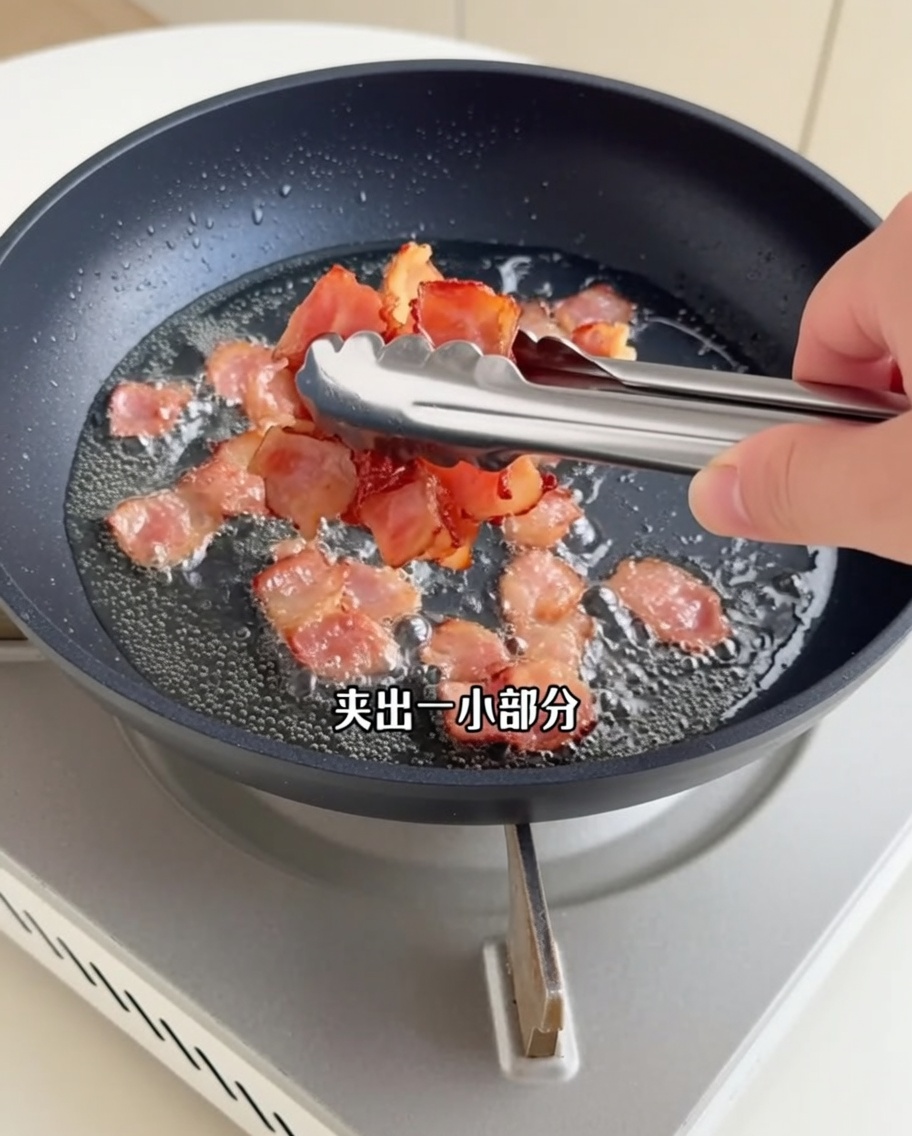
Once the bacon is crispy and fragrant, use tongs to remove a small portion of the cooked bacon bits from the pan. Set these aside to use later as a garnish for the finished bread bowl.
Tip: Pat the removed bacon bits on a paper towel to keep them crispy while you finish the soup. - 12Sauté the vegetables
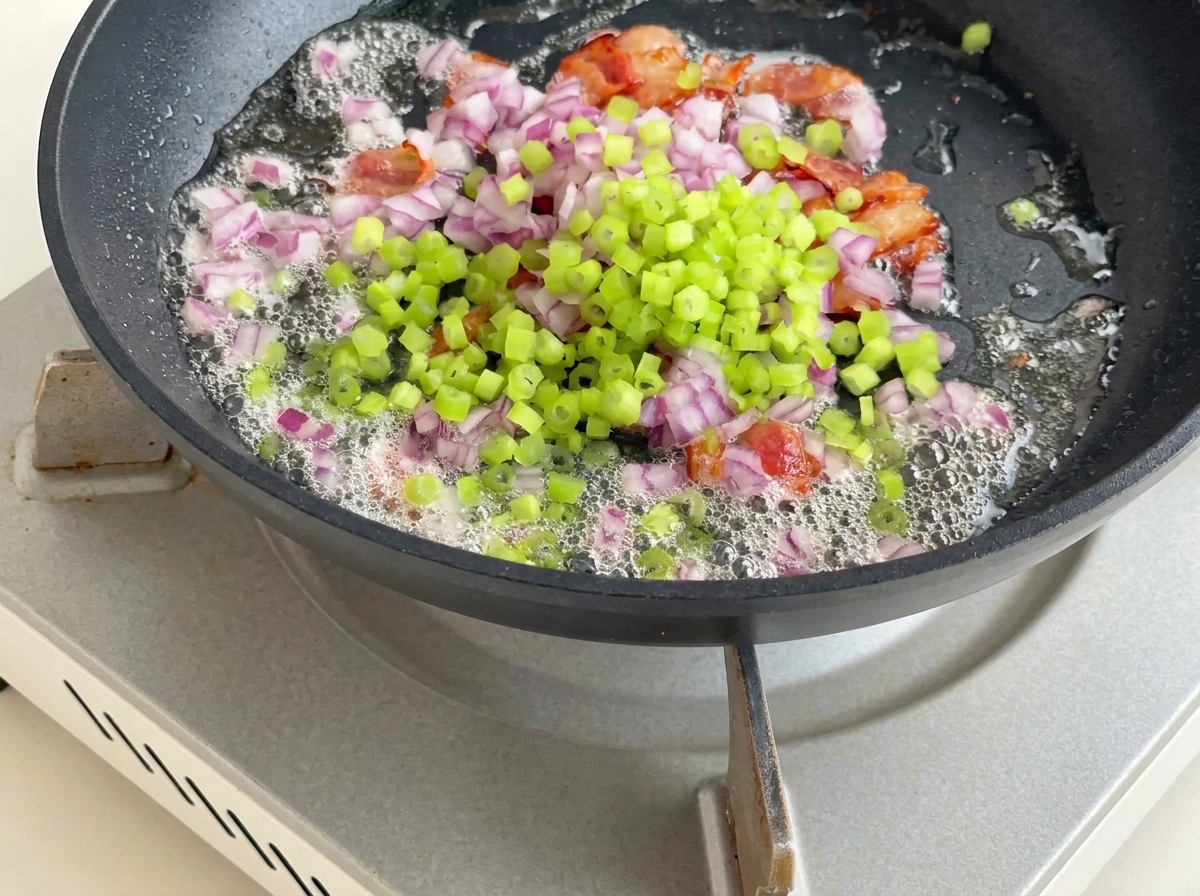
Add the diced potatoes, minced celery, and red onion into the pan with the remaining bacon and rendered fat. Stir well to coat the vegetables, allowing them to sauté until they begin to soften and pick up the bacon flavor.
Tip: Keep the heat moderate to soften the vegetables without browning them too heavily at this stage. - 13Add the clam broth
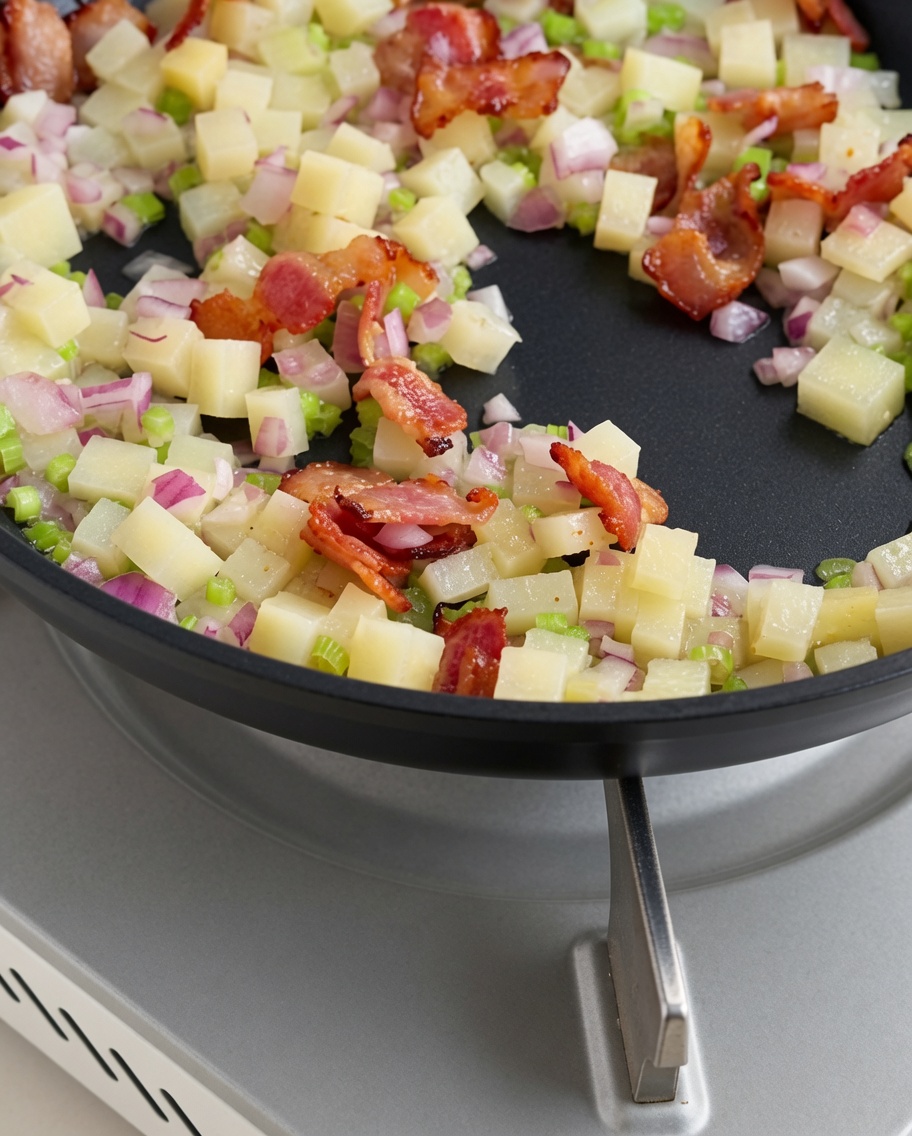
Pour the reserved clam broth into the pan containing the sautéed onion, celery, potatoes, and bacon. The clam broth adds essential oceanic flavor and acts as the liquid base for the chowder.
Tip: Be careful when pouring the clam broth; leave the sand at the bottom of the pot behind to ensure a clean, grit-free soup. - 14Incorporate black truffle sauce
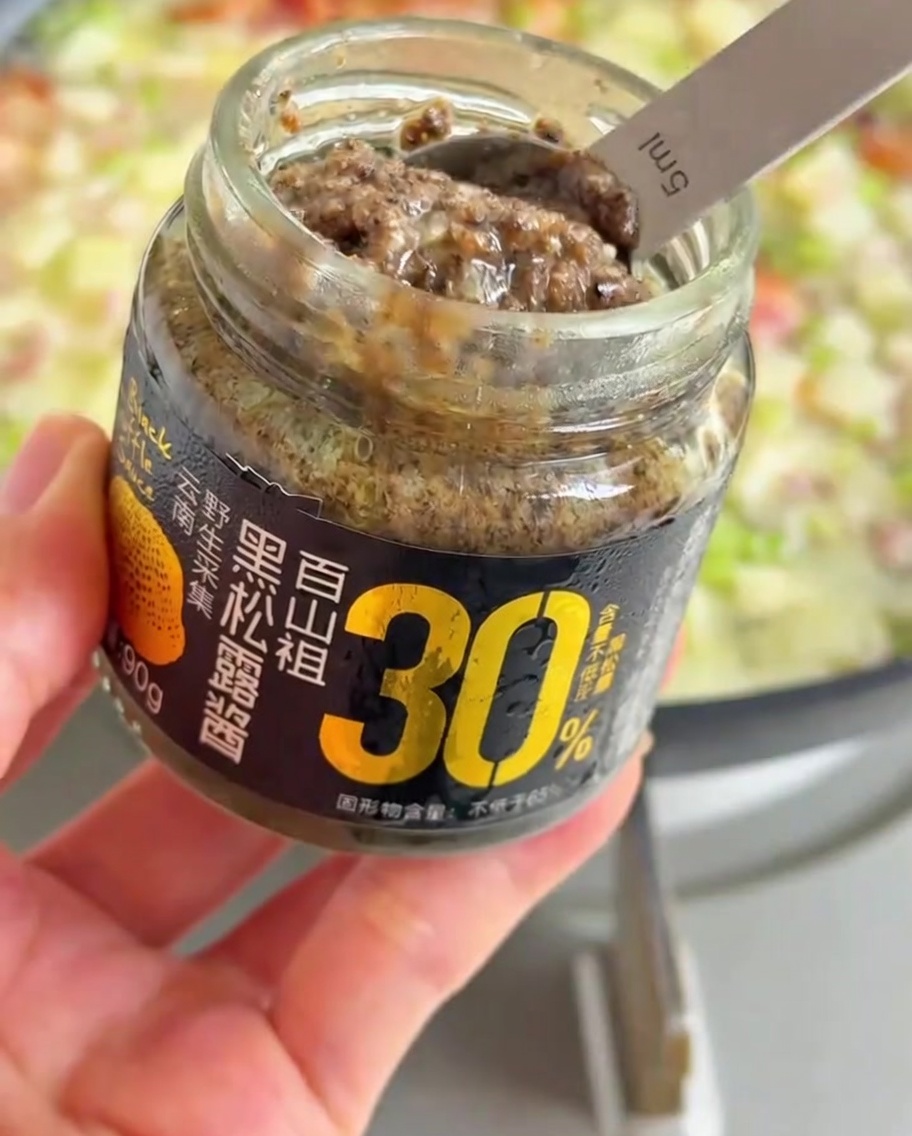
Add a spoonful of black truffle sauce into the simmering mixture in the pan. The earthy aroma of the black truffle will elevate the savory profile of the clam chowder.
Tip: Adjust the amount of truffle sauce to your preference, as it has a very potent flavor. - 15Stir in the creamy white sauce
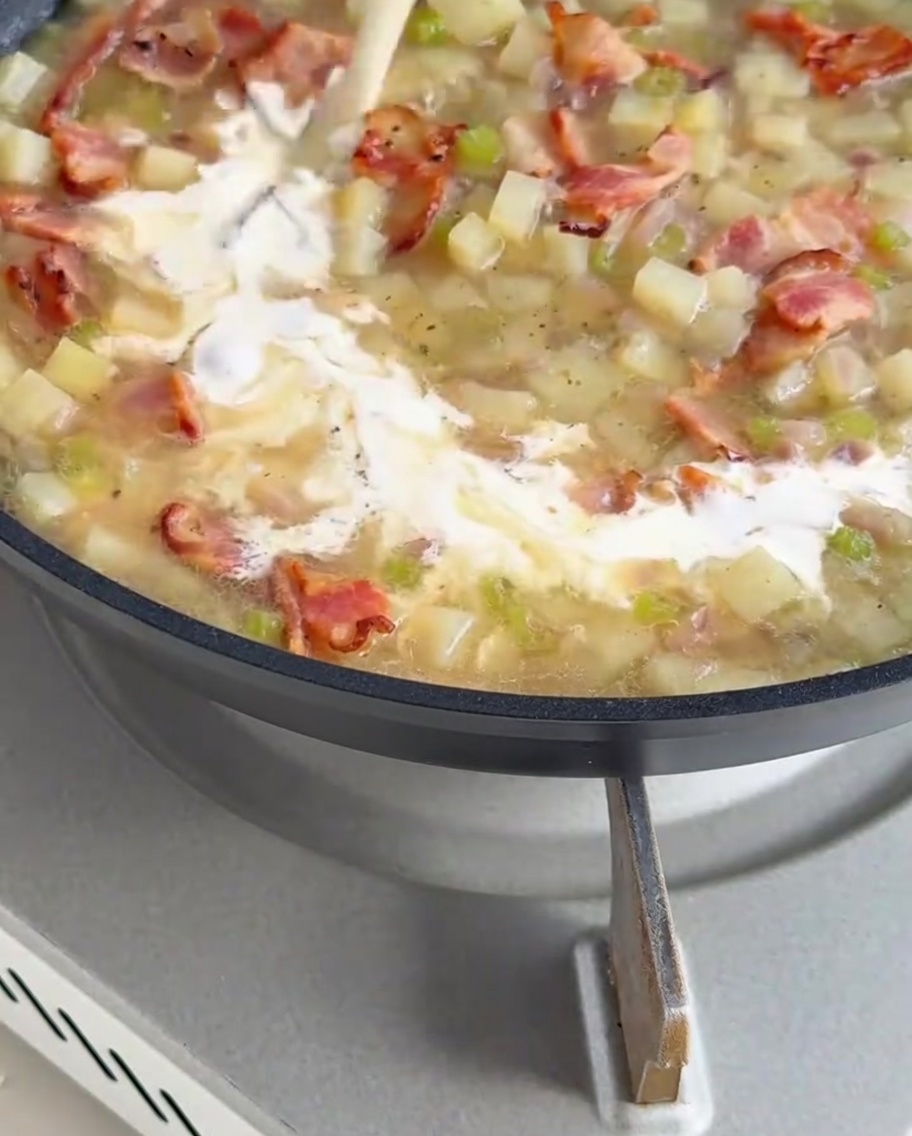
Pour the prepared thick white sauce into the simmering chowder base. Stir continuously to ensure the sauce incorporates smoothly, creating a rich and velvety texture.
Tip: Ensure your white sauce is smooth and lump-free before adding it to the chowder for the best consistency. - 16Add the clam meat
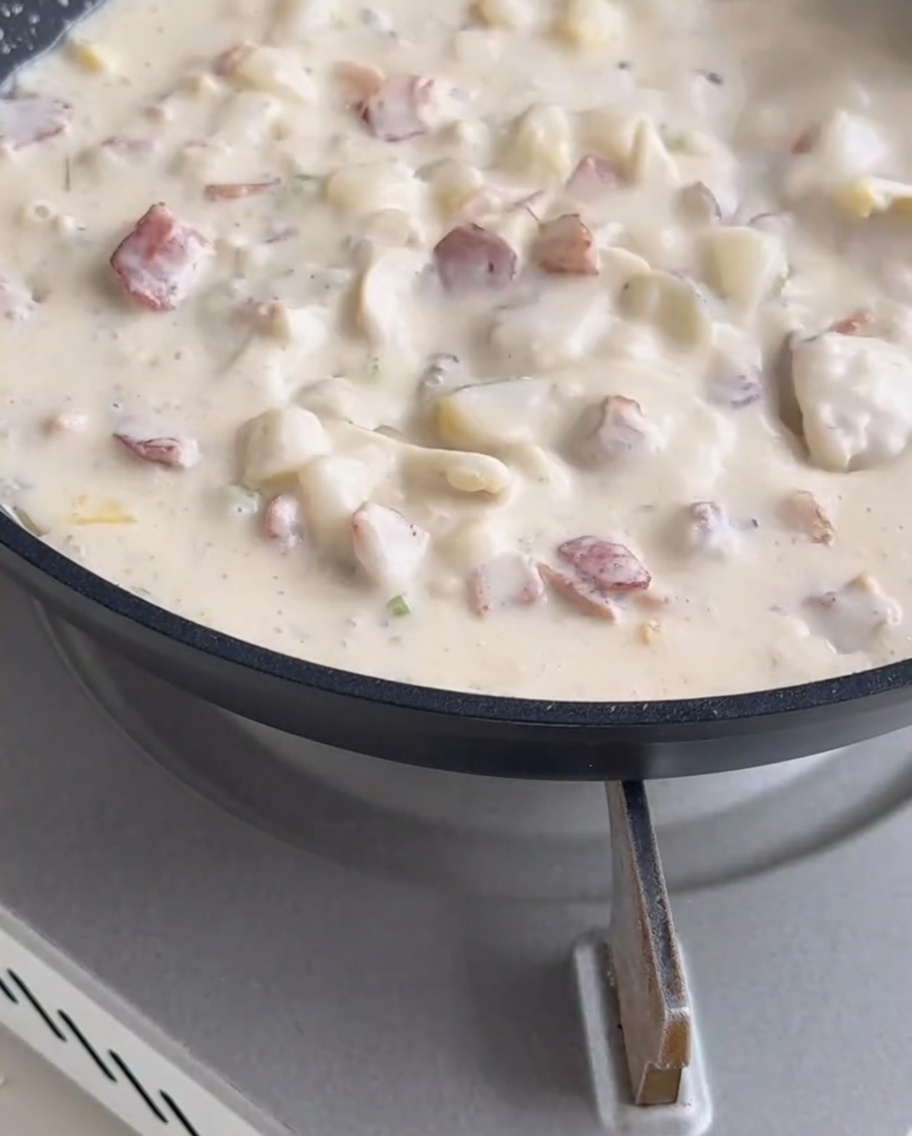
Stir the reserved clam meat into the thickened creamy soup. Cook briefly until the clam meat is heated through, ensuring the chowder maintains a luxurious, thick consistency.
Tip: Do not overcook the clam meat, as it can become rubbery; just heat it until it is perfectly tender. - 17Fill the bread bowl
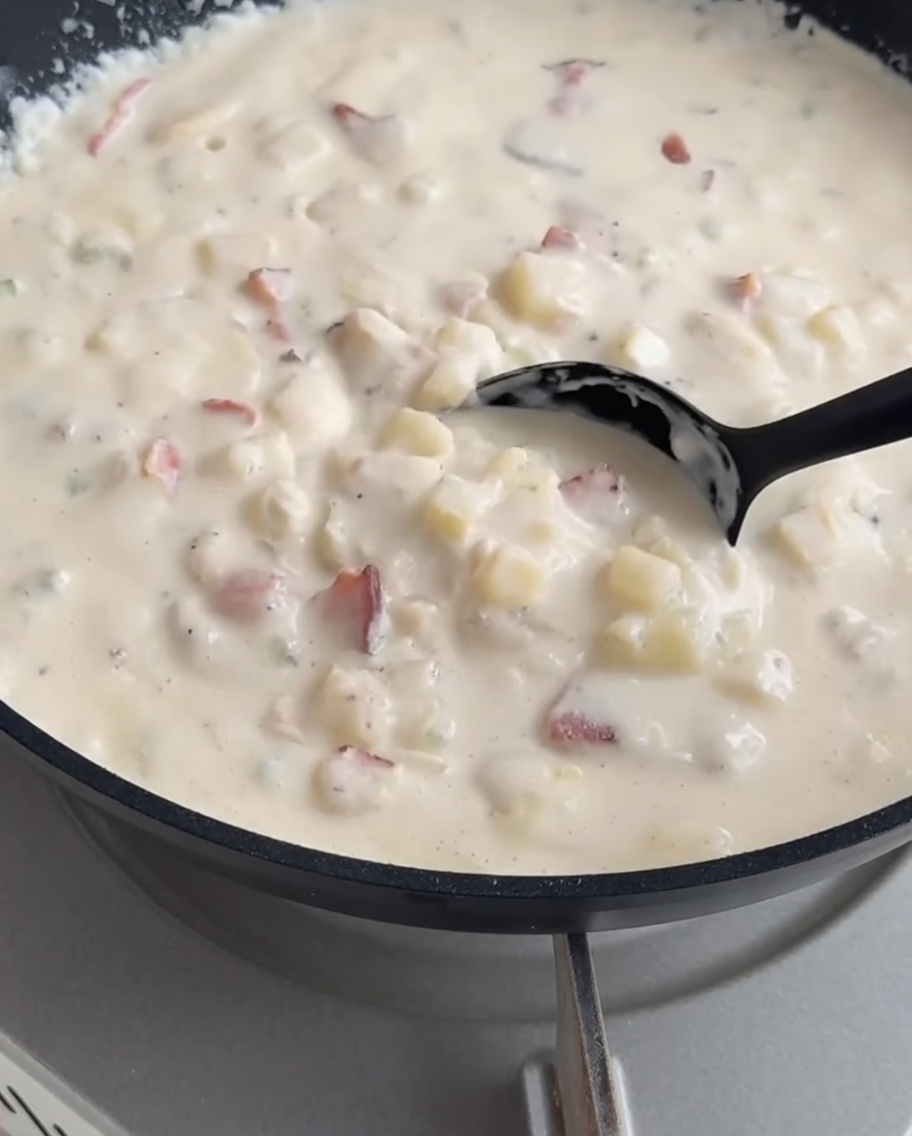
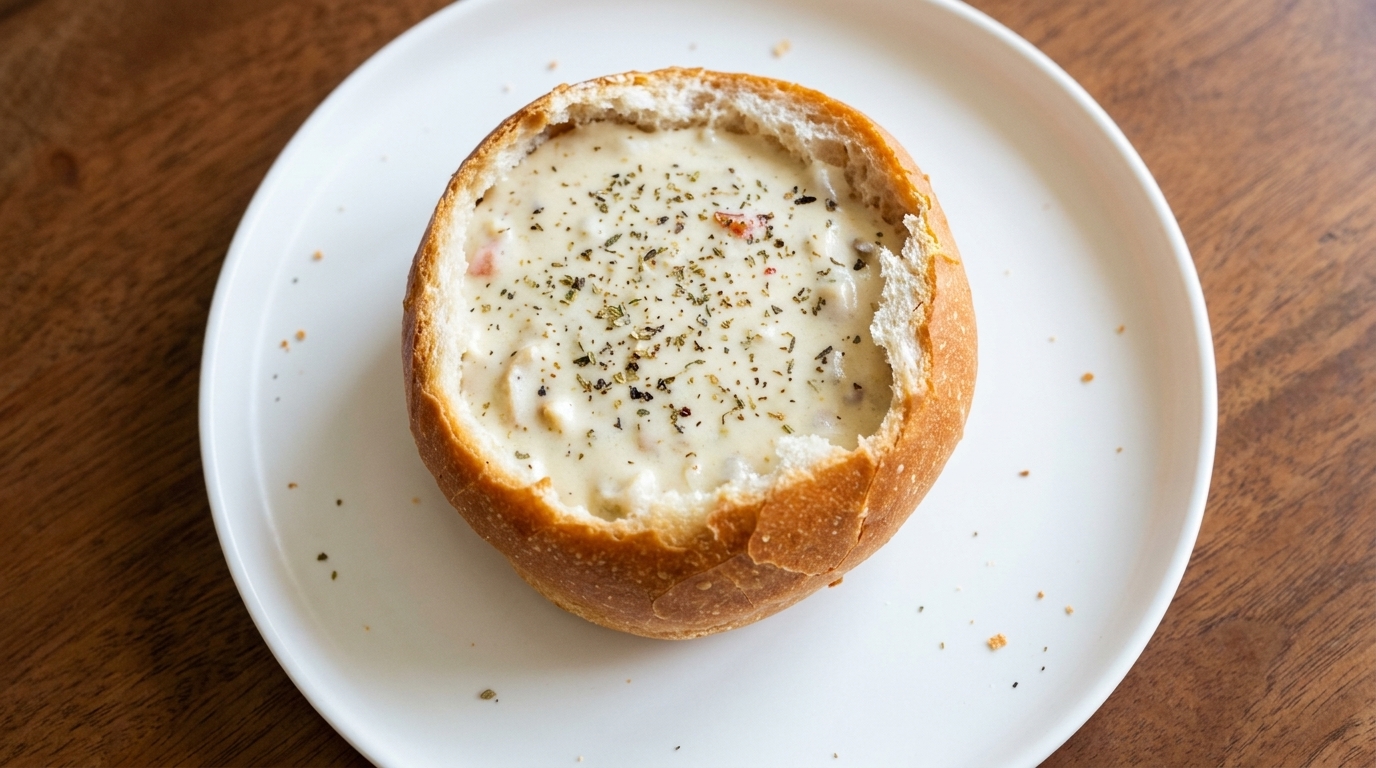
Carefully ladle the hot, finished clam chowder into the hollowed-out bread bowl. Ensure the soup fills the bread bowl evenly without overflowing.
Tip: Use a crusty sourdough bread bowl to provide the best structural support and flavor for the creamy chowder.