Unagi Don (Japanese Kabayaki Eel Rice Bowl)
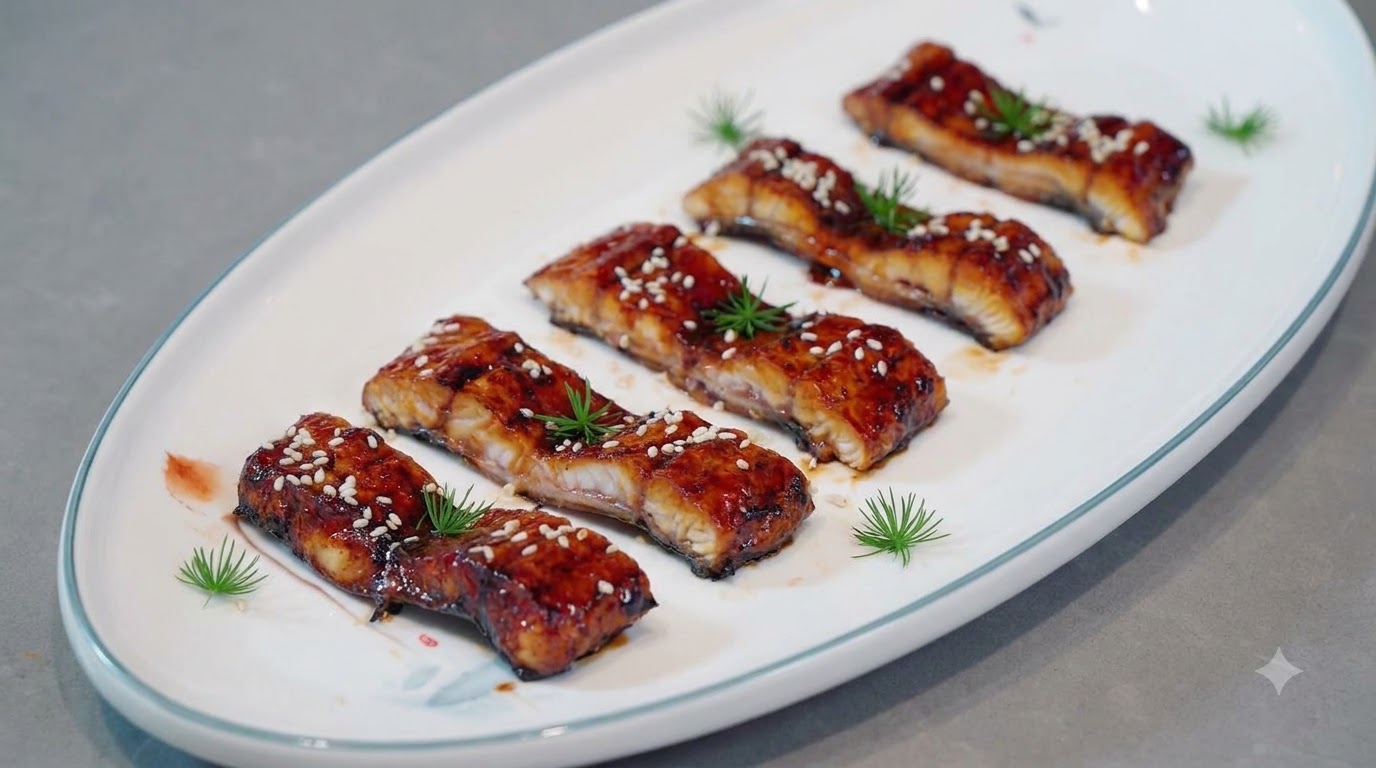
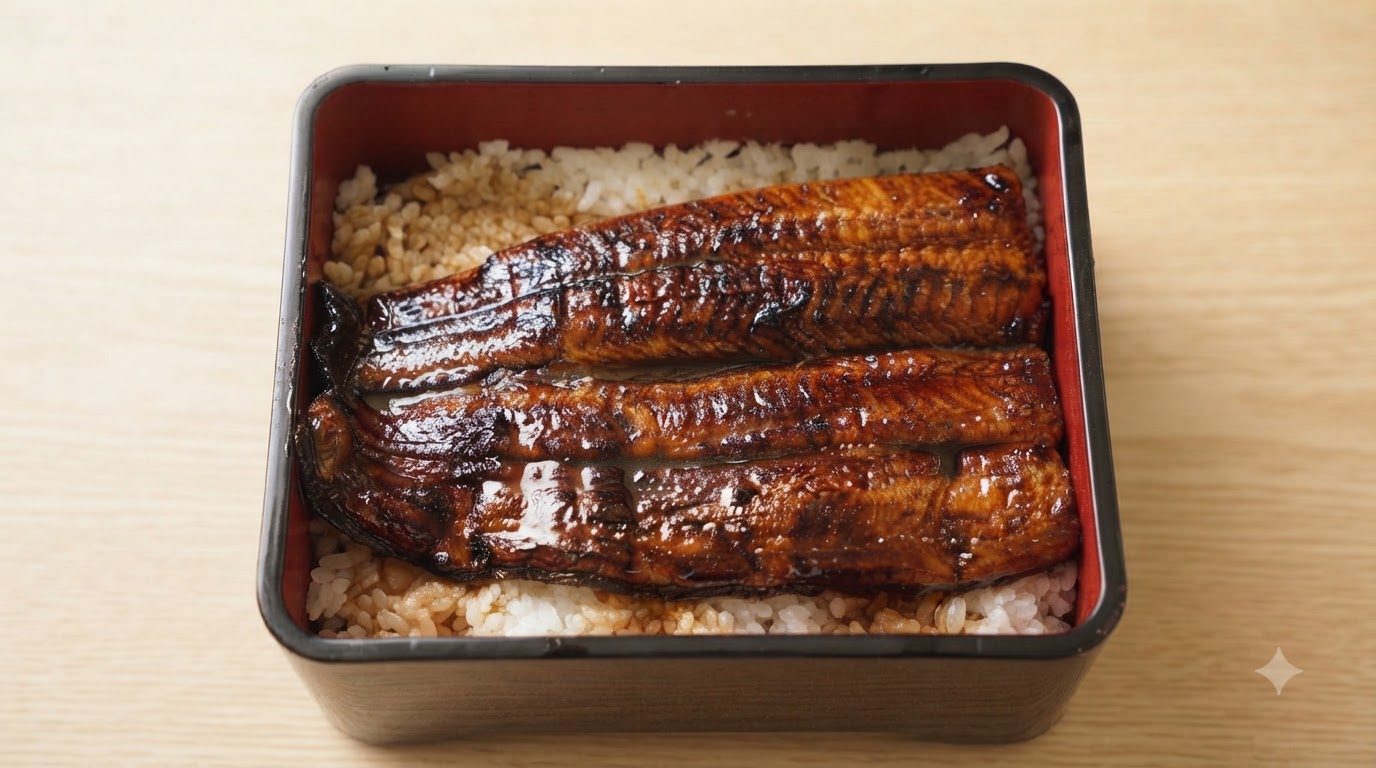
Recreate the iconic Unagi Don at home. Thick, glossy fillets of grilled eel are coated in a rich, sweet, and savory kabayaki glaze, served over a bed of fluffy steamed rice.
Inspired by the classic anime Crayon Shin-chan, this Unagi Don brings the comforting flavors of traditional Japanese cuisine right to your kitchen. While eel is traditionally prepared using either the sauce-less Shirayaki or the glazed Kabayaki method, this recipe focuses on the latter for that irresistible sweet-savory profile. By starting with pre-cleaned, butterflied eel, you can skip the daunting preparation and focus entirely on mastering the glossy, soul-infused glaze that makes this dish a true match made in heaven.
Ingredients
- 1 whole butterflied eel (pre-cleaned)
- 4 tbsp soy sauce
- 4 tbsp mirin
- 2 tbsp sake
- 2 tbsp white sugar
- 1 bowl cooked white rice
- optional sansho pepper
Instructions
- 1Slice the butterflied eel
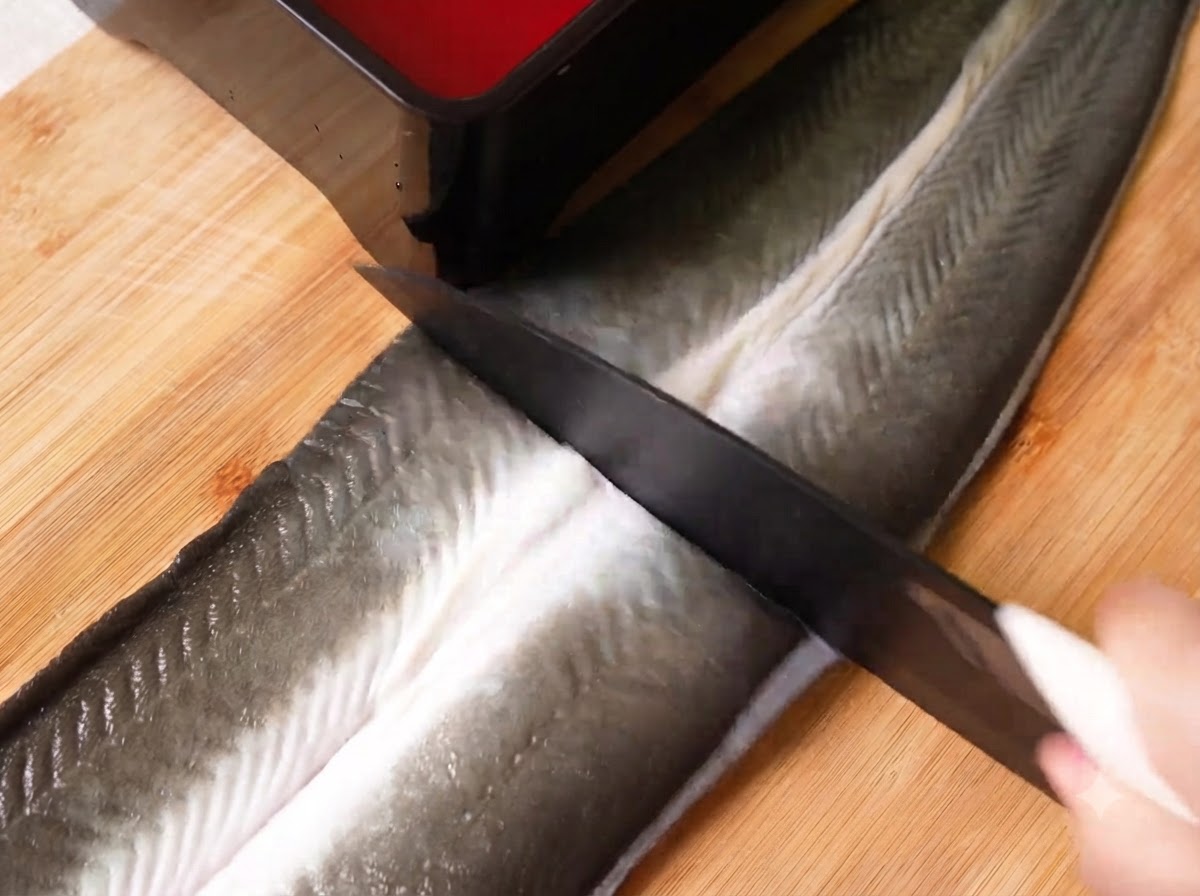
Place the cleaned and butterflied eel skin-side down on a wooden cutting board. Using a sharp knife, carefully slice the eel horizontally into three equal sections, using your bento box as a reference to ensure the pieces will fit perfectly when plated.
Tip: Ensure your knife is very sharp to cleanly cut through the skin without tearing the delicate flesh. - 2Skewer the eel pieces
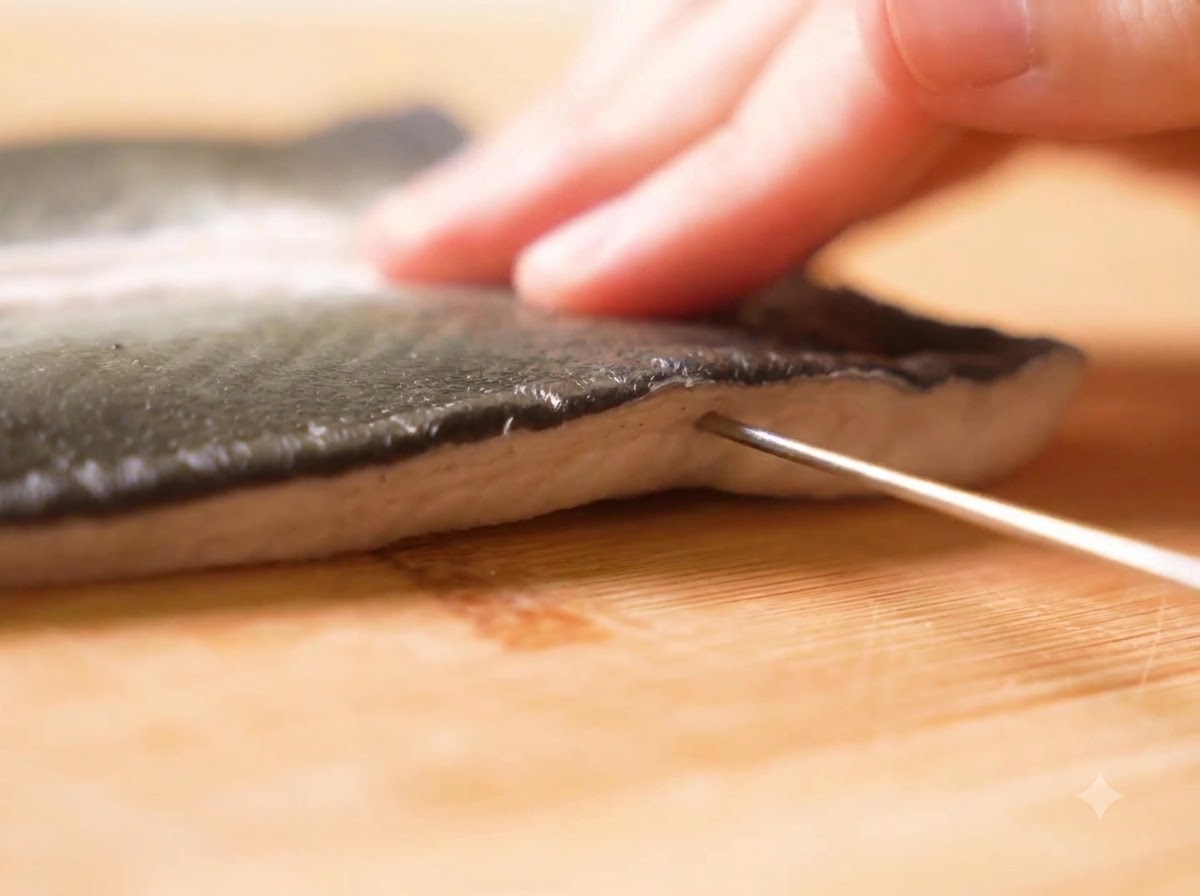
Gently press down on the sliced eel pieces to keep them flat. Insert metal skewers horizontally through the side of the meat, being careful not to pierce through the skin. This ensures the eel cooks evenly and holds its shape without curling or falling apart on the grill.
Tip: Using iron or metal skewers helps conduct heat to the center of the meat, promoting even cooking. - 3Prepare the Eel Sauce
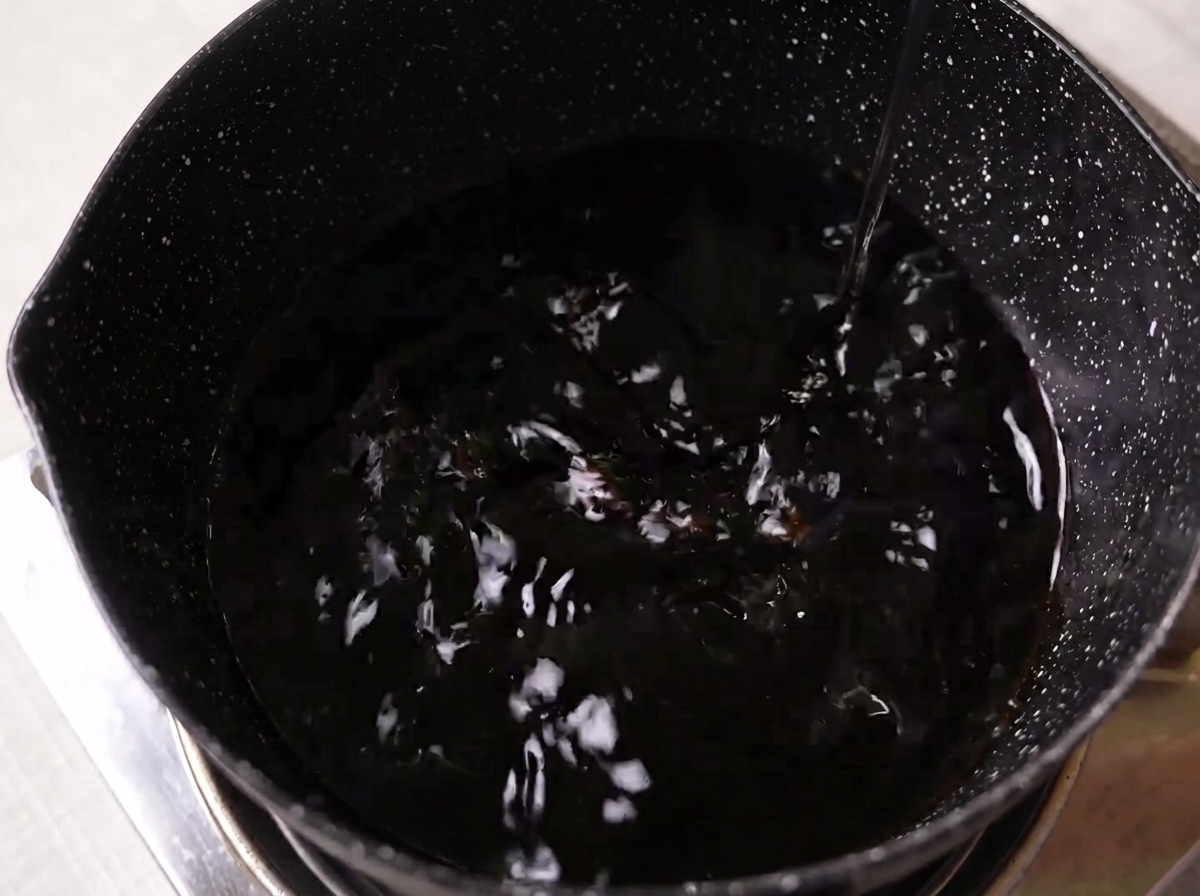
Combine soy sauce, mirin, sake, and white sugar in a small pot. Simmer the mixture on low heat until it thickens slightly and coats the back of a spoon.
Tip: Simmer on low heat to prevent the sugar from burning while the sauce reduces. - 4Simmer and thicken the sauce
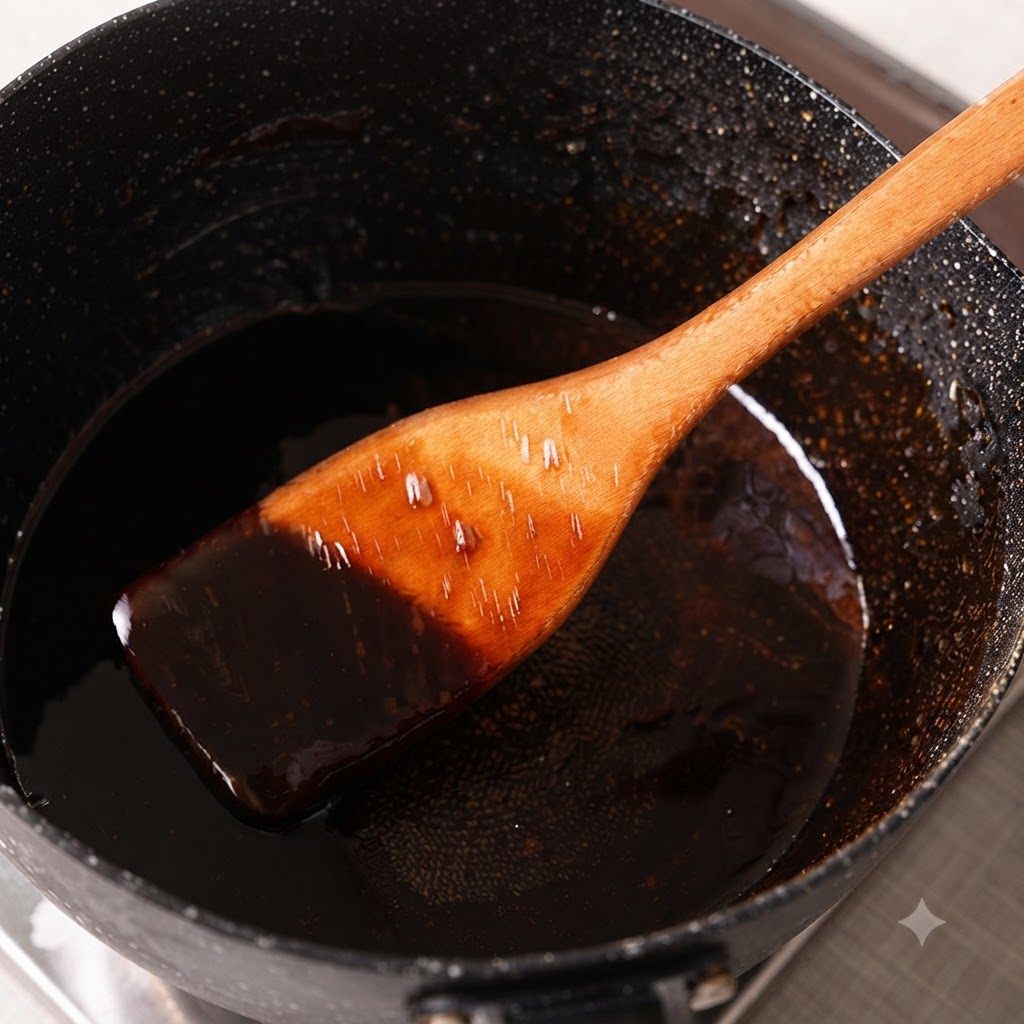
Place the pot over low heat and let the sauce mixture simmer. Continuously stir with a wooden spatula to prevent burning. Continue cooking until the sauce reduces and thickens slightly, just enough to beautifully coat the back of a spoon.
Tip: Keep the heat low and watch carefully; the high sugar content can cause the sauce to burn quickly if left unattended. - 5Begin grilling the eel
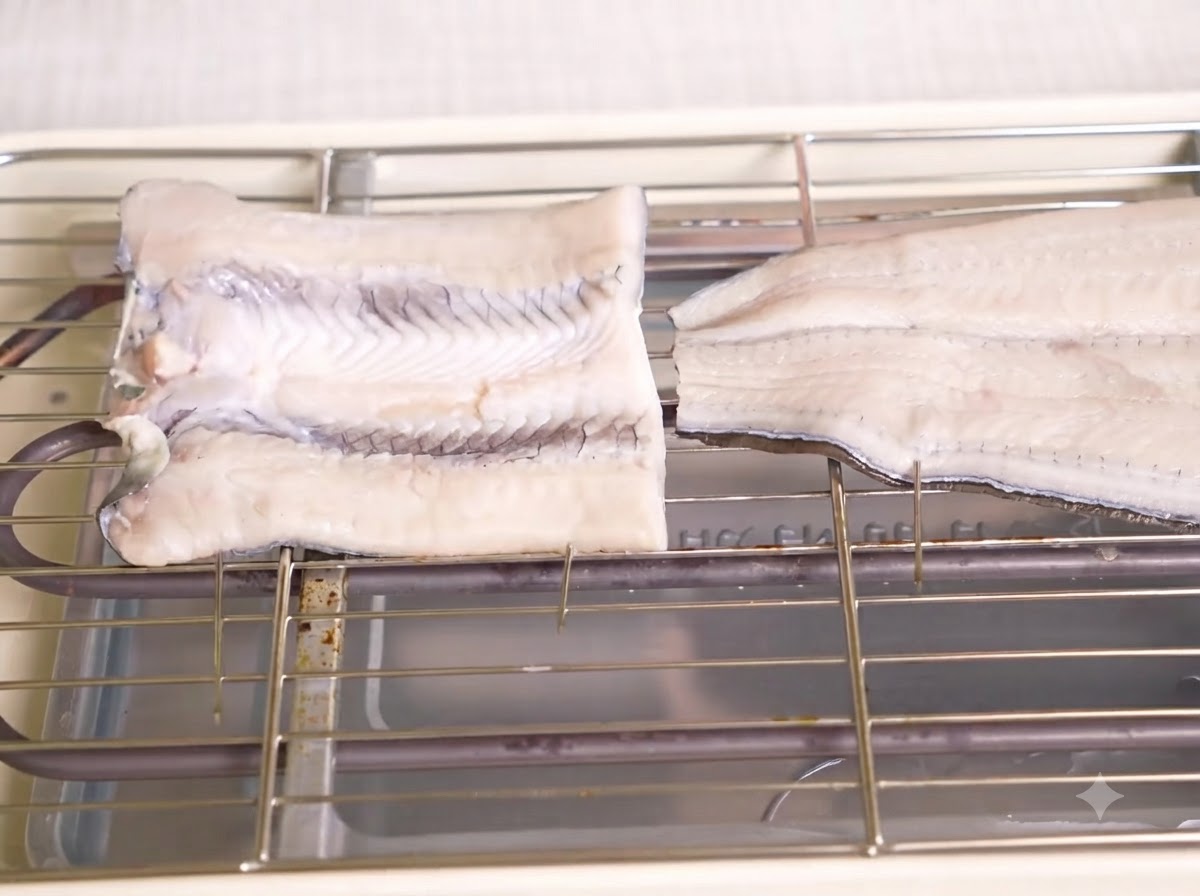
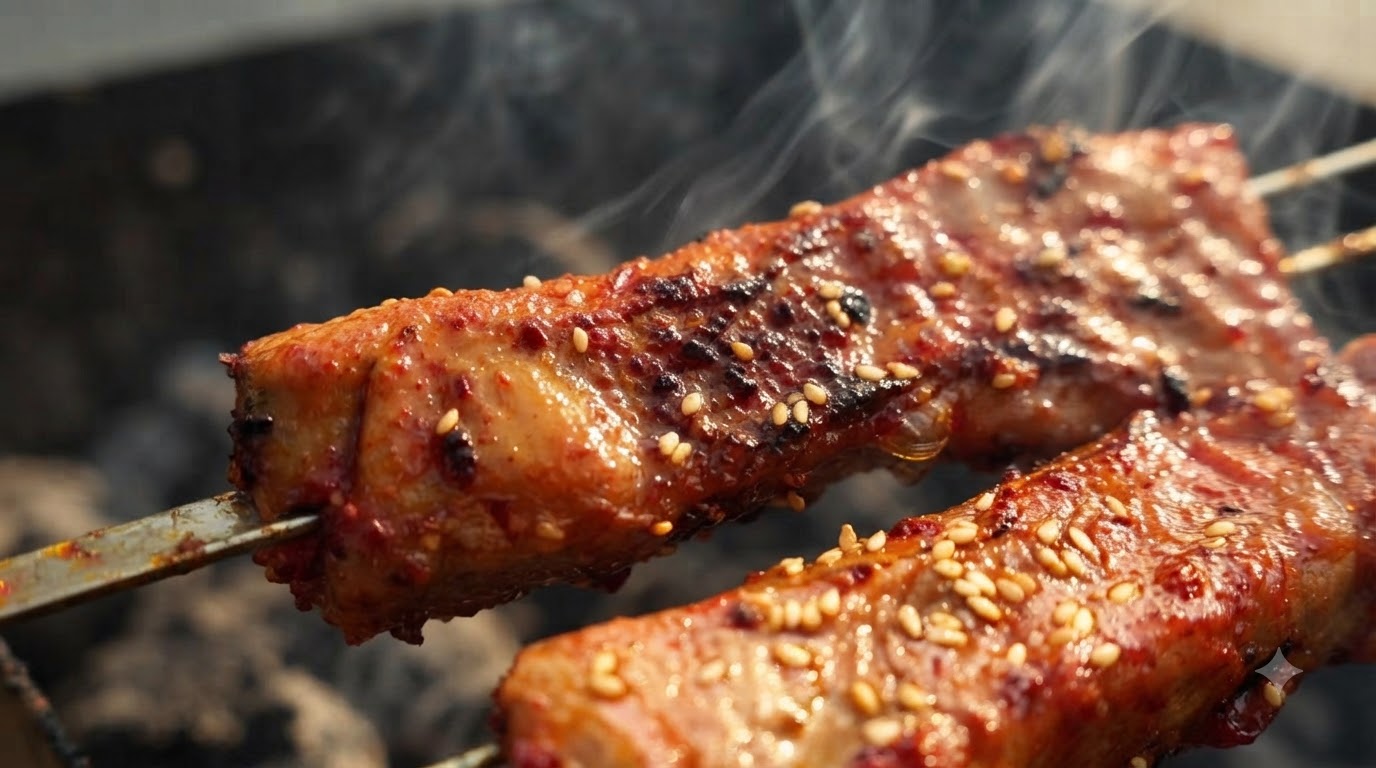
Carefully place the skewered eel pieces skin-side down onto a preheated small electric grill. Let the heat begin to cook the fish gently, allowing the skin to set slightly before applying any sauce.
Tip: If you have access to a charcoal grill, using it will add an incredible layer of smoky flavor to the eel. - 6Glaze and flip the eel
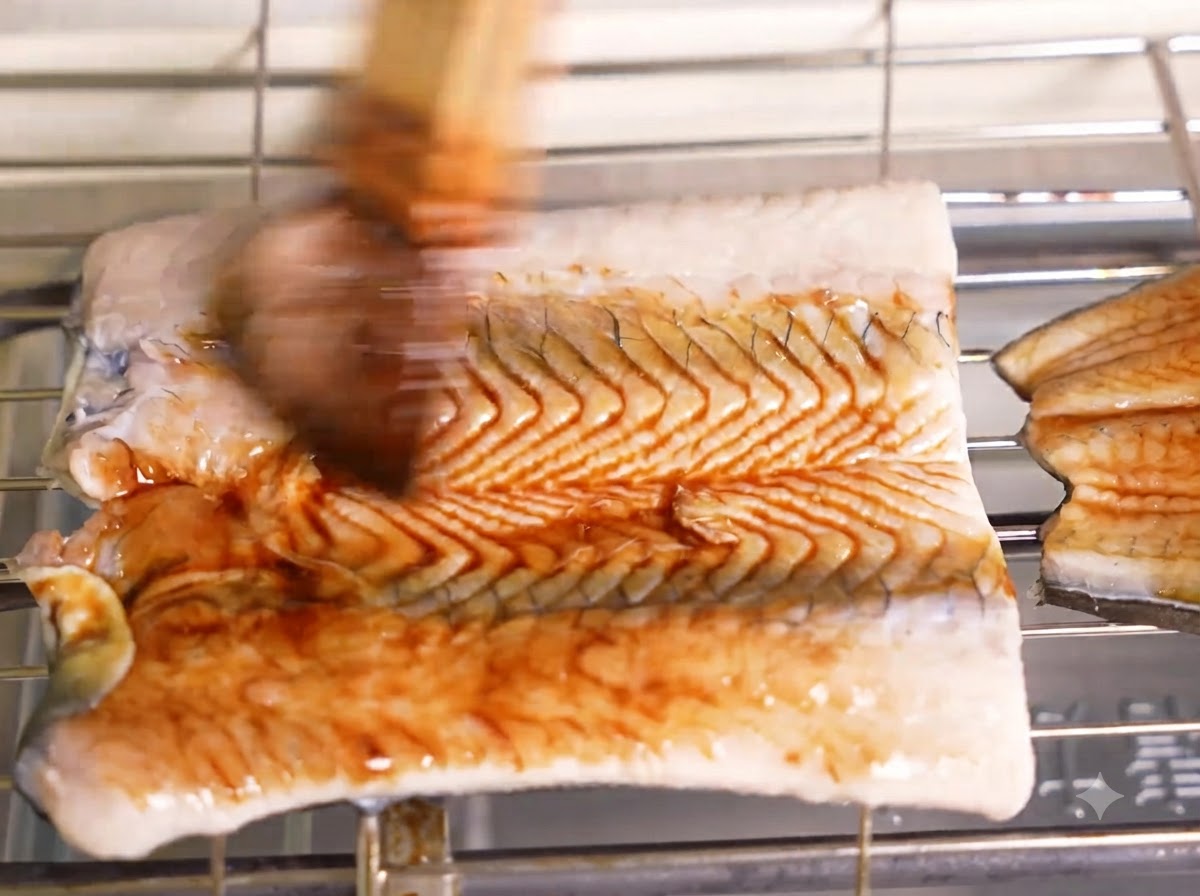
Once the skin is slightly set, brush a generous layer of the thickened homemade sauce over the meat side. Flip the eel over and brush the skin side with sauce as well. Continue grilling, flipping and brushing the eel with sauce about three more times until it becomes shiny, glistening, and beautifully caramelized.
Tip: Multiple layers of glaze are the secret to Kabayaki; each brushing caramelizes over the heat, building a deep, rich flavor profile. - 7Grill the skin side
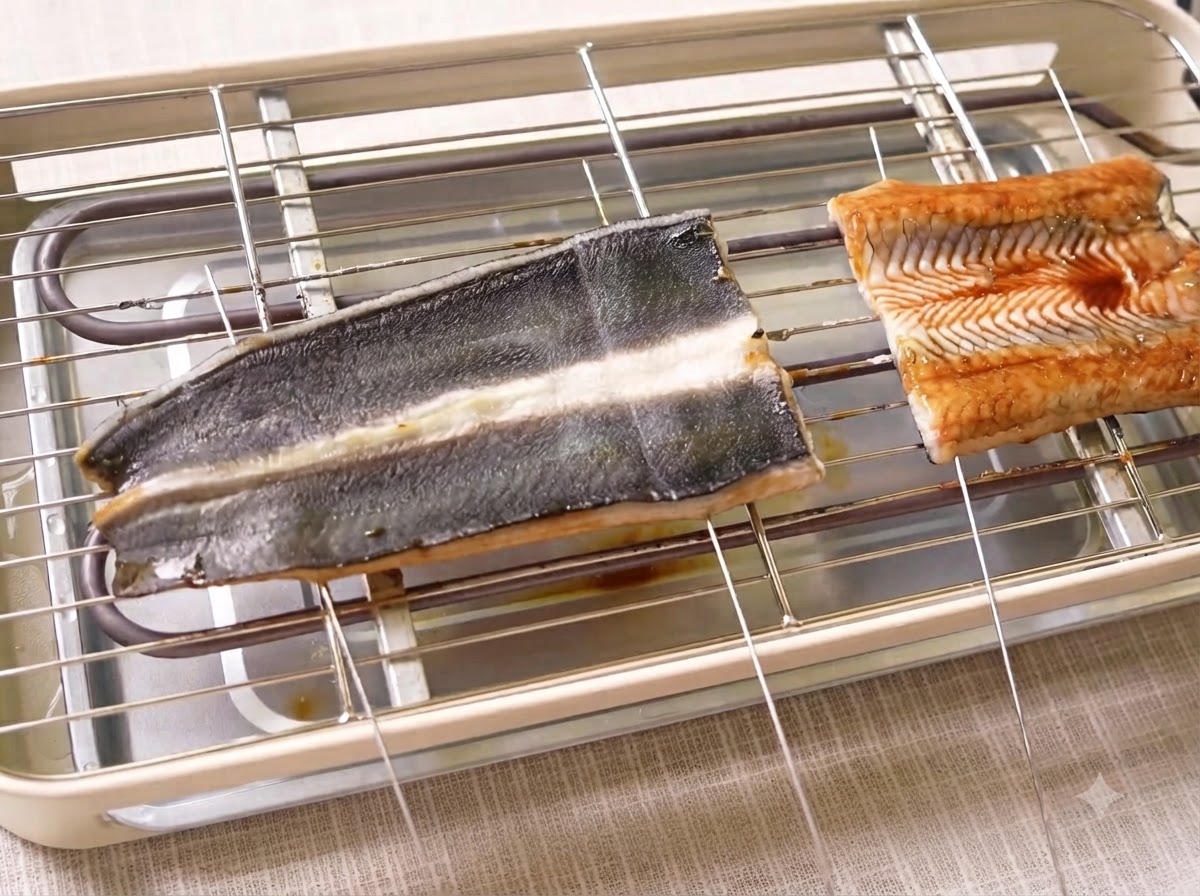
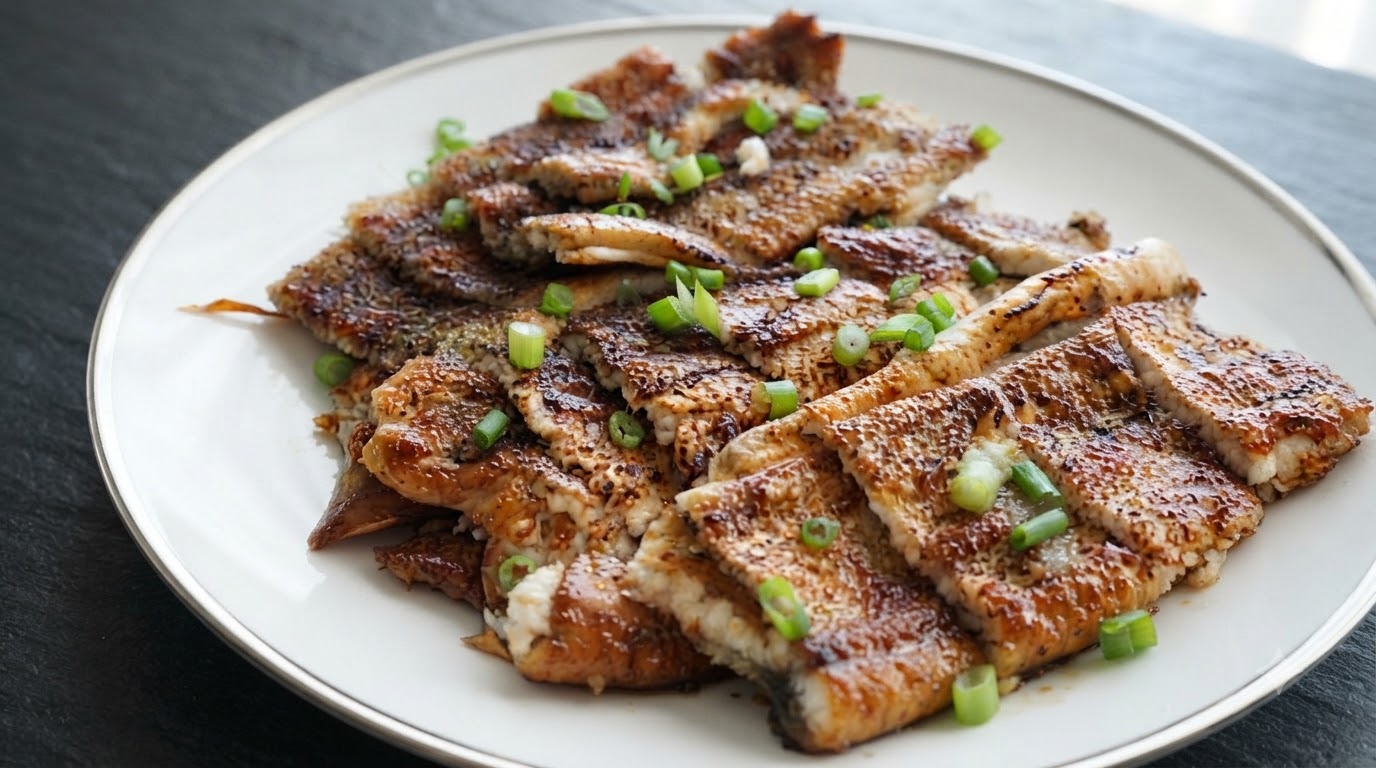
As the glaze begins to set and caramelize, carefully flip the fillets over to cook the skin side. Let the heat blister the skin slightly while the flavors of the sweet sauce penetrate the meat.
Tip: Use iron skewers piercing only the meat to keep the eel fillets flat and secure while grilling. - 8Build the glaze
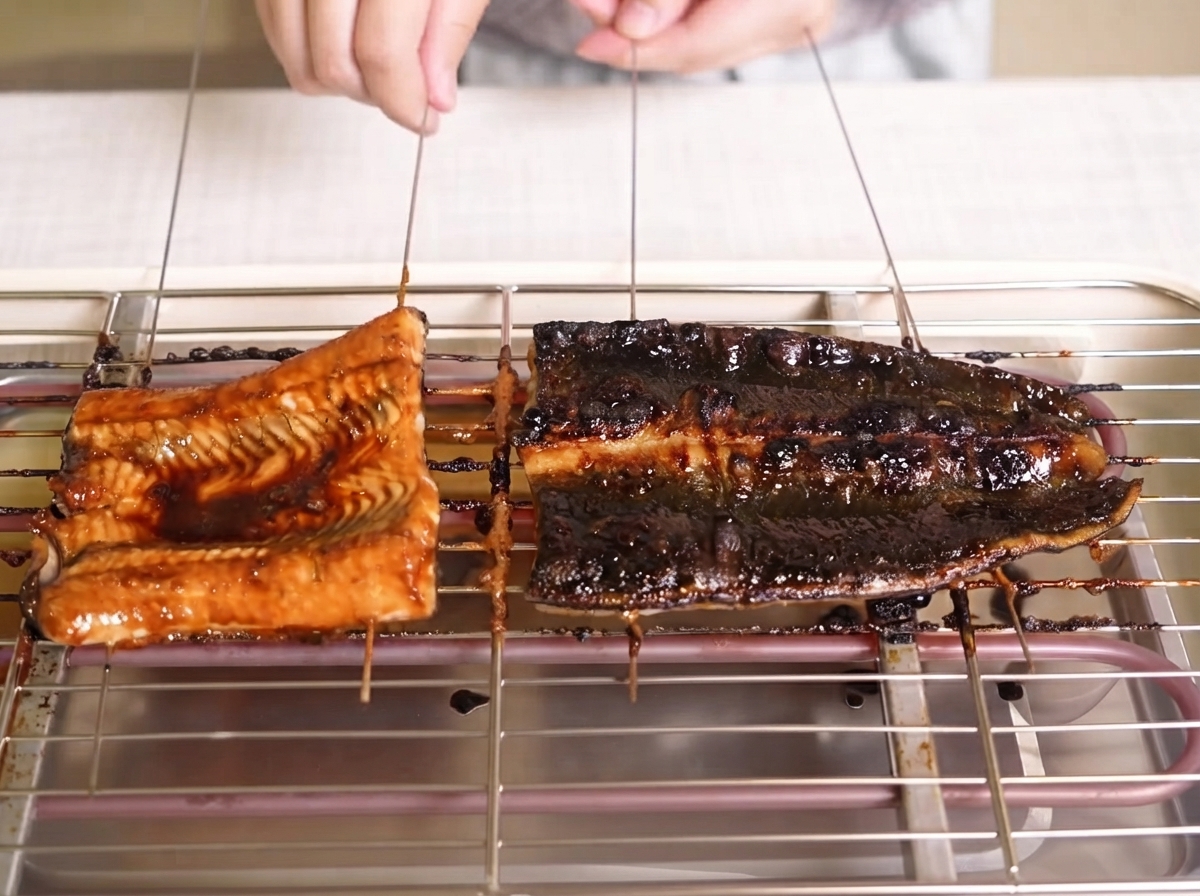
Continuously baste the eel with the remaining homemade sauce, repeating the flipping and brushing process about three more times. The goal is to build up a thick, glossy, and deeply caramelized coating without burning the sugars.
Tip: Regularly brushing sauce builds up a thick, glossy, and savory coating on the fish. - 9Assemble the Eel Bento
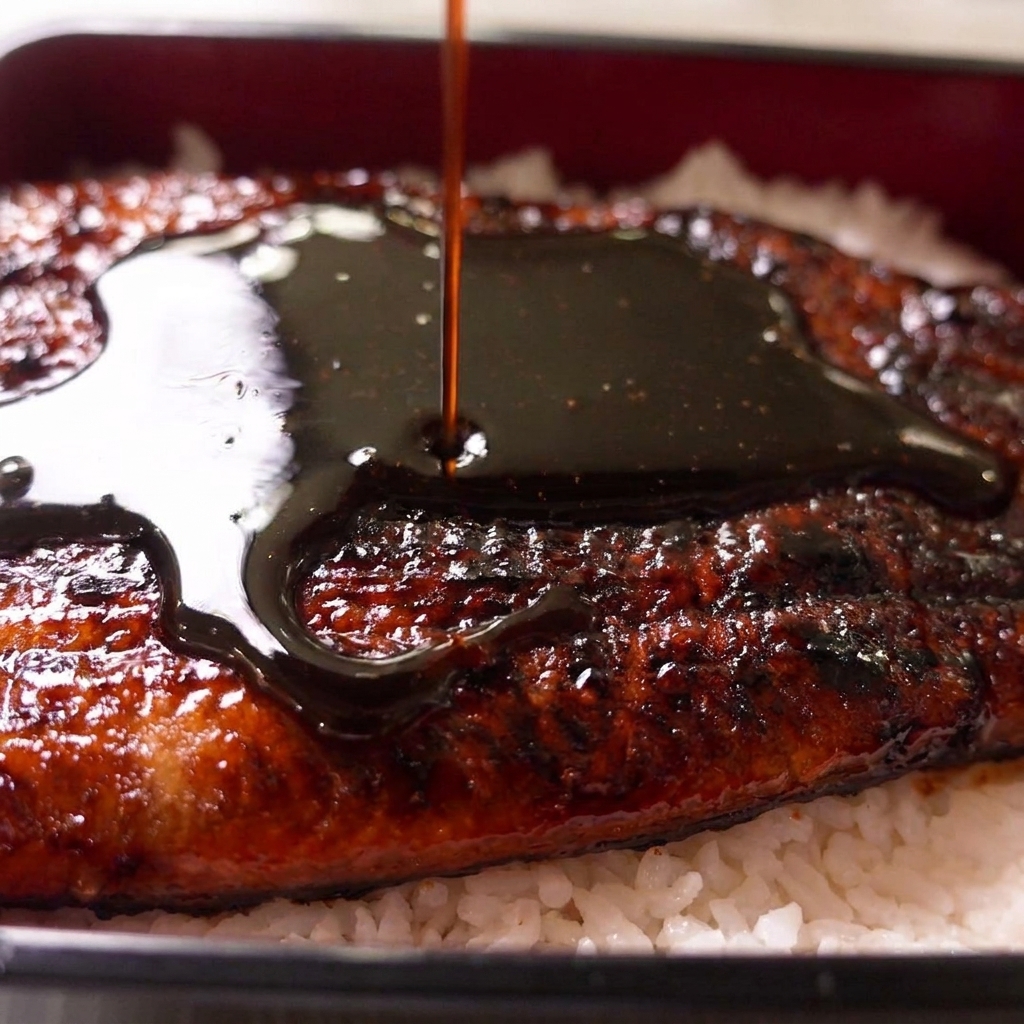
Transfer the grilled eel fillets into a bento box over a bed of freshly cooked white rice, and pour a generous amount of the soul-infused glaze directly over the top.
Tip: Drizzle plenty of the rich sauce over both the eel and the white rice for maximum flavor.