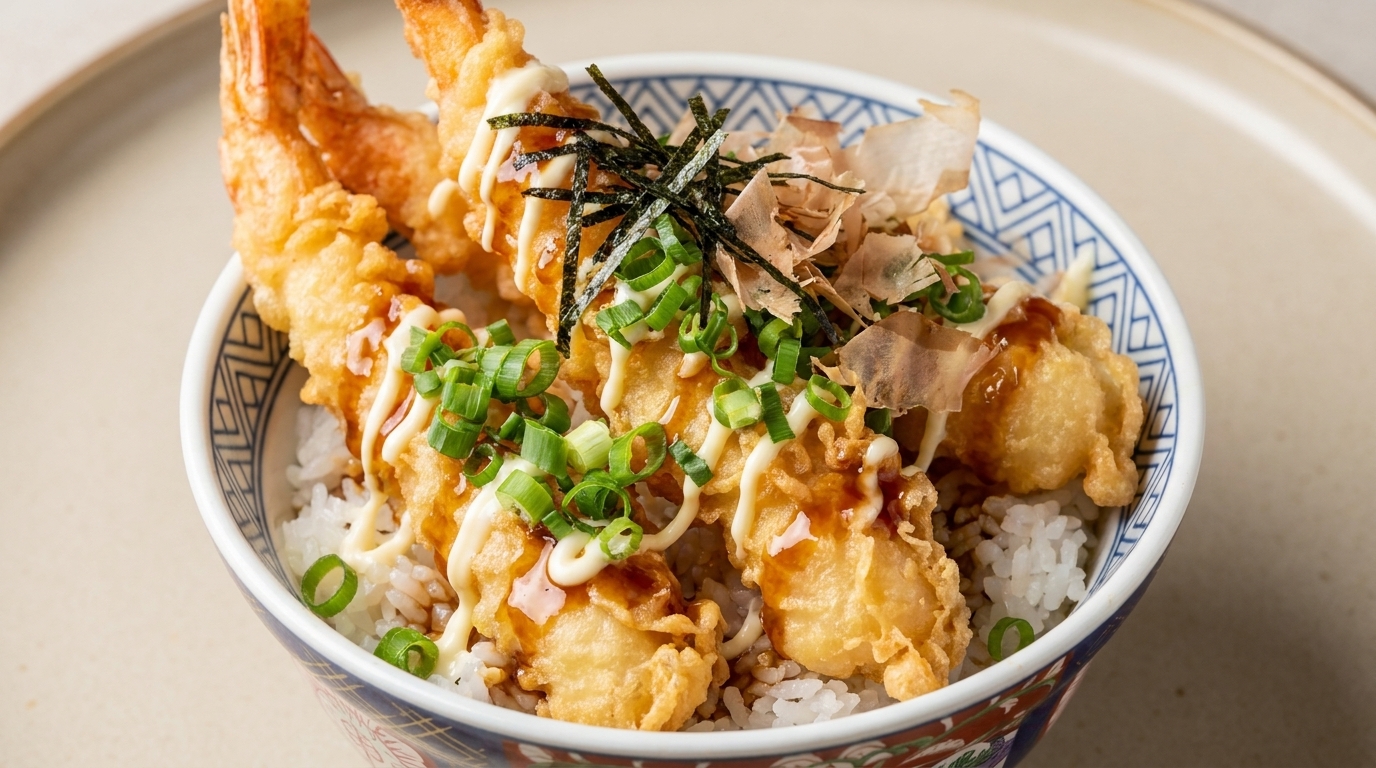
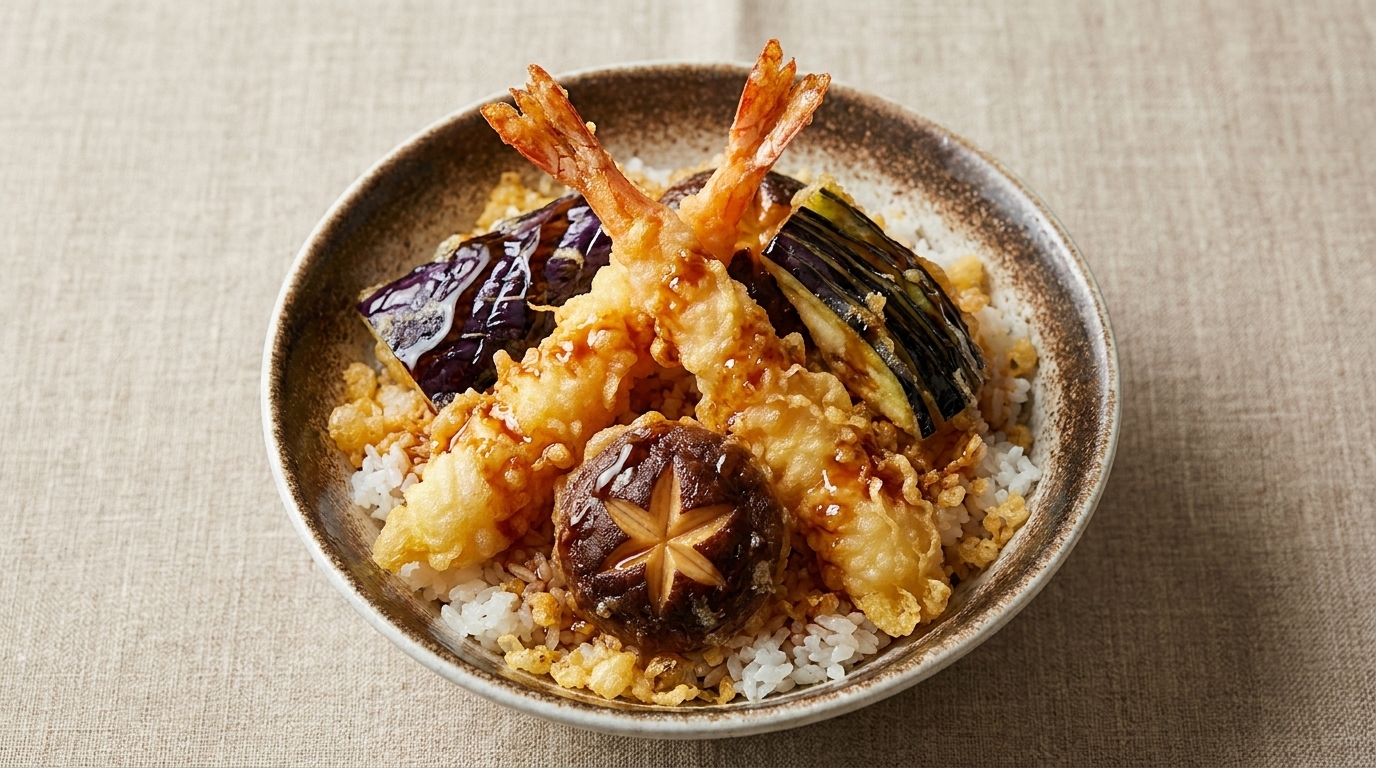
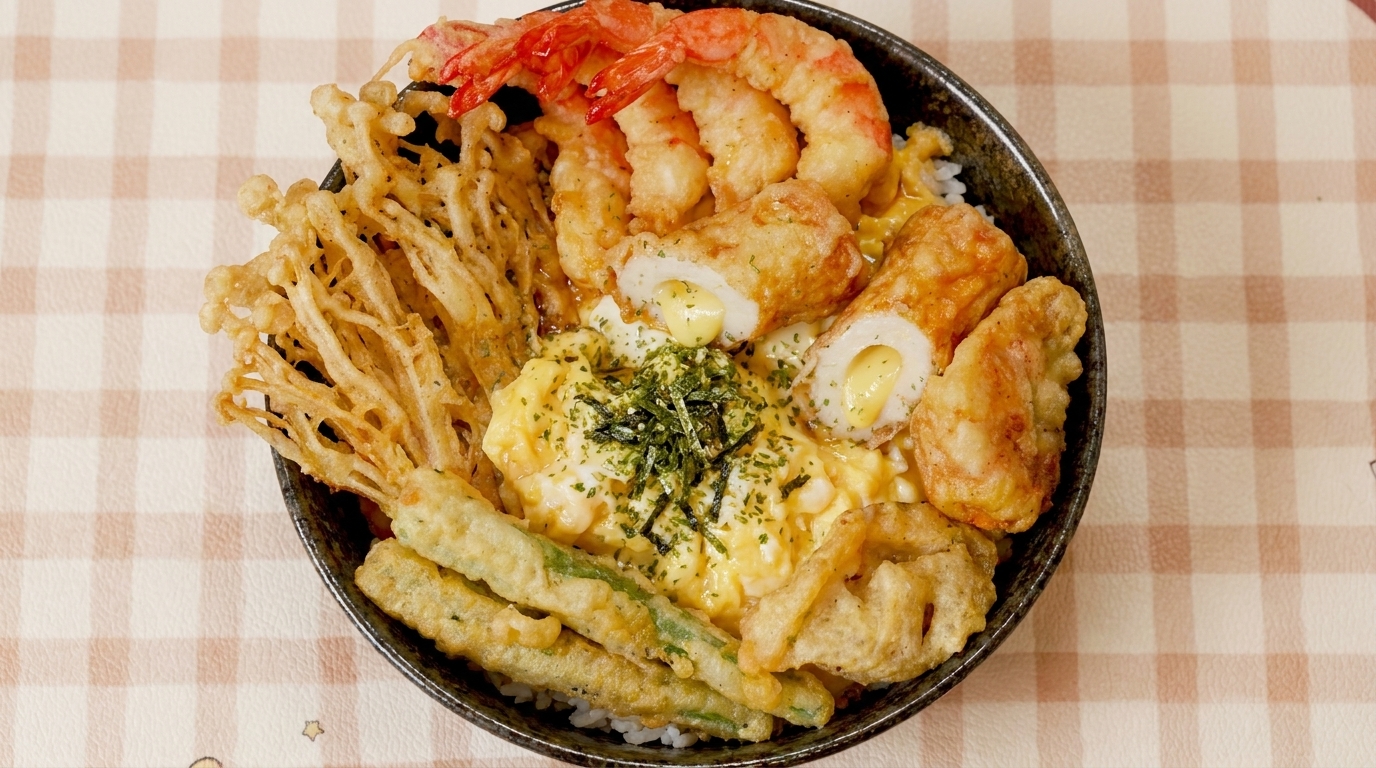
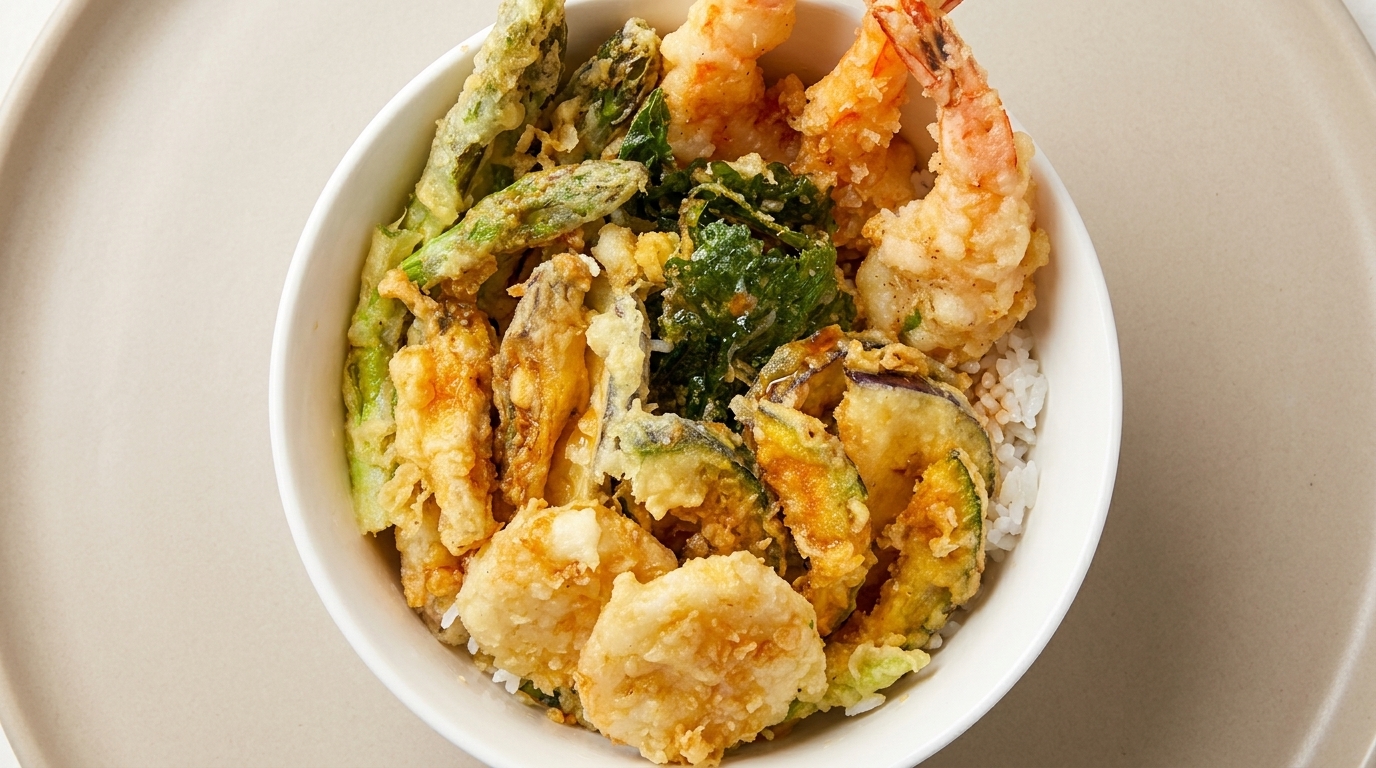
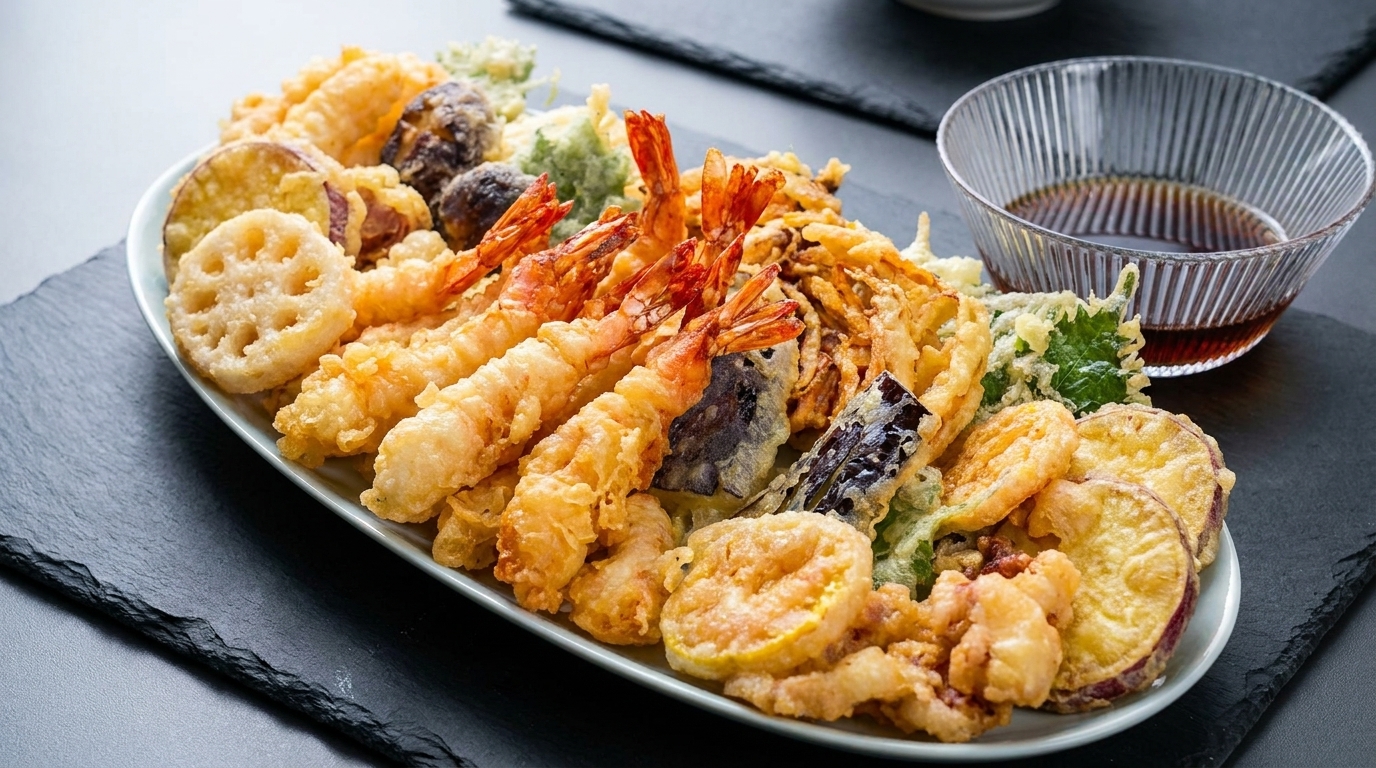
Classic Japanese Tempura Shrimp
Master the art of authentic Japanese tempura with this step-by-step guide to achieving an airy, golden, and impossibly crispy shell that locks in moisture.
Tempura is a cornerstone of Japanese cuisine, celebrated for its delicate, lacy batter and its ability to enhance rather than mask the fresh ingredients within. This traditional method relies on the precise temperature contrast between ice-cold batter and hot oil, resulting in a light, non-greasy texture that makes it a sophisticated favorite in restaurants worldwide.
Ingredients
- 10-12 black tiger shrimp
- 200 g tempura flour
- 250 ml ice water
- 1 piece kombu
- 1 handful bonito flakes
- 50 ml mirin
- 50 ml sushi soy sauce
- 1 liter vegetable oil for frying
Instructions
- 1Prepare the shrimp
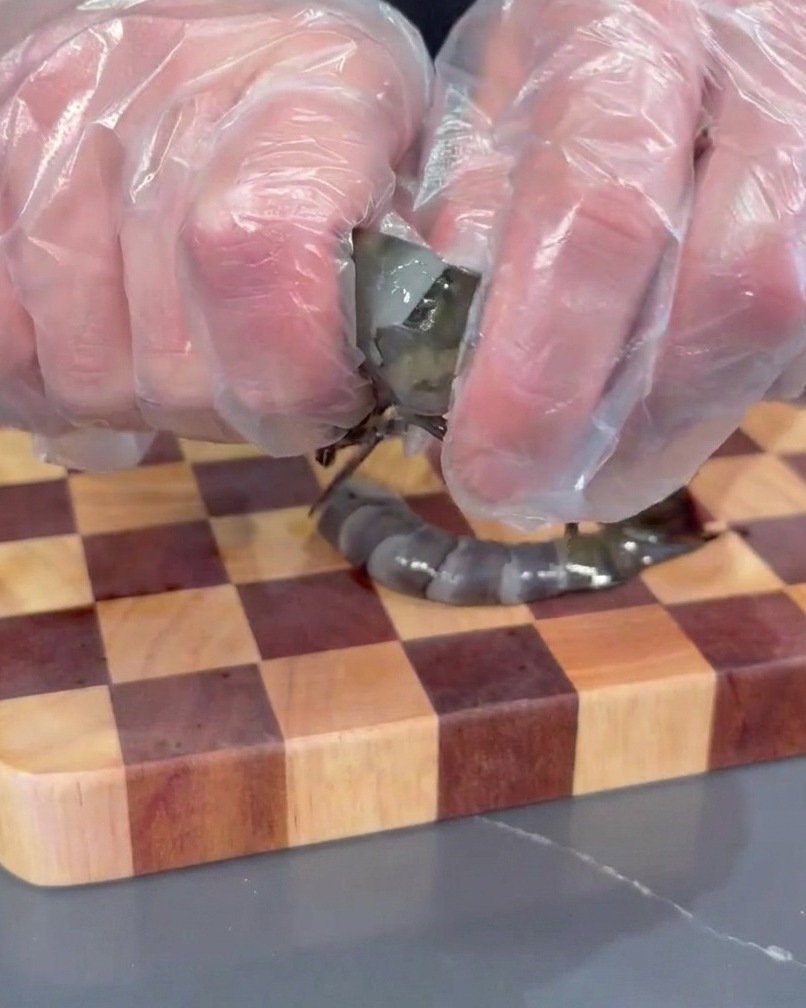
Take fresh black tiger shrimp, remove the heads and shells, leaving only the last segment of the tail intact. Carefully use a knife to cut along the back to remove the shrimp line, ensuring the shrimp is clean for cooking.
Tip: Keep the tail segment on, as it provides a handle for dipping and looks beautiful in the final presentation. - 2Devein the shrimp
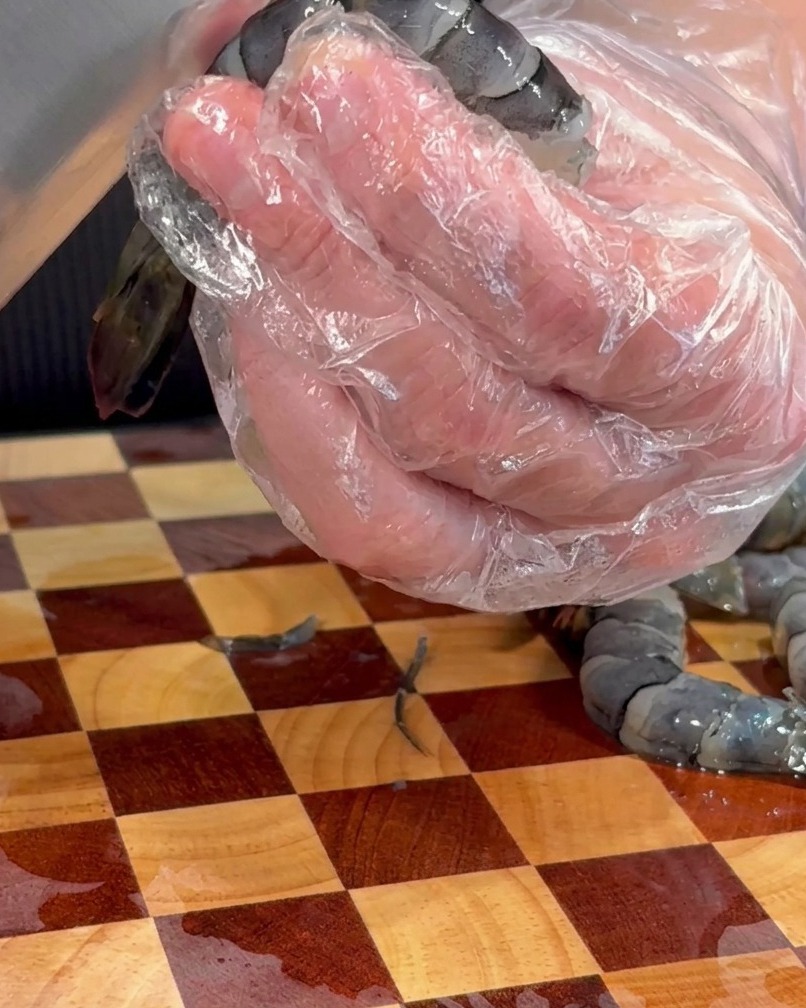
After peeling the shrimp, use a sharp knife to make a shallow incision along the back to expose the dark vein. Gently lift and remove the vein, then rinse the shrimp lightly if necessary to ensure it is completely clean.
Tip: Working on a stable cutting board helps maintain precision when deveining the delicate shrimp meat. - 3Prepare the shrimp
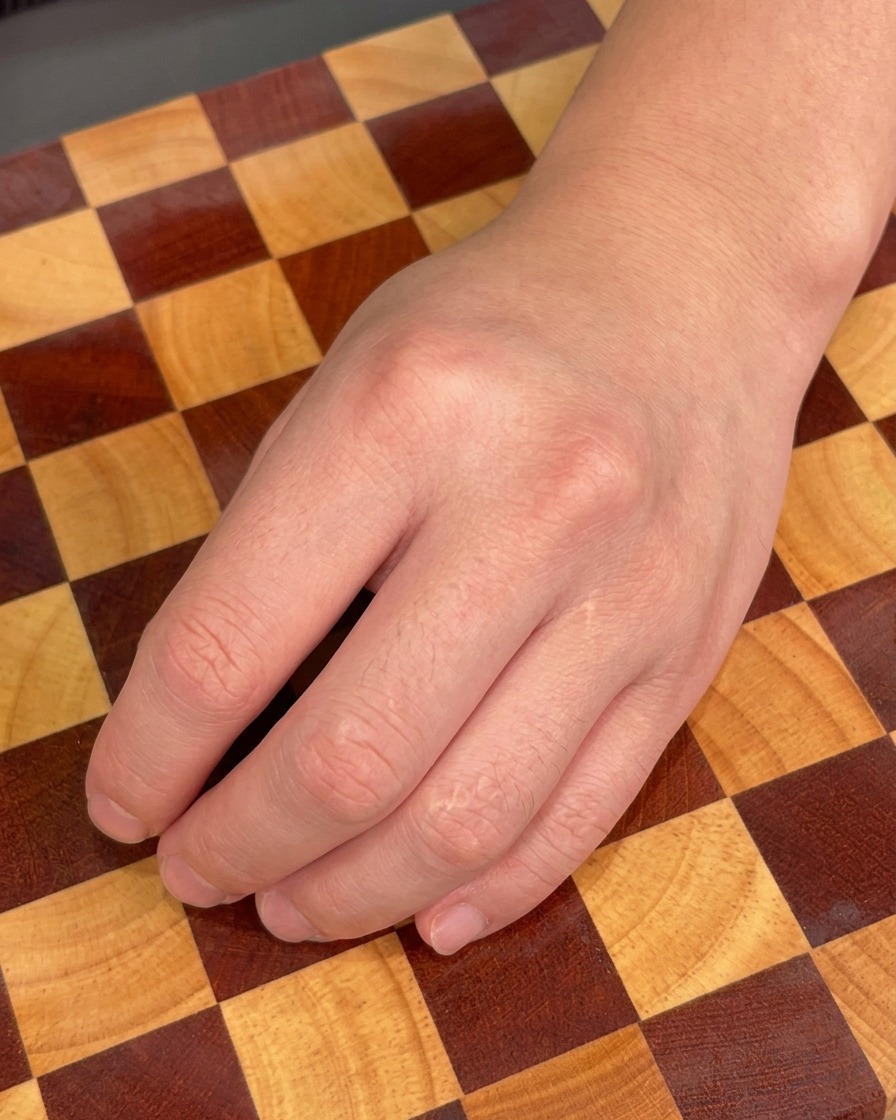
After cleaning and deveining the shrimp, cut the abdominal tendons and press down firmly on the shrimp body to straighten it. This critical preparation step prevents the shrimp from curling or deforming while frying, ensuring a perfect, professional shape for your tempura.
Tip: Be gentle but firm when pressing the shrimp to ensure it stays straight without crushing the delicate meat. - 4Dry the shrimp
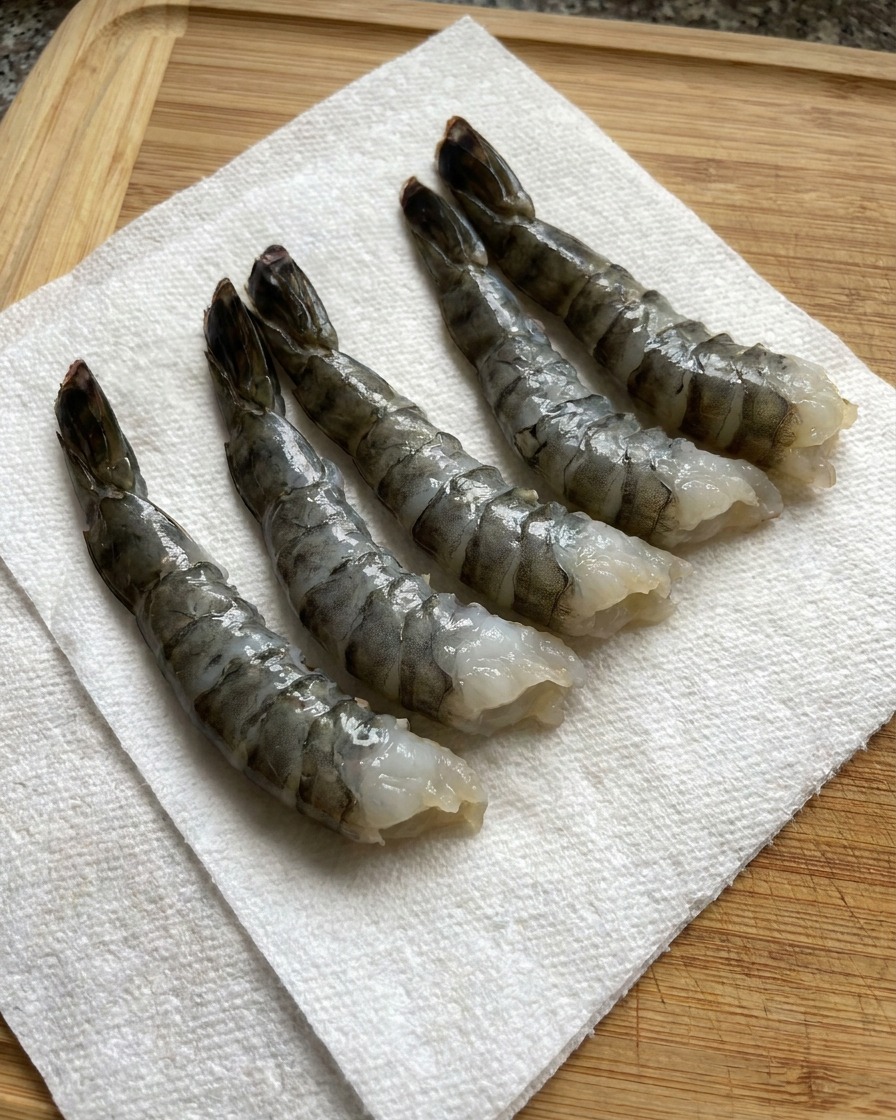
Place the cleaned and prepared shrimp onto clean kitchen paper towels. Pat them gently to remove all excess surface moisture, which helps the batter adhere properly during the frying process.
Tip: Dry shrimp result in a much crispier tempura shell, as excess water can cause the batter to fall off or splatter in the hot oil. - 5Prepare the dipping sauce base
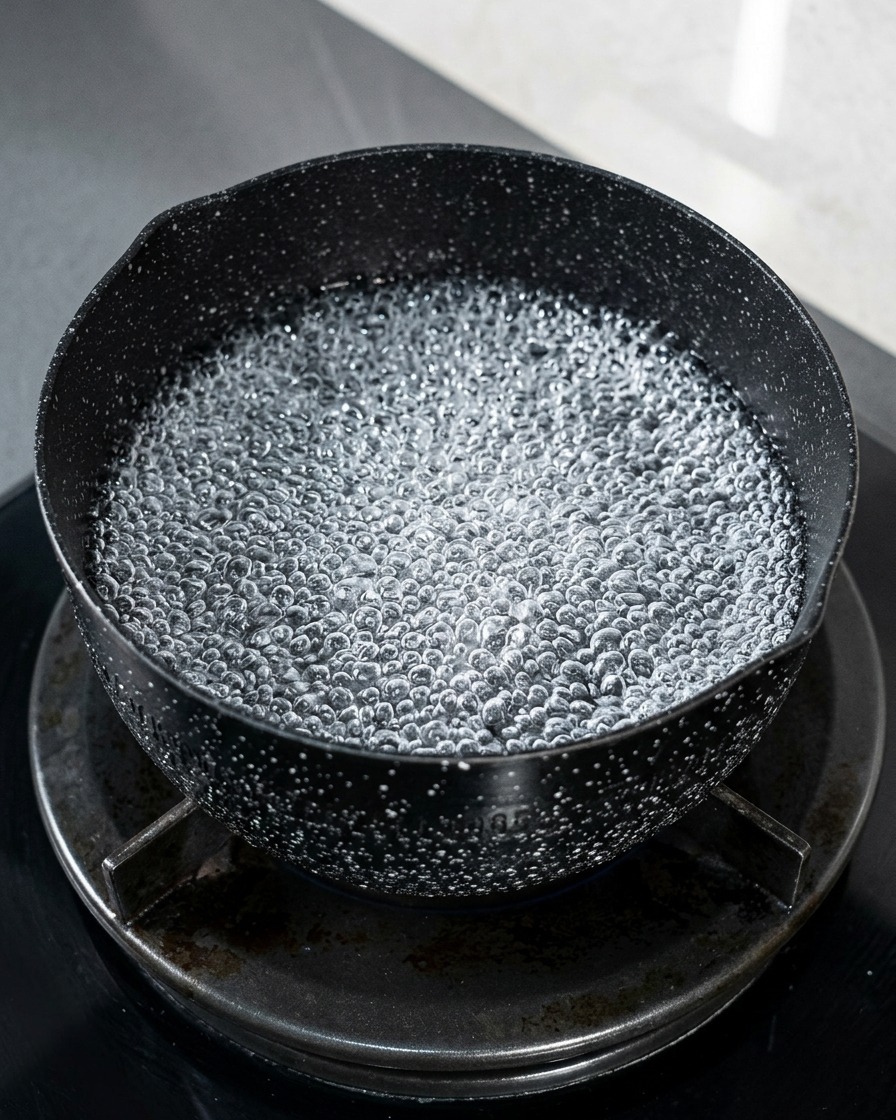
Bring a pot of water to a boil and add a piece of kombu. Let it simmer for about 5 minutes to extract the deep umami flavor, which serves as the foundational base for the traditional tempura dipping sauce.
Tip: Do not let the kombu boil for too long, or it may release a bitter, slimy texture into the broth. - 6Infuse with bonito flakes
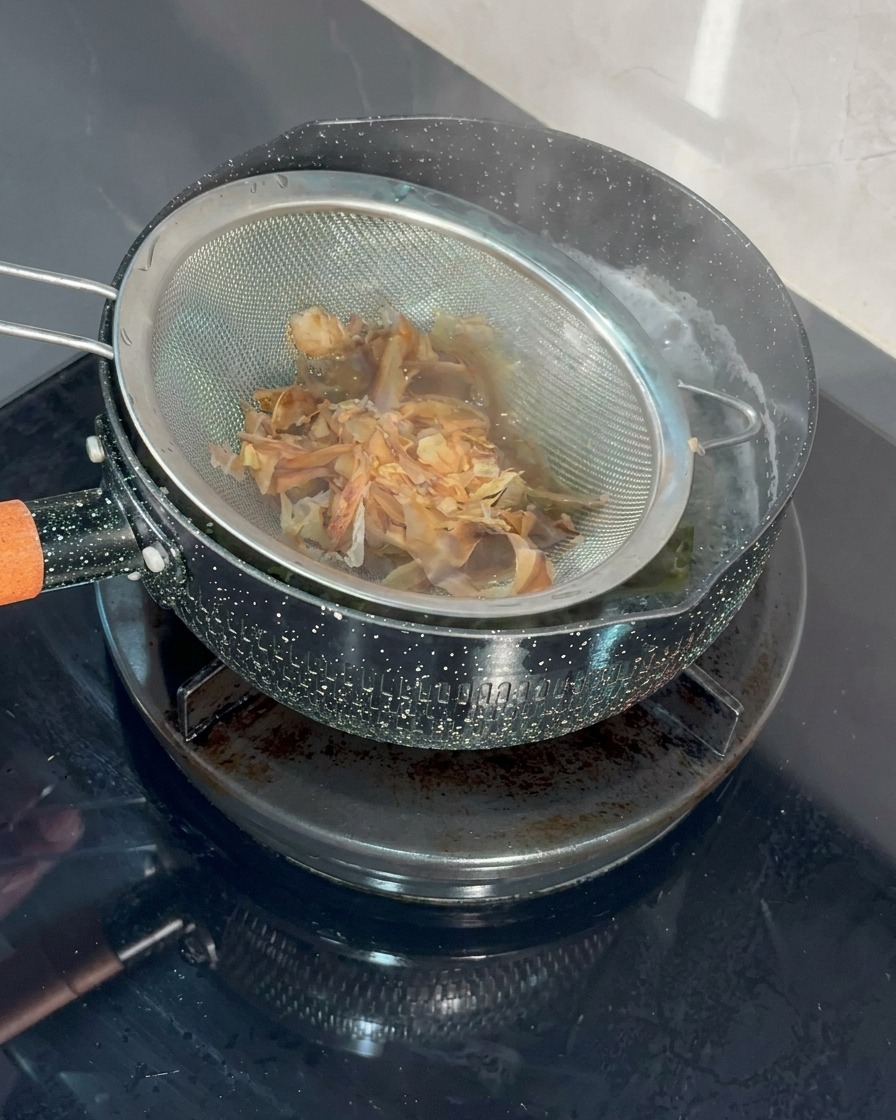
After simmering the kombu, place a handful of dried bonito flakes into a fine-mesh strainer and submerge it into the boiling liquid. Let it infuse for a short time to create a rich, aromatic dashi base for your dipping sauce.
Tip: Using a strainer makes it effortless to remove the flakes later, keeping your dashi base clear and free of solids. - 7Prepare the dipping sauce
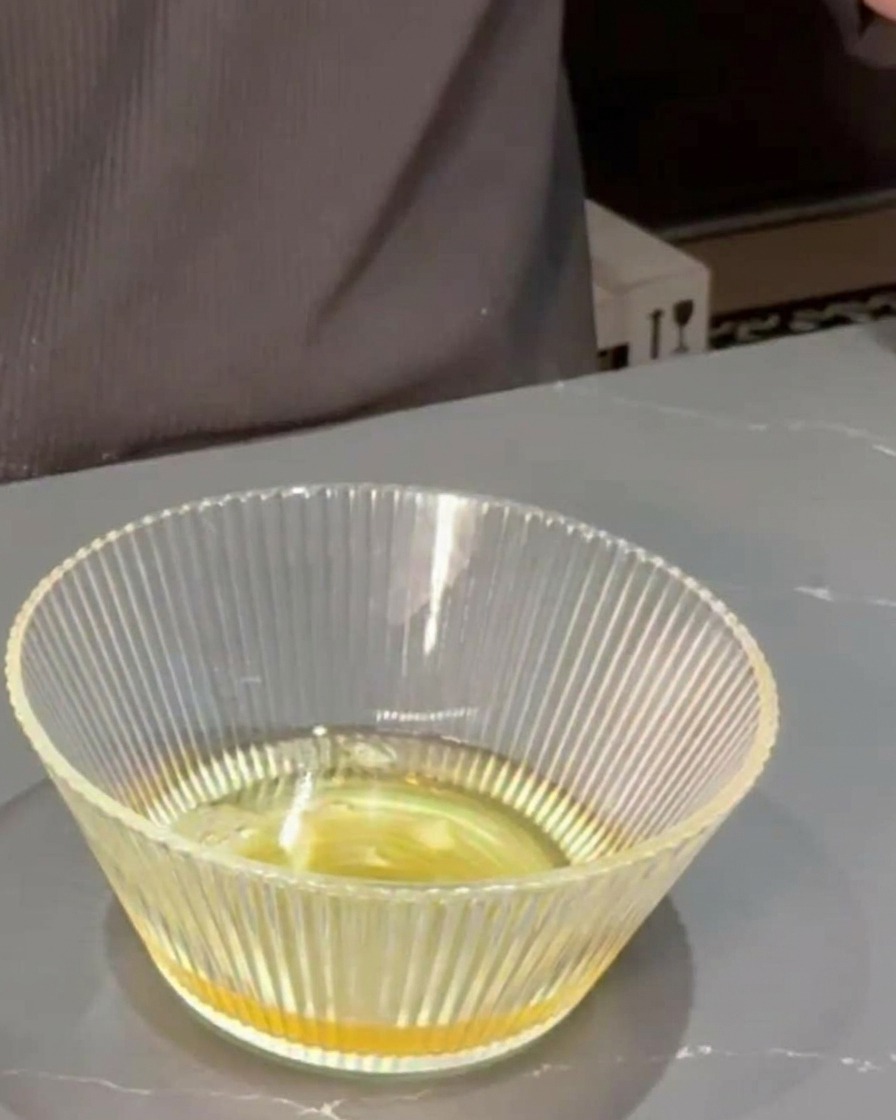
Once the dashi broth is strained, add 50ml each of mirin and sushi soy sauce to the kombu and bonito stock. Stir well to combine, creating a savory, umami-rich dipping sauce that balances the crispy tempura perfectly.
Tip: You can adjust the ratio of mirin to soy sauce slightly based on your preference for a sweeter or saltier dipping sauce. - 8Mix the tempura batter
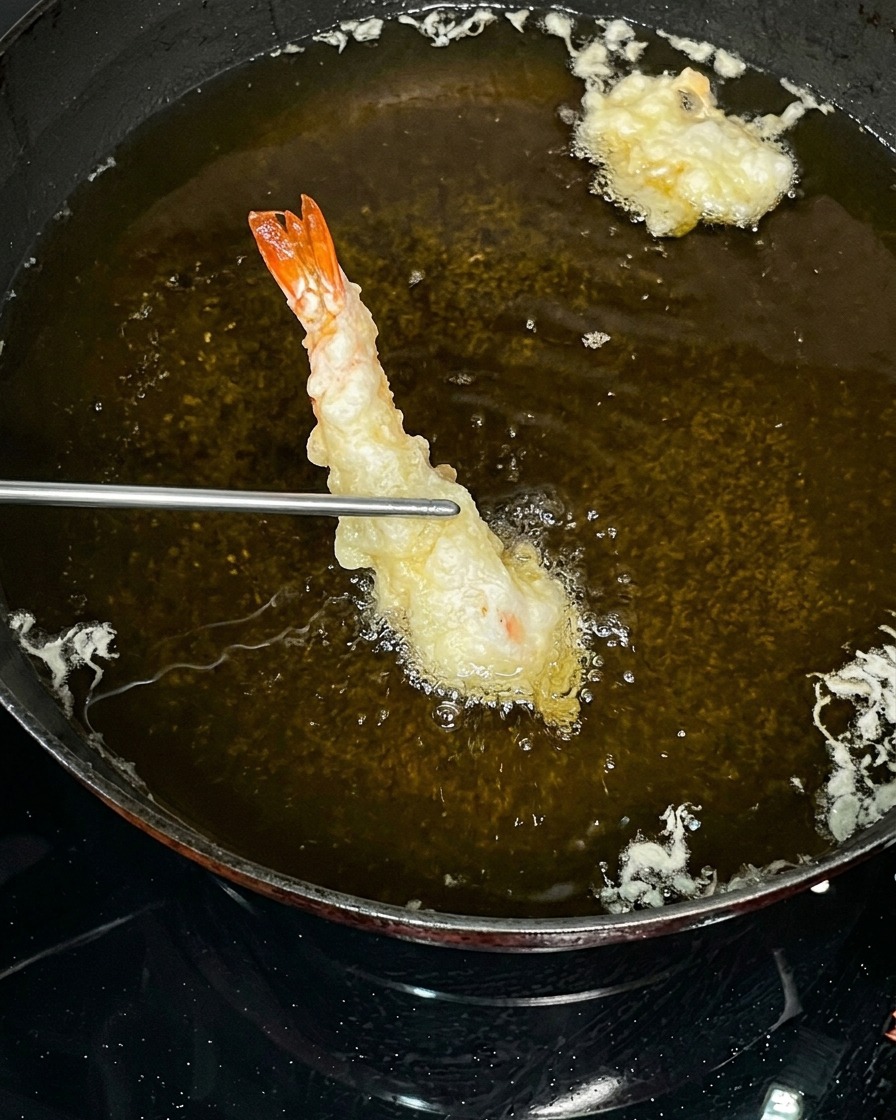
In a mixing bowl, combine pre-mixed tempura flour with cold ice water. Stir the mixture until it is thick but intentionally lumpy; avoid over-mixing, as keeping the batter slightly uneven is the secret to achieving that signature airy, crispy tempura texture.
Tip: Using ice-cold water is essential to maintain a temperature difference with the hot oil, which creates a lighter, crispier coating. - 9Coat the shrimp
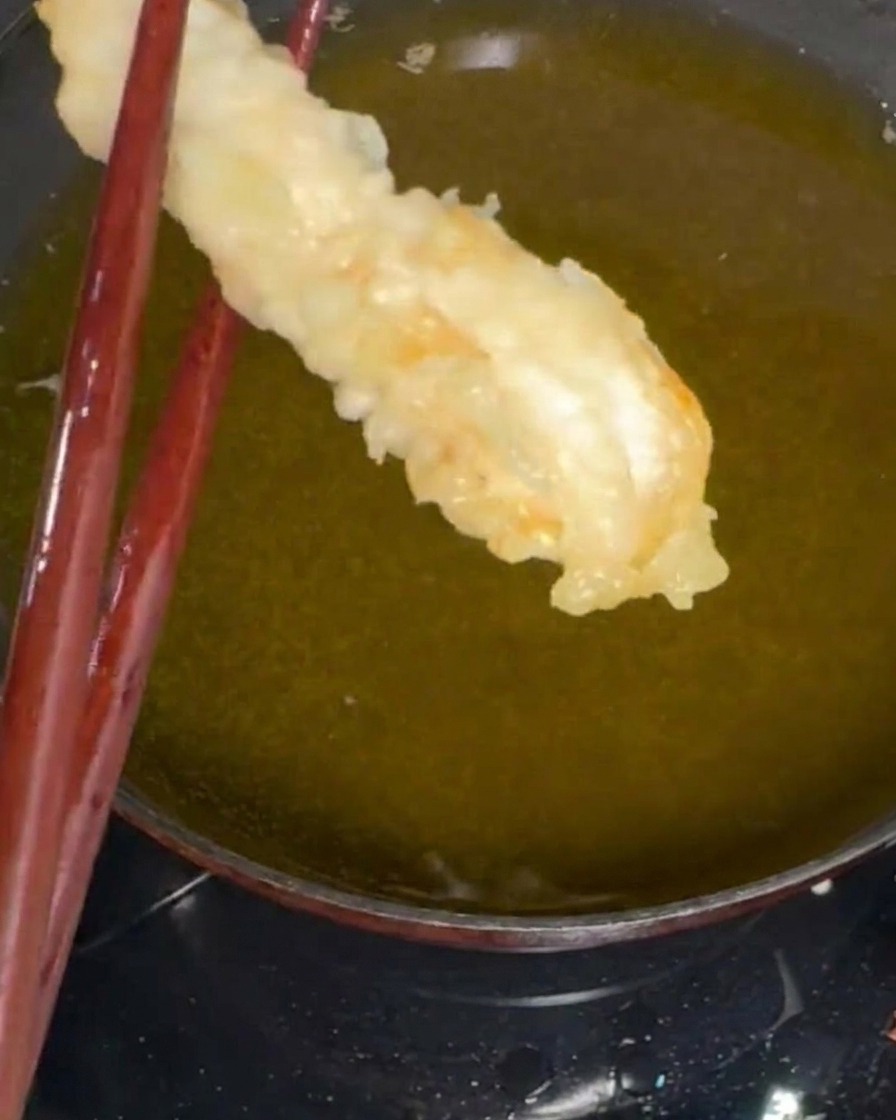
Lightly dust the prepared shrimp in dry tempura flour, then dip them thoroughly into the prepared batter. Ensure the shrimp is evenly coated so the batter can create a protective shell that locks in moisture during the frying process.
Tip: Tapping off excess flour before dipping helps the batter adhere more uniformly. - 10Fry the tempura
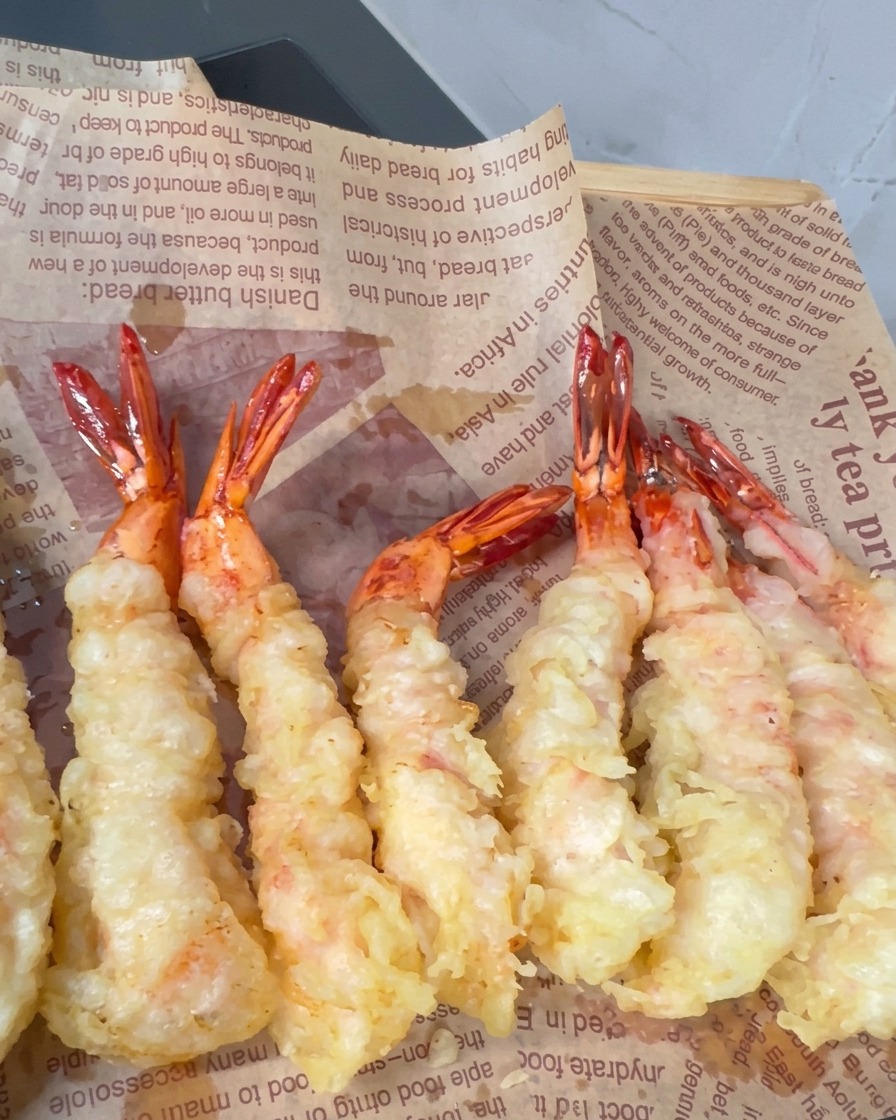
Heat oil to 170 degrees Celsius and gently lower the battered shrimp into the hot oil. Use quick hand motions to create spikes in the batter as they enter the oil, which expands instantly to form a crispy, golden shell while the shrimp cooks inside.
Tip: Remove any excess loose batter bits floating in the oil to keep the temperature consistent and prevent burning.