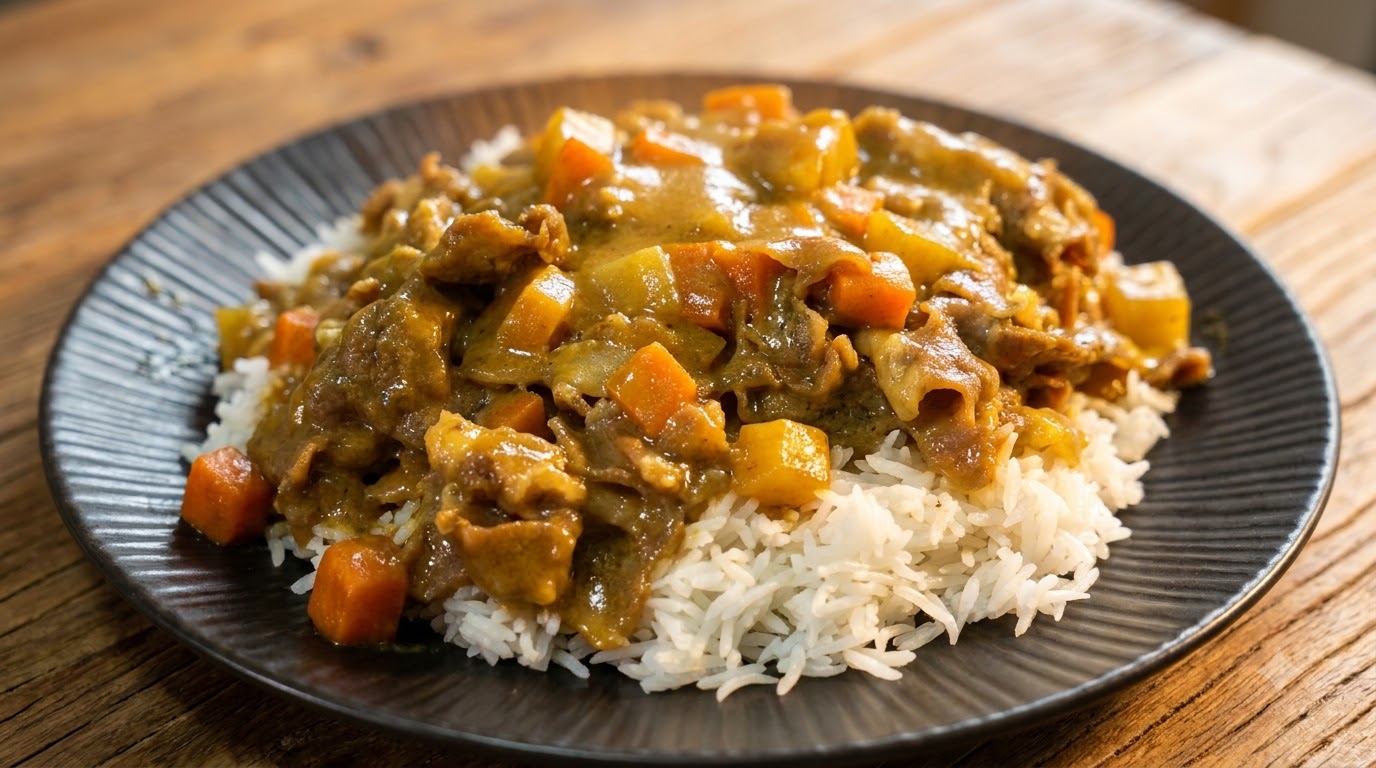
Rich and Savory Curry Beef Brisket Rice
Melt-in-your-mouth beef brisket simmered with fragrant Indian curry paste, tender potatoes, and carrots, finished with a touch of coconut cream over fluffy white rice.
This comforting curry beef brisket dish brings together tender, slow-simmered meat and a deeply aromatic sauce infused with a blend of curry paste and warm spices. Enhanced with a hint of tomato ketchup for balance and finished with a splash of rich coconut cream, it delivers restaurant-quality flavor right in your home kitchen.
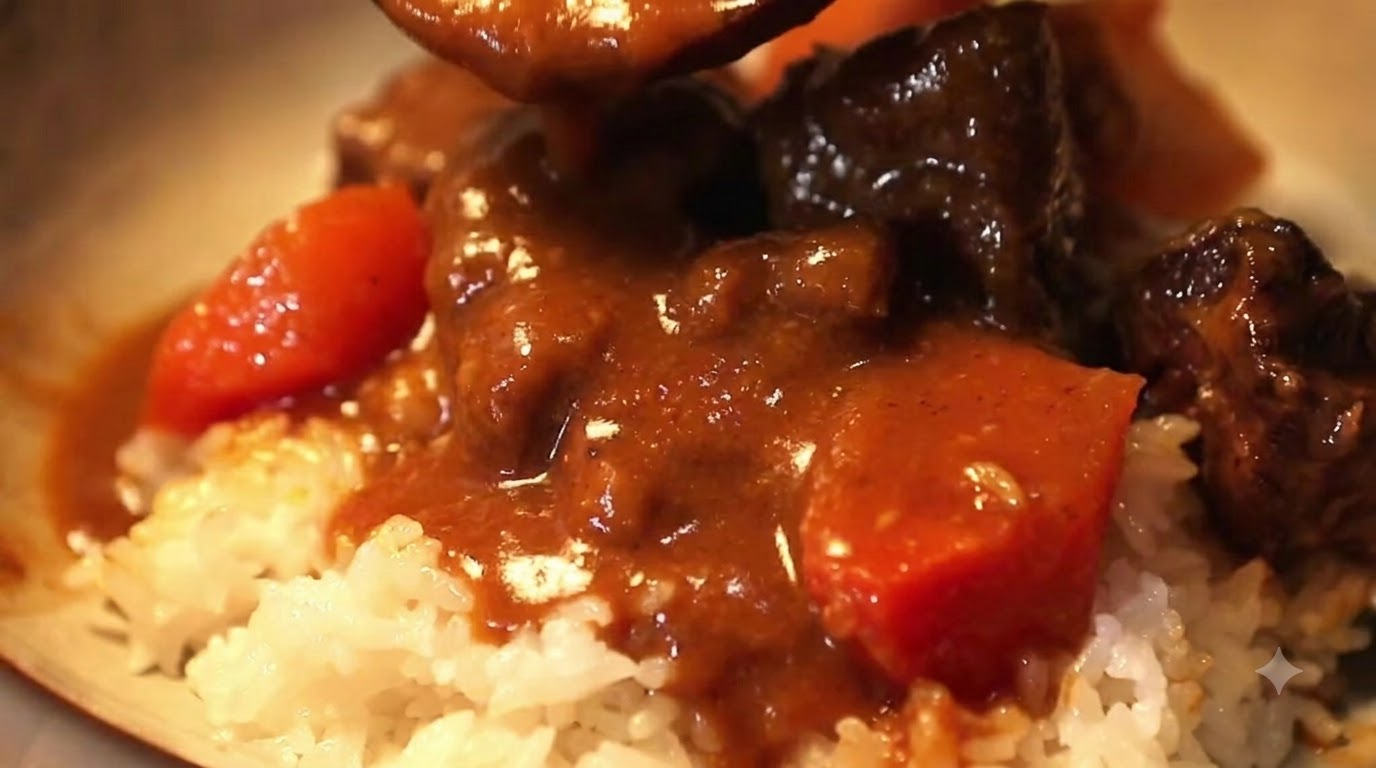
Ingredients
- 500 g beef brisket
- 1 carrot
- 1 onion
- 2 potatoes
- 0.5 head garlic
- 1 piece ginger
- 1 section scallion
- 3 tbsp light soy sauce
- 1 small piece rock sugar
- 2 tbsp Indian curry paste
- 1 tbsp curry powder
- 1 tsp chili powder
- 1 tbsp tomato ketchup
- 2 bay leaves
- 1 star anise
- 2 tbsp coconut cream
- to taste boiling water
- to serve cooked white rice
Instructions
- 1Slice the carrot
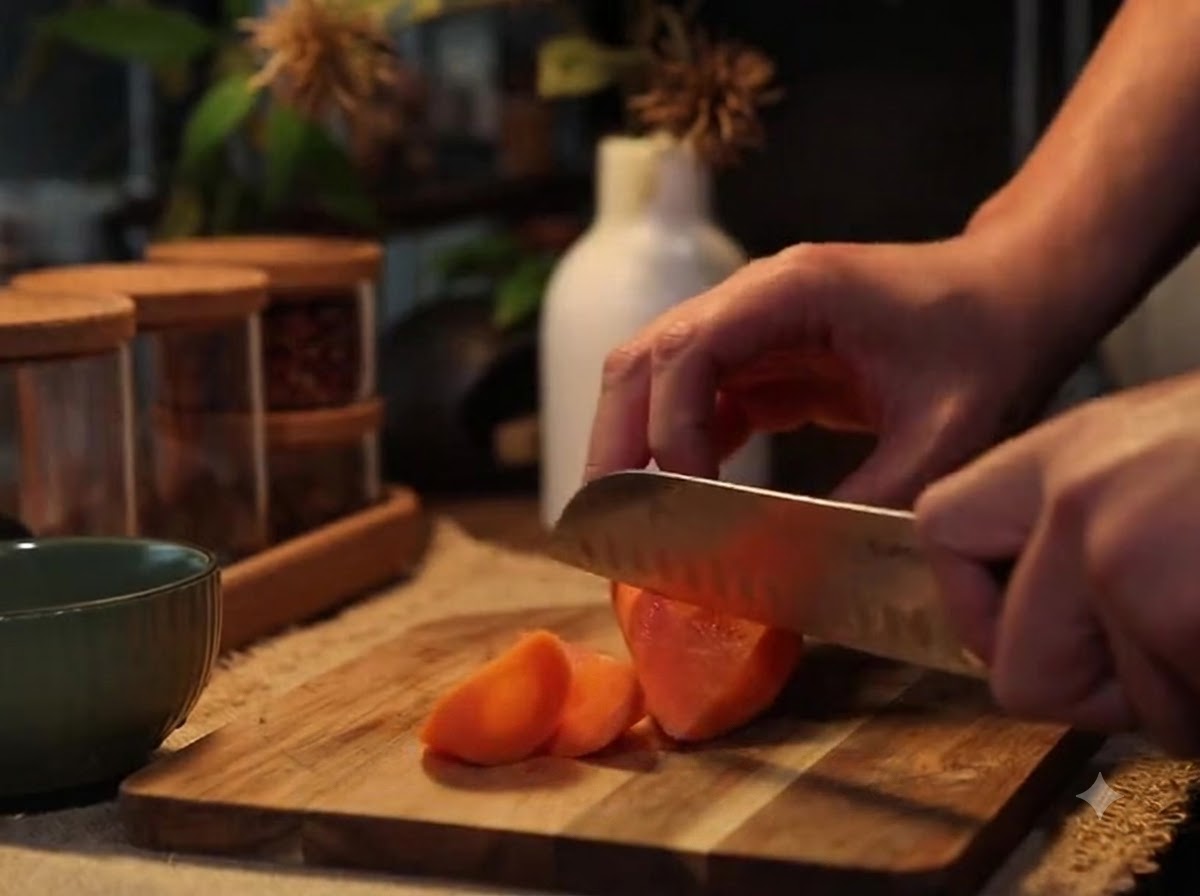
Place a fresh carrot on a wooden cutting board and slice it into thick, rustic chunks without needing special knife skills.
Tip: Cut the vegetables into uniform large chunks so they maintain their texture during long braising. - 2Chop the onion
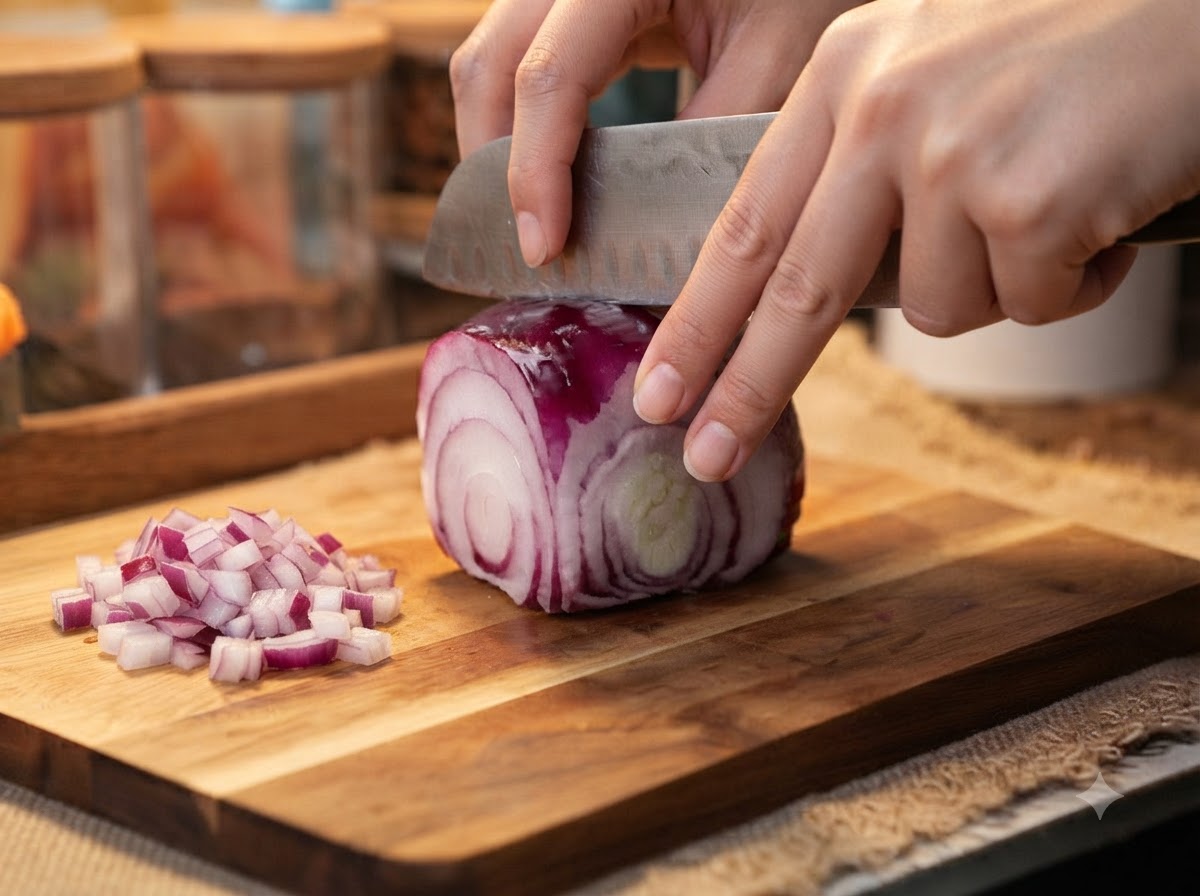
Take a red onion and chop it into coarse pieces on the cutting board to prepare for the aromatic base.
Tip: Coarse chopping works well here as the onion will soften down significantly during the long simmering process. - 3Cut the potatoes
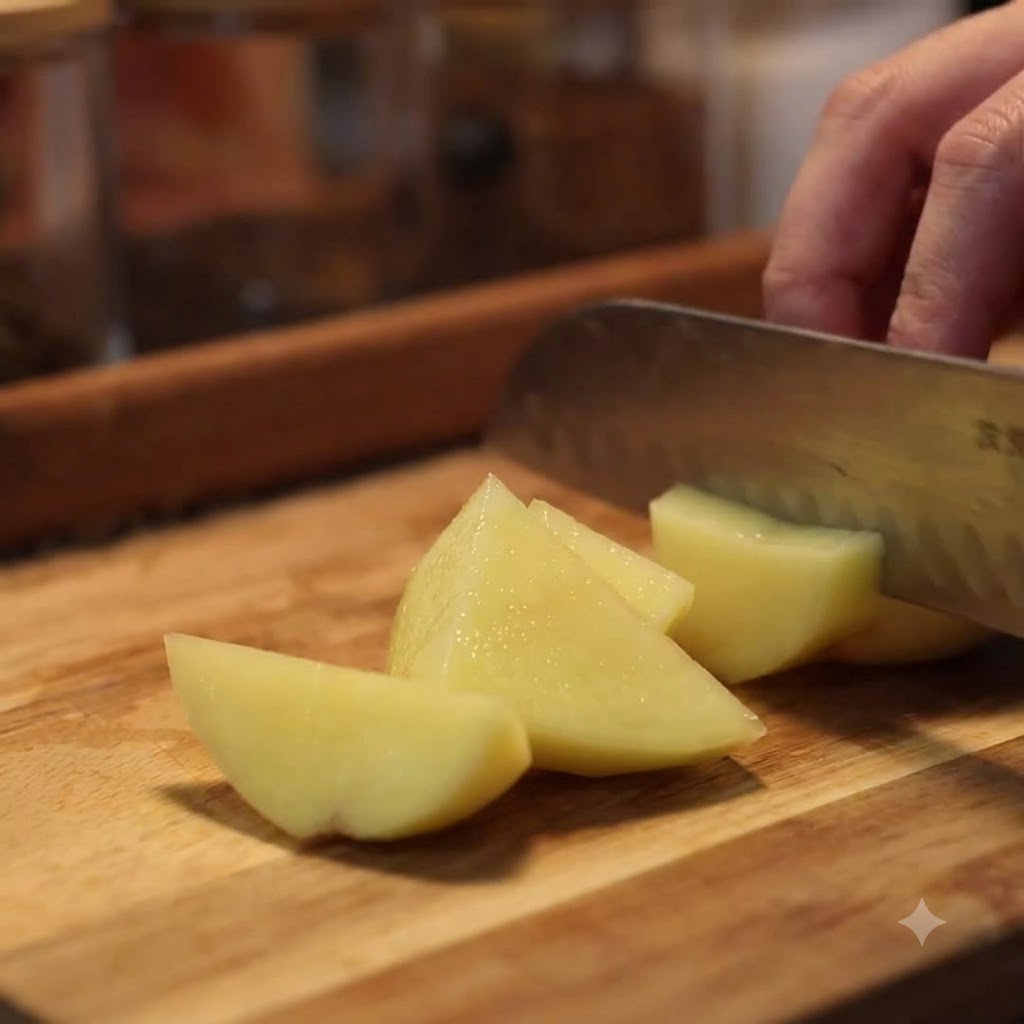
Peel the potatoes and cut them into large wedges, ensuring they are ready to be added later in the cooking process.
Tip: Keep potato chunks large so they do not disintegrate during the stewing phase. - 4Slice the scallion
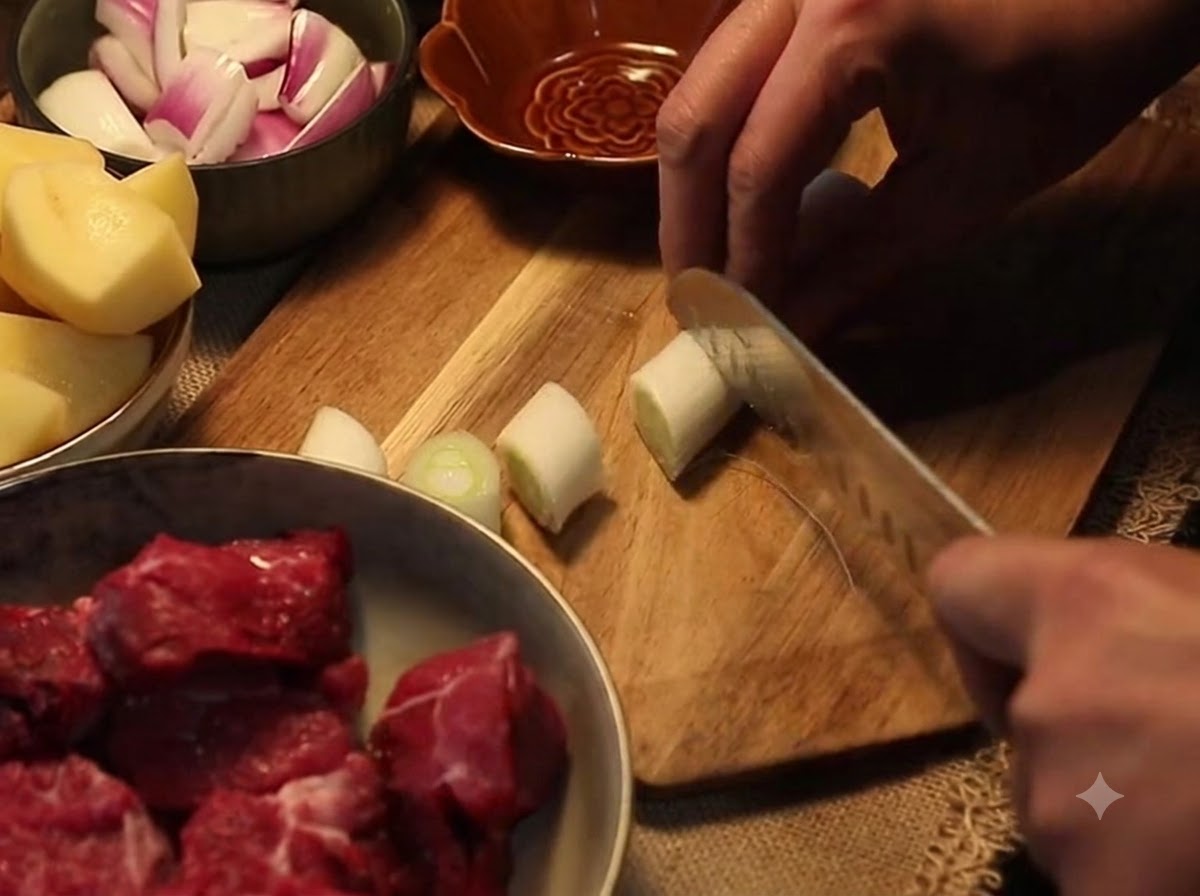
Slice a section of fresh scallion into thick rounds to use as part of the initial aromatics and boiling base.
Tip: Scallions add a mild, sweet onion flavor when boiled with the meat. - 5Boil the beef with aromatics
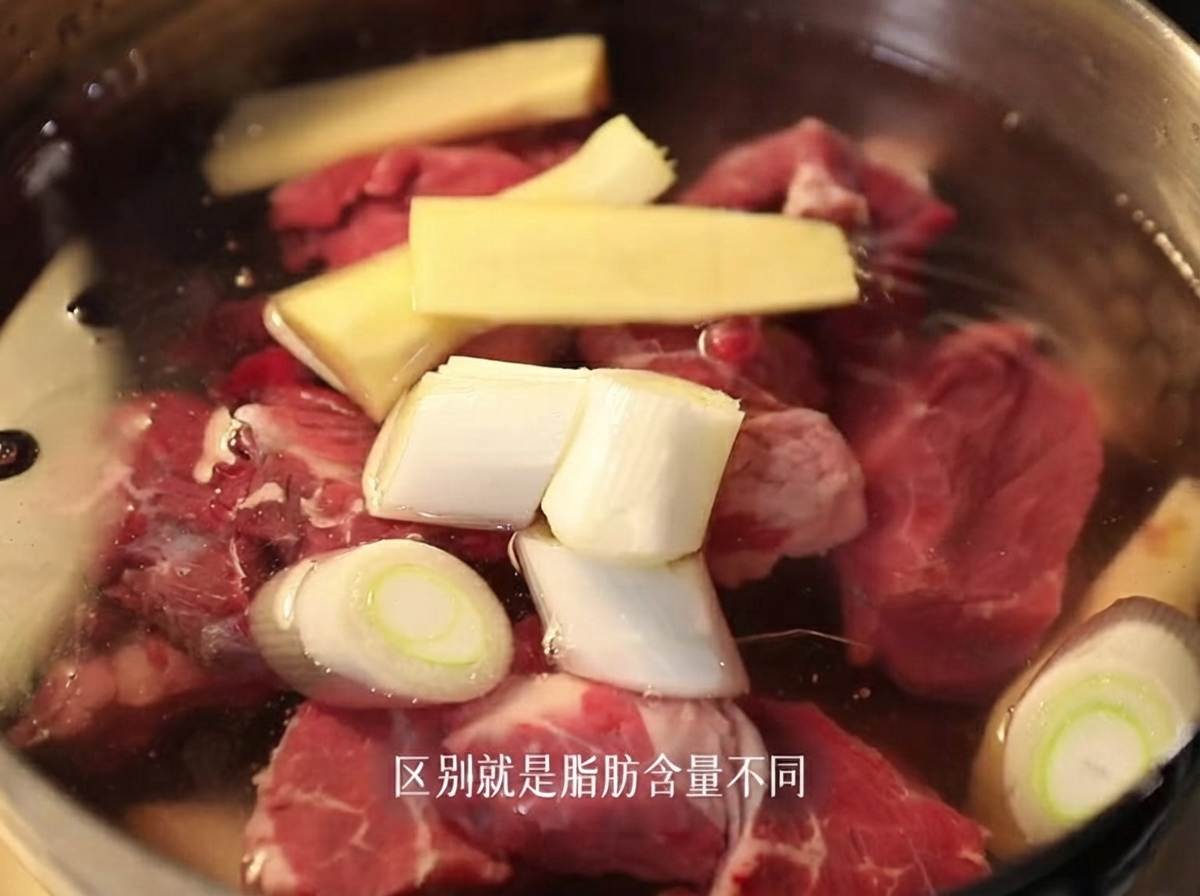
Put the raw beef brisket chunks into a pot with cold water, adding slices of ginger and scallions to help neutralize any gamey odors.
Tip: Always start with cold water to draw out impurities effectively from the meat. - 6Skim the impurities
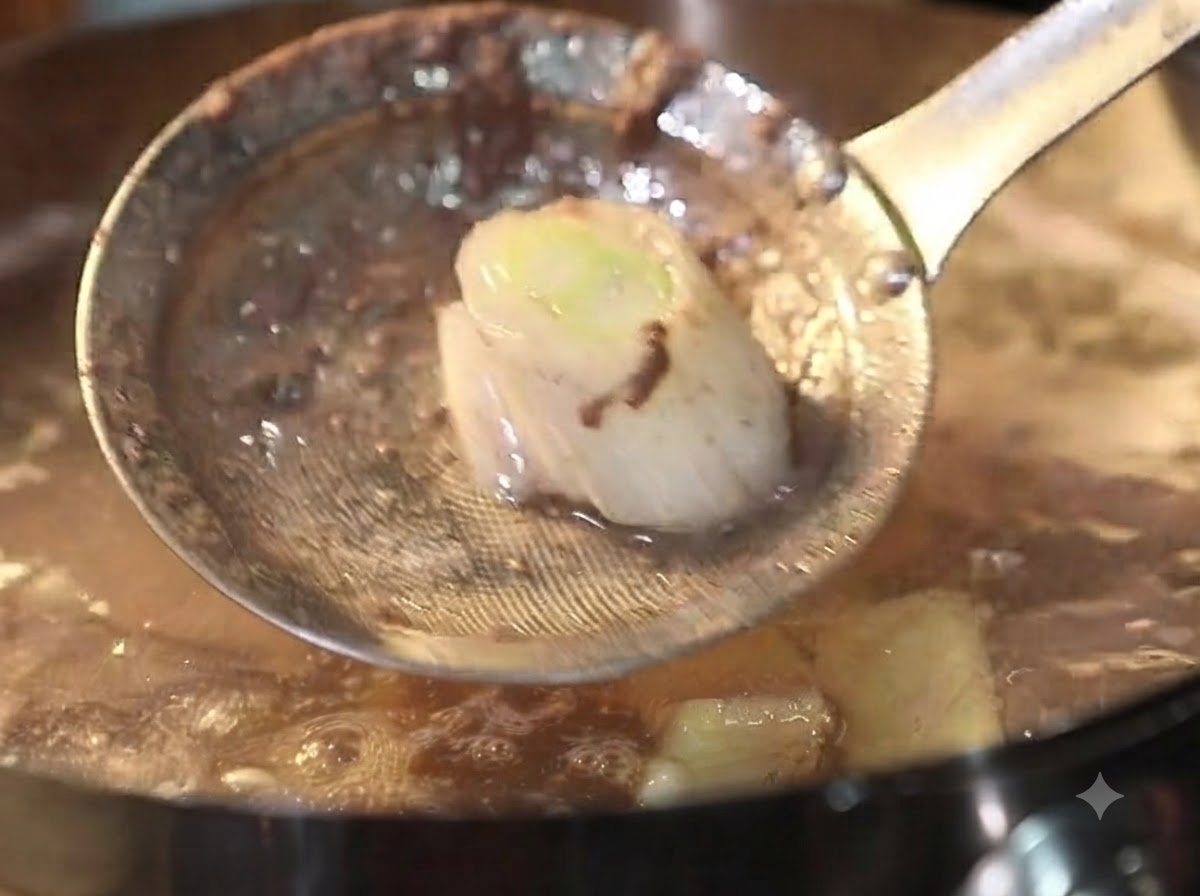
Bring the pot to a boil and use a fine-mesh strainer to carefully skim off the foam and scum rising to the surface.
Tip: Skimming thoroughly ensures your final broth remains clean, clear, and rich. - 7Remove blanched beef
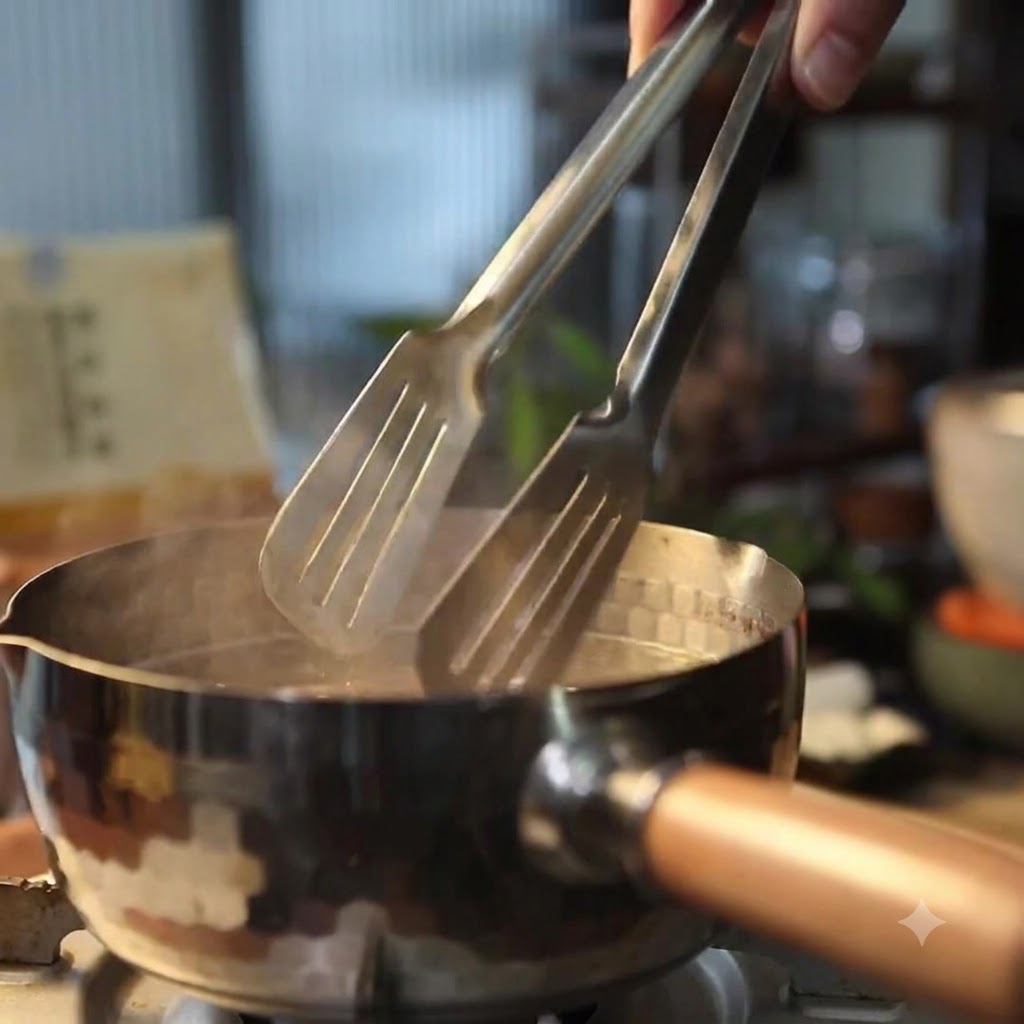
Use metal tongs to remove the blanched beef pieces from the pot of water. Rinse the meat clean with warm water to prepare it for the next cooking stage.
Tip: Rinsing with warm water prevents the meat from tightening up and keeps the texture tender. - 8Sauté garlic
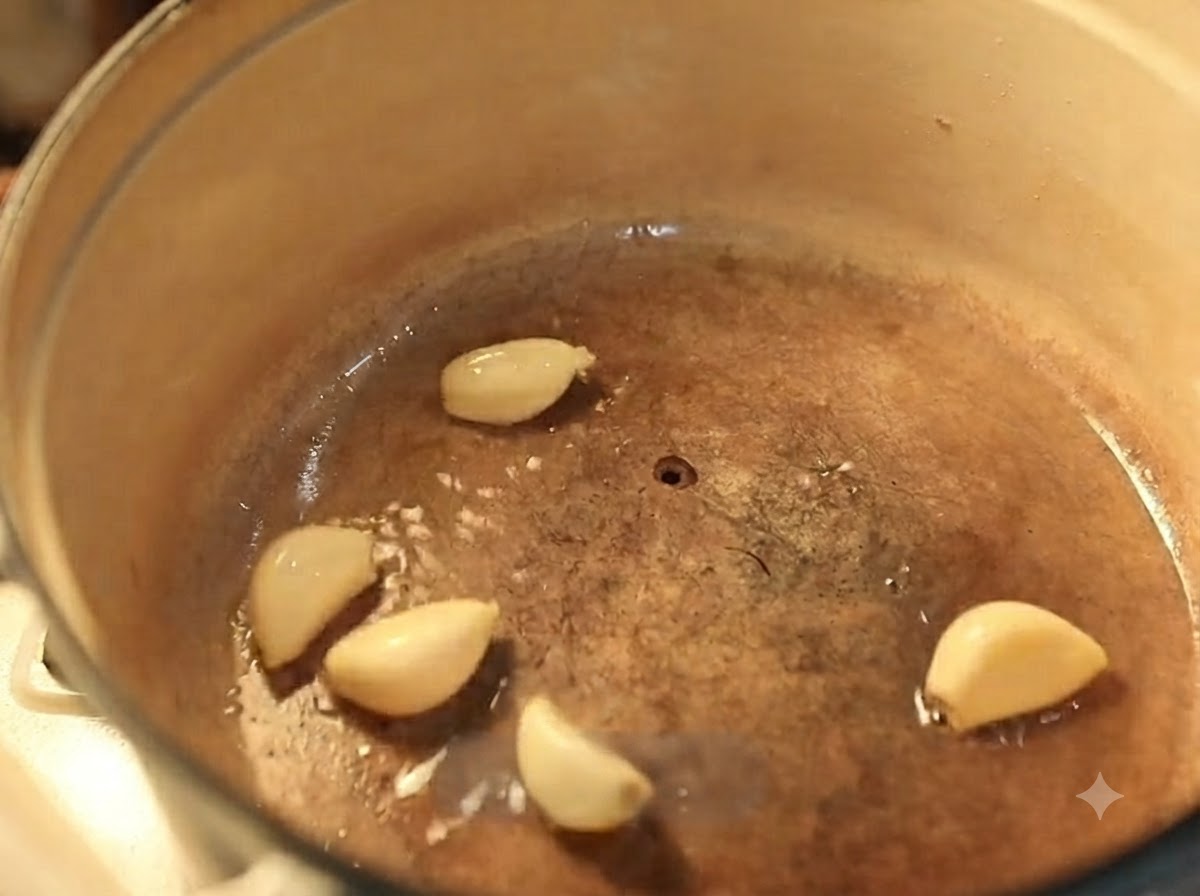
Heat oil in an enameled cast iron pot and add peeled garlic cloves. Sauté the garlic until it becomes fragrant and golden.
Tip: Make sure the oil is properly heated before adding the garlic to release maximum aroma. - 9Stir-fry beef chunks
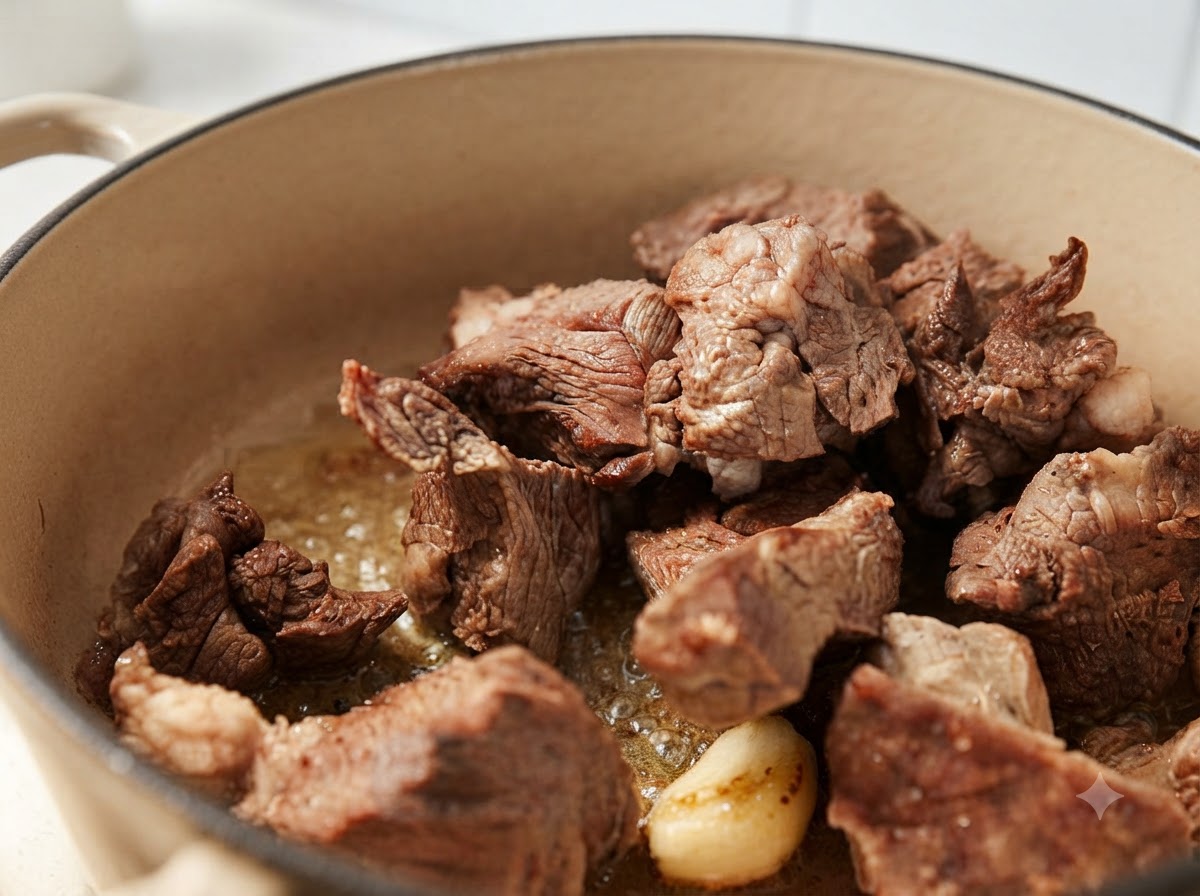
Add the blanched beef chunks into the pot with the sautéed garlic. Stir-fry the beef until the surface undergoes caramelization, producing a rich meaty aroma.
Tip: Surface caramelization creates a depth of flavor that cannot be achieved by simply boiling the meat in water. - 10Add red onions
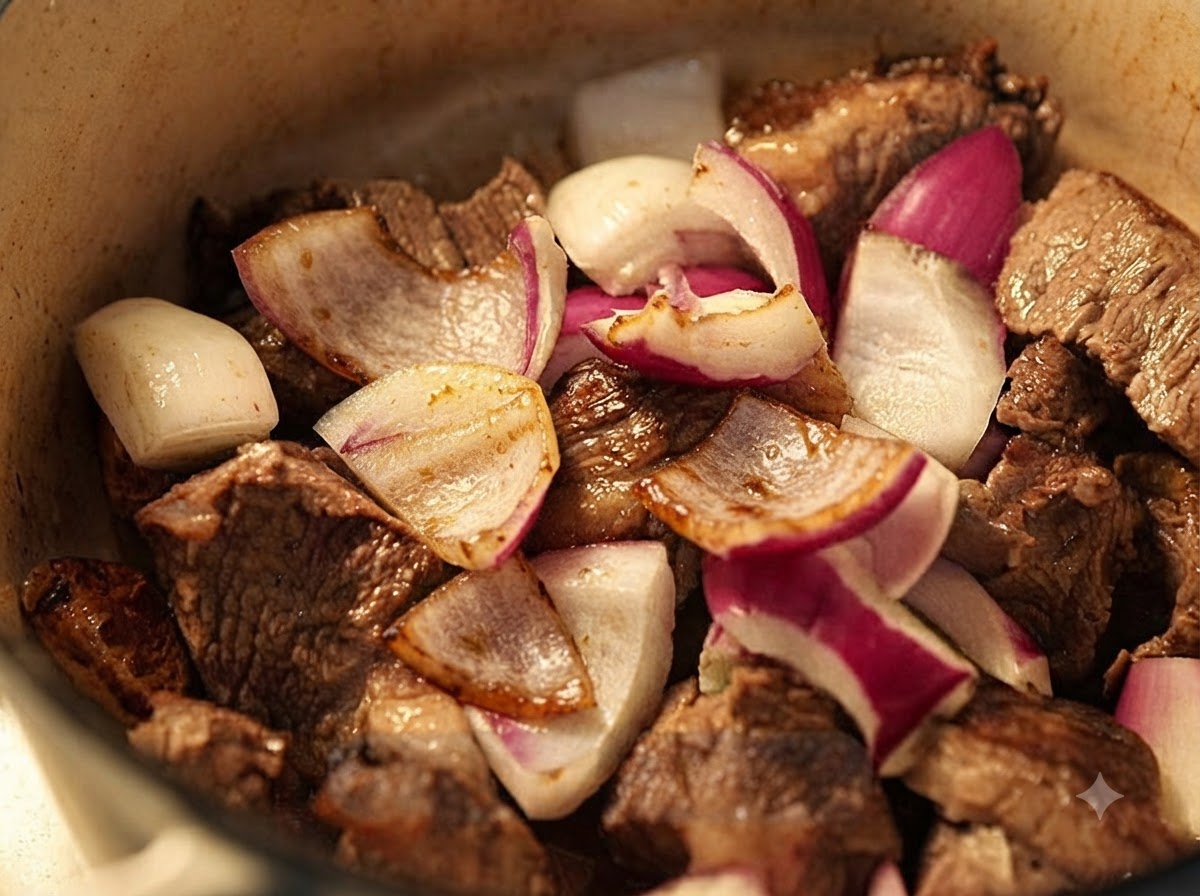
Add the freshly chopped red onions directly into the pot with the browned beef chunks.
Tip: Chop the onions into large chunks as specified to ensure they hold up well during stewing. - 11Season with light soy sauce
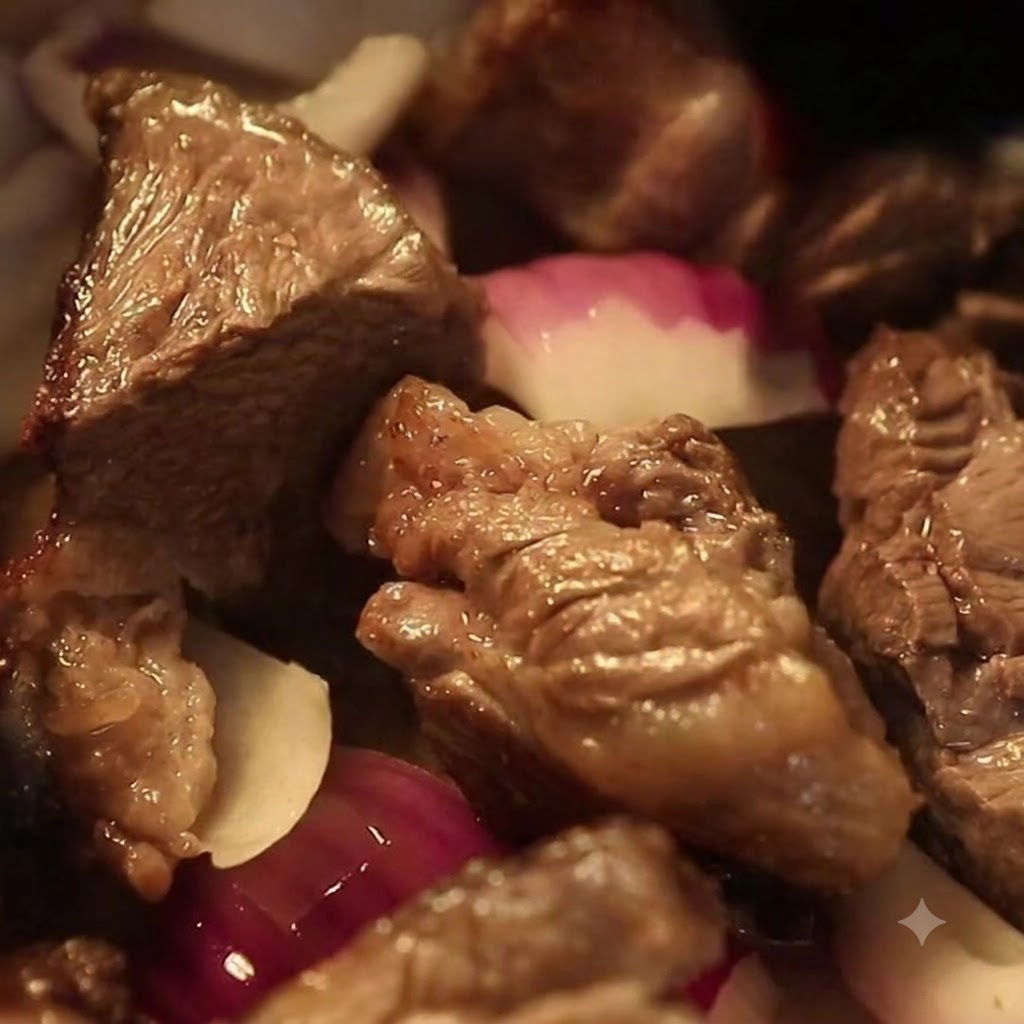
Pour three spoons of light soy sauce over the beef and onion mixture in the pot.
Tip: Add the soy sauce directly onto the ingredients to enhance the savory flavor profile. - 12Add rock sugar
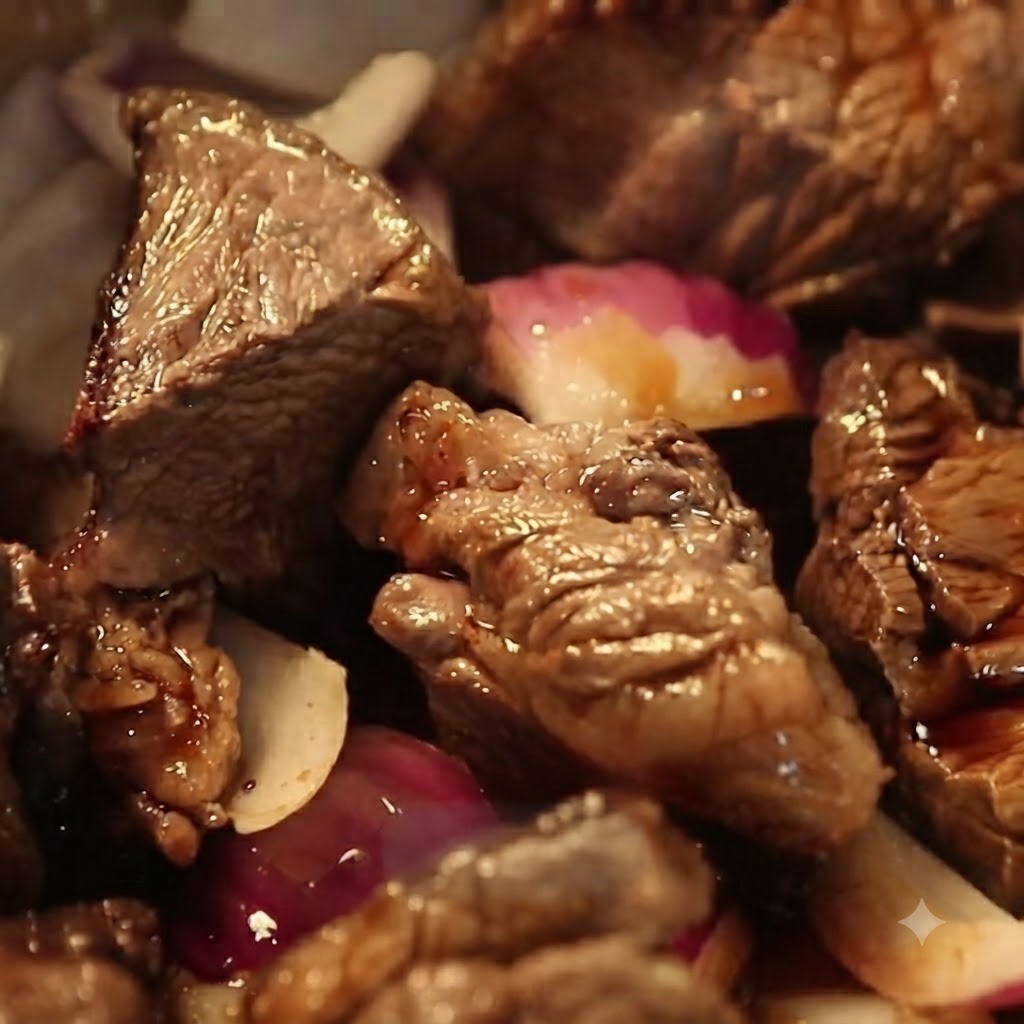
Drop a small piece of rock sugar into the pot to help balance the five flavors of the dish.
Tip: Rock sugar melts slowly and gives a glossy finish and gentle sweetness to the stew. - 13Add hot water and simmer
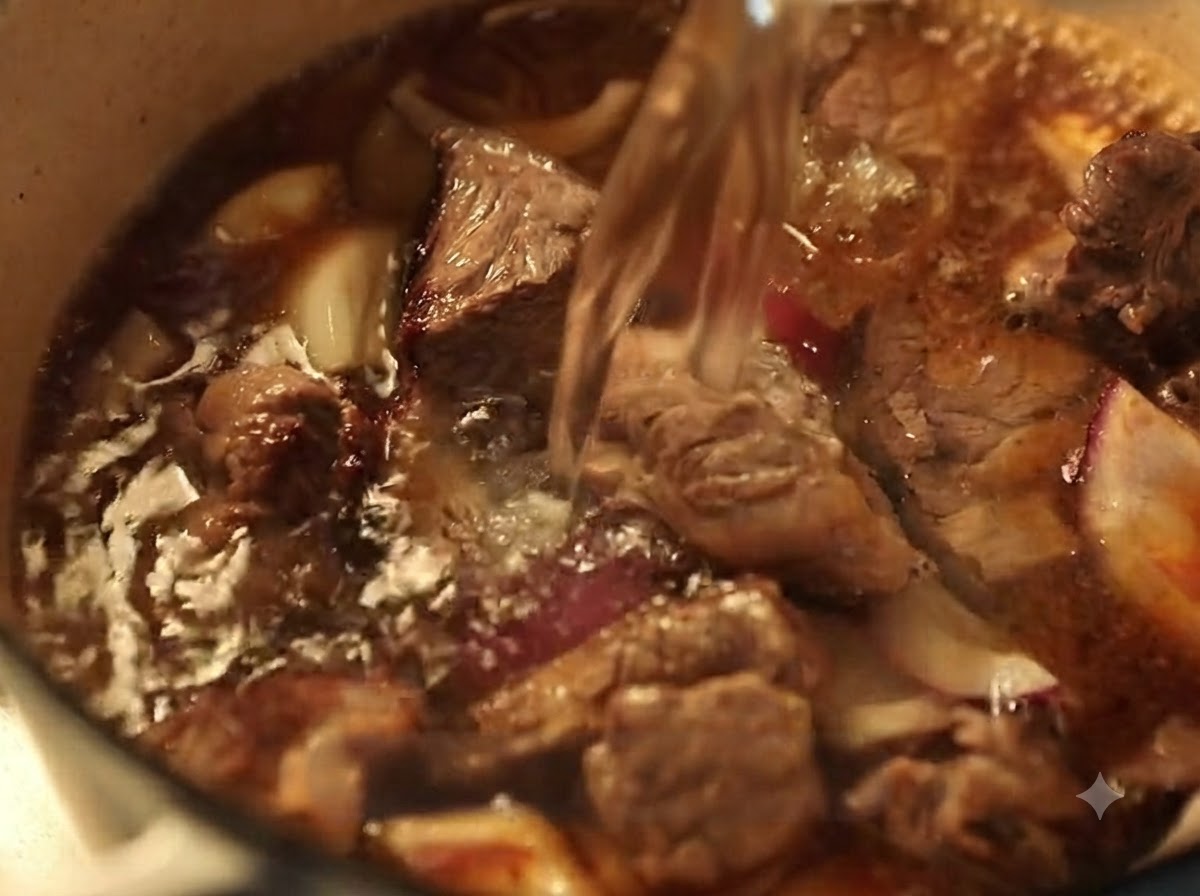
Pour boiling hot water into the pot until it just slightly covers the surface of the beef and onions. Cover the pot and bring the liquid to a steady simmer.
Tip: Always use boiling water when adding liquid to seared hot meat to prevent the meat fibers from tightening up. - 14Add Spices
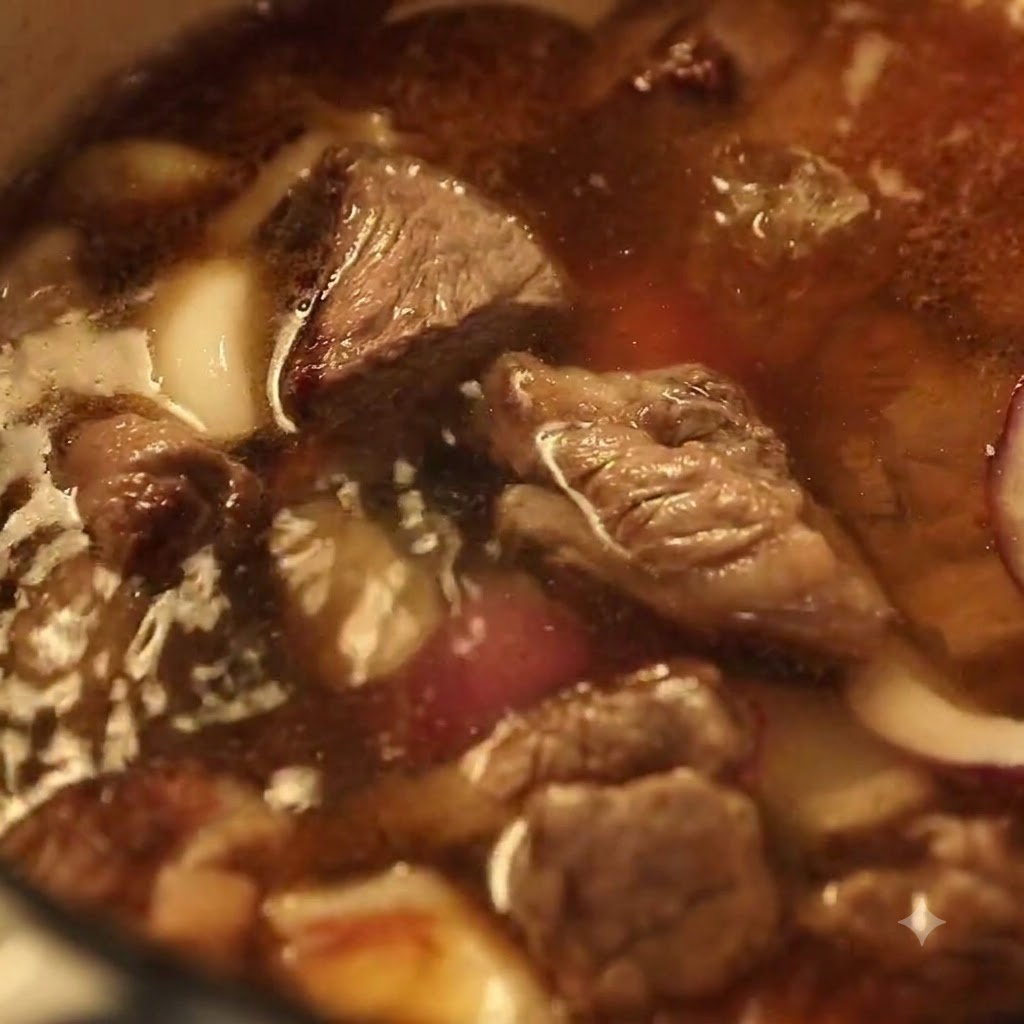
Add a dried bay leaf and star anise into the simmering beef broth to infuse deep aromatic flavors during the long stewing process.
Tip: Whole spices like star anise and bay leaves provide a subtle, complex background note without overpowering the beef. - 15Add Curry Paste
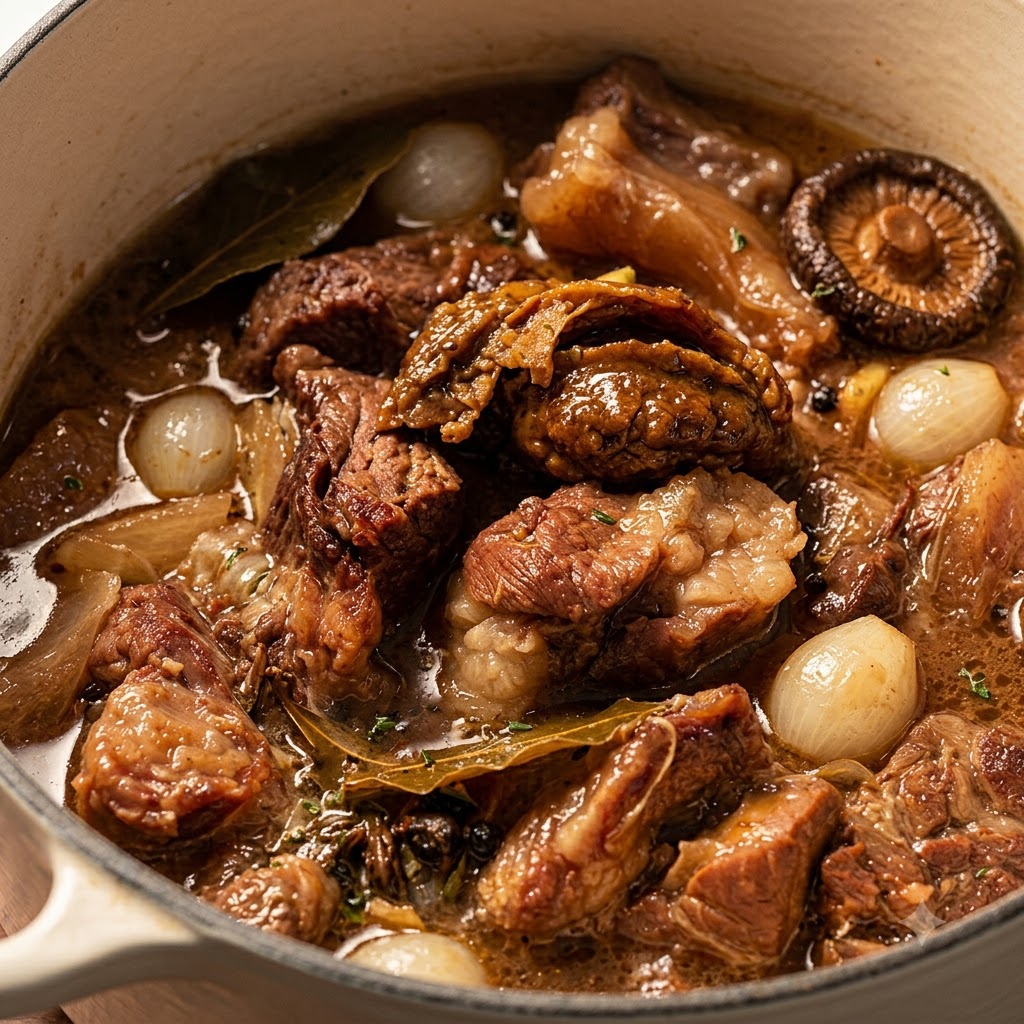
Scoop and add thick Indian curry paste into the tender stewed beef, blending it into the rich broth.
Tip: Indian curry paste paired with curry powder provides the most balanced and fragrant base for stewed meat dishes. - 16Season with Powders
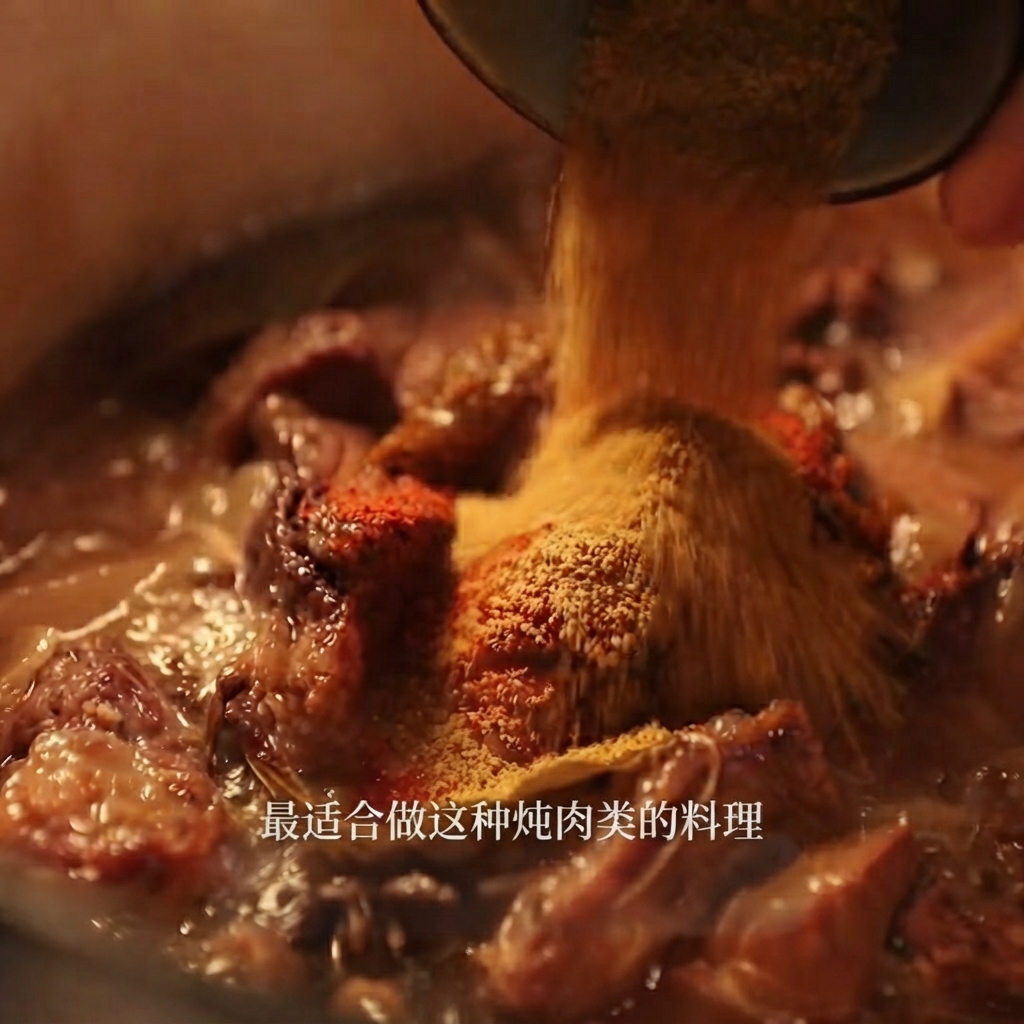
Pour curry powder and a little chili powder into the simmering pot to enhance the depth of flavor and add a mild kick of heat.
Tip: Combining curry paste with curry powder creates a layered, restaurant-quality aroma. - 17Stir in Tomato Ketchup
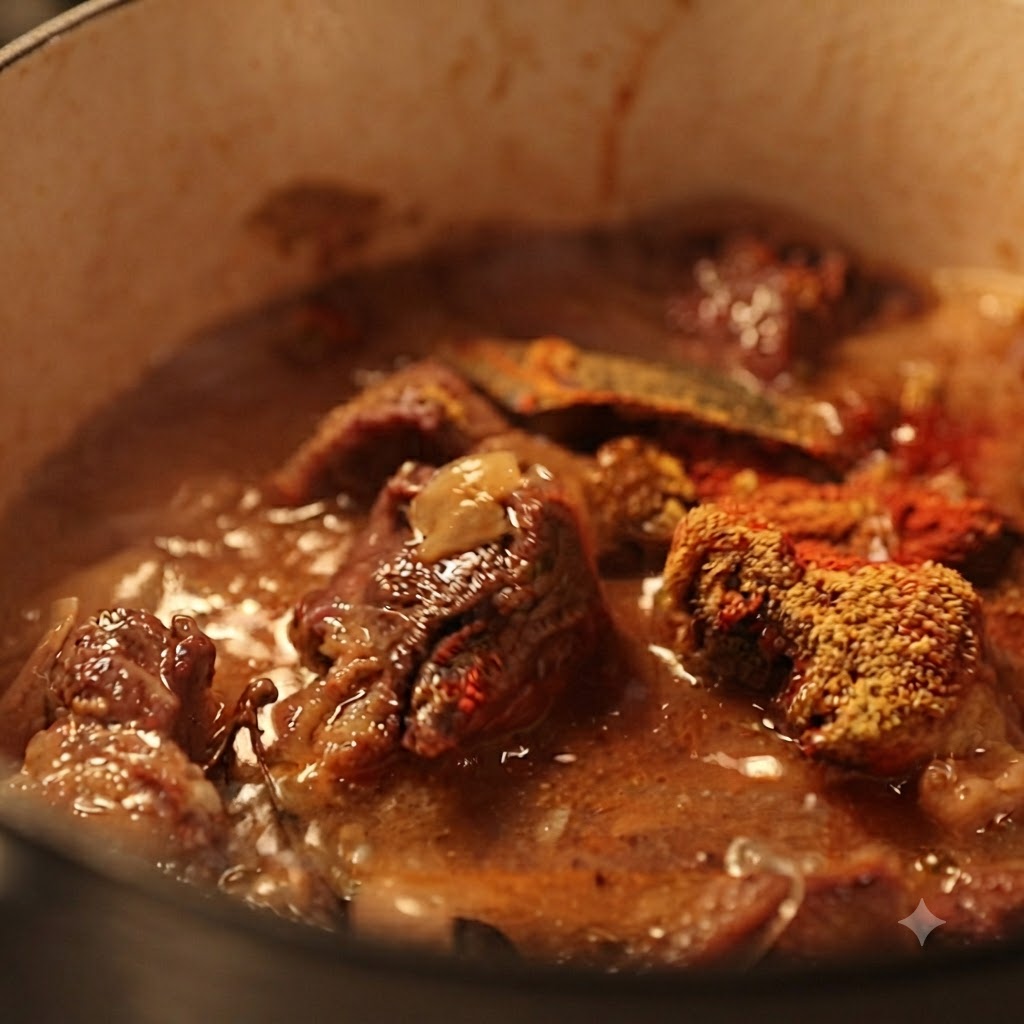
Stir tomato ketchup into the spiced broth to add a subtle tang and balance the rich flavors of the curry.
Tip: A touch of tomato ketchup adds a pleasant acidity that cuts through the richness of the beef brisket. - 18Add Potatoes and Carrots
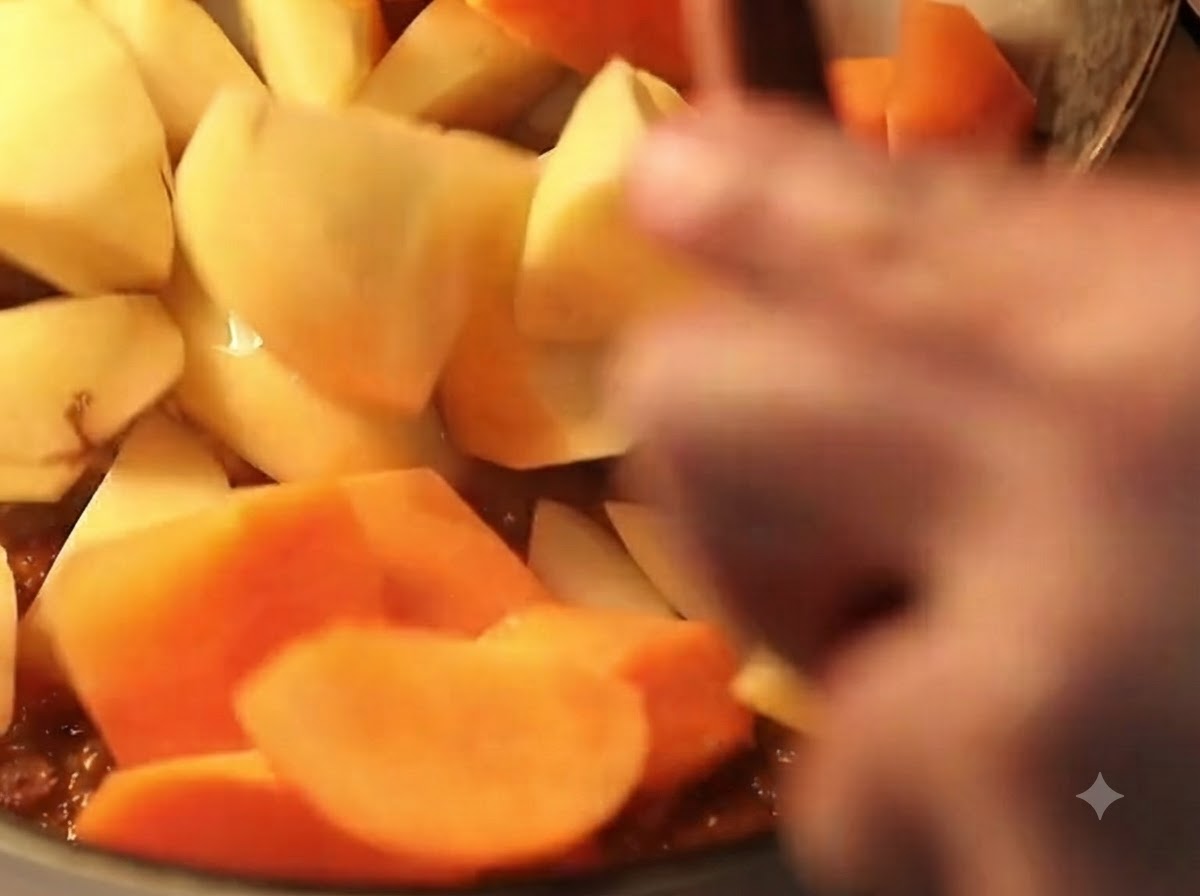
Pour the large chunks of chopped potatoes and carrots into the pot, stirring them into the curry broth. Simmer on low heat for 20 minutes until soft.
Tip: Do not add root vegetables at the very beginning of the stewing process, or they will break down too much and lose their texture. - 19Stir the curry and vegetables
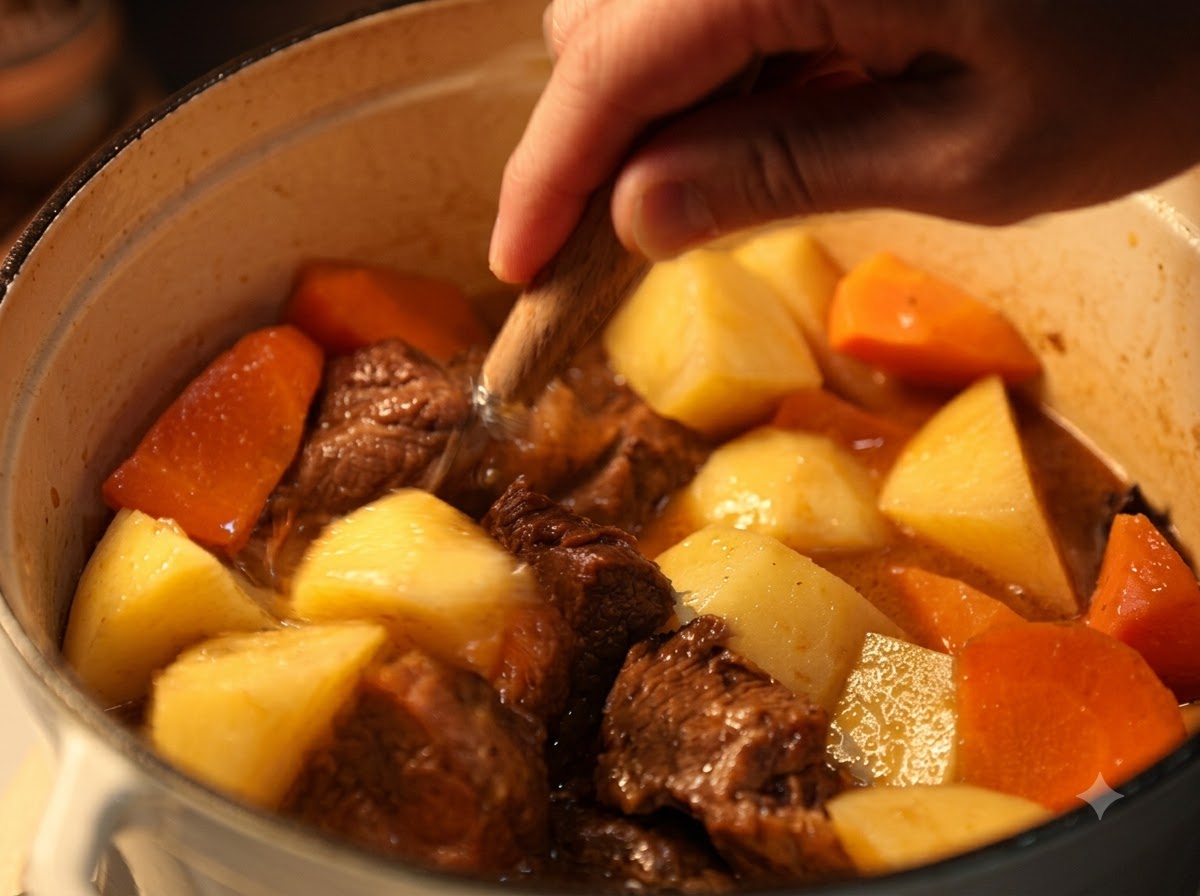
Gently mix the potatoes and carrots into the simmering beef broth, ensuring they are evenly coated in the flavorful sauce. Keep an eye on the heat so they retain their shape while becoming tender.
Tip: Simmer gently over low heat for about 20 minutes until the vegetables become soft and fully absorb the curry flavors. - 20Add coconut cream
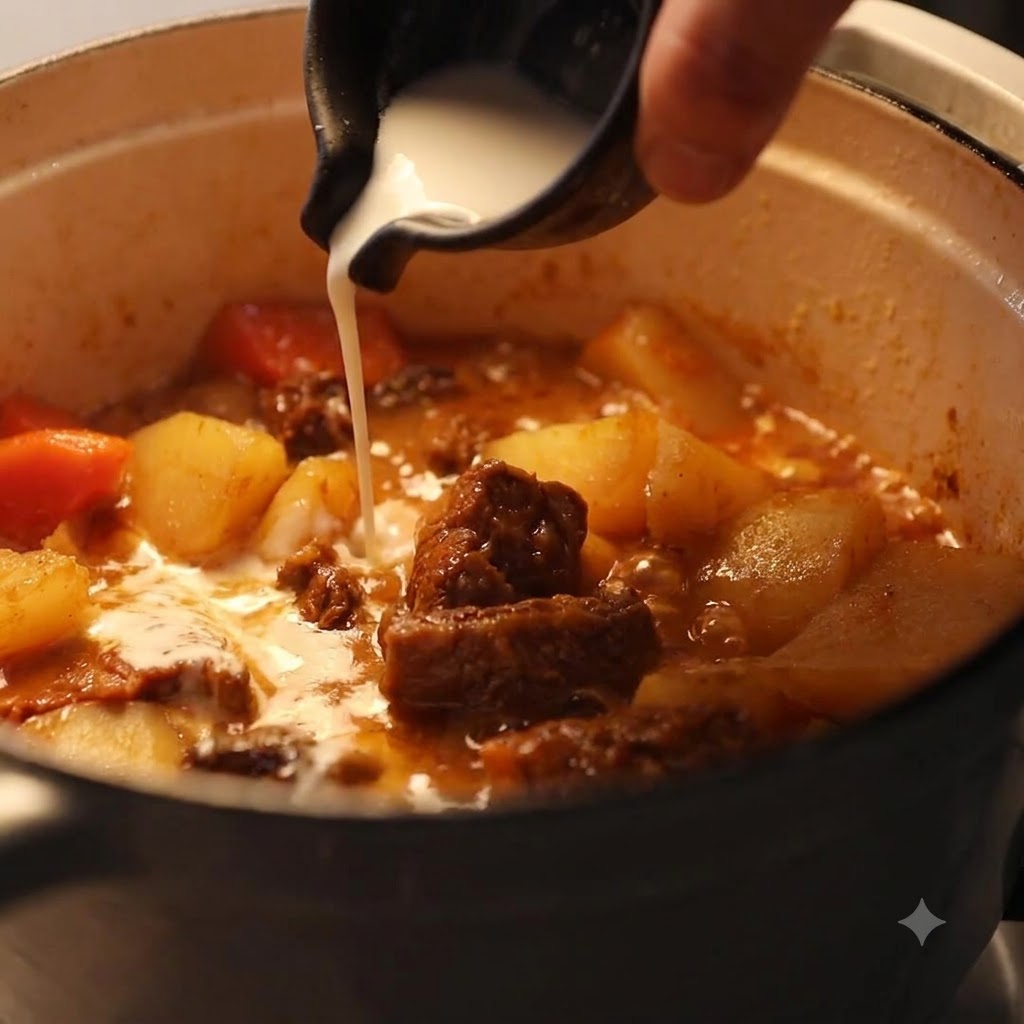
Pour a small amount of white coconut cream or evaporated milk into the simmering curry just before taking it off the heat. This acts as the final touch to enhance richness and create a smoother consistency.
Tip: Adding coconut cream at the end prevents curdling and maximizes the fragrant aroma. - 21Mix and thicken the curry
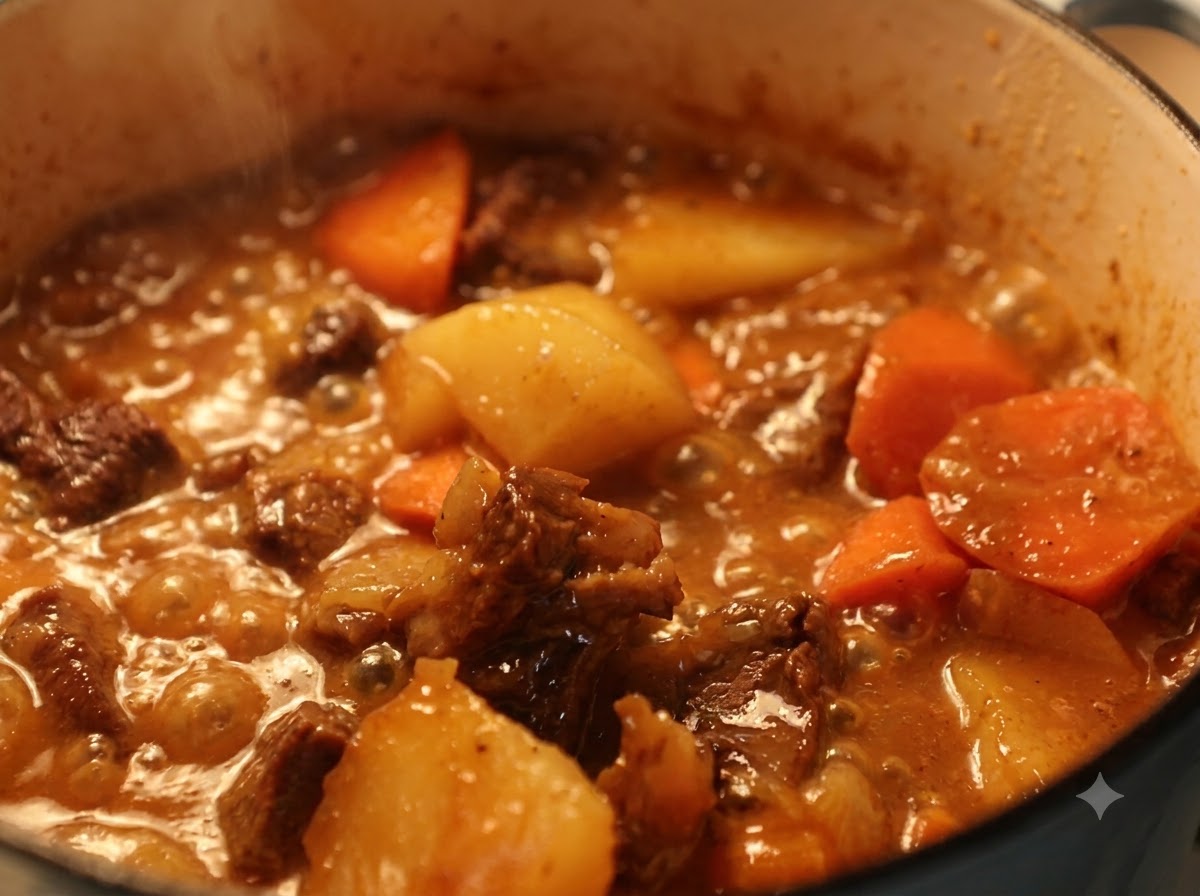
Gently stir the newly poured coconut cream into the simmering curry beef until fully incorporated, thickening the sauce and enriching its layers of flavor before serving.
Tip: Keep the heat low after adding dairy to maintain a smooth texture.