Authentic Neapolitan Seafood Pizza
Anchovies
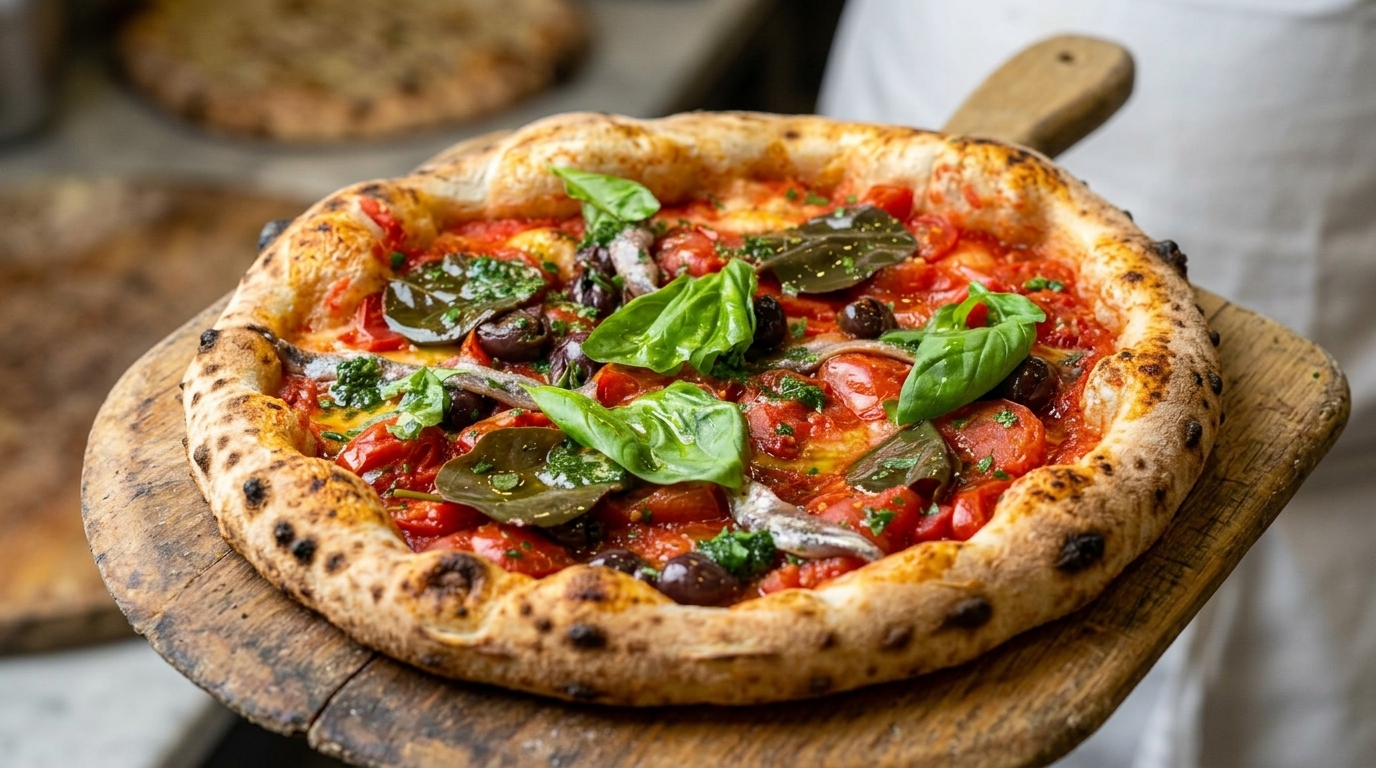
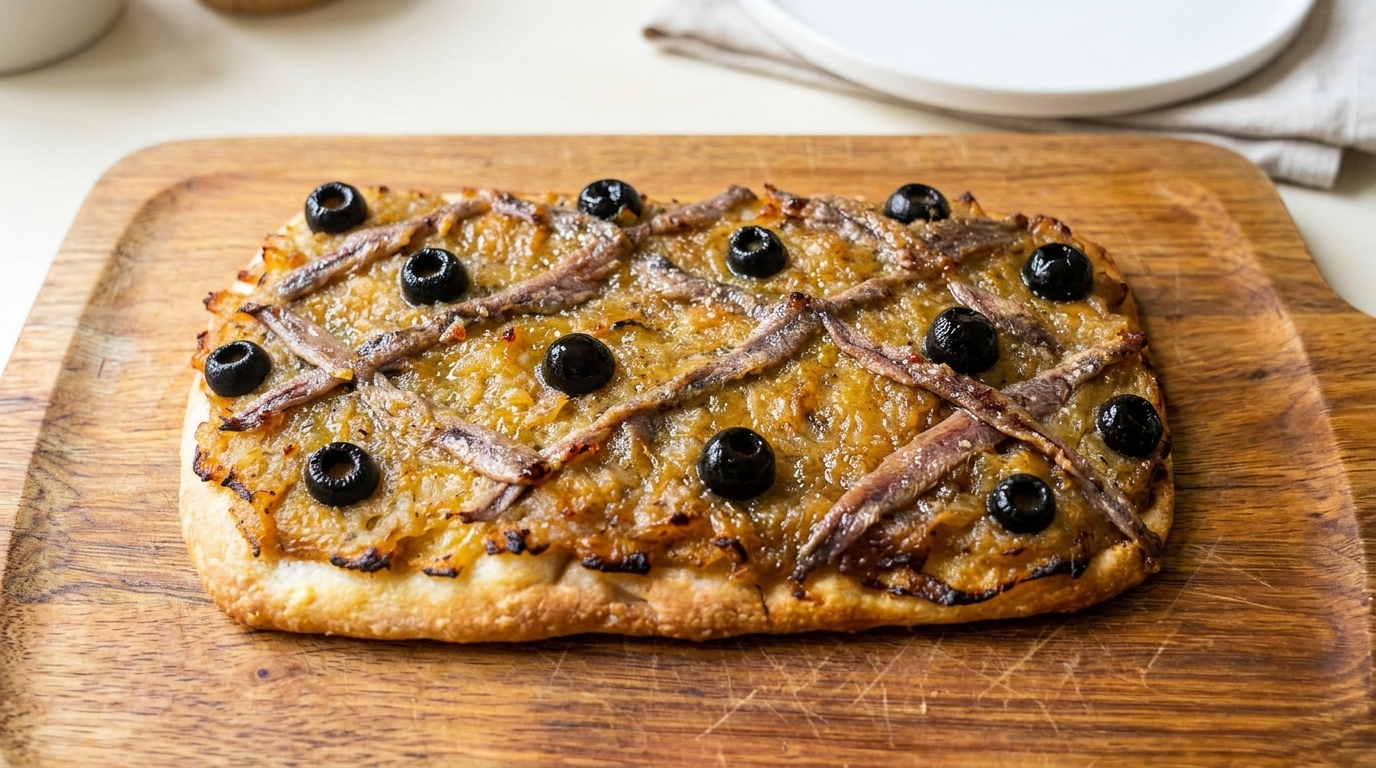
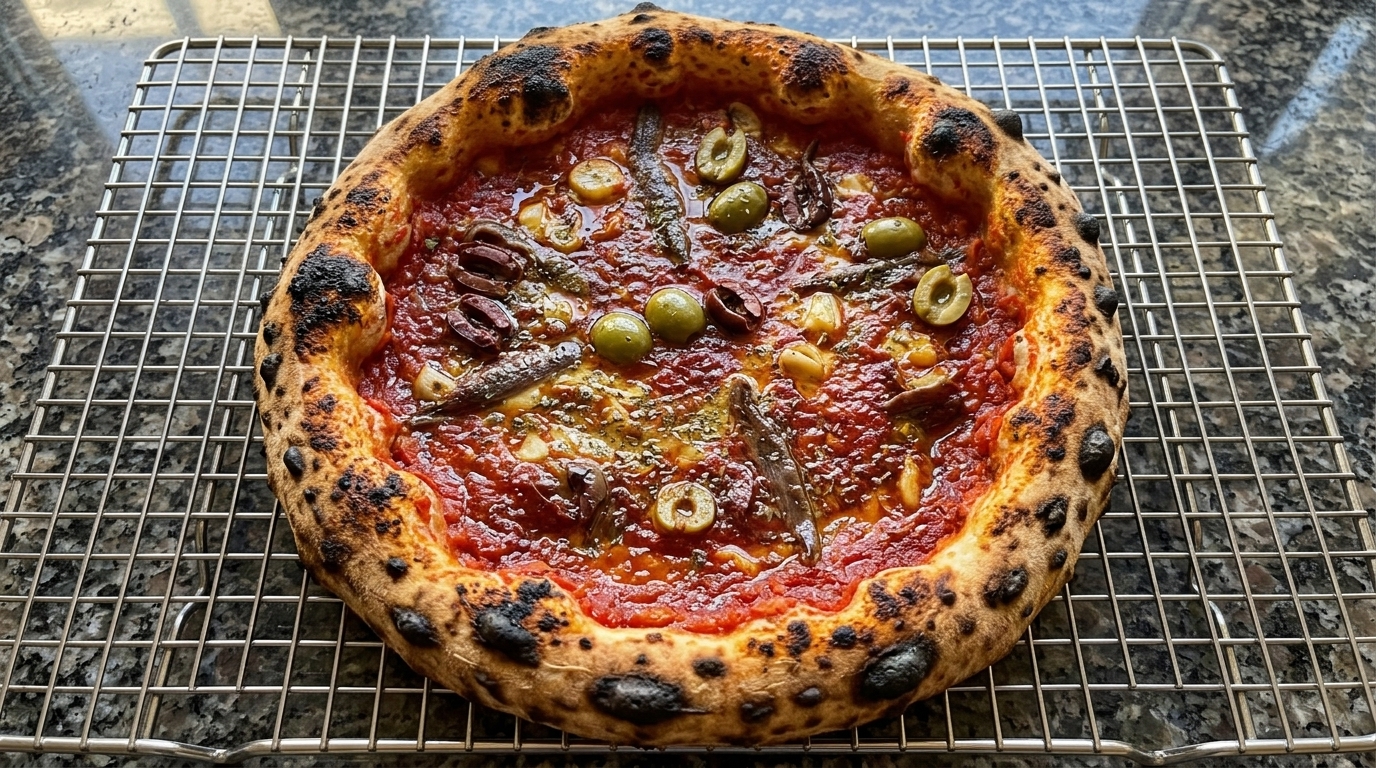
A classic wood-fired Neapolitan pizza featuring a blistered, airy crust topped with a bright tomato sauce, garlic-infused olive oil, 28-day marinated anchovies, and olives.
True Neapolitan pizza is defined by its perfectly fermented crust and lightning fast cooking time. Baked in a blazing 400 degree Celsius wood fired oven for just 66 seconds, this seafood variation balances the briny depth of 28 day marinated anchovies with the simplicity of a classic tomato base. The signature charred edges add a rustic flavor, while the interior crumb remains incredibly airy and elastic.
Ingredients
- 1 pizza dough ball (proofed overnight)
- 12 cup high-quality red tomato sauce
- 1 tbsp garlic-infused olive oil
- 1 tsp dried oregano
- 6 fillets 28-day marinated anchovies
- 14 cup green and black olives
- to taste semolina or flour for dusting
Instructions
- 1Remove the proofed dough
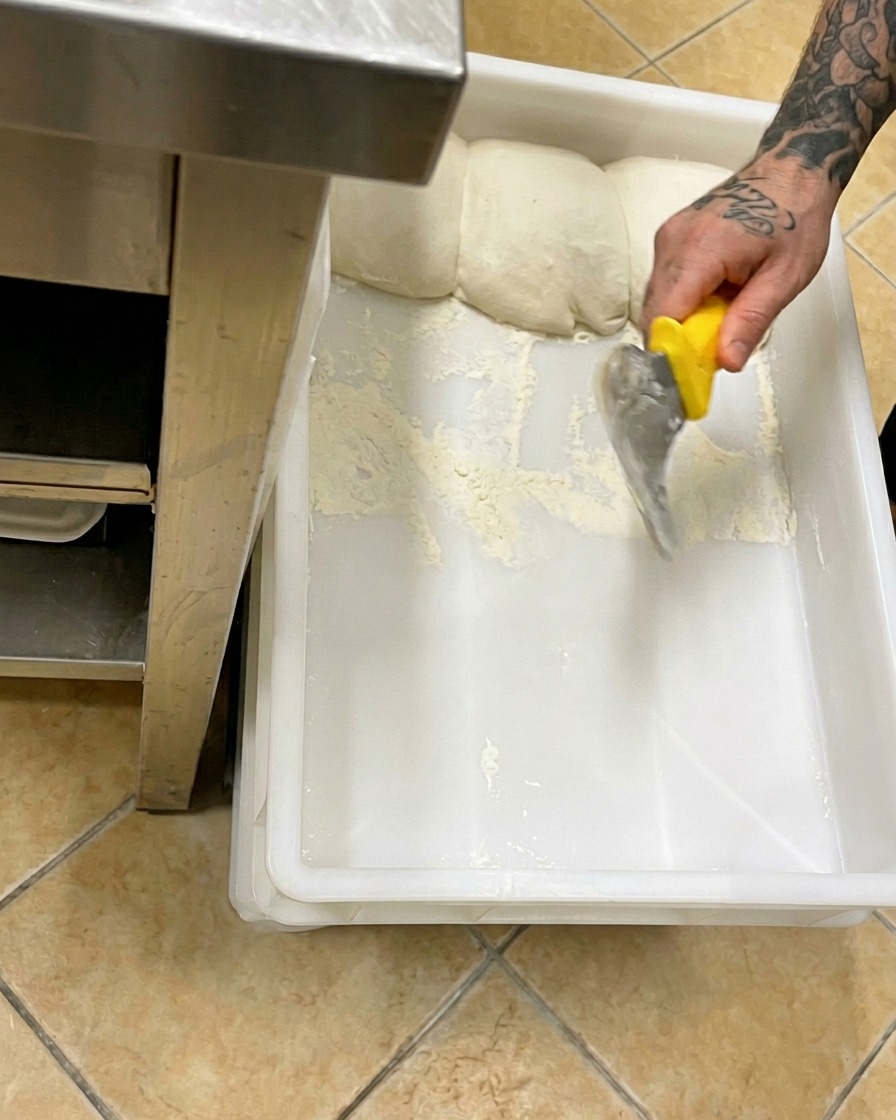
Using a dough spatula or scraper, carefully lift a proofed dough ball from its resting container. Try to maintain its round shape and preserve the air bubbles inside as you transfer it to your work surface.
Tip: Ensure your hands and the spatula are lightly floured to prevent the delicate dough from sticking and losing its structure. - 2Shape the pizza crust
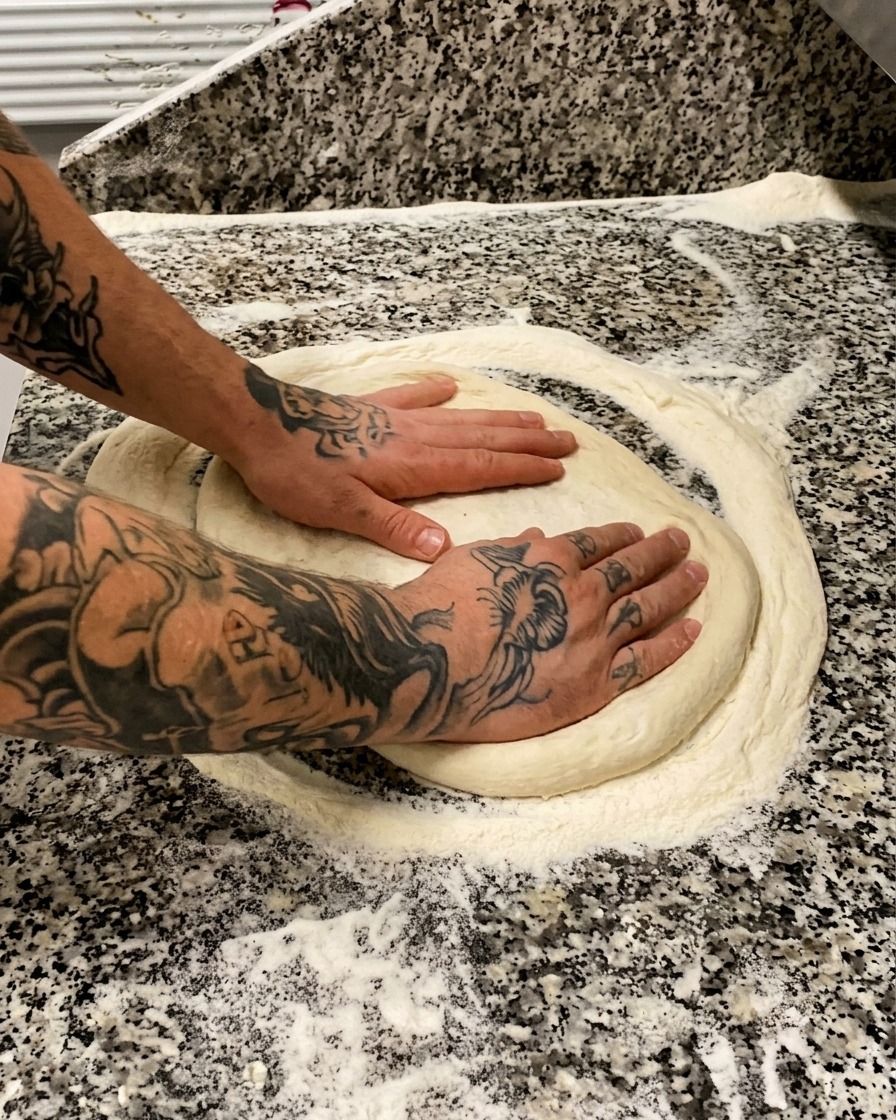
Place the dough ball on a floured marble or cool countertop. Gently press and stretch the dough from the center outwards, using a rotating motion to form a flat, circular crust while leaving a slightly thicker edge for the crust.
Tip: Avoid using a rolling pin, as it pushes out the gas bubbles essential for an authentic, airy Neapolitan crust. - 3Apply the tomato sauce base
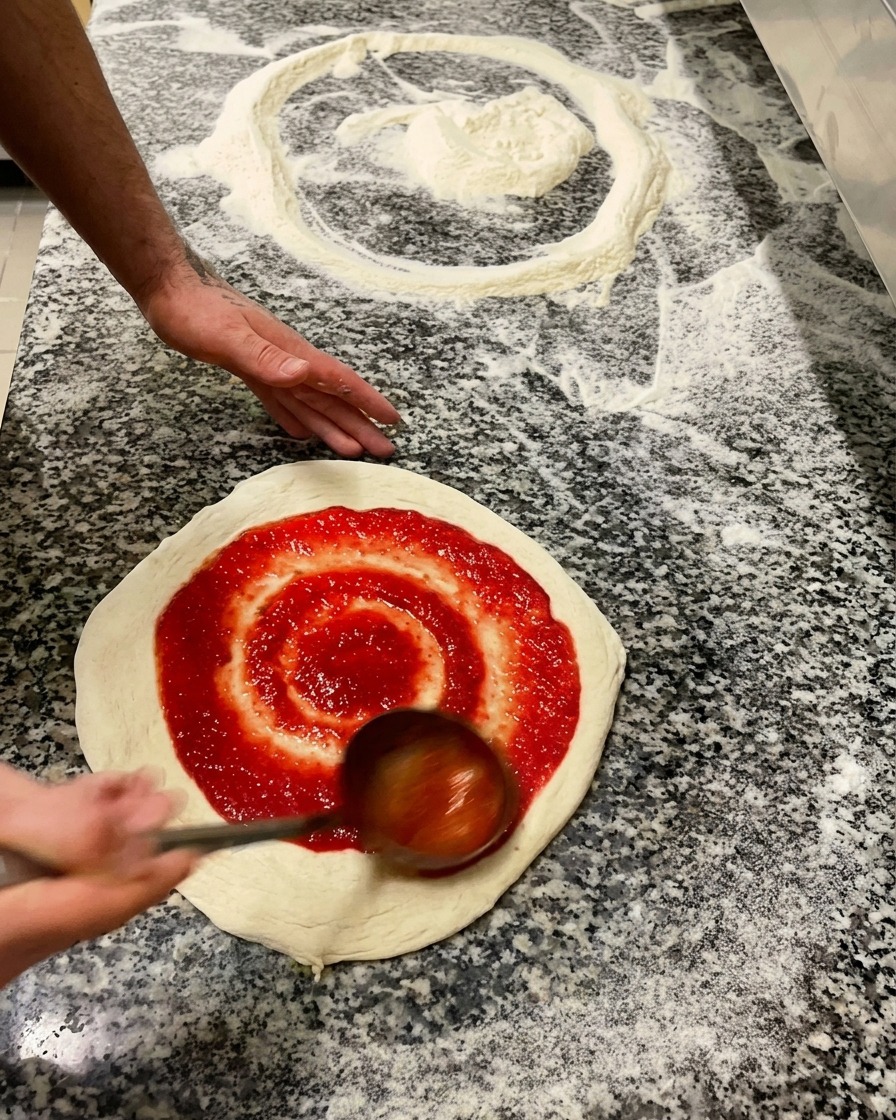
Ladle a scoop of simple, high-quality red tomato sauce onto the center of the stretched dough. Use the back of the ladle in a spiral motion to spread the sauce evenly, leaving the outer edge bare.
Tip: Do not overload the dough with sauce; too much moisture can make the center of the pizza soggy during the quick baking process. - 4Drizzle with infused olive oil
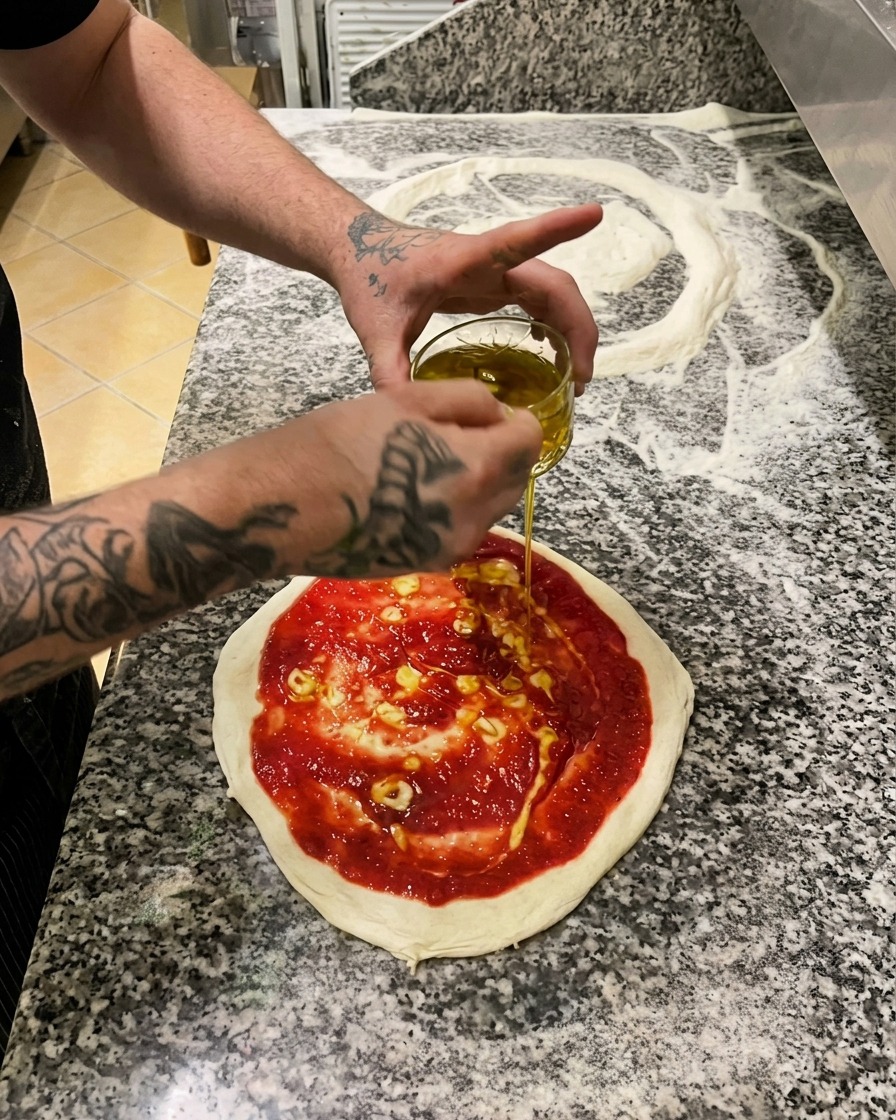
Lightly drizzle garlic-infused olive oil over the tomato sauce base. This adds a rich, aromatic flavor profile and helps meld the ingredients together while baking in the intense heat of the wood-fired oven.
Tip: Using a small glass container or a squeeze bottle gives you better control over the amount of oil you pour. - 5Season with dried oregano
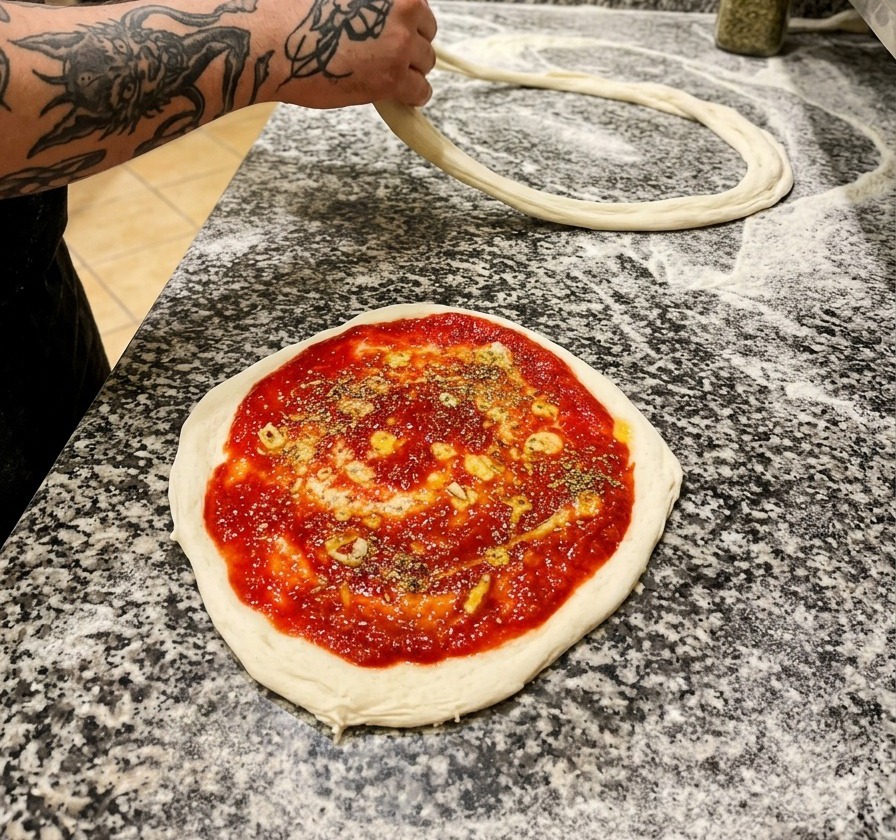
Evenly sprinkle a generous pinch of dried oregano across the sauced and oiled pizza base. The earthy aroma of the herb complements the garlic oil and tomato sauce perfectly, creating a classic flavor profile.
Tip: Rub the dried oregano gently between your fingers as you sprinkle it to release its essential oils for maximum flavor. - 6Add the anchovies and olives
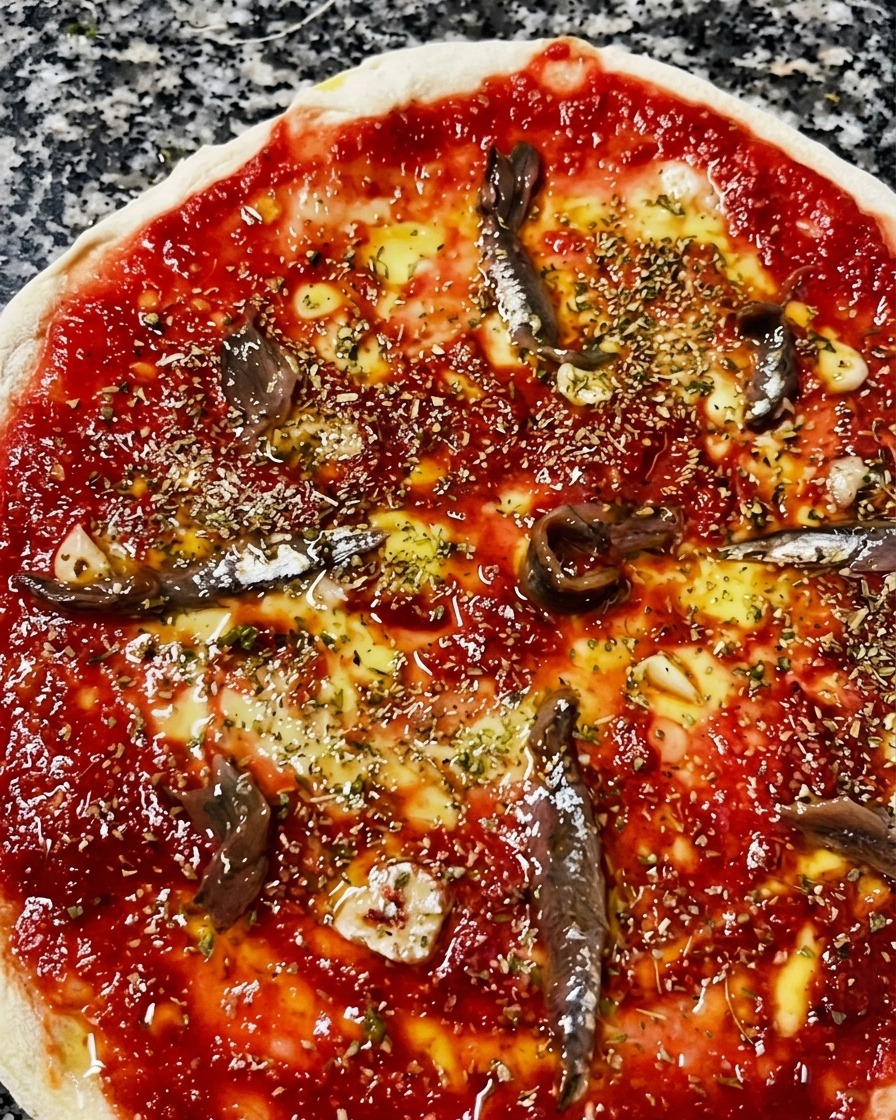
Carefully place the marinated anchovy fillets and whole olives onto the seasoned pizza base. Press them gently into the sauce so their rich, briny flavors blend naturally into the pizza as it bakes.
Tip: Since anchovies are quite salty, space them out evenly so that every slice gets a balanced amount of flavor without being overwhelming. - 7Transfer to the peel
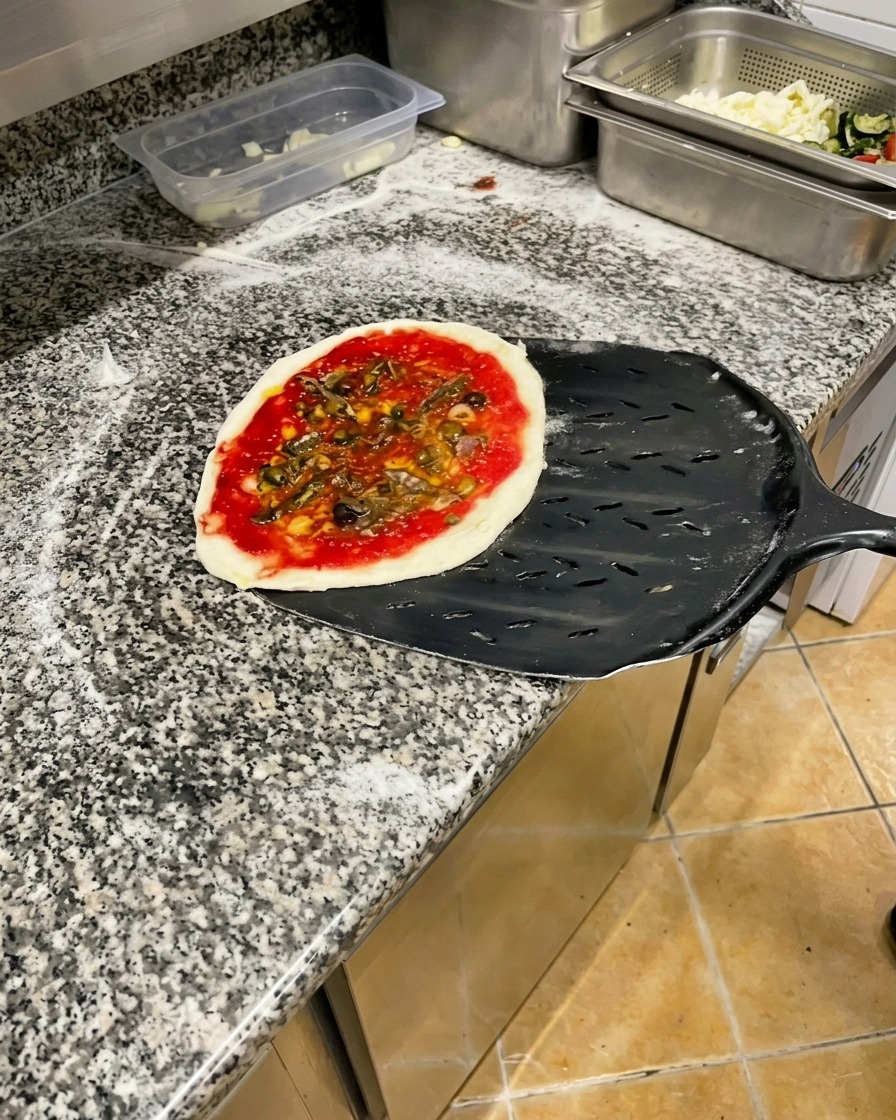
Carefully slide the fully topped Neapolitan pizza onto a lightly floured black metal pizza peel. Use swift motions to ensure the dough retains its circular shape and doesnt stick to the preparation counter.
Tip: Give the peel a gentle shake after loading to confirm the dough moves freely. If it sticks, gently lift the edge and toss a pinch of flour underneath. - 8Load into the oven
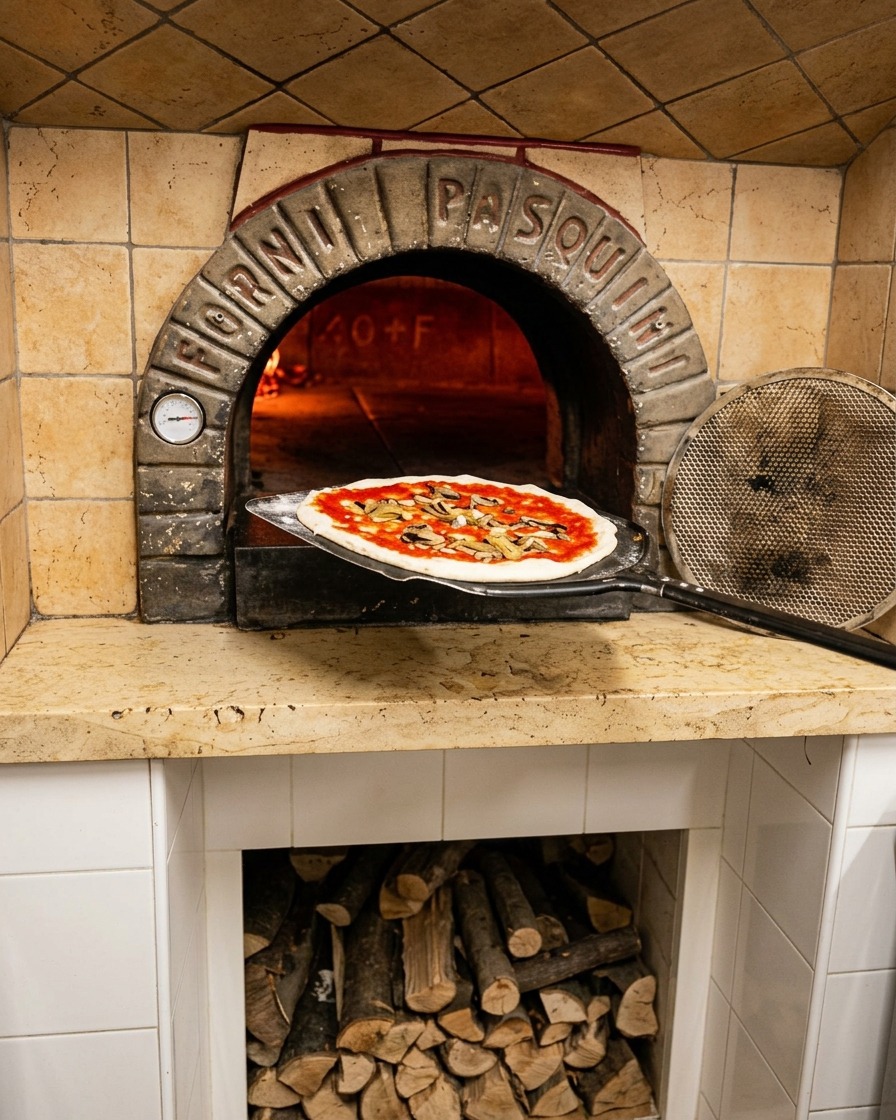
Bring the loaded peel to the mouth of the preheated 400 degree Celsius wood fired oven. Use a confident forward thrust followed by a quick pull back to slide the raw pizza directly onto the hot stone floor.
Tip: Aim for an open area of the oven floor that has not had a pizza sitting on it recently, as it will be the hottest and provide the best oven spring for the crust. - 9Bake the pizza
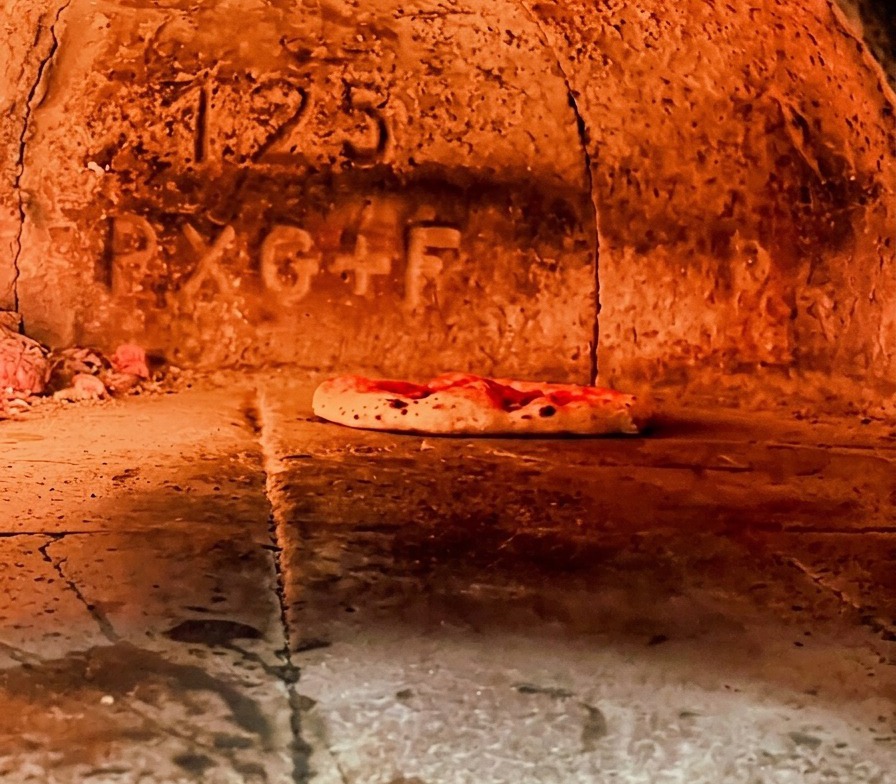
Watch the pizza carefully as it bakes next to the open flame. The intense 400 degree Celsius heat will rapidly puff up the crust and begin to blister the edges. The entire baking process goes very fast, taking only about 66 seconds.
Tip: If the side facing the fire browns too quickly, use a turning peel to rotate the pizza slightly during the brief bake. - 10Remove from the oven
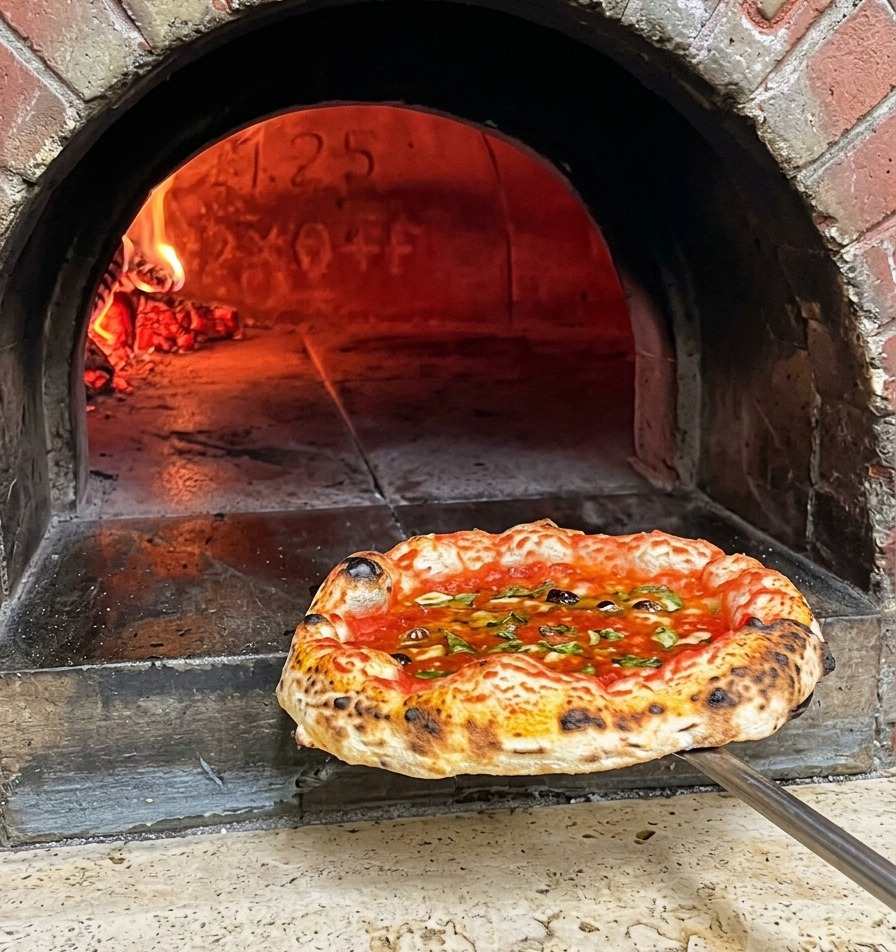
Once the crust is beautifully blistered with signature leopard spotting and the toppings are perfectly melted, slide the peel underneath to quickly remove the pizza from the oven. The slight charring on the edges adds authentic rustic flavor to the finished dish.
Tip: Do not leave the pizza in too long waiting for the center to dry out; Neapolitan pizza should be slightly soft and soupy in the middle. - 11Check the crust quality
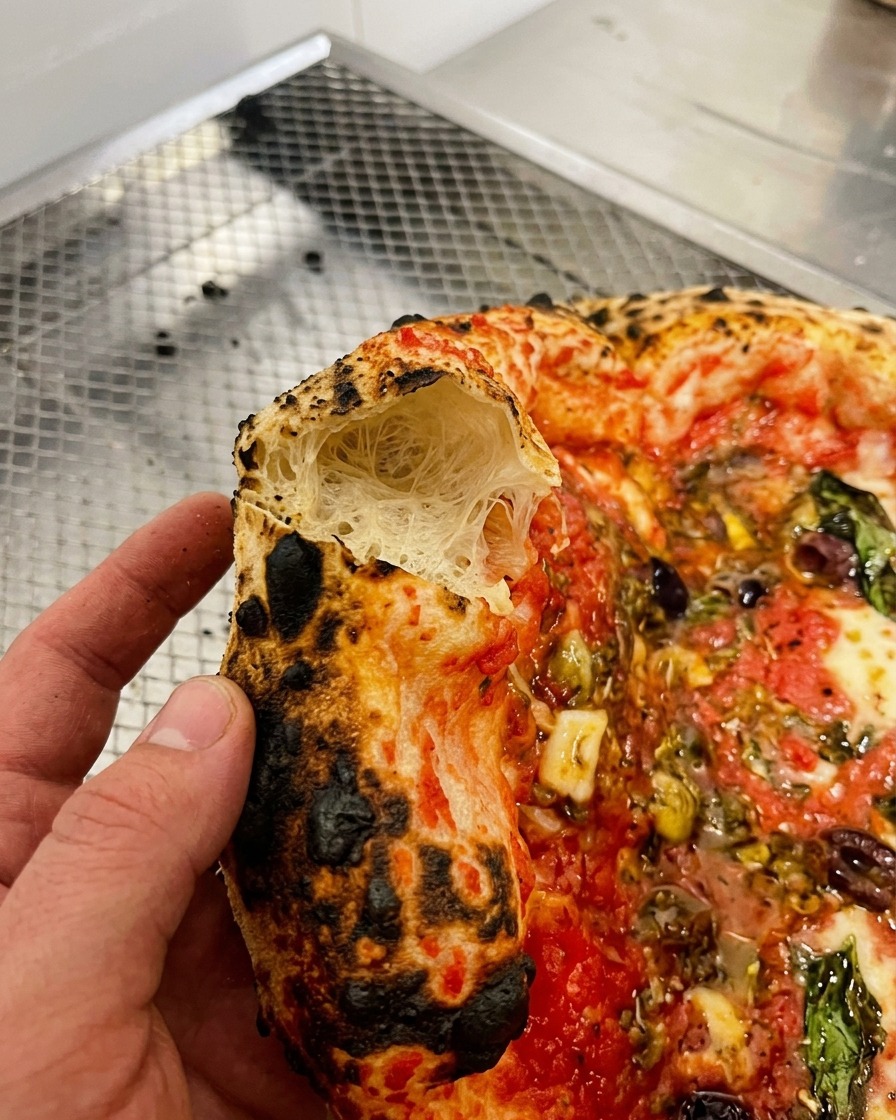
Inspect the final bake by tearing or cutting open the thick edge of the crust. A properly fermented and baked dough will reveal a highly airy, web-like interior structure. Press gently to feel the contrast between the crisp, charred exterior and the elastic, soft crumb inside.
Tip: This open, airy crumb is the hallmark of dough that has been properly hydrated and allowed to ferment overnight.