Traditional Soy Sauce Pork (Jiangyou Rou)
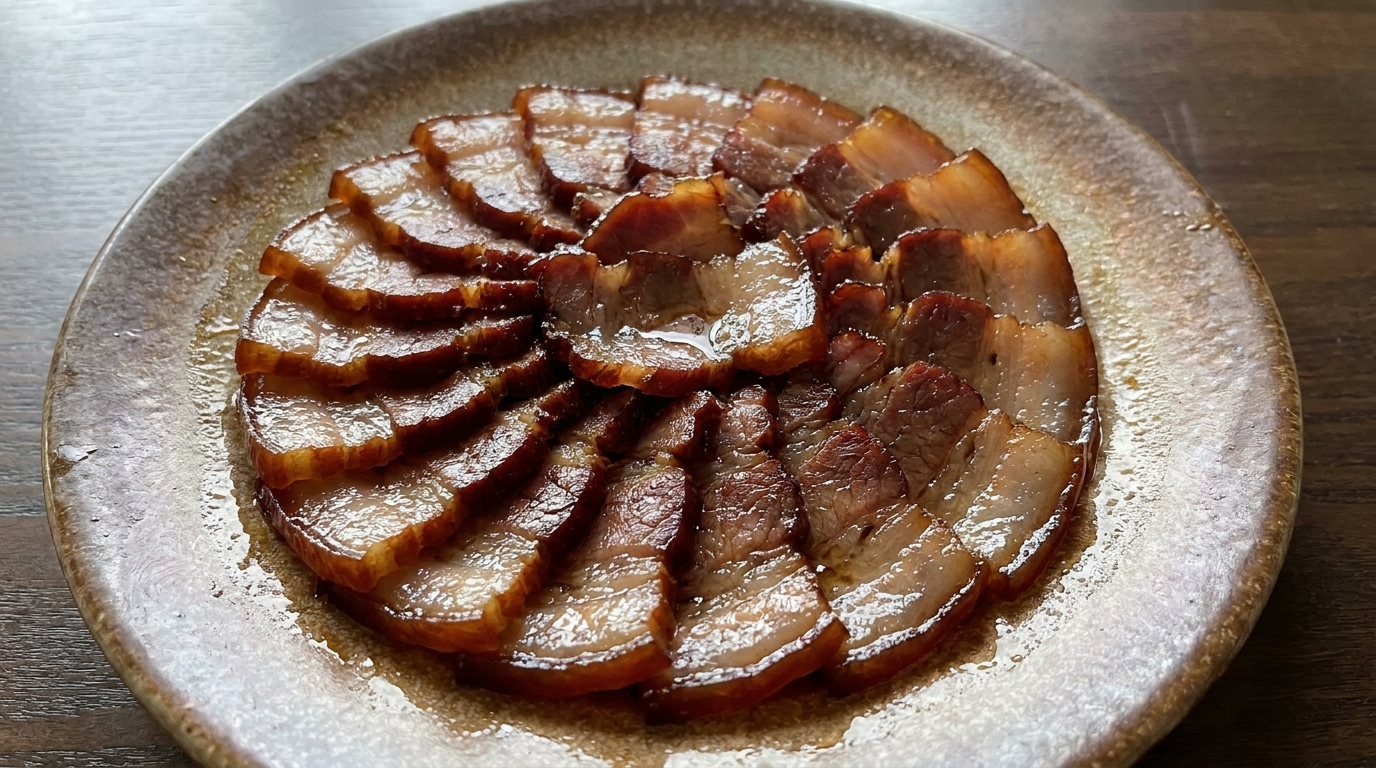
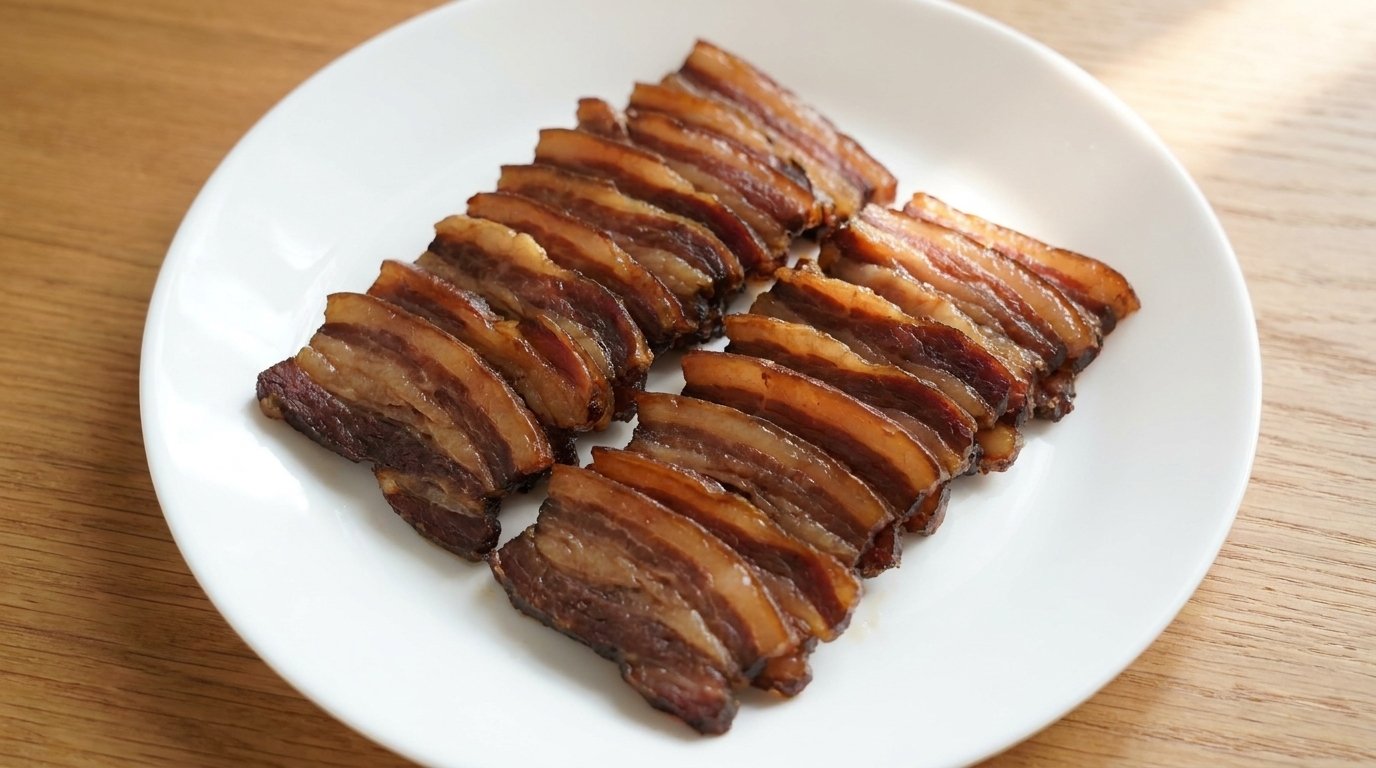
Master the art of traditional soy sauce pork, a savory cured belly prepared by soaking in aromatic spices and baijiu before air-drying to a mahogany finish.
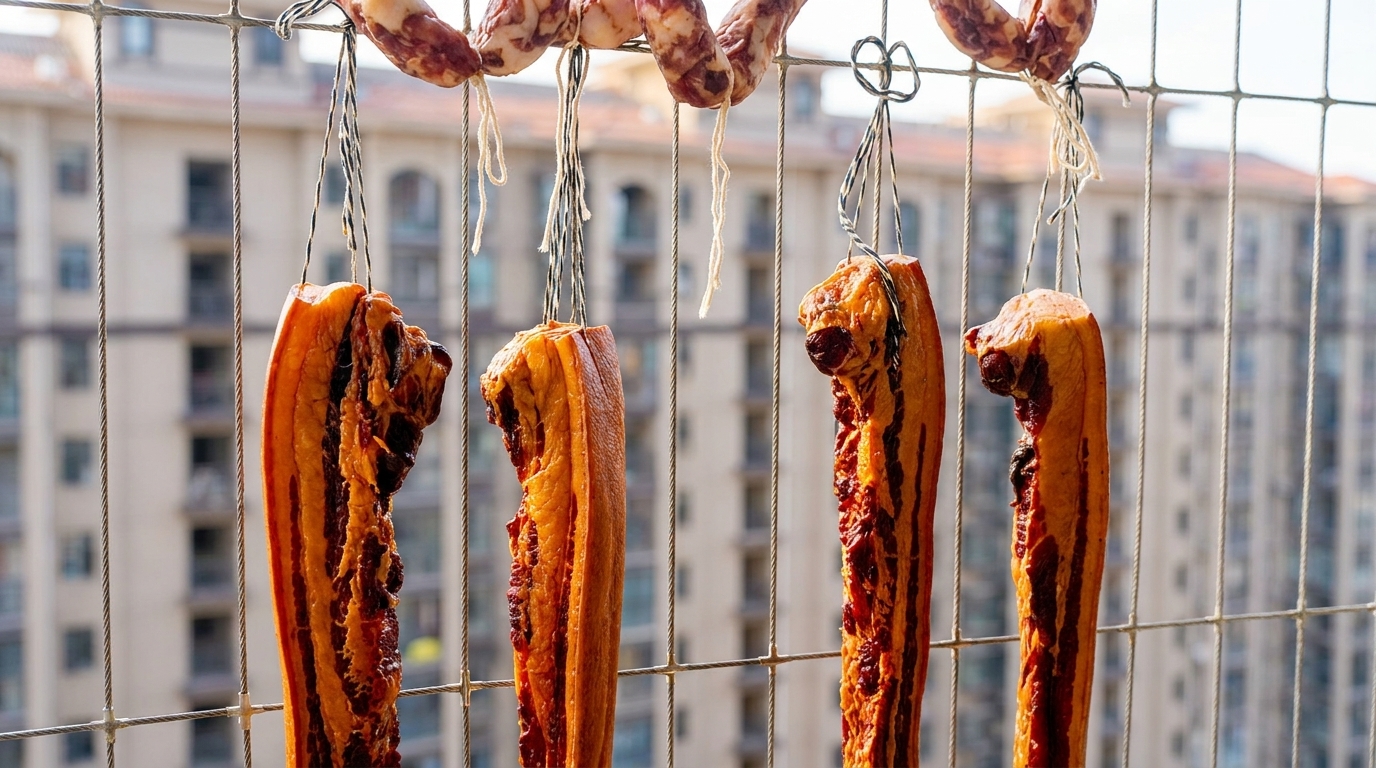
Soy sauce pork, or Jiangyou Rou, is a classic preserved meat technique that transforms simple pork belly into a deeply savory delicacy. By utilizing the sanitizing properties of baijiu instead of water and patience during a three-to-four-day curing process, the meat develops an incredible depth of flavor. The final step of air-drying concentrates the aromatics and creates a firm, glossy texture that is prized in many households.
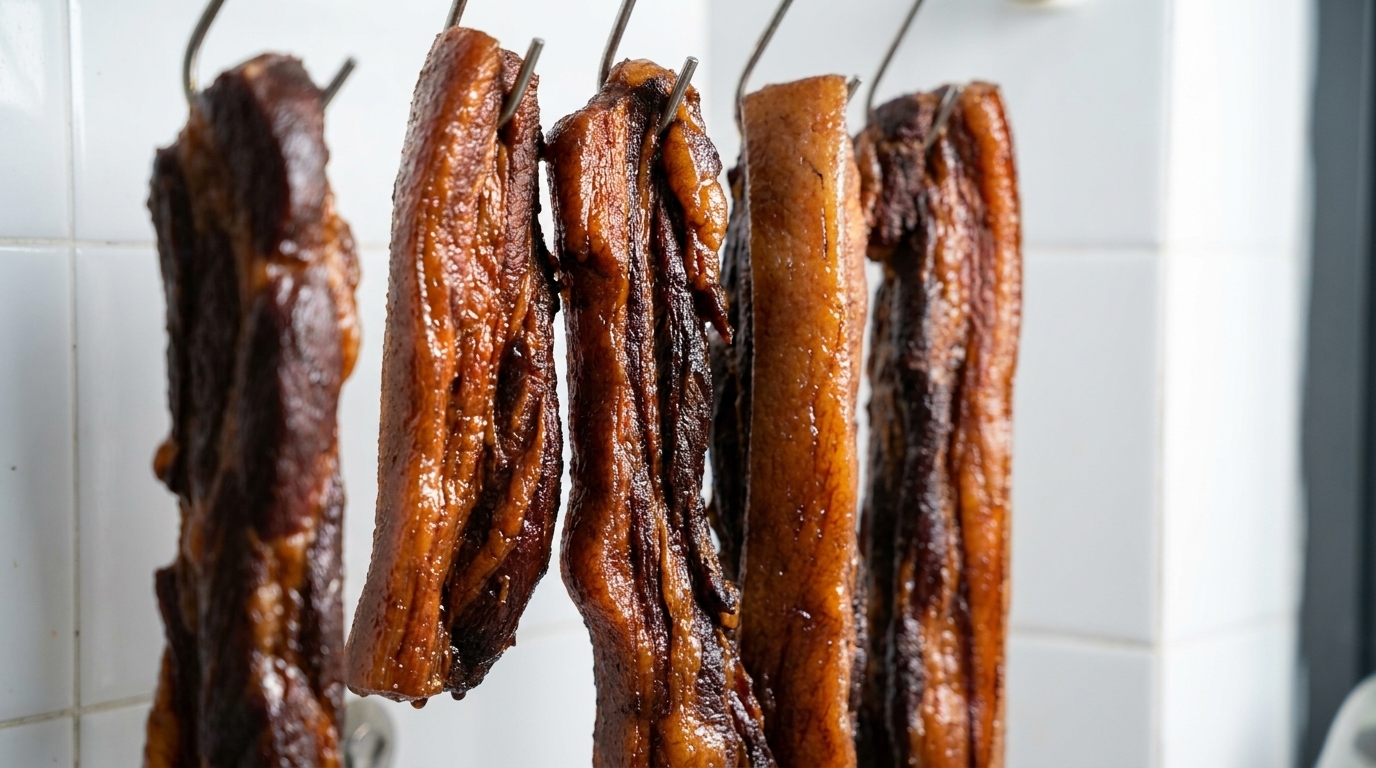
Ingredients
- 1 kg pork belly
- 100 ml baijiu (white liquor)
- 600 ml light soy sauce
- 300 ml dark soy sauce
- 300 ml water
- 50 g rock sugar
- 3 star anise
- 1 cinnamon stick
- 3 bay leaves
- 5 dried chili peppers
Instructions
- 1Clean the pork belly
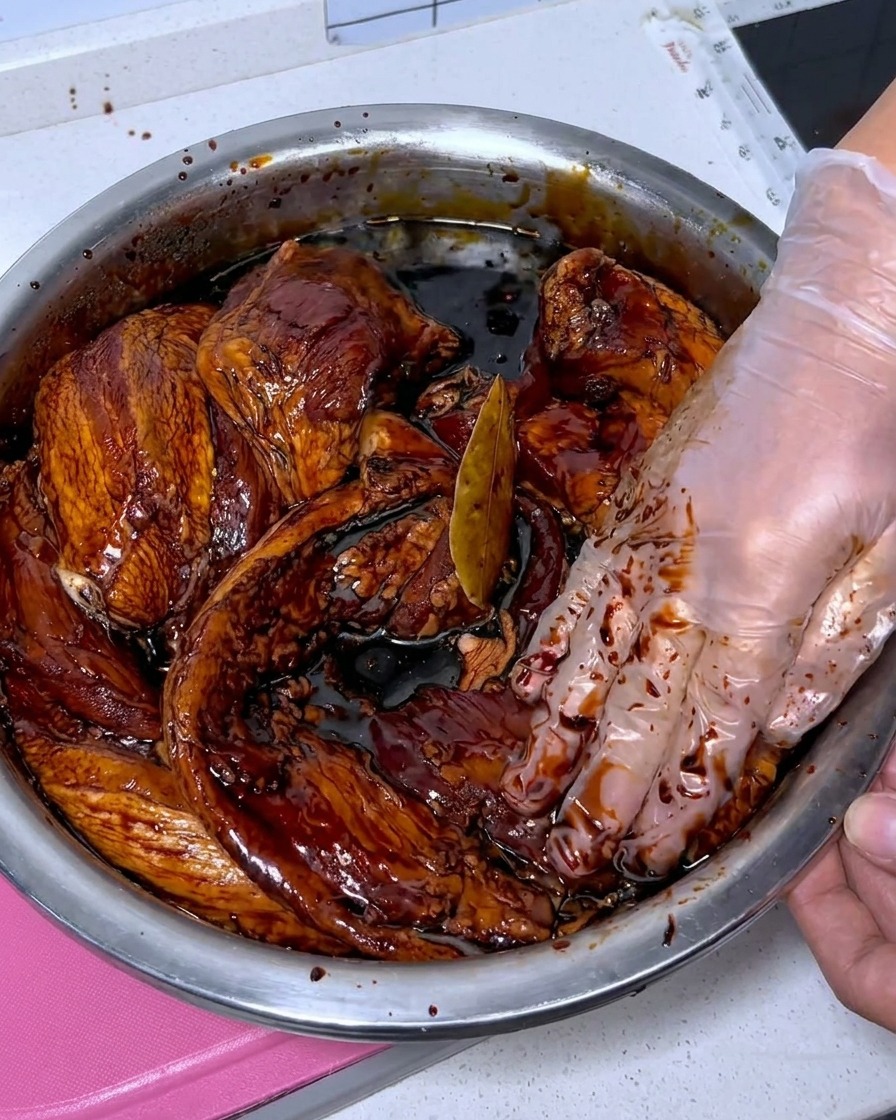
Place the fresh pork belly in a bowl. Pour baijiu (white liquor) directly over the meat and rub it thoroughly over every part. This replaces water and cleans the meat effectively. Once cleaned, discard the excess baijiu.
Tip: Do not wash the pork belly with water; using baijiu helps clean and sanitize the meat properly. - 2Prepare the braising liquid
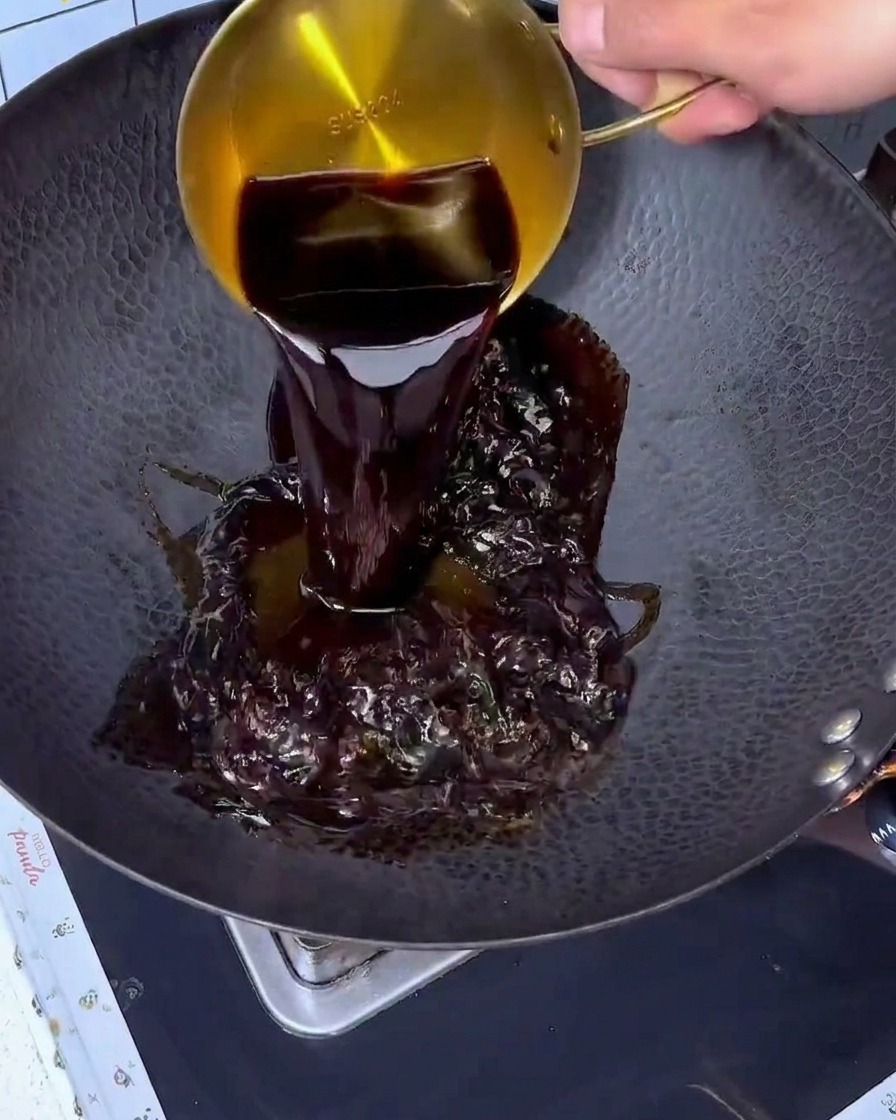
In a wok, combine 600ml of light soy sauce, 300ml of dark soy sauce, and 100-200ml of water. This base will provide the rich, savory flavor for the pork.
Tip: Adjust the dark soy sauce amount depending on how deep you want the final color of the meat to be. - 3Add aromatics and spices
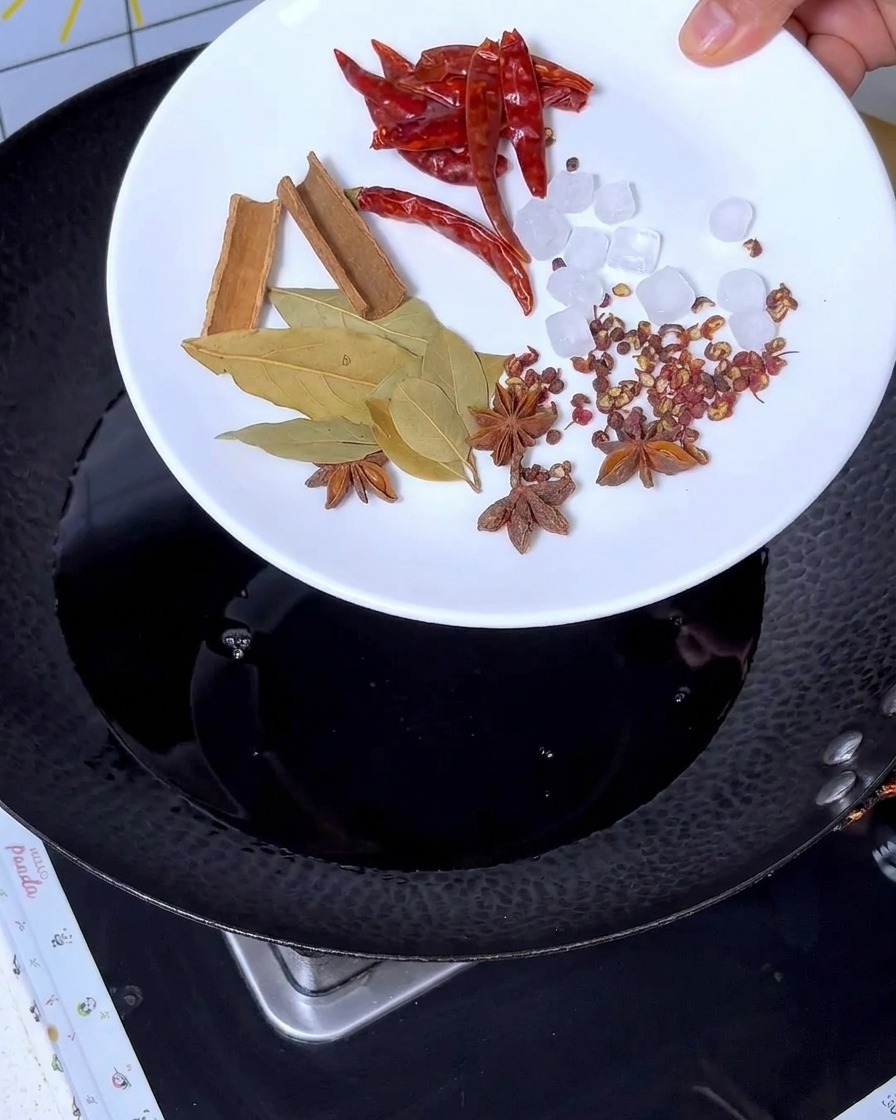
Add star anise, cinnamon sticks, bay leaves, dried chili peppers, and rock sugar into the soy sauce mixture in the wok. Bring the mixture to a boil over high heat, then ensure it is completely cooled before use.
Tip: The liquid must be fully cooled to room temperature before pouring it over the pork to ensure proper preservation and flavor infusion. - 4Marinate the pork
Once the soy sauce mixture has cooled completely, pour it over the cleaned pork belly in the bowl. Ensure the meat is evenly coated, ideally placing the skin side down to maximize flavor absorption.
Tip: Turning the pork once a day during the 3-4 day soaking period ensures even flavor distribution. - 5Submerge and weight the pork

To keep the pork fully submerged in the marinade, cover it with a plate or lid and place a weight, such as a bowl of water, on top. Let it soak for three to four days.
Tip: Keeping the pork submerged is crucial for consistent curing and color development.