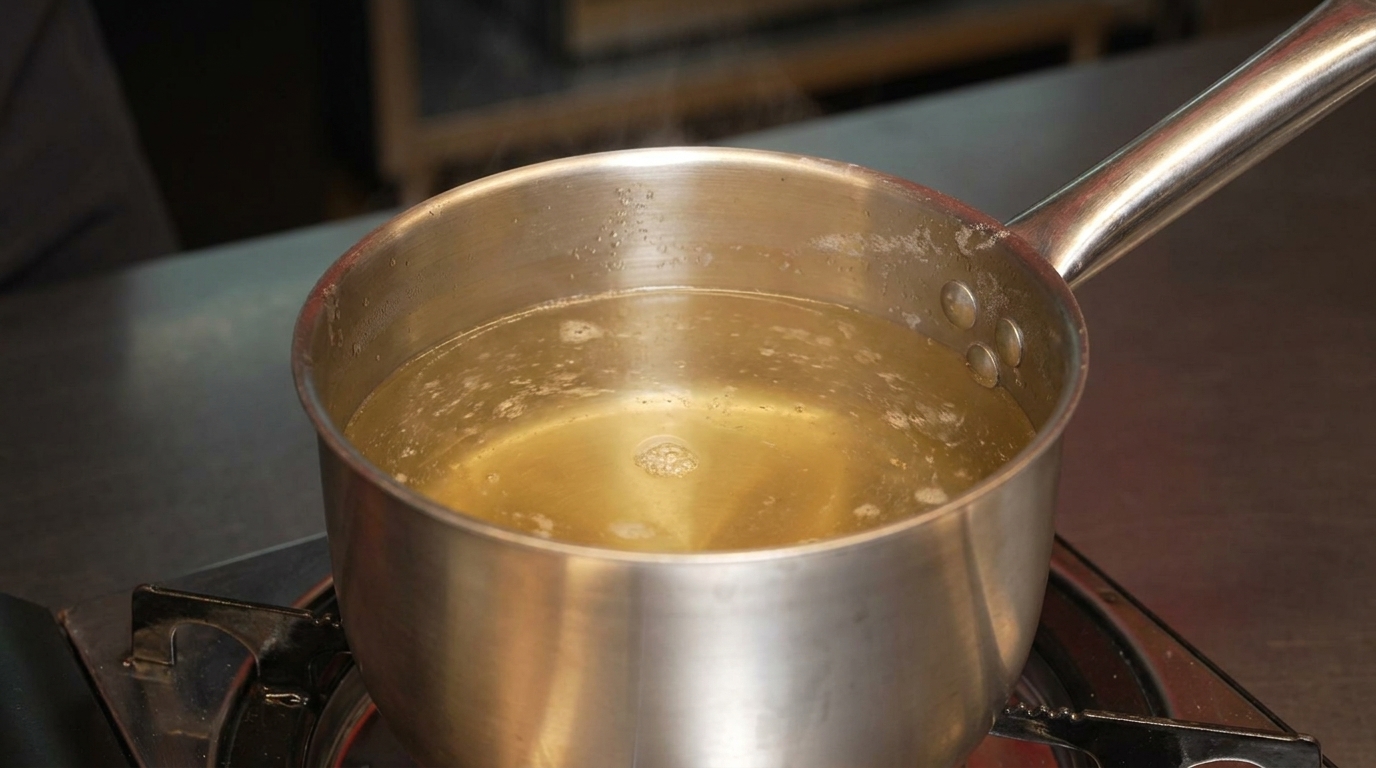
Refreshing Korean Clam Hand-Rolled Noodle Soup (Kalguksu)
A clean, nourishing bowl of Korean Kalguksu featuring chewy hand-rolled noodles and fresh clams in a delicately seasoned, clear oceanic broth.
Kalguksu, or knife-cut noodle soup, is a beloved Korean comfort food known for its fresh, chewy noodles and light, savory broth. This version emphasizes a clean flavor profile, utilizing dried kelp for a delicate umami base and fresh clams to highlight the essence of the sea. It is a refreshing dish that perfectly balances comforting textures with a light, healthful finish.

Ingredients
- 200 g fresh hand-rolled noodles
- 300 g fresh clams
- 1/2 zucchini
- 2 pieces dried kelp
- 1 liter water
- 1 tbsp fish sauce
- 1 tsp sugar (for soaking clams)
- to taste salt
Instructions
- 1Prepare the kelp base
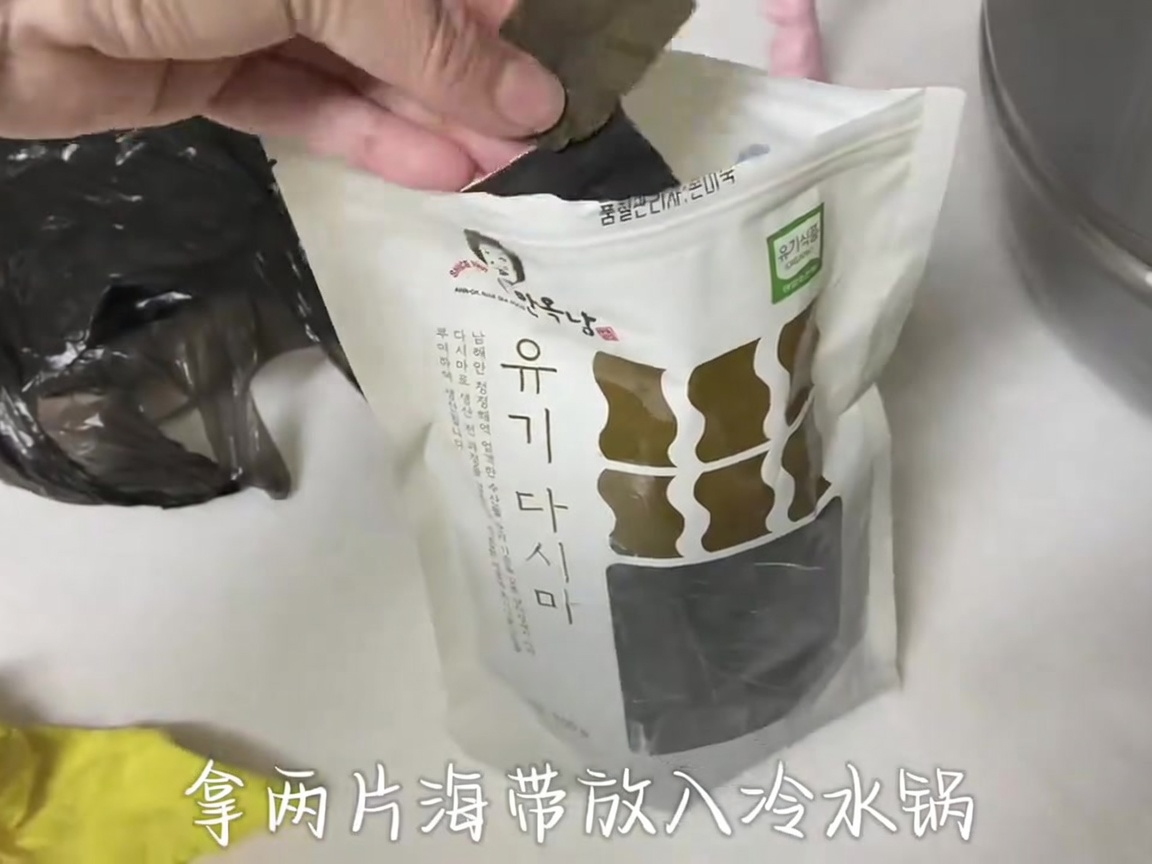
Take two pieces of dried kelp from the package. These will serve as the foundation for your clear, flavorful soup base.
Tip: Dried kelp is essential for a deep, authentic umami flavor in Korean soups. - 2Start the soup base
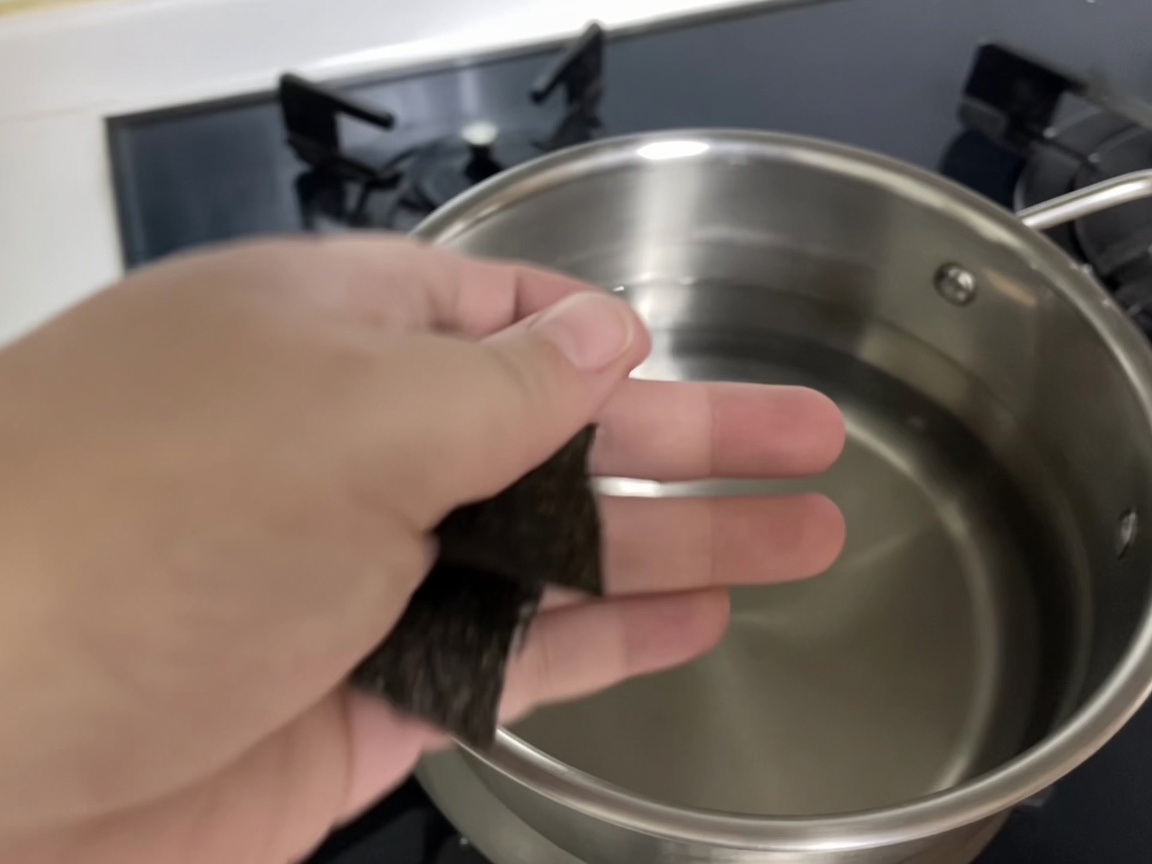
Add the two pieces of dried kelp into a pot filled with cold water. Bringing the kelp to a boil in cold water helps extract its flavor effectively for a clean broth.
Tip: Starting with cold water ensures a more delicate and clear extraction compared to dropping kelp into boiling water. - 3Clean the clams
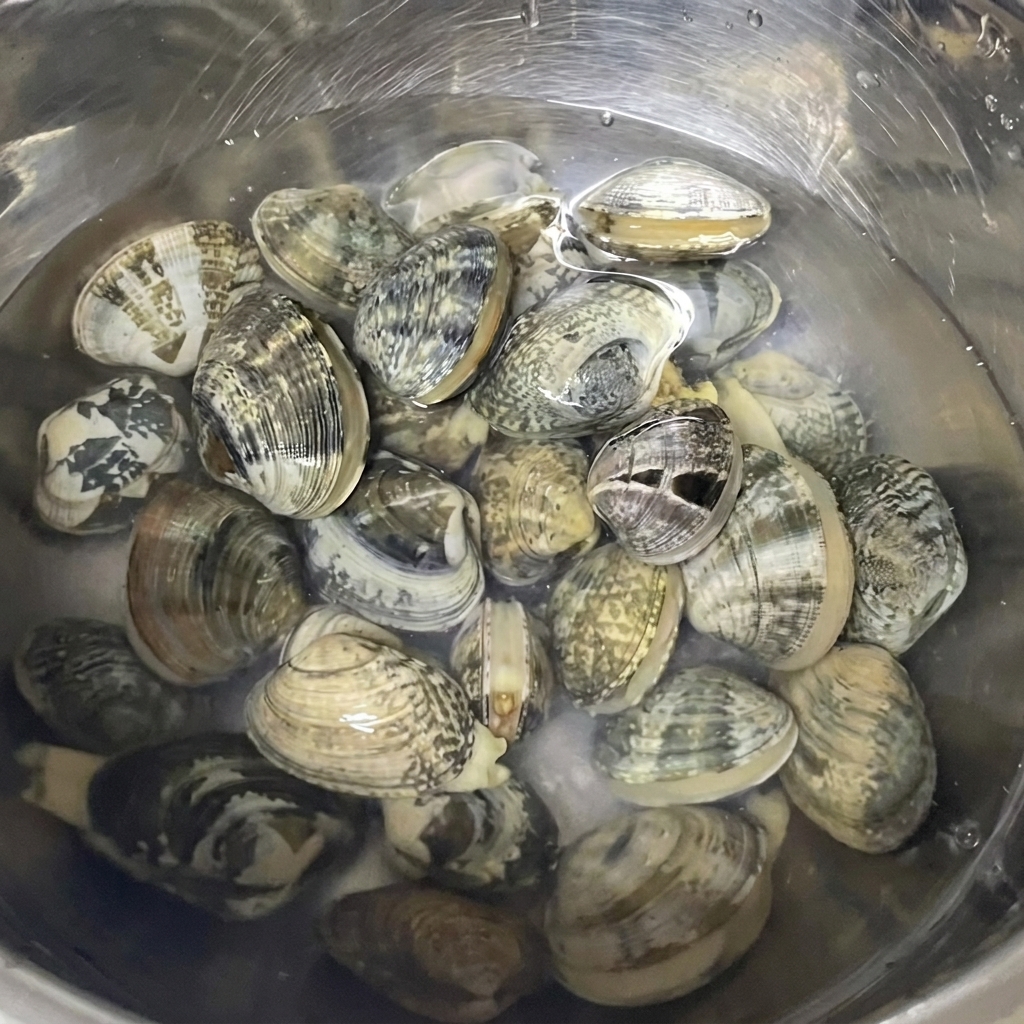
Place the raw clams in a bowl of water, adding a pinch of sugar. This process encourages the clams to expel any sand they may be holding.
Tip: Soaking clams in water with sugar is a quick and effective way to ensure they are grit-free before cooking. - 4Remove the kelp
Once the water has boiled for two minutes, use a slotted spoon to remove the pieces of kelp from the pot.
Tip: Removing the kelp promptly after two minutes prevents the broth from becoming slimy or overly bitter. - 5Add the clams
Carefully add the cleaned clams into the pot of boiling broth. As they cook, they will open and release their natural oceanic flavor.
Tip: Skim any foam that rises to the surface after adding the clams to keep the broth perfectly clear. - 6Prepare the zucchini
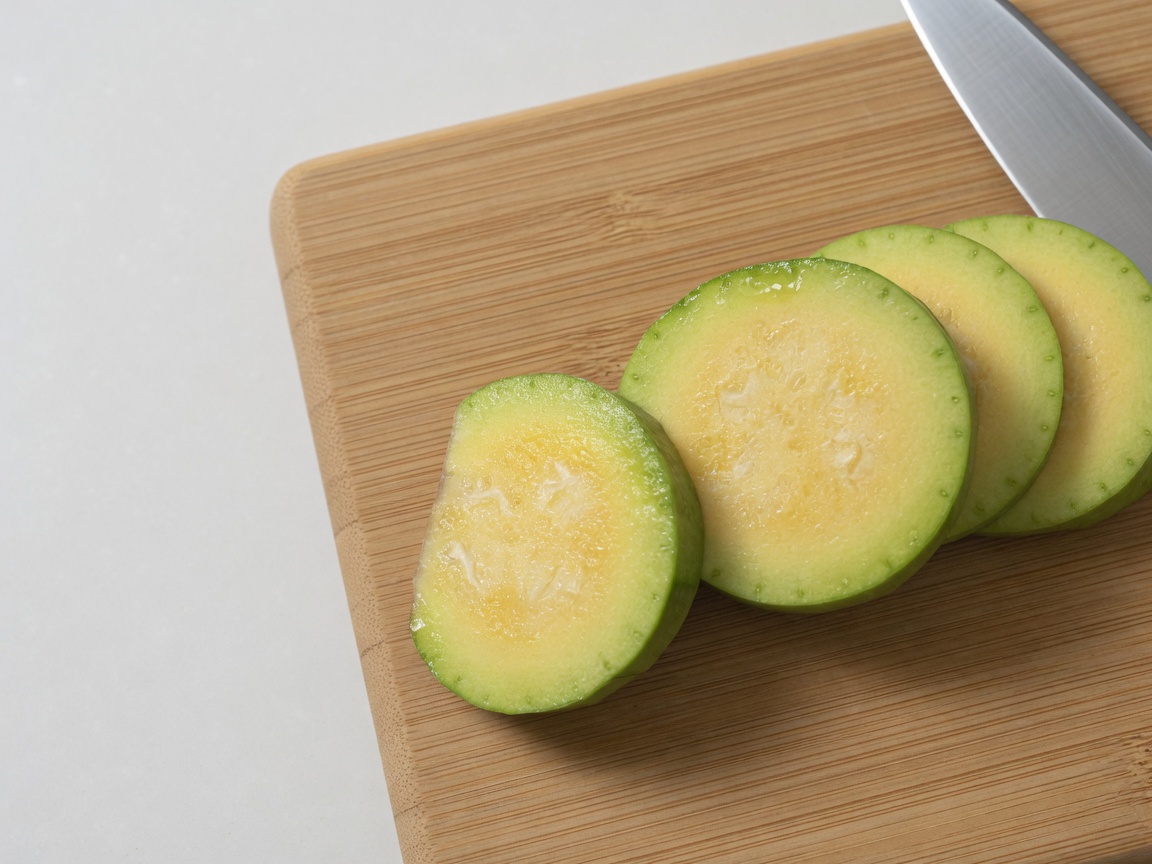
On a cutting board, slice the green zucchini into thin strips or rounds. These will be added to the soup later to add freshness and texture.
Tip: Adding zucchini towards the end of the cooking process helps it maintain its vibrant color and slight crunch. - 7Prepare the zucchini
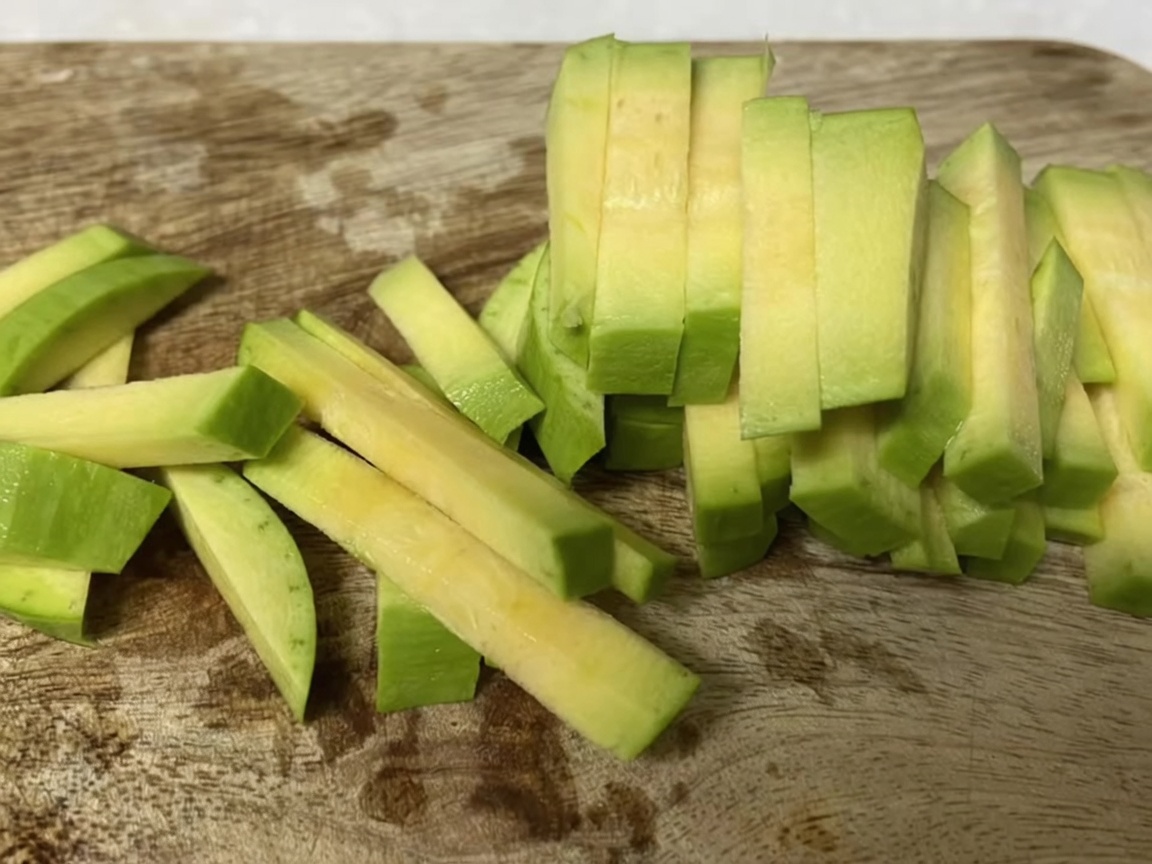
Stack the zucchini slices neatly on a cutting board and slice them into thin, uniform strips. These strips will be added to the soup later to provide a fresh, crisp texture that complements the noodles.
Tip: Keep the strips relatively uniform in size so they cook evenly. - 8Skim the broth
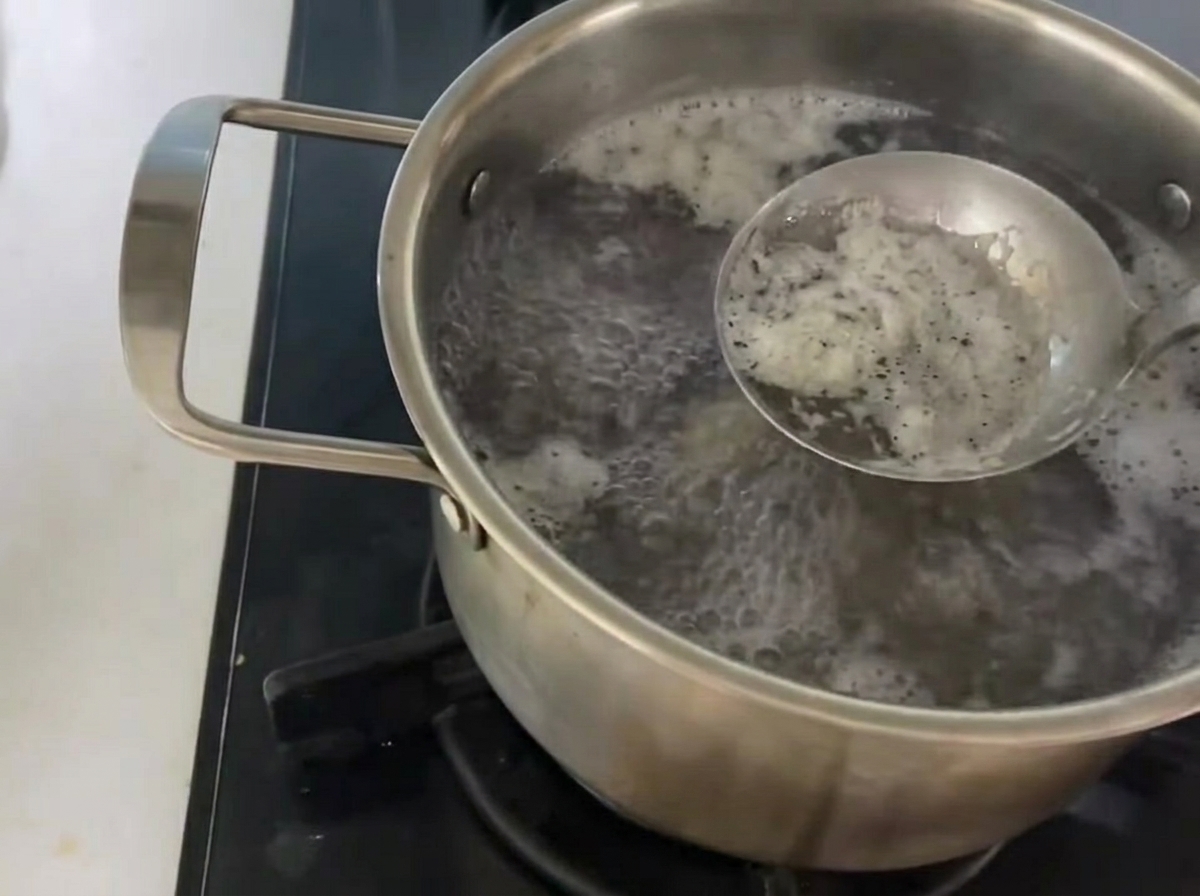
As the clam broth comes to a boil, use a metal ladle to carefully skim off the white foam that rises to the surface. Removing this foam ensures the final soup base remains clear and clean-tasting.
Tip: Do this periodically as the soup boils to keep the broth looking pristine. - 9Season the broth
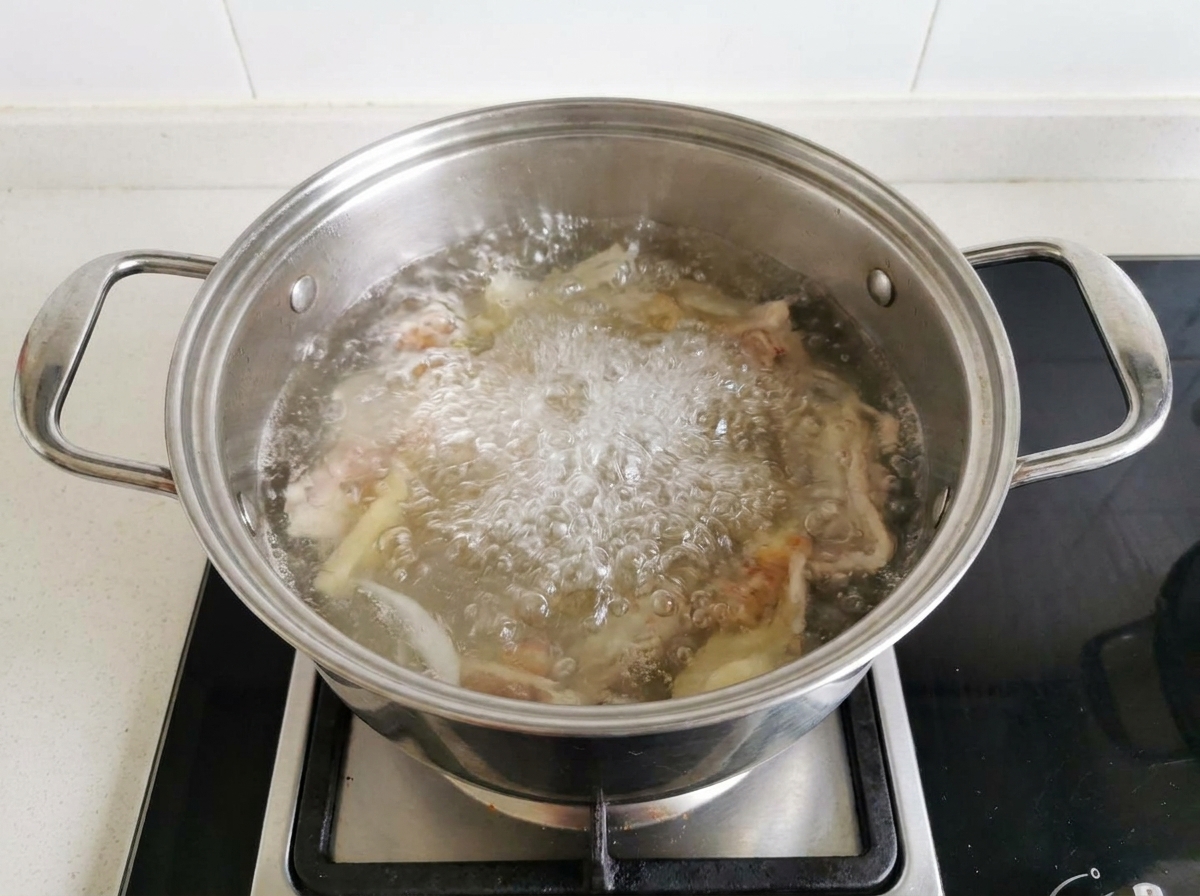
Add fish sauce to the boiling broth to enhance the savory flavor of the clams. Adjust the seasoning with a touch of salt if needed to balance the taste to your preference.
Tip: Add the fish sauce gradually and taste the broth as you go, as its salinity can vary. - 10Rinse the noodles
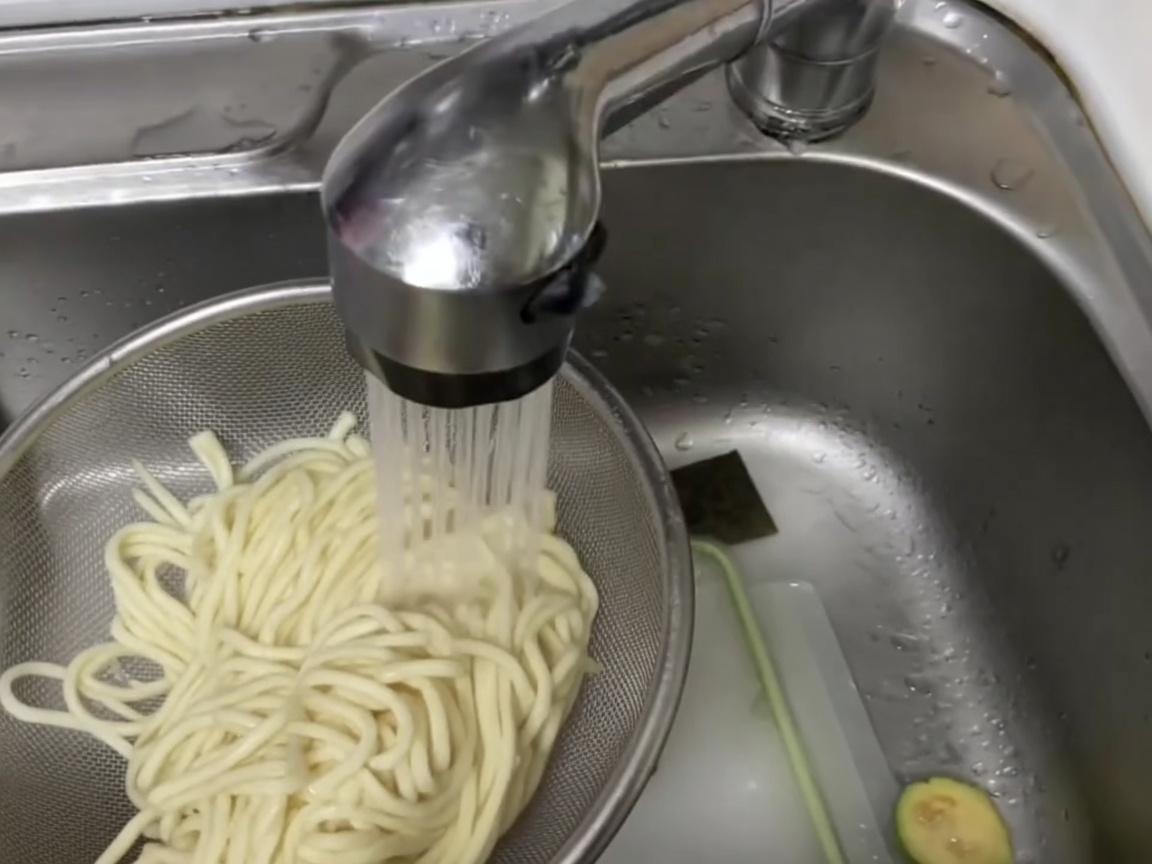
Place the fresh hand-rolled noodles into a wire strainer and rinse them briefly under cold running water. This removes excess surface starch, which prevents the soup from becoming cloudy when the noodles are added.
Tip: Shake off all the excess water thoroughly after rinsing. - 11Cook the noodles
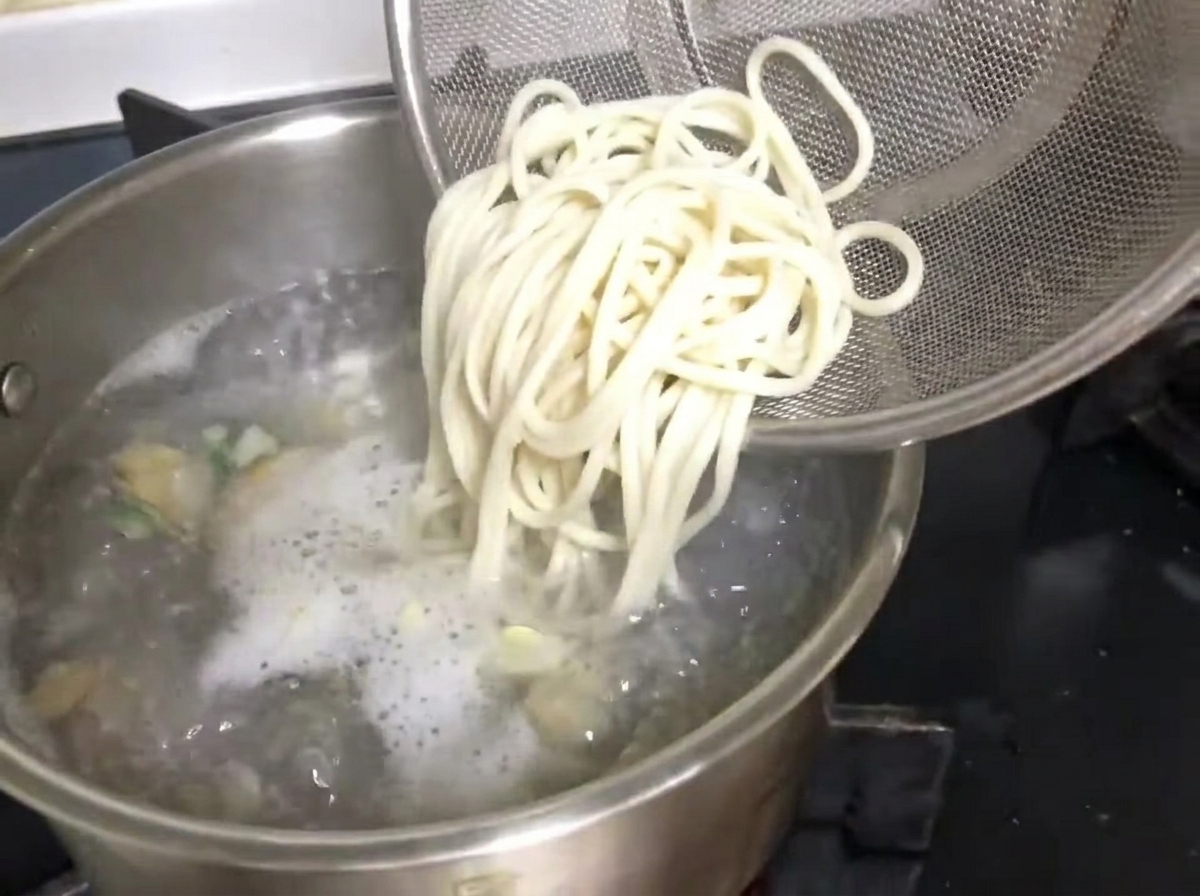
Gently slide the rinsed noodles into the pot of boiling clam broth. Let them cook until they reach a chewy, al dente texture.
Tip: Be careful when adding the noodles to avoid splashing hot broth. - 12Add the zucchini
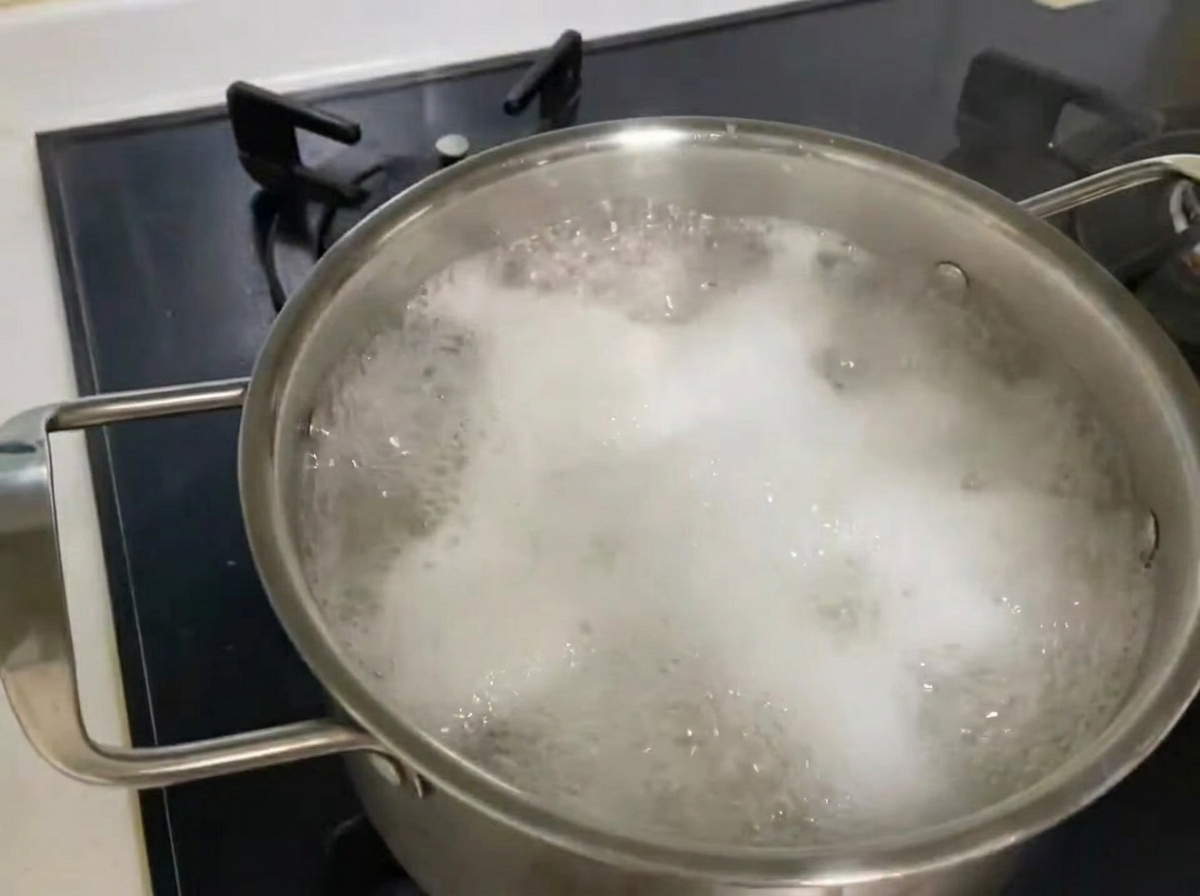
Just before the noodles are fully cooked, add the prepared green zucchini strips to the pot. Cook for a short time until the zucchini is tender but still retains a bit of crunch.
Tip: Add the zucchini towards the end so it doesnt overcook and lose its vibrant color. - 13Finish the clam noodle soup
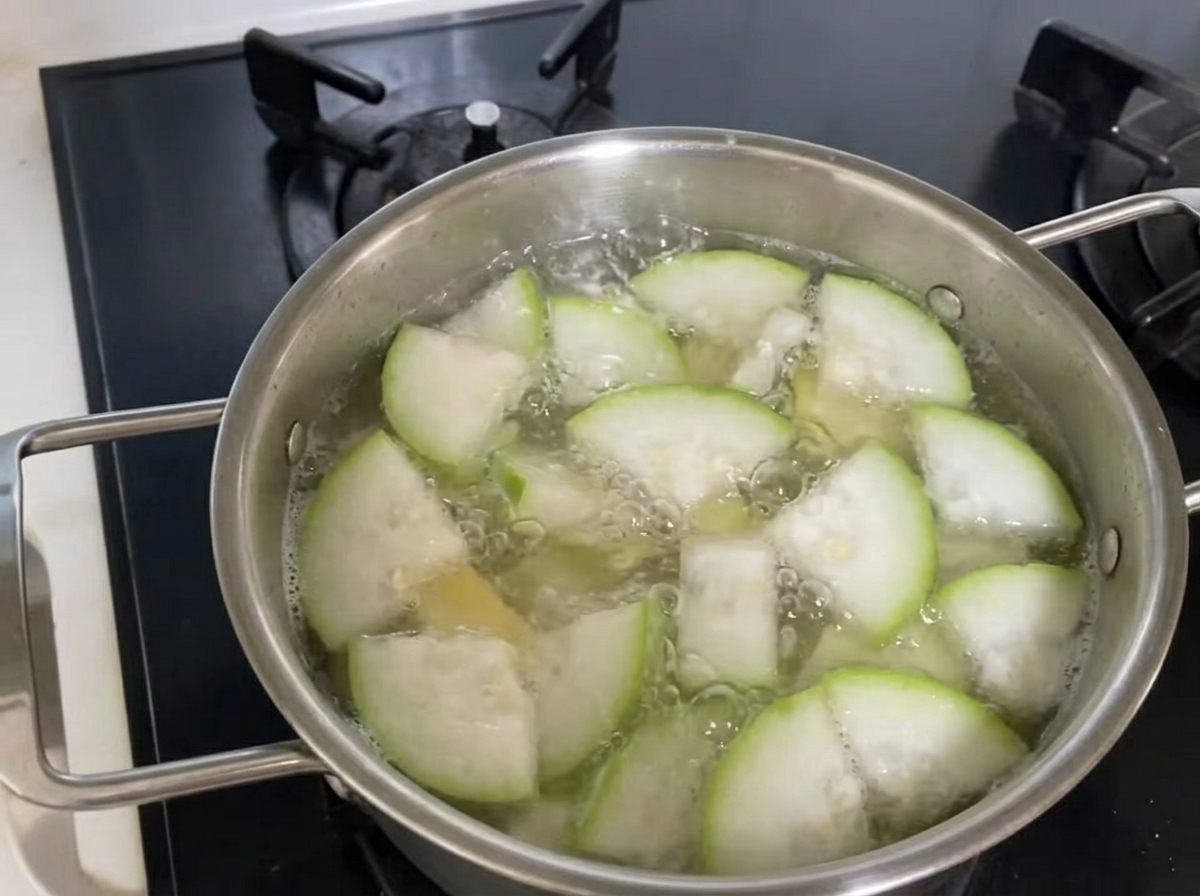
Using metal tongs, gently stir the pot to lift the cooked hand-rolled noodles, zucchini strips, and clams. Ensure everything is well-combined and heated through before turning off the heat and preparing to serve the dish.
Tip: Be careful not to overcook the noodles, as they will continue to soften slightly in the hot broth even after being removed from the stove.