Rich Golden Shrimp Ramen (Ebi Tonkotsu)
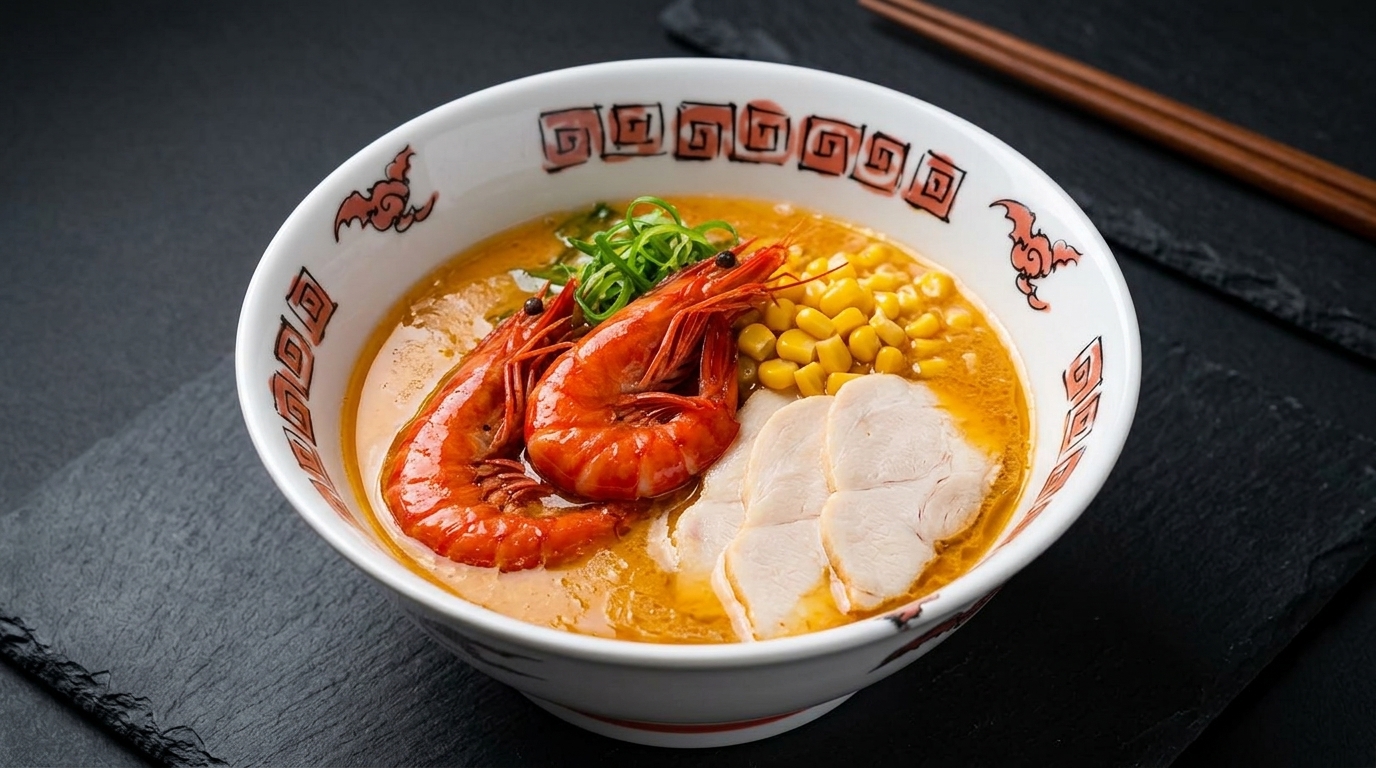
A luxurious, deep-orange ramen built from an 8-hour pork bone and Arctic sweet shrimp reduction, finished with aromatic shrimp-head oil.
A masterpiece of maritime flavor, this shrimp ramen achieves its striking golden-orange hue through the patient extraction of astaxanthin from Arctic sweet shrimp. By blending the shrimp directly into a simmering pork bone base, the broth attains a creamy, emulsified texture that carries the sweetness of the sea in every spoonful. This recipe adapts the labor-intensive process into a convenient frozen format, ensuring that a professional-grade bowl is never more than a few minutes away.
Ingredients
- 1 kg pork marrow bones
- 500 g Arctic sweet shrimp
- 1 bulb garlic
- 100 g sweet corn kernels
- 200 g cabbage
- 100 ml vegetable oil
- 4 portions ramen noodles
- 8 slices chashu pork
- to taste green onions
Instructions
- 1Prepare the soup base ingredients
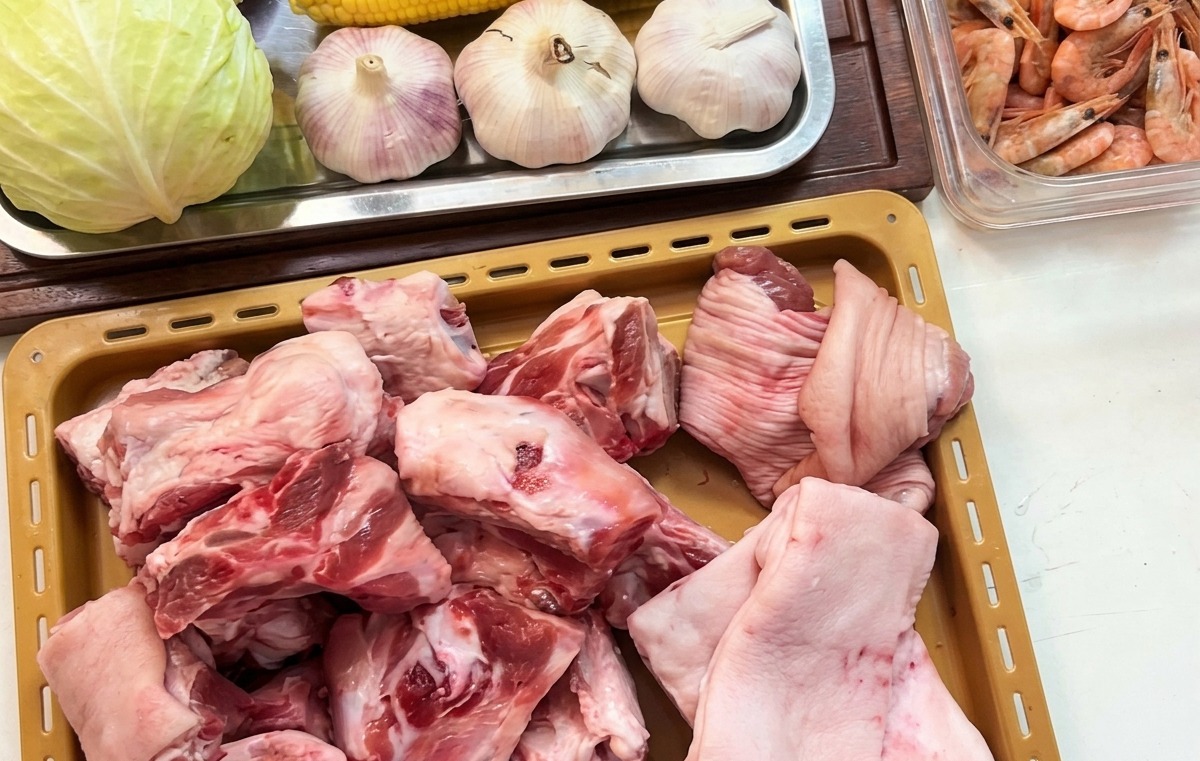
Gather the essential components for the rich shrimp broth: fresh pork bones, Arctic sweet shrimp, corn, cabbage, and garlic. Using high-quality Arctic sweet shrimp is crucial as they provide a natural sweetness and a vibrant color to the final ramen soup.
Tip: Keep the shrimp chilled until ready to blend to maintain their freshness and delicate flavor profile. - 2Blanch the pork bones
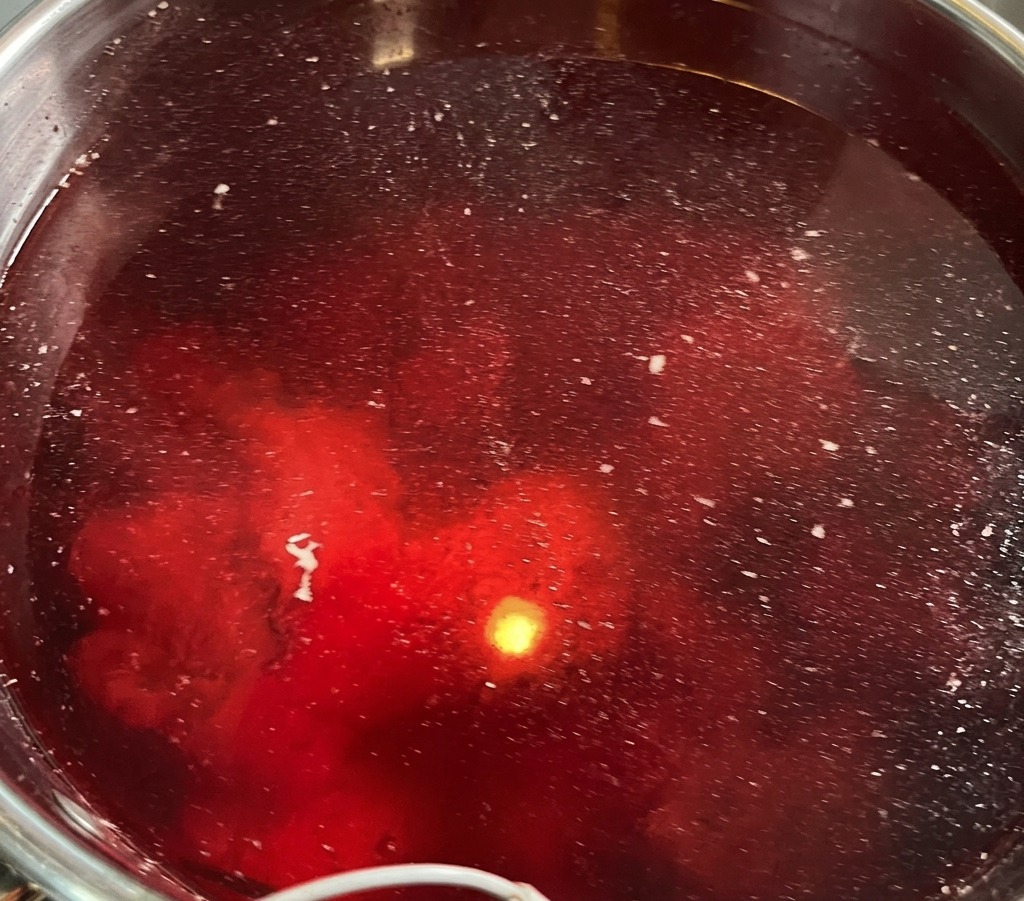
Place the pork bones into a large pot of water and bring to a boil. This essential first step removes blood, marrow impurities, and any off-flavors, ensuring that the resulting shrimp and pork broth is clear, clean, and fragrant after the long simmering process.
Tip: Once the water comes to a boil and foam has risen to the top, drain the pot and rinse the bones thoroughly under cold water to remove any remaining scum before starting the soup. - 3Blend the shrimp into a paste
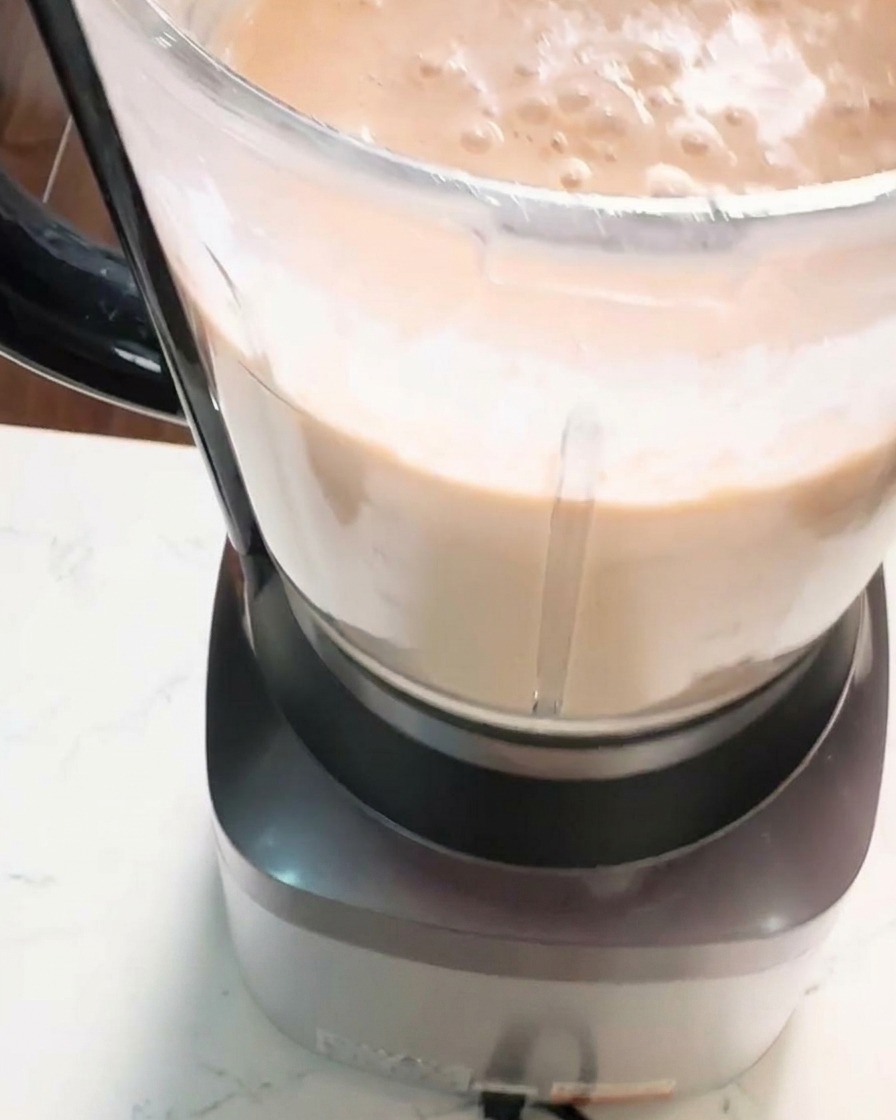
Place the Arctic sweet shrimp into a high-speed blender. Process them thoroughly until they form a completely smooth, creamy, and thick pinkish paste. This step allows the shrimp to fully release their essence into the broth during the simmering process.
Tip: Ensure the blender is at high speed to pulverize the shells completely, which adds more calcium and depth to the broth. - 4Simmer the shrimp and bone broth
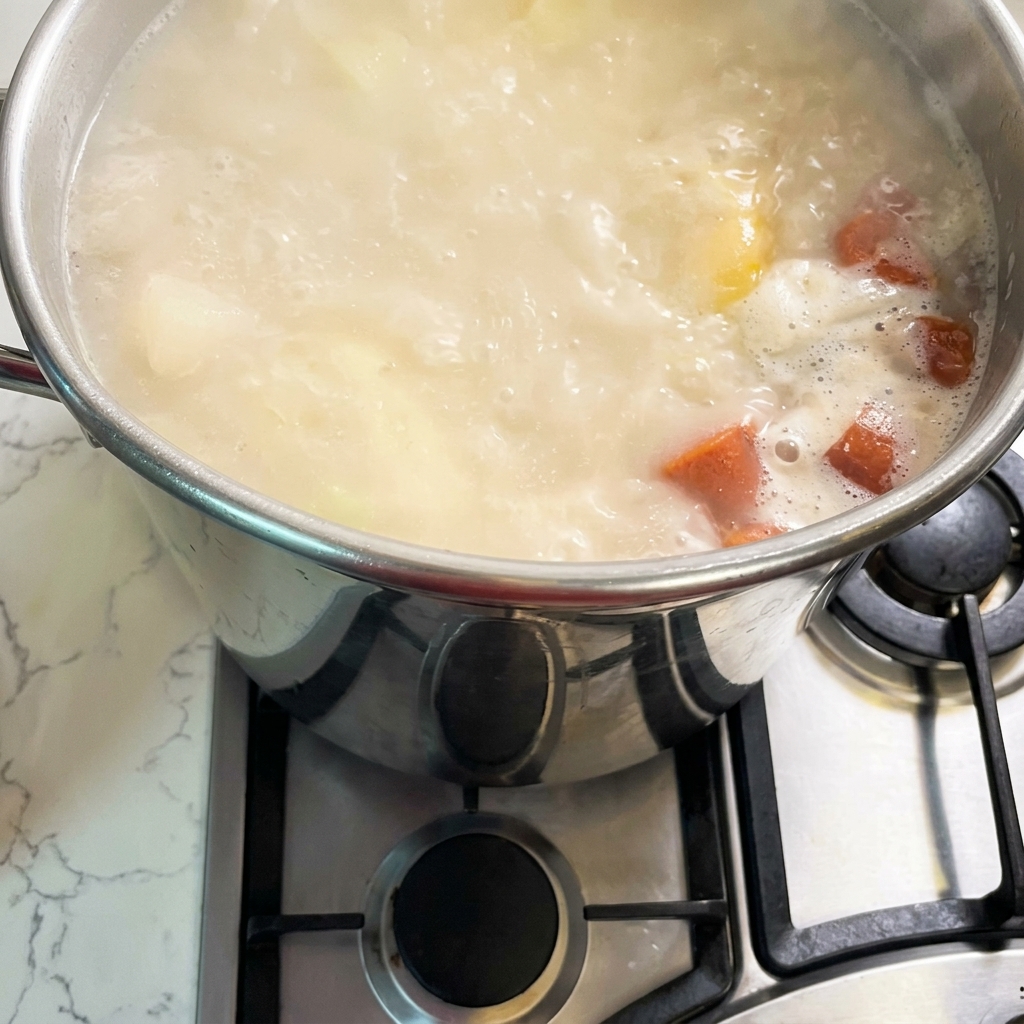
Add the blended shrimp paste and aromatics into the stockpot with the blanched pork bones. Bring to a boil, then reduce to a very low simmer for 8 hours. This slow extraction is vital for the broth to develop its thick texture and signature golden hue.
Tip: Skim off any foam that rises to the surface during the initial boil to ensure the final broth is clean and professional. - 5Create the aromatic shrimp oil
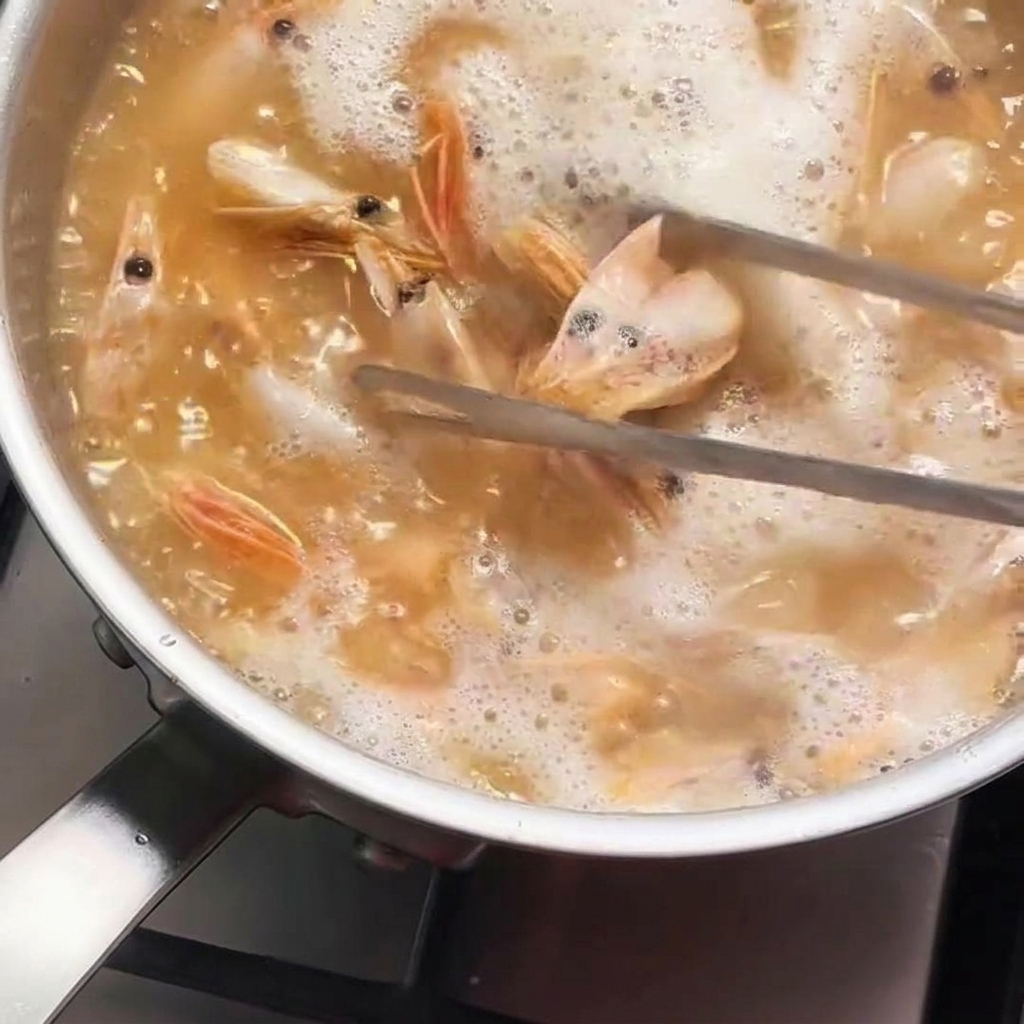
Place the shrimp heads into a saucepan with a generous amount of oil. Stir-fry them over medium heat until they turn bright red and the oil becomes infused with their fragrance and color. This shrimp oil acts as a powerful flavor enhancer for the ramen.
Tip: Use a pair of tongs to press down on the heads while frying to squeeze out all the flavorful juices and oils. - 6Check the concentrated golden broth
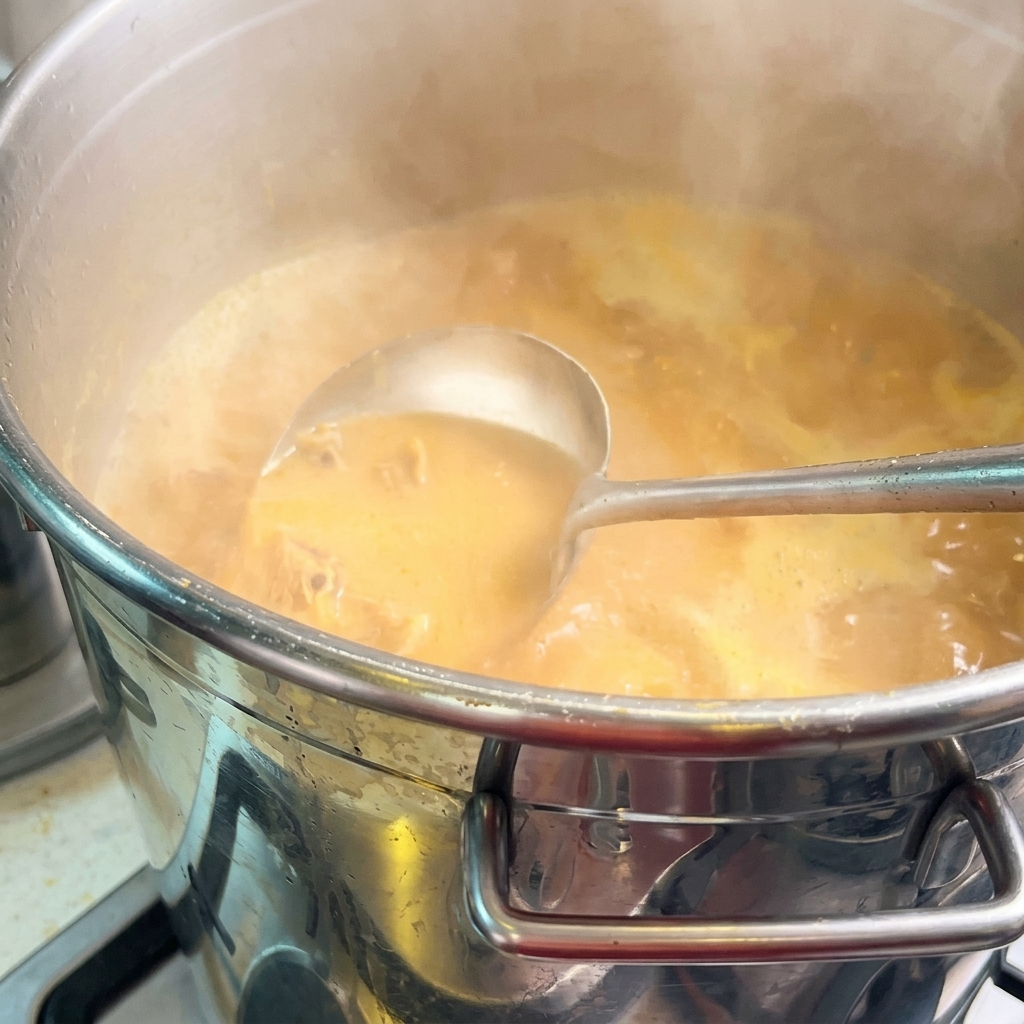
After the 8-hour simmer, the broth will be thick and vibrant yellow-orange. Use a ladle to check the consistency; it should be opaque and intensely fragrant, signaling that the shrimp essence and bone marrow have fully emulsified.
Tip: If the broth is too thick, you can adjust the consistency with a small amount of hot water before serving, though the concentrated version is best for maximum flavor. - 7Assembling for storage
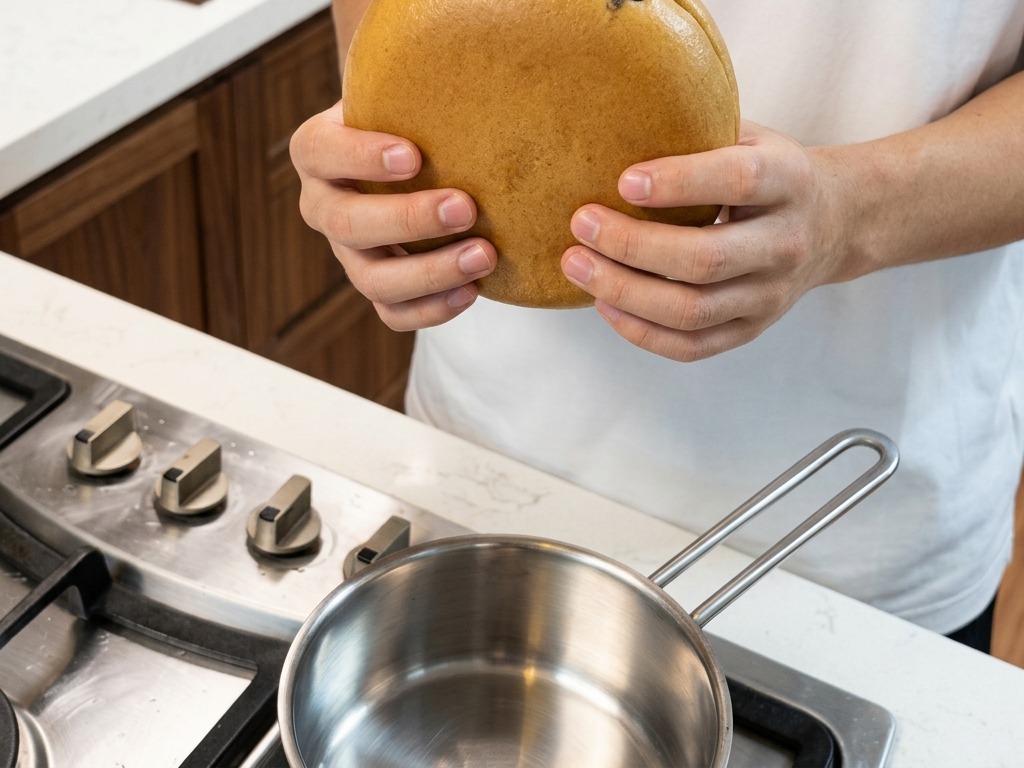
To preserve the peak flavor of the 8-hour broth, the concentrated soup and noodles are assembled into a frozen disk. This innovative method ensures the textures of the shrimp and pork remain intact until reheating.
Tip: If you are making this from scratch use a round container to freeze the broth so it fits perfectly into your cooking pot later. - 8Final reheating and serving
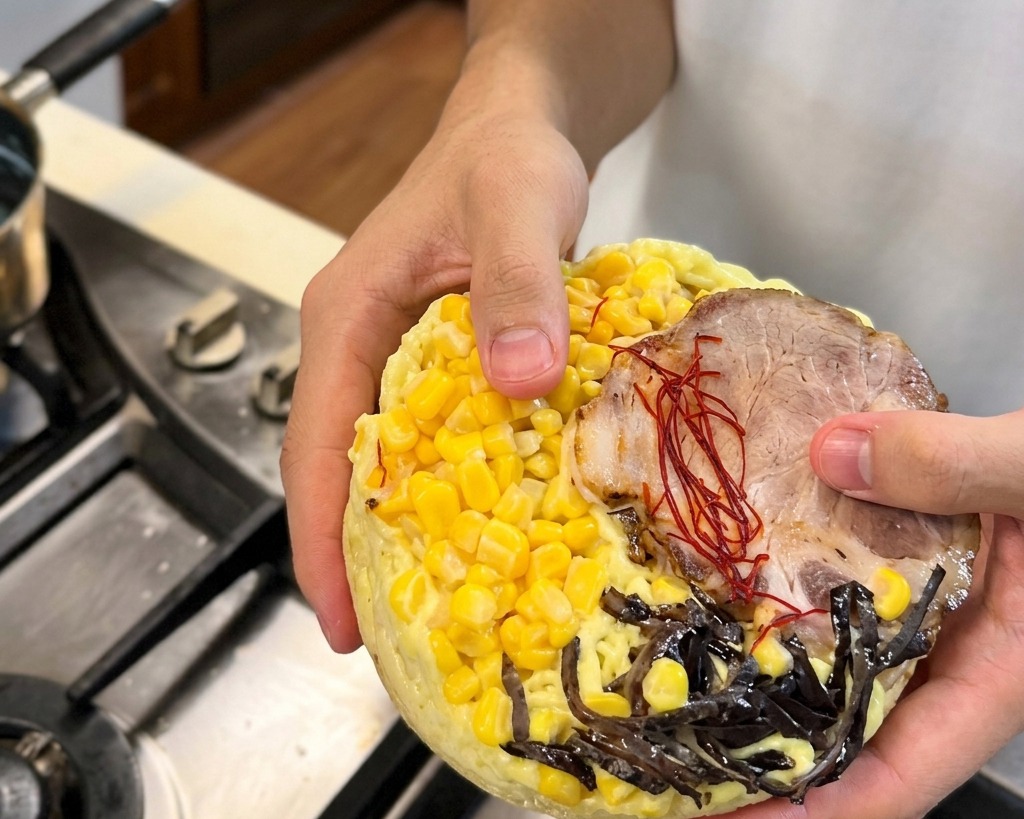
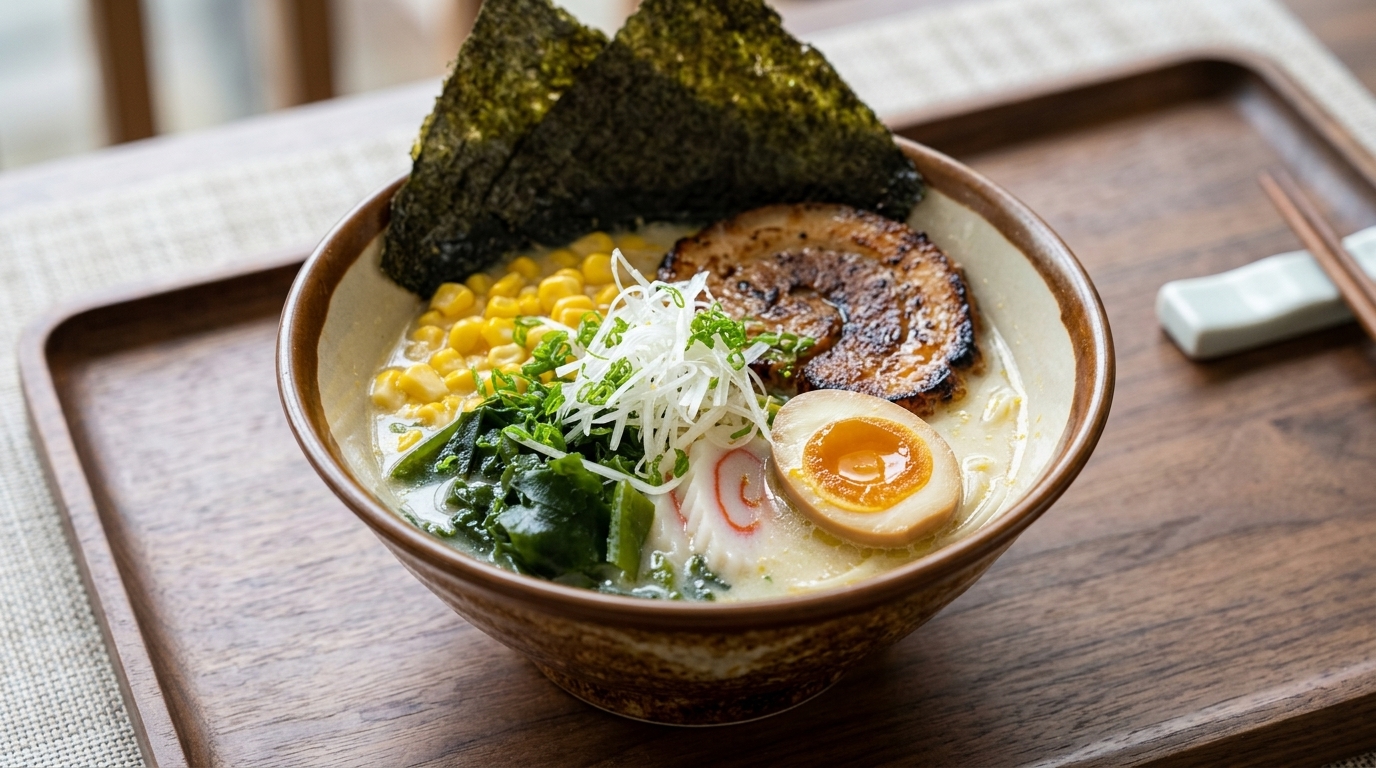
Place the frozen ramen puck into a small pot and heat over medium-low. As the base melts, the ingredients transform back into a steaming bowl of fresh ramen, ready to be garnished and served.
Tip: Cover the pot with a lid during the first few minutes of reheating to trap steam which helps the frozen noodles and toppings thaw and heat through more evenly.