Authentic Italian Carbonara Pasta
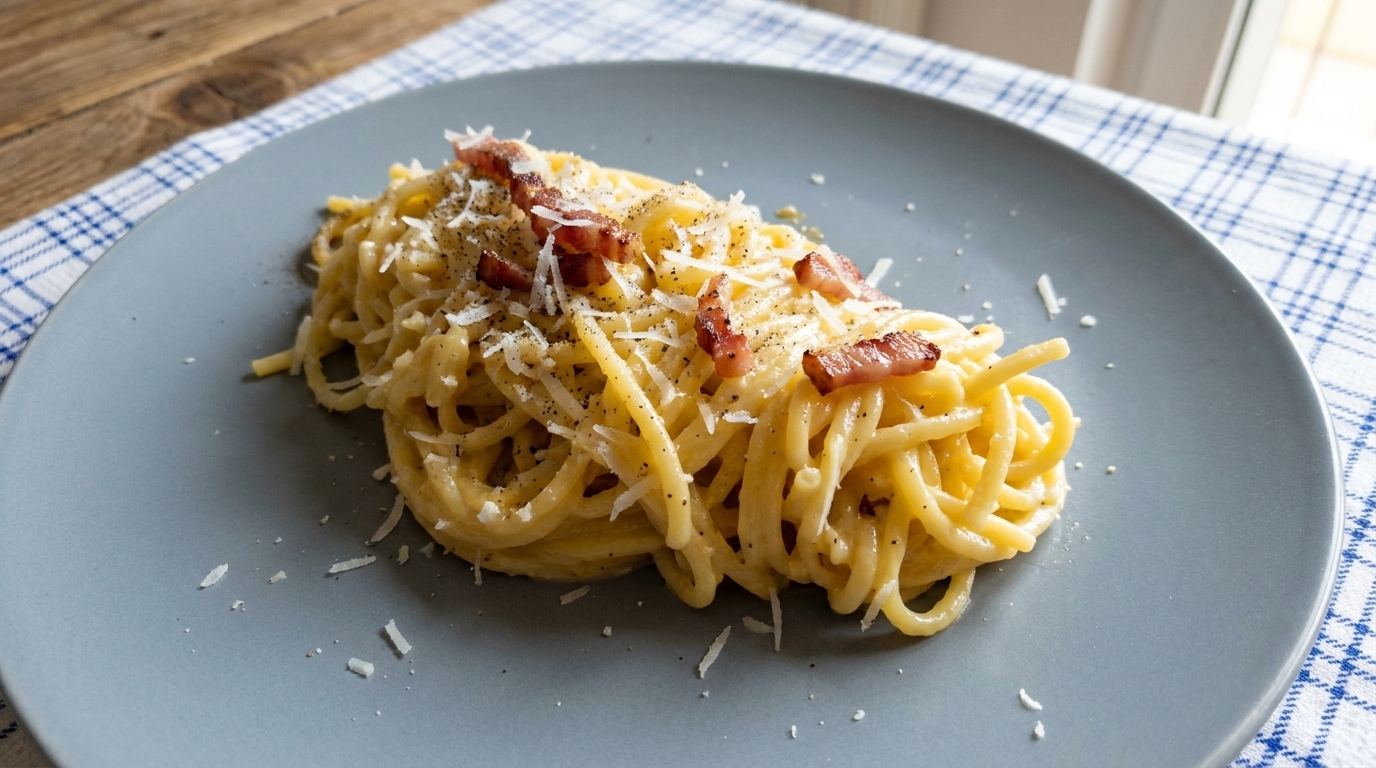
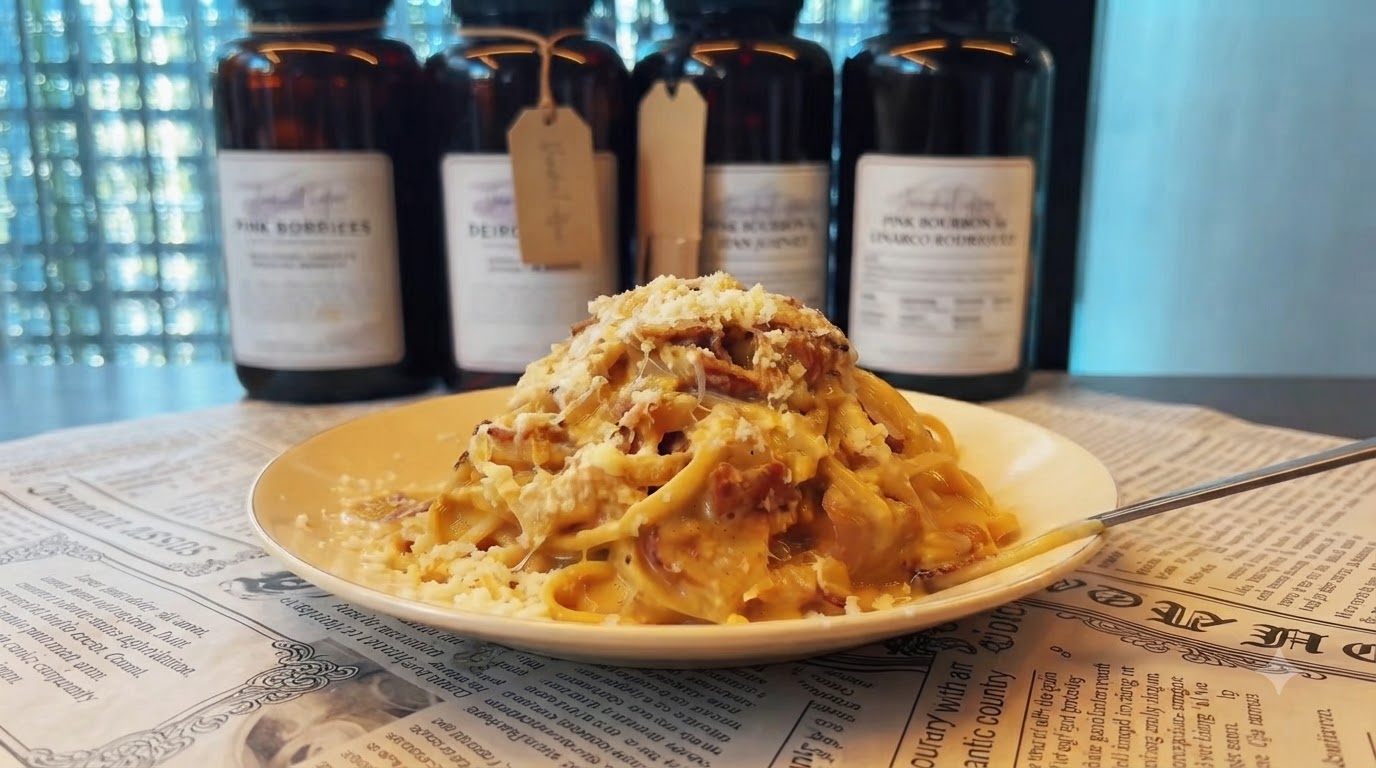
The ultimate Roman carbonara made without cream — featuring thick spaghetti, crispy rendered bacon, and a silky-smooth egg and pecorino cheese emulsion.
Traditional Roman carbonara relies on precise temperature control and the magic of starchy pasta water to create a glossy, luxurious sauce without a single drop of cream. By combining crispy cured pork fat with freshly grated pecorino romano and parmesan, this dish achieves a delicate balance of rich, savory, and sharp flavors.
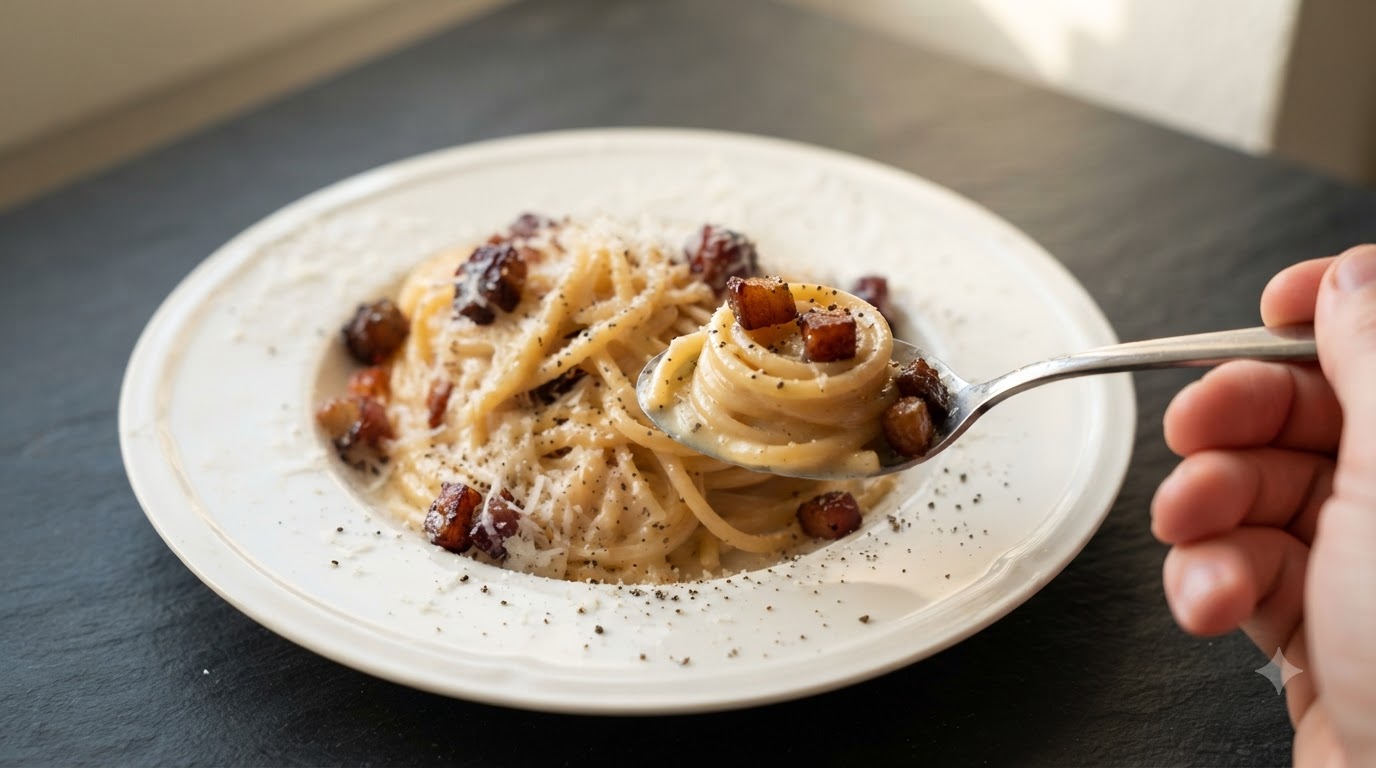
Ingredients
- 1 serving thick number 7 spaghetti
- 1 egg
- to taste cured meat and bacon
- half egg equivalent Pecorino Romano cheese
- half egg equivalent parmesan cheese
- a pinch coarse salt
- to taste freshly ground black pepper
- 2 ladles pasta water
Instructions
- 1Boil and Salt the Water
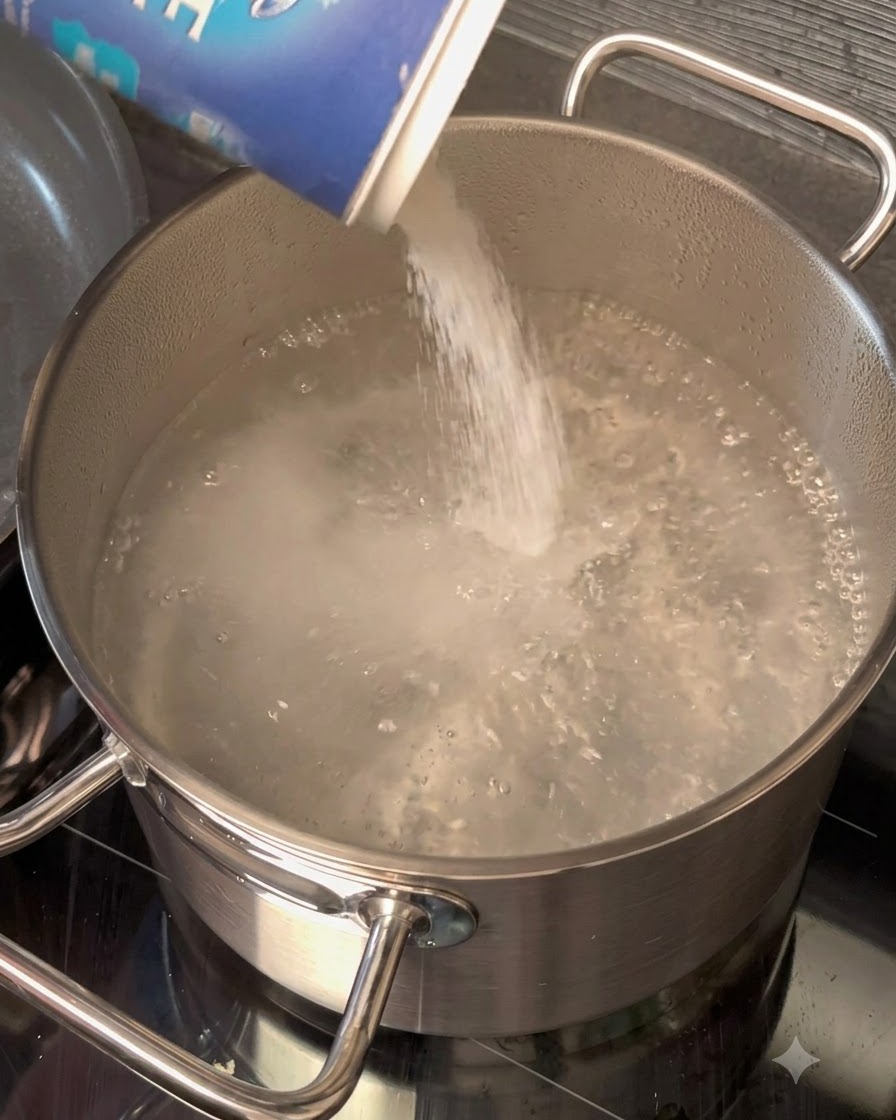
Pour coarse salt into a large pot of actively boiling water to prepare the base for cooking the pasta.
Tip: Always salt your pasta water generously so the pasta absorbs flavor from the inside out. - 2Cook the Spaghetti
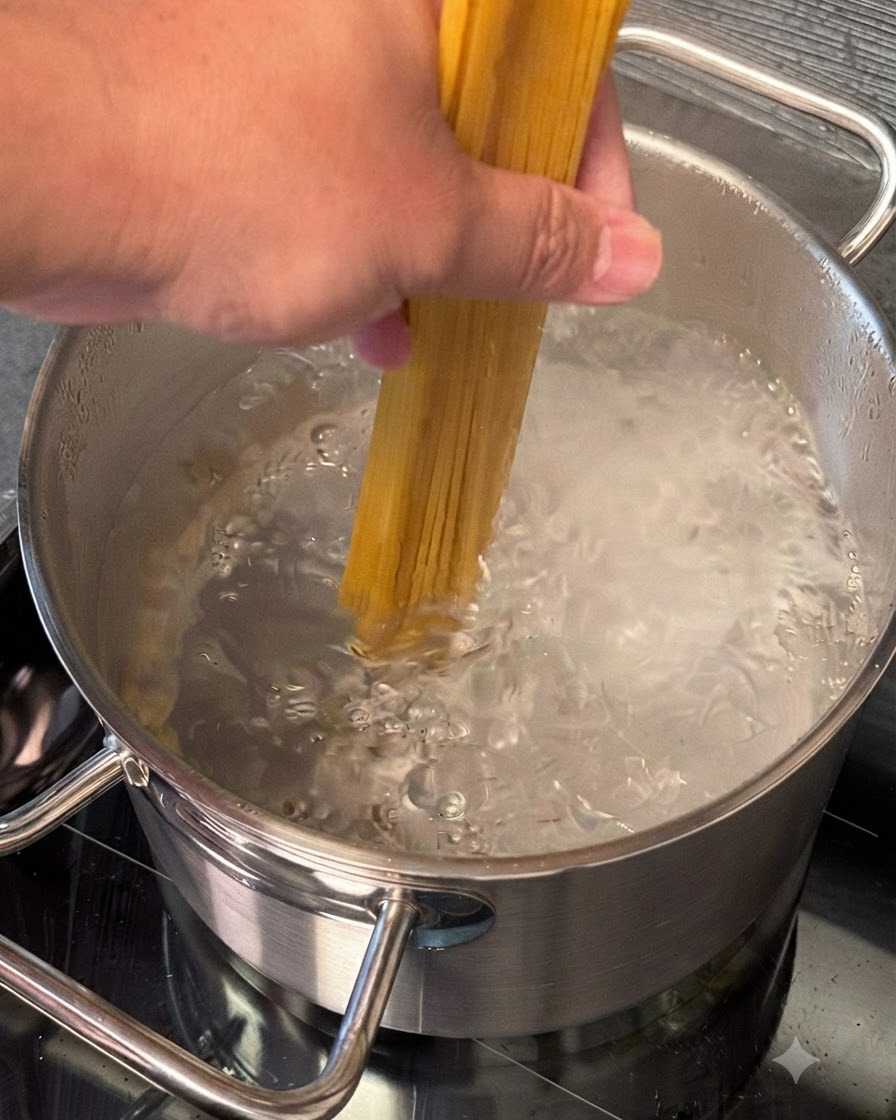
Submerge thick number 7 spaghetti into the boiling salted water and let it cook for 10 minutes.
Tip: Using thick spaghetti helps hold up against the rich egg and cheese sauce. - 3Cube the Cured Meat
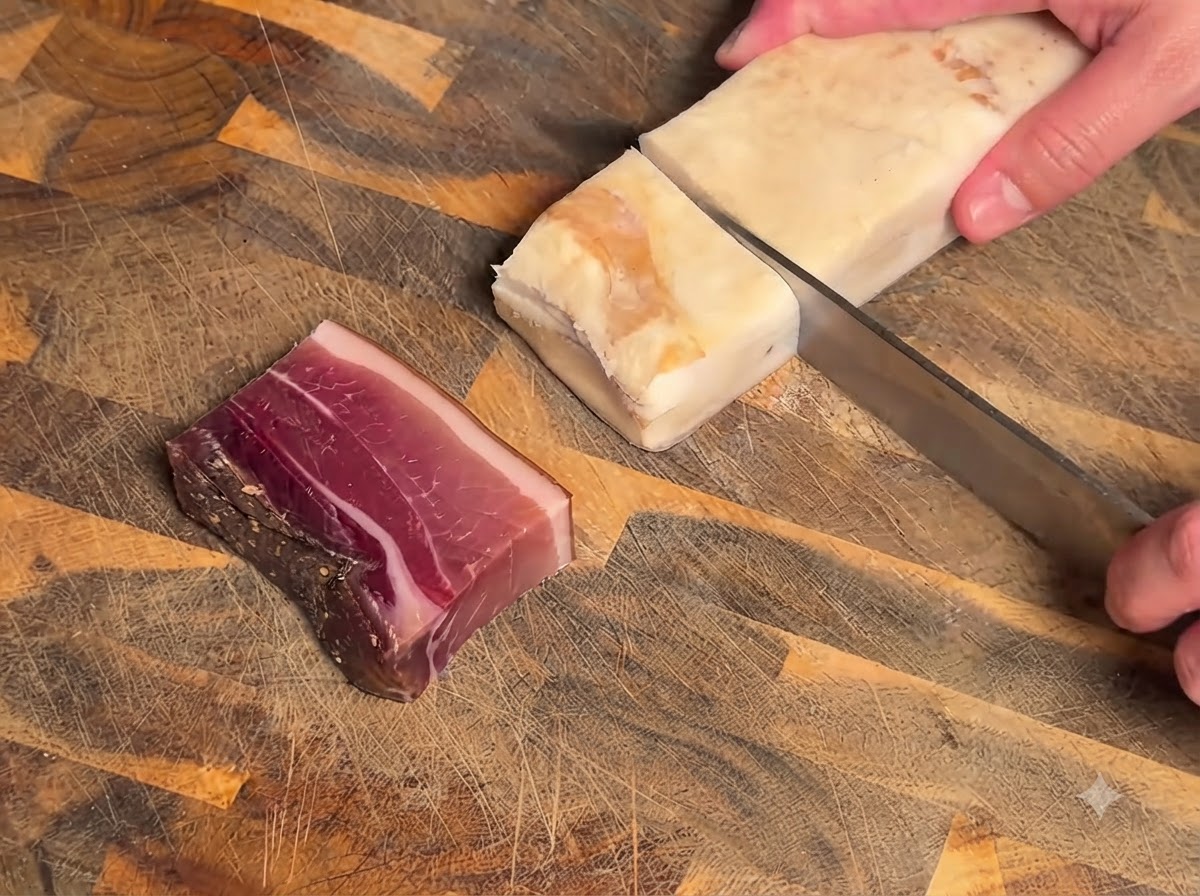
Slice and cube the cured meat and bacon on a wooden cutting board into bite-sized pieces.
Tip: Choose cuts high in fat to ensure plenty of rendered fat for the sauce base. - 4Render the Pork Fat
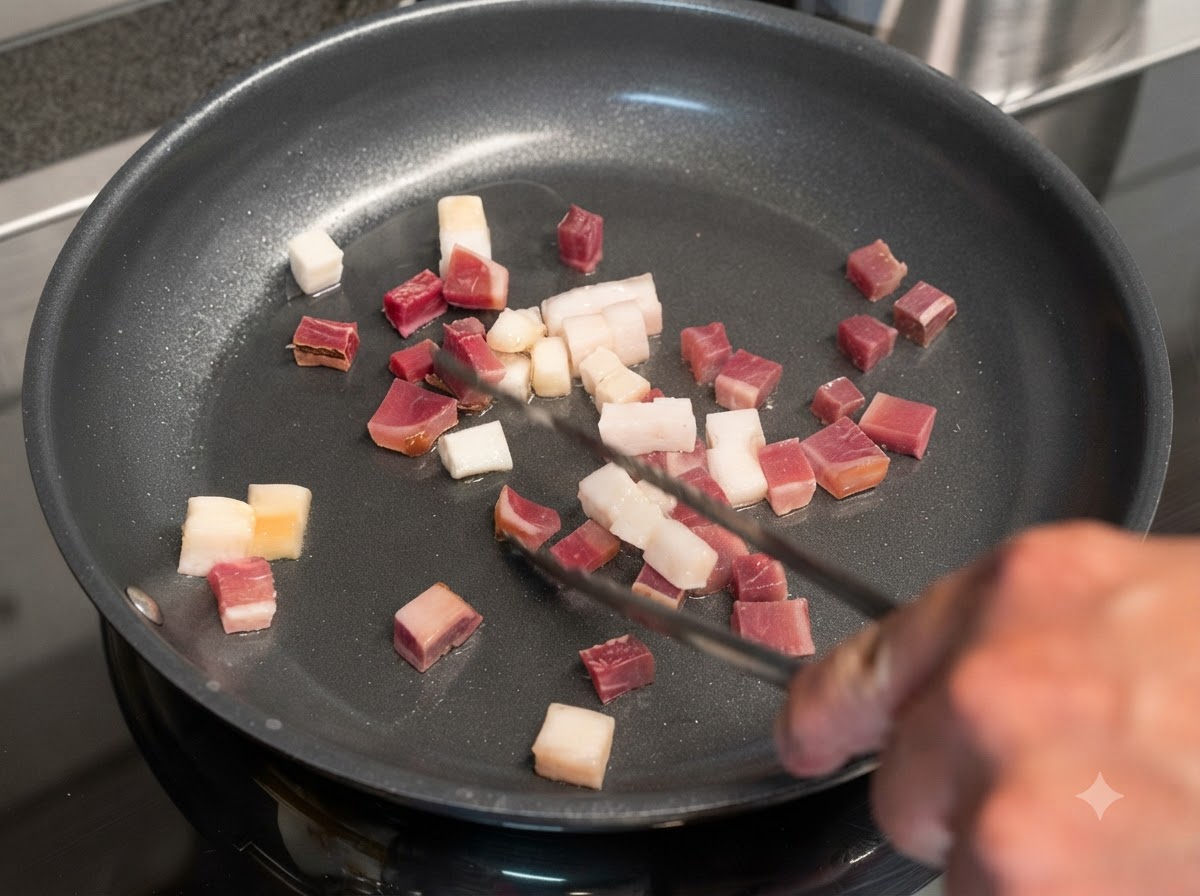
Fry the cubed bacon and cured meat in a skillet without adding any oil, allowing their natural fat to render out until crispy.
Tip: Do not add oil to the pan; let the meat crisp up in its own rendered fat, then turn off the heat to cool. - 5Crack the egg into a bowl
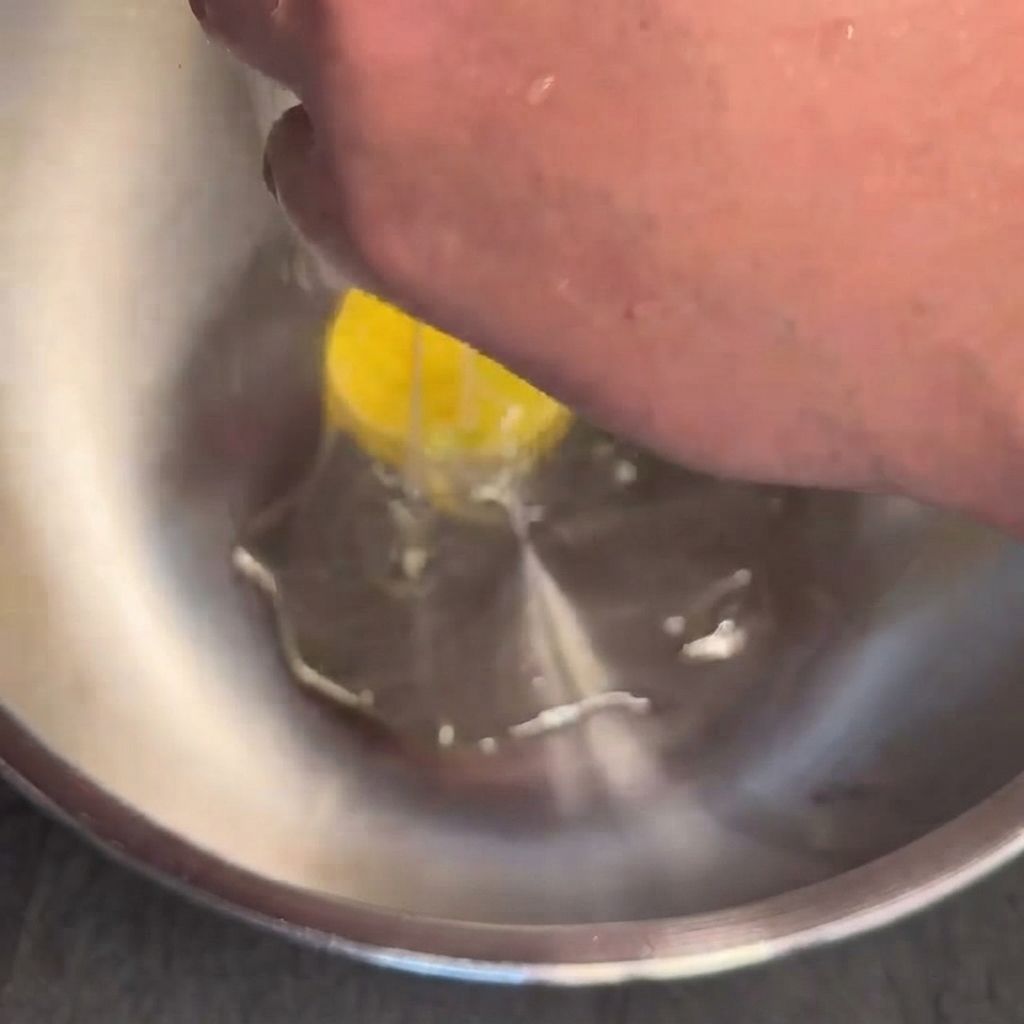
Crack one egg into a metal mixing bowl as the base for the carbonara sauce for a single serving.
Tip: Ensure no eggshells fall into the bowl. - 6Prepare the Cheese and Egg Sauce
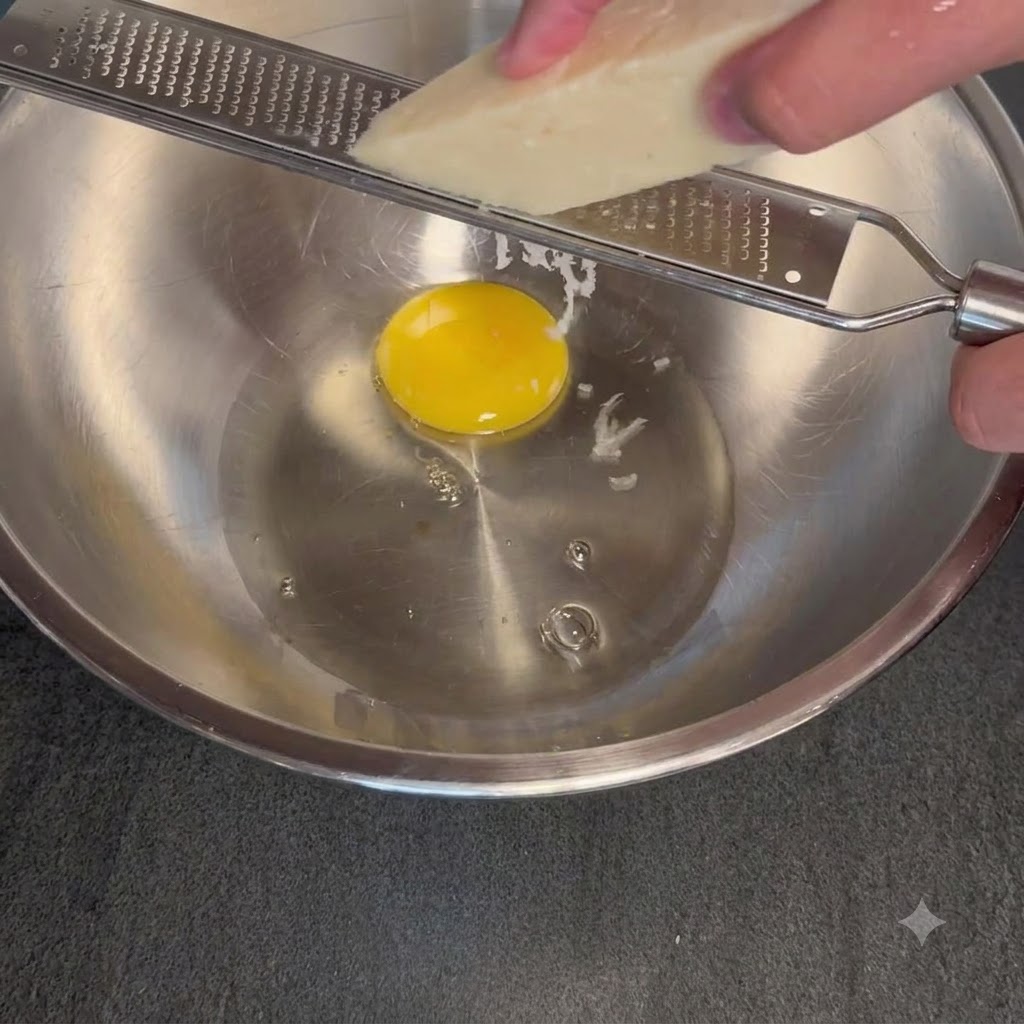
Grate fresh Pecorino Romano cheese directly into a metal mixing bowl containing an egg, creating the foundation for the carbonara sauce.
Tip: Use about half an eggs worth of pecorino romano and parmesan for each single-serving egg. - 7Grate parmesan cheese
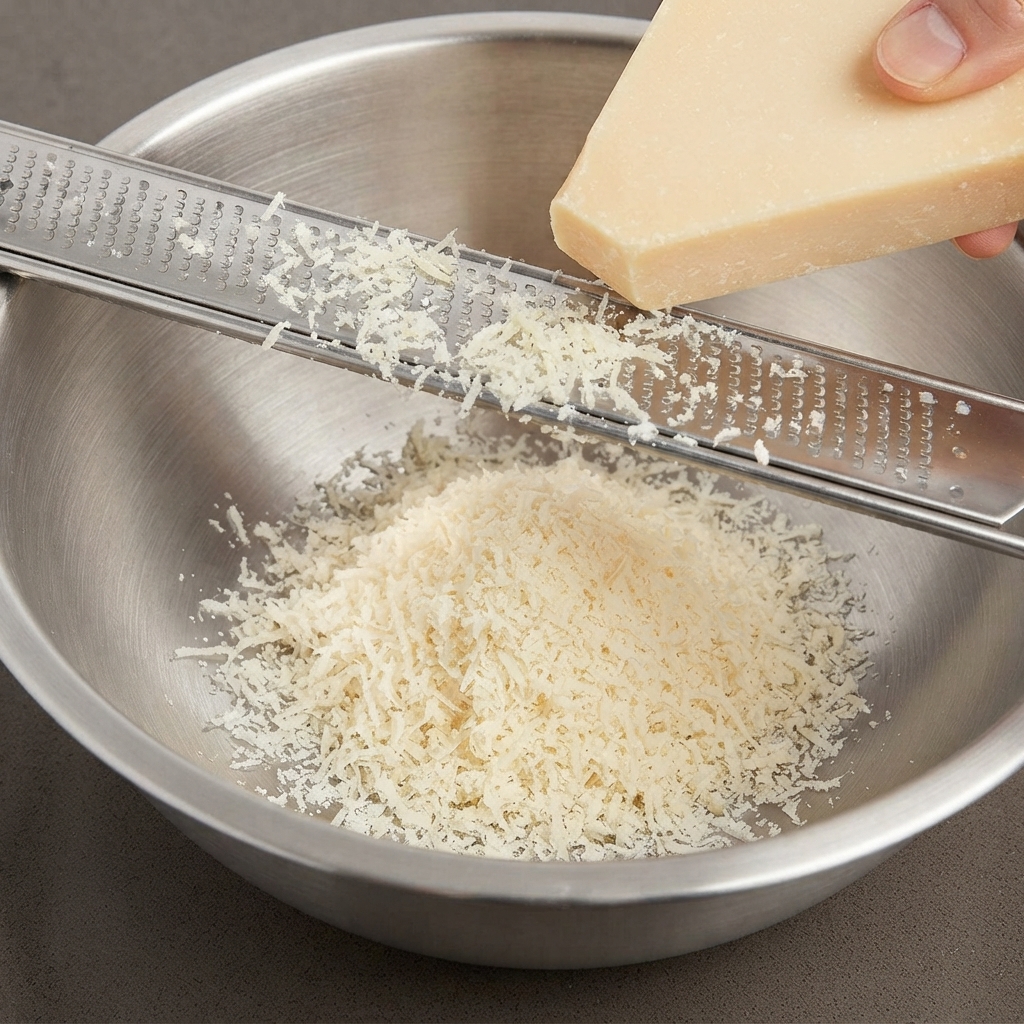
Freshly grate parmesan cheese and pecorino romano cheese into the bowl containing the egg, using about half an eggs worth of each.
Tip: Freshly grated cheese melts much better and provides a richer flavor. - 8Add Black Pepper
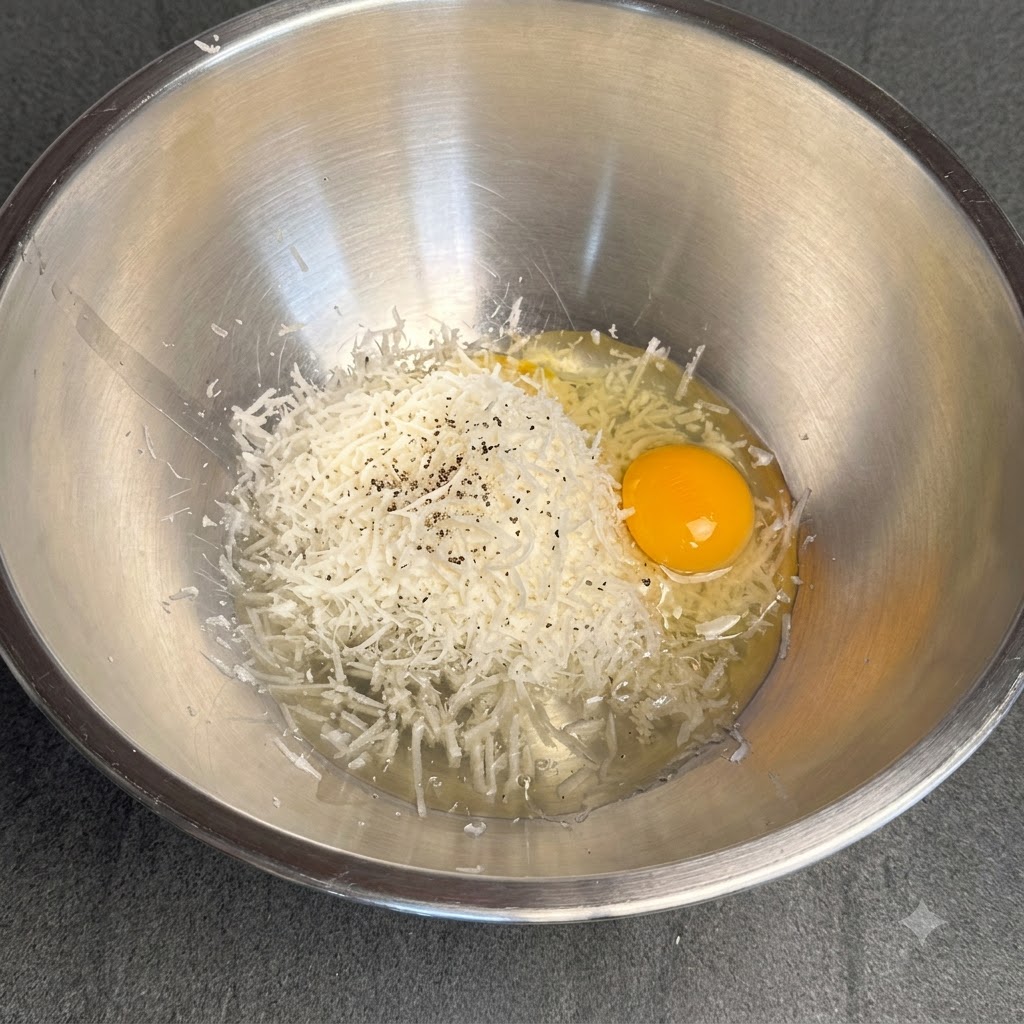
Add a pinch of freshly ground black pepper into the bowl containing the egg, pecorino romano cheese, and parmesan cheese.
Tip: Freshly cracked black pepper provides the best aroma and sharp flavor balance for the sauce. - 9Warm the sauce bowl over steam
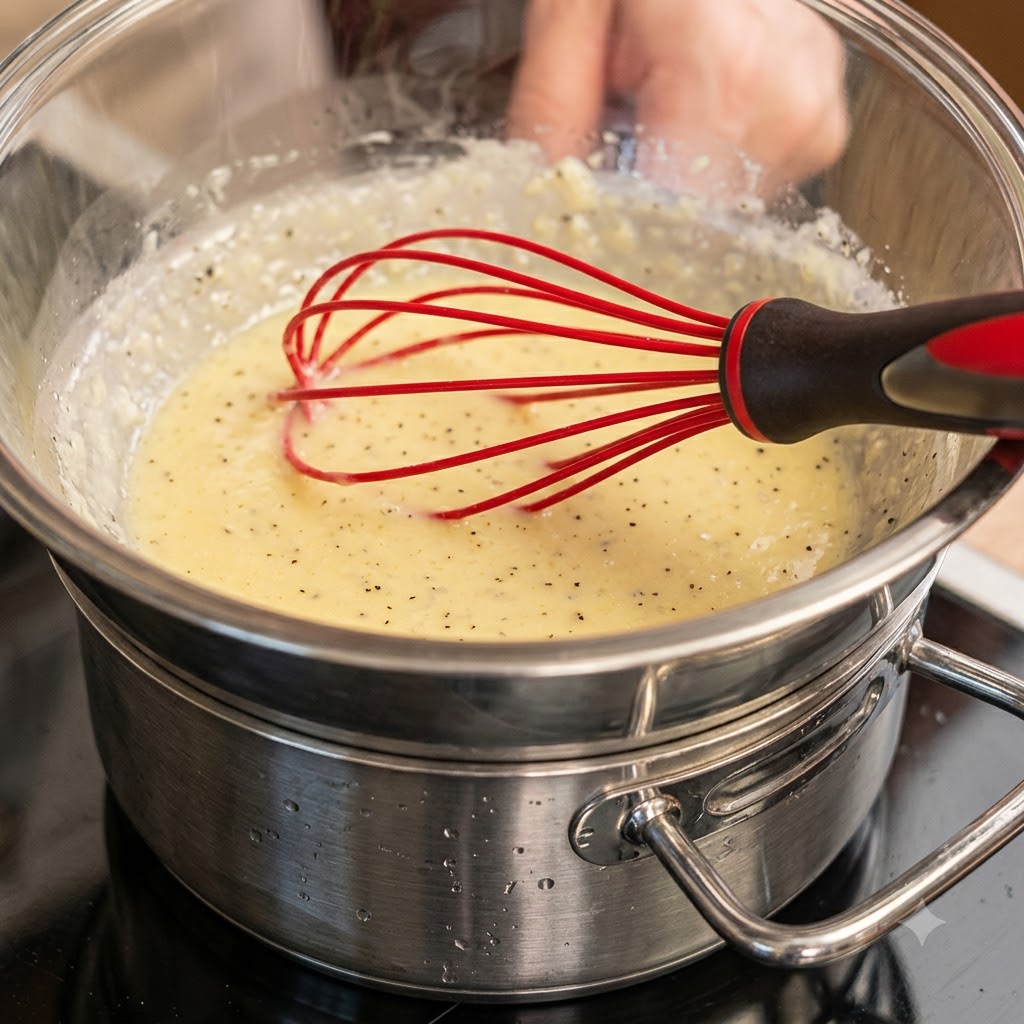
Slightly steam the mixing bowl over the boiling pasta water to gently melt the cheese and warm the mixture without scrambling the egg.
Tip: Do not add cream; the gentle steam heat helps create a smooth consistency. - 10Transfer spaghetti to the skillet
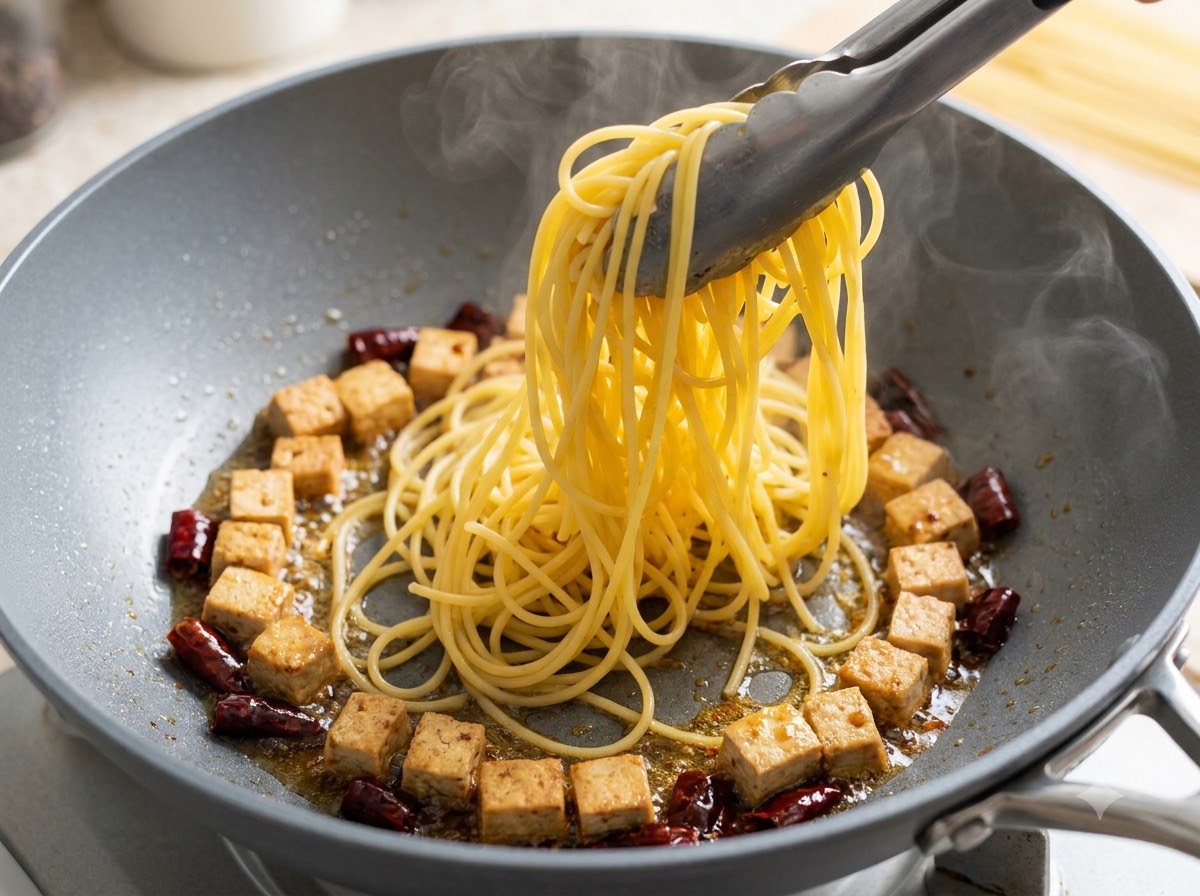
Put the cooked spaghetti into the skillet containing the rendered pork and fat to lower the temperature of the oil and meat.
Tip: Lowering the pan temperature prevents the eggs from cooking too fast later. - 11Add pasta water to the skillet
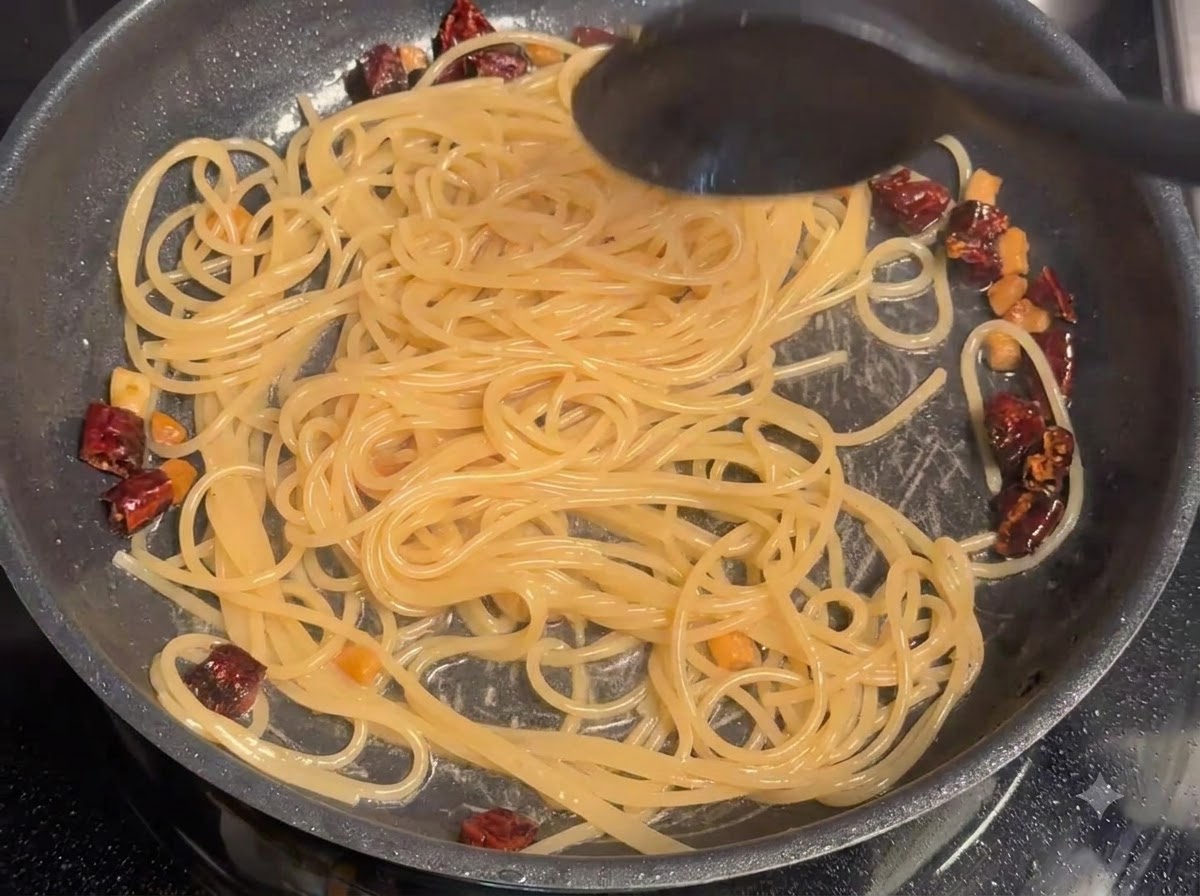
Add two ladles of pasta water into the skillet so it stops sizzling and helps create the sauce emulsion.
Tip: The starchy pasta water is essential for binding the sauce to the noodles. - 12Combine Noodles with Sauce
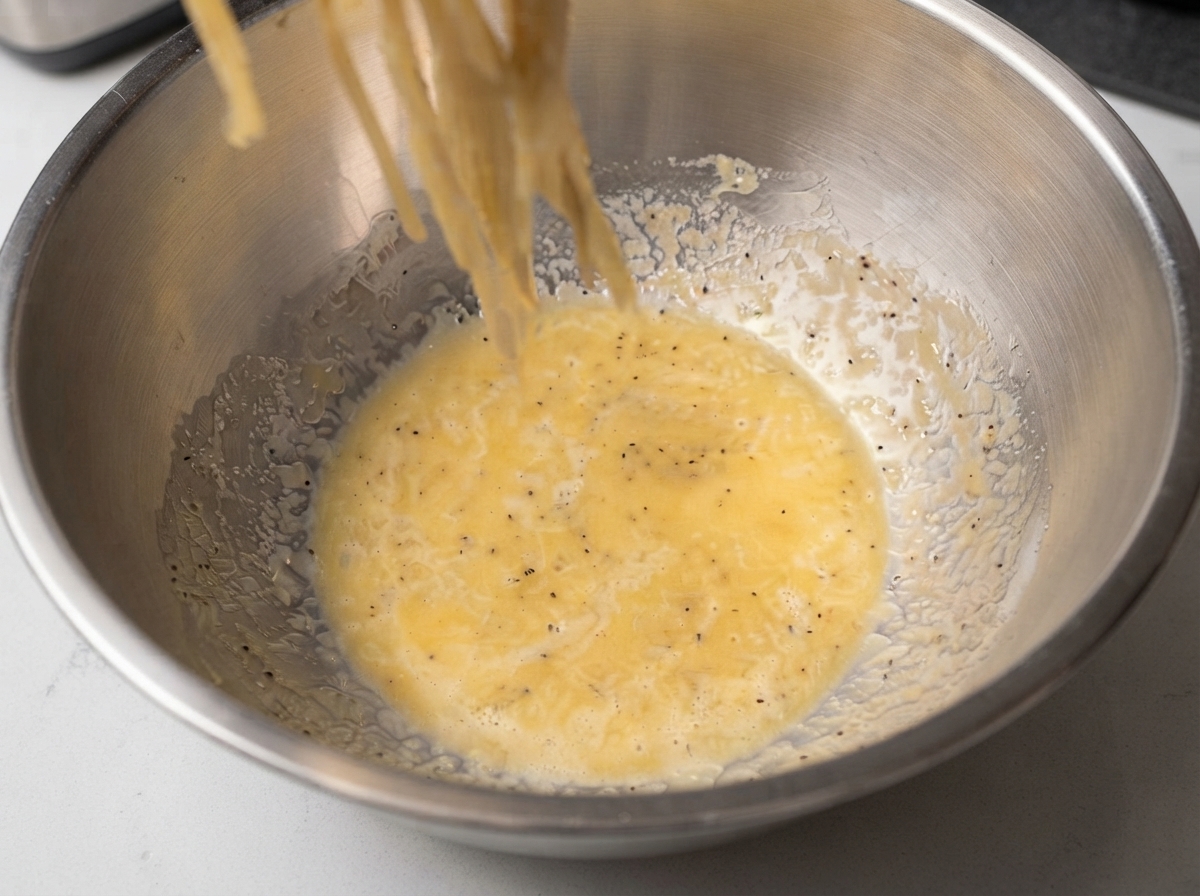
Transfer the cooked spaghetti directly into the metal bowl with the egg and cheese mixture, adding two ladles of pasta water to temper the heat and prevent scrambling.
Tip: Adding pasta water cools down the oil and helps create a smooth emulsion without cooking the egg. - 13Emulsify the Sauce
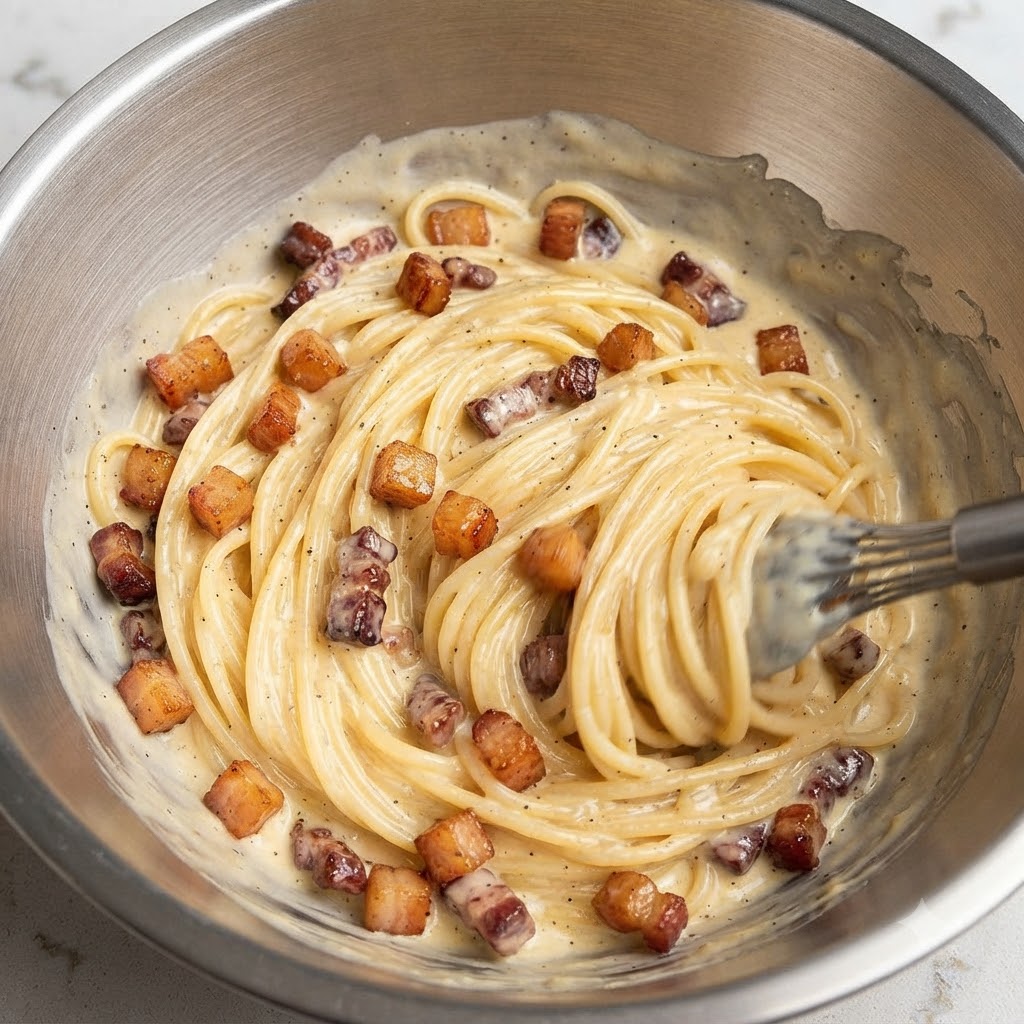
Vigorously whisk and toss the pasta together with the egg, cheese, and rendered meat mixture in the bowl until a creamy, glossy emulsion forms.
Tip: Always mix the sauce in a bowl rather than a hot pan to ensure the eggs thicken smoothly into a rich cream without turning into scrambled eggs.