Hong Kong-Style Shrimp Roe Tossed Noodles (Lo Mein)
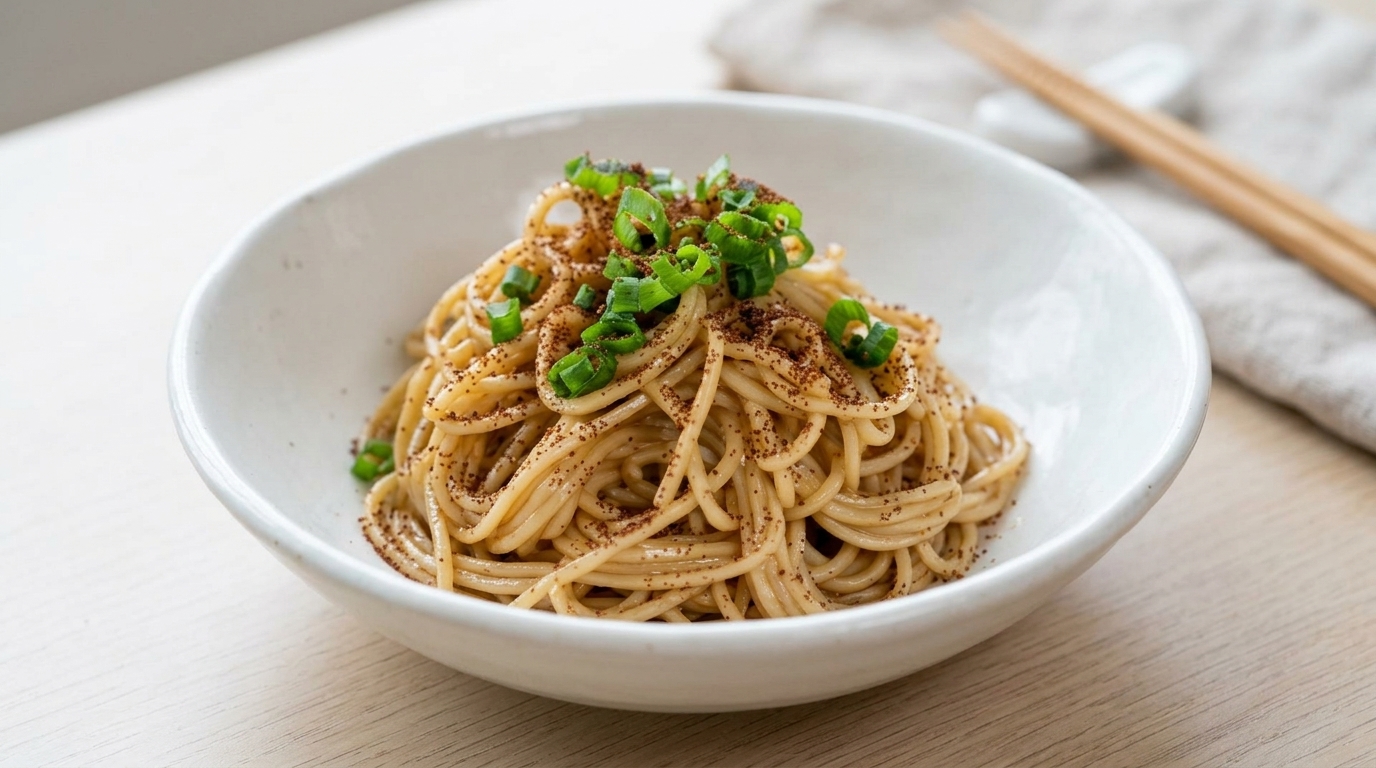
Experience the authentic taste of a Hong Kong classic with this quick and savory shrimp roe lo mein. Featuring fresh bamboo-pressed noodles tossed in rich oyster sauce and topped with umami-packed shrimp roe.
Shrimp roe noodles (ha zi lo mein) are a quintessential Hong Kong comfort food, celebrated for their deep umami flavor and distinctive al dente chew. Using traditional bamboo-pressed noodles (zhuk sang mein), this dish relies on a few high-quality ingredients—savory oyster sauce, premium soy, and dried shrimp roe—to create an aromatic, satisfying meal in minutes.
Ingredients
- 1 portion fresh bamboo-pressed noodles (zhuk sang mein)
- 1 tbsp avocado oil
- 1 tsp lard
- 1 tbsp oyster sauce
- 1 tbsp light soy sauce
- 1–2 tbsp dried shrimp roe powder
- a few leaves lettuce or choy sum
Instructions
- 1Prepare the bamboo-pressed noodles
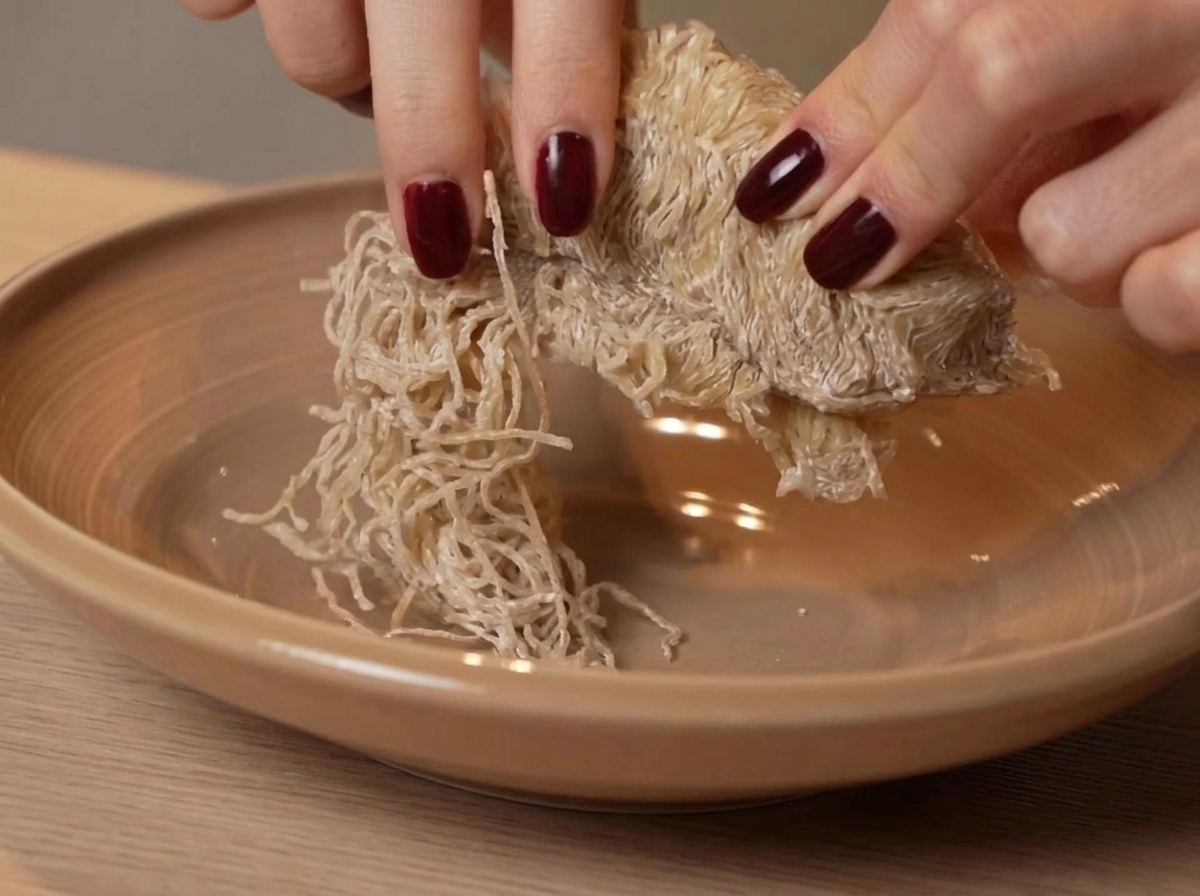
Take the fresh, wet bamboo-pressed noodles and gently pull them apart to loosen the strands. This step is crucial to prevent the noodles from clumping together when they are added to the boiling water.
Tip: If the noodles have a strong alkaline smell, let them sit for an hour or two after separating to mellow out the flavor. - 2Boil the noodles
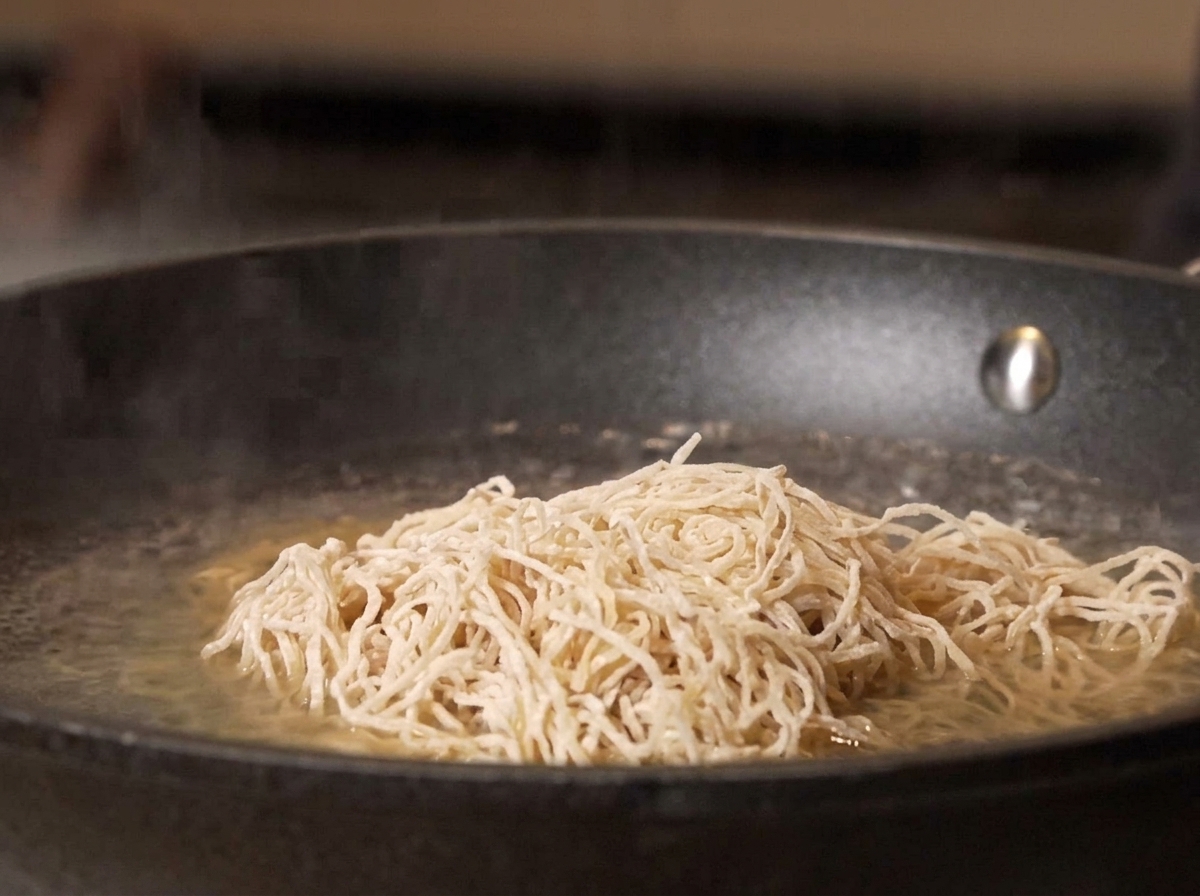
Drop the separated, raw noodles into a pan of vigorously boiling water. Maintain a high heat throughout the cooking process to ensure the right texture.
Tip: Use a large enough pot or pan so the noodles have room to move while cooking. - 3Stir the noodles
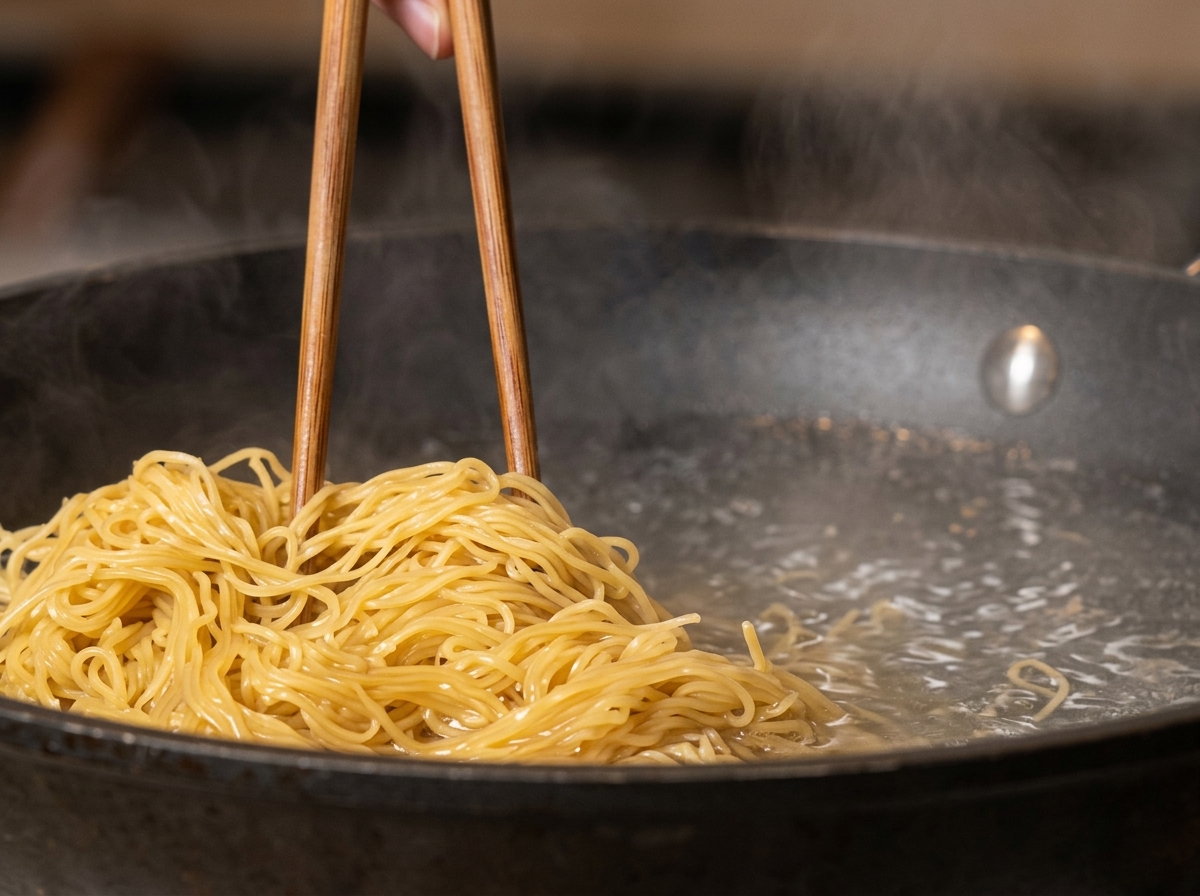
Using wooden chopsticks, actively stir the noodles while they cook in the boiling water. This constant movement keeps the strands loose and ensures even cooking.
Tip: Keep stirring consistently for 40 seconds to 1 minute, depending on your preferred noodle texture. - 4Drain the noodles
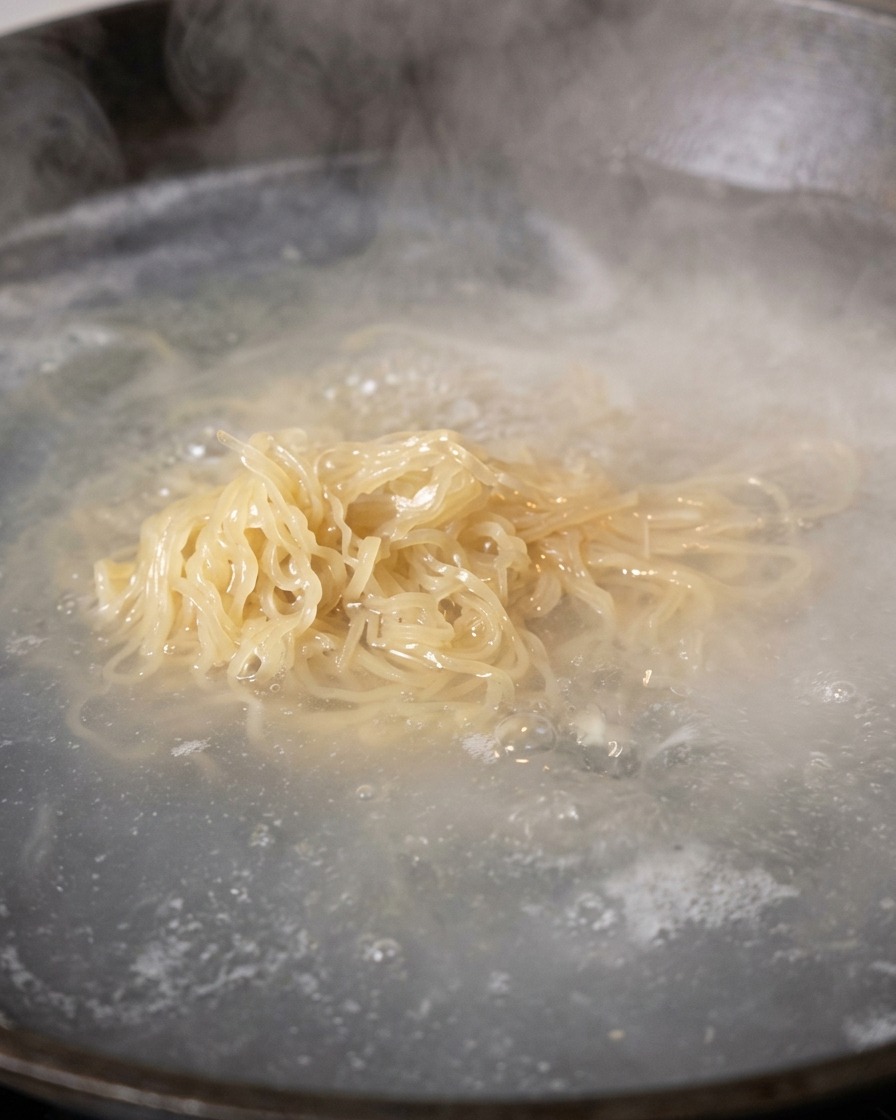
Once the noodles are cooked to your desired texture, lift them out of the boiling water using chopsticks. Allow as much excess water as possible to drip off before transferring.
Tip: Draining well is essential to keep the final dish from becoming soggy. - 5Coat with oil
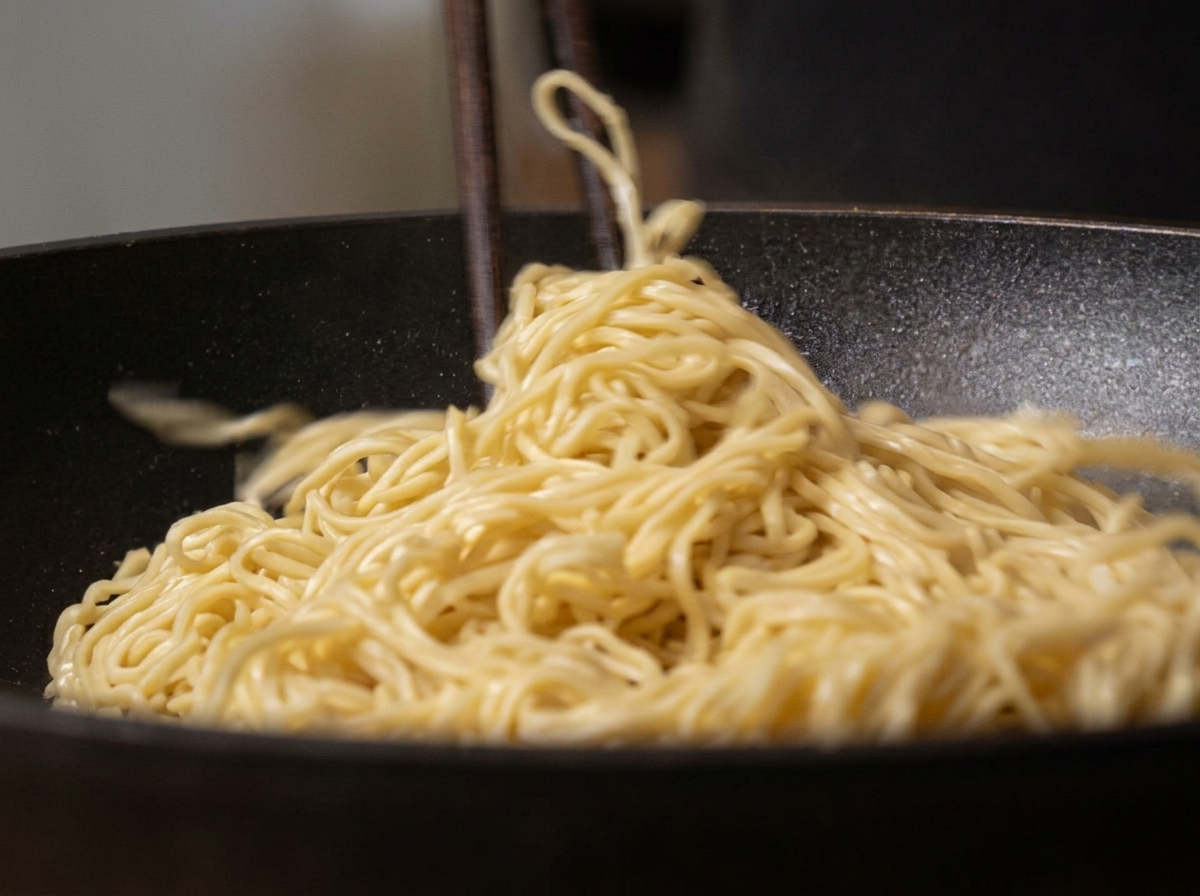
Pour avocado oil into a pan and heat it up, then turn off the heat. Add the drained, cooked noodles to the pan and toss them until every strand is evenly coated with the oil.
Tip: For extra richness, you can mix the noodles with a little lard before adding the other seasonings. - 6Season the noodles
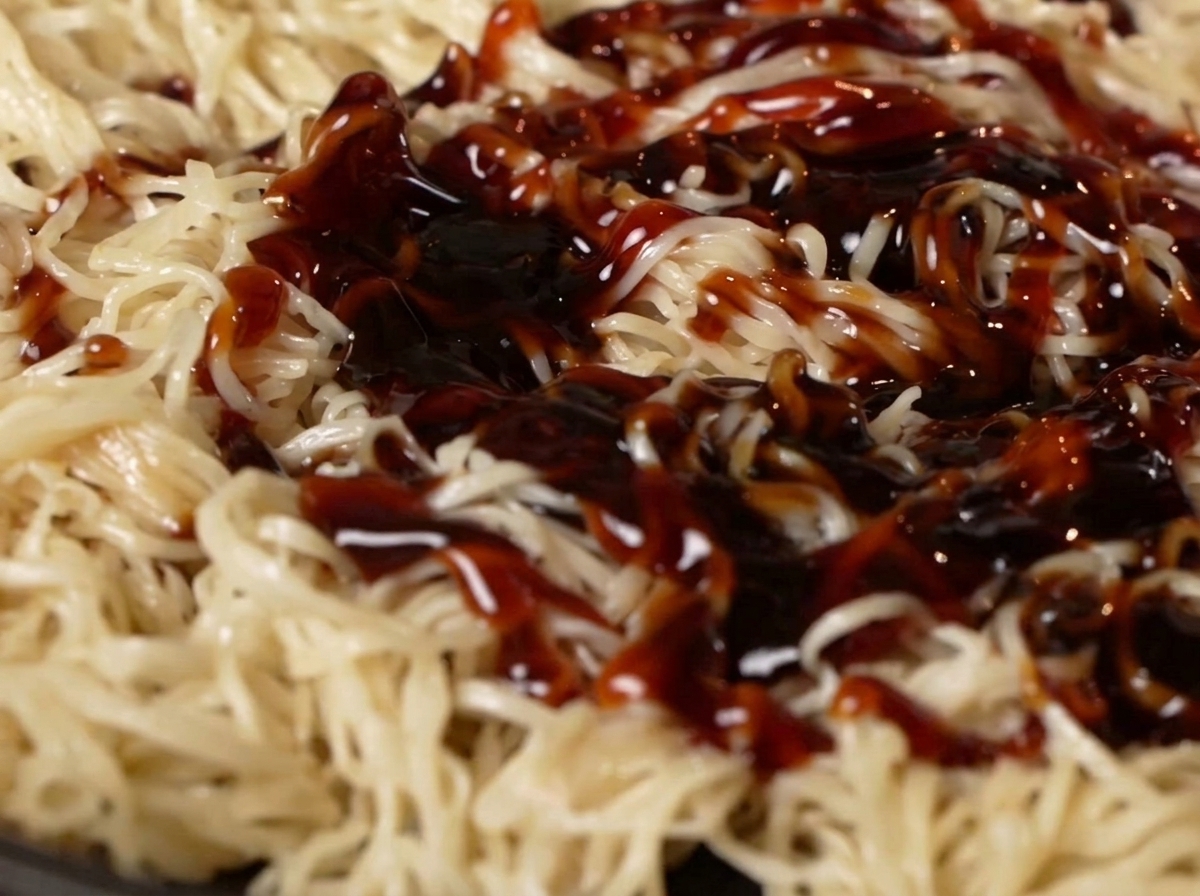
While the noodles are resting in the oiled pan, drizzle the oyster sauce and light soy sauce directly over them to begin building the flavor base.
Tip: Add seasonings gradually and taste as you go to avoid over-salting. - 7Toss noodles with sauce
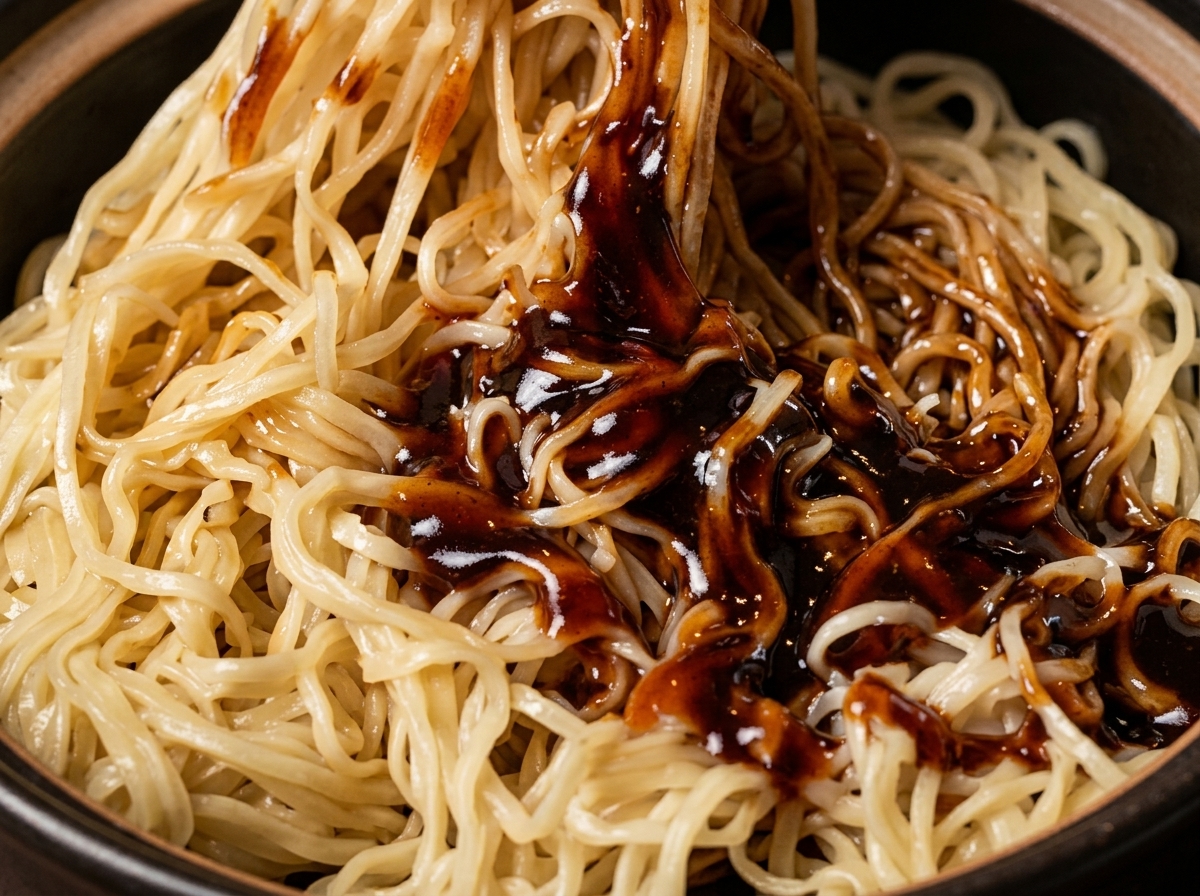
Using chopsticks, toss the noodles vigorously to evenly distribute the rich, dark sauces. Make sure every strand is fully incorporated with the oyster and soy sauce mixture.
Tip: Ensure the heat is off before adding the sauce to prevent burning the soy and oyster sauce base. - 8Sprinkle with shrimp roe
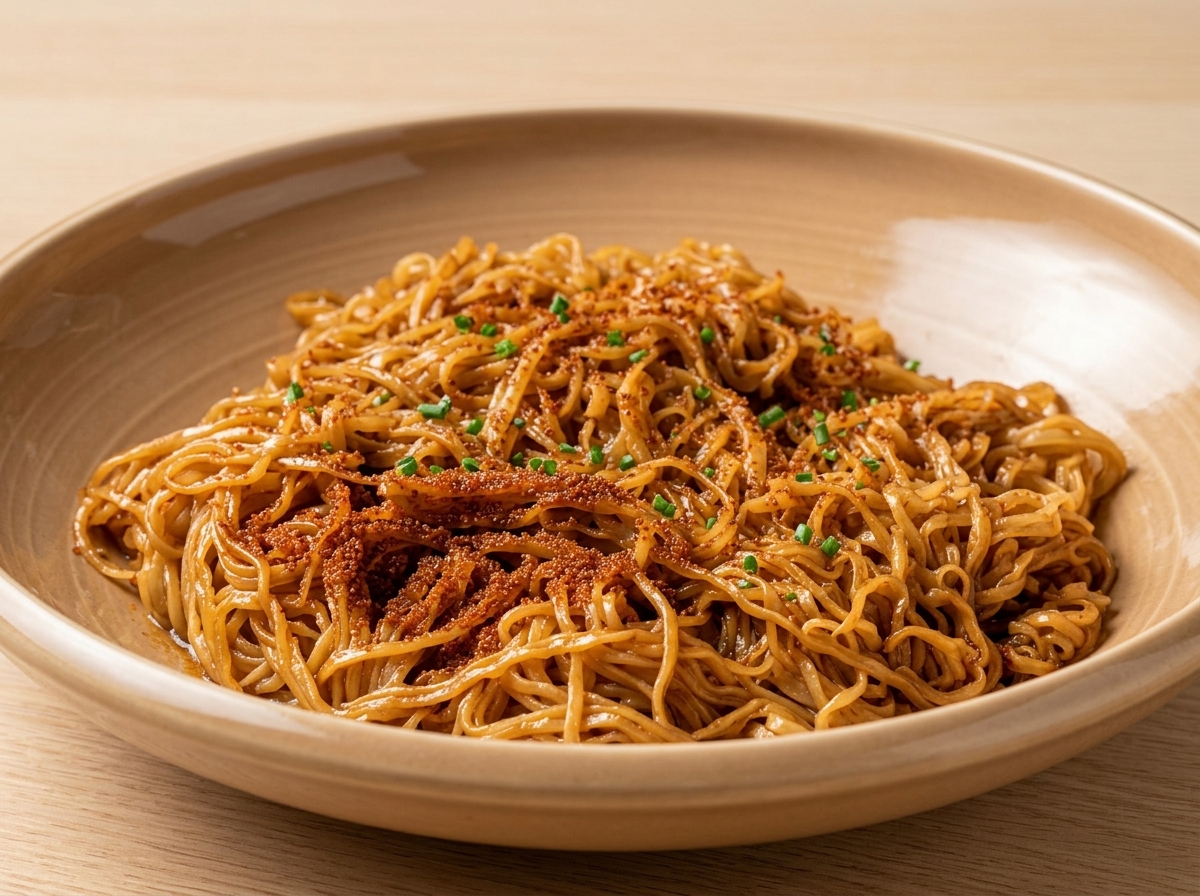
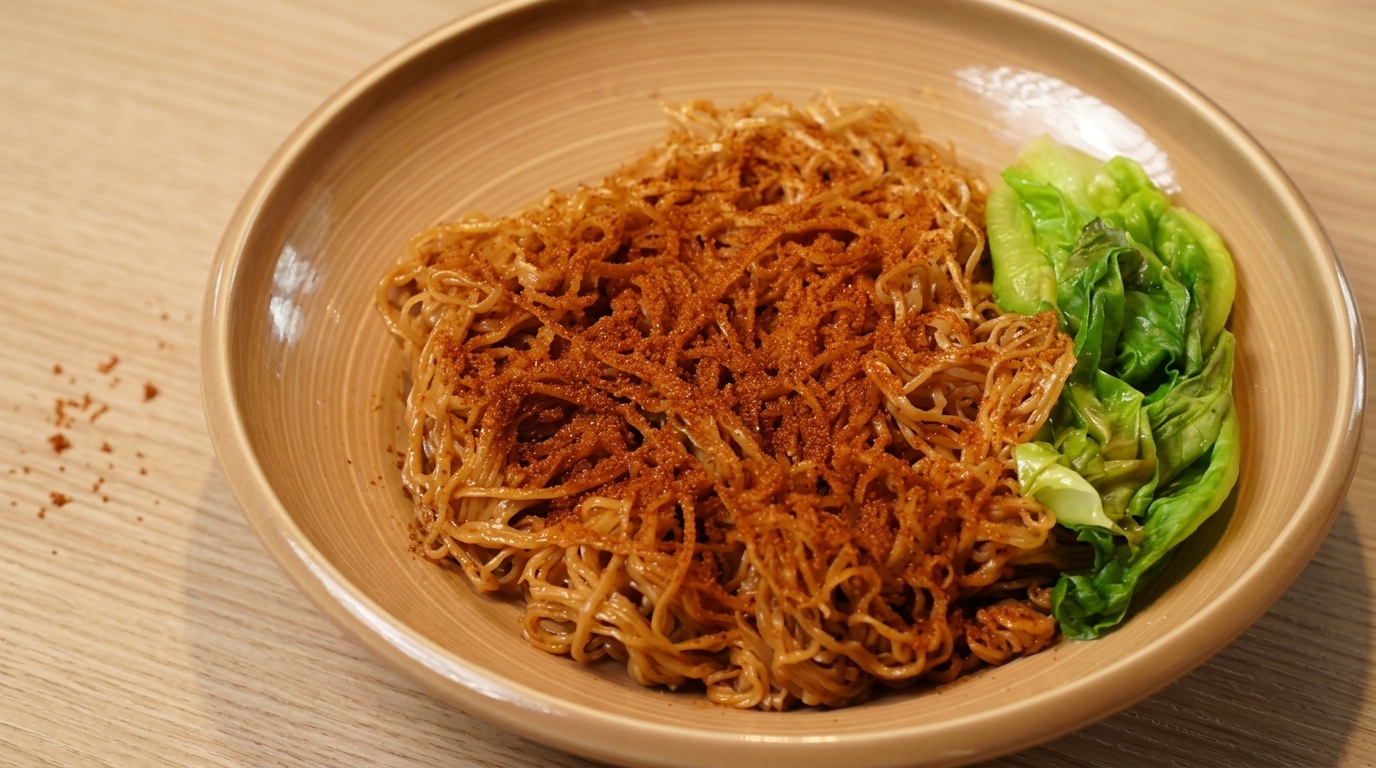
Plate the seasoned noodles into a bowl. Gently sprinkle the shrimp roe generously over the top. Since the shrimp roe is already quite salty, start with a moderate amount and add more according to your taste.
Tip: Shrimp roe adds a wonderful umami depth; be careful not to over-salt as it is naturally savory. - 9Garnish and serve
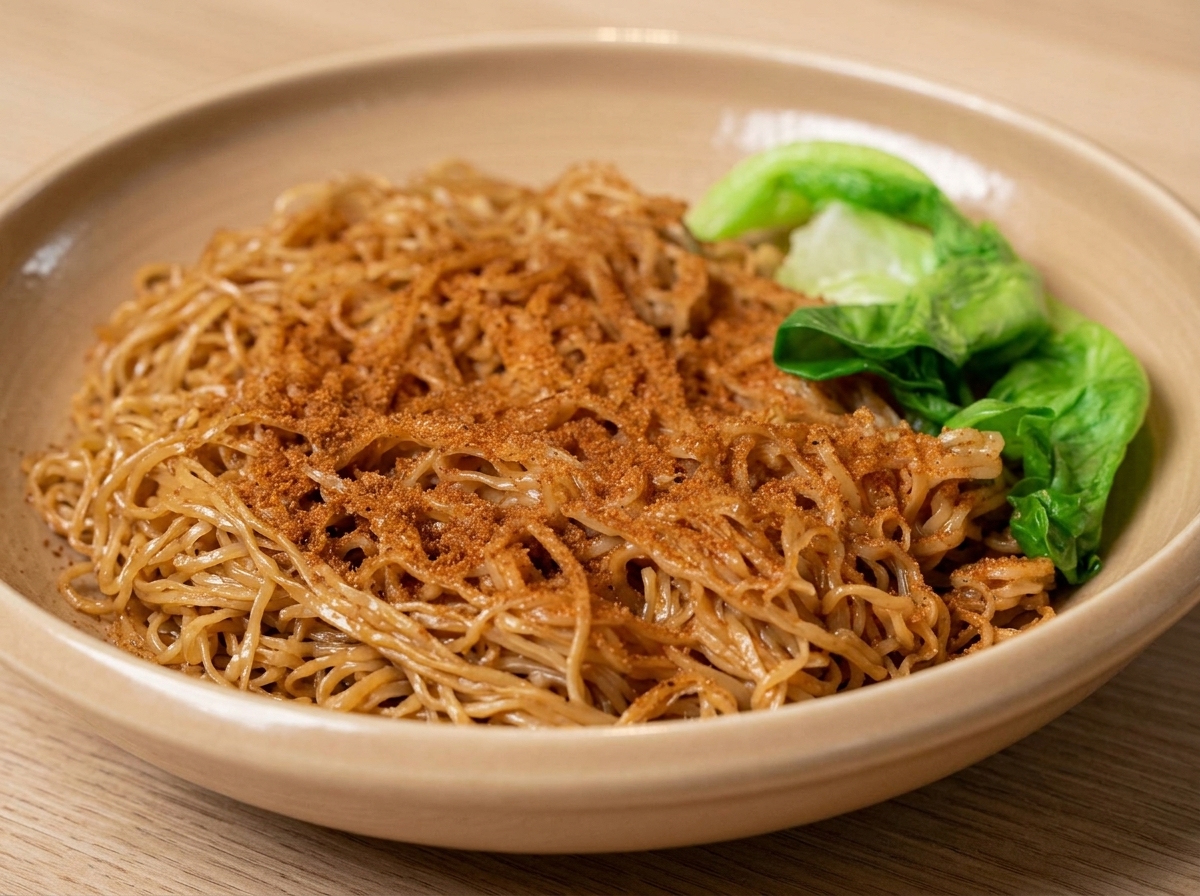
Complete the dish by adding a few pieces of blanched lettuce or choy sum to the side of the bowl. The fresh greens add a nice crunch and balance to the rich, savory noodles.
Tip: Blanch the greens briefly in boiling water to maintain a vibrant green color and crisp texture.