Rich & Creamy Chicken Paitan Ramen Broth
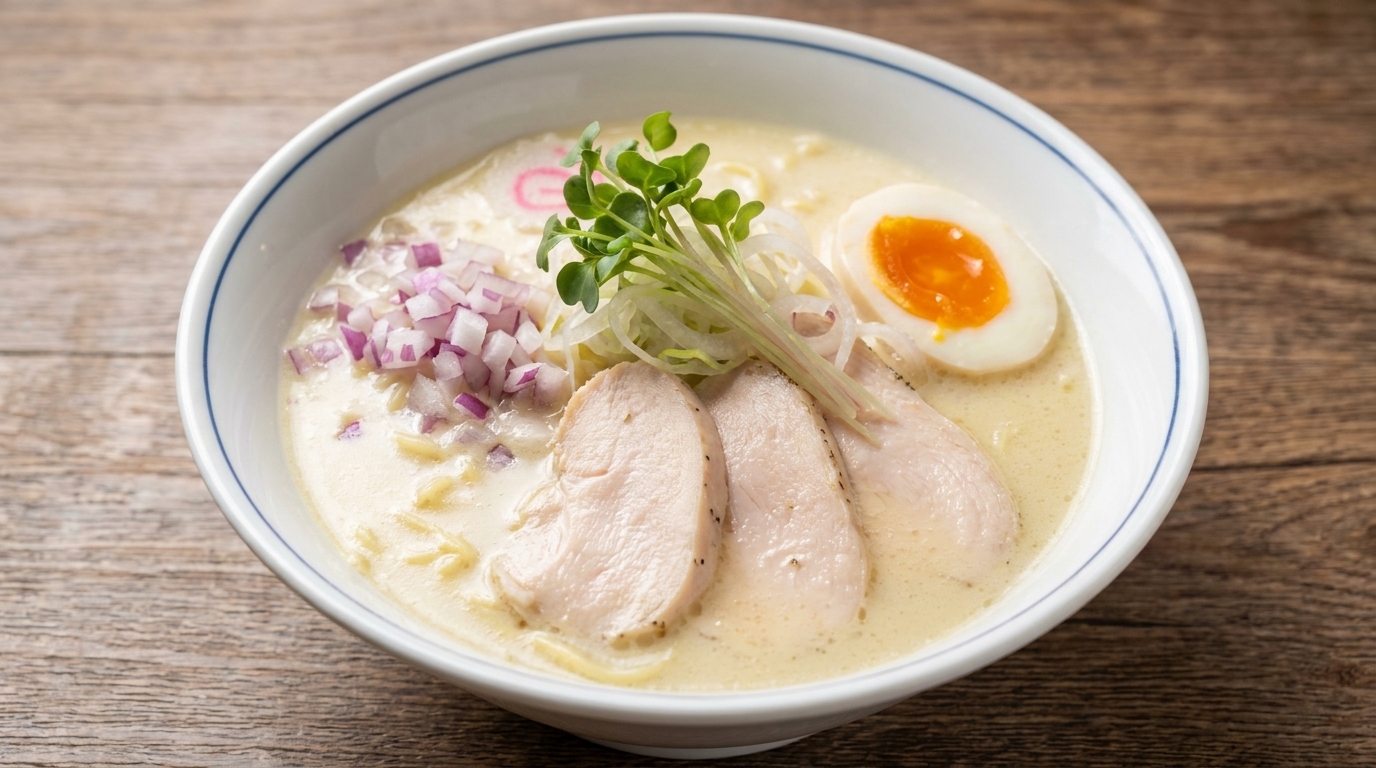
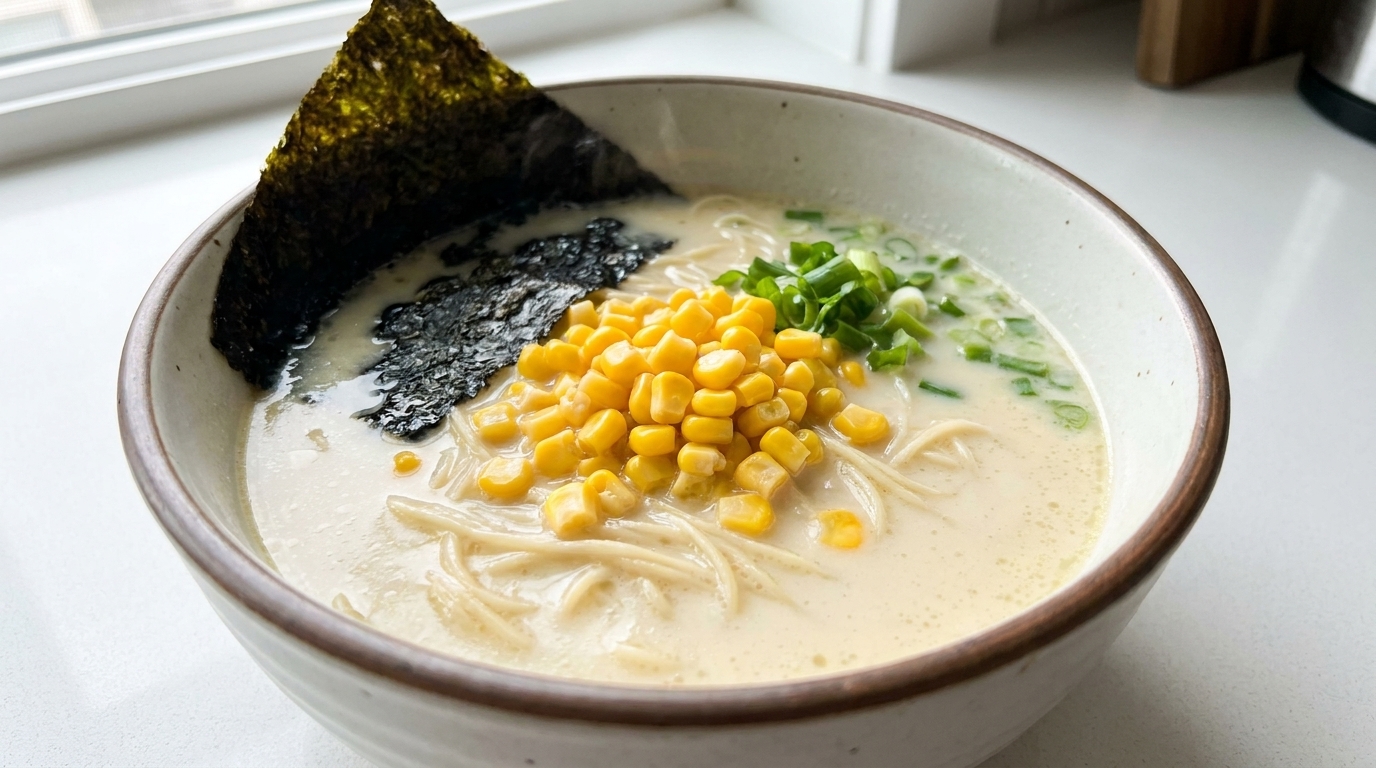
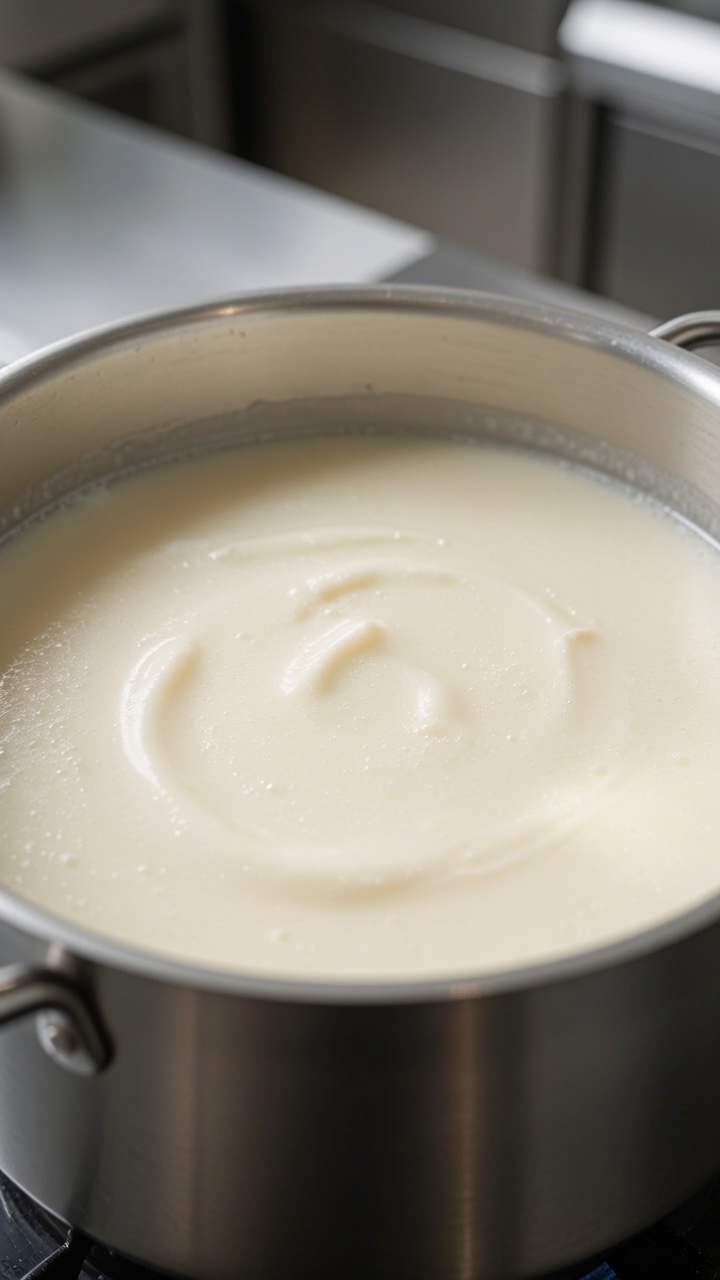
Master the secret to a ramen shop-quality chicken paitan broth. This highly efficient, pressure-cooked recipe yields a rich, naturally emulsified, and creamy white soup base in under an hour.
Chicken paitan is renowned for its luscious, milky consistency, achieved by rapidly boiling collagen-rich chicken and pork bones until the fats and liquids fully emulsify. Using a pressure cooker drastically cuts down the traditional multi-hour simmering process while maximizing flavor extraction. Adding chicken oil right before sealing ensures the resulting broth is intensely savory, perfectly opaque, and ready to serve.
Ingredients
- 1 kg pork leg bones
- 2 kg chicken carcasses
- 500 g chicken feet
- to cover water
- 100 ml chicken oil
Instructions
- 1Prepare the bones and carcasses
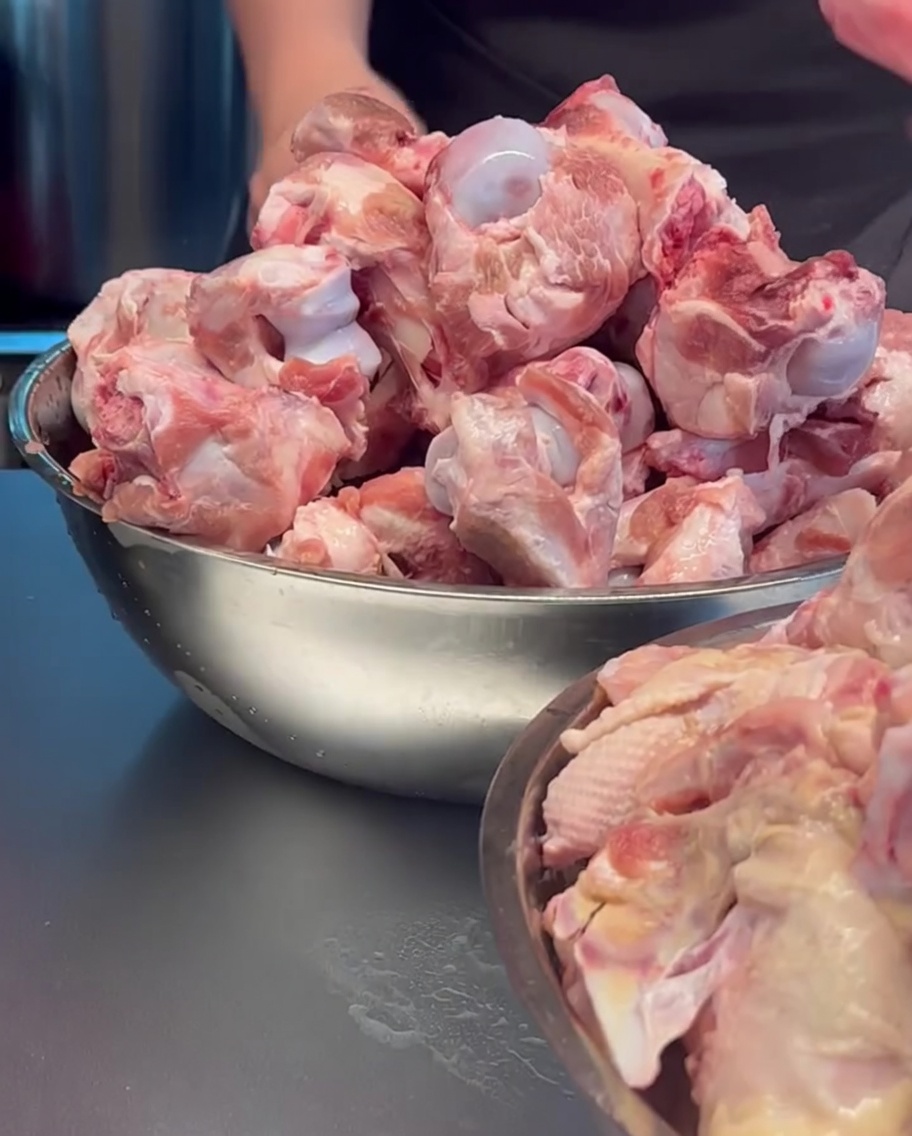
Begin by adding pork leg bones, chicken carcasses, and chicken feet into a large industrial pressure cooker. These ingredients provide the essential collagen and depth needed for a rich, emulsified broth.
Tip: Ensure the bones are fresh and thoroughly cleaned to maintain the purity of the final soup. - 2Add water to the pot
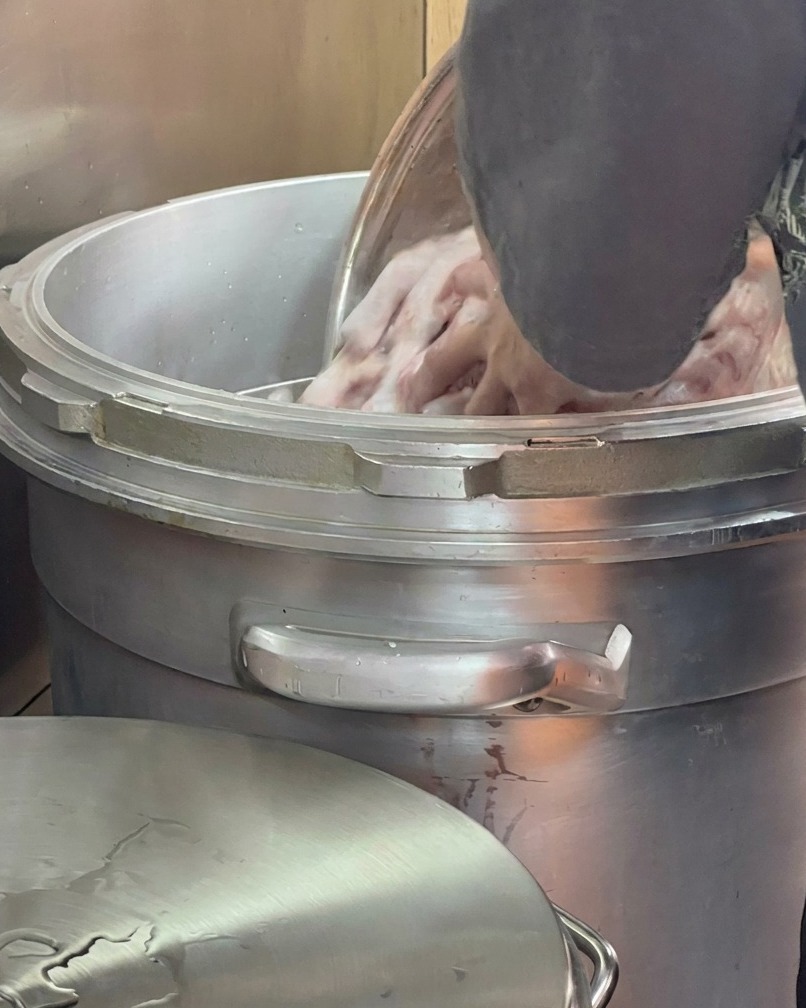
Pour clear water over the prepared bones and chicken carcasses until they are fully submerged. Proper water-to-bone ratio is key to achieving the right concentration.
Tip: Using cold water helps to slowly extract impurities as the pot comes to a boil. - 3Skim the broth
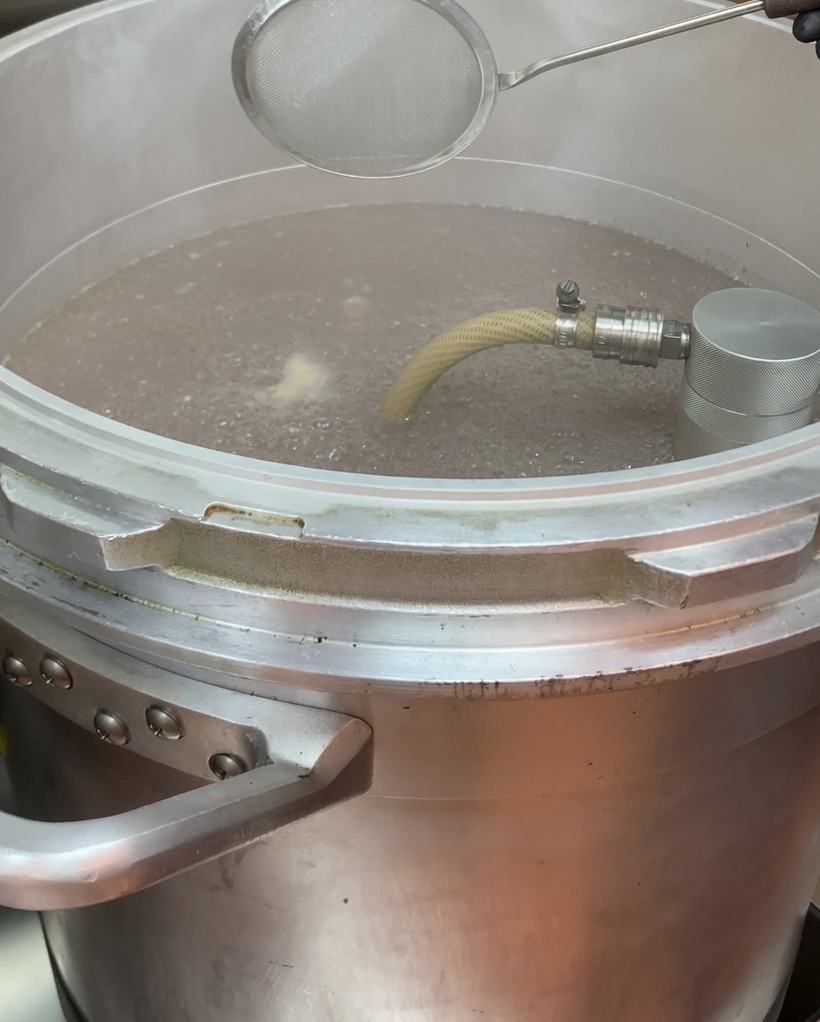
Bring the contents to a boil. Use a fine-mesh skimmer to carefully remove the foam and impurities that rise to the surface, and wipe the edge of the pot. This step is crucial for achieving a clean, professional-looking broth.
Tip: Skim continuously until the surface remains clear to ensure the final result is not cloudy or bitter. - 4Add chicken oil
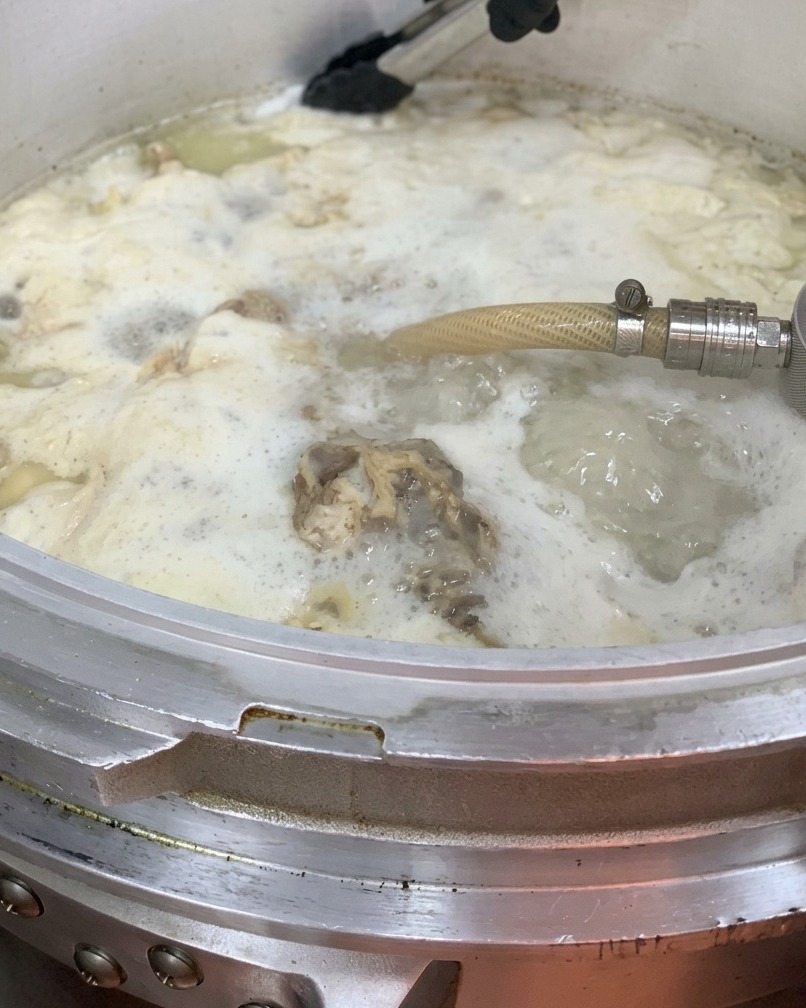
Once the broth is clean, add a portion of chicken oil. This helps with the emulsification process, ensuring the broth becomes creamy and rich once pressure-cooked.
Tip: Adding the fat at this stage helps the proteins and fats blend into a consistent, opaque white emulsion. - 5Pressure cook the broth
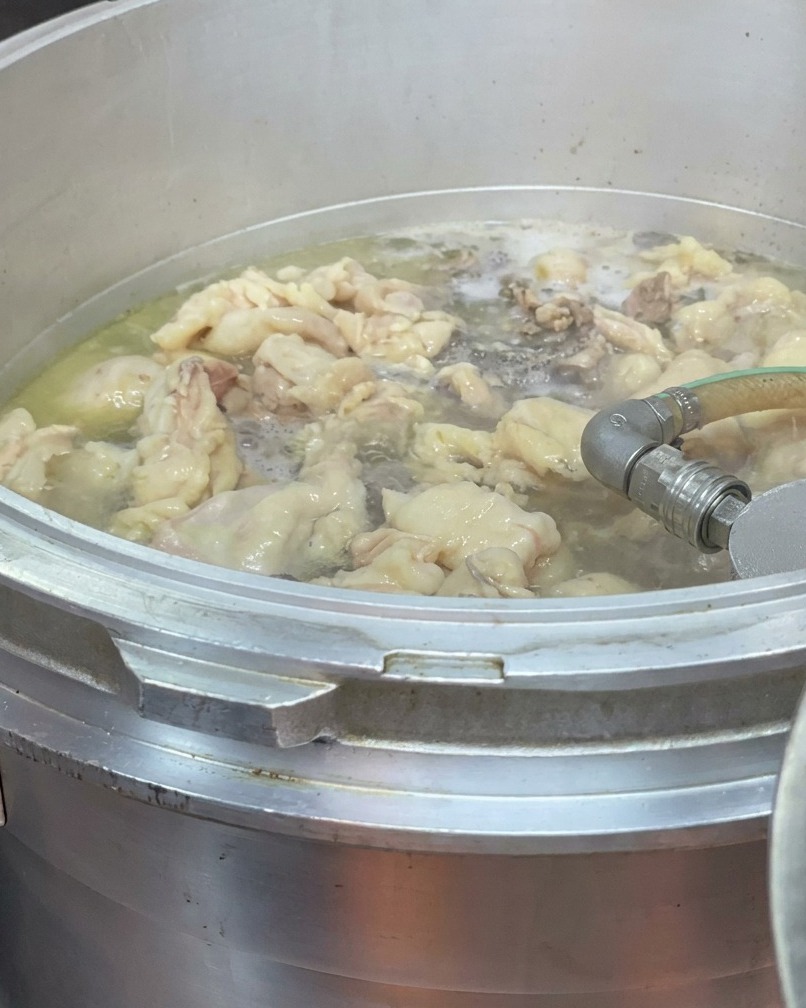
Seal the pressure cooker lid tightly. Cook for 55 minutes, allowing the high pressure to break down the collagen and emulsify the fats and liquids into a dense, flavorful broth.
Tip: Ensure the seal is tight to maintain pressure and achieve maximum extraction.