Classic Garlic Shrimp Pasta (Aglio e Olio)
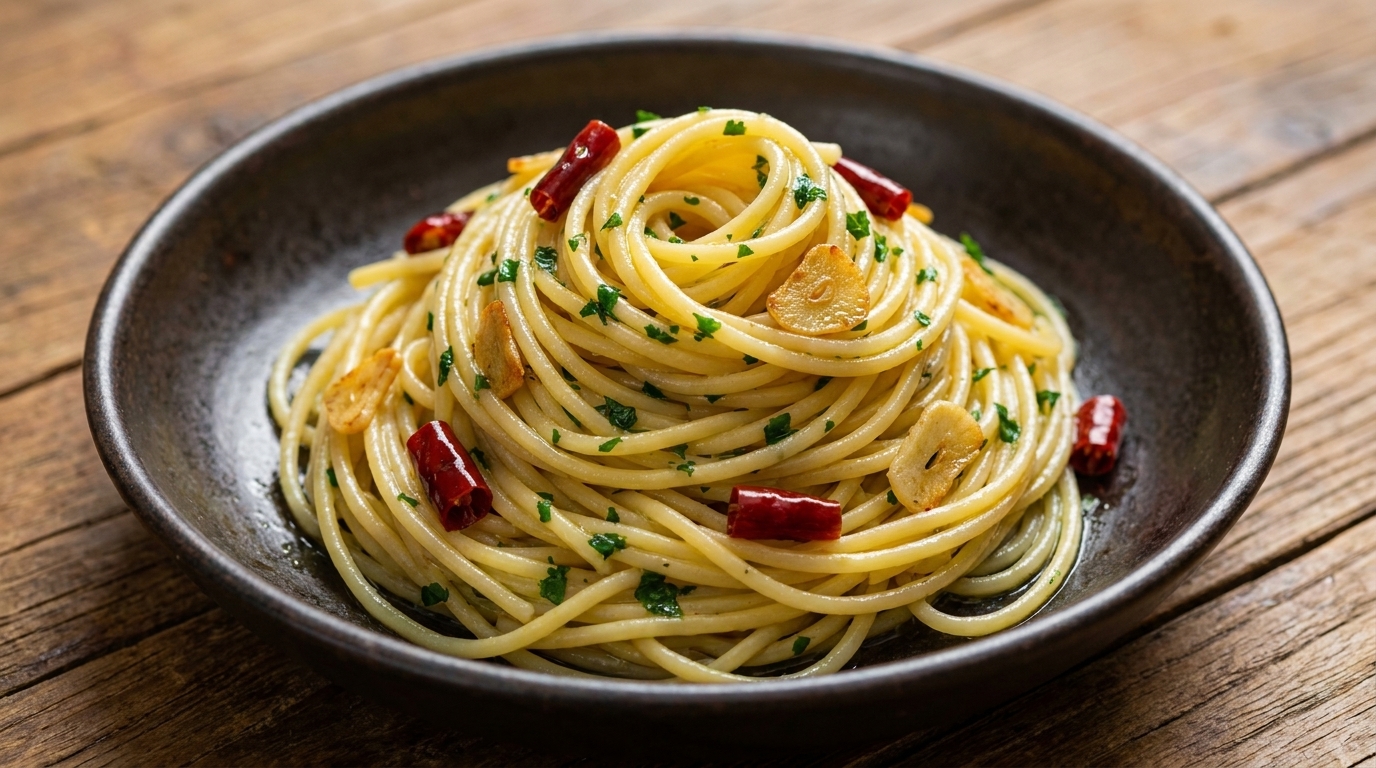
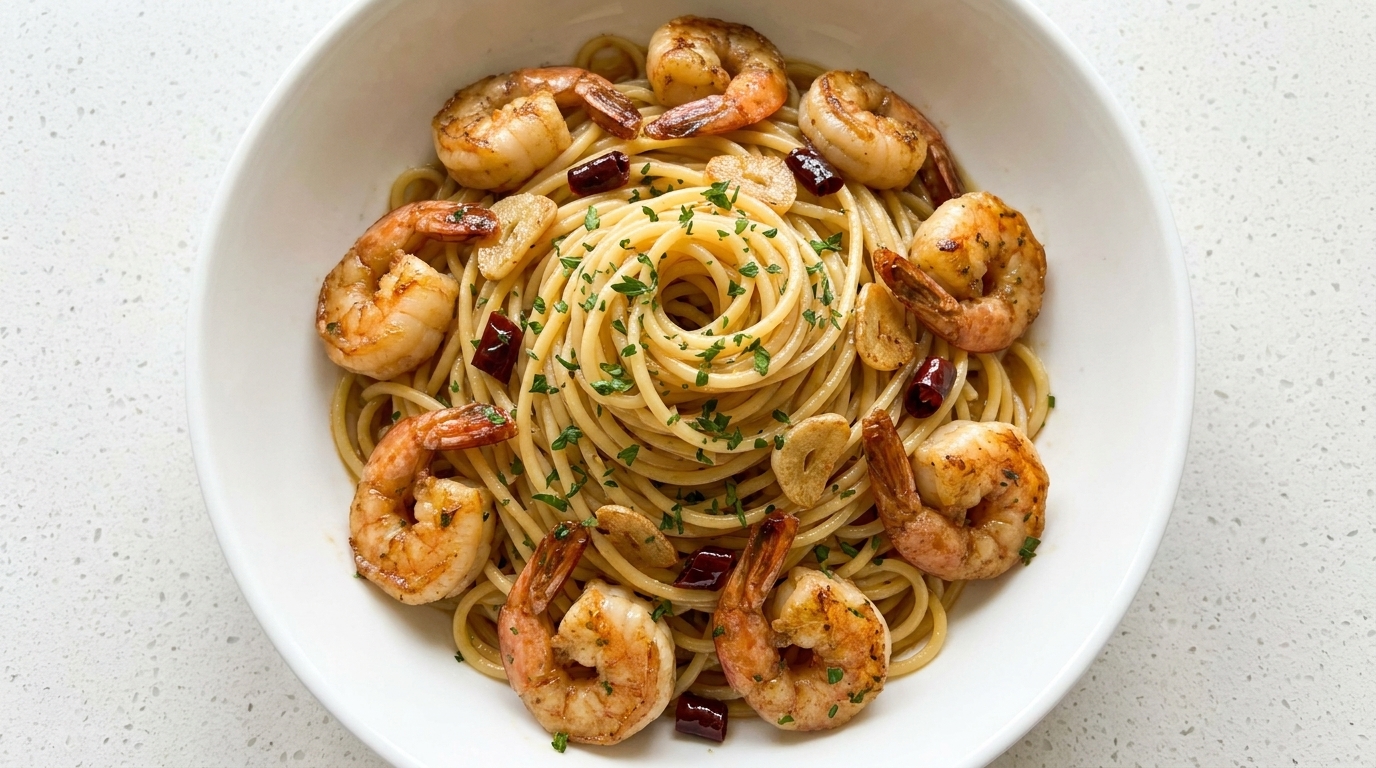
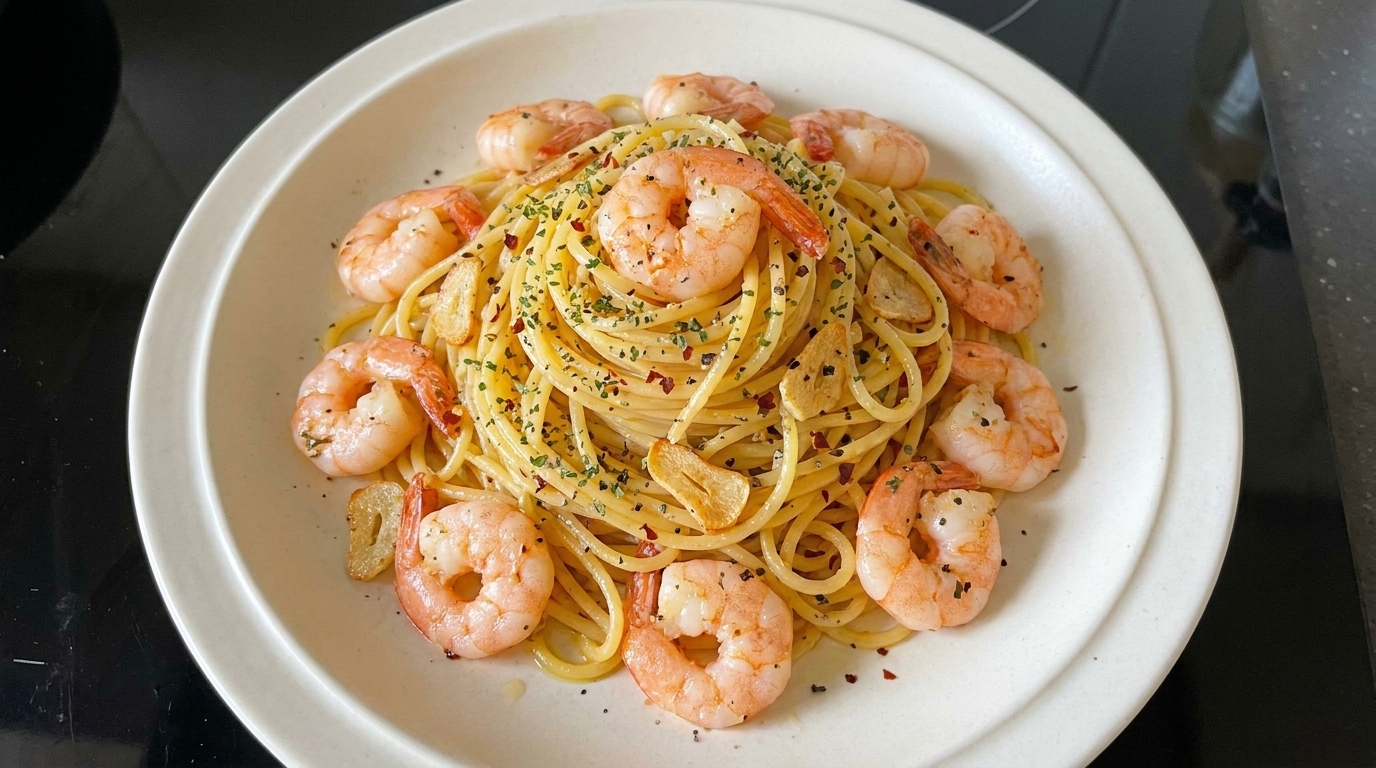
Master this elegant Shrimp Aglio e Olio. Plump shrimp and silky spaghetti are tossed in a fragrant, spicy garlic-butter sauce for the perfect weeknight dinner.
While traditional Spaghetti Aglio e Olio is a masterpiece of minimalism relying solely on olive oil, garlic, and chili, this variation introduces sweet, plump shrimp and a touch of butter for added richness. The key to this dish lies in the gentle toasting of the garlic—it should turn just golden enough to sweeten the oil without becoming bitter.
Ingredients
- 200 g spaghetti
- 250 g raw shrimp, peeled
- 5 cloves garlic
- 3 tbsp olive oil
- 1 tbsp butter
- 12 tsp red chili flakes
- 1 tsp garlic powder
- to taste salt and freshly ground black pepper
- to garnish dried or fresh parsley
Instructions
- 1Fill the pot with water
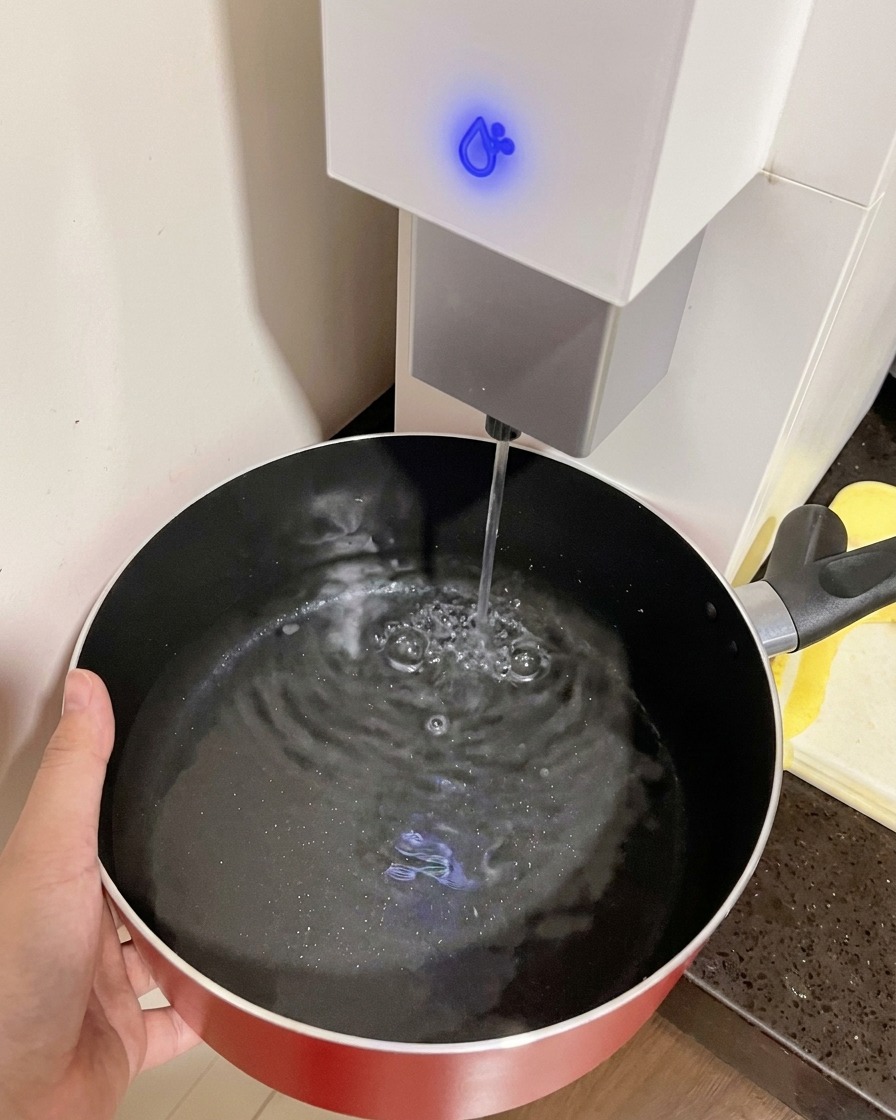
Begin by filling a medium-sized red pot with fresh water from the dispenser. Place the pot on the stove and turn the heat to high to bring the water to a rapid boil.
Tip: Using filtered water can yield a better-tasting final pasta dish. - 2Slice the garlic
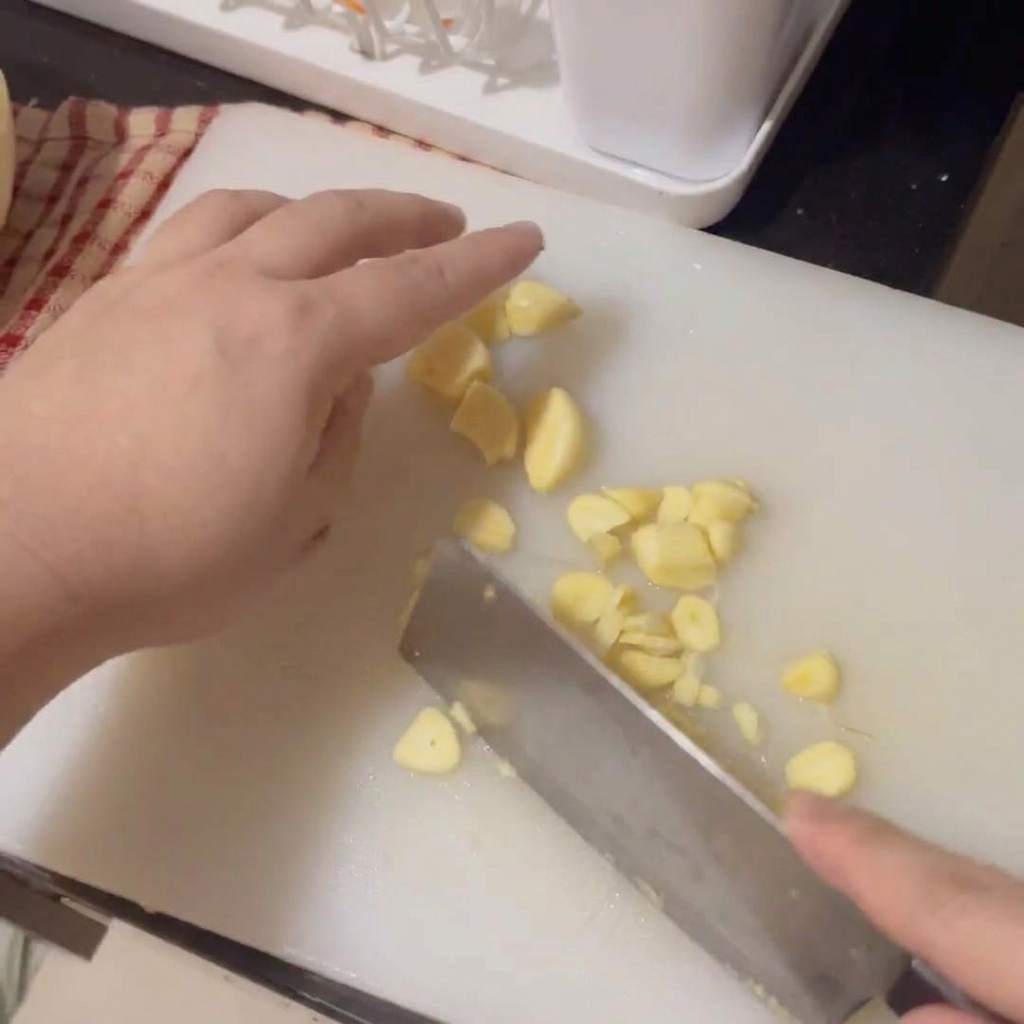
While the water is heating up, peel several cloves of fresh garlic and slice them into thin pieces on a cutting board. Gather the sliced garlic and set it aside for sautéing later.
Tip: Thinly sliced garlic infuses the oil evenly and provides a better texture in the final dish compared to minced garlic. - 3Cook the spaghetti
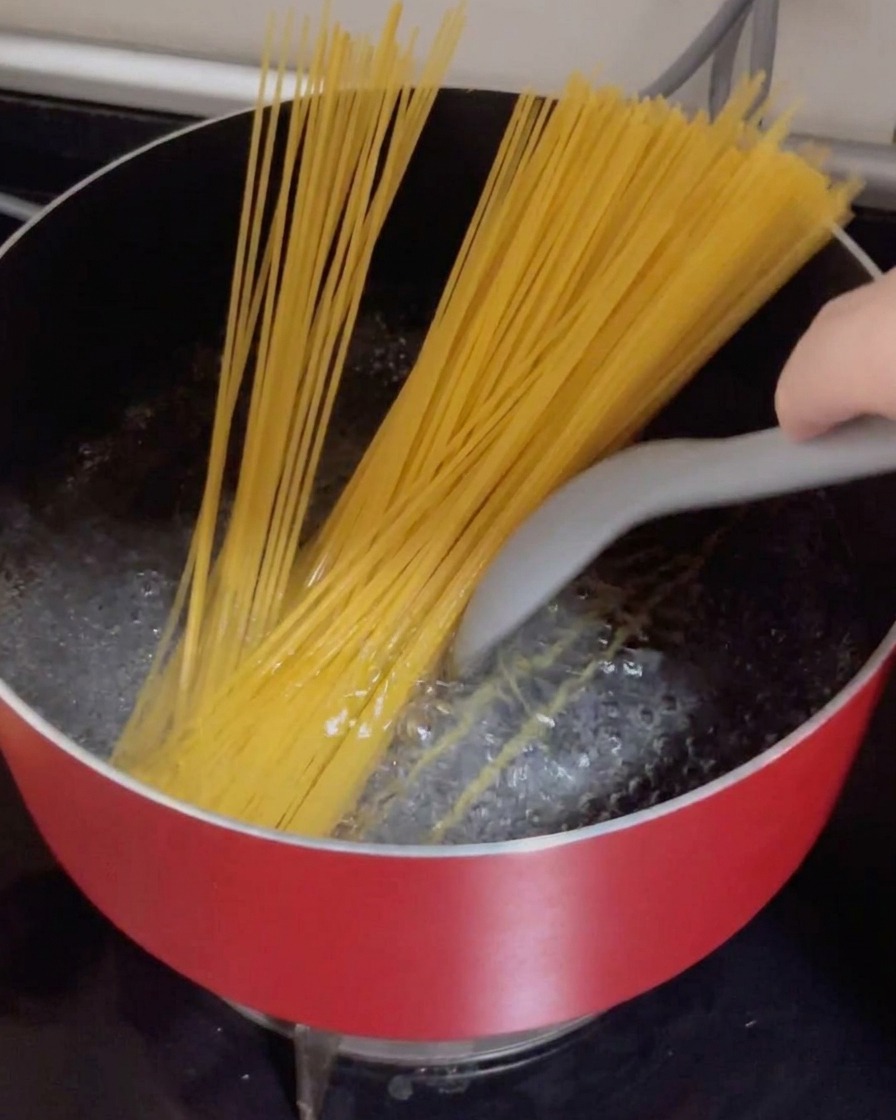
Once the water reaches a rolling boil, add the dry spaghetti strands into the pot. As the lower portions of the noodles soften in the heat, gently push the rest down with a spoon or spatula until the spaghetti is completely submerged.
Tip: Do not break the spaghetti before adding it to the pot; letting it soften whole ensures the classic long noodle shape. - 4Peel the shrimp
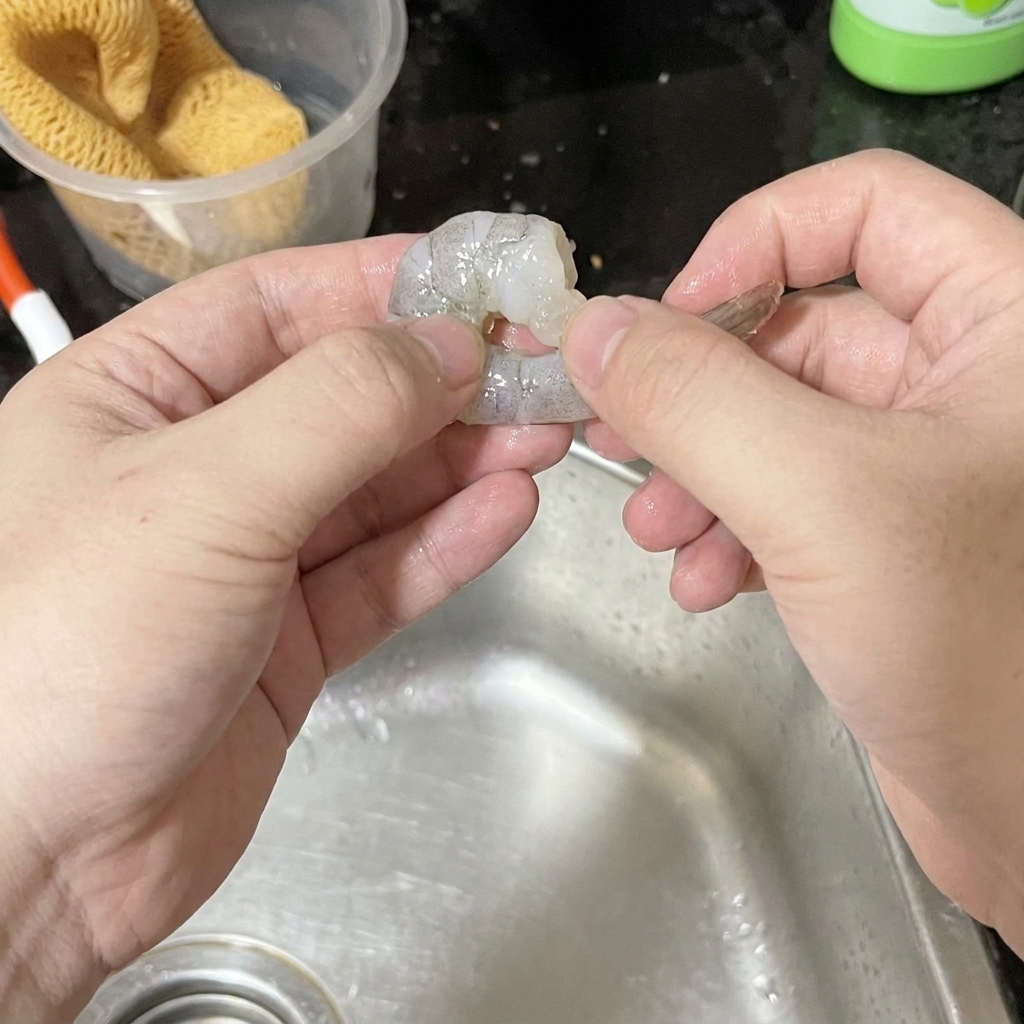
While the pasta continues to cook, take the raw shrimp and carefully peel off their shells. Rinse the peeled shrimp thoroughly under clean running water in the sink to remove any impurities.
Tip: You can save the leftover shrimp shells in a freezer bag to make a quick and flavorful seafood stock later. - 5Season the pasta water
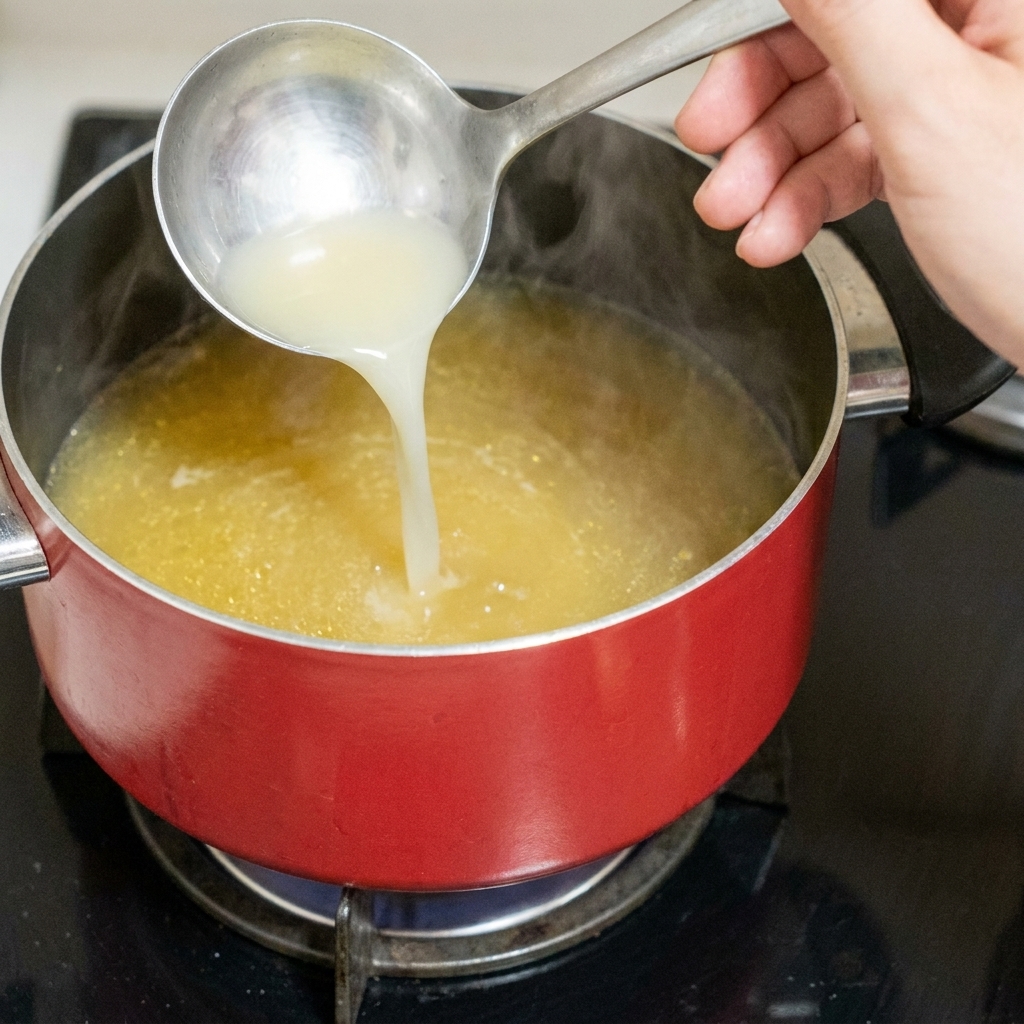
Sprinkle a generous spoonful of salt into the pot with the boiling pasta, and add a small drizzle of cooking oil. Give the noodles a quick stir to distribute the salt evenly and prevent the strands from sticking together.
Tip: The pasta water should be heavily salted, almost like the sea, to properly flavor the noodles from the inside out as they cook. - 6Remove the cooked pasta
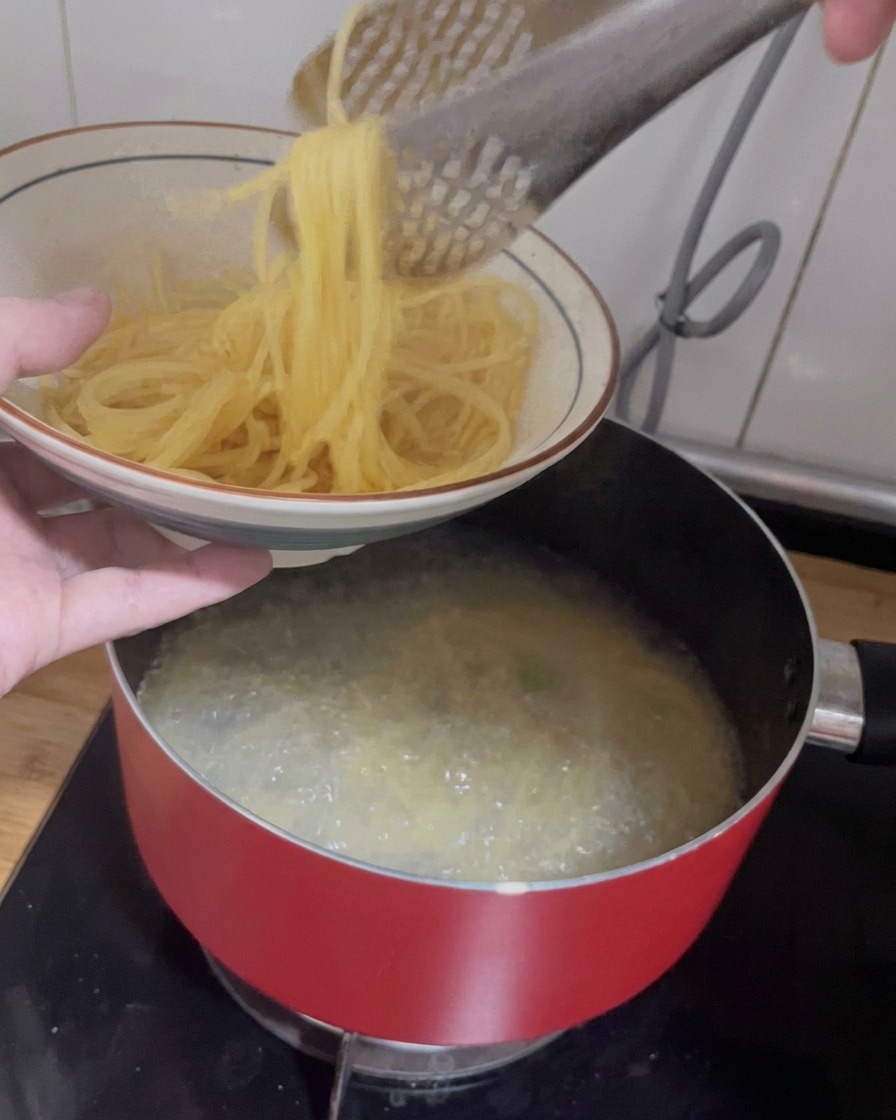
Once the spaghetti is cooked and flexible, use tongs to lift it out of the hot water. Transfer the pasta to a clean bowl and set it aside until it is ready to be tossed with the sauce.
Tip: Do not rinse the pasta after boiling. The residual starches on the noodles will help the sauce cling better later. - 7Heat the cooking oil
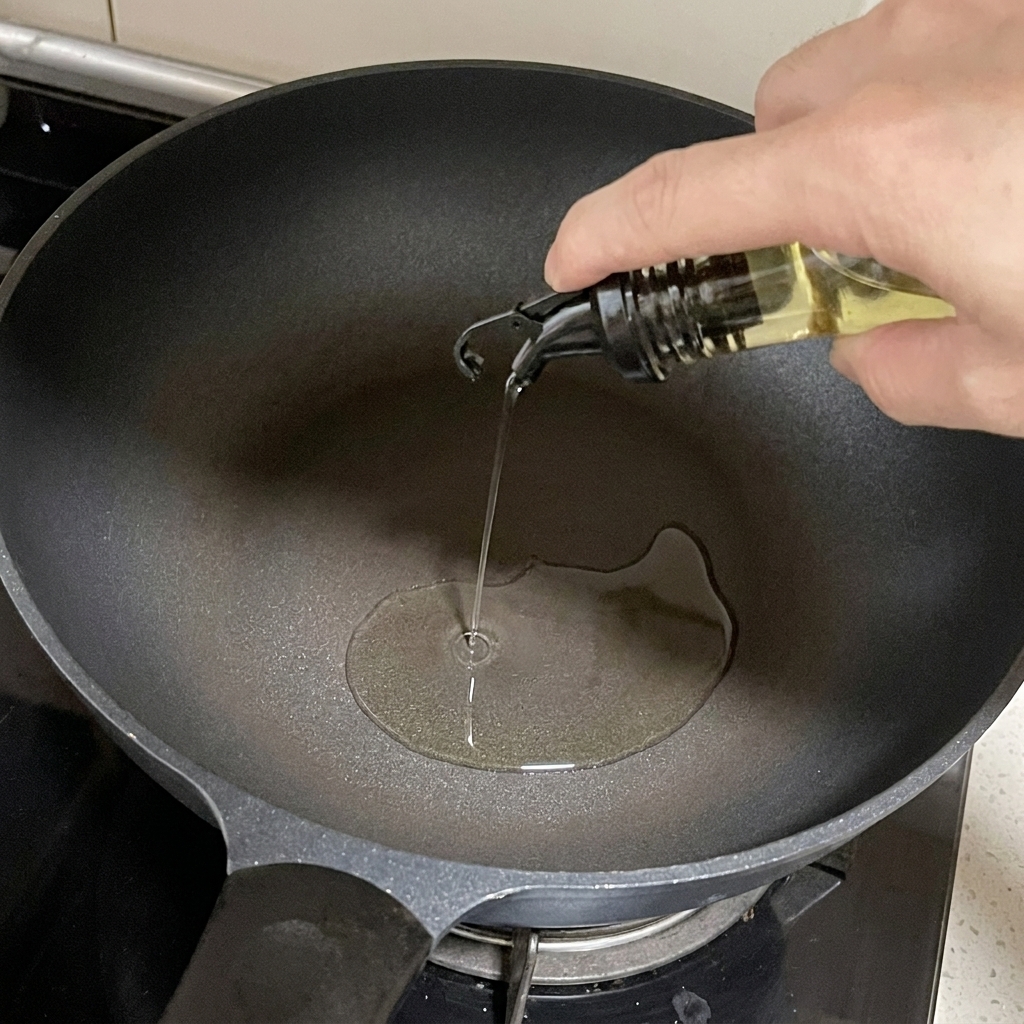
Place a large pan or skillet over medium heat and drizzle in a generous amount of cooking oil. Let the oil heat up slightly so the aromatics will sizzle the moment they touch the pan.
Tip: Use high-quality olive oil for the best flavor in your Aglio e Olio. - 8Sauté the sliced garlic
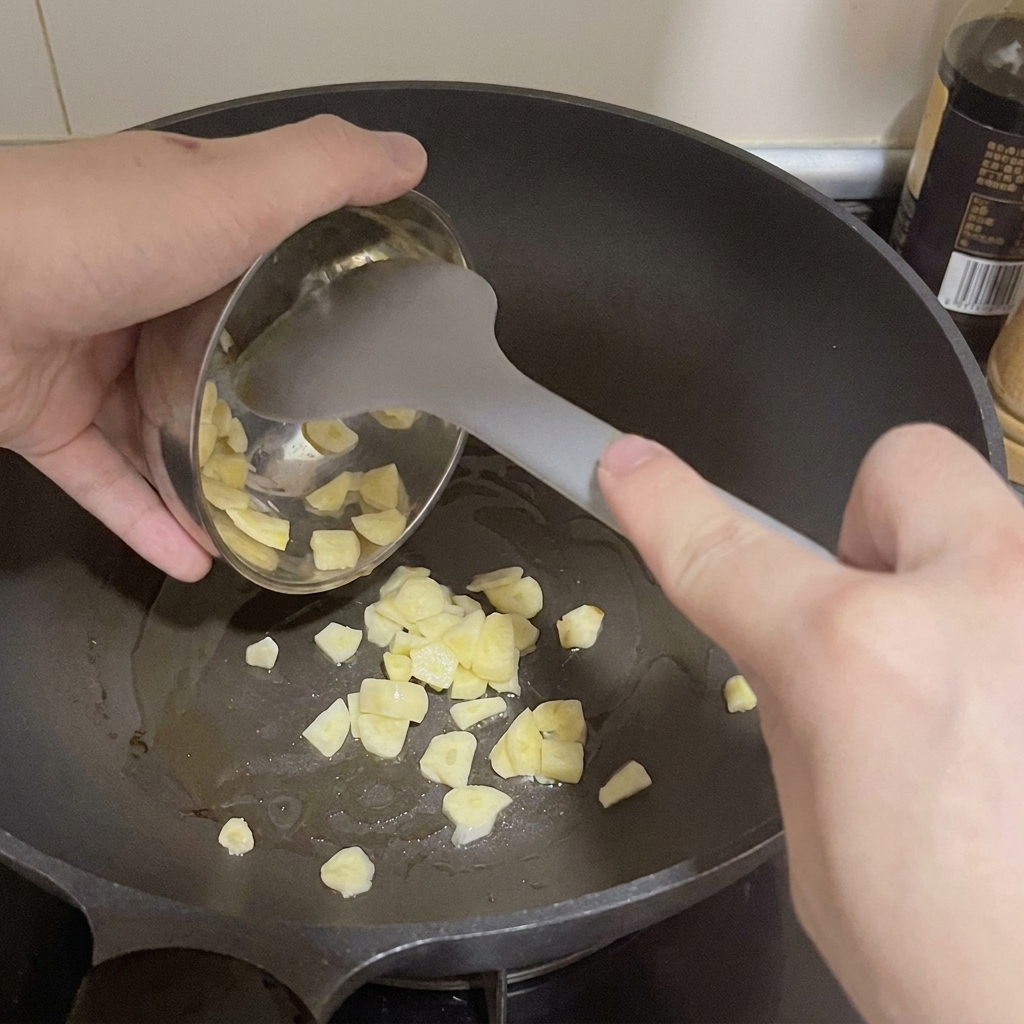
Carefully add the thinly sliced garlic into the heated oil. Sauté gently, stirring constantly, until the garlic releases its fragrance and begins to turn a very light golden color.
Tip: Watch the garlic closely and keep the heat medium-low; burnt garlic will give the dish a bitter taste. - 9Add the red chili flakes
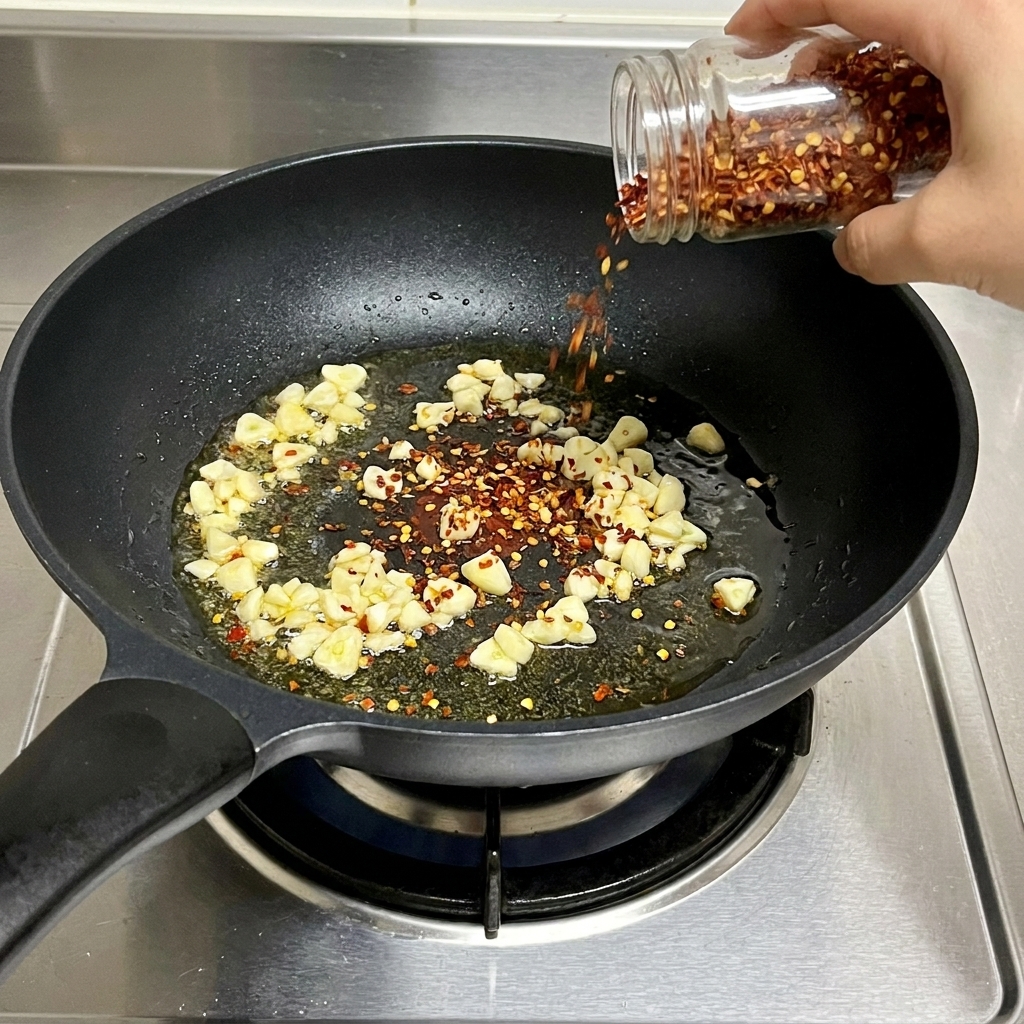
Sprinkle red chili flakes directly over the sautéing garlic. Stir them into the oil to release their heat and color, infusing the base of the pasta sauce with a spicy kick.
Tip: Adjust the amount of chili flakes according to your personal spice preference. - 10Cut a slice of butter
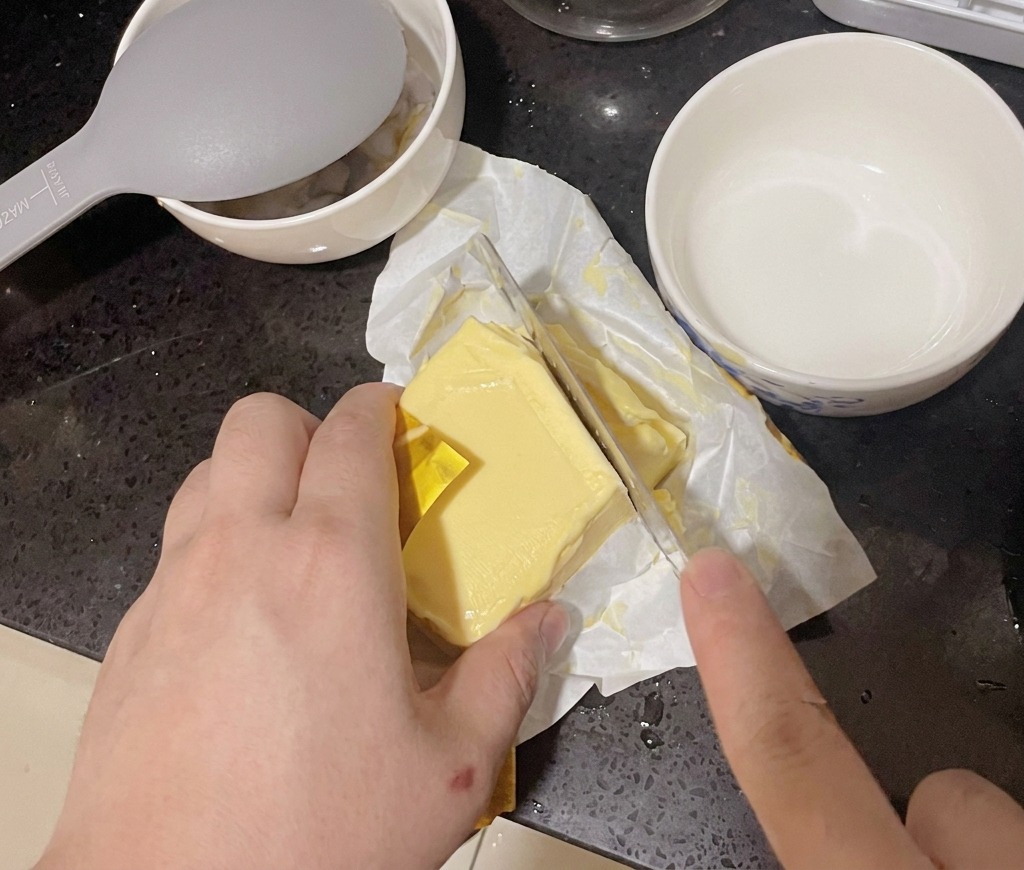
Using a sharp knife, slice off a piece of solid yellow butter. Adding butter to the garlic and chili oil will help create a rich, creamy, and emulsified sauce that coats the pasta perfectly.
Tip: Keeping the butter cold until you are ready to use it helps it emulsify better when added to the hot pan. - 11Melt the butter
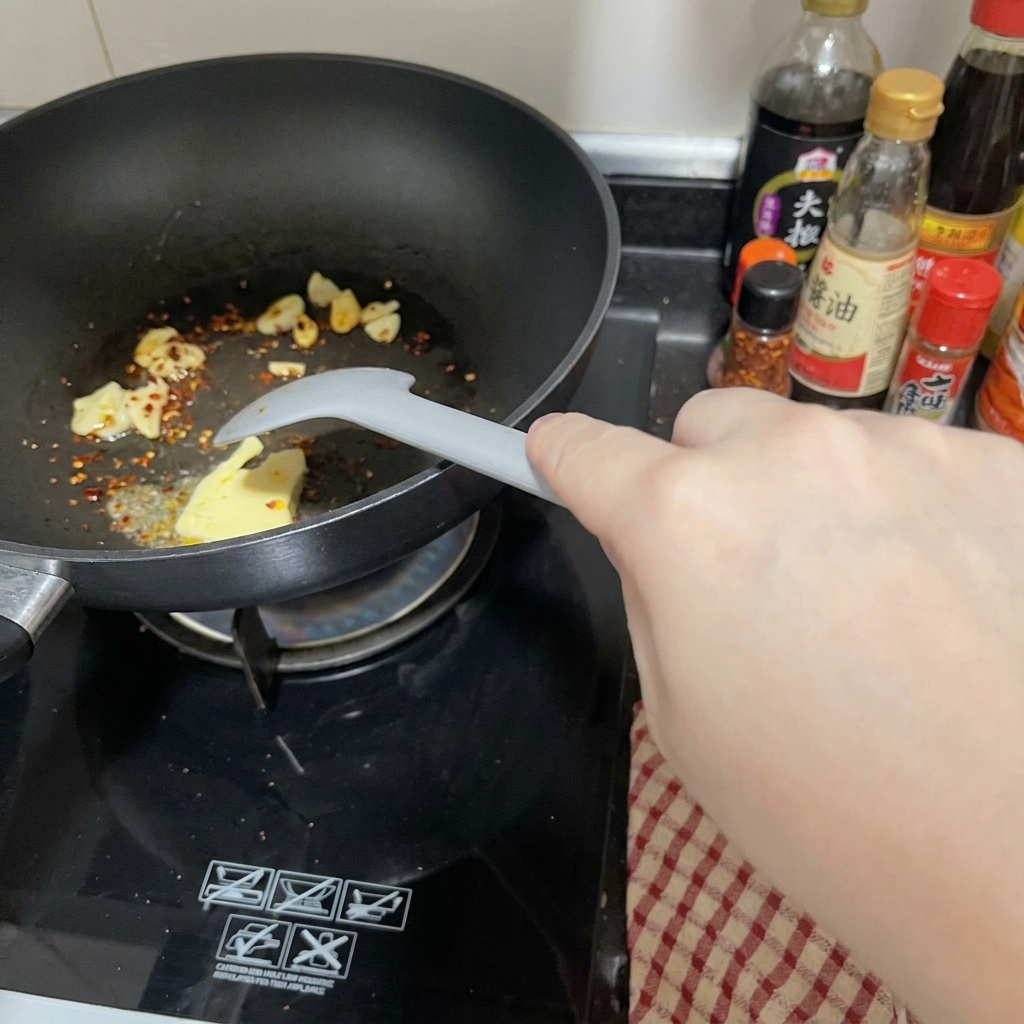
Add a piece of butter into the pan with the sautéed garlic and chili flakes. Stir continuously as the butter melts, blending with the aromatics to create a rich and flavorful base.
Tip: Adding a small splash of water along with the butter helps emulsify the fat, creating a creamy sauce that clings perfectly to the pasta. - 12Add the shrimp
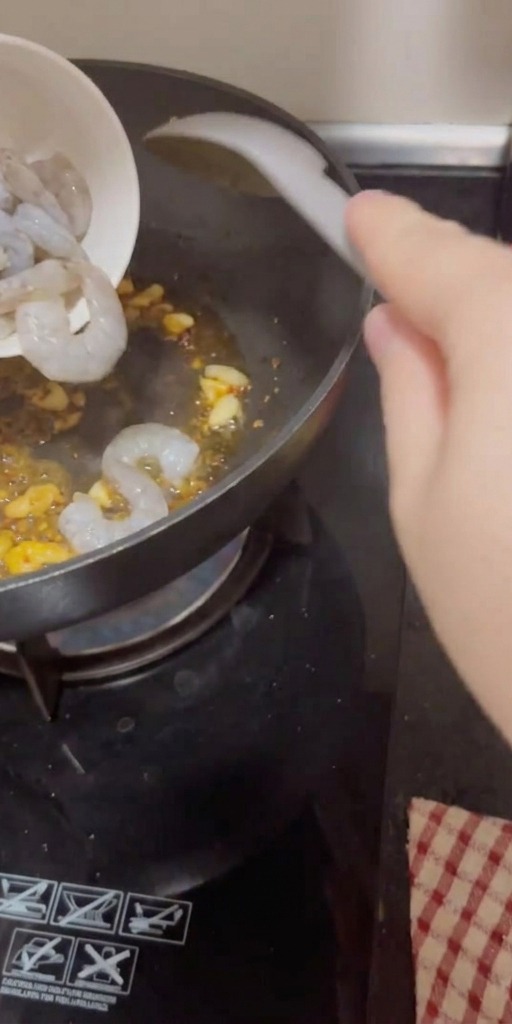
Pour the raw, peeled shrimp directly into the sizzling pan with the sautéed garlic and chili flakes. Stir-fry evenly so the shrimp start to absorb the rich flavors of the infused oil.
Tip: Make sure your shrimp are completely patted dry before adding them to the pan to ensure a good sear rather than steaming them. - 13Season the shrimp
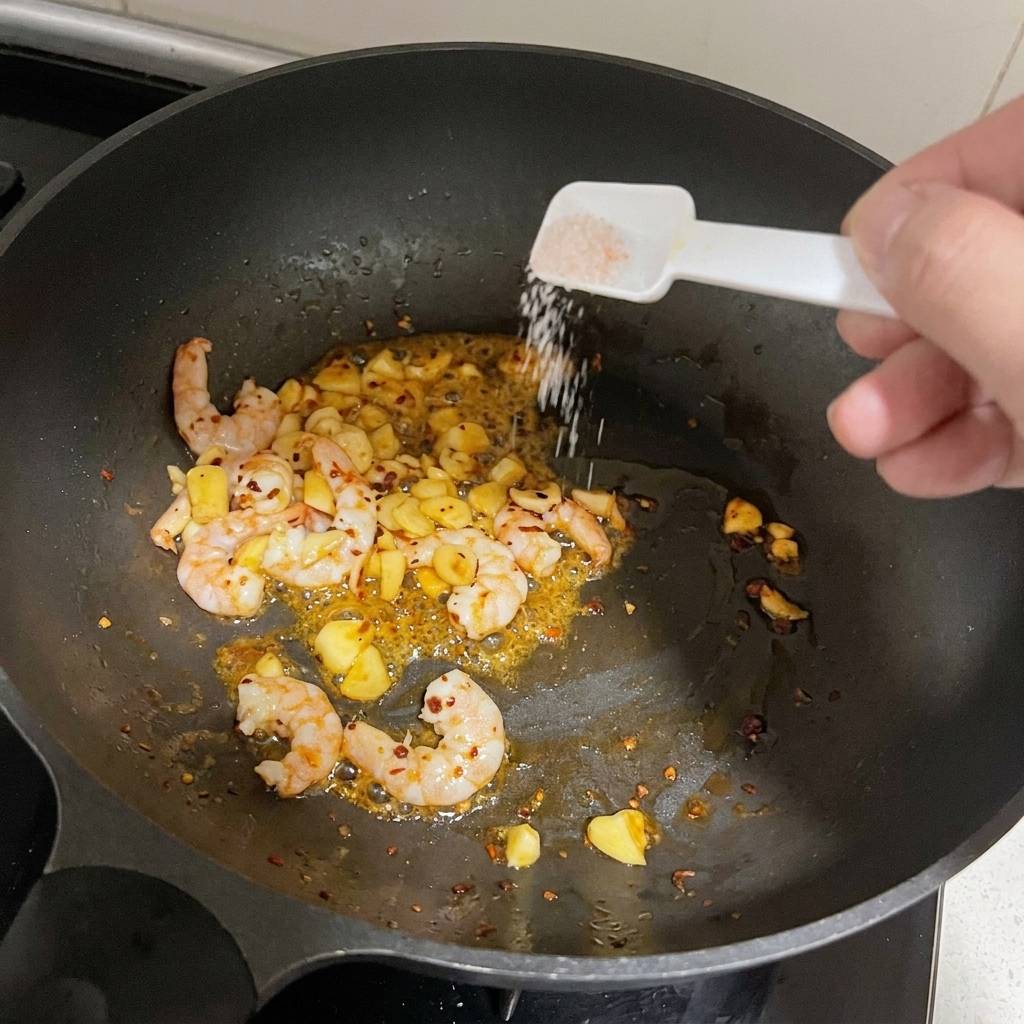
As the shrimp begin to cook and turn a slightly pink color, sprinkle a pinch of salt evenly over them. Continue tossing the mixture so the seasoning coats all the ingredients in the pan.
Tip: Seasoning the shrimp early while they cook allows the salt to penetrate the meat for a more flavorful bite. - 14Toss in the spaghetti
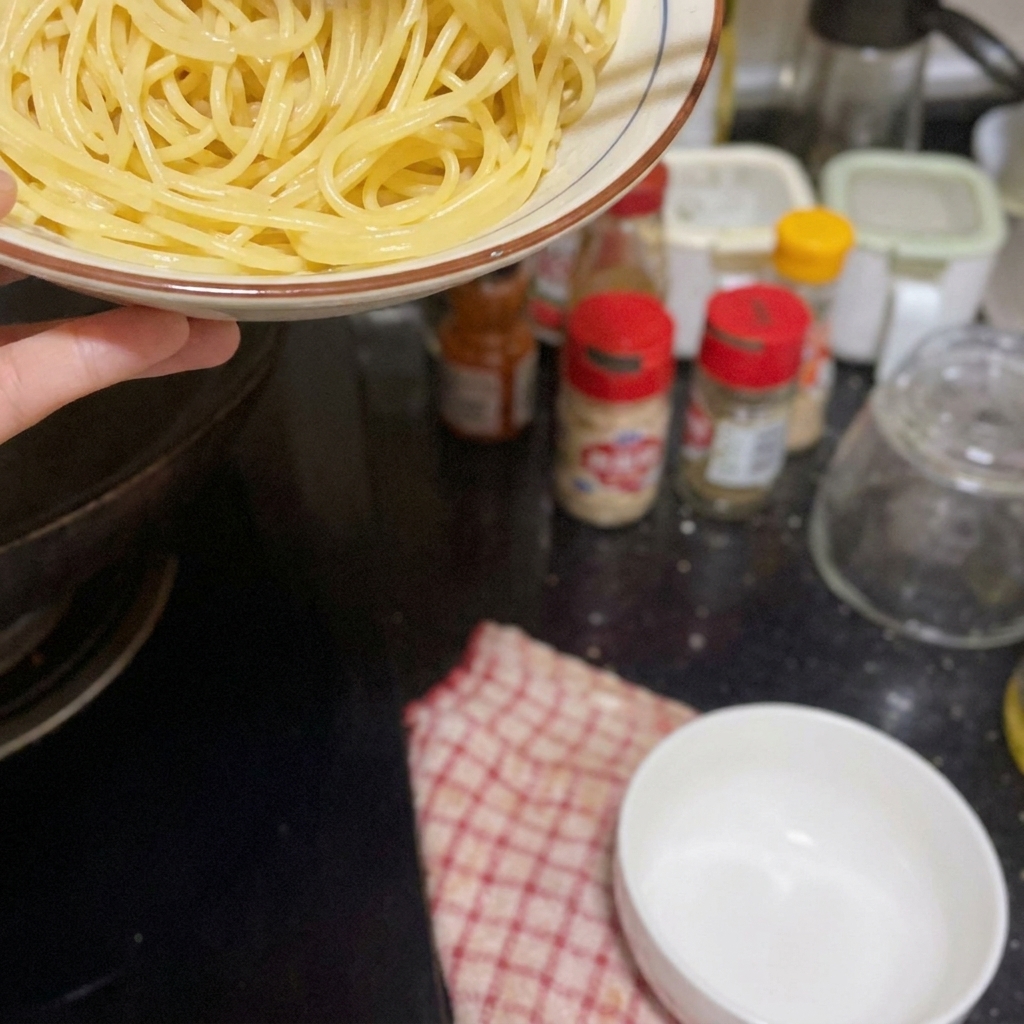
Carefully transfer the reserved cooked spaghetti into the pan with the cooked shrimp, garlic, and chili oil. Prepare to toss everything together until evenly coated.
Tip: If the pasta seems too dry when tossing, add a small splash of the reserved starchy pasta water to help bind the oil and flavors into a cohesive sauce. - 15Finish with seasoning
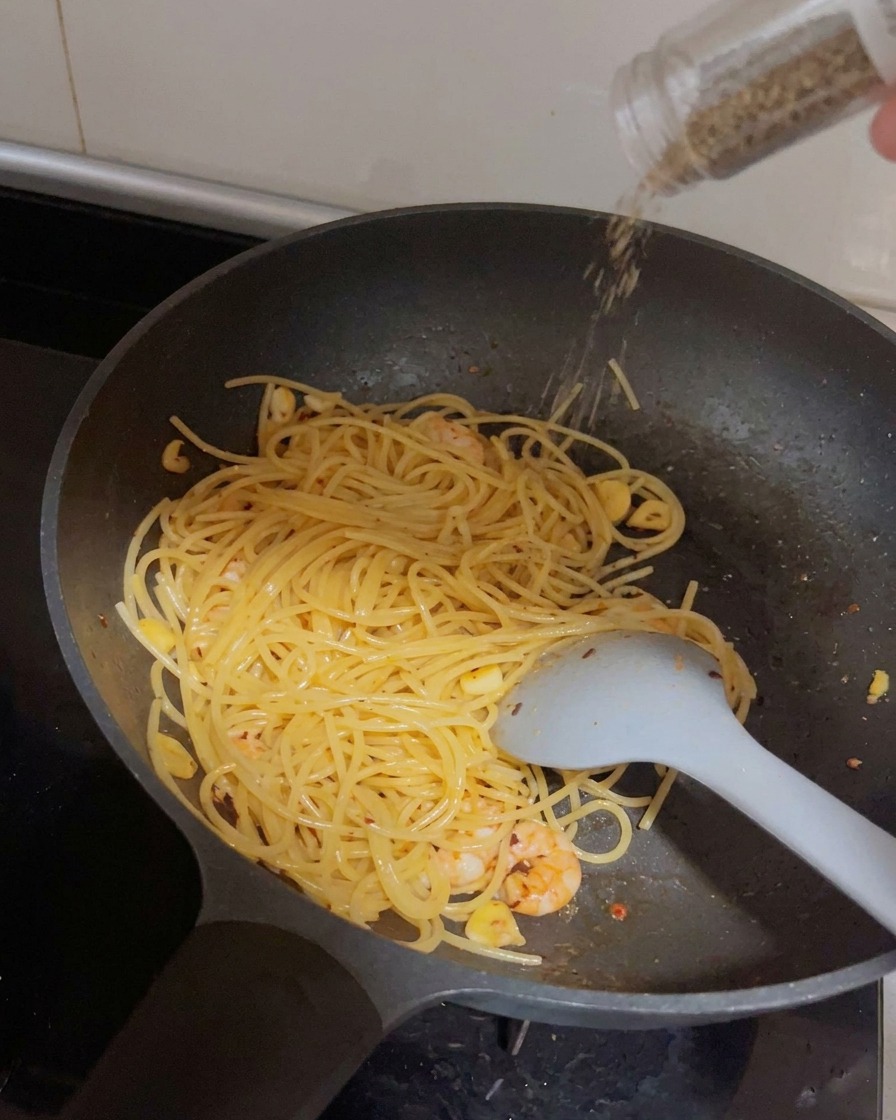
Grind fresh black pepper directly over the tossed pasta and shrimp in the pan. Stir continuously to distribute the pepper evenly throughout the dish.
Tip: Freshly ground black pepper is highly recommended over pre ground pepper for a brighter and more pungent flavor. - 16Season the pasta
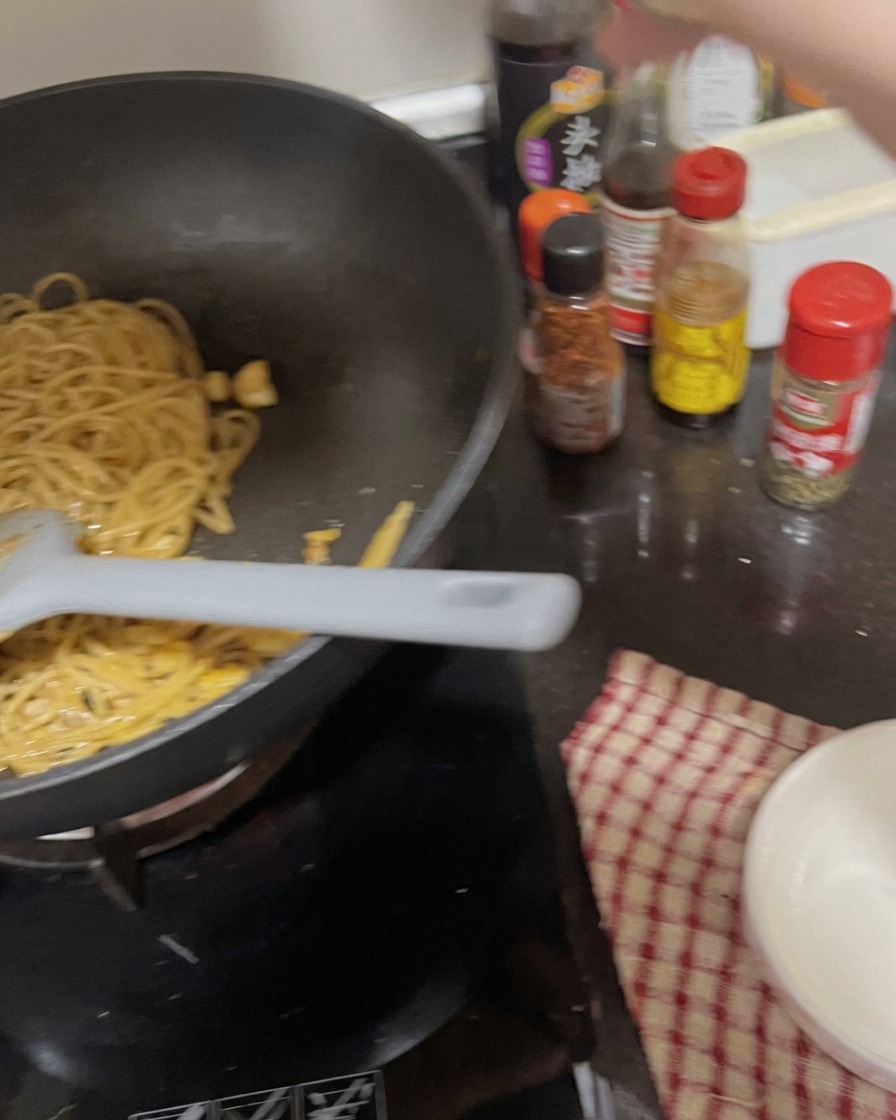
Sprinkle garlic powder and parsley generously over the cooked pasta directly in the pan. Toss everything together constantly so the noodles are evenly coated with the rich garlicky flavor.
Tip: Adding dry seasonings like garlic powder and parsley toward the end of the cooking process helps preserve their vibrant flavor and aroma.