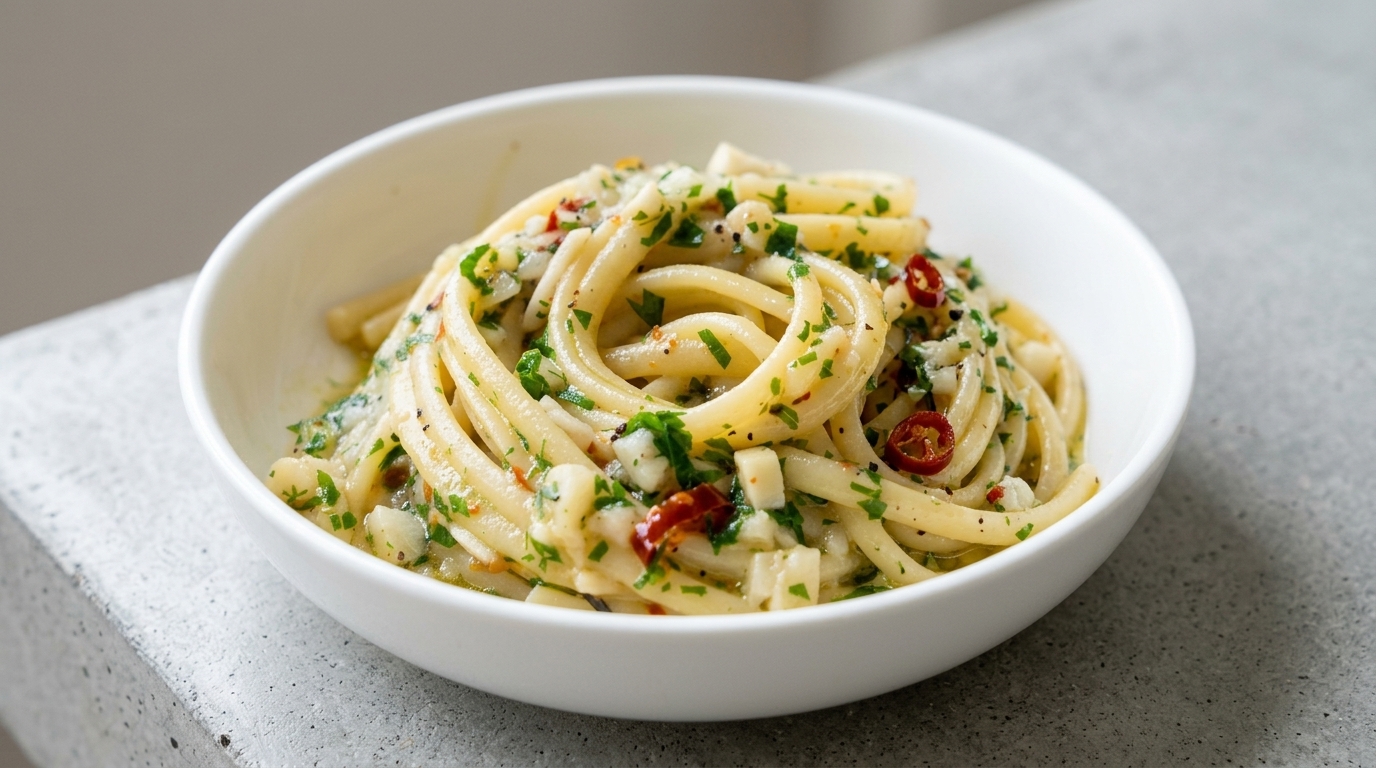
Classic Spaghetti Aglio e Olio
Fresh Parsley
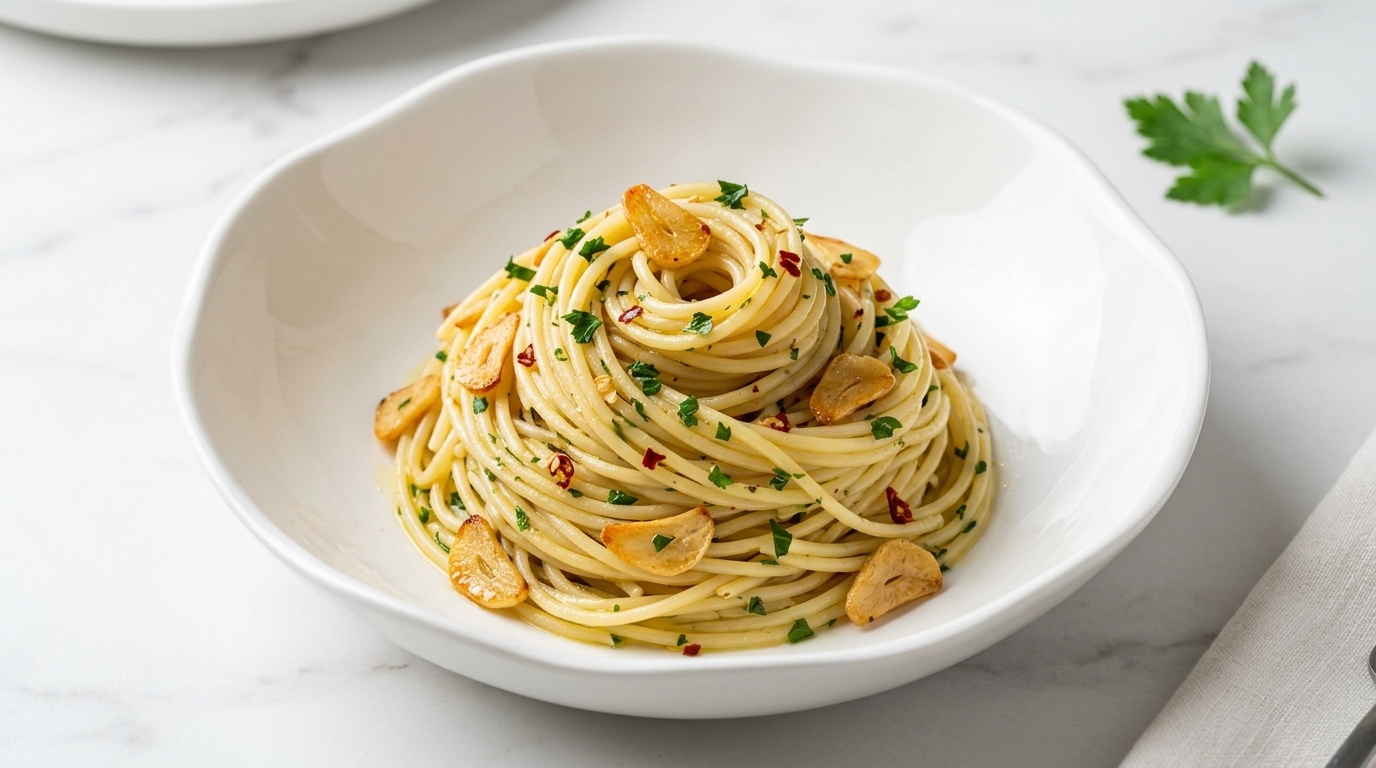
A cinematic Italian classic featuring silky spaghetti tossed in a golden emulsion of extra virgin olive oil, toasted garlic slivers, and a vibrant kick of red chili flakes.
Made famous by the film Chef, Aglio e Olio is the ultimate lesson in Italian minimalism. Originating from Naples, this dish relies entirely on the quality of its few ingredients garlic, oil, and chili to create a flavor profile that is both rustic and deeply satisfying.
Ingredients
- 200 g spaghetti
- 4 cloves garlic
- 60 ml extra virgin olive oil
- 1 tsp dried red chili flakes
- 1 small bunch fresh Italian parsley
- to taste sea salt
- to taste black pepper
- to taste lemon salt
- optional Parmesan cheese
Instructions
- 1Salt the pasta water
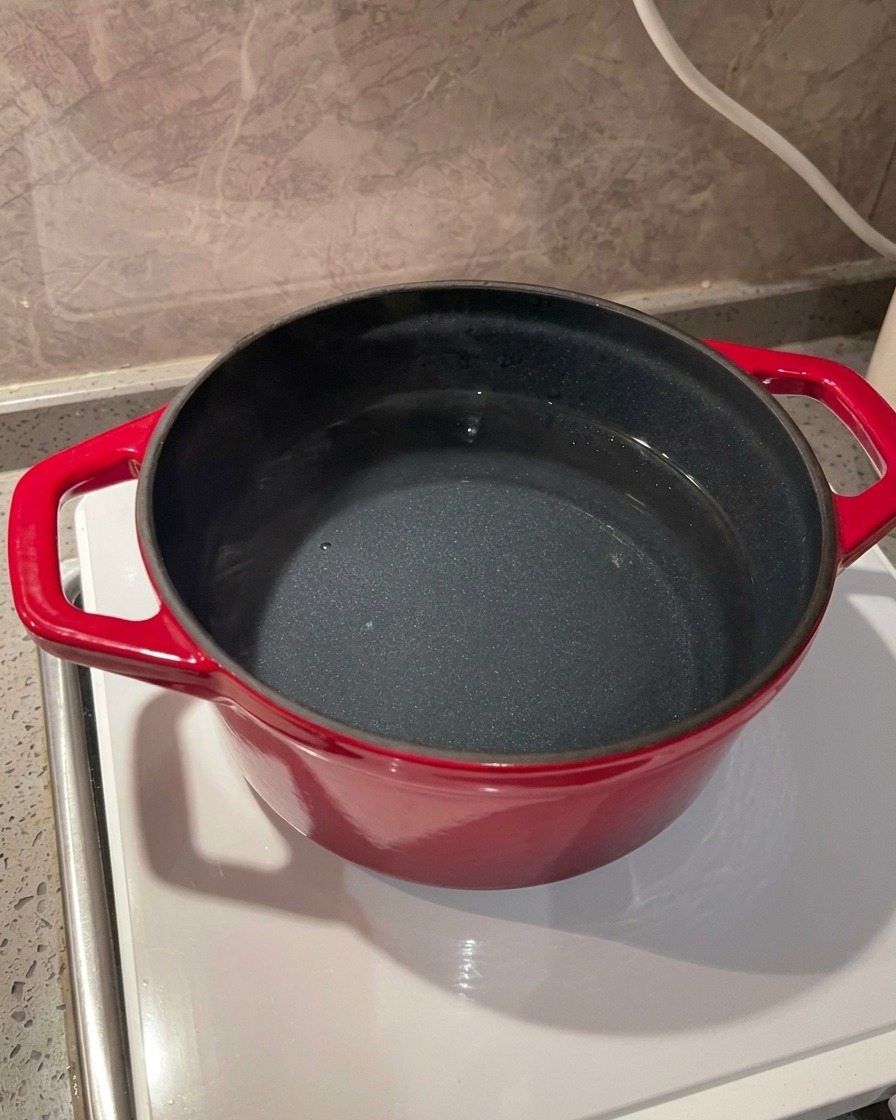
Begin by filling a red pot with water and placing it on an induction cooktop. As the water begins to heat, add a generous amount of sea salt. Salting the water at this stage is essential as it is the only time you can season the pasta from the inside out.
Tip: The water should be well salted, often described as tasting like the sea, to ensure the spaghetti has a flavorful base. - 2Cook the spaghetti
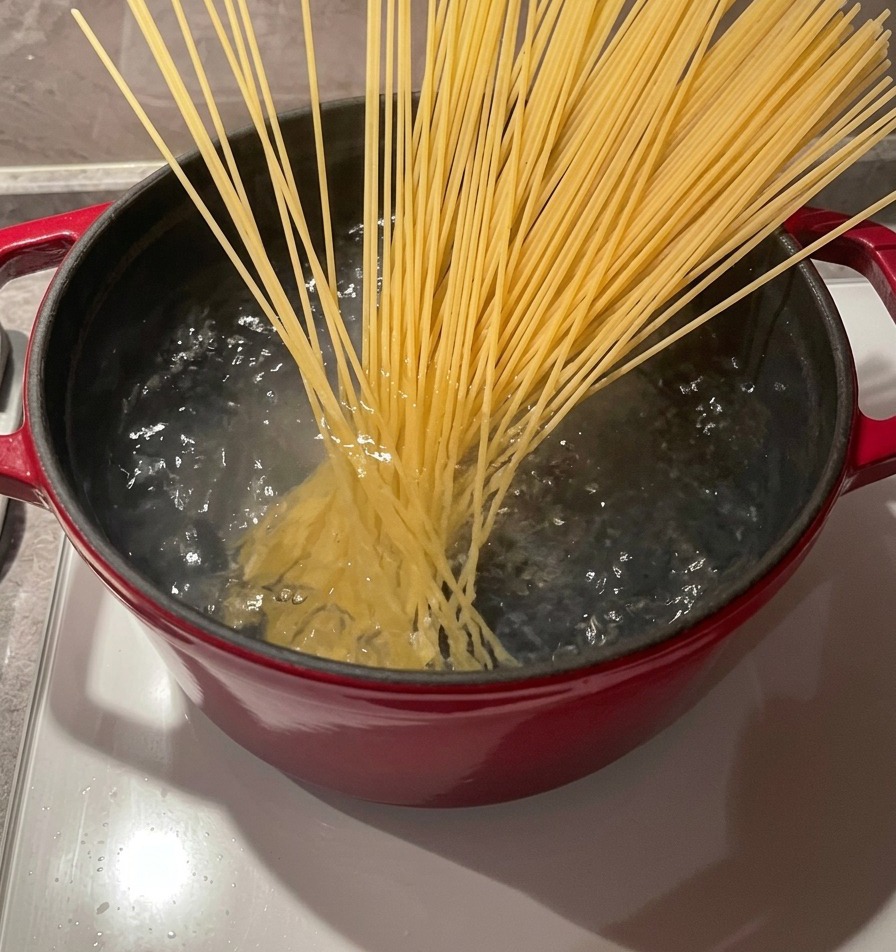
Once the water reaches a rolling boil, carefully place the dry spaghetti noodles into the pot. Use chopsticks to help submerge the pasta and prevent the strands from sticking together. Cook for 10 minutes until the noodles achieve an al dente texture.
Tip: Keep the heat high enough to maintain a boil, but watch for any foam that might spill over the sides of the pot. - 3Slice the garlic
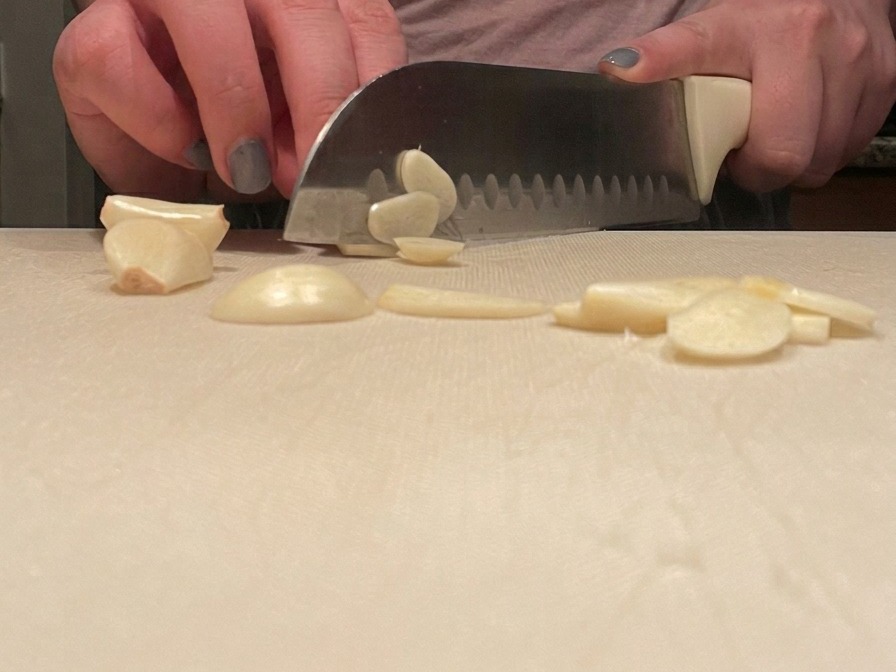
While the pasta is boiling, prepare your aromatics. Use a sharp chefs knife to slice the raw garlic cloves into very thin, uniform pieces. These thin slices will eventually melt into the olive oil, releasing their fragrance and flavor throughout the dish.
Tip: Ensure your knife is sharp to get clean, thin slices; if the garlic sticks to the blade, a tiny drop of oil on the knife can help. - 4Prep the parsley leaves
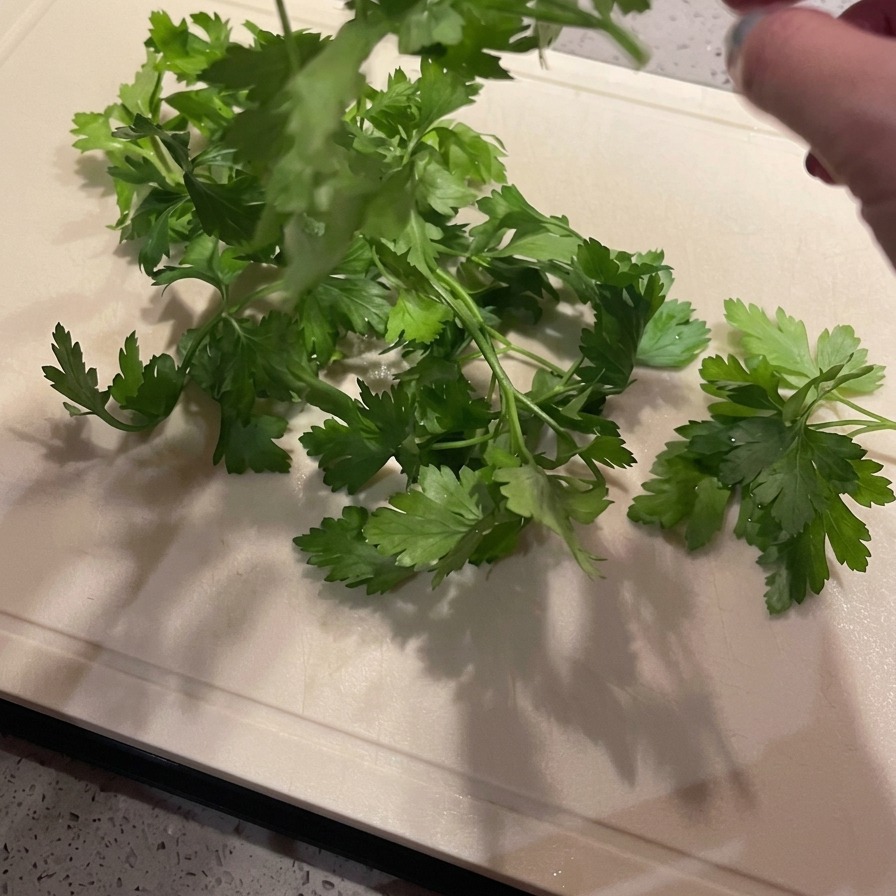
Wash the fresh parsley and pat it dry. Carefully pluck the green leaves away from the stems. For this recipe, we only want the tender leaves to ensure the final texture of the pasta is smooth and herb-forward.
Tip: Dont discard the stems; you can save them in a bag in the freezer to use later when making homemade stocks or broths. - 5Mince the parsley
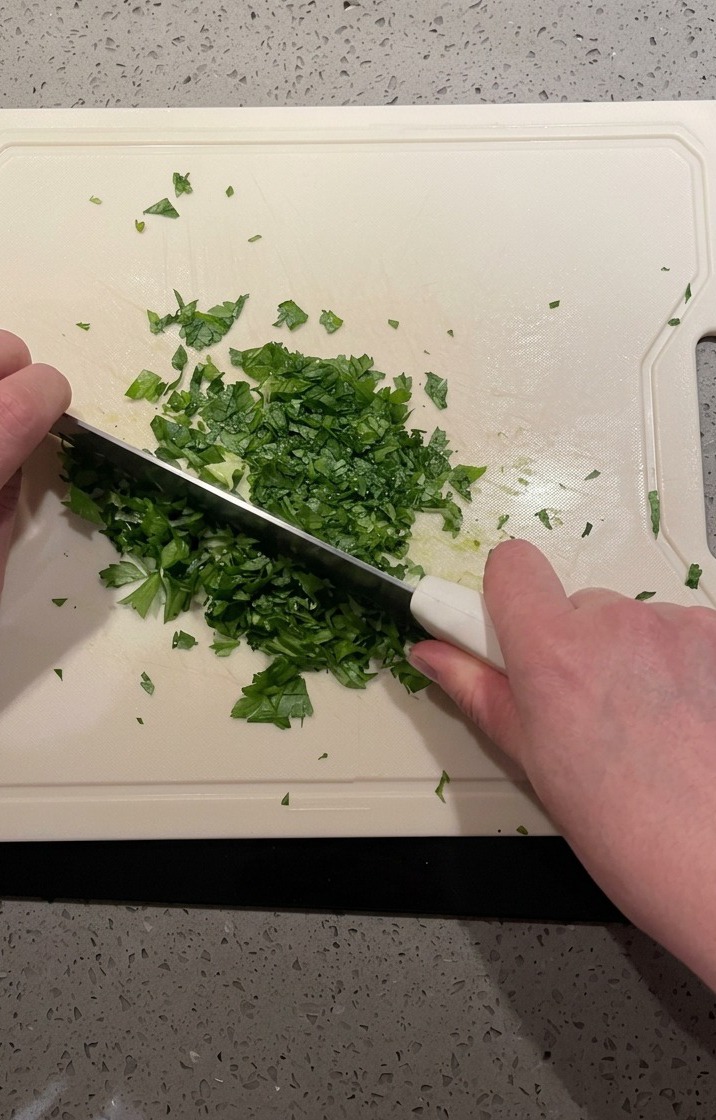
Gather the plucked parsley leaves into a pile and finely chop them with your knife. Continue mincing until the parsley is very small, which allows its fresh oils and vibrant color to distribute evenly when added to the pasta at the end.
Tip: Use a rocking motion with your knife, keeping the tip on the board, to achieve a fine and consistent chop without bruising the herbs. - 6Heat the olive oil
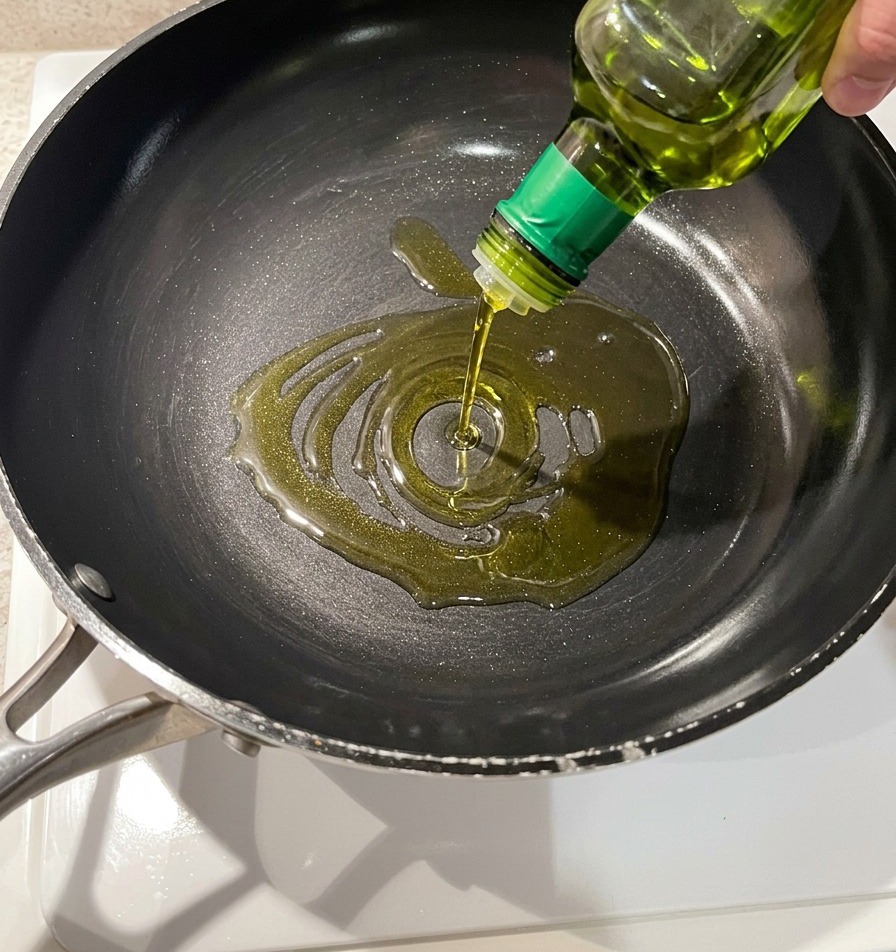
Pour a generous amount of olive oil from a glass bottle into a black frying pan over medium-low heat. Feel free to add a bit extra oil, as it forms the base of the sauce and helps carry the flavors of the garlic and chili.
Tip: Using a high-quality extra virgin olive oil will significantly enhance the final taste of this simple, ingredient-focused dish. - 7Sauté the garlic gold
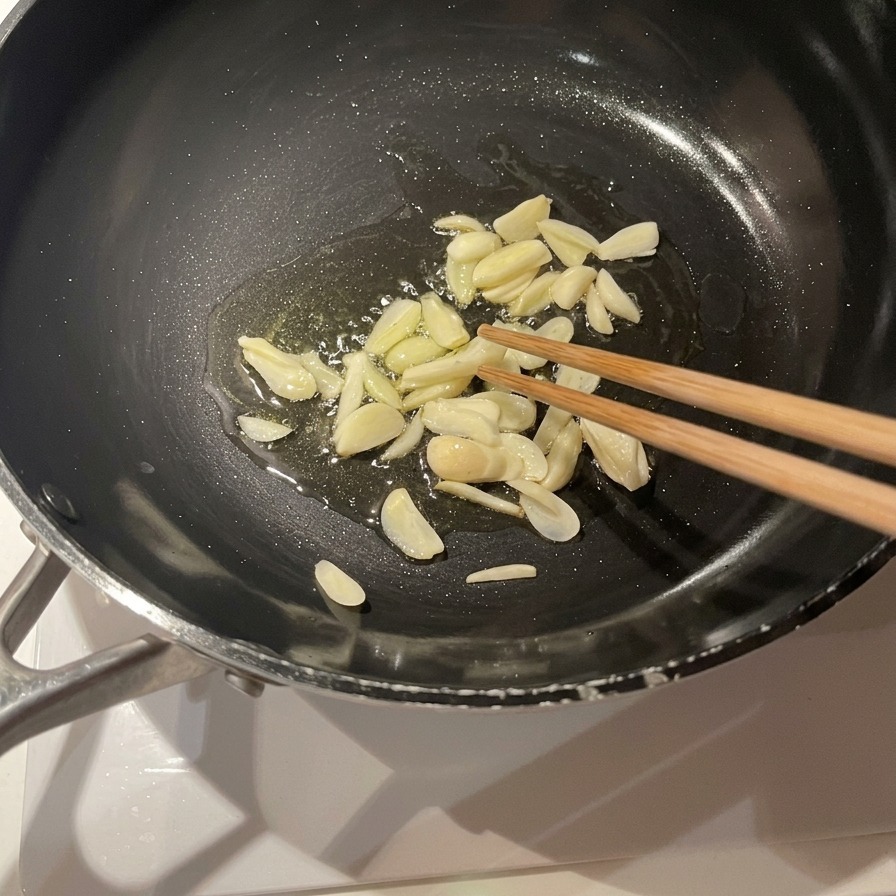
Add the garlic slices to the olive oil. Sauté over medium-low heat until they become fragrant and just begin to turn a pale golden color. Maintain a gentle heat to avoid burning the slices, which would make the dish bitter.
Tip: Low and slow is the secret here; you want to infuse the oil with the garlics sweetness without browning it too aggressively at the start. - 8Infuse with chili flakes
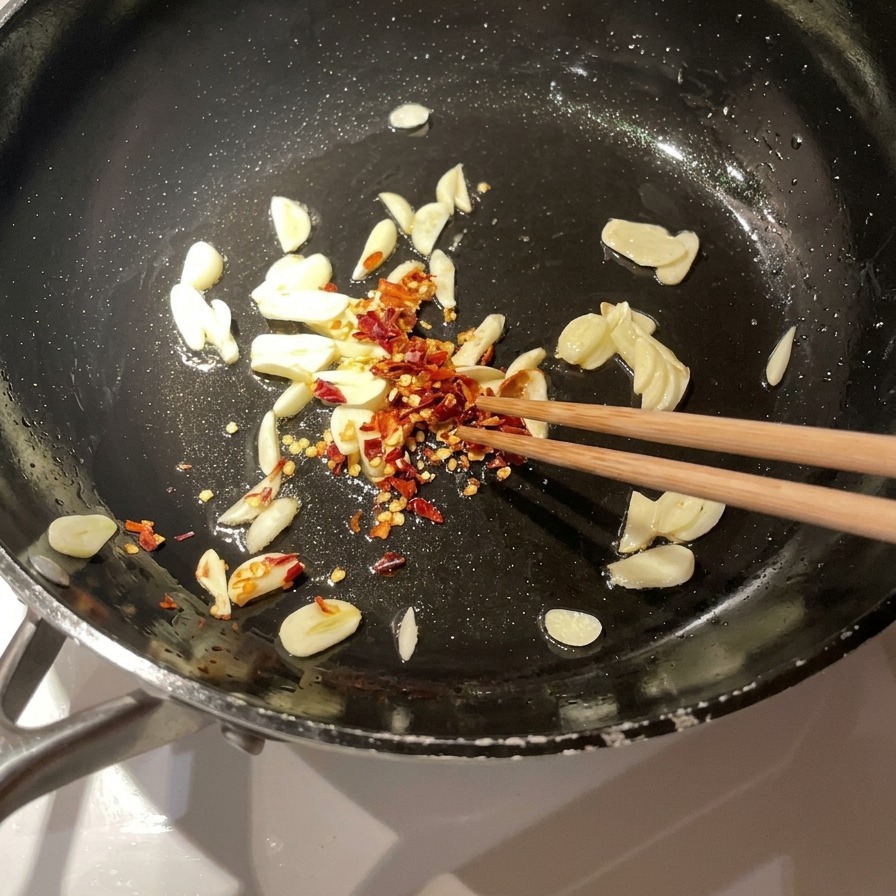
Add the dried red chili flakes to the pan with the sautéing garlic. Stir them together briefly to allow the heat of the oil to release the spiciness and aromatic oils of the peppers, creating a flavorful and slightly spicy base for the pasta sauce.
Tip: Adjust the amount of chili flakes to your preference; for a milder dish, you can remove the seeds or use less. - 9Add pasta cooking water
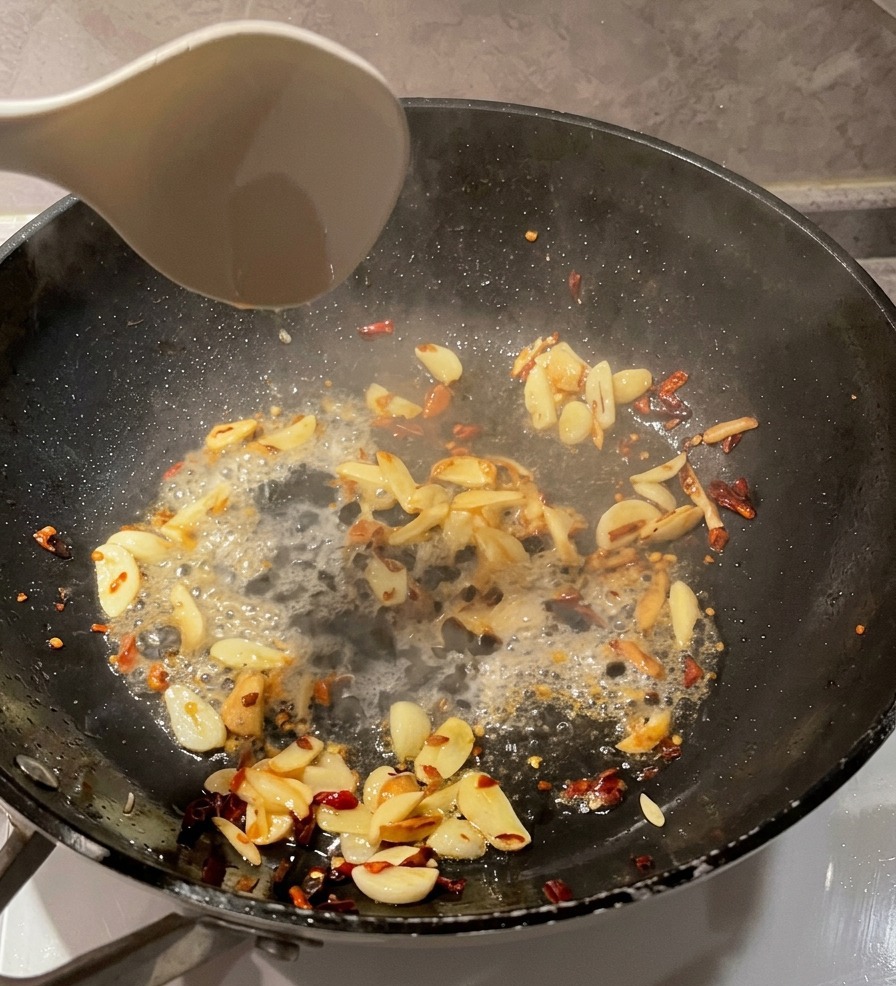
Once the garlic has turned a beautiful golden brown, carefully pour in two to three ladles of the starchy pasta cooking water. This liquid stops the garlic from overcooking and emulsifies with the olive oil to create a light, flavorful sauce base that will coat the noodles perfectly.
Tip: The starch in the pasta water is the secret to a smooth sauce; it helps the oil and water bind together so the dish isnt greasy. - 10Transfer the spaghetti
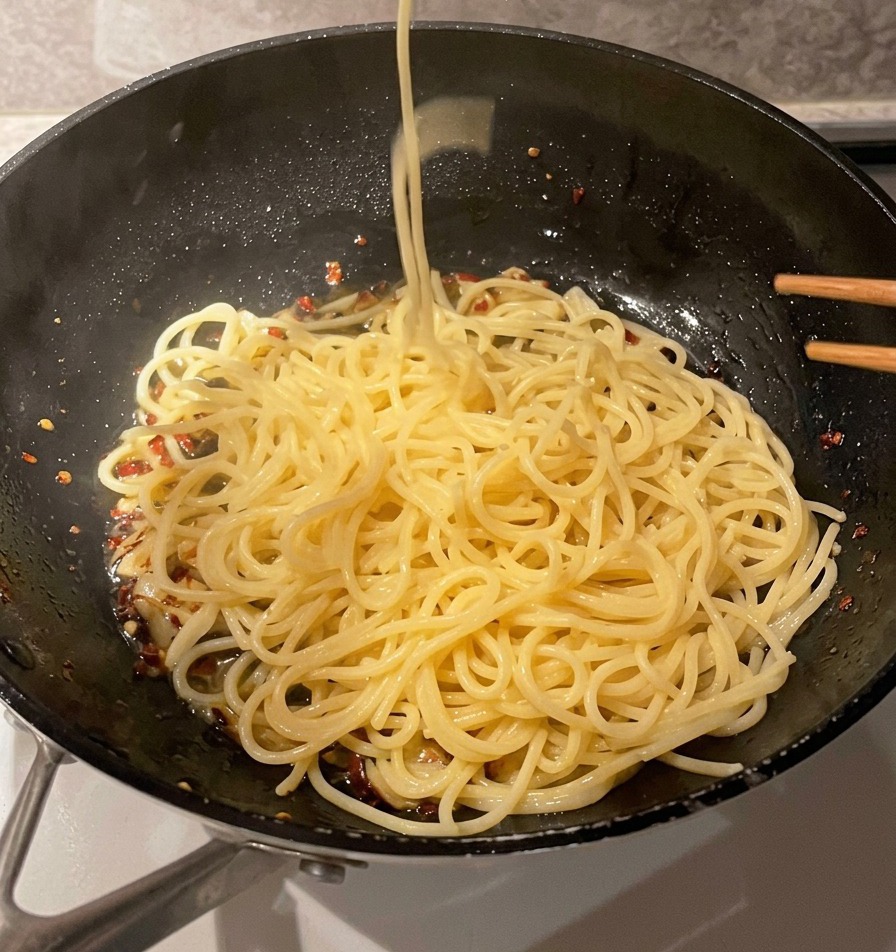
Once the pasta is cooked, use a strainer or tongs to lift the spaghetti directly from the boiling water and into the frying pan. This method is easier than draining and ensures that some of the starchy pasta water is carried over, which helps create a silky sauce.
Tip: Moving the pasta directly from the pot keeps it hot and ensures the starch helps the oil and water emulsify into a light sauce. - 11Season the pasta
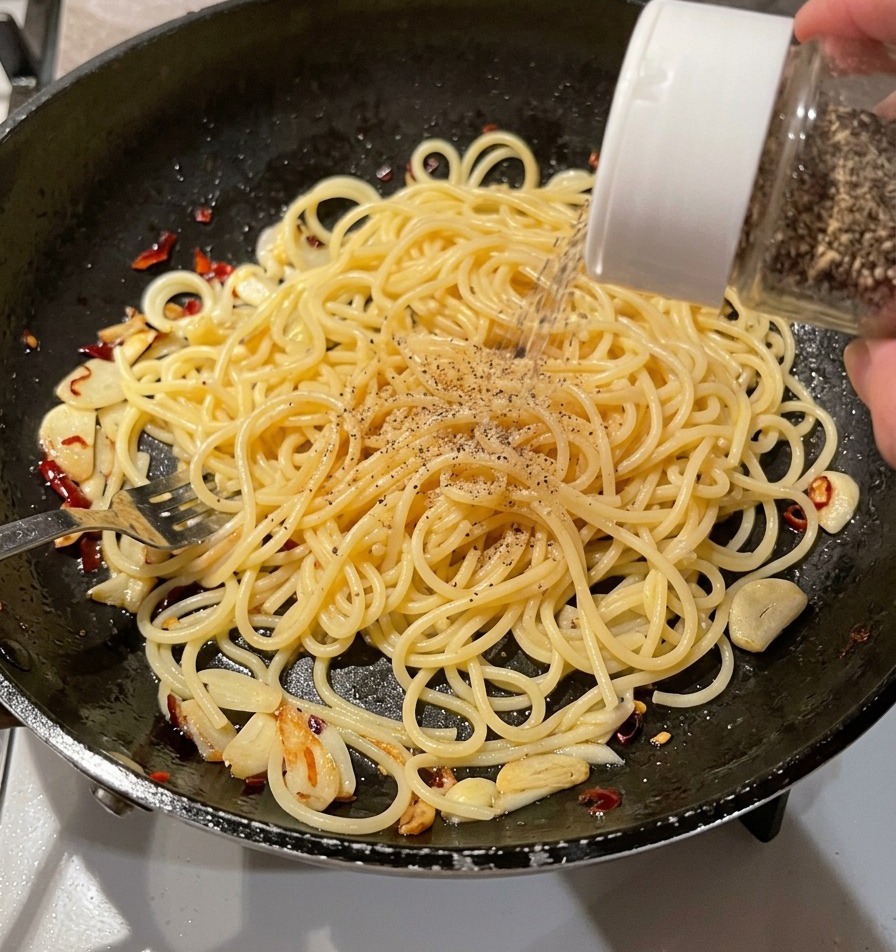
Season the pasta with freshly ground black pepper and lemon salt or sea salt. These simple seasonings enhance the natural flavors of the garlic and olive oil without overpowering the dish.
Tip: Lemon salt provides a subtle, bright citrus note that cuts through the richness of the olive oil beautifully. - 12Garnish with fresh parsley
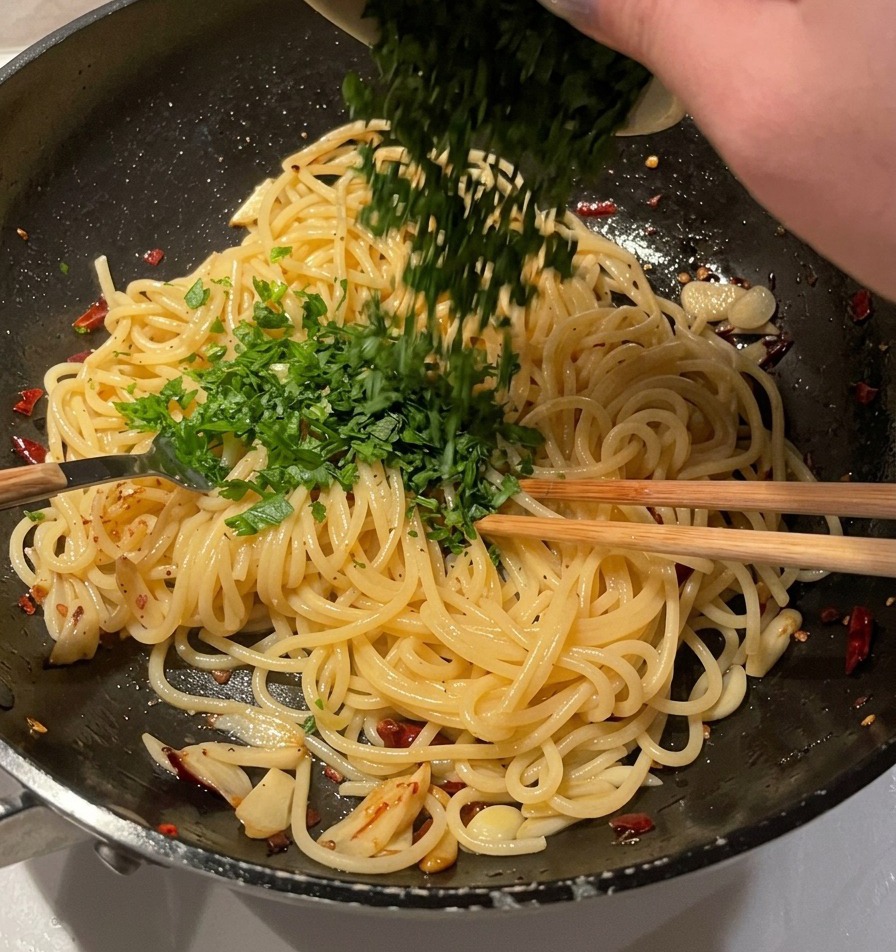
Turn off the heat and add a generous amount of finely chopped fresh parsley. Toss everything together so the parsley is evenly distributed; the residual heat will wilt it just enough to release its flavor while maintaining its vibrant green color.
Tip: Always add the parsley at the very end with the heat off to preserve its fresh, herbal character and bright color. - 13Final toss and emulsify
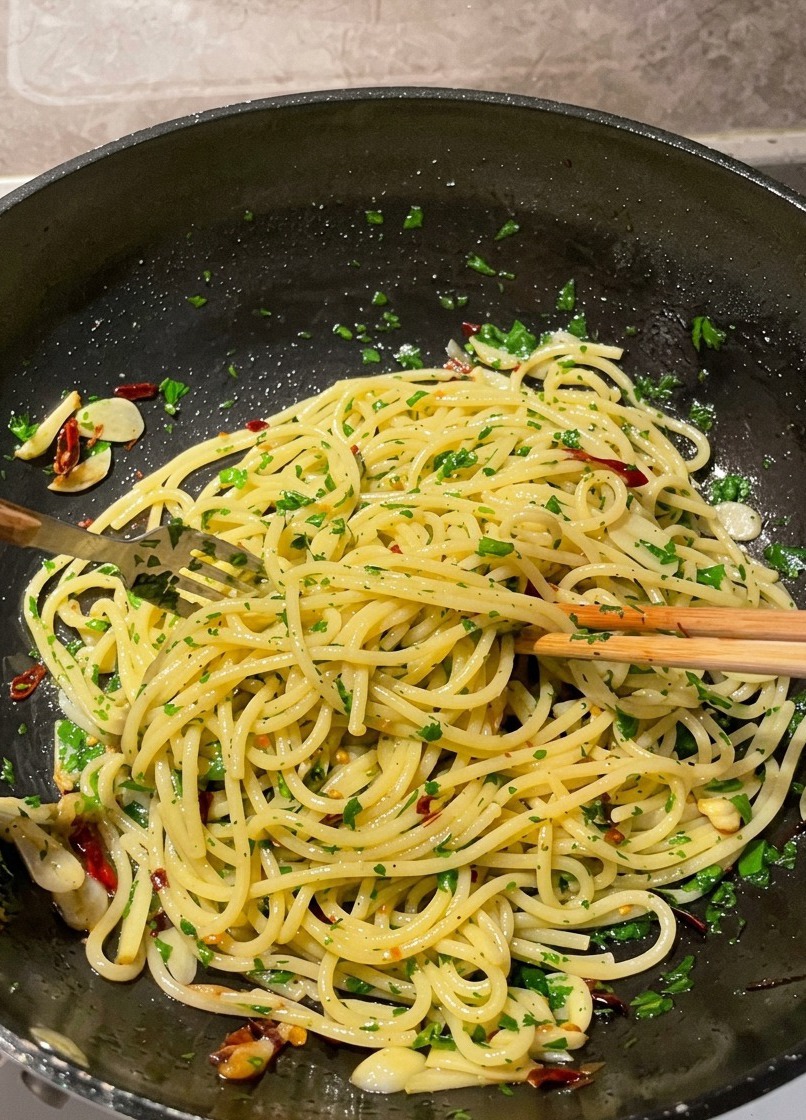
With the heat off, add the minced parsley. Use chopsticks and a fork to vigorously toss the pasta. This action encourages the oil and starchy water to emulsify into a glossy sauce that coats every strand perfectly.
Tip: If the pasta seems a bit dry during this step, add another splash of the starchy cooking water to help the oil emulsify into a silky sauce.