Spicy Garlic Butter Shrimp Pasta (With Homemade Shrimp Oil)
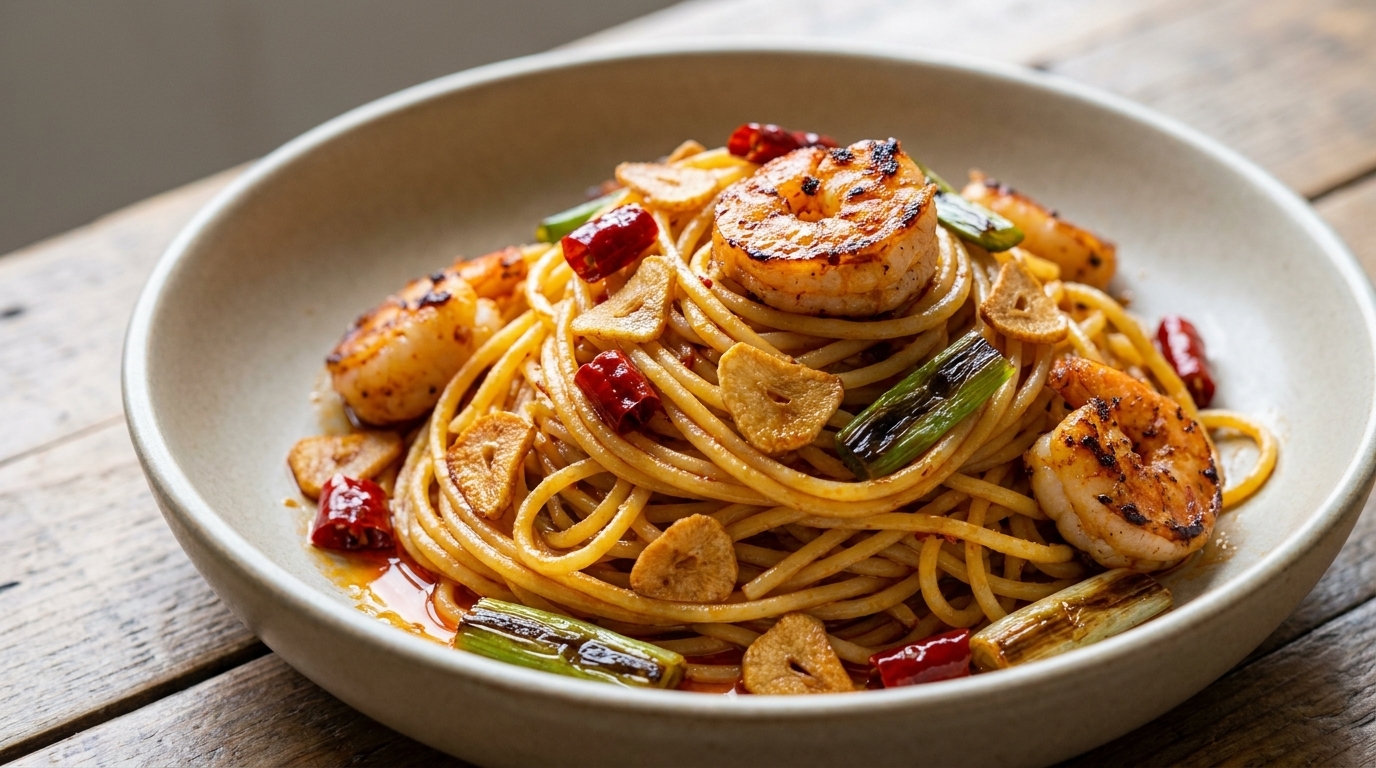
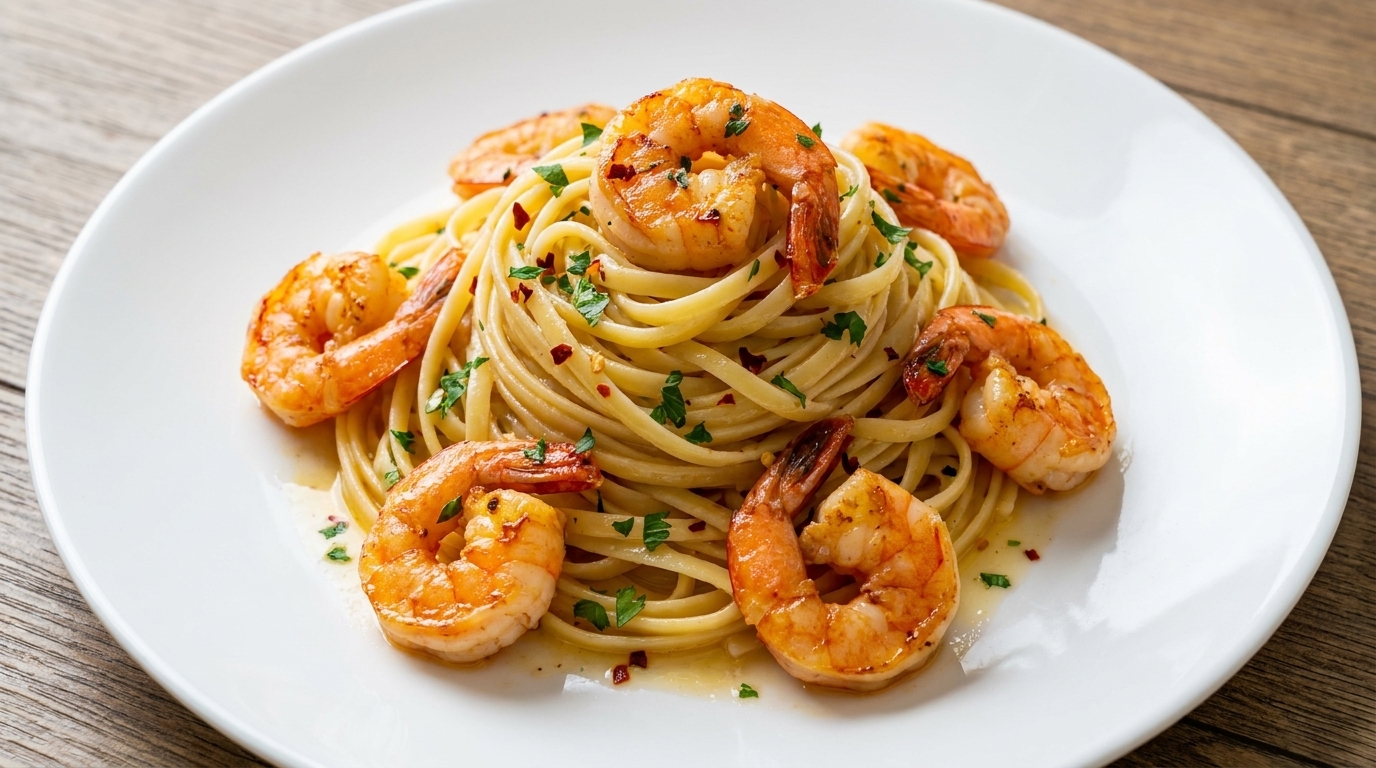
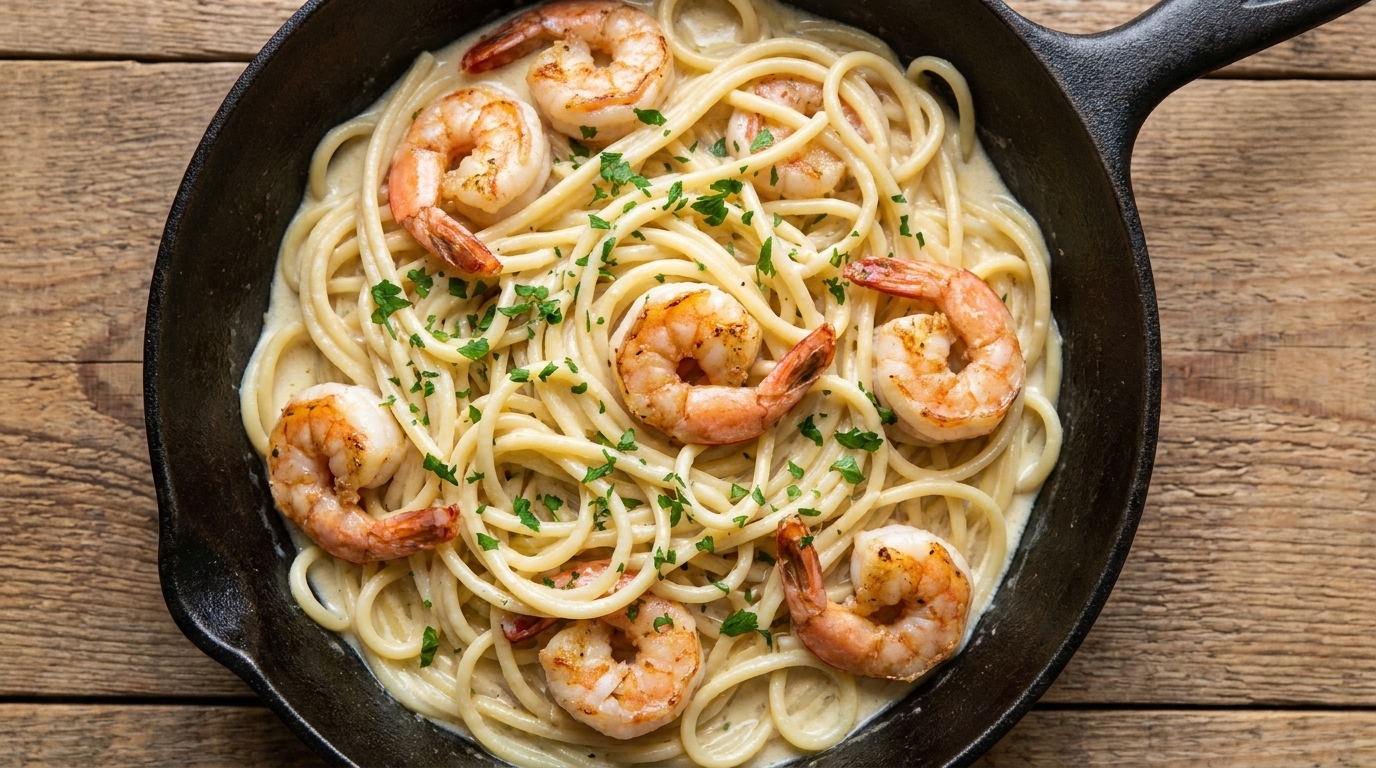
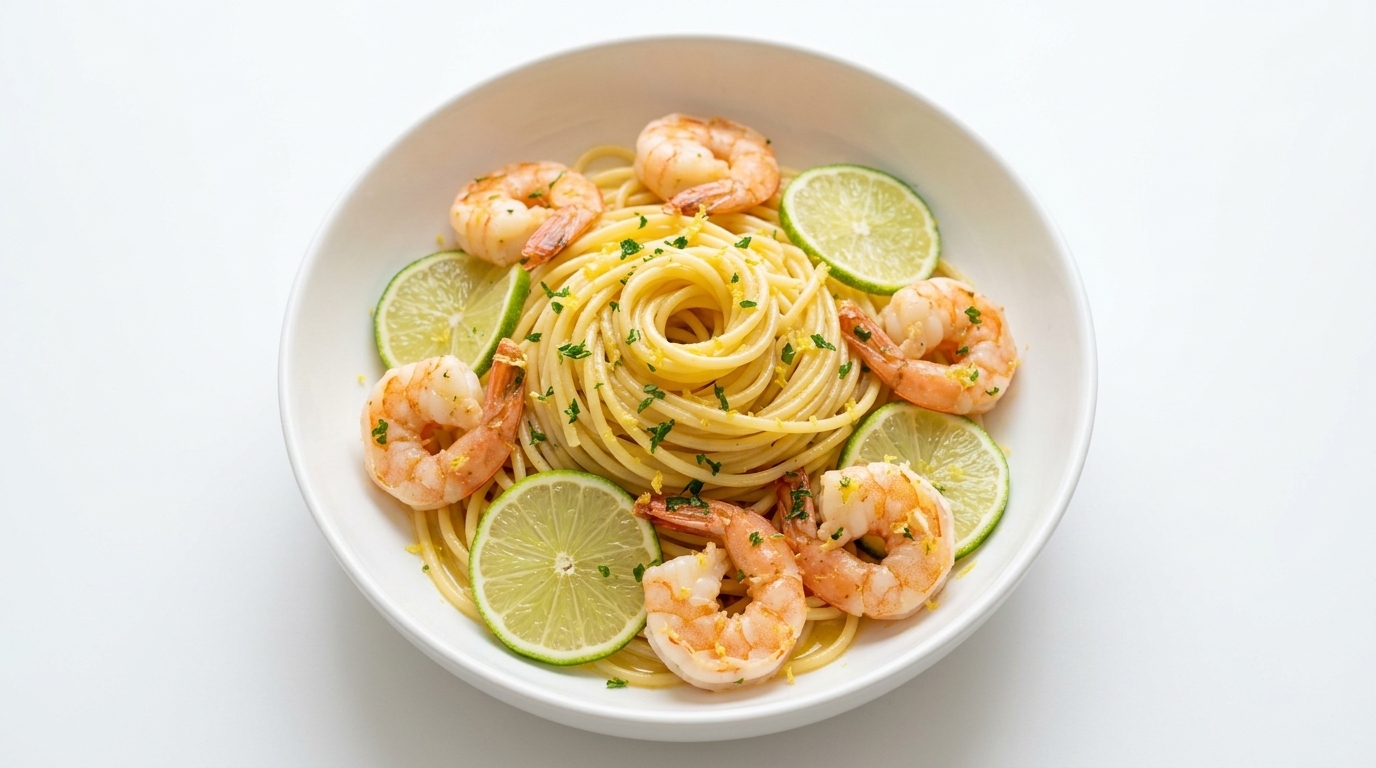
This garlic butter shrimp pasta relies on a brilliant technique: frying the shrimp heads to create a deeply savory infused oil that coats every single noodle.
The secret to an exceptional seafood pasta lies in maximizing the ingredients you already have. Instead of discarding the shrimp heads, this recipe gently fries them to release their rich, oceanic essence into the cooking oil. Combined with freshly minced garlic, fiery dried chilies, and a touch of butter, this infused base becomes a luxurious, glossy sauce that elevates a simple weeknight spaghetti into a restaurant-quality dish.
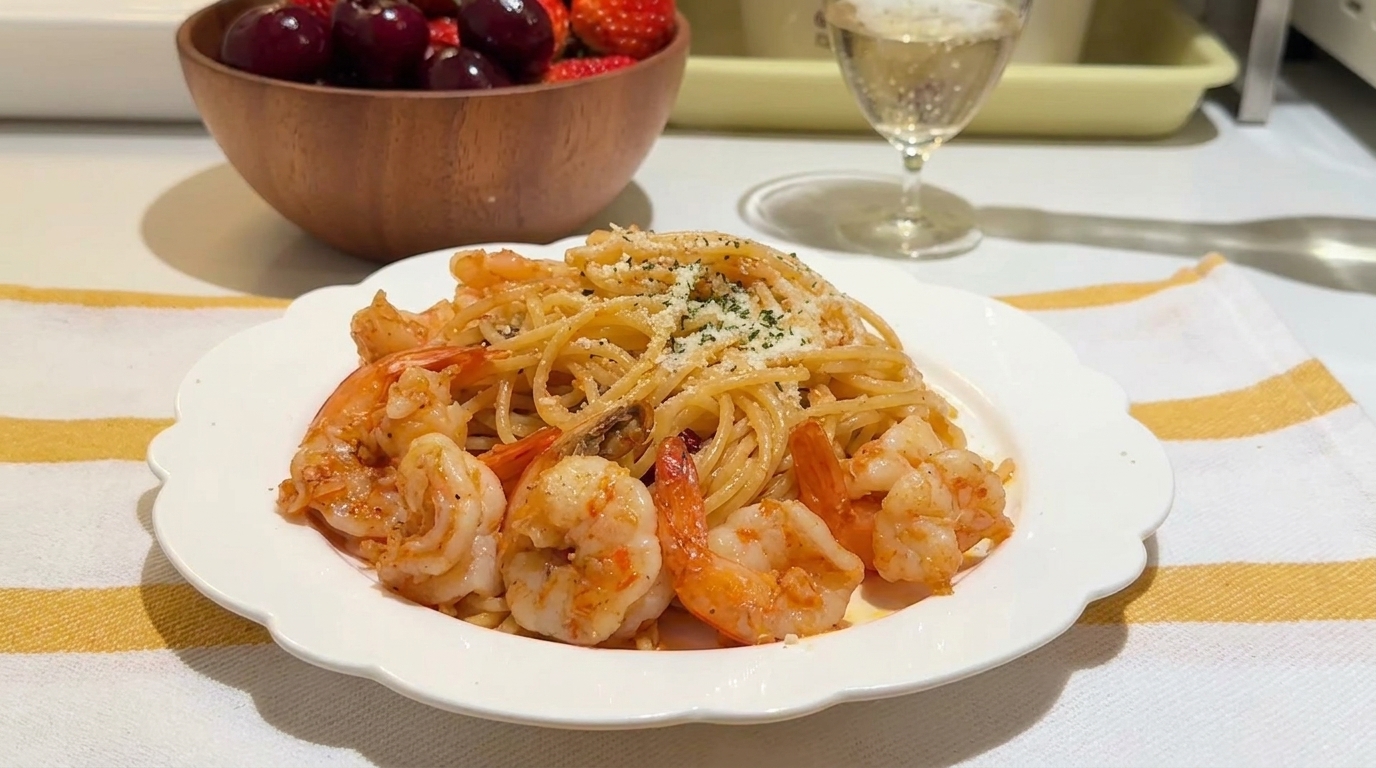
Ingredients
- 300 g whole raw shrimp (heads on)
- 200 g dry spaghetti
- 5 cloves fresh garlic
- 3–4 dried red chilies
- 2 tbsp cooking oil
- 1 tbsp butter
- 1 tbsp oyster sauce
- to taste freshly ground black pepper
- to taste sea salt
- to garnish parmesan cheese powder
- to garnish dried parsley
Instructions
- 1Wash the shrimp
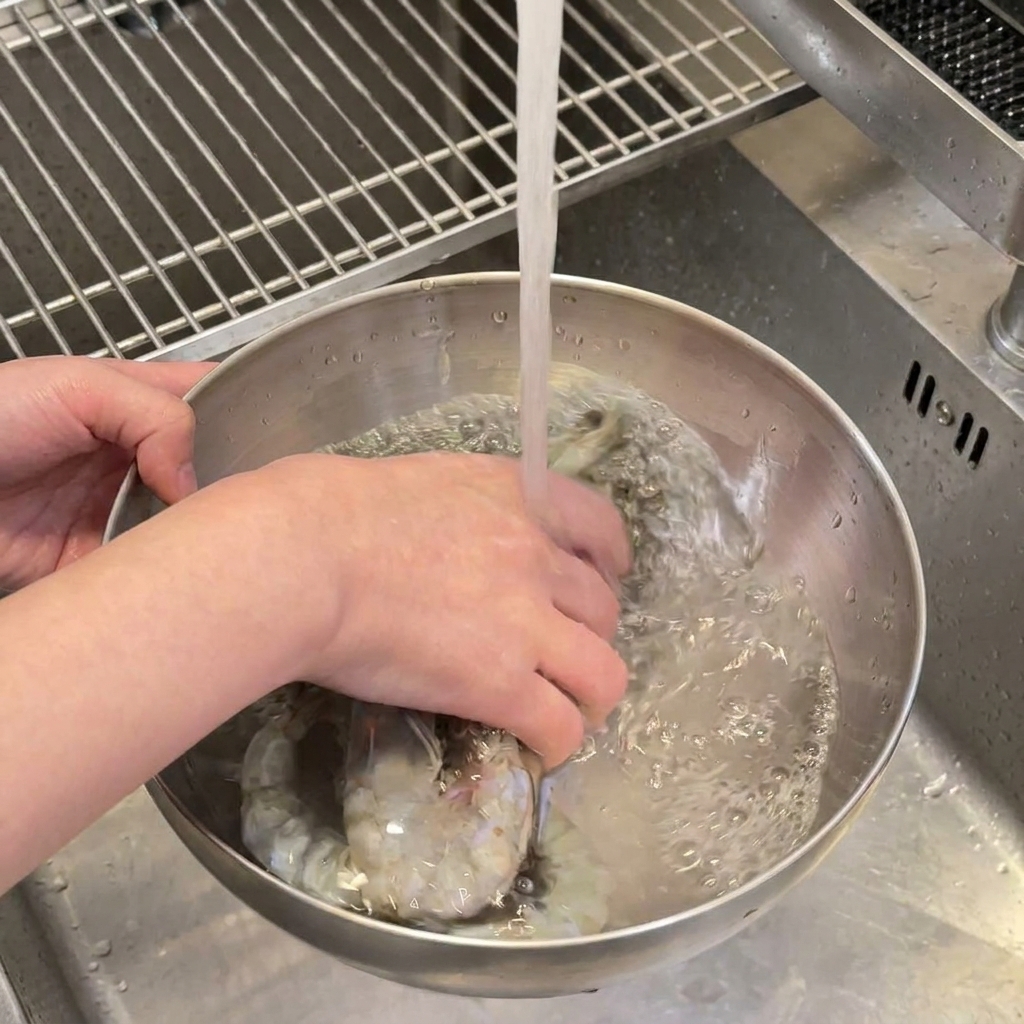
Place the whole, raw shrimp into a metal bowl and thoroughly rinse them under cold running water. This removes any surface impurities and prepares them for peeling.
Tip: Always use cold water when washing seafood to keep the flesh firm and prevent premature cooking. - 2Peel and reserve the heads
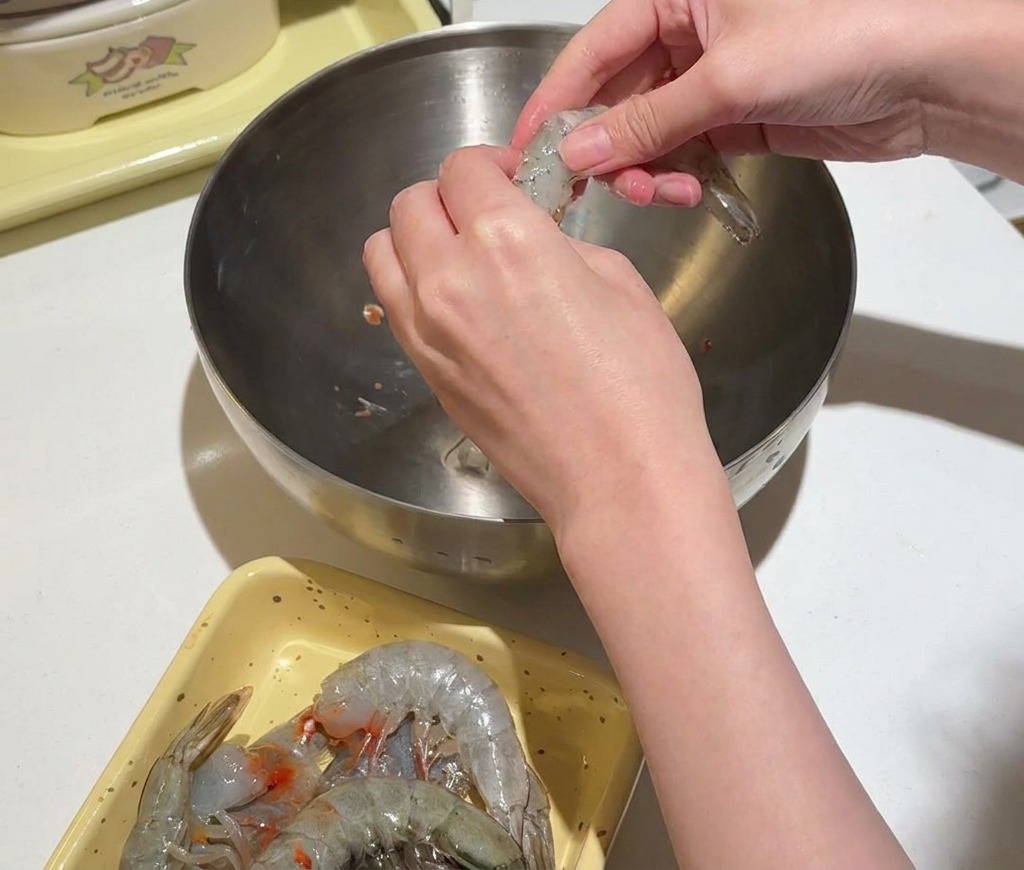
Carefully twist off the heads and peel the shells from each shrimp, making sure to leave the tail segment attached for a better presentation. Set the shrimp heads aside, as they will be used later to extract a flavorful shrimp oil.
Tip: Dont discard the heads! Frying them releases a rich, savory essence that forms the flavor base of the entire dish. - 3Devein the shrimp
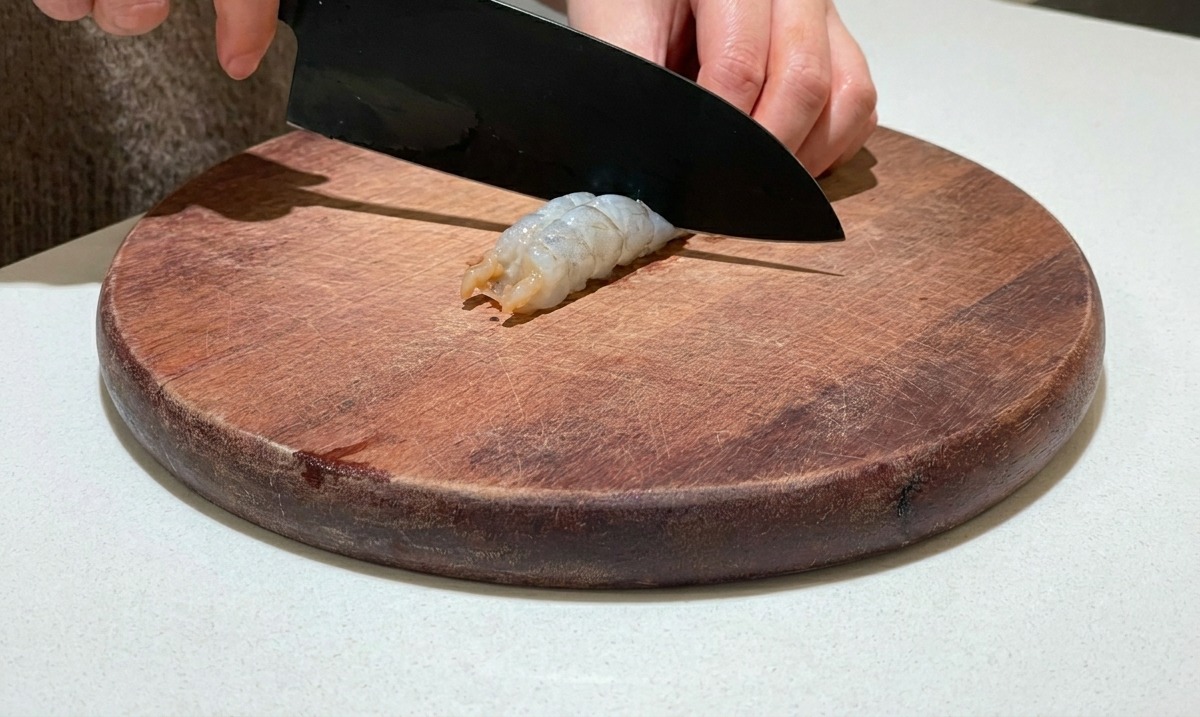
Place the peeled shrimp on a wooden cutting board. Using a sharp knife, gently make a shallow slice along the back of each shrimp to expose and remove the dark intestinal tract.
Tip: A shallow cut is all you need—cutting too deep will cause the shrimp to curl up excessively and lose its shape when cooked. - 4Prep the garlic
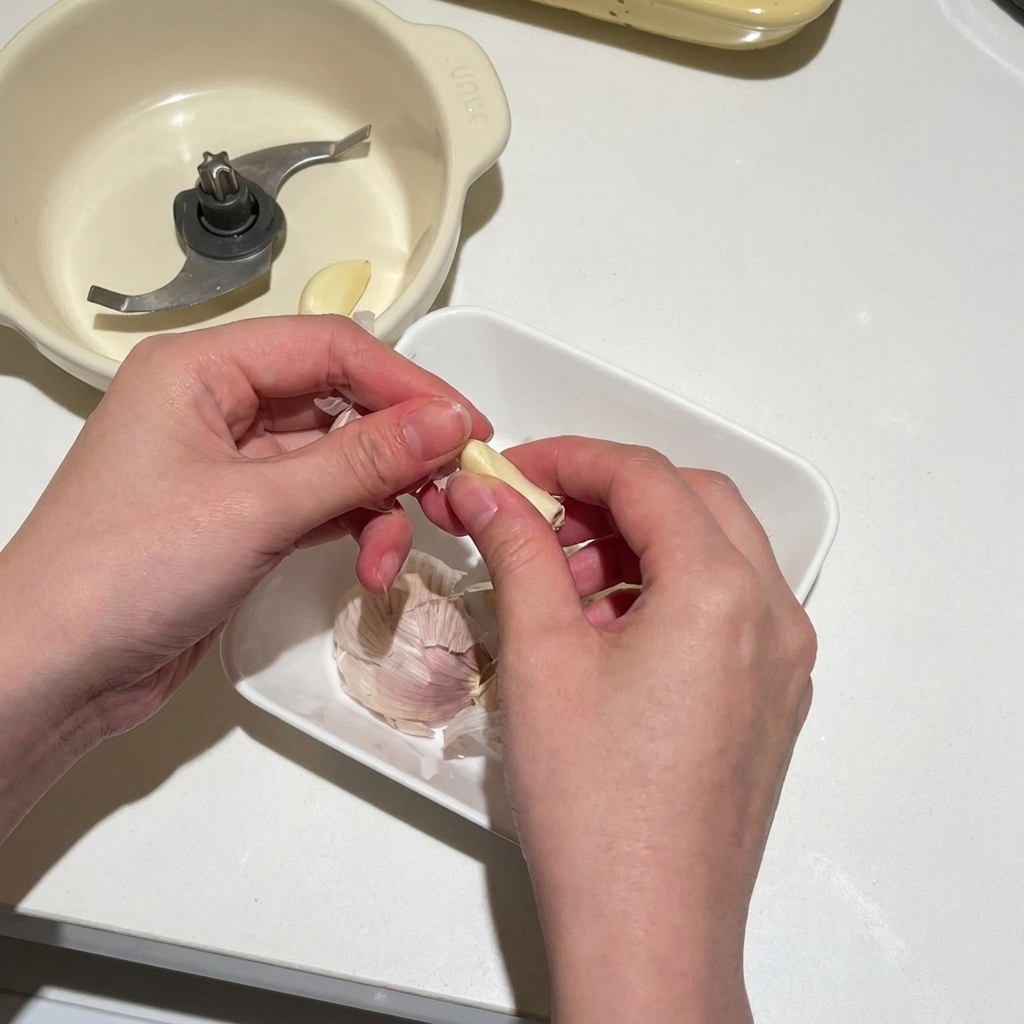
Peel several cloves of fresh garlic and place them into a small electric food chopper or processor. Process until the garlic is finely minced so it can evenly distribute its aromatic flavor throughout the pasta.
Tip: If you dont have an electric chopper, you can easily mince the garlic by hand using a chefs knife. - 5Snip the dried chilies
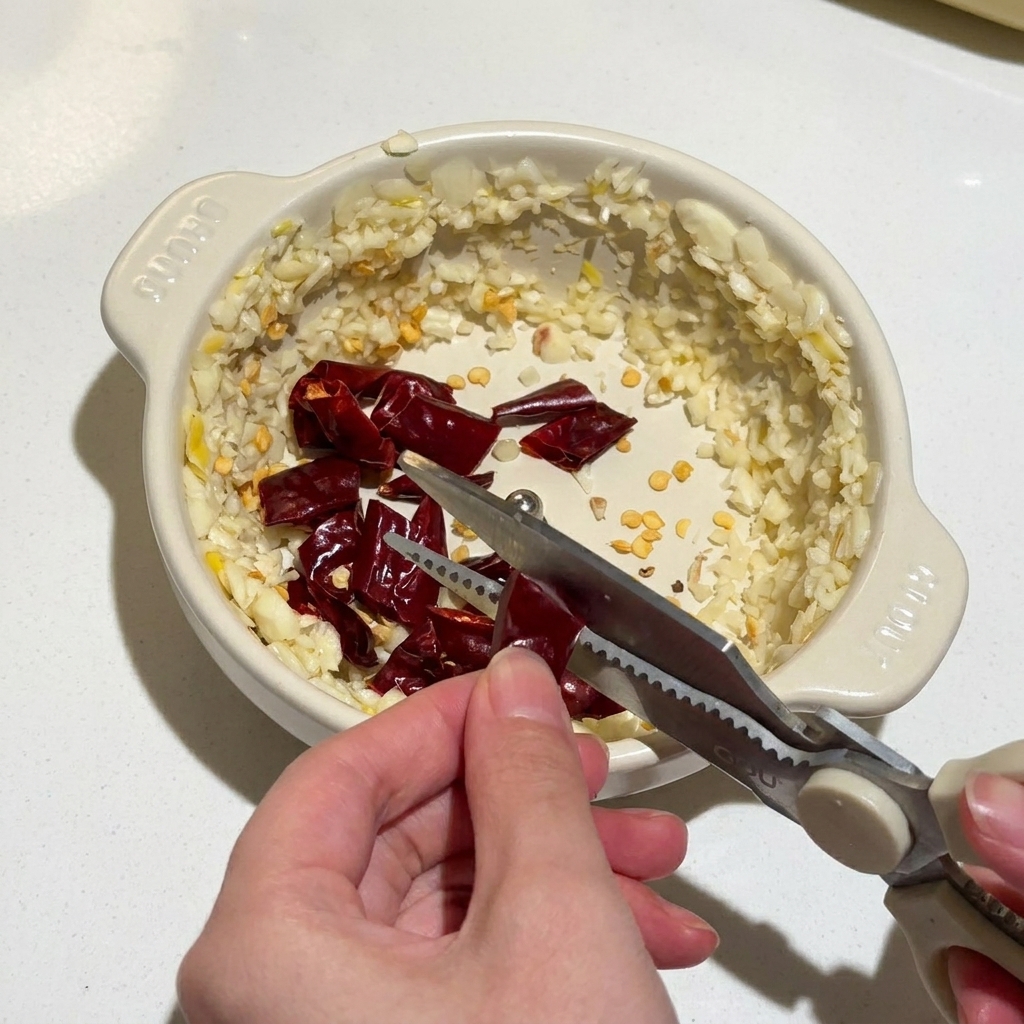
Using a pair of kitchen scissors, snip the dried red chilies directly into the bowl with the freshly minced garlic. These will be fried together to create the spicy, aromatic base for the spaghetti.
Tip: If you prefer a milder dish, gently shake out and discard the loose seeds from the snipped chilies before adding them to the bowl. - 6Boil the spaghetti
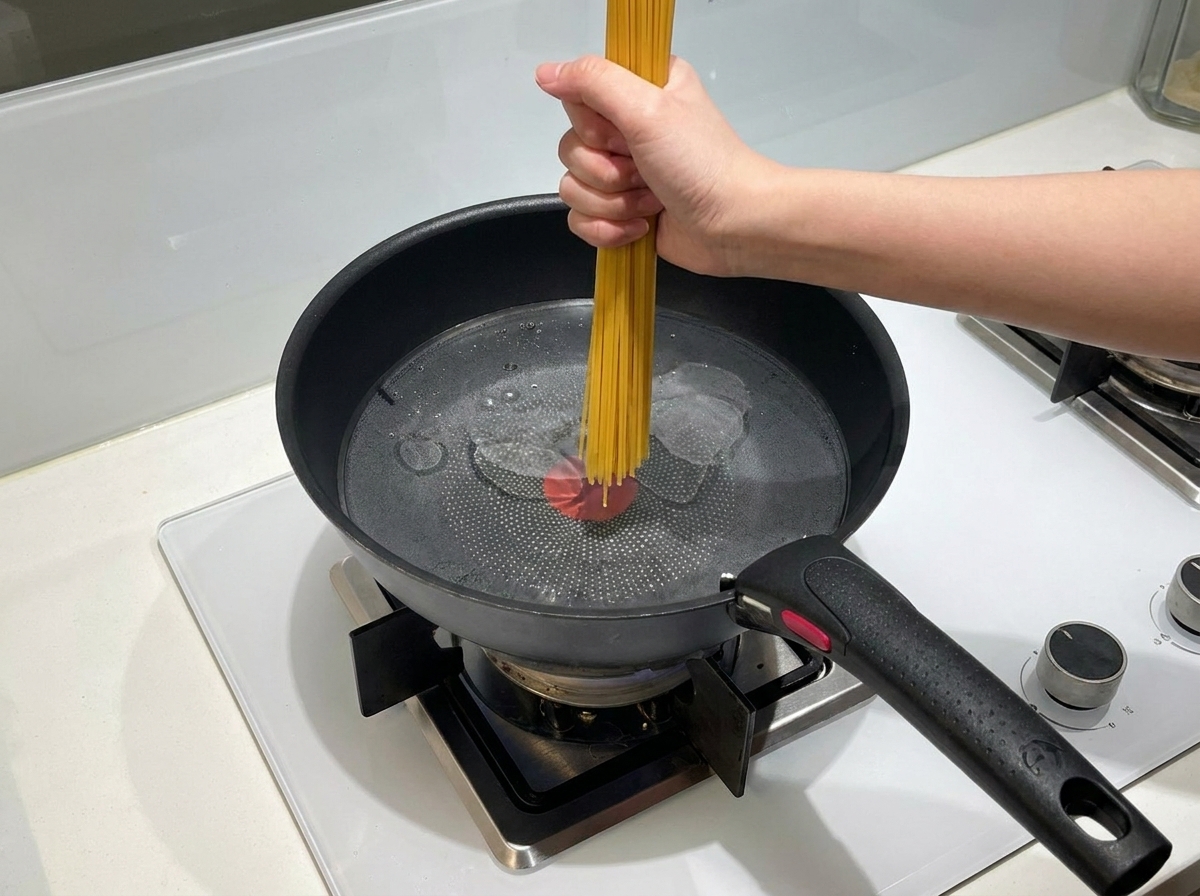
Bring a pot of water to a rolling boil. Take a handful of dry spaghetti noodles and push them down into the boiling water. Cook the pasta according to the package instructions until it reaches an al dente texture, then scoop it out and set aside.
Tip: Generously salt your pasta water once it boils—it should taste like the sea to properly season the noodles from the inside out. - 7Drain the spaghetti
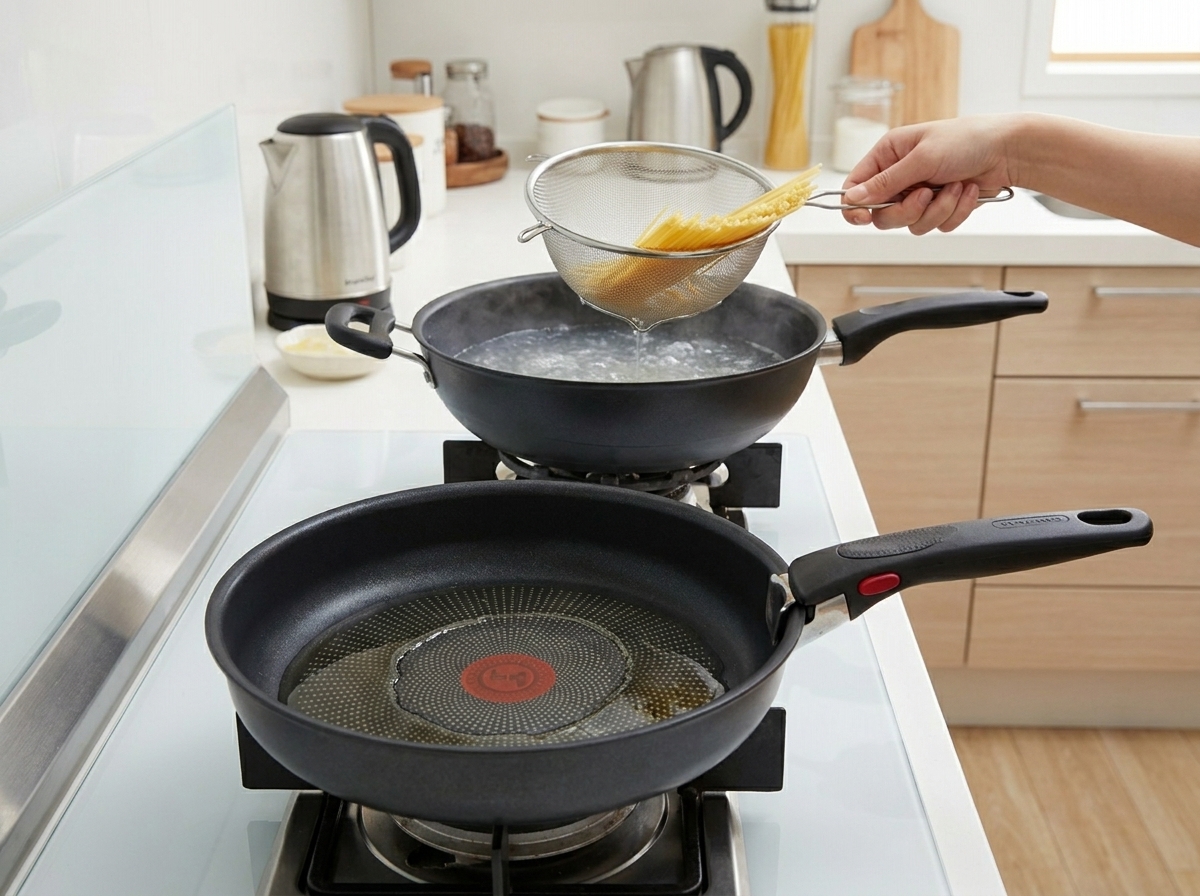
Once the spaghetti is cooked to al dente, use a wire skimmer to carefully lift the pasta out of the boiling water. Transfer it to a bowl or plate and set it aside while you prepare the sauce. Be sure to leave the hot pasta water in the pot, as you may need a few spoonfuls later to adjust the consistency of the dish.
Tip: Cooking the pasta slightly underdone (al dente) ensures it maintains a great texture when tossed in the hot shrimp oil later. - 8Extract the shrimp oil
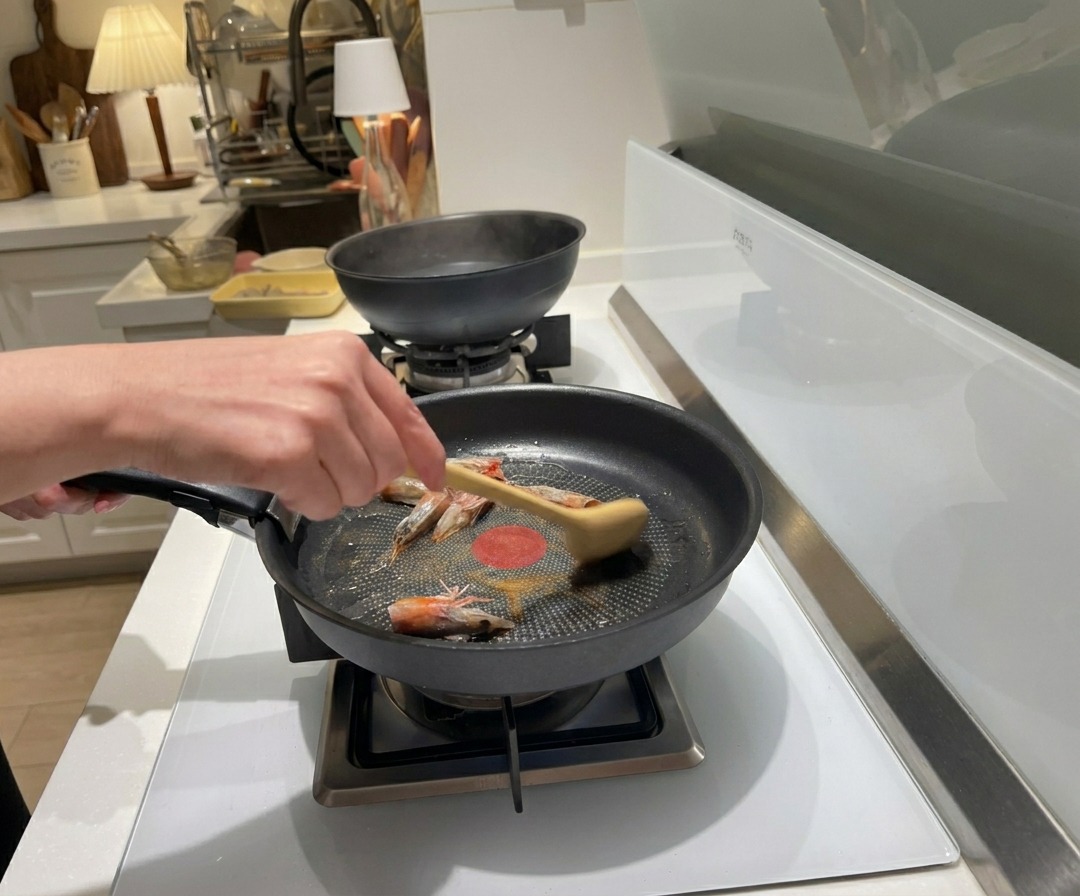
Heat a generous amount of cooking oil in a frying pan over medium heat. Add the reserved raw shrimp heads to the hot oil and fry them. Press down gently on the heads with a spoon to release their rich, savory juices, infusing the oil with a vibrant color and deep seafood flavor.
Tip: Dont rush this step; slowly frying the heads draws out the maximum amount of flavor to build the base of your pasta sauce. - 9Sauté the aromatics
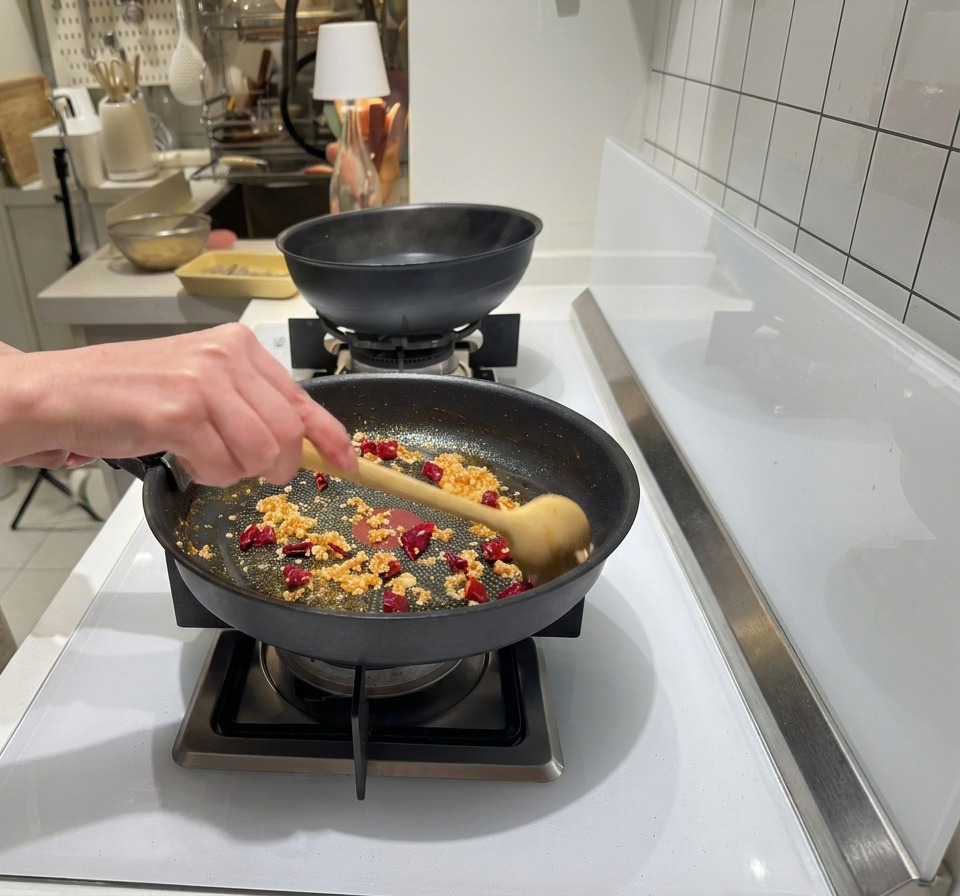
After removing the fried shrimp shells from the pan, toss the minced garlic and chopped dried red chilies directly into the hot, infused shrimp oil. Stir-fry the mixture continuously until the garlic turns lightly golden and the kitchen smells wonderfully fragrant.
Tip: Keep a close eye on the pan and maintain a medium-low heat to ensure the garlic and chilies release their aroma without burning and turning bitter. - 10Add the raw shrimp
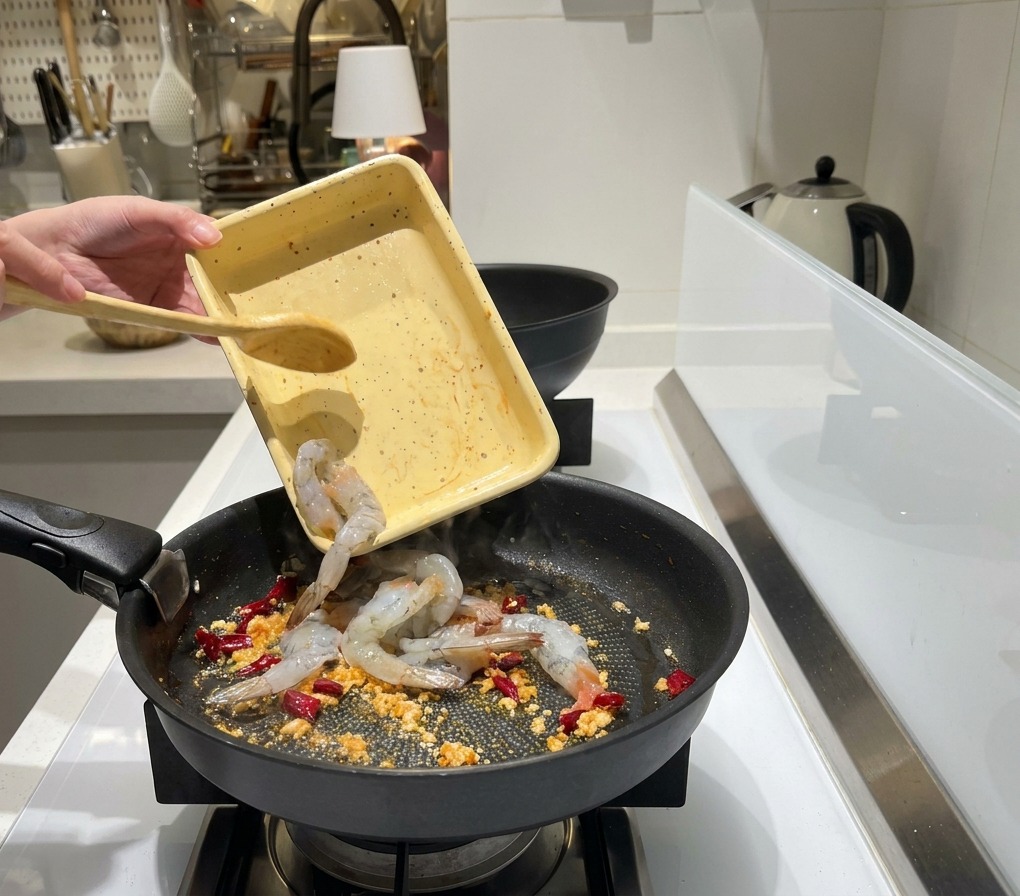
Slide the peeled, raw shrimp bodies directly into the sizzling pan with the aromatic garlic and chili oil. Spread them out in an even layer so they can sear beautifully and absorb all the spicy, garlicky flavors from the base.
Tip: Pat your peeled shrimp completely dry before adding them to the pan; this helps them achieve a nice sear instead of steaming in their own juices. - 11Season the shrimp
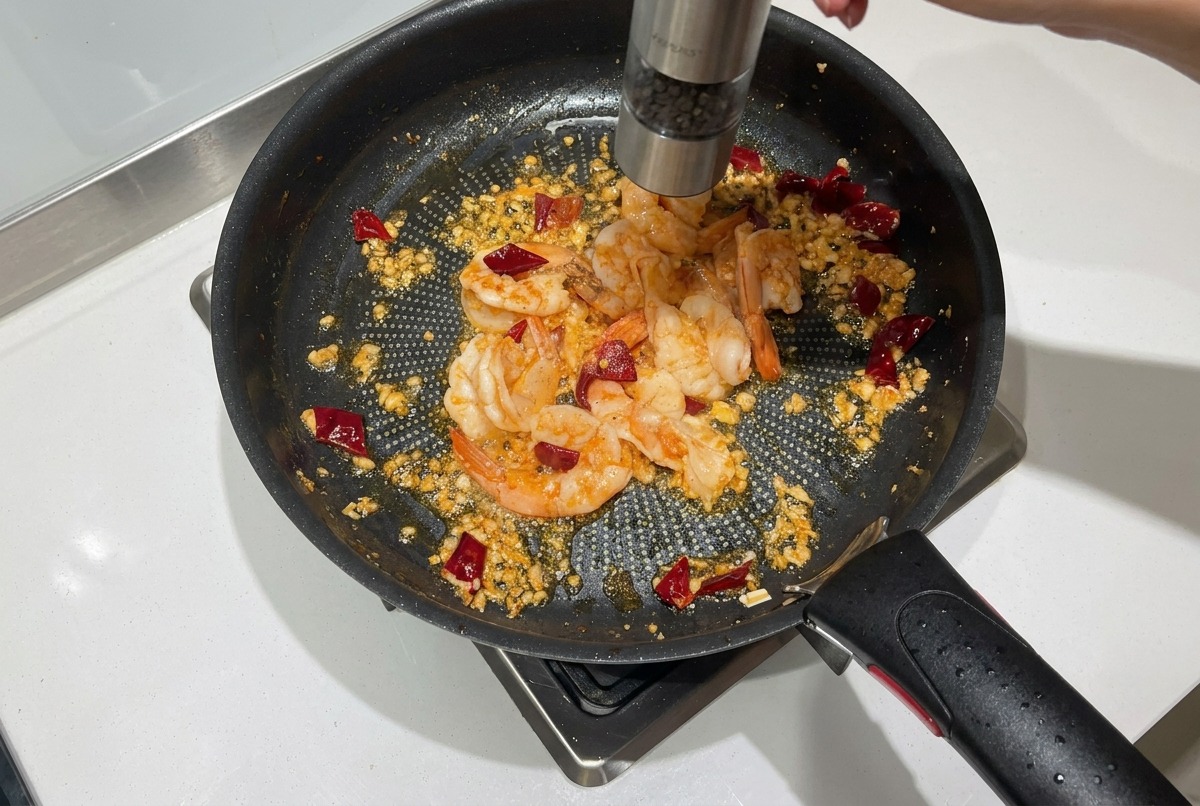
As the shrimp begin to turn opaque and pink, generously grind fresh black pepper over them. Season lightly with sea salt and drop in a pat of butter, letting it melt evenly through the pan to create a rich, silky coating for the seafood.
Tip: Adding butter towards the end of the cooking process emulsifies the sauce and adds a glossy finish without the milk solids breaking from too much heat. - 12Add spaghetti to the pan
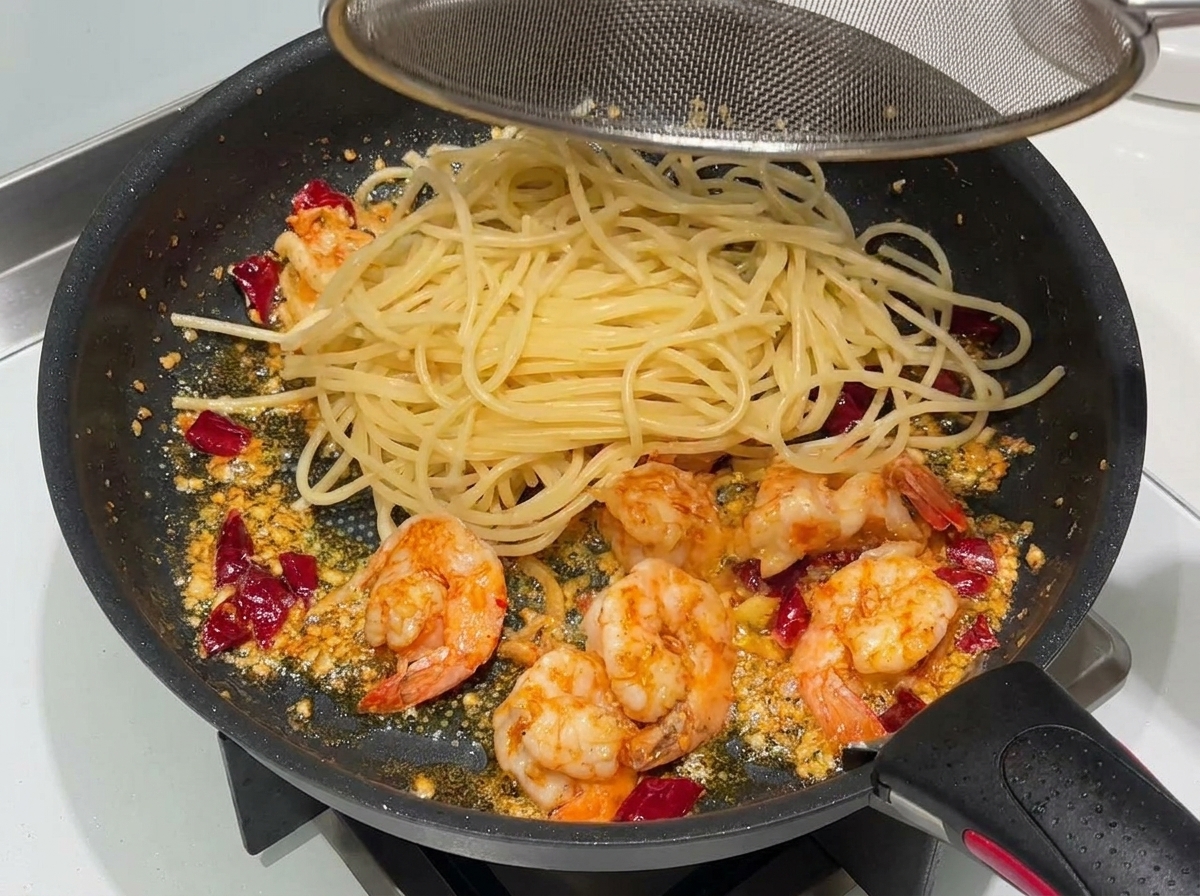
Transfer the cooked spaghetti directly into the pan with the infused shrimp oil, cooked shrimp, and aromatics. Using a spider strainer or tongs allows some of the starchy pasta water to carry over, which will help create a cohesive sauce.
Tip: Dont rinse your pasta after boiling! The natural starches on the surface are crucial for thickening the sauce and helping it cling to the noodles. - 13Add the oyster sauce
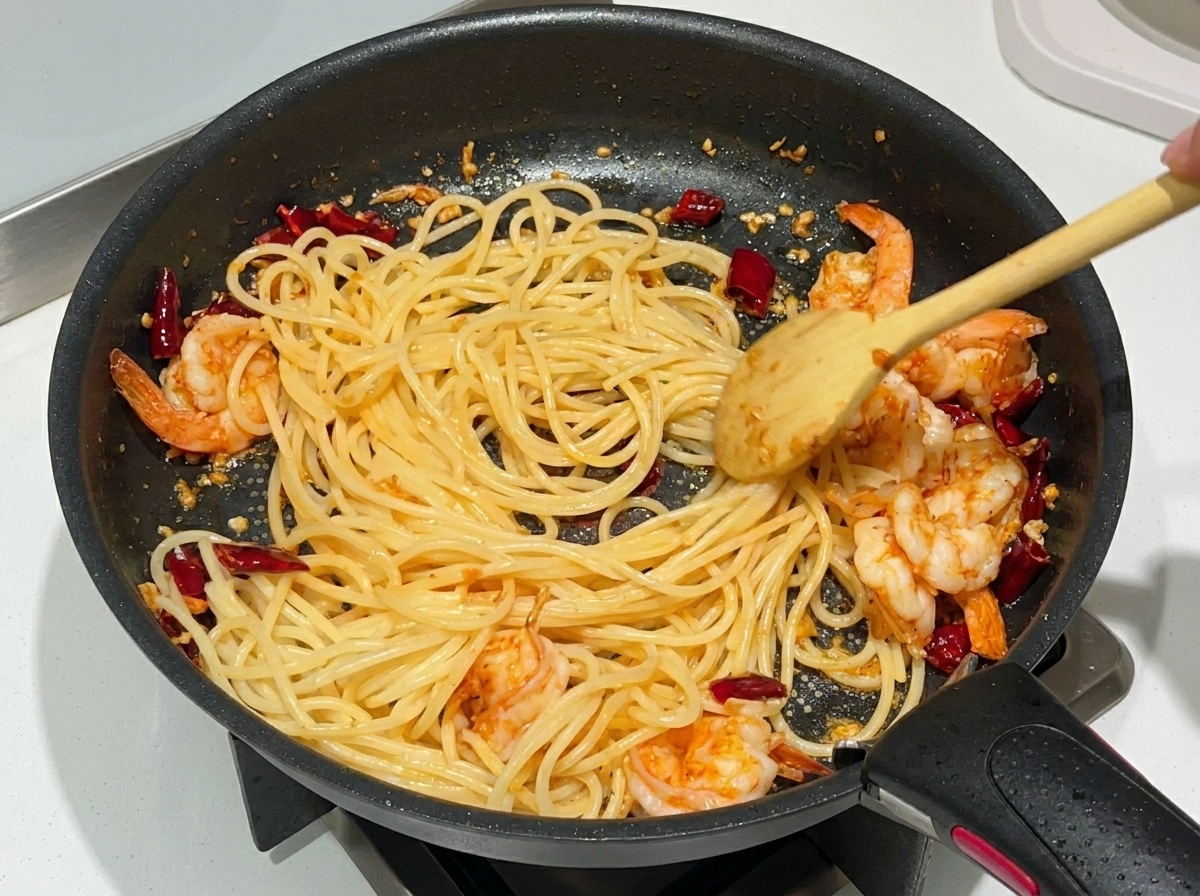
Pour a drizzle of oyster sauce directly over the noodles and shrimp in the pan. This adds a deep, savory umami note that perfectly complements the garlic and infused shrimp oil.
Tip: Oyster sauce acts as a flavor bridge, enhancing the natural sweetness of the shrimp while adding a rich, dark color to the pasta. - 14Toss and serve
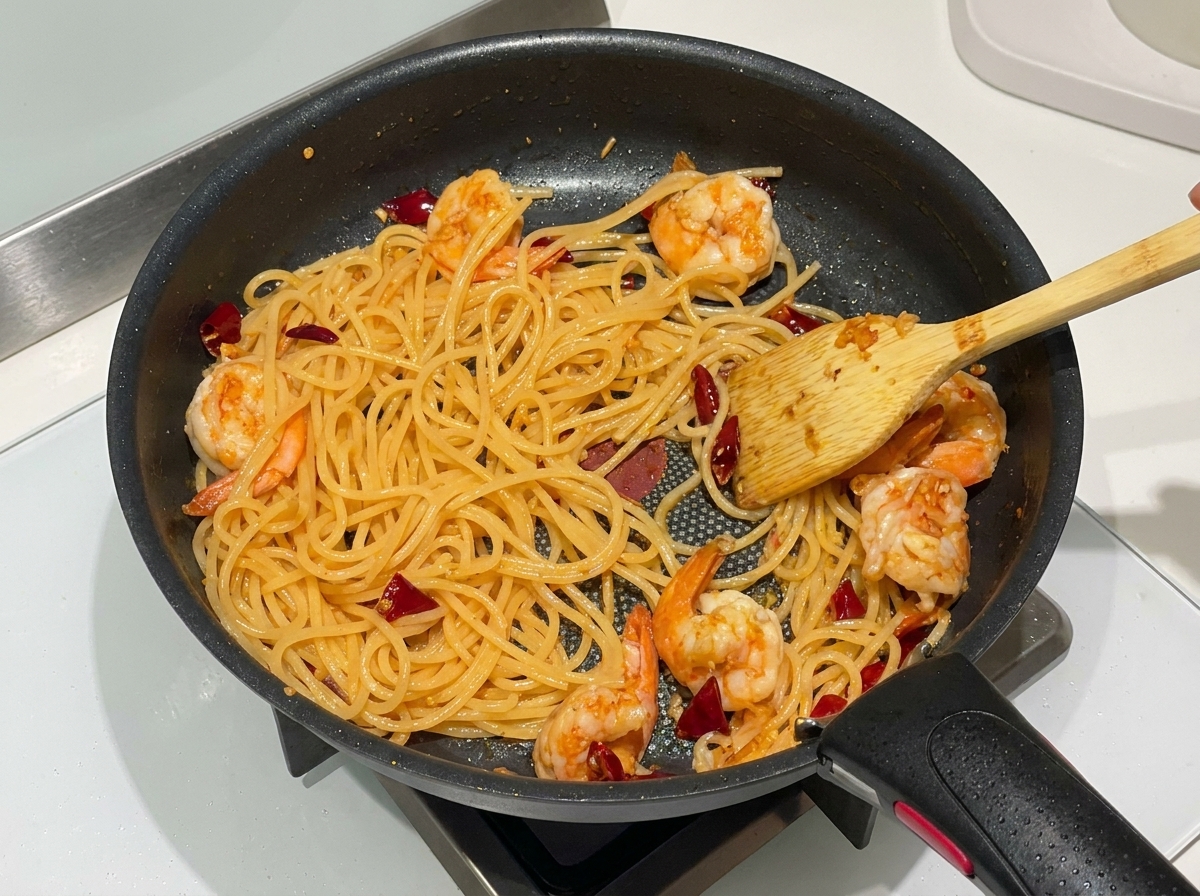
Stir and toss everything together thoroughly using a wooden spoon or chopsticks. Ensure every strand of spaghetti is beautifully coated with the garlic butter and shrimp oil glaze. If the pasta looks a little dry, add a splash of the reserved pasta water to loosen it up.
Tip: The starch in the reserved pasta water acts as an emulsifier, helping the oil and seasonings cling to the spaghetti to create a perfectly glossy sauce.