Garlic and Shrimp Oil Spaghetti
Charred Scallions
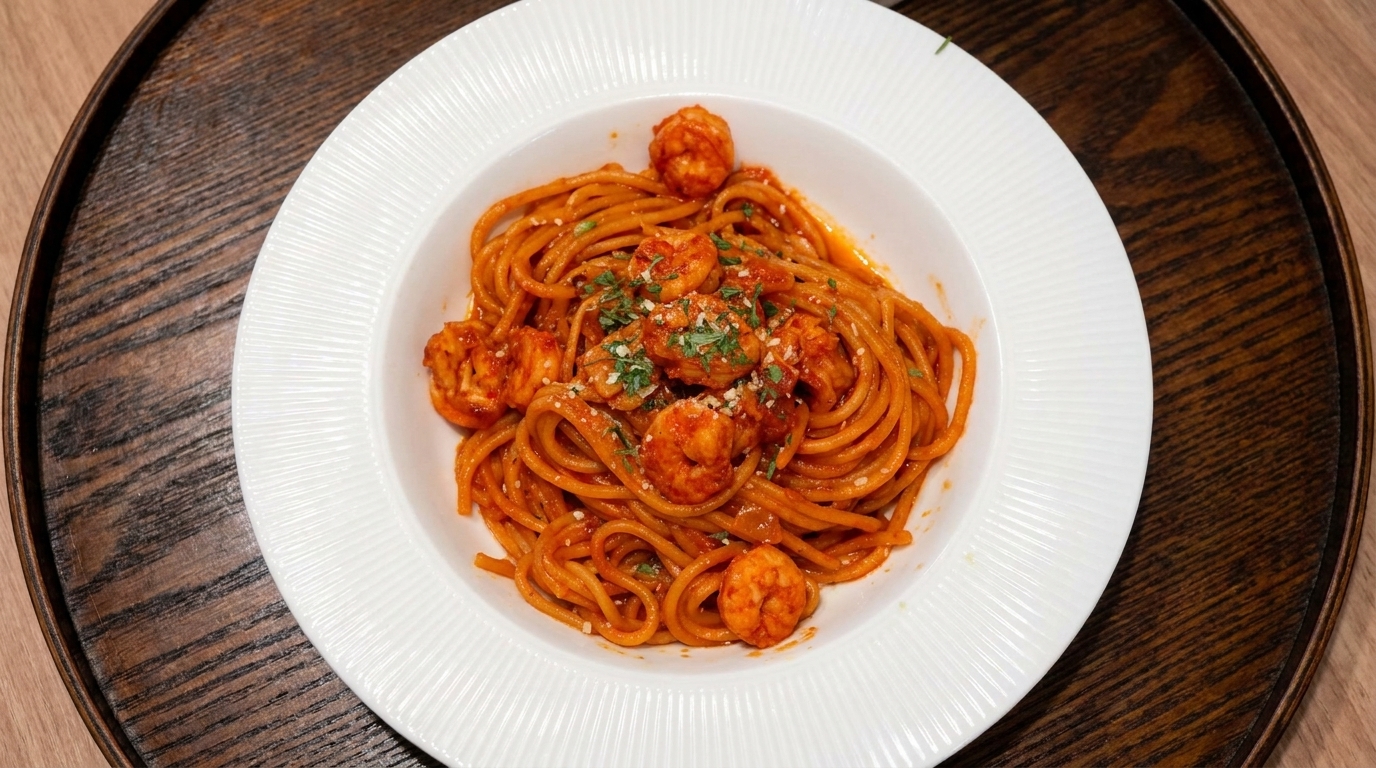
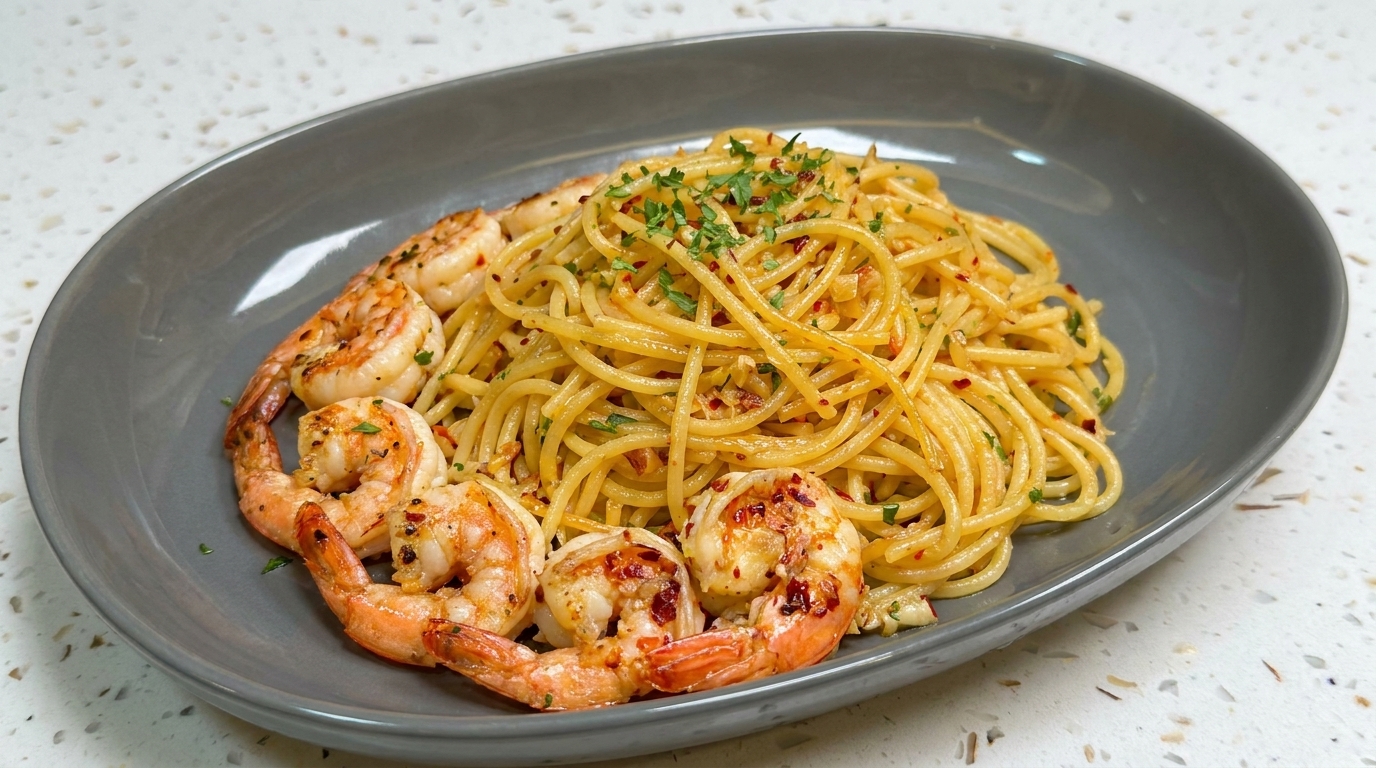
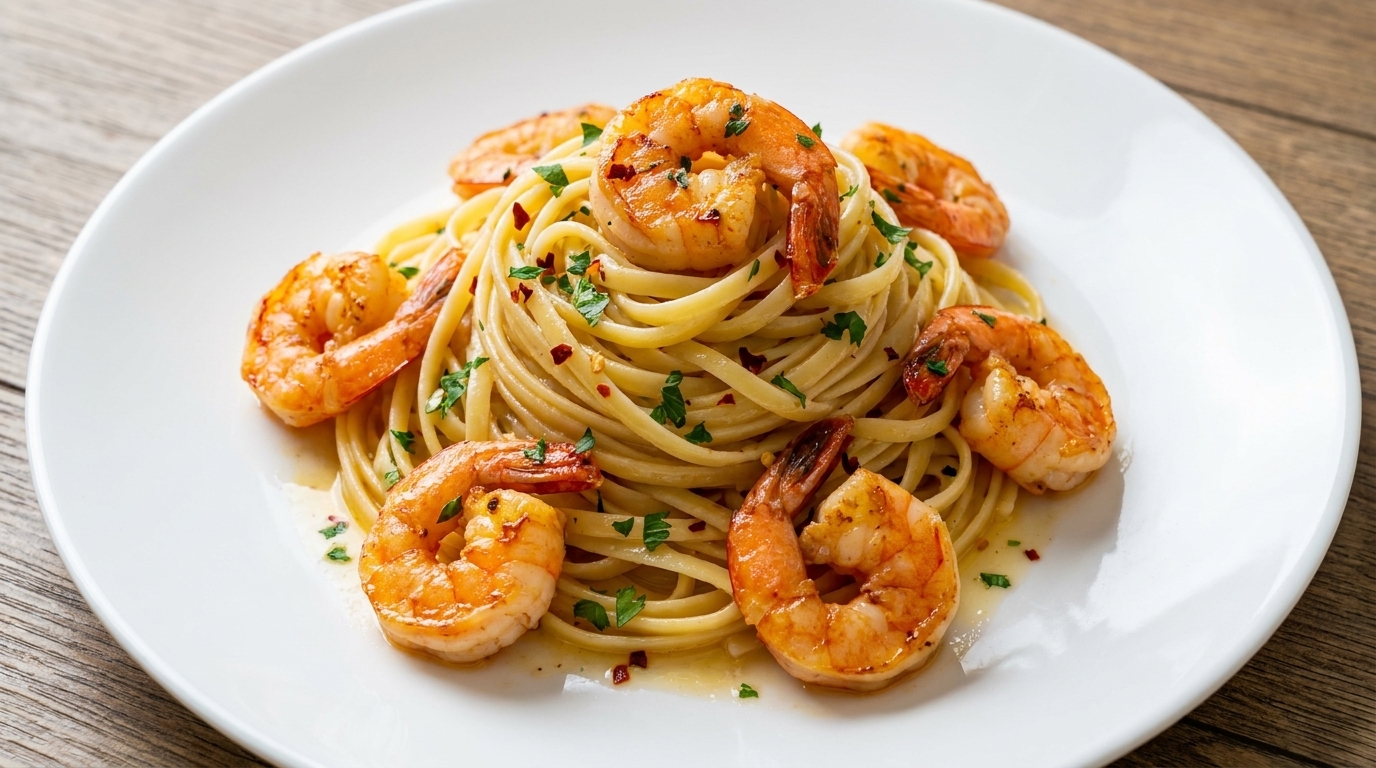
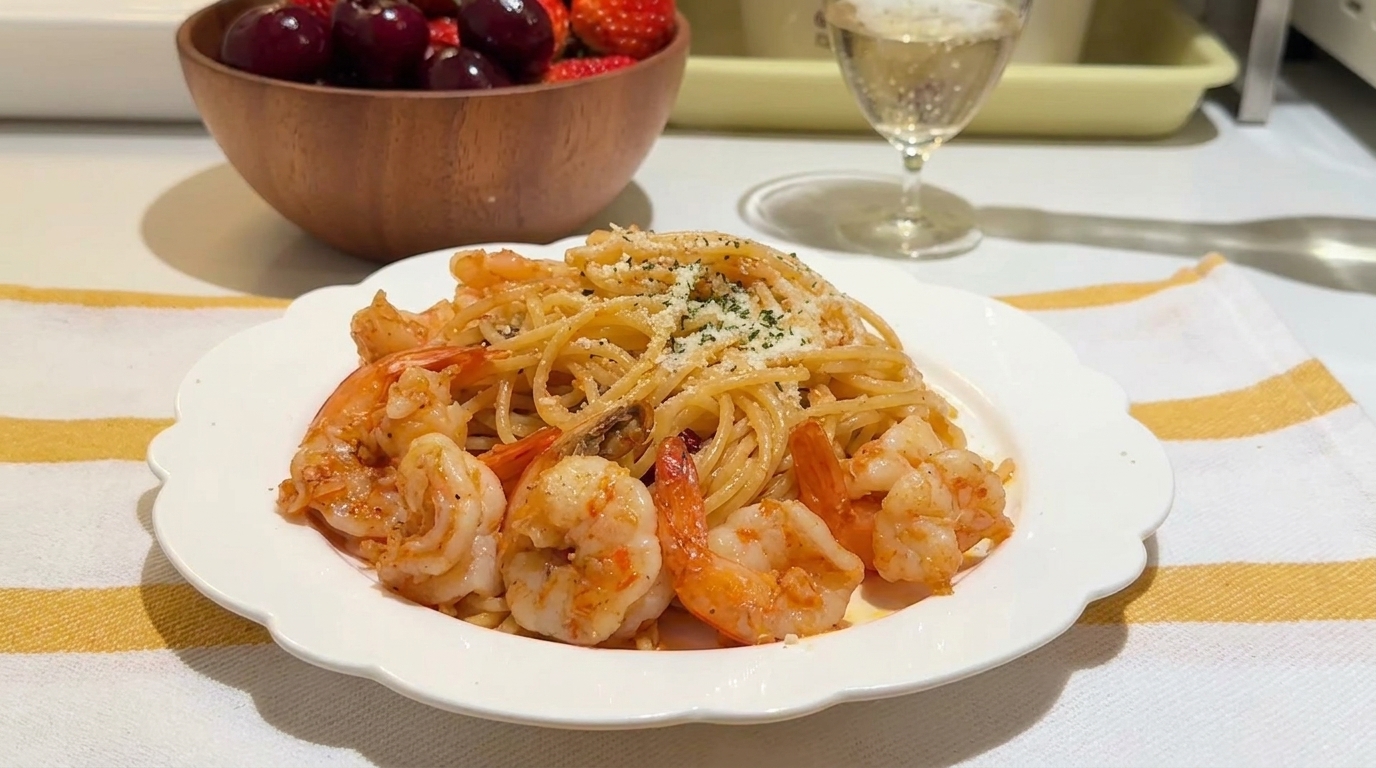
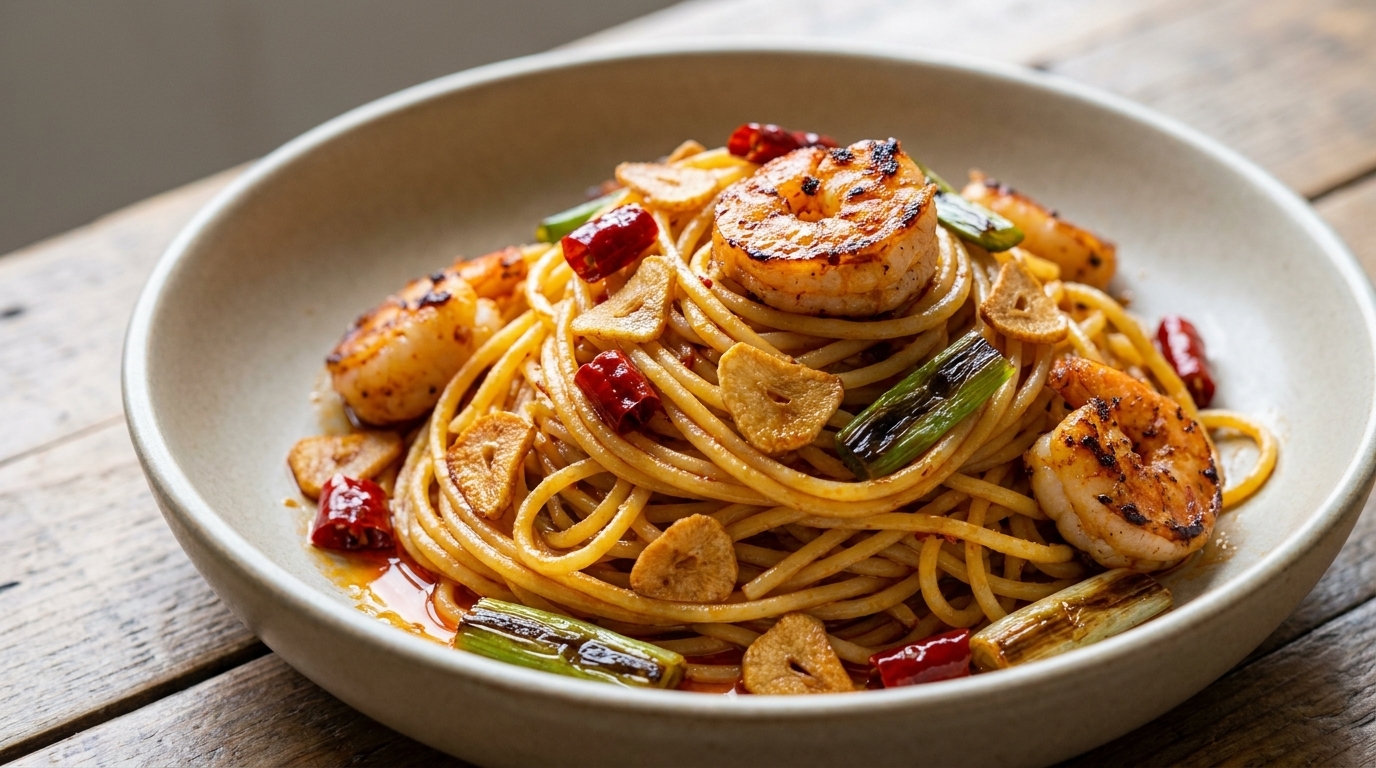
A brilliant fusion of Spanish tapas and Asian scallion noodles. This spaghetti is coated in an intensely savory, slow-infused shrimp and garlic oil.
Taking inspiration from classic Spanish gambas al ajillo and the comforting depth of Chinese scallion oil noodles, this dish is a masterclass in building flavor. By slowly frying shrimp heads and shells, you extract a vibrant orange oil that forms the soul of the sauce. The addition of crispy garlic, dried chilies, and charred scallions creates an explosive, aromatic base that beautifully coats every strand of pasta.
Ingredients
- 250 g spaghetti
- 300 g whole raw shrimp (heads and shells reserved)
- 1 head garlic
- 5 stalks green scallions
- 3–4 dried red chilies
- 1 tsp red chili powder
- 12 cup neutral cooking oil (or light olive oil)
- to taste salt
Instructions
- 1Slice the garlic
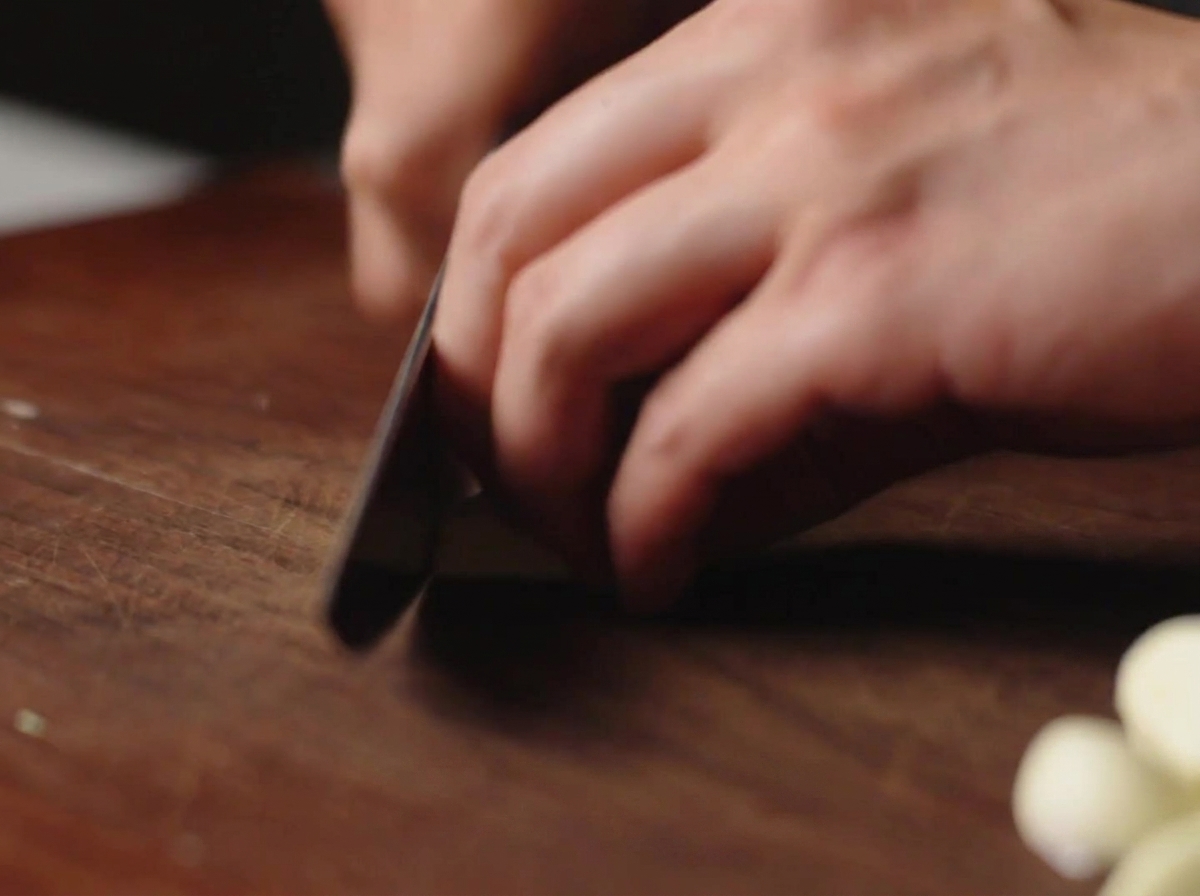
Thinly slice the peeled garlic cloves on a wooden cutting board. You will need a generous amount of garlic for this dish, as it forms the aromatic base of the flavored oil.
Tip: Try to slice the garlic as evenly as possible so the pieces cook at the same rate and dont burn. - 2Dry the shrimp heads
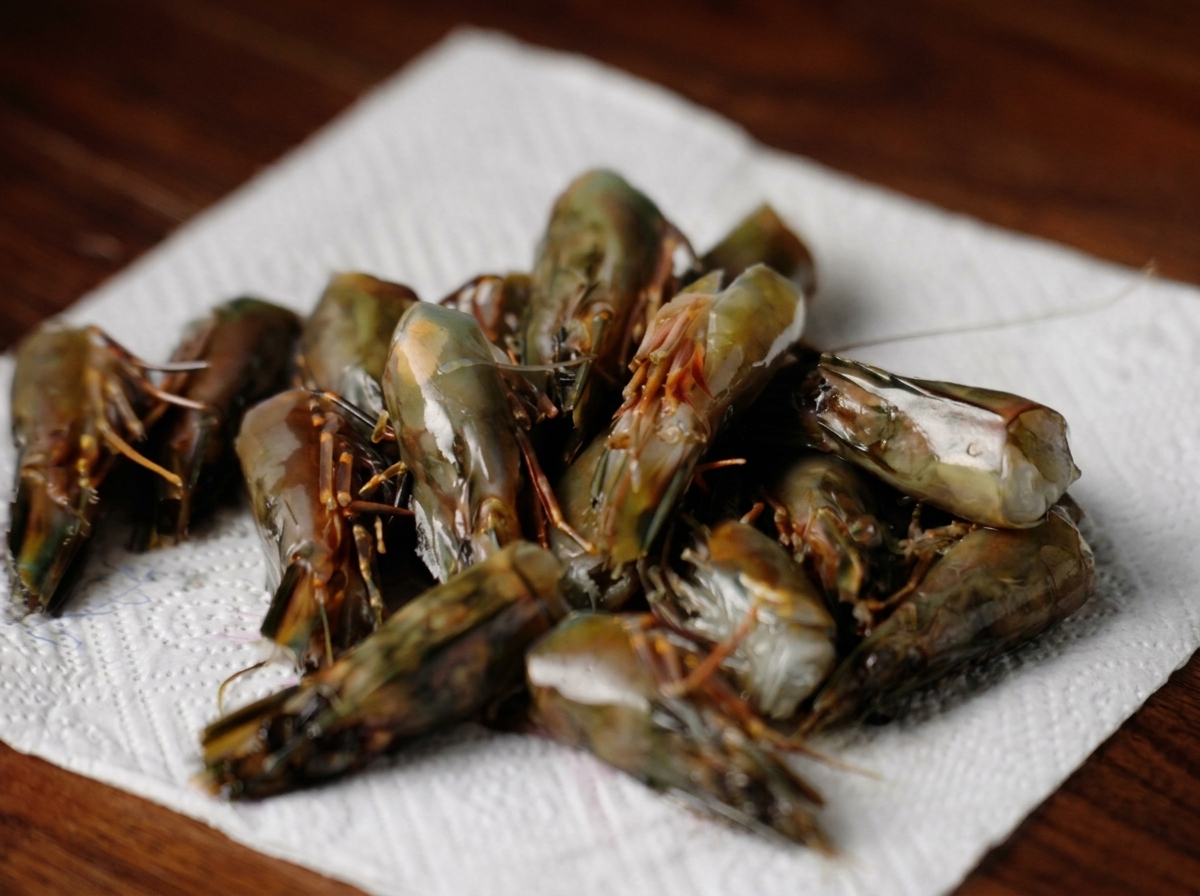
After separating the heads and shells from the shrimp, place them on a paper towel and pat them completely dry. Removing excess moisture is a crucial step before frying.
Tip: Thoroughly drying the shrimp heads prevents the hot oil from violently splattering when you add them to the pan. - 3Heat the base oil
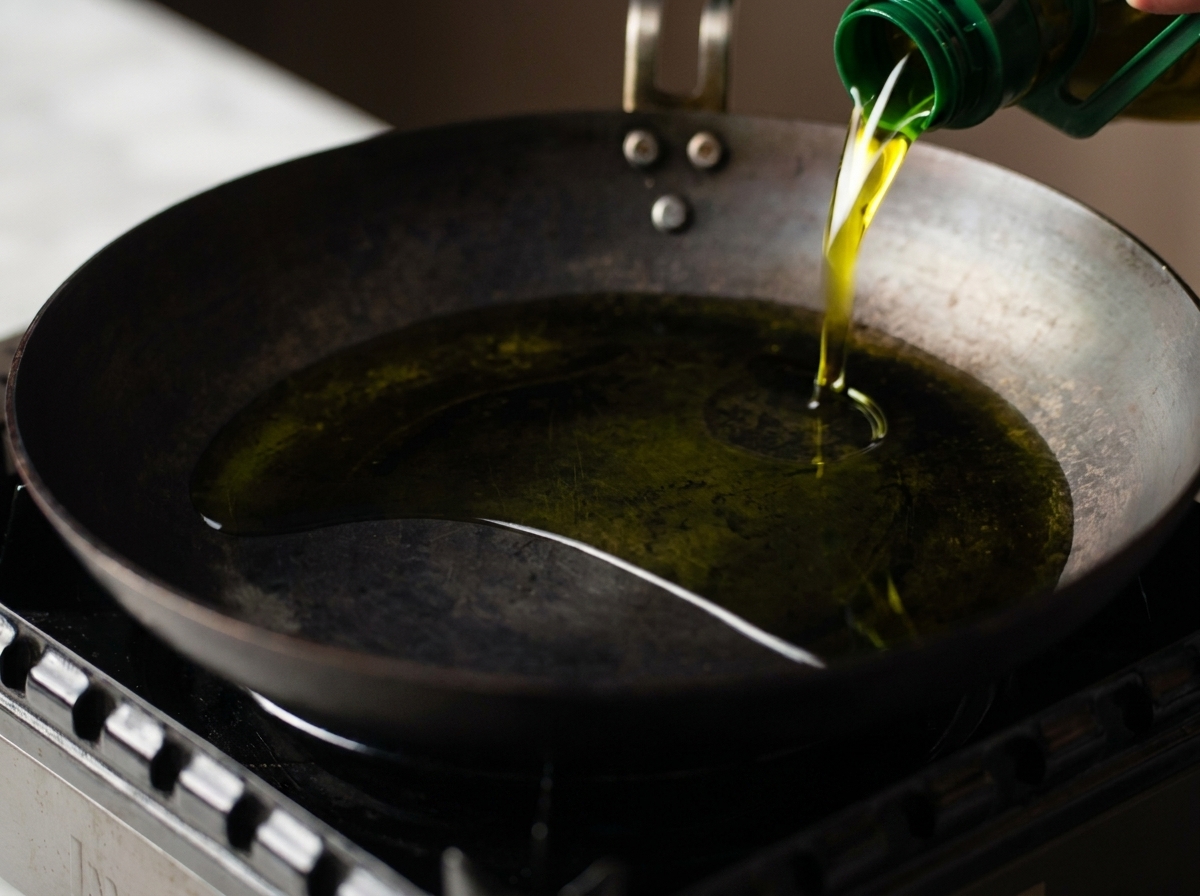
Place a skillet over medium-high heat and pour in a generous amount of cooking oil. This oil will be infused with all the seafood and aromatic flavors to coat the pasta later.
Tip: Make sure there is enough oil to fully submerge and fry the aromatics and shrimp heads effectively. - 4Fry the shrimp heads
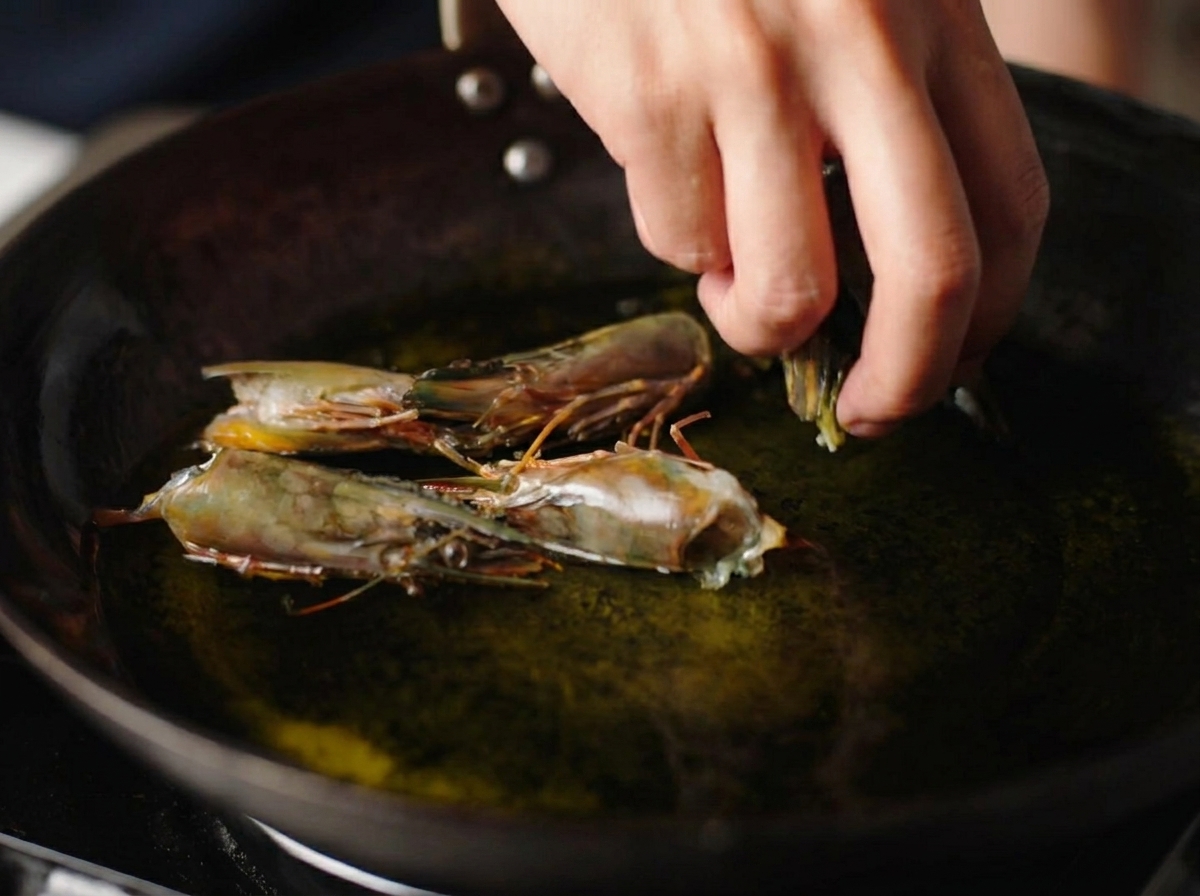
Carefully add the dried shrimp heads and shells into the hot oil. Fry them over medium-high heat until they become fully browned and aromatic.
Tip: Wipe the shrimp heads dry with a paper towel before adding them to the pan to prevent the hot oil from splattering. - 5Fry and press the shrimp heads
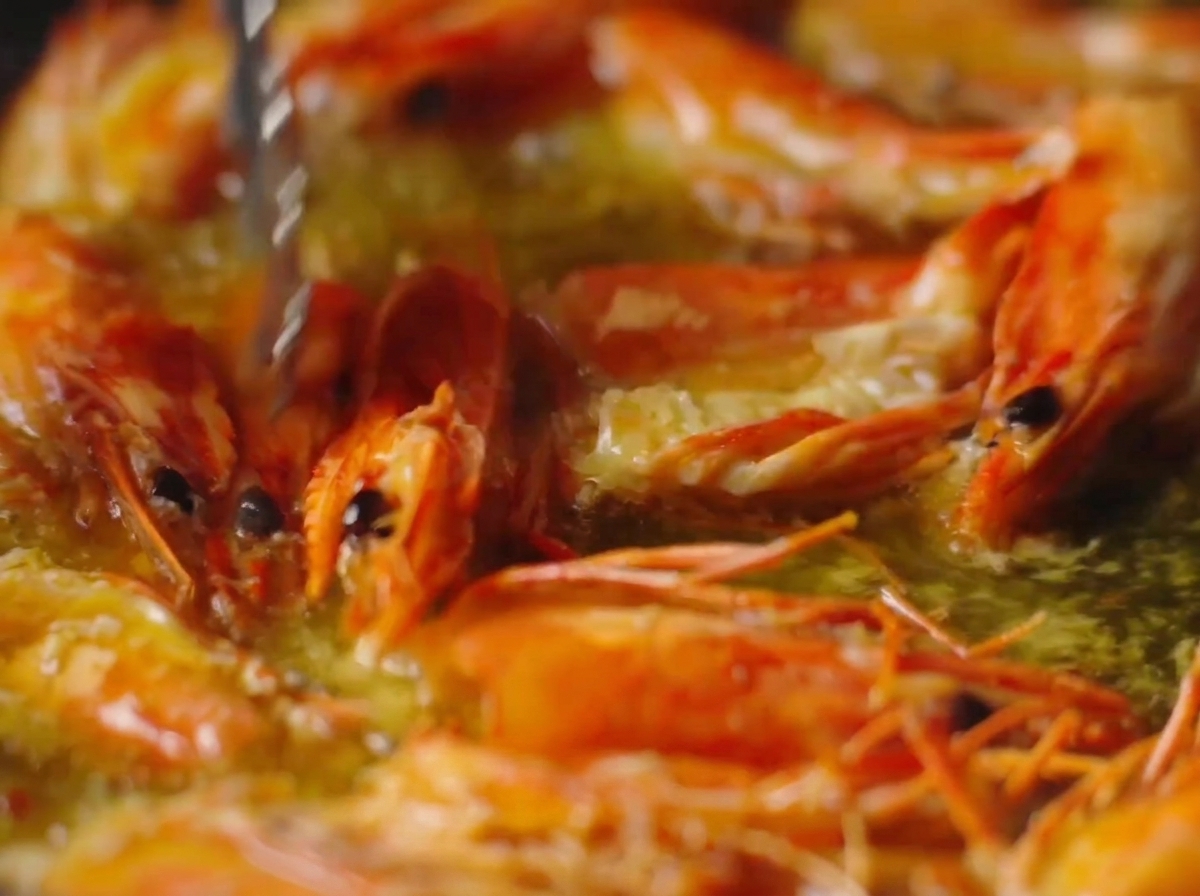
Once the shrimp heads are browned on both sides, reduce the heat to low. Continue frying for 10 to 15 minutes, using tongs to actively press down on the heads to squeeze out their rich, flavorful juices into the oil.
Tip: Take your time and keep the heat low. Gently toss them occasionally to prevent burning, which would turn the infused oil bitter. - 6Remove the shrimp heads
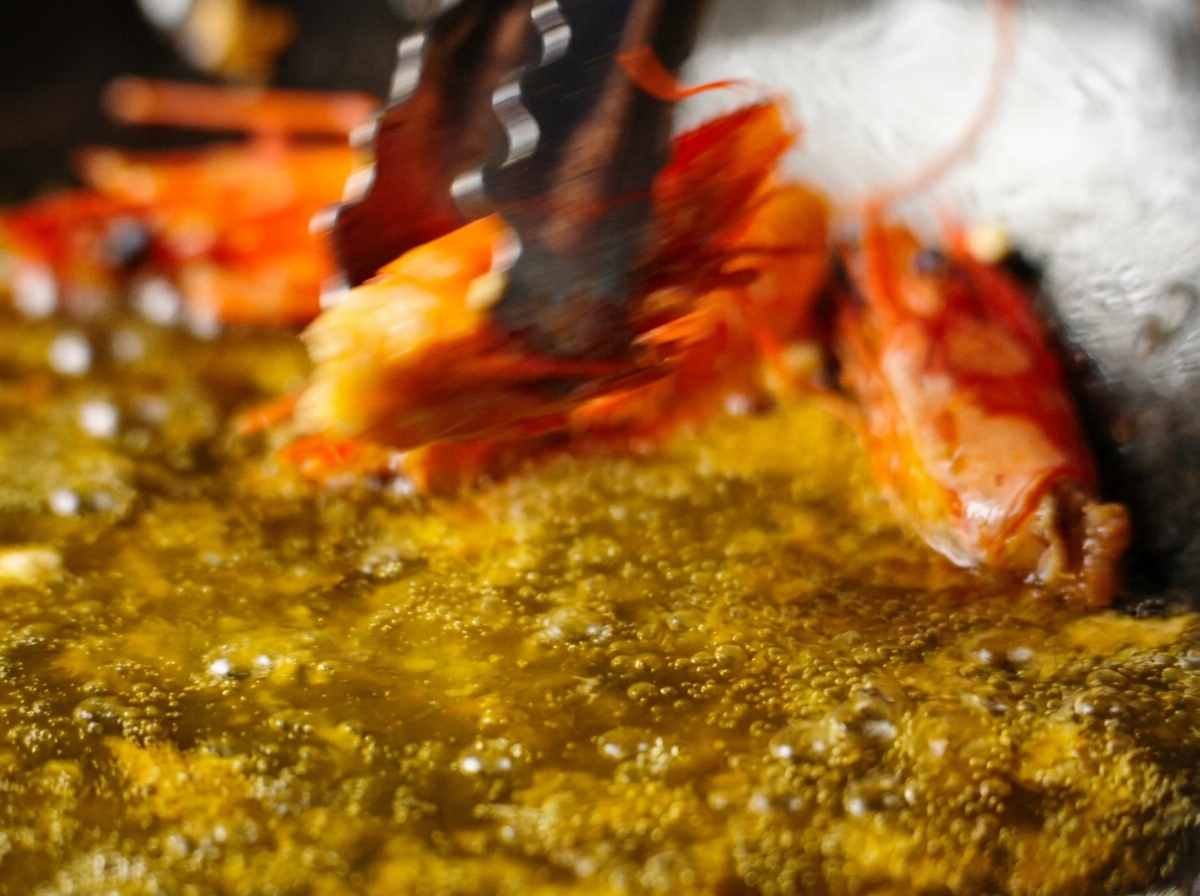
After the oil has taken on a deep orange color and rich aroma, use tongs to carefully remove and discard all the crispy shrimp heads and shells from the pan, leaving only the infused seafood oil behind.
Tip: Let the excess oil drip off the shrimp heads back into the pan before discarding them so you dont lose any flavor. - 7Fry the garlic
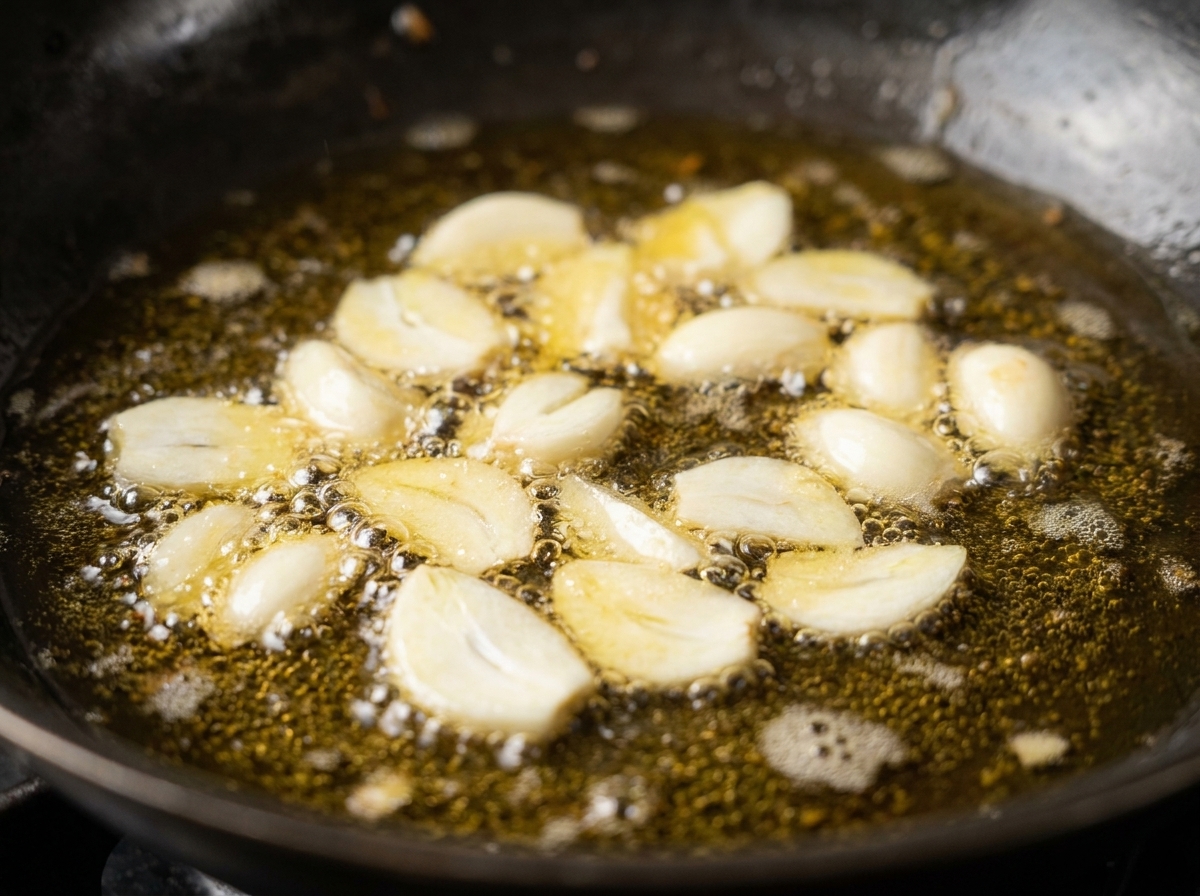
Once the shrimp heads are removed and the oil is infused with their flavor, add the sliced garlic to the pan. Let it sizzle gently in the oil, allowing the garlic to release its sweet aroma.
Tip: Keep the heat relatively low when frying the garlic to ensure it turns golden brown without burning, which would make the oil bitter. - 8Add the chilies
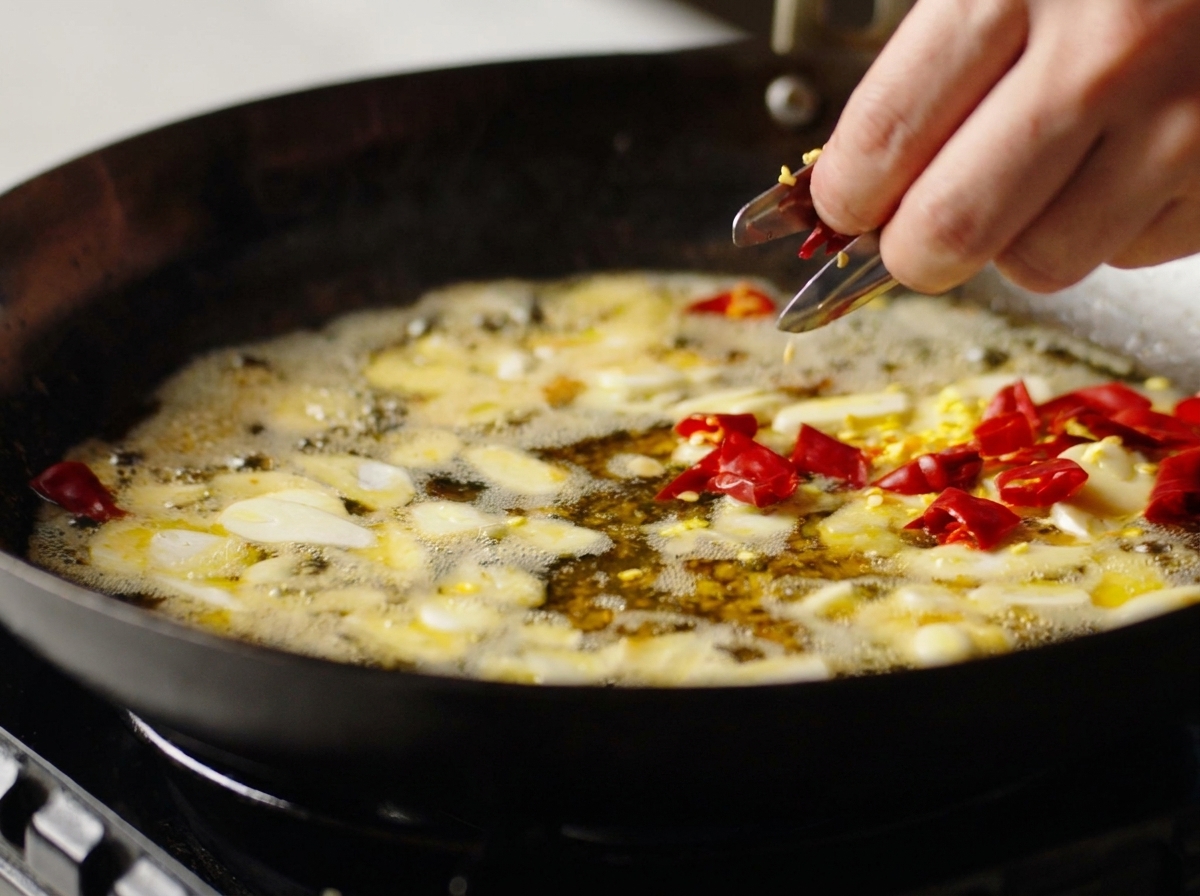
Toss the dried chili pieces and red chili powder into the wok with the bubbling garlic. These mild chilies provide a gentle heat and vibrant color. If you prefer a spicier pasta, you can substitute with birds eye chilies.
Tip: Be mindful of the heat; chili powder can burn quickly in hot oil, so keep the temperature controlled. - 9Chop the scallions
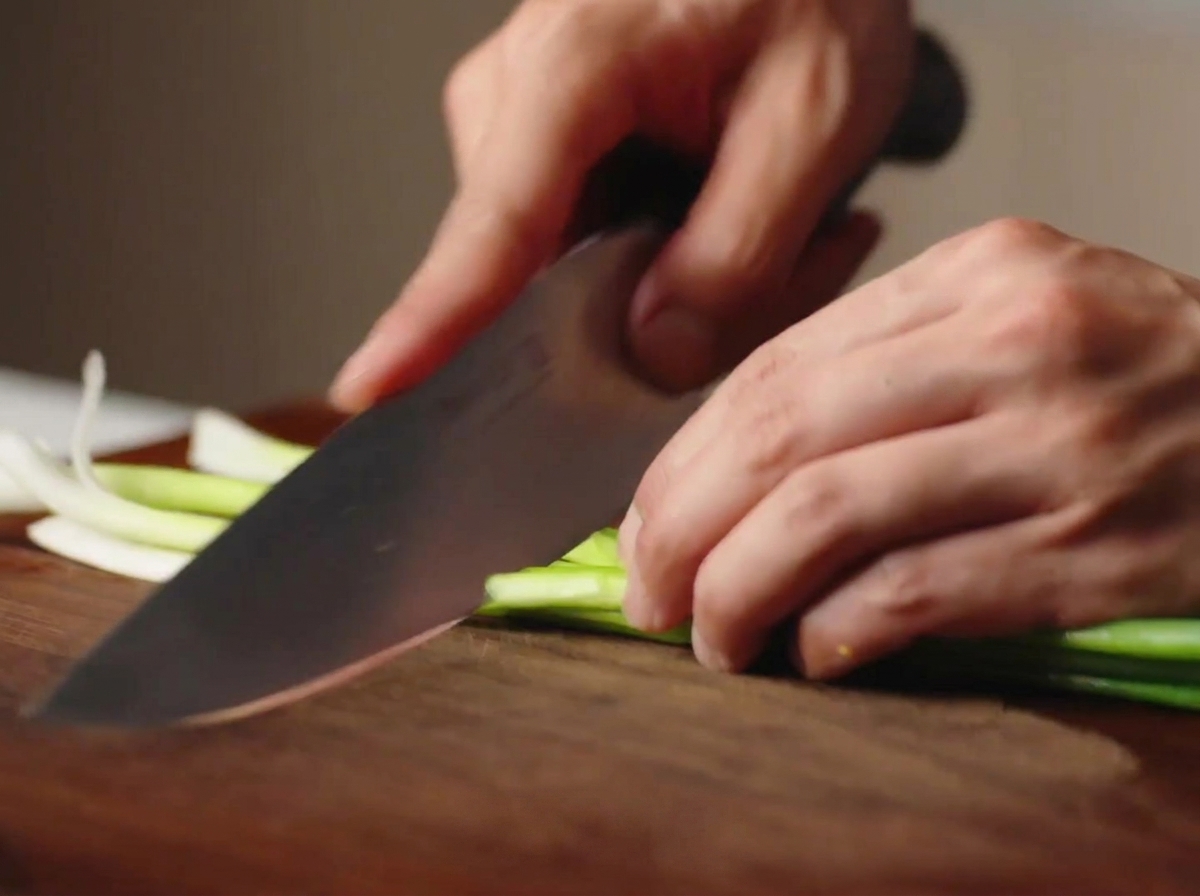
While the aromatics are frying, wash and trim a generous amount of green scallions. Use a sharp chefs knife to chop them evenly into small segments on a cutting board.
Tip: Using plenty of scallions is key to this dish; the combination of shrimp oil and scallion flavor creates an explosive aroma. - 10Fry the scallion segments
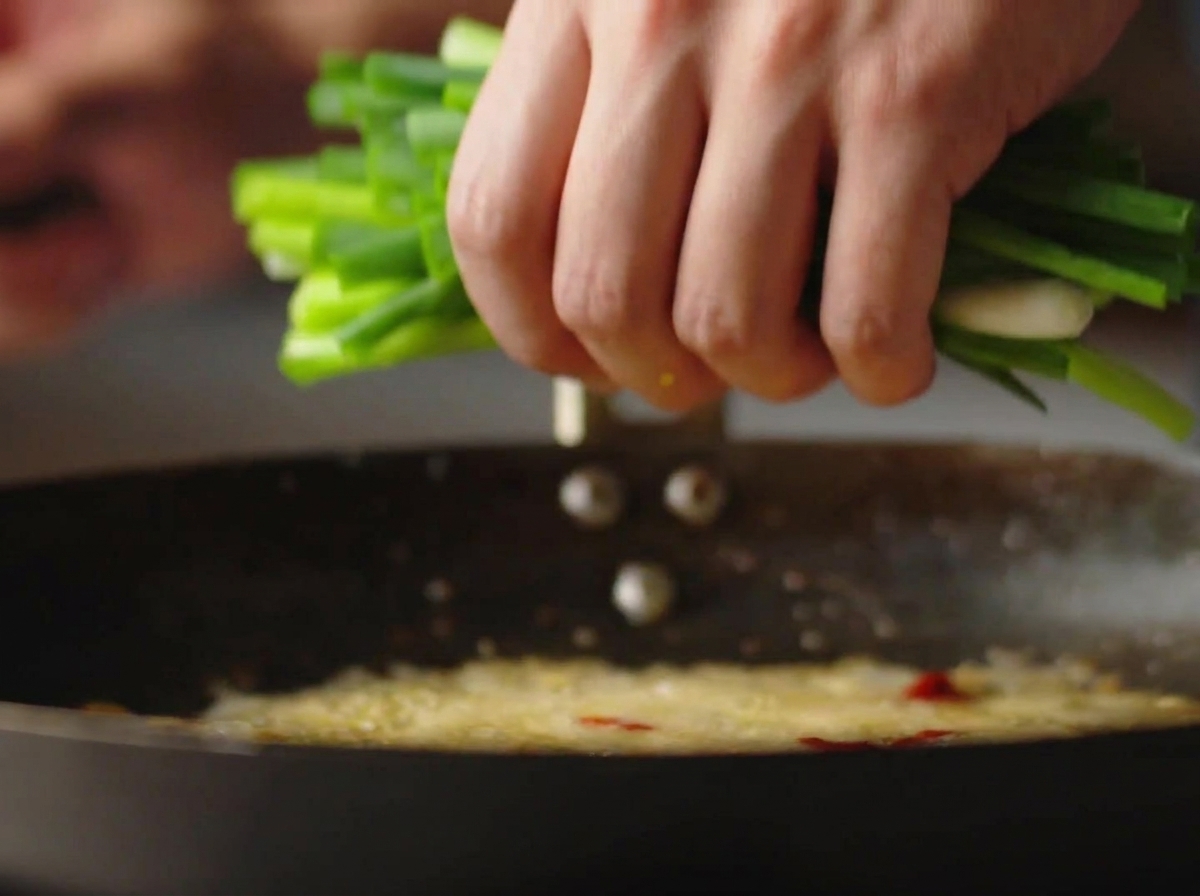
Add the freshly chopped scallion segments directly into the pan. Continue frying them in the rich, seasoned oil until they become dry, shriveled, and deeply aromatic.
Tip: Treat this process like making traditional scallion oil noodles; let the scallions fry patiently until all their flavor is extracted into the oil. - 11Boil the spaghetti
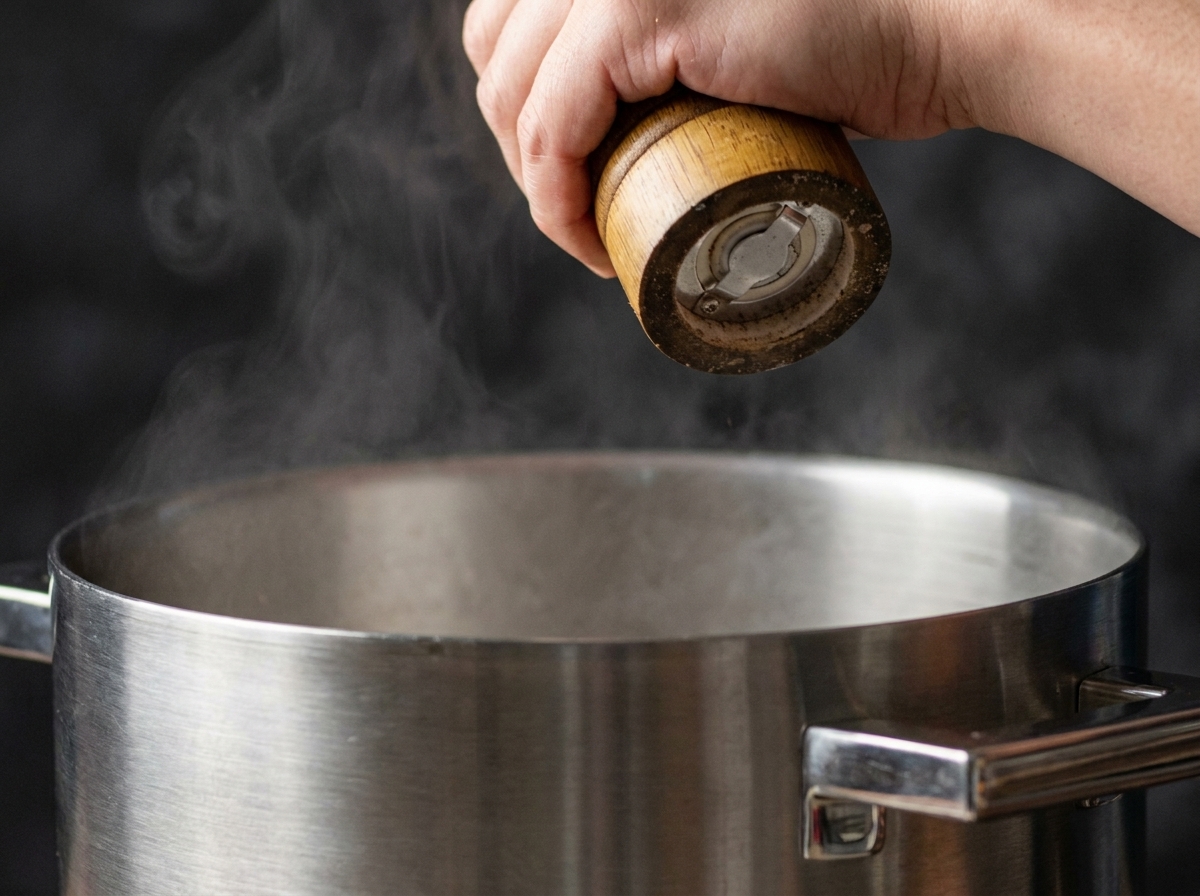
Bring a large pot of water to a rolling boil and season it generously with salt from a grinder. Add the spaghetti and boil for about 11 minutes, or until cooked to your preferred level of al dente.
Tip: Dont forget to save a ladle of the starchy pasta water before draining the noodles; its essential for emulsifying the final sauce. - 12Pan-fry the shrimp
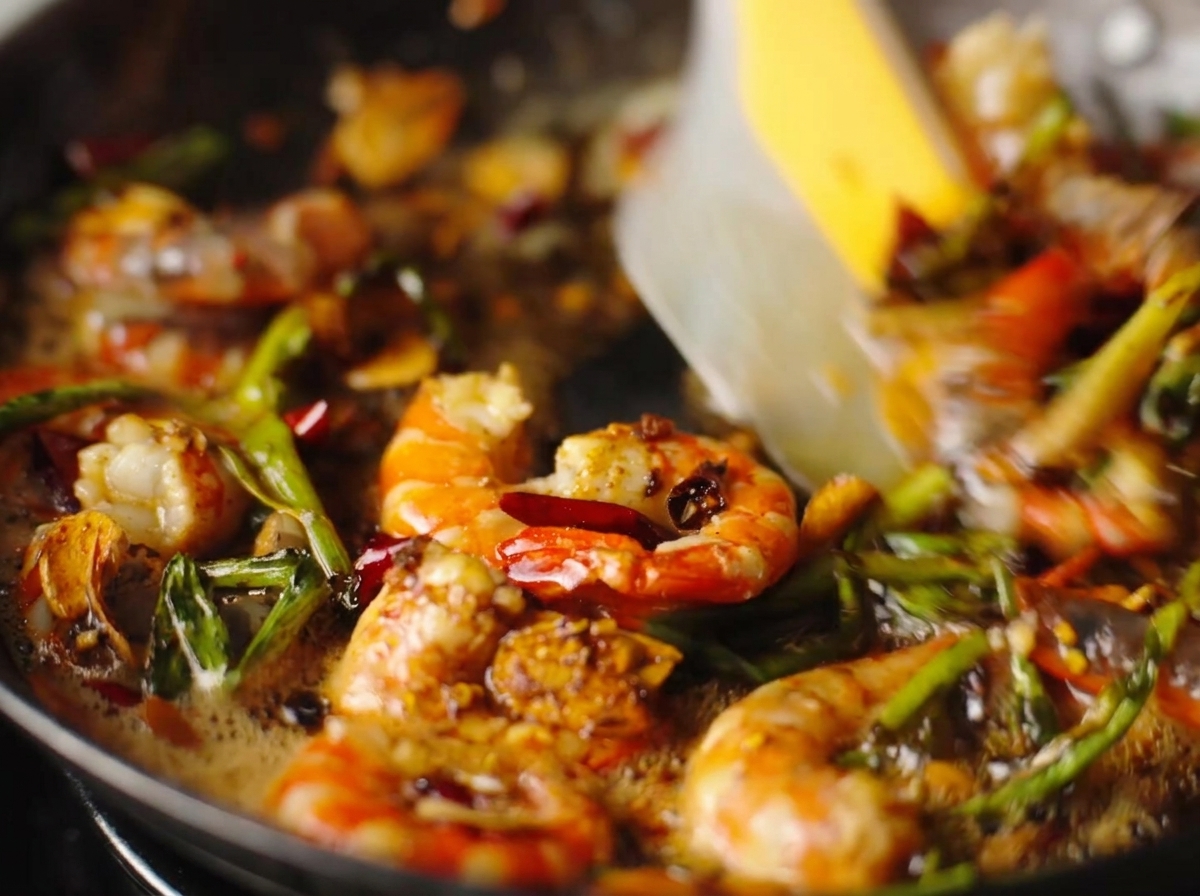
Add the prepared peeled shrimp into the hot pan with the aromatic oil, garlic, chilies, and scallions. Pan-fry the shrimp until they are fully opaque, browned on the outside, and slightly charred for extra flavor.
Tip: Pat your peeled shrimp completely dry with paper towels before adding them to the hot oil to prevent splattering and encourage better browning. - 13Add the cooked spaghetti
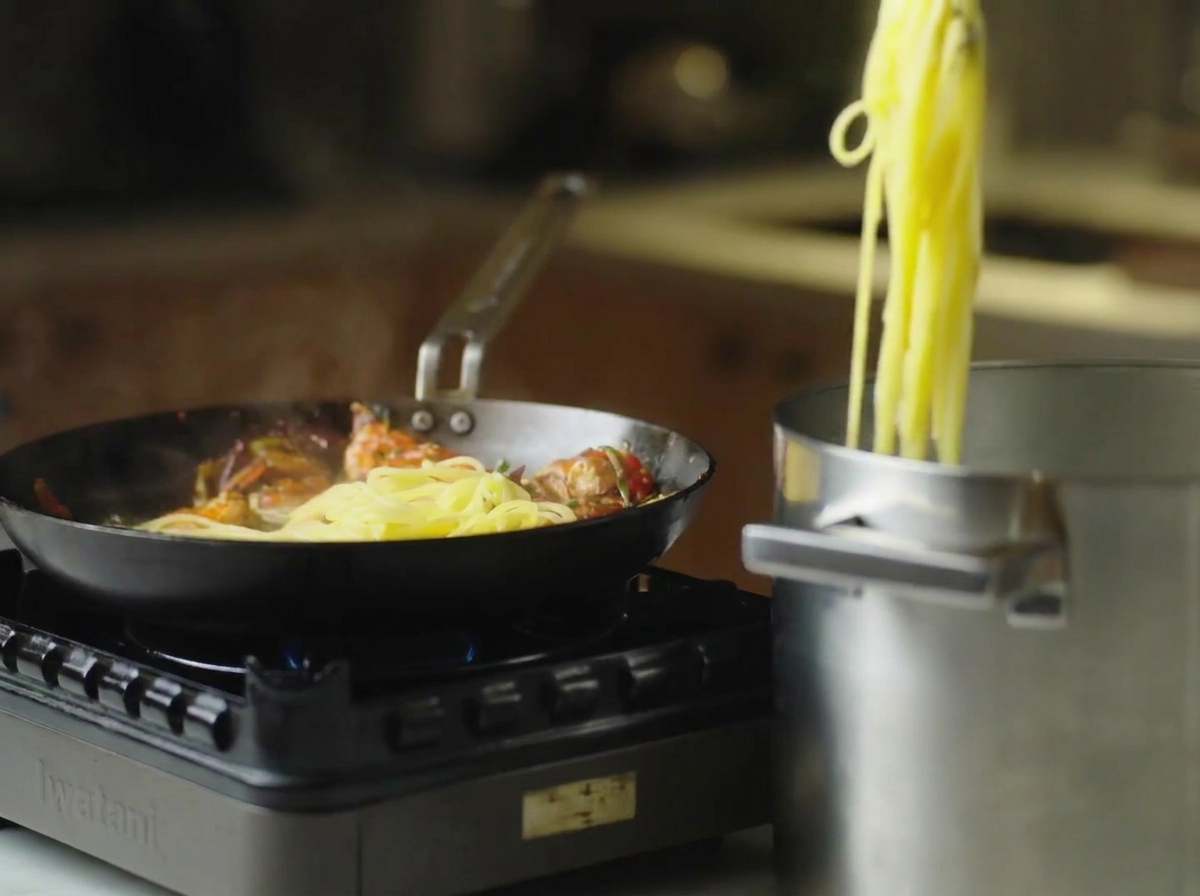
Once the spaghetti is cooked to your liking, use tongs to lift it directly from the boiling water and transfer it into the pan with the shrimp and aromatics. The residual pasta water clinging to the noodles will help create a cohesive sauce.
Tip: Do not rinse the cooked pasta. The starch on the surface of the noodles and in the clinging water is crucial for emulsifying the flavorful oil into a light sauce. - 14Add pasta water
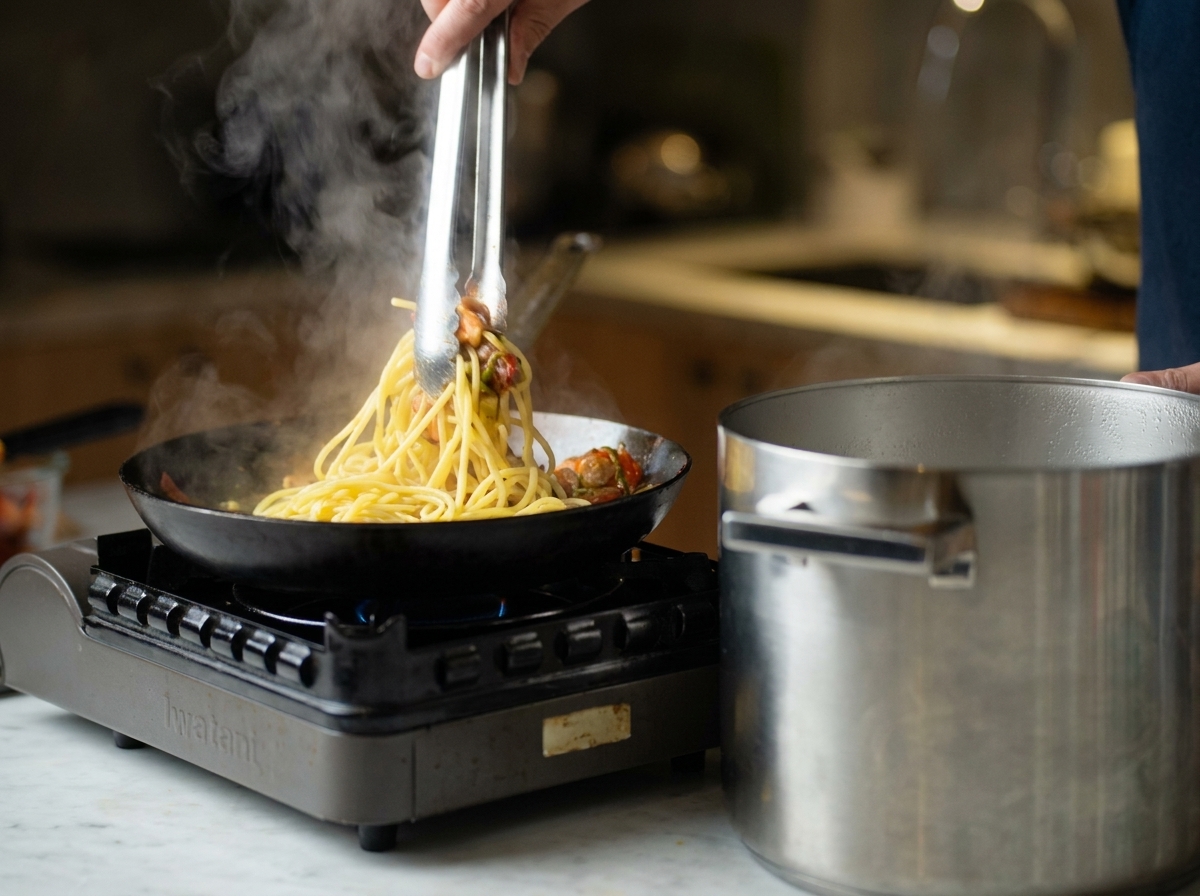
Pour a ladle of the cloudy cooking liquid directly into the skillet. The extra starch from this liquid interacts with the infused fats to thicken everything into a rich glaze.
Tip: Ensure the pasta water is hot when adding it to the skillet. This helps maintain the temperature of the dish and encourages faster emulsification. - 15Emulsify the sauce
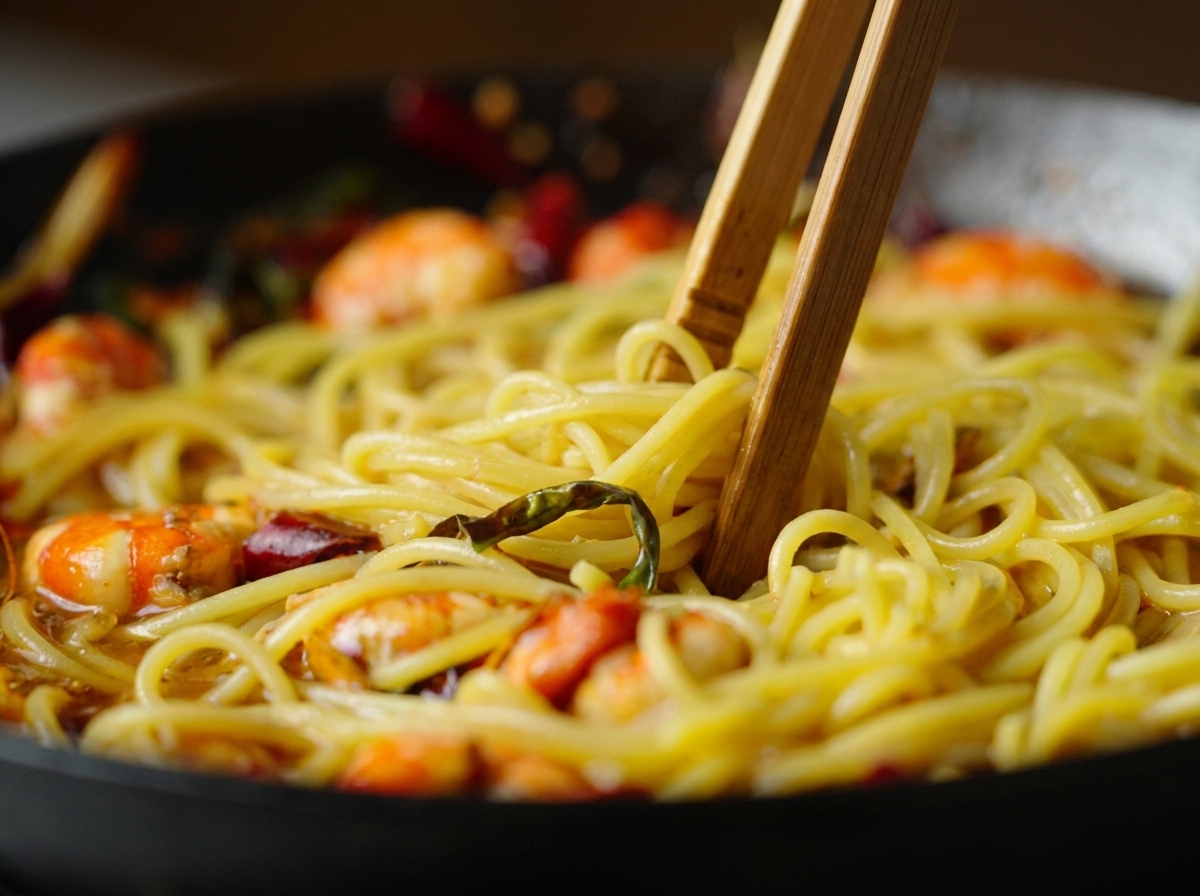
Turn the heat up slightly and actively toss and stir the pasta with the shrimp. The residual pasta water and the richly infused oil will emulsify, turning into a creamy, flavorful sauce that coats every single noodle.
Tip: Keep the ingredients moving continuously. The mechanical tossing helps the water and fat bind together instead of separating. - 16Season to taste
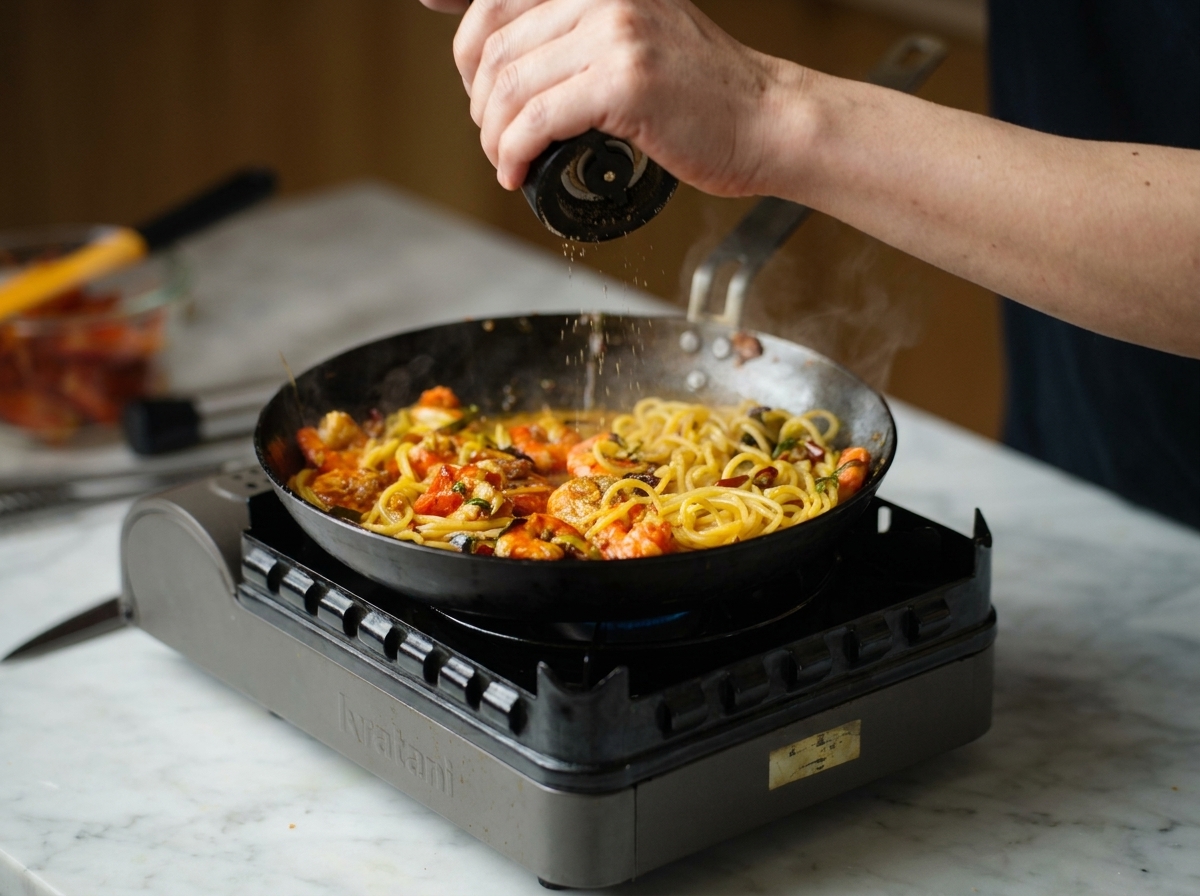
Check the noodles to ensure they are cooked to your desired texture. Give the dish a final taste and grind some fresh salt over the top to adjust the seasoning to your liking before plating.
Tip: Since the pasta was boiled in generously salted water, be careful not to over-season at this stage. Add a little salt at a time and taste.