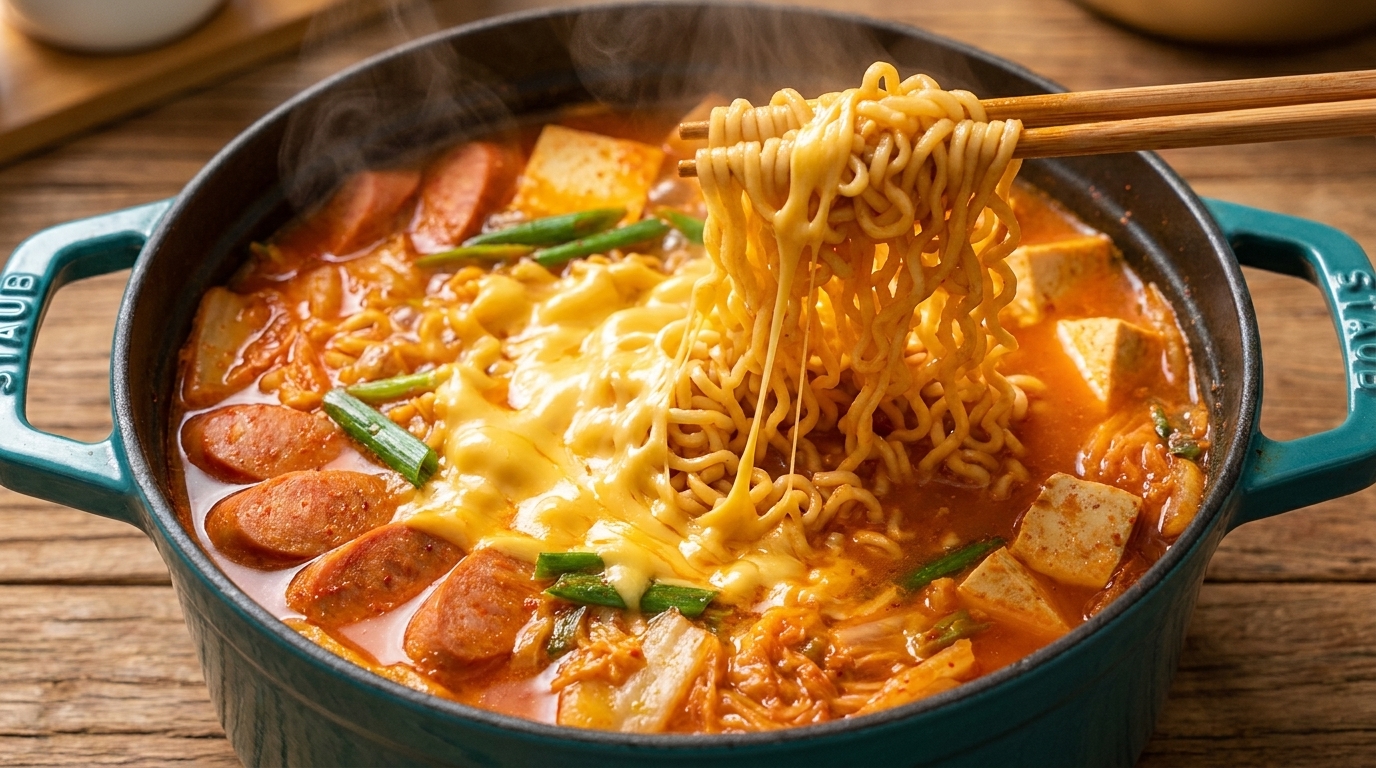
Classic Korean Army Stew (Budae Jjigae)
A hearty, comforting Korean-style stew featuring savory spam, soft tofu, and chewy instant noodles in a deeply flavorful, spicy kimchi-based broth.
Budae Jjigae, or army stew, is a beloved Korean fusion dish that emerged from necessity during post-war times. It cleverly transforms simple pantry staples like canned meat, instant noodles, and fermented kimchi into a vibrant, bubbling pot of comfort. This dish captures the essence of communal dining, where diverse ingredients harmonize into a rich, spicy, and deeply satisfying meal.
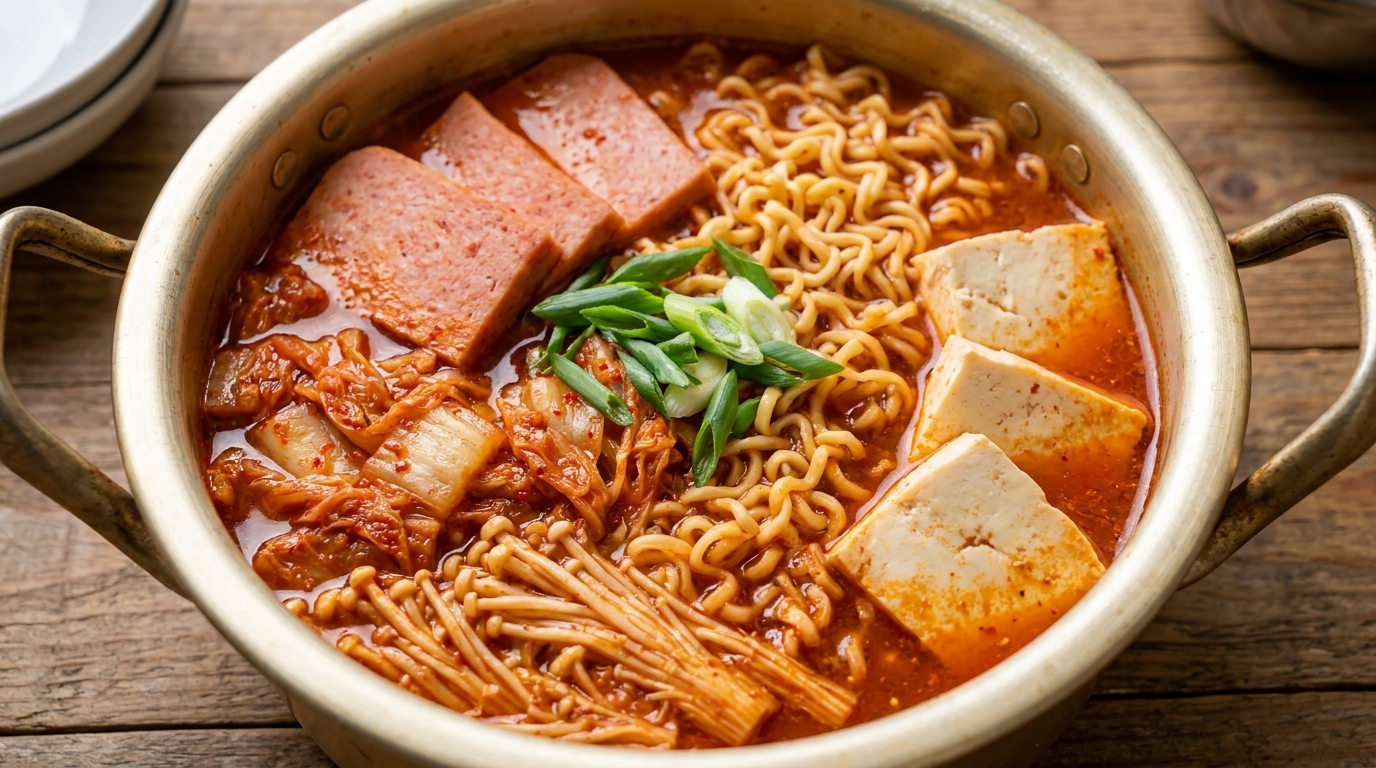
Ingredients
- 200 g spam, sliced
- 200 g firm tofu, sliced
- 100 g kimchi, chopped
- 1 block instant noodles
- 50 g enoki mushrooms
- 1/2 red onion, sliced
- 2 tbsp gochujang (Korean chili paste)
- 1 tbsp gochugaru (Korean chili powder)
- 1 tbsp soy sauce
- 1 tsp sesame oil
- 1 tsp sugar
- 1 tsp toasted sesame seeds
- 2 stalks green onions, sliced (optional garnish)
- 1 red chili, sliced (optional garnish)
Instructions
- 1Prepare the savory sauce
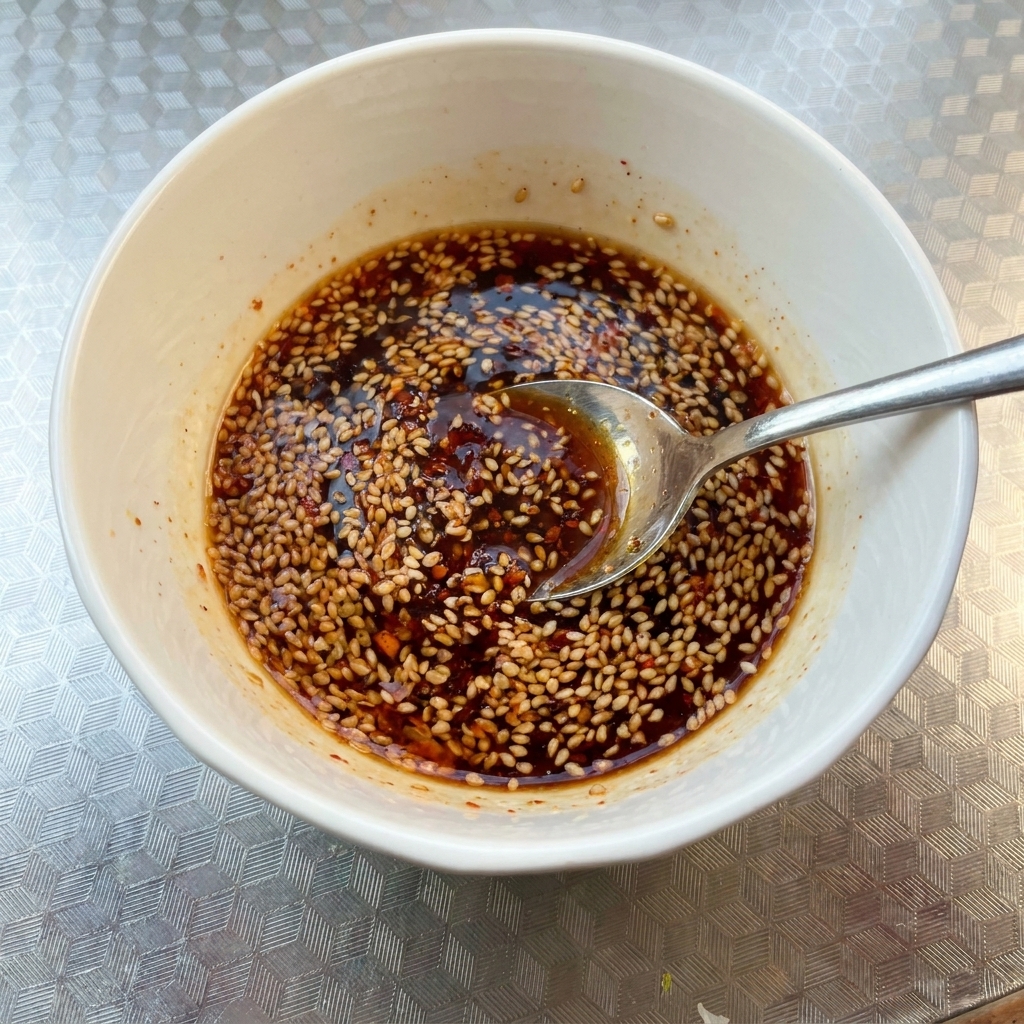
In a small bowl, combine chili powder, sesame seeds, sugar, soy sauce, sesame oil, chili paste, and a splash of water. Whisk everything together until the sugar is dissolved and the ingredients are well incorporated, creating a flavorful base for the stew.
Tip: Adjust the chili paste amount to your preferred heat level. - 2Sauté the onions
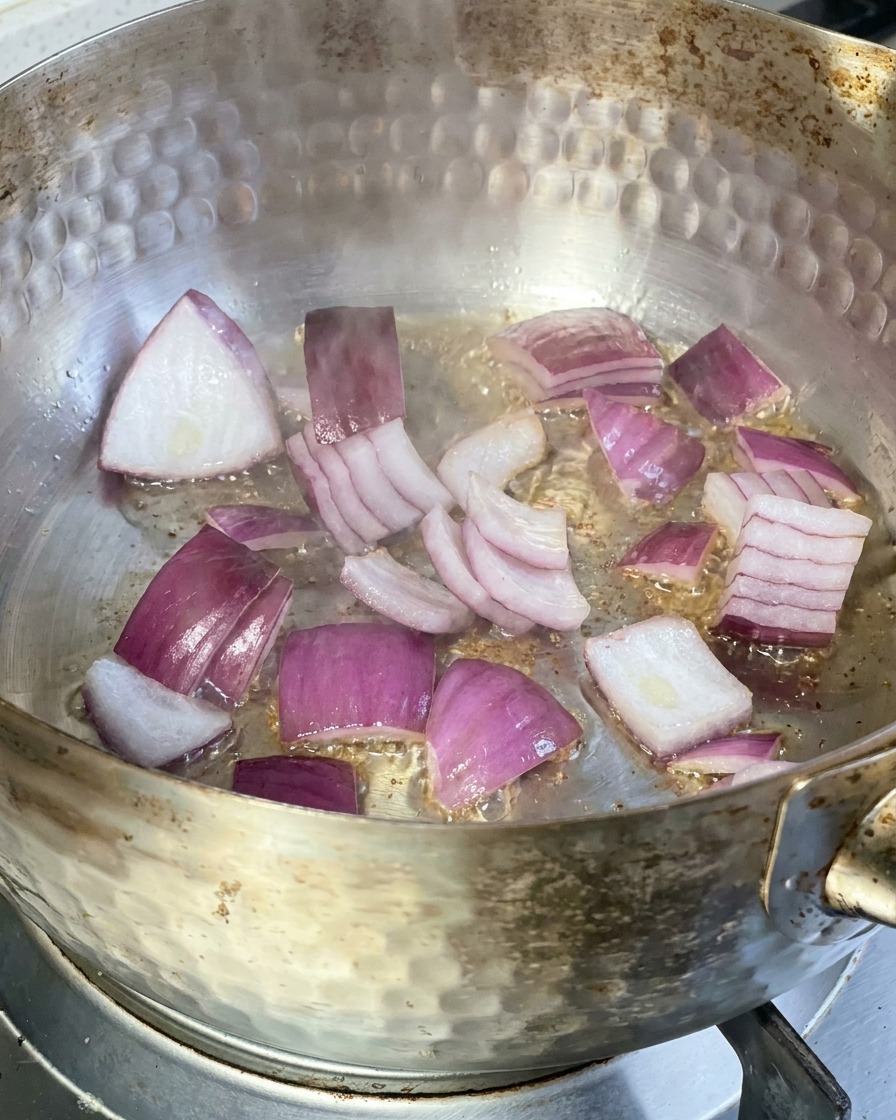
Heat a small amount of oil in a pan over medium heat. Add the red onion slices and sauté until they become fragrant and slightly translucent, which will build a sweet and aromatic foundation for the soup.
Tip: Dont overcook the onions; just cook them until they are softened to maintain their subtle sweetness. - 3Arrange the main ingredients
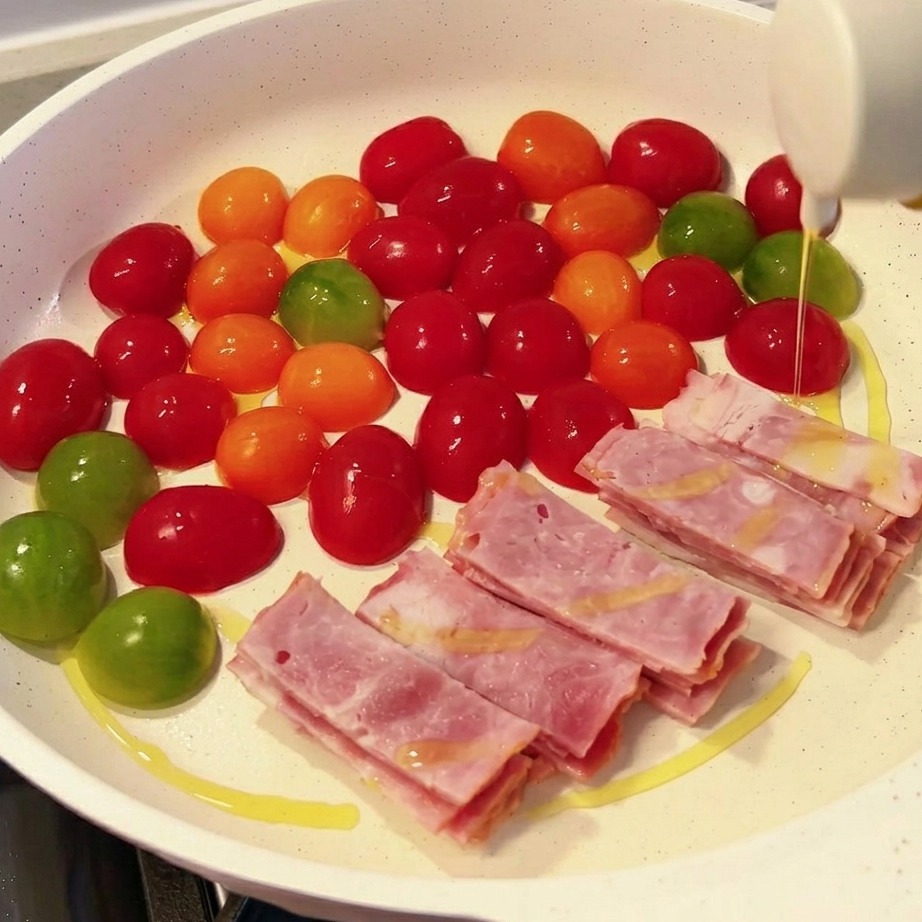
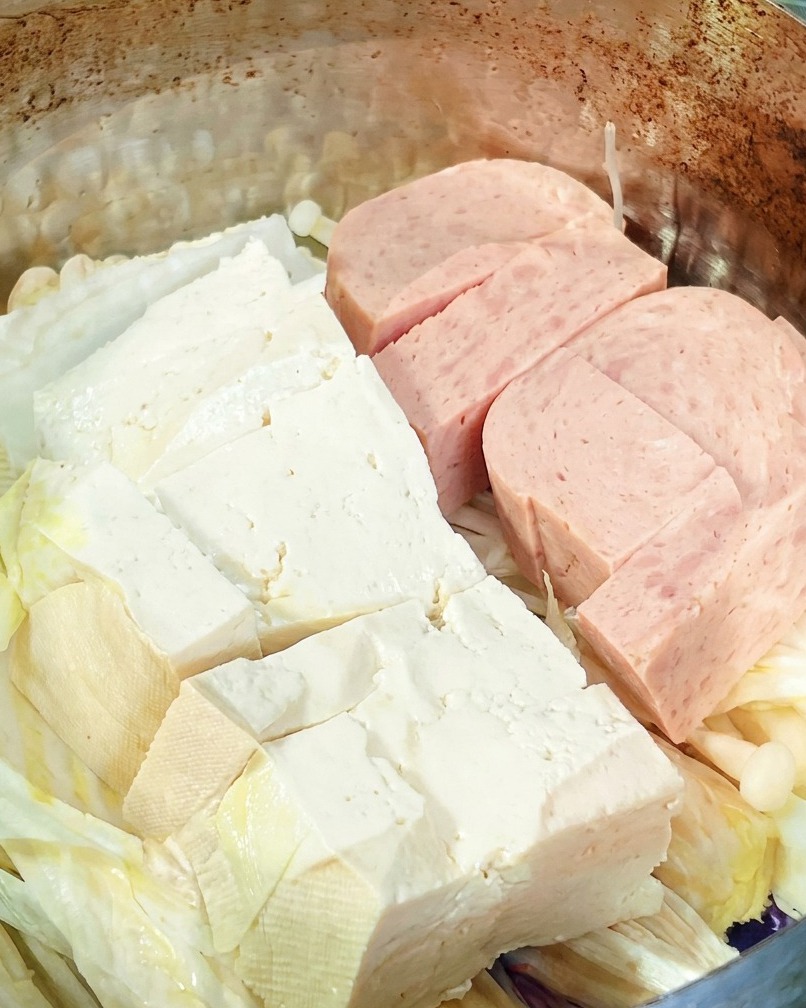
In the same pan, artfully arrange the enoki mushrooms, sliced spam (army meat), and blocks of tofu. Placing them neatly makes the dish look appetizing while ensuring even cooking.
Tip: Cut the tofu and spam into uniform slices so they cook through at the same rate. - 4Add the instant noodles
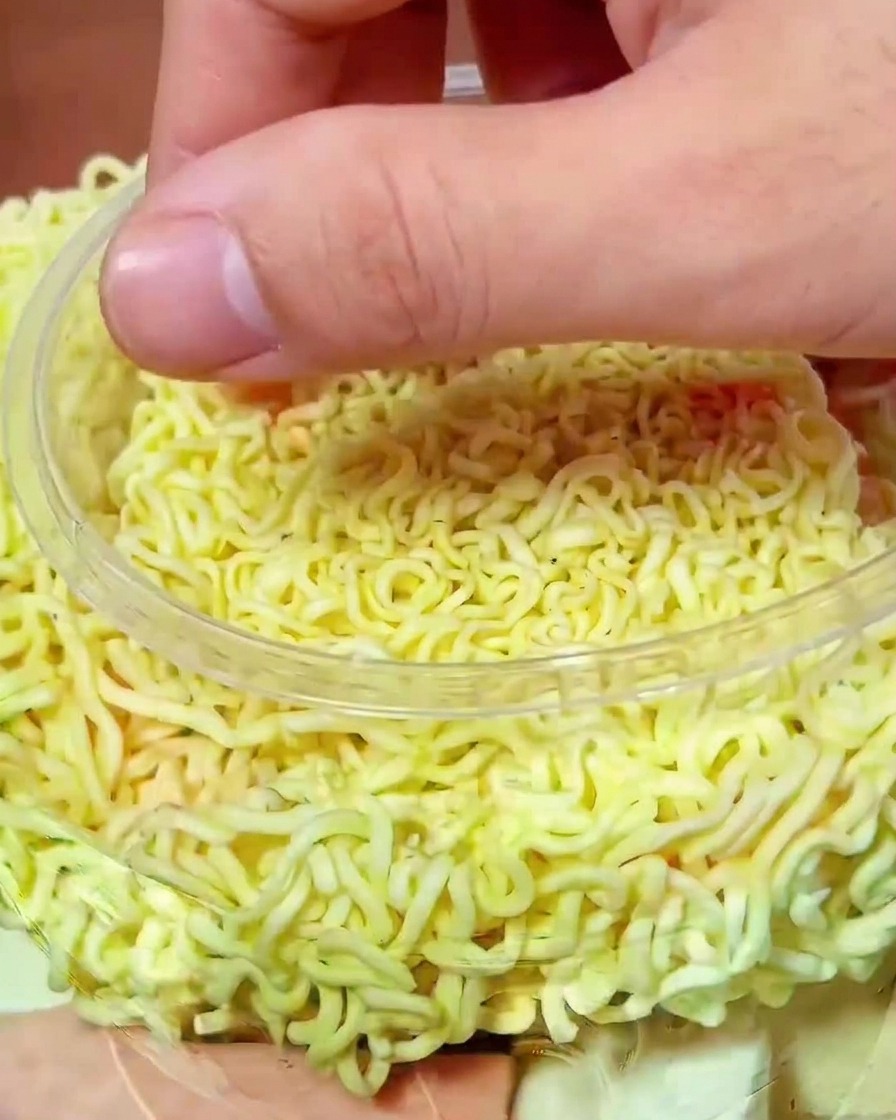
Carefully place the block of instant noodles directly on top of the arranged ingredients. This allows the noodles to absorb the flavors from the broth as they cook.
Tip: Keep the noodle block whole initially so it cooks uniformly without becoming mushy. - 5Add the kimchi
Spread a generous layer of red kimchi over the top of the instant noodles. The fermented cabbage will provide a tangy, spicy punch that defines this classic Korean-style stew.
Tip: Include some of the kimchi juices from the jar for an extra depth of flavor.