Authentic Roman Cacio e Pepe
Master the art of authentic Cacio e Pepe with just three ingredients. Freshly toasted black peppercorns and finely grated Pecorino Romano create a foolproof, luxuriously creamy sauce.
Cacio e Pepe, literally translating to cheese and pepper, is an iconic Roman pasta dish that relies entirely on technique. Though the ingredient list is minimal, the magic lies in toasting whole peppercorns to release their essential oils and carefully controlling the temperature of the water to emulsify the Pecorino Romano into a silky, clump-free cream. It is a testament to the brilliance of Italian culinary minimalism.

Ingredients
- 200 g spaghetti or tonnarelli
- 100 g Pecorino Romano cheese (finely grated)
- 1 tbsp whole black peppercorns
- to taste salt (for boiling water)
Instructions
- 1Add whole peppercorns
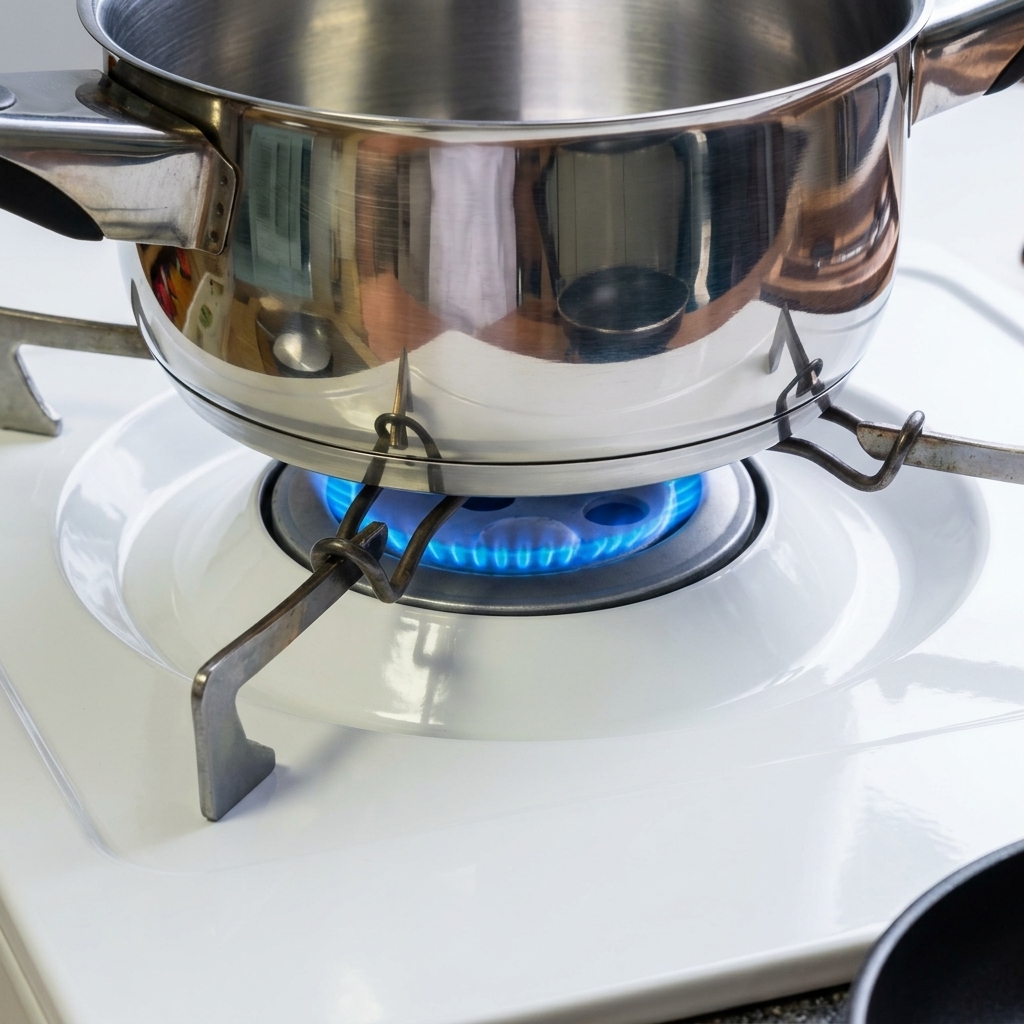
Begin by adding whole black peppercorns into a small, dry metal pot. Authentic Cacio e Pepe relies heavily on the robust flavor of fresh pepper, so avoid pre-ground varieties.
Tip: Keep the heat low and shake the pot occasionally so the peppercorns toast evenly without burning. - 2Toast the spices
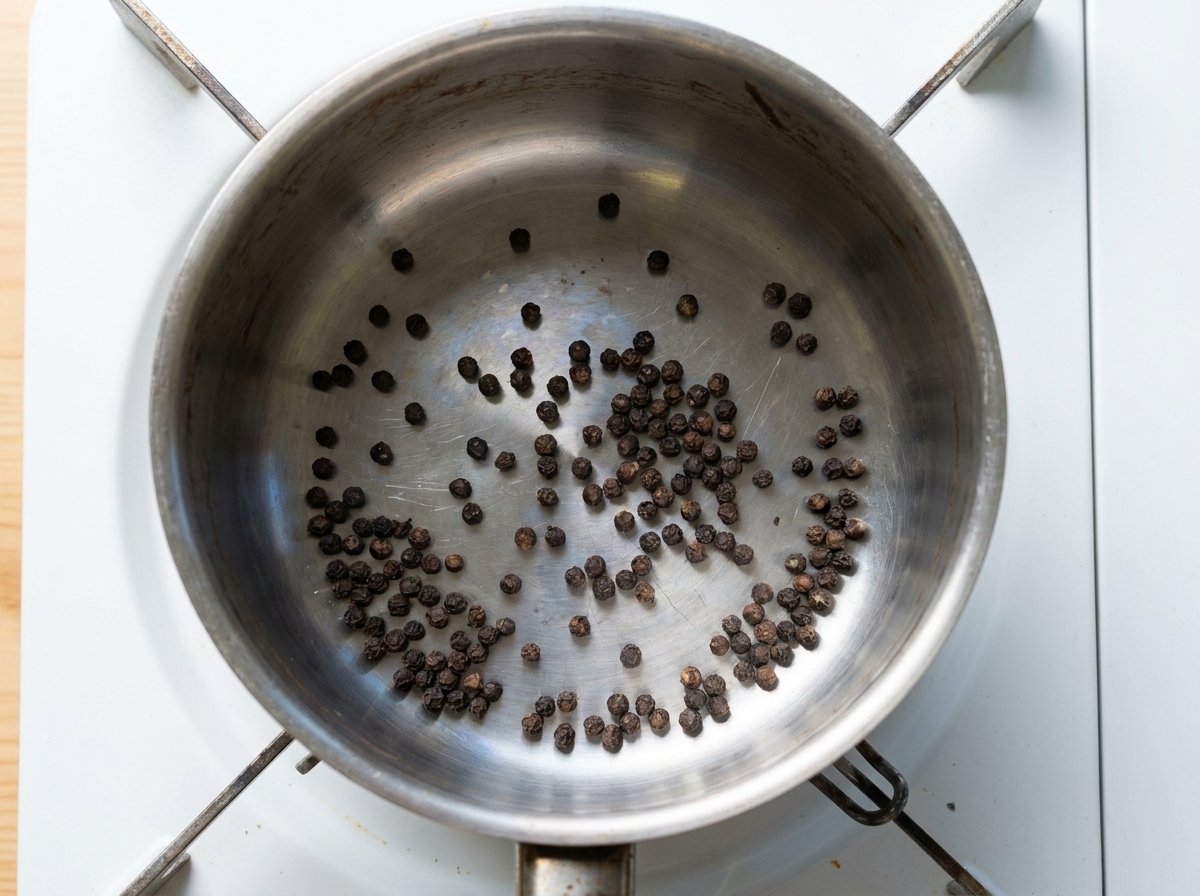
Place the pot with the peppercorns over low heat on the stove. Toast them gently for 2 to 3 minutes until they become highly fragrant. This essential step wakes up and releases the natural oils locked inside the peppercorns.
Tip: Never use pre-ground black pepper for this dish. Freshly working with whole peppercorns completely changes the final taste. - 3Crush the toasted peppercorns
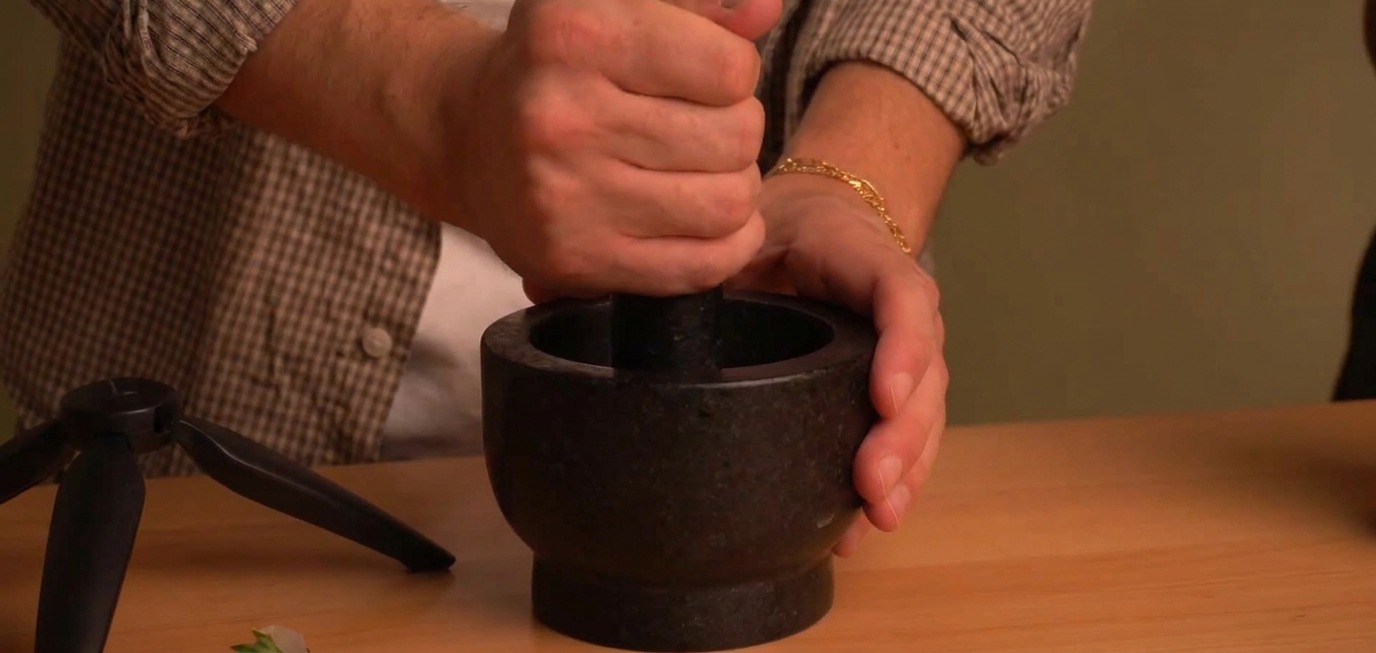
Transfer the warm, toasted peppercorns into a mortar and pestle. Manually crush them until they are coarsely ground. The freshly crushed pepper will deliver sharp, distinct bursts of heat and aroma that define the character of the dish.
Tip: Avoid grinding the pepper into a fine powder. A coarse, uneven crush is traditional and provides the best texture. - 4Extract the pepper flavor
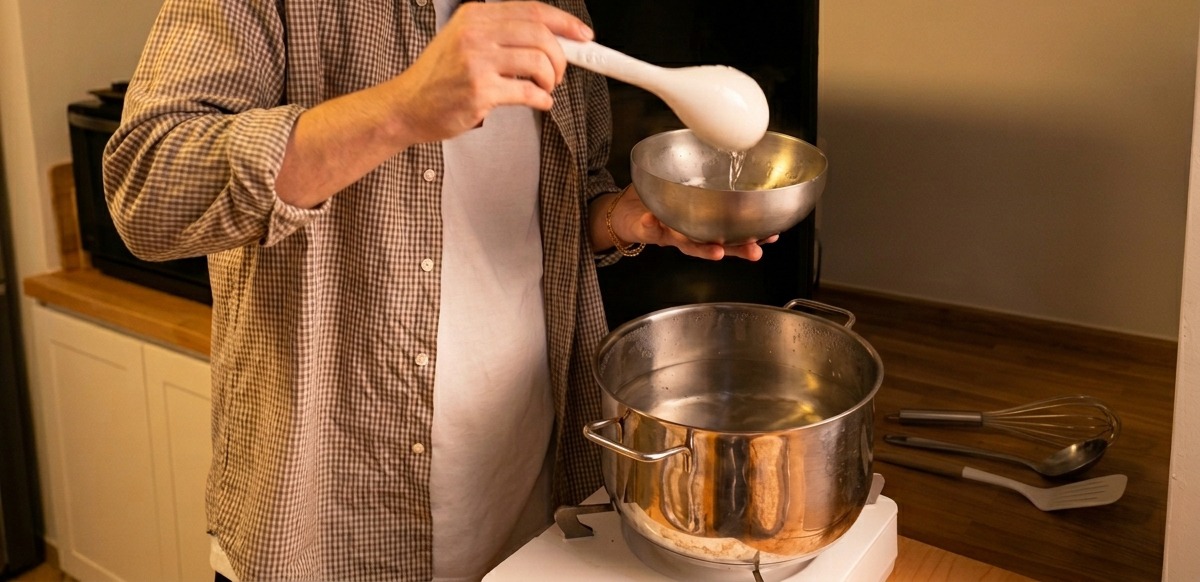
Carefully ladle a scoop of hot water into the pot or bowl containing the freshly crushed pepper. The hot liquid reacts instantly with the released essential oils to form a dark and highly aromatic broth that serves as the foundation of the creamy sauce.
Tip: If the pasta is already boiling, use that starchy water for this step to help bind the sauce more effectively later. - 5Boil the pasta
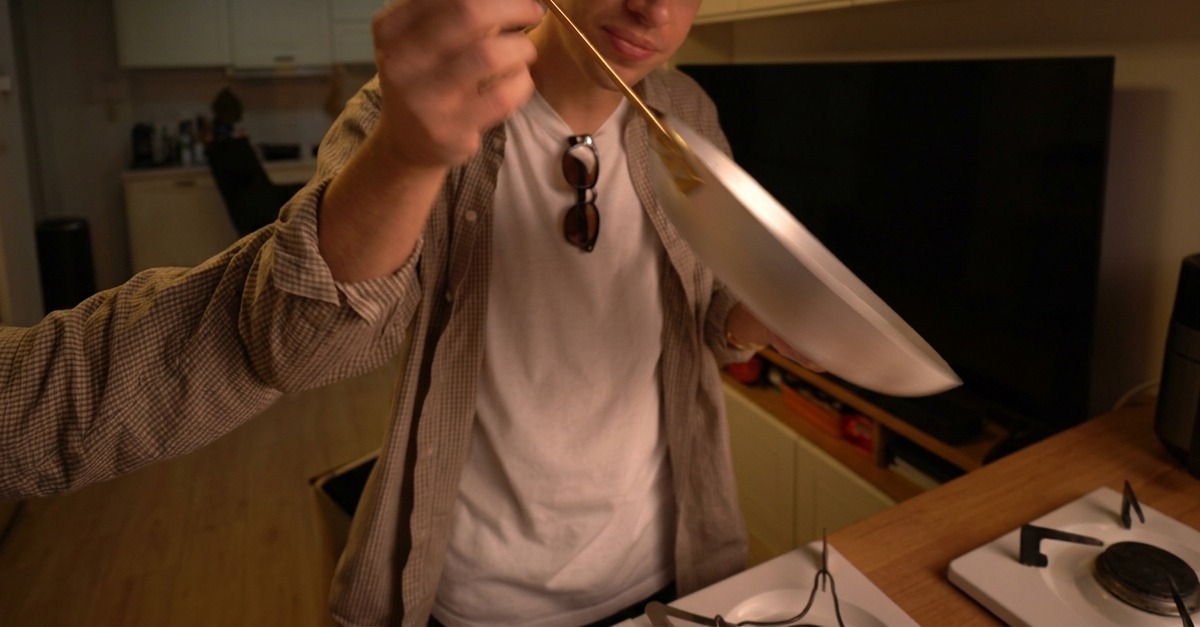
Place the dry spaghetti noodles into a large pot of boiling water. Use slightly less water than you normally would to boil pasta as this ensures the resulting pasta water is highly starchy, which is crucial for building a creamy sauce later.
Tip: Salt the water lightly. Pecorino Romano is a very salty cheese, so you do not want to over-season the pasta water. - 6Grate the Pecorino cheese
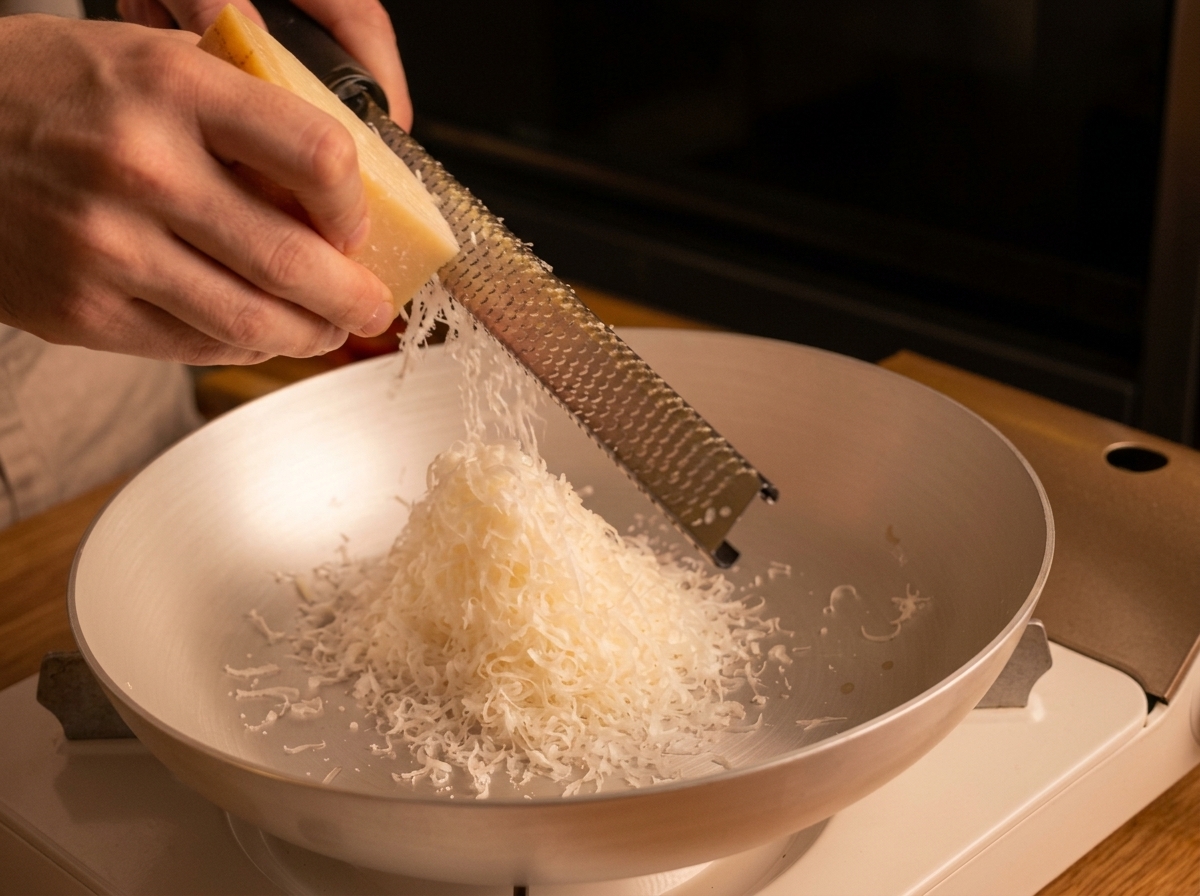
Using a fine grater, grate a generous amount of Pecorino cheese directly into a large, wide metal pan. The grated cheese should be very fine and light, resembling falling snow. Because this recipe relies on only two primary ingredients, using plenty of high-quality cheese is essential.
Tip: Grate the cheese as finely as possible. Finely grated cheese melts evenly and emulsifies perfectly into a smooth cream. - 7Hydrate the cheese
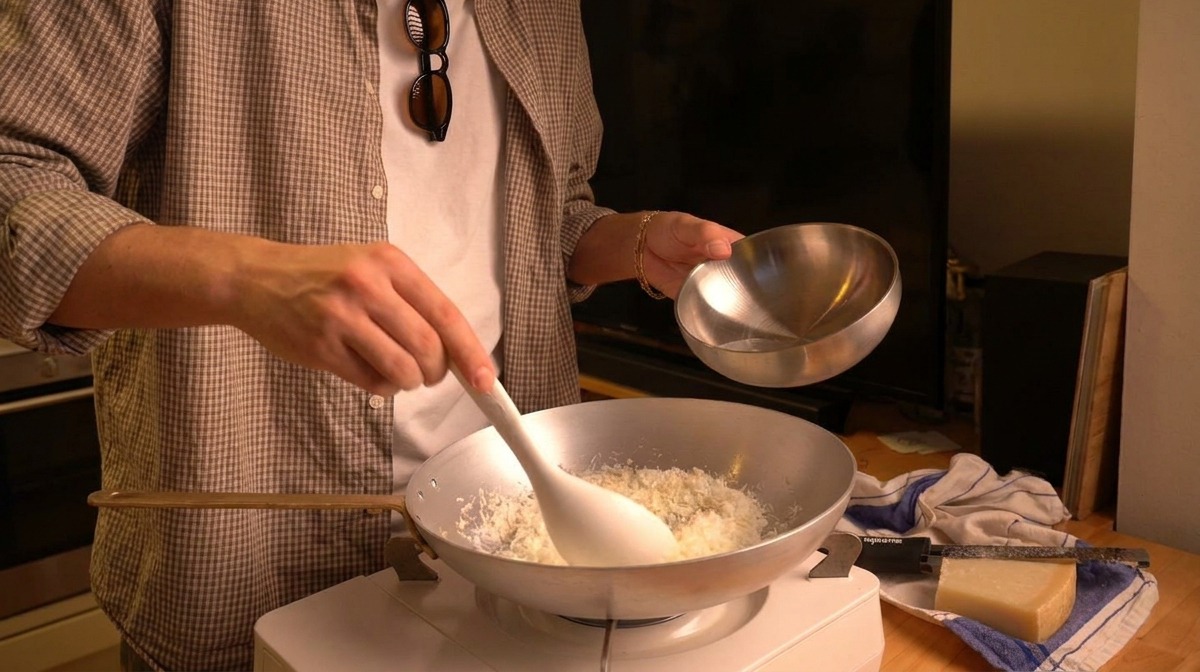
Carefully pour a small amount of warm water into the freshly grated Pecorino cheese. To avoid one of the most common issues with Cacio e Pepe—the cheese becoming clumpy—it is essential that the water is warm, not boiling hot. The correct temperature allows the cheese to begin melting into a smooth cream rather than seizing into strings.
Tip: Always use warm water rather than hot water to prevent the Pecorino cheese from clumping. - 8Add the black pepper
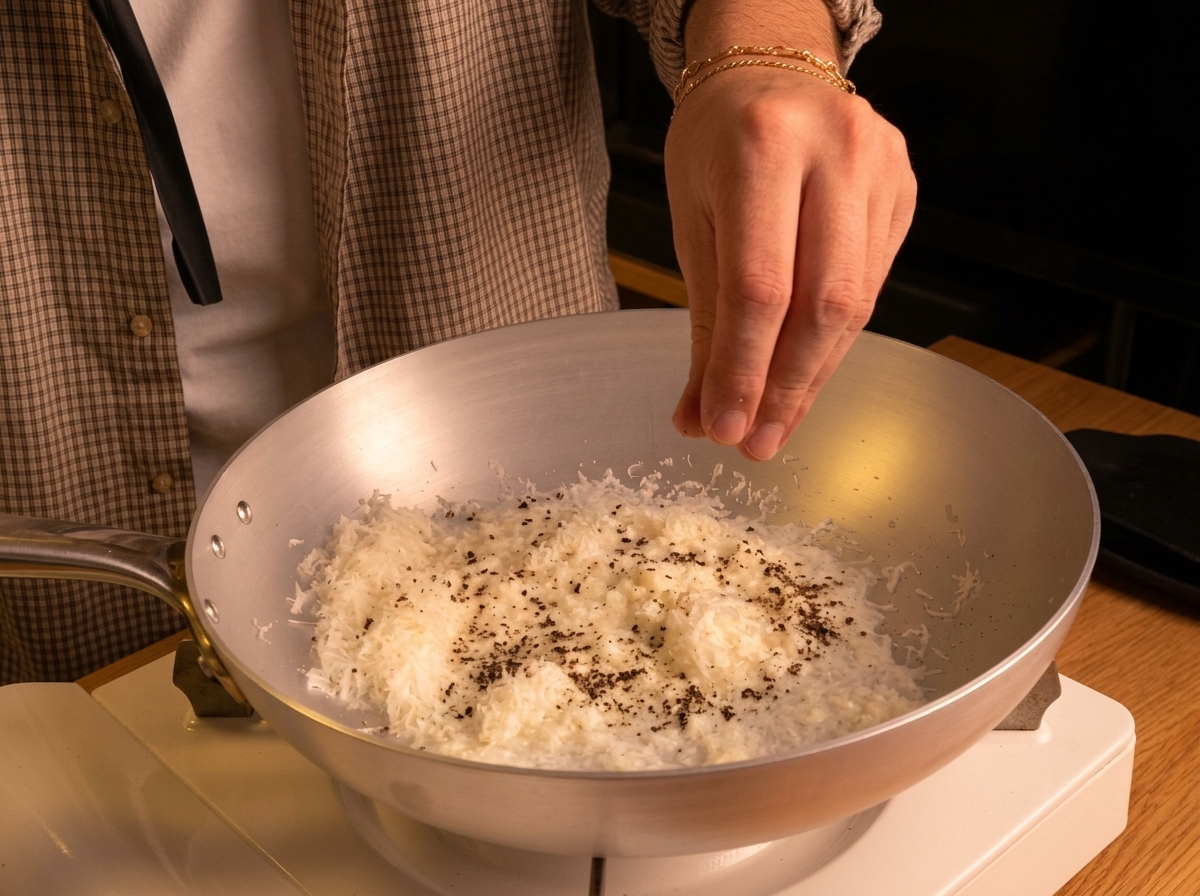
Sprinkle the freshly crushed black pepper over the moistened grated cheese in the pan. Utilizing whole peppercorns that have been heated and crushed releases essential oils that deeply infuse the dish, creating a robust, authentic flavor that pre-ground pepper cannot provide.
Tip: Distribute the pepper evenly across the cheese paste to ensure every bite of the final pasta is perfectly seasoned. - 9Mix into a paste
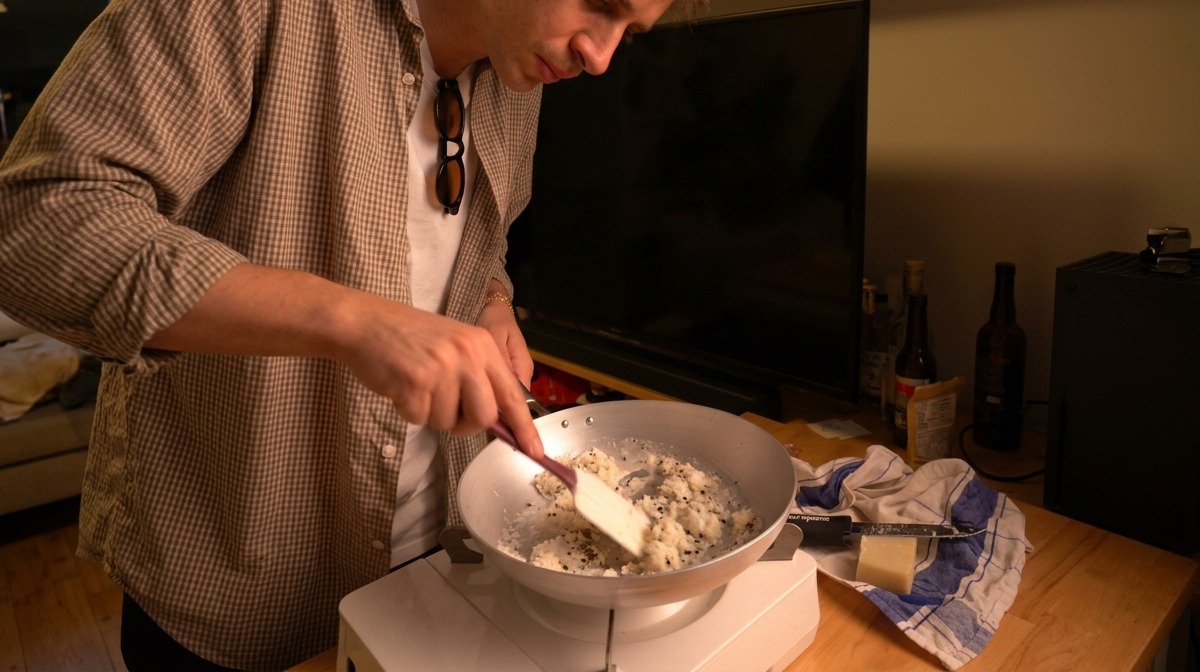
Using a spatula, actively stir the grated Pecorino cheese, warm water, and crushed black pepper together. Continue mixing until the ingredients emulsify to form a cohesive, thick paste. Mastering this step is crucial for achieving a foolproof, luxurious sauce that perfectly clings to the pasta.
Tip: Be generous with the cheese—adding plenty ensures the resulting paste is rich and flavorful. - 10Check the consistency
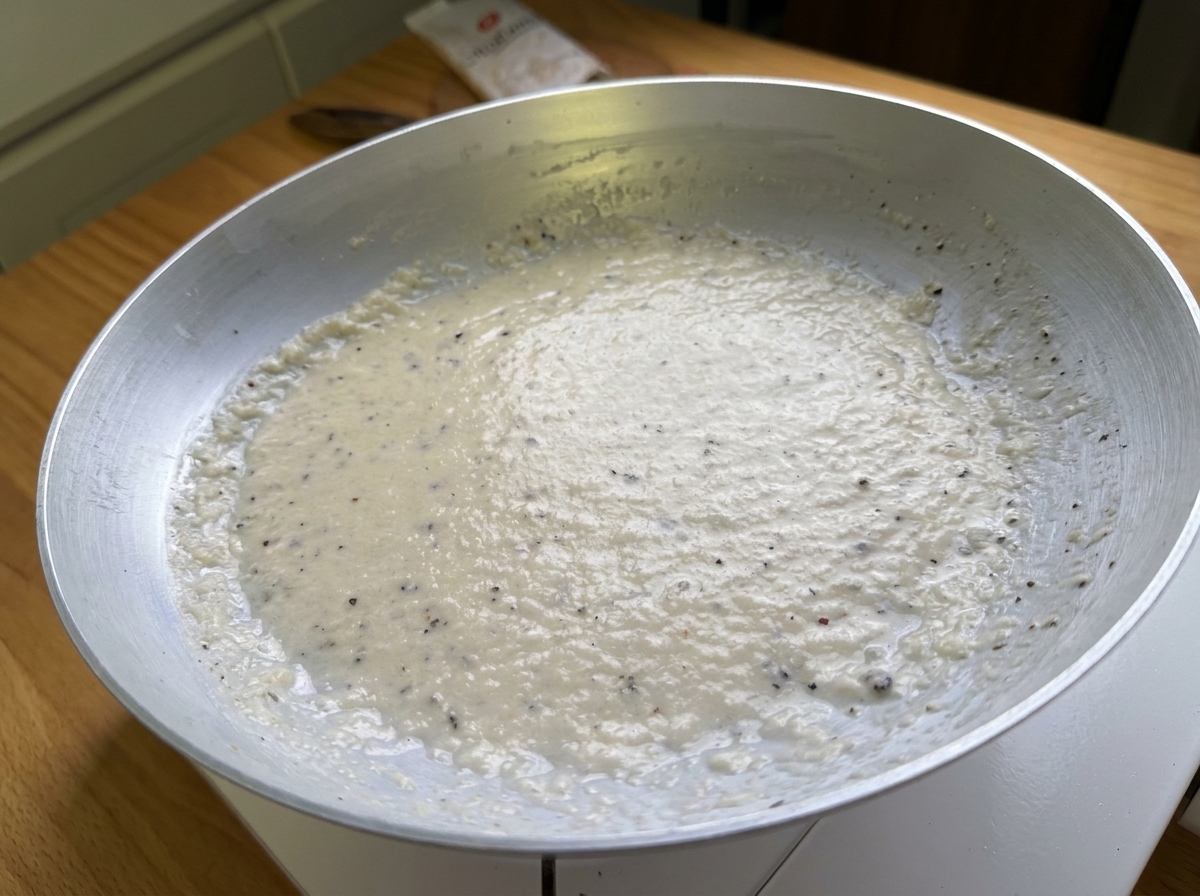
Observe the mixed cheese and pepper base in the pan. It should form a smooth, creamy, and thick paste without any strings or large clumps. This concentrated base is now perfectly primed to be thinned out into a silky sauce.
Tip: The paste should look perfectly uniform and smooth without any large clumps of cheese. - 11Transfer the pasta
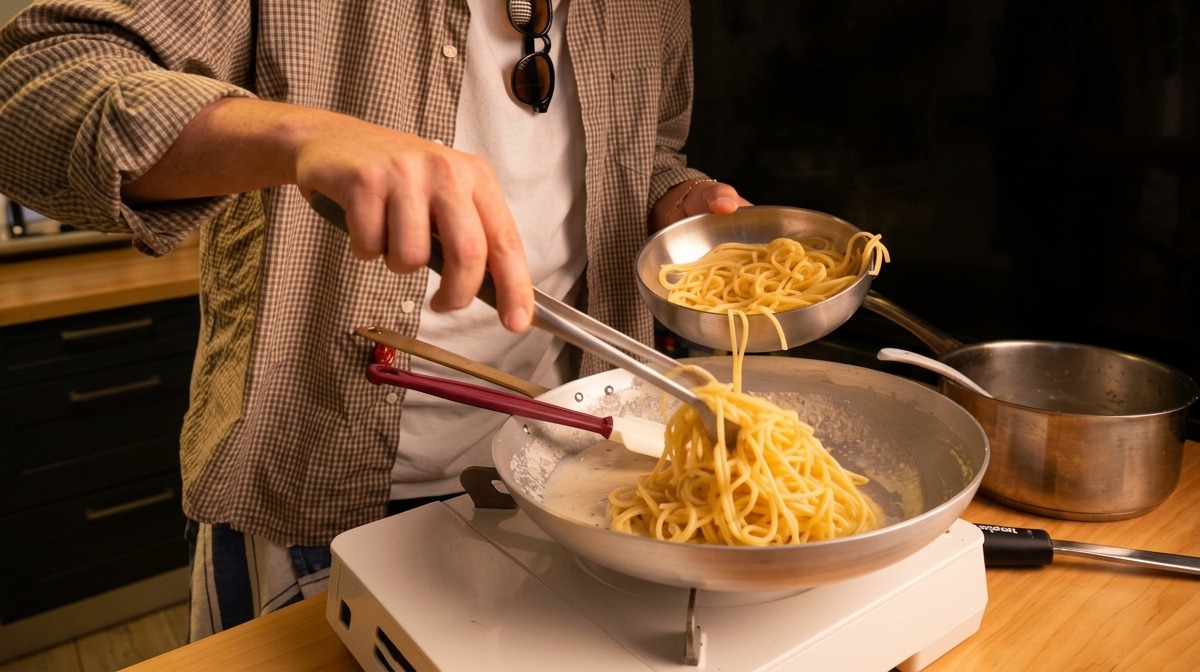
Using tongs, lift the cooked spaghetti directly from the boiling pot and drop it into the pan containing the creamy cheese paste. The residual heat from the hot pasta and the clinging starchy water will begin to melt the thick paste into a beautiful sauce.
Tip: Moving the pasta directly from the pot brings along a little starchy pasta water, which helps bind the sauce beautifully. - 12Add more cheese
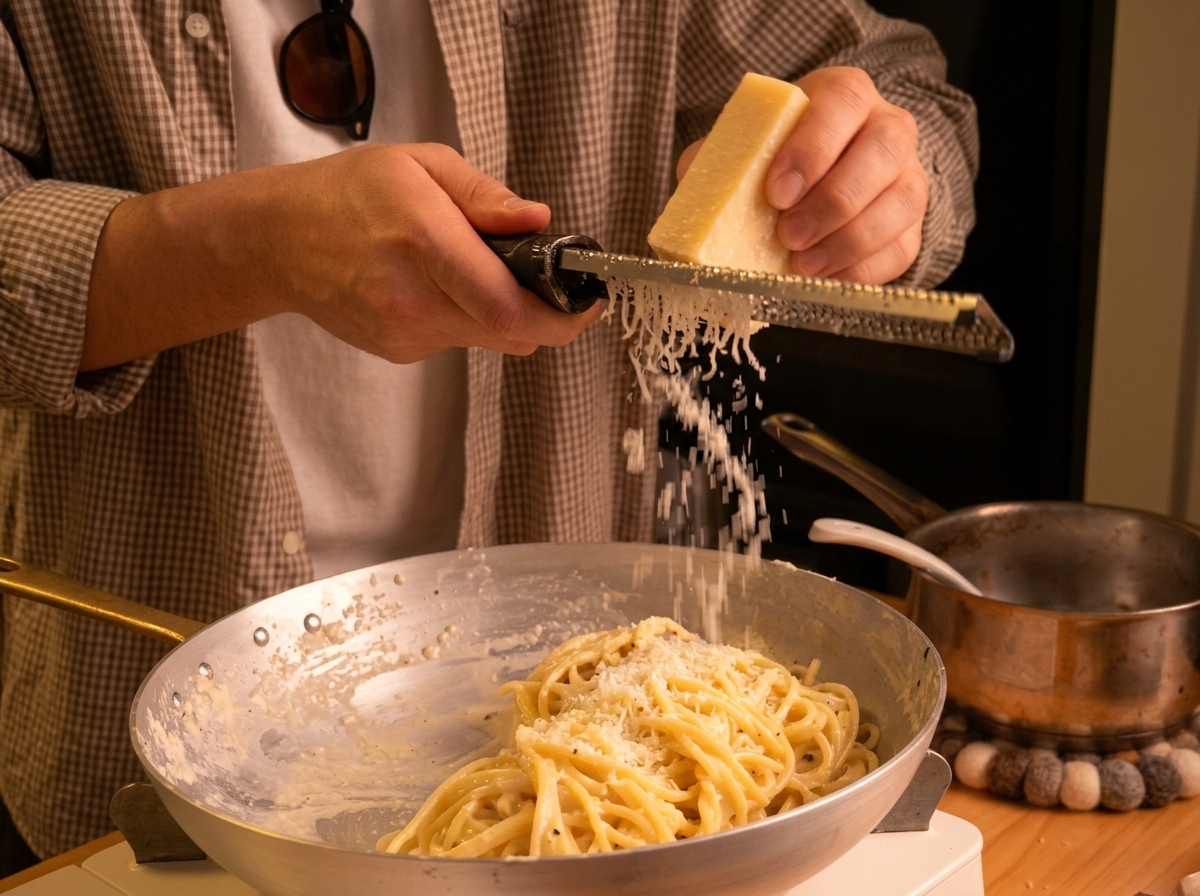
Grate a generous amount of fresh Pecorino cheese directly over the spaghetti in the pan. For the best flavor and texture, use a fine grater to create light, fluffy cheese. Do not skimp on this ingredient.
Tip: Adding this second layer of freshly grated cheese directly to the hot pasta helps build the sauces final, luscious texture. - 13Toss to emulsify
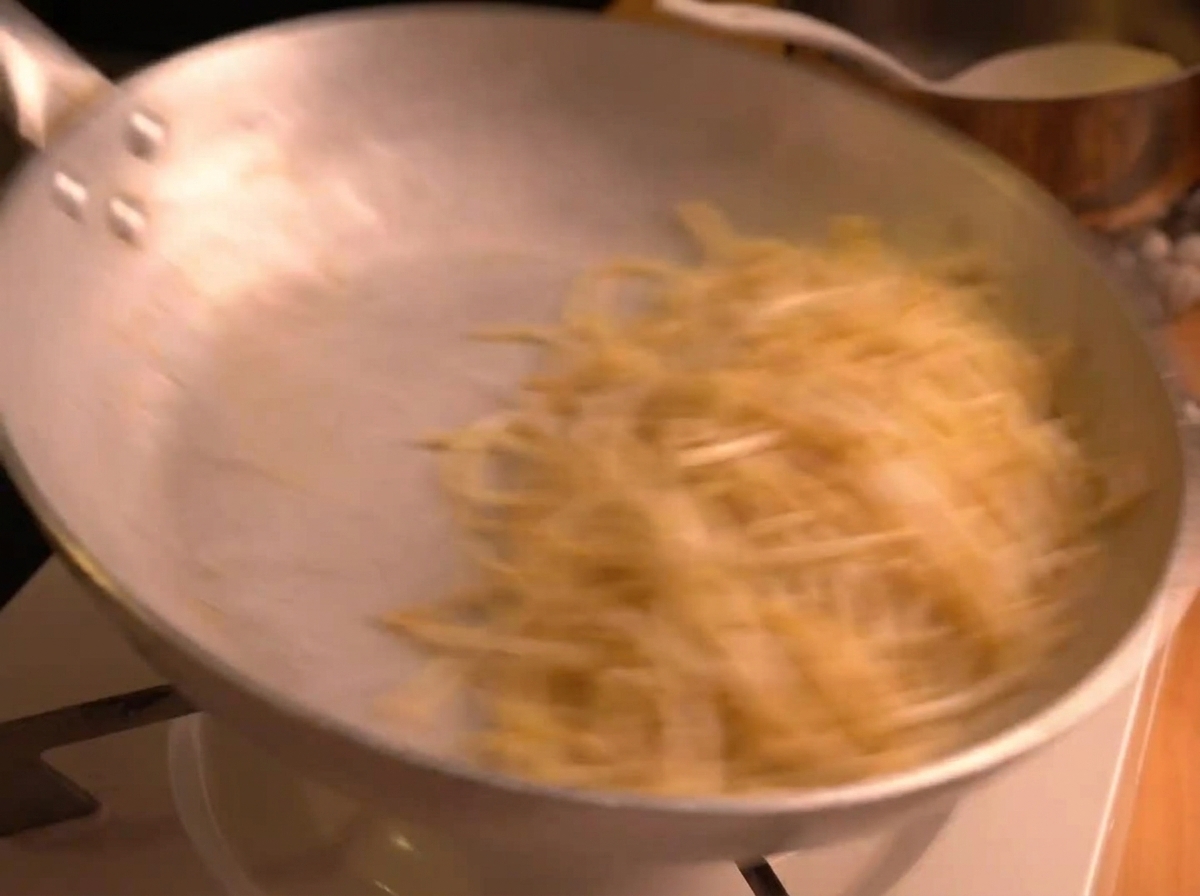
Vigorously toss the spaghetti in the pan with the freshly crushed black pepper and starchy pasta water. This constant motion and agitation are essential for forcing the fat and starch to emulsify into a rich, creamy sauce that coats every single strand perfectly.
Tip: Keep the pasta moving continuously! The rapid tossing action releases more starches, which is the secret to achieving a silky, clump-free Cacio e Pepe.


