Classic French Lobster Bisque
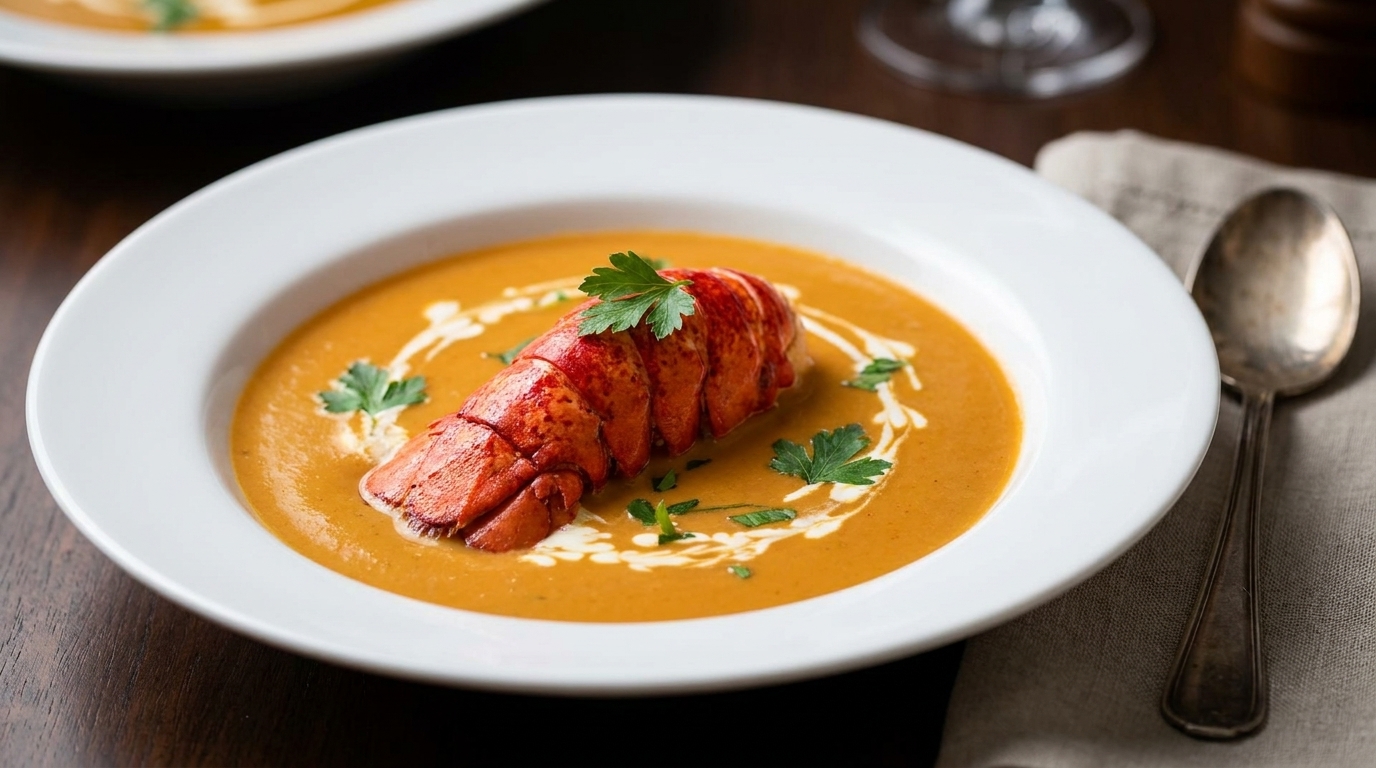
A sophisticated French-style lobster bisque featuring a velvety, deeply flavored crustacean broth topped with a butter-seared lobster tail.
Lobster bisque is the pinnacle of French seafood soups, prized for its intense depth of flavor and luxurious, velvety texture. Traditionally made by simmering shells with aromatics and mirepoix, this elegant dish serves as a stunning centerpiece for holiday reunions and special celebrations, embodying refined culinary craft.
Ingredients
- 1 whole fresh lobster
- 1 red onion
- 2 carrots
- 2 stalks celery
- 2 tbsp tomato paste
- 1 tsp chili powder
- 1 L seafood stock
- 50 g butter
- to taste salt
- to taste black peppercorns
- 2 bay leaves
- 1 bunch fresh herbs
- optional heavy cream
- optional fresh parsley
Instructions
- 1Prepare the aromatics
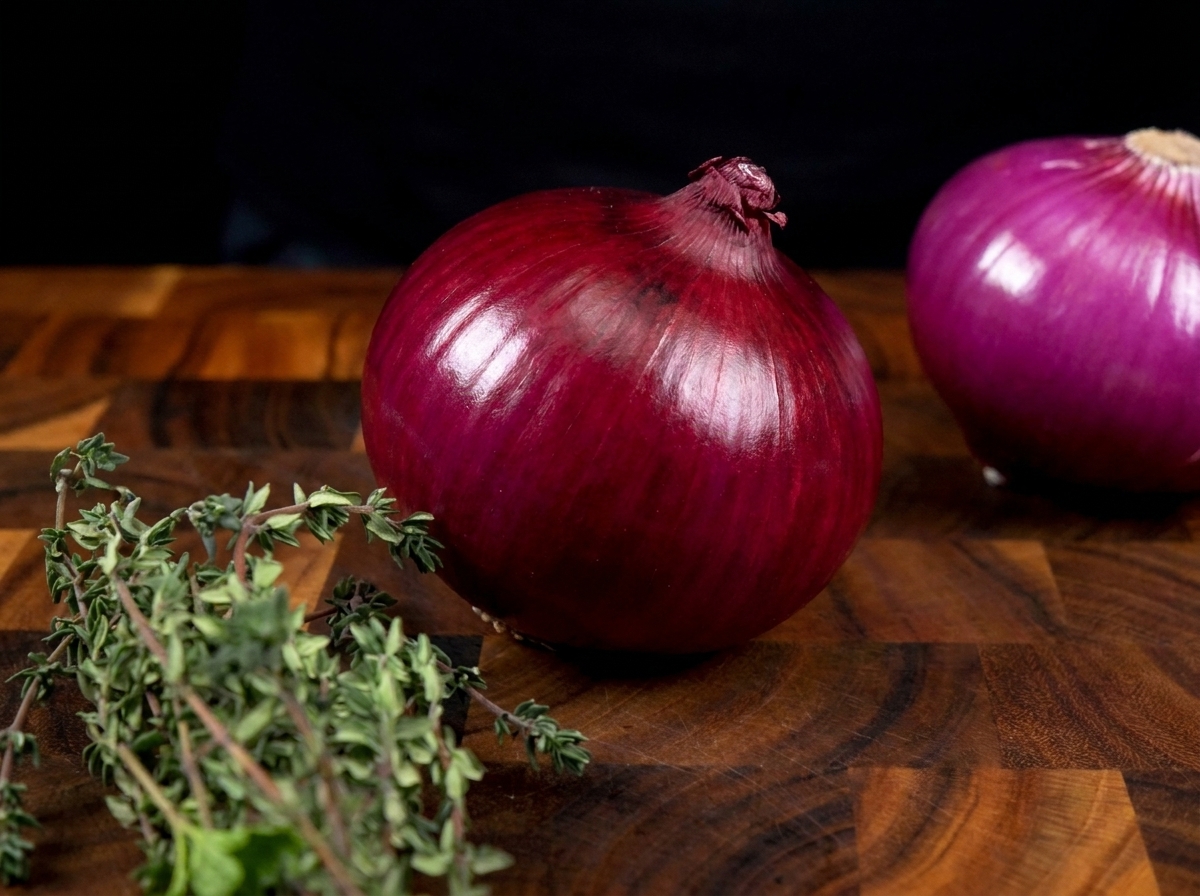
Begin by halving the red onion on a wooden cutting board. This step is essential for prep work, as the aromatics will provide a flavorful base for the lobster stock.
Tip: Use a sharp chefs knife to ensure clean, even slices. - 2Parboil the lobster
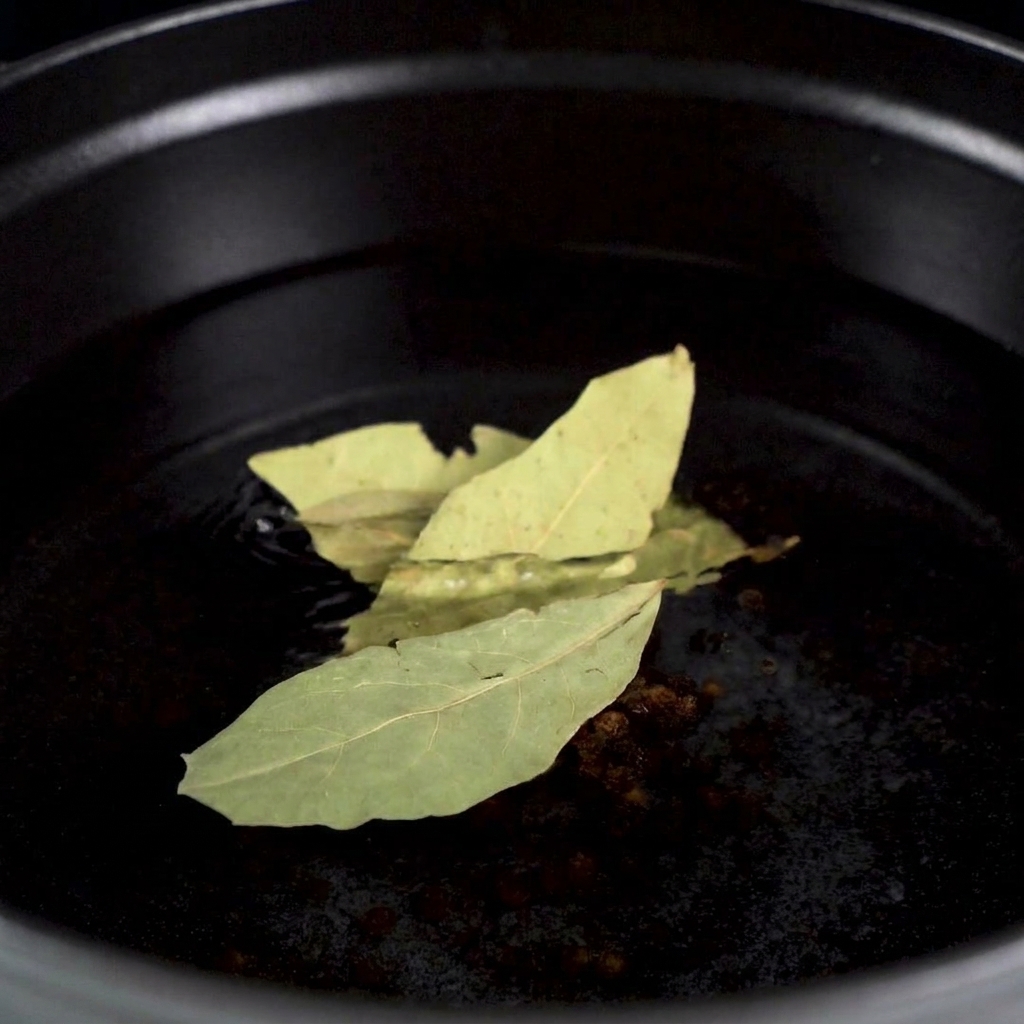
Carefully submerge the raw lobster into a large pot of boiling water seasoned with salt, black peppercorns, and bay leaves. Parboiling for a few minutes makes it easier to remove the meat from the shell later.
Tip: Keep the water at a steady boil to ensure even cooking of the lobster. - 3Sauté the shells
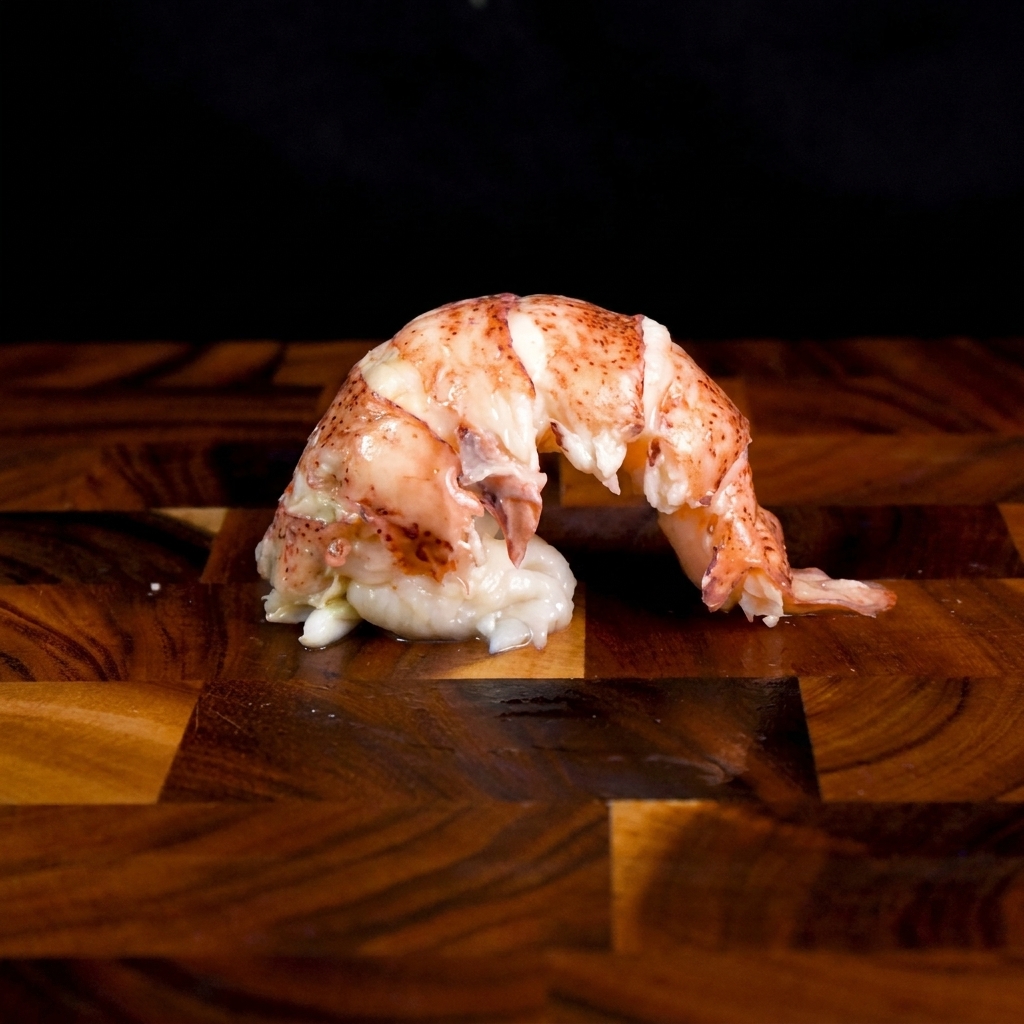
After removing the meat, add the lobster shells to a hot pot. Sautéing the shells releases their rich, oceanic essence, which is the secret to a deep-flavored bisque.
Tip: Stir the shells frequently to ensure they brown evenly without burning. - 4Add vegetables
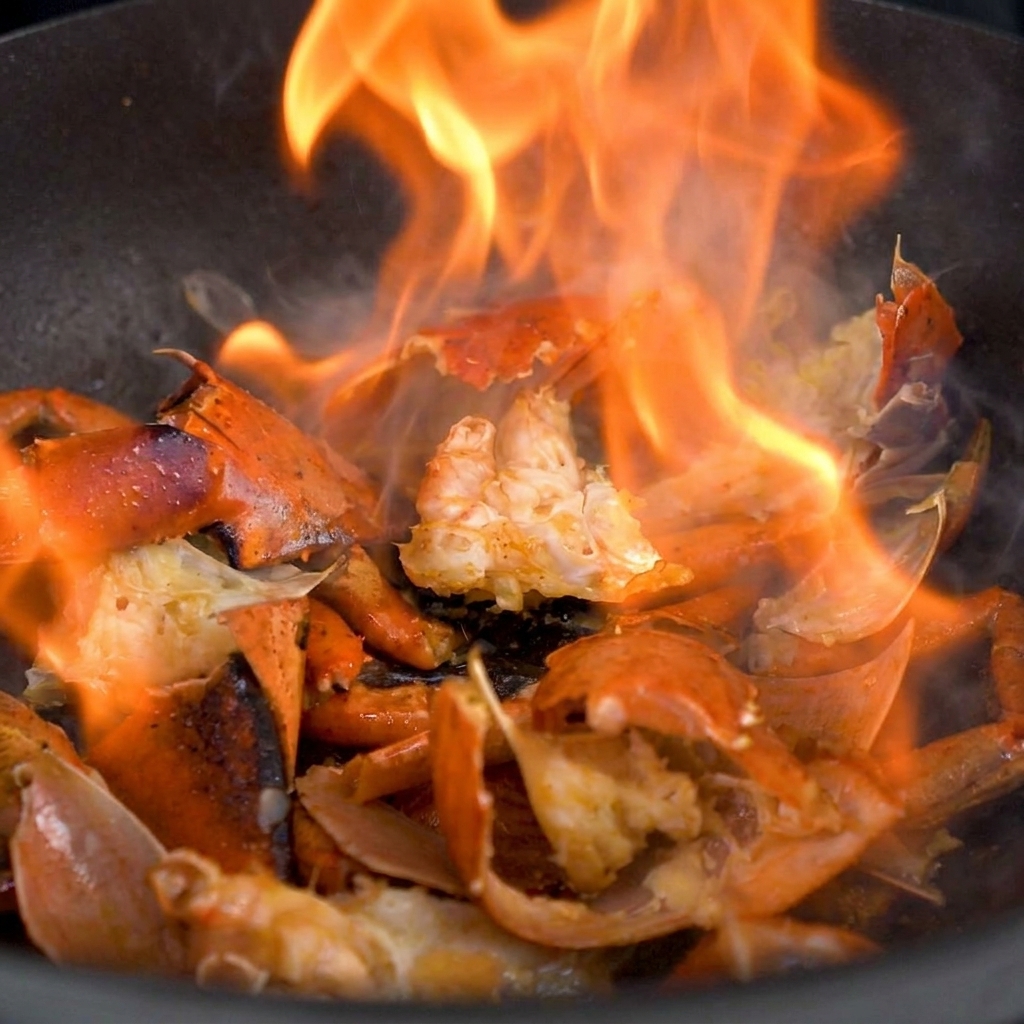
Incorporate the mirepoix of chopped onions, carrots, and celery into the pot with the lobster shells. Sauté these together until the vegetables soften and begin to caramelize, building a complex foundation for your stock.
Tip: Caramelizing the vegetables thoroughly adds natural sweetness to the finished bisque. - 5Incorporate paste and spices
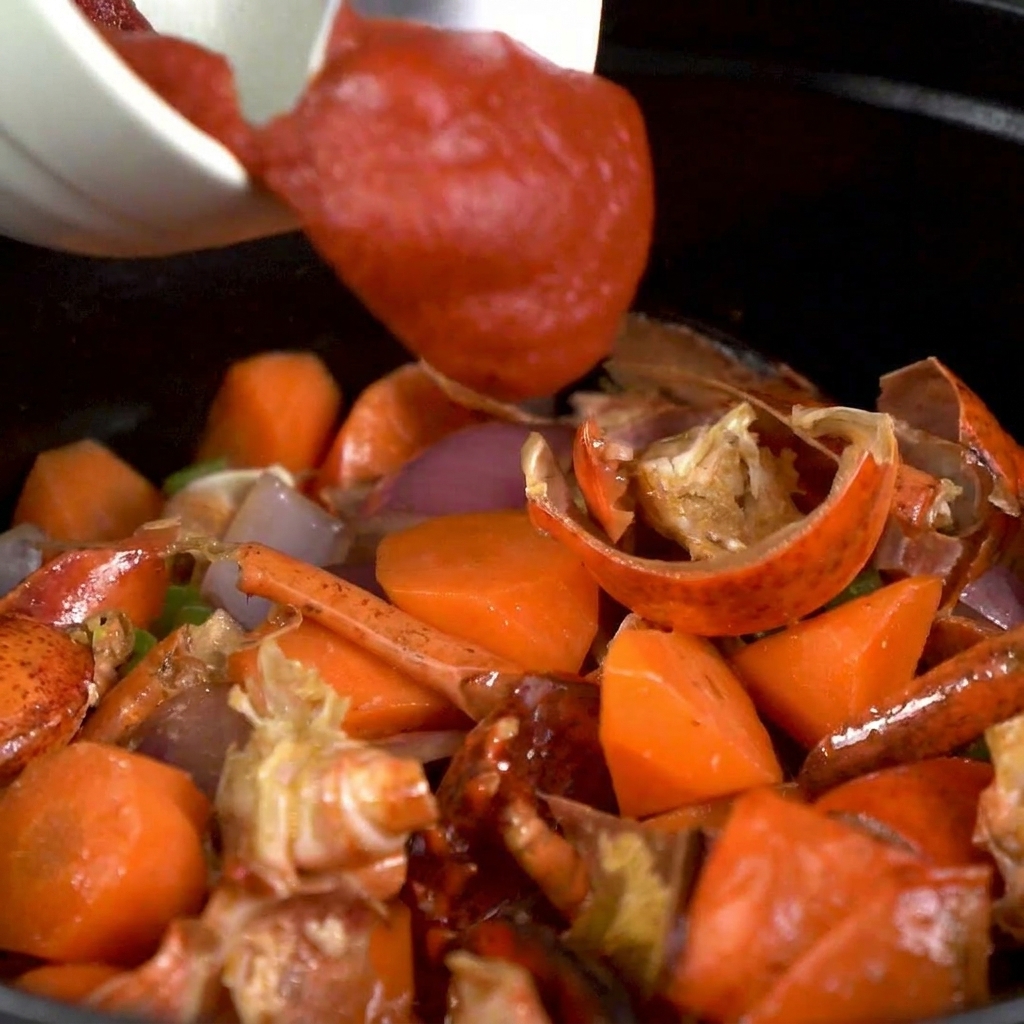
Stir in the tomato paste and chili powder to the sautéing vegetables and shells. Cook briefly to toast the paste, which deepens the color and intensifies the flavor of the base.
Tip: Toasting the tomato paste removes any raw acidity, resulting in a smoother, richer flavor profile. - 6Simmer the stock
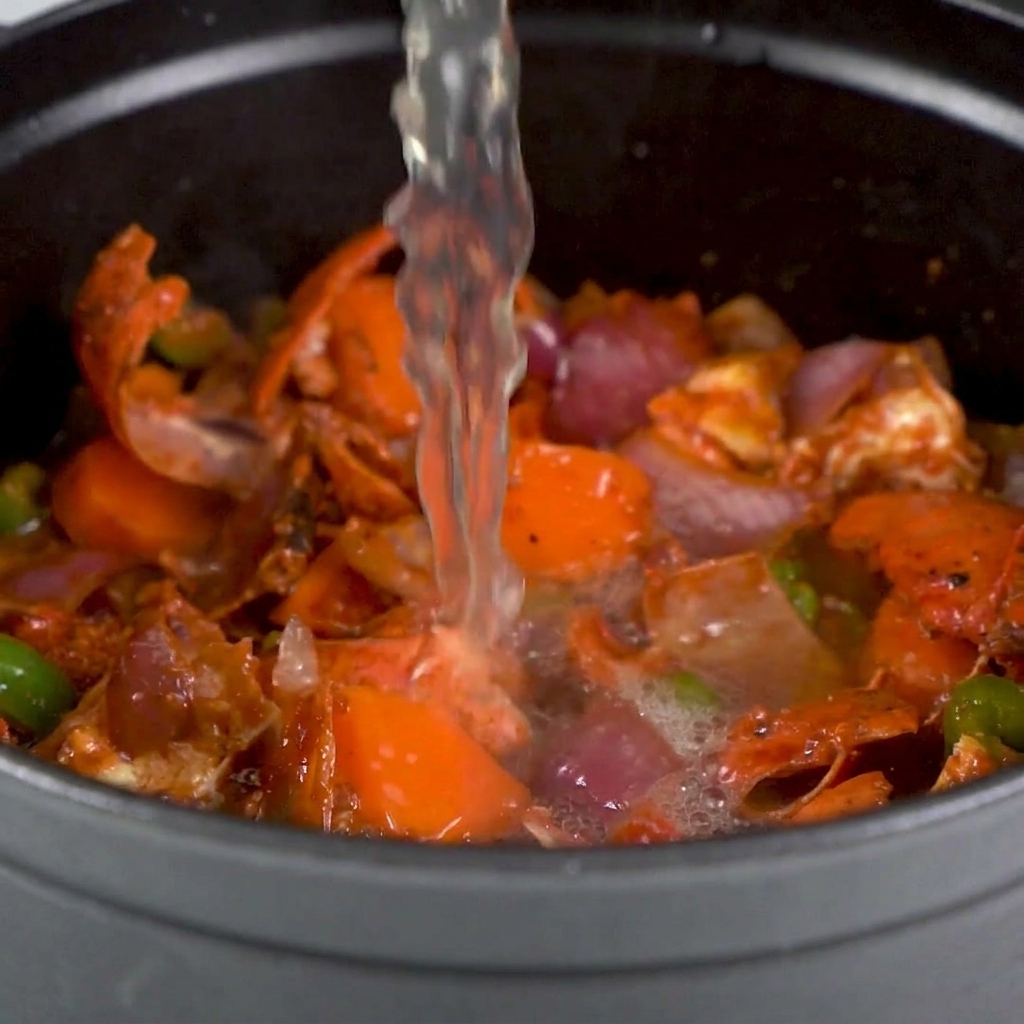
Pour in your prepared stock, covering the shells and vegetables completely. Add a bundle of fresh herbs and bring the mixture to a gentle simmer to extract maximum flavor.
Tip: Simmering slowly allows the flavors to meld together perfectly for a professional-grade result. - 7Blend the Bisque Base
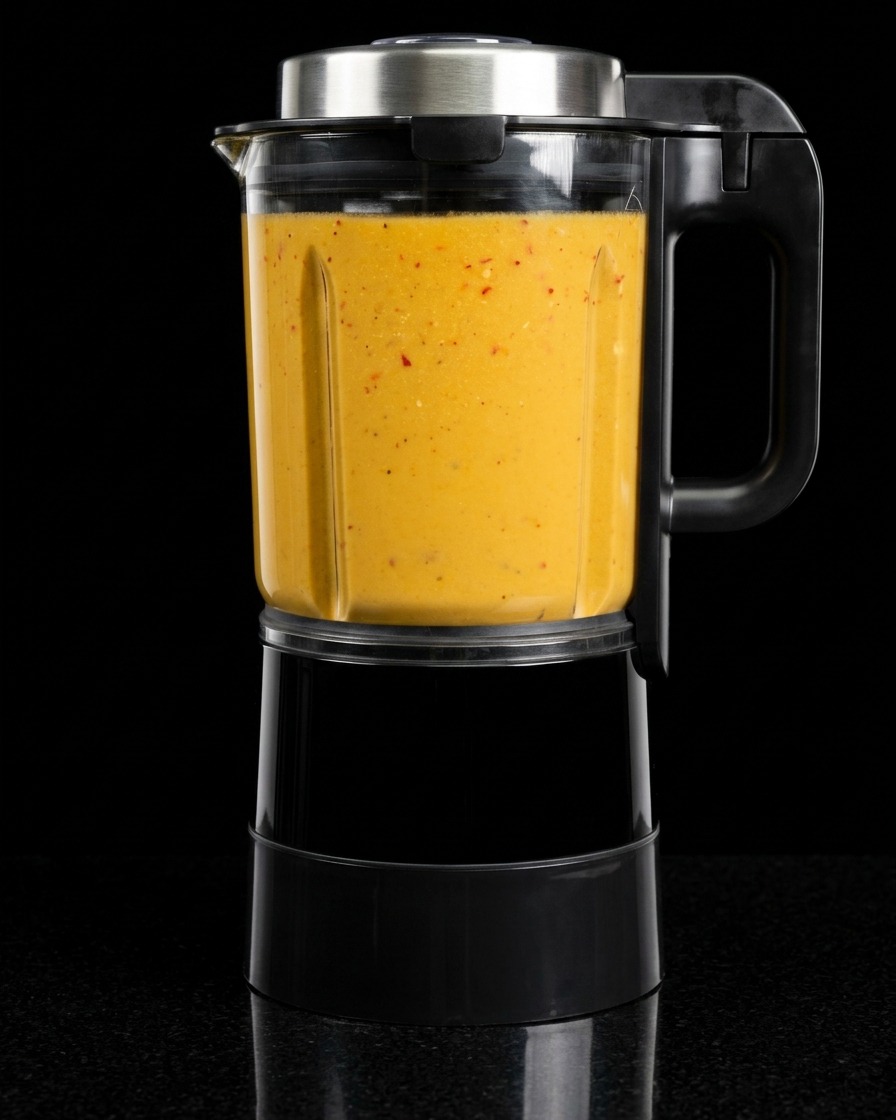
Pour the cooked bisque base into a blender and blend on high speed until the texture is completely smooth and creamy. This step ensures that all the aromatic vegetables and base ingredients are fully emulsified into a velvety consistency.
Tip: If the base is still hot, be sure to leave the blender lid slightly vented or remove the center cap and cover with a towel to allow steam to escape while blending. - 8Sear the Lobster Tails
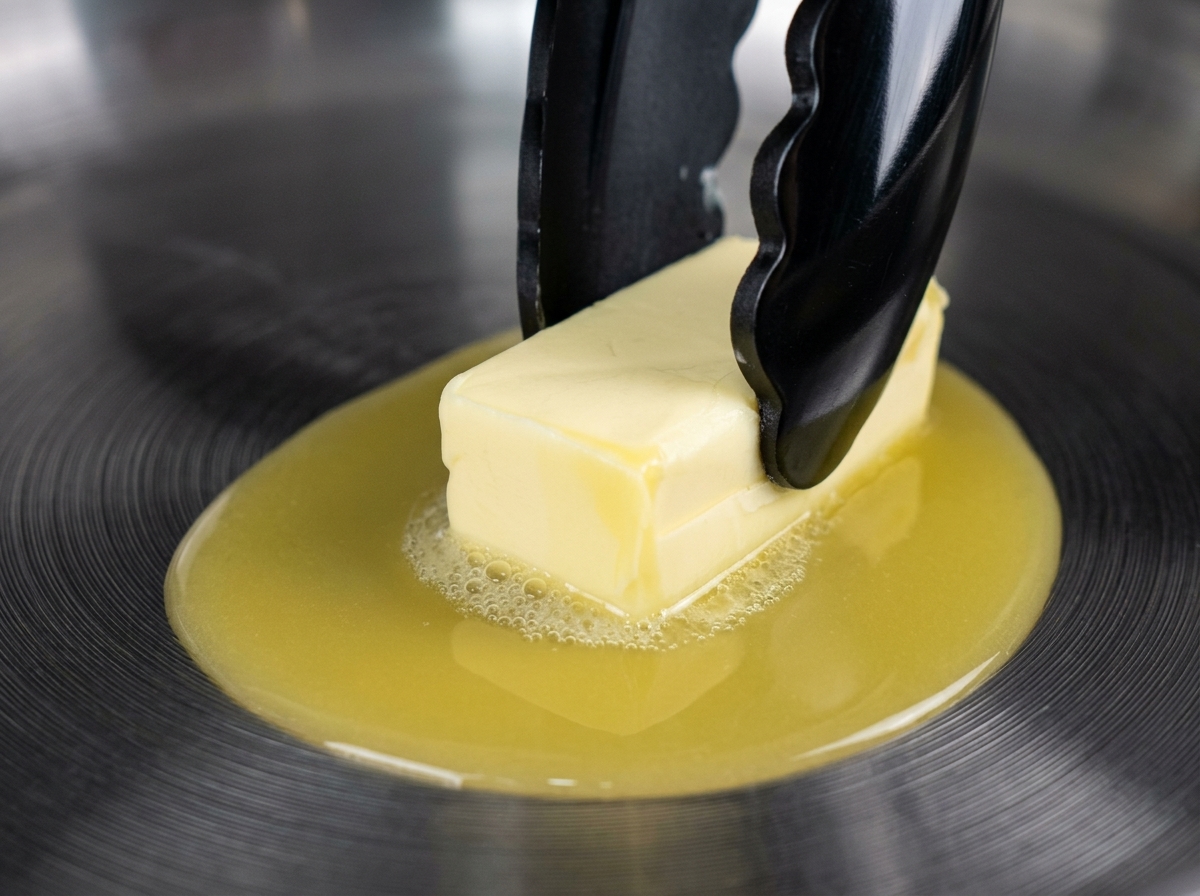
Melt butter in a stainless steel skillet over medium-high heat. Add the prepared lobster tails and sear them until they are opaque, firm, and fully cooked through. The butter basting adds a rich, luxurious flavor that perfectly complements the delicate meat.
Tip: Keep a close watch to avoid overcooking the lobster, as it can quickly become rubbery; it is done as soon as the flesh turns opaque and white.