Easy Homemade Chicken Noodle Soup
A nourishing and quick chicken noodle soup with wide egg noodles, tender shredded chicken, and a vibrant mirepoix base. Perfect for a comforting family meal.
There is something inherently restorative about a bowl of classic chicken noodle soup. This version prioritizes ease and nutrition, utilizing a simple aromatic base and tender rotisserie chicken to deliver deep, savory flavor in less time. It is a reliable favorite for busy weeknights or whenever you need a bowl of pure, comforting goodness.

Ingredients
- 2 tbsp olive oil
- 1 cup diced onion
- 1 cup diced carrot
- 1 cup diced celery
- 2 L chicken broth
- 2 dried bay leaves
- 2 cups shredded cooked chicken
- 200 g wide egg noodles
- 1 tsp dried basil
- 1 tsp dried thyme
- to taste salt
- to taste black pepper
- optional fresh parsley
- optional scallions
Instructions
- 1Dice the onions
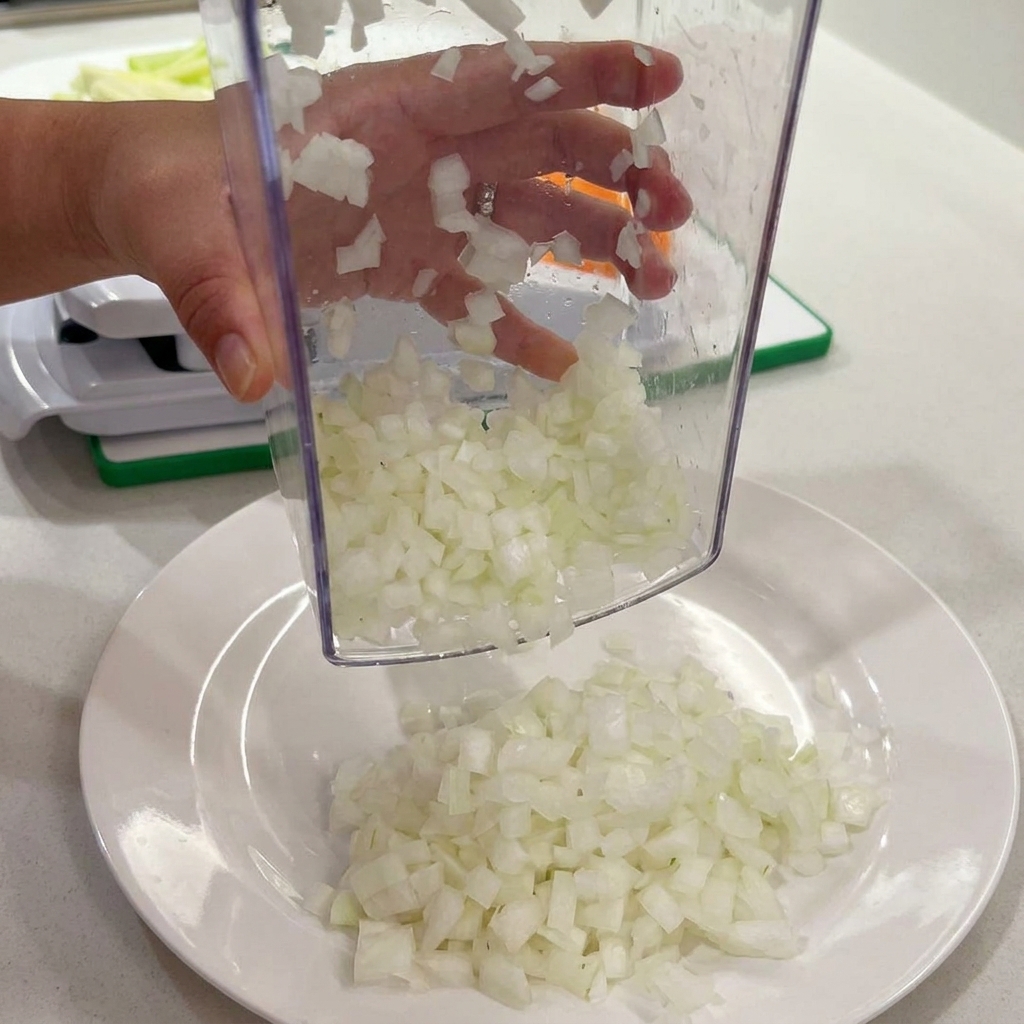
Begin preparing the vegetable base by dicing the onions into small, uniform pieces. Using a vegetable chopper speeds up the process and ensures the pieces cook evenly in the soup.
Tip: Uniformly diced vegetables will sauté evenly and melt beautifully into the broth. - 2Chop the carrots
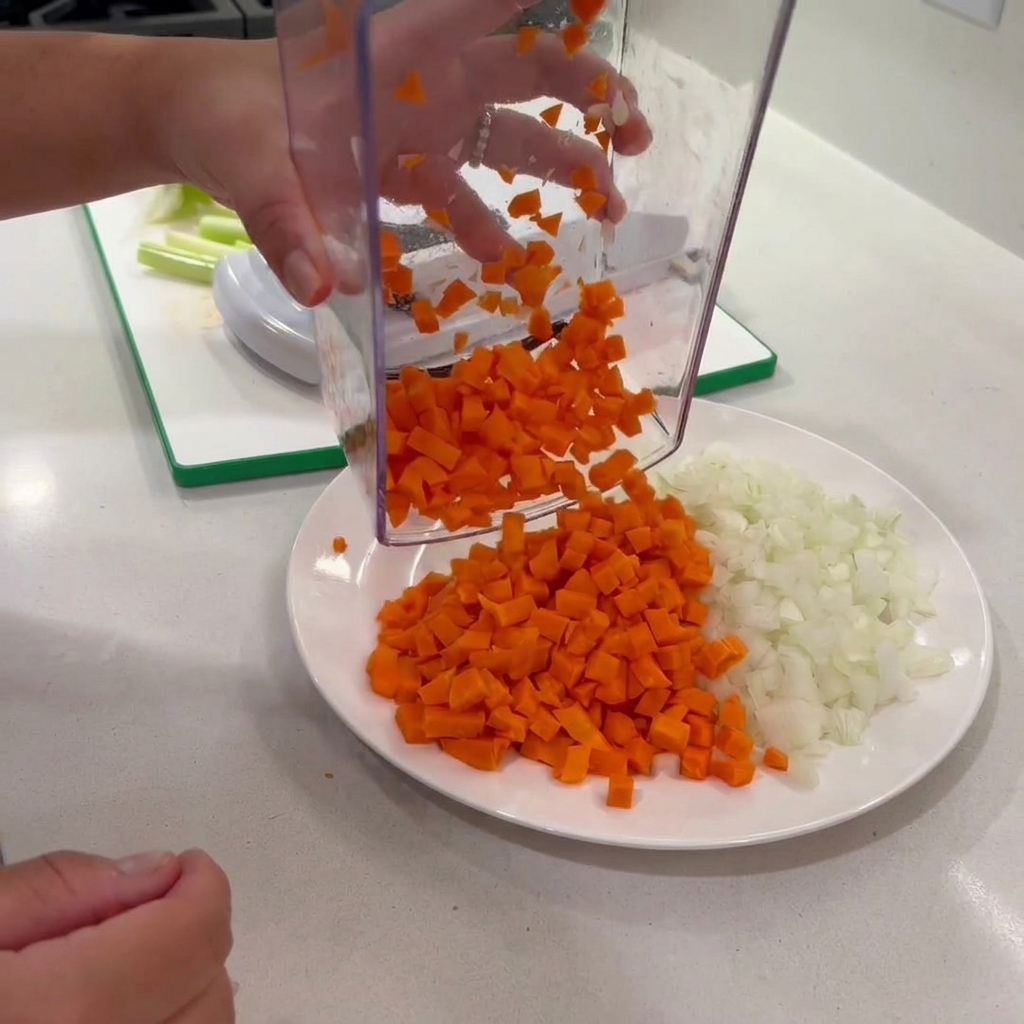
Next, dice the carrots into small pieces. Carrots add natural sweetness, essential nutrients, and a bright pop of color to your chicken noodle soup.
Tip: Keep the carrot pieces roughly the same size as the onions so they cook at a similar rate. - 3Dice the celery
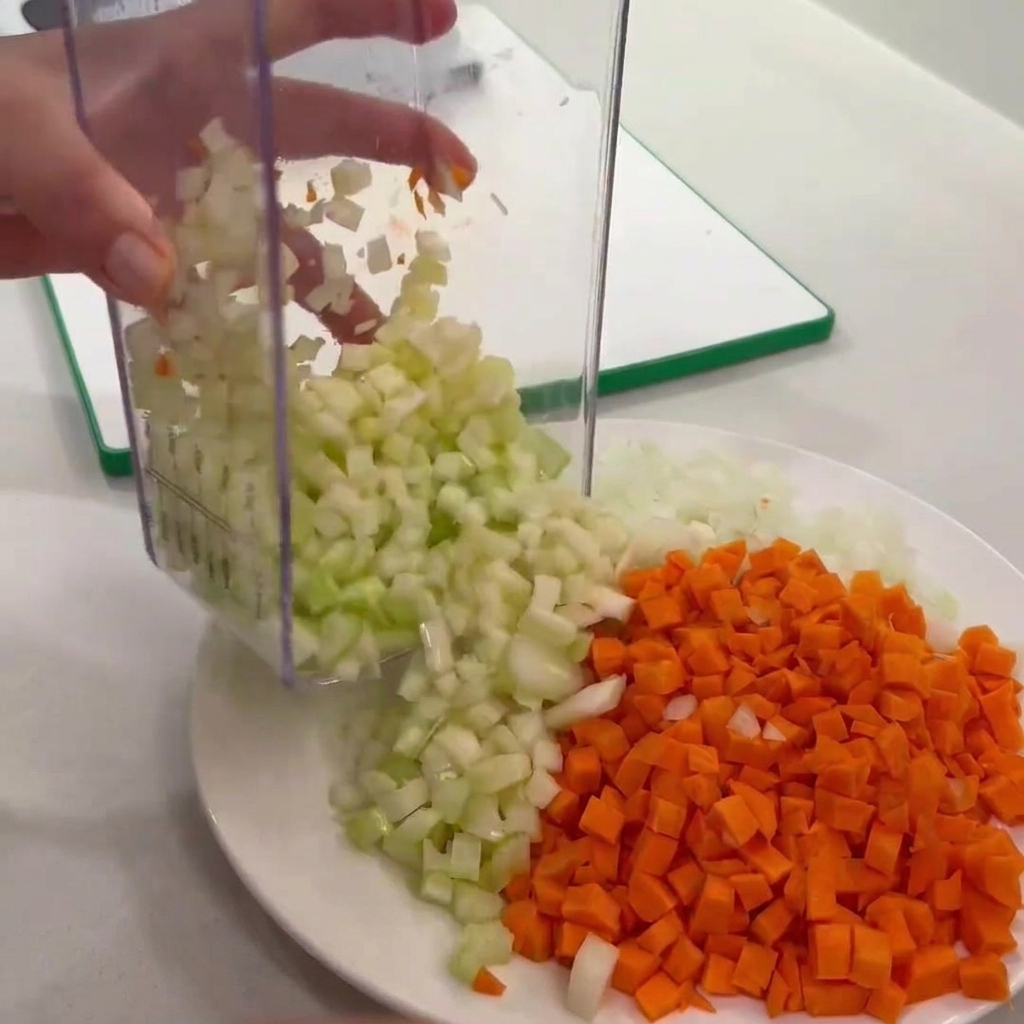
Chop the celery into small pieces to complete your aromatic mix. Celery brings a classic, savory depth of flavor that is foundational to any traditional chicken soup.
Tip: This trio of onions, carrots, and celery forms a classic mirepoix, the flavor base for many hearty soups and stews. - 4Sauté the onions
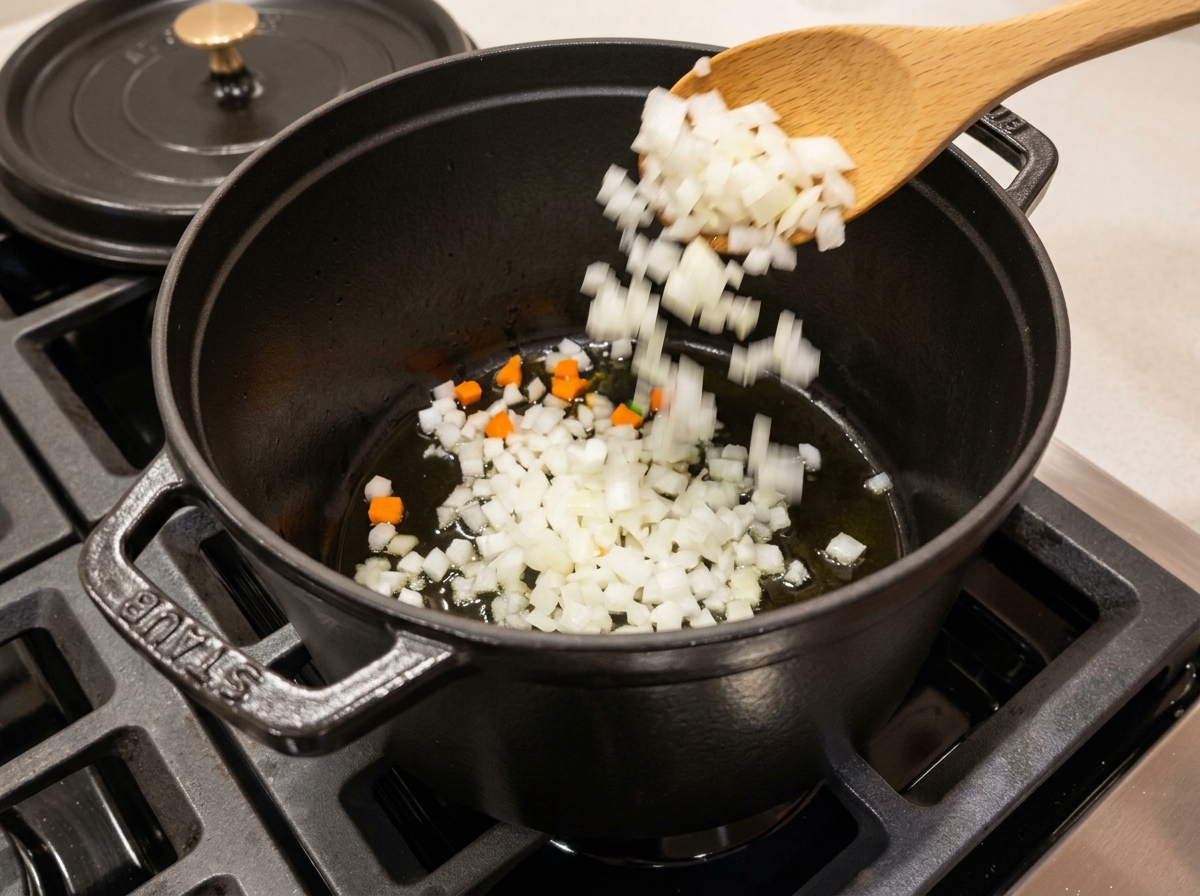
Heat a small amount of oil in a large pot over medium heat. Once the oil is warm, add the diced onions and sauté them gently until they become fragrant and start to soften.
Tip: Stir the onions frequently to prevent them from browning too quickly or sticking to the bottom of the pot. - 5Add carrots and celery
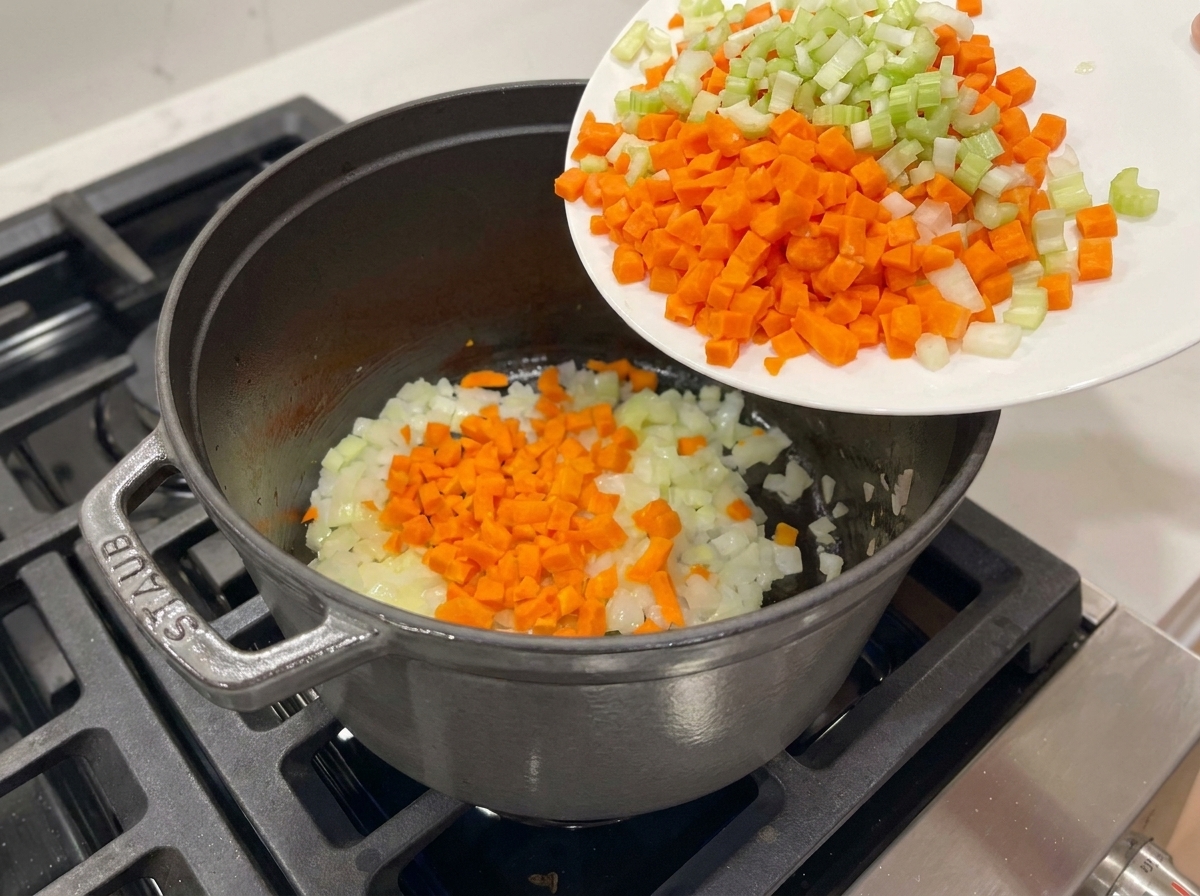
Once the onions are fragrant, pour the diced carrots and celery into the pot. Stir to combine and continue sautéing all the vegetables together until they begin to soften.
Tip: Sautéing the vegetables before adding the liquid enhances their natural sweetness and builds a much deeper flavor profile for the broth. - 6Season the vegetables
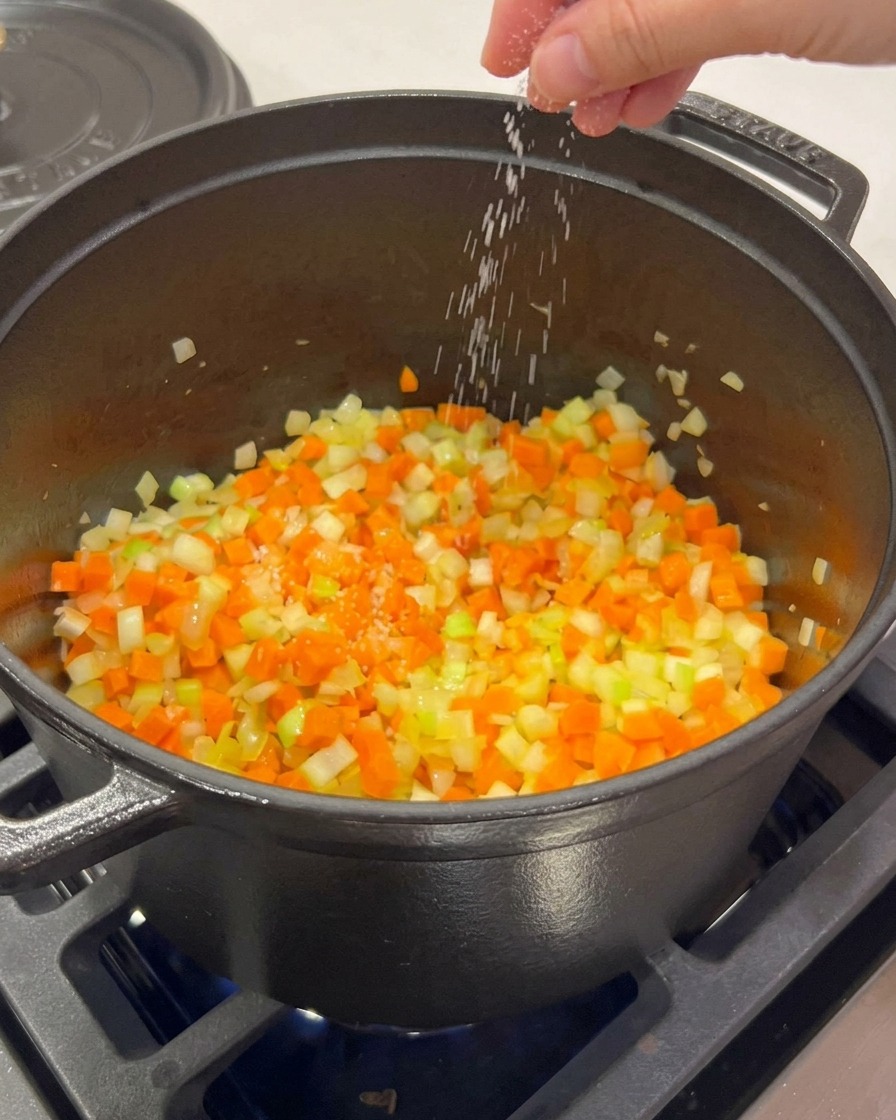
While the vegetables are cooking, season them with salt and black pepper to taste. If you are using dried herbs like basil or thyme, this is the perfect time to add them in so their oils can release in the heat.
Tip: Adding salt early draws out the moisture from the vegetables, helping them soften and sauté more effectively. - 7Add the broth
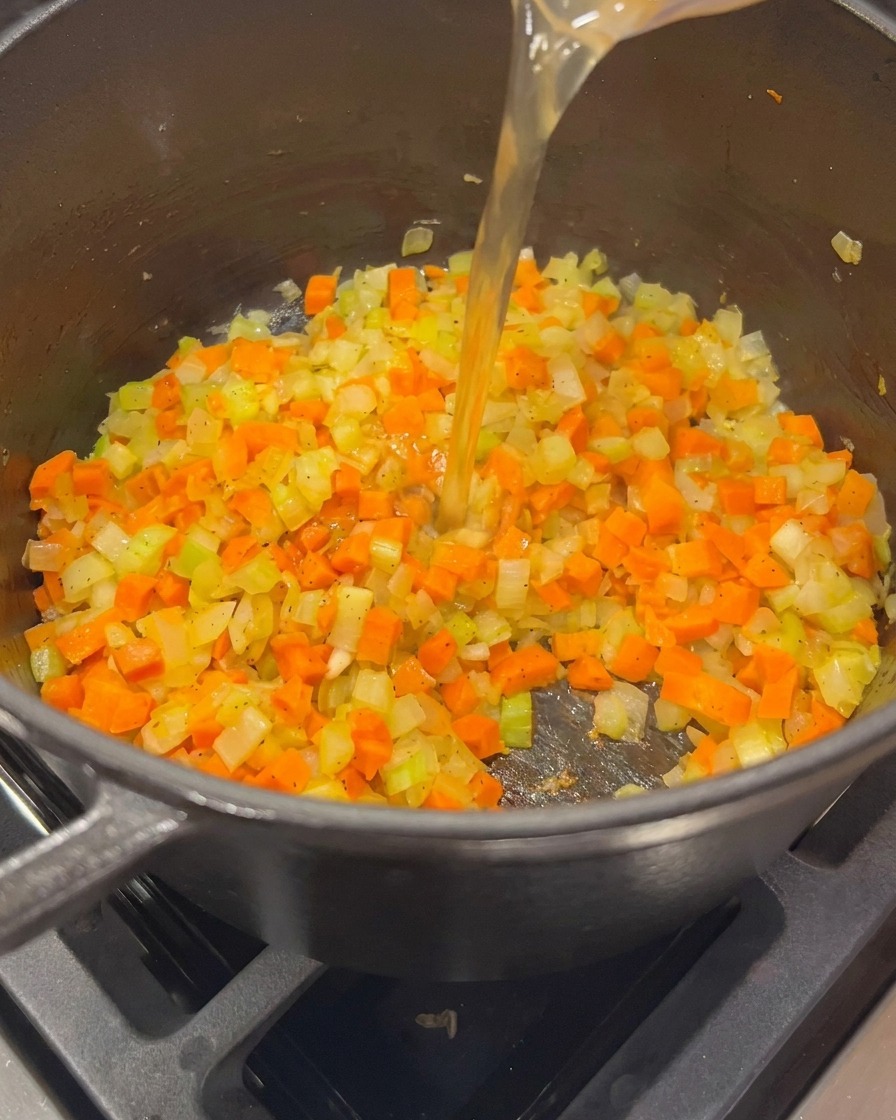
Once the vegetables have softened, pour the chicken broth into the pot. If you do not have chicken broth on hand, water is a perfectly fine substitute.
Tip: If you are using store-bought broth, opt for low-sodium so you can control the saltiness of the final soup. - 8Add bay leaves
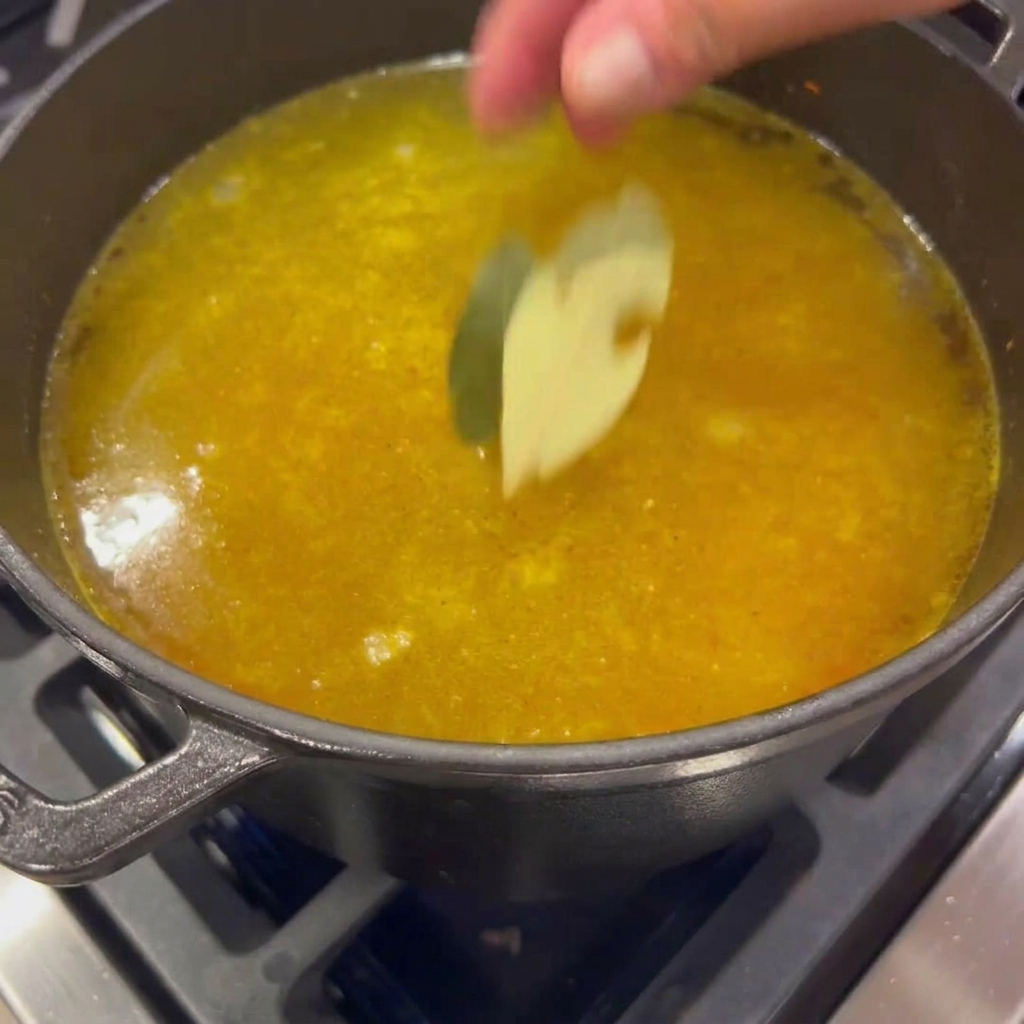
Drop two dried bay leaves into the pot with the broth and vegetables. Cover the pot with a lid and allow the mixture to simmer for about 30 minutes to develop flavor.
Tip: Remember to remove the bay leaves before serving, as they are tough and not meant to be eaten. - 9Prepare the chicken
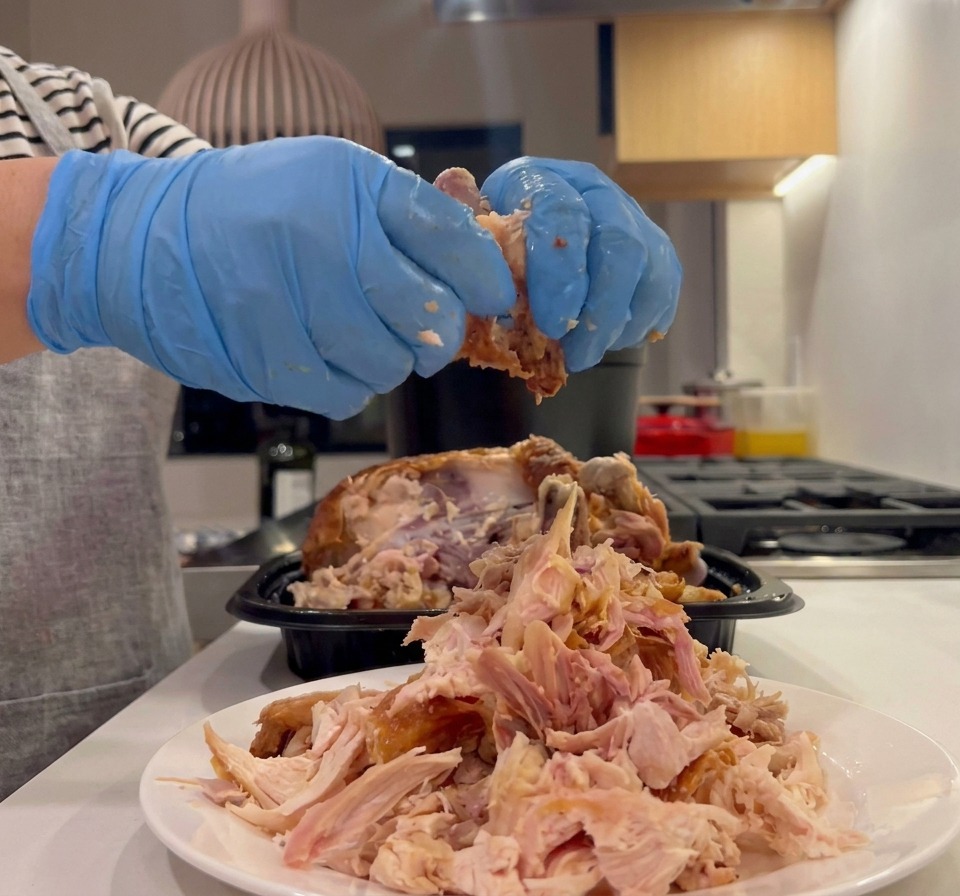
Take your cooked rotisserie chicken and tear the meat into small, bite-sized shreds. Using pre-cooked chicken makes this step quick and convenient.
Tip: If you prefer, you can boil fresh chicken breast in water until fully cooked and shred it yourself instead. - 10Incorporate the chicken
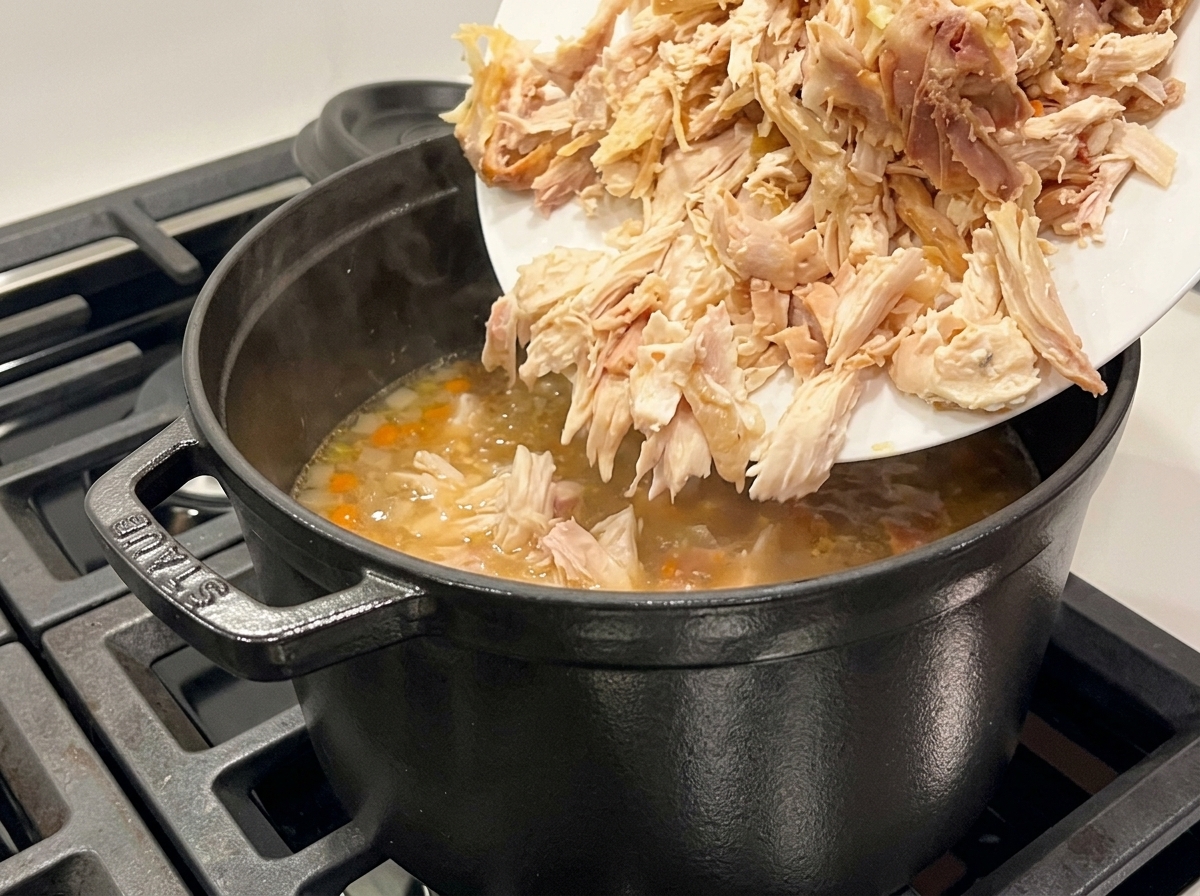
Add the prepared shredded chicken meat into the simmering soup pot. Let it boil together with the vegetables and broth for a few more minutes so the flavors can meld.
Tip: Adding the chicken near the end ensures it stays tender and does not overcook in the broth. - 11Cook the noodles
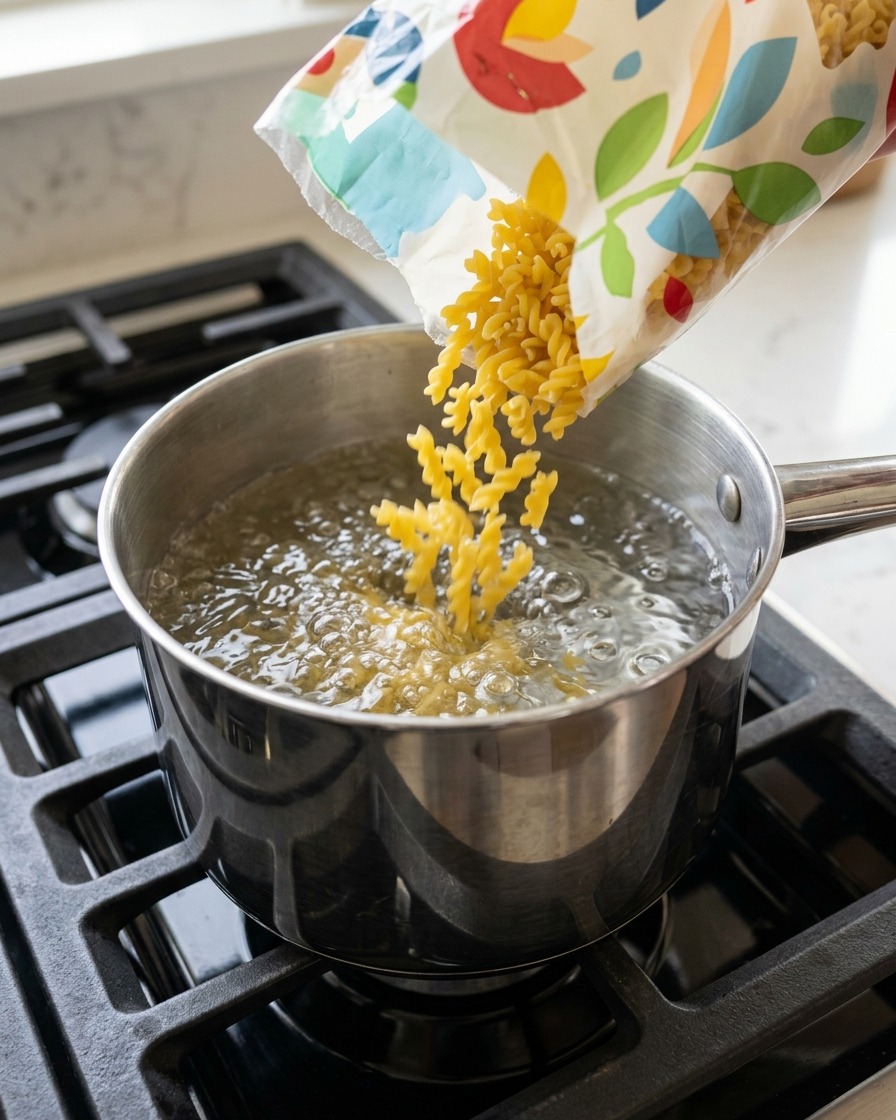
Bring a separate saucepan of water to a boil and add your wide egg noodles. Cook them until they reach your desired texture.
Tip: Cooking the noodles separately prevents them from becoming too mushy in the soup and keeps the broth clear. - 12Assemble the soup
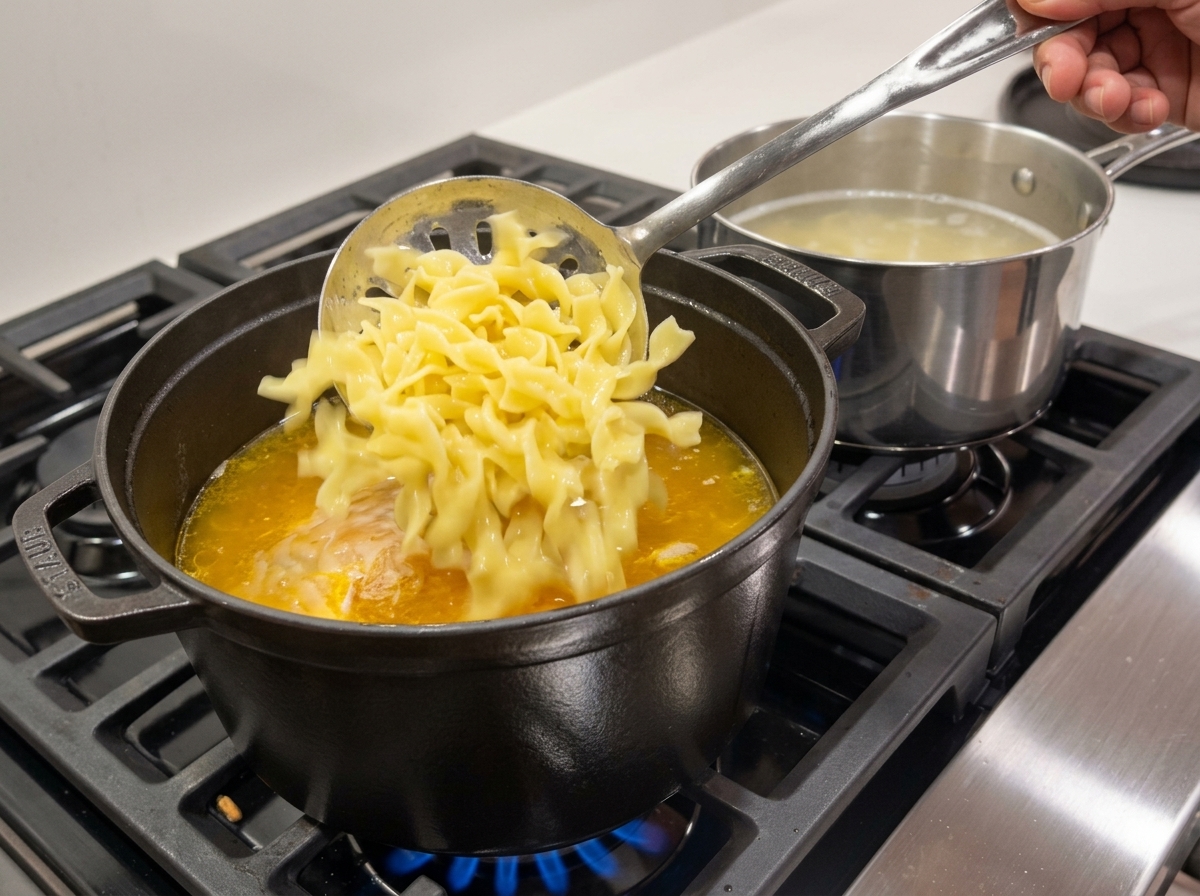
Use a slotted spoon to transfer the cooked noodles from the saucepan into the main pot of simmering chicken soup. The dish is now ready to serve.
Tip: Garnish the soup with some fresh parsley or scallions just before serving for extra brightness and color.


