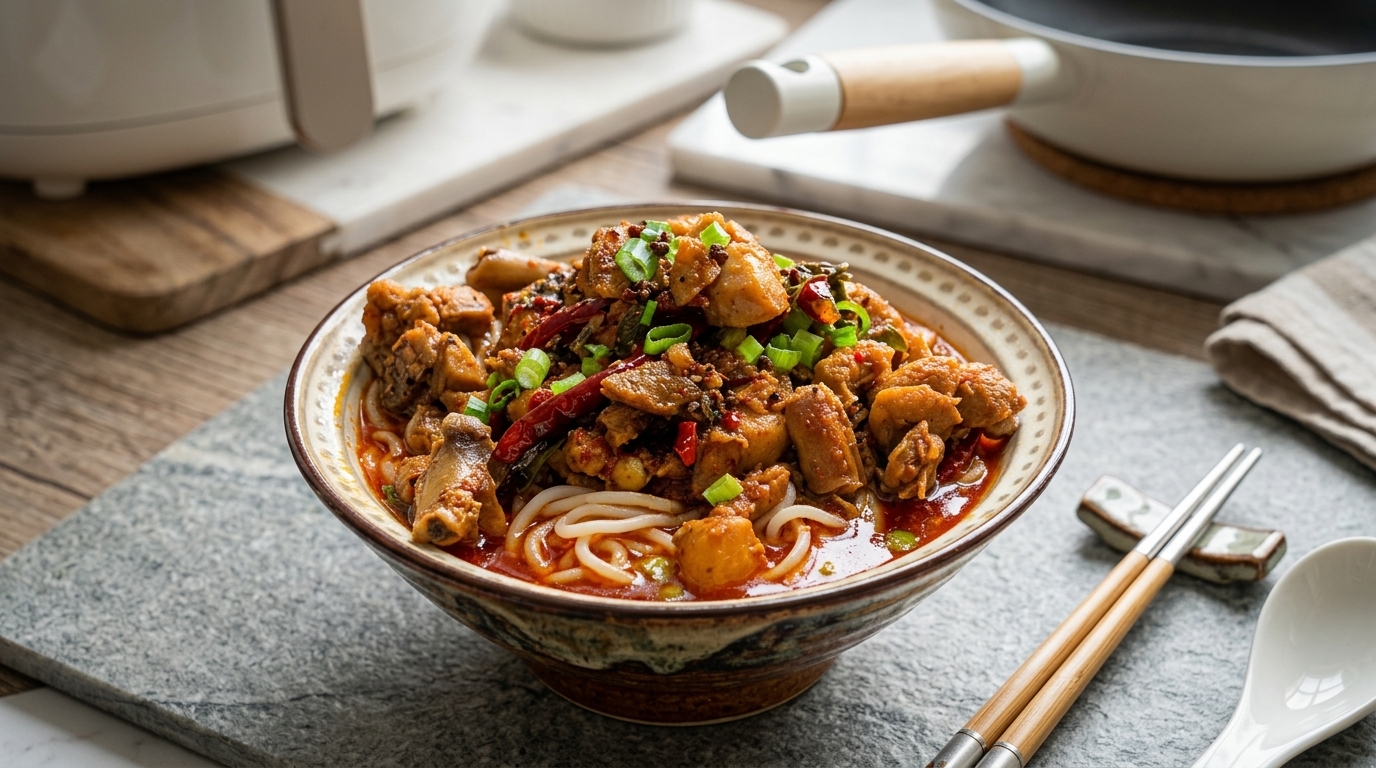
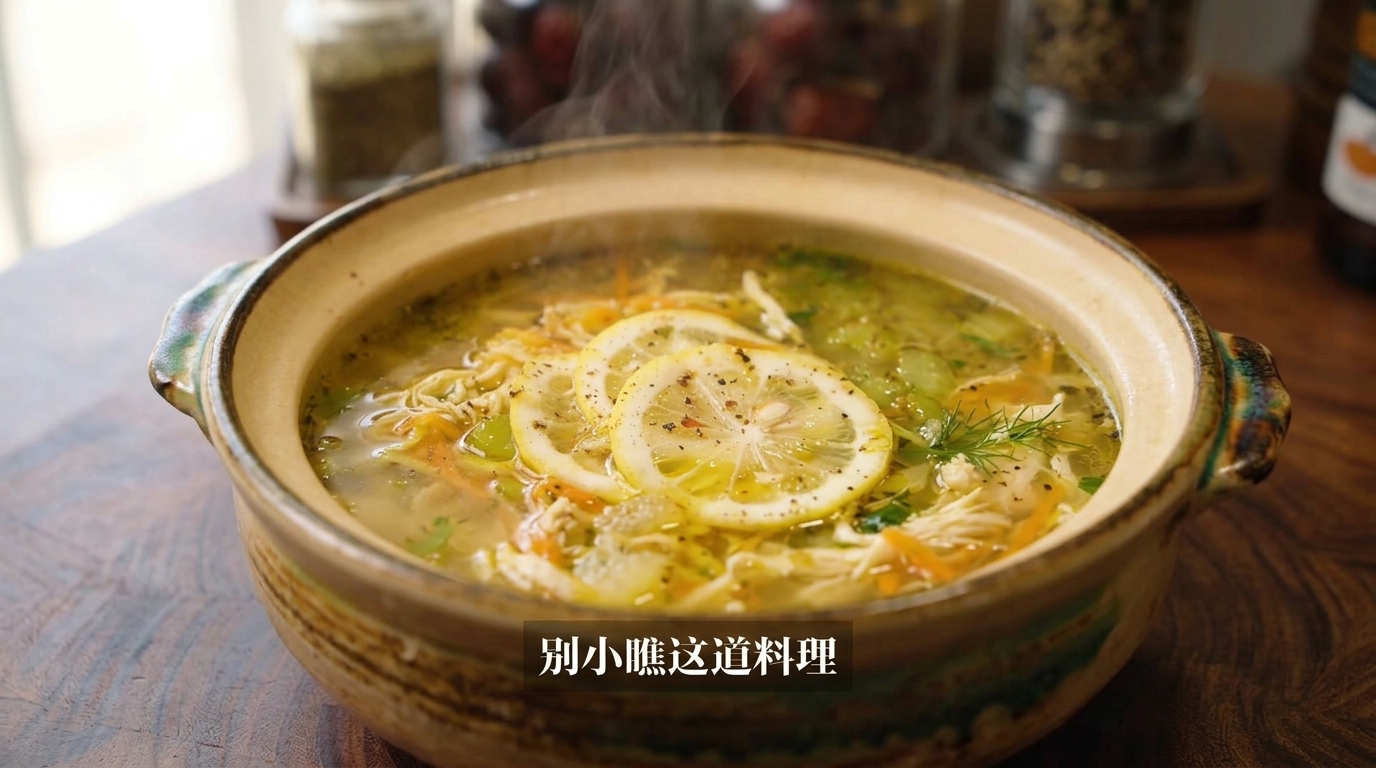
Healthy Greek Lemon Chicken Soup
Oat Noodles
A bright, restorative soup featuring tender shredded chicken and zesty lemon. At just 347 calories, it is the perfect warm and low-calorie alternative to winter salads.
While traditionally inspired by Avgolemono, this version focuses on a clear, vibrant vegetable and chicken base. It relies on the classic mirepoix of carrots, celery, and onion, elevated by aromatic Provence herbs and a generous squeeze of fresh lemon for a clean, savory finish.
Ingredients
- 2 chicken breasts
- 1 tbsp olive oil
- 2 cloves garlic, minced
- 1 onion, diced
- 1 celery stalk, diced
- 1 carrot, shredded
- 1 tsp Provence seasoning (or dried basil)
- 500 ml chicken stock
- 12 lemon, juiced
- to taste fresh cilantro, chopped
- 100 g Shanxi oat noodles (or pastarice)
- to taste sea salt and black pepper
Instructions
- 1Boil the chicken breasts
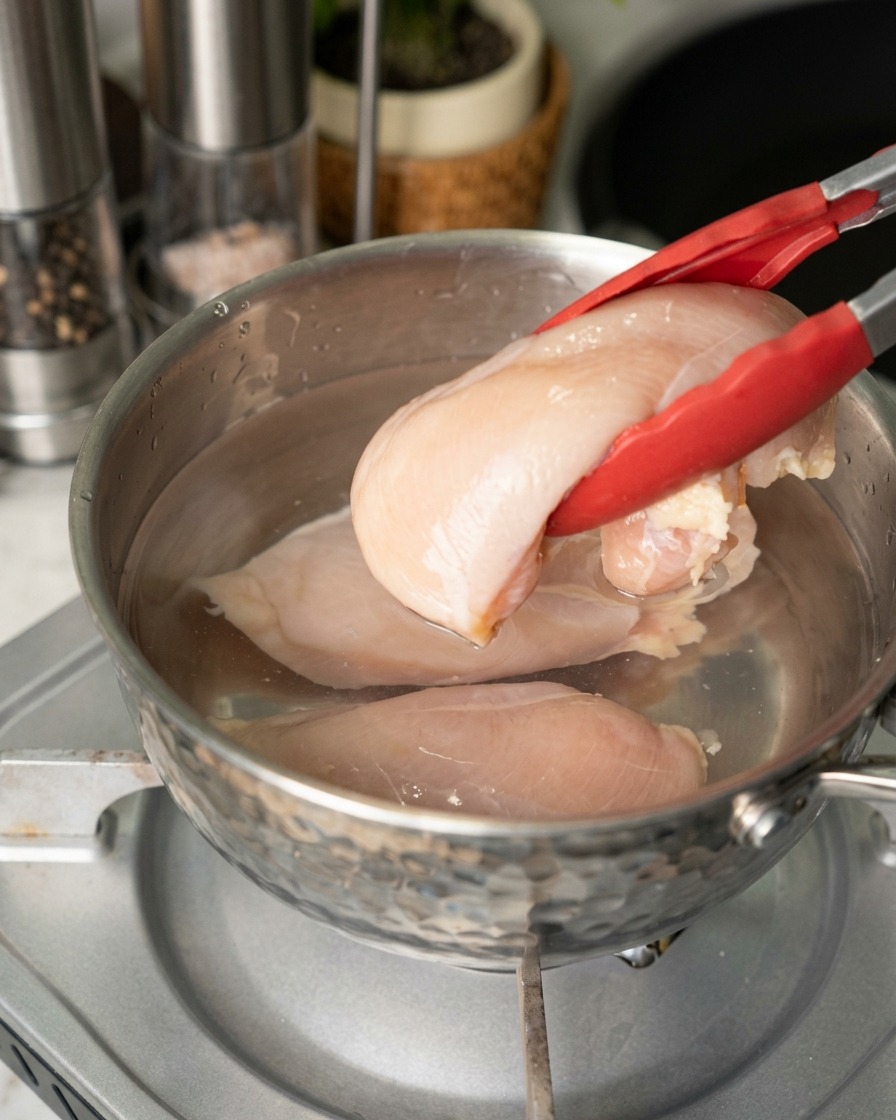
Place the raw chicken breasts into a pot of water. Bring to a boil and cook for about 20 minutes. This ensures the protein is fully cooked and tender, making it easy to shred later for the soup base.
Tip: Starting with cold water and bringing it to a boil with the chicken can result in a more evenly cooked and tender breast. - 2Shred the chicken
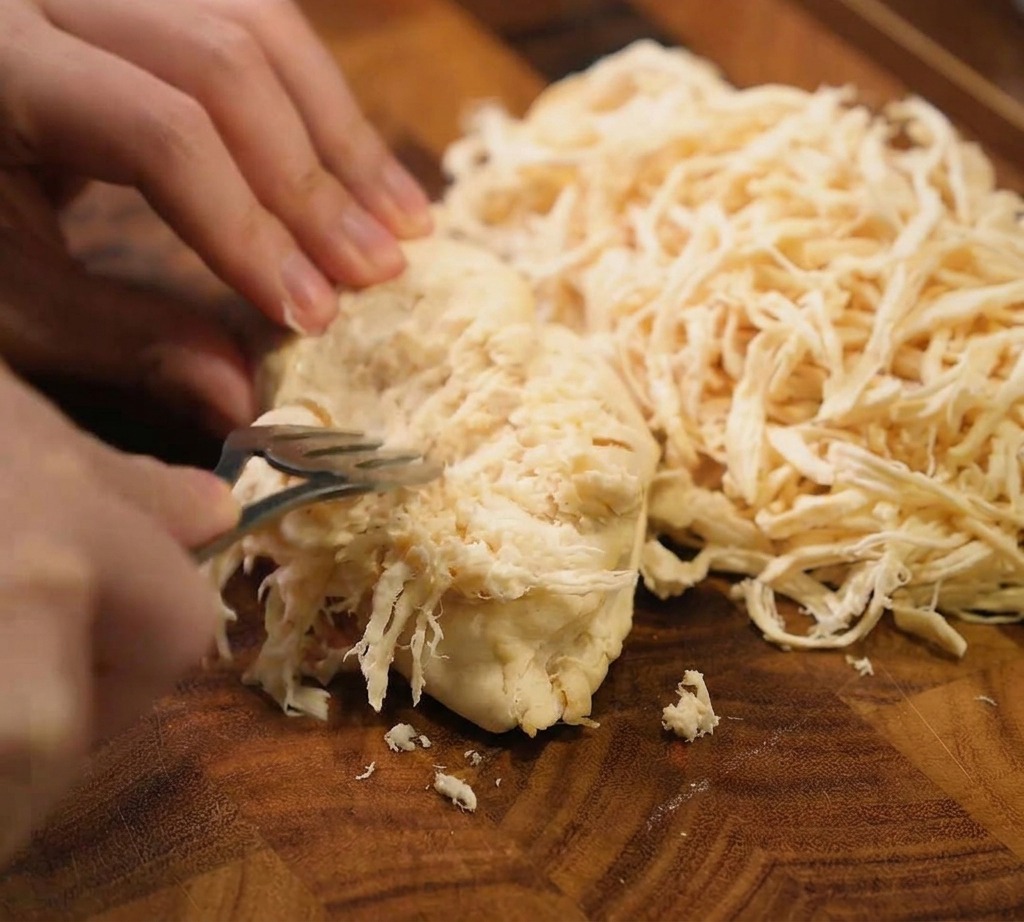
Once the boiled chicken breast has cooled down, use two forks to pull the meat apart into thin, uniform strips. This shredding method ensures the chicken is tender and can easily absorb the bright flavors of the lemon and herb broth.
Tip: If you are in a hurry, you can shred the chicken while its still warm, as the muscle fibers will separate more easily than when cold. - 3Heat the olive oil
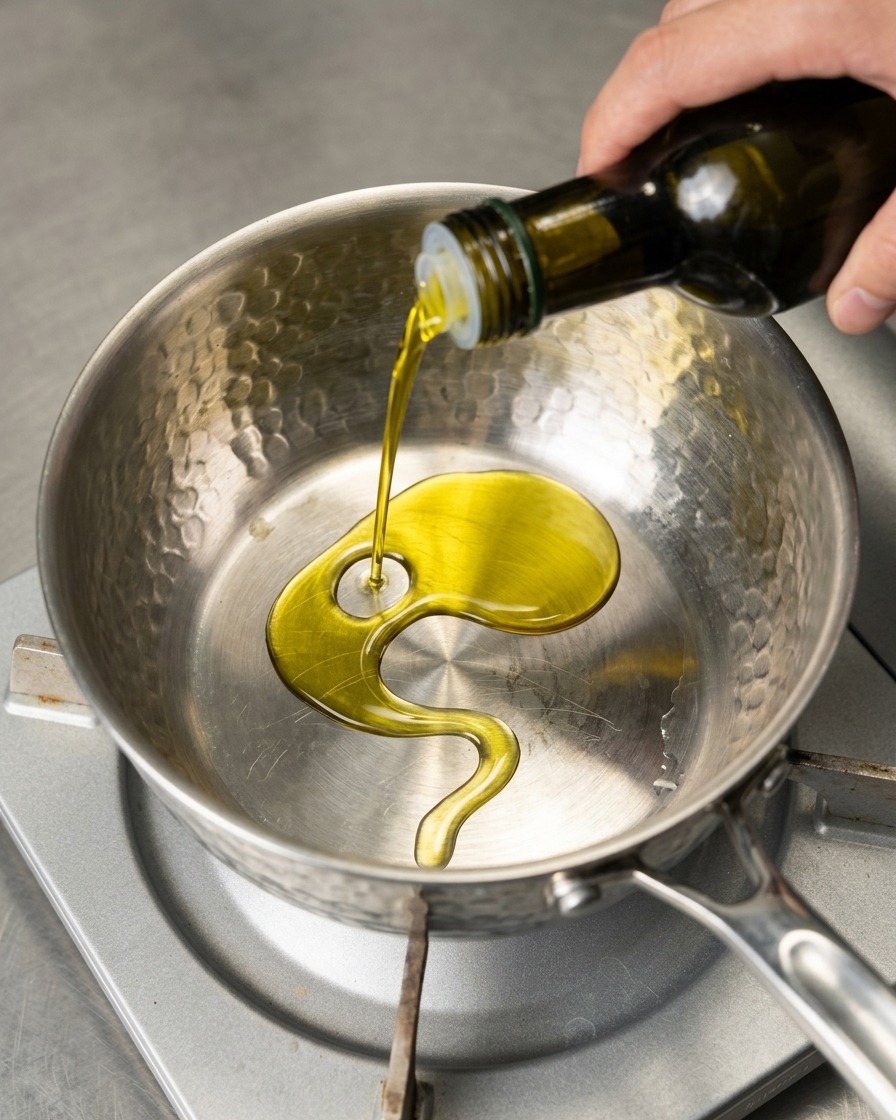
Place a hammered metal pot over medium heat and pour in a serving of olive oil. Heating the oil first ensures that the aromatics will begin to release their flavors immediately upon hitting the pan.
Tip: For a healthier version, stick to extra virgin olive oil which provides good fats and a light peppery finish. - 4Sauté the aromatics
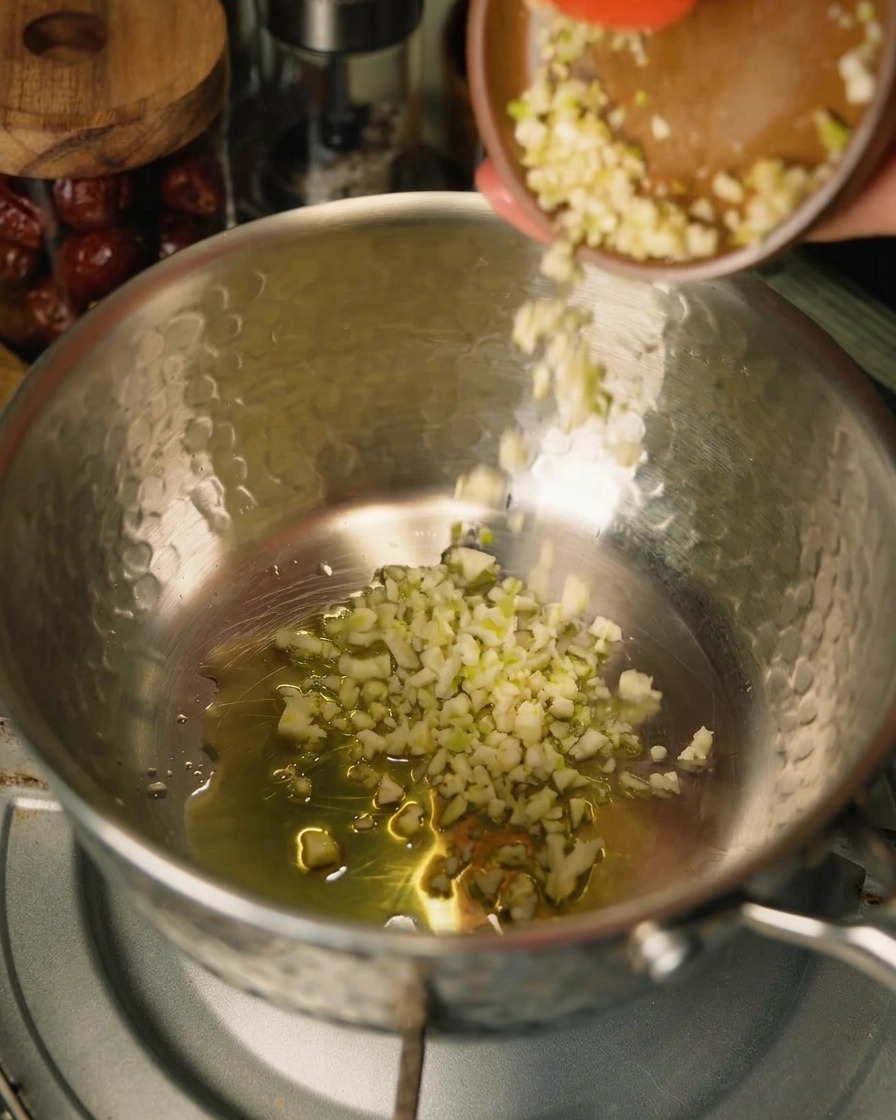
Add the finely minced garlic and diced white onions to the heated oil. Stir fry them until they are soft and fragrant. This step creates the essential aromatic foundation for the soup flavor profile.
Tip: Keep the onions moving to prevent the garlic from browning too quickly which can introduce a bitter taste. - 5Add carrots and celery
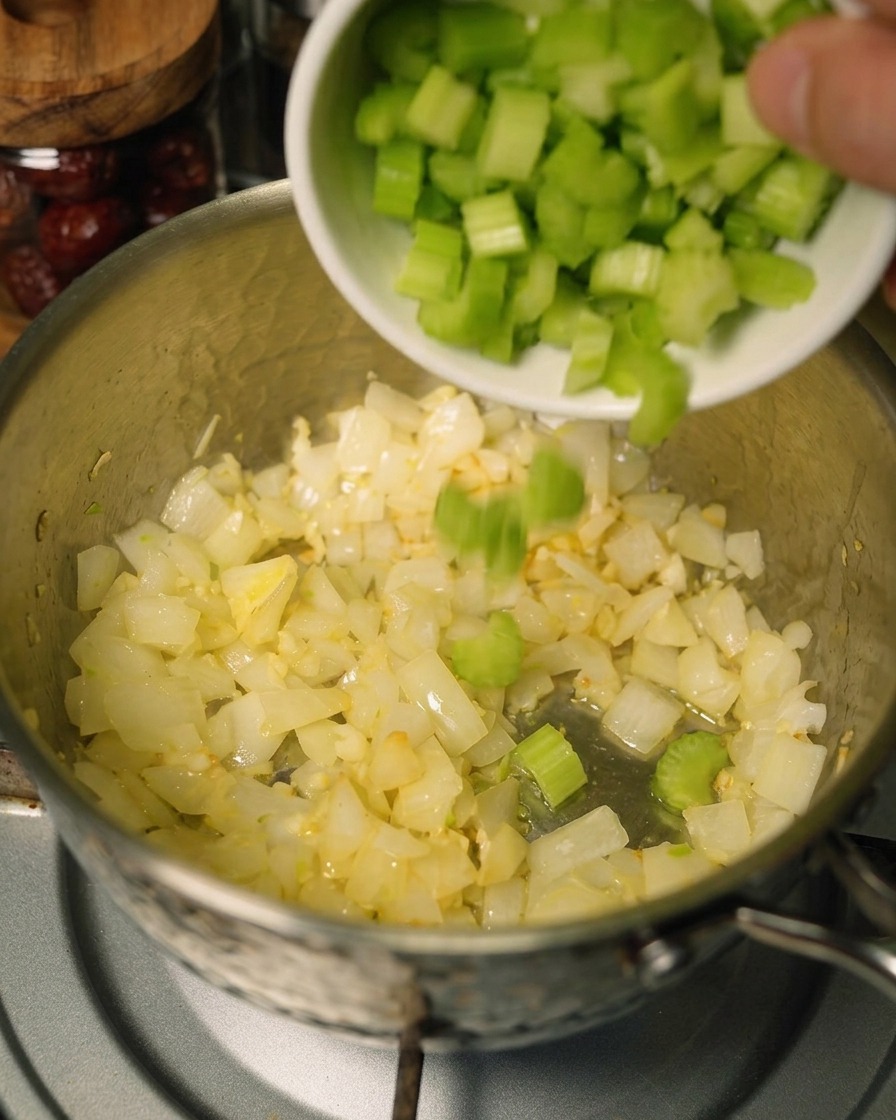
Incorporate the diced green celery and shredded carrots into the pot with the onions. Sauté the mixture for about 2 minutes until the vegetables begin to soften and combine with the aromatics.
Tip: Shredding the carrots instead of dicing them allows them to cook faster and distribute more evenly throughout the soup. - 6Season with herbs
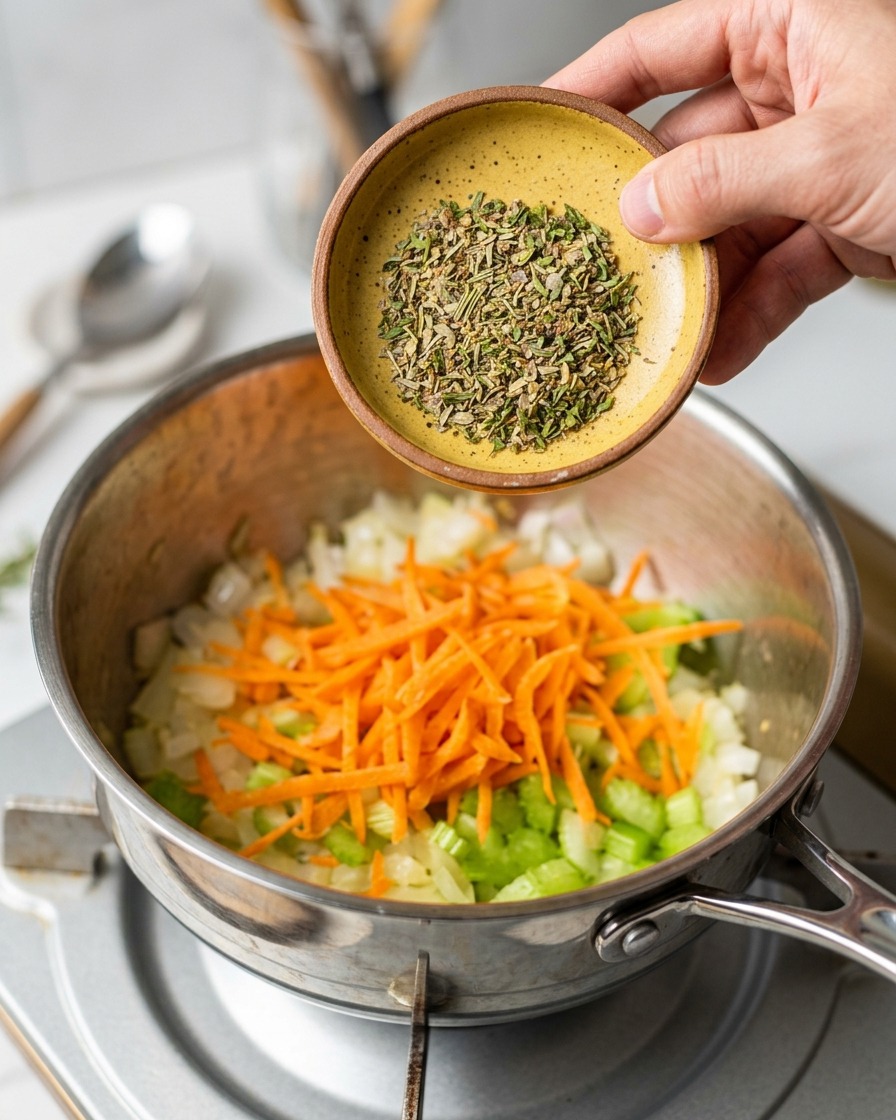
Sprinkle the dried Provence seasoning into the pot. These herbs are the essential element to the distinct flavor of the recipe. If you do not have them on hand, dried basil is a suitable alternative.
Tip: Adding a pinch of sea salt along with the herbs at this stage helps the vegetables release their moisture and soften more effectively. - 7Sauté the vegetable base
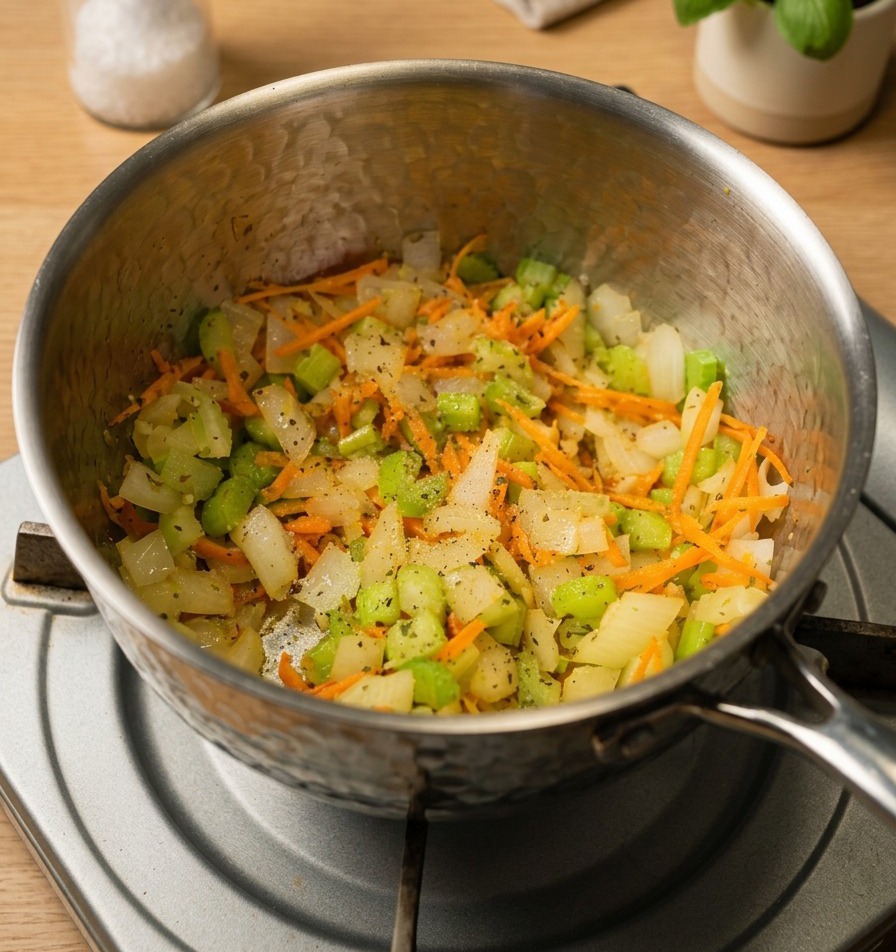
Continue stir-frying the vegetables with the dried herbs for about 2 minutes. This allows the seasoning to toast slightly in the oil, intensifying the herbal notes and ensuring they meld with the vegetable base before you add the liquid stock.
Tip: Do not brown the vegetables; the goal is to soften them to create a clean-tasting, traditional vegetable base for your soup. - 8Add the chicken stock
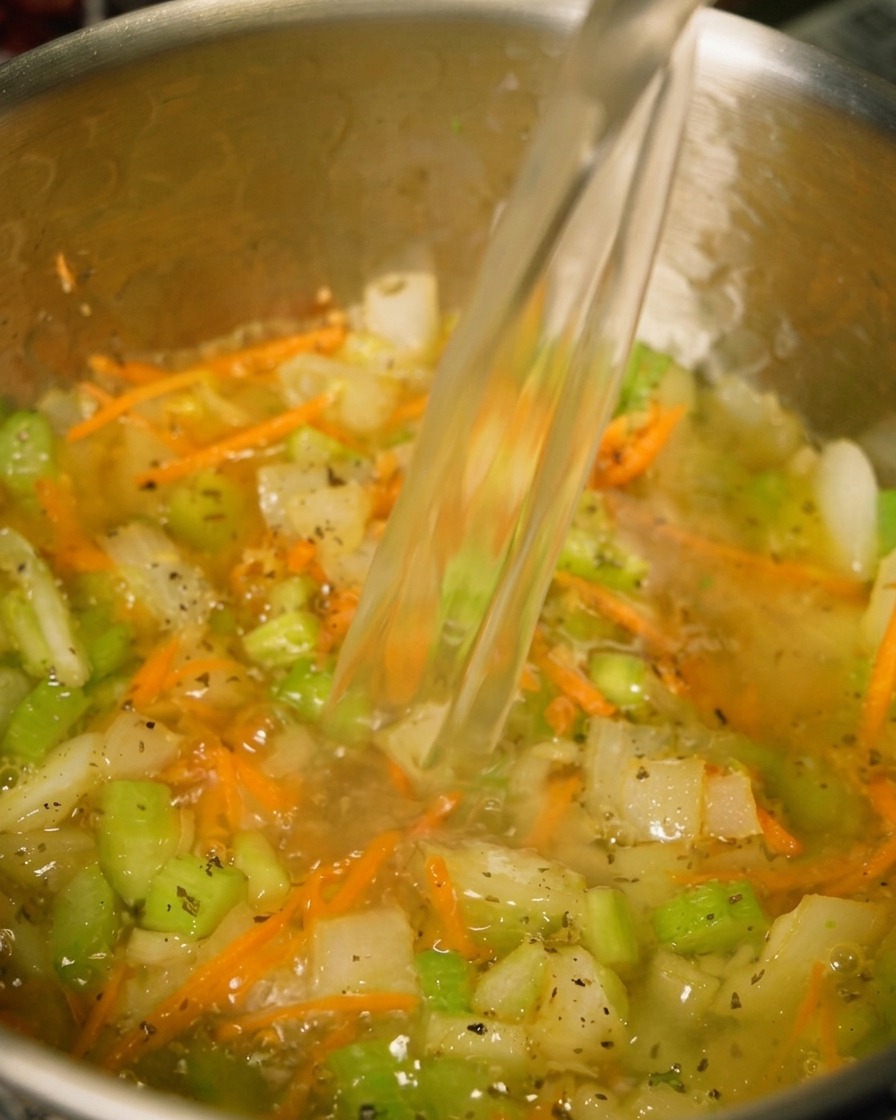
Pour 500ml of chicken stock directly into the pot with the sautéed vegetables. If you do not have fresh stock, you can use a quarter of a concentrated stock cube dissolved in hot water to create a savory liquid base.
Tip: Use a low sodium stock so you can better control the final salt level of the soup when seasoning with sea salt later. - 9Return chicken to the soup
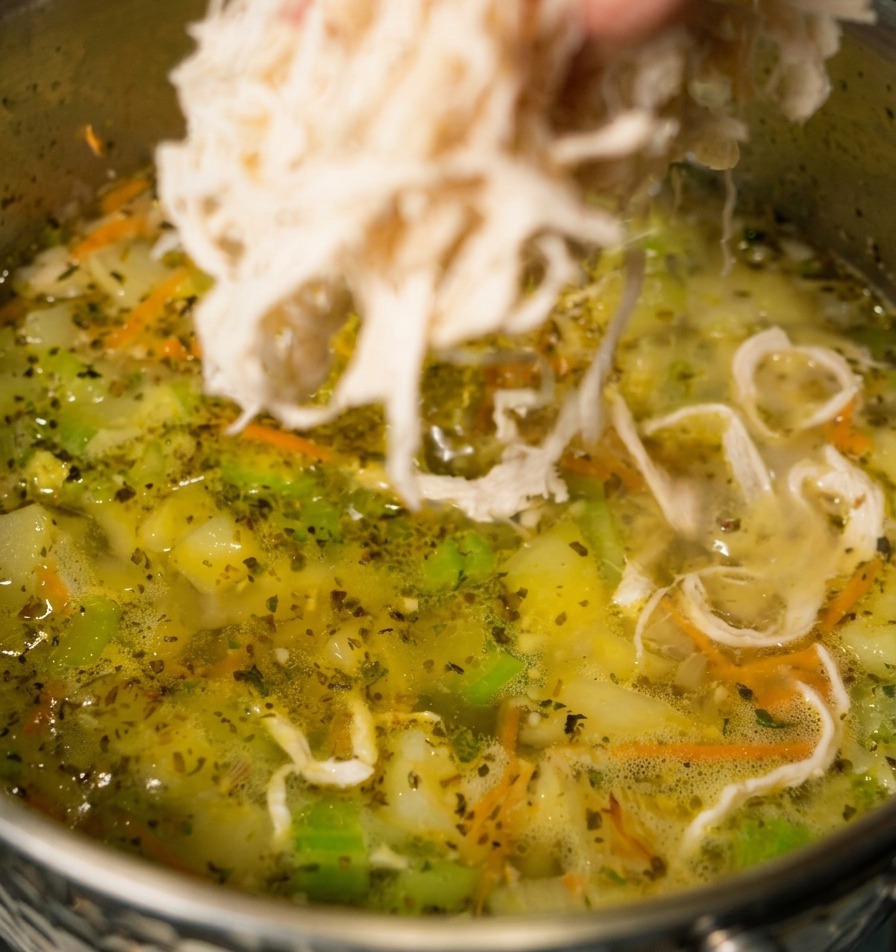
Add the shredded chicken strips back into the simmering broth. Stir everything together and bring the soup back to a gentle boil to ensure the meat is fully heated through and infused with the vegetable flavors.
Tip: Avoid boiling the soup vigorously once the chicken is added; a gentle simmer is enough to keep the breast meat tender. - 10Garnish with fresh cilantro
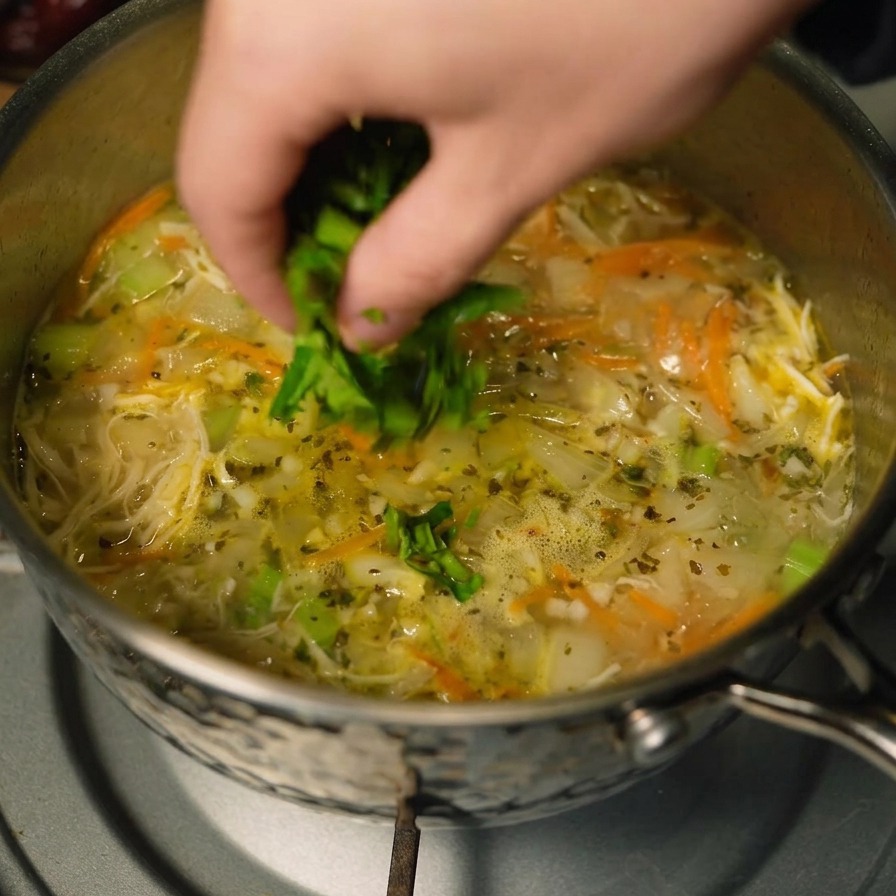
Turn off the heat and sprinkle a generous handful of freshly chopped cilantro over the top of the soup. The residual heat will soften the herbs and release their bright, refreshing aroma into the broth.
Tip: If you find cilantro too soapy, fresh flat-leaf parsley or dill are excellent substitutes that pair perfectly with the lemon profile. - 11Season with fresh lemon
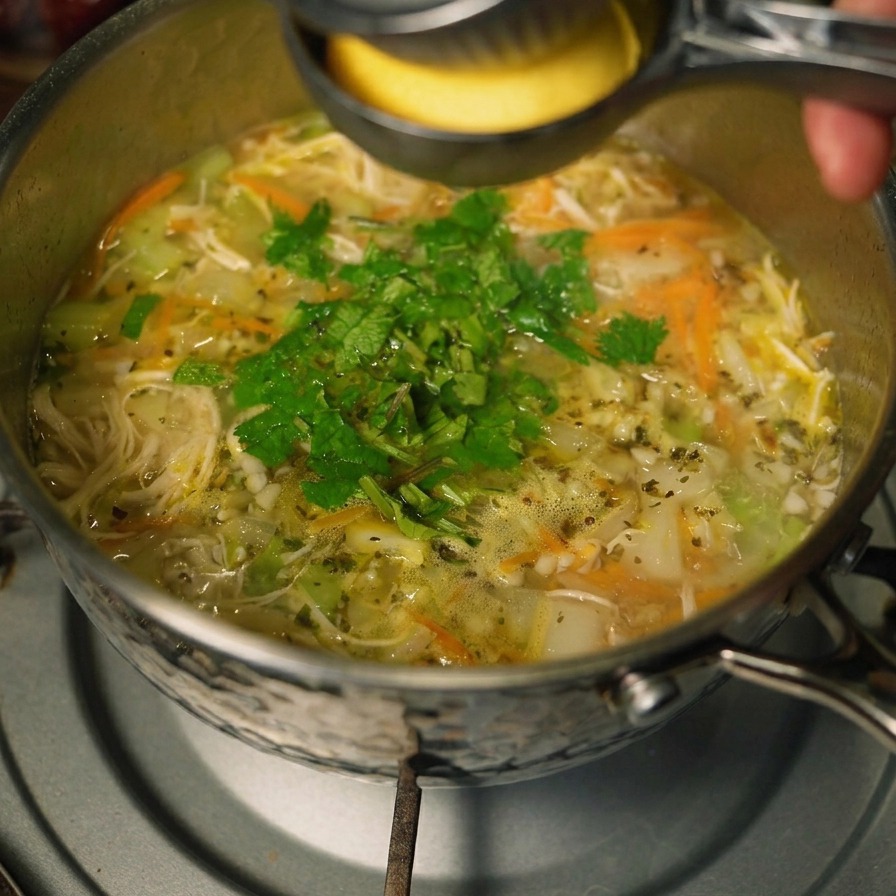
Squeeze the juice of half a lemon into the pot. This acidity is the key to the soup flavor, providing a fresh zesty finish that balances the savory chicken and vegetables perfectly.
Tip: Always add the lemon juice after turning off the heat to keep the flavor bright and prevent it from becoming bitter. - 12Cook the oat noodles
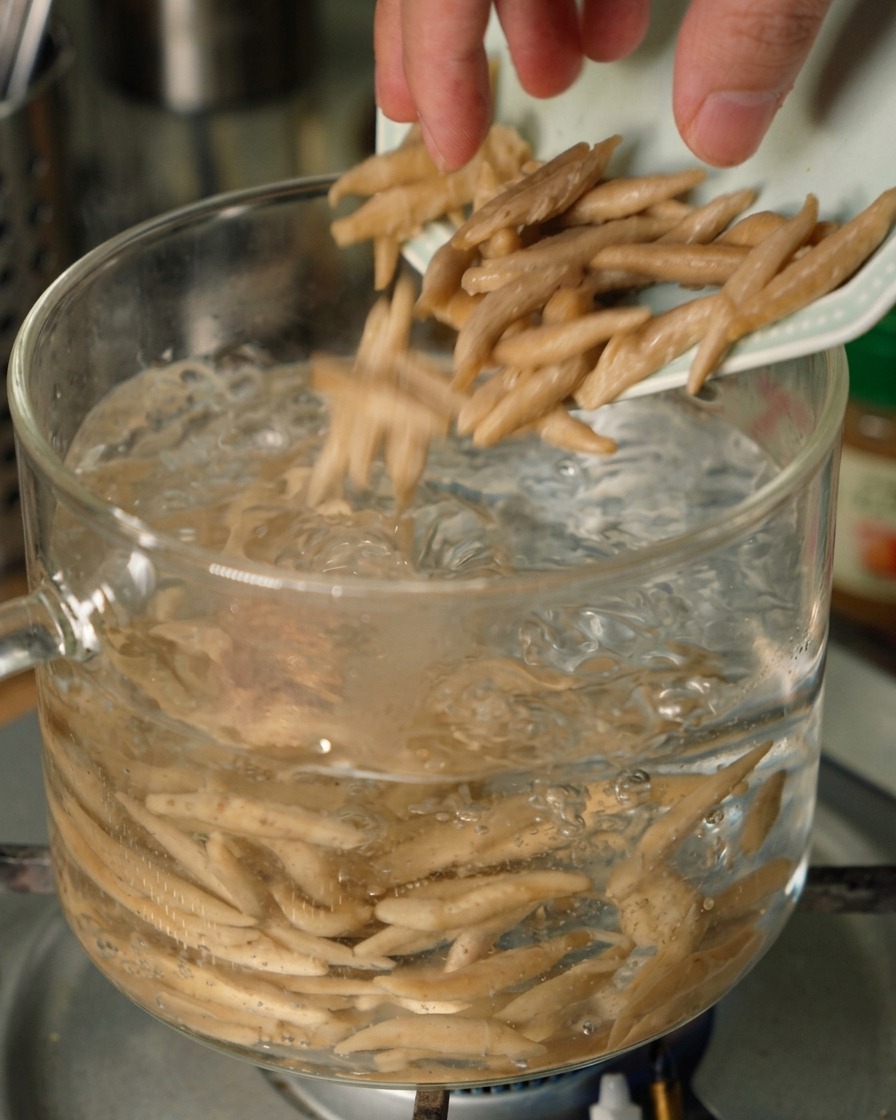
Bring a pot of water to a rolling boil and carefully drop in the tapered Shanxi oat noodles. Cook them until they are tender yet firm. These noodles provide a hearty high fiber base for the soup while remaining low in calories for a healthy meal.
Tip: Stir the noodles occasionally after adding them to the boiling water to ensure they do not stick together. - 13Assemble the soup bowl
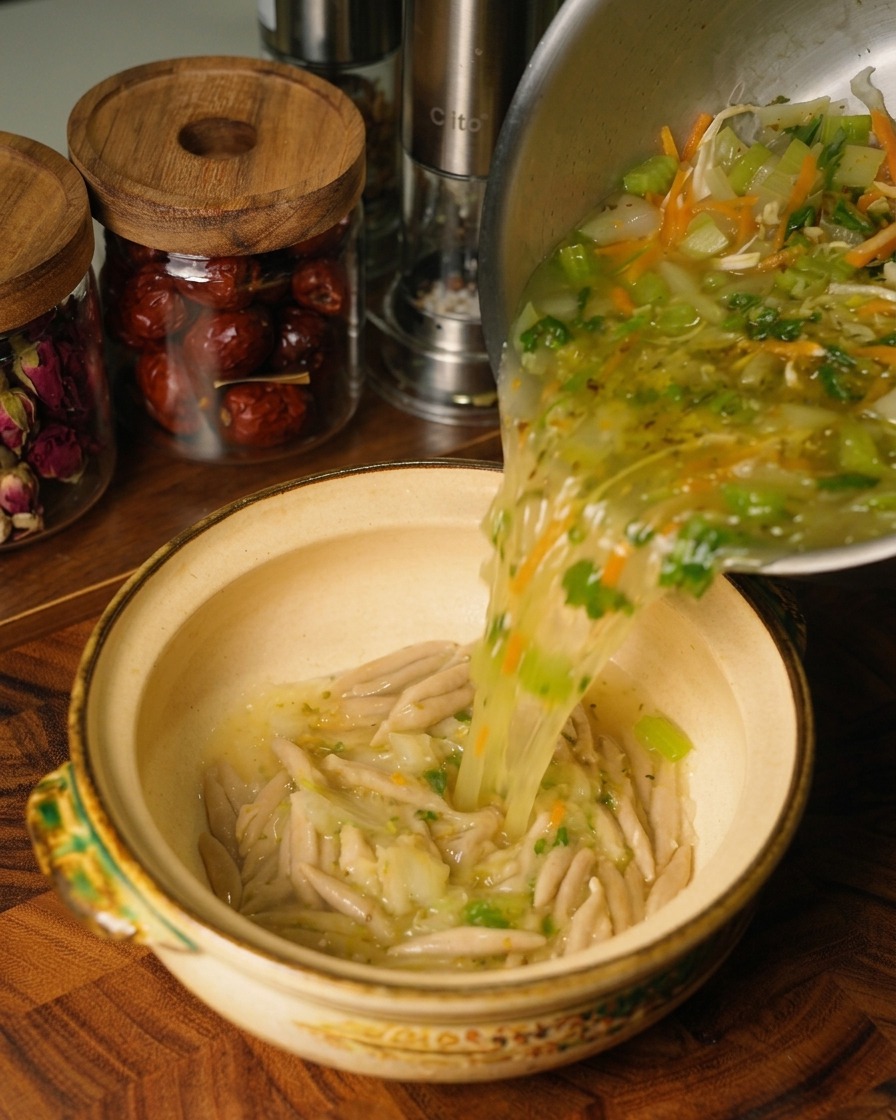
Place the cooked oat noodles in a serving bowl and pour the hot lemon chicken soup over them. This assembly method ensures the noodles maintain their texture while being perfectly seasoned by the vibrant, steaming broth.
Tip: Serve immediately while the broth is hot, and consider adding a final crack of black pepper and a squeeze of fresh lemon for extra brightness.