Pressure Cooker Sand Ginger Chicken Soup
A fragrant, restorative soup featuring the unique peppery citrus notes of sand ginger, cooked to perfection in a pressure cooker for maximum flavor extraction.
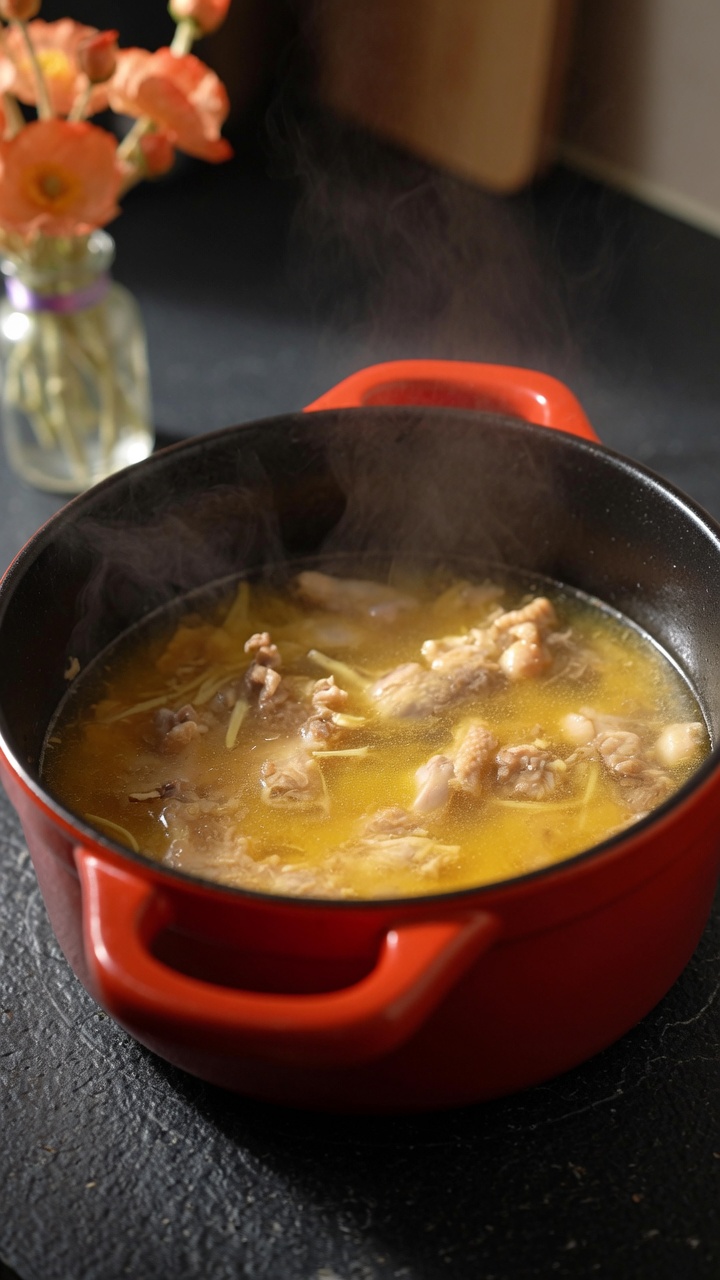
Sand ginger, also known as kaempferia galanga, is a prized aromatic in Southern Chinese and Southeast Asian cooking, revered for its warm, slightly medicinal, and citrusy aroma. Pairing it with chicken in a pressure cooker allows the connective tissues to break down rapidly while infusing the meat deeply with these specialized aromatics. The result is a golden, intensely flavorful broth that is both comforting and aromatic.
Ingredients
- 1 whole chicken, cut into pieces
- 3 tbsp peanut oil
- 50 g sand ginger, minced
- 3 cloves garlic, minced
- 2 slices galangal
- 1.5 l water
- 1.5 tsp salt
- 1 tbsp goji berries, optional
- 2 stalks scallions, chopped, optional
Instructions
- 1Heat the oil
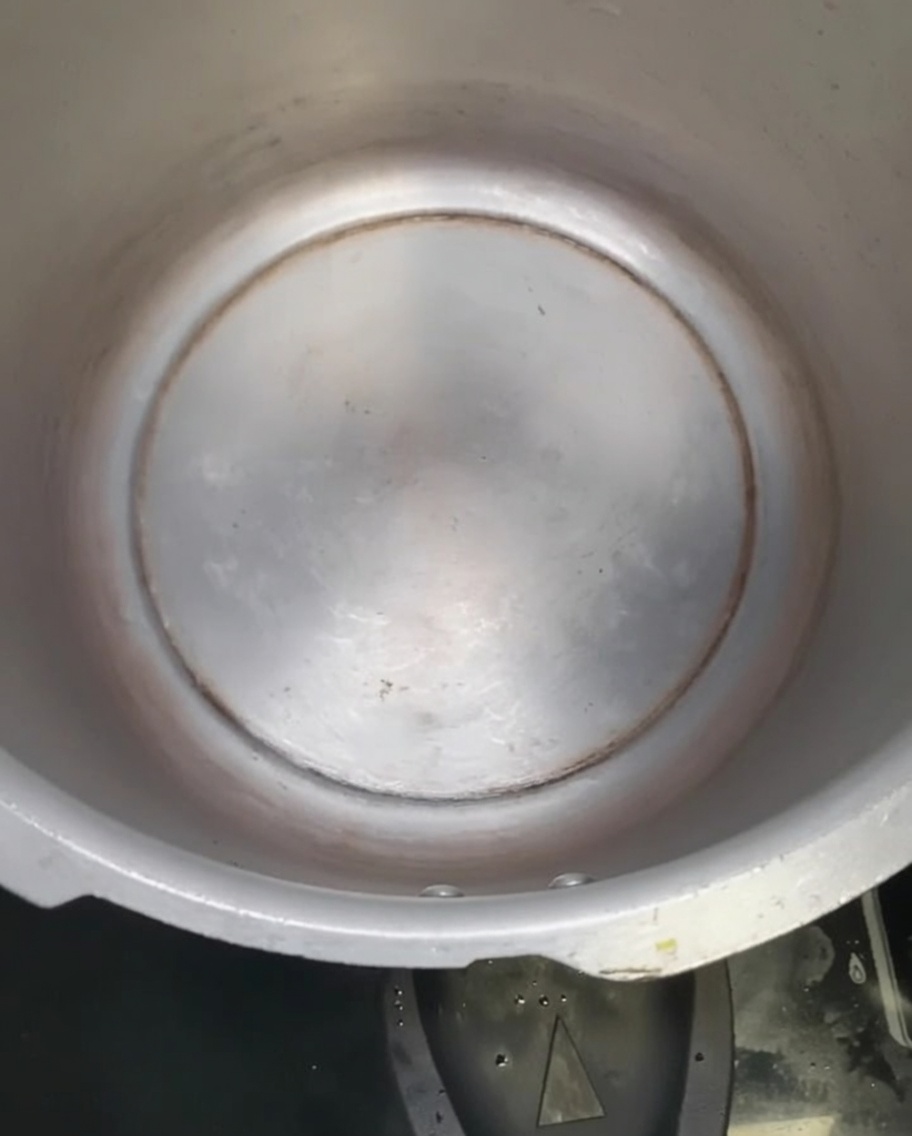
Pour a generous amount of peanut oil into the pressure cooker to prepare for aromatics.
Tip: Peanut oil has a high smoke point, making it excellent for high-heat stir-frying. - 2Sauté aromatics
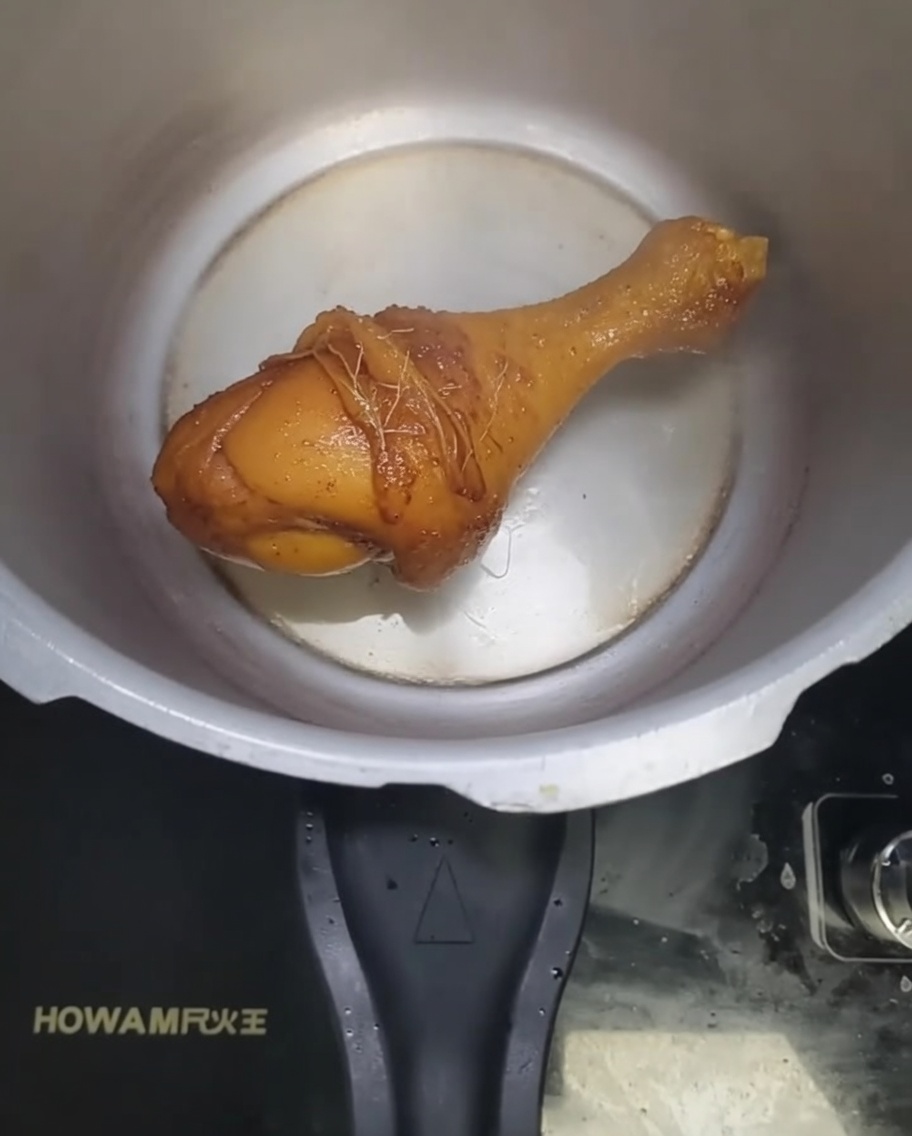
Add a generous amount of sand ginger and a little bit of garlic to the hot peanut oil, sautéing until fragrant.
Tip: Be careful not to burn the garlic; stir constantly until it releases its aroma. - 3Add chicken
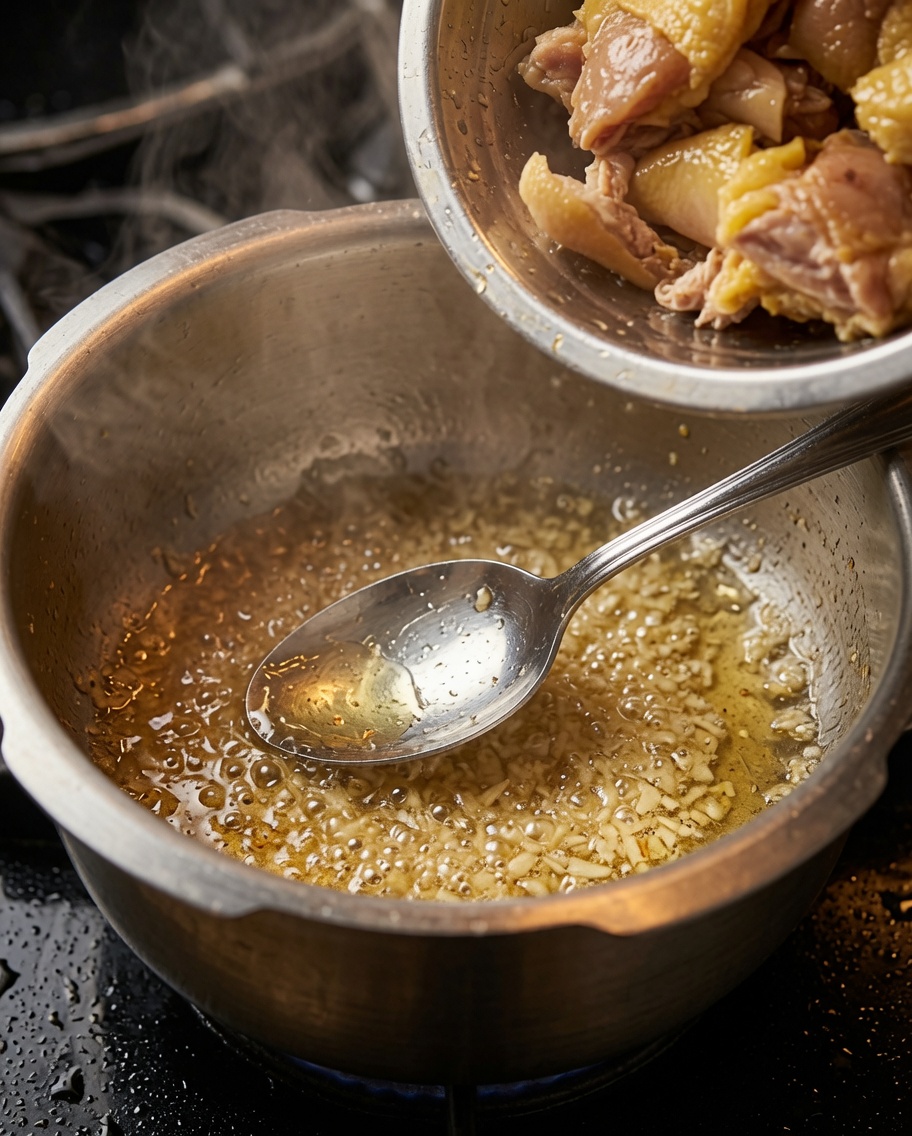
Add the blanched chicken pieces into the pot with the aromatics and stir-fry well to coat the chicken with flavor.
Tip: Blanching the chicken first helps remove impurities and ensures a cleaner-tasting broth. - 4Add galangal
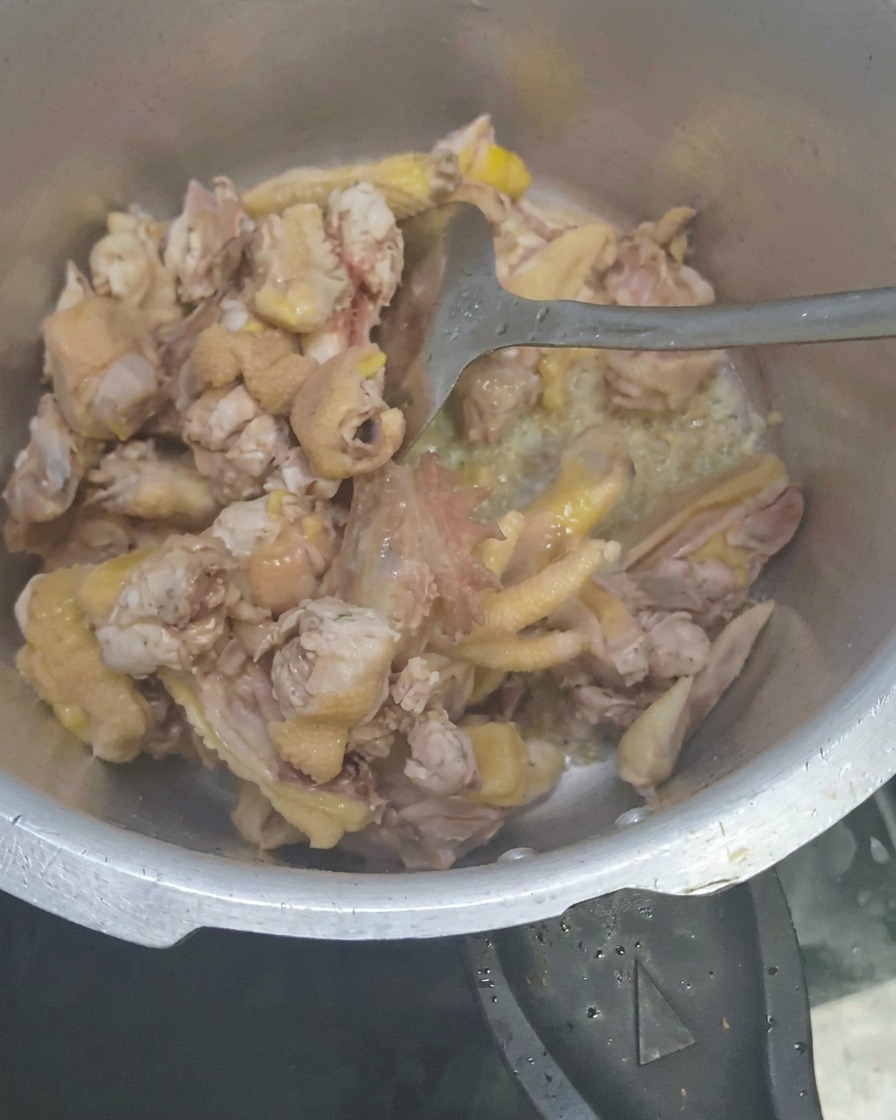
Add two slices of galangal to the chicken and stir everything together thoroughly to incorporate the flavors.
Tip: Galangal adds a unique, zesty citrus note to the dish. - 5Add water
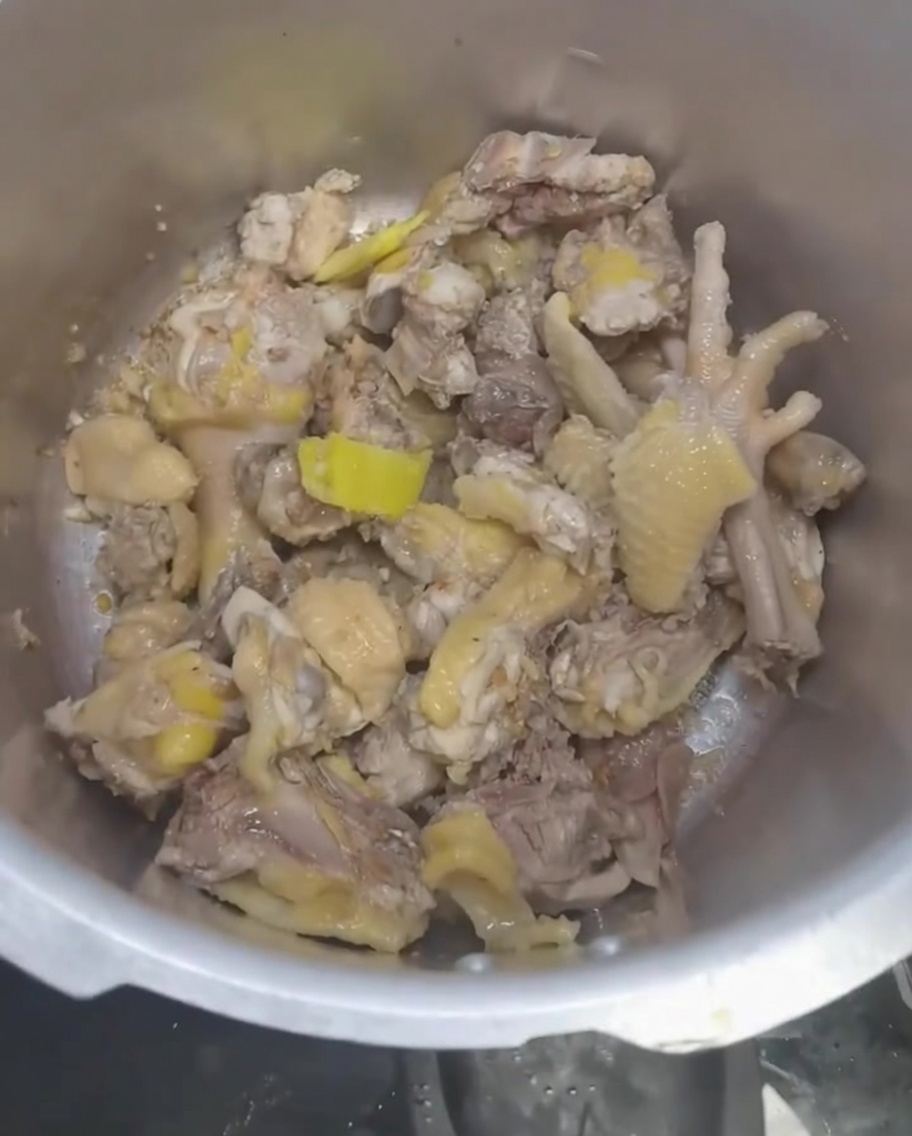
Pour enough water into the pot to cover the chicken completely.
Tip: Use hot water to maintain the cooking temperature of the meat. - 6Season and cook
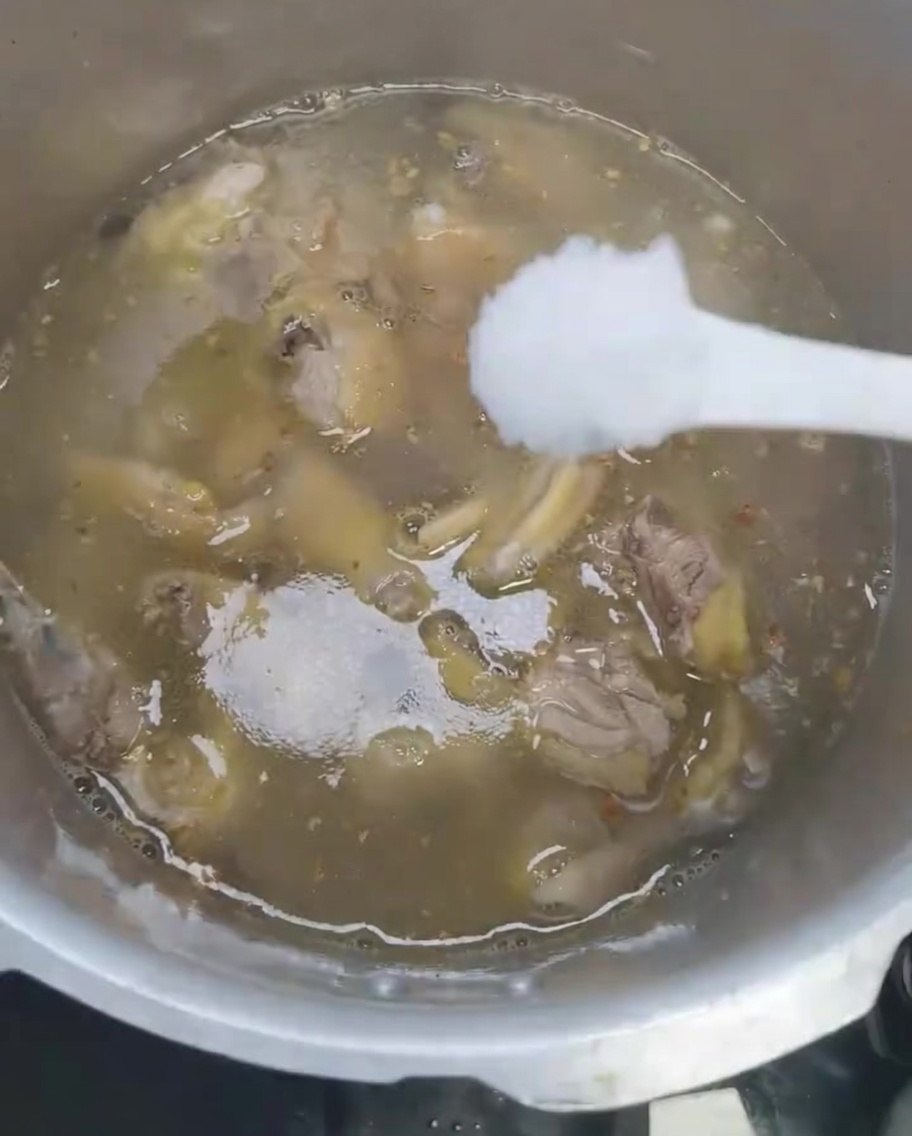
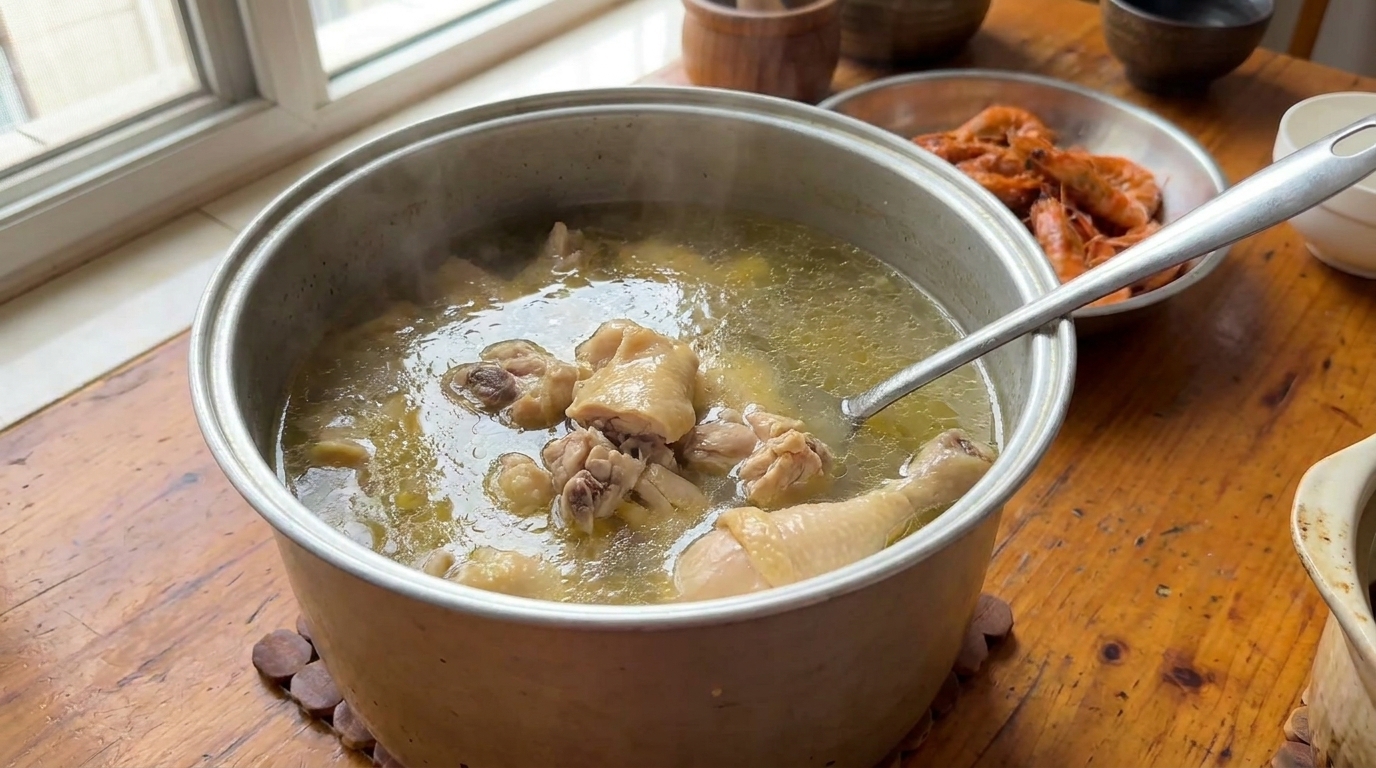
Add an appropriate amount of salt to the soup and stir to combine. Cover the lid and pressure cook for 8 minutes. Remember to let all the pressure release naturally before opening.
Tip: Do not rush the pressure release; natural release keeps the chicken tender. - 7Final Garnish
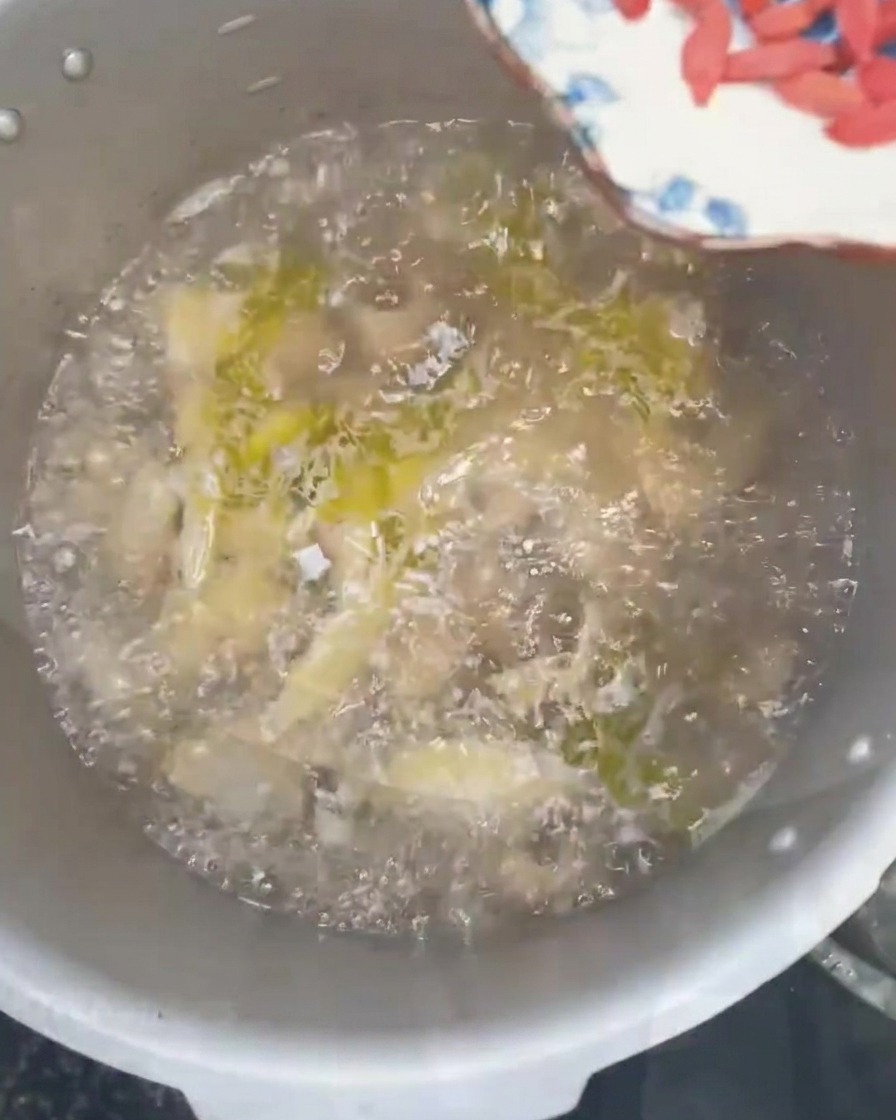
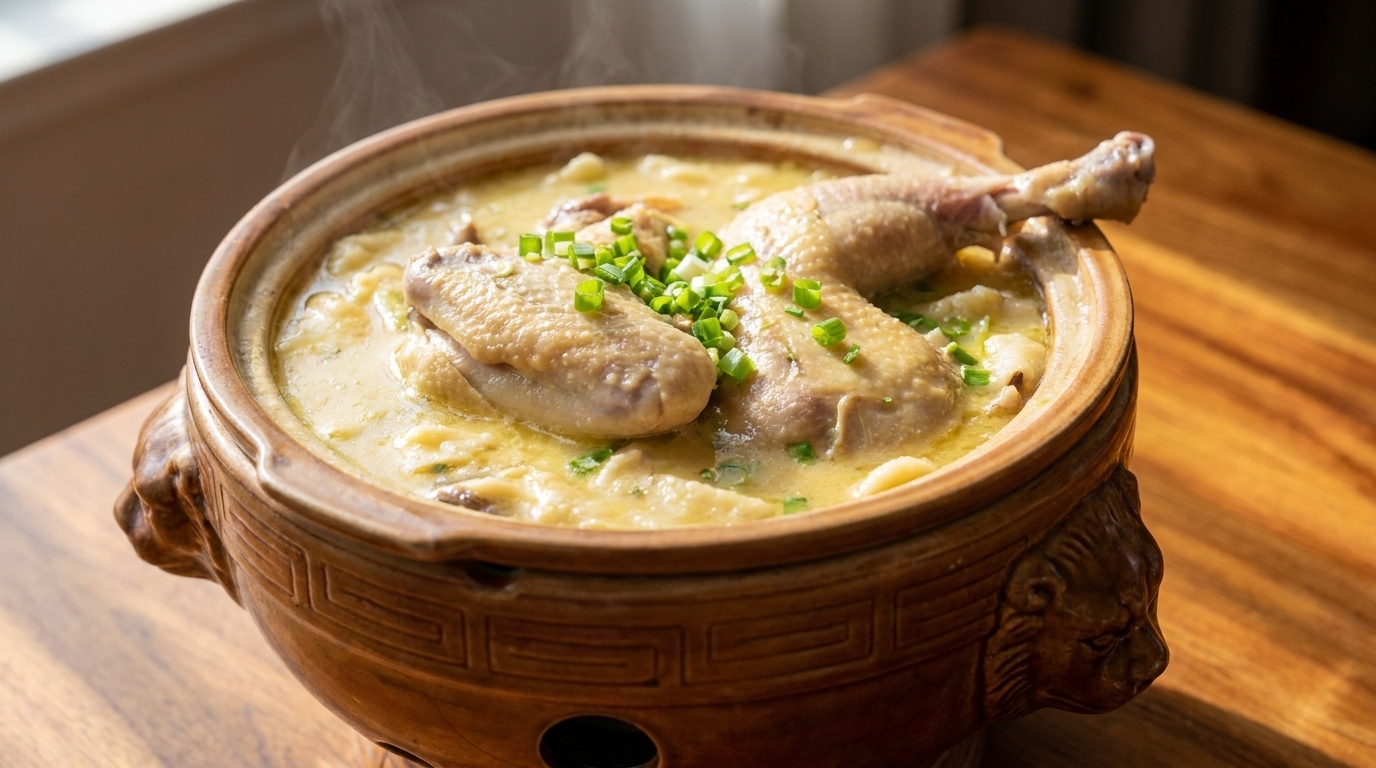
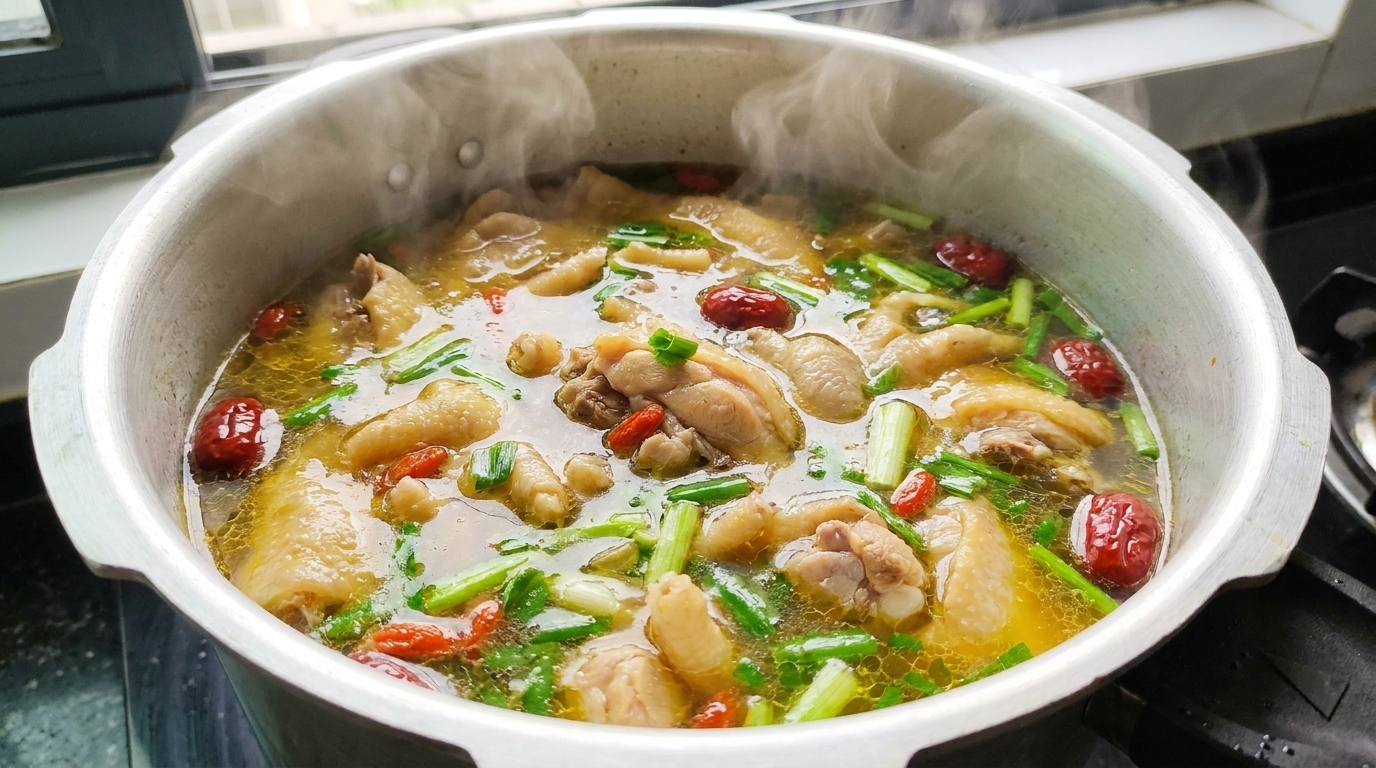
Add the goji berries and chopped scallions into the hot, cooked chicken soup. These final ingredients add a vibrant pop of color and fresh flavor to the dish, completing the preparation.
Tip: Add the scallions right before serving to keep their color bright and flavor fresh.