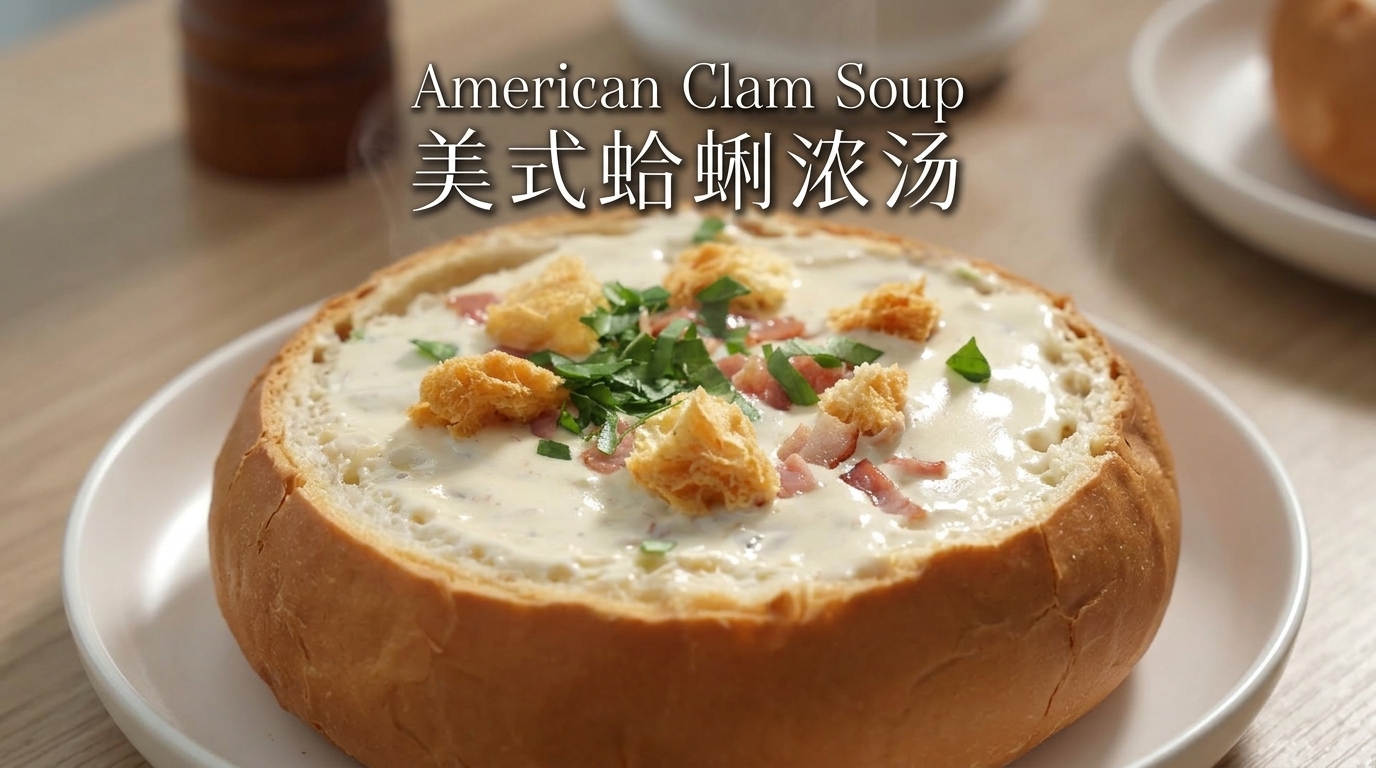
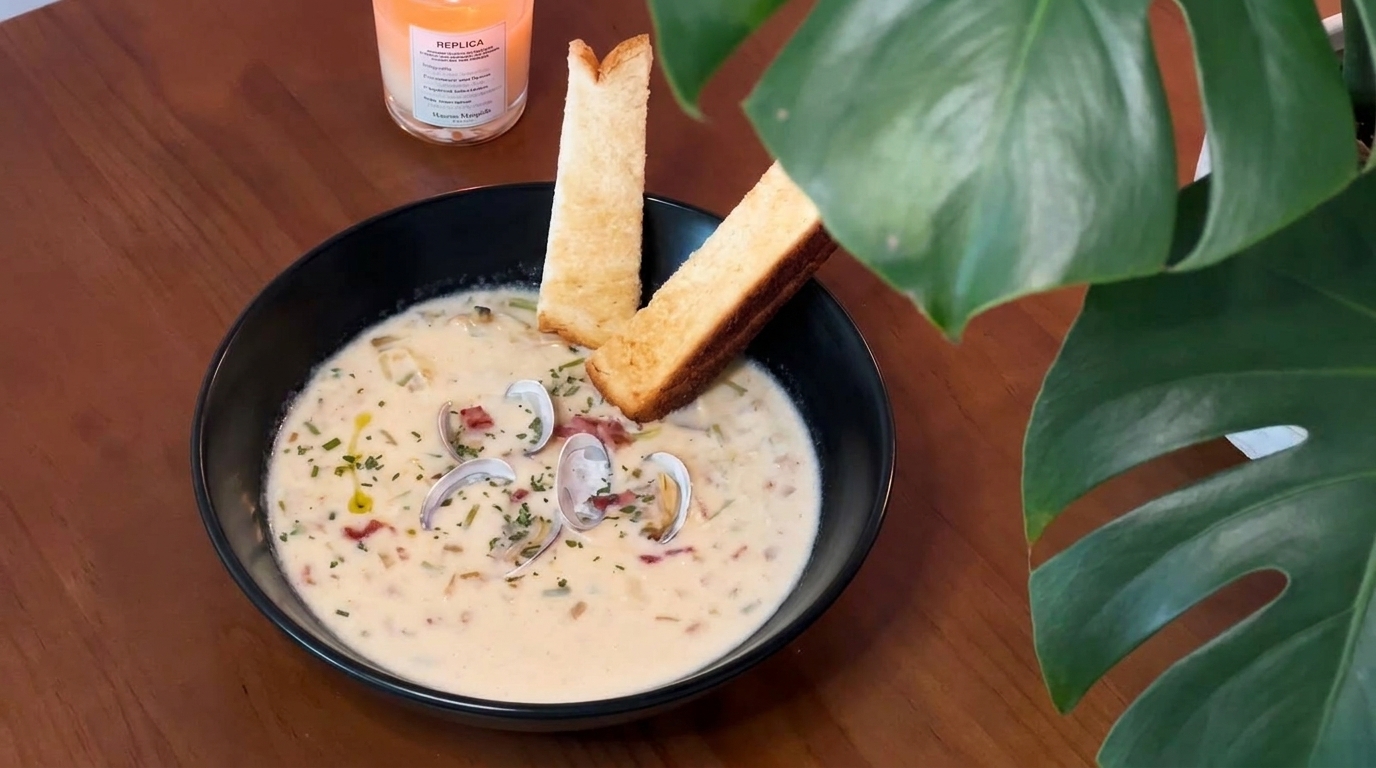
American Clam Chowder
Homemade Bread Bowl
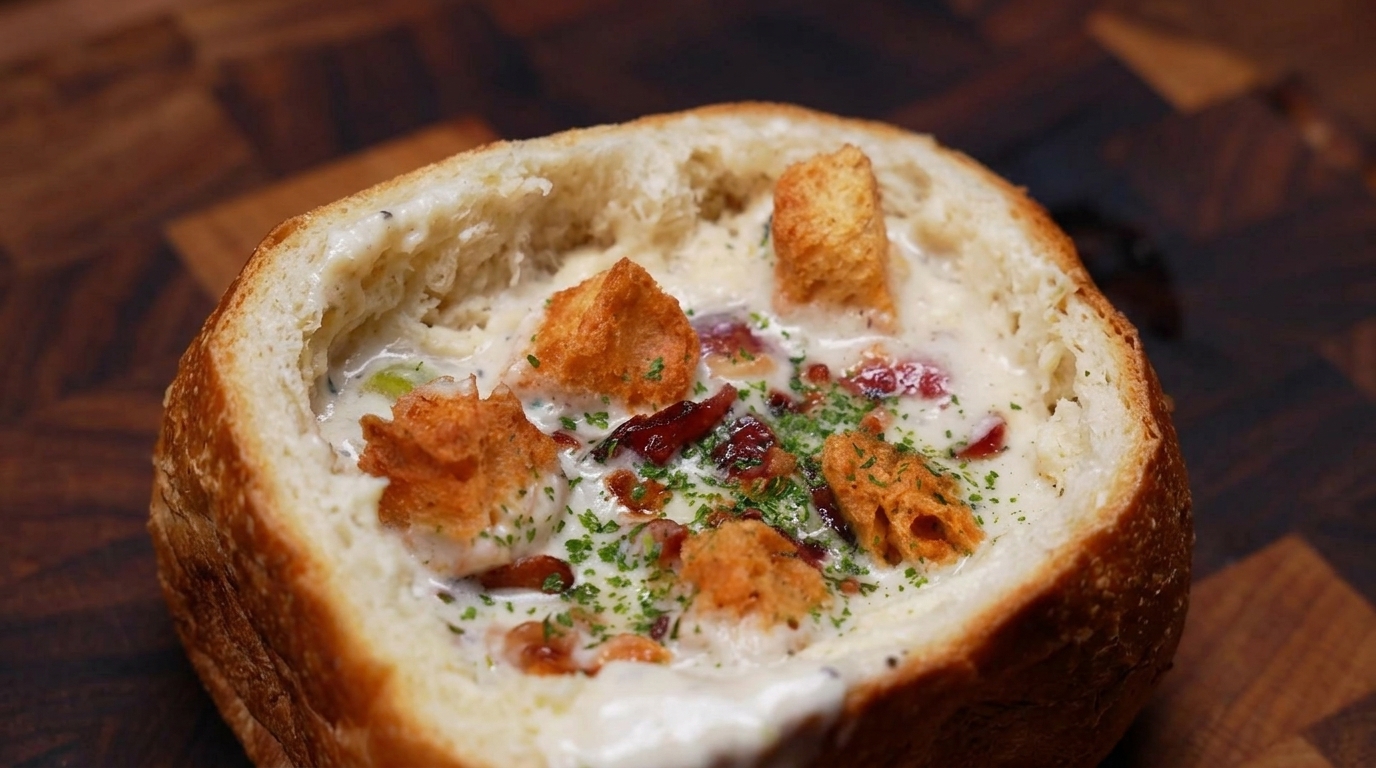
A coastal classic featuring tender clams and smoky bacon in a velvet-smooth cream broth, served inside a crusty, freshly baked bread bowl for the ultimate comfort meal.
Clam chowder is a cornerstone of American seaside cuisine, with the New England variety being the most iconic for its rich, dairy-based broth. Serving it in a hollowed-out sourdough or rustic loaf transformed the dish into a San Francisco wharf staple. This version balances the sweet brine of fresh clams with the savory depth of rendered bacon.
Ingredients
- 500 g fresh clams
- 3 strips bacon
- 2 medium potatoes
- 1 stalk celery
- 12 onion
- 250 ml heavy cream
- 250 ml milk
- 50 g unsalted butter
- 50 g all-purpose flour
- 1 large rustic bread loaf (or bread maker ingredients)
- to taste salt and black pepper
- optional fresh parsley
Instructions
- 1Prep the vegetables
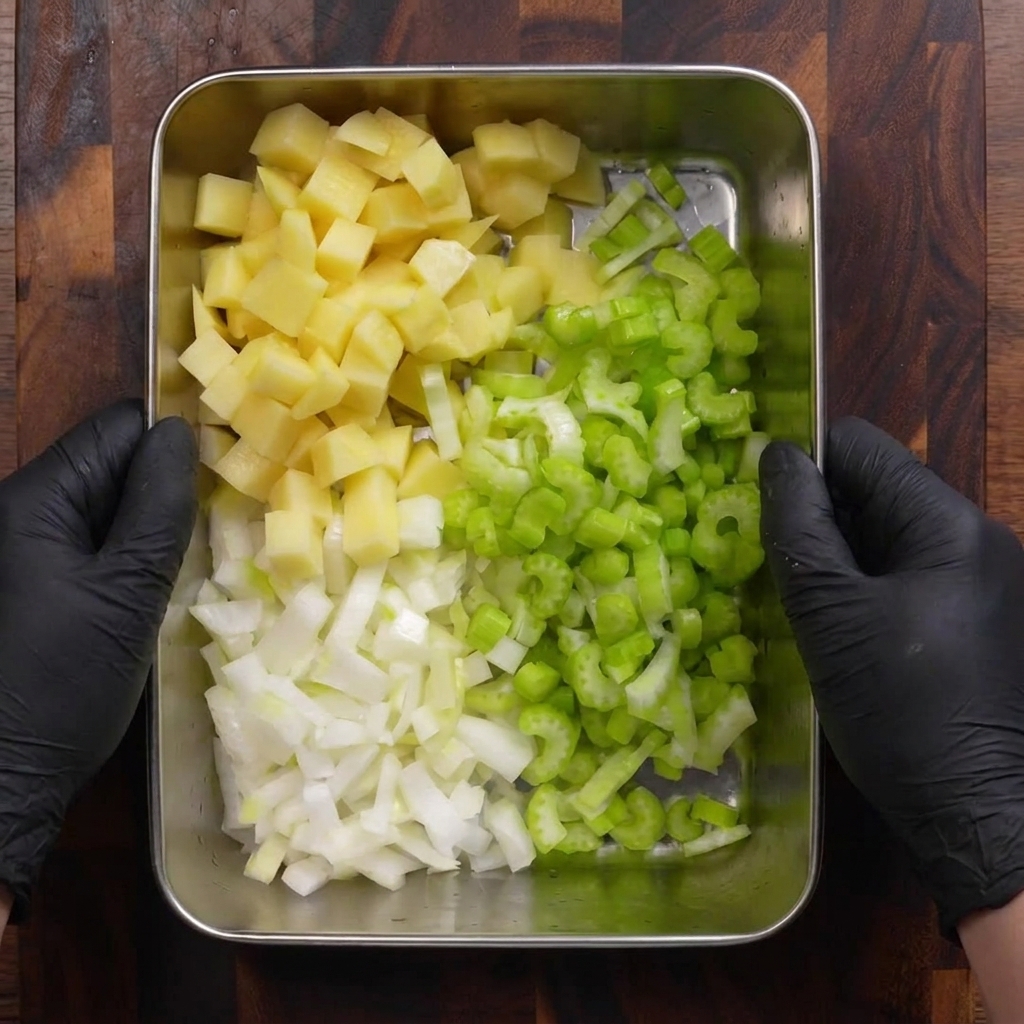
Begin by dicing the potatoes, celery, and onions into uniform cubes. These aromatics provide the flavor backbone and hearty texture essential for a traditional chowder.
Tip: Keep the vegetable dices relatively small and uniform so they cook evenly and fit nicely on a spoon. - 2Prepare the bacon
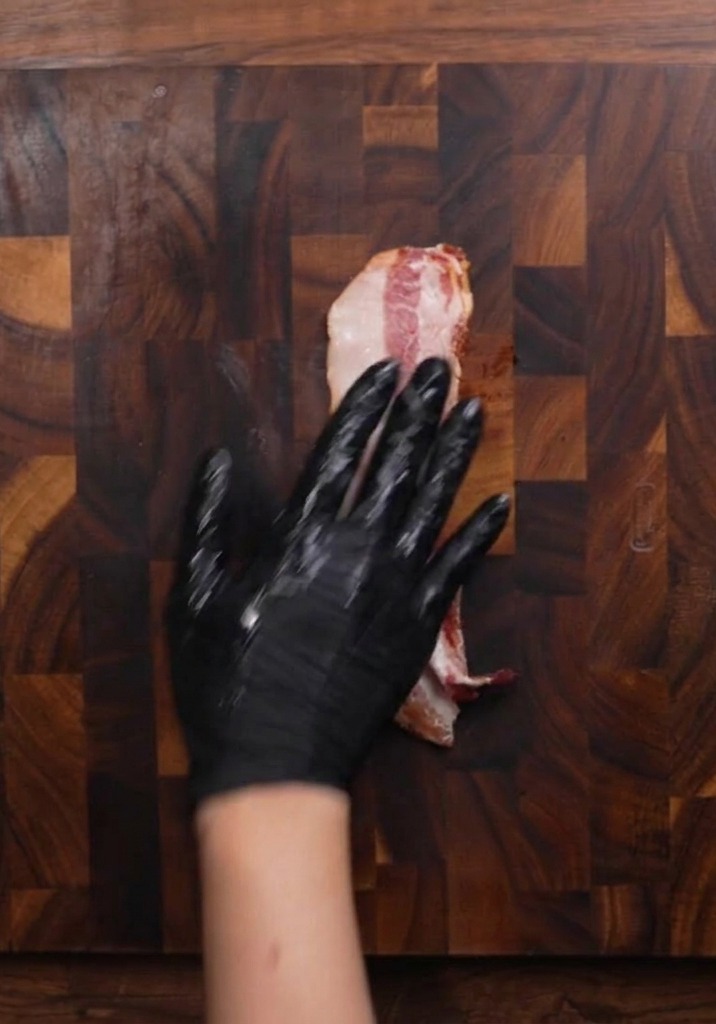
Lay the strips of bacon flat on a cutting board and slice them into small, even pieces. Dicing the bacon before cooking ensures that it will render its fat quickly and evenly, providing a deeply savory base flavor for the chowder.
Tip: Stacking a few strips of bacon together before slicing makes the prep work much faster and yields more uniform pieces. - 3Blanch the clams
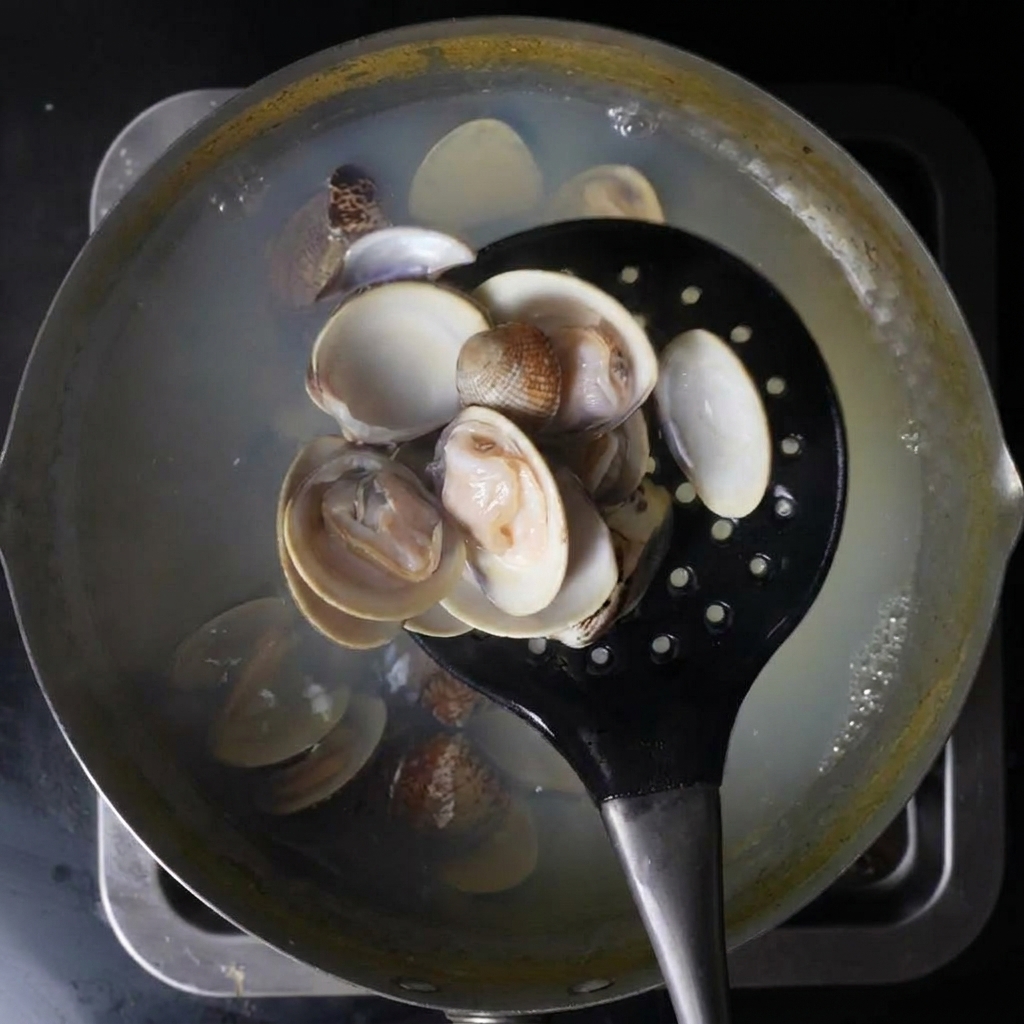
Place the fresh clams into a pot of boiling water and blanch them just until their shells fully open. Use a slotted spoon to promptly scoop the opened clams out of the water and set them aside. If you find any stubbornly closed clams, discard them as they are likely not fresh.
Tip: Remember to save the original clam cooking broth in the pot, as you will use it later as the flavorful base for the chowder. - 4Extract the clam meat
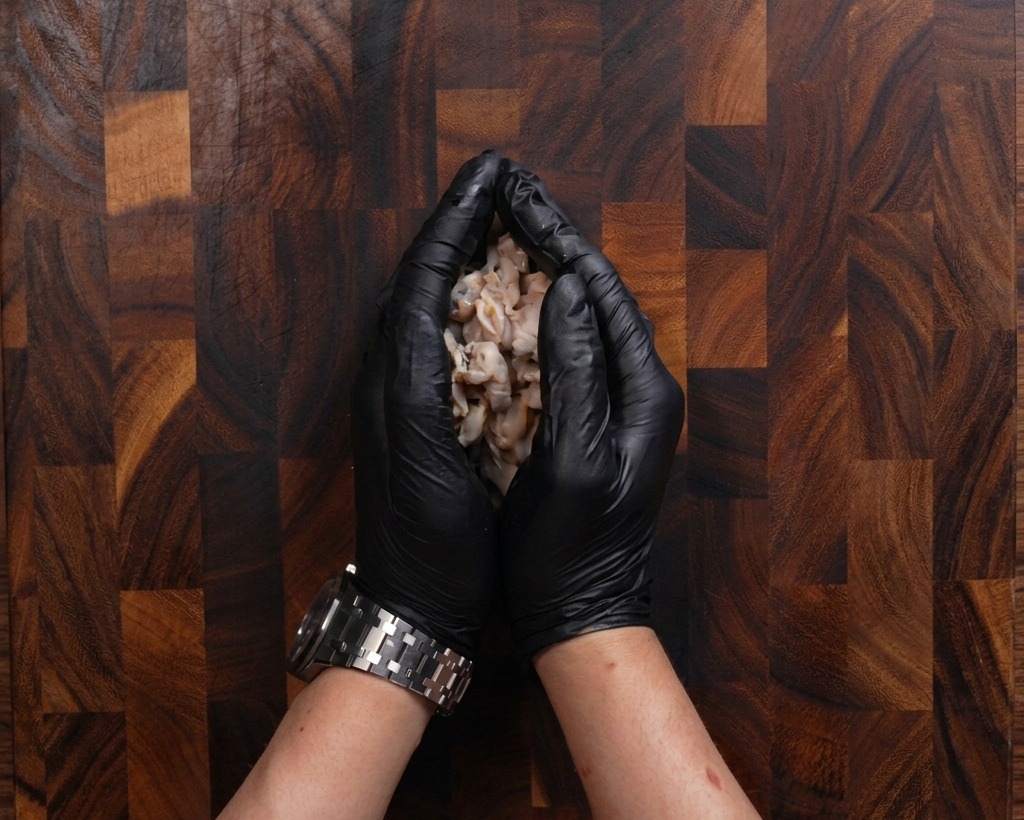
Once the blanched clams have cooled slightly, manually separate the cooked clam meat from the shells. Gather all the extracted meat and set the empty shells aside to discard.
Tip: Briefly check the clam meat for any residual sand or grit while you remove it from the shells. - 5Chop the clam meat
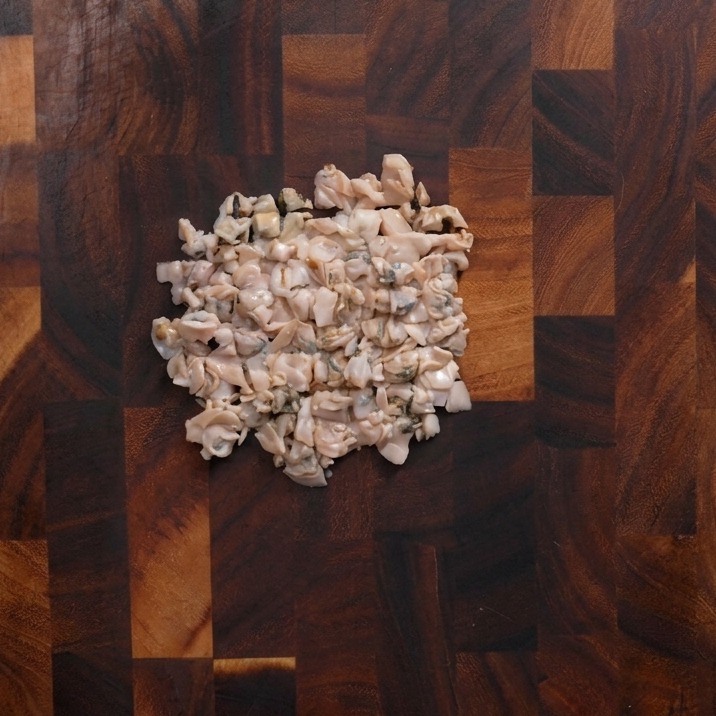
Place the extracted clam meat onto a wooden cutting board and roughly chop it into smaller pieces. Chopping the meat ensures that every bite of the chowder will have a balanced amount of clam flavor and texture.
Tip: Do not mince the clams too finely; leaving some chunky pieces will provide a better, heartier texture in the soup. - 6Start the bread dough
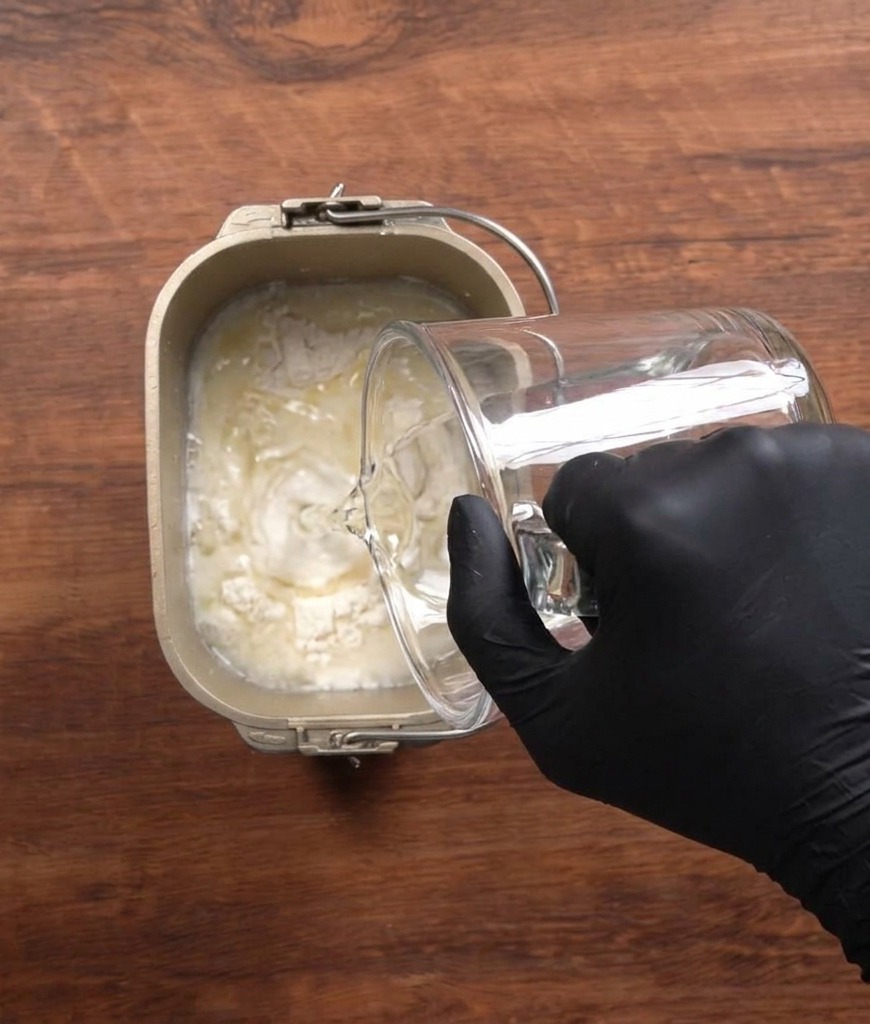
Add your bread ingredients, including the flour and butter, directly into the bread makers pan in the recommended order. Carefully pour the required amount of water over the dry ingredients. Starting the machine now allows the dough to mix and ferment perfectly while you focus on cooking the soup.
Tip: Make sure your water is at the right temperature—usually lukewarm—to activate the yeast properly without killing it. - 7Cook the Flour Base
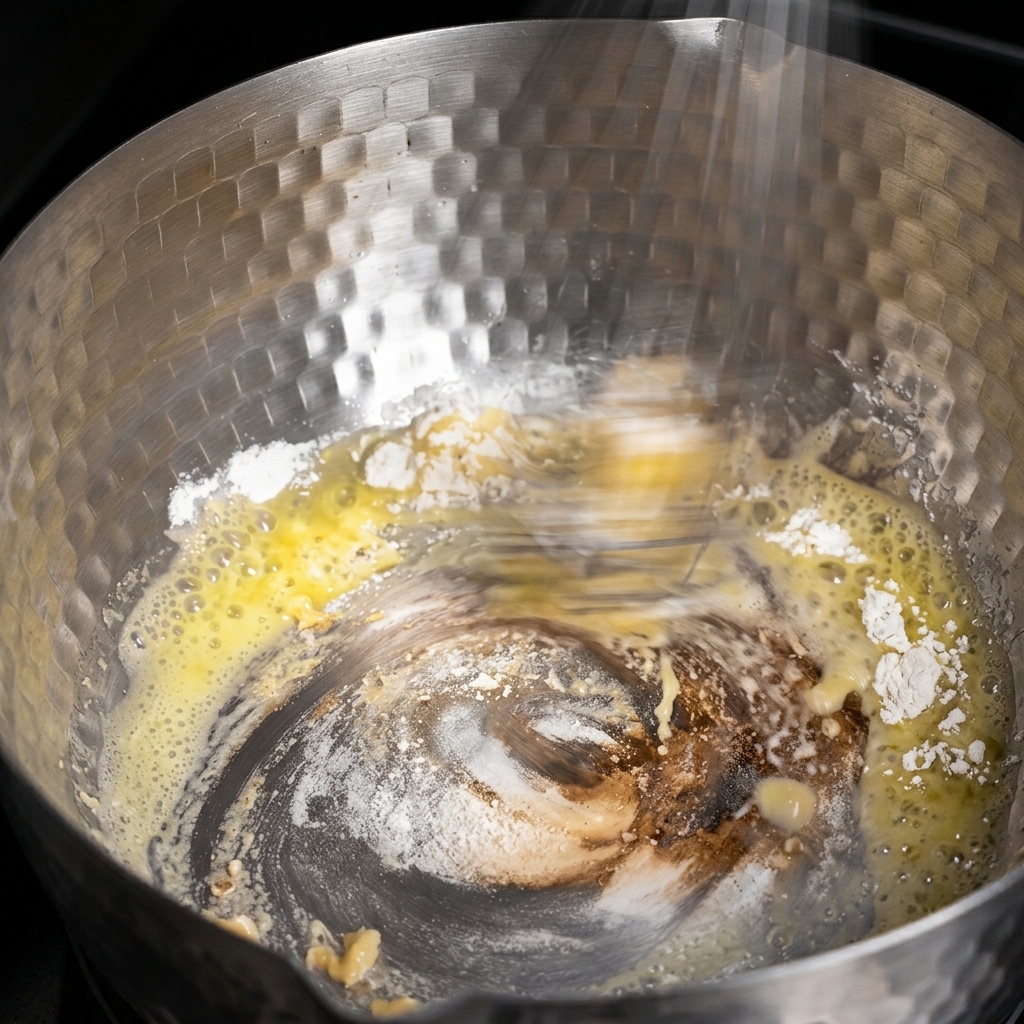
Melt butter in a saucepan over medium heat, then whisk in the flour to form a smooth roux. Cook the mixture for 1-2 minutes to remove the raw flour taste, ensuring it stays pale to maintain the soups white color.
Tip: Cook the roux for a minute or two to cook out the raw flour taste, but do not let it brown since we are making a white soup base. - 8Create the Thickening Sauce
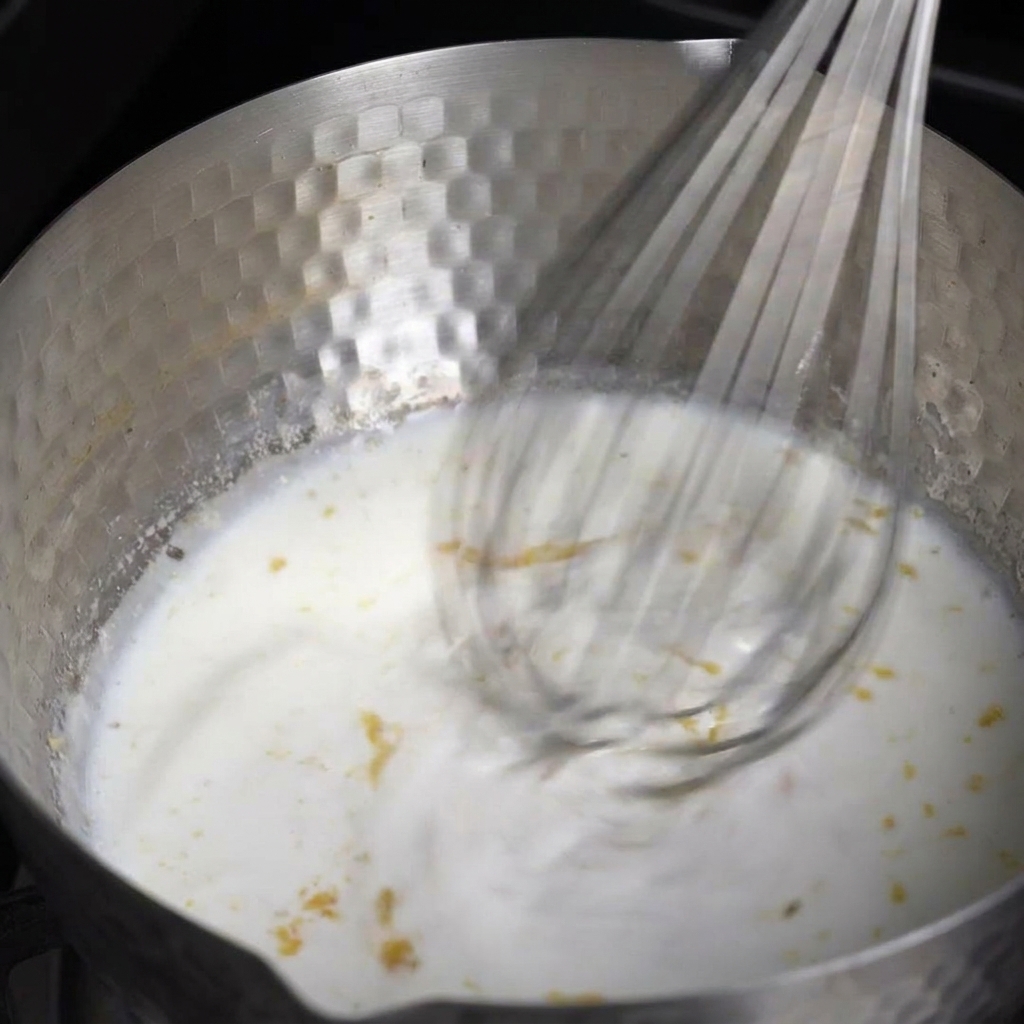
Gradually stream the cream into your roux while whisking vigorously. Continue stirring until the mixture transforms into a thick, velvety white sauce, then set it aside to be added at the final stage.
Tip: Constant whisking is crucial here to prevent lumps from forming and to achieve a silky smooth thickening base. - 9Render the bacon fat
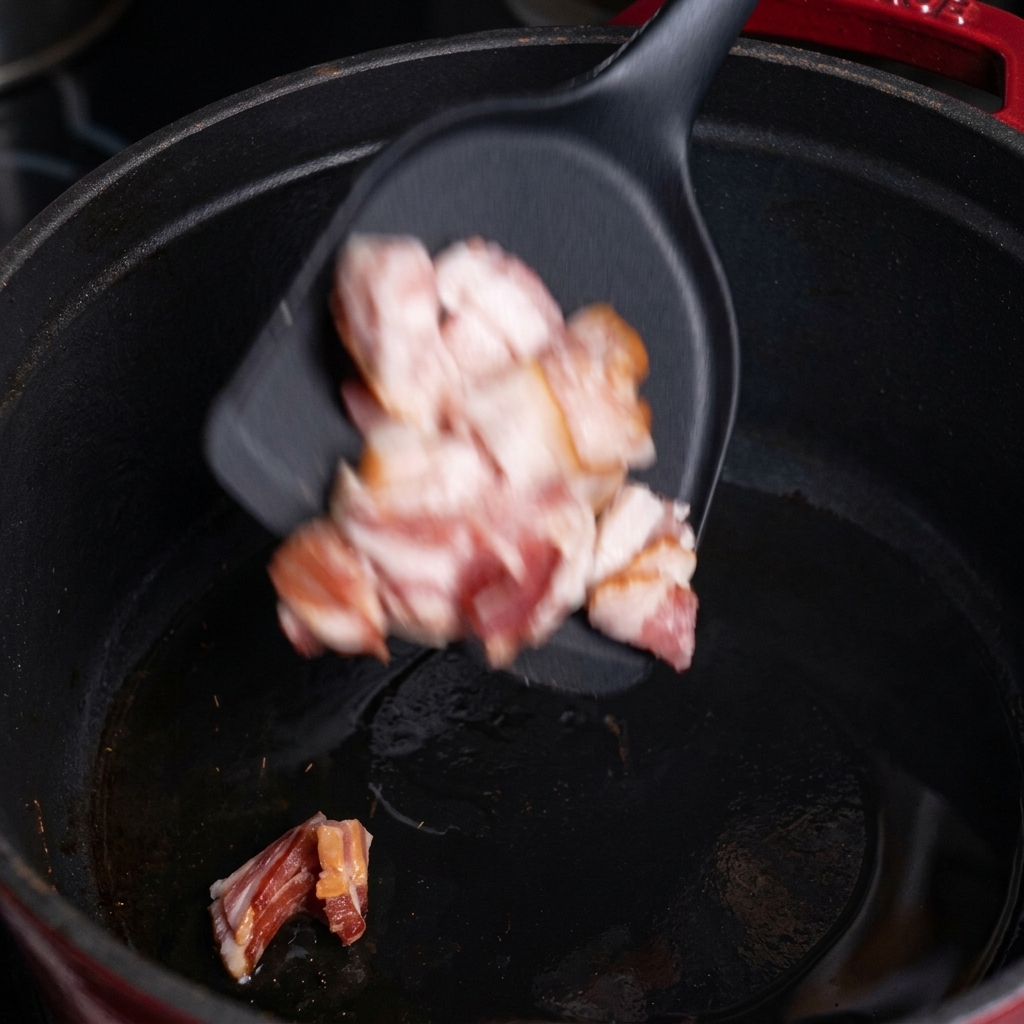
Transfer the chopped bacon pieces into a heated pot. Cook them gently until the fat is fully rendered out and the bacon bits become golden and crisp. This rendered fat will be used to sauté the vegetables, infusing the entire soup with a rich, smoky undertone.
Tip: Starting the bacon in a cold pot can help the fat render out more slowly and evenly without burning the meat. - 10Sauté the vegetables
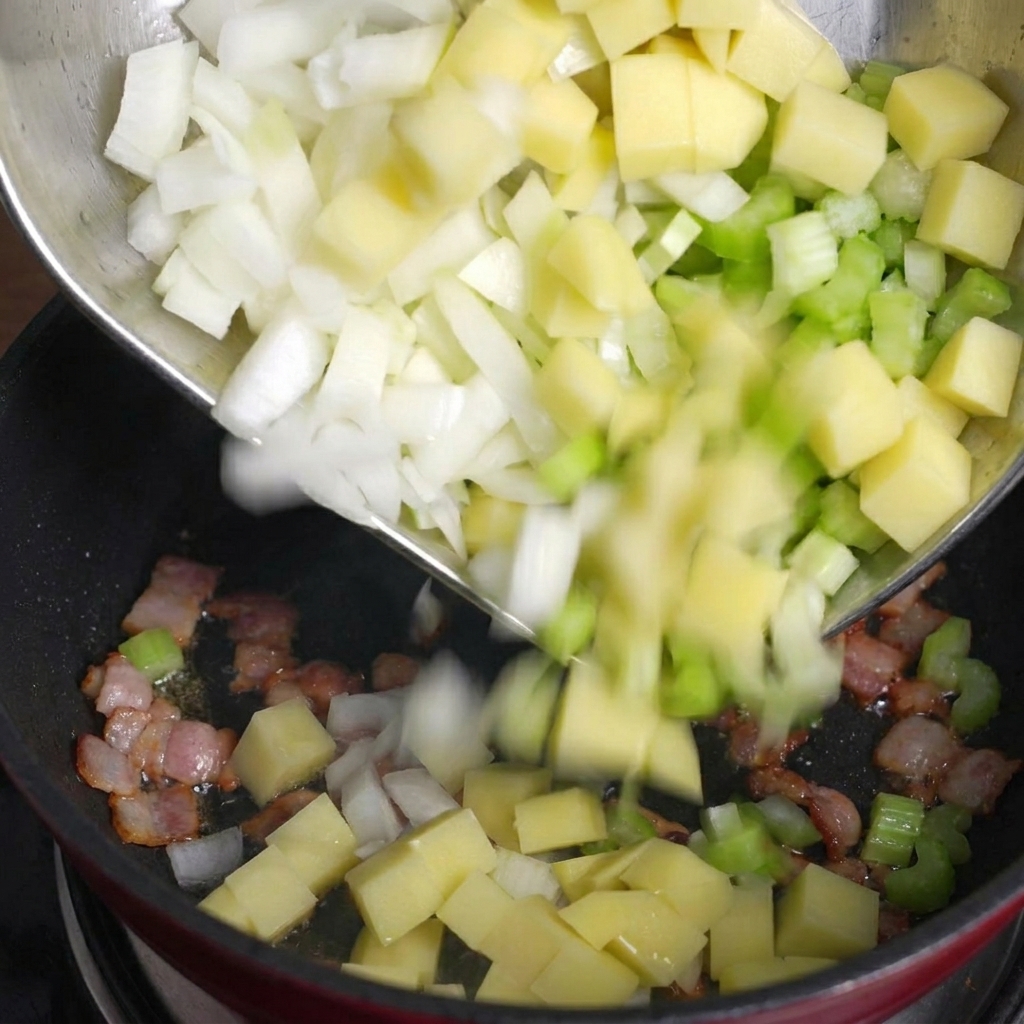
Once the bacon has rendered its fat and turned crispy, add the prepared diced potatoes, celery, and onions into the pan. Stir-fry the vegetables in the bacon fat until they begin to soften.
Tip: Cooking the vegetables in the rendered bacon fat infuses them with a deep, smoky, and savory flavor. - 11Add the clam broth
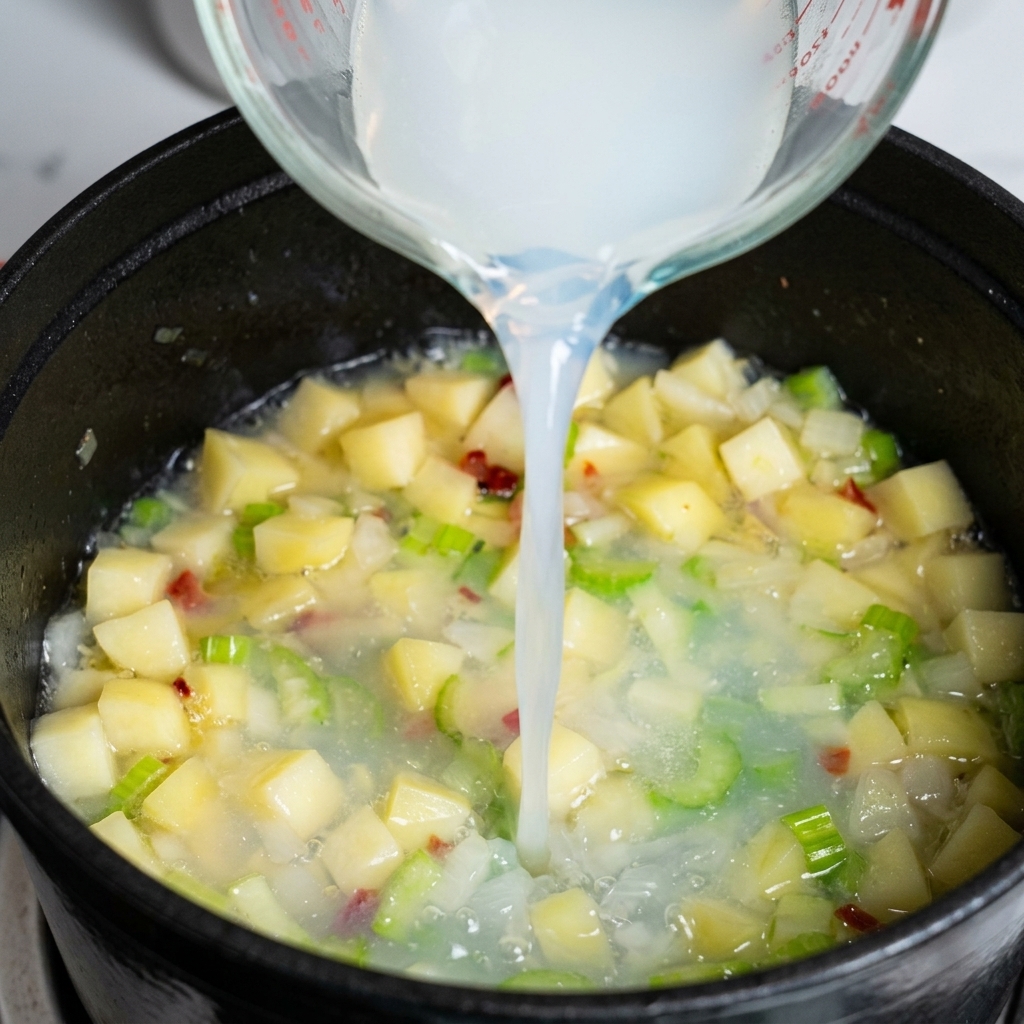
Carefully pour the reserved clam broth into the pot with the softened vegetables and bacon. Be cautious as you reach the bottom of the broth, leaving behind any residual sand that may have settled.
Tip: Always save the broth from blanching the clams, as it contains a concentrated, sweet seafood flavor essential for the chowder. - 12Season and simmer
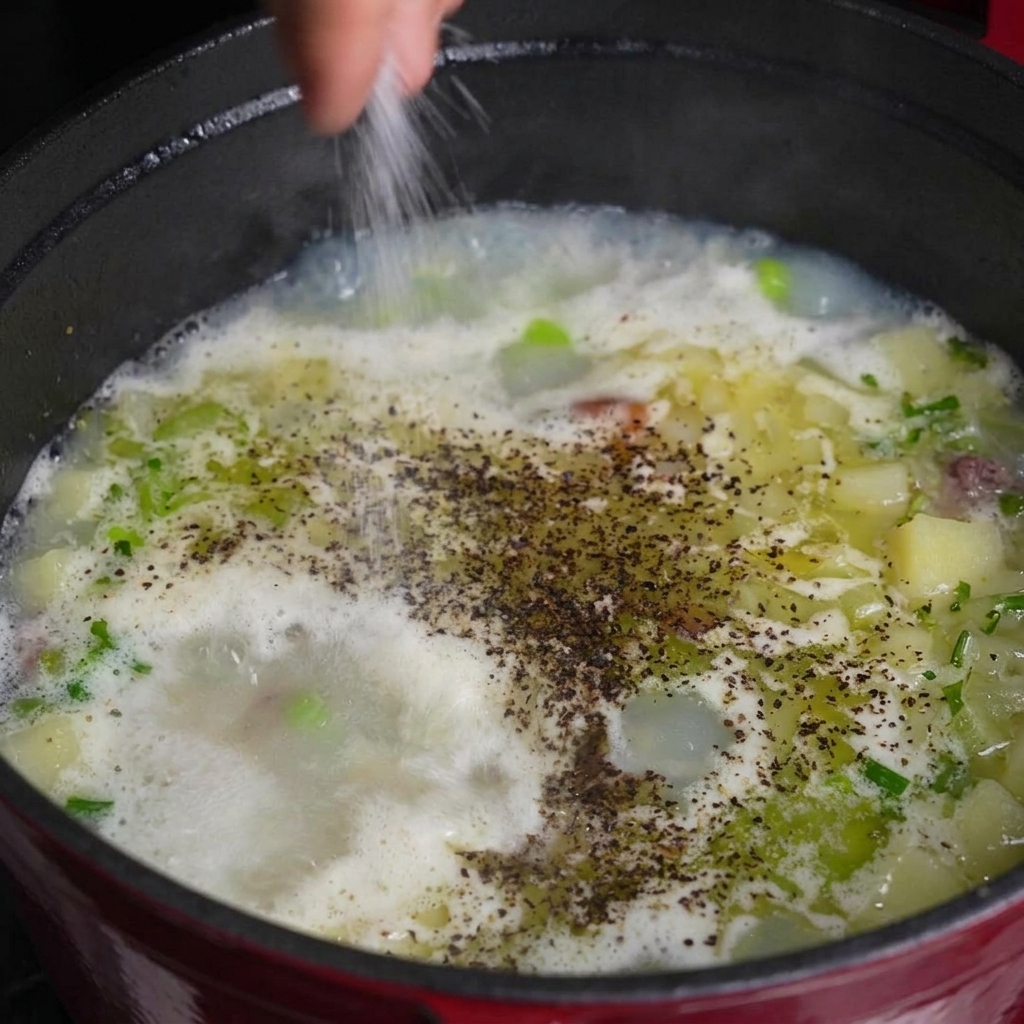
Season the simmering soup mixture with a pinch of salt and black pepper to taste. Cover the pot and let it simmer for about 10 minutes, allowing the flavors to meld and the ingredients to become completely tender.
Tip: Since the bacon and clam broth are already naturally salty, taste the soup before adding extra salt. - 13Hollow out the bread bowl
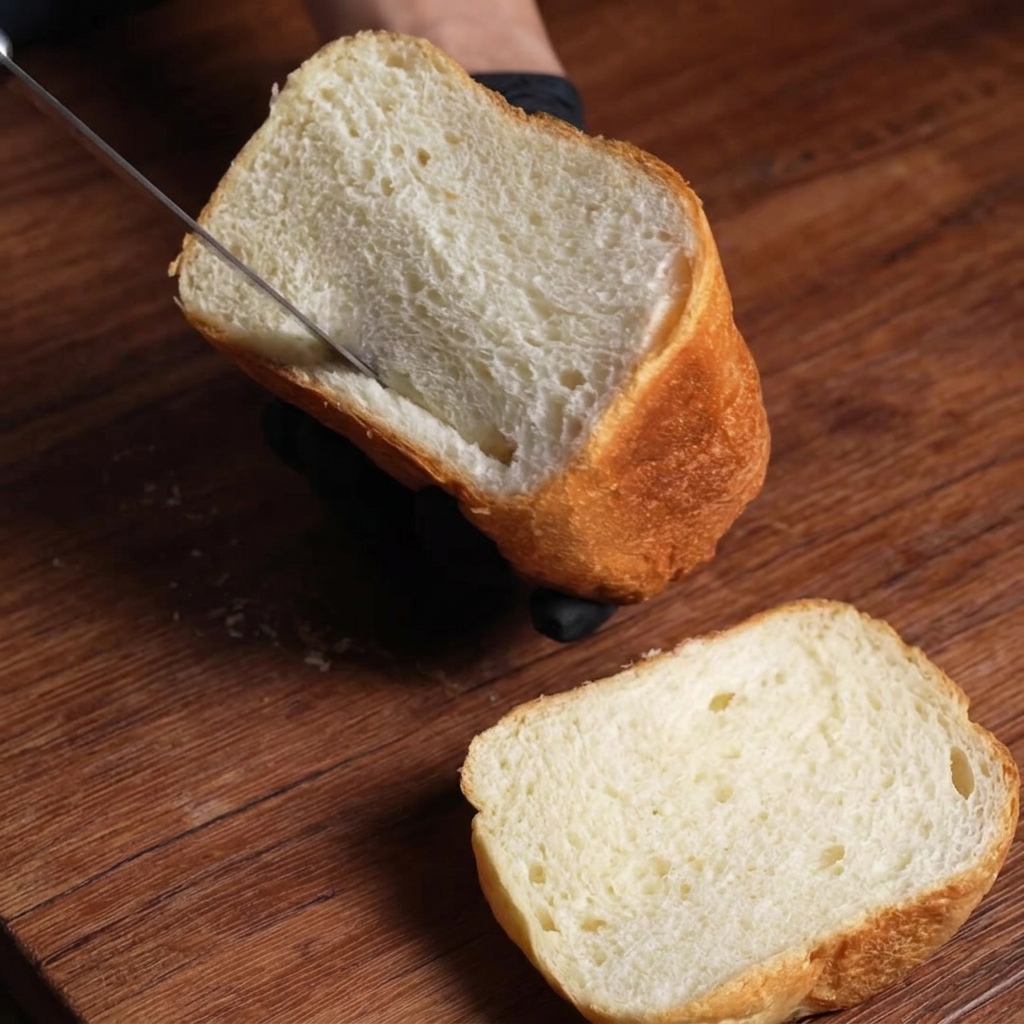
Take your freshly baked bread loaf and slice off the top to create a lid. Use a serrated knife to carefully cut around the inside perimeter and hollow out the soft interior, leaving a sturdy shell. This creates the perfect edible vessel for your chowder.
Tip: Dont throw away the soft bread you removed; you can toast the cubes to make croutons or enjoy them as a snack with the soup. - 14Add milk and cream
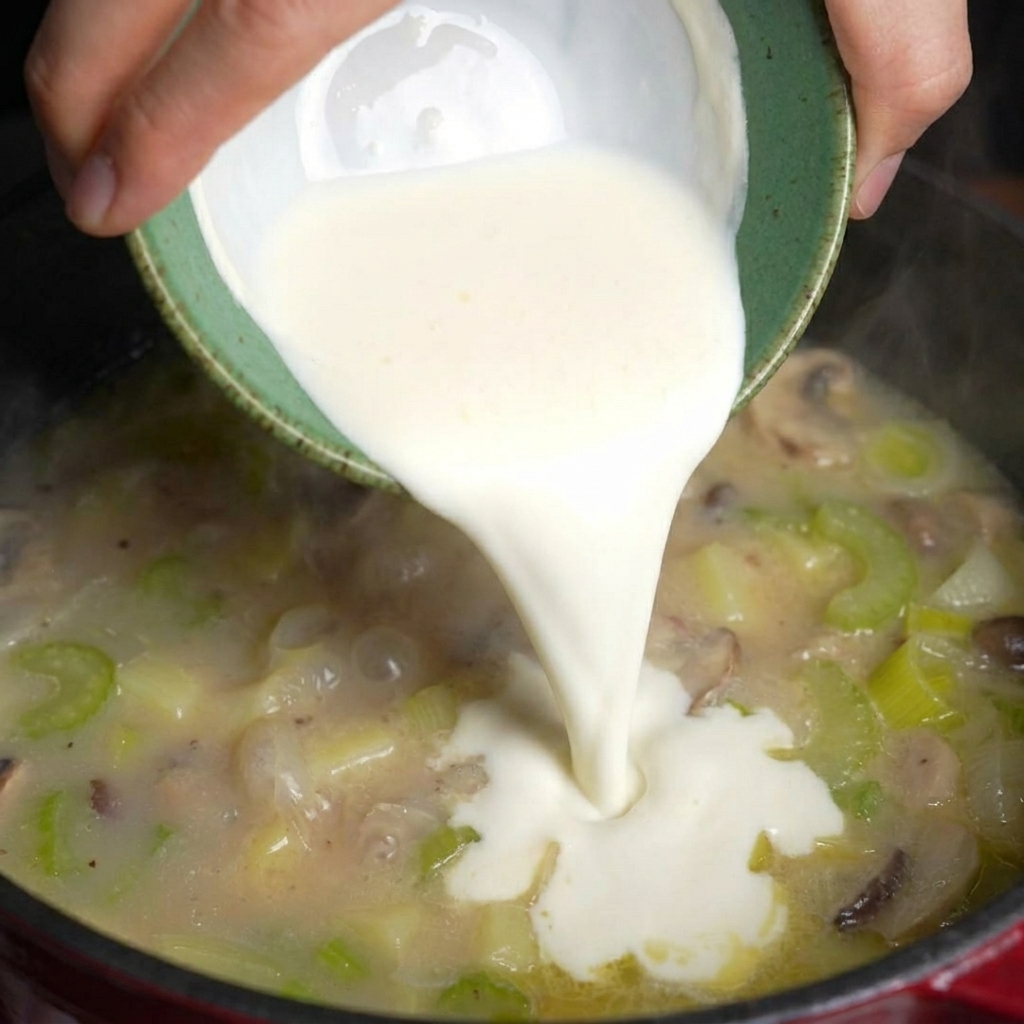
Once the vegetables are tender, pour in the prepared mixture of milk and cream. This adds a rich, velvety texture to the broth and balances the saltiness of the bacon and clams.
Tip: Make sure the soup is at a gentle simmer, not a rolling boil, when adding the dairy to prevent the cream from curdling. - 15Add the clams
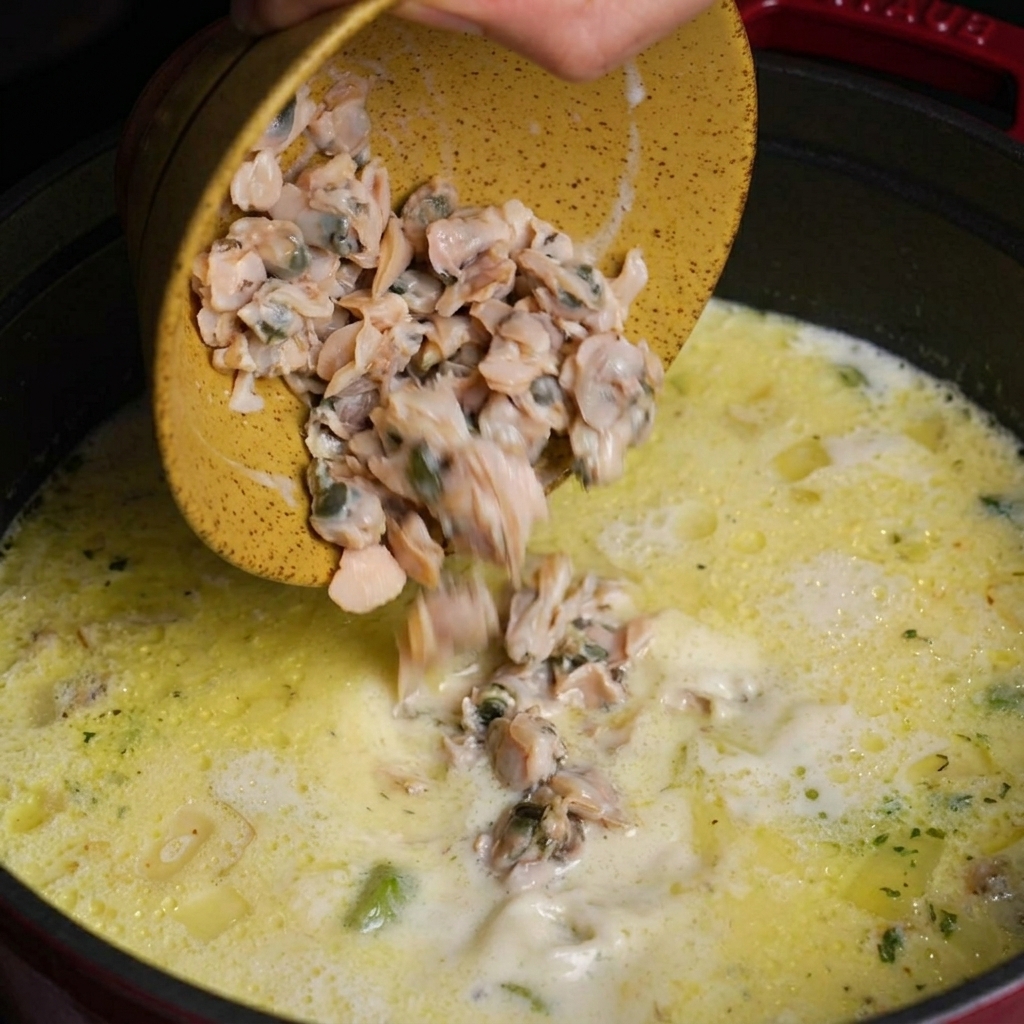
Slide the chopped clam meat into the gently simmering broth. Heat the mixture carefully just until the seafood is warmed through to ensure it remains tender.
Tip: Add the clam meat right at the end and avoid boiling the soup vigorously. Overcooking will cause the clam meat to become tough. - 16Thicken the chowder
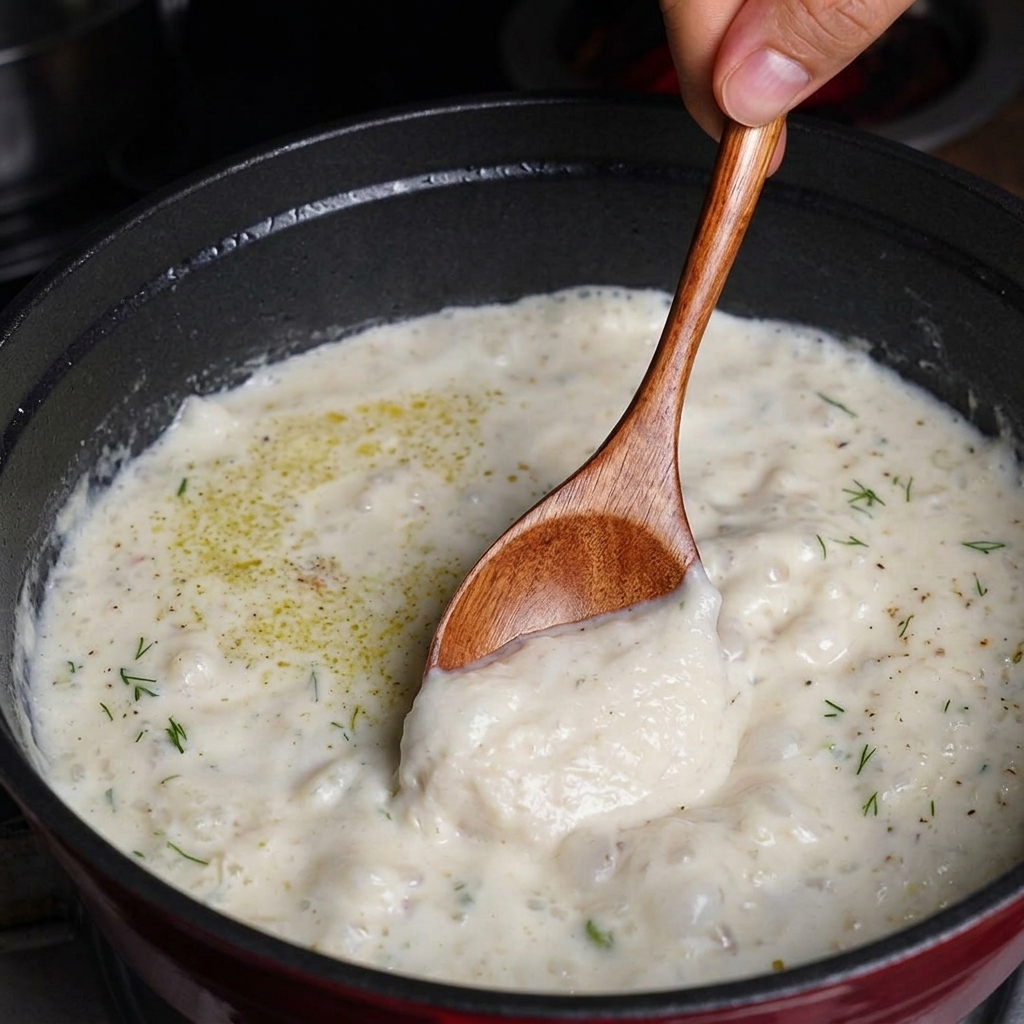
Incorporate the thick white sauce base into the pot. Stir gently with a wooden spoon until the sauce is fully integrated and the chowder reaches your desired thick and creamy consistency.
Tip: If the soup becomes too thick you can thin it out slightly with a splash of the reserved clam broth or extra milk.