Classic Clam Chowder
Bread Bowl
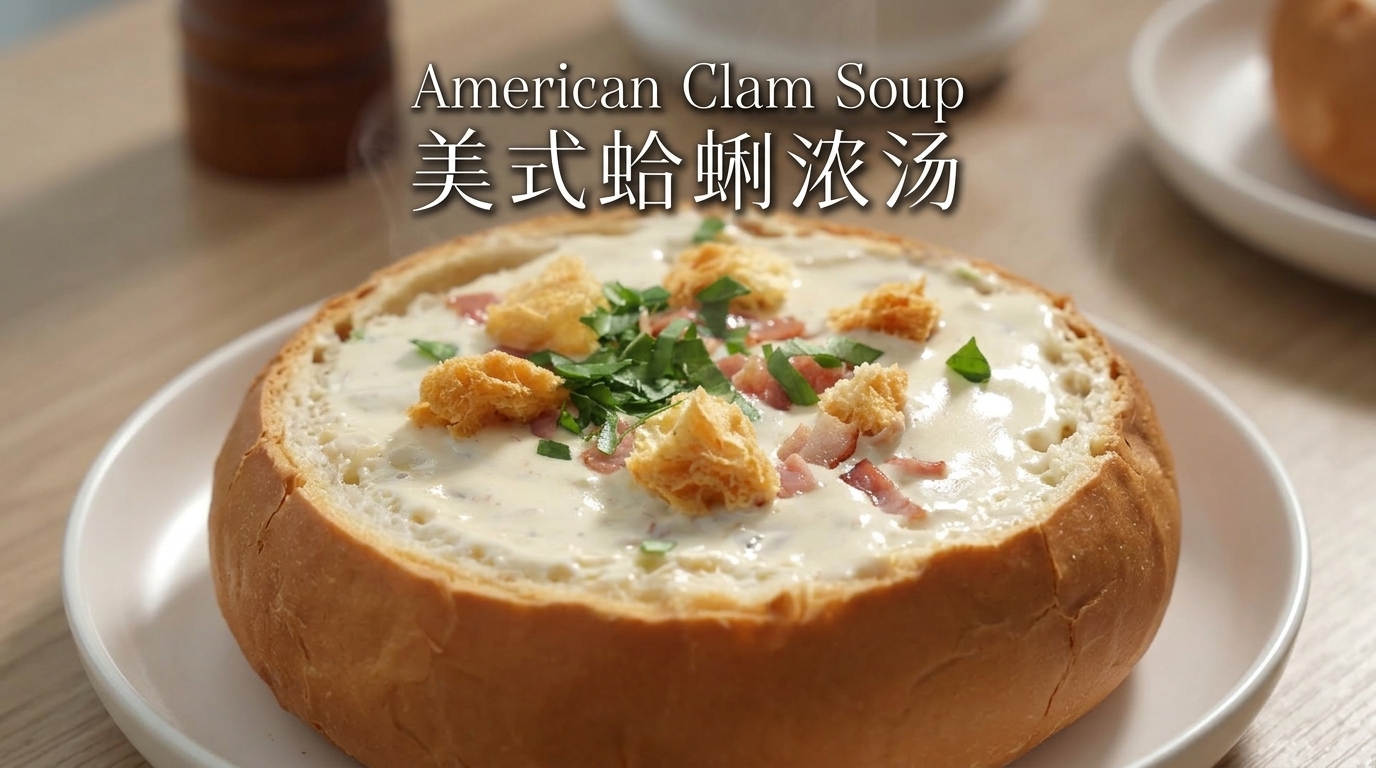
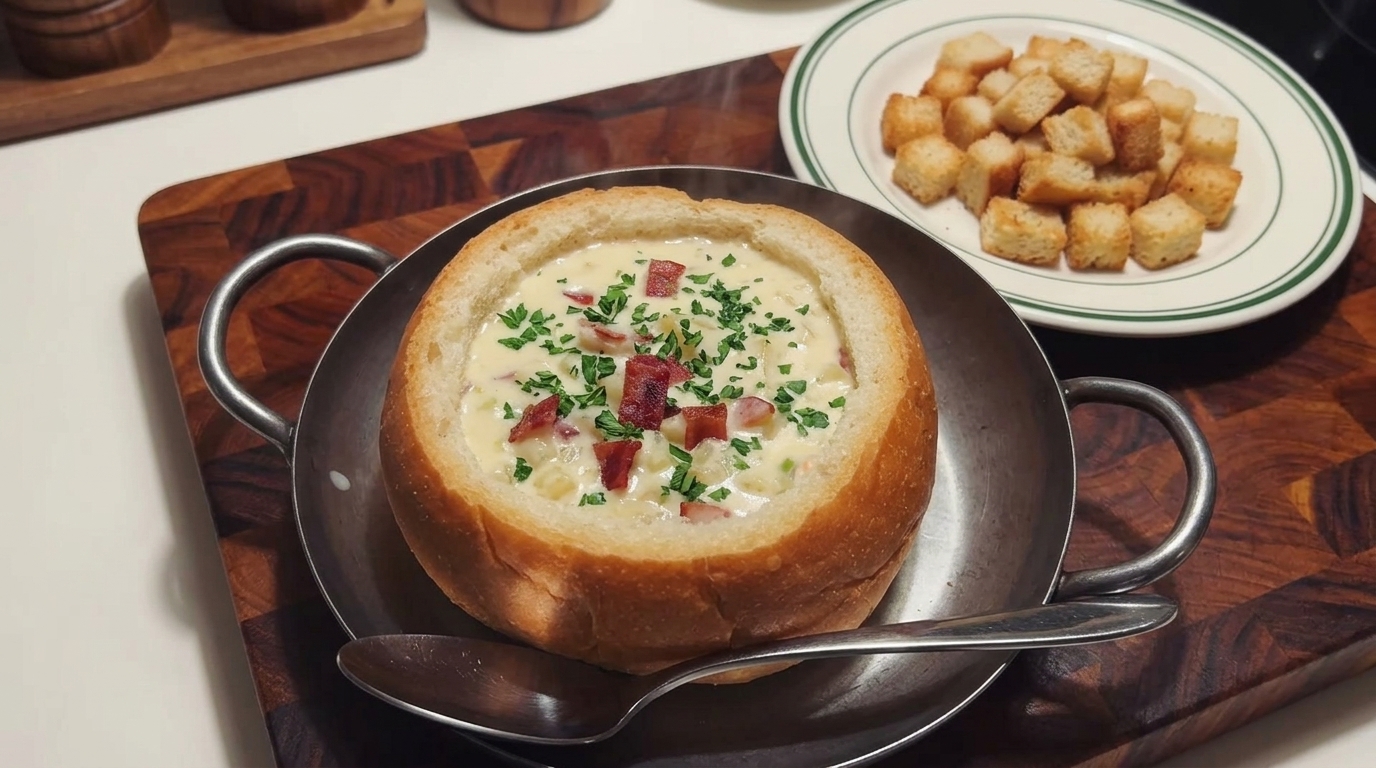
Rich, creamy, and loaded with tender hard clams and smoky bacon, this comforting New England-style clam chowder is served in a toasted, hollowed-out bread bowl for the ultimate cozy meal.
There is something undeniably nostalgic about a thick, hearty chowder served in a rustic bread bowl. Drawing inspiration from classic coastal American recipes, this version uses fresh quahog clams and builds its deep, savory foundation on rendered bacon fat and a slow-simmered aromatic base. Its a comforting, satisfying dish that transforms your dining table into a cozy seaside tavern.
Ingredients
- 1 kg hard clams (quahogs)
- 3 strips bacon
- 2 medium potatoes
- 1 medium white onion
- 2 stalks celery
- 3 cloves garlic
- 2 tbsp butter
- 2 tbsp all-purpose flour
- 1 cup whole milk
- 1 cup heavy cream
- 3 large round bread loaves
- to taste salt
- to taste black pepper
- optional fresh parsley
- optional olive oil
Instructions
- 1Soak and purge the clams
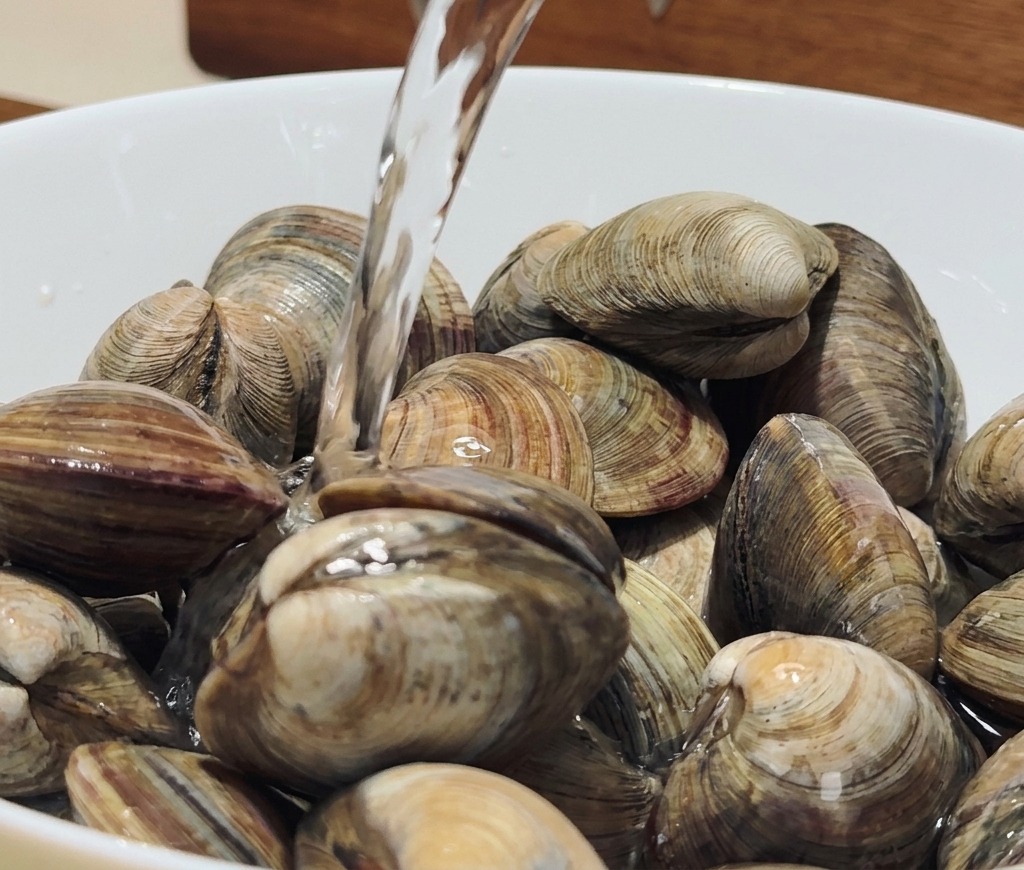
Begin by placing the fresh clams in a large white bowl. Fill the bowl with enough water to fully submerge them and add salt to create a concentration similar to seawater. This process encourages the clams to naturally expel any sand or grit from within their shells, ensuring a clean and pleasant eating experience.
Tip: Use cold water and let the clams soak for at least 30 minutes to an hour for the best results. - 2Dice the potatoes
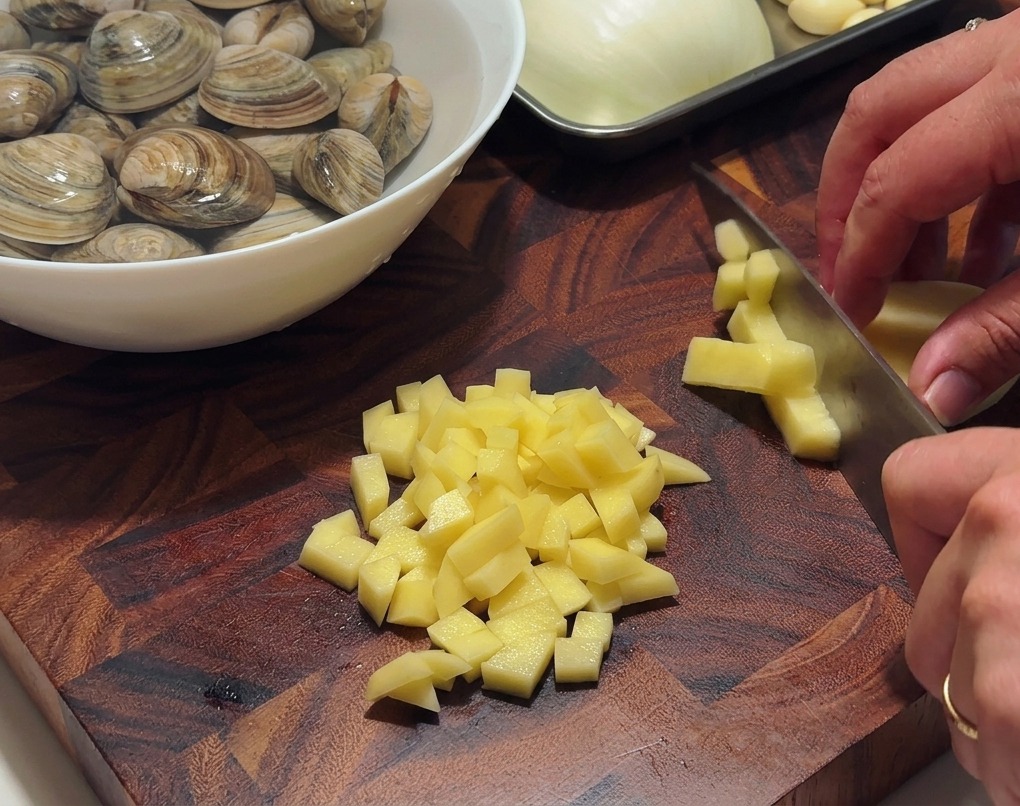
Peel the potatoes and place them on a wooden cutting board. Carefully dice them into small, uniform cubes. Keeping the pieces small is crucial for ensuring they cook through evenly and blend seamlessly into the thick, creamy texture of the clam chowder.
Tip: Try to keep the cubes around 12 inch in size so they fit perfectly on a soup spoon. - 3Chop the celery
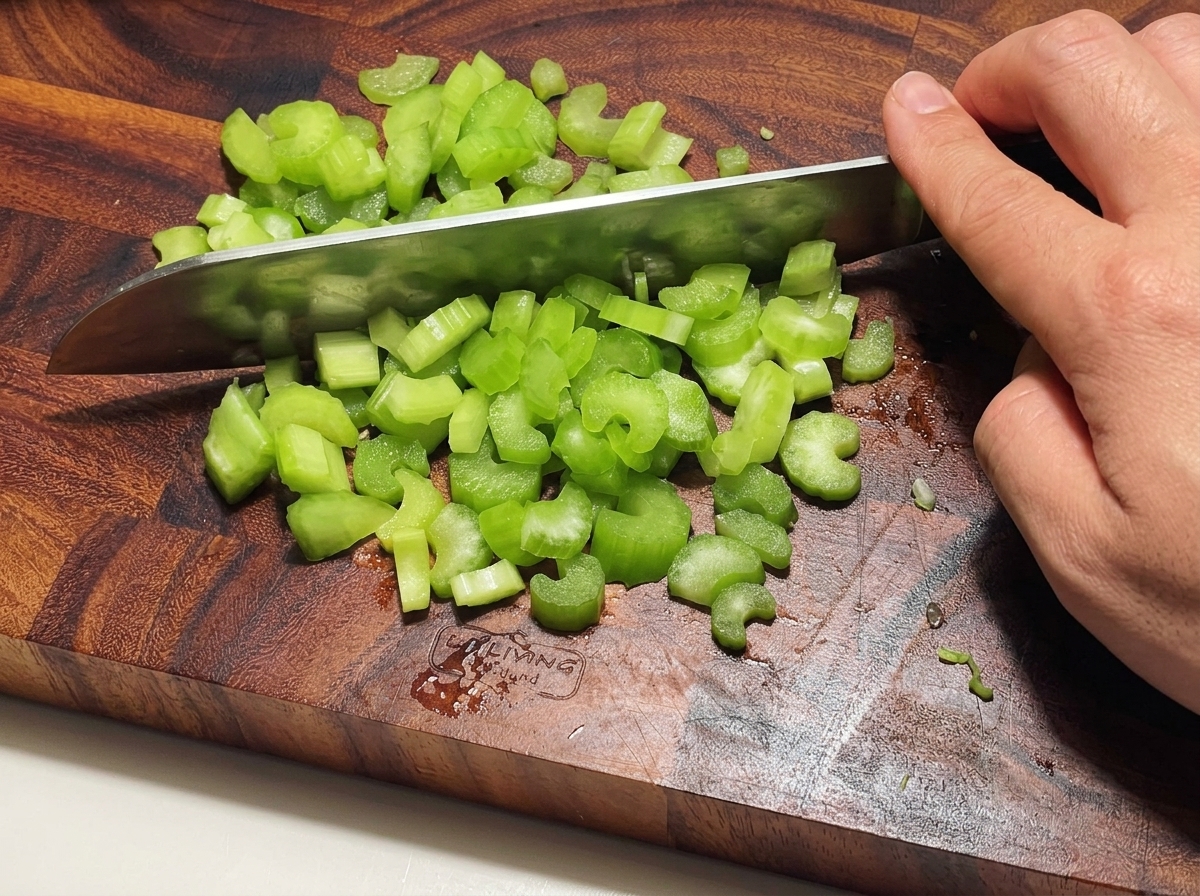
Finely dice the raw celery and other aromatics into small, even pieces. Cutting the vegetables uniformly ensures they melt seamlessly into the thick broth, giving you a perfectly smooth and creamy mouthfeel with every spoonful.
Tip: Take your time to cut the vegetables small. If the food chunks are too big, it will disrupt the smooth texture of the chowder. - 4Dice the onion
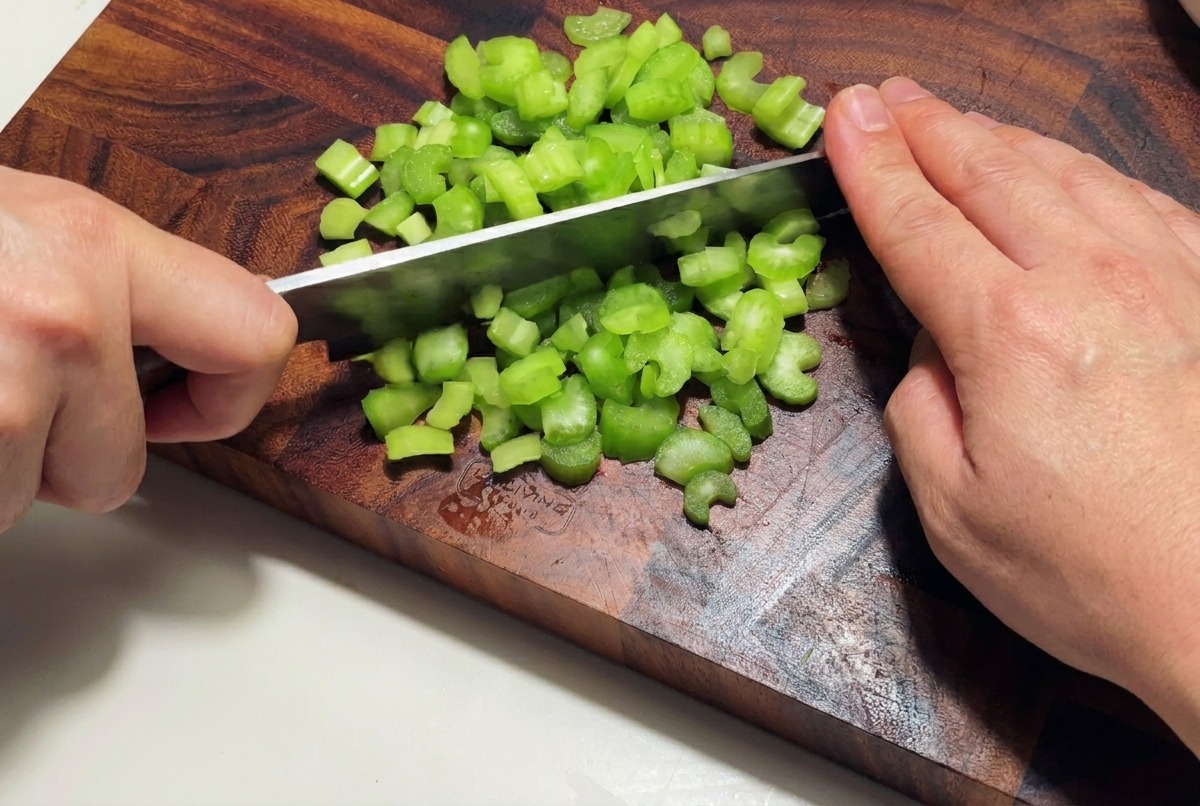
Peel and finely dice the white onion. Along with the potatoes and celery, the onions form the aromatic base of the soup, bringing a deep, sweet, and savory flavor to the final dish.
Tip: Chop the onions to a similar size as the celery and potatoes so everything cooks evenly. - 5Cover the clams with water
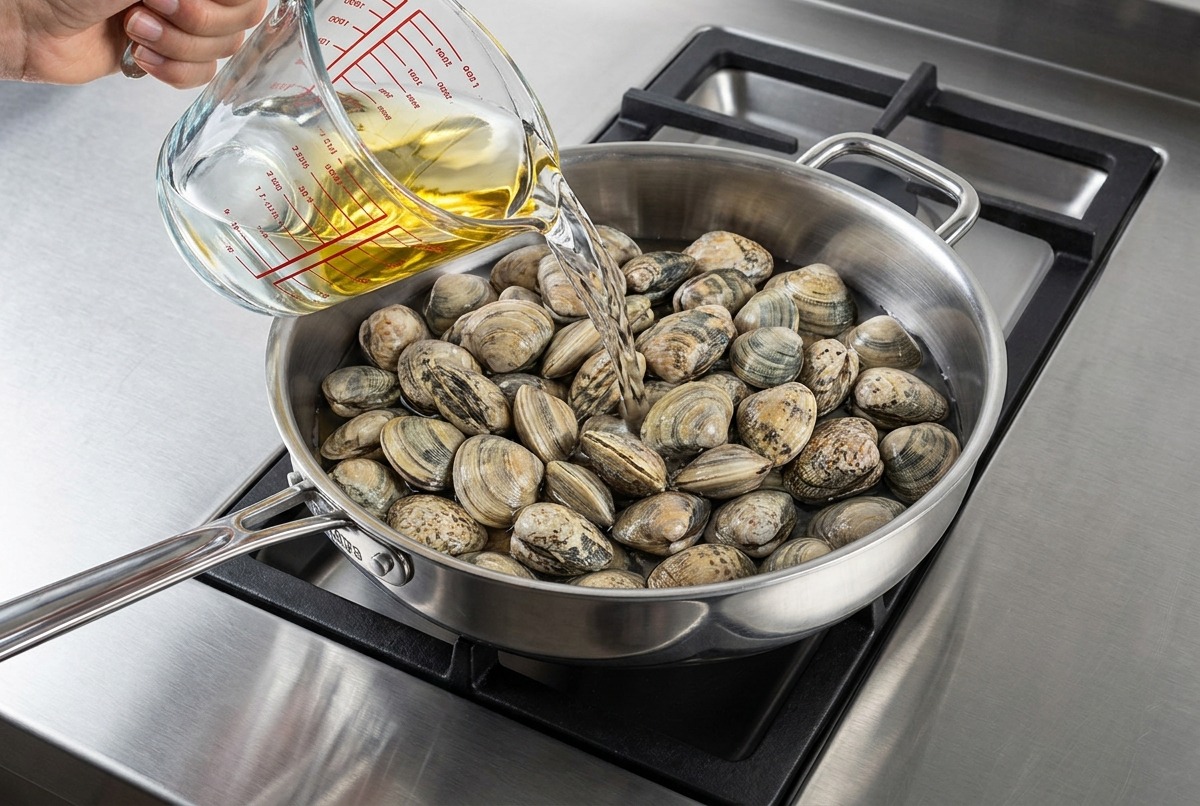
Place the cleaned and rinsed clams into a wide stainless steel pan on the stove. Use a glass measuring cup to pour in just enough fresh water to barely cover the shells. This liquid will eventually become the rich clam juice base for your soup.
Tip: Avoid overfilling the pan with water; a shallow layer is enough to steam and boil the clams while keeping the flavor concentrated. - 6Boil until opened
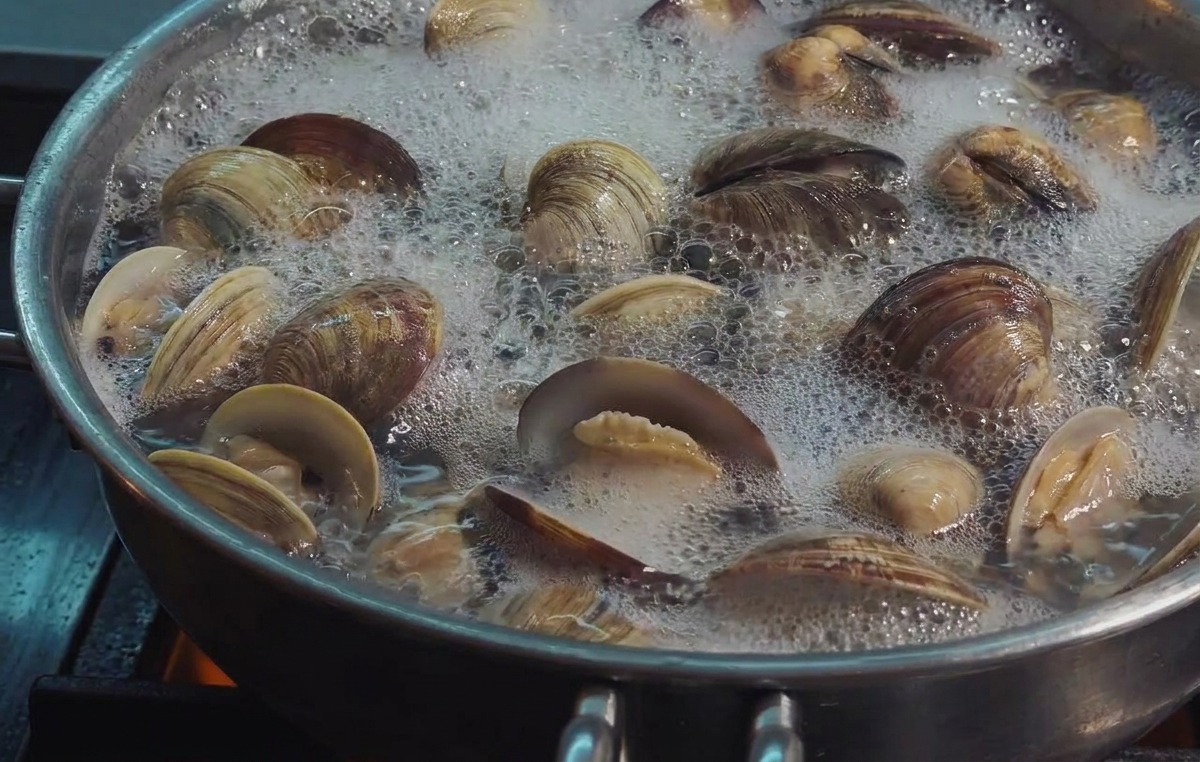
Cover the pan and bring the water to a boil over high heat. Simmer the clams for about 3 minutes. Keep a close eye on them and remove the lid once all the shells have fully opened, which indicates they are perfectly cooked and the meat is ready to be extracted.
Tip: Discard any clams that remain tightly closed after boiling, as they were likely dead before cooking. - 7Strain the clam broth
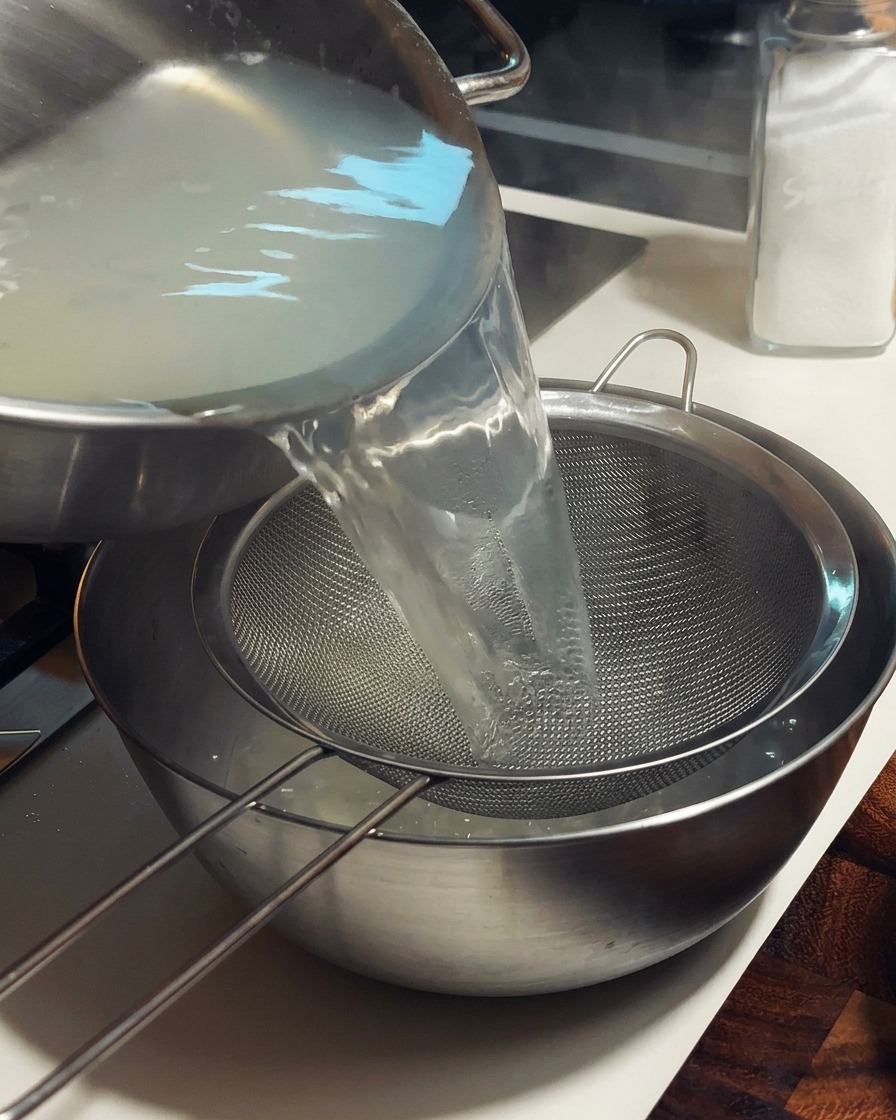
After the clams have opened, carefully remove them and pour the hot cooking liquid through a fine mesh strainer into a clean bowl. This crucial step filters out any residual sand or mud from the shells.
Tip: Never throw away the clam juice! The natural saltiness and deep umami flavor of the final chowder rely entirely on this reserved liquid. - 8Fry the bacon
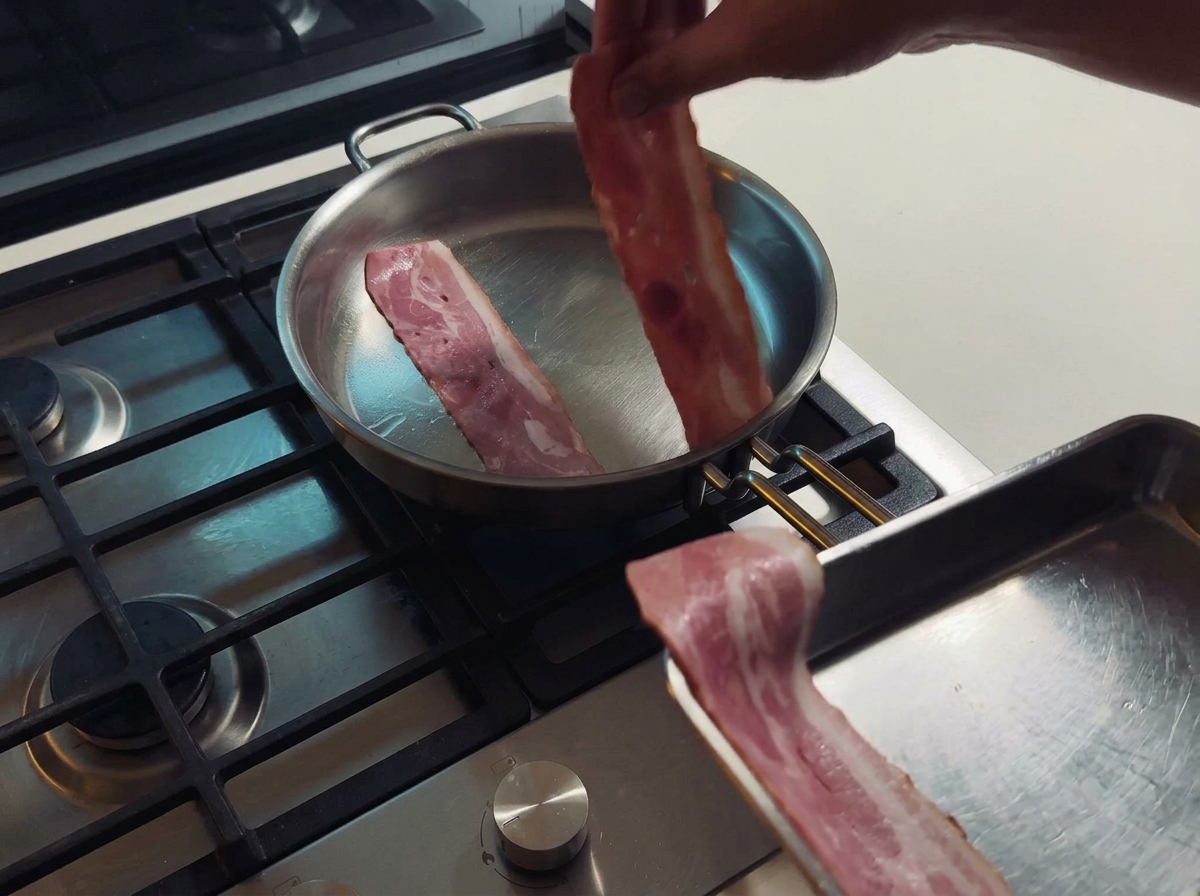
Place the bacon strips in the pan over medium heat and fry until they are lightly browned and fragrant. This step focuses on rendering the savory fat to create a flavorful foundation for the entire soup.
Tip: Use the rendered bacon fat to stir fry the vegetables as this builds an authentic smoky flavor base. - 9Cook the potatoes
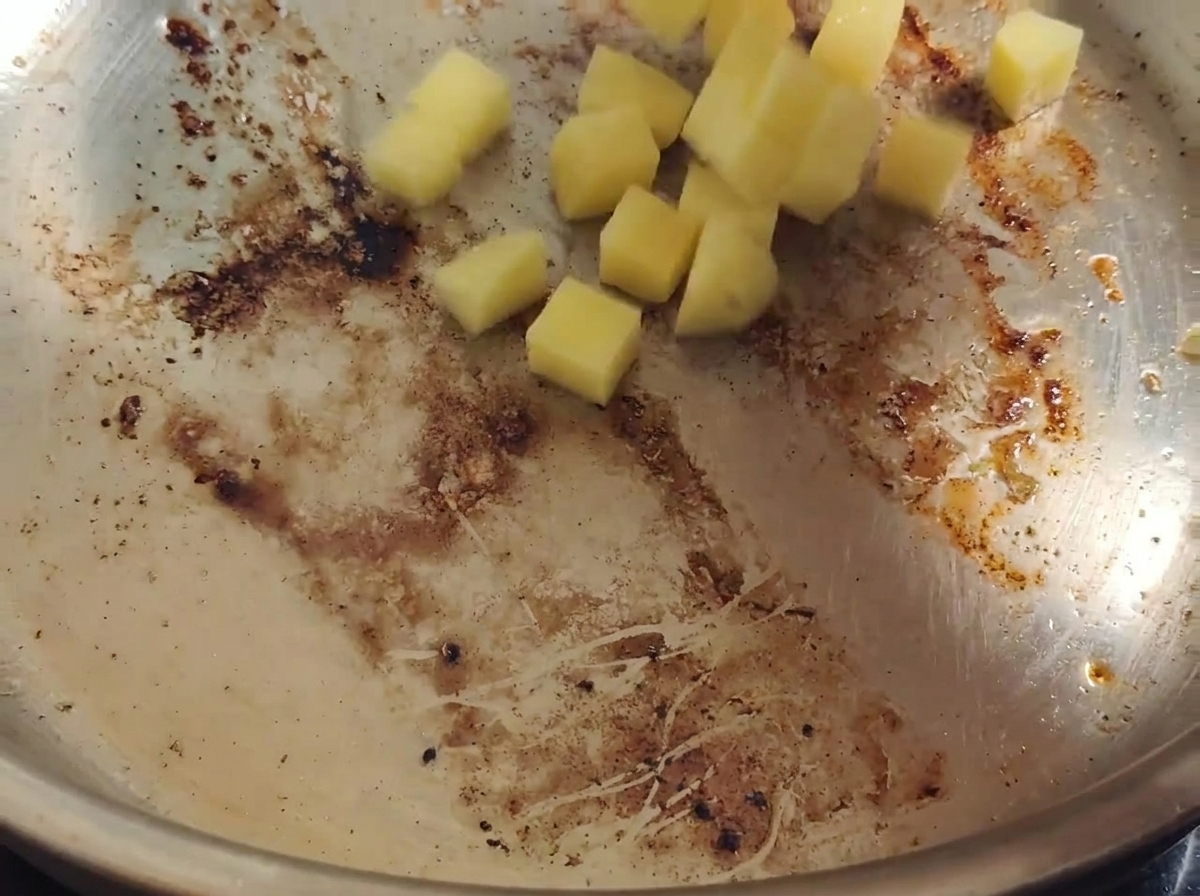
Immediately after removing the crispy bacon, leave the rendered fat in the pan and toss in the diced potatoes. Stir-fry them thoroughly over the heat so they absorb the rich, smoky flavors while picking up the delicious browned bits left behind.
Tip: Do not wash the pan after cooking the bacon. Cooking the potatoes directly in the leftover fat is a secret technique for building a deep, complex flavor base. - 10Sauté the aromatics
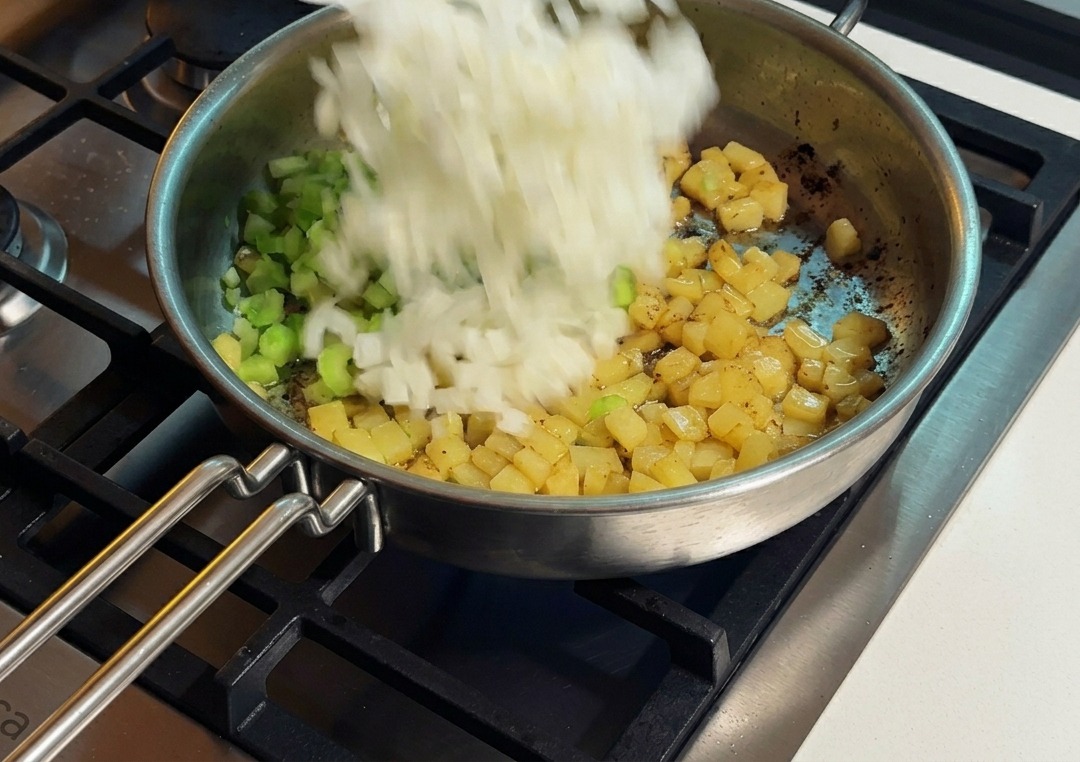
Combine the diced onions and celery in the pan with the potatoes. Lower the heat to medium low and stir the mixture constantly. Sauté for about ten minutes until the vegetables soften and release their sweet juices to build a deep flavor base.
Tip: Slow cooking the onions and celery is the secret to a great chowder so do not rush this step. - 11Add minced garlic
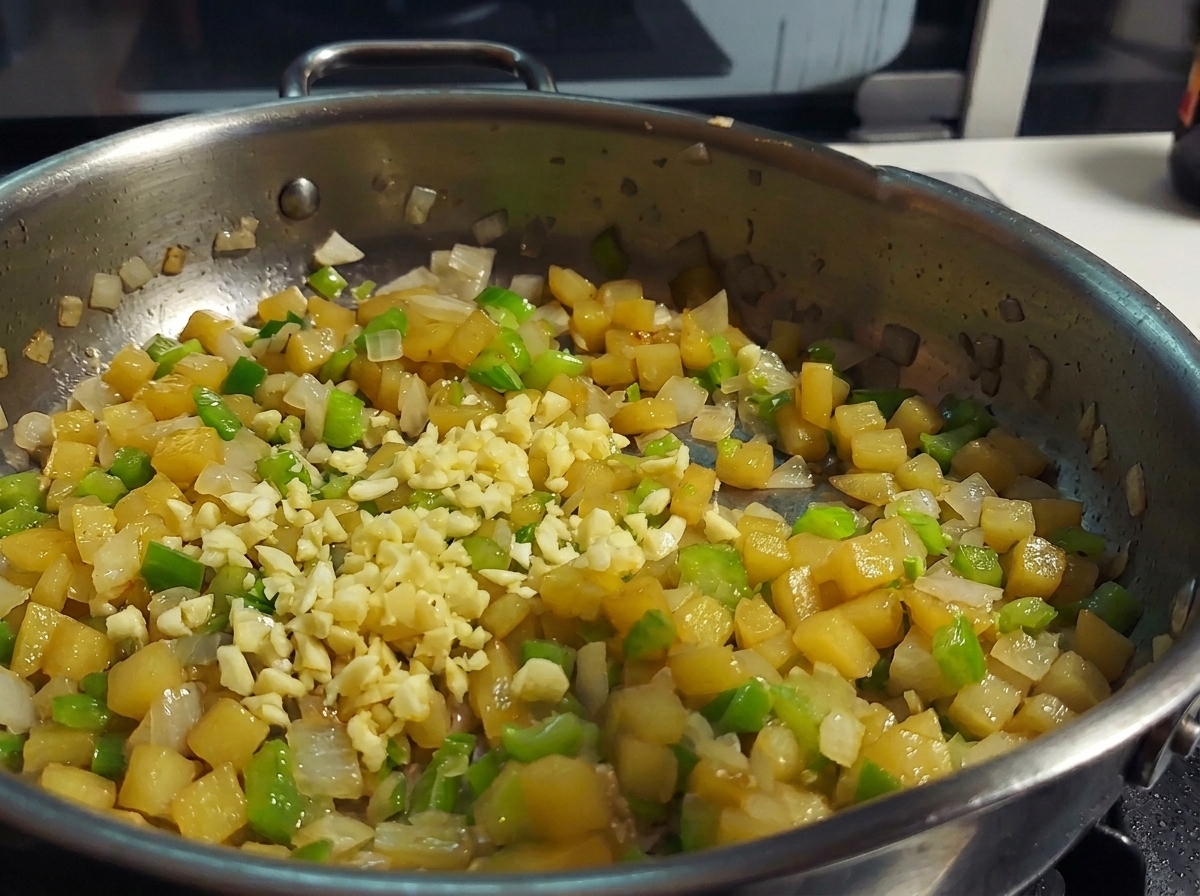
Once the vegetables have cooked down and released their sweet juices, add the minced garlic. Stir-fry for about one minute until the garlic becomes highly fragrant and distributes its flavor throughout the soft potato, celery, and onion mixture.
Tip: Adding garlic only after the other vegetables have fully softened prevents it from burning and turning bitter during the long sauté process. - 12Melt butter and add flour
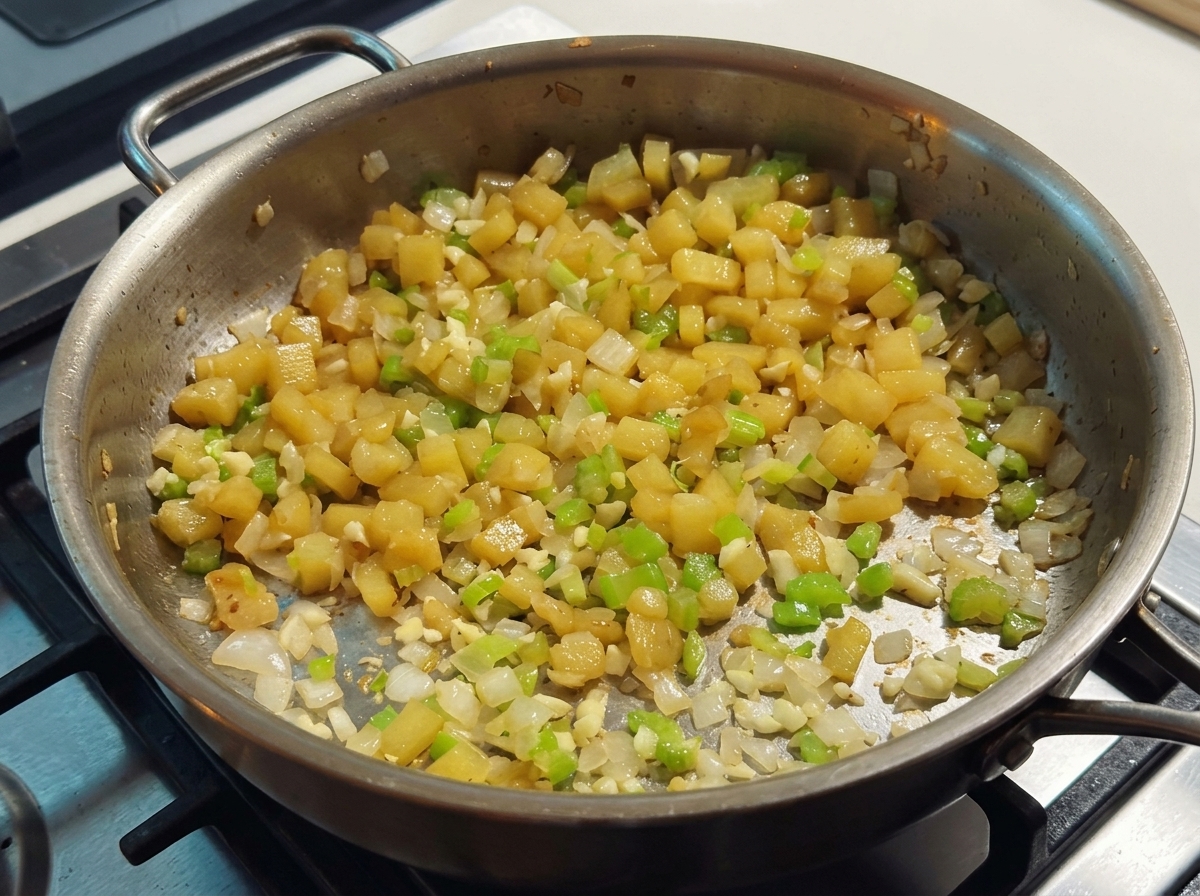
Once the minced garlic is fragrant, add the butter into the sautéed vegetable mixture. Let it melt completely, then sprinkle in the all-purpose flour. Stir constantly for about two minutes to cook the flour and create a thickening paste.
Tip: Cooking the flour before adding the broth prevents lumps and removes any raw flour taste from your chowder. - 13Pour in the clam broth
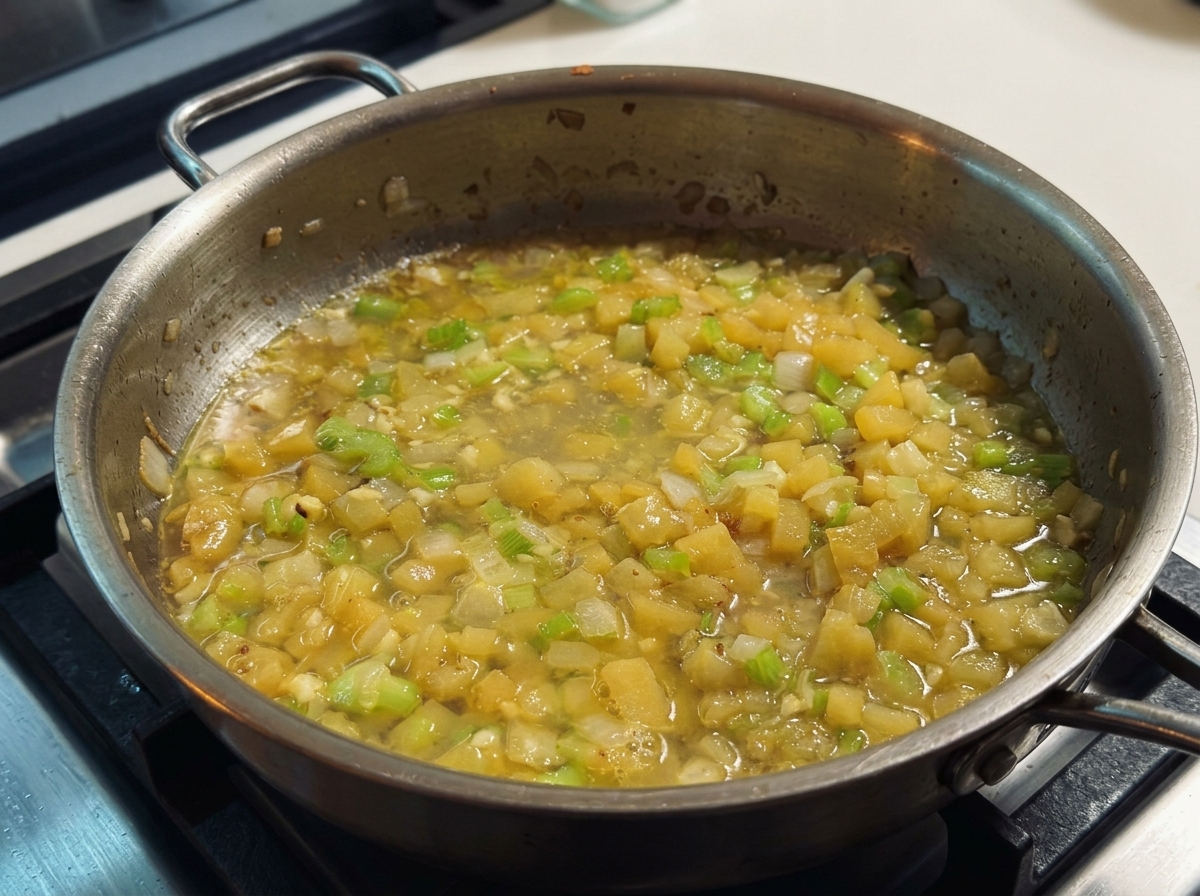
Add all of the previously strained clam broth directly into the pan over the softened vegetable mixture. Bring everything to a gentle simmer. This rich clam juice carries the essential saltiness and oceanic umami flavor that serves as the backbone of the chowder.
Tip: Always filter your clam broth carefully before adding it to the pot to ensure no residual mud or sand makes it into the soup. - 14Simmer to thicken
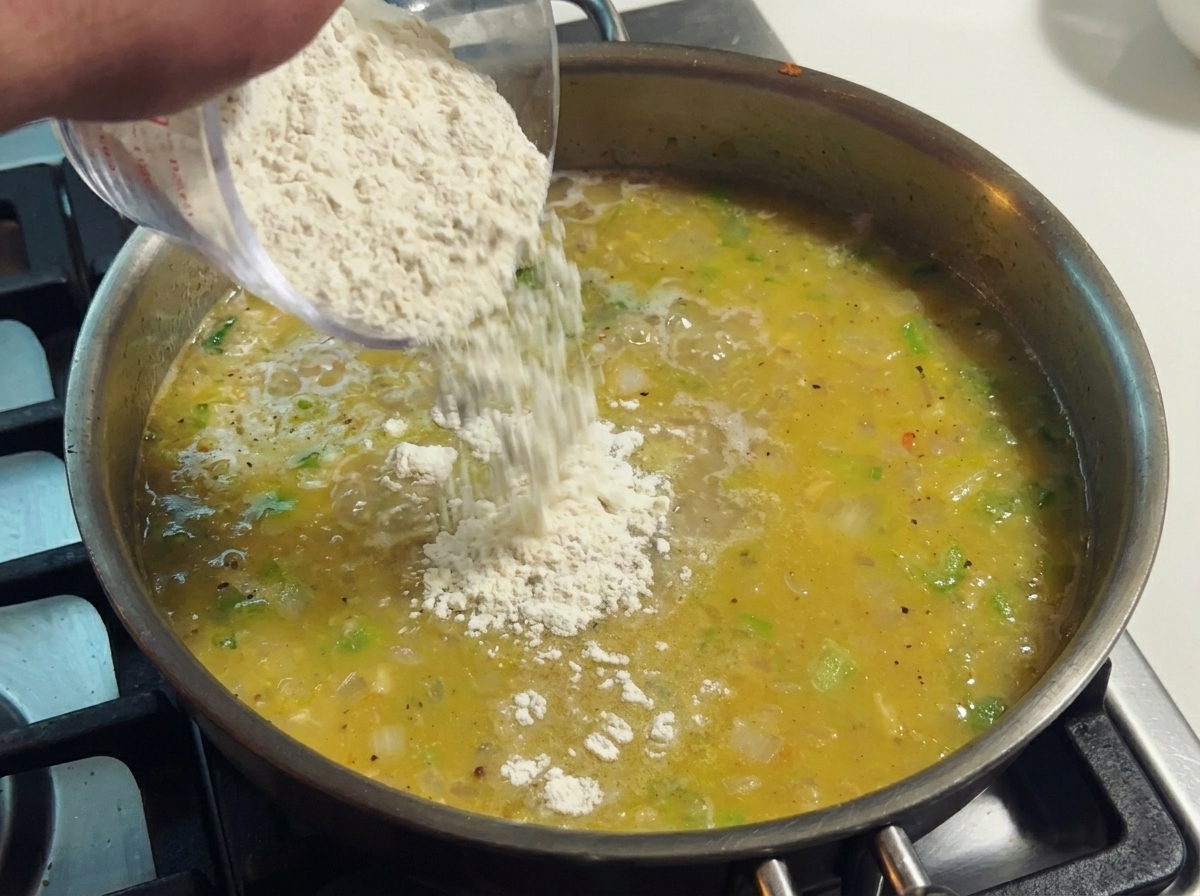
Add a sprinkle of black pepper to the mixture. Stir the broth continuously as it comes to a gentle simmer. The flour mixture from earlier will cause the liquid to rapidly thicken into a rich, velvety soup base.
Tip: Make sure to scrape the bottom of the pan while stirring so the thickening soup does not stick or burn. - 15Add dairy and clam meat
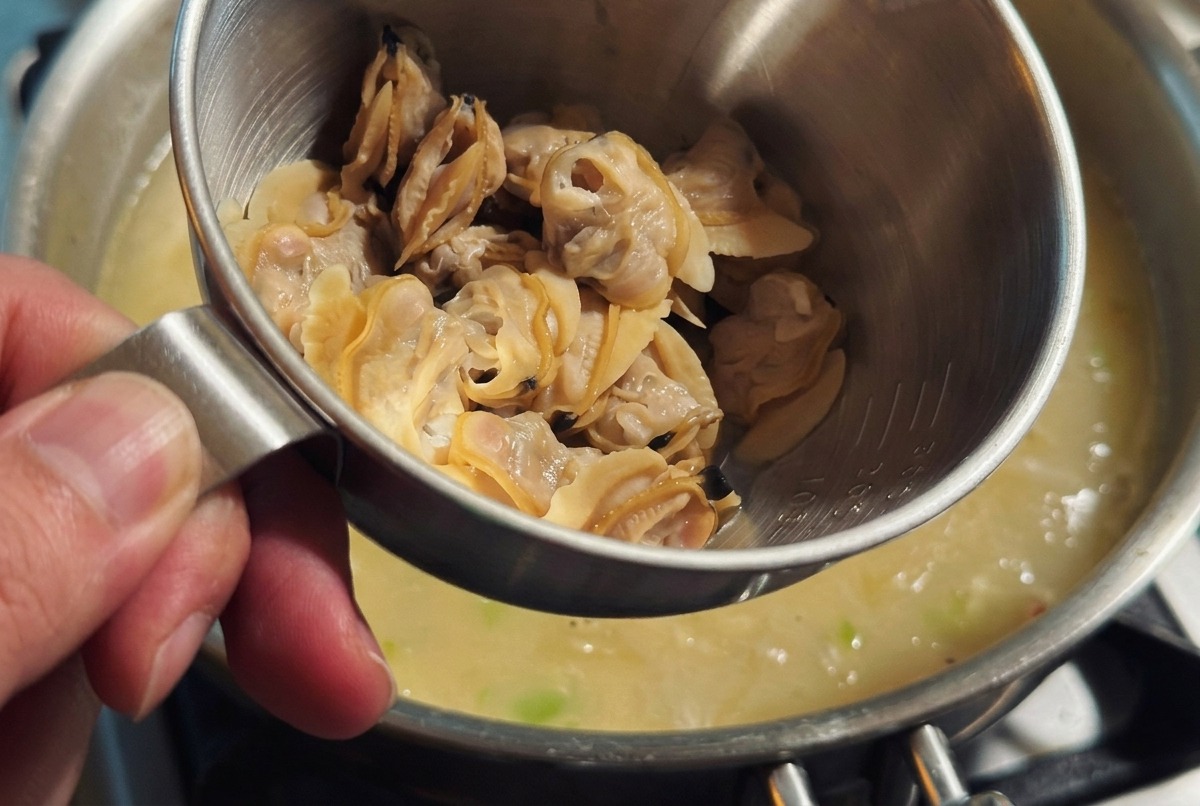
Lower the heat completely and slowly pour in the whole milk and heavy cream. Stir gently until the broth is warmed through, then fold in the cooked clam meat. Let the chowder gently heat for a few minutes without boiling.
Tip: Keep the heat low after adding the dairy. Boiling the soup at this stage will cause the milk and cream to curdle. - 16Carve the bread bowl
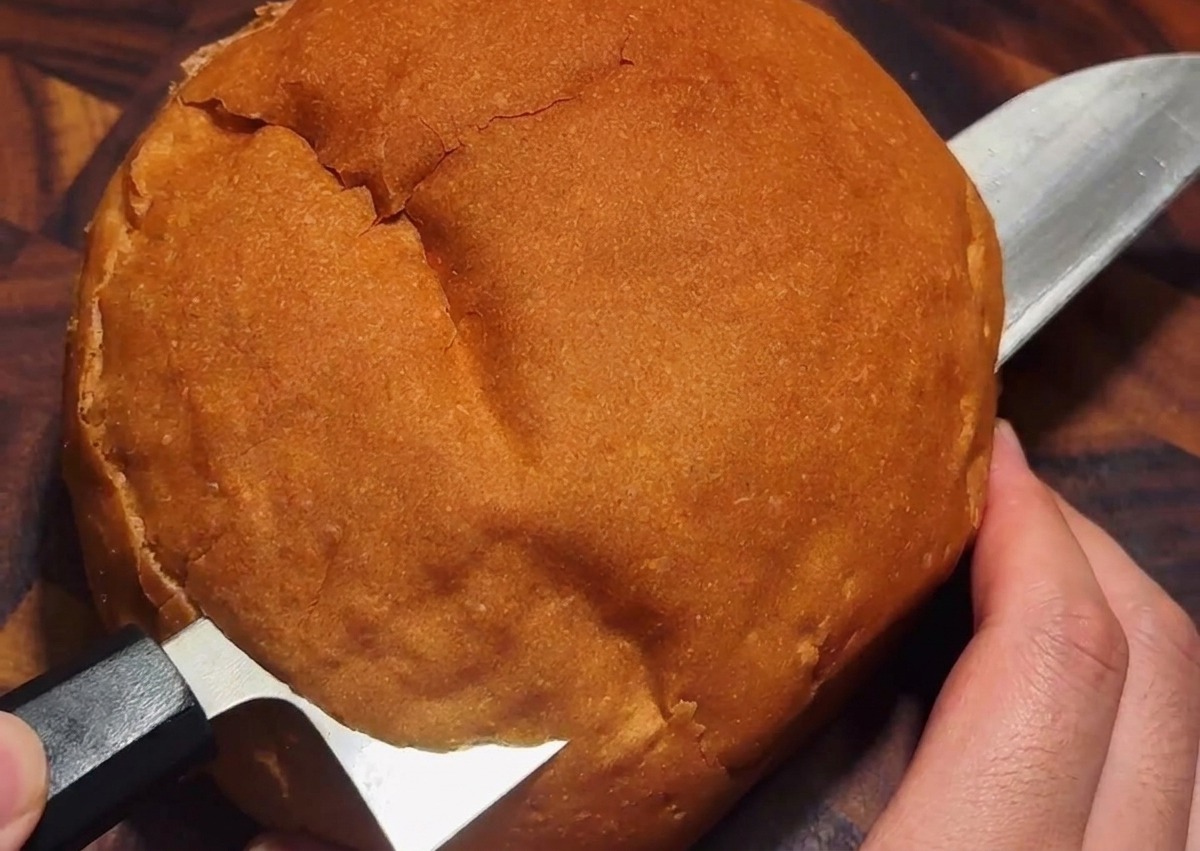
Prepare a large round bread loaf to serve as the bowl for your chowder. Use a sharp knife to carefully cut a circular lid into the top of the loaf. Remove the lid and scoop out the inner bread to create a deep cavity, leaving the bottom and sides intact.
Tip: Save the extra bread pieces so you can drizzle them with olive oil and bake until crispy for homemade croutons.