Traditional Korean Doenjang Jigae (Soybean Paste Stew)
A comforting Korean staple featuring earthy soybean paste, tender pork belly, hearty potatoes, and fresh vegetables simmered to rich, savory perfection.
Doenjang jigae is one of the most beloved and essential stews in Korean home cooking, anchored by fermented soybean paste which delivers a deeply savory and grounding flavor profile. Unlike lighter soups, this rustic stew is packed with vegetables, tofu, and pork, making it a wholesome and deeply nourishing dish that pairs perfectly with a warm bowl of rice.

Ingredients
- 2 tbsp Korean soybean paste doenjang
- 150 g pork belly or lean pork
- 1 potato
- 1/2 zucchini
- 3 shiitake mushrooms
- 1 block firm or medium tofu
- 2 stalks scallion
- 1/2 onion
- 1 tsp beef powder
- to taste salt
- as needed water
Instructions
- 1Dissolve the soybean paste
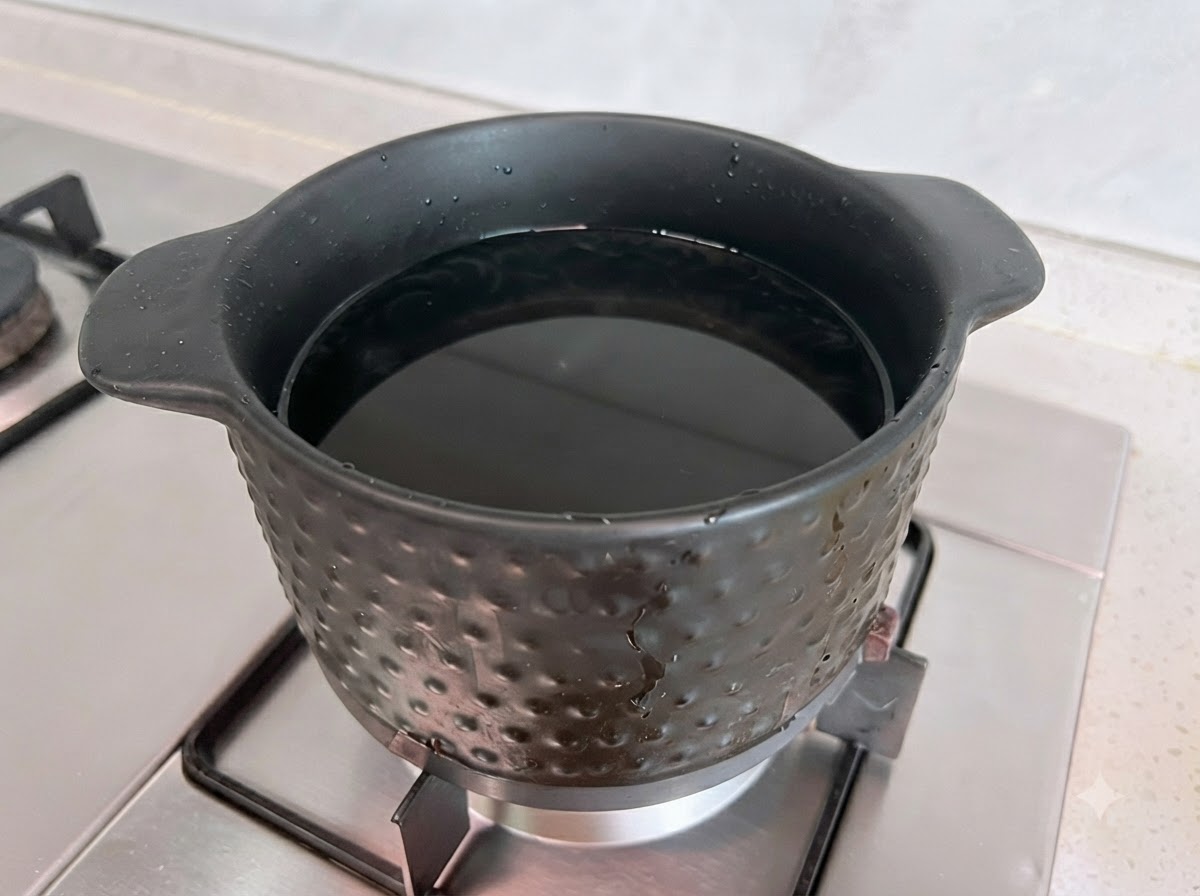
Add an appropriate amount of water to the pot and bring it to a boil. Add two spoons of Korean soybean paste into the boiling water and stir evenly using chopsticks until the paste fully dissolves into the soup base.
Tip: Stir thoroughly to ensure no lumps of soybean paste remain at the bottom of the pot. - 2Add pork pieces
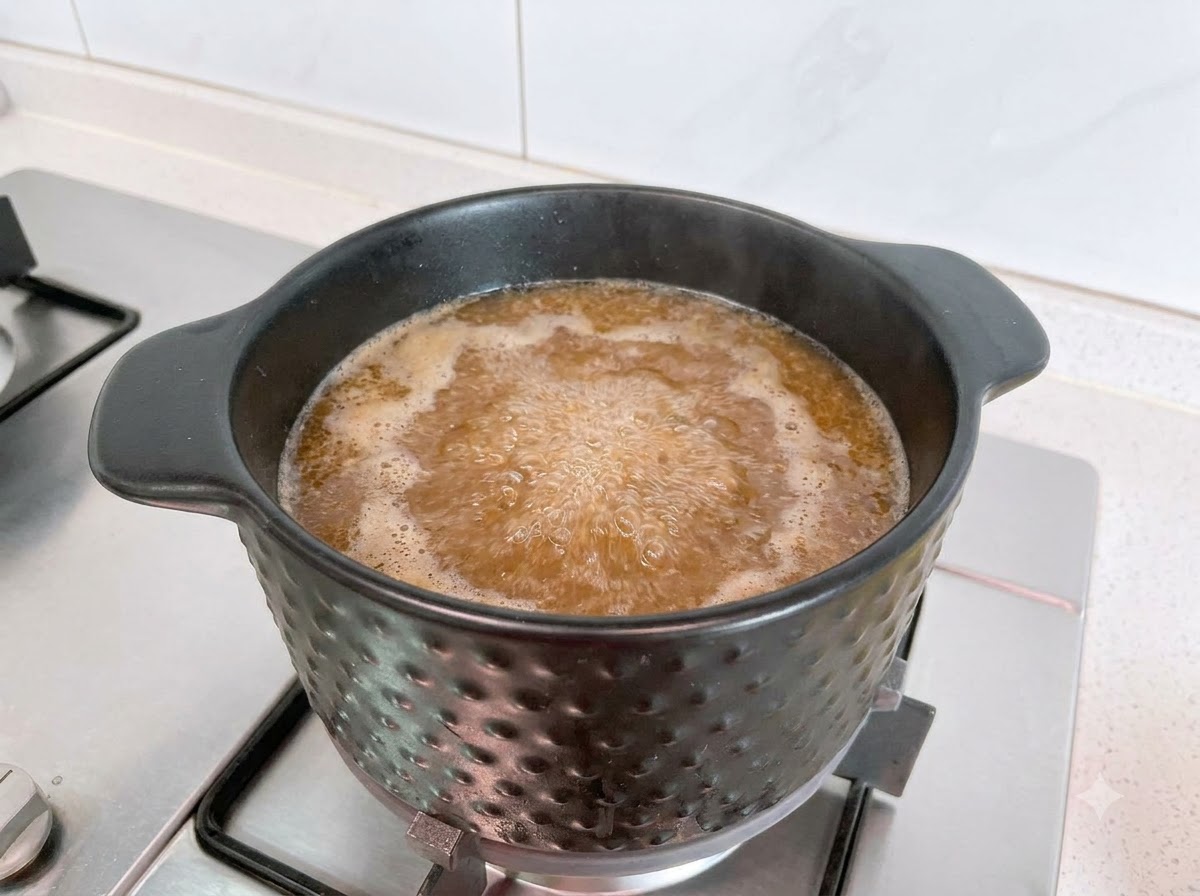
Cover the pot with the lid and bring the soup to a boil again. Add raw pork pieces into the boiling soybean paste soup and cook until they change color, skimming off any foam that rises to the surface.
Tip: Skim off the foam promptly after adding the meat to keep the soup clean and clear. - 3Add mushrooms and aromatics
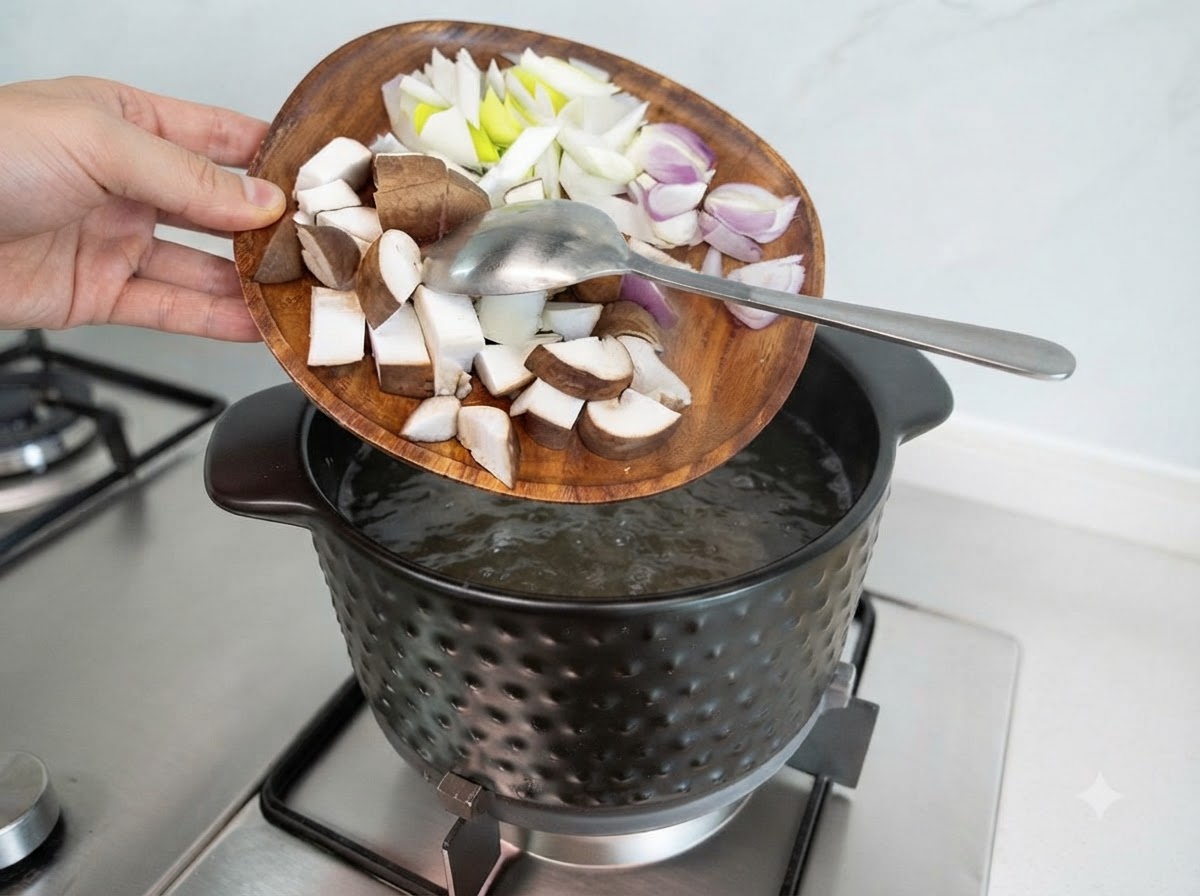
First, add diced shiitake mushrooms, onion, and scallion into the boiling soup pot to build the foundational flavor profile of the stew.
Tip: Cut the mushrooms and aromatics into uniform sizes so they cook evenly. - 4Add potatoes and zucchini
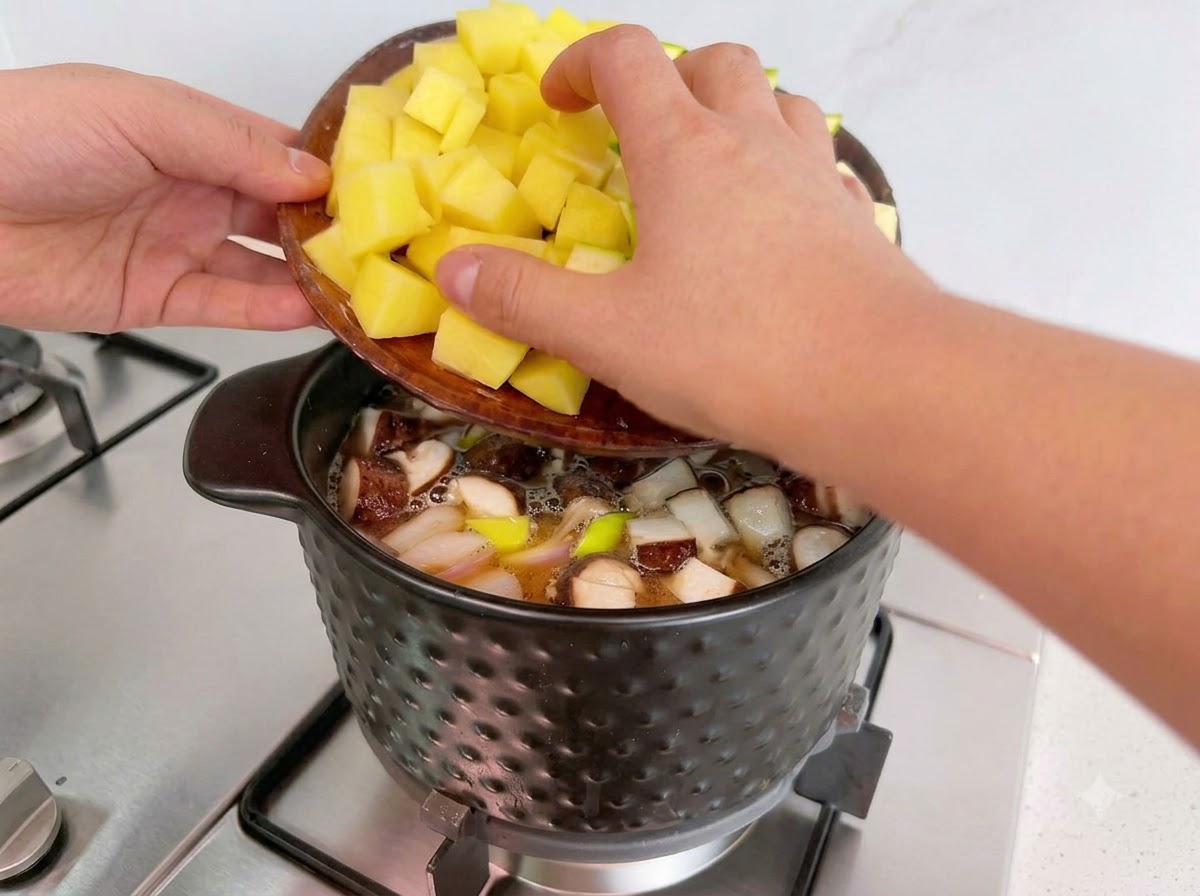
Next, add chopped potatoes and zucchini into the pot with the other ingredients, and cook for about 5 minutes to allow them to soften.
Tip: Cut potatoes into bite-sized cubes so they cook through within the 5-minute window. - 5Add tofu
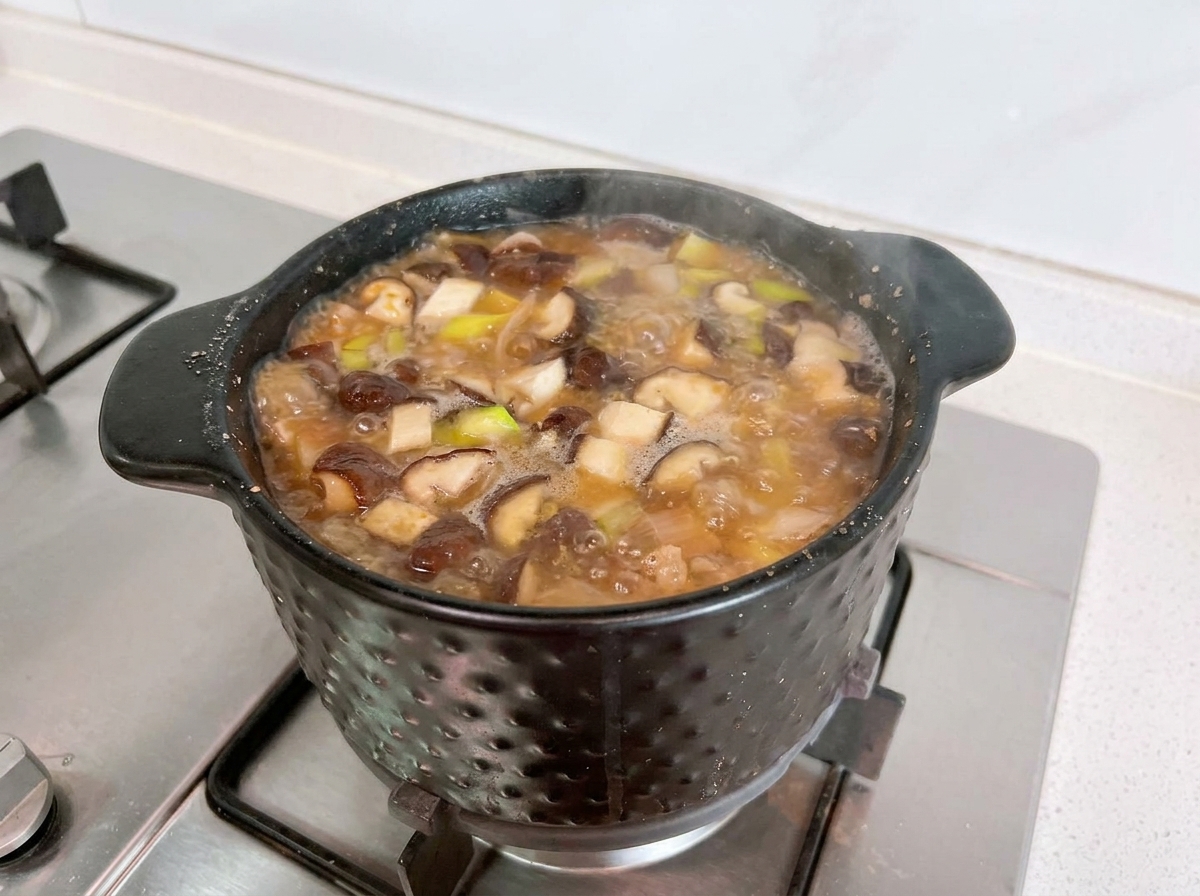
Next, add cubed white tofu into the simmering soup and cook for about 10 minutes to let it absorb the rich flavors of the broth.
Tip: Add the tofu gently to prevent the soft cubes from breaking apart in the bubbling liquid. - 6Season and simmer
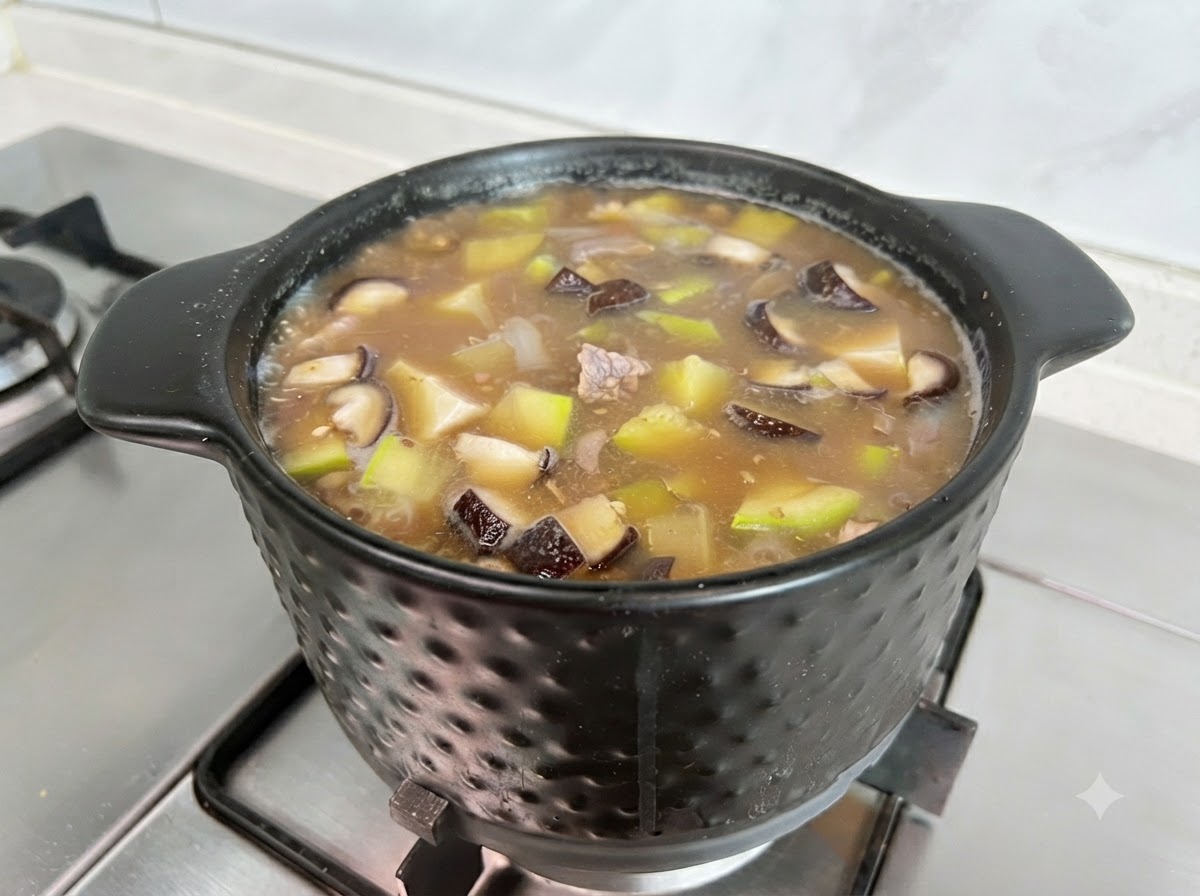
Season the stew with an appropriate amount of beef powder and salt using a white spoon according to your personal taste. Simmer over low heat for a short while until all ingredients are fully cooked through and flavorful.
Tip: Adjust the salt level gradually, keeping in mind that the soybean paste already adds a salty depth.


