Premium Steak Donburi
Savory Onion Glaze (Yakiniku Don)
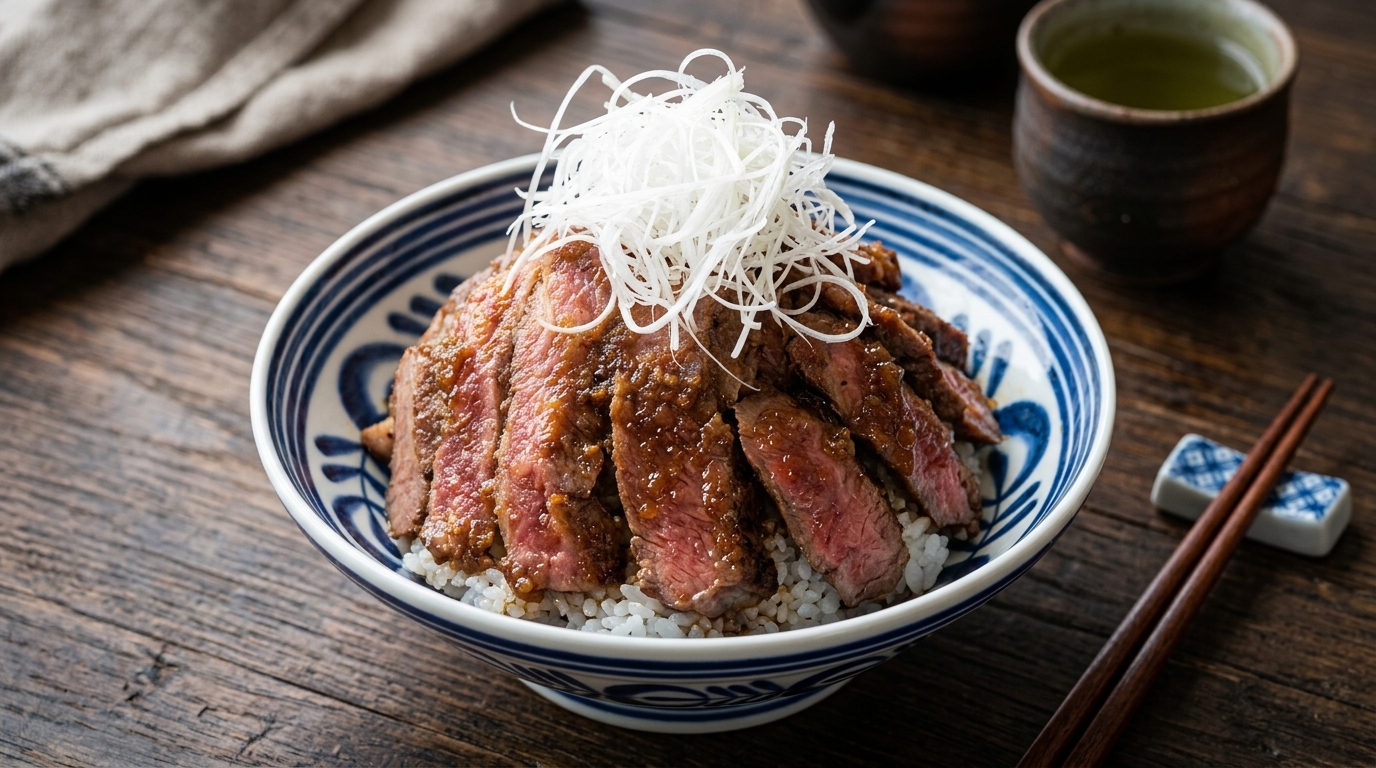
Tender medium-rare steak slices served over fluffy rice, topped with a rich, caramelized onion and ginger glaze. A restaurant-quality Japanese classic.
Steak Donburi or Yakiniku Don is the ultimate Japanese comfort bowl for meat lovers. While traditional yakiniku often uses thin strips of grilled meat, this version elevates the dish using a whole seared steak finished in a thick and aromatic onion pulp sauce. The secret lies in the shogayaki style base of grated onion and garlic and ginger which creates a deep savory umami that perfectly complements the rich marbled beef.
Ingredients
- 1 whole white onion
- 2 cloves garlic
- 15 g fresh ginger
- 300 g marbled beef steak
- 1 tsp salt
- 0.5 tsp ground black pepper
- 2 tbsp cooking wine
- 2 tbsp mirin
- 3 tbsp soy sauce
- 1 tbsp sugar
- 1 tbsp cooking oil
- 250 g steamed white rice
- optional white leeks
Instructions
- 1Grate the white onion
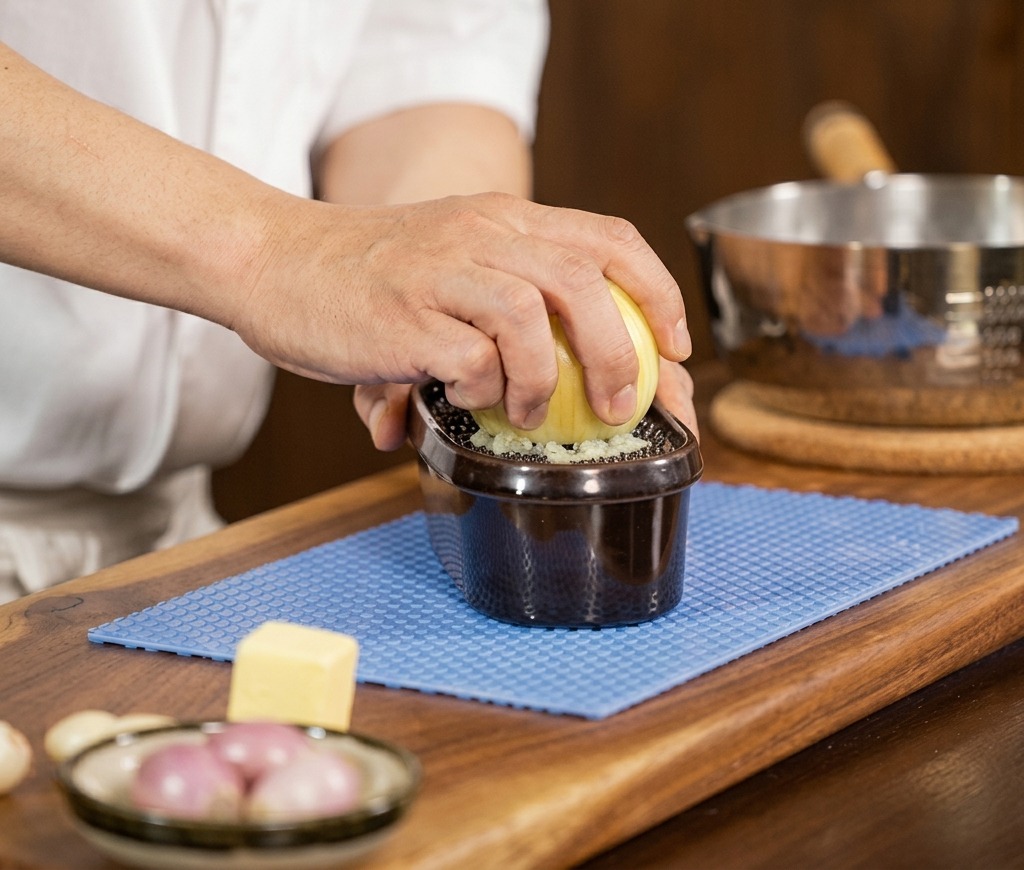
Grate a whole white onion into a fine, juicy pulp using a handheld grater. This pulp forms the flavorful and textural base of the savory steak sauce, ensuring a thick and rich consistency.
Tip: Leave the root end of the onion intact while grating to give you a better grip and keep your fingers away from the sharp blades. - 2Prepare the garlic paste
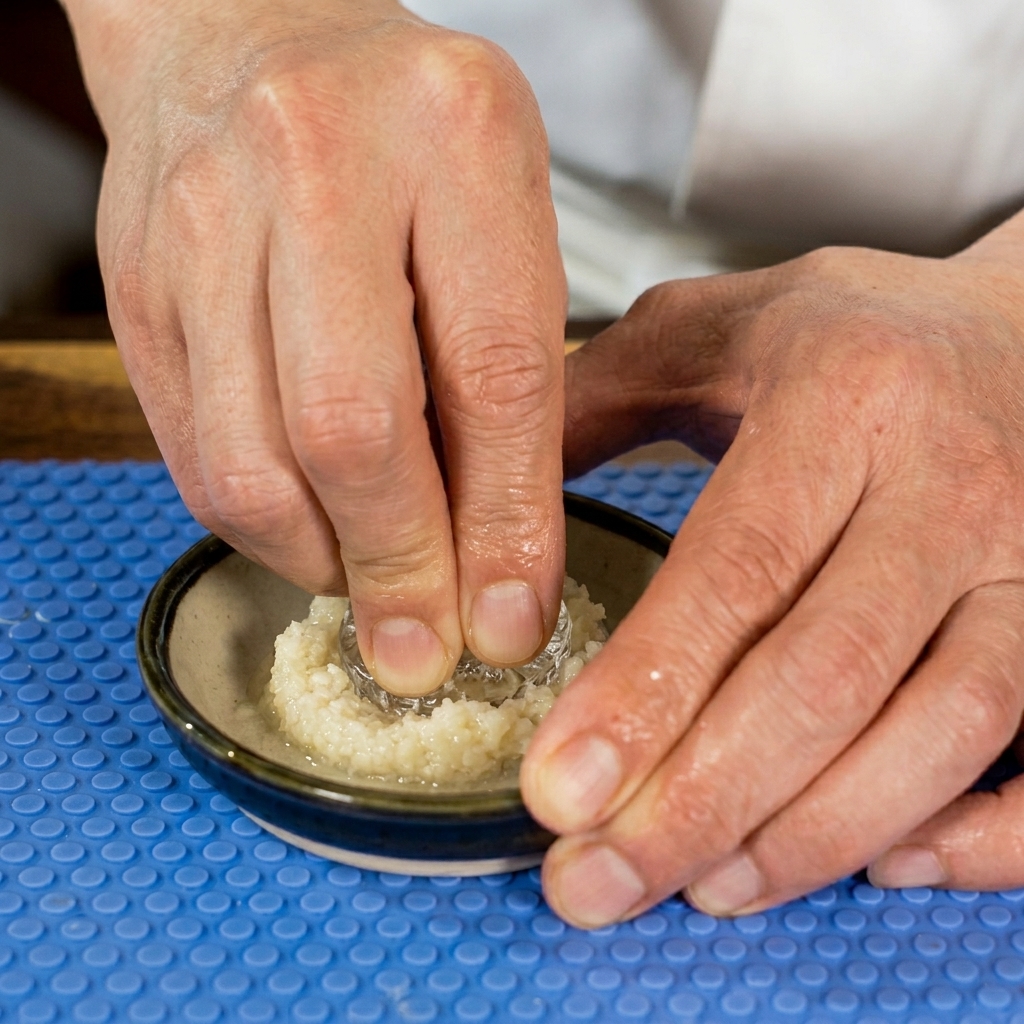
Process the garlic cloves on a ceramic grater plate until they reach a smooth, paste-like consistency. Grating the garlic releases more of its natural oils compared to mincing, resulting in a more intense aroma.
Tip: If the garlic cloves are very small, you can use a fork to hold them against the grater to protect your fingertips. - 3Grate the fresh ginger
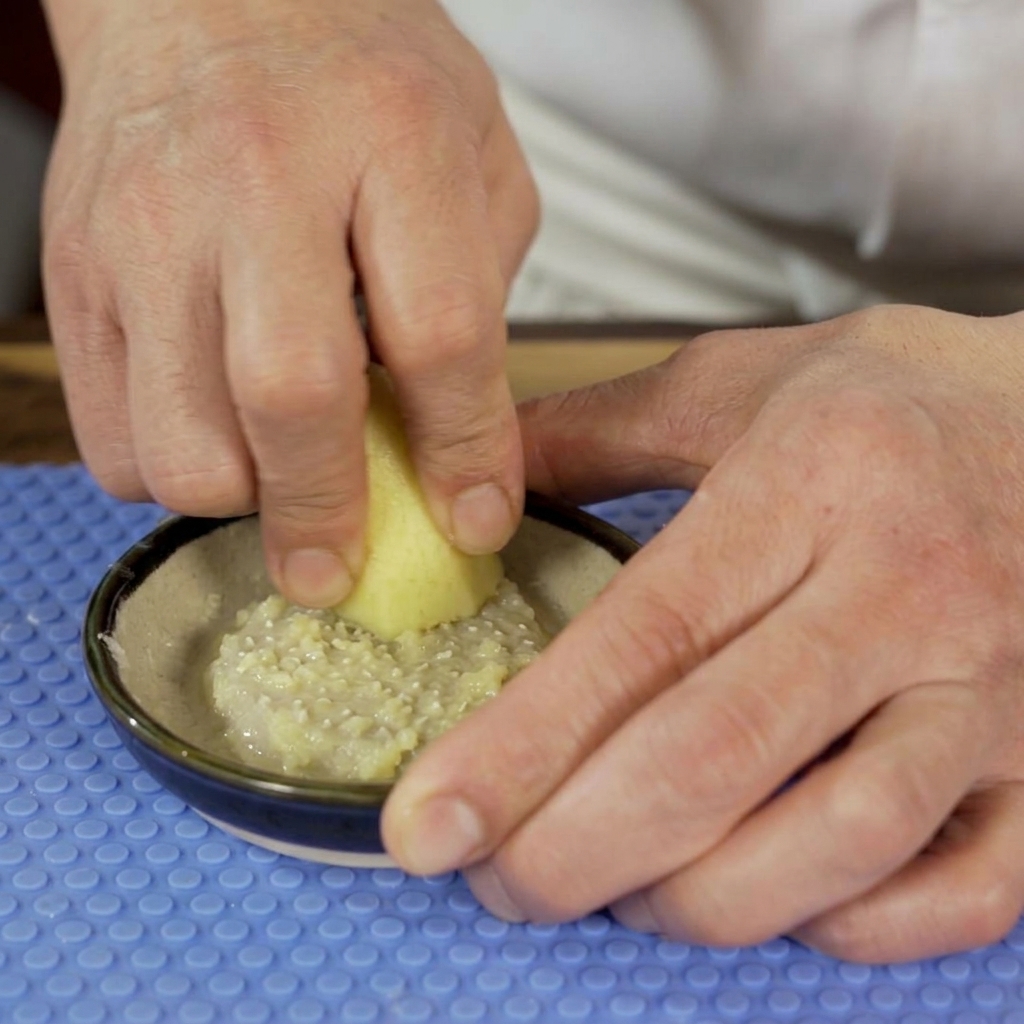
Grate a piece of fresh ginger into a fine pulp using a traditional ceramic grater. This ginger pulp will provide a sharp, aromatic zing to the steak sauce, perfectly balancing the richness of the beef.
Tip: A ceramic grater is ideal for ginger as it creates a smooth paste without the fibrous strings often left by metal graters. - 4Season the beef steak
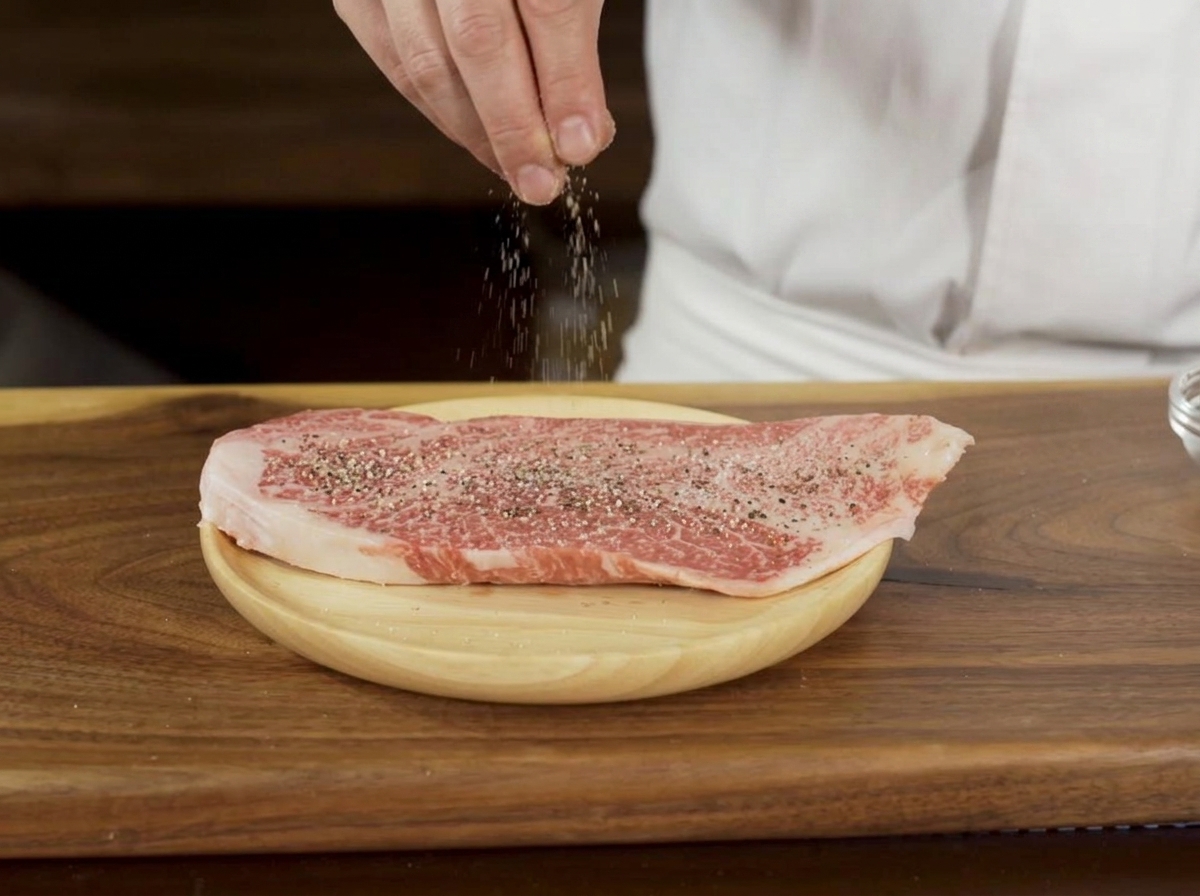
Take the well-marbled beef steak and season both sides generously with salt and ground black pepper. This simple seasoning is crucial for enhancing the natural, rich flavors of the premium beef during the searing process.
Tip: Pat the steak dry with a paper towel before seasoning to ensure a better crust develops when it hits the hot pan. - 5Combine the sauce ingredients
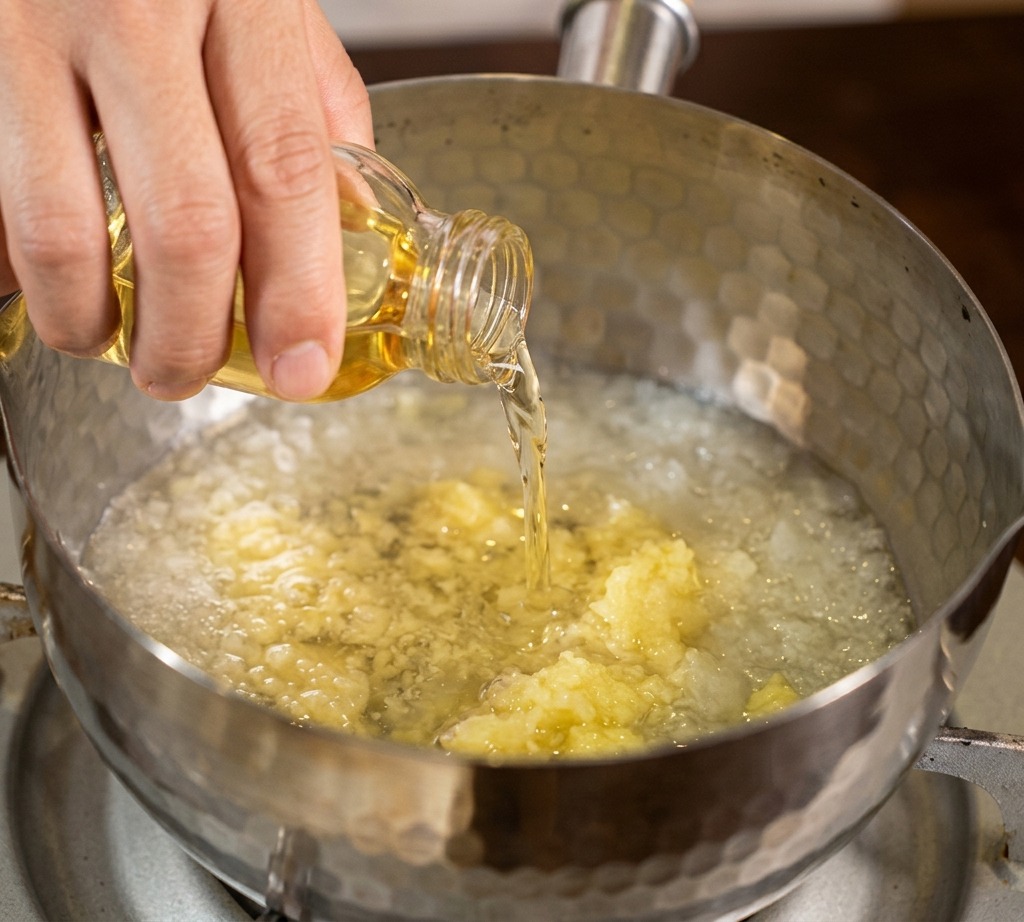
Add the mirin to the pot along with the cooking wine, soy sauce, sugar, and the grated onion, garlic, and ginger pulps. The mirin introduces a gentle sweetness and a beautiful glossy finish to the final glaze.
Tip: If you dont have mirin, a splash of dry white wine or sherry with a pinch of extra sugar can work as a substitute. - 6Simmer and thicken the sauce
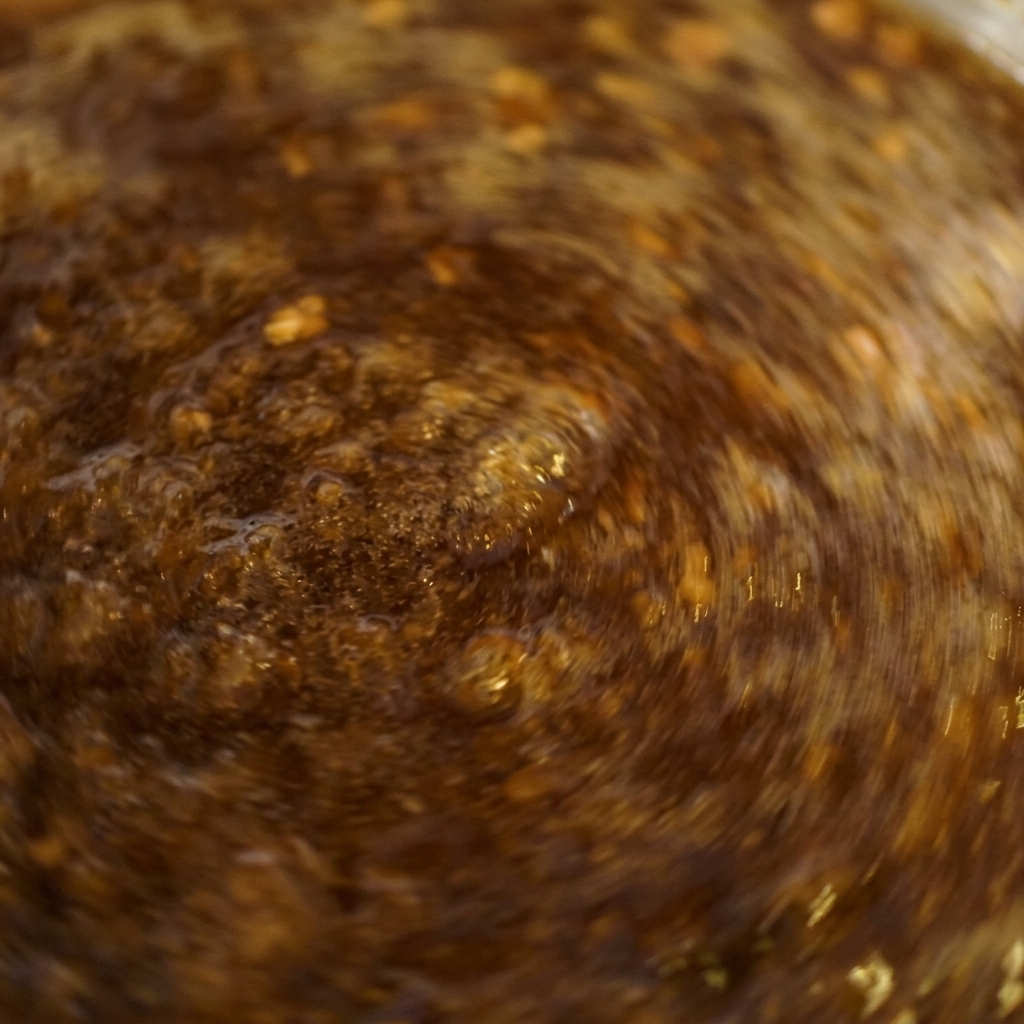
Bring the sauce mixture to a rolling boil over medium heat, stirring constantly. Allow the liquid to bubble so the flavors of the aromatics and seasonings can fully meld into a cohesive, savory glaze.
Tip: Keep the sauce at a steady boil for a minute or two; this helps cook off the harshness of the raw onion and garlic. - 7Sear the steak
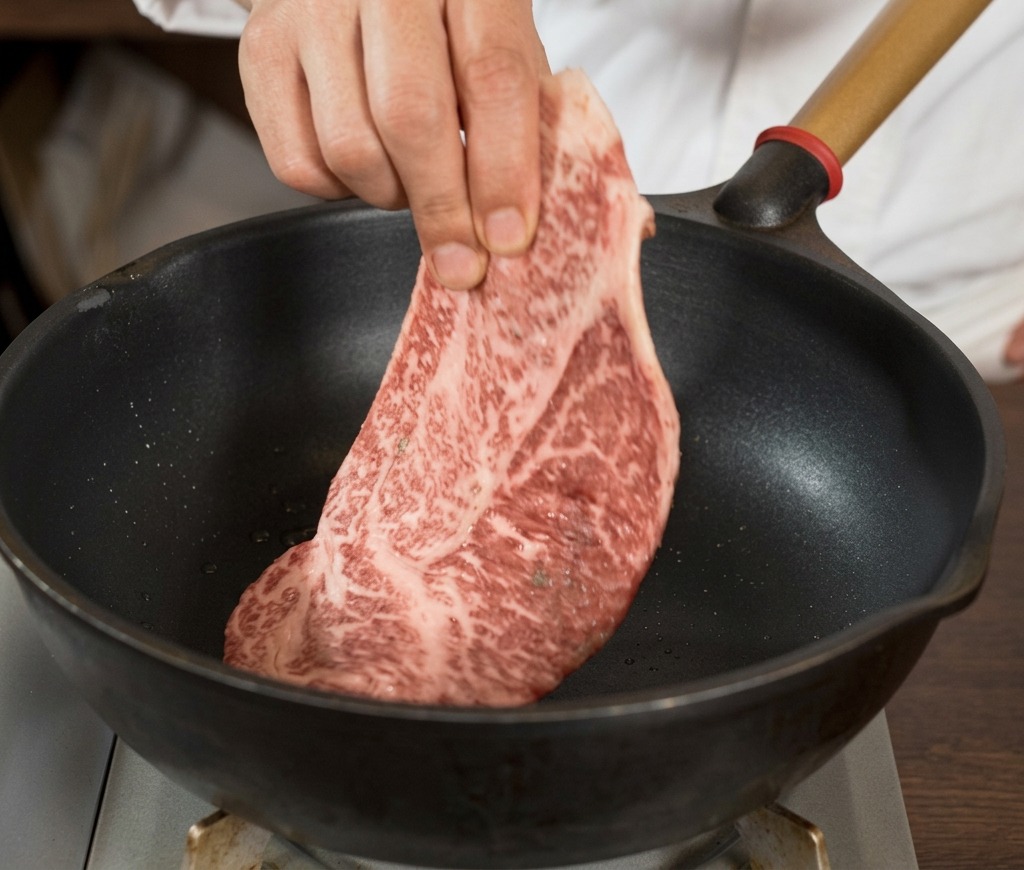
Heat a small amount of oil in a pan over high heat until it begins to shimmer. Carefully place the seasoned beef steak into the hot pan to begin the searing process, which will lock in the juices and create a flavorful crust.
Tip: Ensure the pan is very hot before adding the meat; a cold pan will cause the steak to steam rather than sear. - 8Develop a rich crust
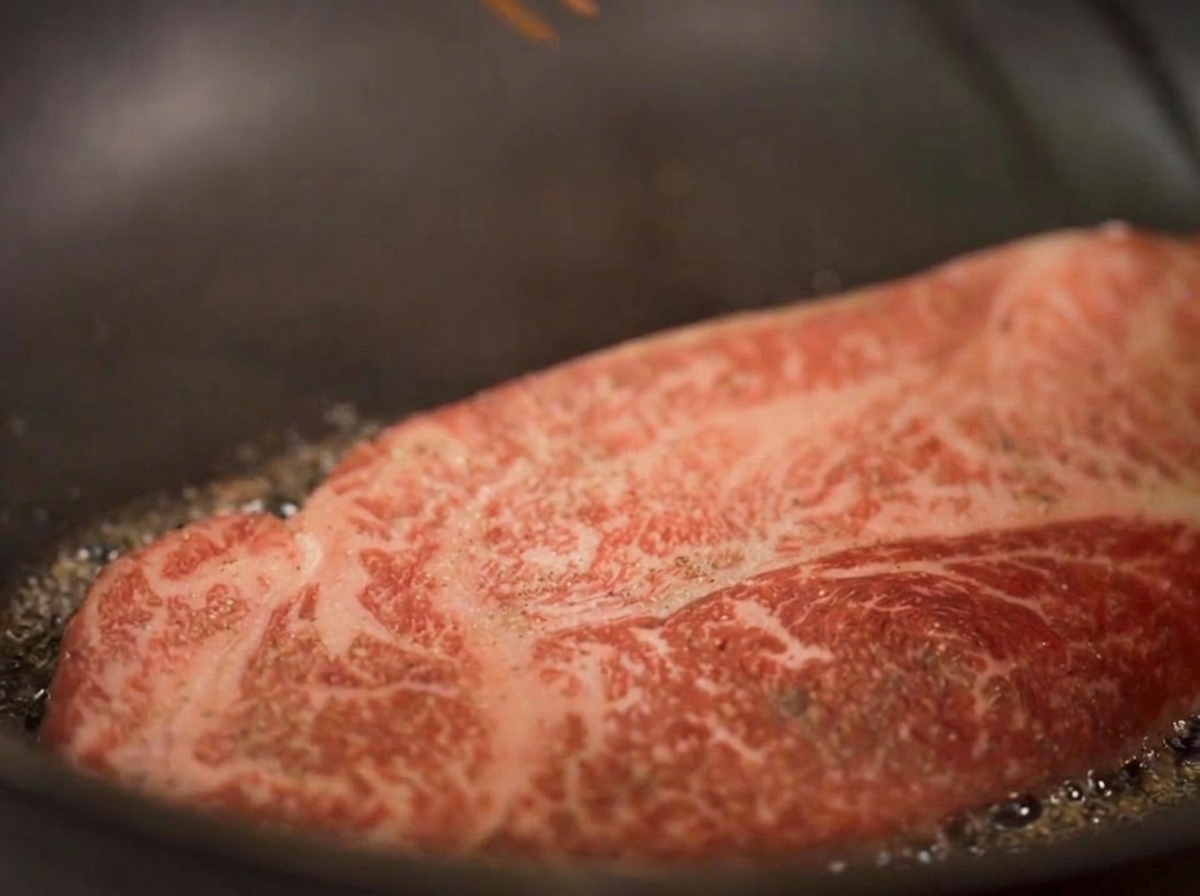
Allow the steak to sear undisturbed for about one minute. You should see the edges turning opaque and brown as the bottom develops a deep crust, while the top remains raw and seasoned with salt and pepper.
Tip: Dont move the steak once it hits the pan; leaving it still allows for the best possible Maillard reaction and crust formation. - 9Flip to finish
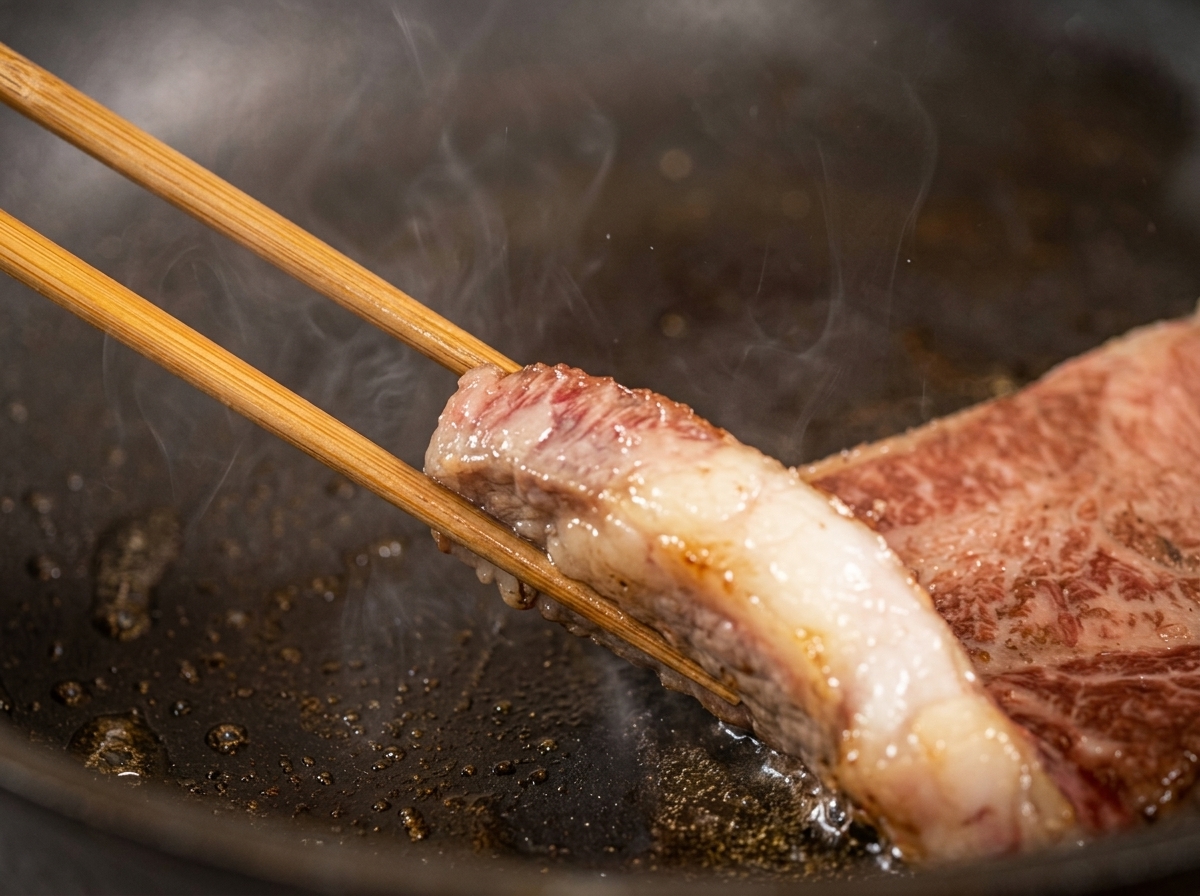
Once the first side has developed a dark, caramelized crust, use chopsticks or tongs to flip the steak over. Continue to sear the other side for another minute to achieve a perfect medium-rare internal temperature.
Tip: If the steak has a thick fat cap on the side, use your tongs to hold it upright and sear that fat for 30 seconds to render it. - 10Add the onion sauce
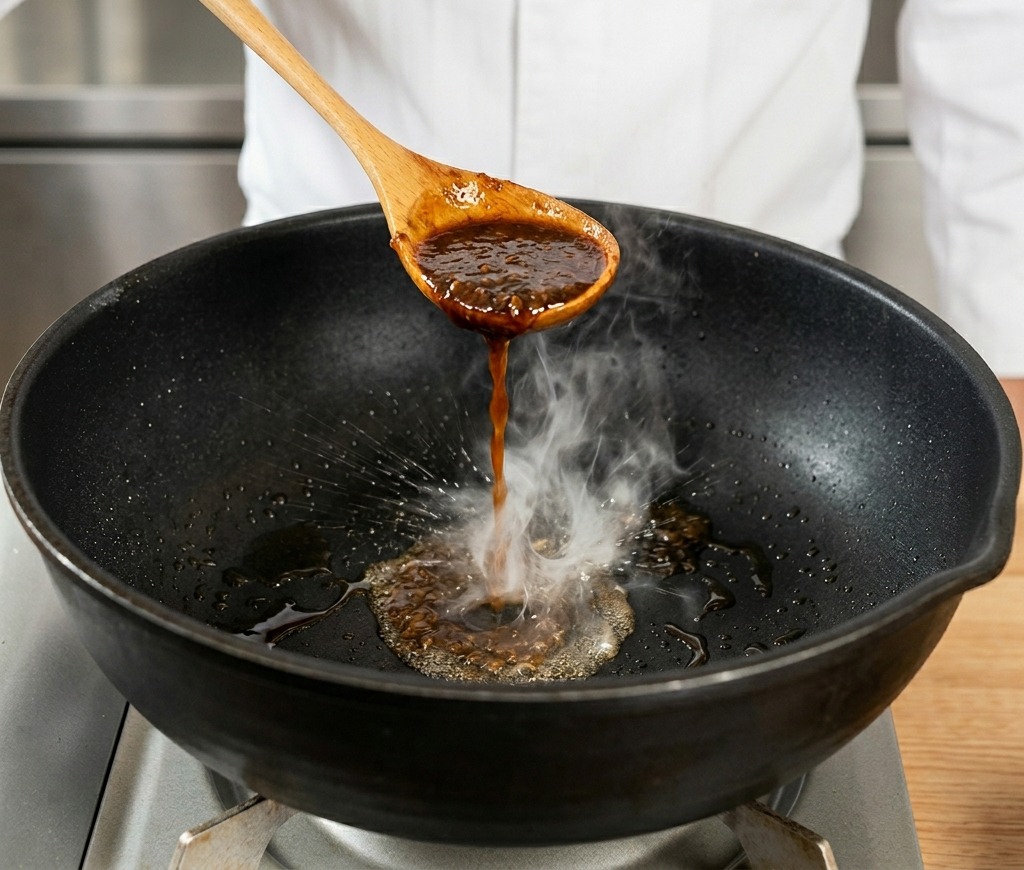
Pour the prepared mixture of grated onion, garlic, ginger, soy sauce, and mirin directly over the steak in the pan. The sauce will sizzle and bubble immediately as it hits the hot surface and combines with the rendered beef fat.
Tip: Pouring the sauce over the meat helps it absorb the flavors while the liquid reduces into a thick, glossy glaze. - 11Baste with the glaze
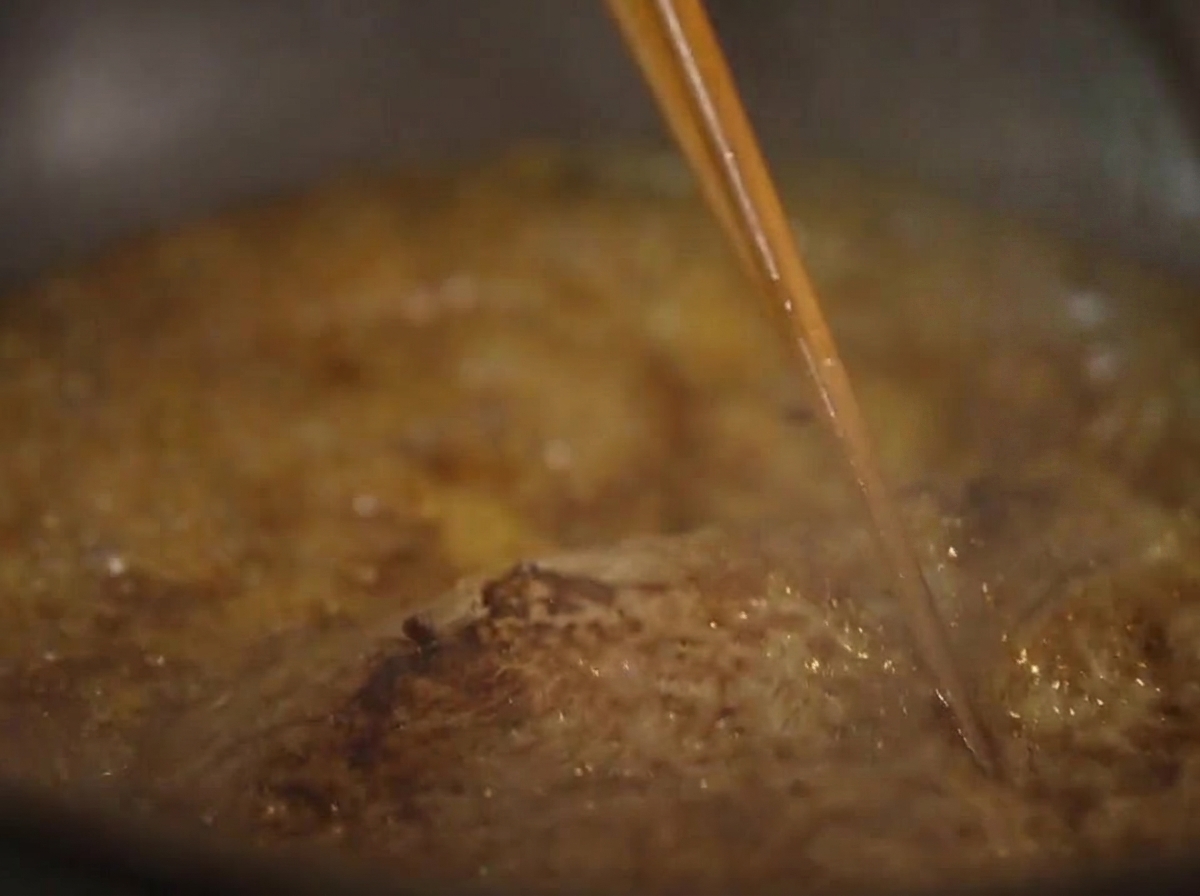
As the sauce reduces and thickens into a glaze, use your utensils to baste the steak repeatedly. This ensures the meat is fully coated in the savory onion and ginger flavors before you remove it from the heat to rest.
Tip: Lower the heat slightly during this stage to prevent the sugars in the mirin and soy sauce from burning as the liquid evaporates. - 12Slice the steak thinly
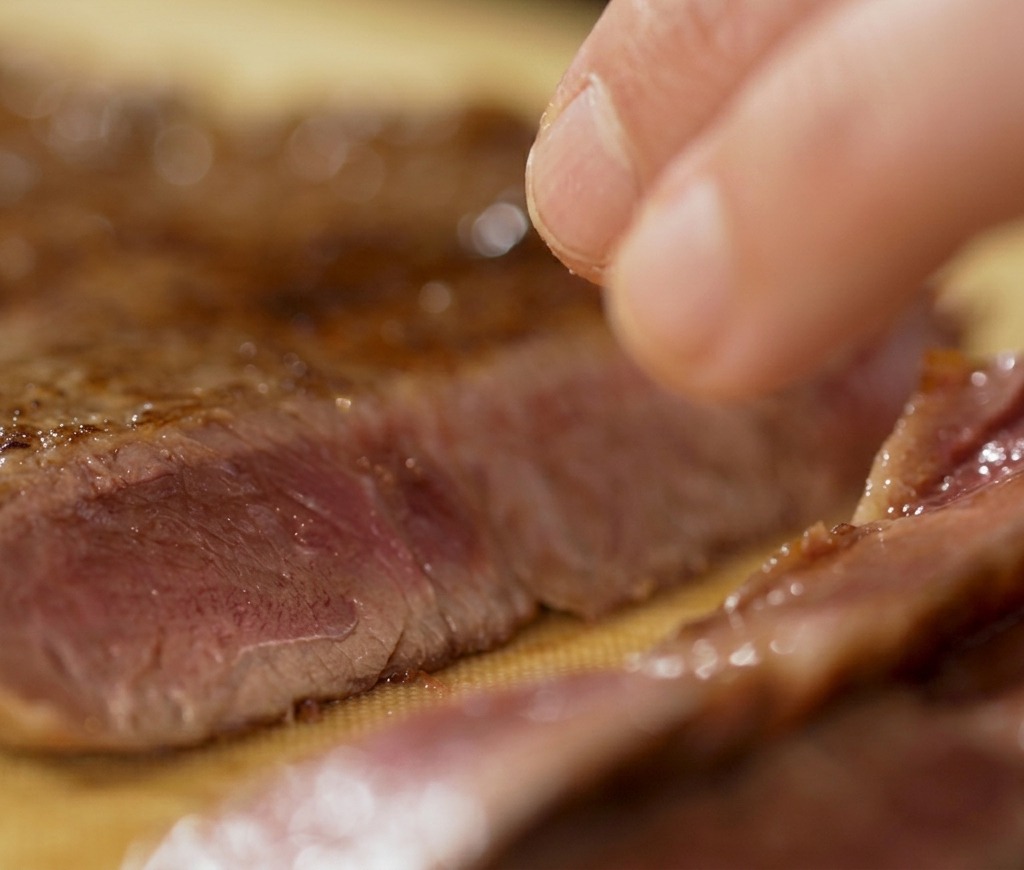
Once the steak has rested for a few minutes, use a sharp knife to slice it against the grain into thin, uniform strips. Aim for a beautiful medium-rare finish where the center remains pink and tender. Slicing against the grain ensures each bite is easy to chew and melts in your mouth.
Tip: Always let your steak rest before slicing. This allows the juices to redistribute so they dont pour out onto the board, keeping the meat succulent. - 13Assemble the beef over rice
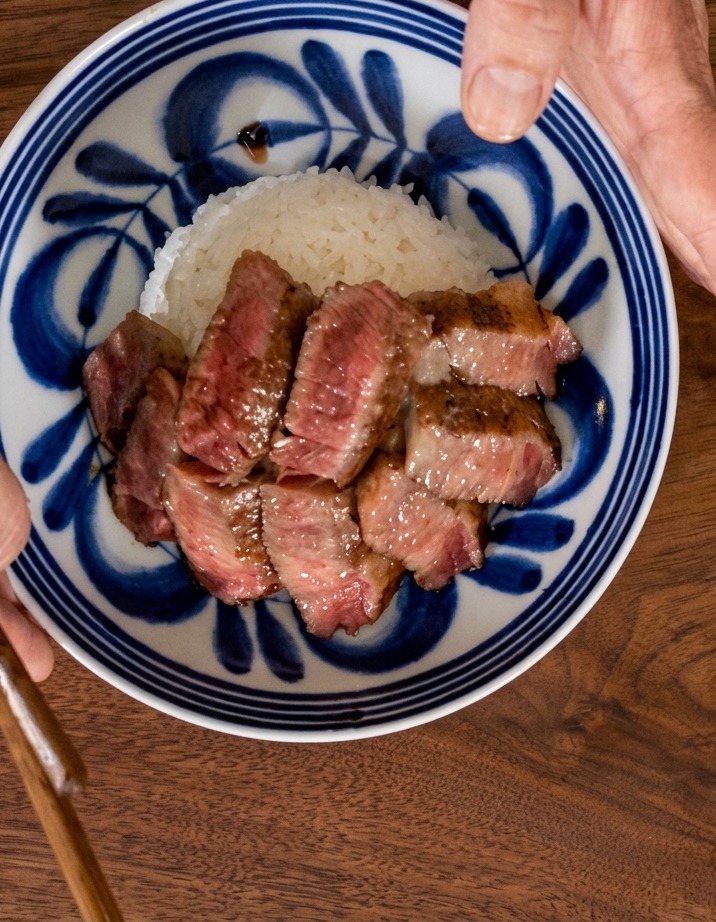
Fill a serving bowl with a generous portion of warm, steamed white rice. Carefully arrange the steak slices on top of the rice in a radial, overlapping pattern. This classic Japanese presentation makes the dish look as good as it tastes while ensuring every bite has a piece of meat.
Tip: Use a shallow bowl for better visibility of the radial pattern, which makes the portion appear more substantial and professional. - 14Glaze with onion sauce
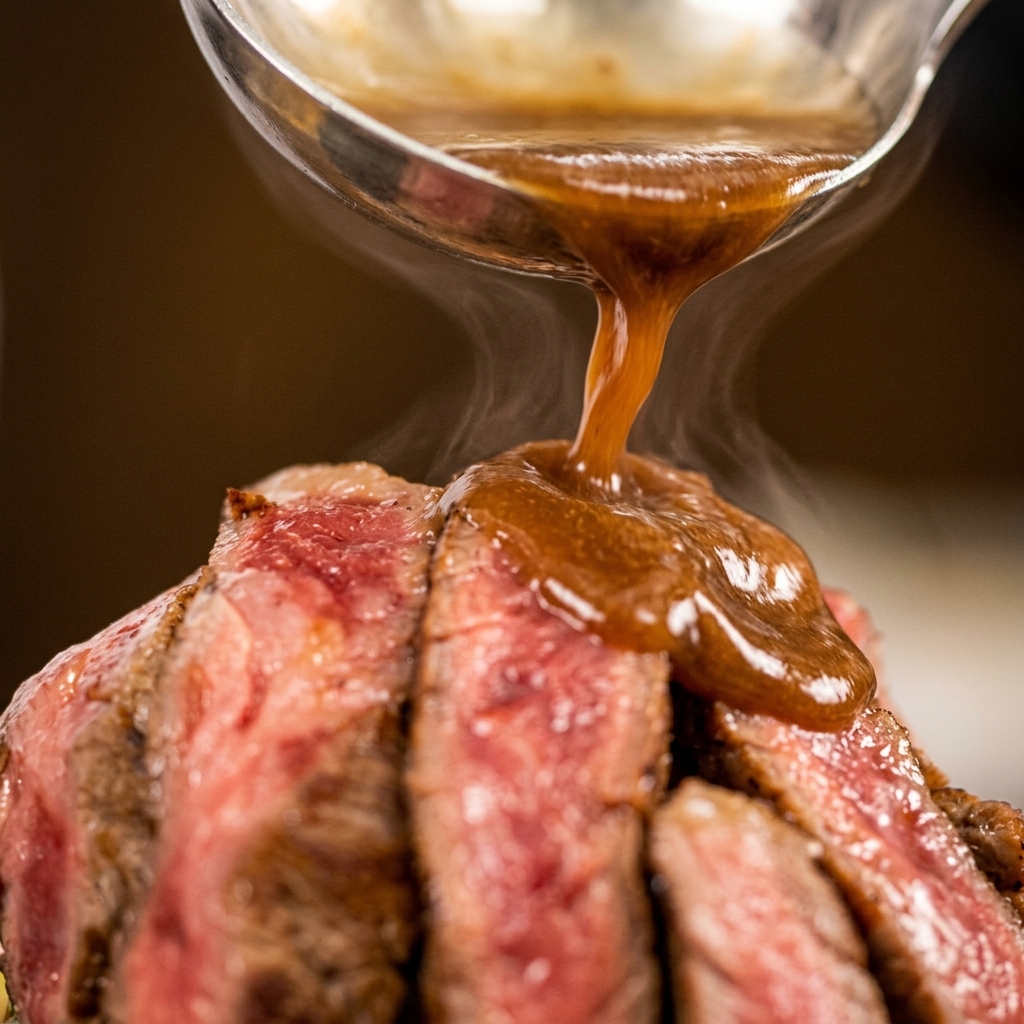
Take the savory onion and ginger sauce remaining in the pan and use a ladle to drizzle it evenly over the arranged steak slices. The thick glaze will coat the meat and seep into the rice below, infusing the entire bowl with rich, aromatic flavors.
Tip: If the sauce has thickened too much, add a tiny splash of water or mirin and reheat it briefly before pouring to achieve the perfect drizzling consistency. - 15Garnish and serve
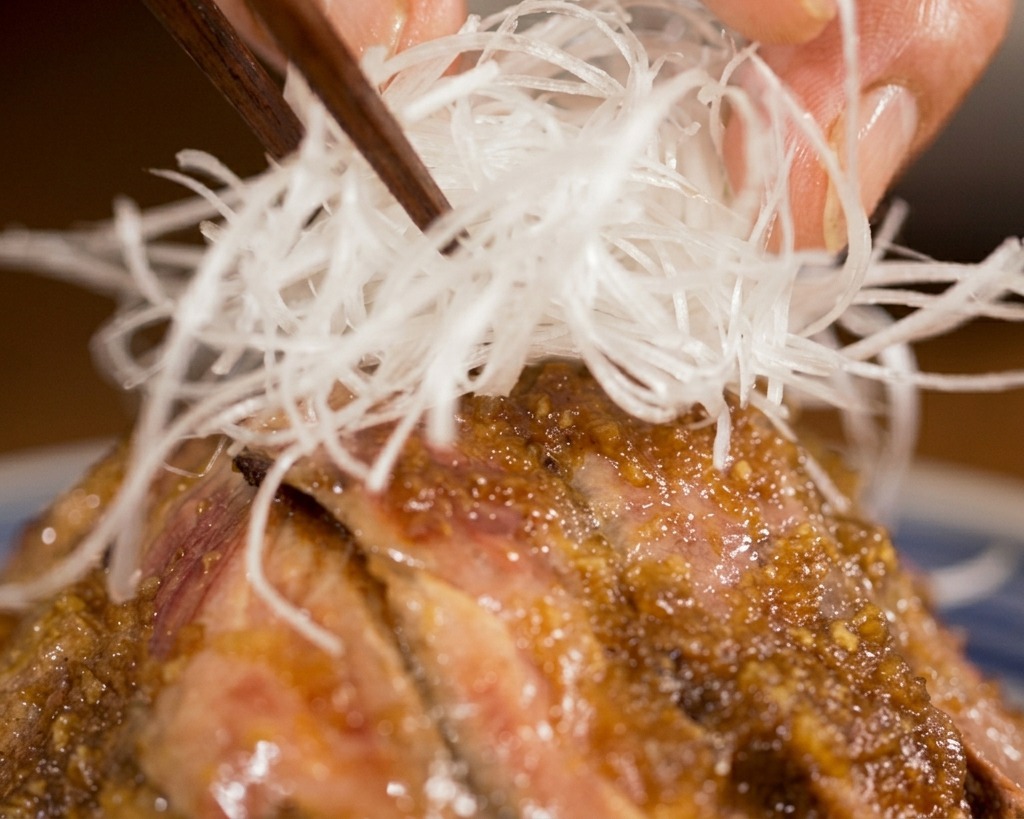
Complete the dish by placing a delicate nest of finely shredded white leeks in the very center of the steak strips. This garnish adds a bright, crisp texture and a mild onion bite that balances the richness of the beef and the sweetness of the sauce.
Tip: Shred the white part of the leek as thinly as possible and soak it in ice-cold water for five minutes to make the strands curl and stay crisp.