Crispy Baked Katsudon (Japanese Pork Cutlet
Egg Rice Bowl)
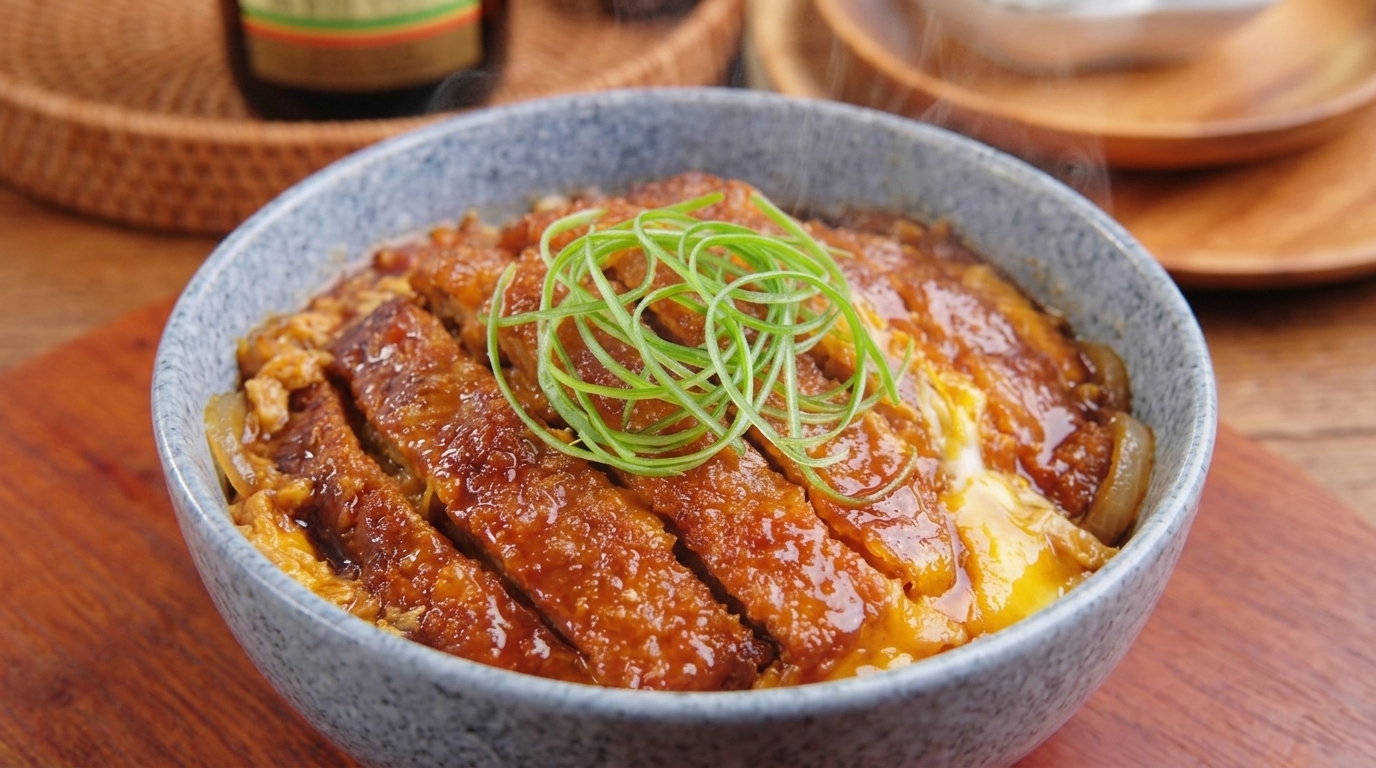
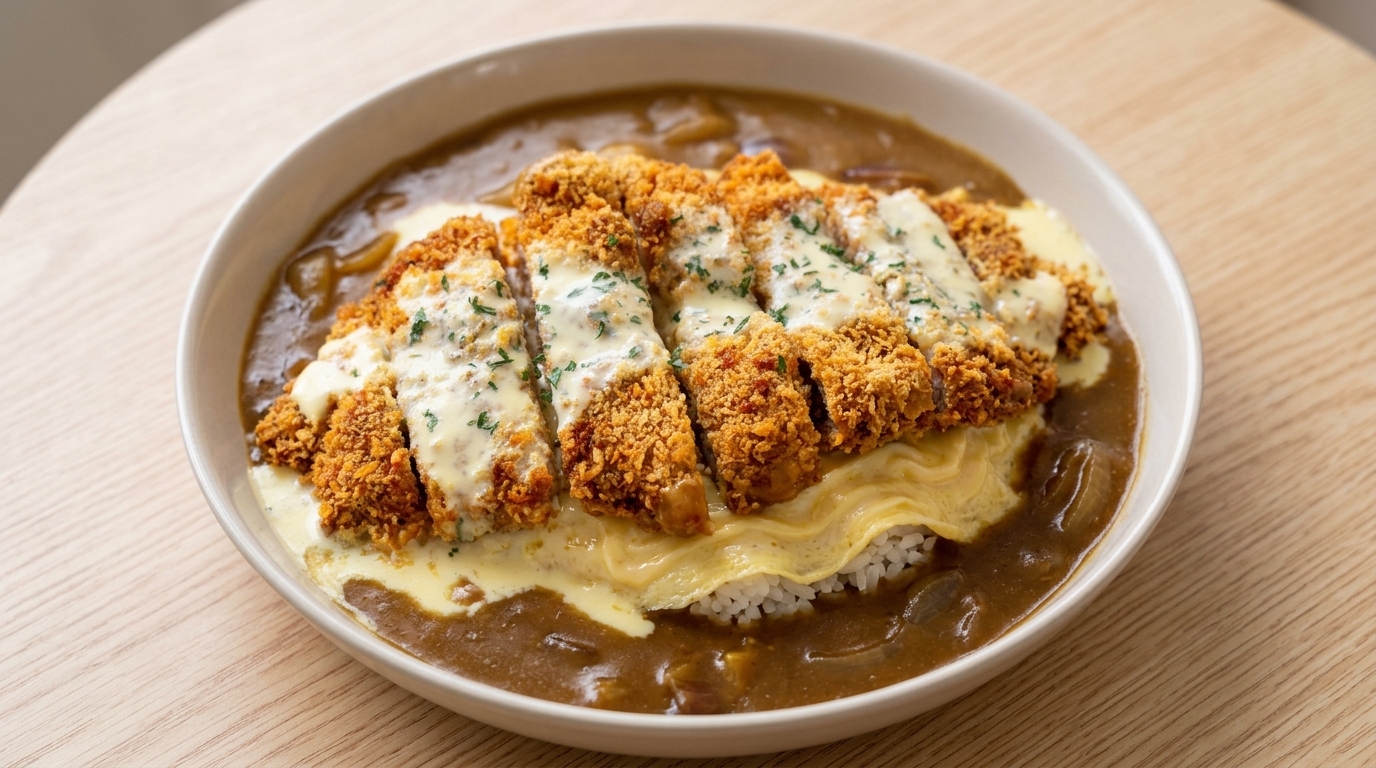
Experience the ultimate Japanese comfort food with this healthier baked katsudon—featuring a crunchy golden pork collar steak simmered in a sweet-savory sauce with silky eggs.
Katsudon is a beloved Japanese staple, traditionally served to students and athletes for victory due to its name. This version utilizes pork plum blossom steak collar for its superior marbling and replaces deep-frying with a high-heat oven bake to achieve a perfect crunch with less oil.
Ingredients
- 200 g pork plum blossom steak (collar)
- 2 large eggs
- 12 cup all-purpose flour
- 1 cup panko breadcrumbs
- 12 red onion, sliced
- 2 tbsp light soy sauce
- 1 tbsp mirin
- 1 tbsp sugar
- 12 cup water
- 1 bowl steamed white rice
- to taste salt and black pepper
- optional toasted white sesame seeds
- optional chopped green onions
Instructions
- 1Trim the pork steak
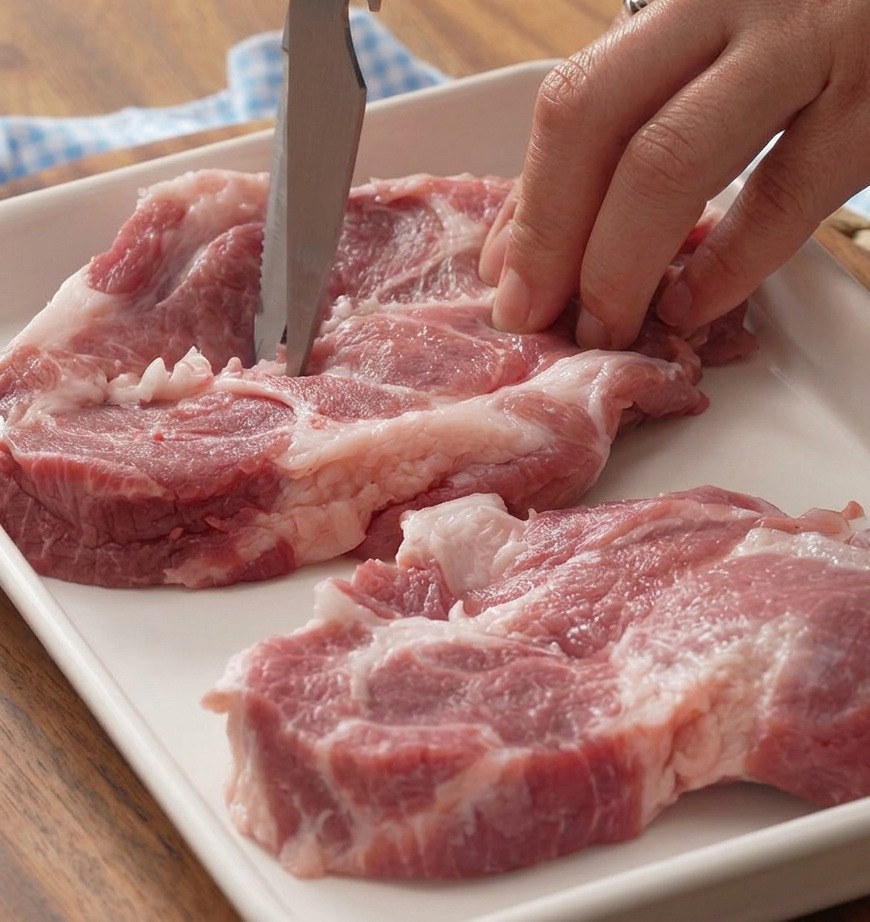
Begin by preparing your pork plum blossom steaks. Use kitchen shears or a sharp knife to carefully trim away any tough connective tissue and tendons. This prevents the meat from curling up during the cooking process and ensures every bite is tender and easy to eat.
Tip: After trimming, use the back of a knife to lightly pound and flatten the meat. This tenderizes it further and helps the marinade penetrate deeper. - 2Tenderize the pork
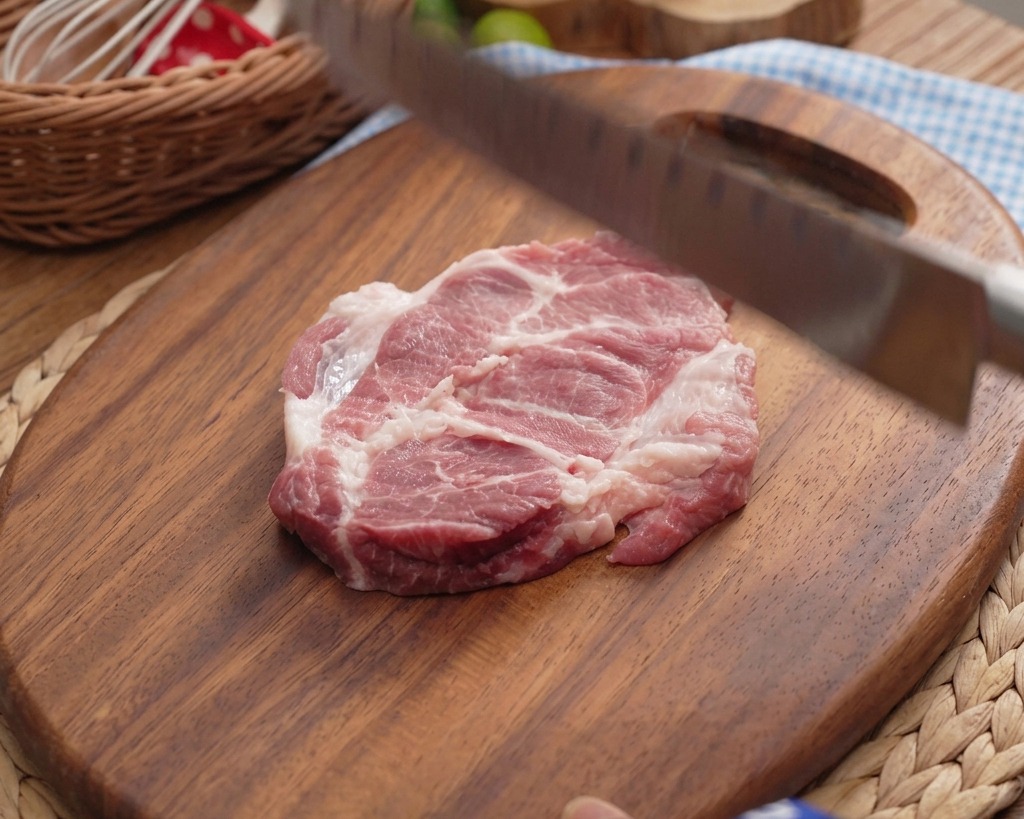
Lay the pork steak on a wooden cutting board and use the back of a heavy chefs knife to pound the meat thoroughly. This process breaks down the tough muscle fibers and connective tissue, ensuring the cutlet stays tender and doesnt curl up when exposed to high heat.
Tip: Avoid using the sharp edge of the knife; the goal is to flatten and tenderize the meat without cutting all the way through. - 3Season and marinate
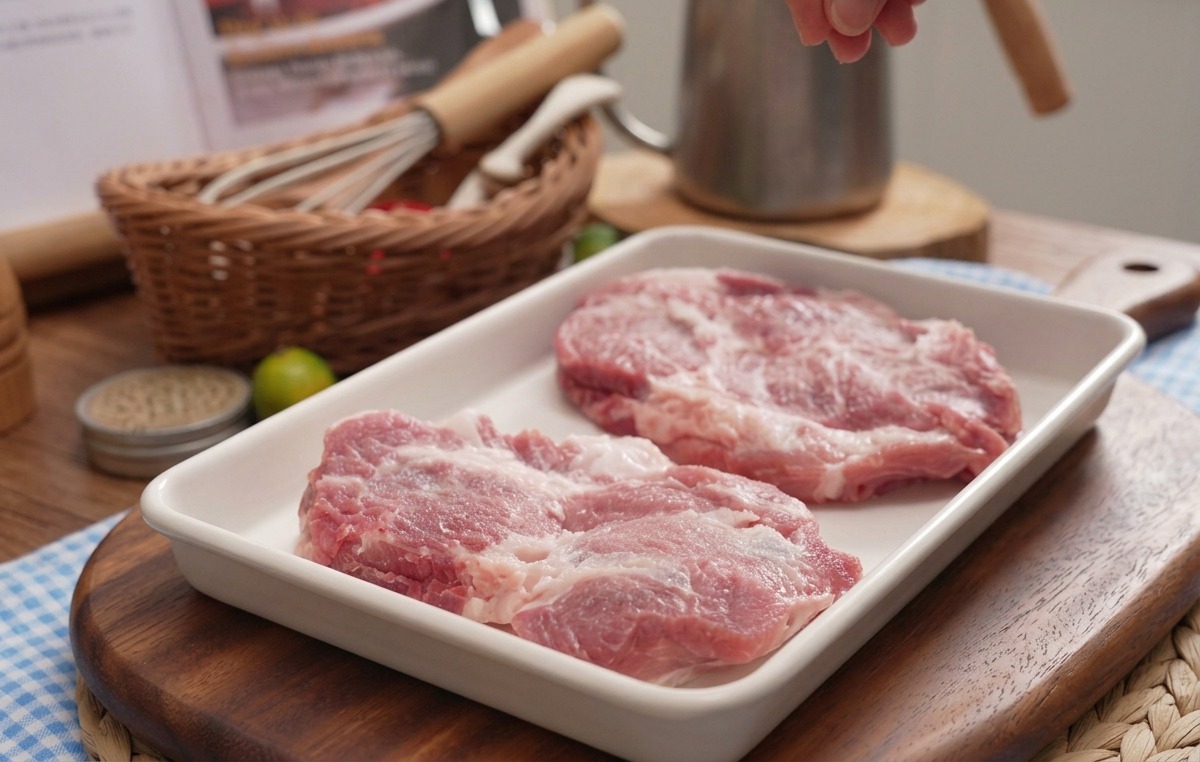
Place the tenderized pork steaks in a tray and season both sides generously with salt and freshly ground black pepper. Massage the seasoning into the meat and let it marinate for about 30 minutes to ensure the flavor penetrates deep into the steak.
Tip: Freshly ground black pepper provides a much more vibrant aroma than pre-ground pepper. - 4Prepare the egg wash
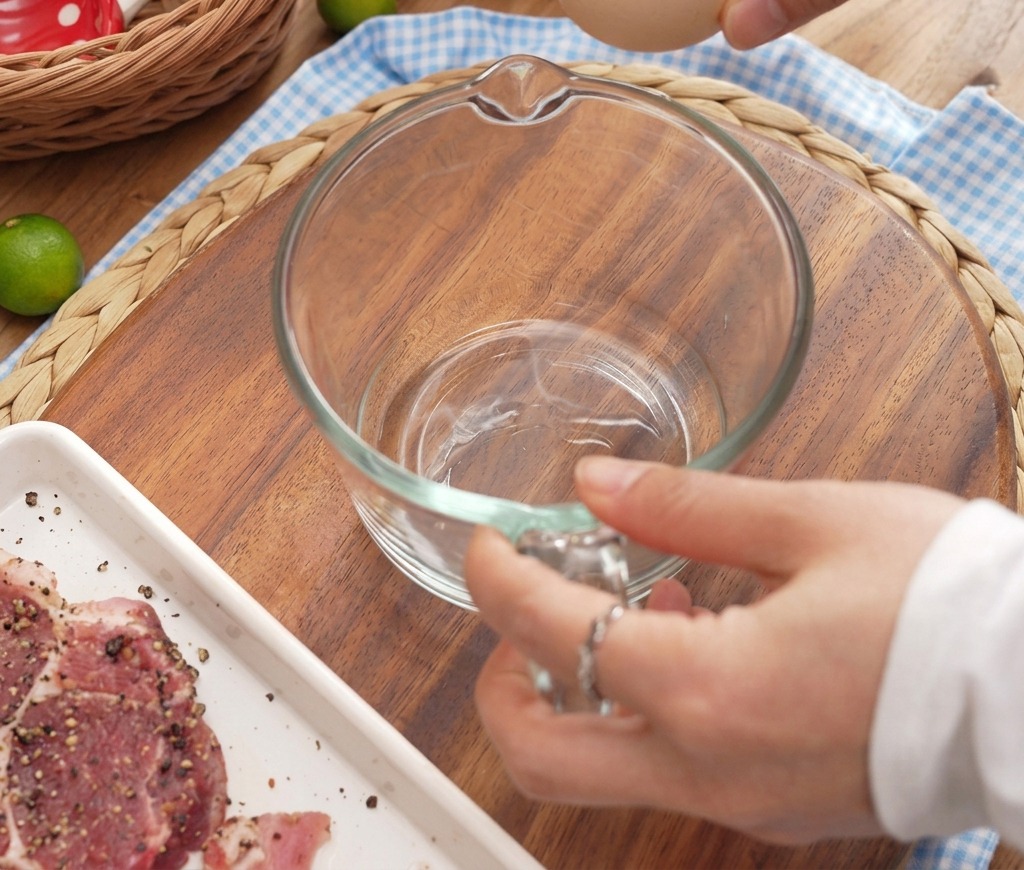
Crack two fresh eggs into a glass measuring cup or small bowl. Use a whisk or fork to beat them until the yolks and whites are fully incorporated, creating a smooth and uniform liquid that will serve as the binder for the breading.
Tip: Make sure the eggs are well-beaten so there are no stringy bits of egg white, which helps the coating stay even. - 5Apply the flour coating
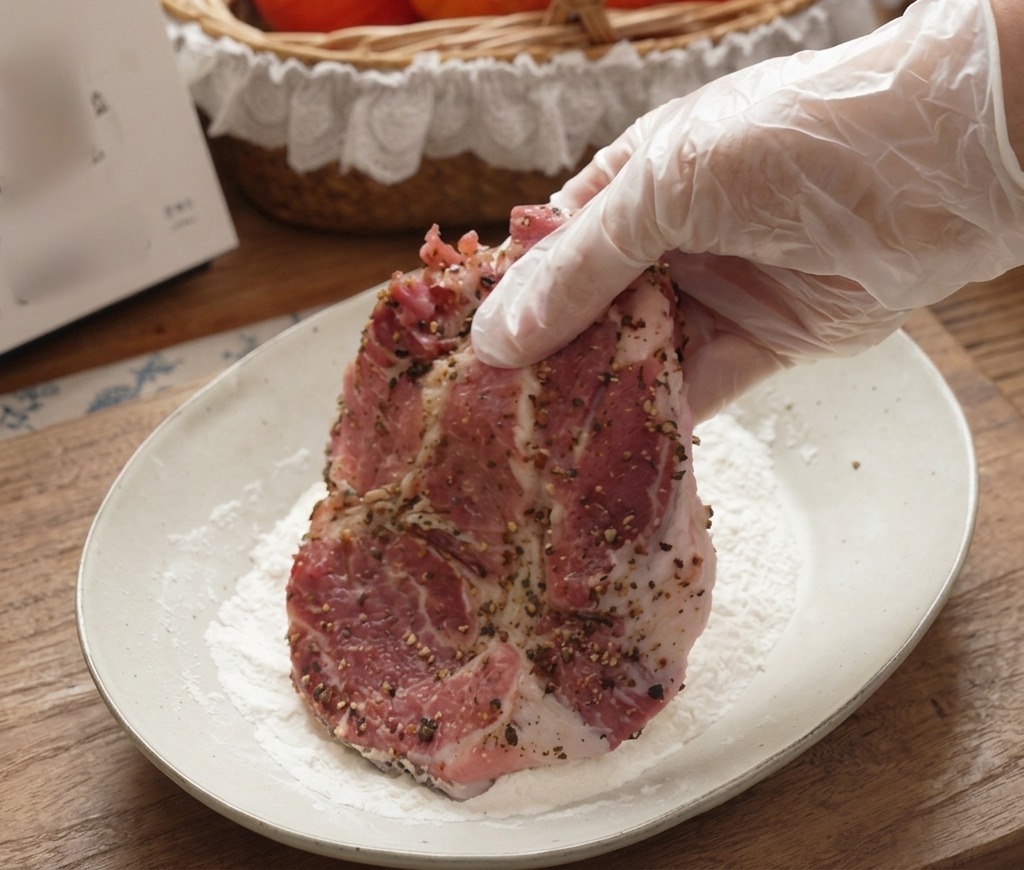
Place the marinated pork steak into a plate of all-purpose flour. Press it down firmly to ensure every part of the surface is covered, then lift it and gently shake off any excess flour. This thin layer acts as a primer for the subsequent layers of breading.
Tip: Ensure the meat is not dripping wet before flouring to avoid clumps of dough forming on the surface. - 6Dip in egg wash
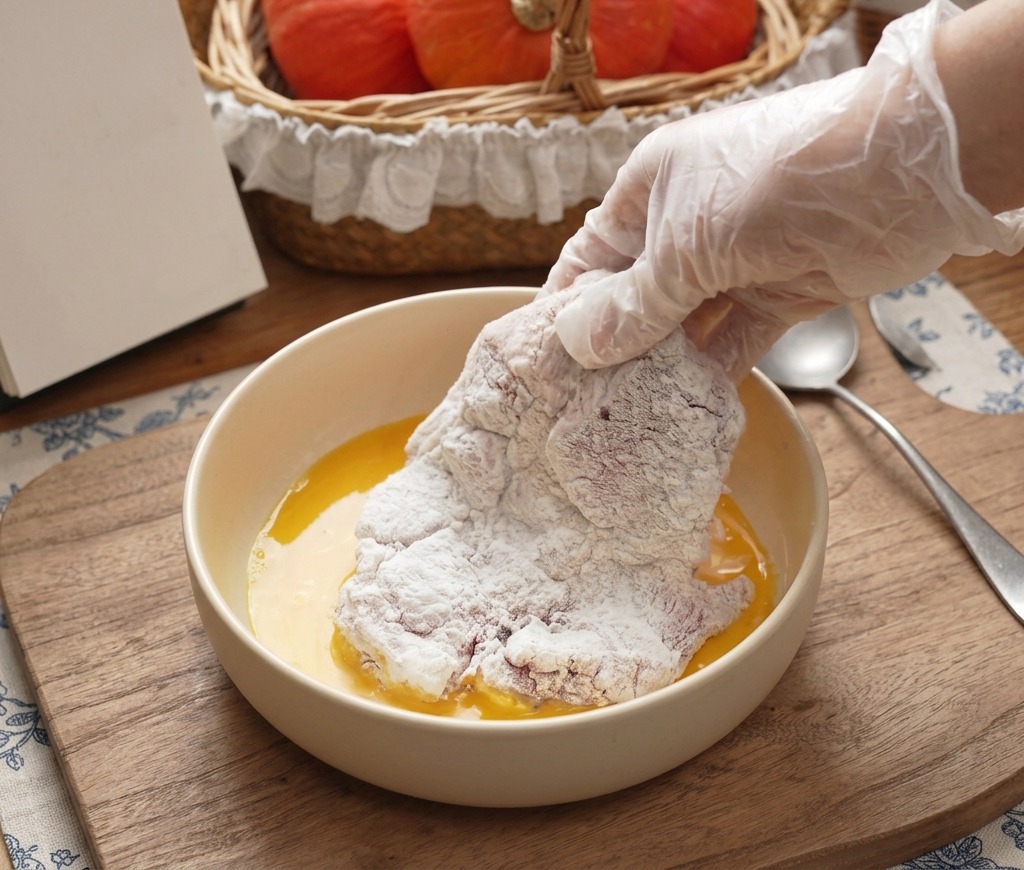
Carefully dip the floured pork steak into the bowl of beaten egg wash. Ensure the steak is completely submerged so that the egg coats the entire surface, providing a sticky base for the breadcrumbs to adhere to.
Tip: Try to use one hand for dry ingredients and the other for wet to prevent your hands from becoming heavily breaded themselves. - 7Coat the pork with breadcrumbs
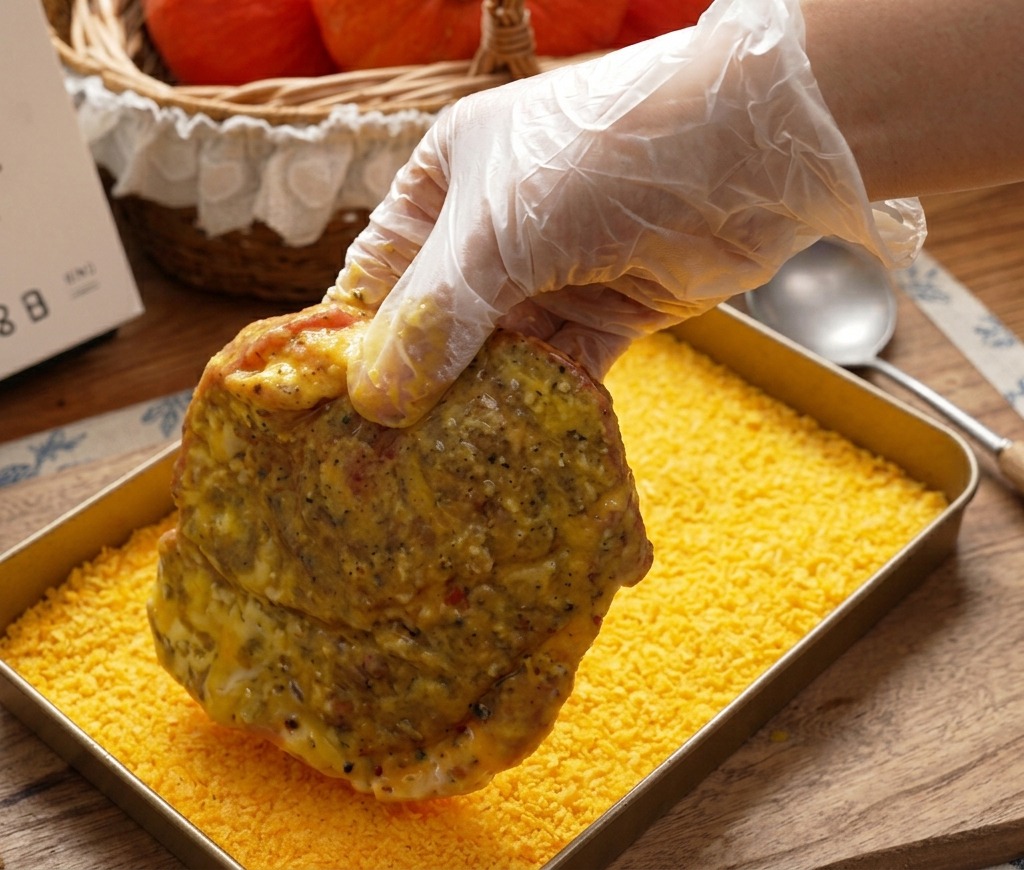
After dipping the marinated pork into the flour and egg wash, press it firmly into a tray of golden-yellow Panko breadcrumbs. Ensure both sides are heavily coated and press down with your hand so the crumbs adhere well, which ensures a thick, crunchy crust.
Tip: For an even crispier result, use your fingers to press the breadcrumbs into any uneven parts of the surface of the meat. - 8Bake the cutlets until golden
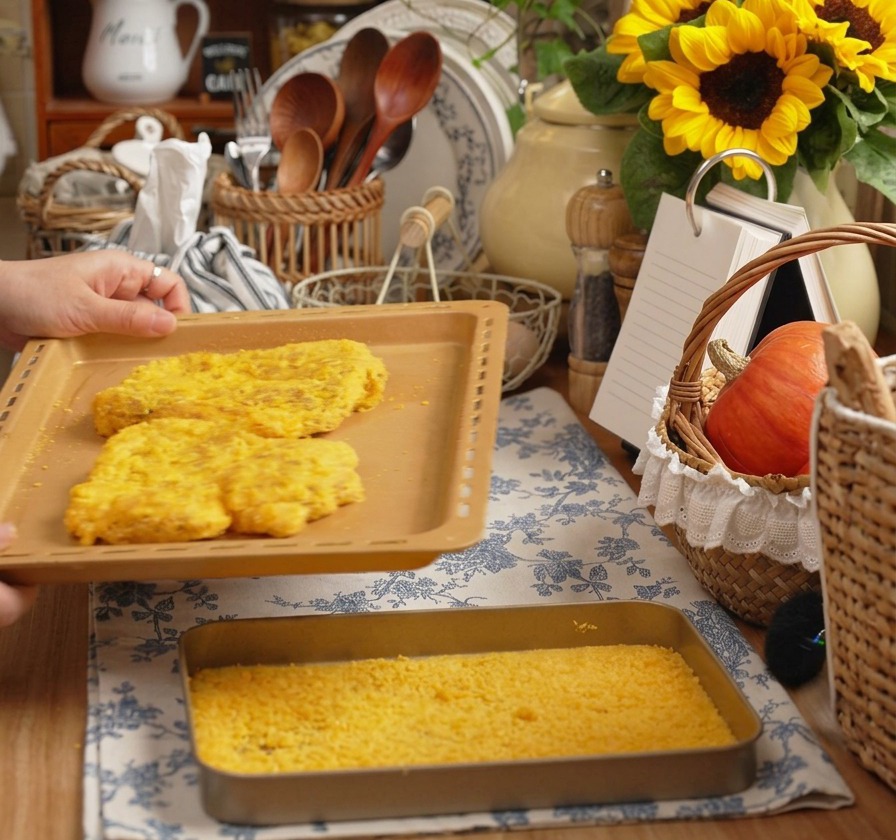
Arrange the breaded cutlets on a baking tray and place them into an oven preheated to 200°C. Bake for approximately 20 minutes until the exterior turns a deep golden brown. Baking is a great alternative to deep-frying, keeping the meat juicy while providing a healthy, crispy finish.
Tip: Check the internal temperature of the pork to ensure it reaches at least 63°C for safety and optimal juiciness. - 9Slice the cooked pork
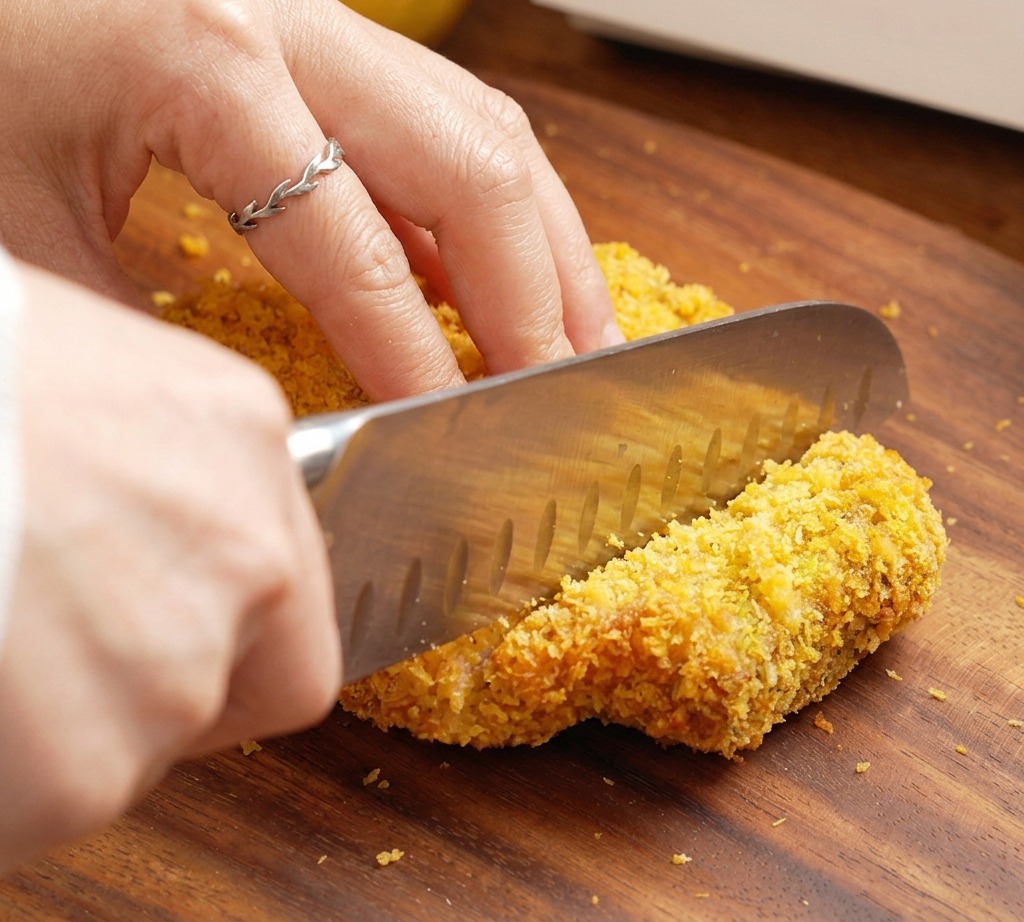
Once the cutlet is beautifully browned and cooked through, transfer it to a wooden cutting board. Use a sharp knife to slice it into even strips. This makes it easier to serve and allows the savory sauce to soak into the edges of the meat later.
Tip: Wait about two minutes before slicing to let the meat rest; this prevents the juices from running out and keeps the pork tender. - 10Whisk the savory sauce
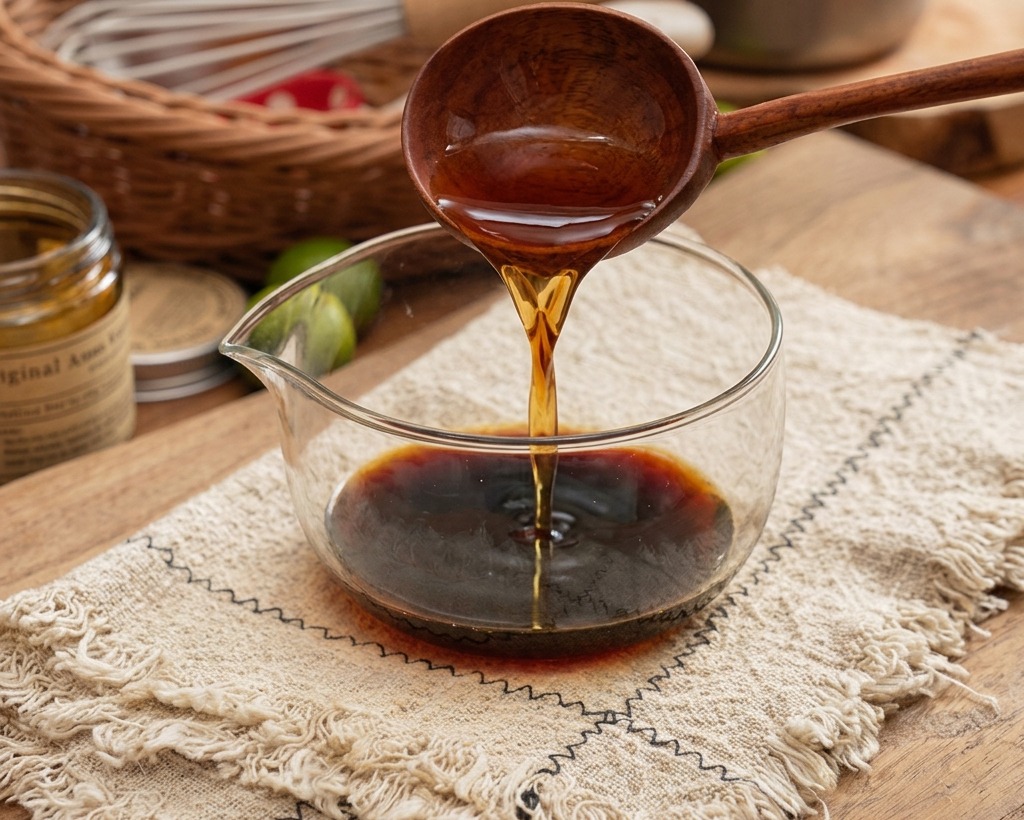
In a small glass bowl or pitcher, combine the light soy sauce, mirin, sugar, and water. Stir the mixture well to ensure the sugar is fully dissolved. This sauce provides the classic sweet and salty flavor profile that complements the rich pork.
Tip: If you prefer a deeper color, you can add a tiny splash of dark soy sauce to the mix. - 11Simmer the sauce base
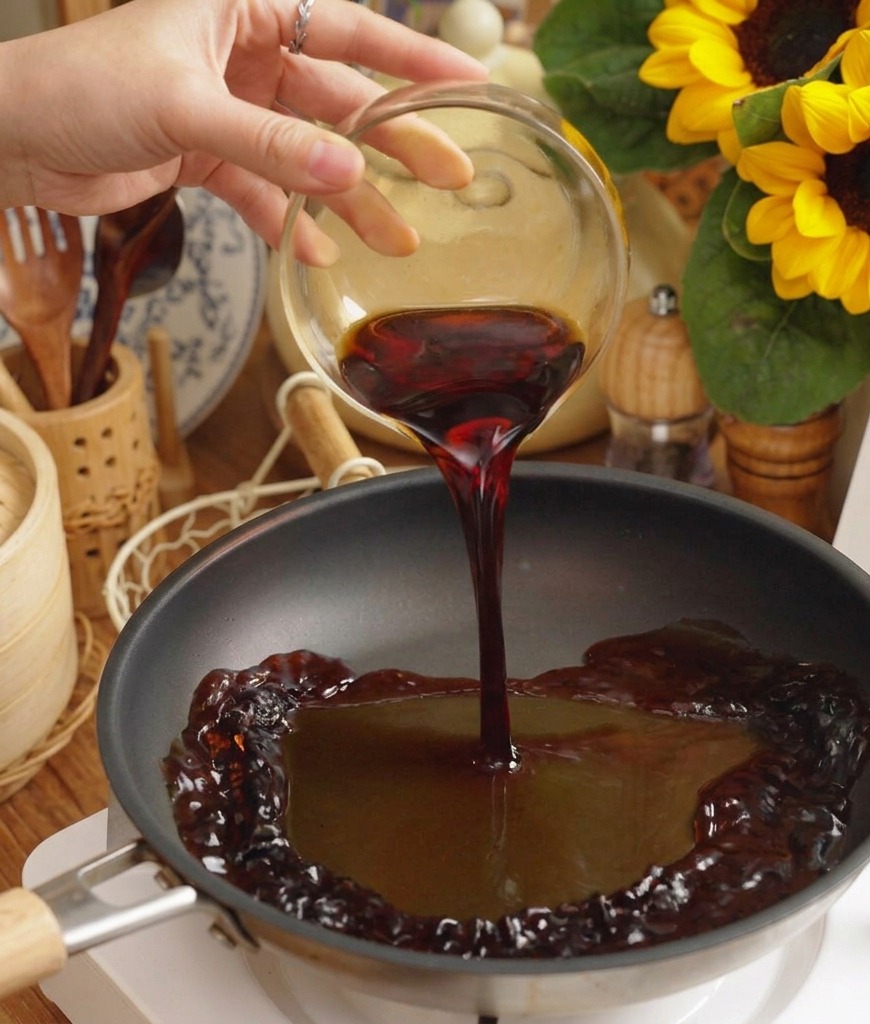
Pour the prepared sauce into a frying pan and add your sliced red onions. Simmer over low-medium heat until the onions become soft and translucent. This step concentrates the flavors and creates a tender bed for the pork cutlet.
Tip: Do not let the sauce boil too vigorously, or it may reduce too much and become overly salty. - 12Combine cutlet and sauce
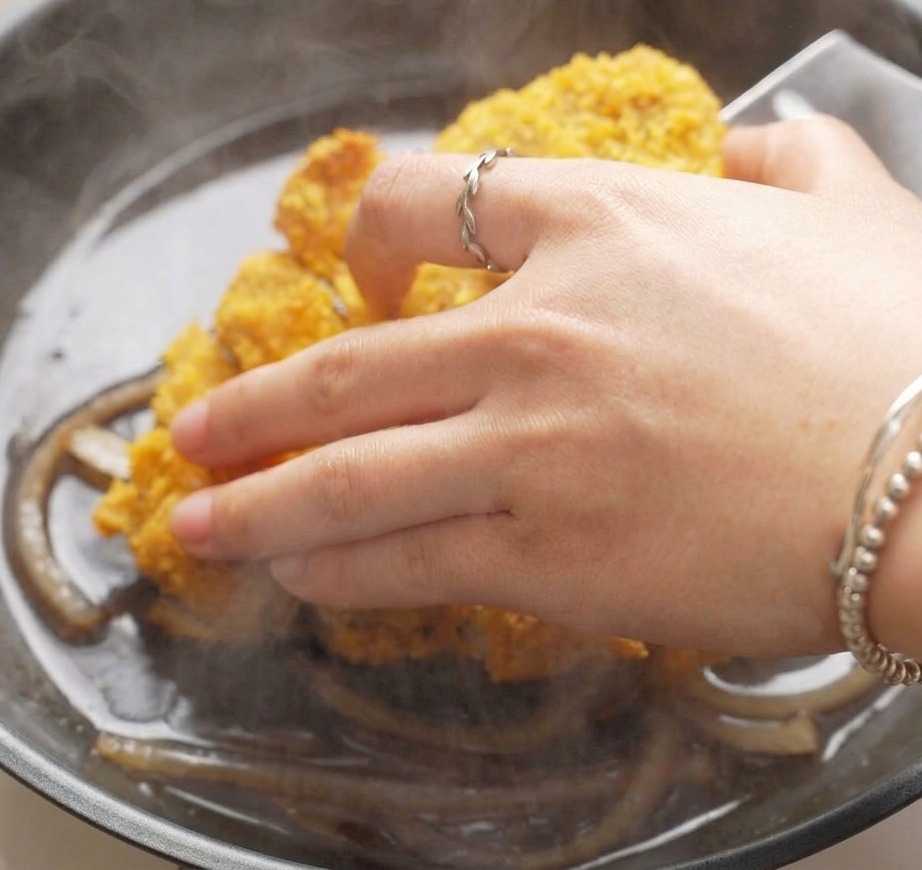
Once the sauce and sliced red onions have simmered until soft and fragrant, carefully place the sliced, crispy pork cutlet on top. Arrange the pieces so they sit nestled in the onions but arent fully submerged, which helps keep the top of the breading crispy.
Tip: If the sauce has reduced too much, add a splash of water before adding the pork to ensure there is enough liquid to cook the eggs in the next step. - 13Add the beaten eggs
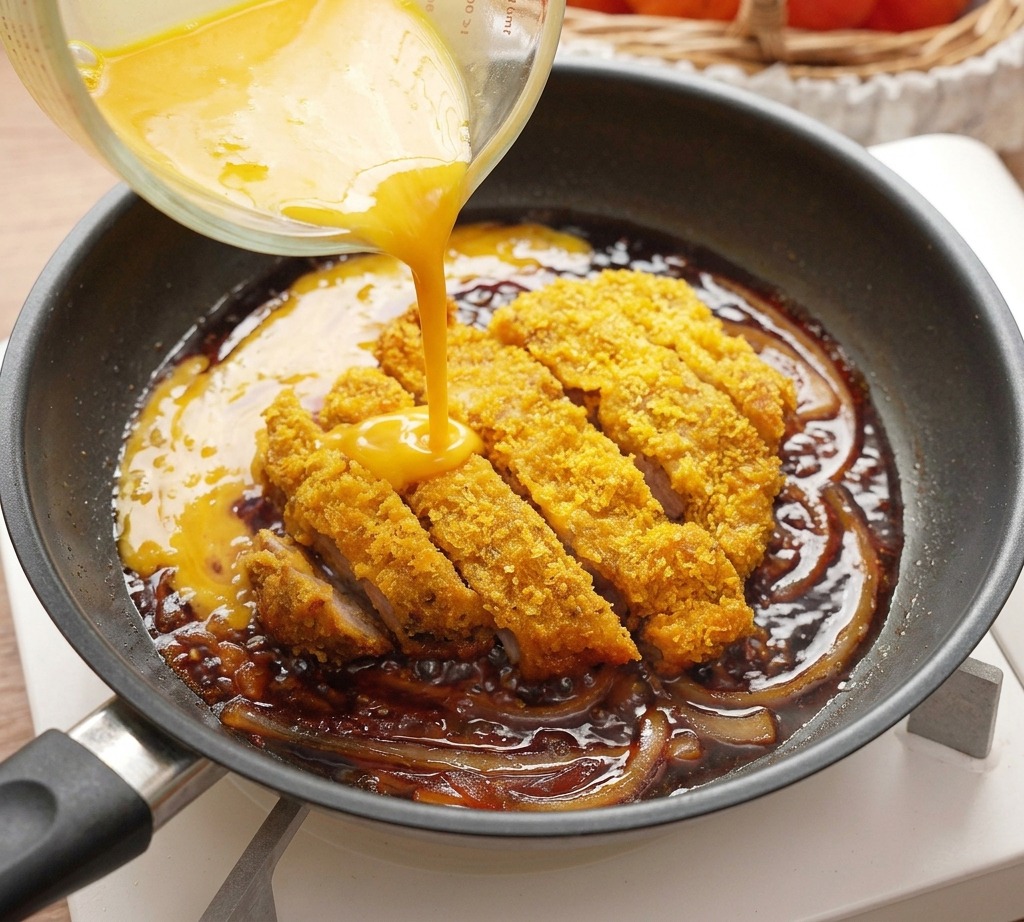
Slowly pour your beaten eggs into the pan, circling around the pork cutlet. Let the egg wash fill the gaps between the meat and the simmering sauce, which will create a soft, pillowy scrambled egg base as it cooks.
Tip: Do not over-beat the eggs; leaving some separation between the whites and yolks creates a beautiful marbled look and a variety of textures. - 14Steam to set the eggs

Cover the pan with a glass lid and reduce the heat to low. The trapped steam will gently cook the eggs until they reach a soft-scrambled consistency without drying out the pork cutlet. This should only take about a minute.
Tip: For a classic Japanese style, aim for a slightly runny egg consistency that will coat the rice when served. - 15Garnish and finish
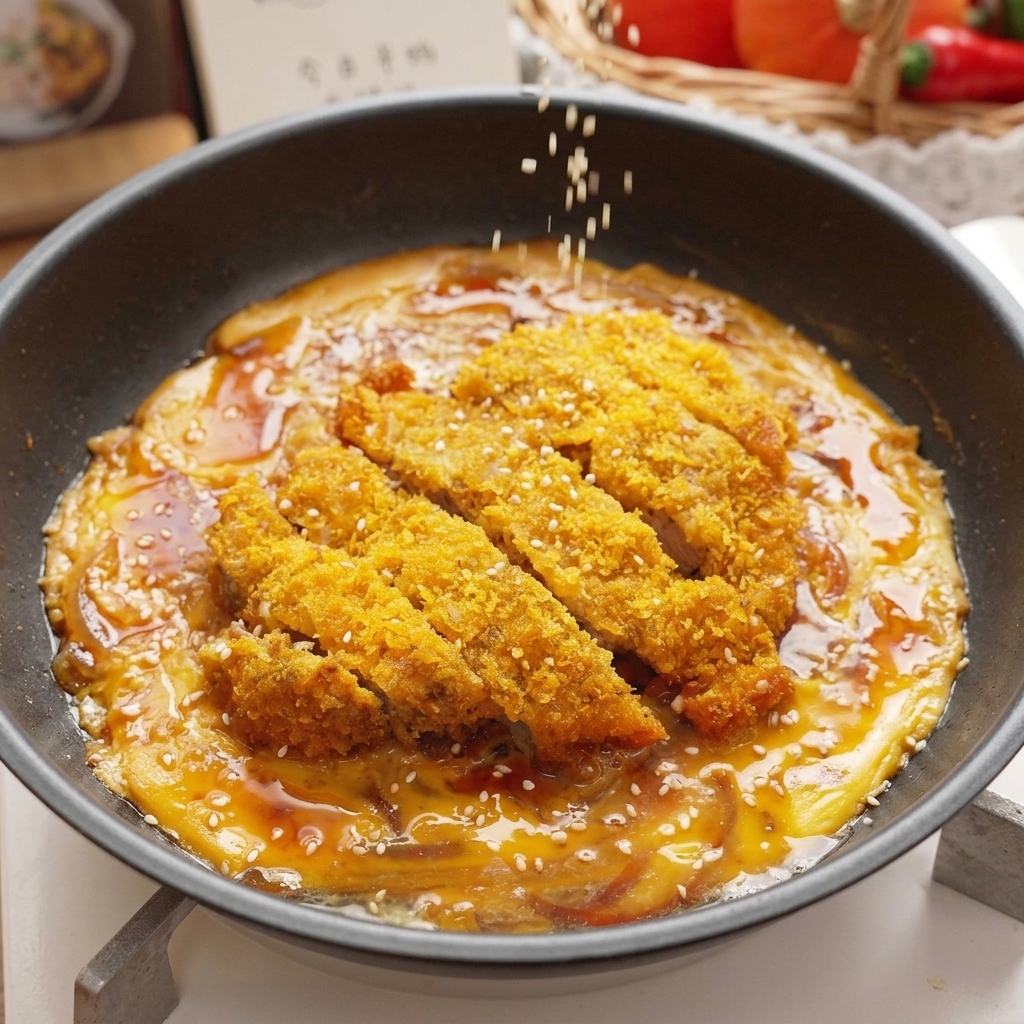
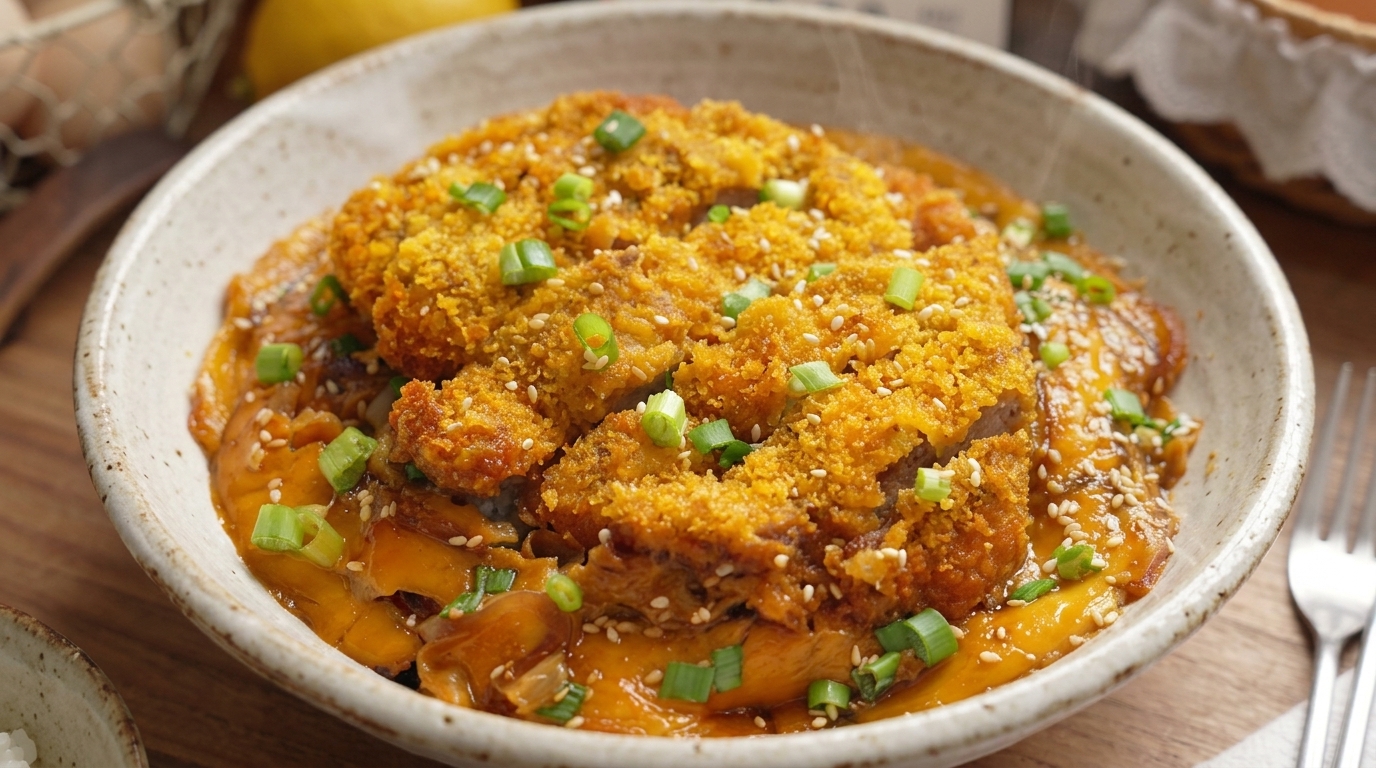
Once the eggs are set, garnish with toasted sesame seeds and chopped green onions. The fresh aromatics balance the rich, savory sauce and crispy pork.
Tip: Serve this immediately over a large bowl of hot steamed rice to enjoy the contrast of the crispy katsu and the soft, saucy eggs.