Traditional Japanese Katsudon (Pork Cutlet Rice Bowl)
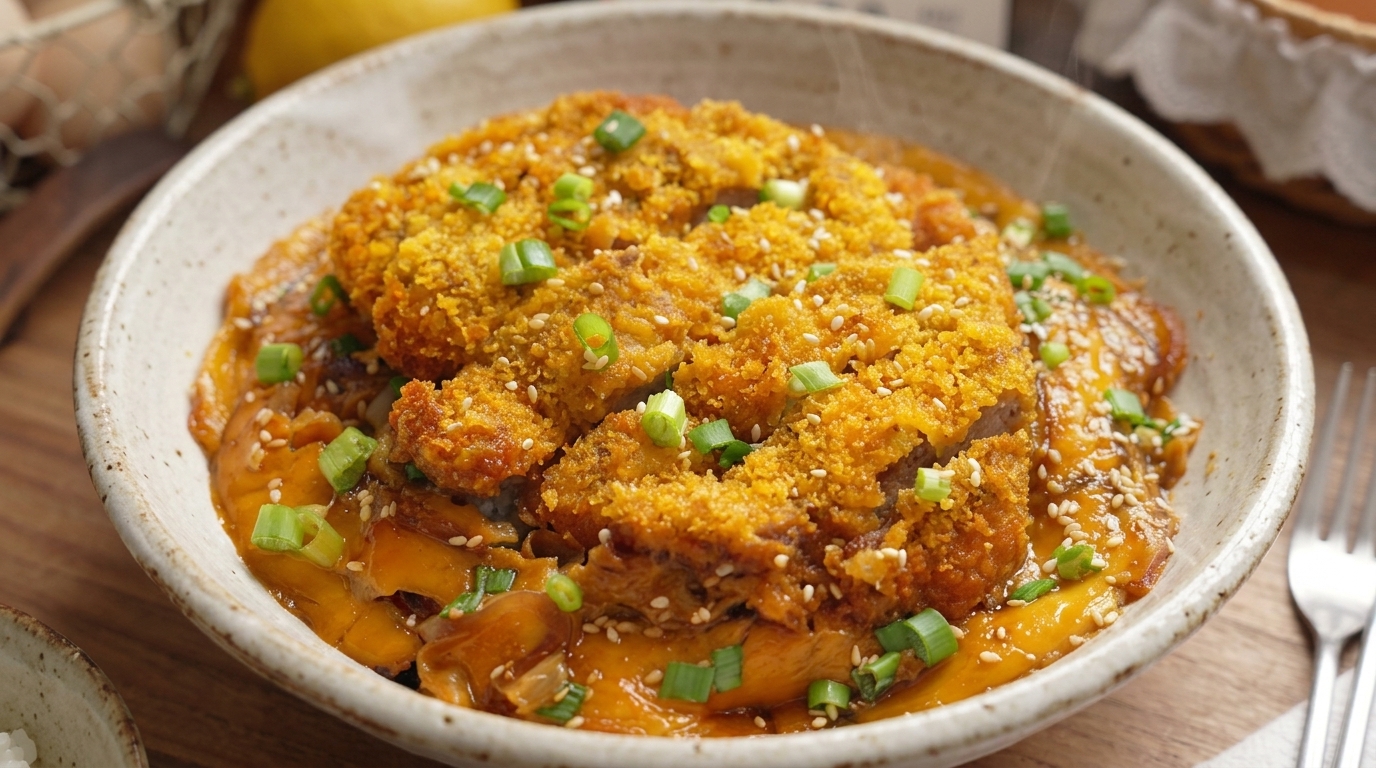
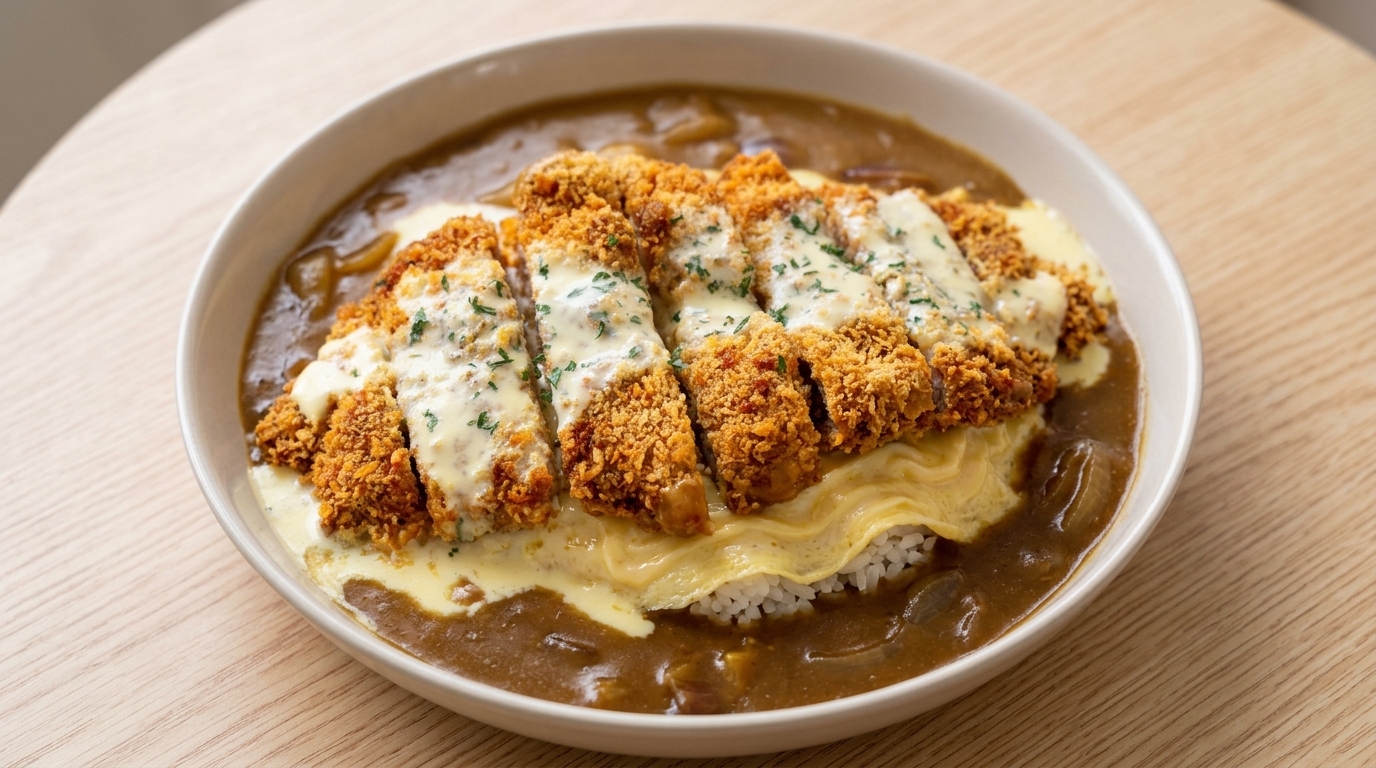
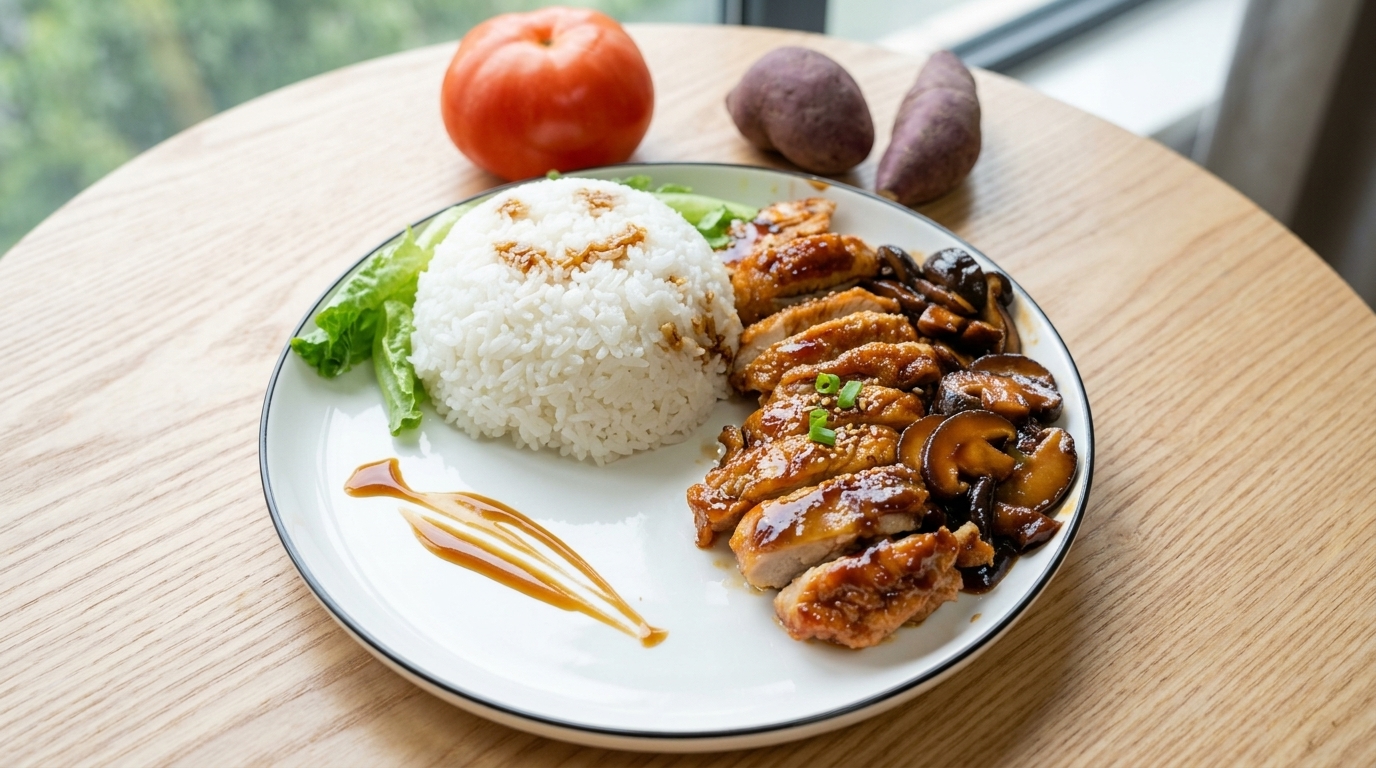
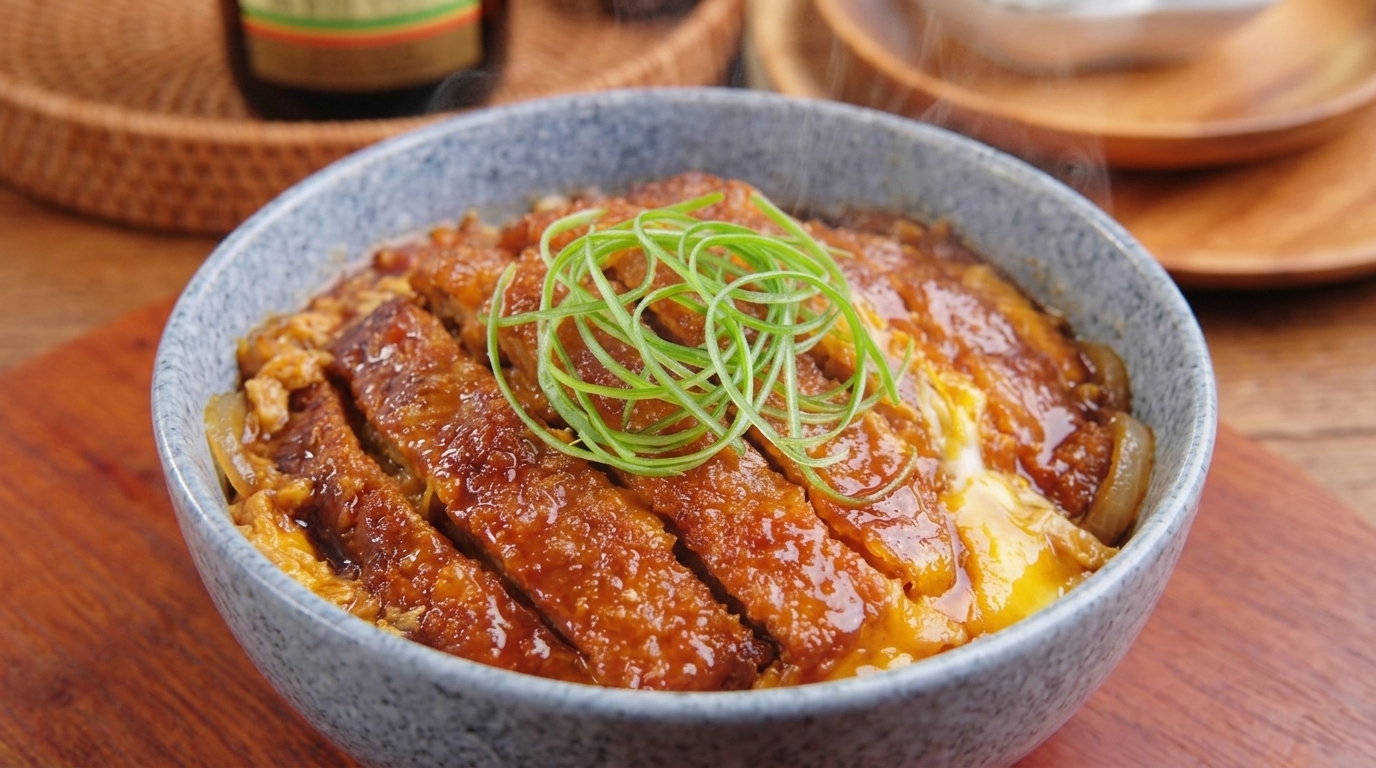
Experience the ultimate Japanese comfort food: a crispy panko-breaded pork cutlet simmered in a sweet-savory dashi broth with onions and silky soft-cooked eggs.
Katsudon is a cornerstone of Japanese rice bowl culture, often associated with good luck due to the word katsu meaning to win. This dish balances the crunch of a fried tonkatsu with a delicate, umami rich egg and onion topping that melts into the rice below, creating a harmonious and deeply satisfying meal.
Ingredients
- 300 g marbled pork plum meat (collar or loin)
- to taste salt
- to taste black pepper
- 50 g all-purpose flour
- 3 large eggs
- 100 g panko breadcrumbs
- 500 ml frying oil
- 20 ml soy sauce
- 30 ml mirin
- 20 g sugar
- 30 ml sake
- 100 ml water or dashi stock
- 0.5 white onion
- 2 cups cooked white rice
- optional shredded seaweed (nori)
- to taste sliced green onions
Instructions
- 1Prep and Flatten the Pork
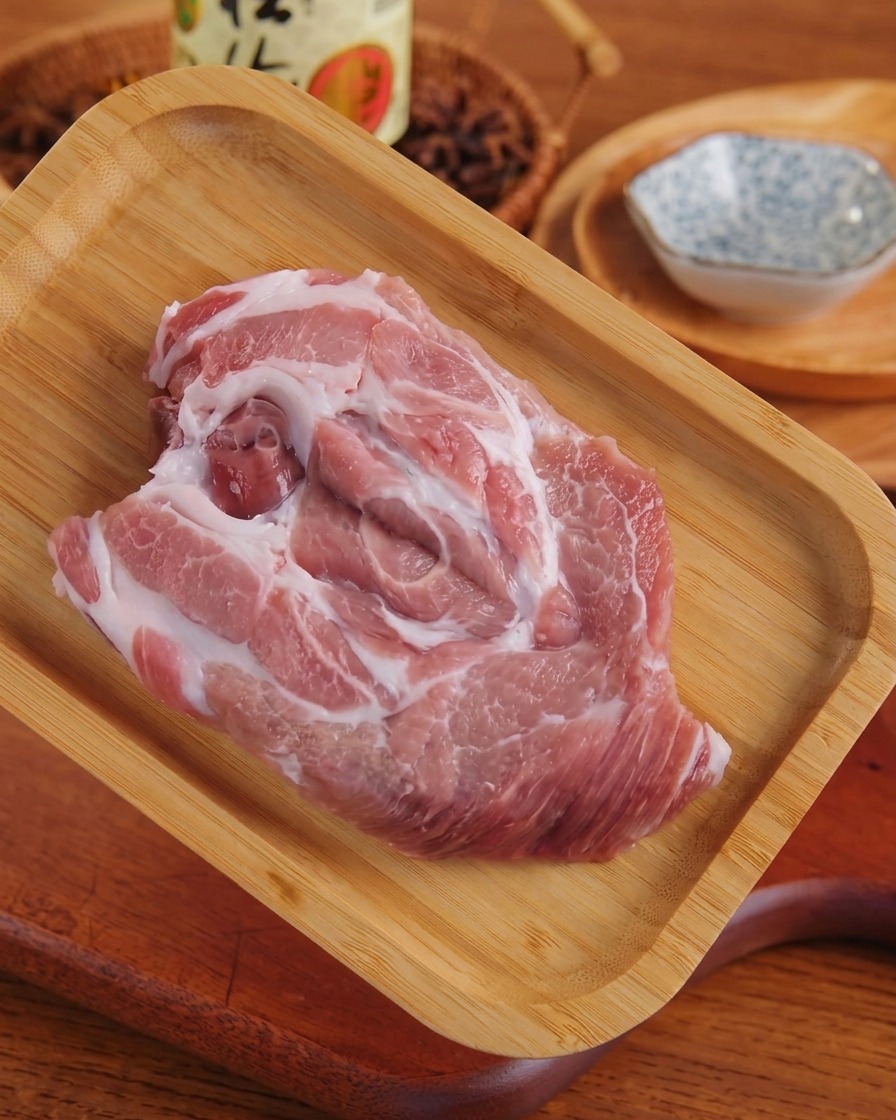
Use a meat tenderizer to pound the marbled pork, flattening it to an even 1.5cm thickness. This breaks down tough fibers and ensures the cutlet cooks evenly without curling during frying.
Tip: If you dont have a dedicated meat tenderizer, you can use the back of a heavy chefs knife to score the meat in a cross-hatch pattern for a similar effect. - 2Season and Marinate
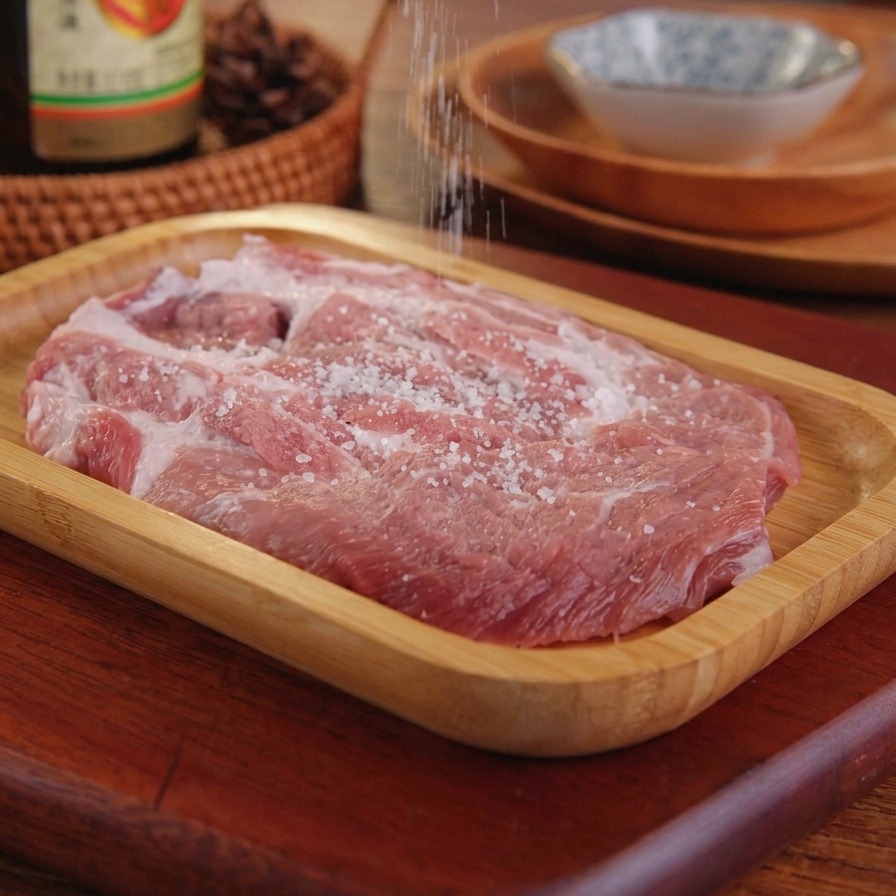
Sprinkle both sides of the pork cutlet with salt and black pepper. Massage the seasoning into the meat and let it marinate for at least 20 minutes to ensure the flavor penetrates deeply.
Tip: Proper seasoning at this stage is essential as it provides the base flavor for the entire dish. - 3Dredge in Flour
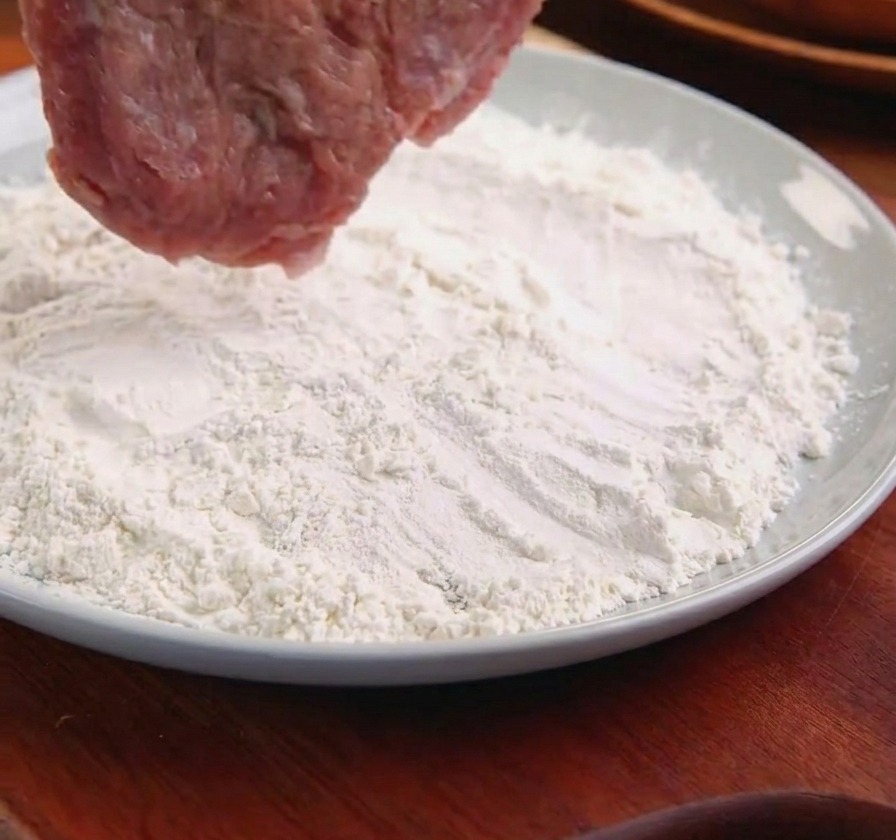
Using tongs, pick up the marinated pork and coat it evenly in all-purpose flour. Make sure all sides and edges are covered, then gently shake off any excess flour. A light, even coating of flour helps the egg wash adhere better to the meat.
Tip: Do not leave clumps of flour on the meat; a thin, even layer is key to preventing the breading from falling off during frying. - 4Dip in Egg Wash
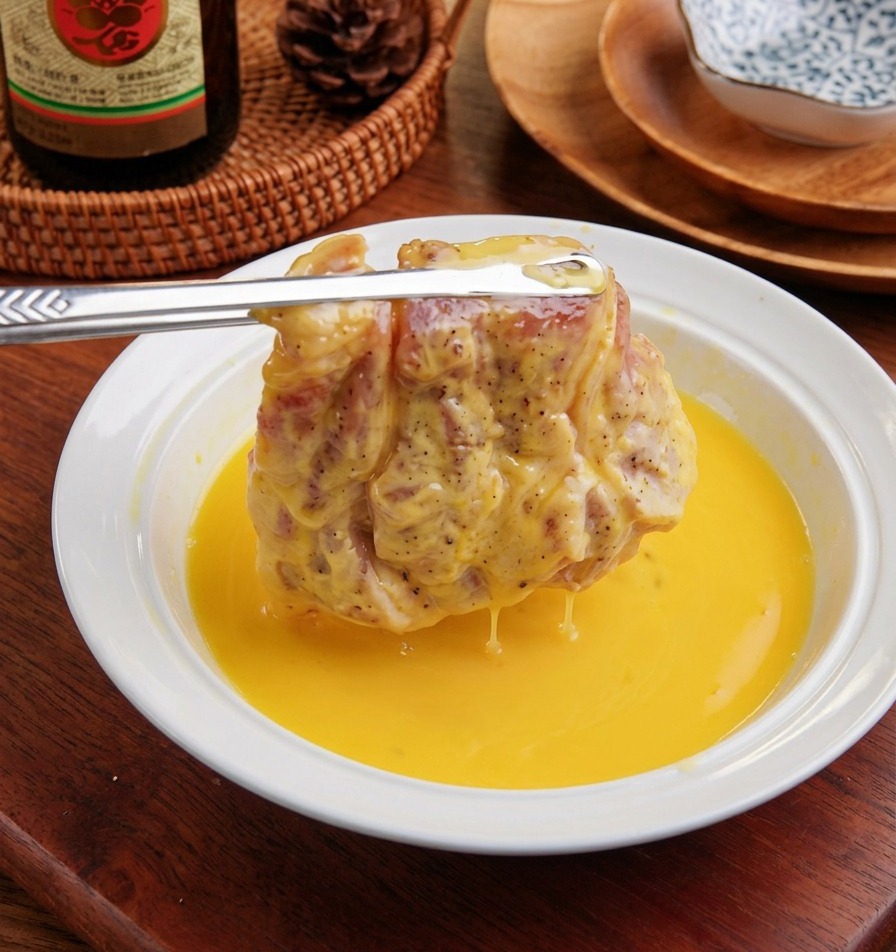
Submerge the floured pork cutlet into a shallow bowl of beaten egg wash (one egg mixed with a teaspoon of water). Flip the meat over to ensure it is completely moistened. The egg wash acts as a vital binding agent for the breadcrumbs.
Tip: Adding a tiny splash of water or oil to your egg wash can help it coat the meat more smoothly. - 5Coat with Breadcrumbs
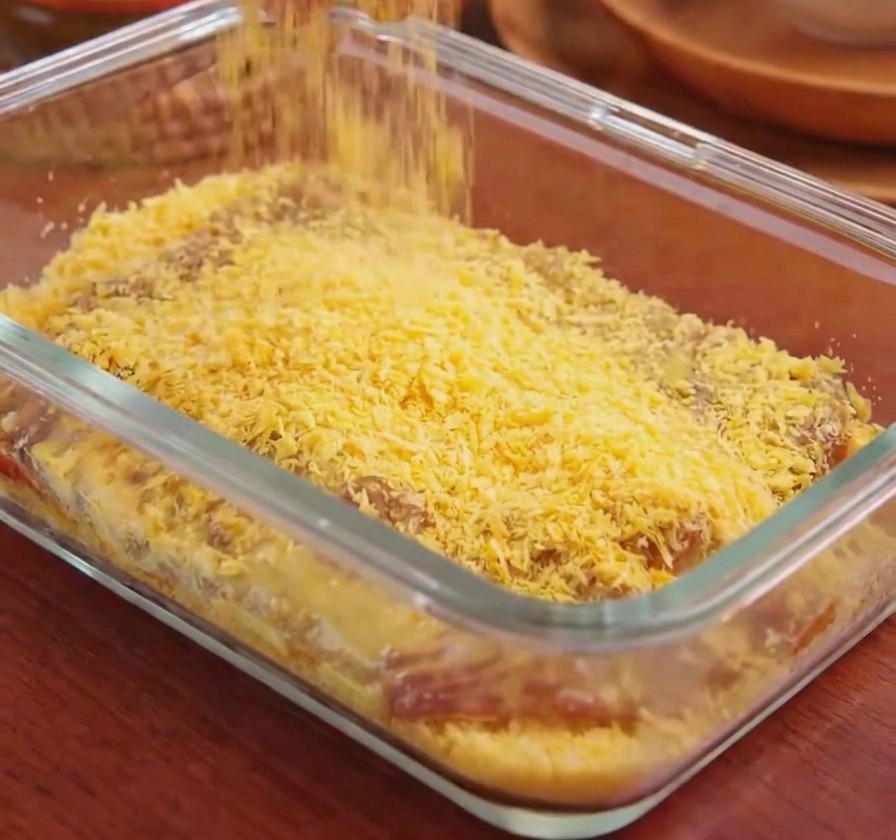
Transfer the egg-coated meat to a tray of breadcrumbs. Press the cutlet down firmly on both sides to ensure a thick and even layer of crumbs adheres to the surface. This final layer creates the signature golden, crunchy exterior of the katsudon.
Tip: Use panko breadcrumbs for a lighter, crispier texture compared to traditional fine breadcrumbs. - 6Fry the Tonkatsu
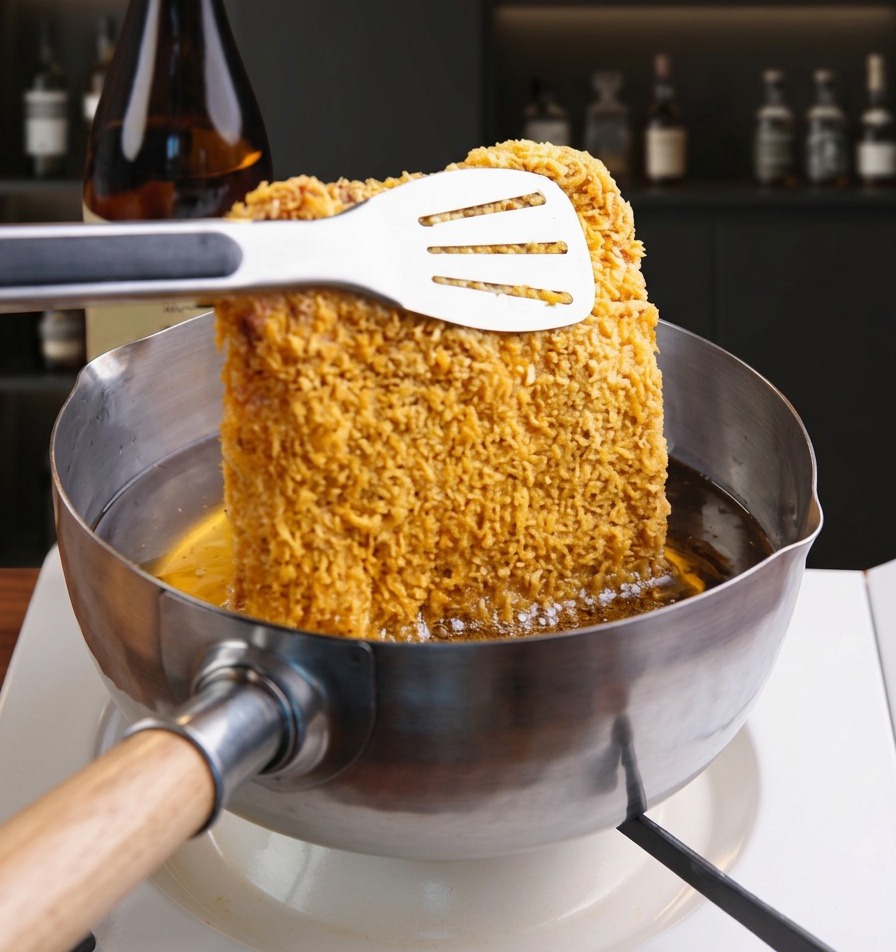
Heat frying oil to 165°C. Carefully lower the breaded pork into the oil and fry over medium-low heat for 3 to 4 minutes per side until golden. The pork is ready when the bubbles around it become smaller and the sound of frying becomes quieter.
Tip: If the oil is too hot, the breadcrumbs will burn before the meat is cooked through. Maintain a steady medium-low heat for the best results. - 7Final fry and drain
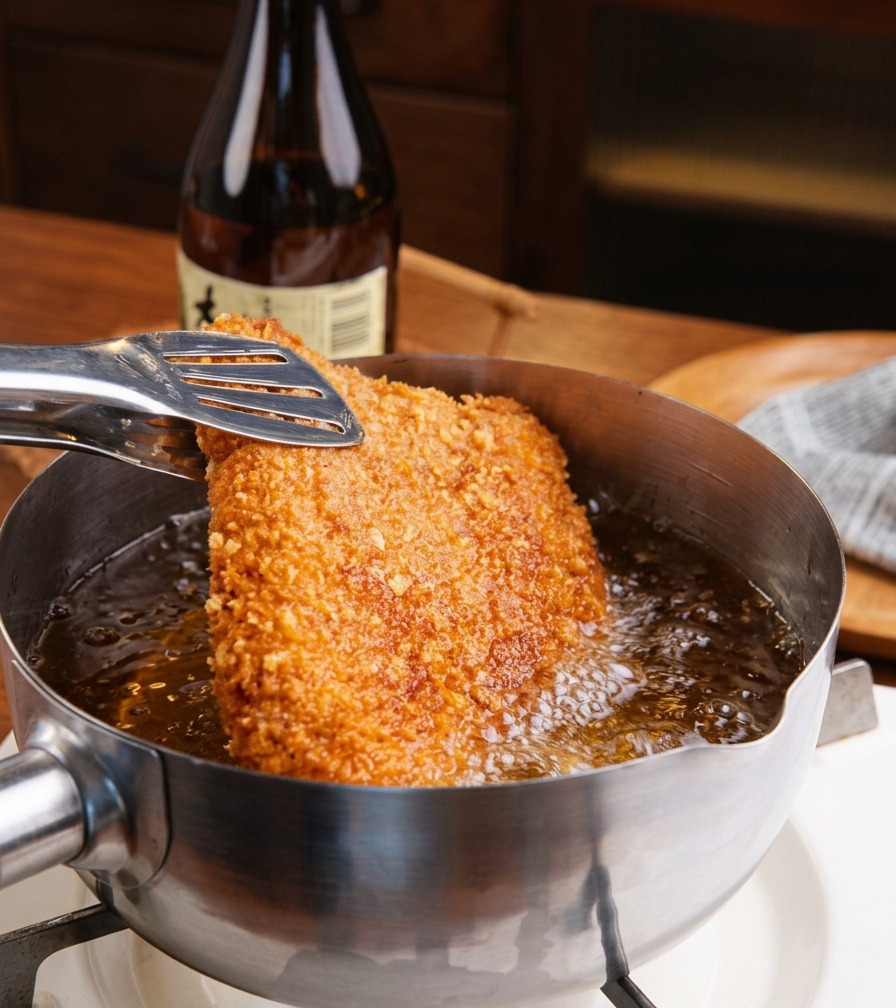
Continue frying until the cutlet is a deep, uniform golden brown on both sides. Lift the pork out using tongs and place it on a wire rack or paper towels to drain excess oil, which prevents the crust from becoming soggy.
Tip: Maintain a steady oil temperature; if the oil is too cool, the breading will absorb too much fat and become greasy. - 8Prepare the Simmering Base
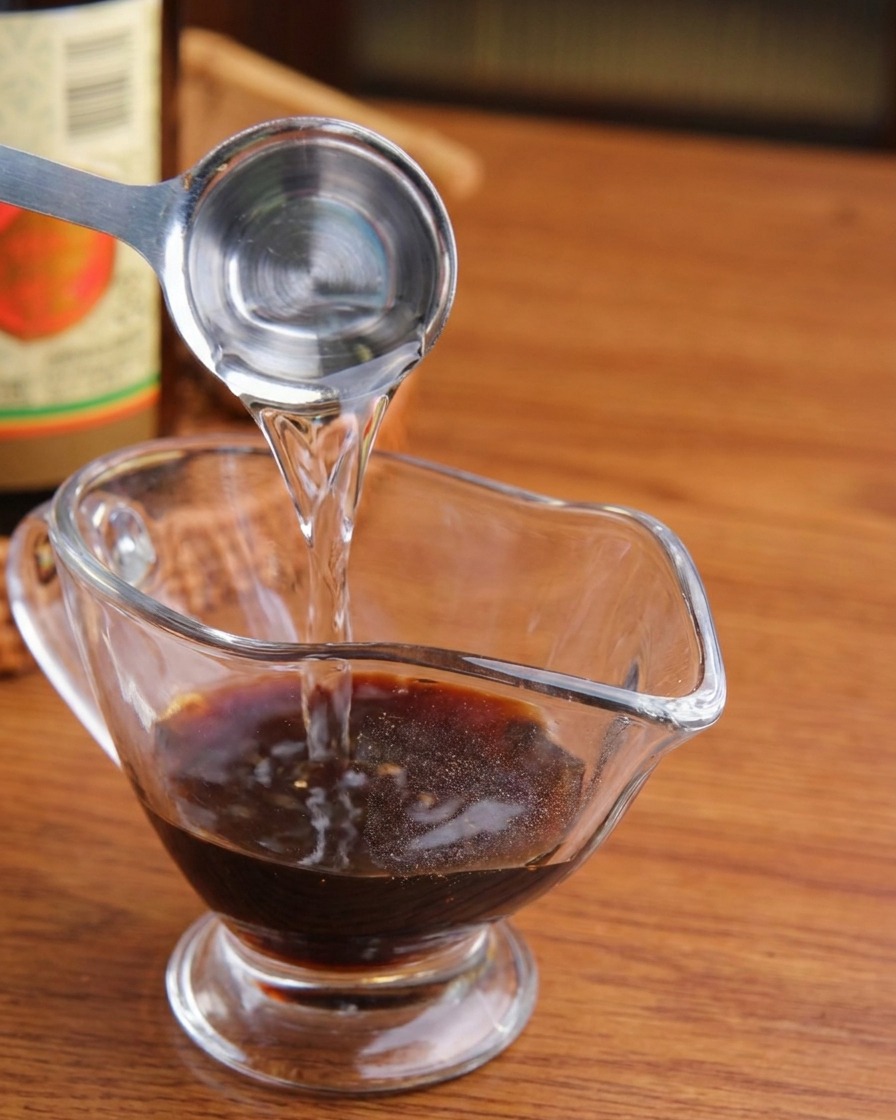
In a small pitcher, whisk together 20ml soy sauce, 30ml mirin, 20g sugar, 30ml sake, and 100ml water. Ensure the sugar is fully dissolved to create a balanced sweet-savory dashi base.
Tip: You can use dashi stock instead of water for a deeper, more traditional umami flavor profile. - 9Simmer the onions in sauce
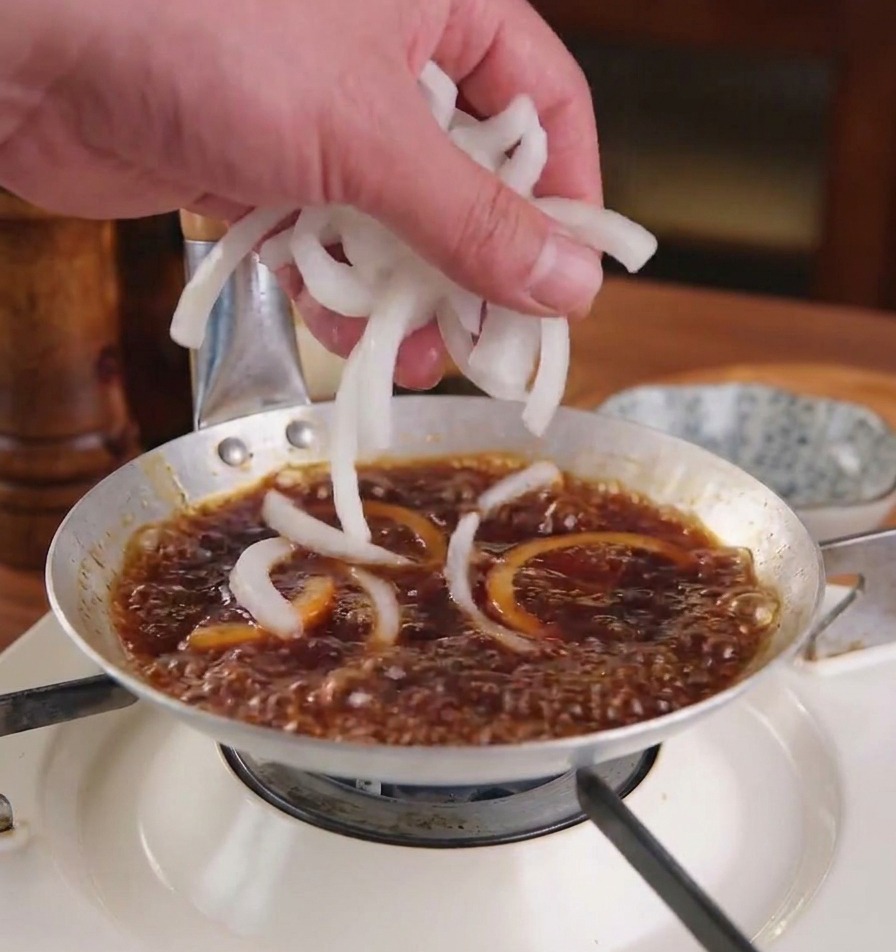
Pour your prepared sauce mixture into a small pan and bring it to a boil. Add the sliced onions and simmer them over medium heat until they are soft and have absorbed the dark, savory flavors of the liquid. This creates a sweet, aromatic base for the cutlet.
Tip: If you dont have a specialized katsudon pan, a small 6-inch non-stick skillet works perfectly for a single serving. - 10Assemble in the Pan
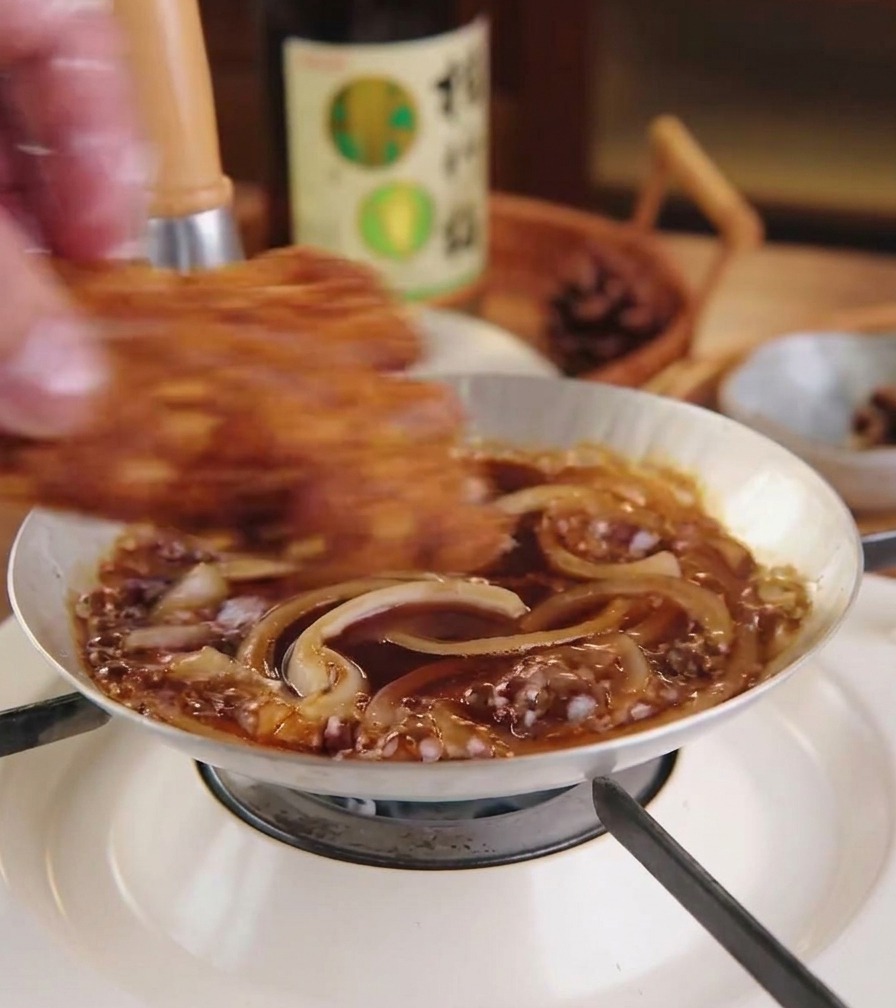
Slice the crispy fried pork cutlet into strips. Place the strips directly onto the bed of simmering onions and sauce, allowing the bottom of the crust to soak up the savory broth for one minute.
Tip: Ensure the cutlet is sliced before adding it to the pan so the egg can later seep into the cracks, binding everything together. - 11Add the Silky Eggs
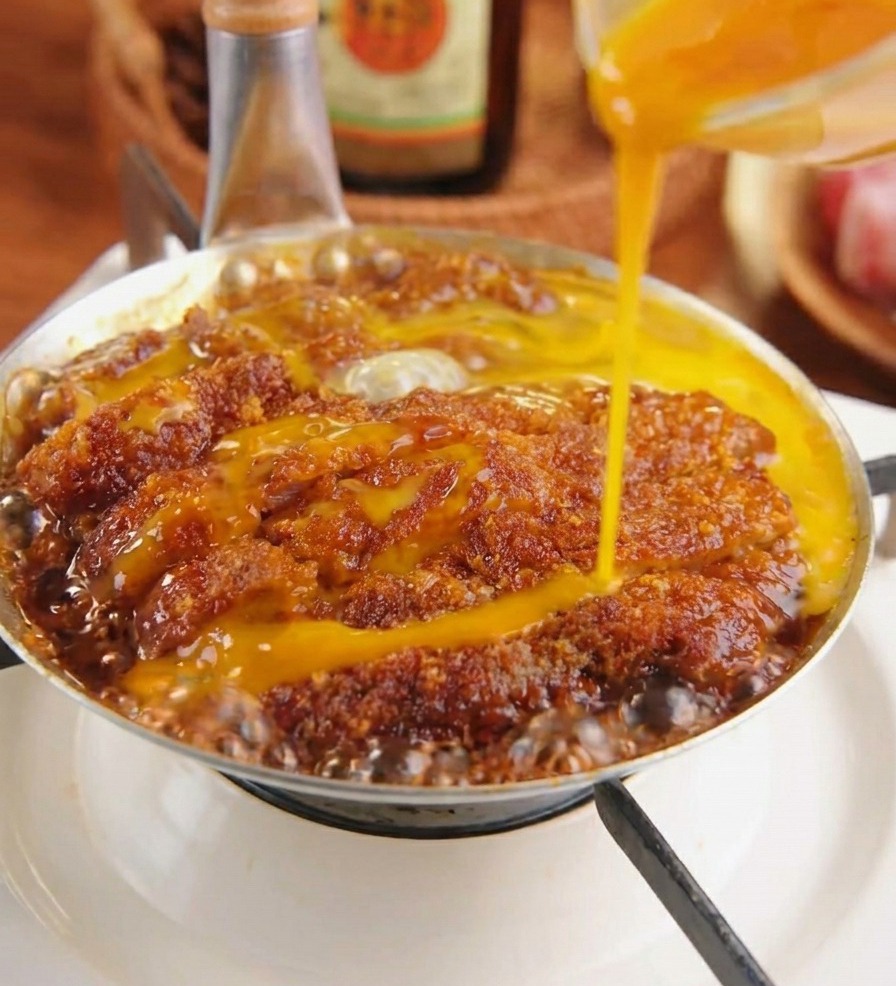
Lightly beat two eggs, leaving visible streaks of white and yellow. Pour half over the pork cutlet to bind it, then drizzle the remaining half around the edges of the pan to create the classic variegated texture.
Tip: Do not over mix the eggs; the streaks of white and yellow create a beautiful, silky texture in the finished dish. - 12Steam to Perfection
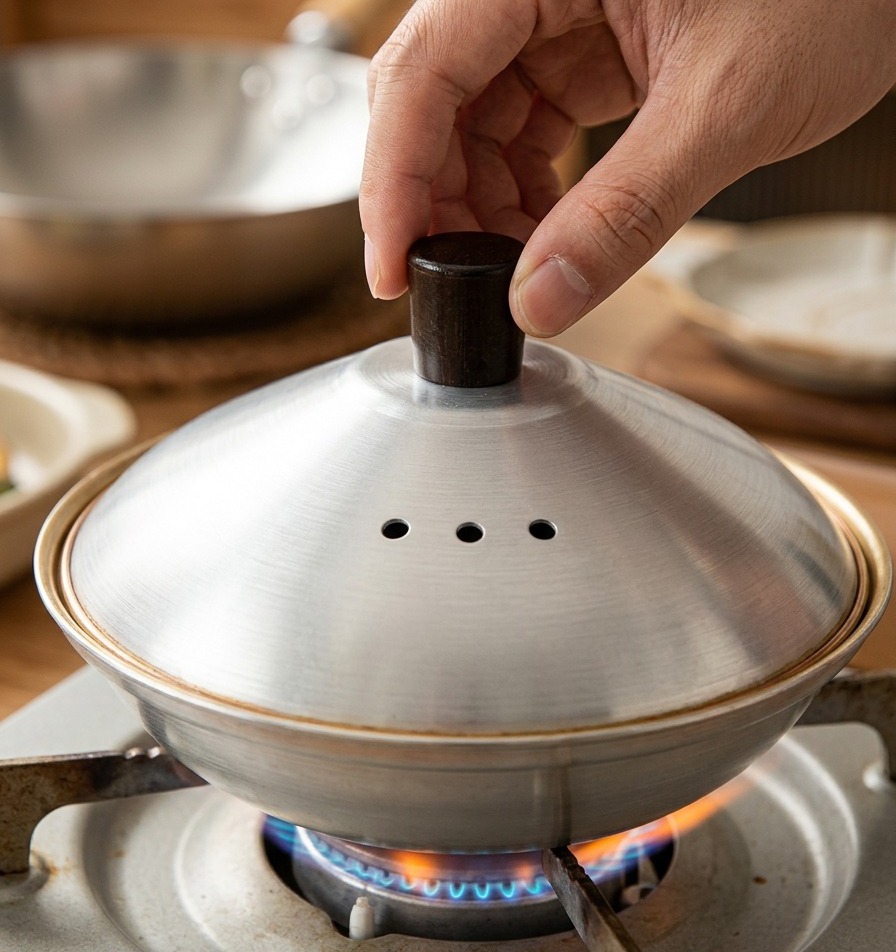
Cover the pan with a lid and simmer on low heat for exactly one minute. This steams the eggs to a silky, semi-solid texture while allowing the sauce to fully infuse into the pork cutlet.
Tip: The residual heat will continue to cook the eggs, so remove the lid as soon as they look set on the outside but still soft.