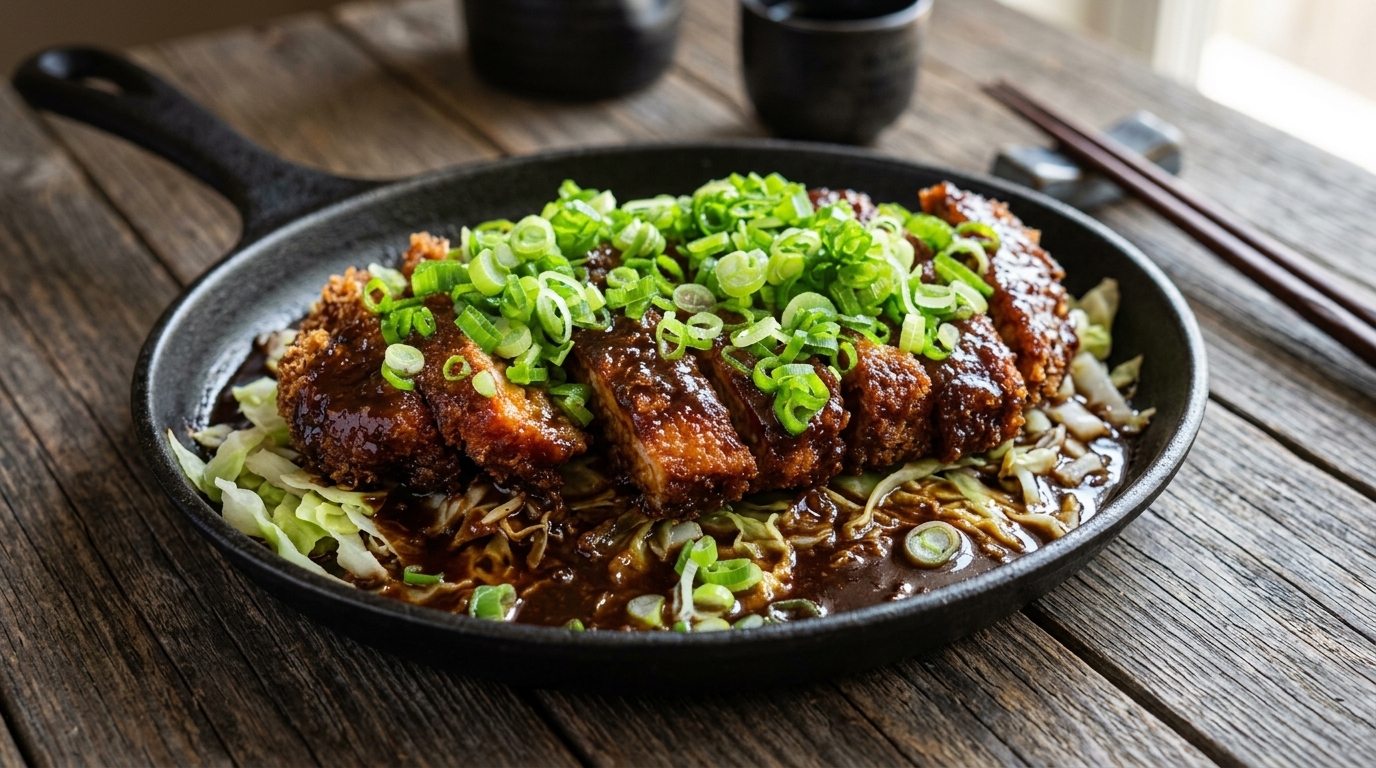
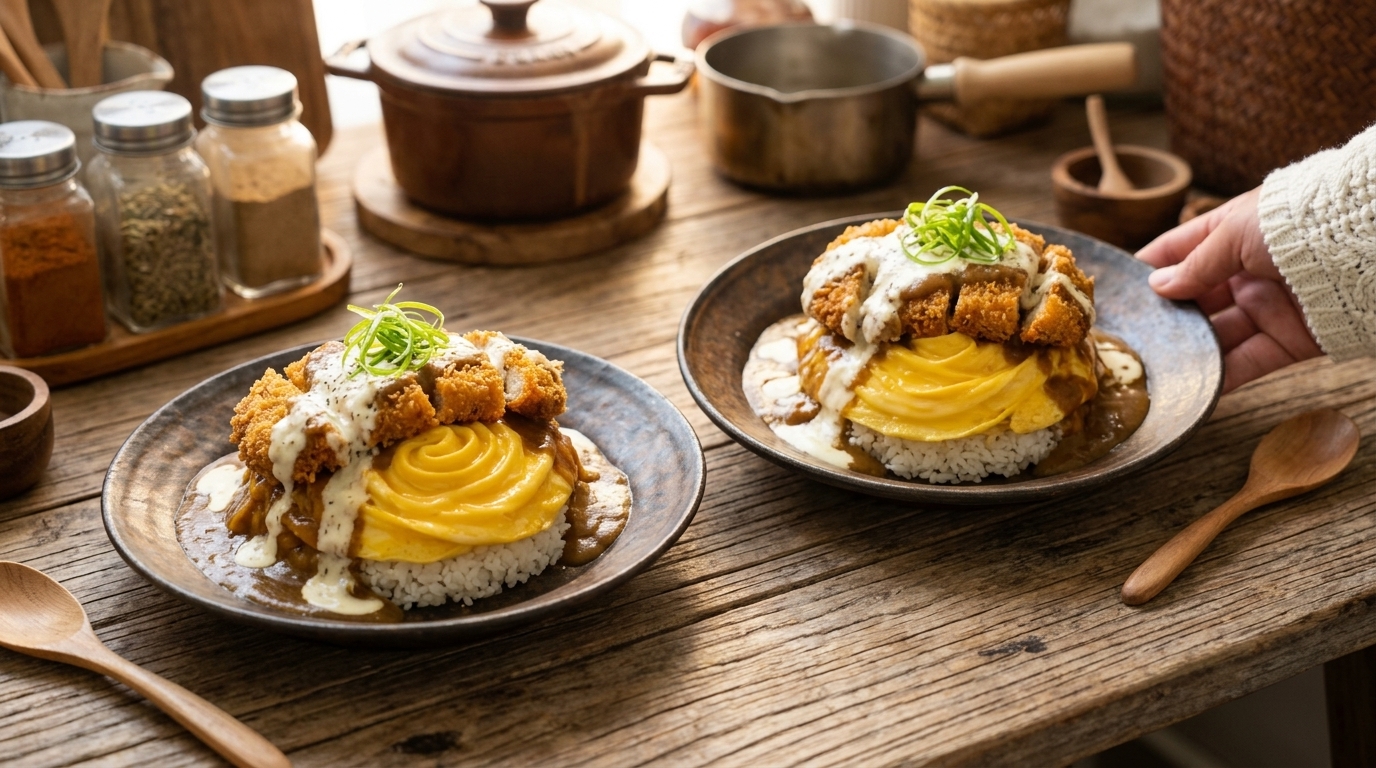
Ultimate Japanese Katsudon (Pork Cutlet Rice Bowl)
The ultimate Japanese izakaya staple—crispy panko-breaded pork shoulder gently simmered in a sweet and savory dashi broth, bound with silky, softly set eggs over fluffy white rice.
Katsudon is a quintessential Japanese comfort food, heavily featured in izakayas and beloved for its rich, satisfying flavors. While pork loin is often used, opting for marbled pork shoulder yields a much juicier, tender bite. The magic of this dish lies in the contrast of textures: the crispiness of the fried panko crust mingling with the luscious, semi-set egg and the umami-rich sauce soaking into the steamed rice.
Ingredients
- 2 slices pork shoulder
- to taste salt and black pepper
- 14 cup white flour or starch
- 3 large eggs
- 1 cup panko breadcrumbs
- for frying cooking oil
- 2 tbsp soy sauce
- 3 tbsp mirin
- 1 tbsp sugar
- 4 tbsp water
- 1 tbsp sake
- 12 medium white onion
- 1 tbsp green onions
- 2 servings steamed white rice
Instructions
- 1Tenderize the pork
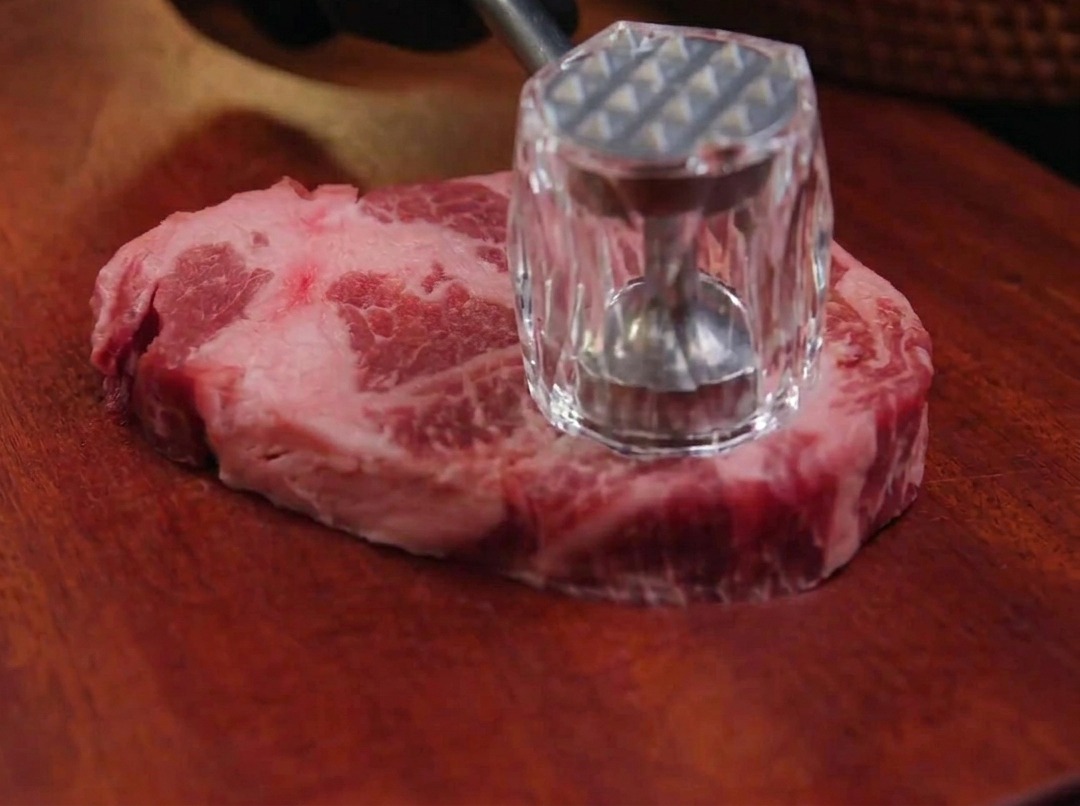
Place the pork shoulder slices on a wooden cutting board and use a meat mallet to gently pound the meat on both sides. This process breaks down the tough connective tissues and muscle fibers, ensuring the cutlet is tender and easy to bite into after being fried.
Tip: If you dont have a meat mallet, you can use the back of a heavy chefs knife to cross-hatch the meat for a similar tenderizing effect. - 2Season the meat
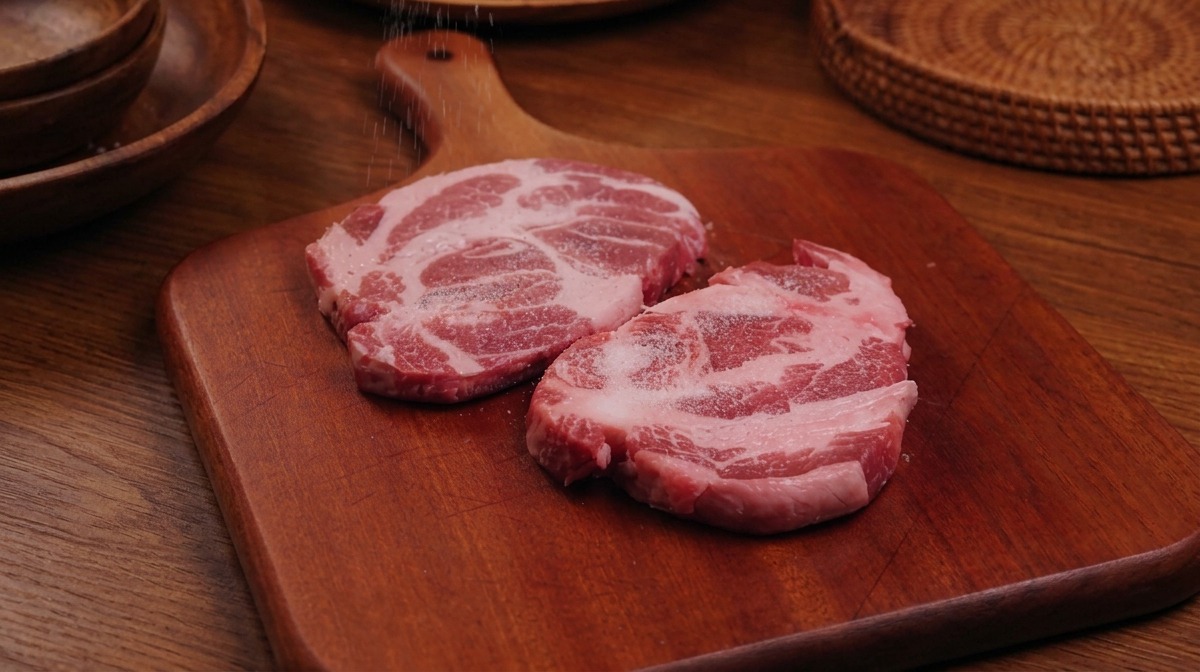
Sprinkle a balanced amount of salt and freshly ground black pepper over the tenderized pork slices. Ensure both sides are seasoned well, then set the meat aside to marinate for approximately 15 minutes, allowing the seasoning to penetrate the meat.
Tip: Dont over-salt the meat at this stage, as the Katsudon sauce added later will also contain salty soy sauce. - 3Dredge in flour
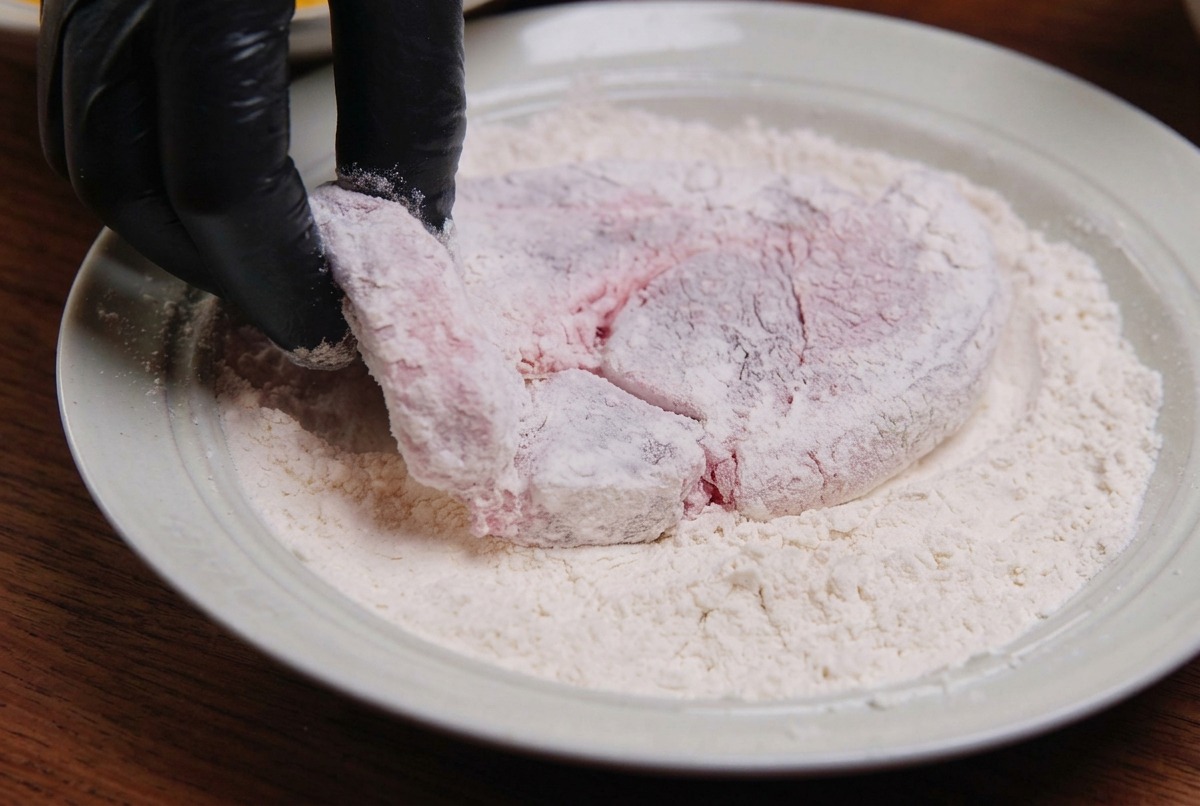
Dredge each seasoned pork slice in a shallow plate of white flour or starch. Press the meat down firmly to ensure the entire surface is covered, then gently shake off any excess flour to create a thin, even base for the egg wash.
Tip: Lightly coating the meat in flour first helps the egg wash and breadcrumbs stick better, preventing the crust from separating during frying. - 4Dip the pork in egg wash
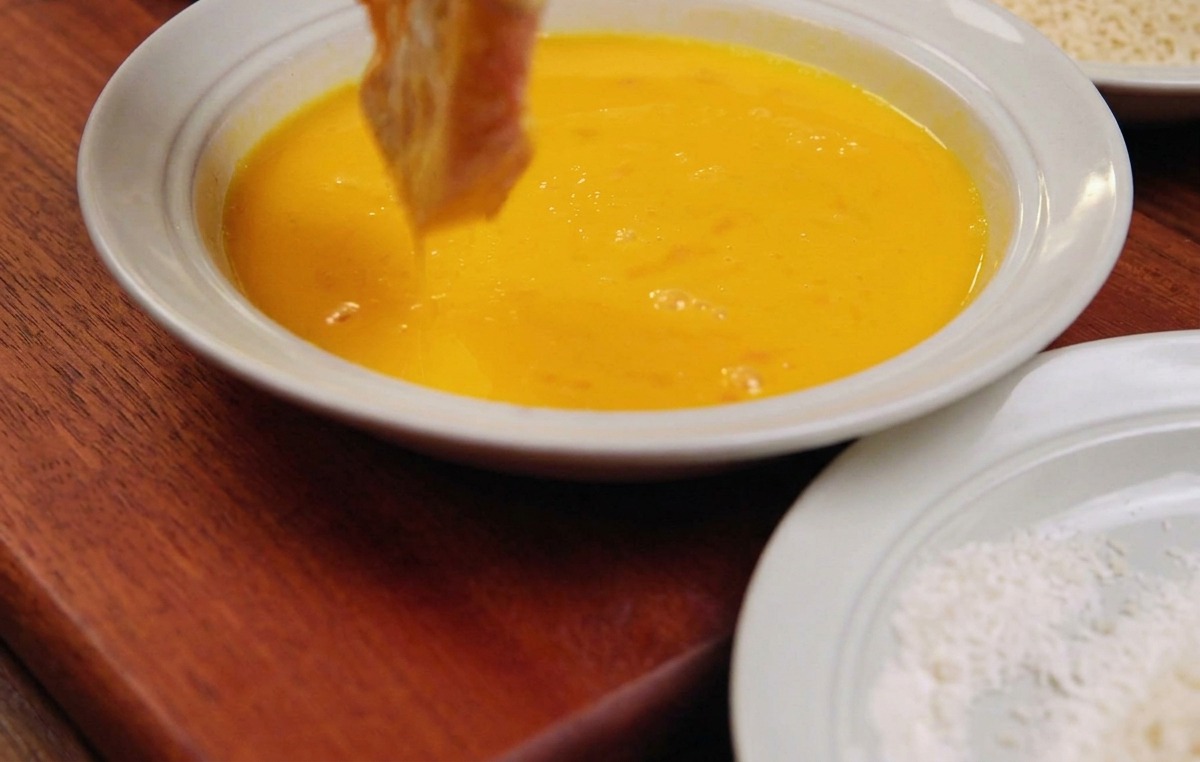
Take the floured pork slice and dip it into the bowl of beaten eggs. Make sure to coat both sides thoroughly, as the egg wash acts as the glue that will hold the crunchy panko breadcrumbs in place during the frying process.
Tip: Allow any excess egg wash to drip off for a few seconds before moving to the breadcrumbs to avoid making the panko too soggy. - 5Press into panko breadcrumbs
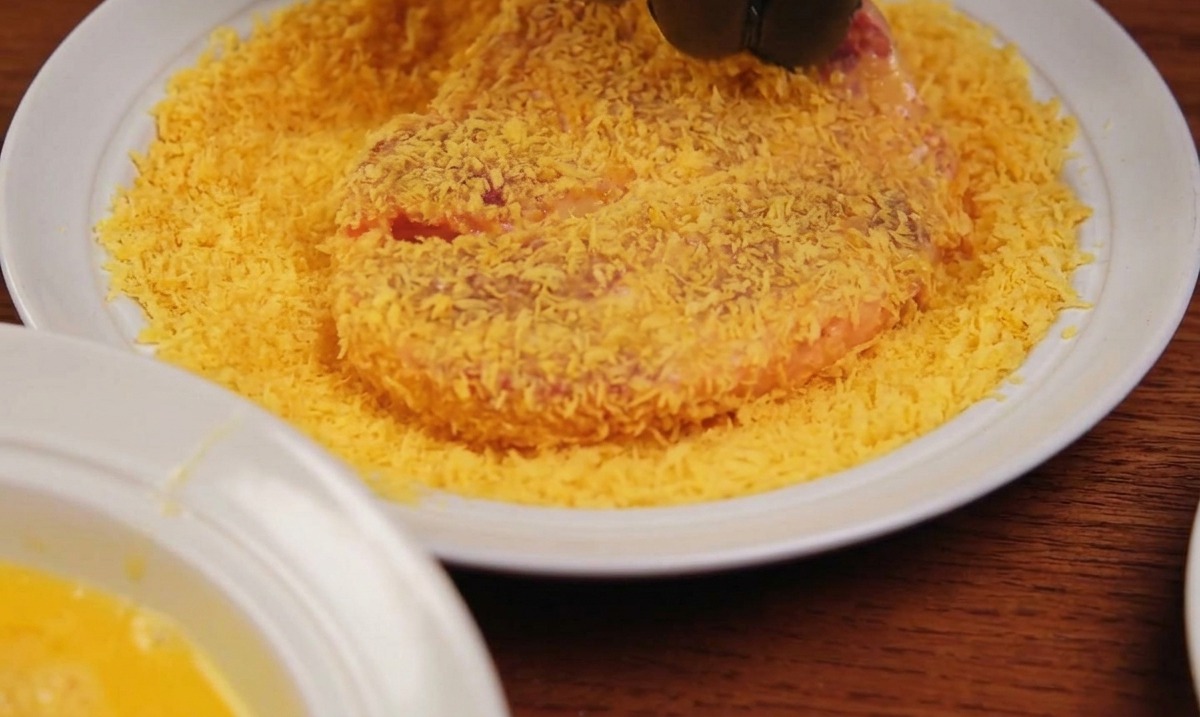
Place the egg-moistened pork into the tray of panko breadcrumbs. Use your hands to press the crumbs firmly onto the meat, ensuring a thick and even coating on all sides for maximum crispiness.
Tip: Keep one hand for wet tasks and the other for dry tasks to prevent your fingers from getting heavily coated in breading. - 6Deep fry the pork cutlet
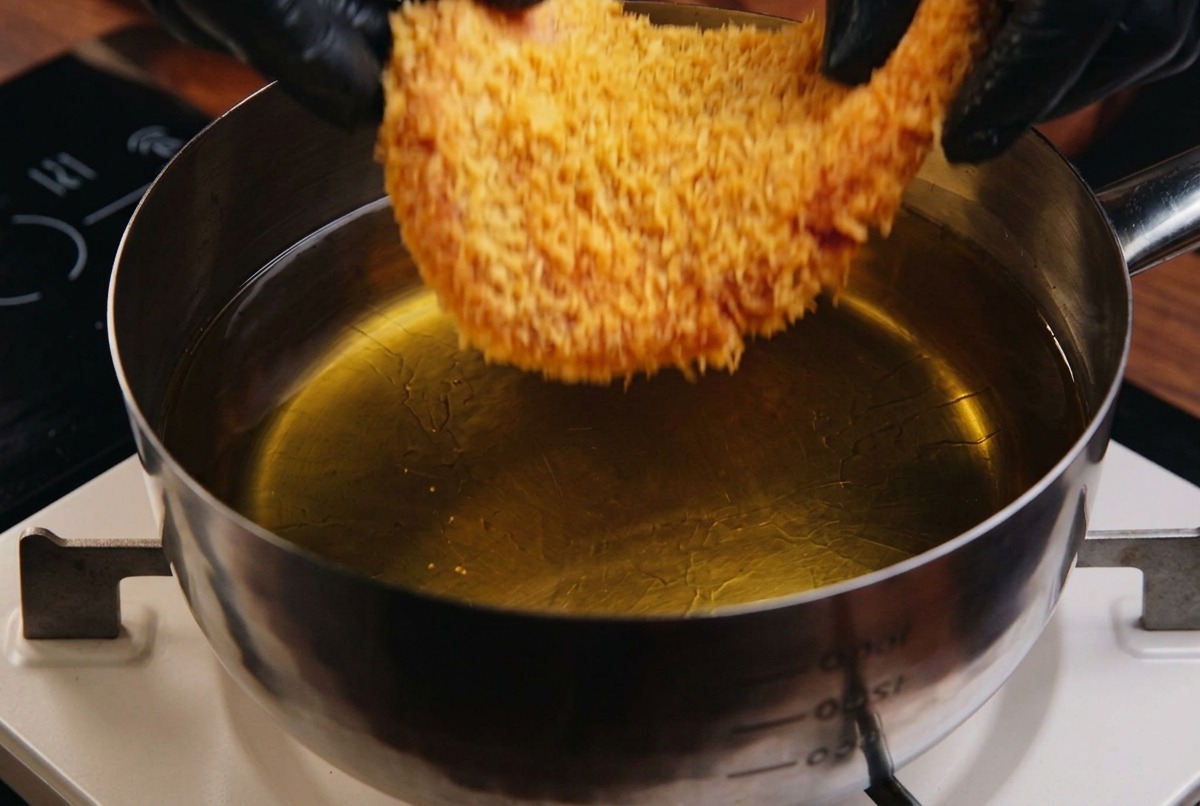
Carefully lower the breaded pork into oil heated to approximately 160°C. Deep fry the cutlet, moving the pan gently to ensure the oil circulates for even cooking and a perfectly crispy, golden-brown crust.
Tip: Do not overcrowd the pot; frying one piece at a time helps maintain the oil temperature and ensures the breading doesnt become soggy. - 7Drain the fried pork
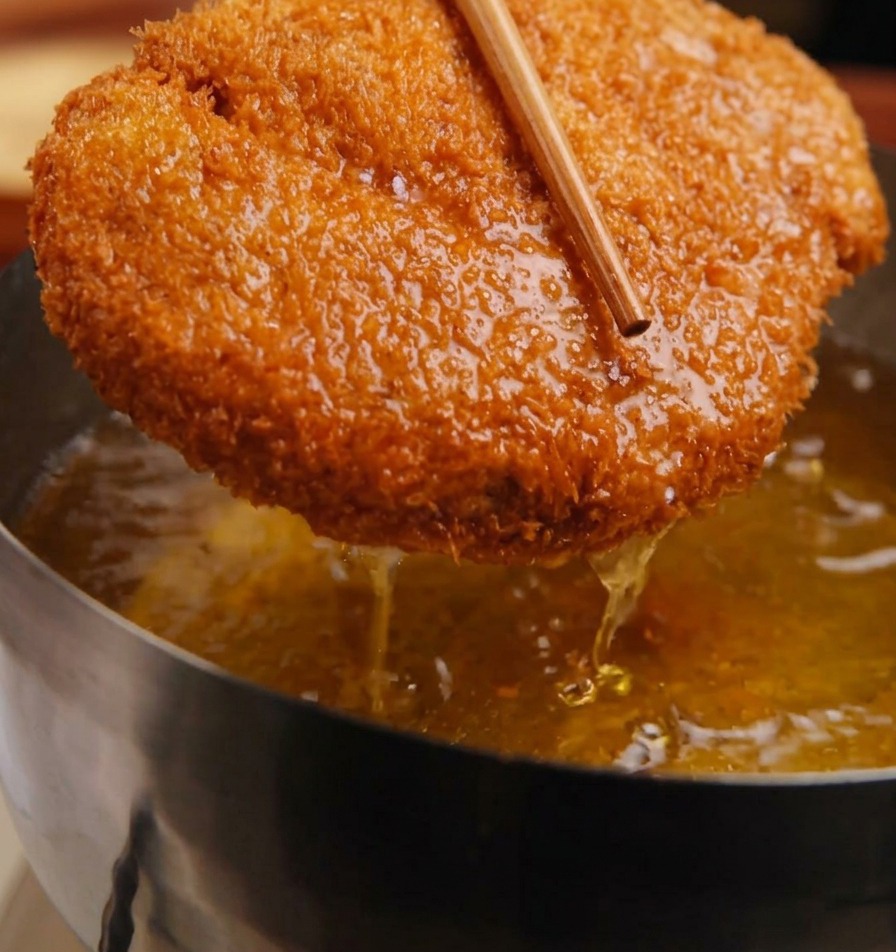
Lift the golden-brown pork cutlet from the hot oil using chopsticks. Allow the excess oil to drip back into the pan for a few seconds before transferring the cutlet to a wire rack. This prevents the panko crust from becoming oily and maintains its signature crunch.
Tip: Properly draining the oil is the secret to a katsudon that stays crispy even after the sauce and eggs are added later. - 8Slice the cutlet
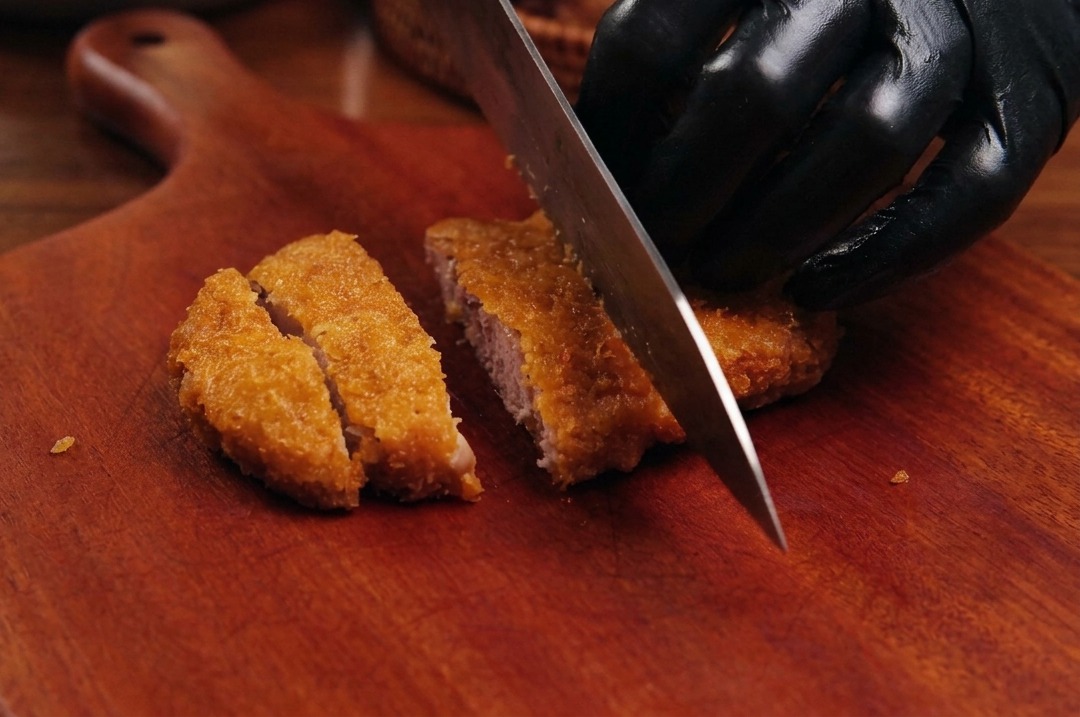
After the pork cutlet has been fried and briefly drained of excess oil, place it on a cutting board. Use a sharp knife to cut the crispy cutlet into thick, even slices, which will later be placed into the simmering sauce.
Tip: Use a sawing motion with your knife rather than pressing straight down to keep the crispy breading intact. - 9Prepare the katsudon sauce
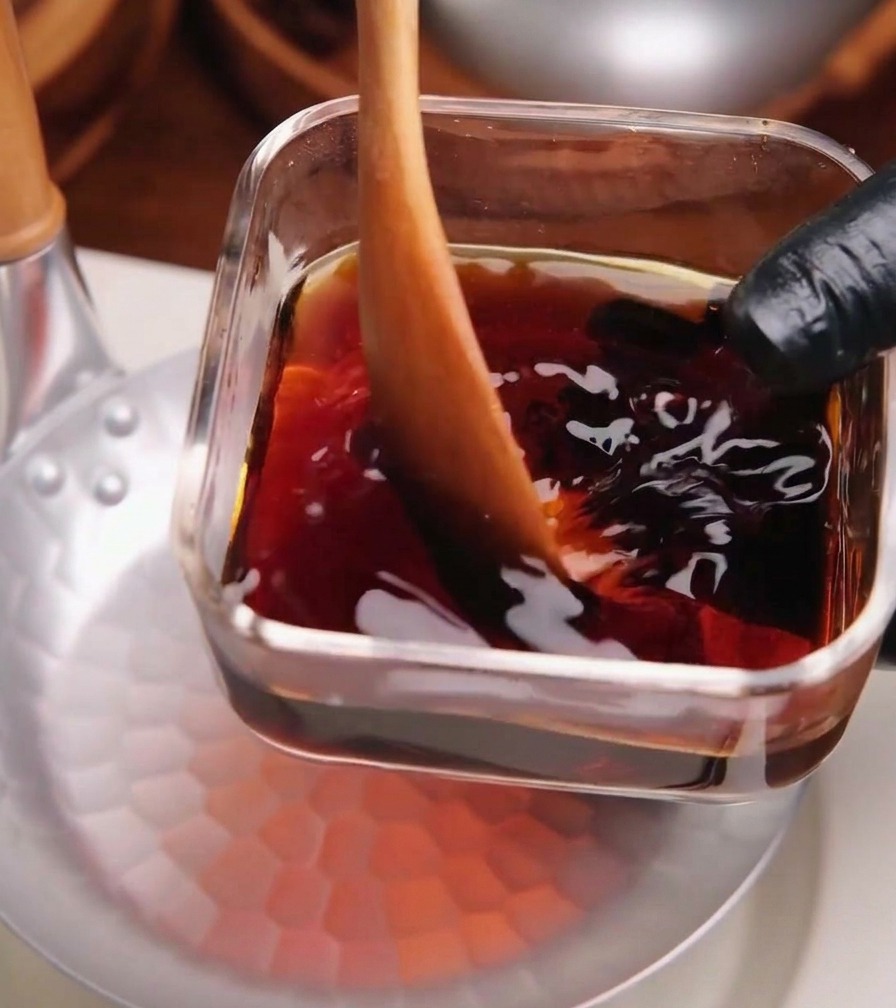
In a specialized katsudon pan or small skillet, combine 2 spoons of soy sauce, 3 spoons of mirin, 1 spoon of sugar, 4 spoons of water, and an optional spoon of sake. Bring this mixture to a gentle boil; this savory liquid will infuse the onions and the pork cutlet with deep, classic Japanese flavors.
Tip: If you dont have a katsudon pan, a small, shallow skillet will work just as well to keep the ingredients gathered. - 10Simmer onions in savory sauce
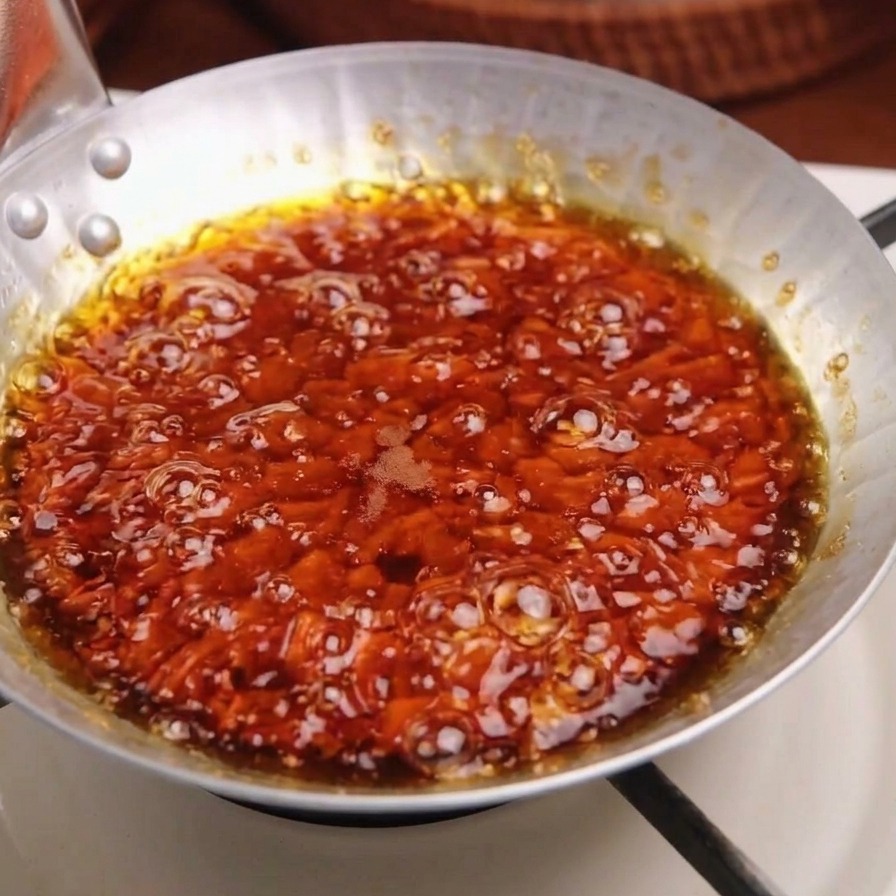
Add the thinly sliced white onions into the simmering sauce mixture. Cook over medium heat until the onions soften and begin to turn translucent, absorbing the flavors of the soy sauce, mirin, and sugar. This creates a sweet and savory base that complements the crispy pork.
Tip: Slice the onions as thinly as possible so they soften quickly and meld perfectly with the sauce and egg. - 11Simmer the pork and onions
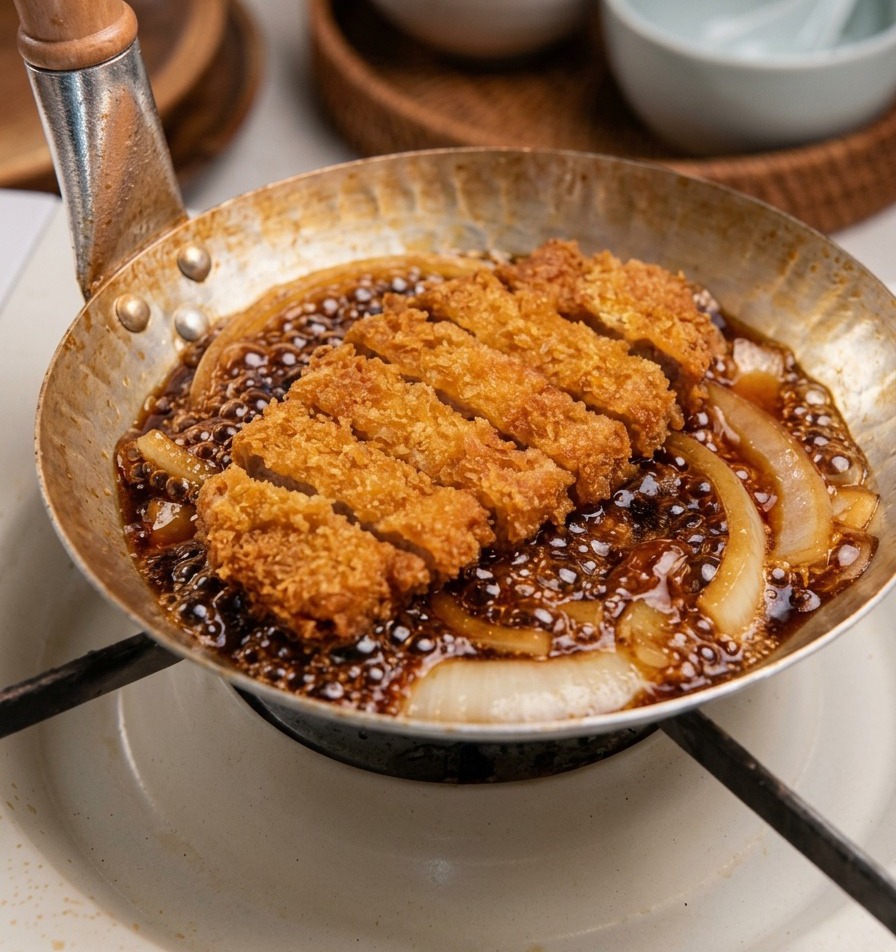
Place the sliced fried pork cutlet directly onto the bed of softened white onions in the simmering sauce. Lower the heat slightly to let the bottom of the cutlet absorb the sauce while the top stays crispy.
Tip: Avoid simmering for too long after adding the pork to ensure the breading retains some of its original crunch. - 12Add the beaten eggs
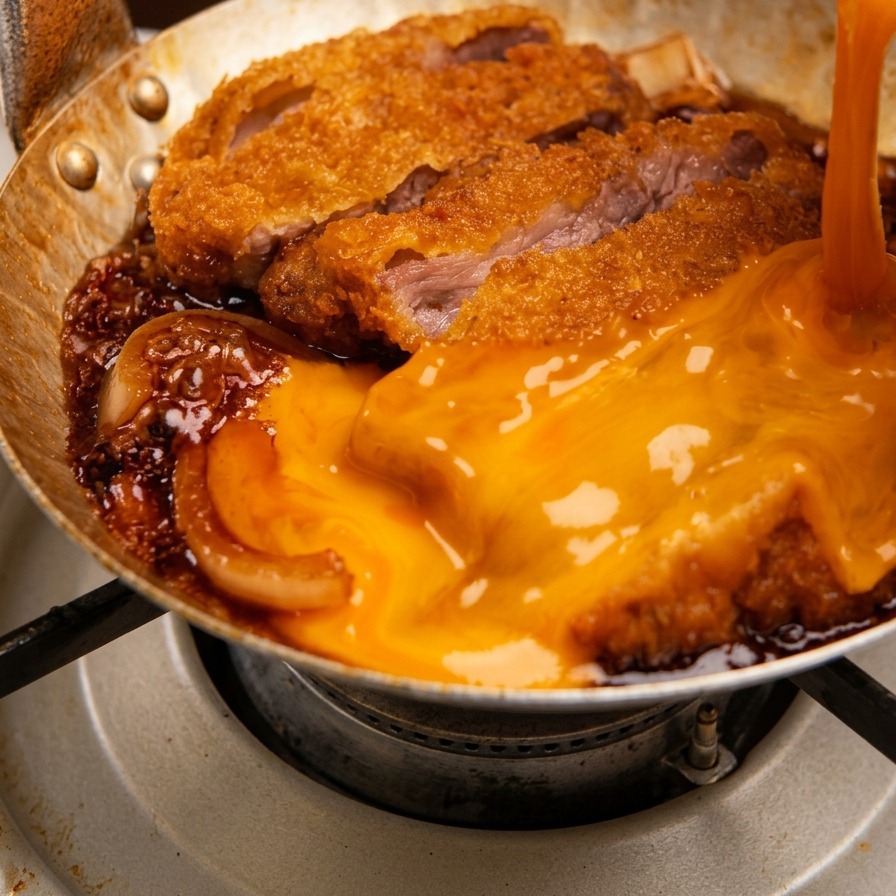
Lightly beat the remaining two eggs—just a few stirs is enough to keep the yolks and whites distinct—and pour them over the pork and onions in a circular motion. Turn off the heat immediately to prevent the eggs from overcooking.
Tip: Do not over-beat the eggs; a few quick stirs are enough to keep the yolks and whites distinct for a better texture. - 13Cover and steam the eggs
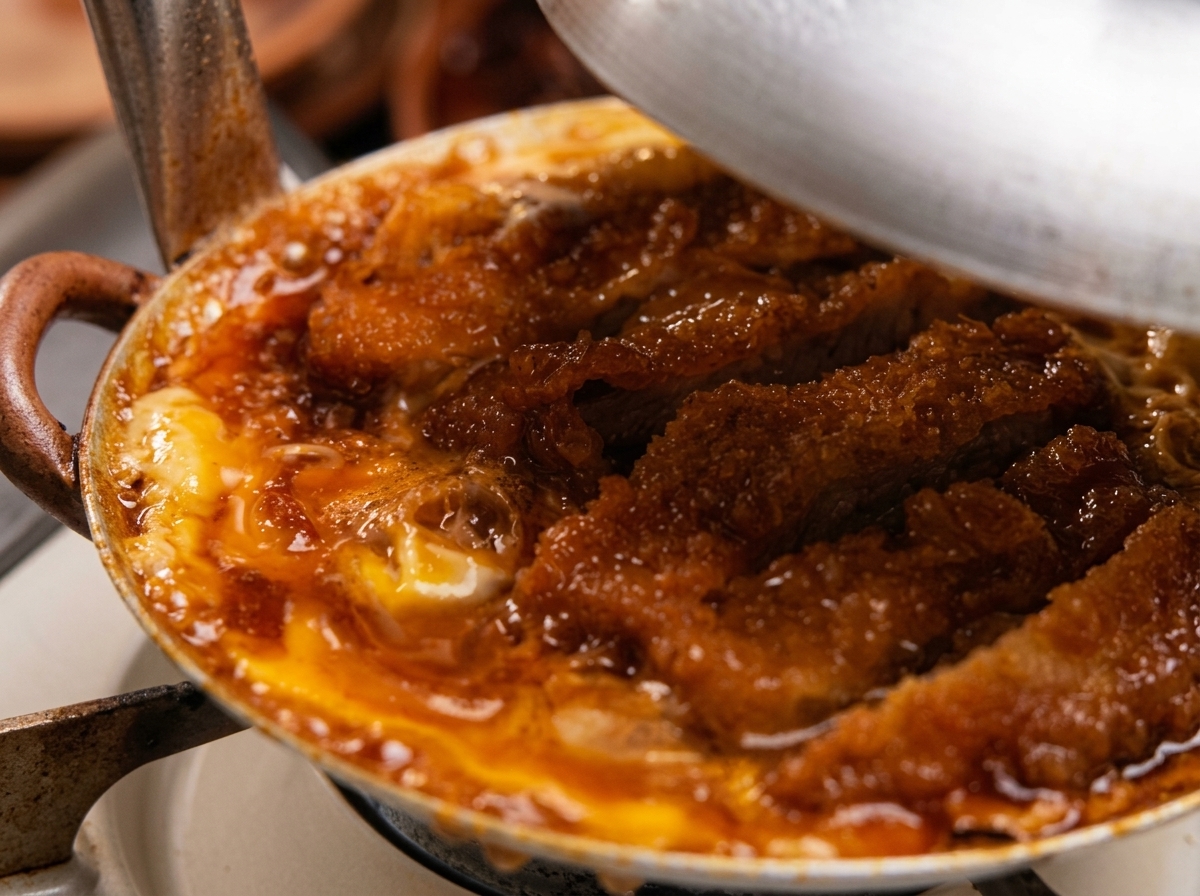
Place a metal lid over the pan and let the katsudon steam for five minutes using only the residual heat. This allows the eggs to set into a silky, custard-like texture while the onions finish softening.
Tip: Keep the lid closed tightly; the trapped steam is essential for cooking the eggs without overcooking the pork. - 14Plate over white rice
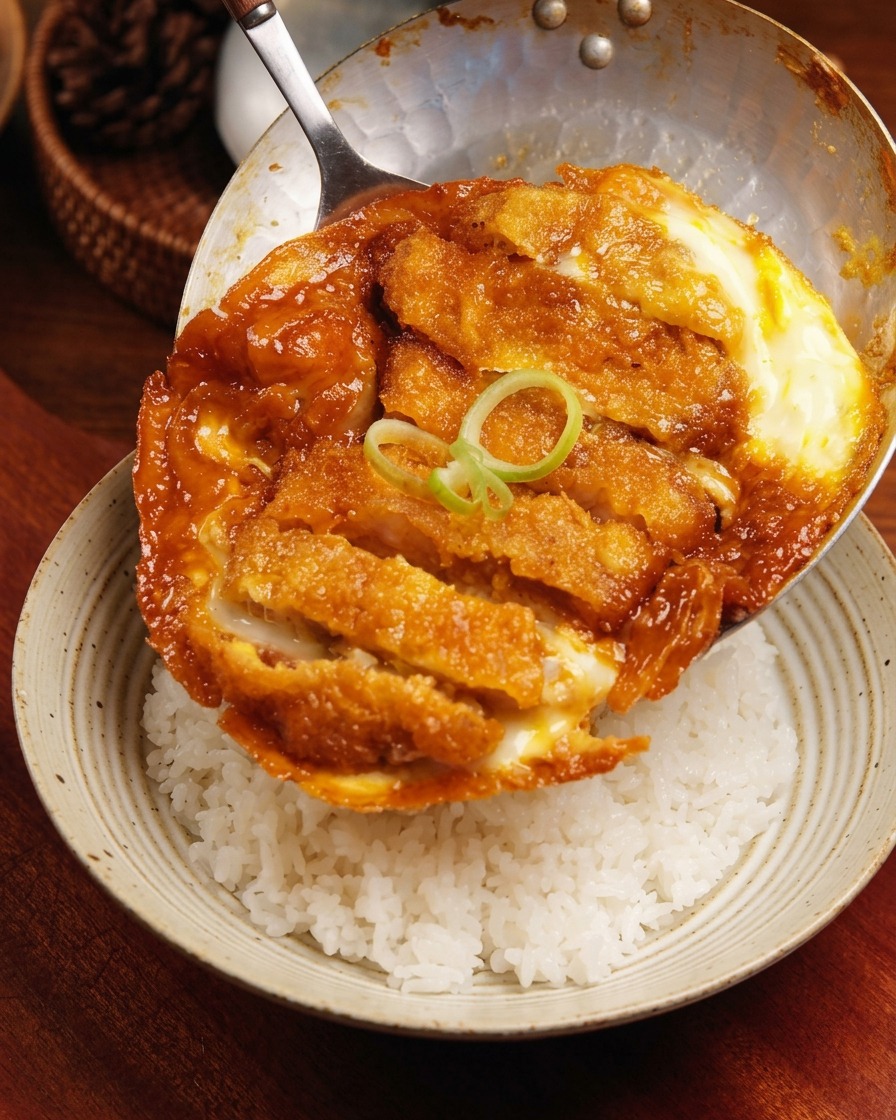
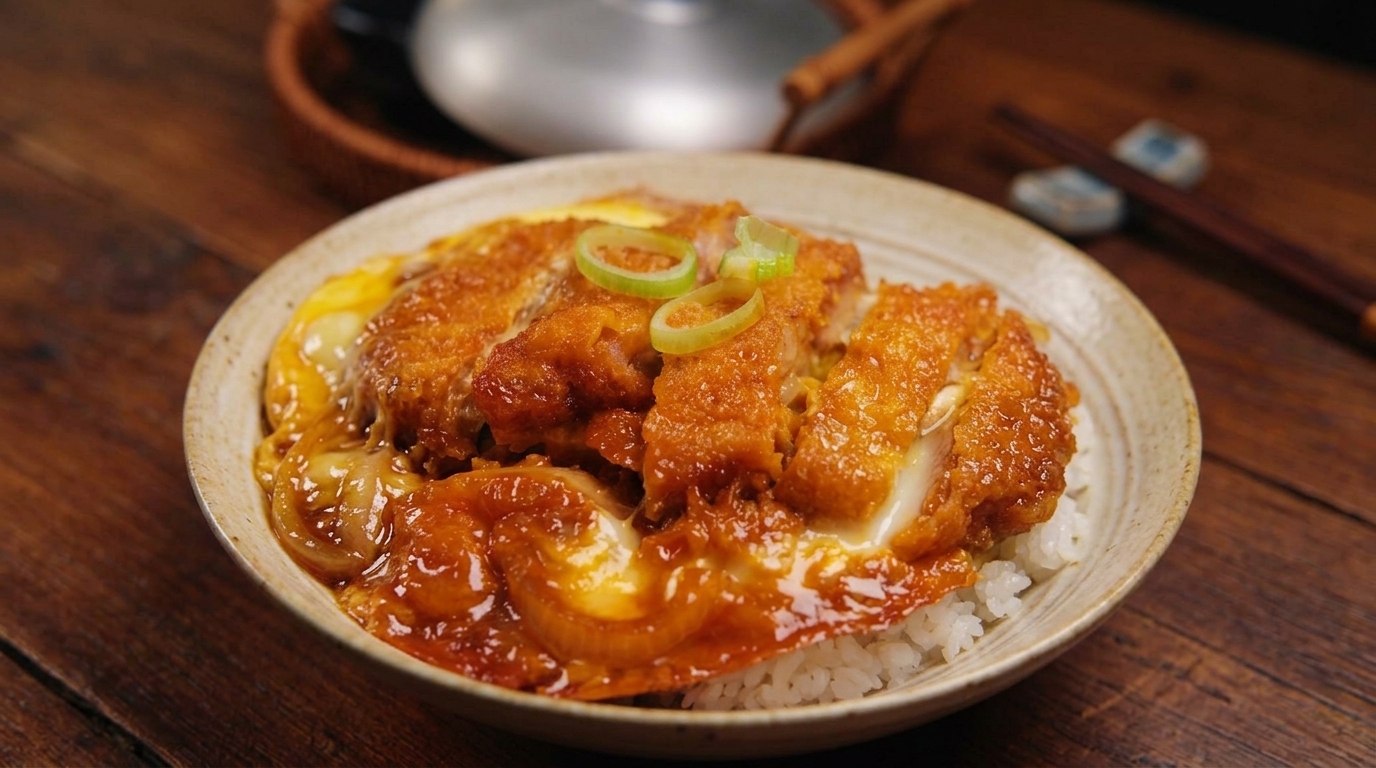
Once the eggs are set, carefully slide the entire contents of the pan onto a bowl of hot steamed white rice. Guide the katsudon gently so it sits perfectly atop the rice, allowing the flavorful sauce to soak into the grains below.
Tip: Tilt the pan at a 45-degree angle and use a gentle shaking motion to help the katsudon slide out in one piece.