Classic Nagoya Miso Katsu (Miso Pork Cutlet)
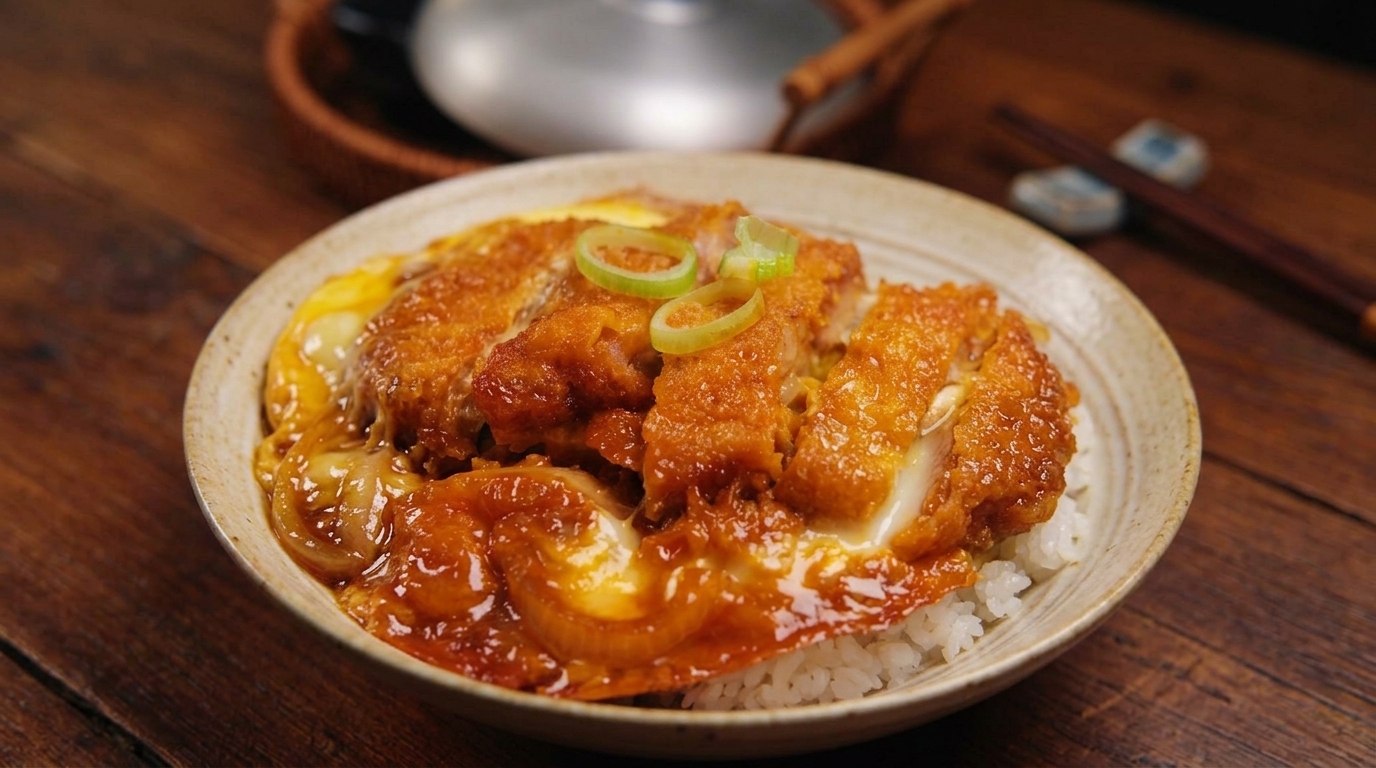
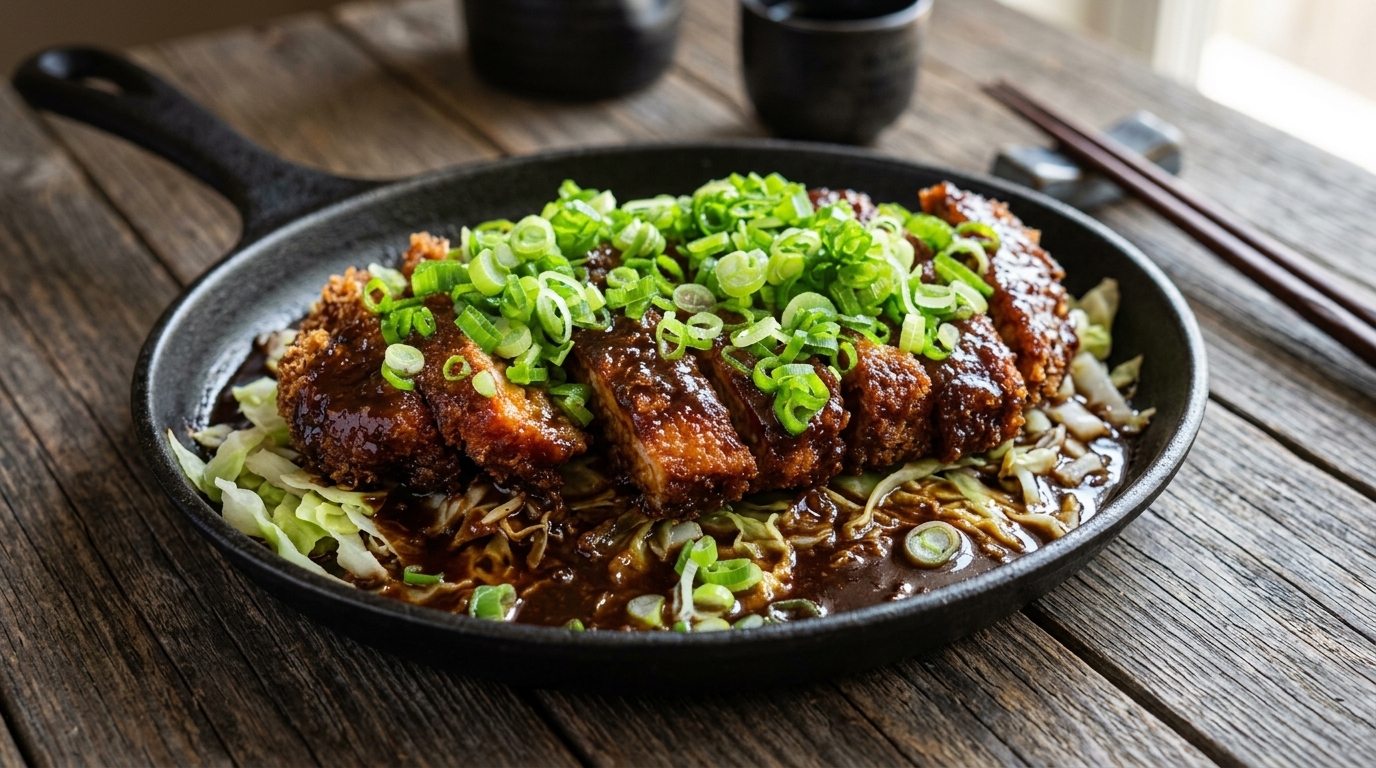
Experience the ultimate Nagoya comfort food with this thick, crispy pork cutlet double-fried to perfection and smothered in a rich, savory Hacho miso glaze.
Miso Katsu is a beloved regional specialty from Nagoya in Aichi Prefecture, celebrated for its bold and deeply comforting flavors. Unlike standard tonkatsu served with a tangy brown sauce, this version features a thick, glossy glaze made from caramelized Hacho miso. Served over a bed of crisp cabbage on a hot skillet, the contrast of textures and temperatures makes it an unforgettable culinary experience.
Ingredients
- 2 whole thick-cut pork chops (approx. 160g each)
- to taste salt
- to taste black pepper
- 12 cup all-purpose flour
- 1 large egg (beaten)
- 1 cup panko breadcrumbs
- as needed cooking oil (for deep-frying)
- 4 tbsp Hacho miso paste
- 12 cup pork back fat broth or rich pork stock
- 12 cup dashi stock
- 2 tbsp sake
- 2 tbsp mirin
- 1 tbsp light soy sauce
- 1.5 tbsp Sanonto sugar (or brown sugar)
- 1 tbsp honey
- 1 tsp fish powder
- 1 tsp ginger paste
- 1 tsp garlic paste
- 2 cups shredded cabbage
- 2 tbsp chopped green onions
Instructions
- 1Season the pork cutlets
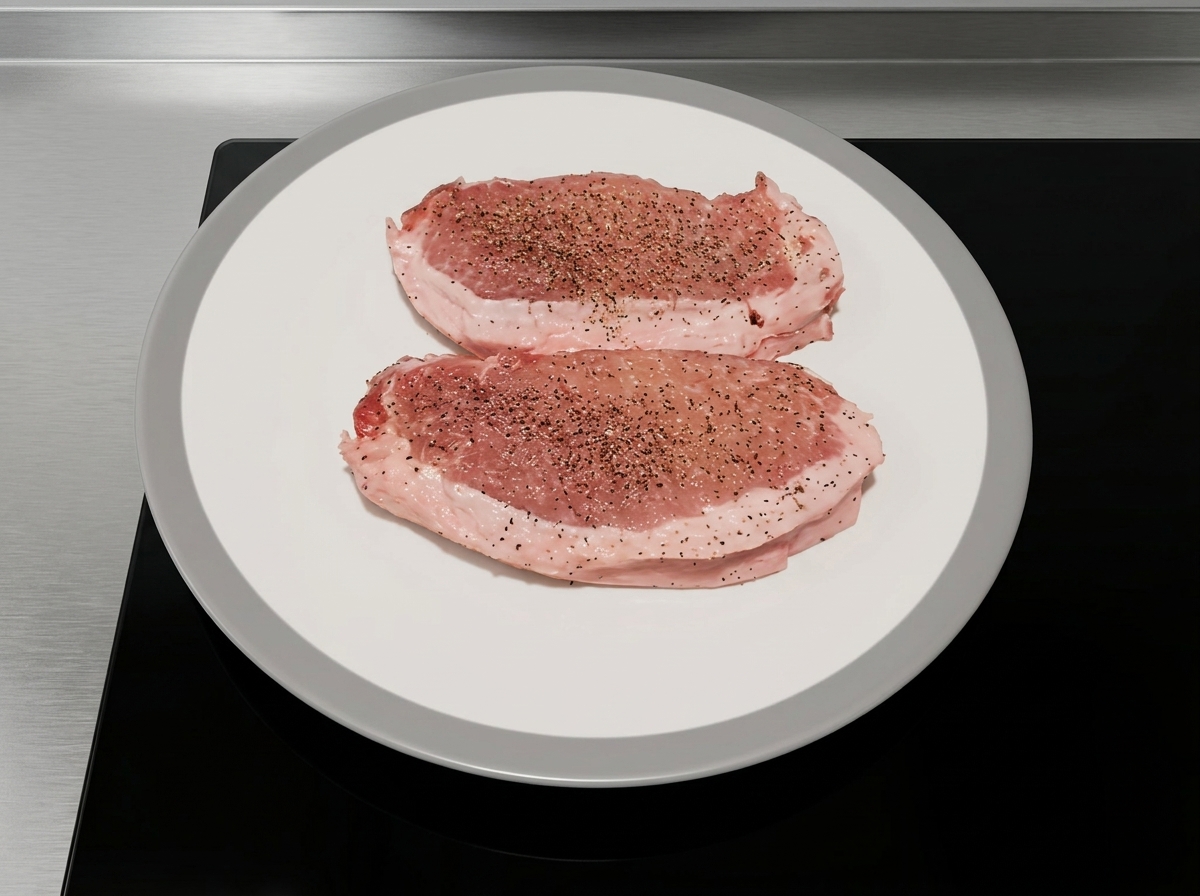
Prepare thick-cut pork chops weighing about 160 grams each. Generously season both sides of the meat with black pepper and salt to lay down a flavorful base before breading and deep-frying.
Tip: Ensure the pork chops are brought close to room temperature before seasoning so they cook evenly all the way through to the center. - 2First deep-fry cycle
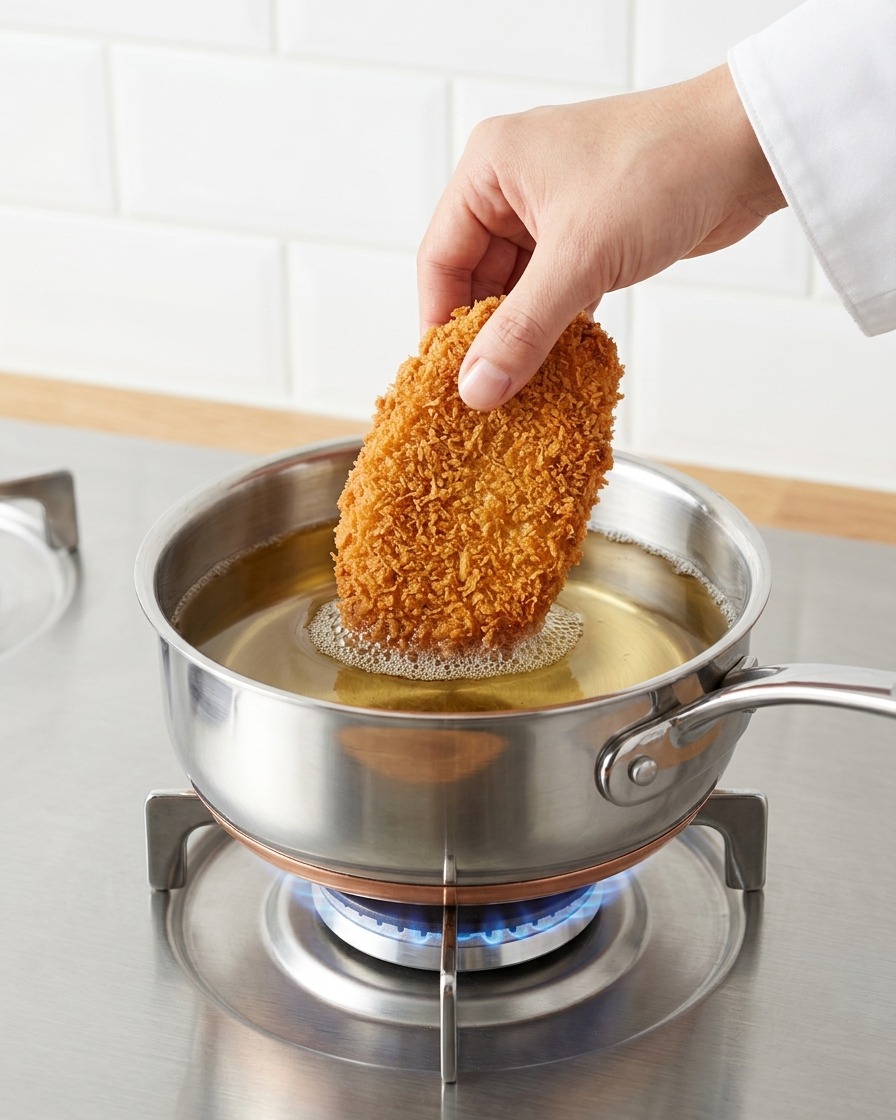
Carefully lower the fully breaded pork cutlet into a pot of clean cooking oil preheated to 160°C. Deep-fry steadily at this temperature for exactly 2 minutes and 10 seconds to begin building the crust while gently cooking the thick interior meat.
Tip: Gently lower the cutlet away from you to prevent any hot oil from splashing up onto your hands or arms. - 3Rest the cutlet
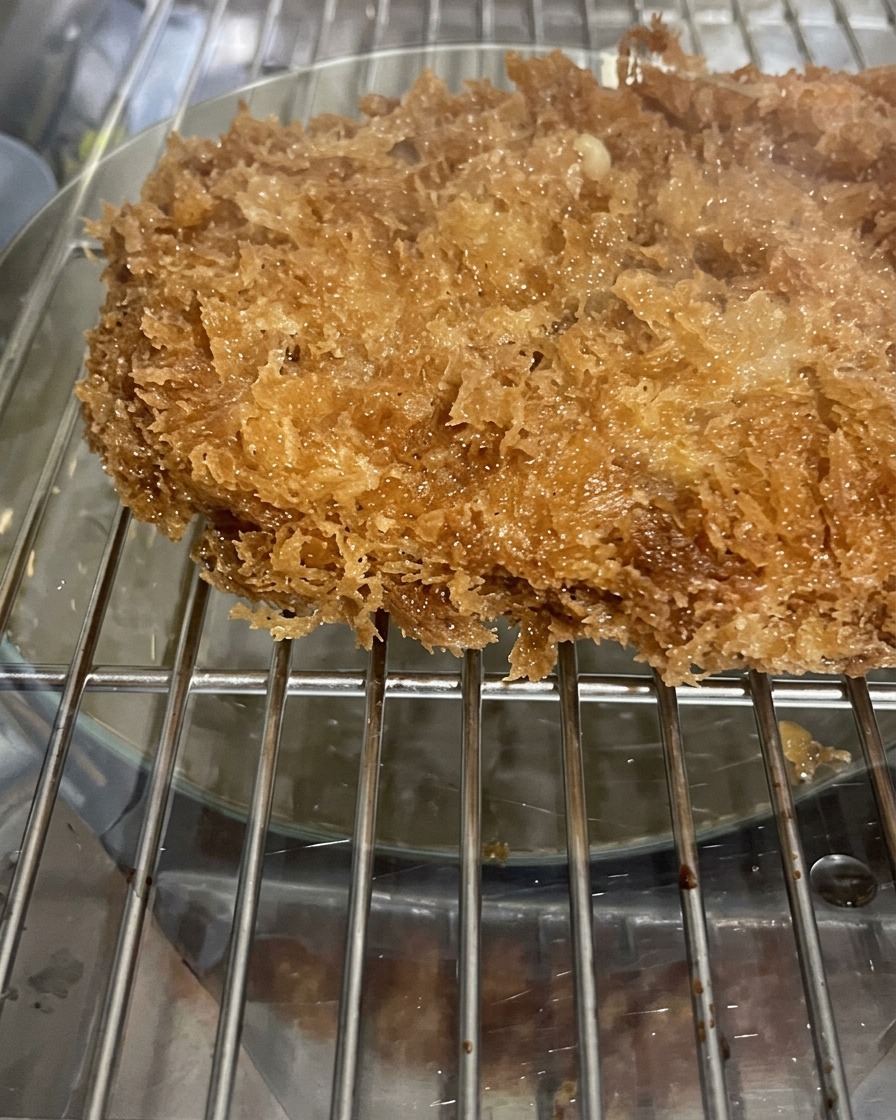
Remove the pork cutlet from the hot oil after the first fry and transfer it to a wire cooling rack. Allow it to rest undisturbed for 20 seconds; this short resting period lets the residual heat equalize throughout the thick meat, preserving its juiciness.
Tip: Resting on a wire rack instead of a flat plate keeps the bottom of the cutlet from getting soggy due to trapped steam. - 4Second deep-fry cycle
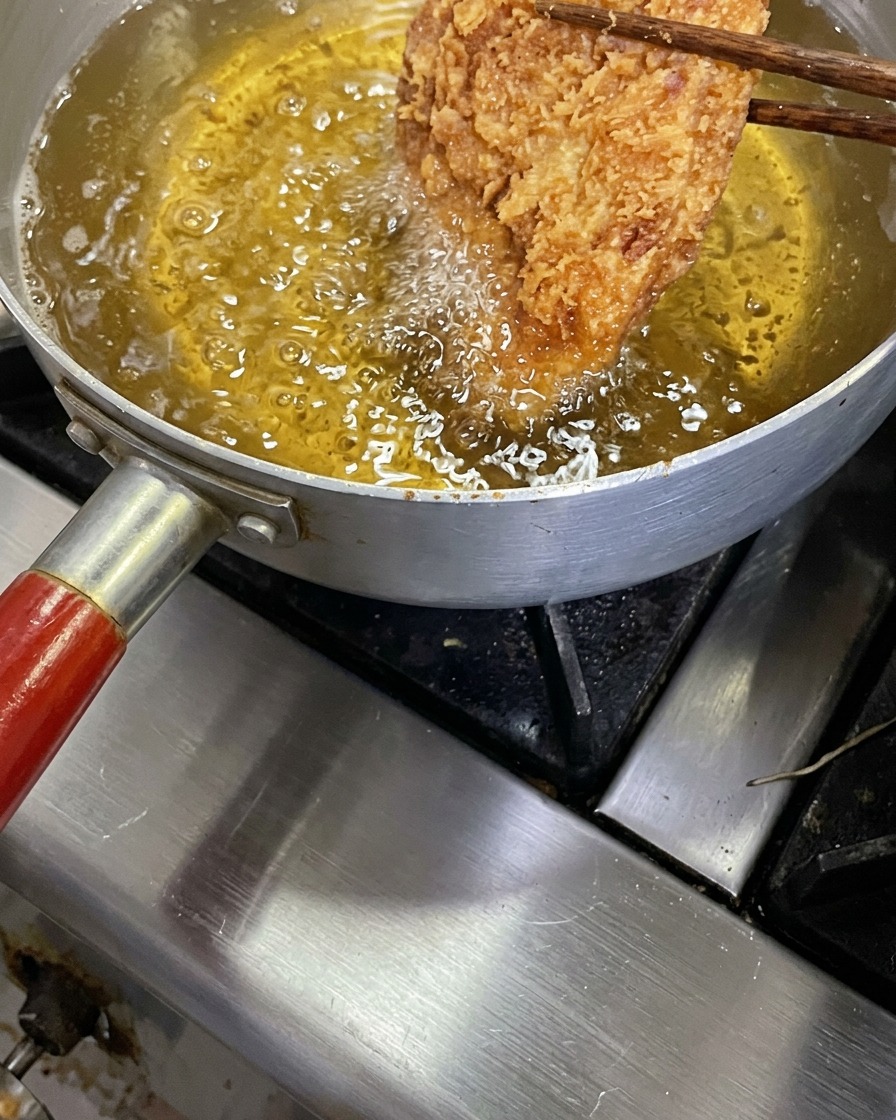
Return the rested pork cutlet back into the hot bubbling oil for a second fry lasting 30 seconds. This quick double-fry technique flash-crisps the external panko crumbs into a shatteringly crunchy texture while locking in the interior juices.
Tip: Keep the oil temperature consistent during the second fry to ensure the coating quickly crisps without absorbing excess grease. - 5Slice the tonkatsu
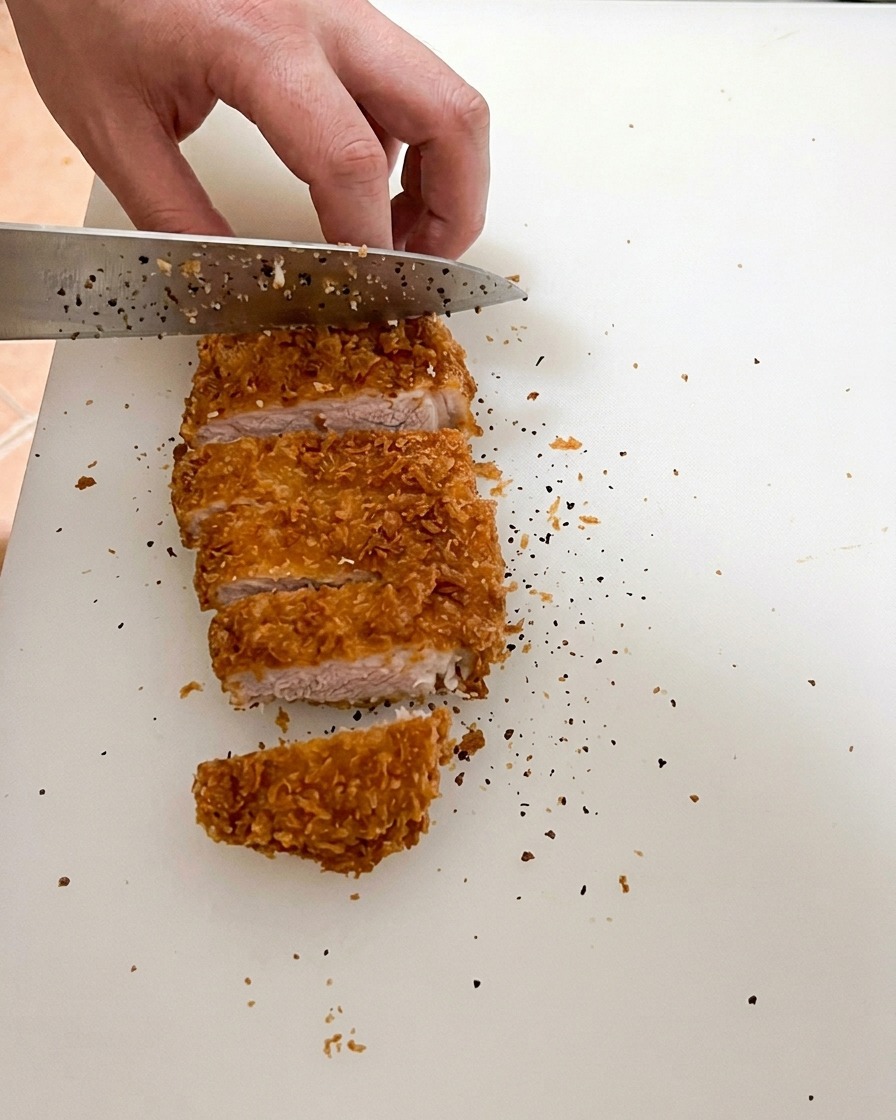
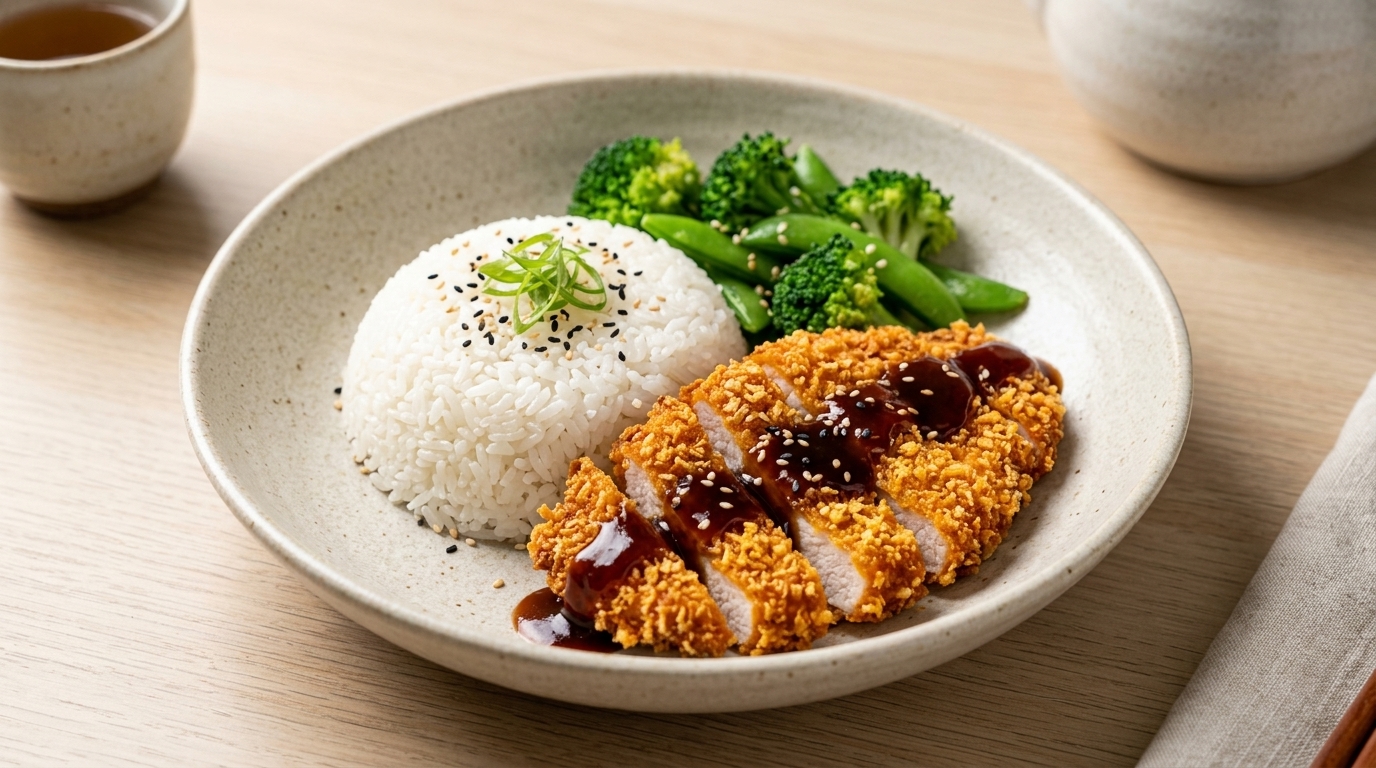
Place the double-fried pork cutlet onto a cutting board and slice it crosswise into thick, even strips using a sharp chefs knife. The cross-section should reveal an incredibly tender, juicy center with a faint, beautiful hint of light pink.
Tip: Press down in a single, decisive slicing motion rather than sawing back and forth to keep the crispy breading intact. - 6Measure sauce ingredients
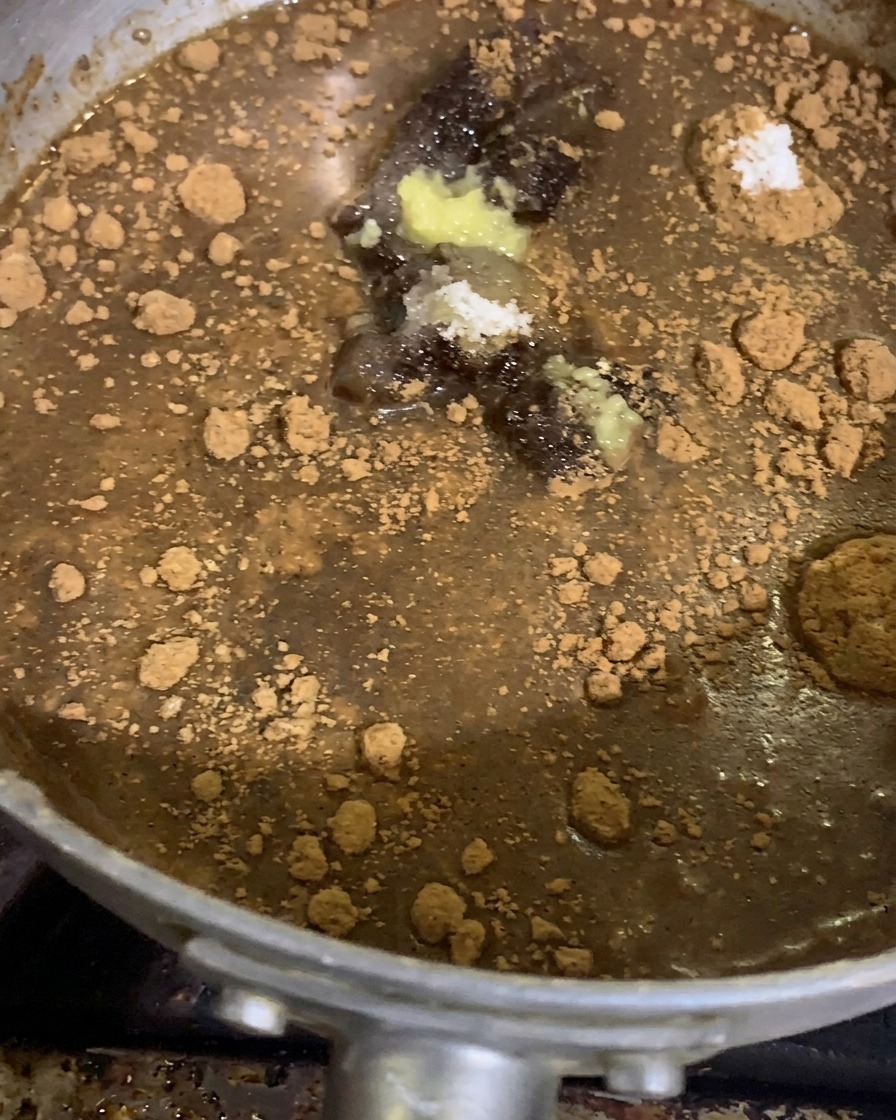
Add the Hacho Miso, pork back fat broth, dashi, sake, mirin, light soy sauce, Sanonto sugar, honey, fish powder, black pepper, ginger paste, and garlic paste directly into a small saucepan.
Tip: Blend the heavy miso paste with small splashes of liquid first to avoid lumps forming when the heat is turned on. - 7Whisk until uniform
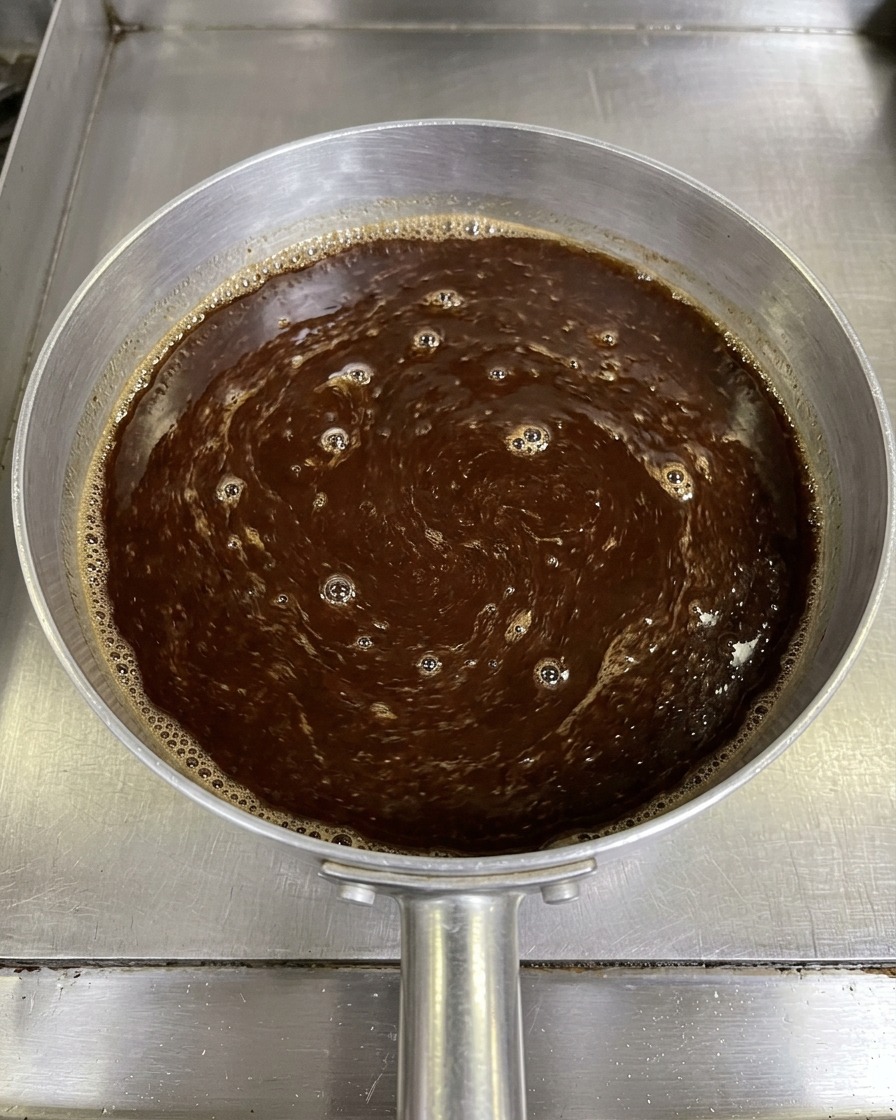
Stir the mixture thoroughly with a pair of chopsticks or a small whisk, breaking up any large chunks of miso paste until the sauce base is completely smooth and uniform before turning on the heat.
Tip: Whisking or stirring thoroughly at the start prevents the miso from clumping and helps the sugars dissolve evenly. - 8Simmer and reduce
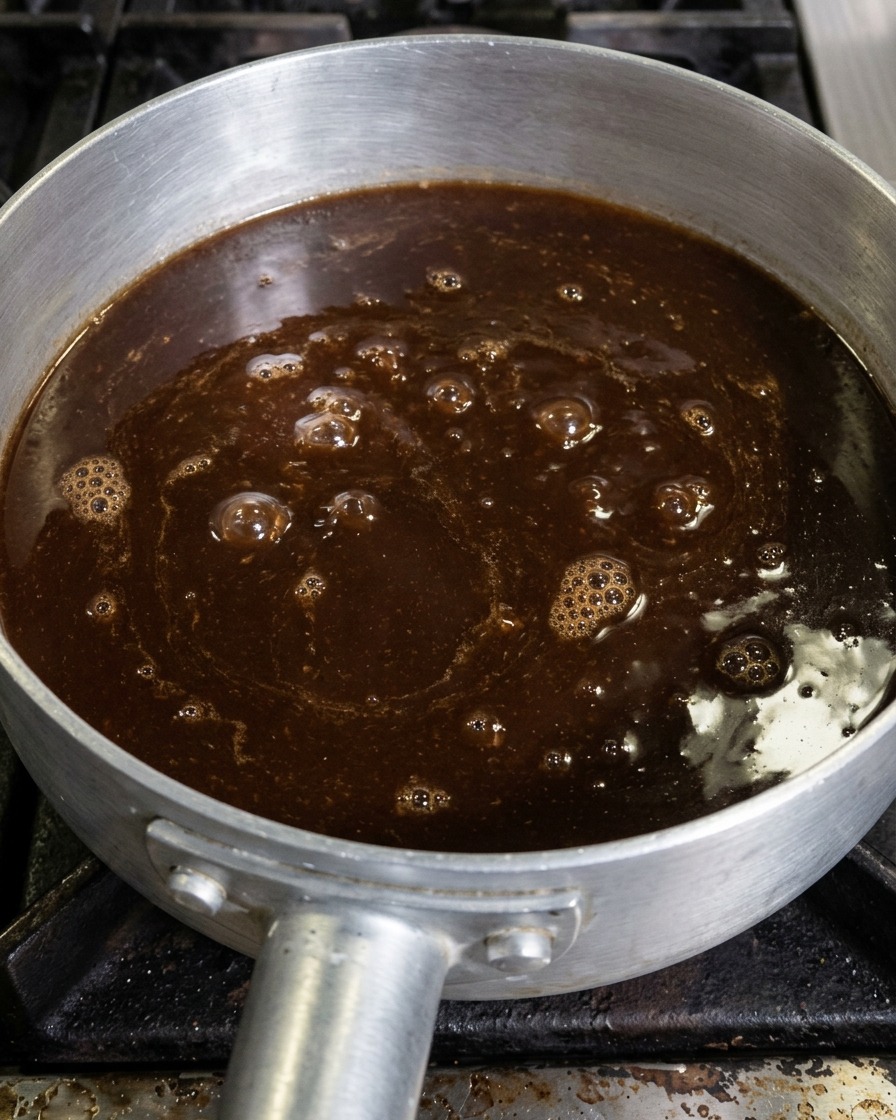
Place the pot over low heat and let the sauce simmer gently for about 20 minutes. As it bubbles, the flavors will concentrate and the texture will thicken into a rich, glossy glaze.
Tip: Keep the heat low; miso can burn easily due to its high sugar content, which would result in a bitter taste. - 9Sauce the Tonkatsu
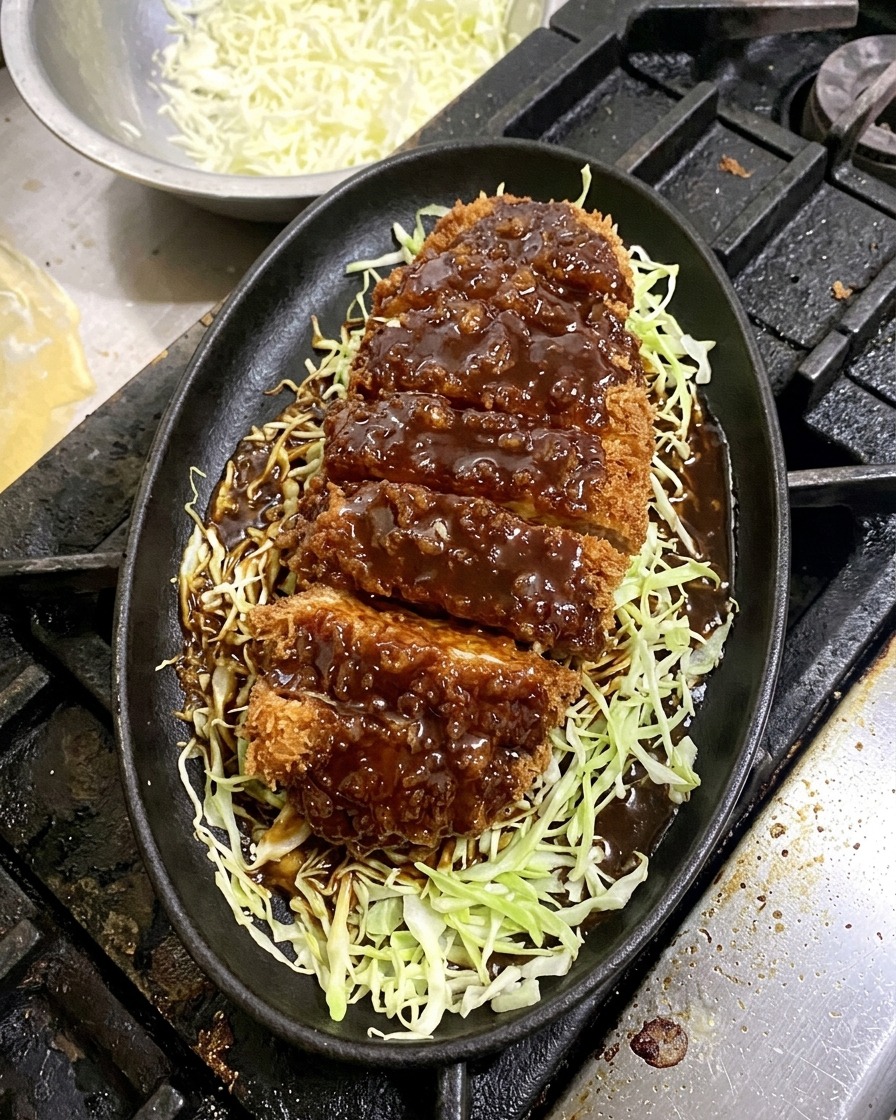
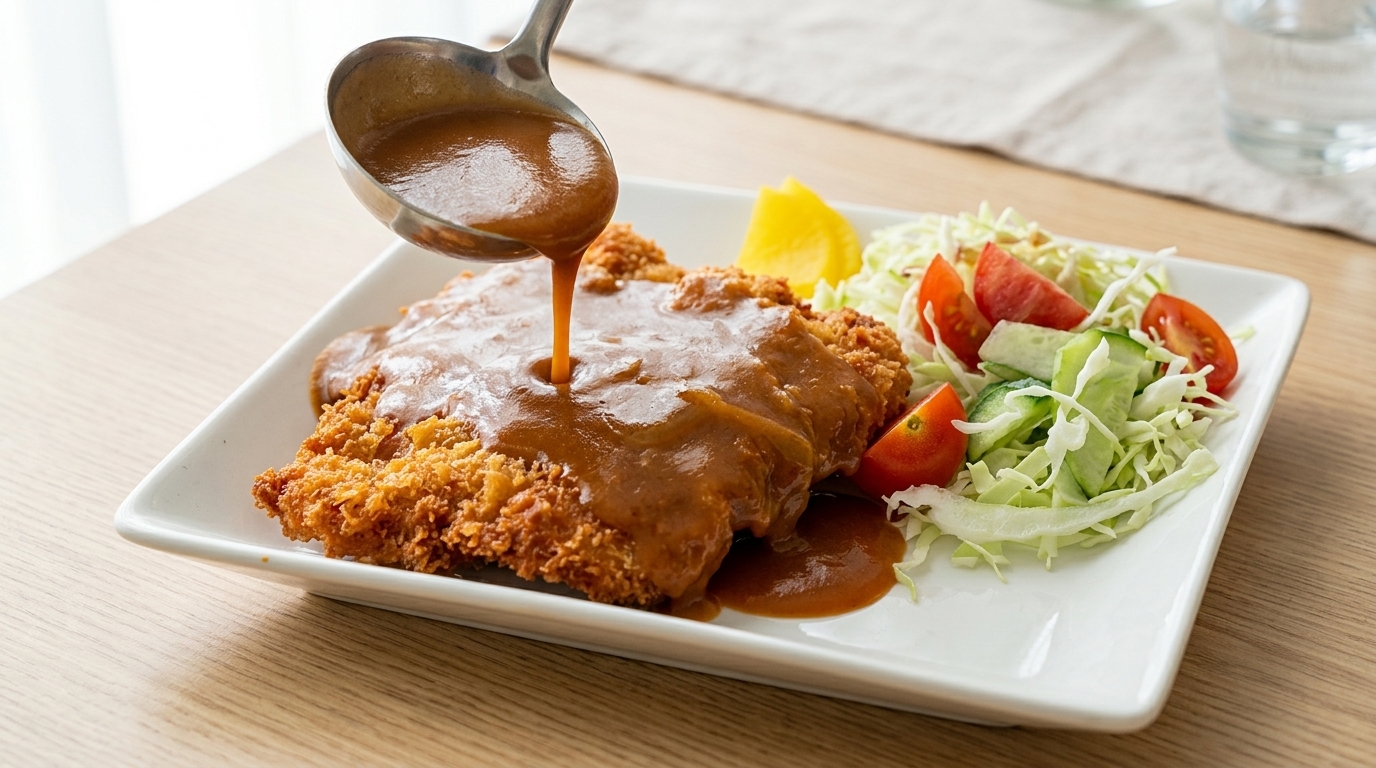
Place the crispy, double-fried pork cutlet onto a bed of shredded cabbage in a preheated iron skillet. Generously pour the hot, reduced Hacho Miso sauce over the meat, allowing it to sizzle against the hot pan.
Tip: Serving in a hot iron skillet keeps the sauce bubbling and ensures the pork stays hot until the very last bite.