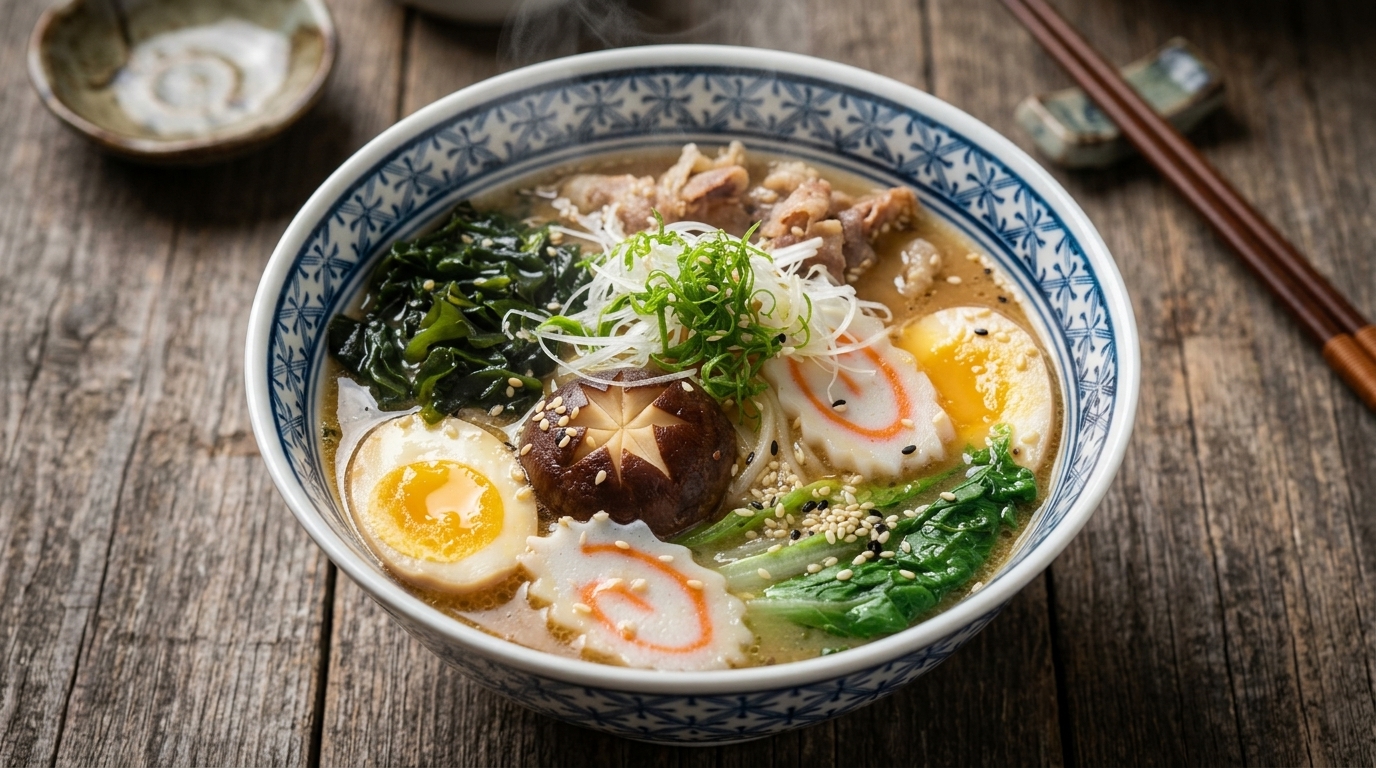
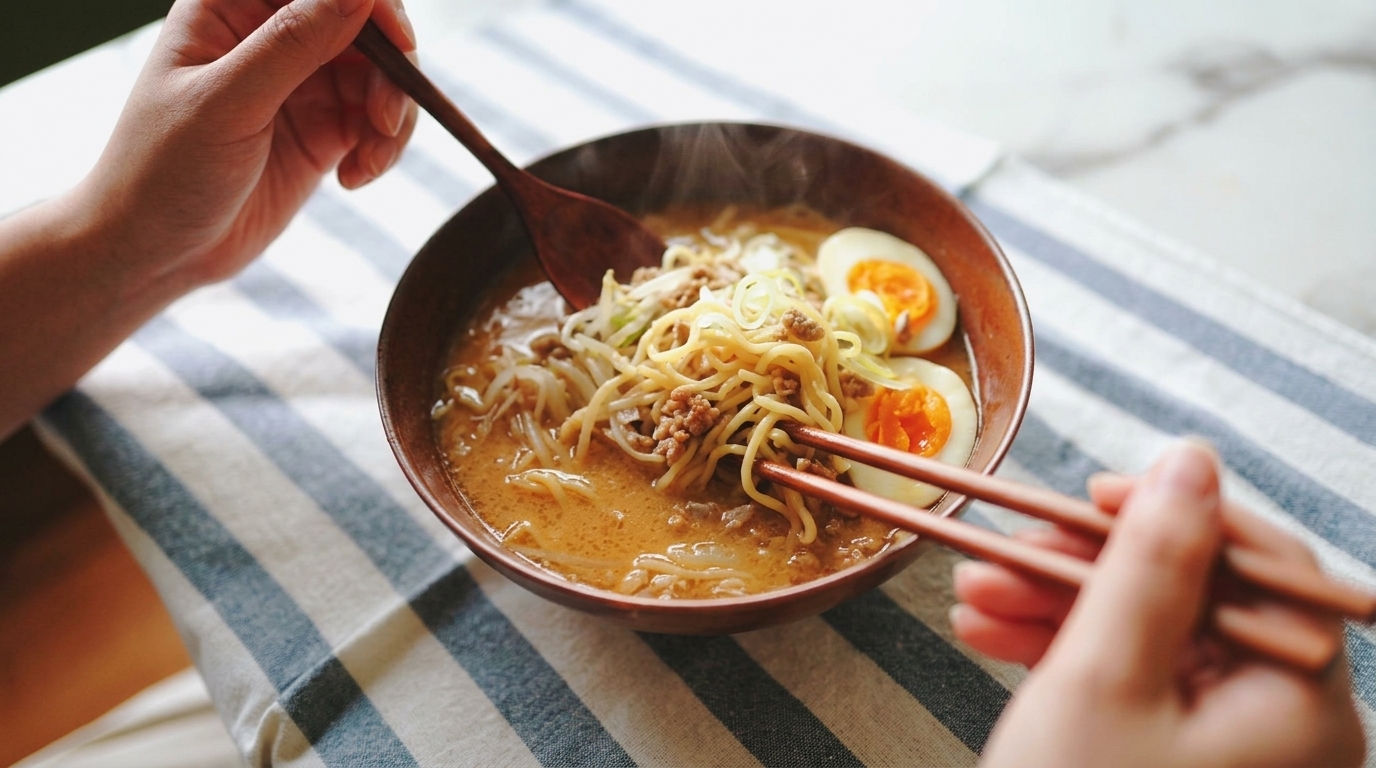
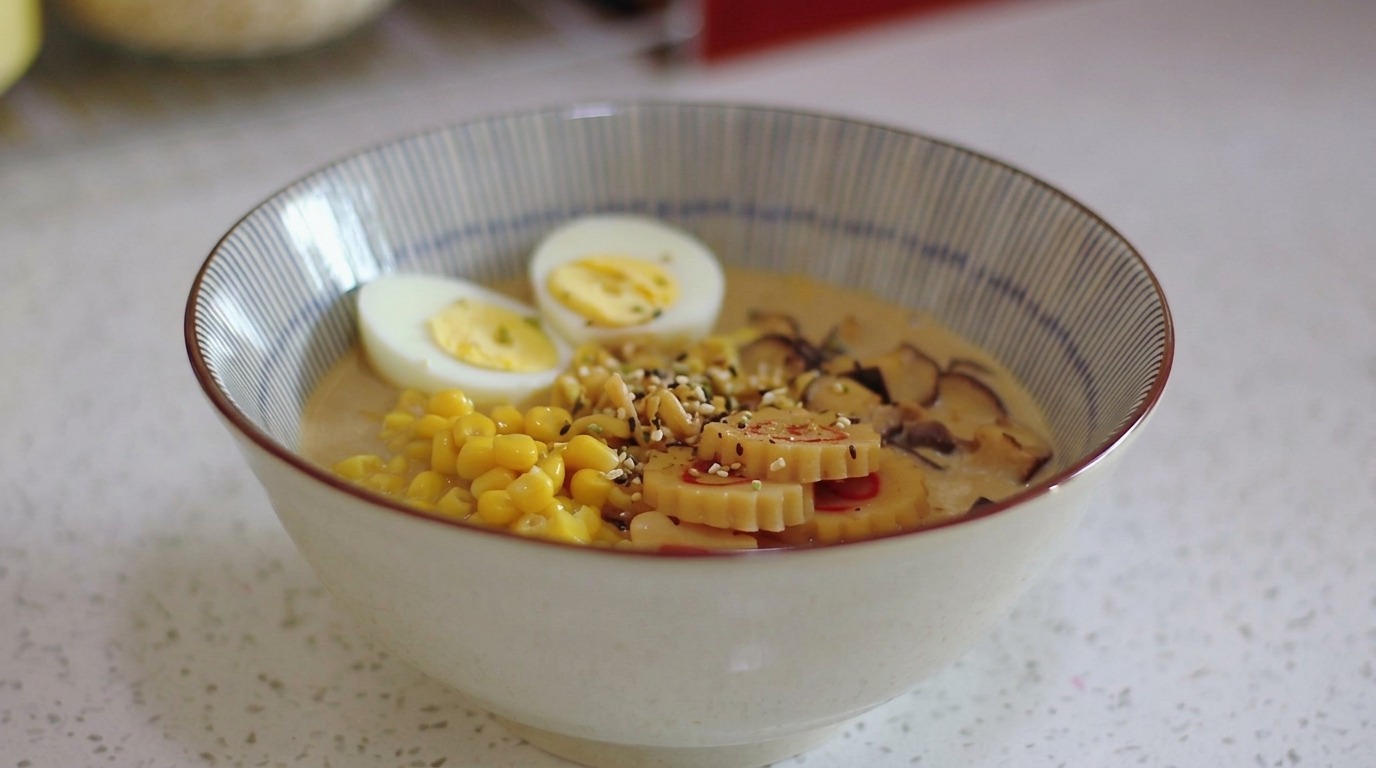
Rich Butter Red Miso Ramen
A luxurious upgrade to classic miso ramen, featuring a silky red miso base and a melting slab of butter that creates an incredibly rich and fragrant broth.
Miso ramen is the soul of Hokkaido, and this version leans into the regions famous dairy culture. By combining deep, fermented red miso with a decadent pat of butter, the broth transforms into a velvety masterpiece that perfectly clings to curly noodles.
Ingredients
- 300 cc low-concentration bone broth
- 50-60 cc prepared red miso paste base
- 1 serving curly ramen noodles
- 1 tbsp scallion oil
- 50 g bean sprouts
- 3 pieces baby corn
- 20 g garlic leaves
- 2 slices chashu pork
- 12 soft-boiled egg
- 15 g salted butter
- to taste black pepper
Instructions
- 1Prepare the miso paste ingredients
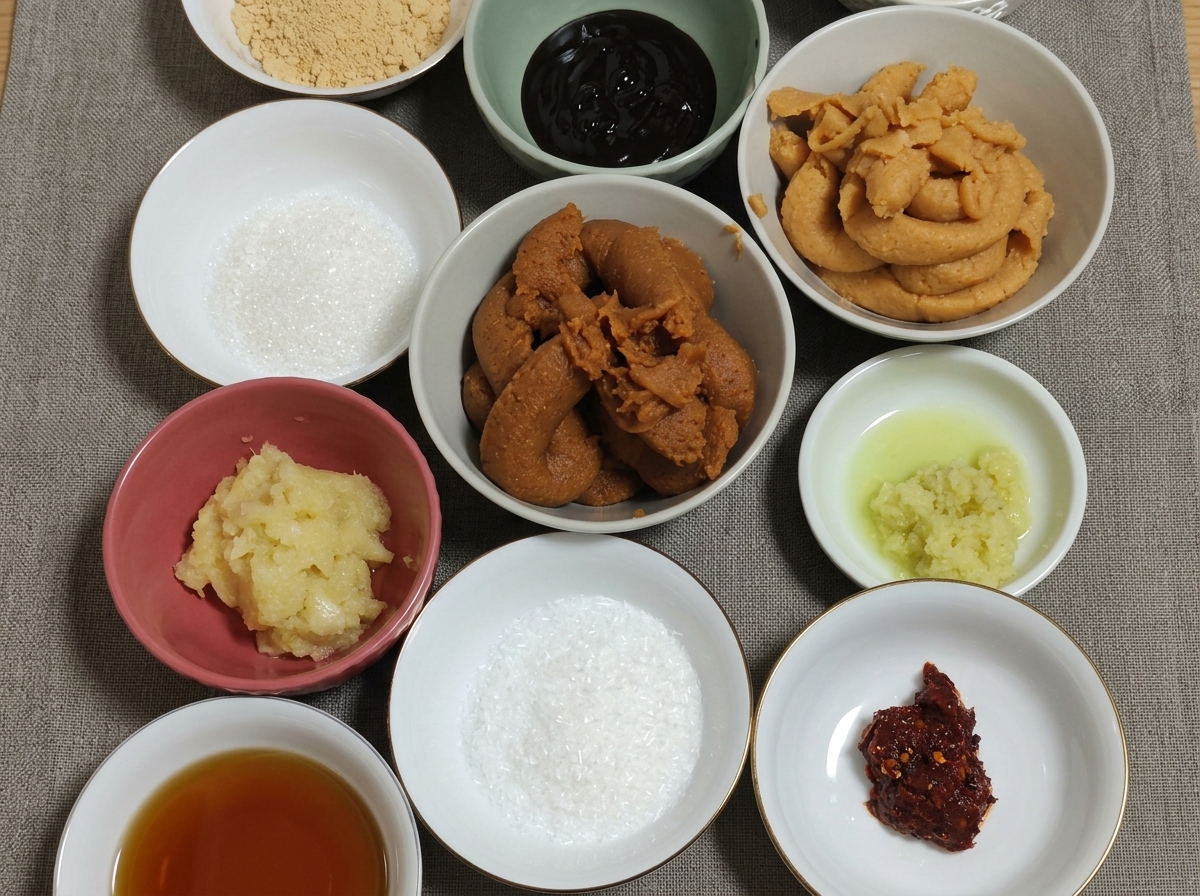
Gather all the essential components for the rich miso base. This includes red and white miso for depth, sugar for balance, soy flour, and various aromatics like minced garlic, ginger, and chili paste. Having everything measured and ready ensures a smooth mixing process.
Tip: Using a combination of different miso types creates a more complex and professional-tasting broth base. - 2Combine the miso base
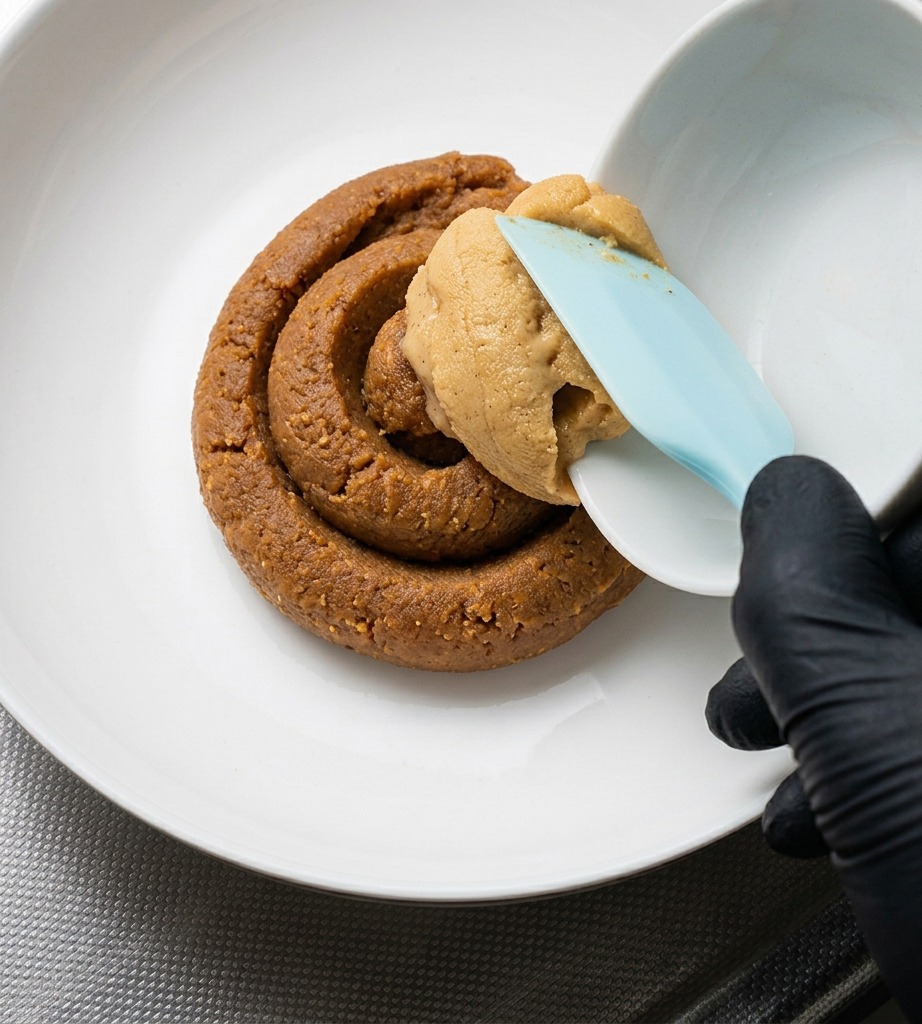
Begin building the flavor profile by adding the different varieties of miso paste into a large mixing bowl. Use a spatula to ensure all the paste is transferred from the smaller bowls. This concentrated paste will serve as the soul of your ramen broth.
Tip: Make sure your mixing bowl is large enough to allow for vigorous stirring without spilling. - 3Blend the seasonings
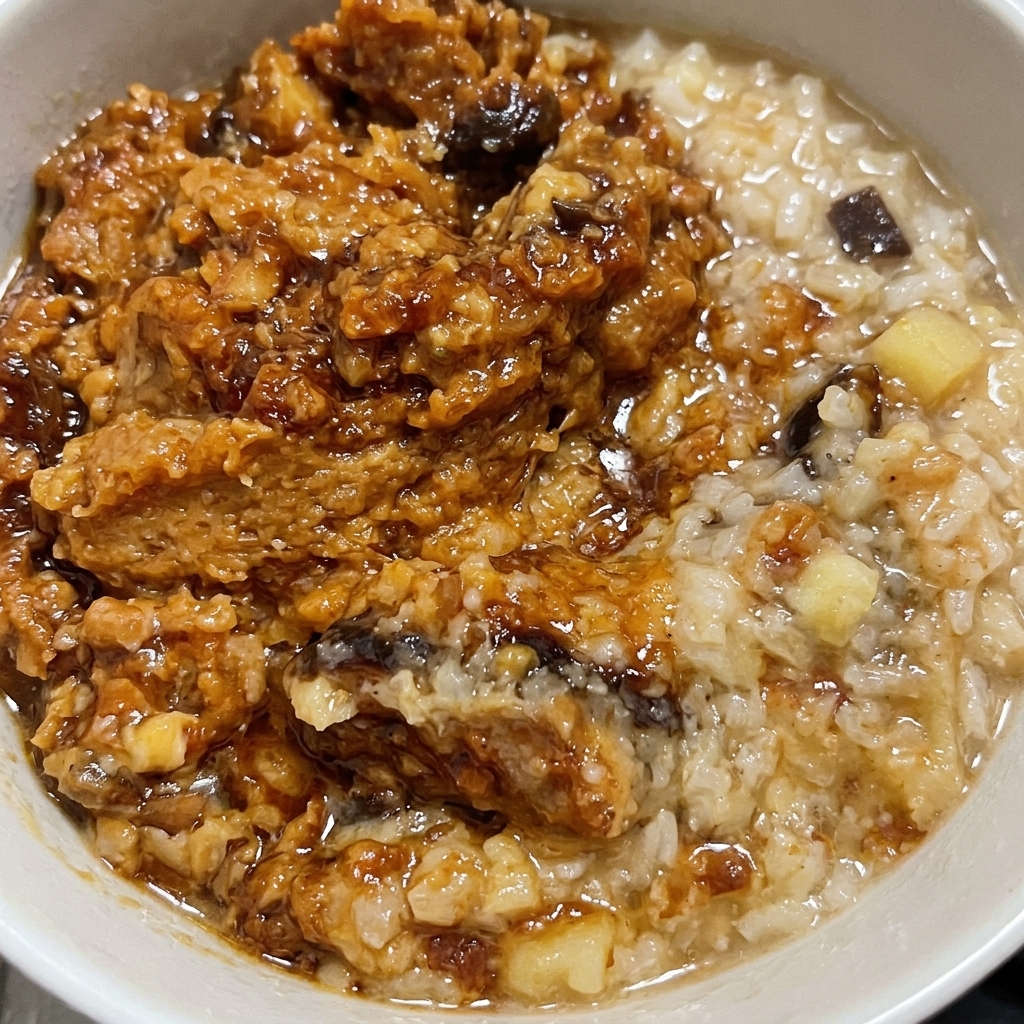
Thoroughly mix the miso pastes with the sugar, soy flour, and aromatics. Continue blending until the mixture reaches a uniform, thick consistency. This step allows the individual flavors to meld together into a harmonious seasoning paste.
Tip: Mixing well at this stage prevents clumps of miso from appearing later in your soup. - 4Heat the scallion oil
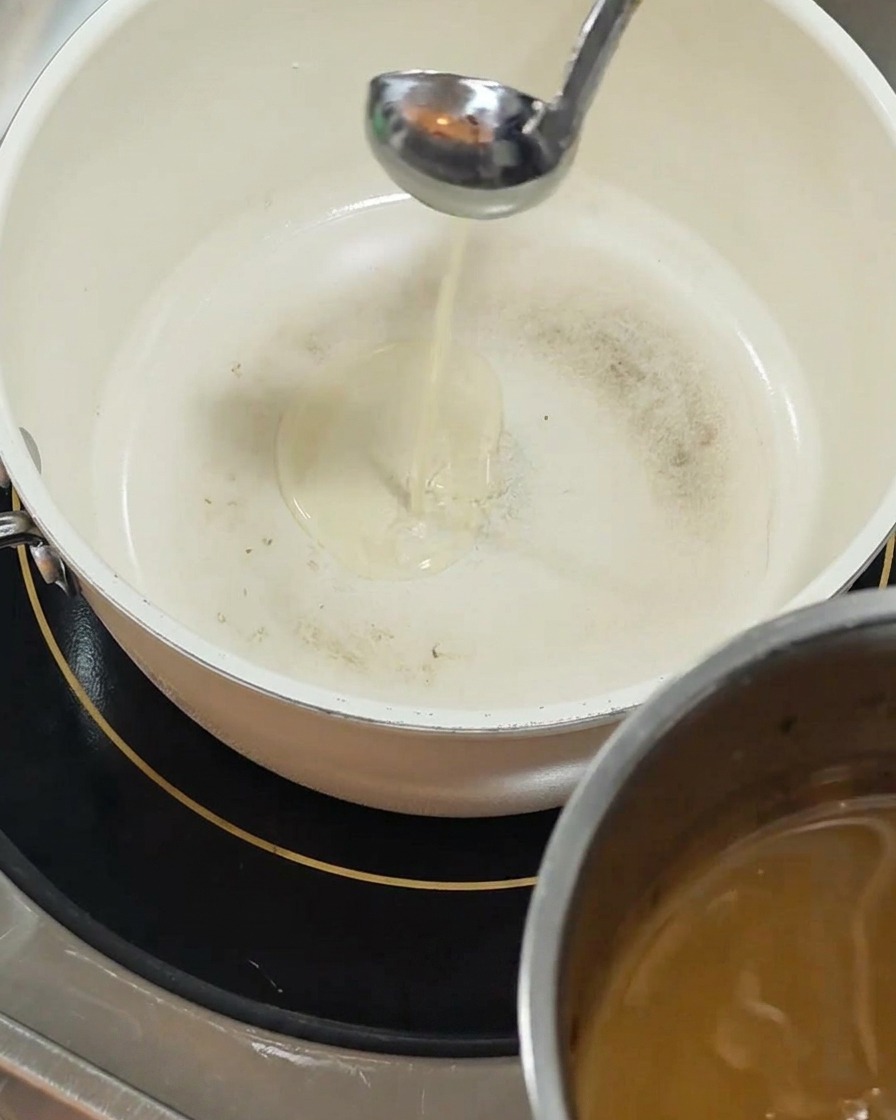
Set a pot over an induction cooktop and pour in a generous amount of fragrant scallion oil. This oil will act as the flavorful fat base for stir-frying the vegetables, infusing the entire dish with a subtle onion aroma.
Tip: Keep the heat at a medium level to prevent the scallion oil from burning and becoming bitter. - 5Sauté the vegetables
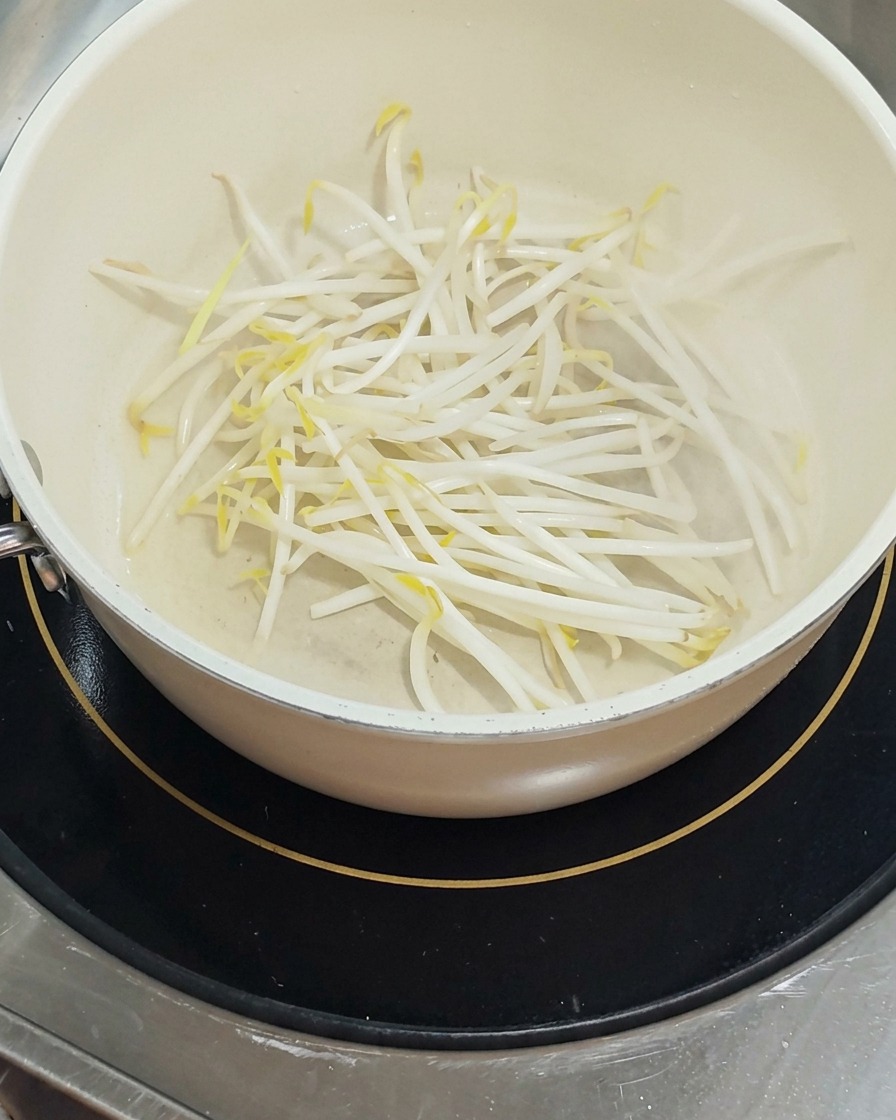
Once the oil is hot, add the fresh bean sprouts to the pot. This is the first layer of texture for the ramen, providing a refreshing crunch that contrasts beautifully with the rich miso broth added later.
Tip: Ensure the bean sprouts are well-drained before adding them to the hot oil to avoid excessive splashing. - 6Infuse the aromatics
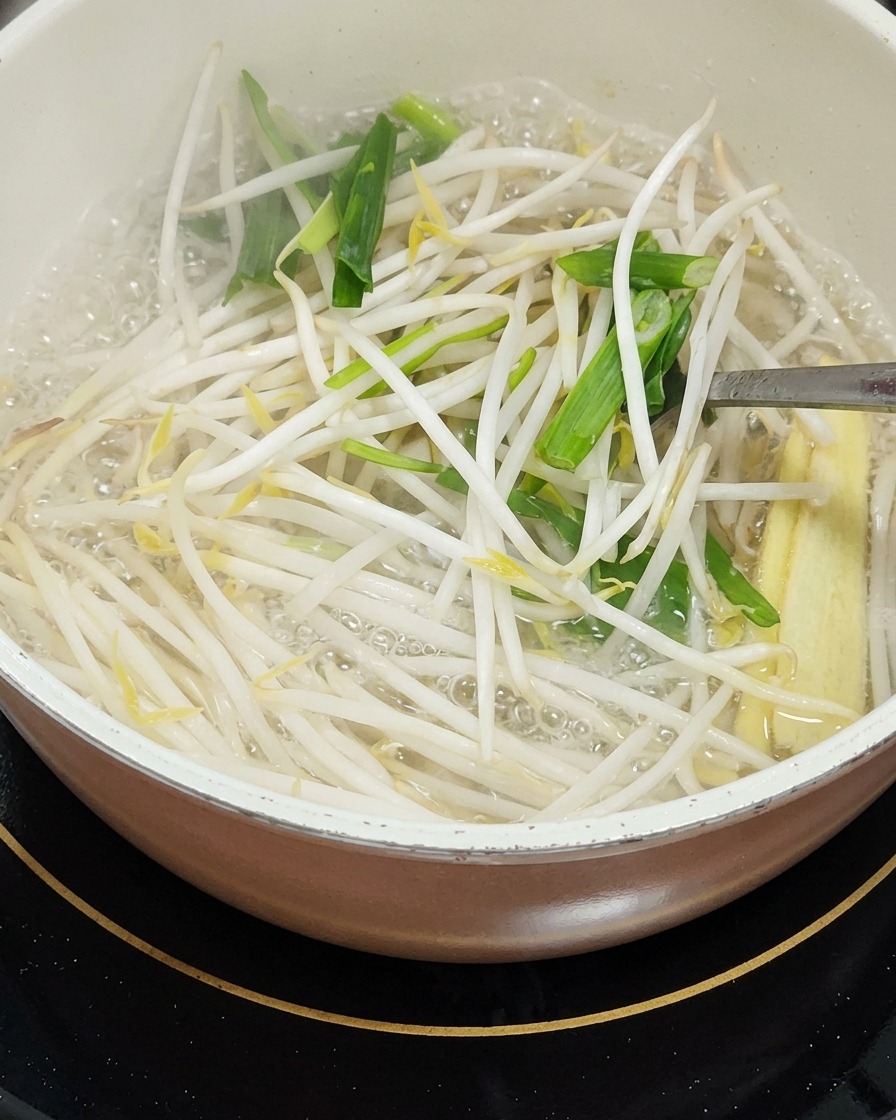
Add the sliced garlic leaves and baby corn to the bean sprouts. Stir-fry the vegetables together in the hot oil until they are slightly softened but still retain their snap. This quick sautéing process releases their natural sweetness.
Tip: Stir constantly to ensure even cooking and to prevent the delicate garlic leaves from scorching. - 7Season the vegetables
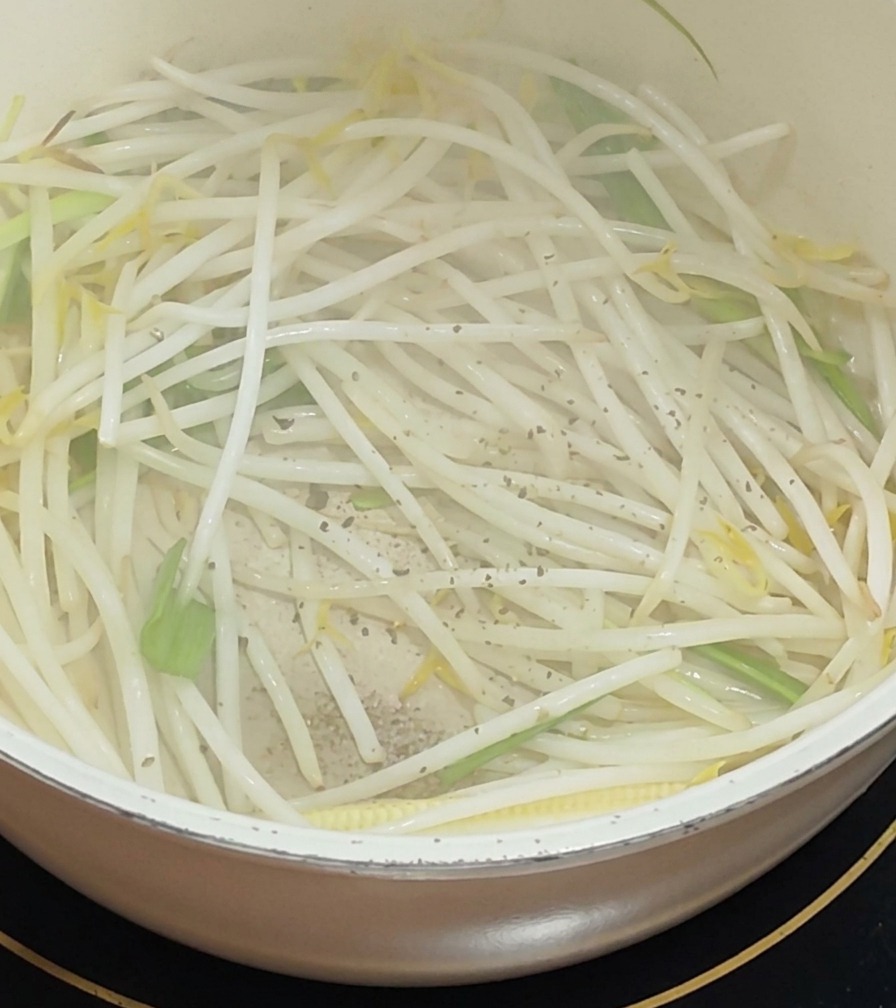
Add a generous amount of freshly ground black pepper to the sautéed bean sprouts, garlic leaves, and baby corn. The pepper provides a sharp, aromatic heat that cuts through the richness of the miso and bone broth.
Tip: Freshly ground pepper has a much more vibrant aroma than pre-ground pepper; grind it directly over the pot for the best flavor. - 8Add the bone broth
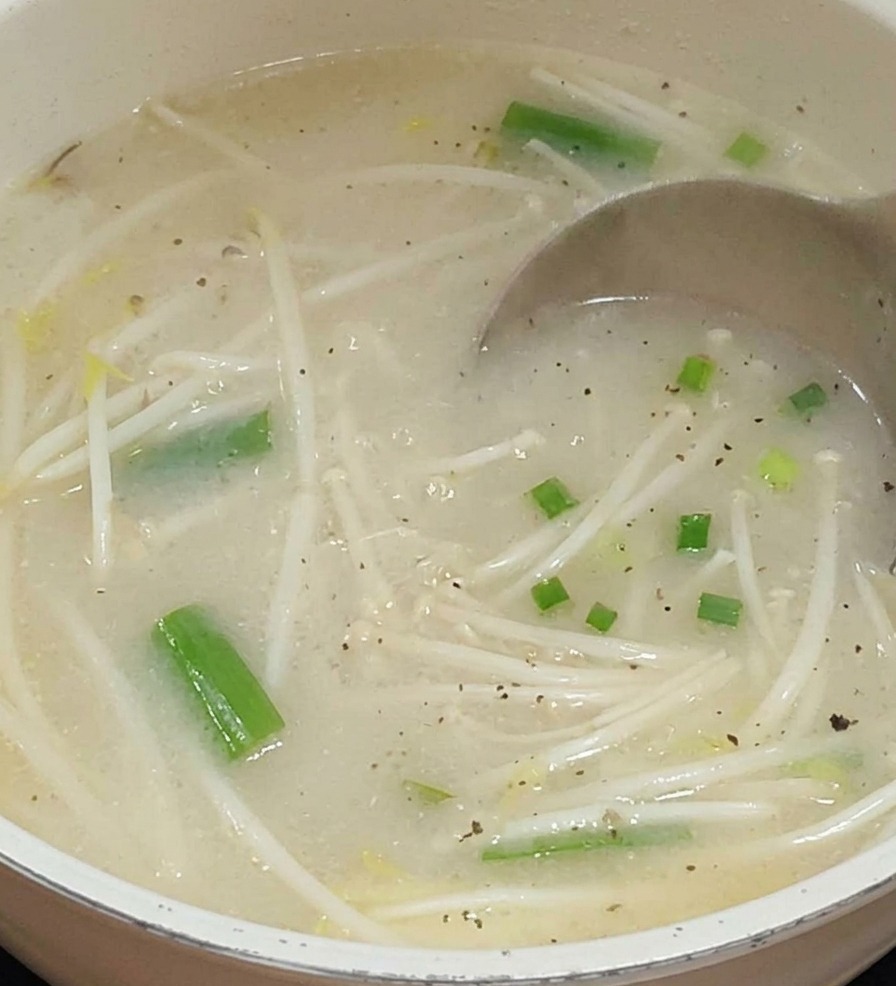
Carefully pour the low-concentration bone broth into the pot with the seasoned vegetables. Use approximately 300 cc of soup base to ensure there is enough liquid to properly dissolve the miso paste in the next step.
Tip: Using a low-concentration broth prevents the final soup from becoming overly salty once the savory miso paste is added. - 9Incorporate the miso paste
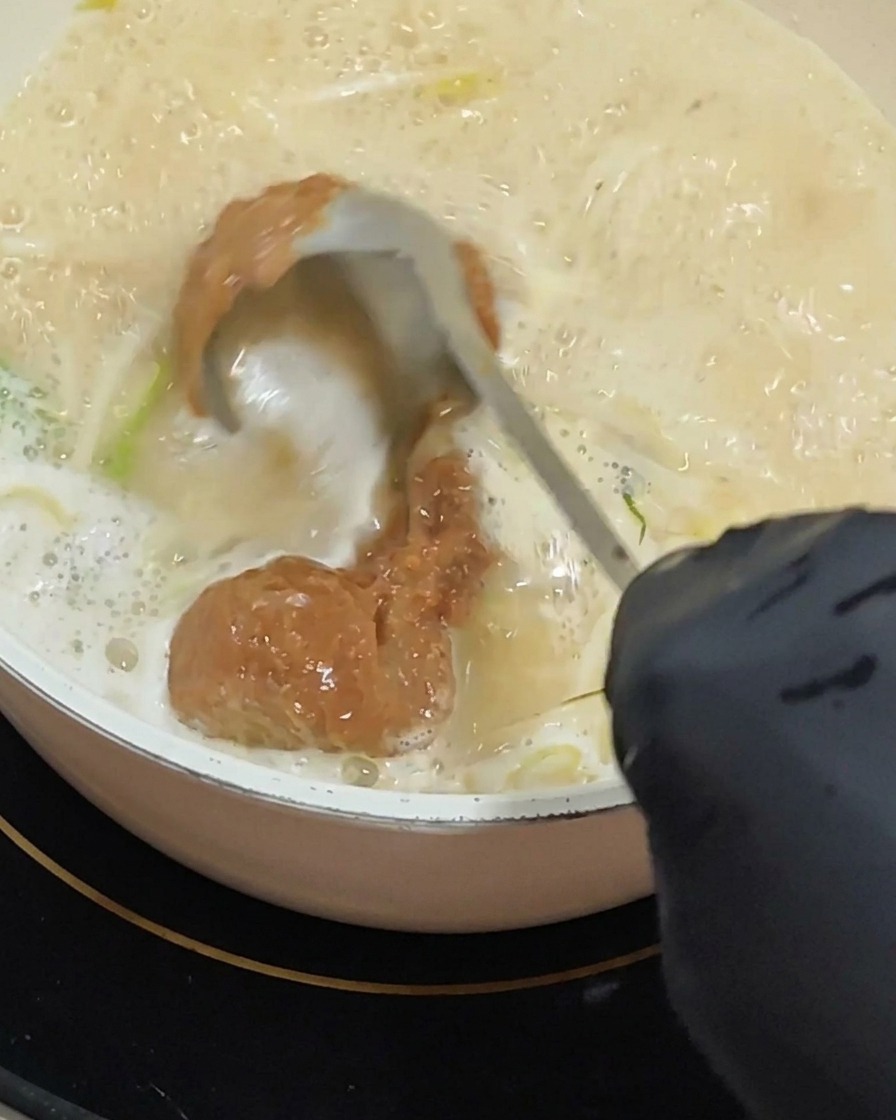
Add 50 to 60 cc of the prepared red miso paste into the simmering broth. Use a whisk or a ladle to gently dissolve the paste into the liquid, ensuring a smooth and silky consistency without any clumps.
Tip: Do not let the soup come to a rolling boil after adding the miso, as high heat can destroy the delicate aromatic compounds of the fermented paste. - 10Combine the soup and noodles
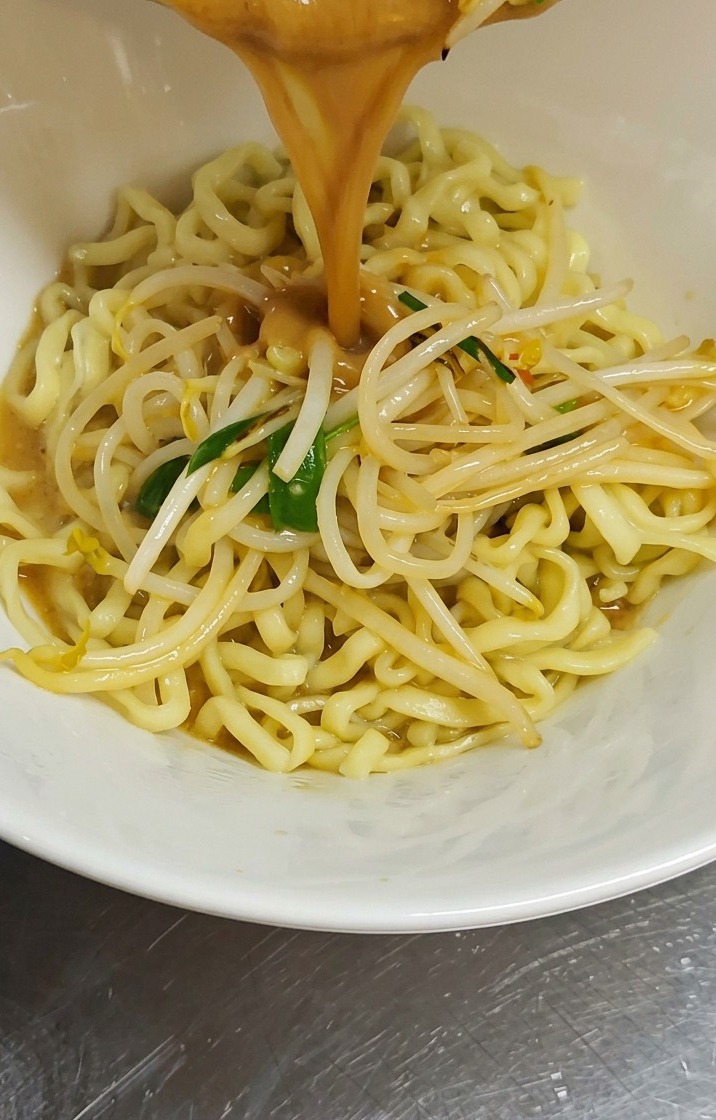
Carefully pour the rich, hot miso broth filled with sautéed bean sprouts and vegetables over the bowl of prepared curly ramen noodles. Ensure the broth is distributed evenly so the noodles can begin to soak up the savory flavors of the bone broth and miso paste.
Tip: Pouring the hot soup directly over the sprouts helps maintain their crunch while warming them through one last time before serving. - 11Assemble the toppings
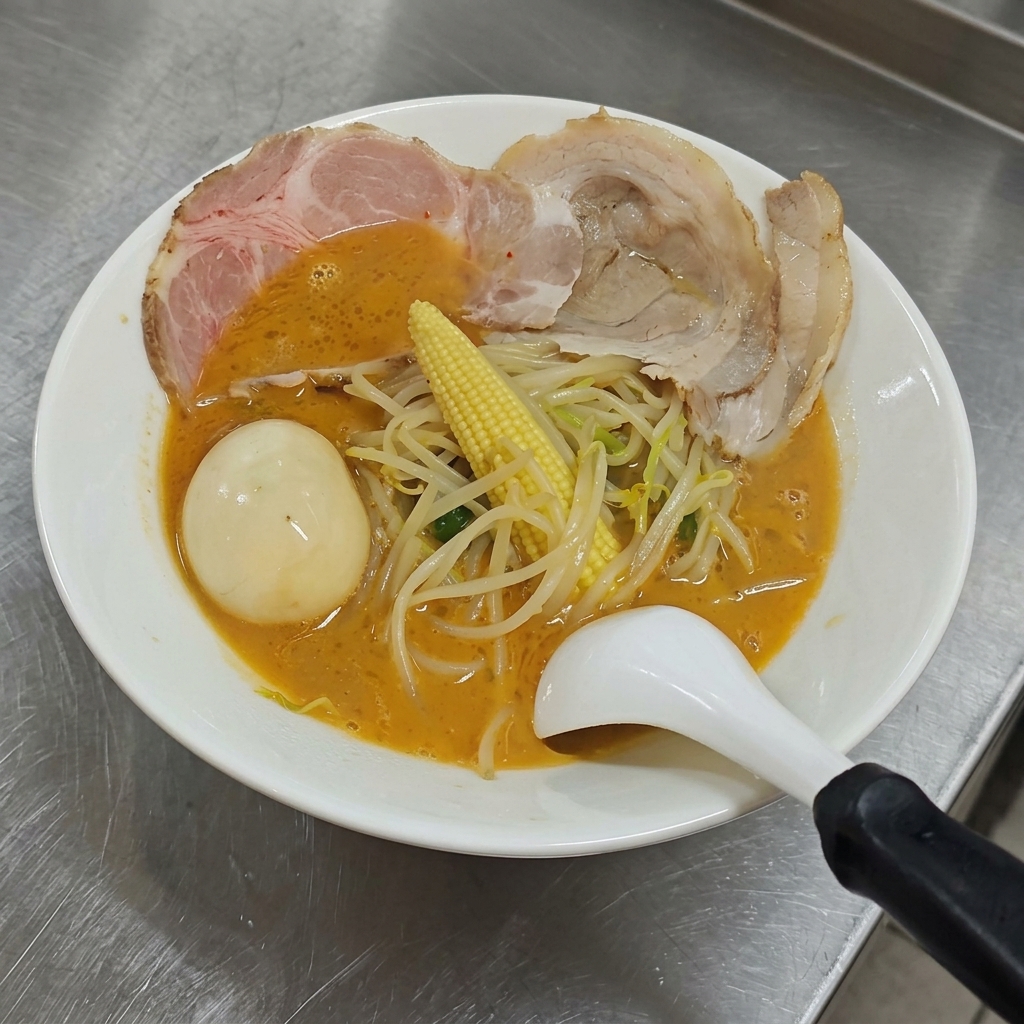
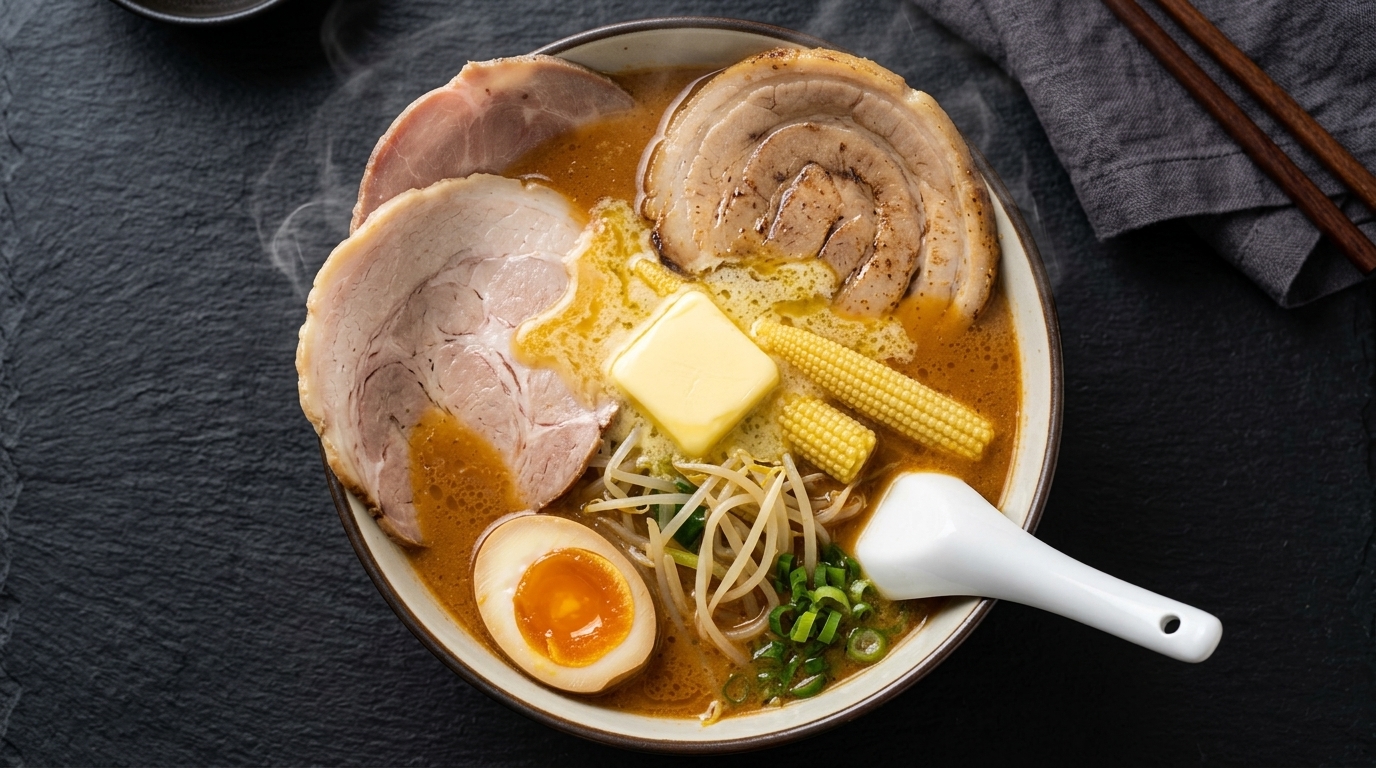
Arrange the beautiful toppings over the ramen noodles and soup. Place slices of tender chashu pork, a marinated soft-boiled egg, and a thick square of cold butter on top. The residual heat from the soup will begin to melt the butter, releasing its fragrance.
Tip: Placing the butter on top of the warm noodles or vegetables helps it stay in place and melt gradually into the broth.