Authentic Japanese Miso Ramen at Home
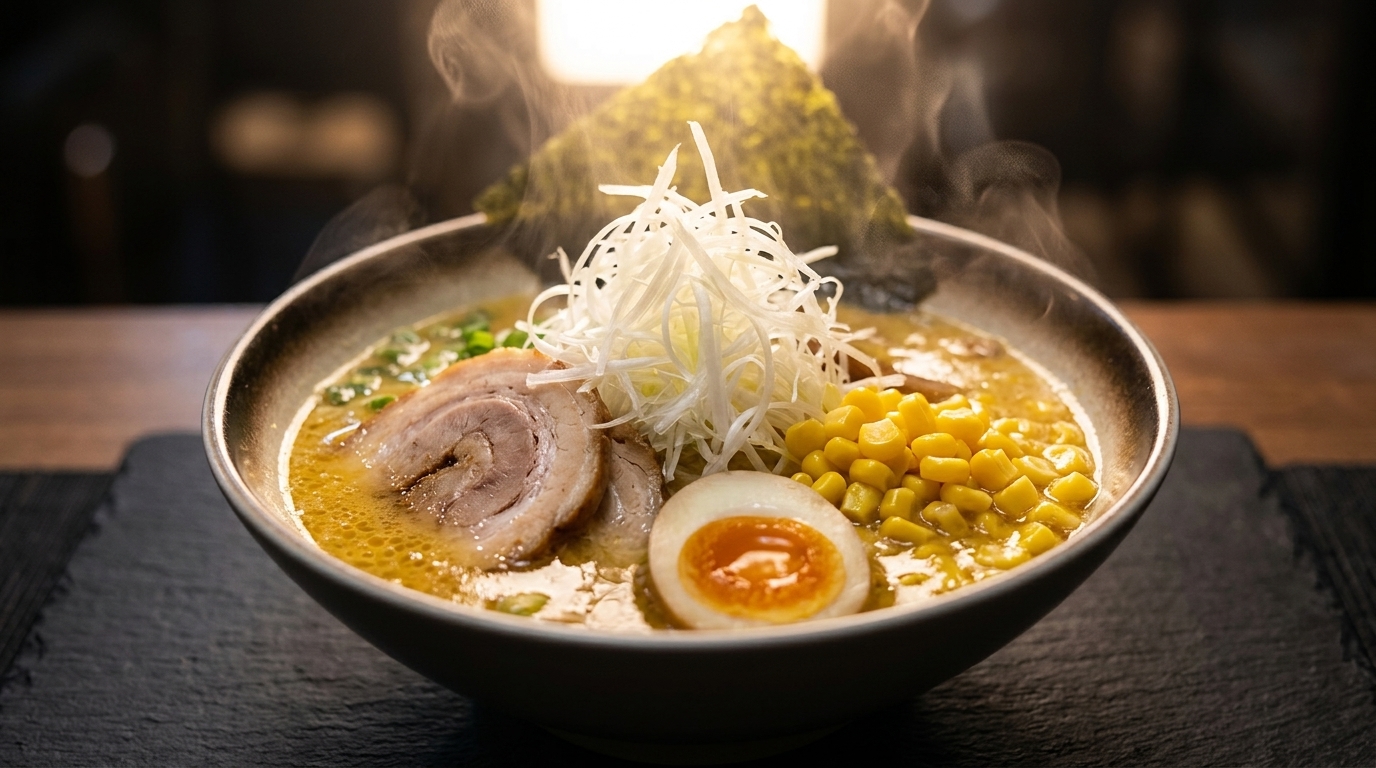
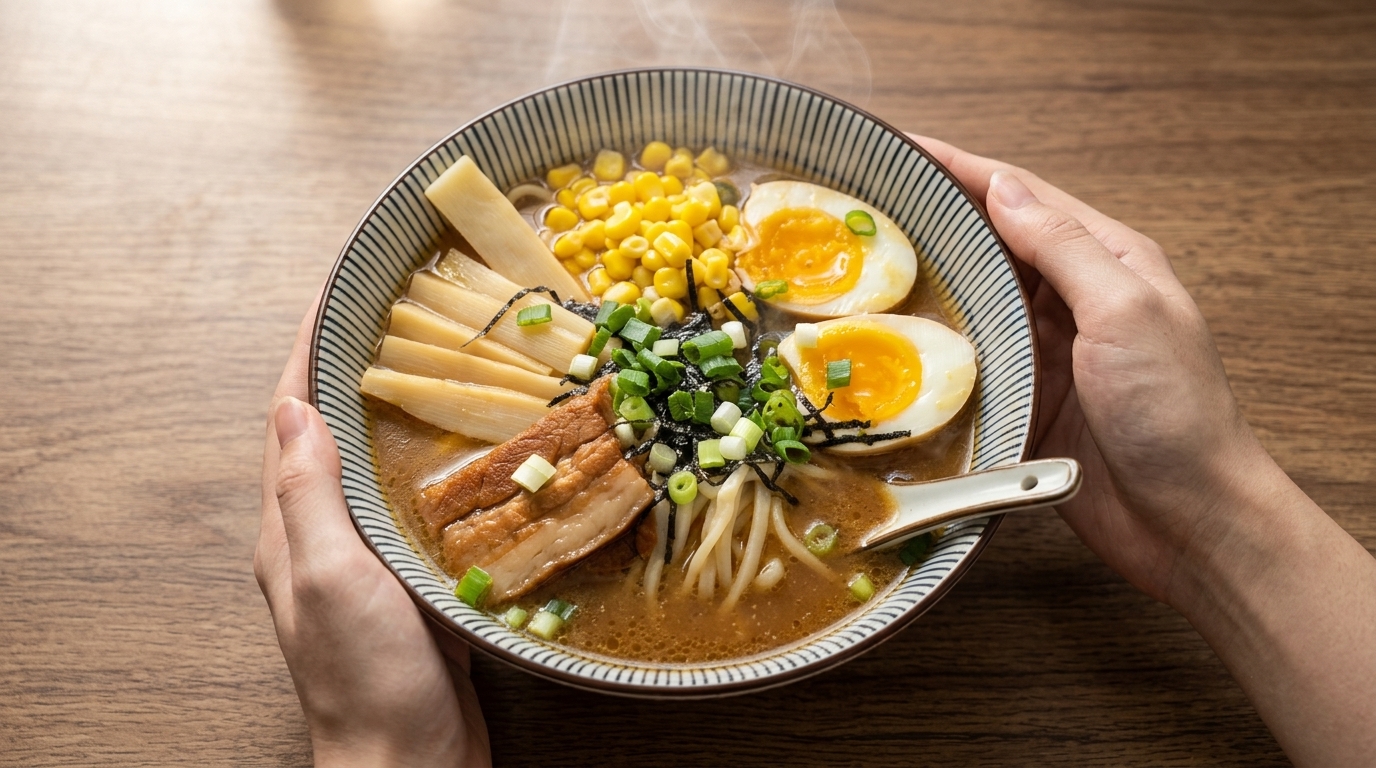
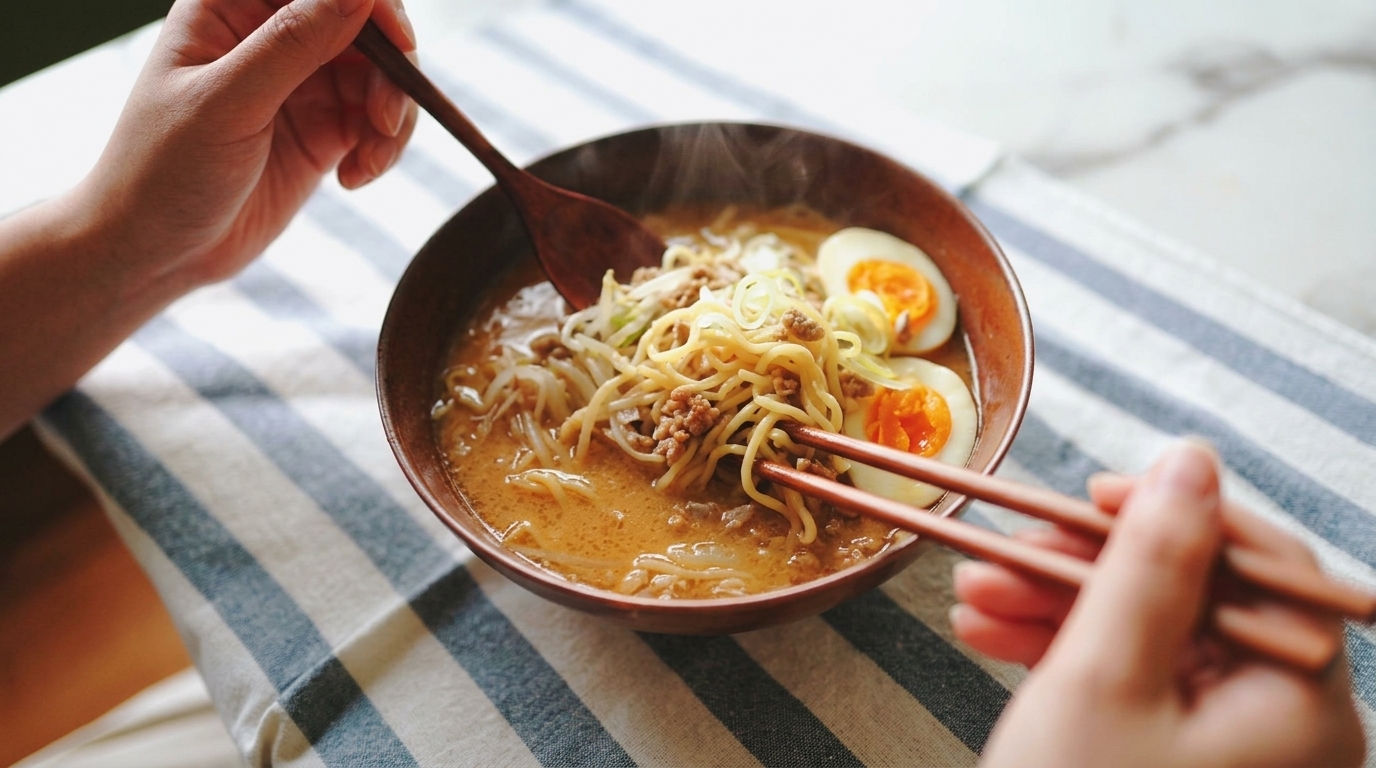
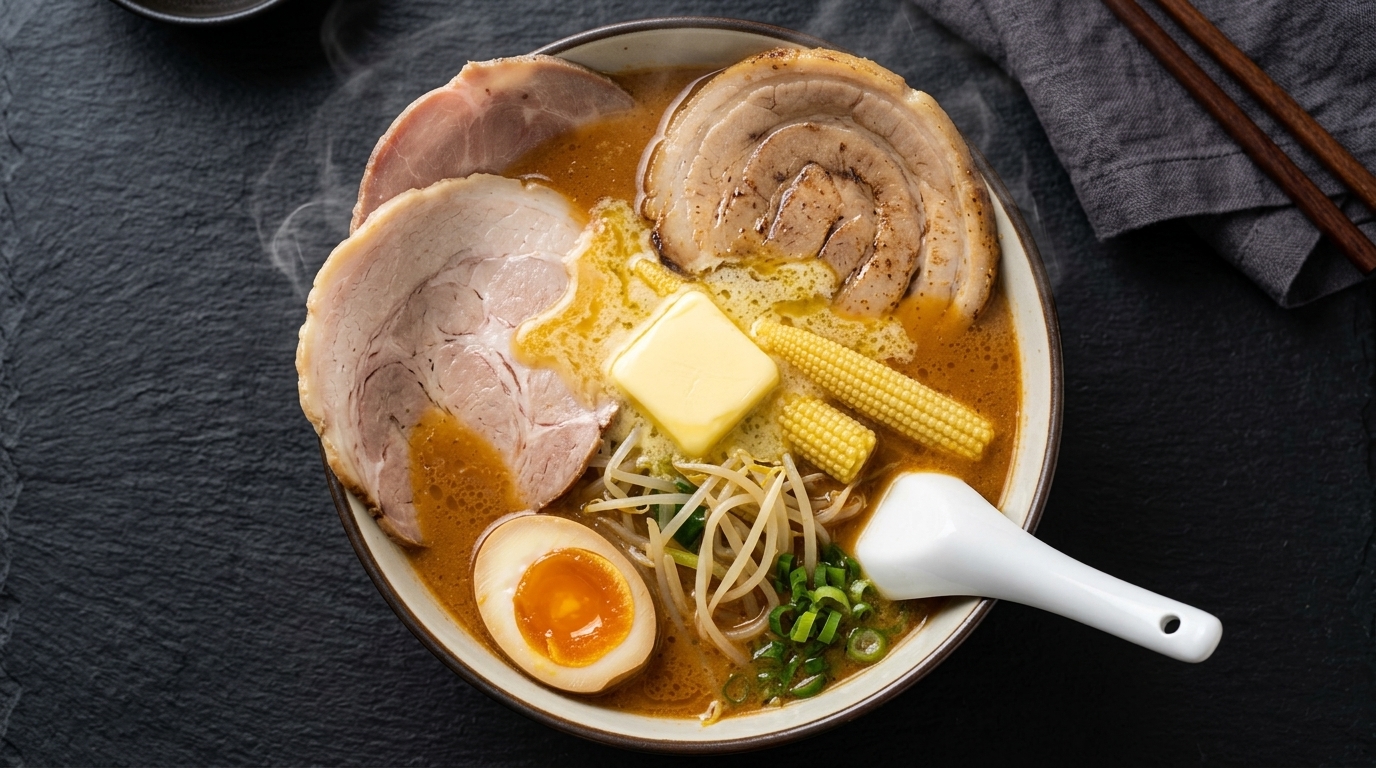
Master a piping hot bowl of authentic Japanese miso ramen with this precise, rich miso sauce base. Perfectly springy noodles and a savory broth make for the ultimate comfort food.
When the weather turns cold, nothing compares to the deep, complex umami of a traditional miso ramen. The secret to a restaurant-quality bowl lies in the exact ratio of the miso sauce base, blending aromatics like ginger and garlic with the fermented richness of brown miso. This recipe brings that authentic, comforting experience directly to your home kitchen.
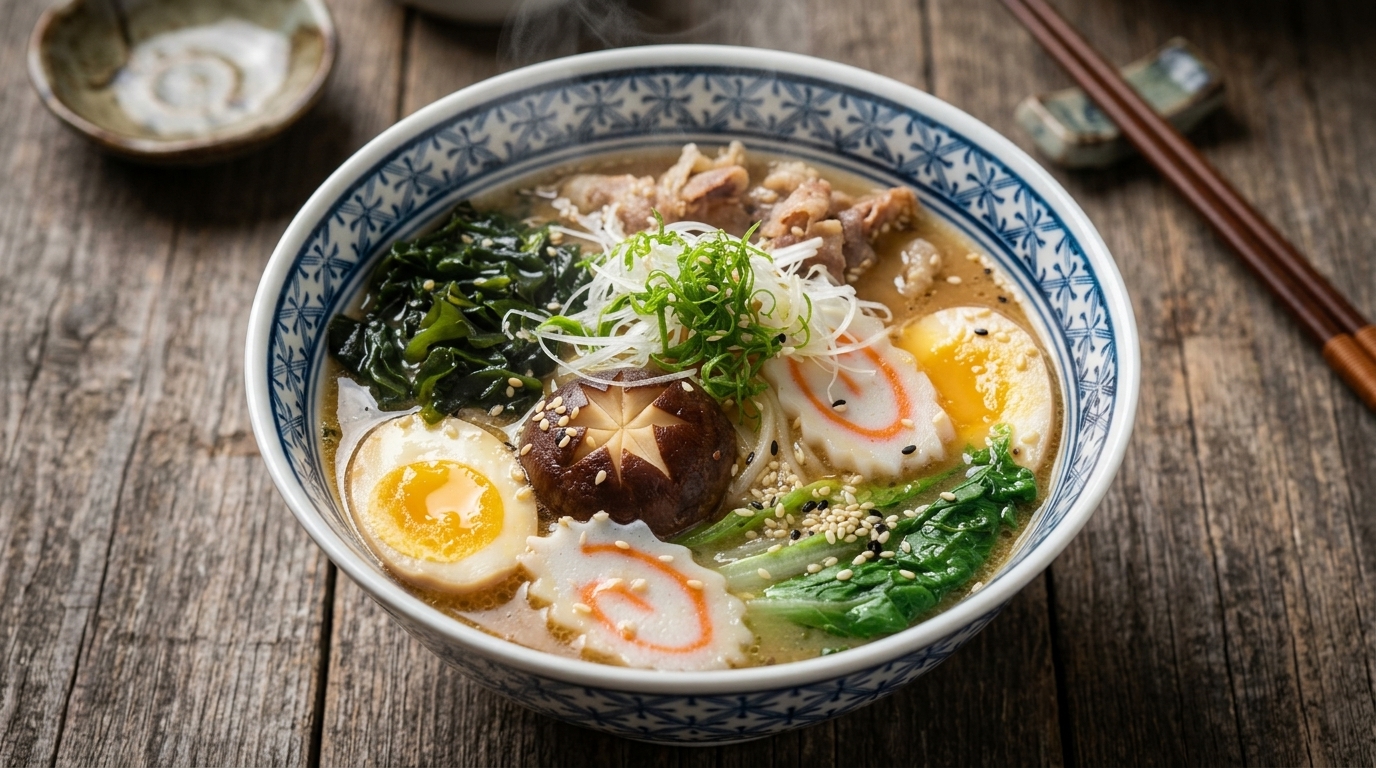
Ingredients
- 80 g brown miso paste
- 10 g ginger paste
- 10 g garlic paste
- 10 g salad oil
- 3 g chicken bouillon
- 3 g MSG
- 5 g mirin
- 400 ml water
- 1 portion fresh ramen noodles
- 12 soft-boiled egg
- to taste cooked beef slices
- 1 cooked shiitake mushroom
- to taste narutomaki fish cakes
- to taste wakame seaweed
- to taste blanched greens
- to taste shredded scallions
- optional toasted sesame seeds
Instructions
- 1Measure the miso paste
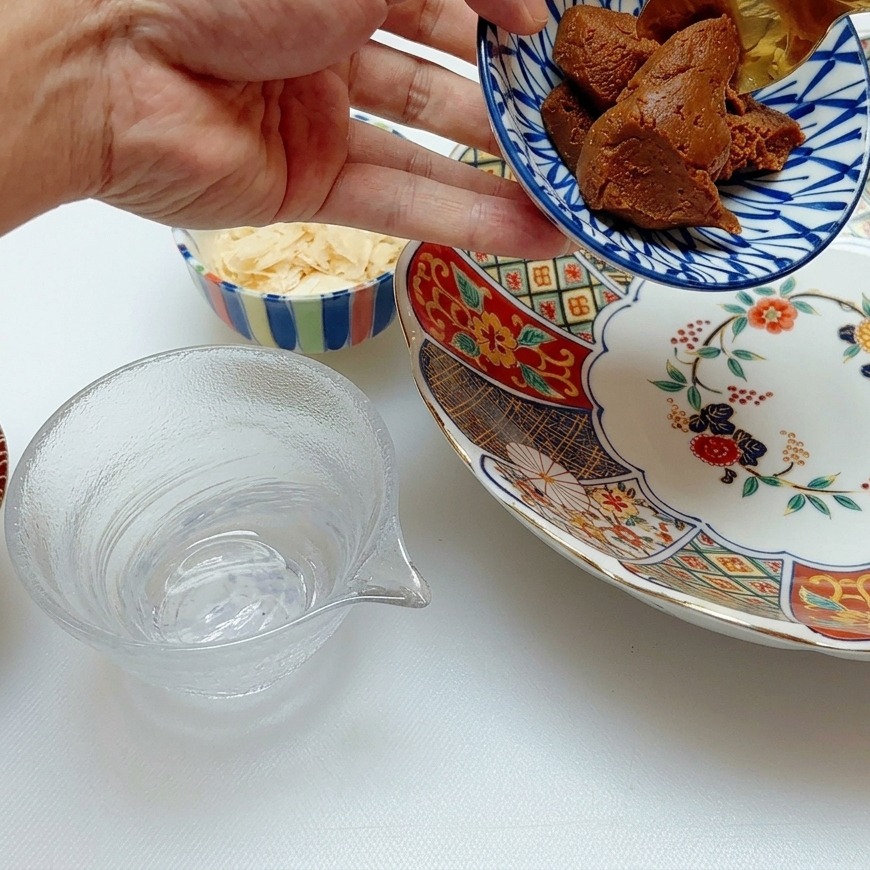
Begin by scooping 80 grams of authentic miso paste into a decorative porcelain bowl. This paste serves as the rich, savory base for your authentic Japanese ramen sauce.
Tip: Use a high-quality red or brown miso for a deeper, more traditional umami flavor profile. - 2Combine the sauce ingredients
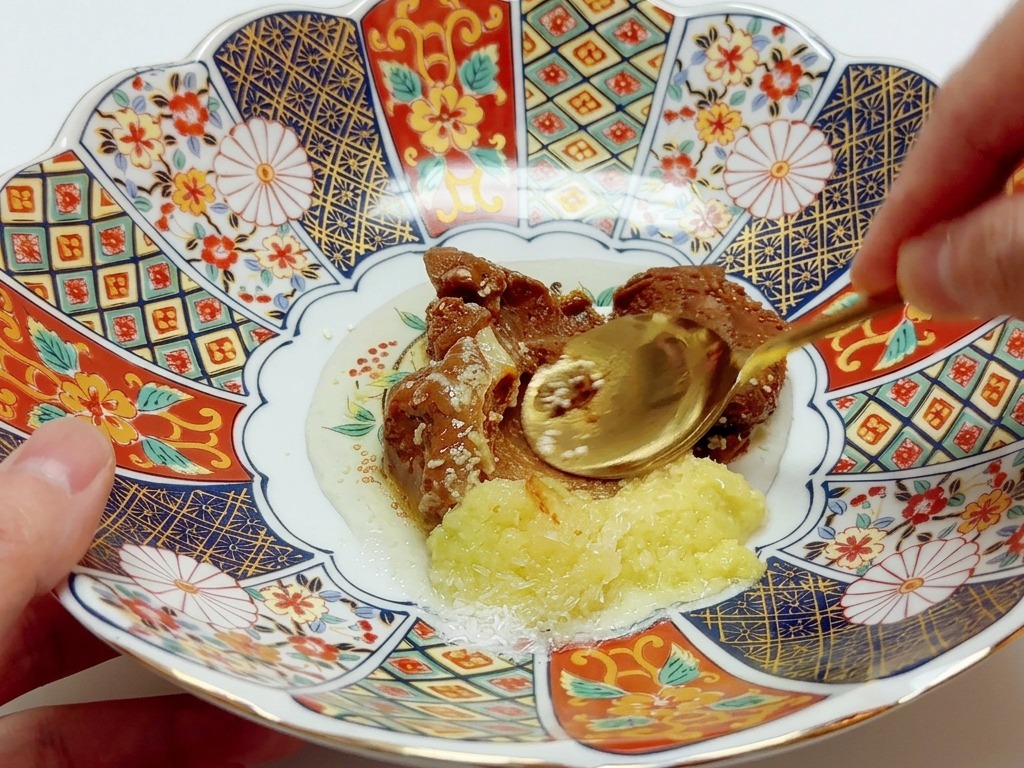
Add 10 grams each of ginger paste, garlic paste, and salad oil to the miso. Incorporate 3 grams of chicken bouillon, 3 grams of MSG, and 5 grams of mirin, then stir thoroughly with a spoon until the mixture is uniform and smooth.
Tip: Mixing the aromatics directly into the miso paste ensures the flavors are evenly distributed throughout the final broth. - 3Incorporate the sauce into water
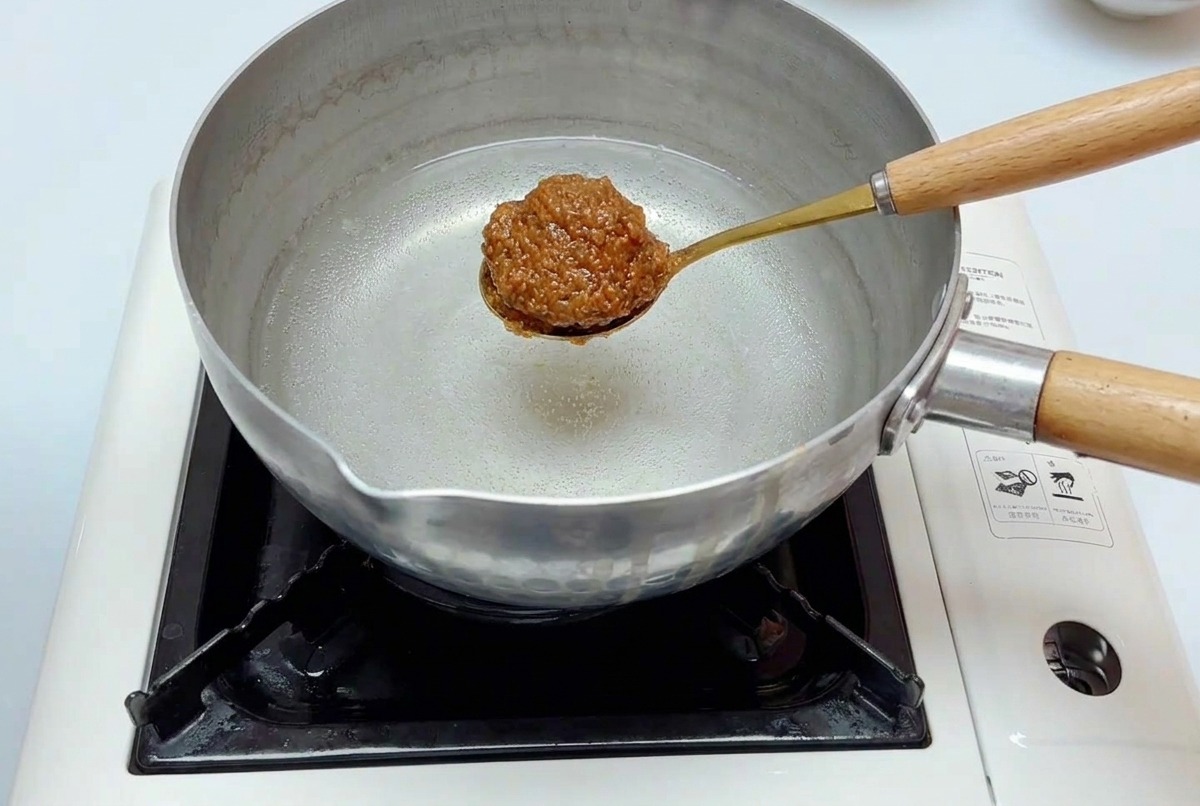
Measure out 40 grams of your prepared miso sauce mixture and add it to a pot containing 400 milliliters of water. This precise ratio is key to achieving the perfect balance of seasoning and liquid.
Tip: If you prefer a more intense flavor, you can use a light dashi stock instead of plain water. - 4Whisk and heat the broth
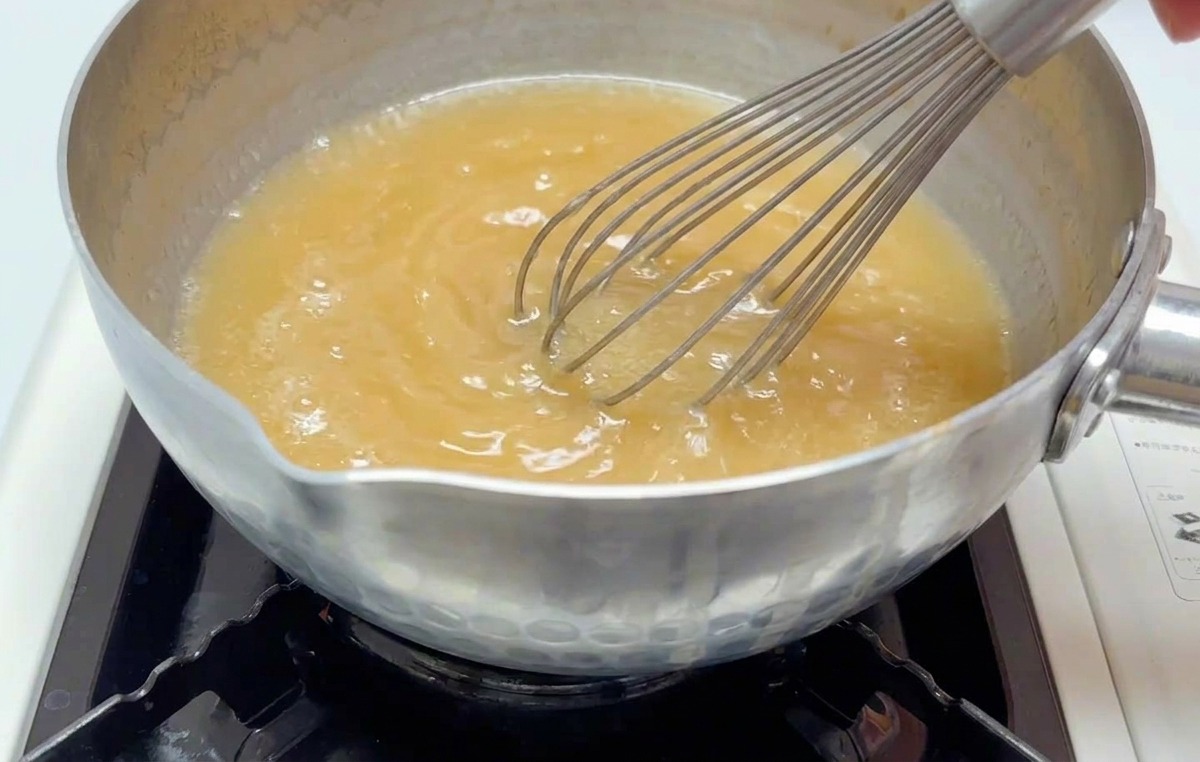
Set the pot over medium heat and use a whisk to blend the sauce into the water. Continue whisking until the soup base is smooth, opaque, and just beginning to reach a boil.
Tip: Do not allow the miso soup to boil vigorously for a long time, as it can diminish the delicate fermented aroma of the paste. - 5Boil the fresh noodles
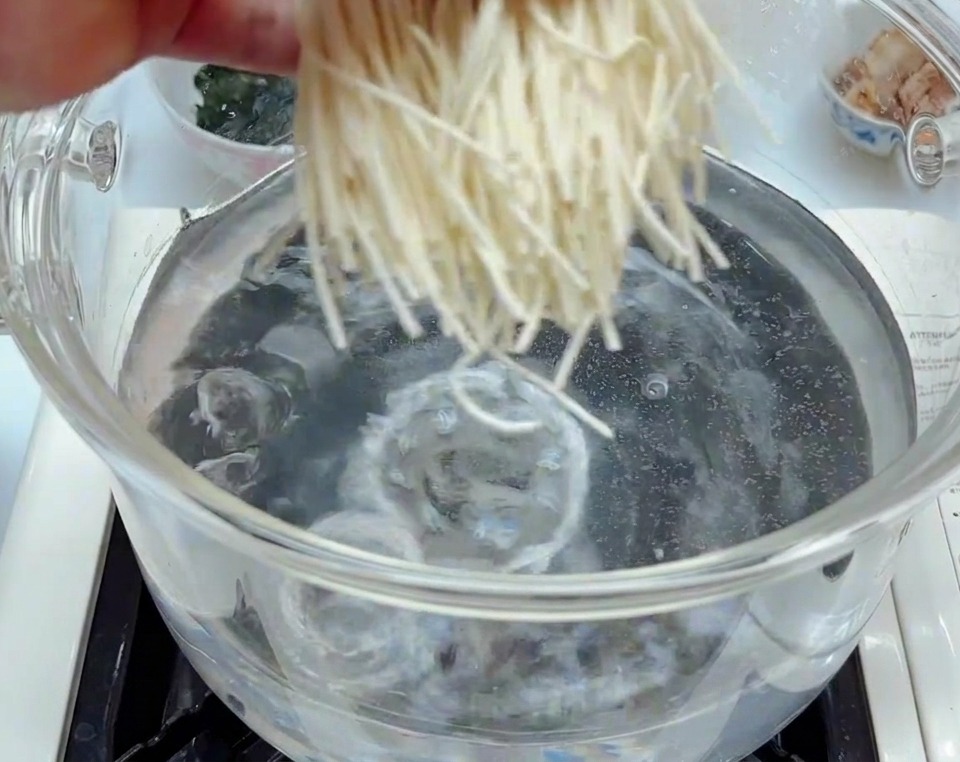
Bring a separate pot of water to a rolling boil and carefully drop in the fresh ramen noodles. Boil them for approximately four minutes, or until they reach your desired level of firmness.
Tip: Stir the noodles occasionally while boiling to prevent them from clumping together. - 6Drain and plate the noodles
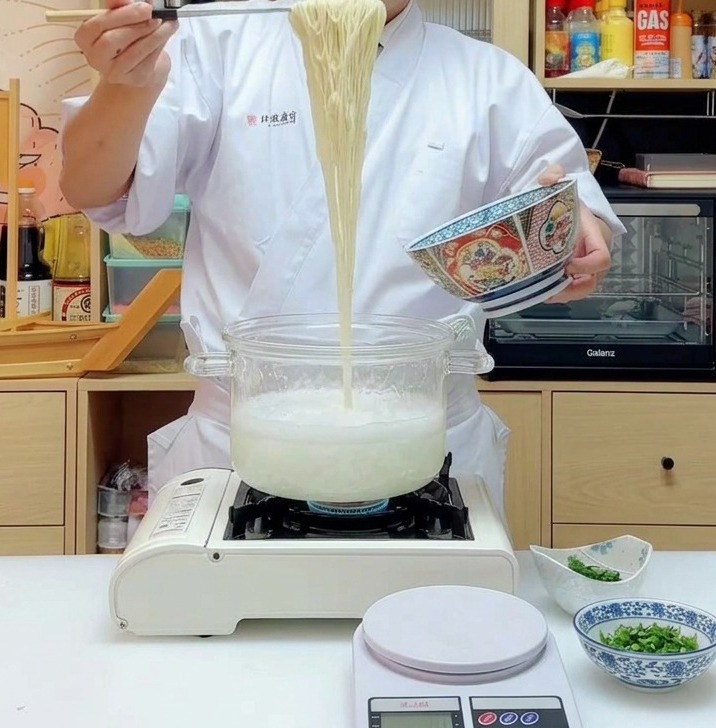
Once cooked, lift the yellow ramen noodles from the water using chopsticks. Drain any excess water thoroughly before placing them neatly into the center of a serving bowl.
Tip: Ensure the noodles are well-drained so they dont introduce extra water that might dilute the seasoned broth. - 7Pour in the miso broth
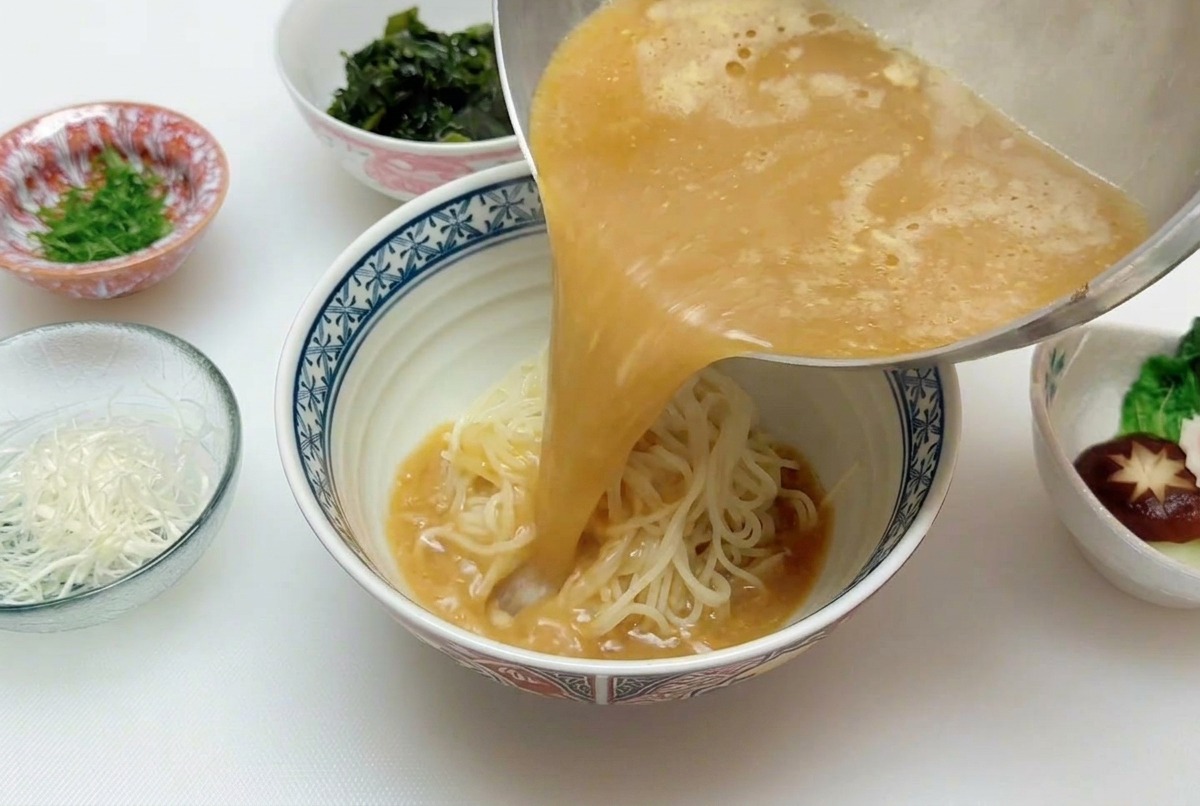
After placing the cooked noodles into your serving bowl, carefully pour the hot, prepared miso broth directly over them. The broth should be just at the point of boiling to ensure it is piping hot and the savory miso flavors are fully integrated.
Tip: Pour the broth slowly against the side of the bowl to avoid disturbing the noodle nest in the center. - 8Arrange the toppings
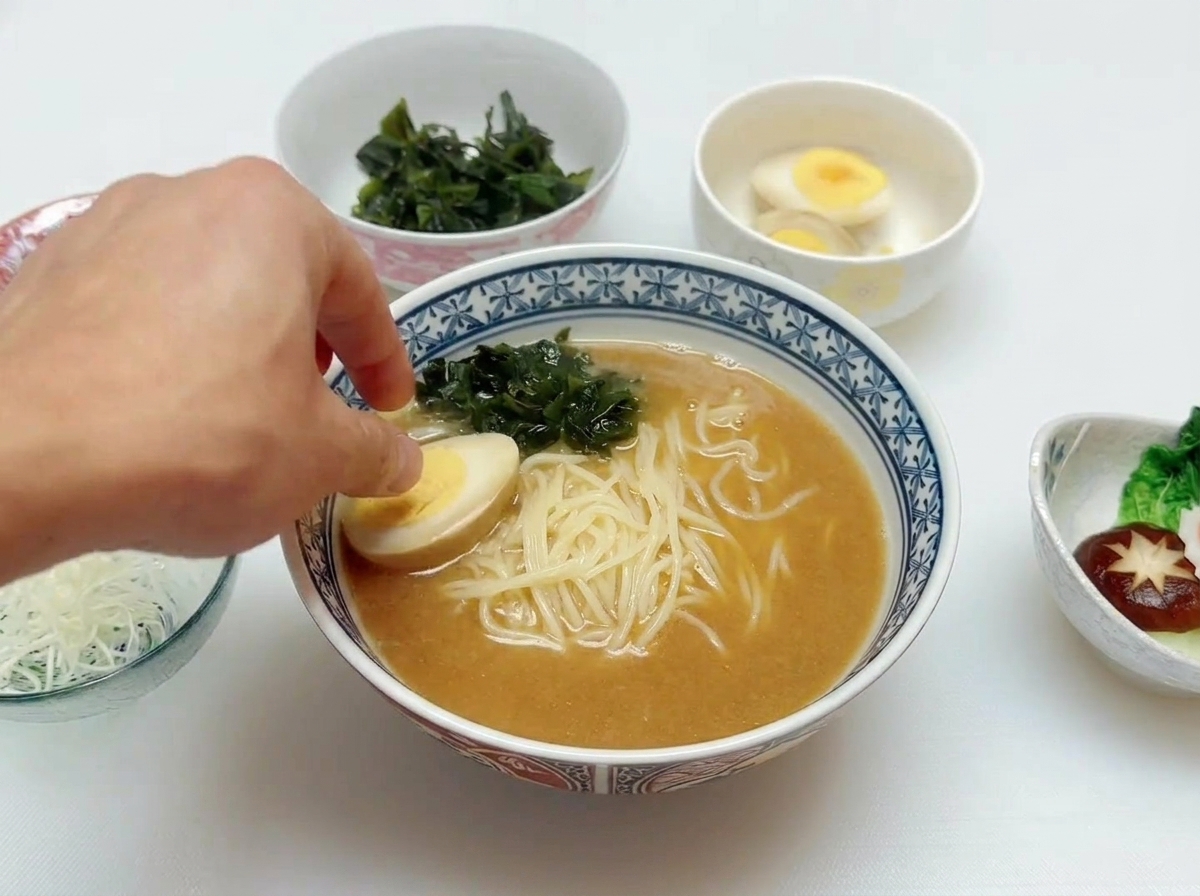
Carefully place the soft-boiled egg halves and slices of cooked beef onto the hot ramen noodles. Group the ingredients neatly on top of the broth for an authentic and appetizing presentation.
Tip: Make sure your soft-boiled eggs are sliced cleanly in half using a sharp knife or a fine wire for the best visual appeal. - 9Layer the fresh toppings
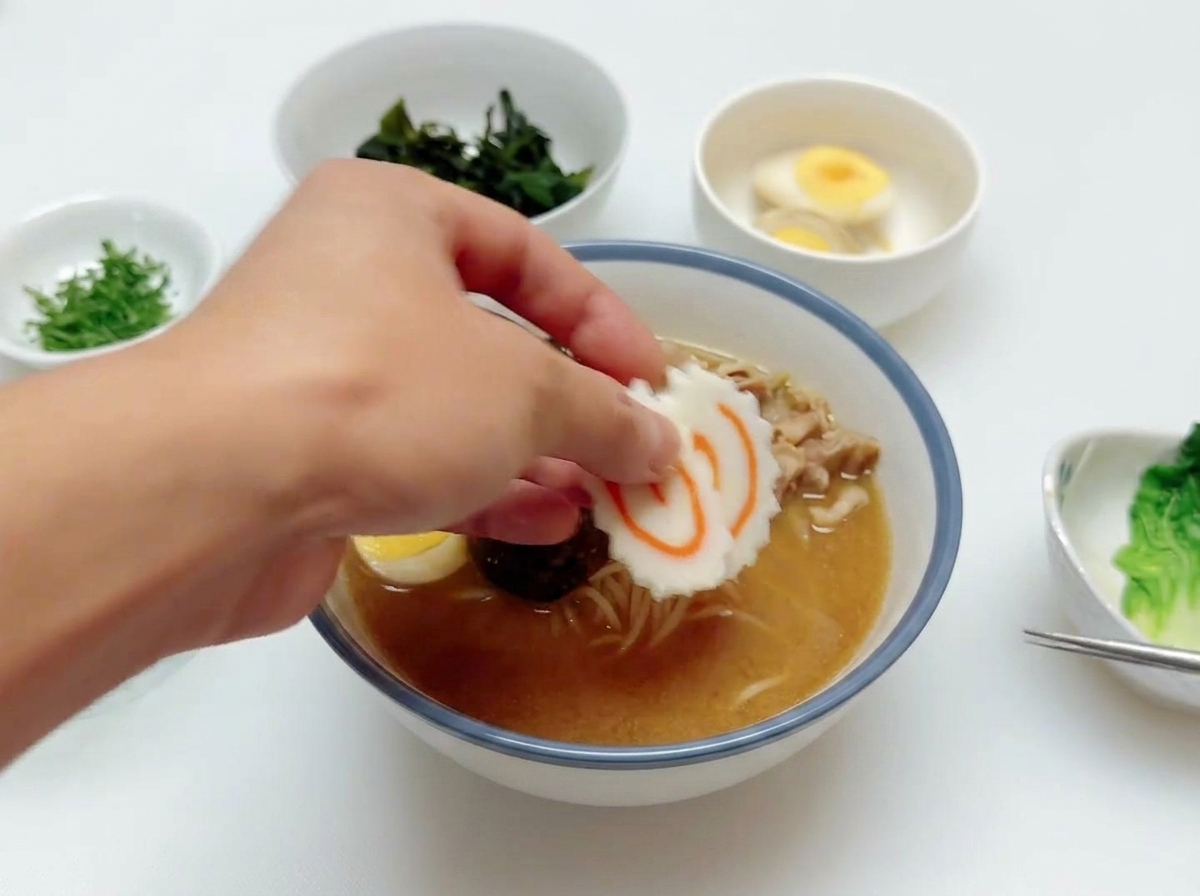
Continue building your ramen by adding the narutomaki fish cakes, a tender cooked shiitake mushroom, and freshly blanched greens. These toppings provide a variety of colors and textures, turning the soup into a complete, restaurant-quality meal.
Tip: Use chopsticks to place the smaller garnishes like the narutomaki precisely for a professional look.