Rich Miso Soy Milk Tsukemen (Japanese Dipping Noodles)
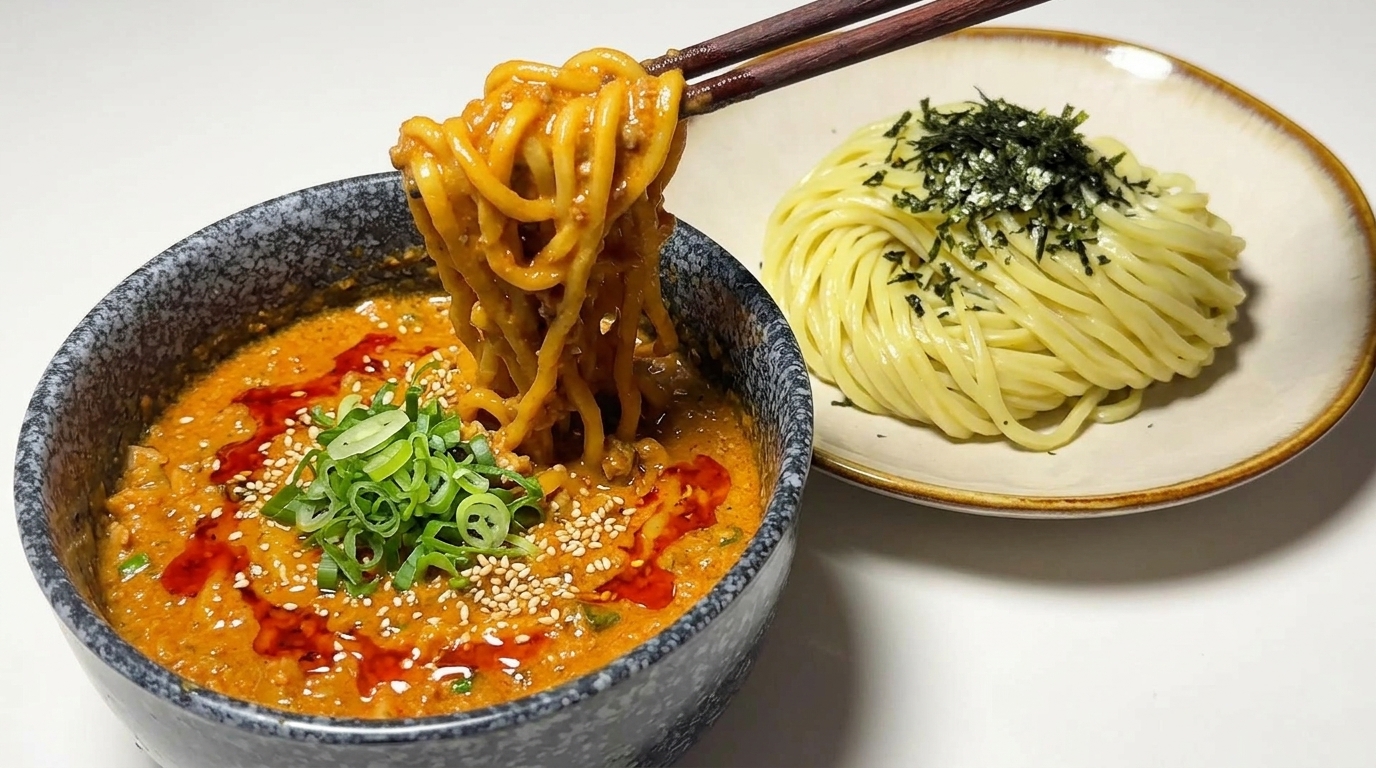
Experience the comforting depth of homemade Tsukemen. Thick, chewy noodles are served alongside a rich, fiery dipping sauce made from savory minced pork, miso, and creamy soy milk.
Tsukemen, or Japanese dipping ramen, flips the traditional noodle soup experience by serving the noodles and broth separately. This allows the noodles to retain their perfect chewy texture while being dipped into a heavily concentrated, flavor-packed sauce. This particular recipe recreates the unforgettable taste of authentic Japanese tsukemen with a rich, creamy soy milk and savory miso pork base that satisfies even the deepest ramen cravings.
Ingredients
- 1 tbsp clear cooking oil
- 2 stalks green onions
- 200 g minced pork
- 1 tbsp thick brown miso paste
- 1 tsp sesame oil
- 1 tbsp red chili powder
- 1 tbsp dark soy sauce
- to taste white pepper
- 200 ml unsweetened soy milk
- 2 portions raw yellow ramen noodles
- to taste crushed seaweed
- 1 tsp white sesame seeds
- to taste chili oil
Instructions
- 1Heat Oil in Pan
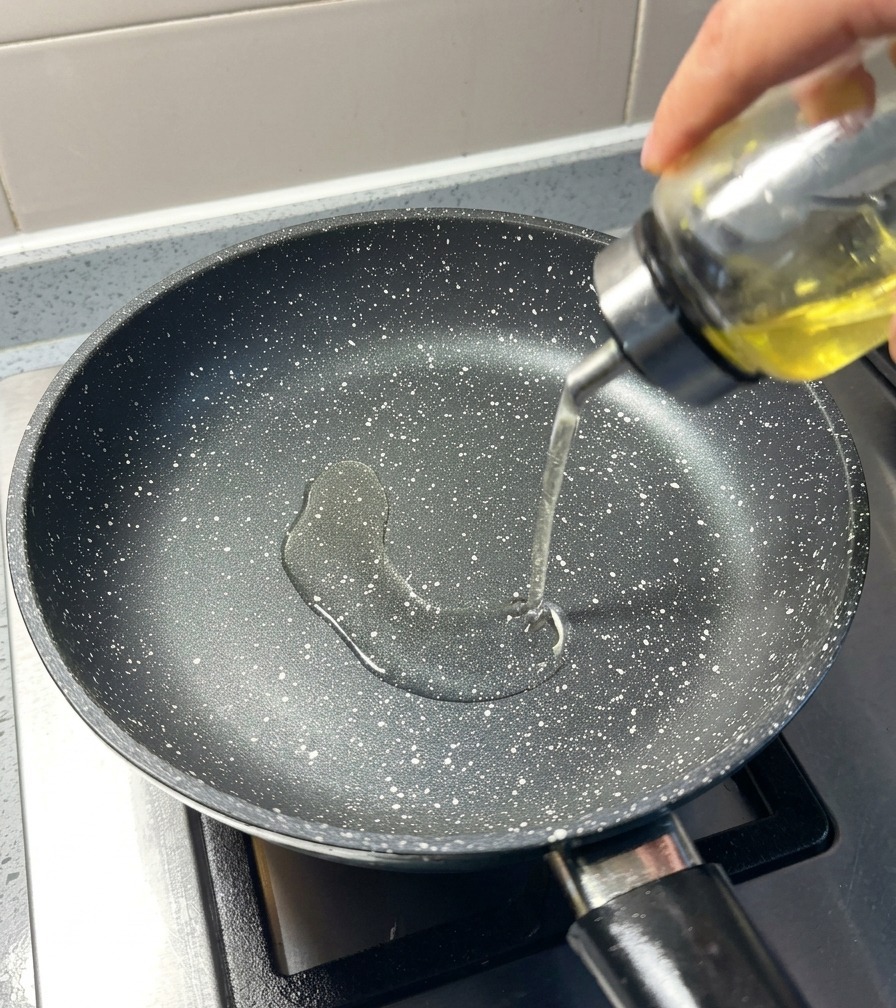
Place a non-stick frying pan over medium heat. Once warm, pour in a drizzle of clear cooking oil, letting it spread evenly across the heated surface.
Tip: Heating the pan before adding oil creates a naturally non-stick surface, preventing your ingredients from clinging to the bottom. - 2Stir-fry the Aromatics
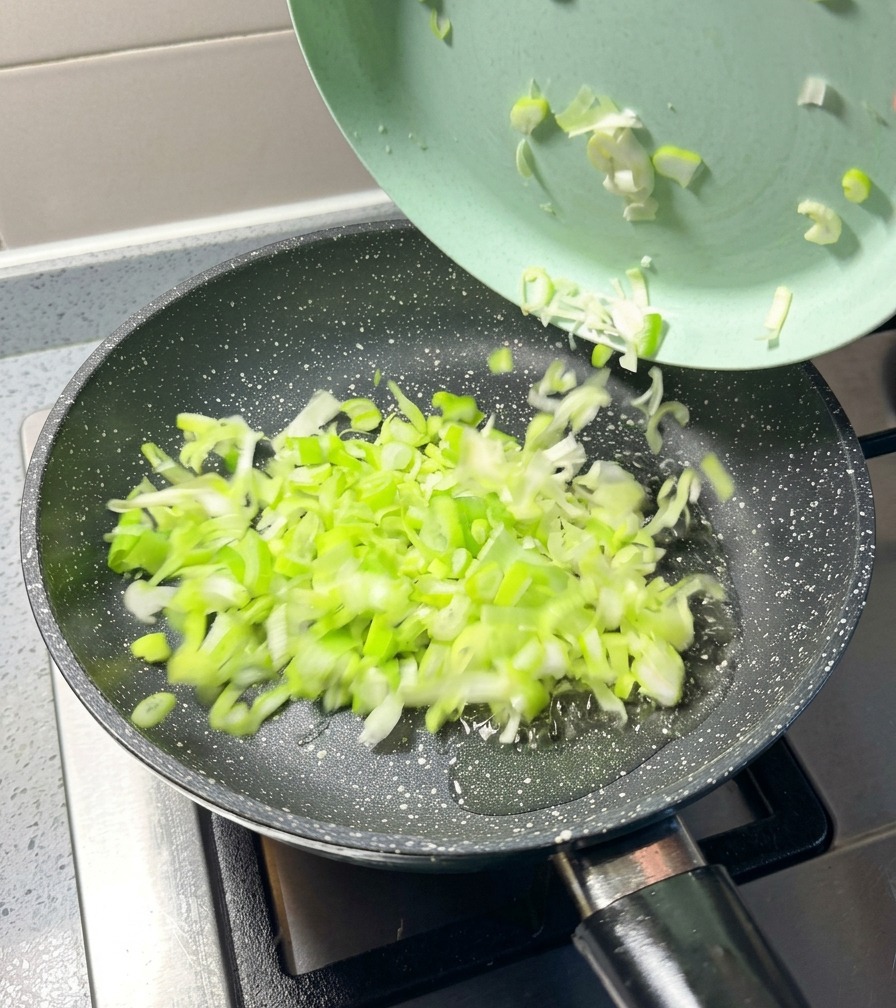
Carefully slide the freshly chopped green onions into the hot oil. Gently stir-fry them until they soften slightly and release their fragrant aroma into the pan.
Tip: Keep the heat at medium-low while sautéing the aromatics. This allows them to release their flavors fully without burning and turning bitter. - 3Cook the Minced Pork
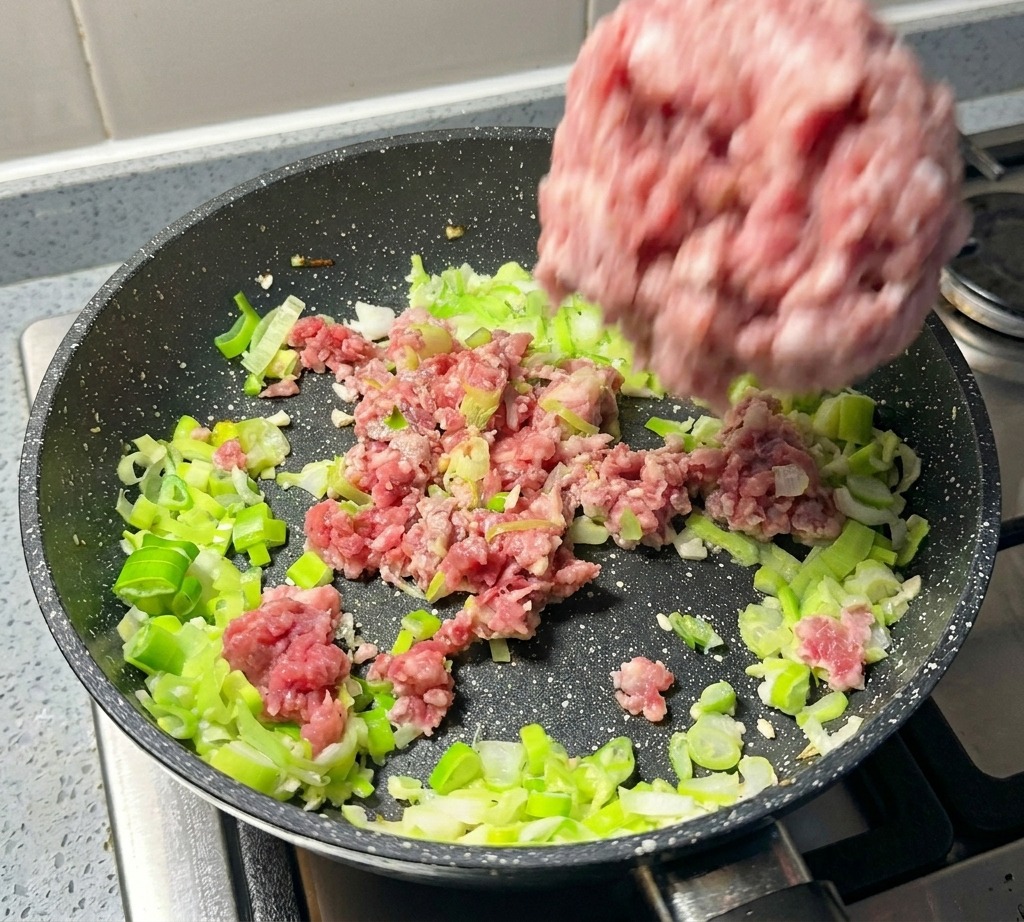
Drop the raw minced pork into the pan alongside the sautéed green onions. Break the meat apart continuously as it cooks, stirring until it completely changes color and browns nicely.
Tip: Allow the minced meat to sear undisturbed for a brief moment before breaking it up to develop a more flavorful, caramelized crust. - 4Season with Miso
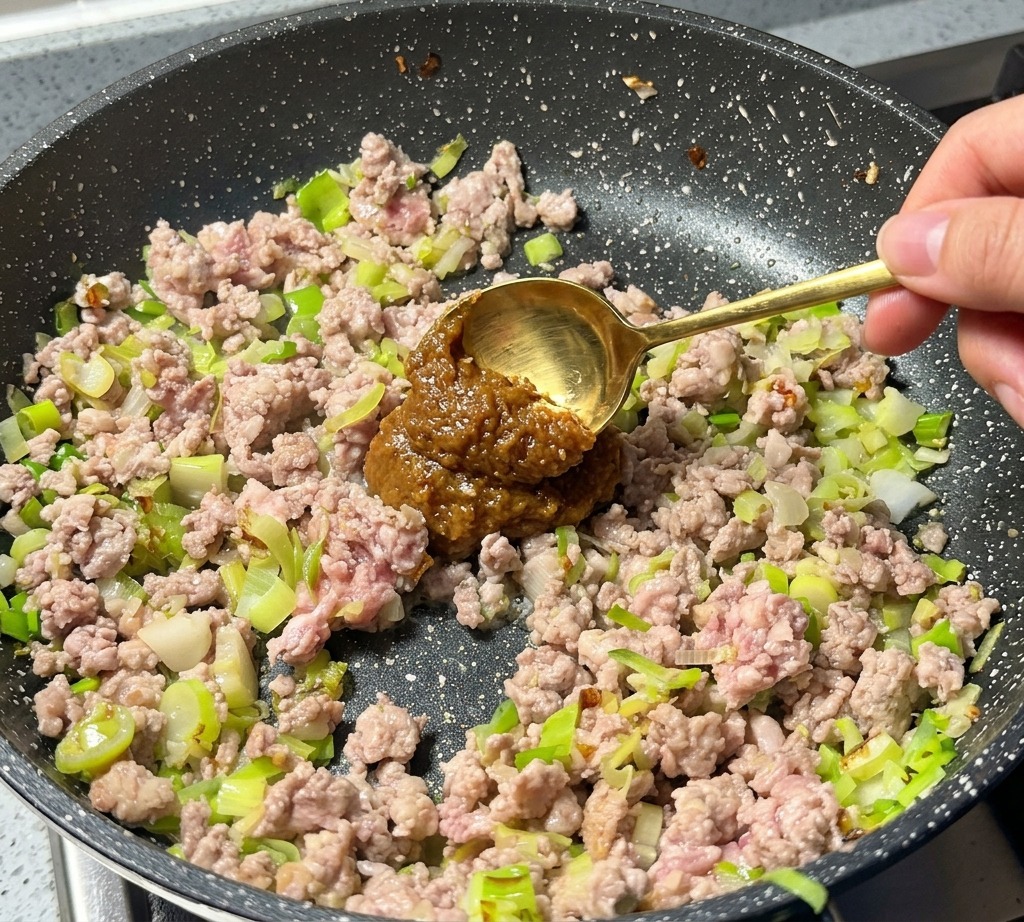
Once the meat is browned, introduce a spoonful of thick brown miso paste to the center of the pan. Stir it well to ensure the savory, umami-rich flavor coats the meat entirely.
Tip: Miso burns easily, so lower the heat slightly when adding it and keep the mixture moving to incorporate it smoothly without scorching. - 5Add Sesame Oil
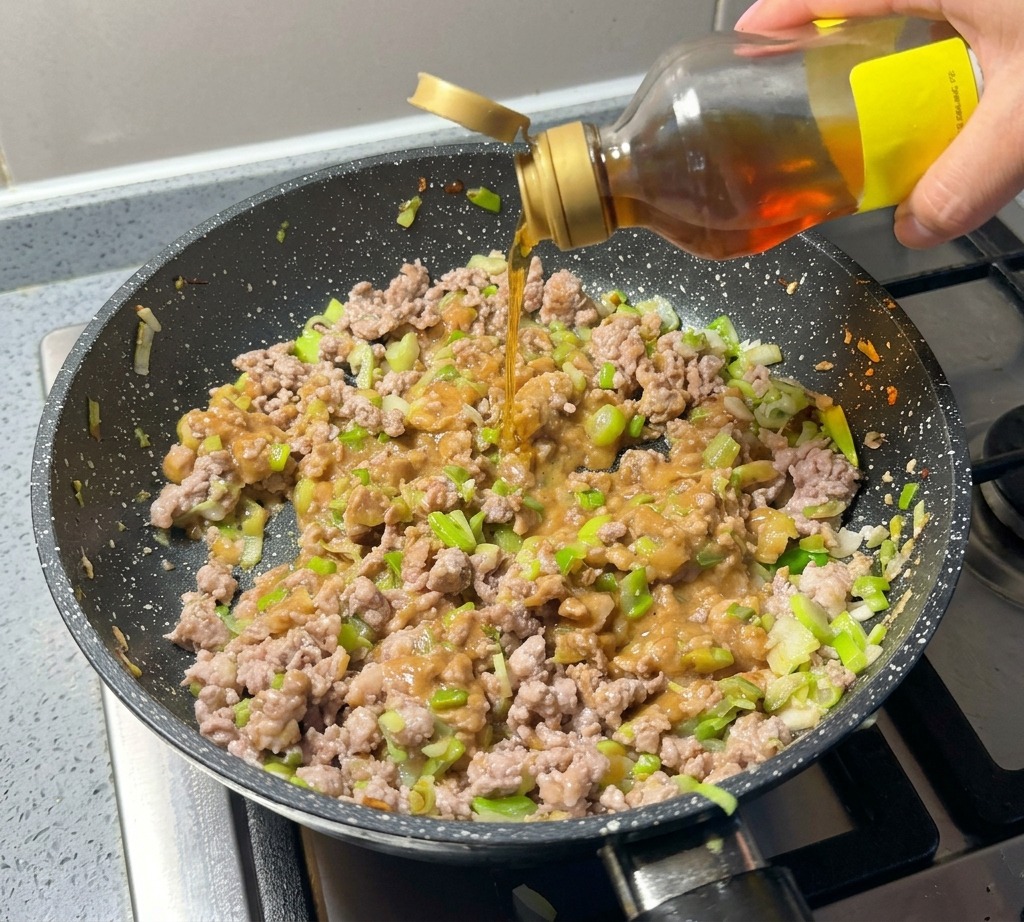
Drizzle a generous splash of pure sesame oil straight from the bottle over the seasoned meat mixture to infuse the dish with a deep, toasted nutty aroma.
Tip: Add sesame oil towards the end of the cooking process. Using it as a finishing oil preserves its delicate flavor, which can be diminished by high heat. - 6Add Chili Powder
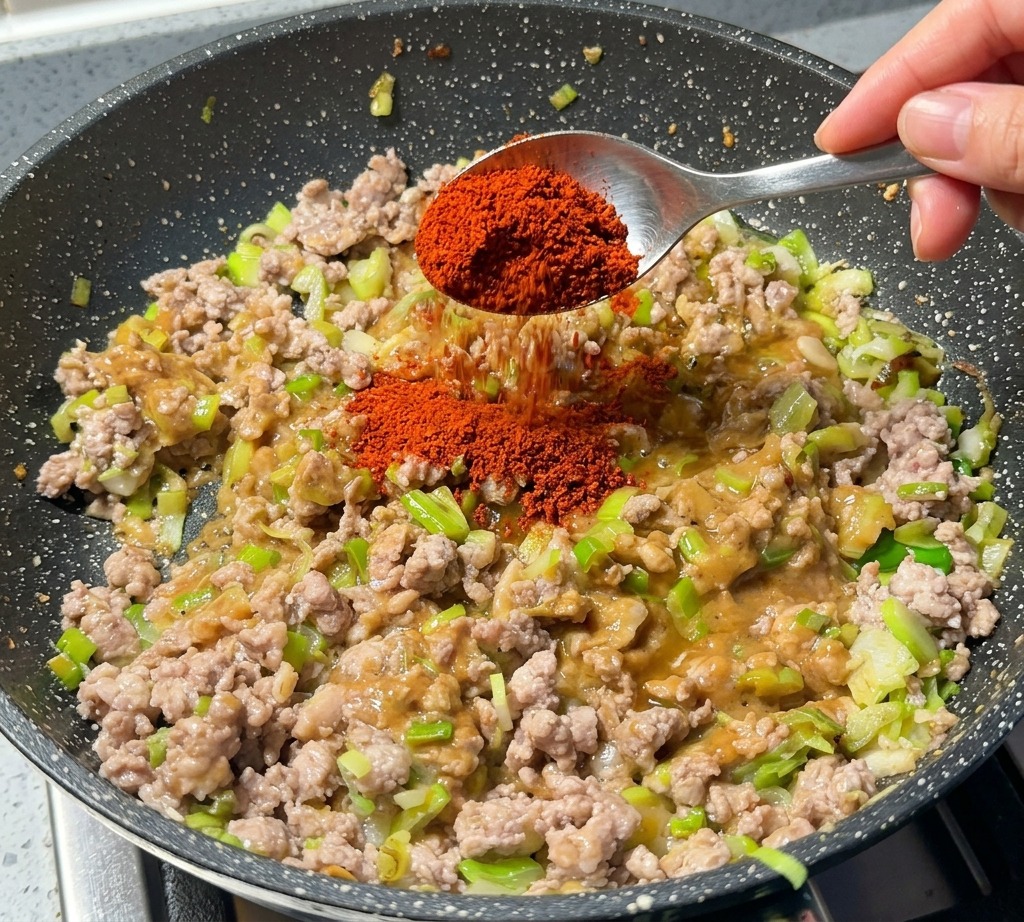
Sprinkle a full spoonful of vibrant red chili powder directly into the savory mixture. Stir continuously so the spice distributes evenly, giving the sauce a rich color and a fiery kick.
Tip: Adjust the amount of chili powder based on your personal heat preference, or substitute with paprika for a similarly vibrant color without the intense spice. - 7Add Soy Sauce
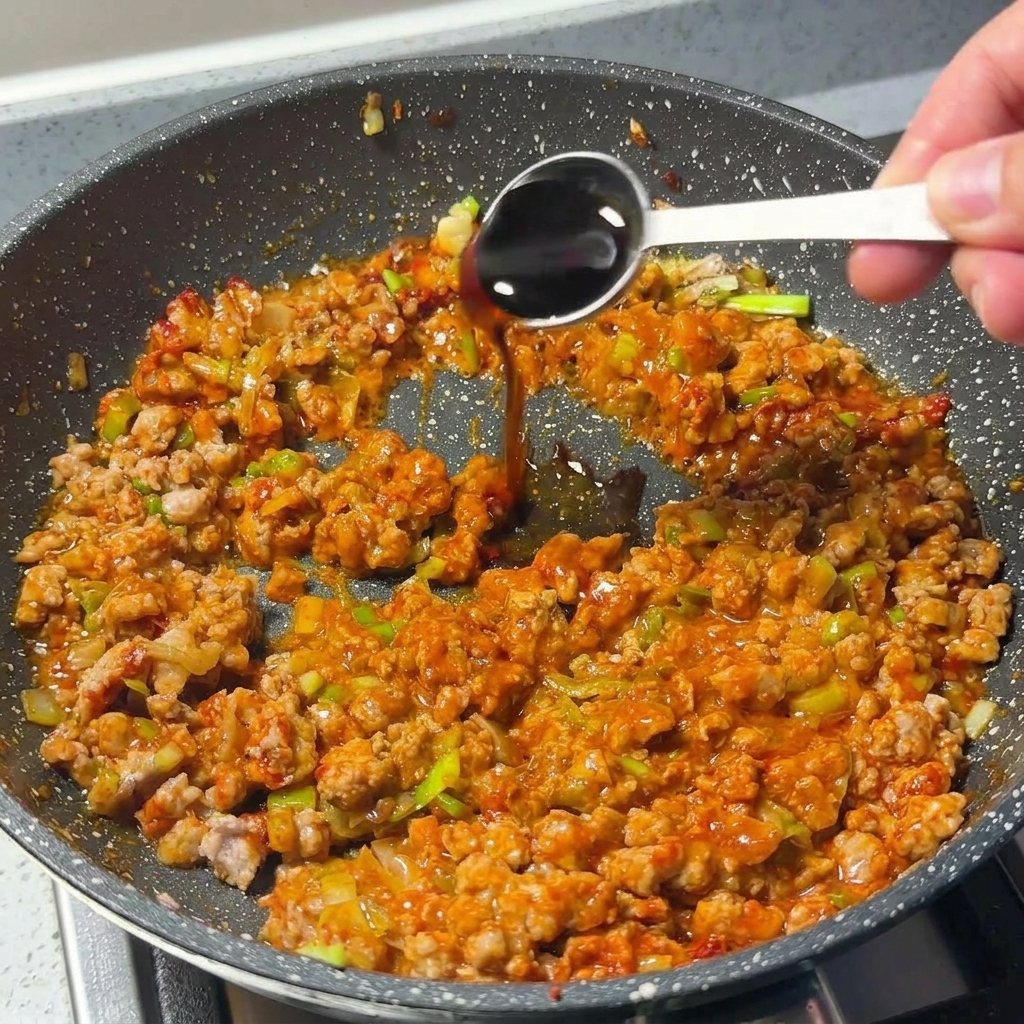
After incorporating the initial seasonings, pour in a spoonful of soy sauce. This adds umami and saltiness, deepening the savory profile of the minced meat base.
Tip: Pouring the soy sauce around the edges of the hot pan rather than directly on the meat can help release its aroma more effectively. - 8Add White Pepper
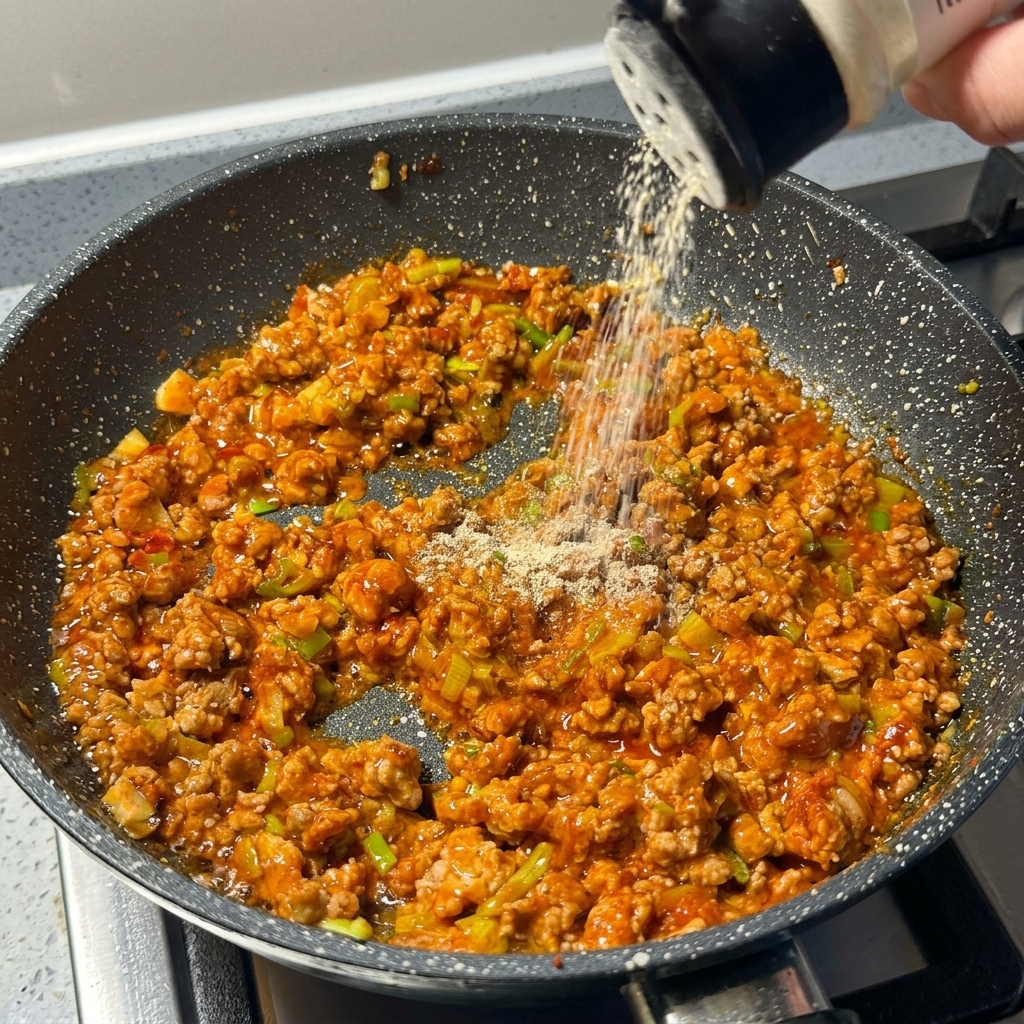
Shake some white pepper over the simmering meat mixture. The pepper introduces a subtle heat and earthy flavor that balances the richness of the meat and miso paste.
Tip: Adjust the amount of pepper to your preference, keeping in mind that white pepper has a distinct, pungent aroma compared to black pepper. - 9Pour in the Soy Milk
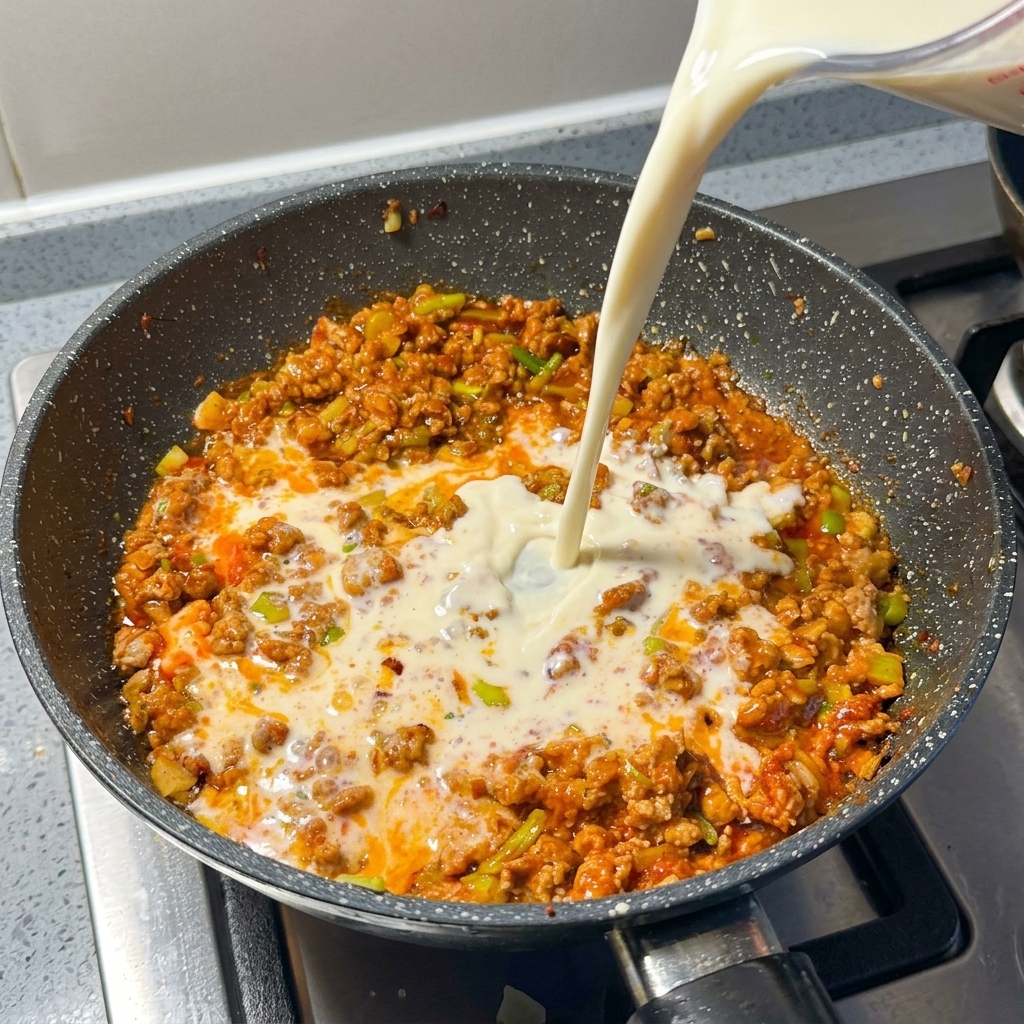
Pour 200 milliliters of soy milk directly into the pan with the seasoned meat. The soy milk acts as the creamy base for the tsukemen dipping broth, softening the spice and adding a rich, smooth texture.
Tip: Use unsweetened, unflavored soy milk to ensure the broth maintains its savory, robust flavor profile without adding unwanted sweetness. - 10Simmer the Dipping Sauce
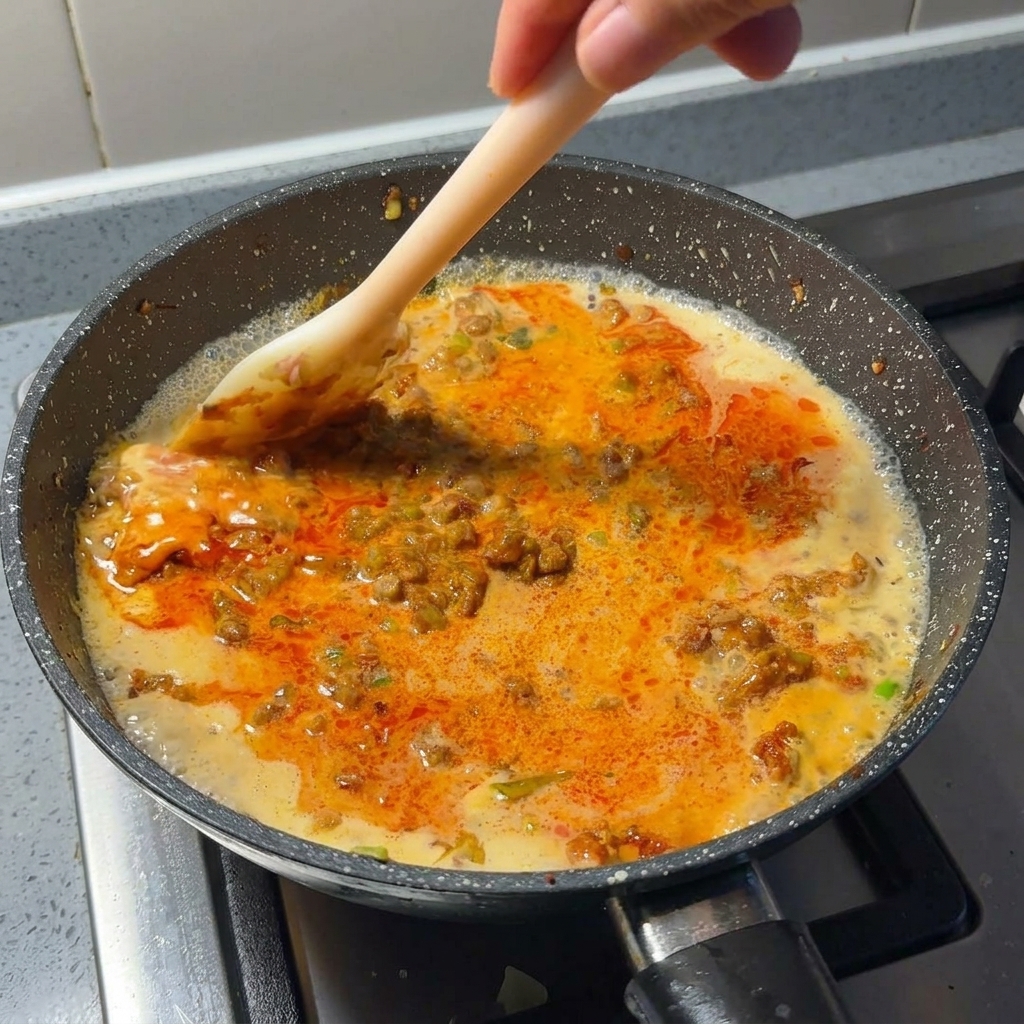
Stir everything together thoroughly with a spatula. Allow the mixture to simmer until the soy milk and seasonings meld into a thick, rich, and creamy reddish-orange sauce. Once thickened, remove it from the heat.
Tip: Keep the heat on medium-low and stir frequently to prevent the soy milk from separating or burning at the bottom of the pan. - 11Boil the Noodles
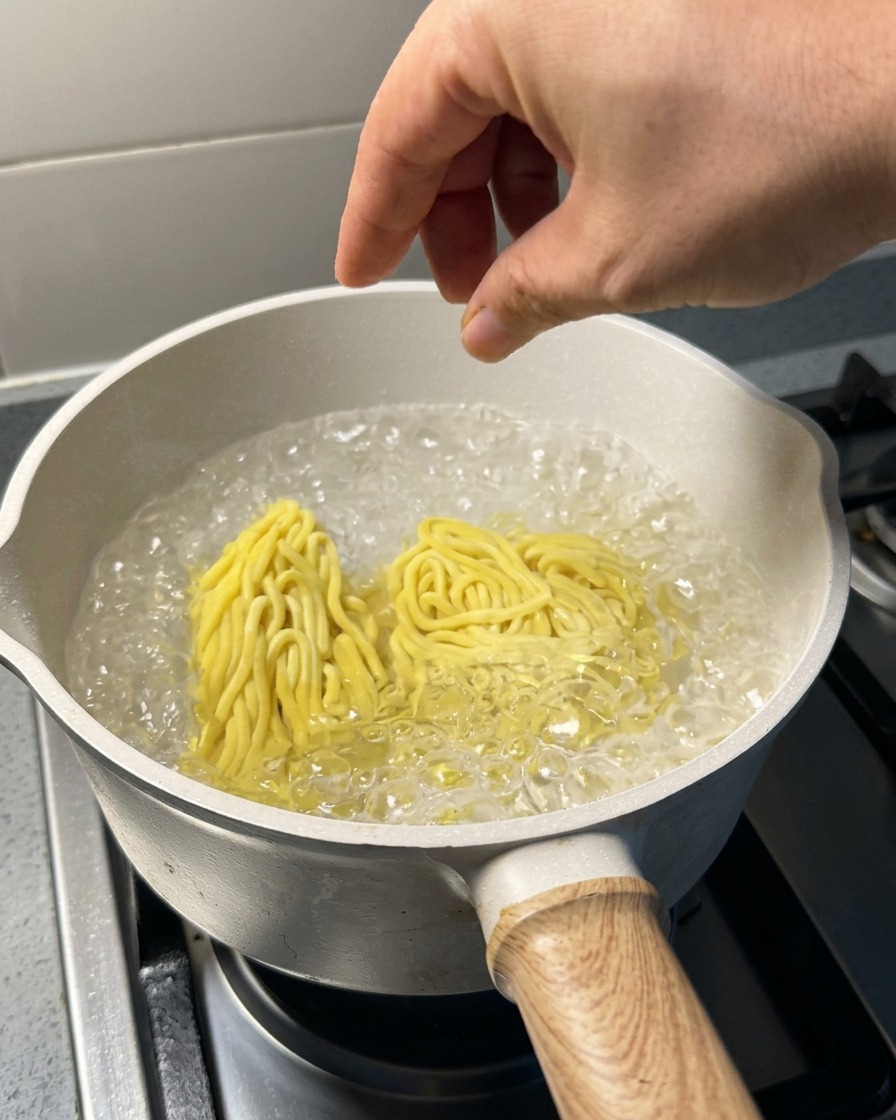
Bring a separate pot of water to a rapid boil. Drop the portions of raw yellow ramen noodles into the boiling water, ensuring they are fully submerged.
Tip: Use a large pot with plenty of water so the noodles have room to move and cook evenly without clumping together. - 12Drain the Noodles
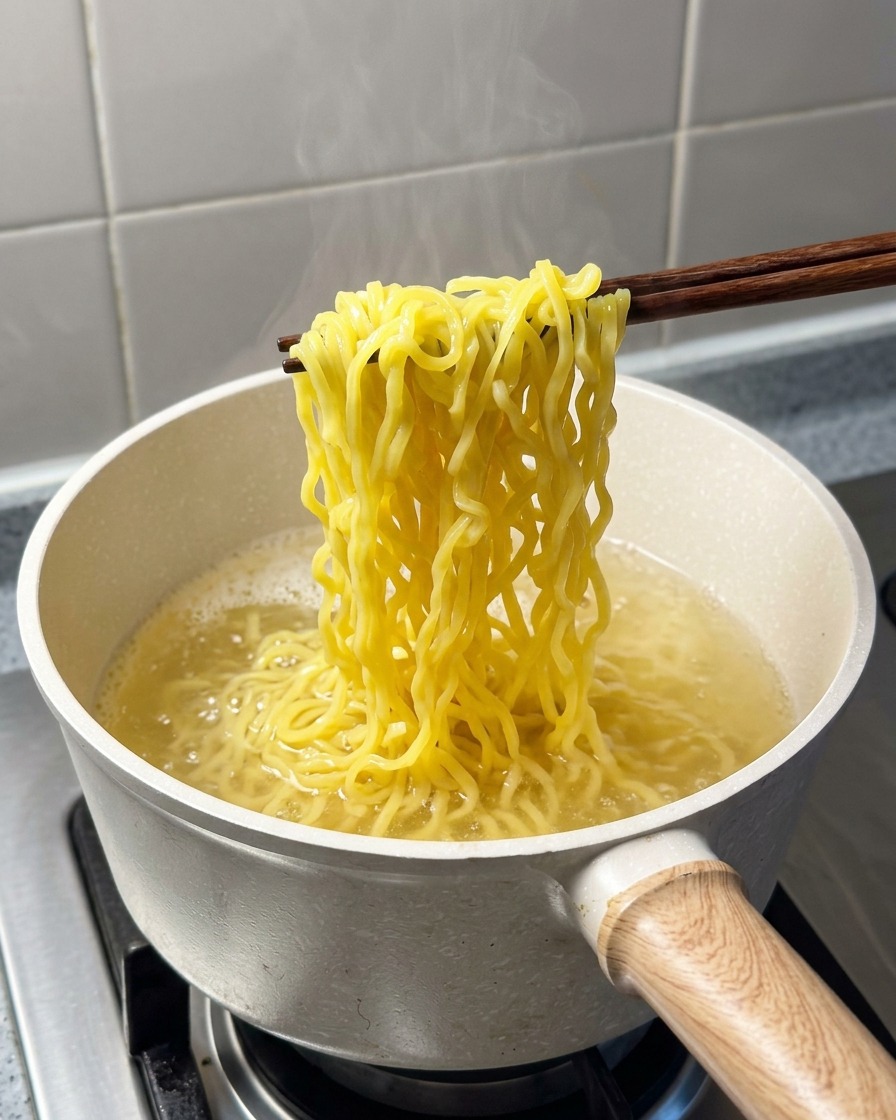
Once the noodles are cooked to your desired firmness, lift them out of the boiling water using chopsticks or a strainer. Drain off the excess water thoroughly.
Tip: For traditional tsukemen, noodles are often rinsed under cold running water immediately after boiling to give them a chewy texture, though you can serve them warm if you prefer. - 13Garnish the Noodles
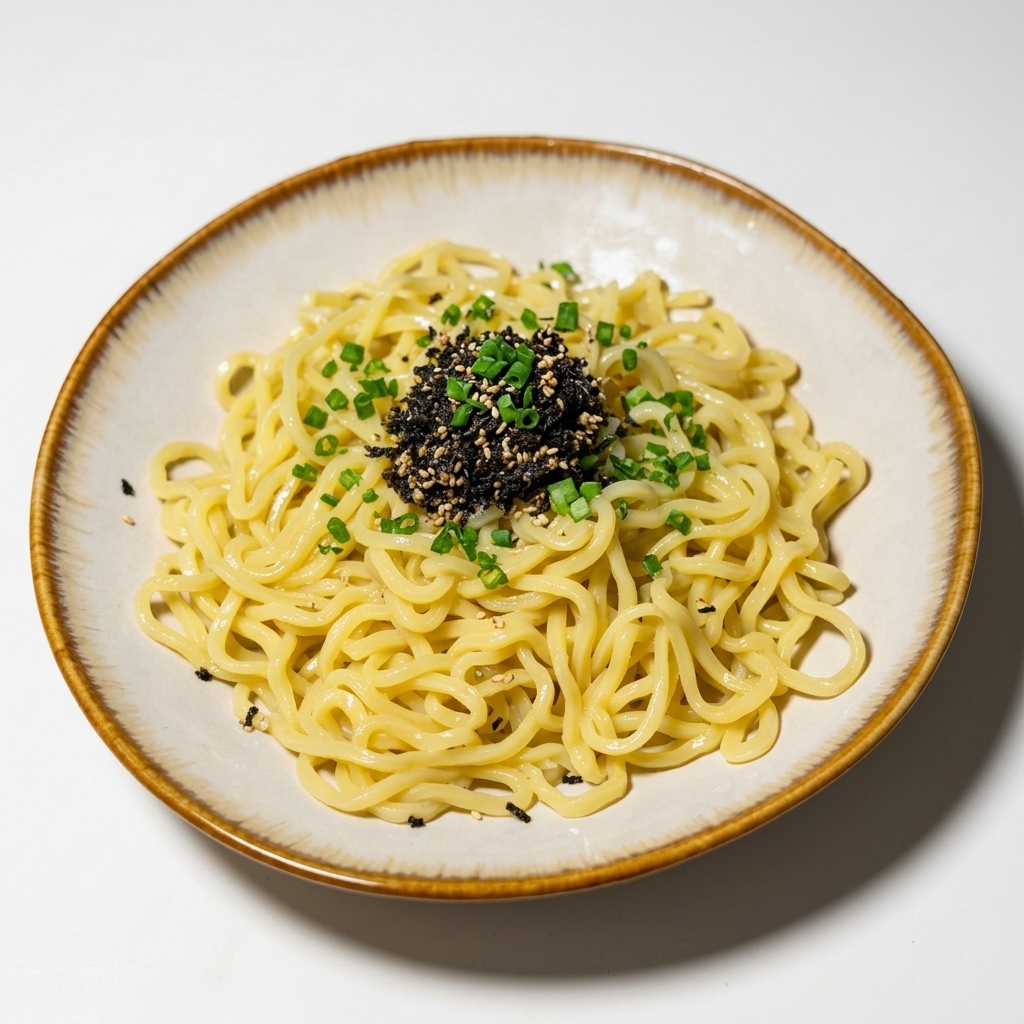
Place the cooked and drained noodles onto a serving plate. Top the center of the noodles generously with crushed seaweed and fresh chopped green onions.
Tip: Arrange the strands in a neat folded pattern on the plate to elevate the visual presentation of your meal. - 14Garnish the Dipping Sauce
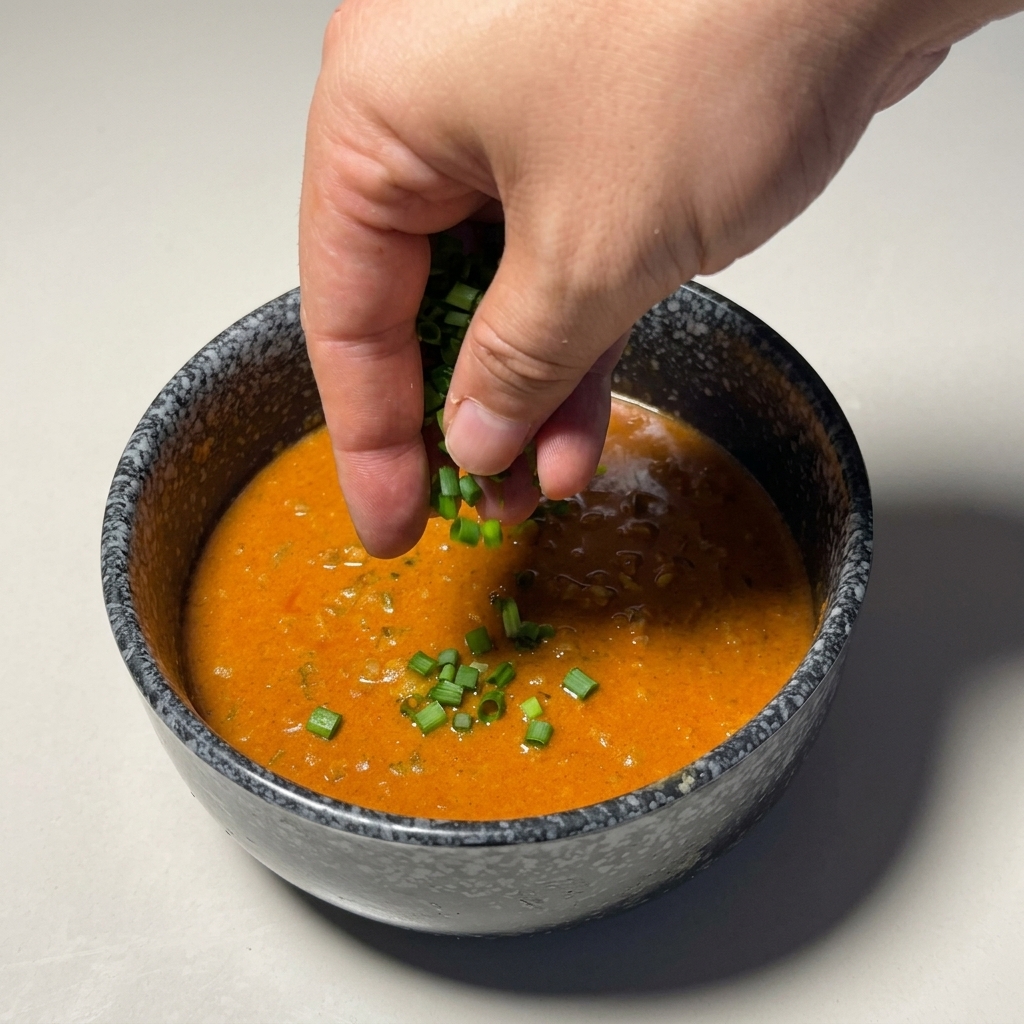
Pour the hot, rich soy milk and miso dipping sauce into a separate serving bowl. Sprinkle a handful of freshly chopped green onions over the surface of the sauce.
Tip: The dipping sauce for tsukemen is traditionally much saltier and stronger in flavor than regular ramen broth, as it needs to coat and flavor the plain noodles. - 15Add Sesame Seeds
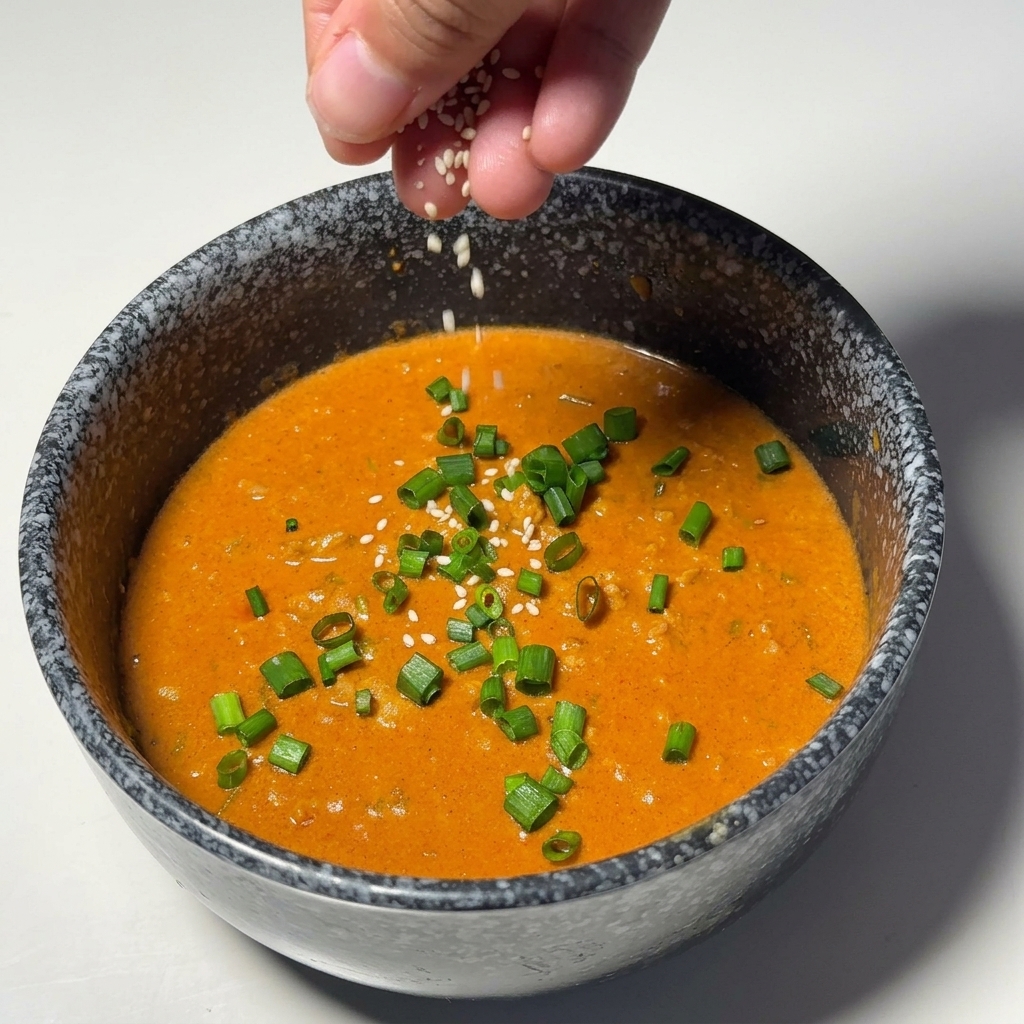
Finish the dipping sauce by sprinkling white sesame seeds over the top. The sesame seeds add a pleasant nutty aroma and subtle crunch to complement the rich broth.
Tip: You can lightly toast the sesame seeds in a dry pan beforehand to release even more of their natural oils and flavor. - 16Drizzle with Chili Oil
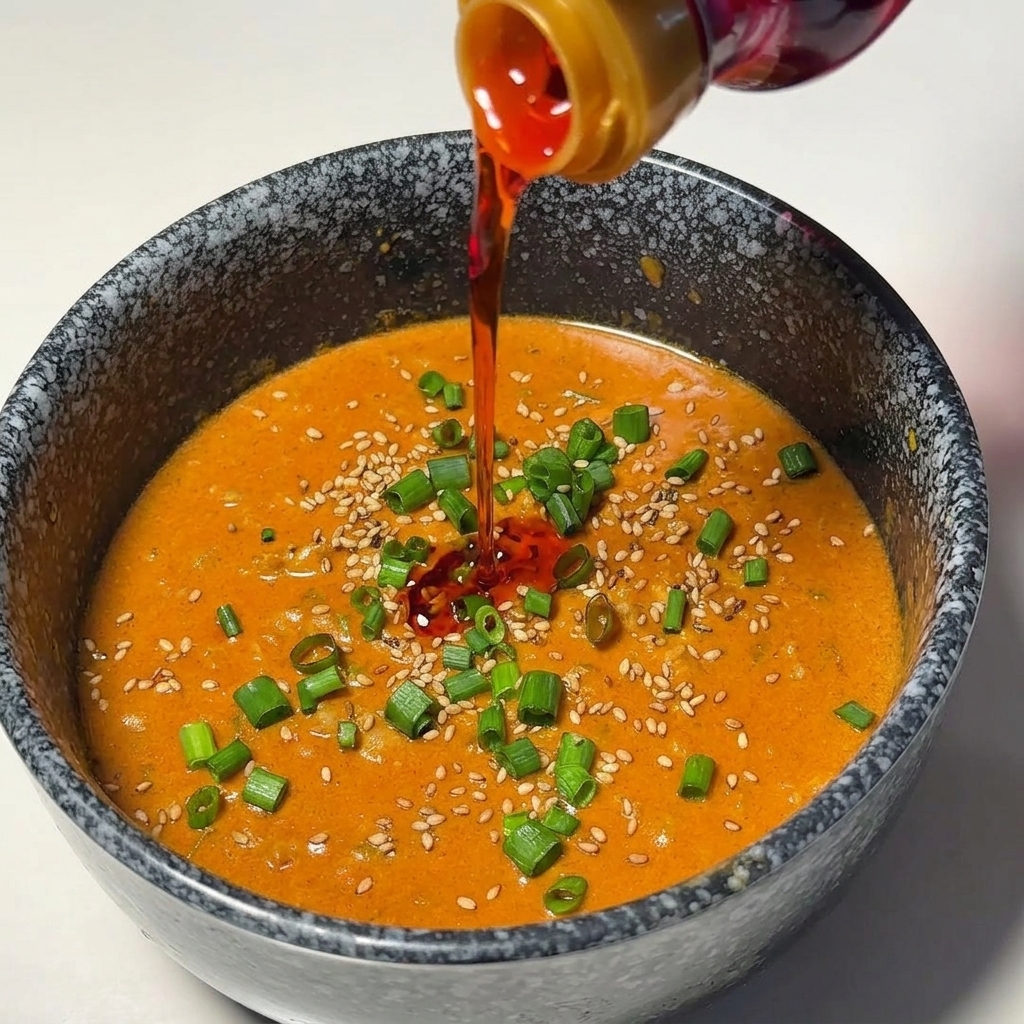
Complete the dipping sauce by drizzling a generous amount of bright red chili oil over the top. This adds a final kick of heat and a beautiful vibrant sheen to the rich broth.
Tip: Adjust the amount of chili oil based on your personal spice preference.