Homemade Pesto
Margherita Pizza
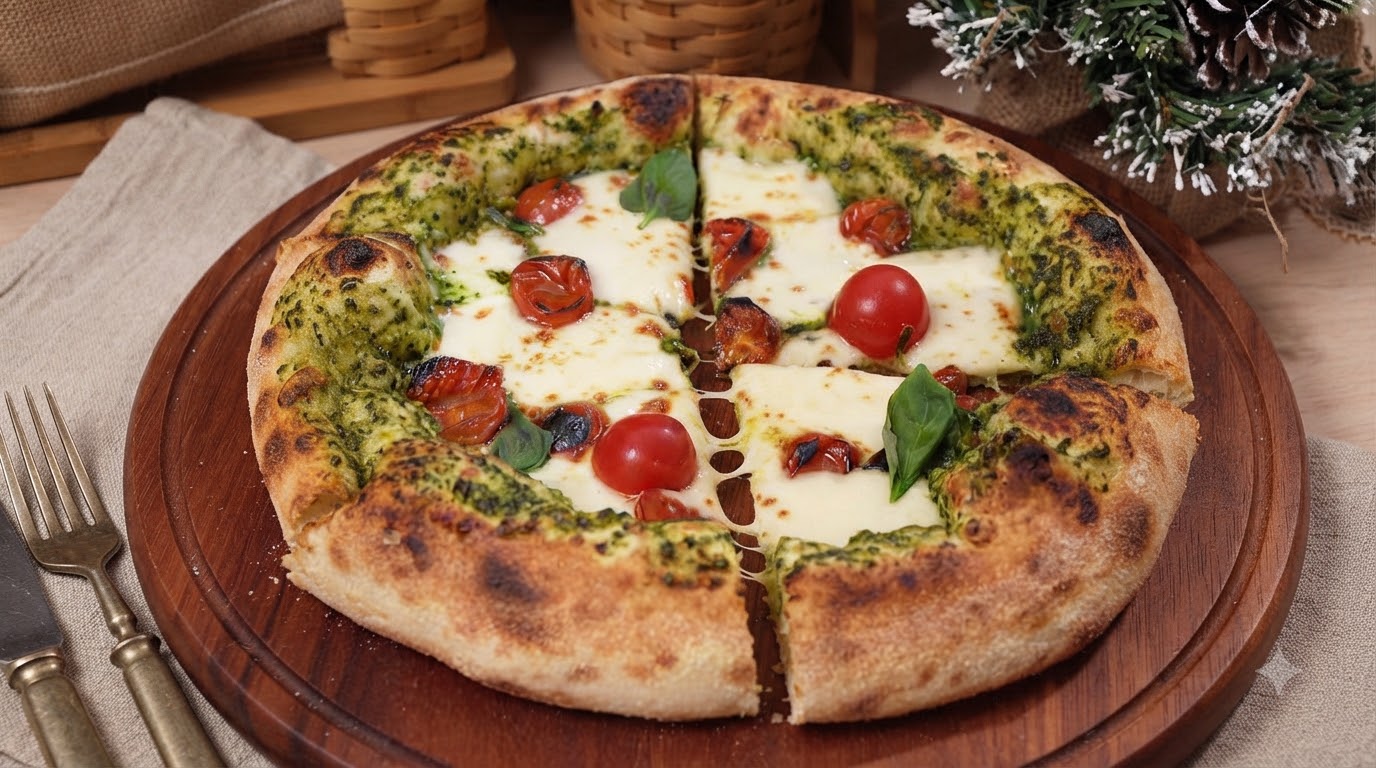
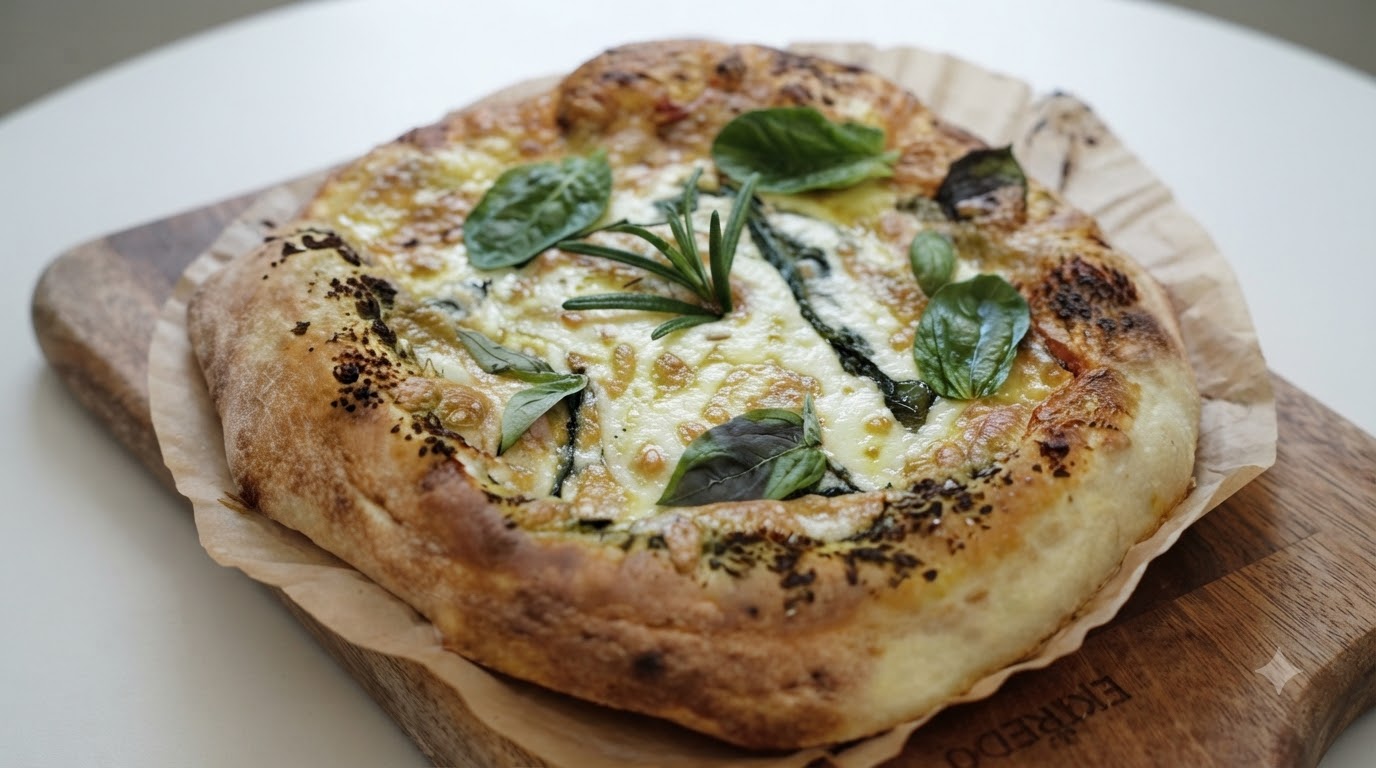
A dual-flavor pizza featuring a vibrant homemade basil pesto base and a classic Margherita finish, baked to bubbling perfection with a golden crust.
Combining two beloved pizza styles into one, this recipe pairs aromatic basil pesto with melted cheese and fresh herbs. The crust achieves an ideal balance of crispness and chewiness, offering a satisfying homemade alternative to delivery night.
Ingredients
- 500 g all-purpose flour
- 320 ml warm water
- 7 g active dry yeast
- 1 tsp sugar
- 2 tbsp olive oil
- 150 g shredded mozzarella cheese
- 4 tbsp basil pesto sauce
- 100 g tomato sauce
- to taste fresh basil leaves
- optional fresh rosemary
Instructions
- 1Prepare the water base
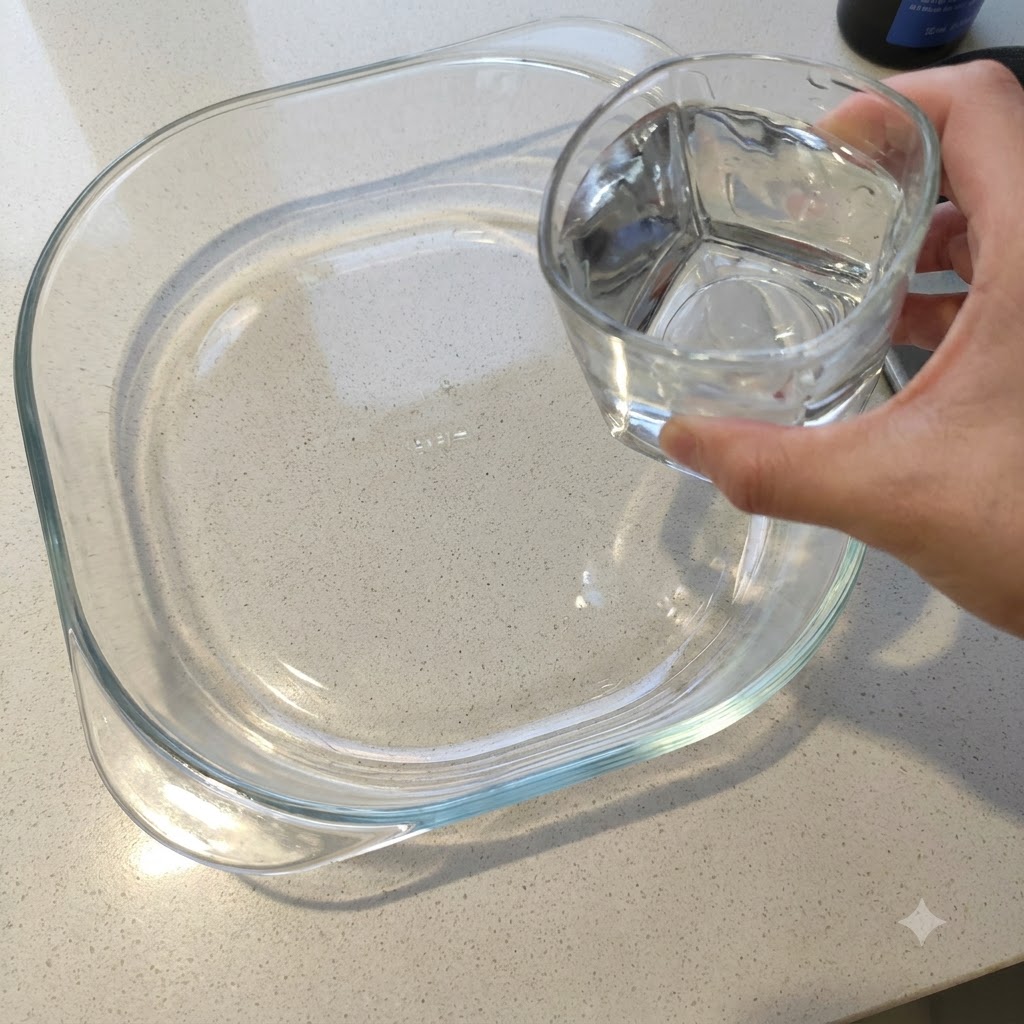
Pour warm water into a clear glass mixing bowl. This water will serve as the base to dissolve the sugar and activate the yeast, jumpstarting the dough fermentation process.
Tip: Always use lukewarm water; water that is too hot will kill the yeast, while cold water will significantly slow down activation. - 2Add yeast
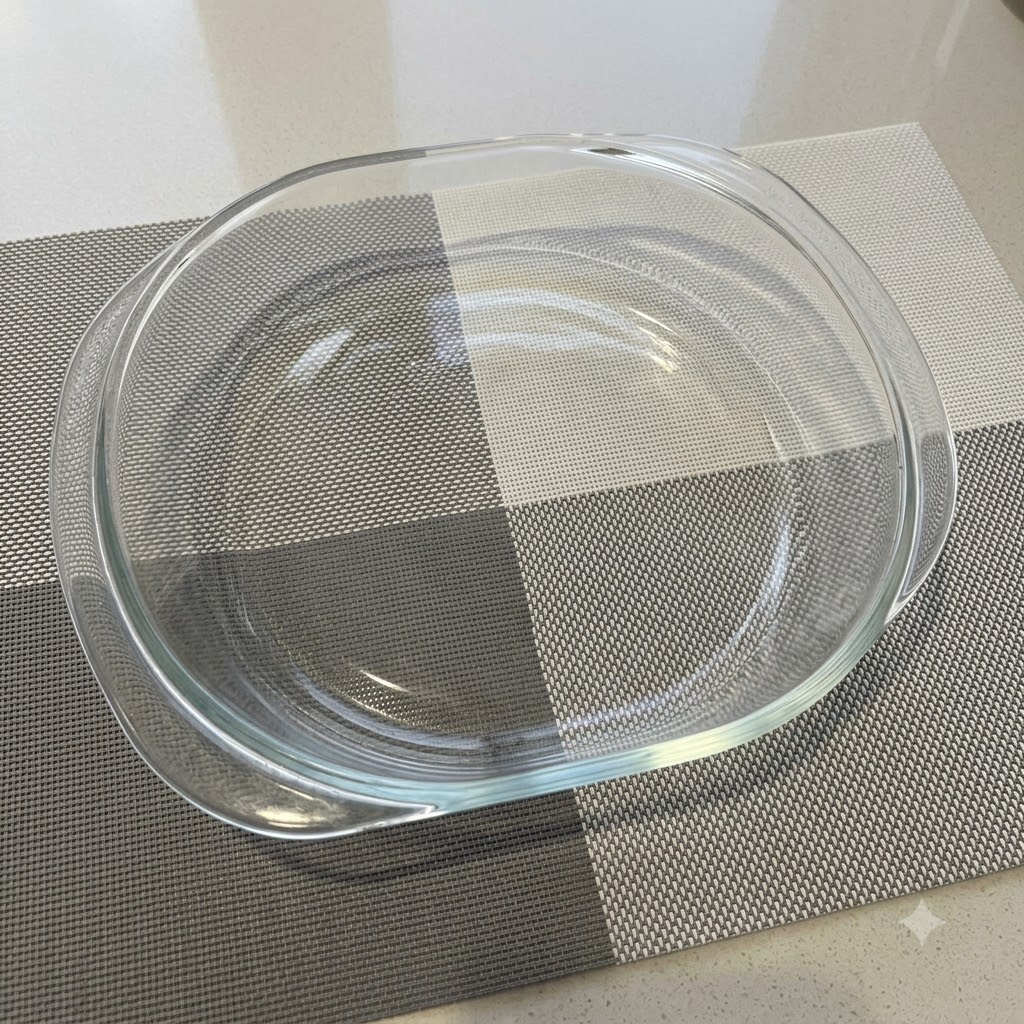
Sprinkle the yeast directly into the bowl of water to begin the activation process.
Tip: Let it sit for a minute to dissolve slightly before adding other dry ingredients. - 3Add flour
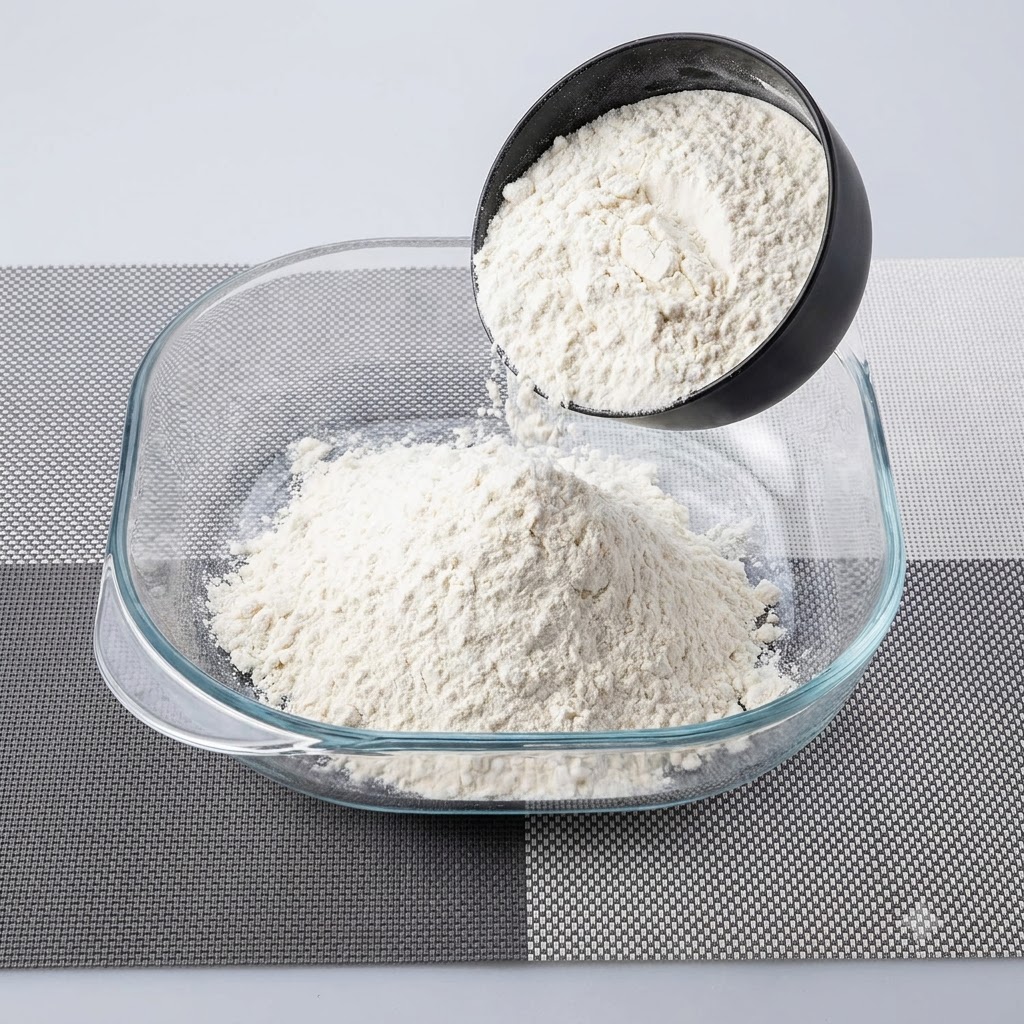
Pour the flour from a black bowl into the glass bowl containing the liquid mixture.
Tip: Add the flour gradually to prevent lumps and ensure even hydration. - 4Drizzle olive oil
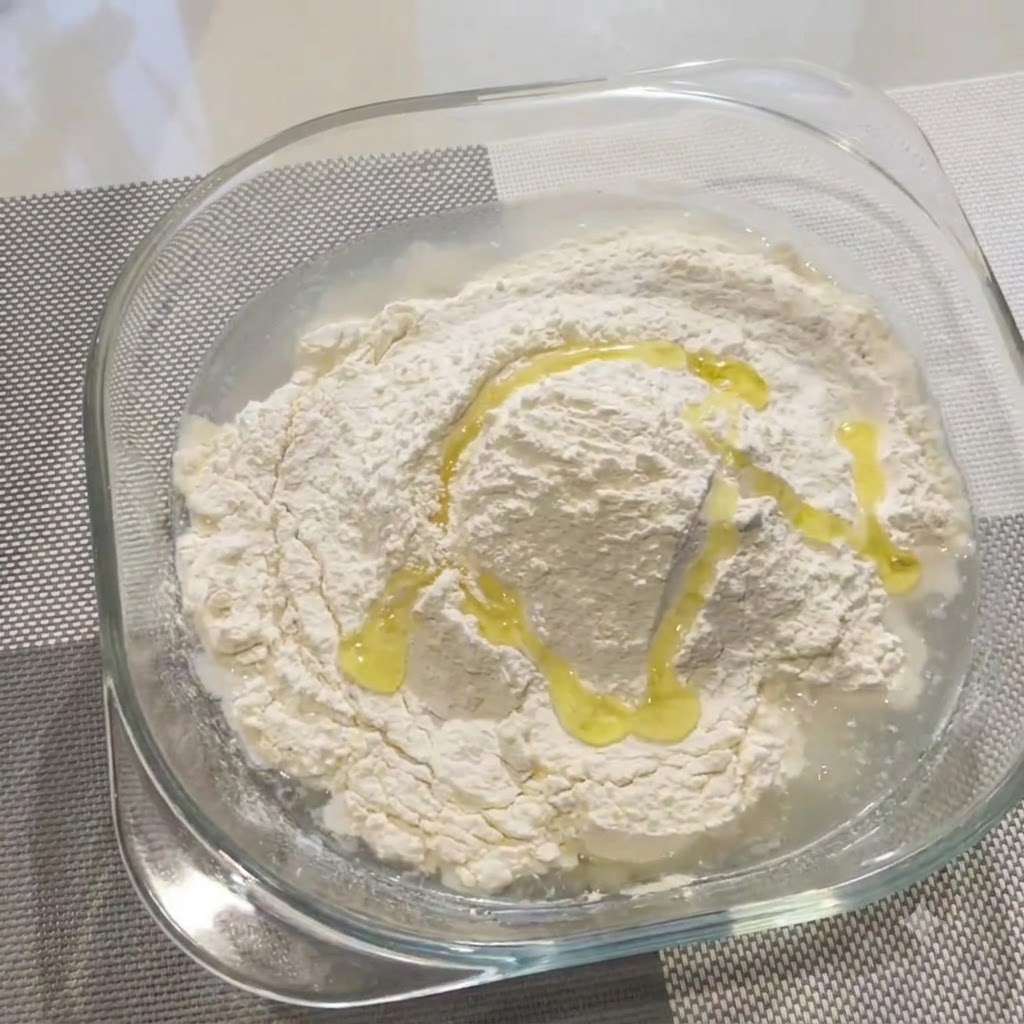
Drizzle olive oil over the surface of the flour and water mixture inside the glass bowl.
Tip: Olive oil adds flavor and helps create a tender, pliable dough texture. - 5Mix the dough ingredients
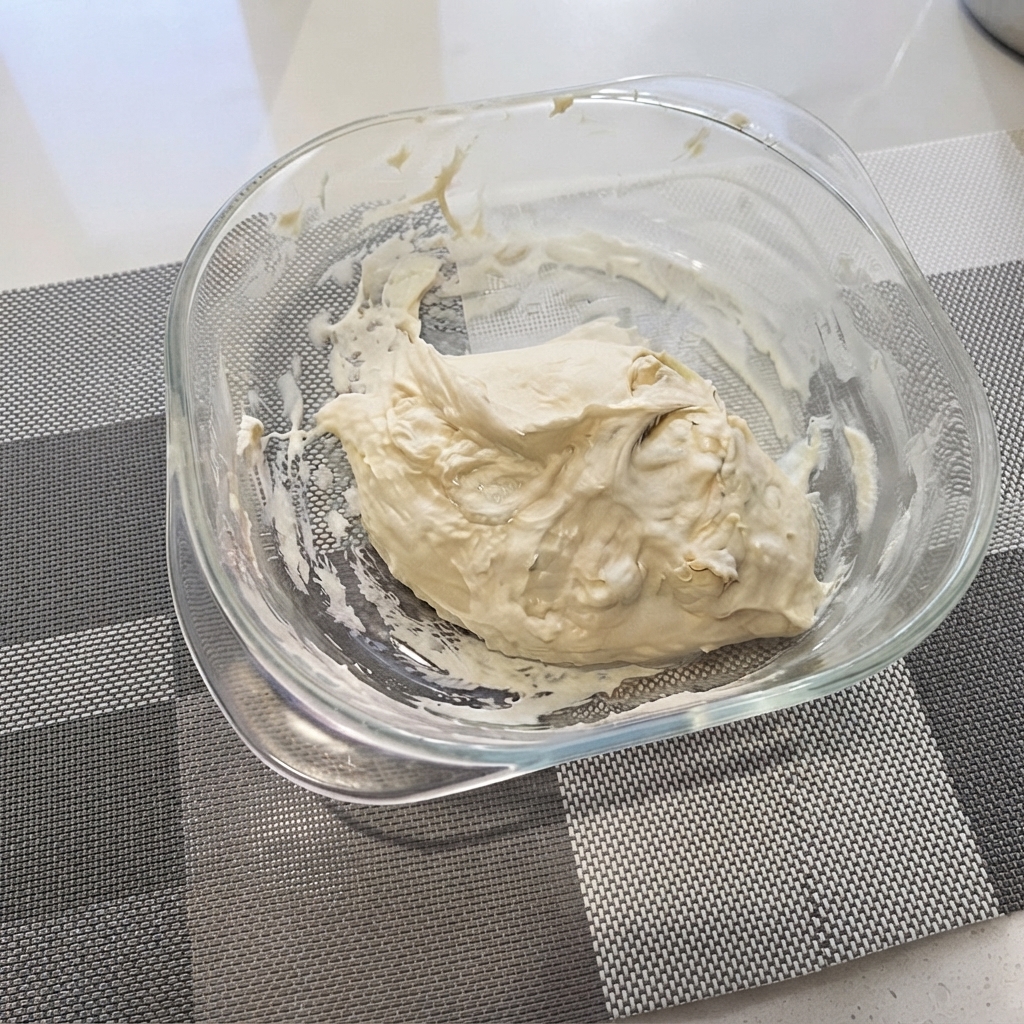
Combine all the ingredients together inside the bowl until no dry flour remains and a cohesive mass forms.
Tip: Mix thoroughly to ensure all flour pockets are hydrated before kneading. - 6Knead the dough
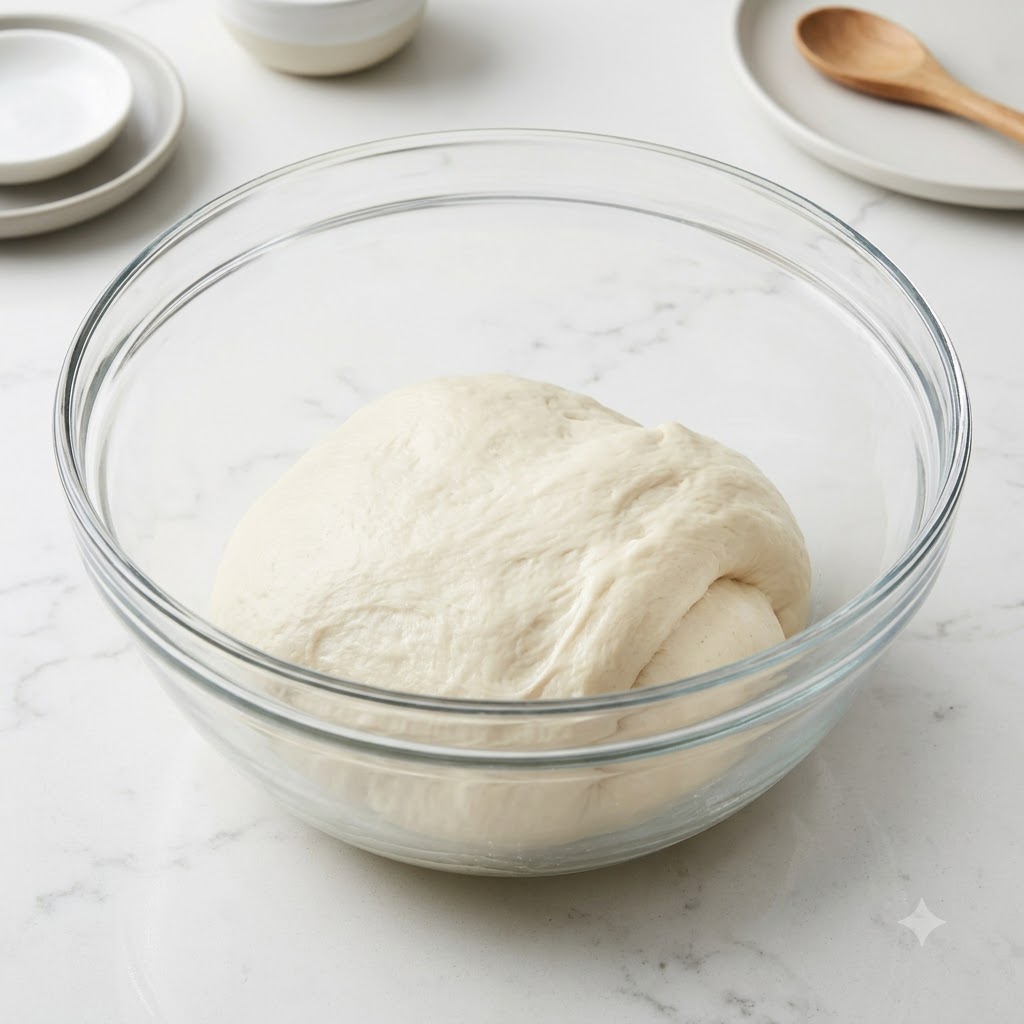
Knead the dough smoothly inside the glass bowl until it develops elasticity and a smooth surface.
Tip: Kneading helps build gluten structure, which gives the pizza crust its chew. - 7Stretch and fold the dough
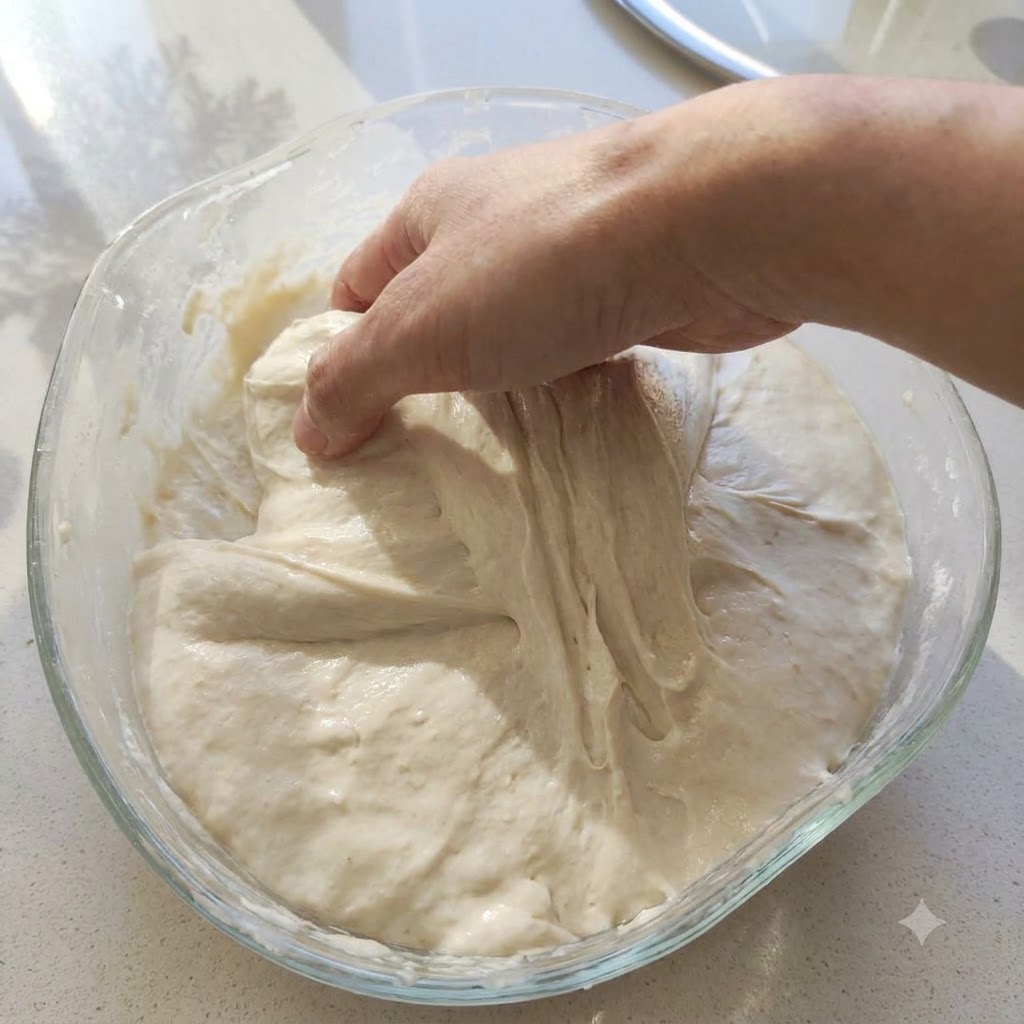
Once the dough has rested and fermented, reach into the bowl to gently stretch and fold the dough over itself. This technique helps align the gluten strands, building structure for a chewy and airy crust.
Tip: Lightly wet your working hand with water before touching the dough to prevent the high-hydration mixture from sticking to your fingers. - 8Check the doughs elasticity
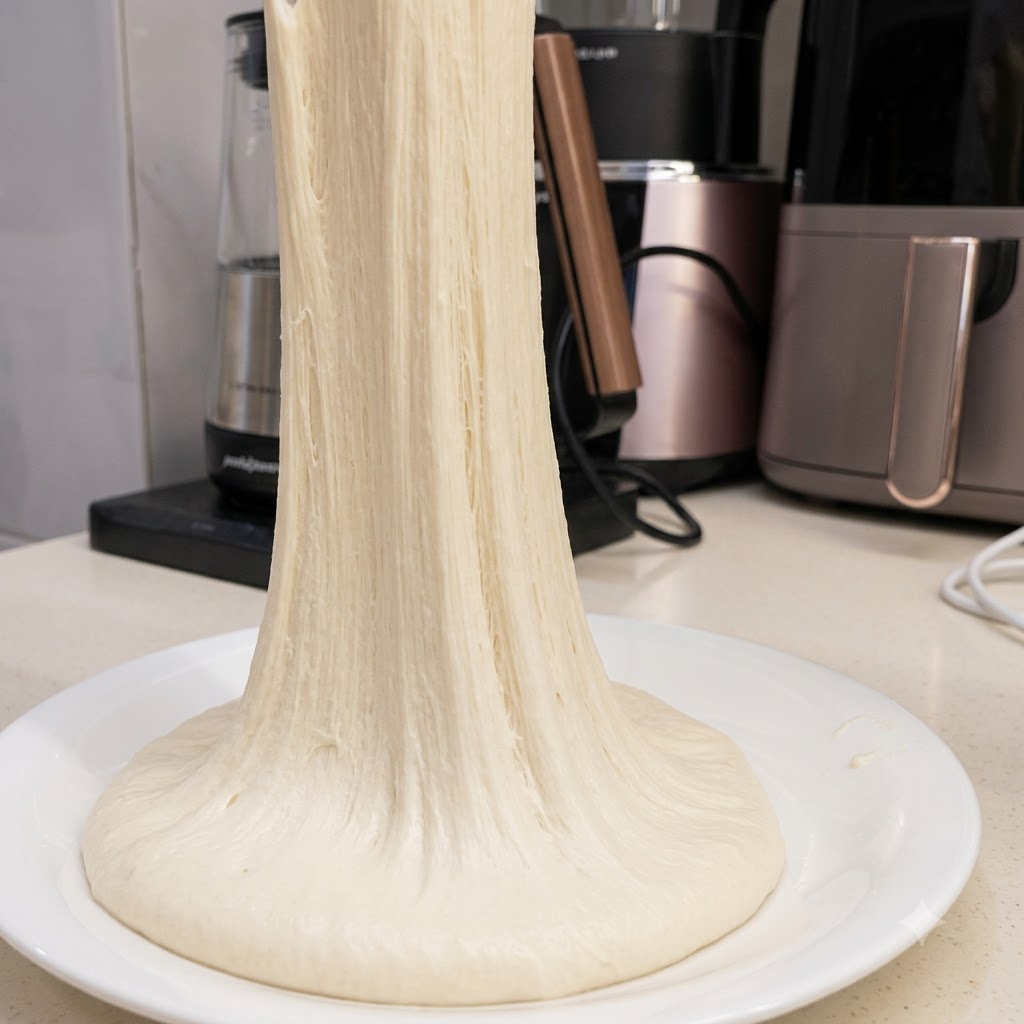
Lift a portion of the dough high up from the plate to test its elasticity. A fully developed and properly fermented dough will stretch significantly without tearing, indicating that the gluten network is strong.
Tip: If the dough snaps back quickly or tears easily when pulled, it needs more resting time to allow the gluten to relax. - 9Assemble the pizza
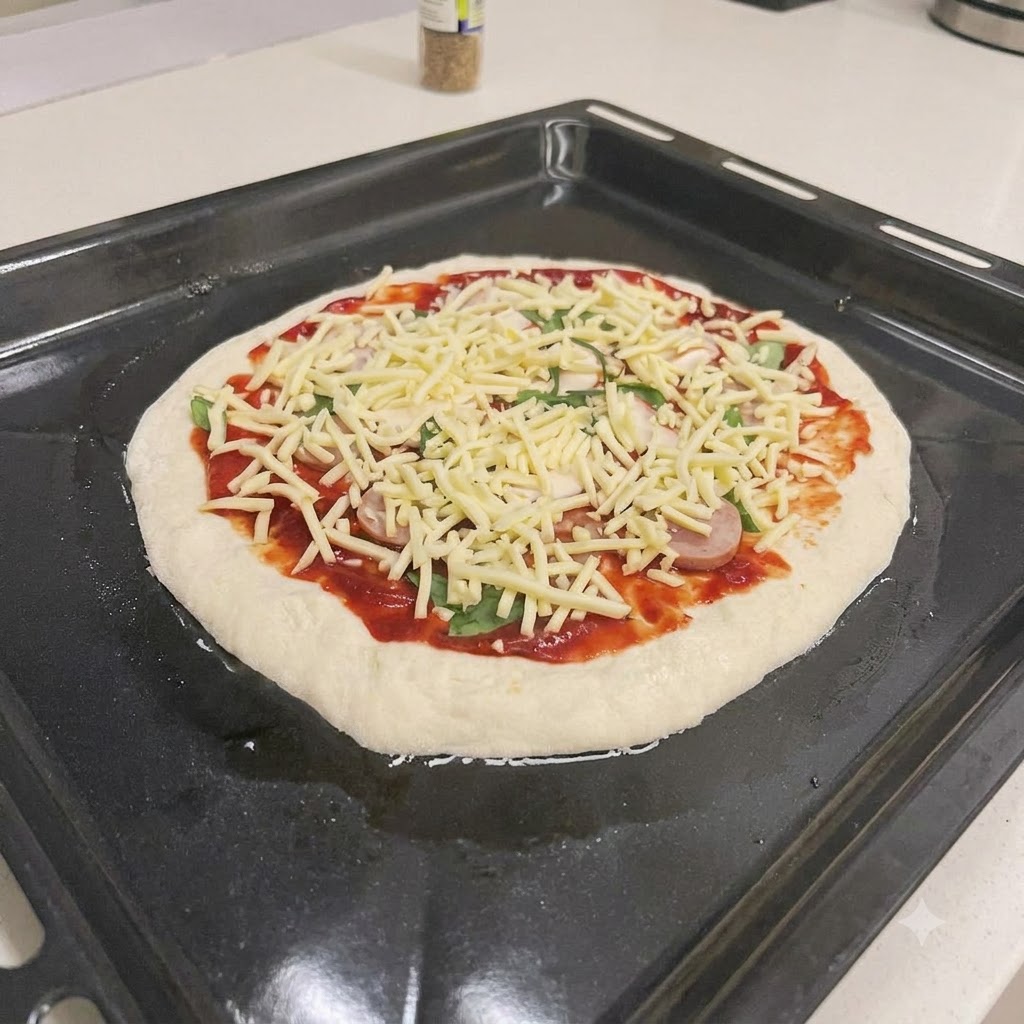
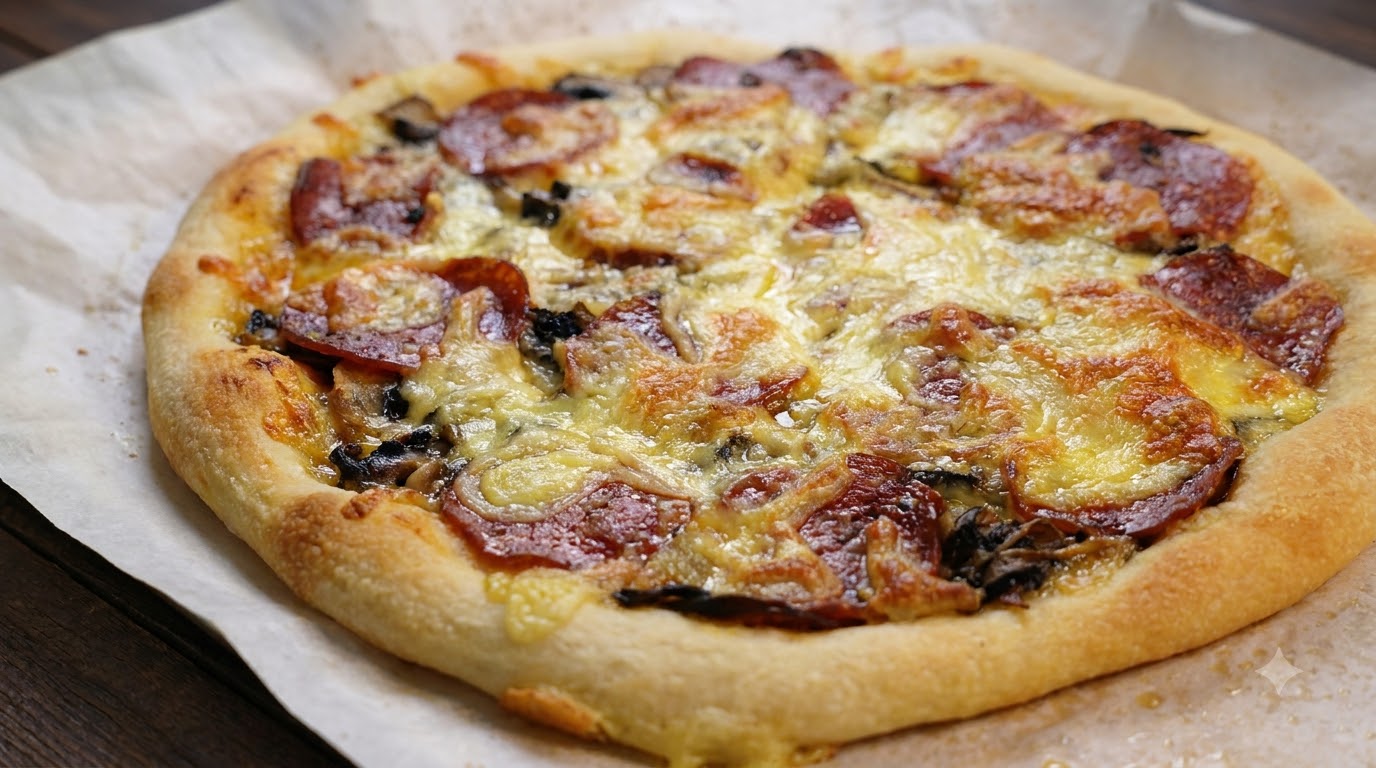
Stretch the prepared dough onto a baking sheet and spread an even layer of tomato sauce over the surface. Layer your desired toppings, such as sausage and fresh basil, and finish with a generous coating of shredded cheese.
Tip: Leave a clean, un-sauced border around the edge of the dough so the crust can puff up and brown properly during baking. - 10Bake the pizza
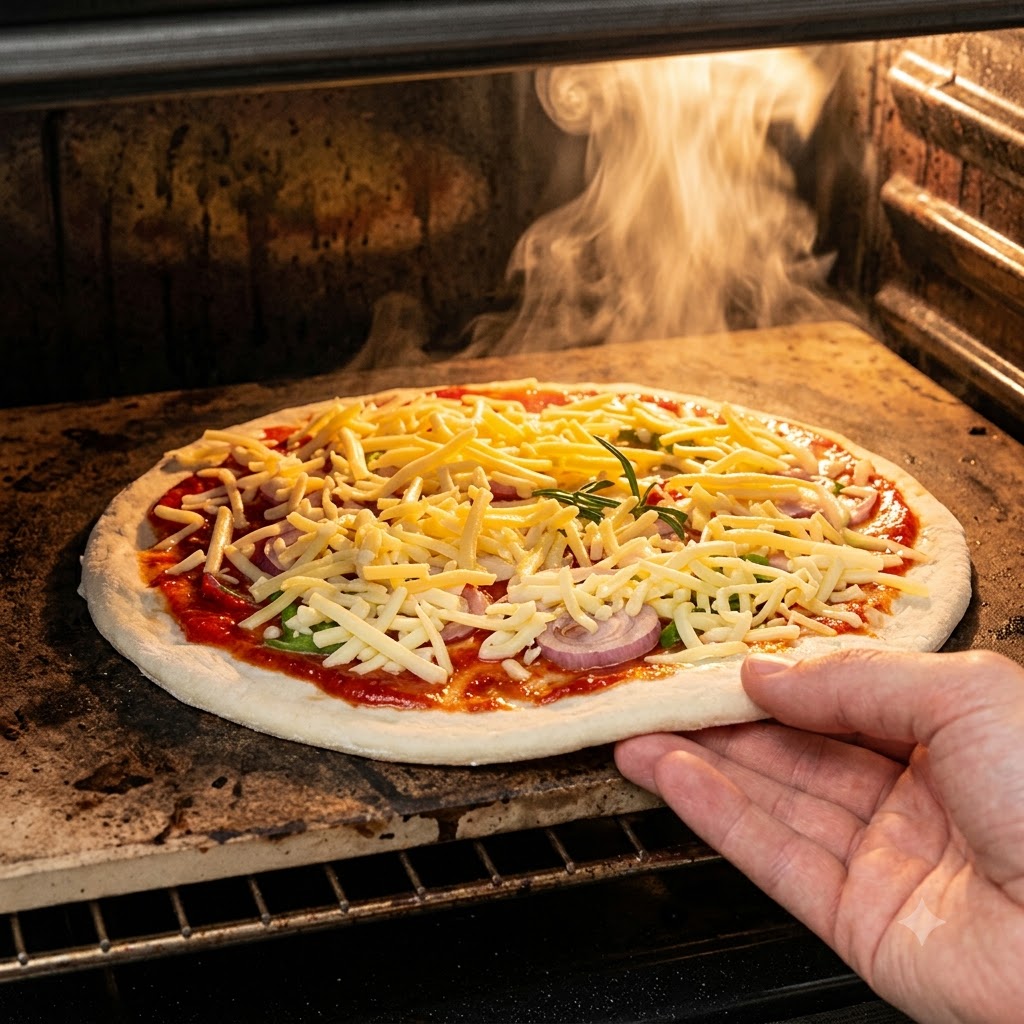
Carefully transfer the assembled pizza into a blazing hot, preheated oven. Bake until the cheese is completely melted, bubbling, and the edges of the crust develop a charred, golden-brown color.
Tip: Preheat your oven to its absolute highest temperature setting for at least 30 minutes prior to baking to achieve a pizzeria-quality crisp crust.