Authentic Homemade Italian Ricotta Cheese
Make fresh Italian ricotta cheese at home using milk, white vinegar, and lemon juice. Learn the traditional technique and discover ways to use it in recipes.
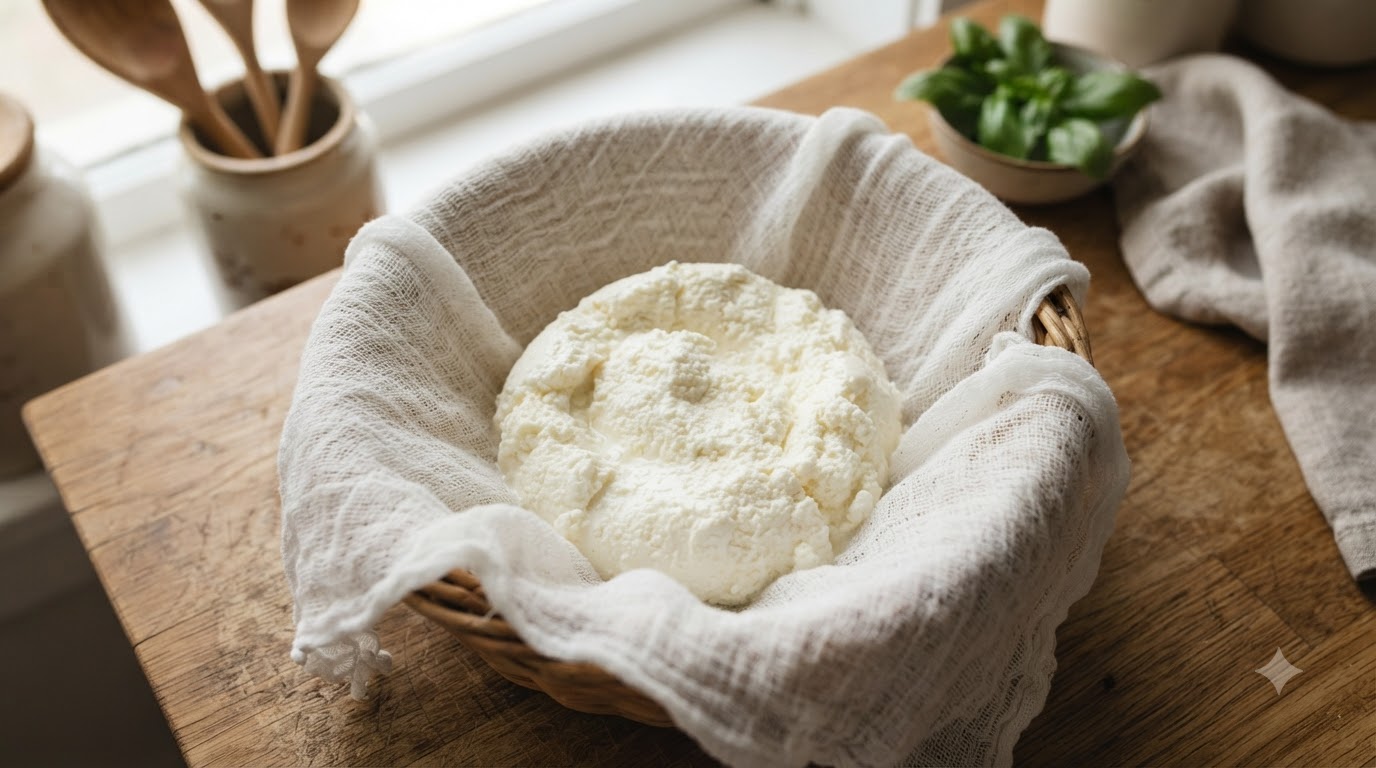
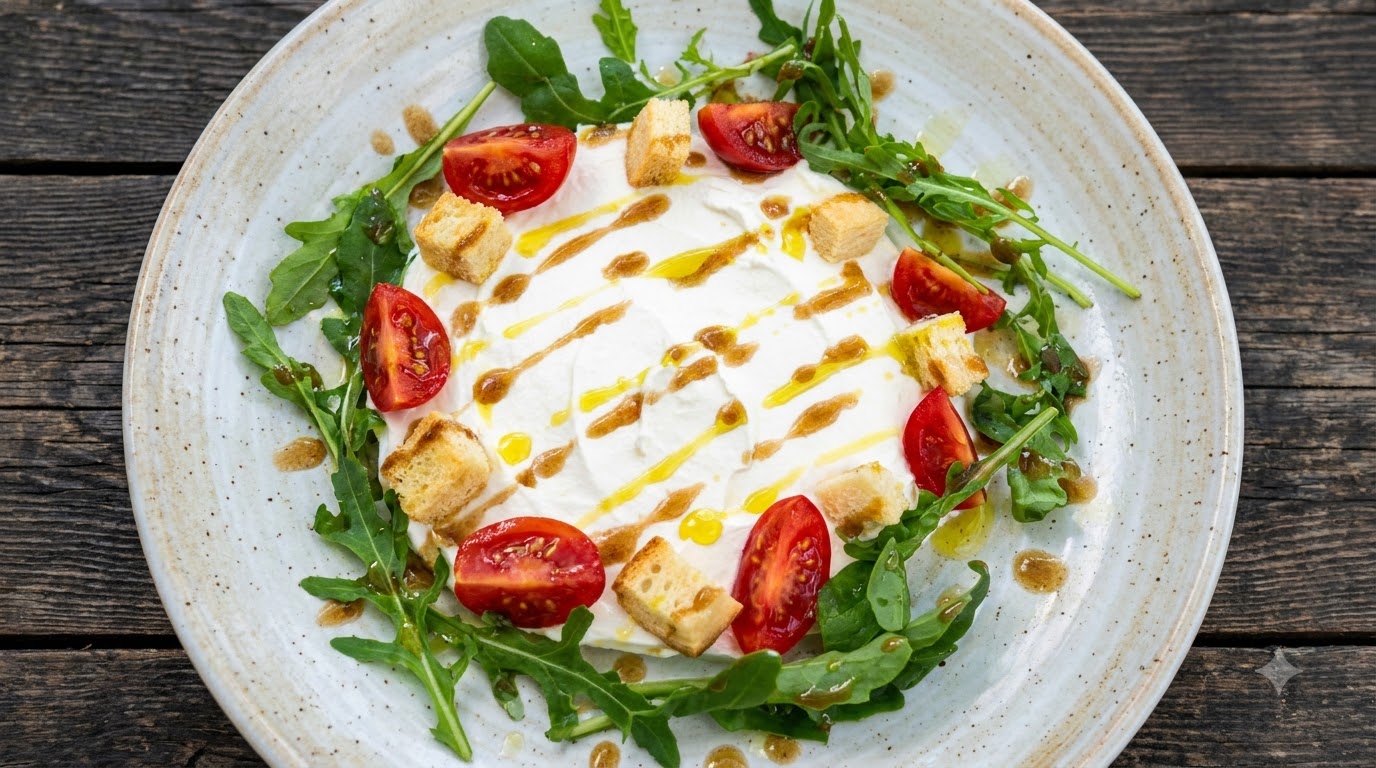
Italian ricotta cheese translates to re-cooked cheese in English and originates from Italy where it is traditionally made from whey. It is a versatile ingredient that can be used in cheese buns, dumplings, and various desserts, offering a rich, milky flavor and delicate crumbly texture.
Ingredients
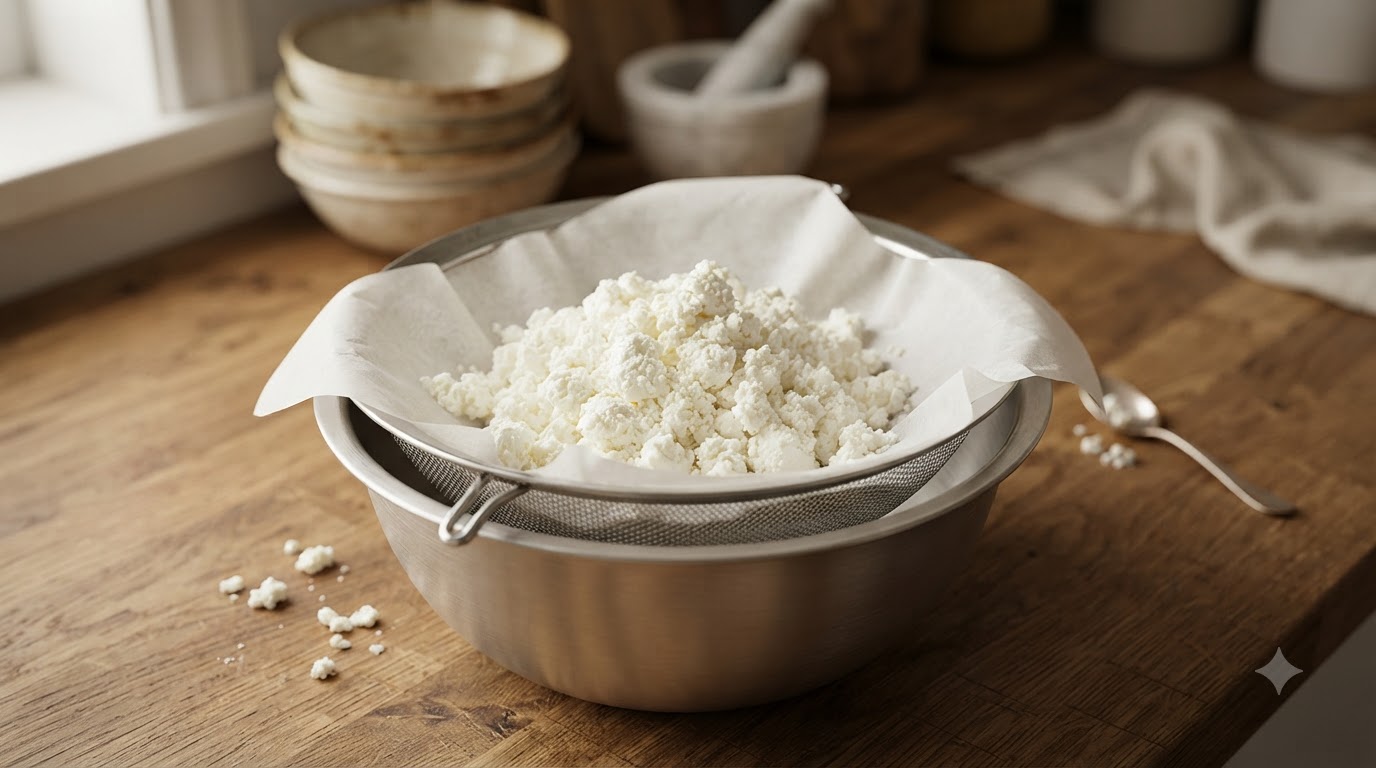
- 2 l fresh milk
- 100 ml white vinegar
- 1 lemon
Instructions
- 1Pour the Milk into a Bowl
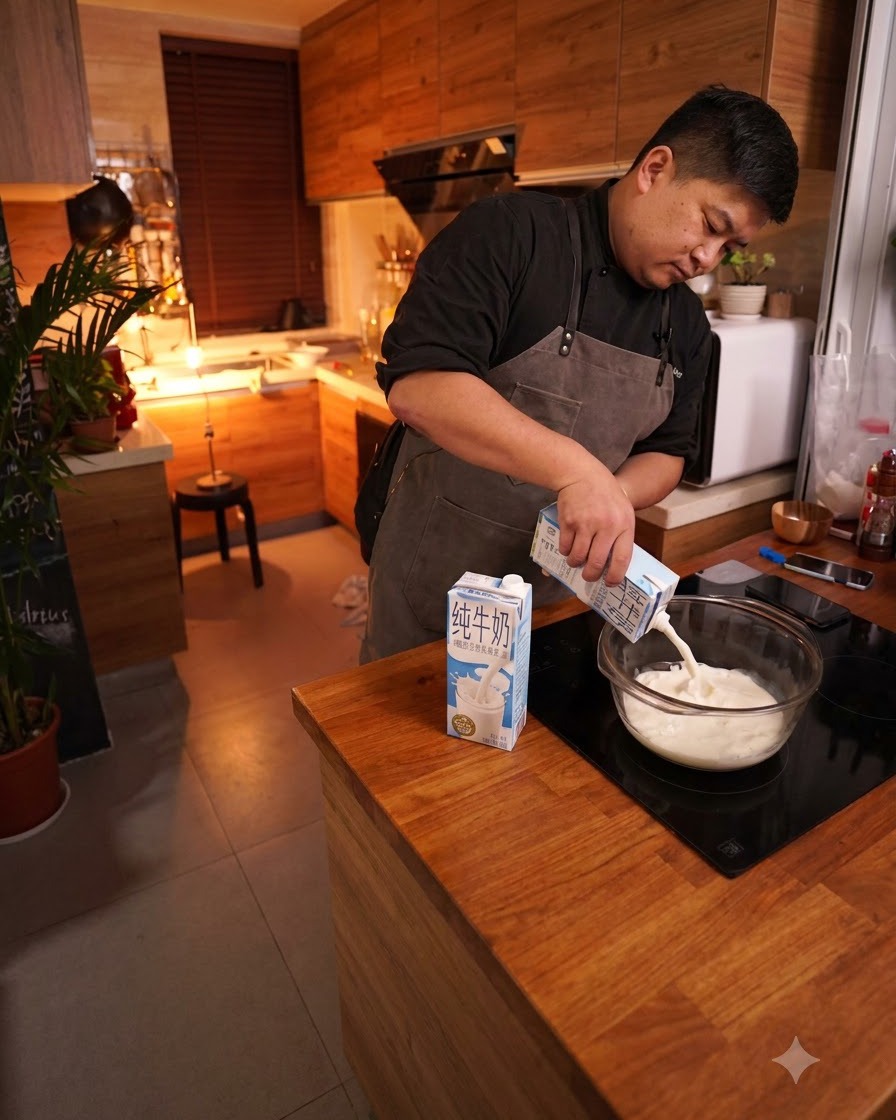
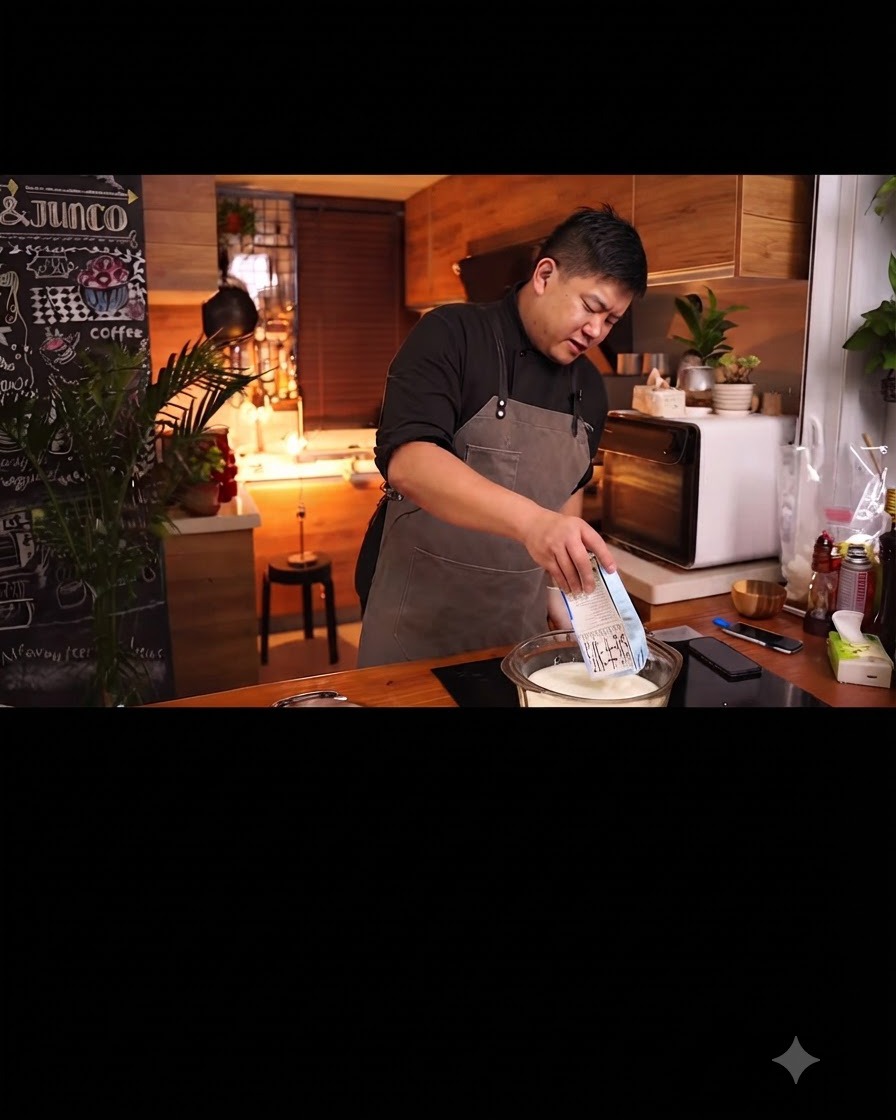
Pour two liters of fresh milk from the carton into a large glass bowl placed on the kitchen counter, ensuring all your utensils and containers are clean for food safety.
Tip: Ensure your container and utensils are clean to maintain optimal food safety during cheese making. - 2Measure the Vinegar
Carefully measure out 100 milliliters of white vinegar into a small container so it is ready to be added to the milk.
Tip: Make sure to measure the vinegar precisely for proper curdling. - 3Extract Lemon Juice
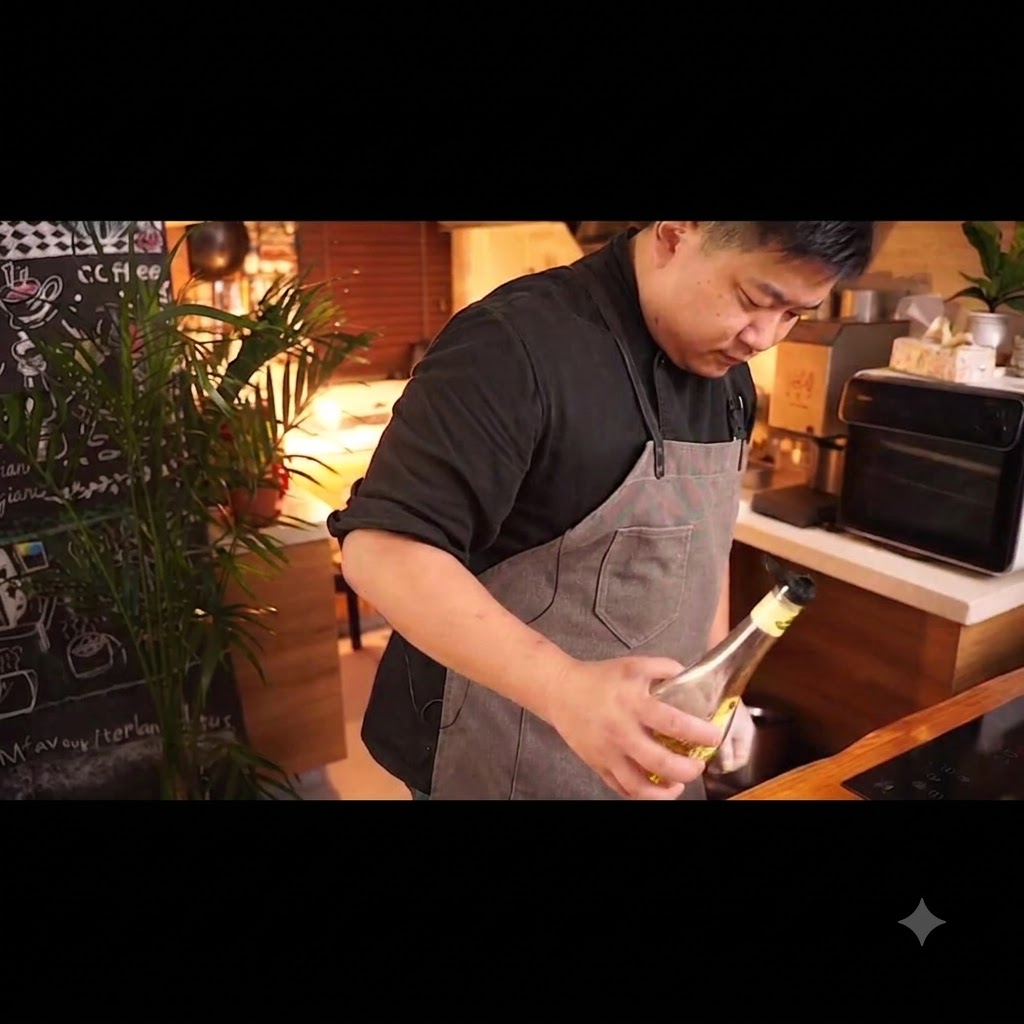
Squeeze the juice of one lemon using a manual citrus juicer to prepare it for the milk mixture.
Tip: Ensure no seeds fall into the extracted lemon juice. - 4Heat and Monitor Milk Temperature
Heat the milk while maintaining its temperature between 69 and 85 degrees Celsius using a whisk, making sure not to let it boil while keeping a close eye on your thermometer.
Tip: Keep a close eye on the digital thermometer to prevent overheating. - 5Add Acids and Form Curds
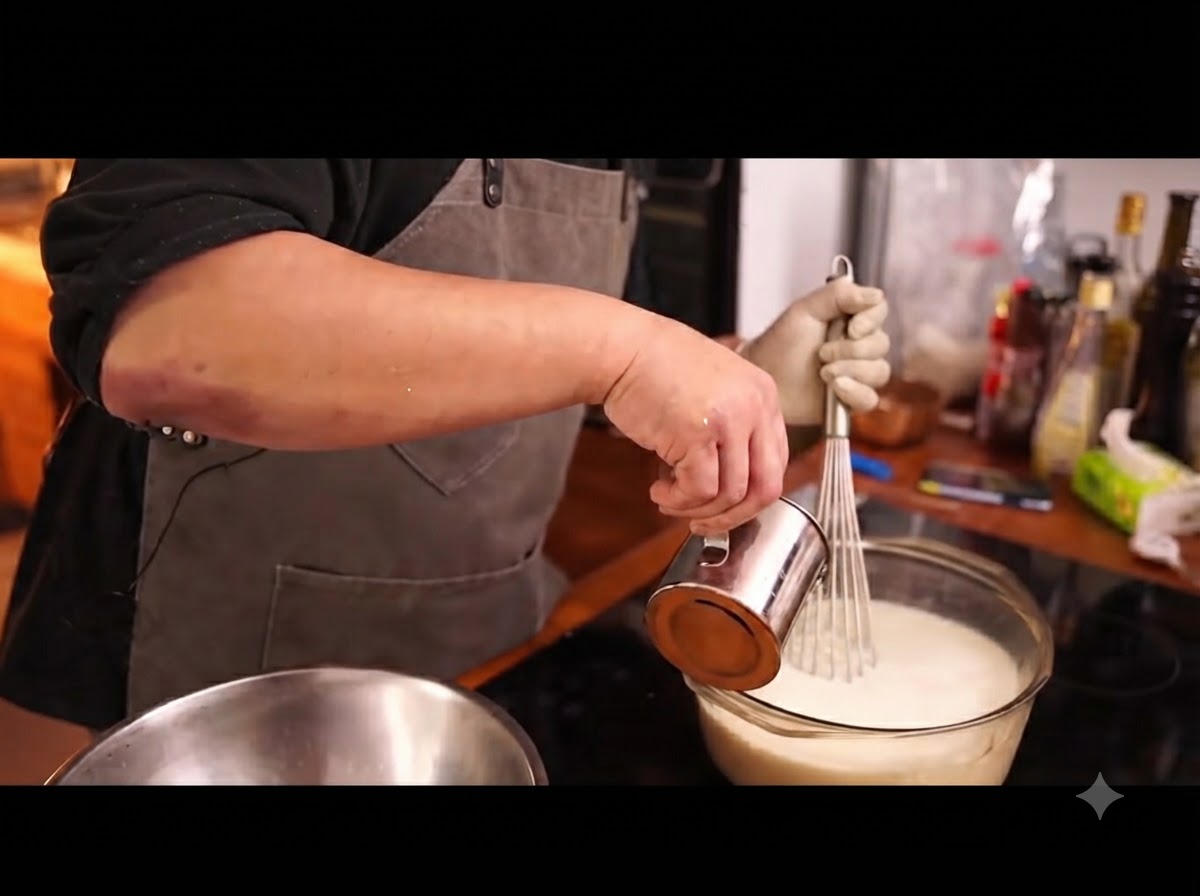
Bring the temperature down to around 60 degrees Celsius, then pour the measured white vinegar and freshly squeezed lemon juice into the pot to react and form curds.
Tip: Watch closely as the mixture begins to react and form curds. - 6Check Curd Formation
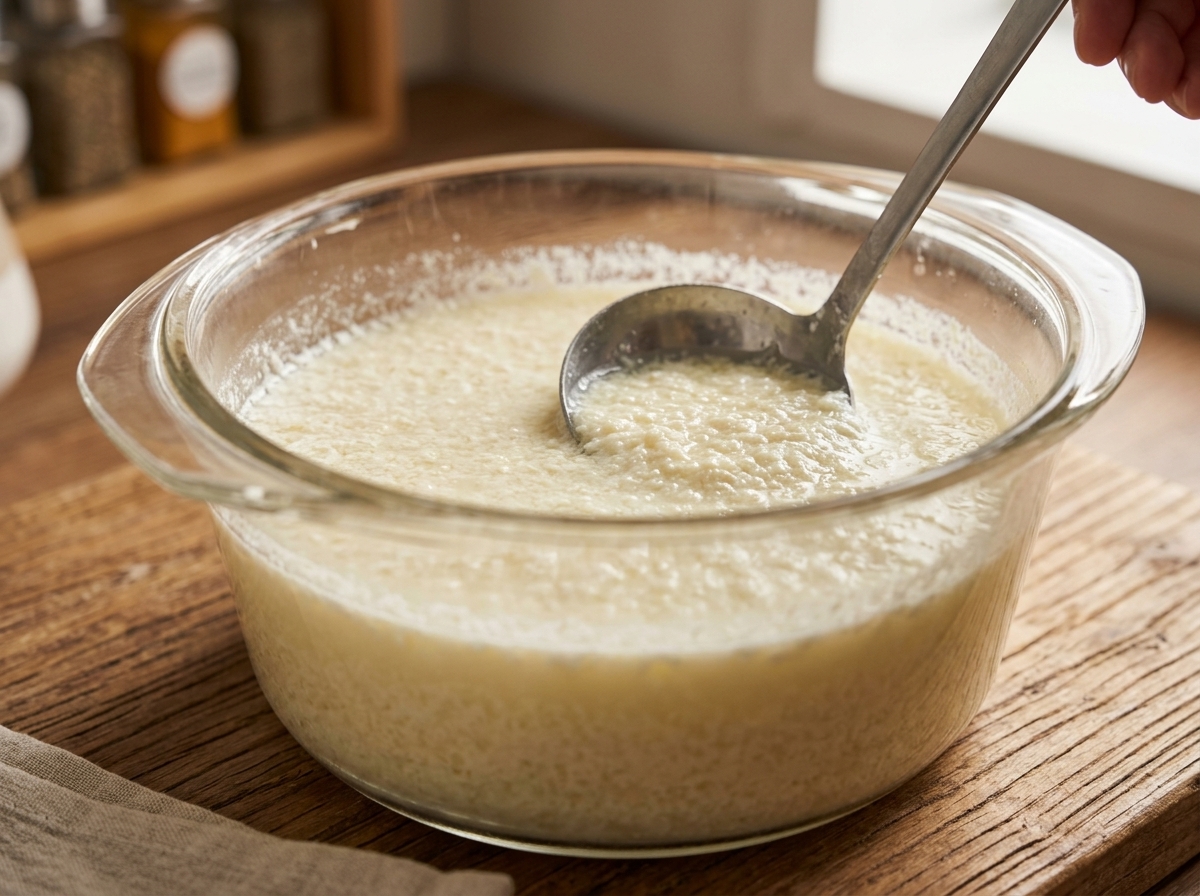
Check the curdled mixture using a slotted spoon, observing the formation of curds as the temperature stabilizes between 60 and 65 degrees Celsius.
Tip: Gently lift the curds to check their consistency without breaking them apart prematurely. - 7Simmer with Lid On
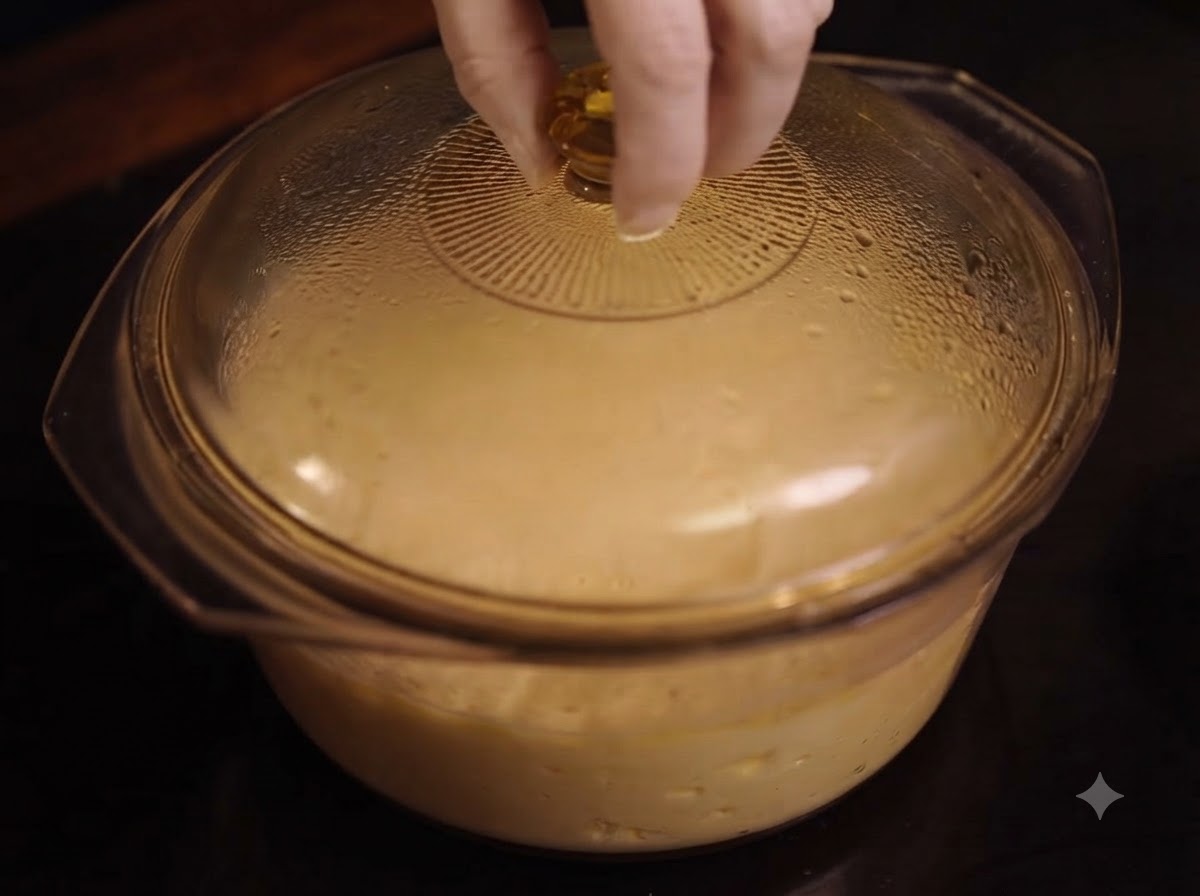
Let the mixture simmer for a while with the glass lid placed securely on top of the cooking pot to maintain the internal temperature.
Tip: Keep the lid on to maintain the internal temperature and assist the simmering process.