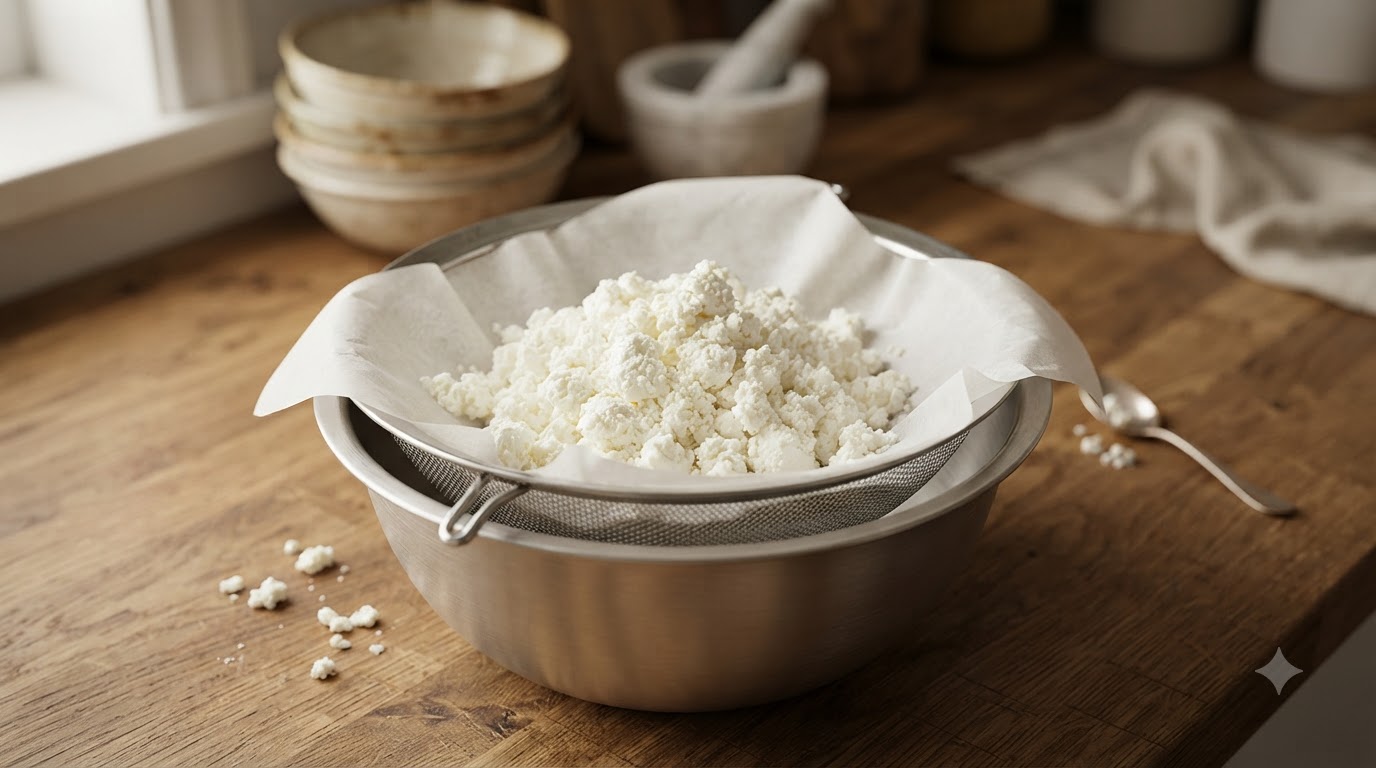
Homemade Fresh Ricotta Cheese
Learn how to make velvety homemade ricotta cheese from scratch using whole milk and fresh lemon juice, perfectly drained for a soft, creamy texture.
Making ricotta cheese at home requires only a few basic ingredients and minimal equipment, transforming simple whole milk into fresh, creamy curds. This traditional technique relies on gentle heating and a natural acid like fresh lemon juice to achieve a wonderfully soft texture that store-bought versions simply cannot match. It serves as a versatile addition to both sweet and savory dishes, from pasta fillings to fresh fruit pairings.
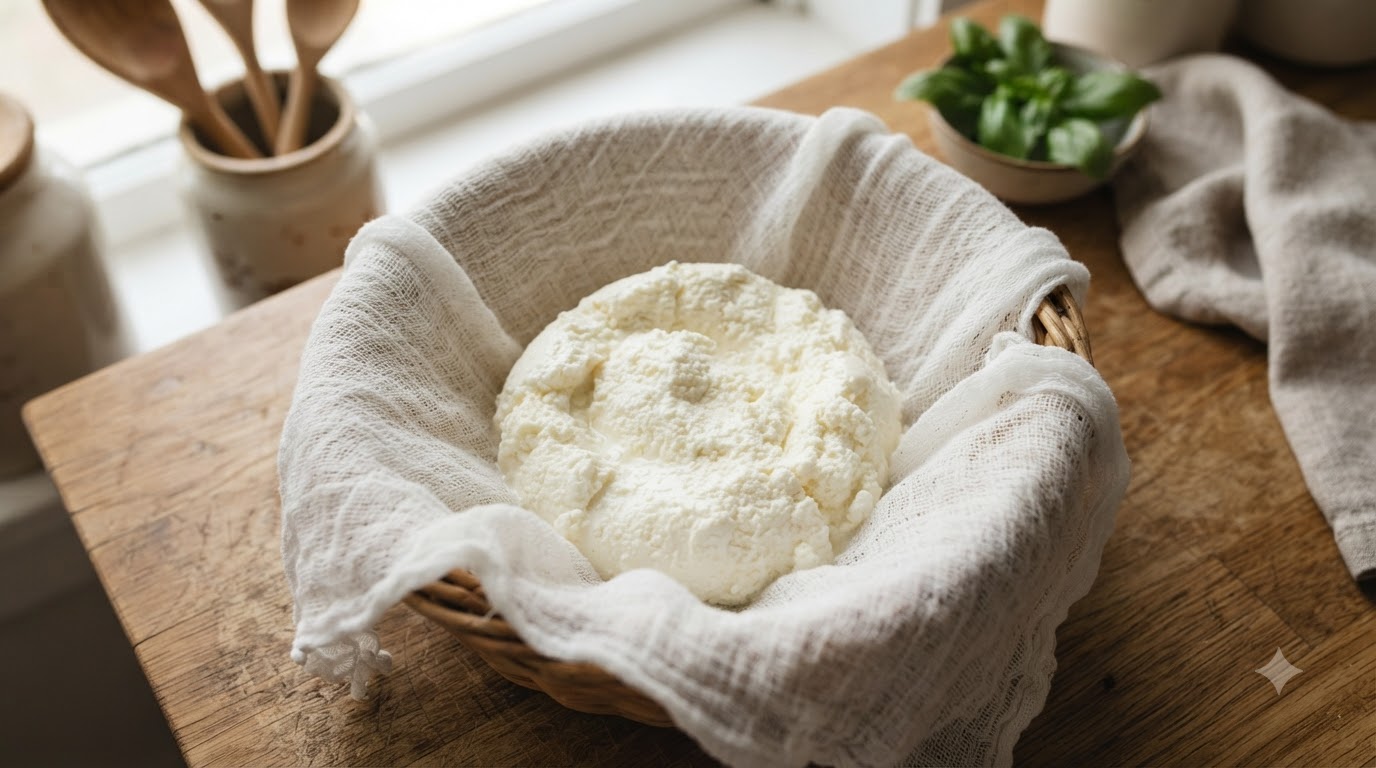
Ingredients
- 2 l whole milk
- 60 ml fresh lemon juice
- 1 tsp salt
Instructions
- 1Heat the Milk
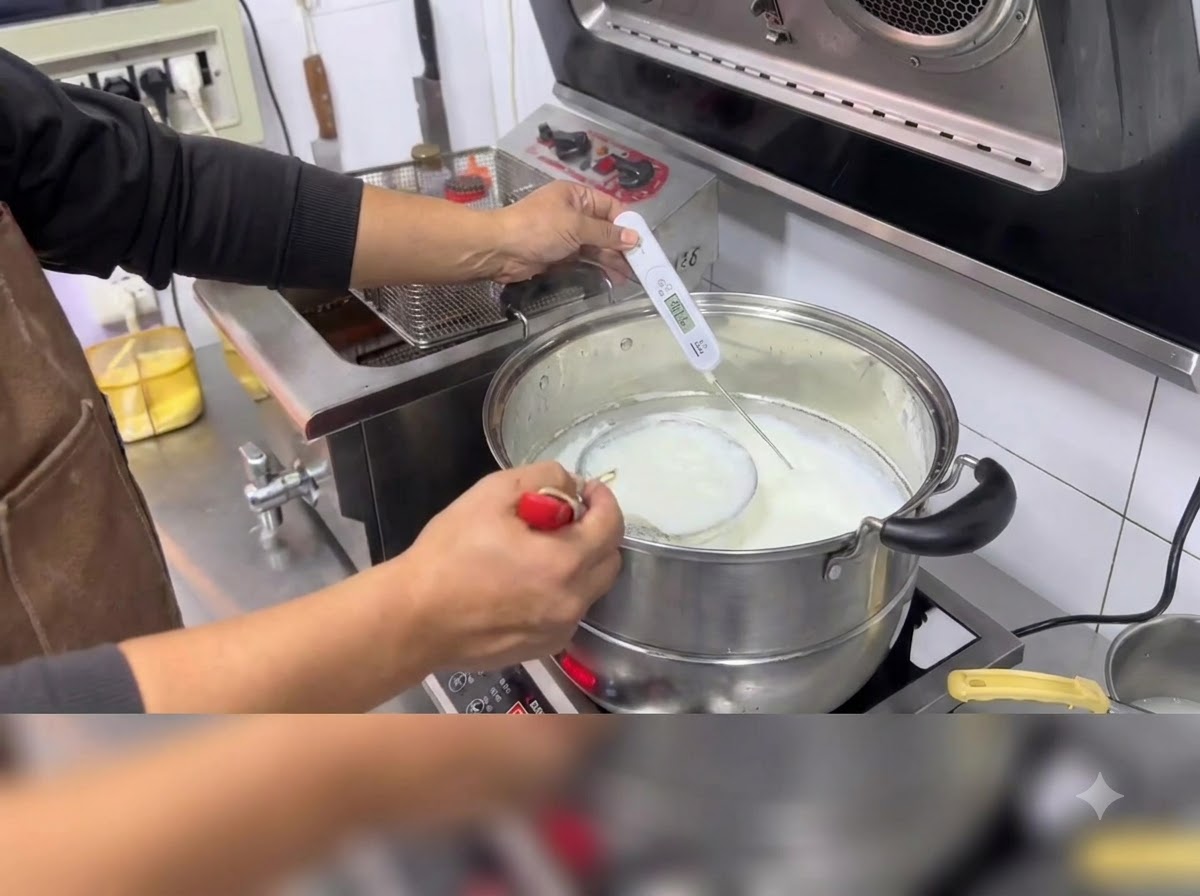
Place the whole milk into a large pot on the stove and heat it until it reaches approximately 85 degrees while monitoring closely with a digital thermometer.
Tip: Keep a close eye on the thermometer to ensure the milk does not overheat before adding the acid. - 2Add Lemon Juice
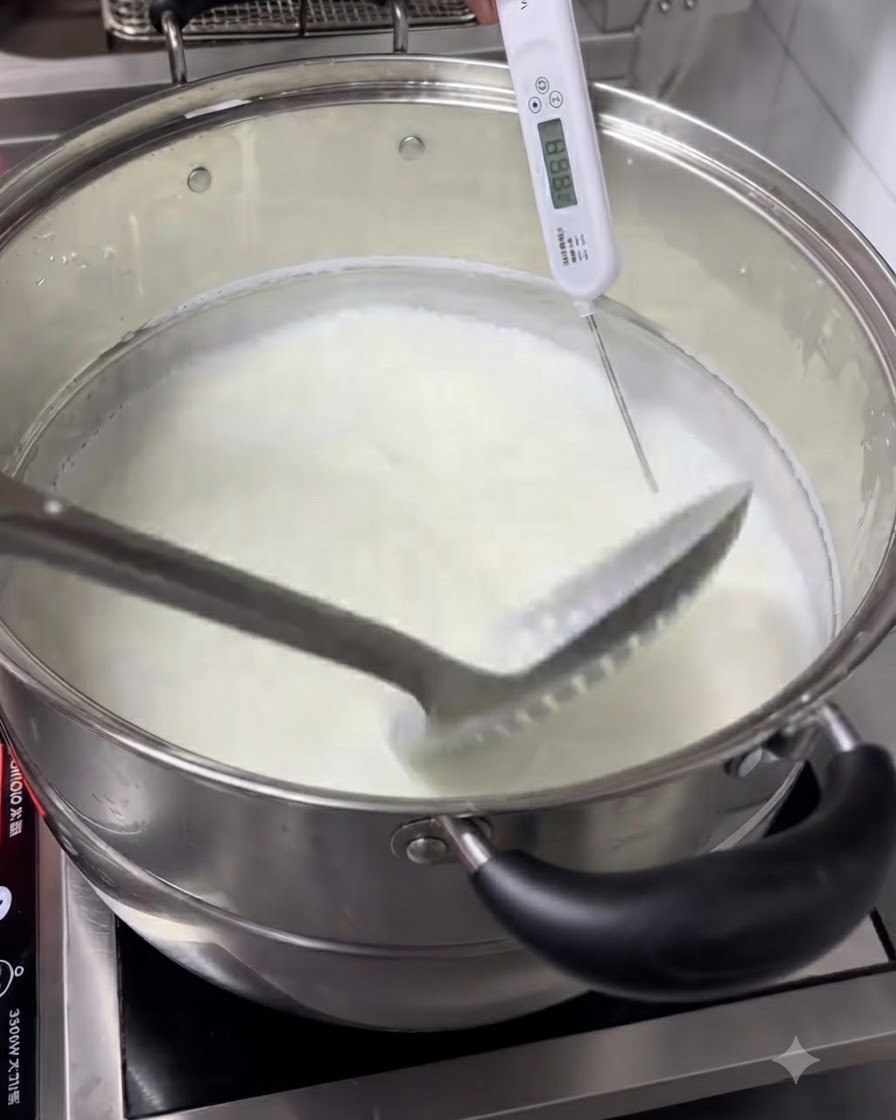
Gradually pour fresh lemon juice into the pot of warm milk while stirring gently to distribute it evenly and initiate the curdling process.
Tip: Add the lemon juice gradually while gently stirring to distribute it evenly. - 3Simmer Until Curdled
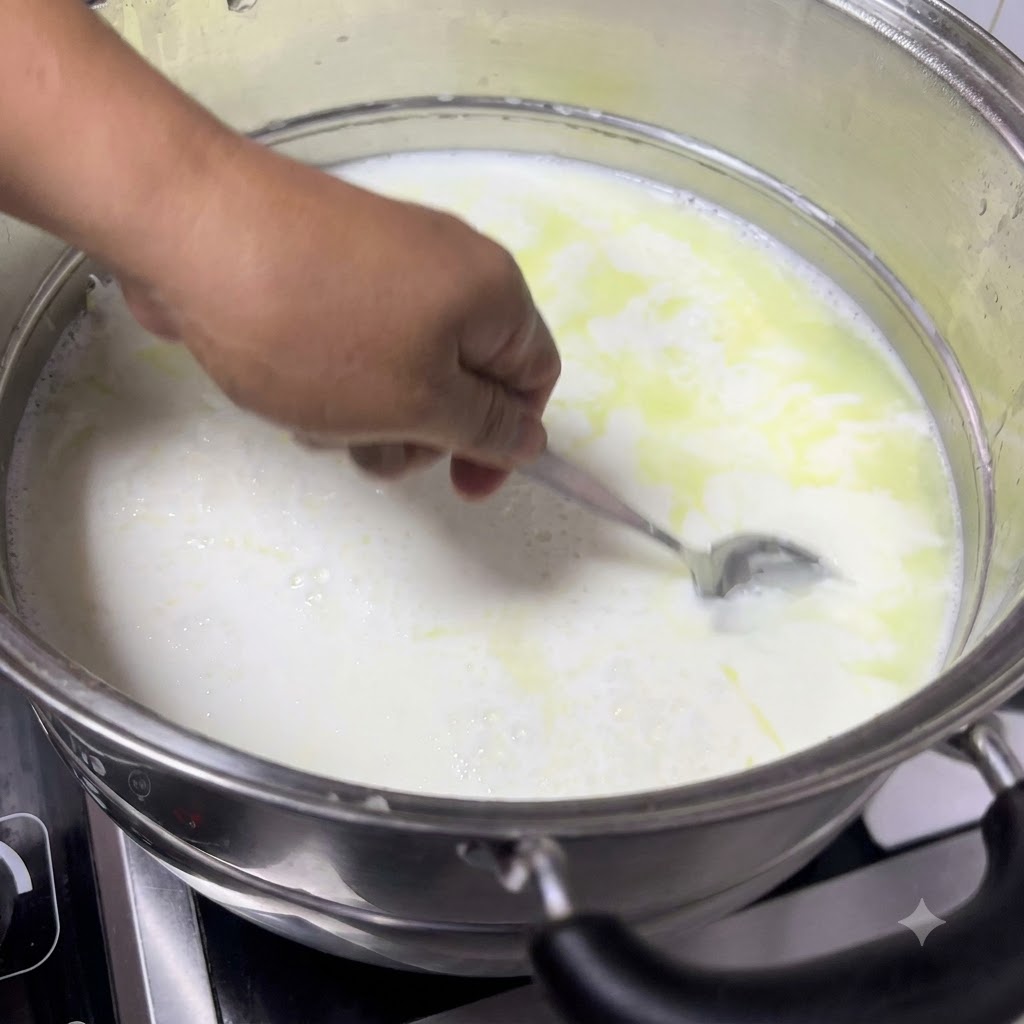
Maintain a low heat and let the mixture cook until the milk curdles completely, allowing soft white curds to separate clearly from the yellowish whey.
Tip: Maintain a low heat so the curds stay tender rather than becoming tough. - 4Strain the Curds
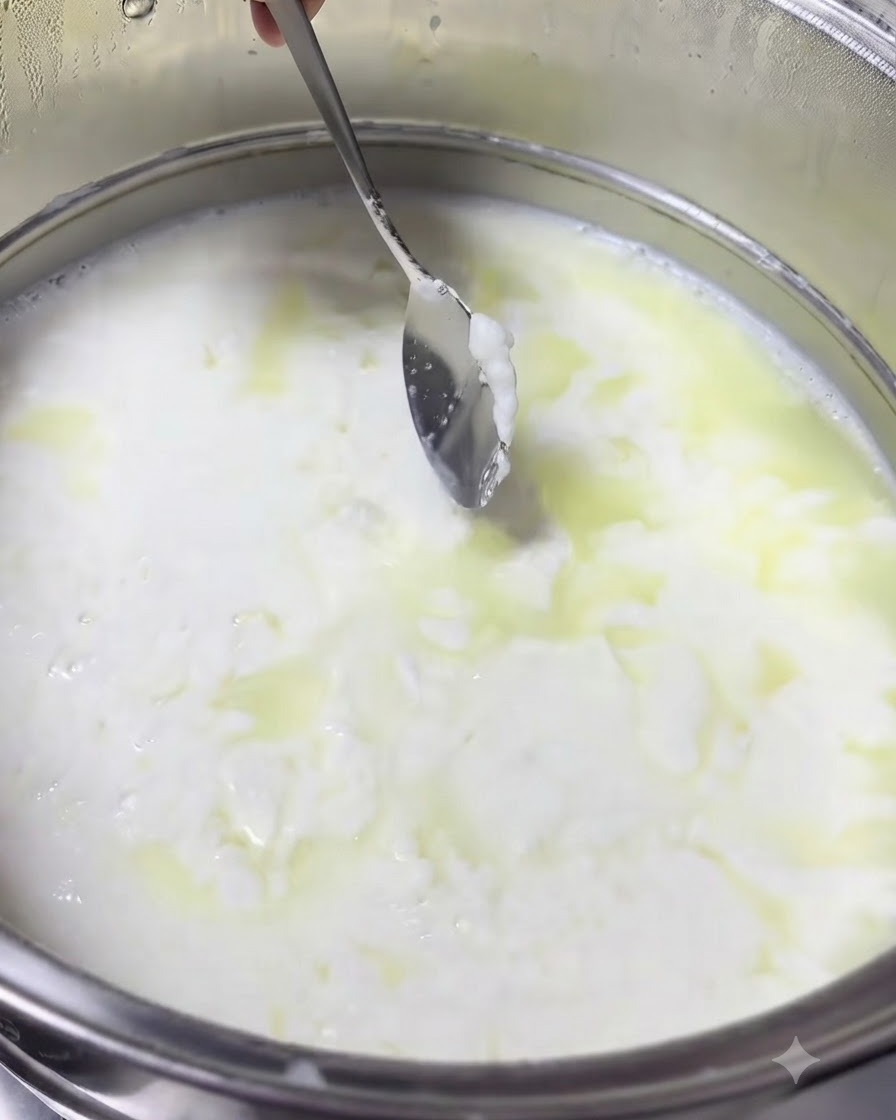
Pour the curdled mixture through a clean cheesecloth held securely over a pot to separate and collect the liquid whey.
Tip: You must use cheesecloth for this step to properly separate the curds from the liquid. - 5Drain the Whey
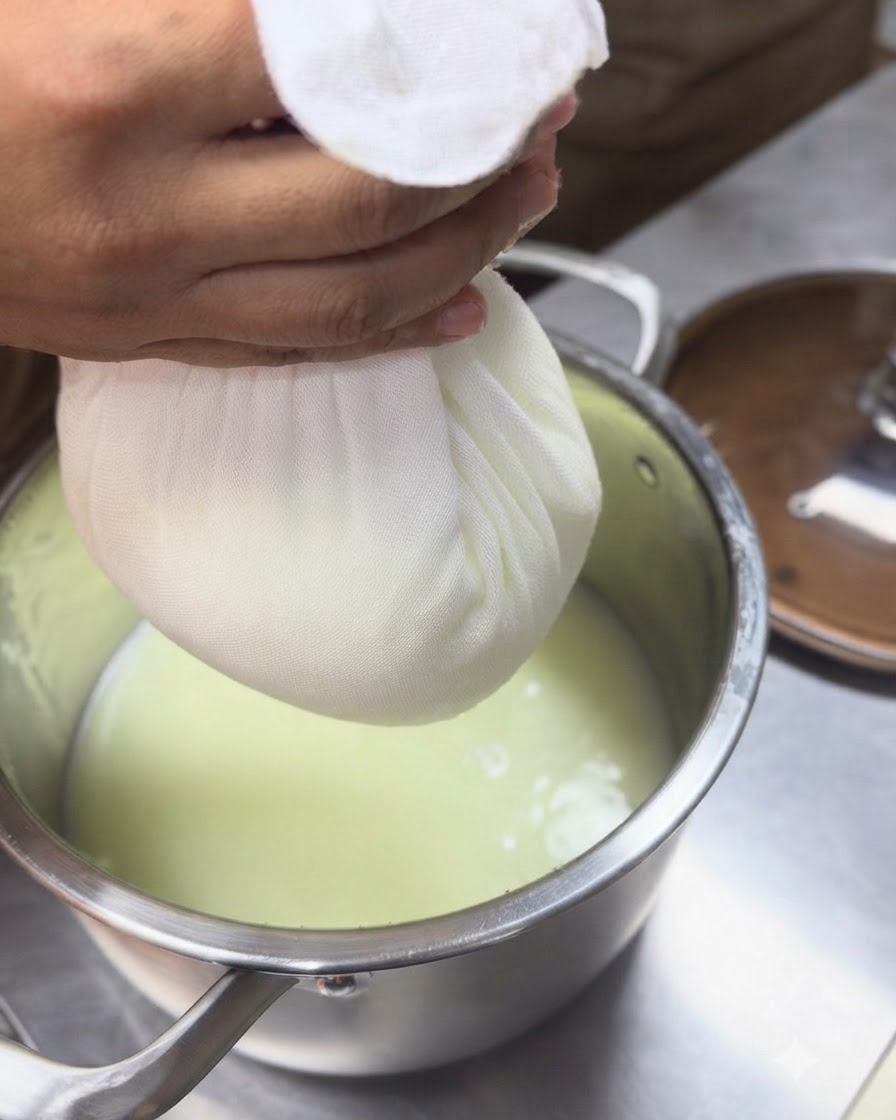
Tie up the cheesecloth and let it hang to drain completely for the full 15 minutes to achieve the ideal soft and moist texture.
Tip: Letting it drain for the full 15 minutes helps achieve the ideal texture for your homemade ricotta.