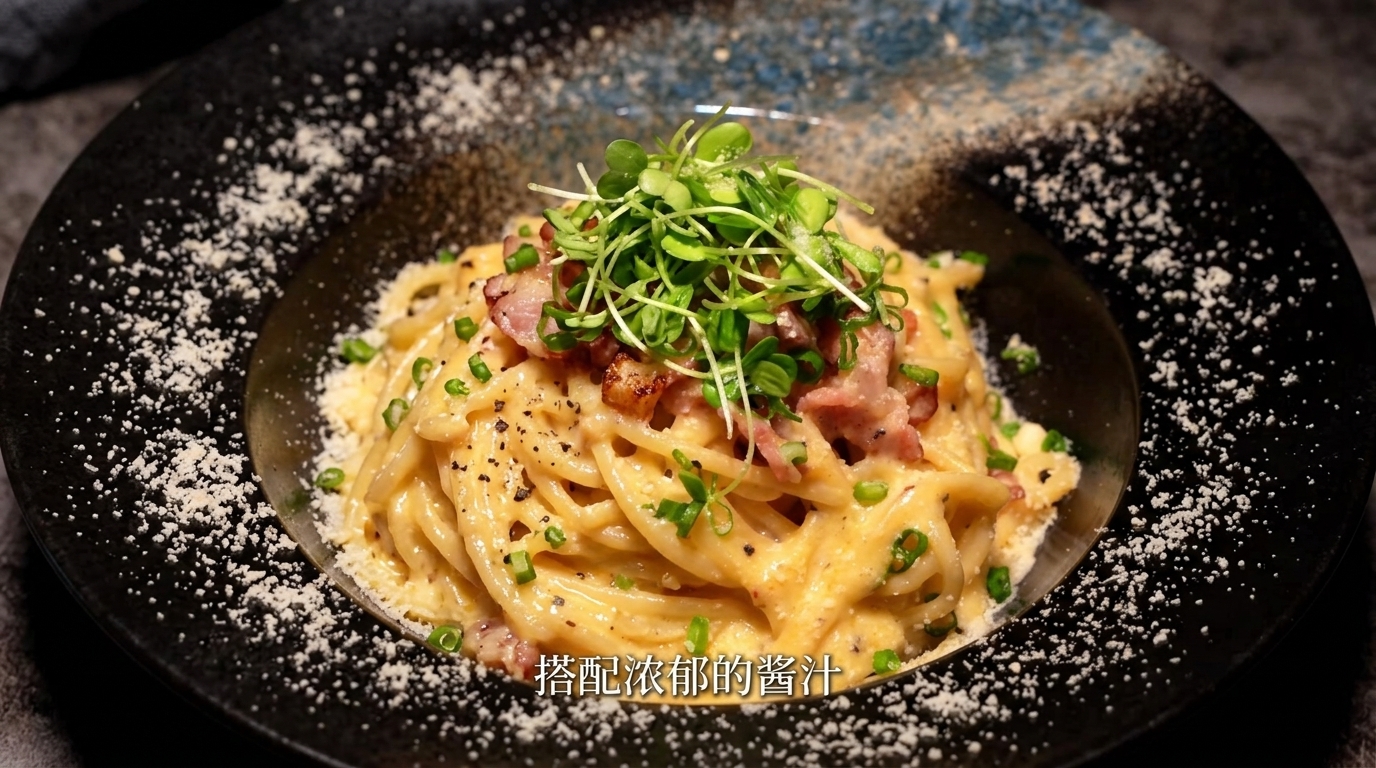
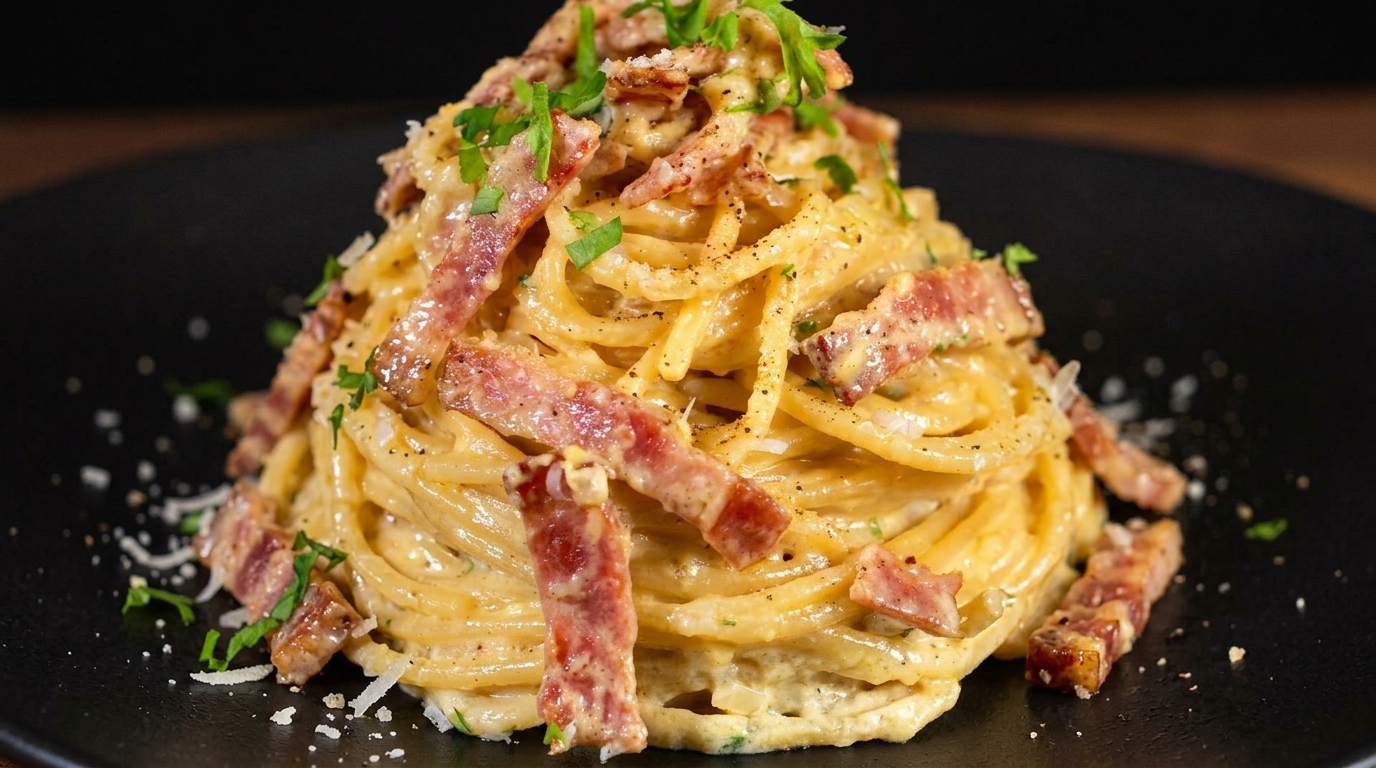
Authentic Roman Spaghetti Carbonara
Master authentic Roman Spaghetti Carbonara. With just egg, Pecorino Romano, guanciale, and black pepper, you'll create a perfectly silky, cream-free sauce.
Spaghetti Carbonara is a masterclass in Italian culinary restraint. Originating from Rome, this classic dish relies entirely on technique rather than heavy cream to achieve its luxurious texture. The magic happens off the heat, where starchy pasta water emulsifies with rich pork fat and sharp sheeps milk cheese to create a flawless, glossy coating.
Ingredients
- 200 g dry spaghetti
- 150 g guanciale (cured pork jowl)
- 2 large fresh eggs
- 50 g Pecorino Romano cheese (plus extra for serving)
- to taste freshly cracked black pepper
- to taste salt (for pasta water)
Instructions
- 1Dice the guanciale
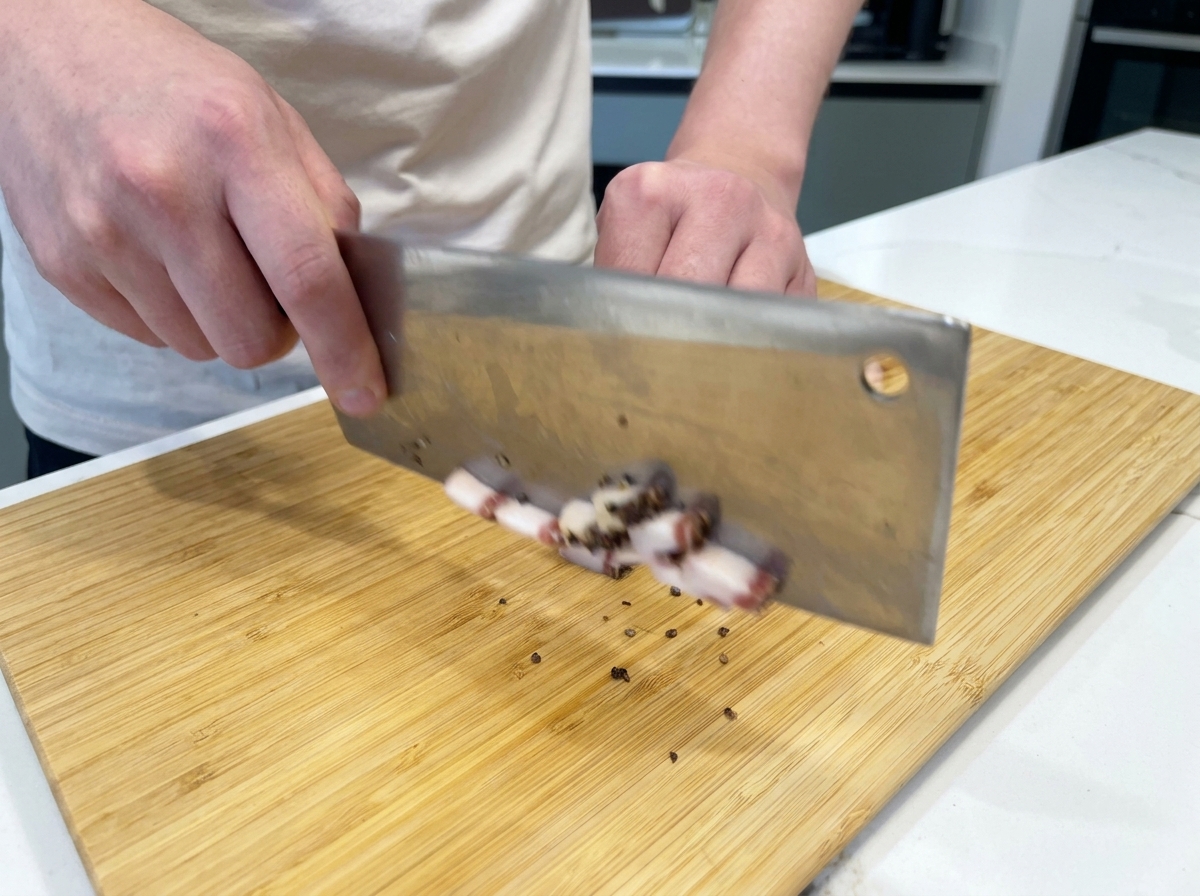
Begin by slicing the guanciale into uniform, small dice. Guanciale is cured pork jowl and is prized for its high fat content, which will provide the primary flavor and fat base for the pasta sauce. Ensure your knife is sharp to cut through the skin and fat cleanly.
Tip: If you cannot find guanciale, pancetta is the best substitute, though guanciale offers a more traditional and funky flavor profile. - 2Prepare the egg base
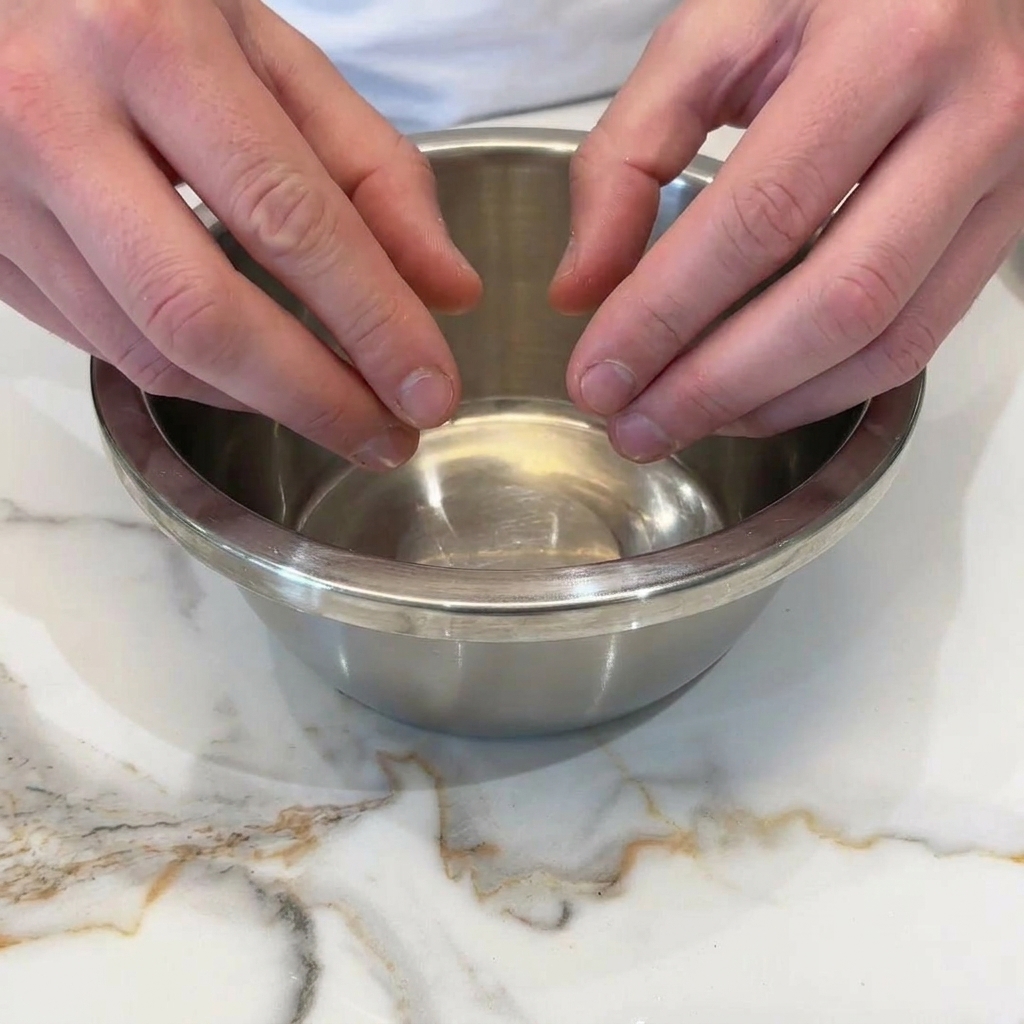
Crack a fresh egg into a small stainless steel mixing bowl. For a richer Carbonara, some chefs prefer using only egg yolks, but using a whole egg provides a balanced silkiness to the final sauce. Make sure no shell fragments fall into the bowl.
Tip: Use room temperature eggs to help the sauce emulsify more smoothly when it hits the warm pasta later. - 3Grate the Pecorino cheese
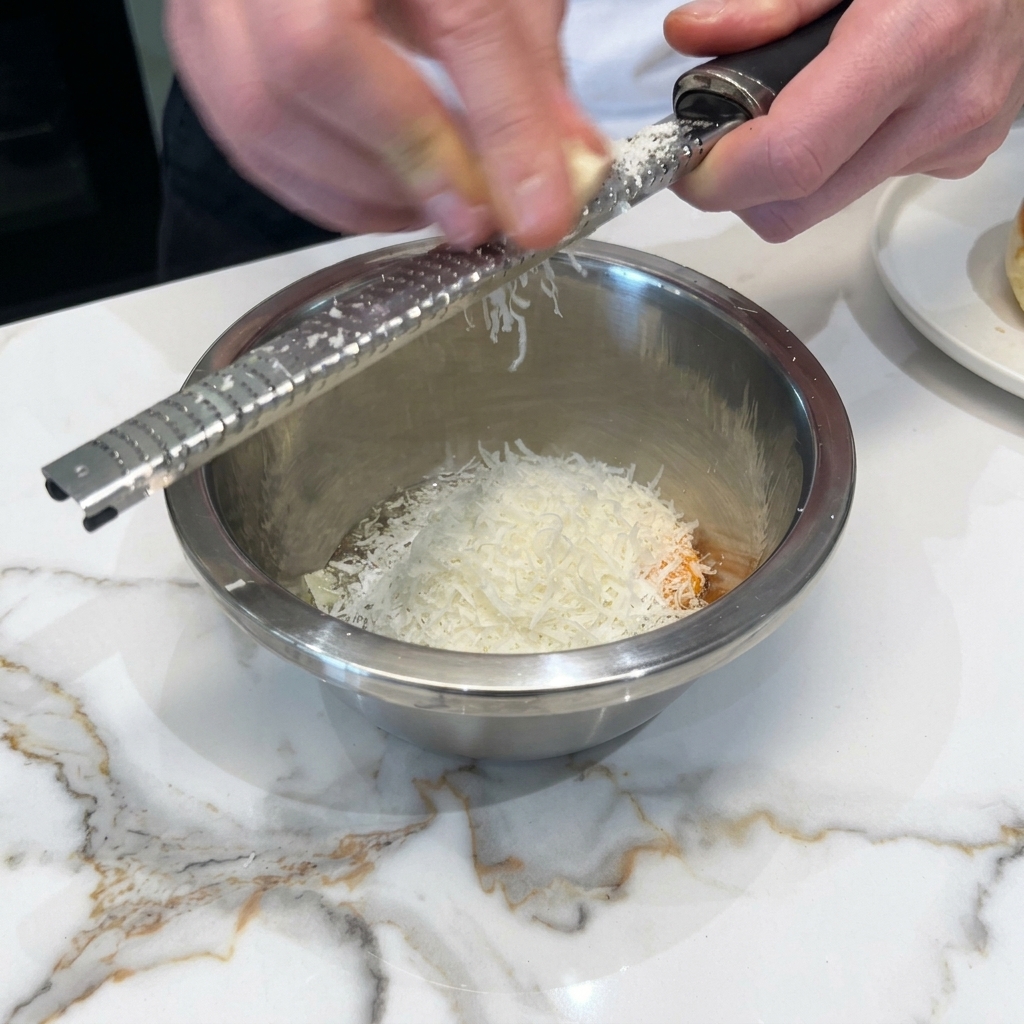
Grate a generous amount of Pecorino Romano cheese directly into the bowl with the egg. Pecorino is a salty, sharp sheeps milk cheese that is essential for an authentic Roman flavor. Use a microplane to create fine, airy shreds that will melt easily into the sauce.
Tip: Always grate your cheese fresh from a block. Pre-shredded cheeses often contain anti-caking agents that prevent the sauce from becoming perfectly smooth. - 4Add black pepper
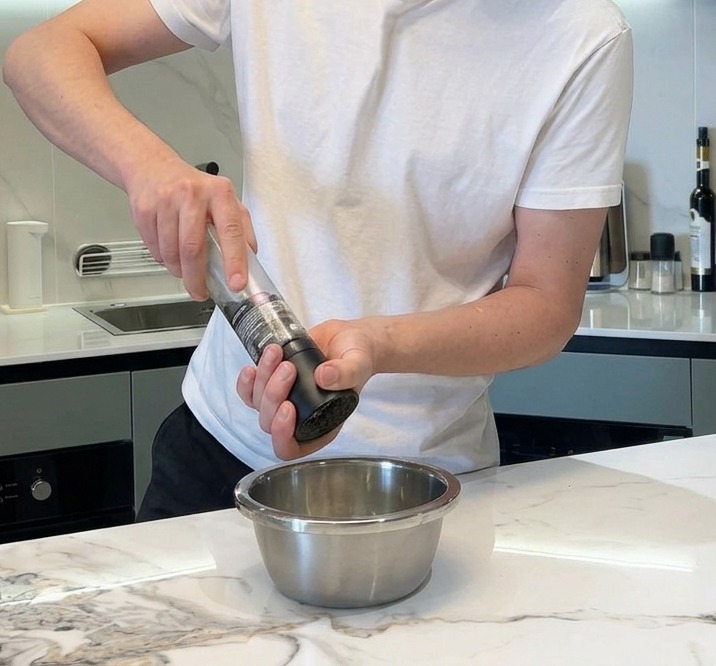
Grind a generous amount of fresh black pepper directly into the bowl with the egg and grated Pecorino cheese. Black pepper is a core component of authentic Carbonara, providing a sharp, aromatic contrast to the rich, creamy sauce and fatty pork.
Tip: Always use a peppermill to grind whole peppercorns fresh for this dish. Pre-ground pepper loses its pungent aroma very quickly. - 5Whisk the sauce ingredients
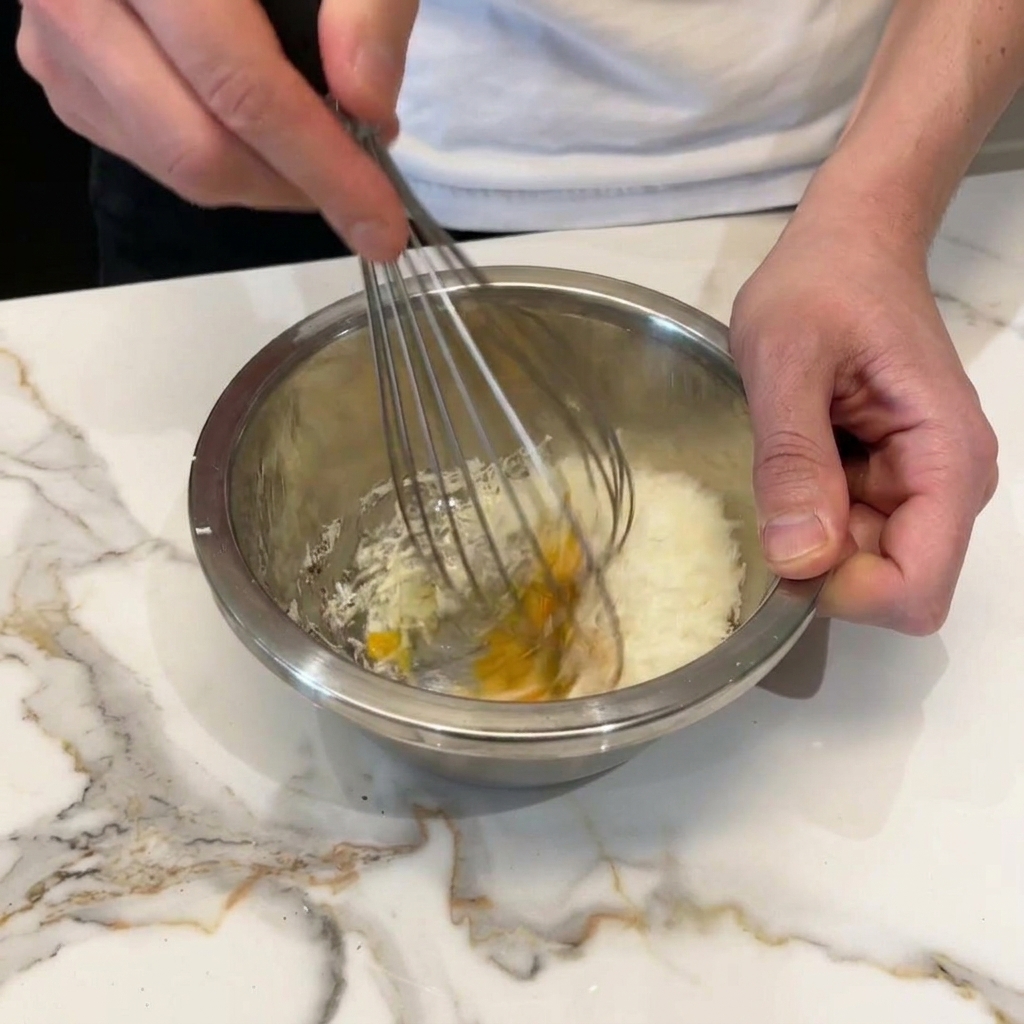
Use a wire whisk to combine the egg, grated cheese, and black pepper. Continue whisking until the mixture forms a thick, uniform yellow paste. This paste will eventually be loosened by pasta water to create the creamy coating for the spaghetti.
Tip: The paste should be thick enough to hold its shape slightly; if its too thin, add a bit more grated cheese. - 6Salt the pasta water
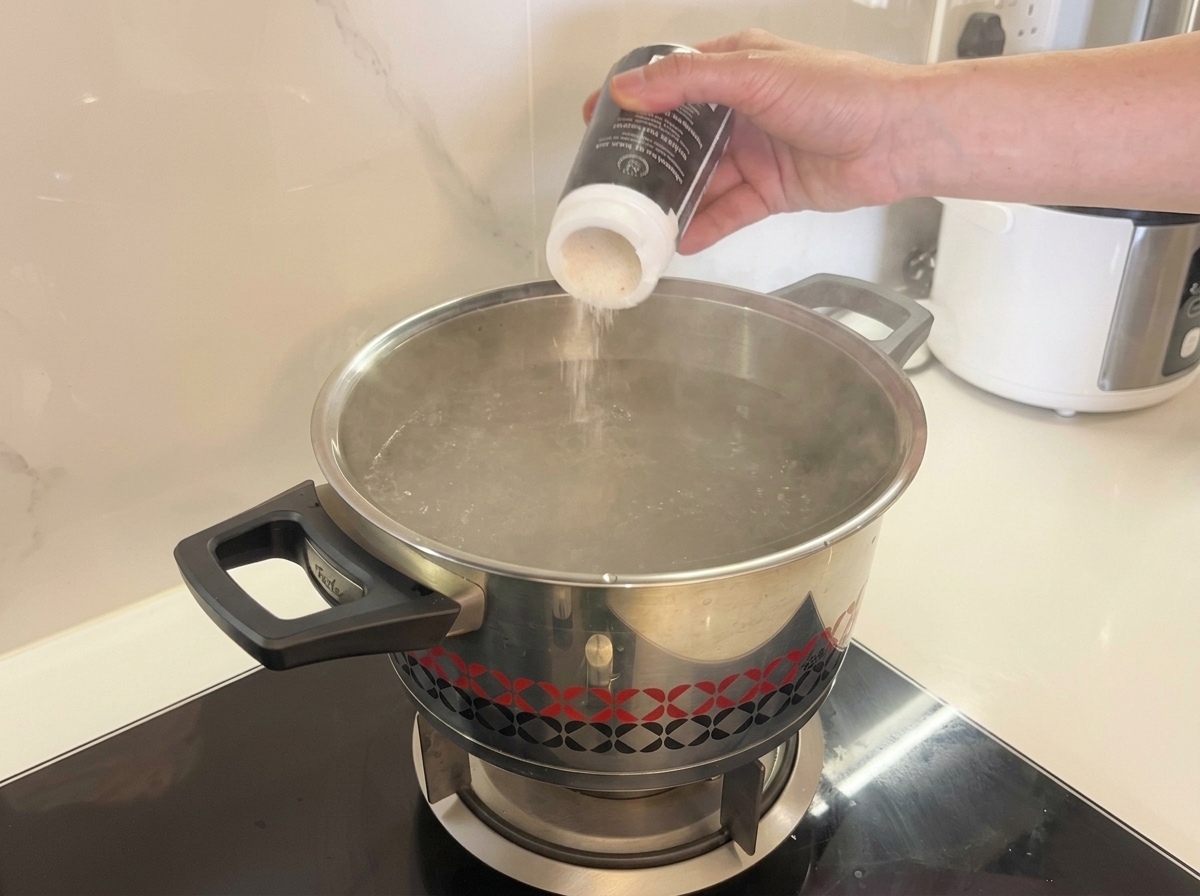
Bring a large pot of water to a vigorous boil and add a generous amount of salt. The water should be salty like the sea because this is the only opportunity to season the pasta itself from the inside out.
Tip: Wait until the water is boiling before adding salt, as salted water takes slightly longer to reach a boil. - 7Boil the spaghetti
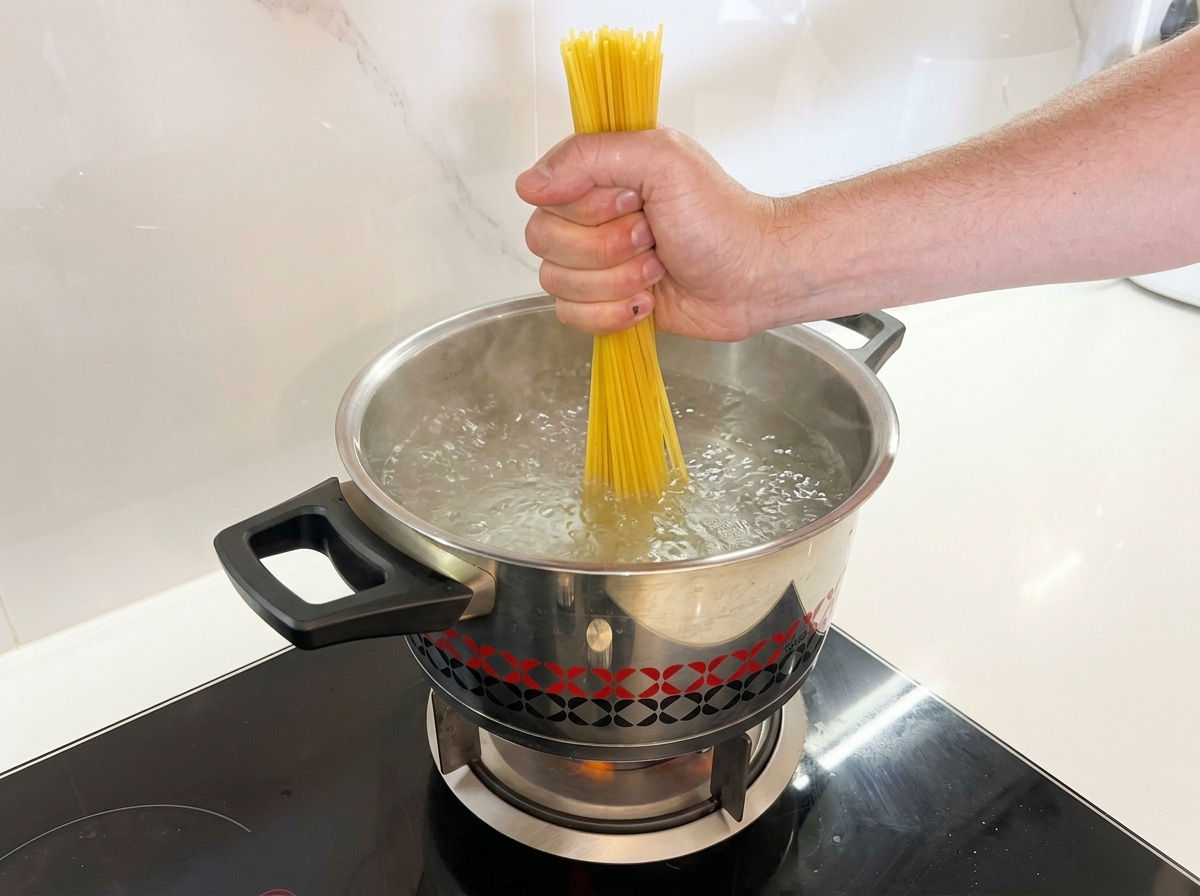
Drop the dry spaghetti straight into the boiling salted water. Stir occasionally in the first few minutes to prevent the noodles from clumping together, and cook until perfectly al dente.
Tip: You do not need to add oil to the pasta water; a large pot with plenty of rolling, boiling water will keep the noodles from sticking together. - 8Start the guanciale
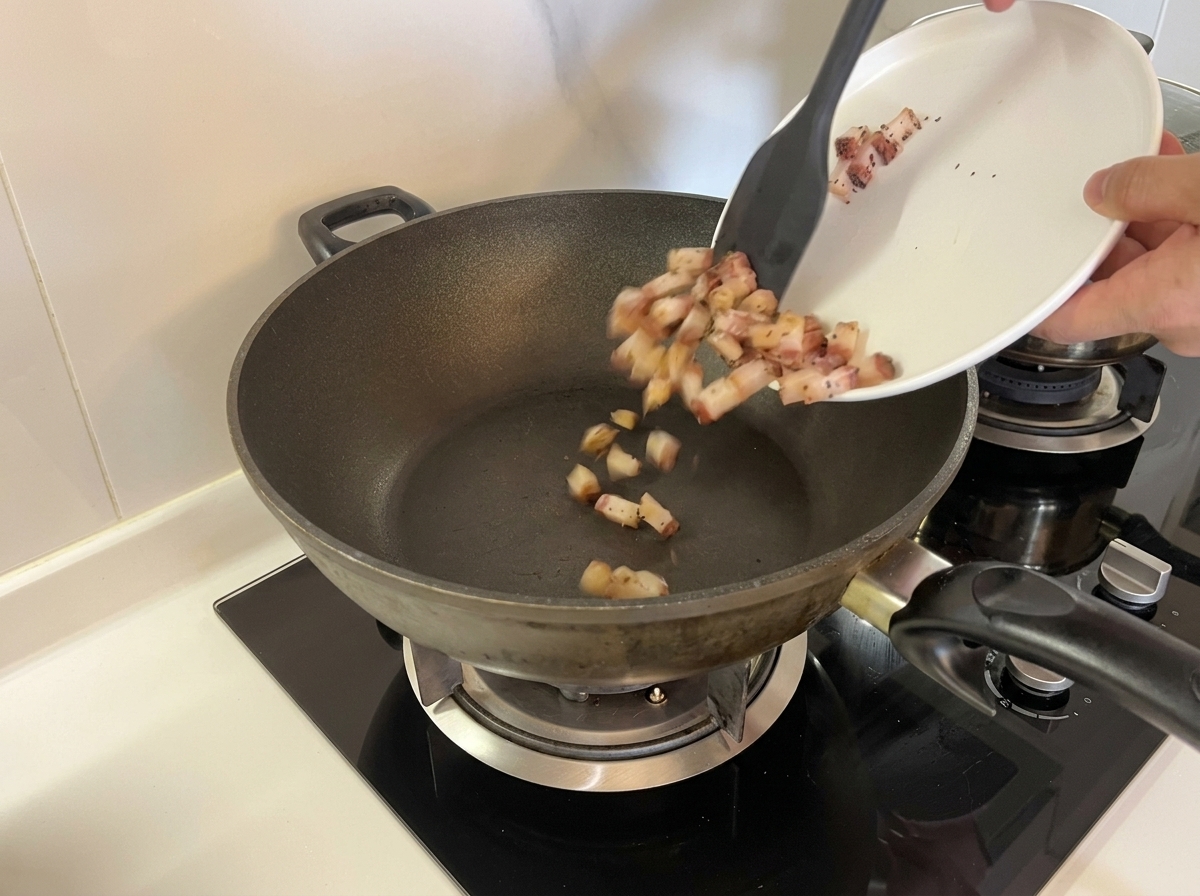
Place a wok or large pan on the stove and add the diced guanciale directly into it before turning on the heat. There is no need to add any cooking oil, as the guanciale is quite fatty and will release its own rich fat.
Tip: Starting with a cold pan allows the fat to render out slowly and evenly without burning the exterior of the meat. - 9Render the fat
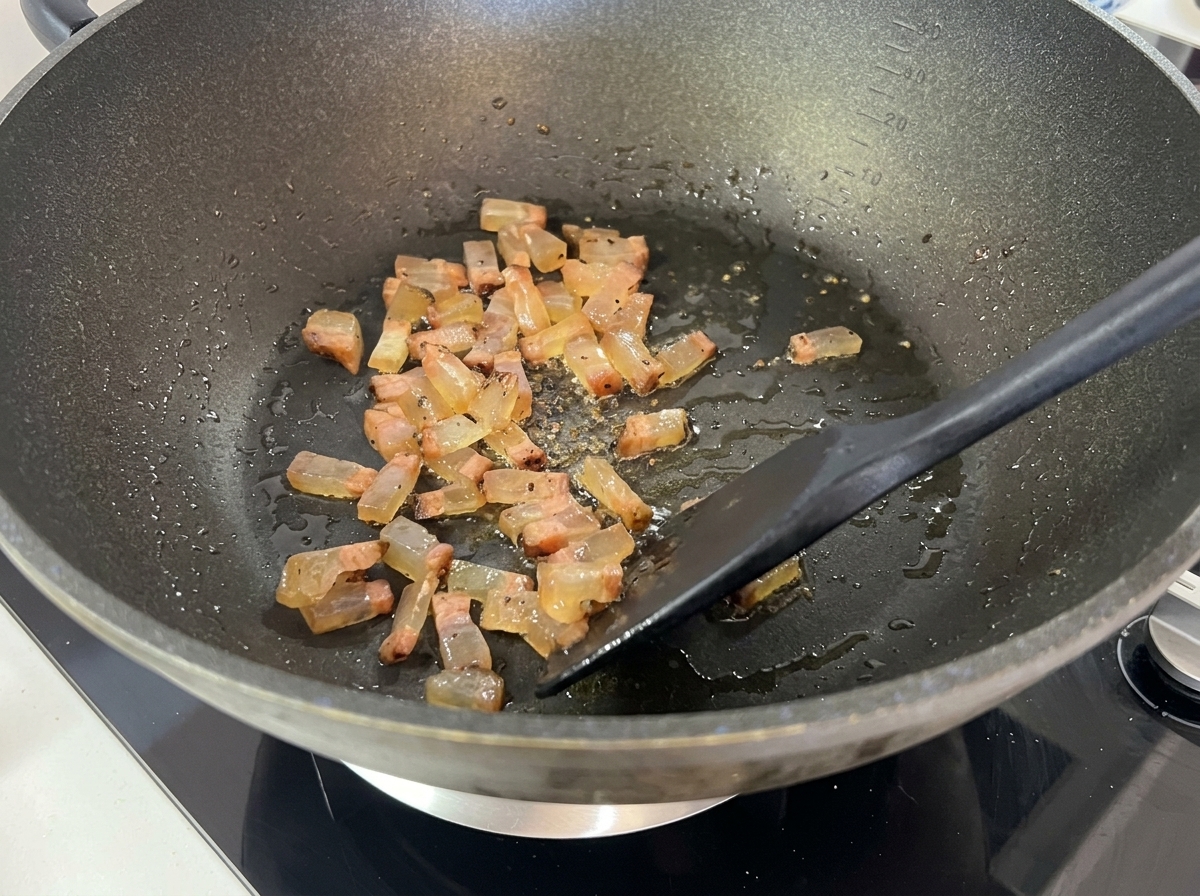
Stir-fry the guanciale over medium heat until the pieces become translucent and the edges turn crispy. The fat will melt down, coating the pan and creating a deeply flavorful base for the carbonara.
Tip: Watch the pan carefully as the guanciale browns; it can go from perfectly crispy to burnt very quickly once the fat has fully rendered. - 10Add pasta water
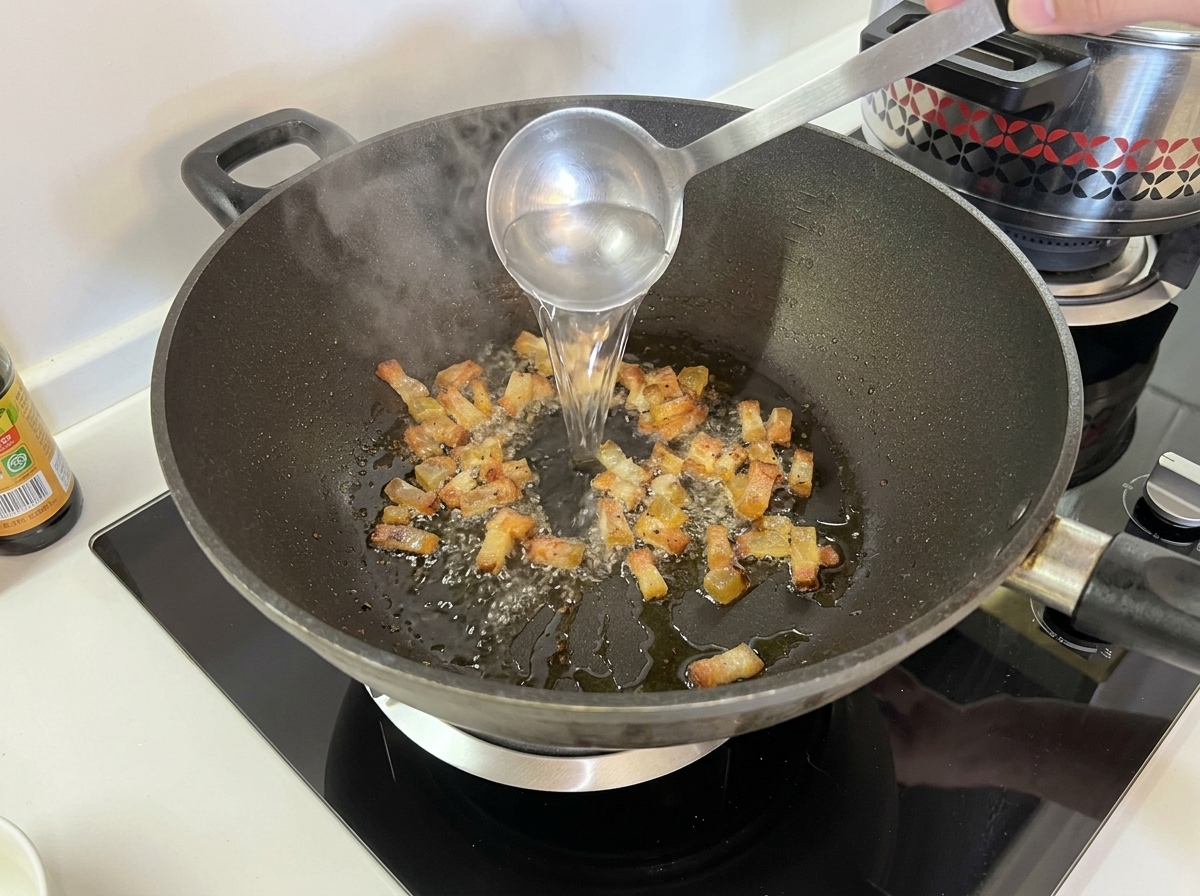
Once the guanciale is nicely browned and crispy, carefully pour a ladle of the hot, starchy pasta water directly into the wok. This stops the frying process and forms the liquid foundation of the sauce.
Tip: The starchy pasta water is crucial—it helps emulsify with the rendered fat and the egg-cheese mixture later to create that signature creamy texture. - 11Transfer the pasta
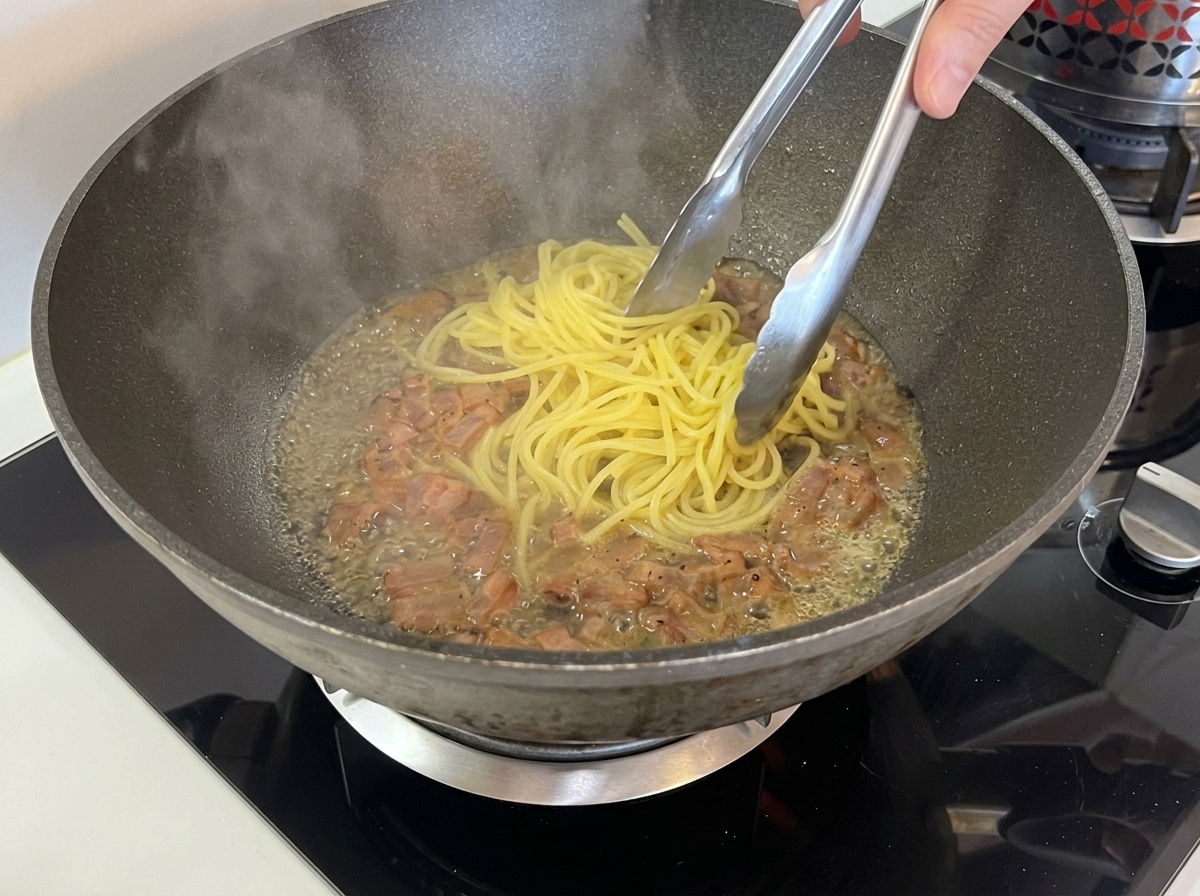
Using metal tongs, transfer the cooked spaghetti directly from the boiling pot into the wok with the guanciale and water. The pasta should carry over some extra starchy water with it, which is perfectly fine. Make sure there is still a little moisture left at the bottom of the wok.
Tip: If the pan seems too dry after adding the noodles, add another small splash of pasta water. You need enough moisture to build the creamy sauce. - 12Toss pasta and guanciale
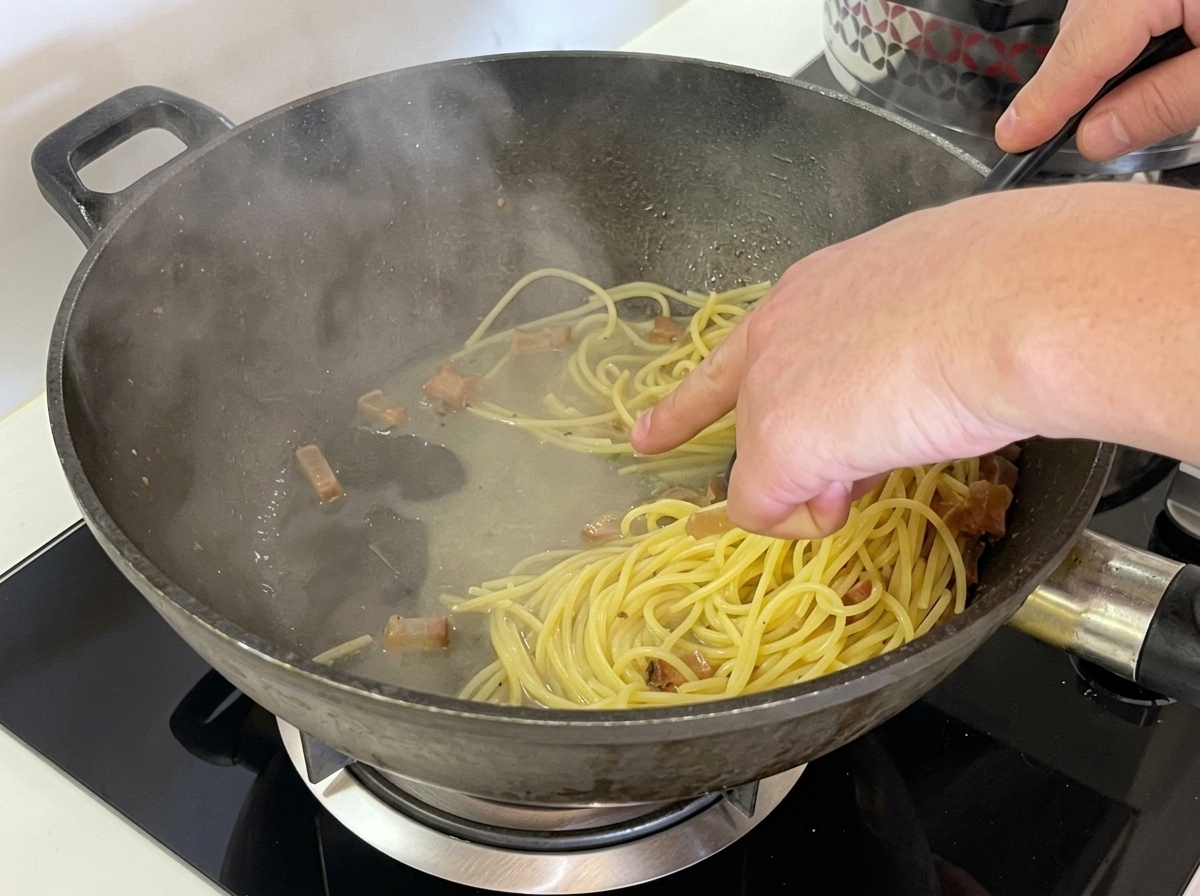
Stir the boiled spaghetti with the rendered pork fat until the noodles are thoroughly coated. The starches will combine with the hot fat to prepare the foundation of the dish.
Tip: Check the bottom of the pan to verify a small pool of liquid remains which is strictly needed for the upcoming emulsification. - 13Add the egg sauce off heat
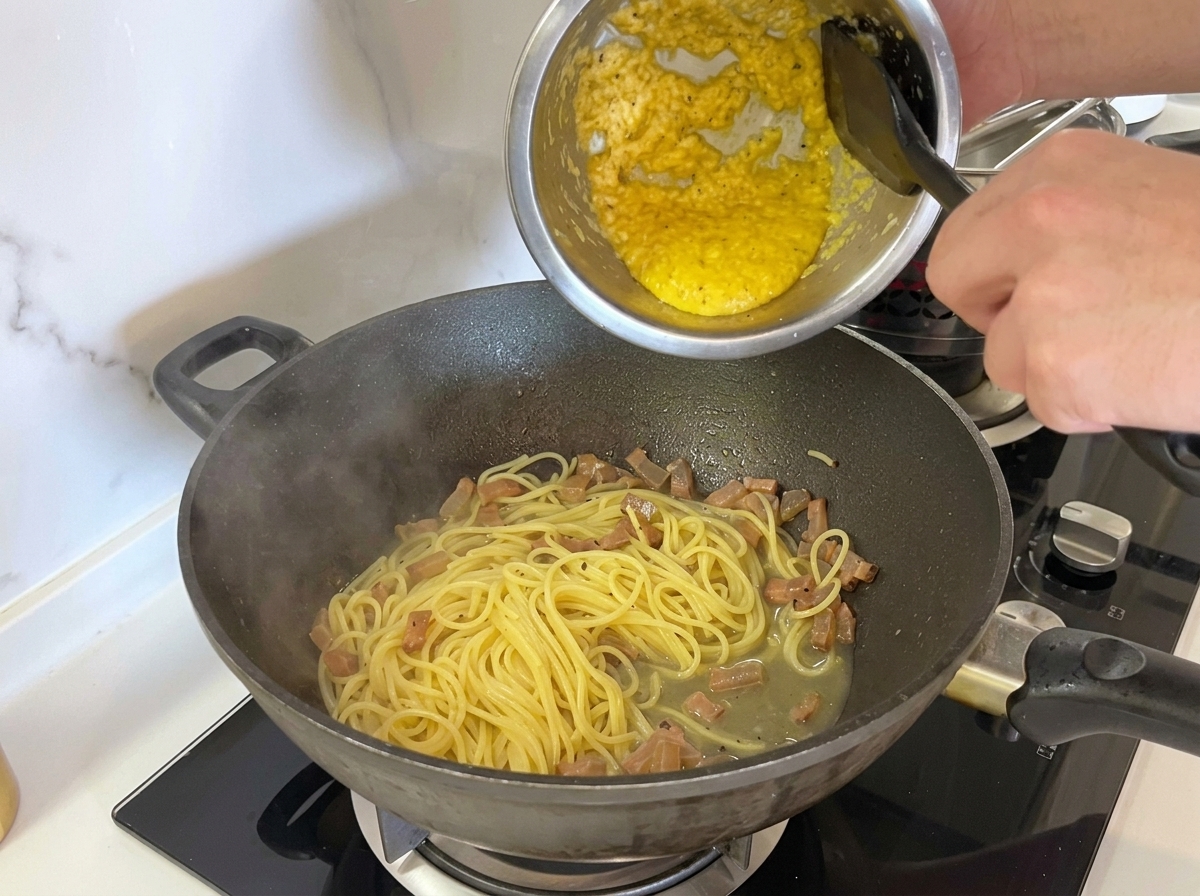
Turn off the heat completely. Immediately pour the prepared egg and Pecorino cheese mixture directly into the wok over the hot pasta and guanciale.
Tip: It is critical that the heat is turned off before this step. If the pan is over direct heat, the eggs will scramble instantly instead of melting into a smooth sauce. - 14Toss vigorously
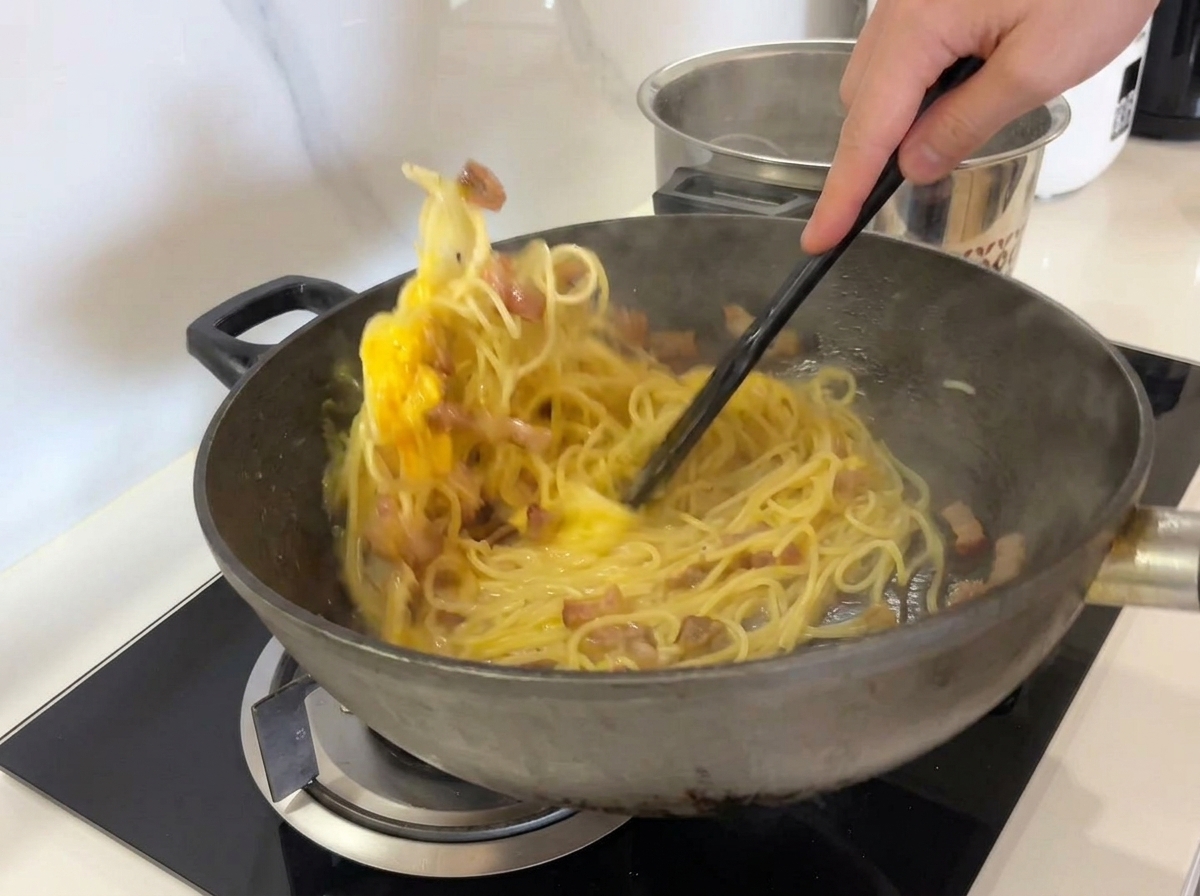
Immediately and vigorously toss the pasta with the egg mixture. Keep stirring constantly to ensure the egg coats every strand of pasta evenly without scrambling.
Tip: Tossing quickly incorporates air and helps the residual heat from the pan gently cook the eggs while maintaining a silky texture. - 15Achieve the creamy consistency
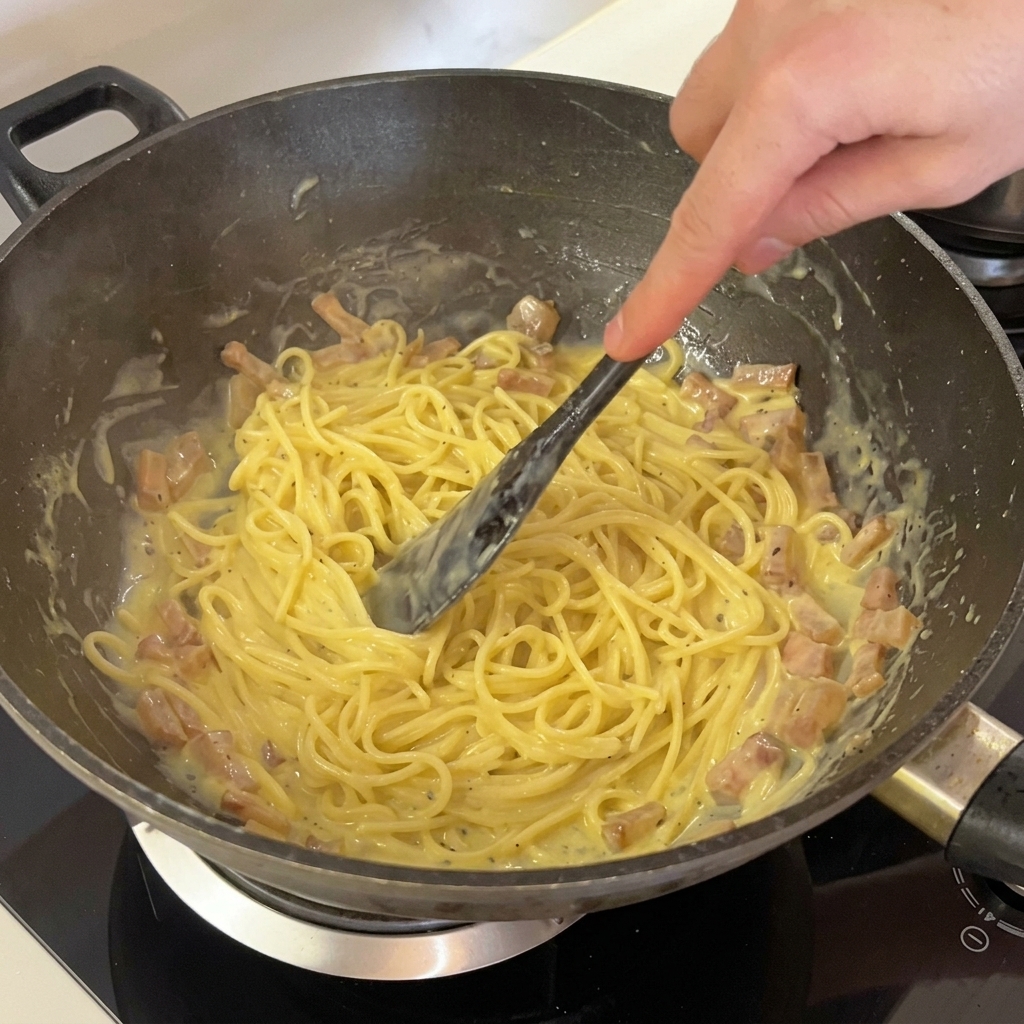
Continue to stir until the residual heat transforms the egg and cheese mixture into a rich, glossy sauce. The sauce should be thick enough to cling to the noodles beautifully.
Tip: If the sauce feels too thick or clumpy, add a tiny splash of reserved hot pasta water to loosen it up to the perfect consistency. - 16Plate and serve immediately
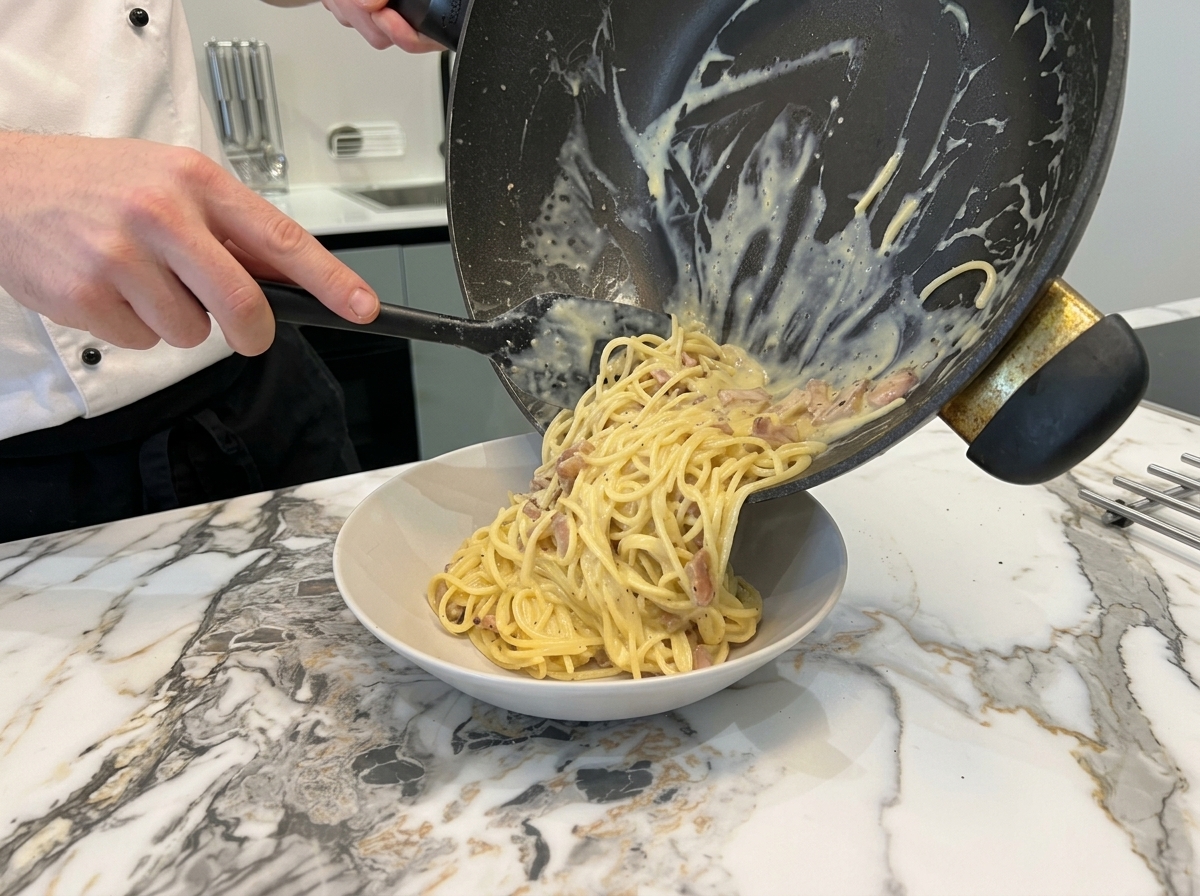
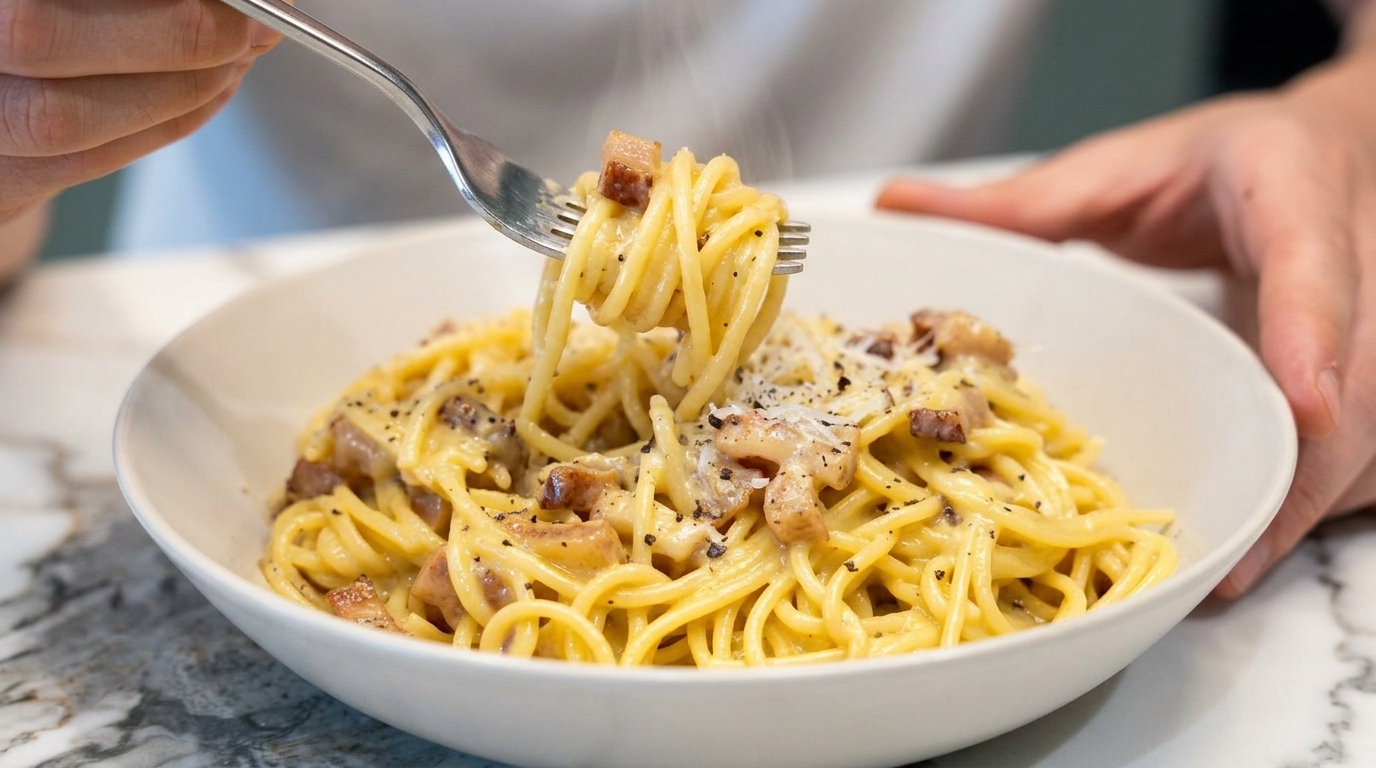
Slide the freshly made Carbonara directly from the wok into a serving bowl. Top with an extra grating of Pecorino cheese and plenty of freshly cracked black pepper.
Tip: Carbonara is best eaten right away while it is still hot. As it cools, the sauce will thicken and lose its delicate creaminess.