Japanese Curry Tsukemen (Dipping Noodles)
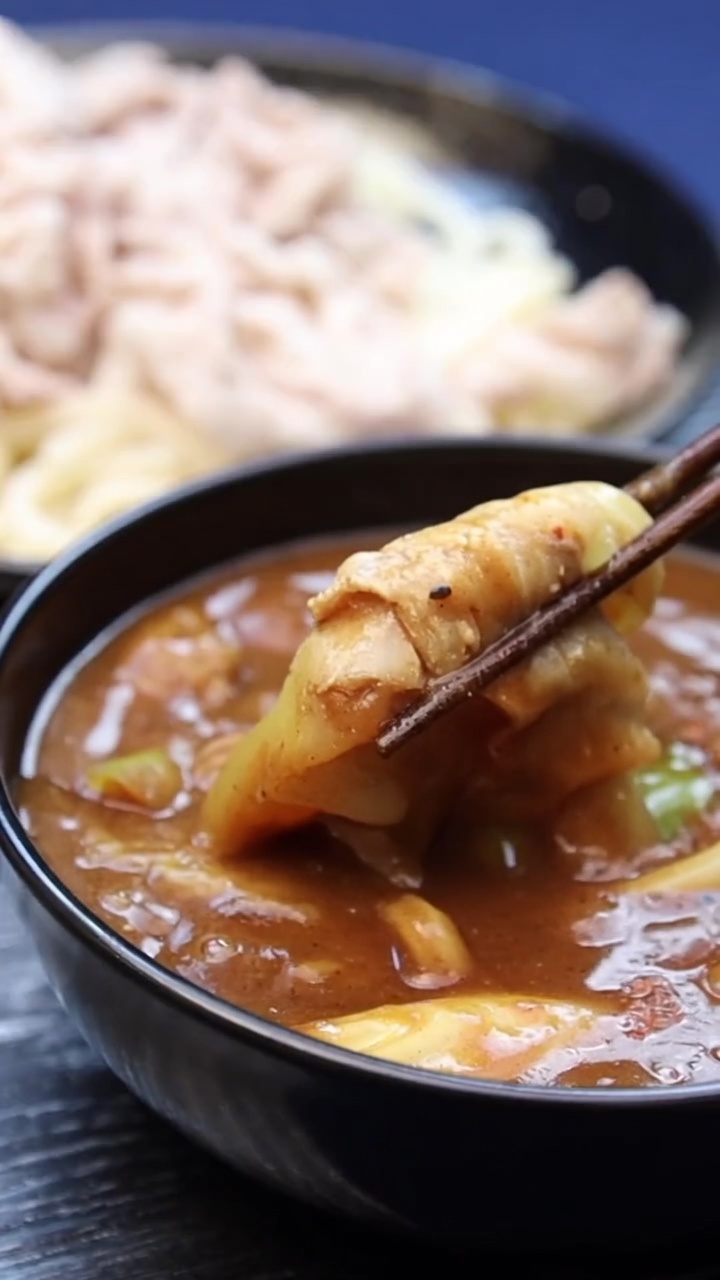
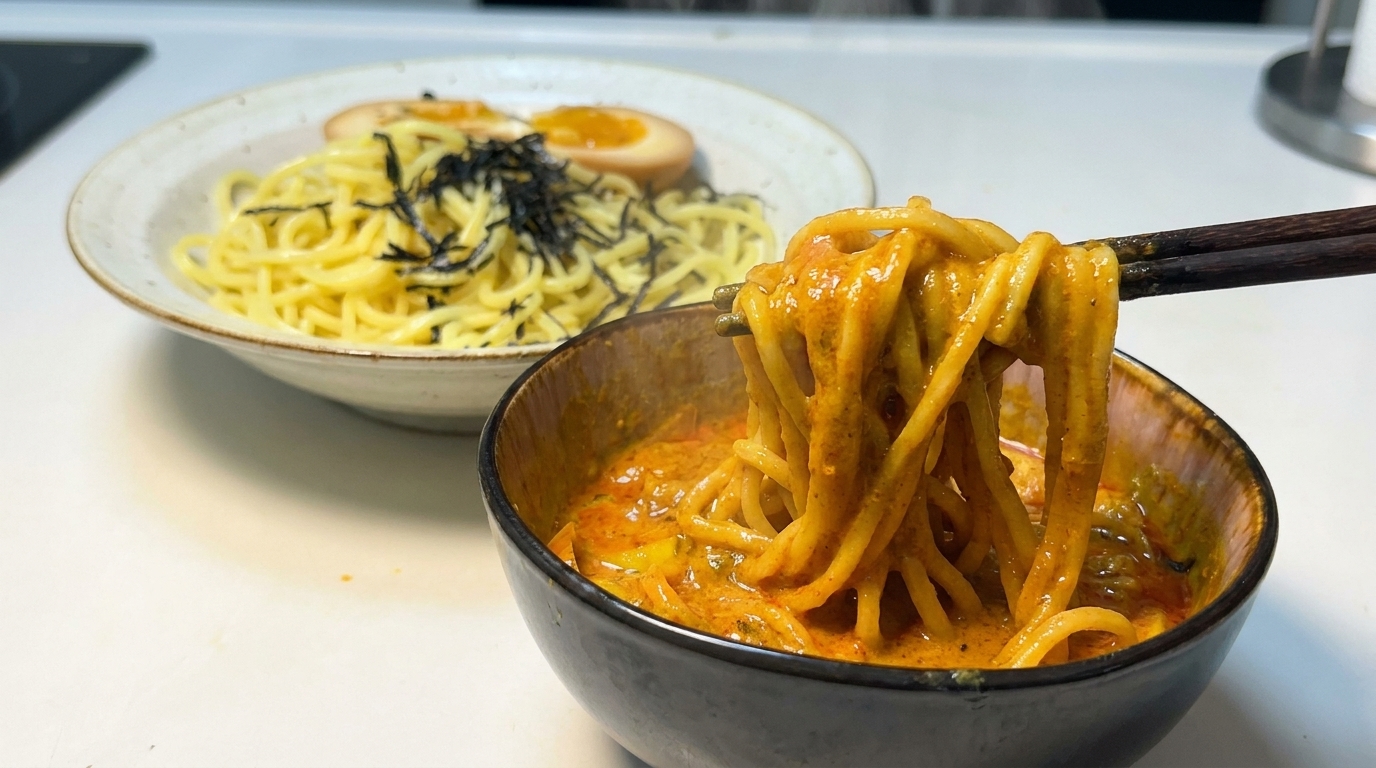
Experience the comforting richness of Japanese curry dipping noodles (Tsukemen). Thick, chewy ramen is dipped into a savory, deeply spiced curry and pork broth.
Tsukemen, or dipping ramen, originated in Tokyo in the 1950s and has since become a beloved staple across Japan. This curry variation marries the interactive fun of traditional tsukemen with the deeply comforting, spiced warmth of Japanese curry. By building the broth with minced pork, miso paste, and milk, the resulting dipping sauce becomes extraordinarily rich, thick, and perfectly tailored to cling to every noodle.
Ingredients
- 1 tbsp sesame oil
- 2 tsp minced garlic
- 2 tsp chili powder
- 100 g minced pork
- 1 tbsp miso paste
- 250 ml whole milk
- 2 cubes Japanese curry roux
- 100 ml water
- 2 tbsp dark soy sauce
- 2 portions Japanese ramen noodles
- to taste shredded seaweed (nori)
- 2 soft-boiled eggs
- to taste green onions
Instructions
- 1Heat the sesame oil

Place a frying pan over medium heat and pour in two swirls of sesame oil. Let the oil warm up slightly to release its aromatic properties before adding the aromatics.
Tip: Sesame oil has a relatively low smoke point, so avoid heating it too aggressively to prevent it from taking on a bitter taste. - 2Sauté the garlic and spices
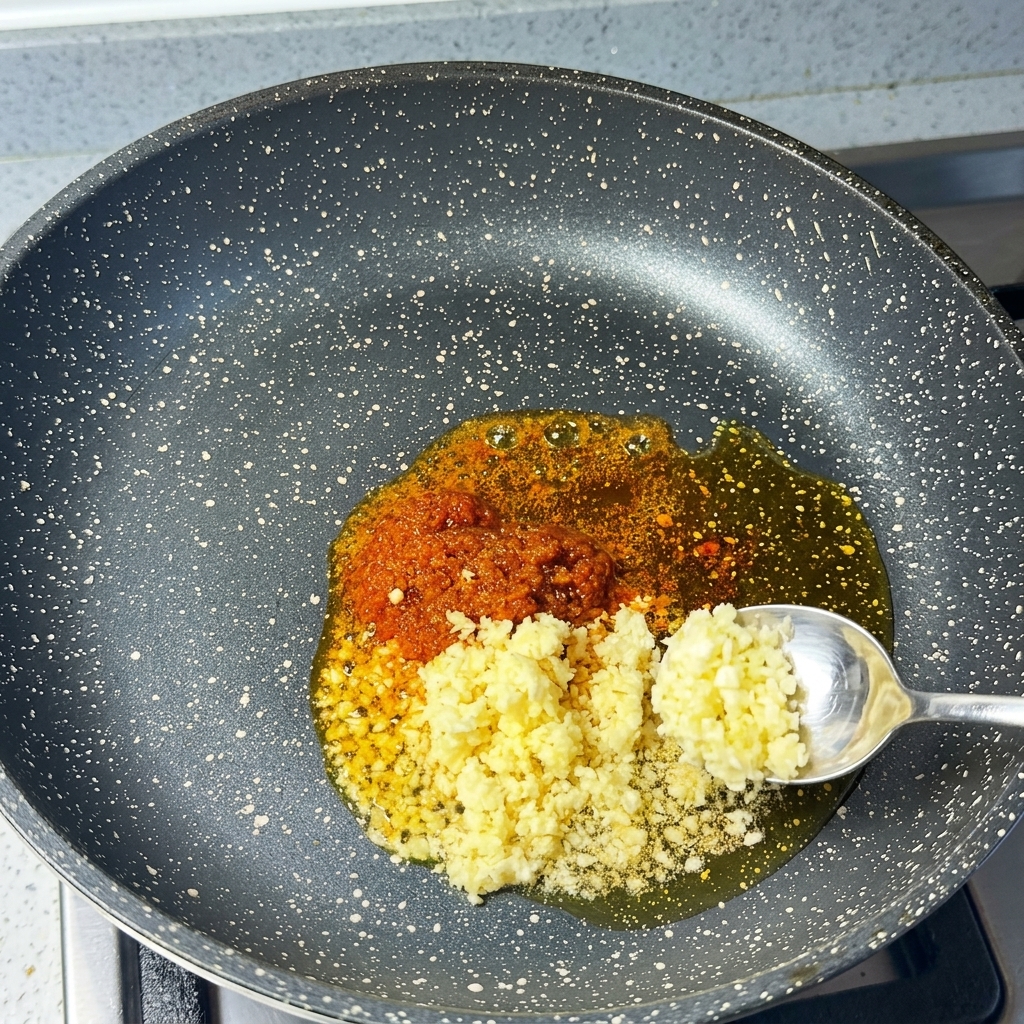
Add two spoonfuls of minced garlic and chili powder into the heated sesame oil. Stir-fry the mixture continuously until it becomes highly fragrant and the oil takes on a deep, rich red color.
Tip: Keep the heat moderate while frying the garlic and chili powder to avoid burning them, which can introduce an unpleasant bitterness to the final broth. - 3Cook the minced pork
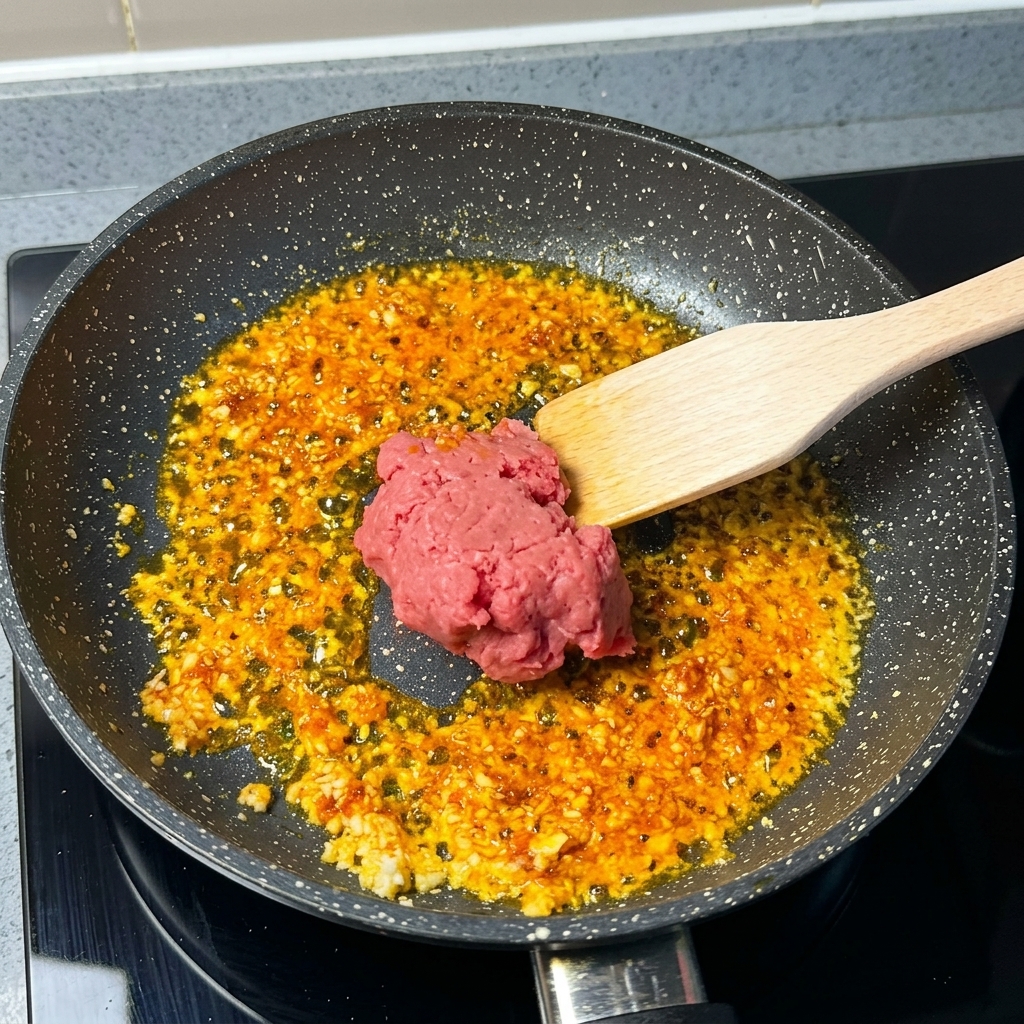
Add the raw minced pork into the pan with the aromatic chili oil. Stir-fry the meat, breaking it apart continuously with a spatula, until it is fully cooked and changes color completely.
Tip: Break the minced pork down into small, even pieces so it cooks uniformly and absorbs the flavors of the spiced oil throughout. - 4Stir in the miso paste
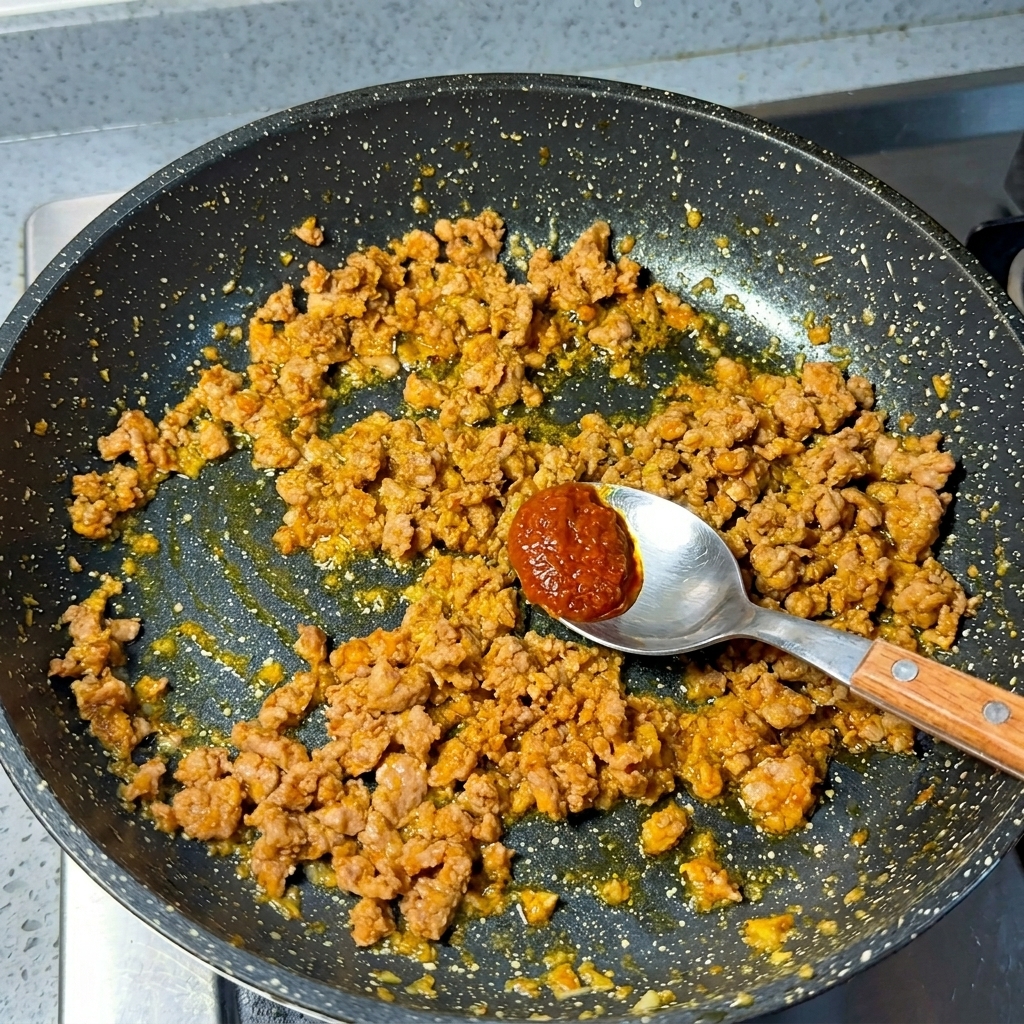
Add one spoonful of miso paste directly into the browned minced pork. Mix everything well, ensuring the miso paste fully dissolves and coats the meat evenly to build a deep umami base.
Tip: Using red miso will add a deeper, saltier and more robust flavor, while white miso will yield a slightly sweeter and milder taste profile. - 5Pour in the milk

Pour 250 grams of milk into the pan over the seasoned pork mixture. Stir evenly to incorporate the milk, which creates the rich, creamy foundation for the curry dipping sauce.
Tip: Use whole milk for the best creamy texture, or substitute with unsweetened soy milk or oat milk if you prefer a dairy-free alternative. - 6Add the curry roux
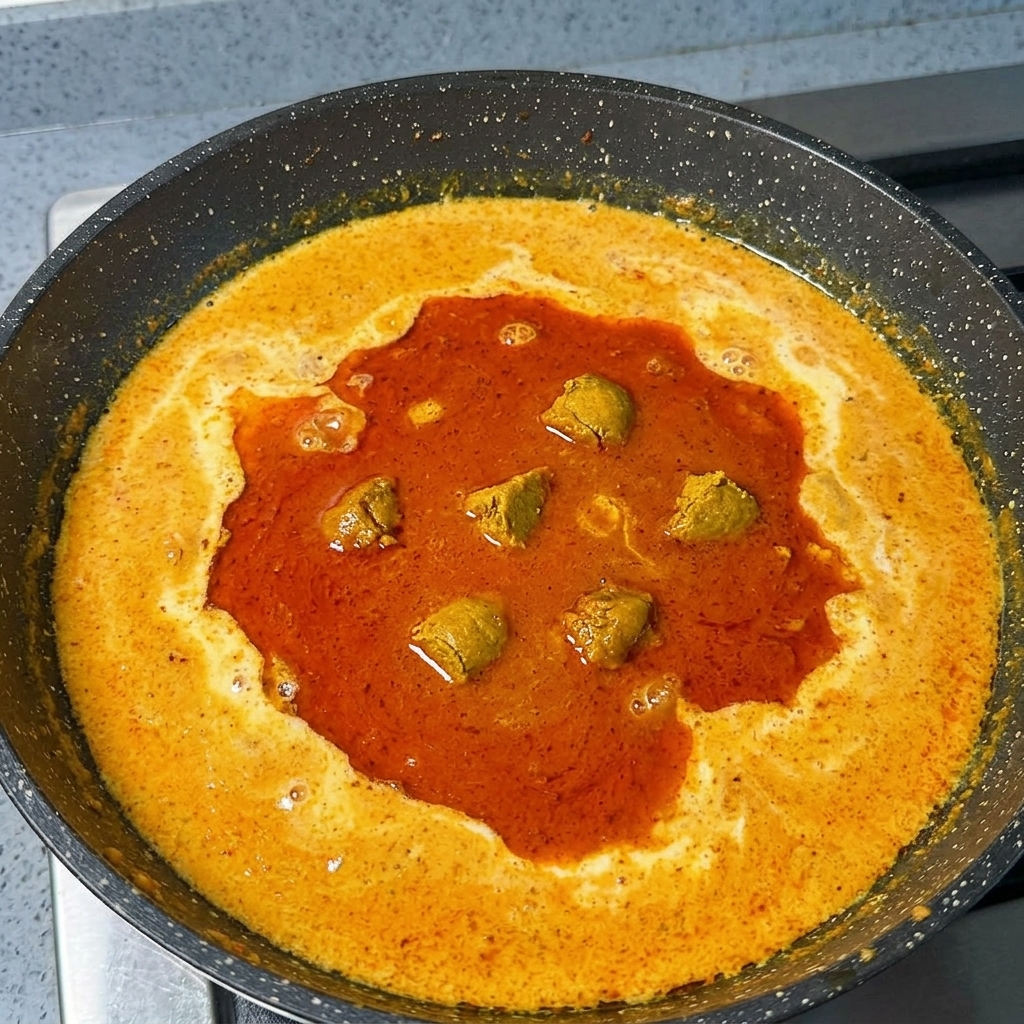
Drop the blocks of Japanese curry roux into the milky broth. Stir gently as the liquid heats up, allowing the solid roux blocks to melt completely and begin thickening the sauce.
Tip: If the roux is struggling to dissolve, place the blocks in a ladle, submerge it slightly in the hot broth, and mix within the ladle to melt them smoothly before stirring into the rest of the pan. - 7Add water to the curry sauce
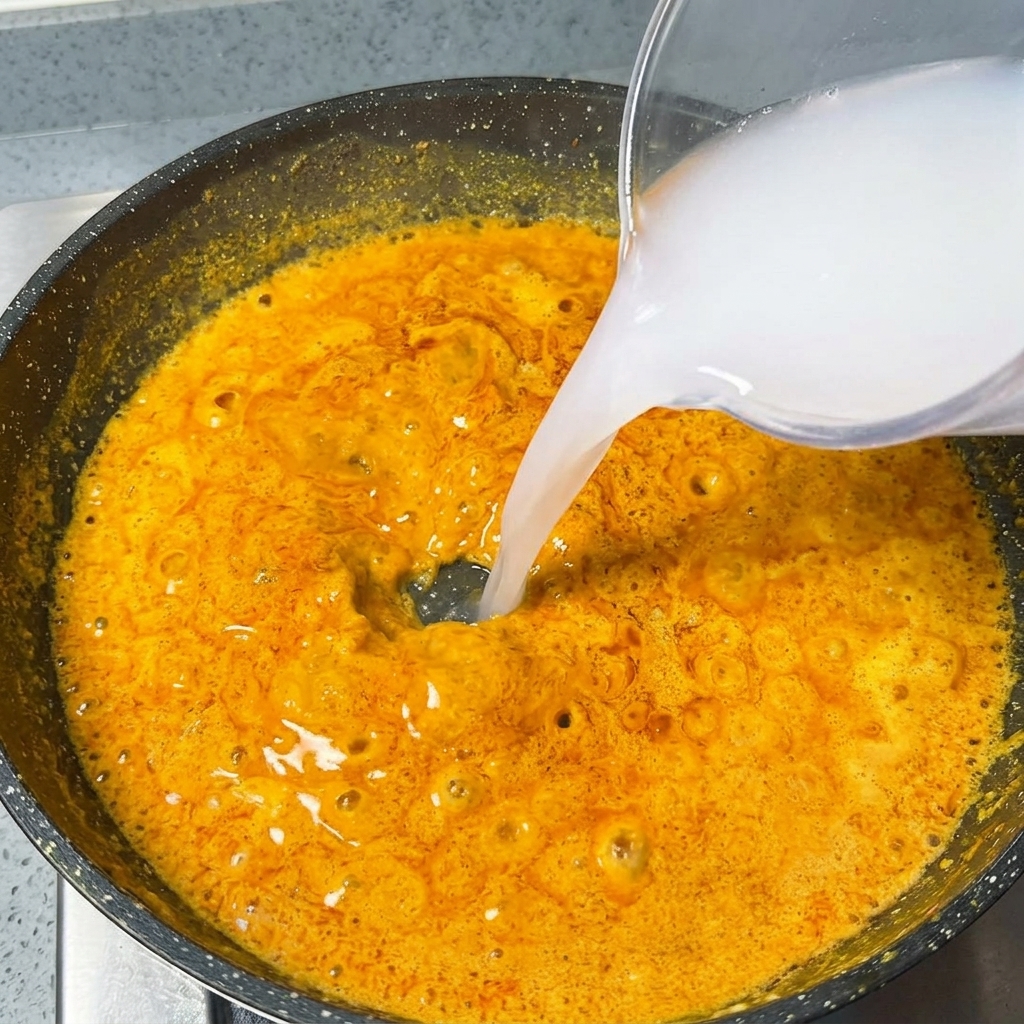
Pour a small bowl of water into the simmering curry mixture. Stir well to combine all ingredients smoothly and adjust the consistency of the sauce as it begins to thicken from the curry roux cubes.
Tip: Pouring the water helps dissolve the curry roux evenly without making the sauce overly thick too quickly. - 8Season with soy sauce
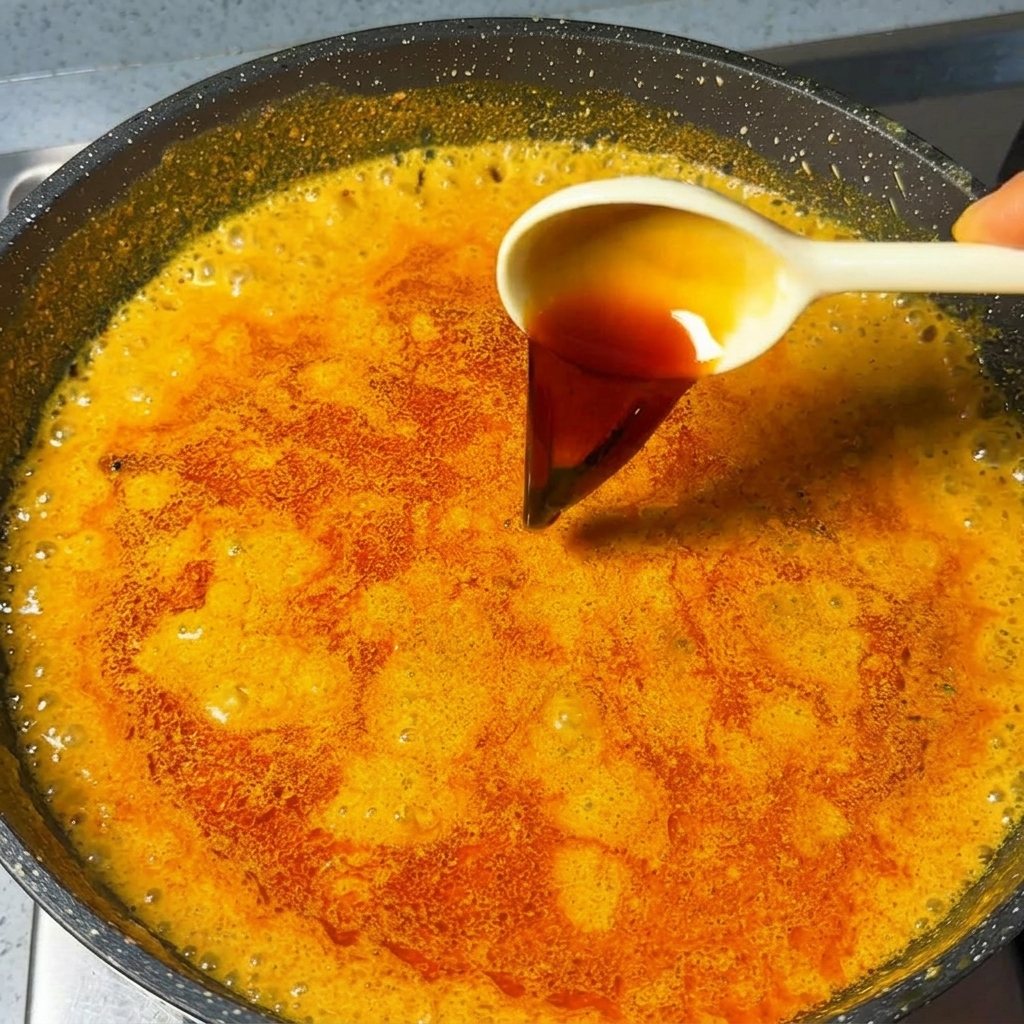
Add two spoons of dark soy sauce into the bubbling curry broth. Stir the liquid thoroughly to distribute the savory seasoning evenly throughout the sauce.
Tip: Adjust the amount of soy sauce based on your personal preference, keeping in mind that the miso paste and curry roux already contain salt. - 9Boil the ramen noodles
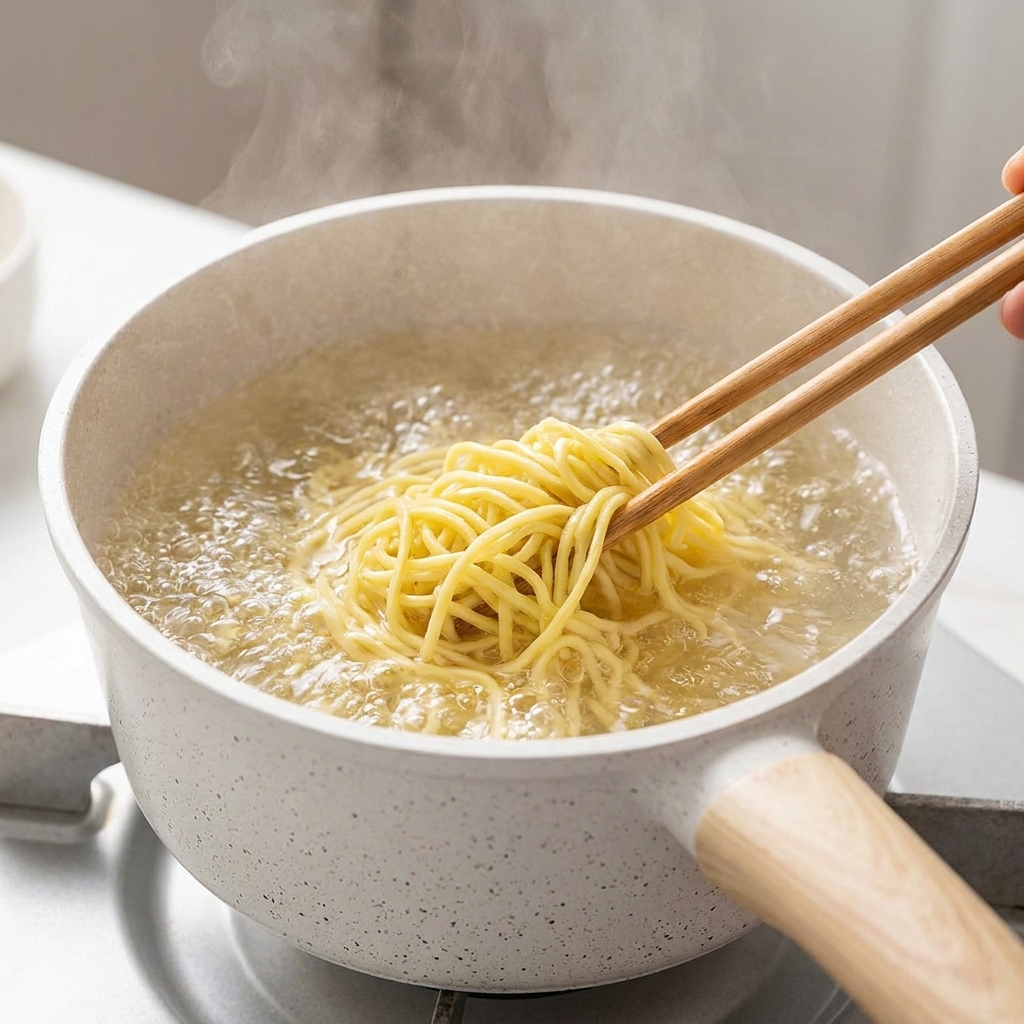
Bring a pot of water to a rolling boil and drop in the Japanese ramen noodles. Cook them according to the package instructions, using chopsticks to loosen the noodle strands occasionally so they cook evenly.
Tip: Keep an eye on the heat to prevent the water from boiling over, and avoid overcooking the noodles since they will be dipped into hot sauce later. - 10Plate the ramen noodles
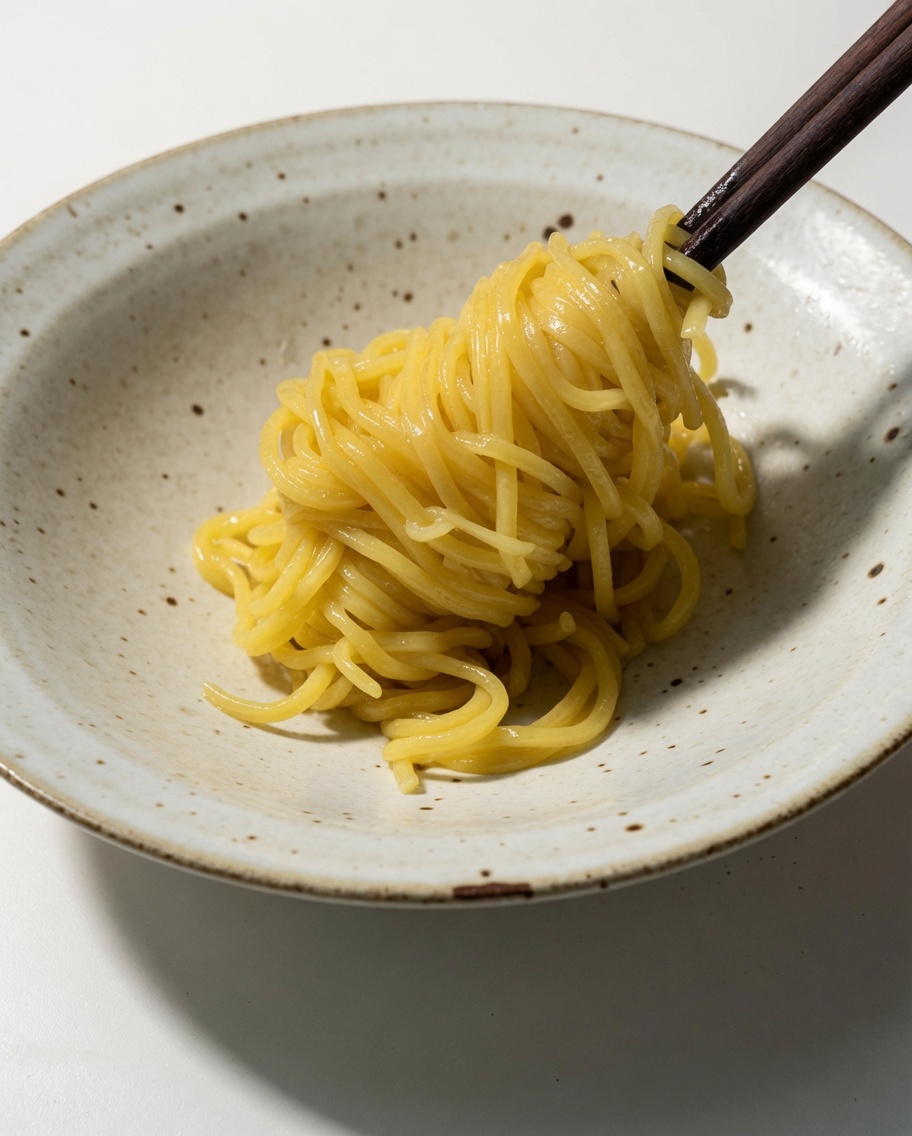
After cooking and straining the noodles, use chopsticks to carefully transfer them into a clean serving bowl, folding them neatly to create an attractive presentation.
Tip: Rinsing the noodles briefly under cold water after straining can help remove excess surface starch and keep them from sticking together. - 11Add toppings to the noodles
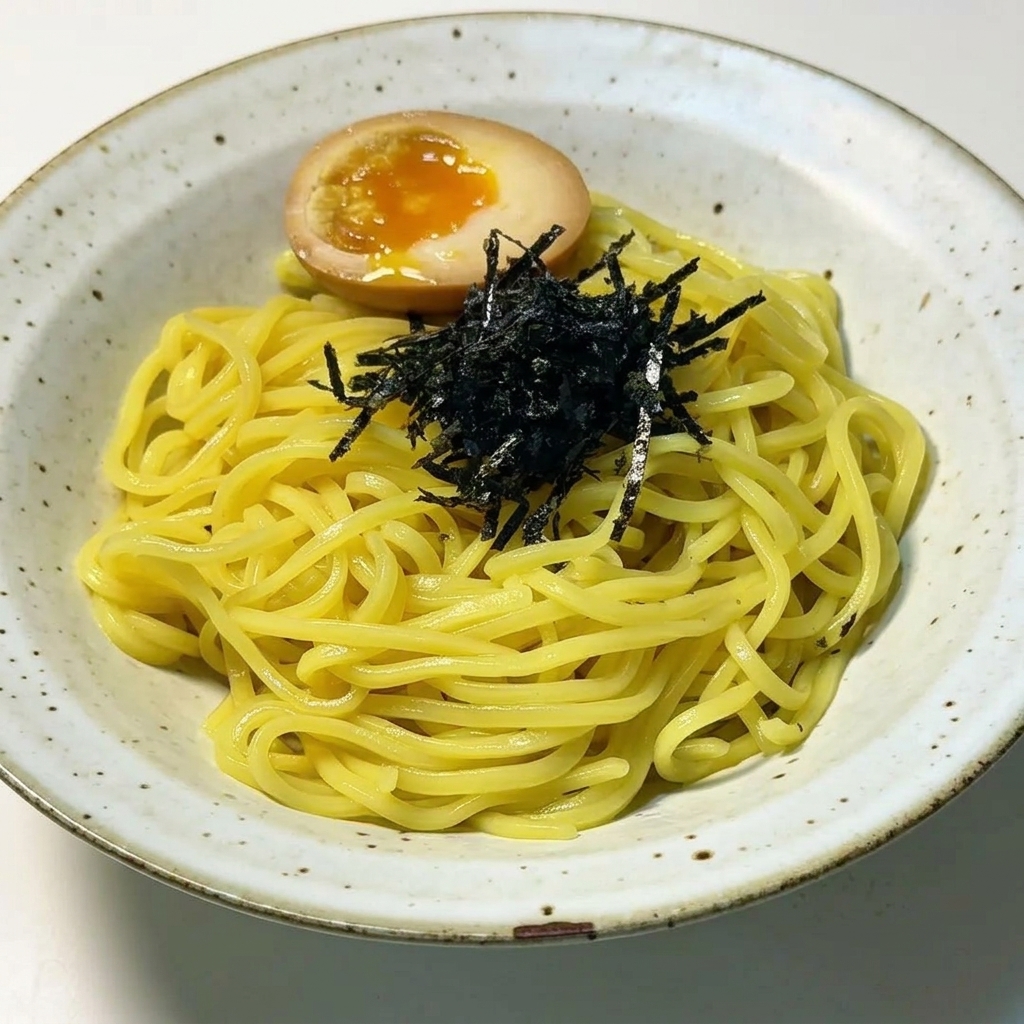
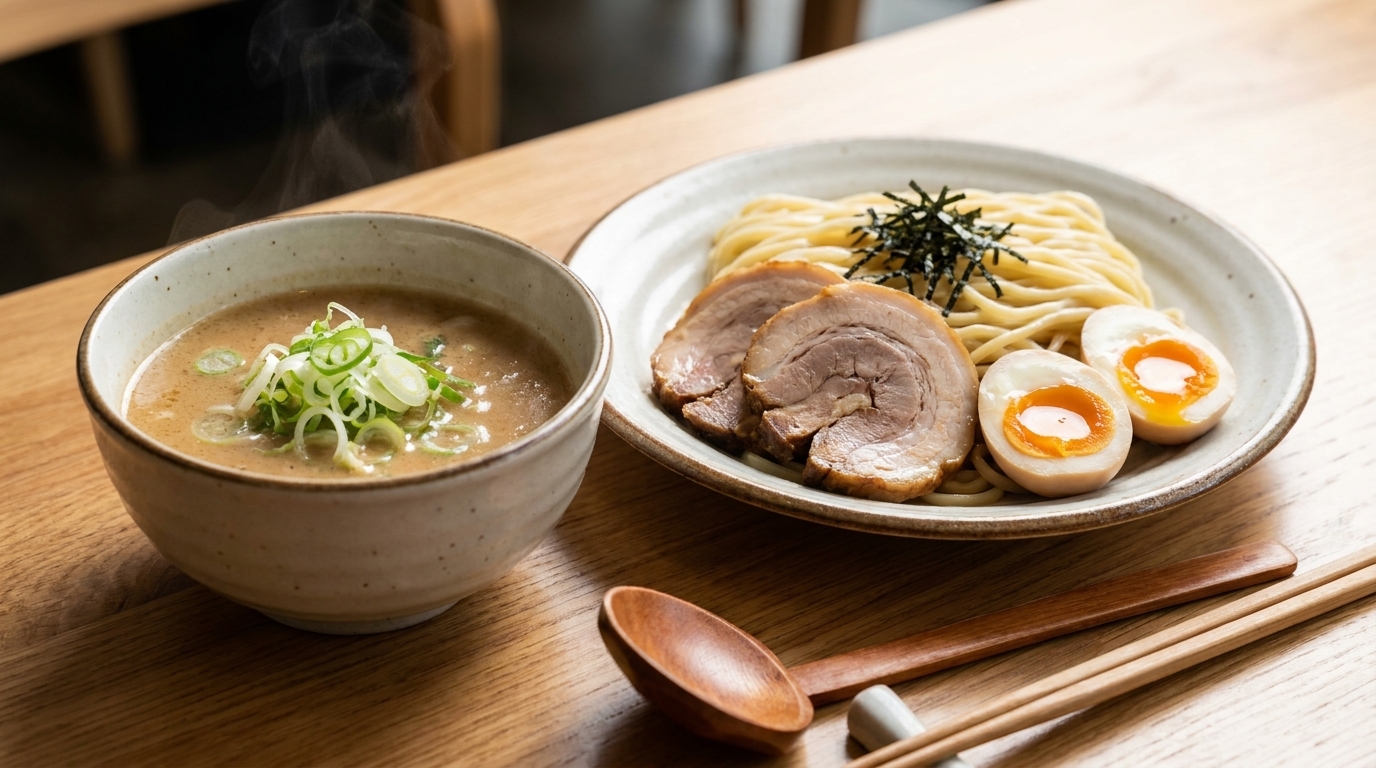
Garnish the plated ramen noodles by placing a handful of shredded seaweed in the center. Cut a soft-boiled egg in half to reveal the jammy yolk, and place it neatly on top of the noodles next to the seaweed.
Tip: To get a perfectly clean cut on a soft-boiled egg, use a sharp knife wiped with a wet paper towel, or use a piece of unflavored dental floss. - 12Garnish the curry dipping sauce
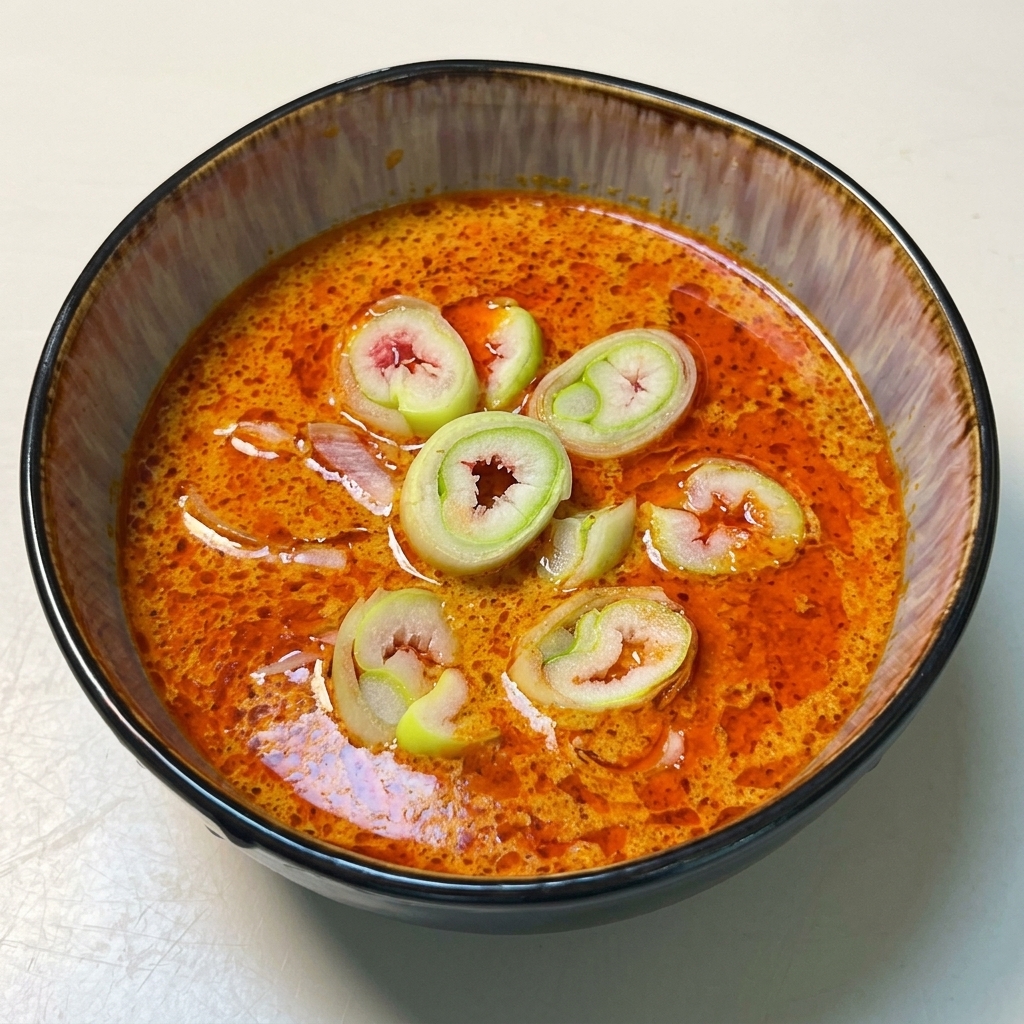
Pour the rich, thickened curry dipping sauce into a separate serving bowl. Garnish the surface generously with freshly sliced green onions to add a bright, crisp flavor contrast to the savory broth.
Tip: Soak the sliced green onions in cold water for a few minutes and drain well before using to reduce their sharp bite and make them extra crunchy.