Traditional Italian Ragù alla Bolognese (Authentic Meat Sauce)
The ultimate Italian comfort: a rich, slow-simmered meat sauce built on a classic hand-cut soffritto, double tomato depth, and red wine for unparalleled savory flavor.
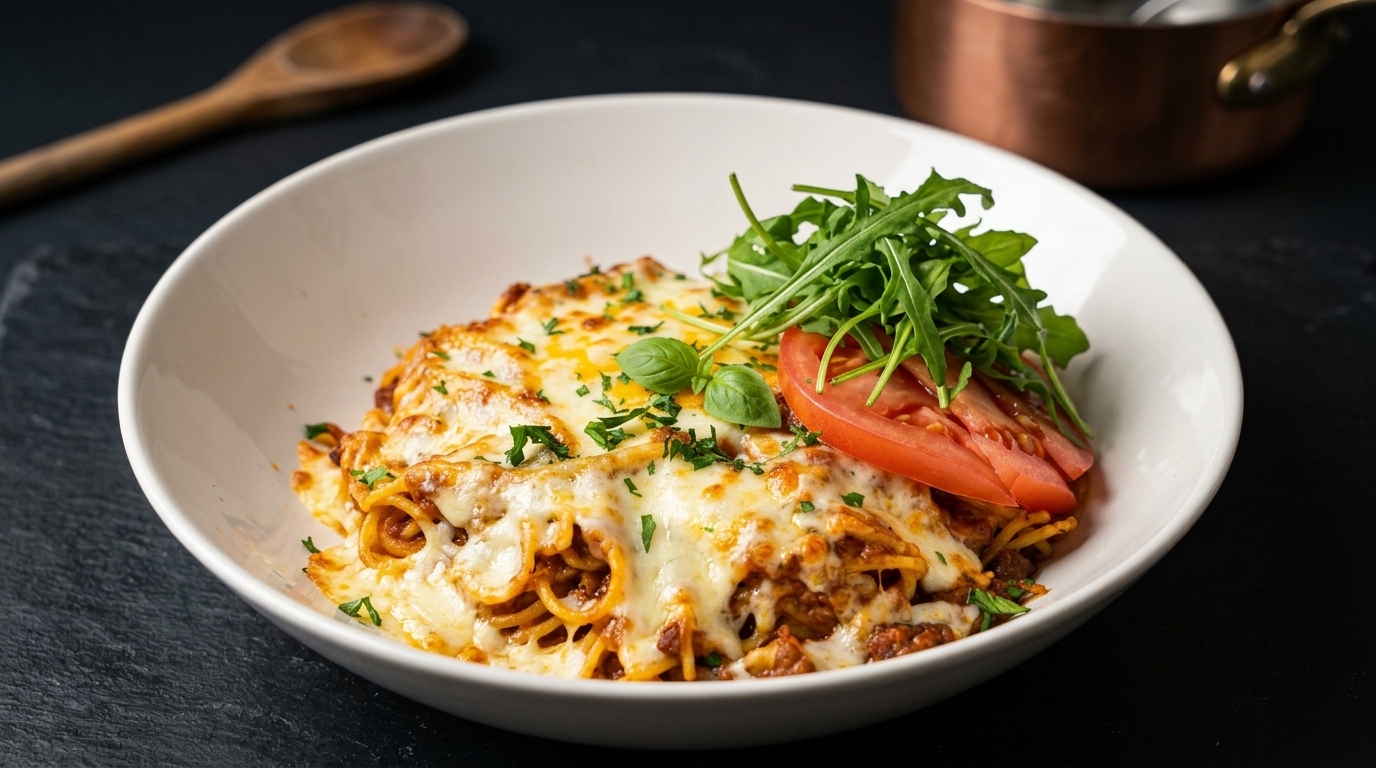
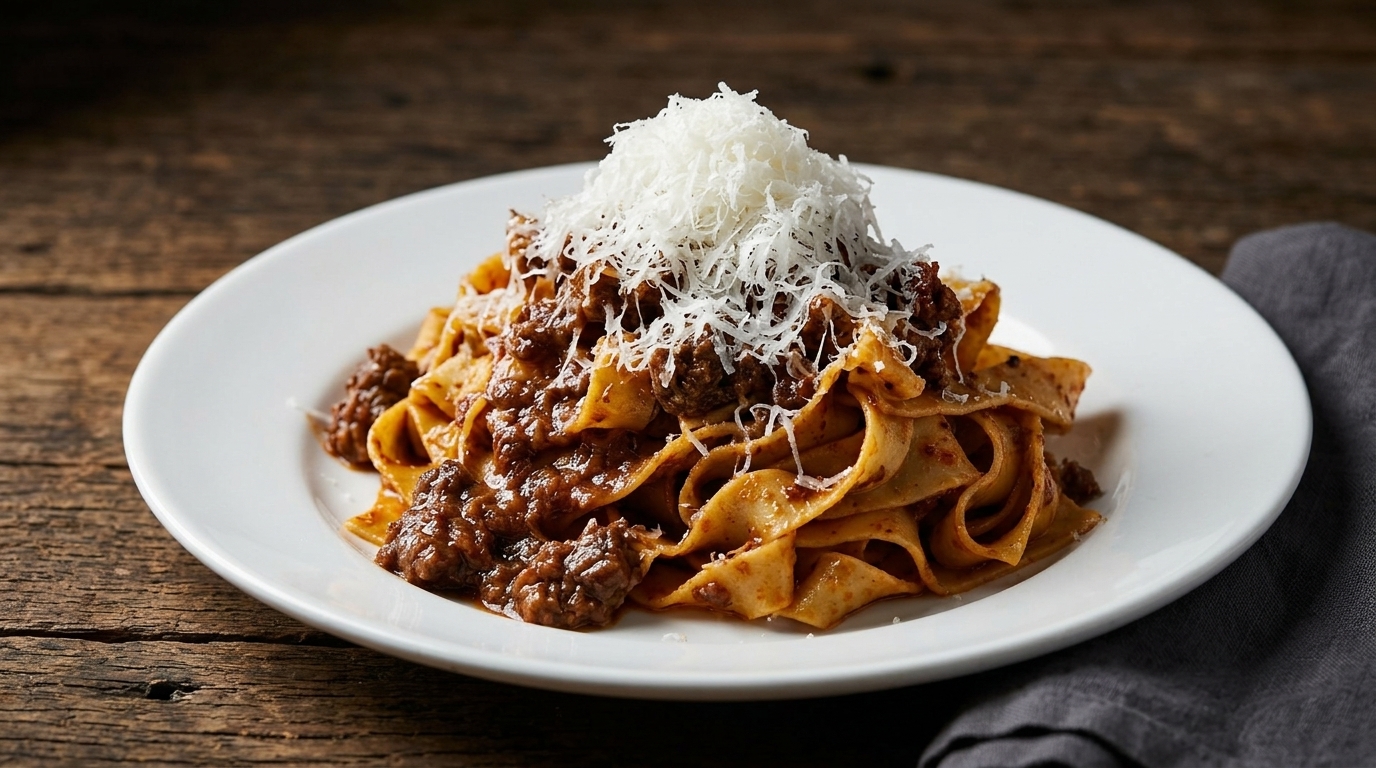
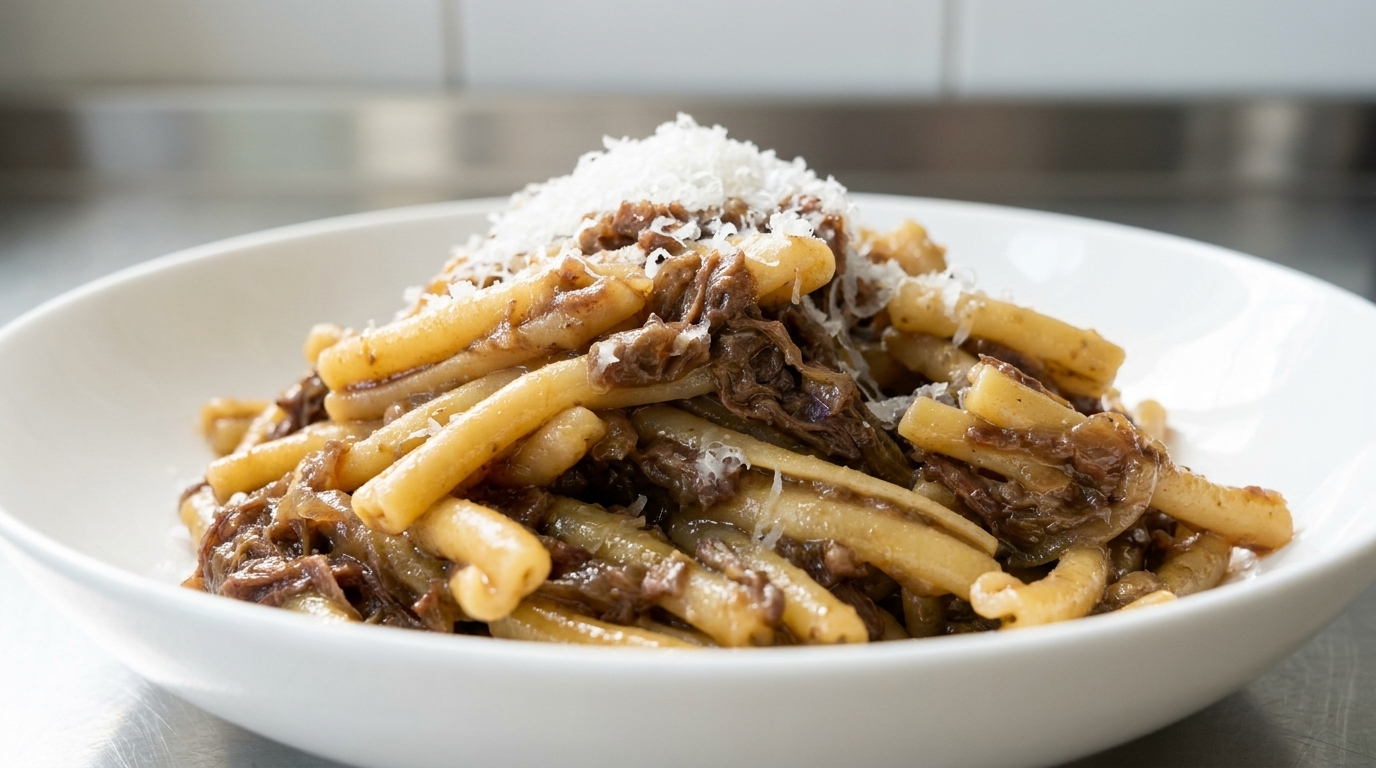
Ragù is the soul of Northern Italian cuisine, specifically hailing from Bologna. Unlike many international versions, authentic Ragù relies on a long, slow reduction and finely hand-cut vegetables rather than heavy herbs or garlic to create its characteristic sweetness and depth. This recipe follows strict traditional methods to ensure a sauce that perfectly clings to fresh egg pasta like tagliatelle or pappardelle.
Ingredients
- 50 g pancetta or bacon
- 1 large onion
- 2 medium carrots
- 2 stalks celery
- 2 tbsp extra virgin olive oil
- 500 g ground beef
- 150 ml dry red or white wine
- 400 g tomato puree
- 1 tbsp tomato paste
- to taste salt
- to taste black pepper
- as needed beef broth or water
Instructions
- 1Choose the right pot
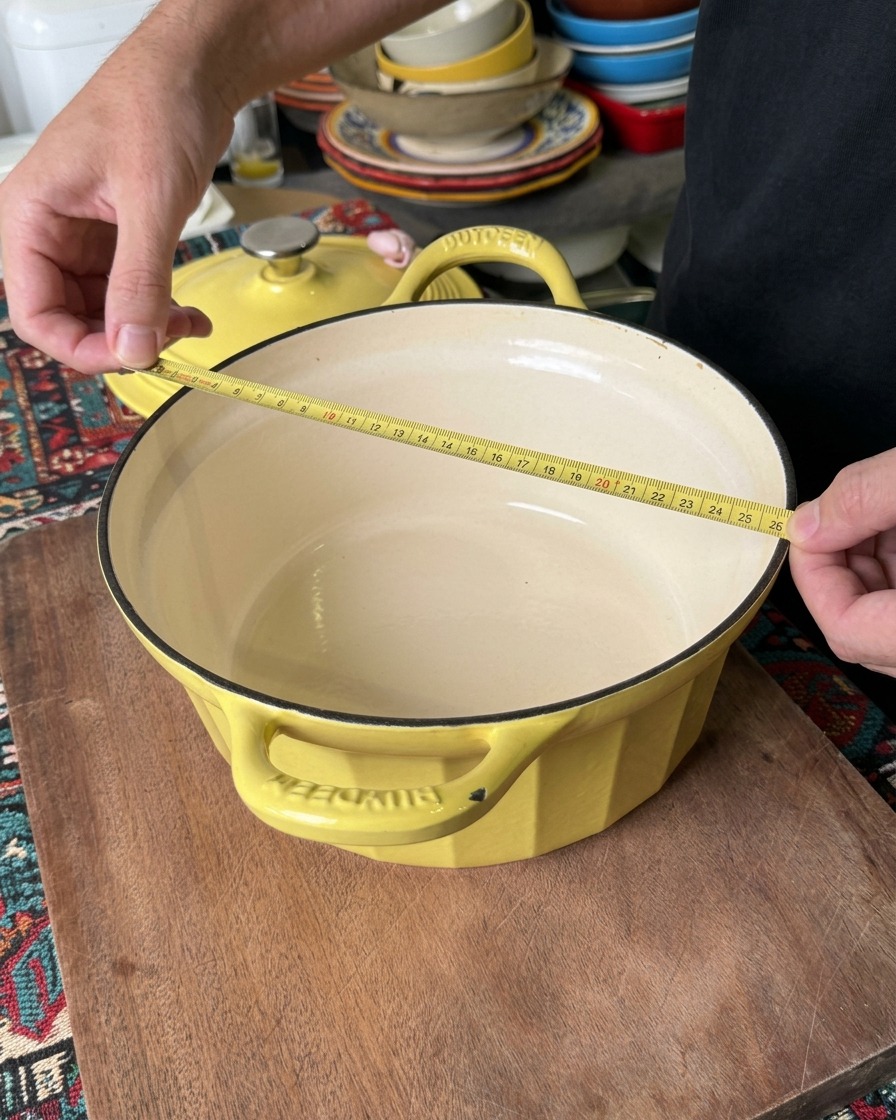
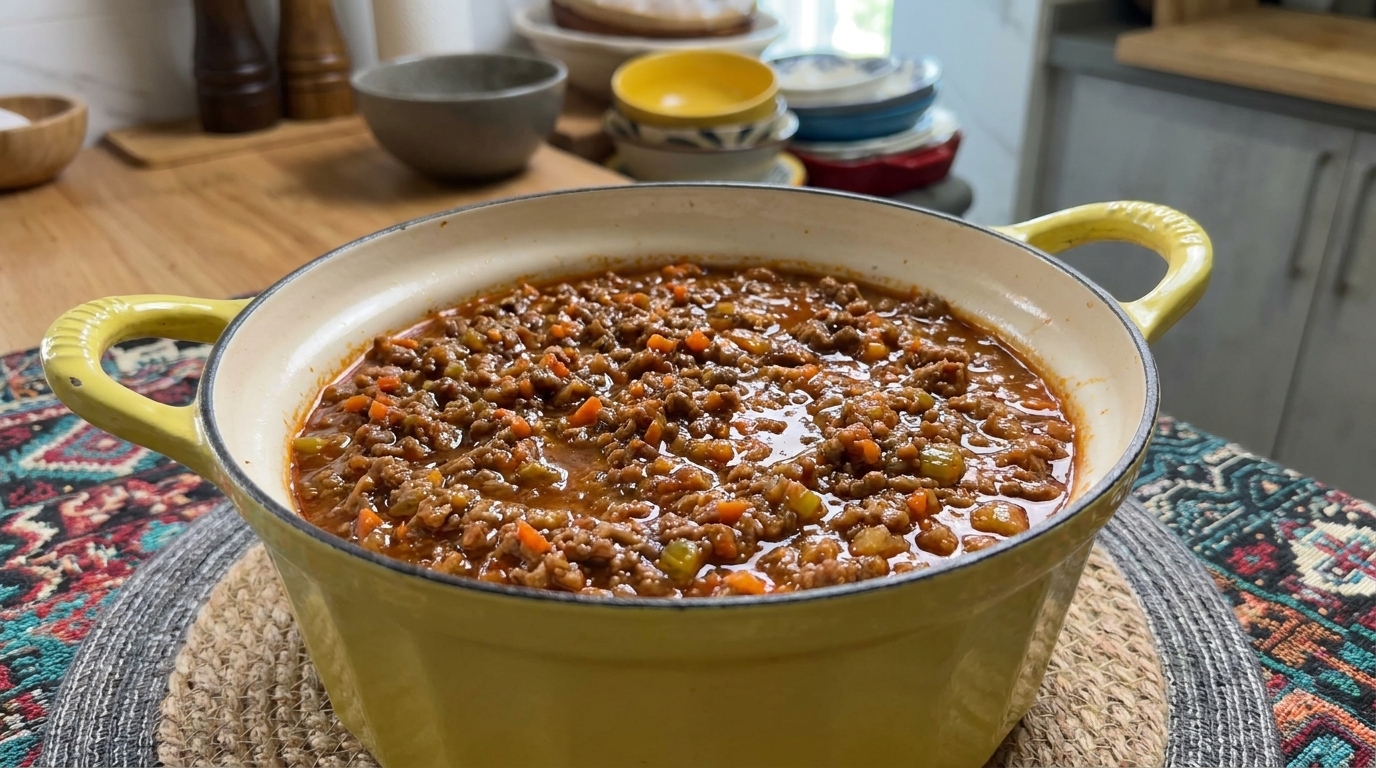
Select a wide-mouthed, thick-bottomed pot with a diameter between 24 and 26 centimeters. A heavy pot, such as enameled cast iron, ensures even heat distribution which is essential for the long simmering process of a traditional Ragù.
Tip: The wide opening allows moisture to evaporate efficiently during the browning stages, concentrating the flavors of the meat and vegetables. - 2Hand-cut the vegetables
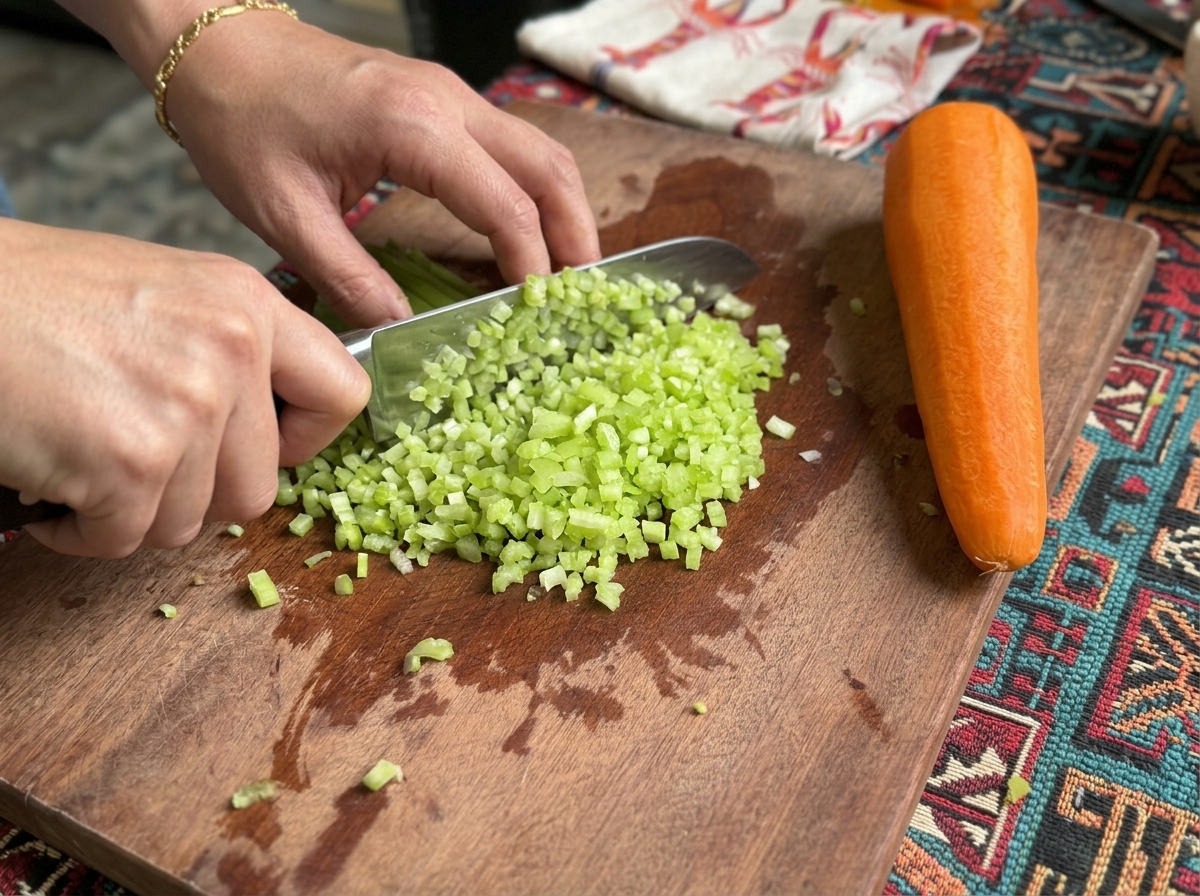
Finely dice your celery, carrots, and onions by hand using a sharp chef knife. Avoid using a food processor or blender, as hand-cutting preserves the texture and prevents the vegetables from releasing too much water and turning into a mushy paste.
Tip: Aim for a uniform brunoise cut so the vegetables cook evenly and eventually melt into the sauce. - 3Heat the oil
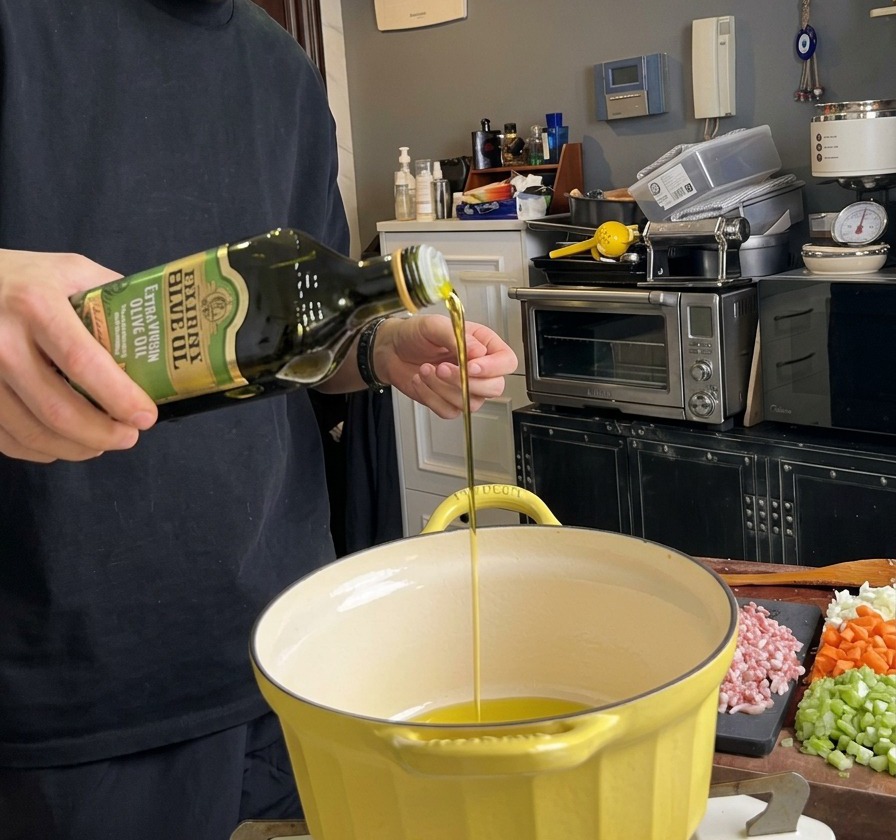
Place a wide-mouthed, thick-bottomed pot over the heat. Pour in a splash of olive oil to prepare for the diced bacon, which will begin building the base flavors of the ragù.
Tip: Using a thick-bottomed pot with a diameter of 24 to 26 centimeters ensures even heating and prevents ingredients from burning. - 4Sauté the vegetables
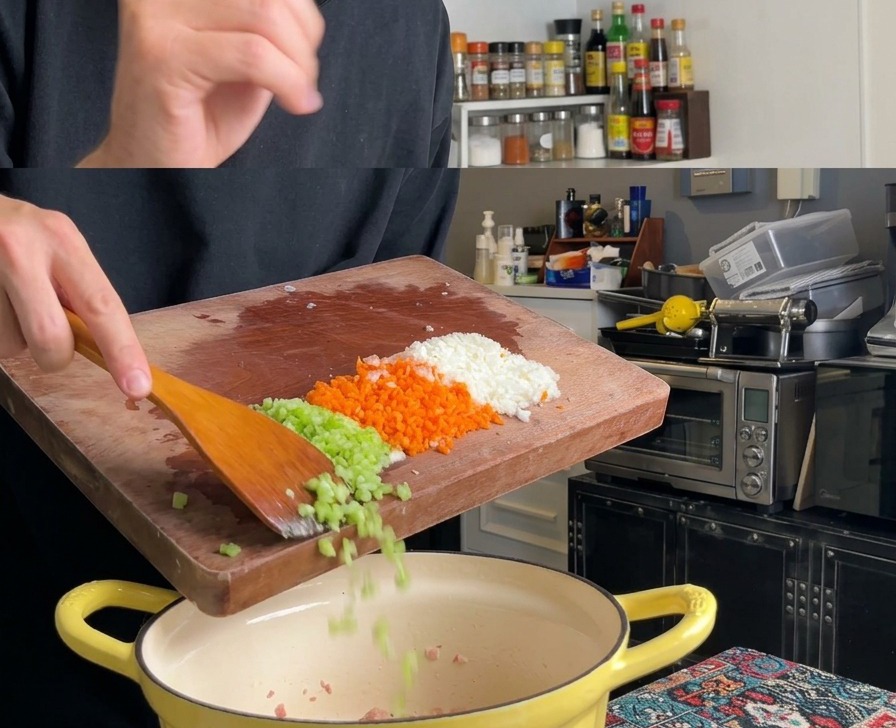
Once the bacon is ready, add the hand-diced celery, carrots, and onions directly into the pot. Sauté the mixture carefully to soften the vegetables without burning the onions.
Tip: Always hand-cut the vegetables instead of using a blender to maintain the correct authentic texture. - 5Add the ground meat
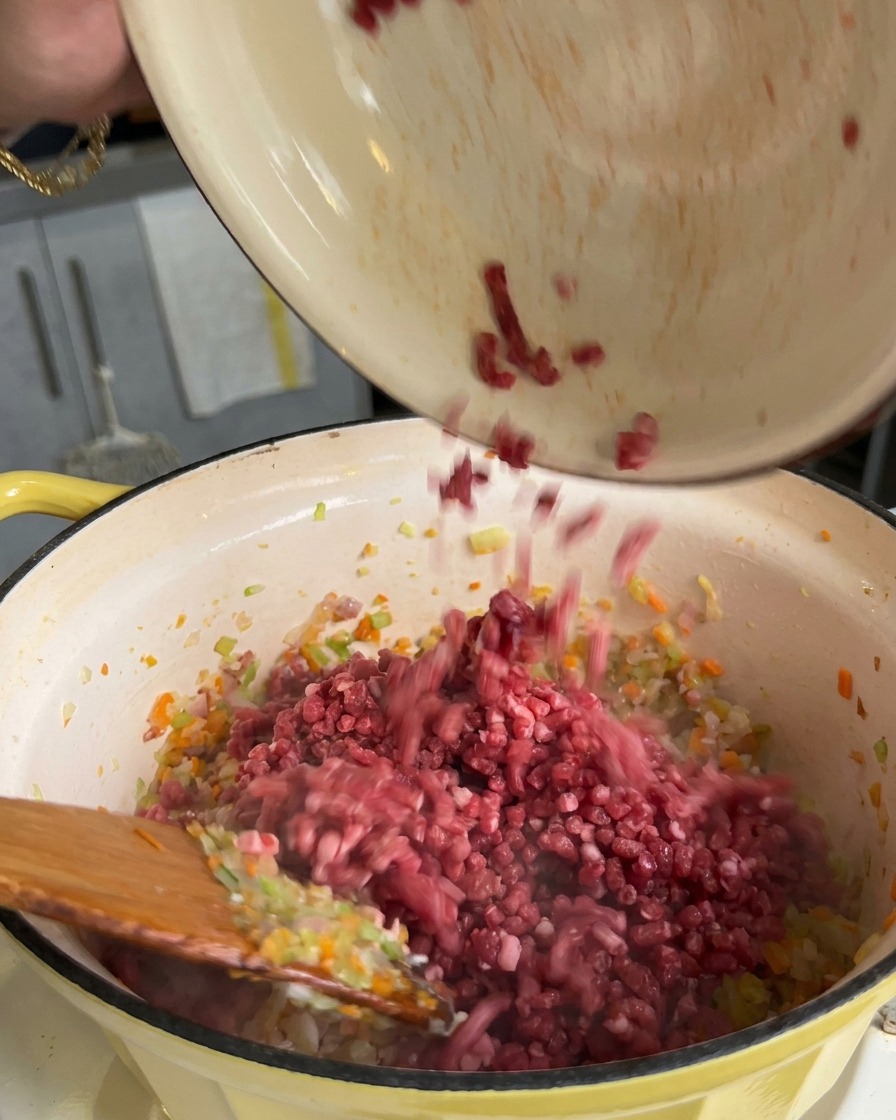
Once the vegetables have softened and become translucent, add the raw ground meat to the pot. Stir it into the sautéed vegetable base to begin the browning process, which is the foundation of the sauces savory depth.
Tip: Break up the meat with a wooden spoon immediately to prevent large clumps from forming. - 6Sauté and brown the meat
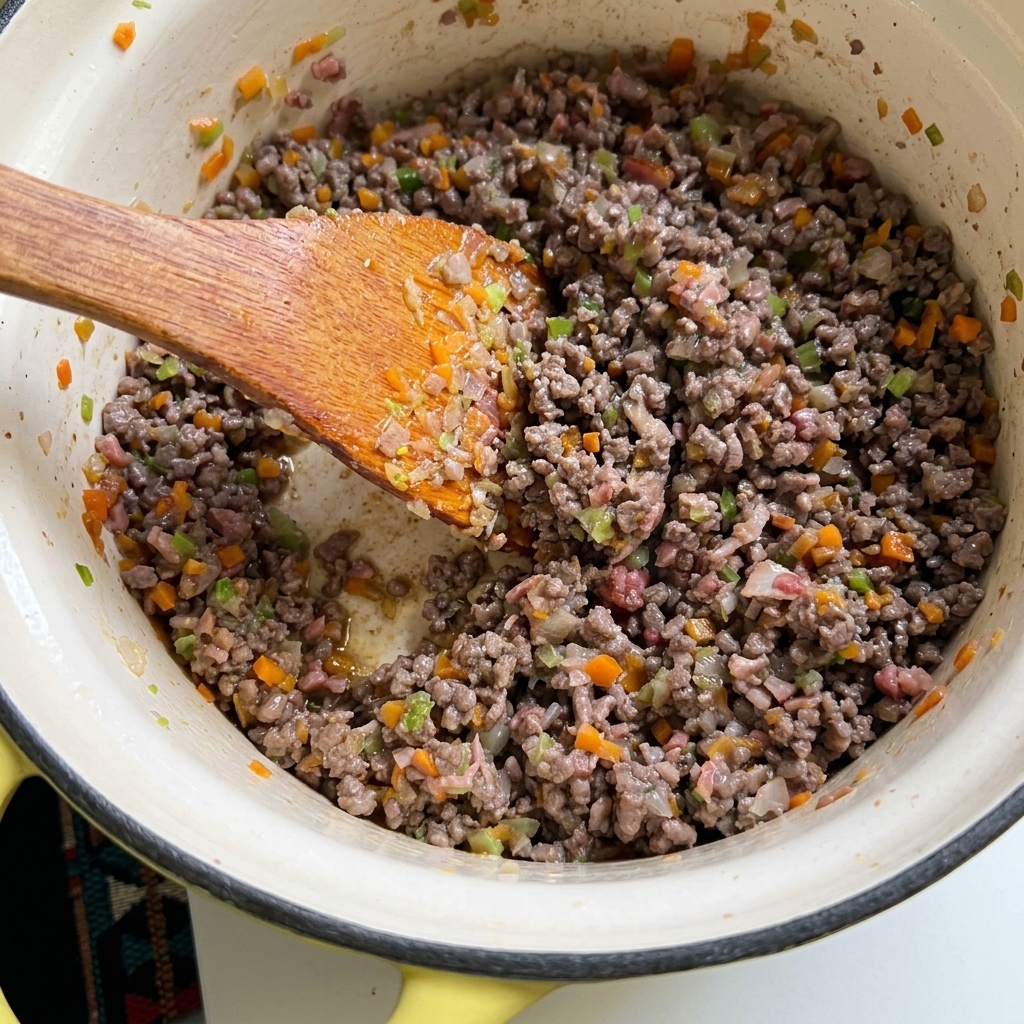
Cook the meat and vegetables on high heat for about ten minutes. Stir frequently until the meat is thoroughly browned, fragrant, and all the released liquids have completely evaporated from the bottom of the pot.
Tip: Do not rush this step; the dry sizzle at the end of this process indicates that the meat is truly browning rather than just steaming. - 7Deglaze with wine
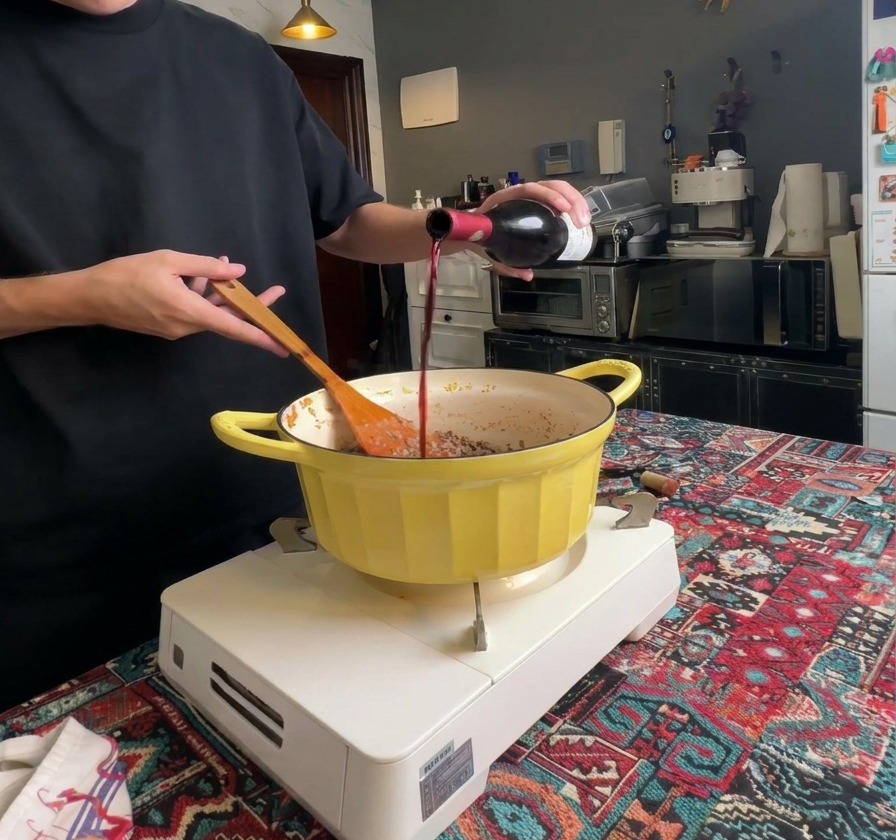
After the ground meat has been sautéed on high heat for about ten minutes and appears dry and fragrant, pour in the red wine. Stir well to incorporate it into the browned meat base.
Tip: Cook the mixture until the smell of alcohol has completely dissipated before moving on to the next step. - 8Stir in tomato puree
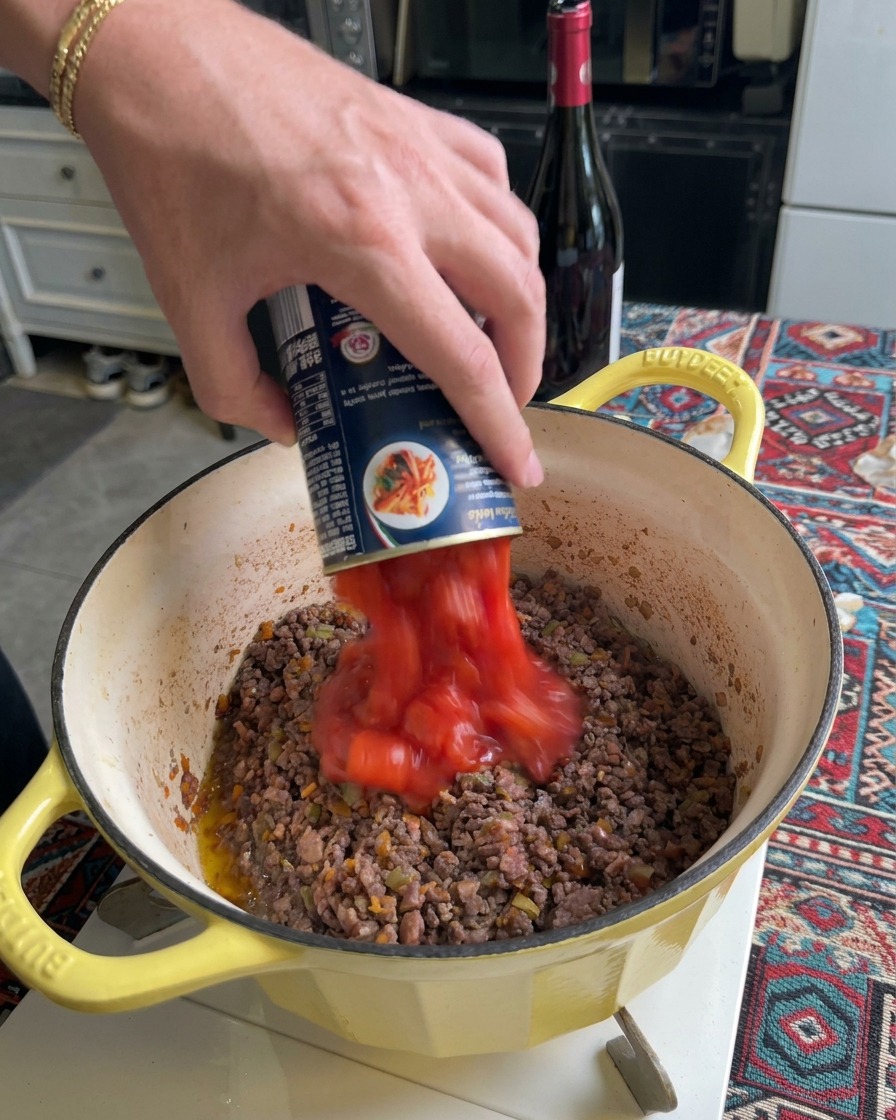
With the wine fully evaporated, add the canned tomato puree into the meat mixture. This will form the rich, saucy foundation of your Italian ragù.
Tip: Certain ingredients are strictly forbidden in authentic ragù—do not add garlic, rosemary, or parsley at this stage. - 9Add tomato paste
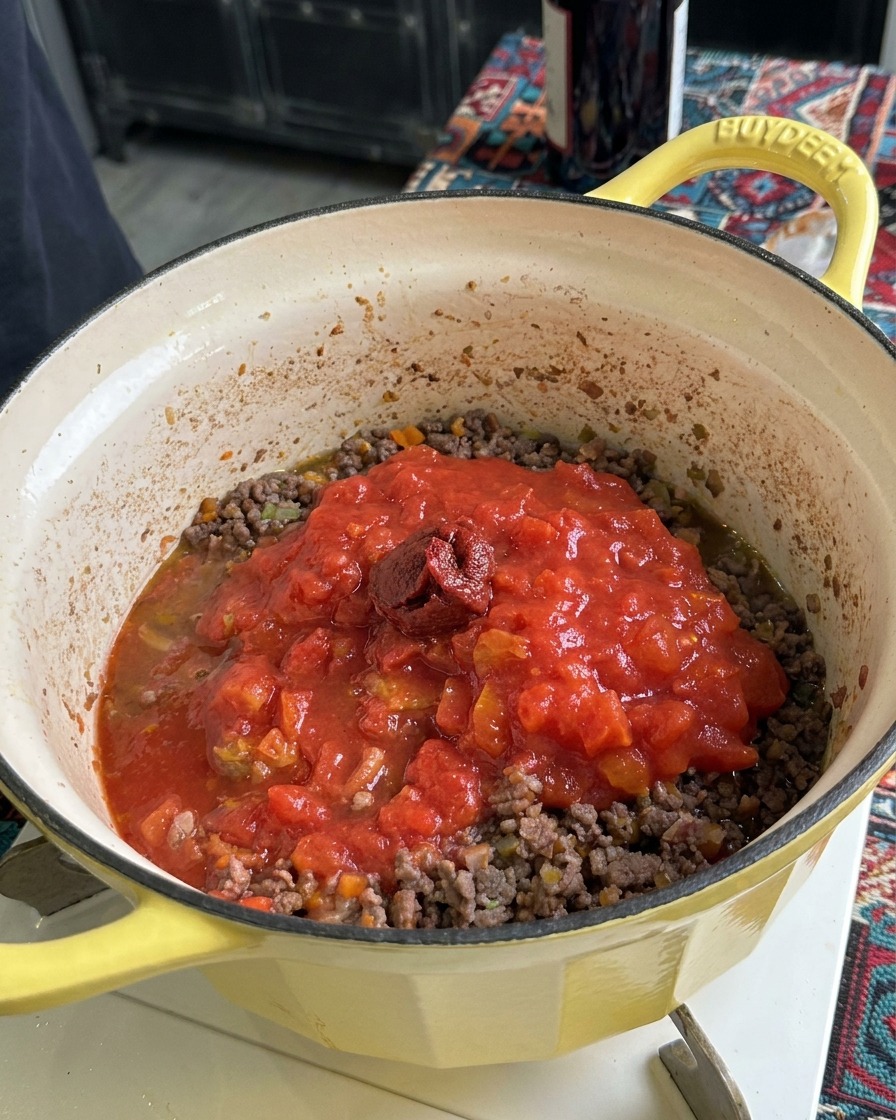
Squeeze a spoonful of thick tomato paste directly onto the tomato puree and meat mixture, then stir everything together to combine.
Tip: Using both tomato puree and tomato paste is the secret to giving the sauce a beautiful color and a much deeper flavor. - 10Simmer the ragù slowly
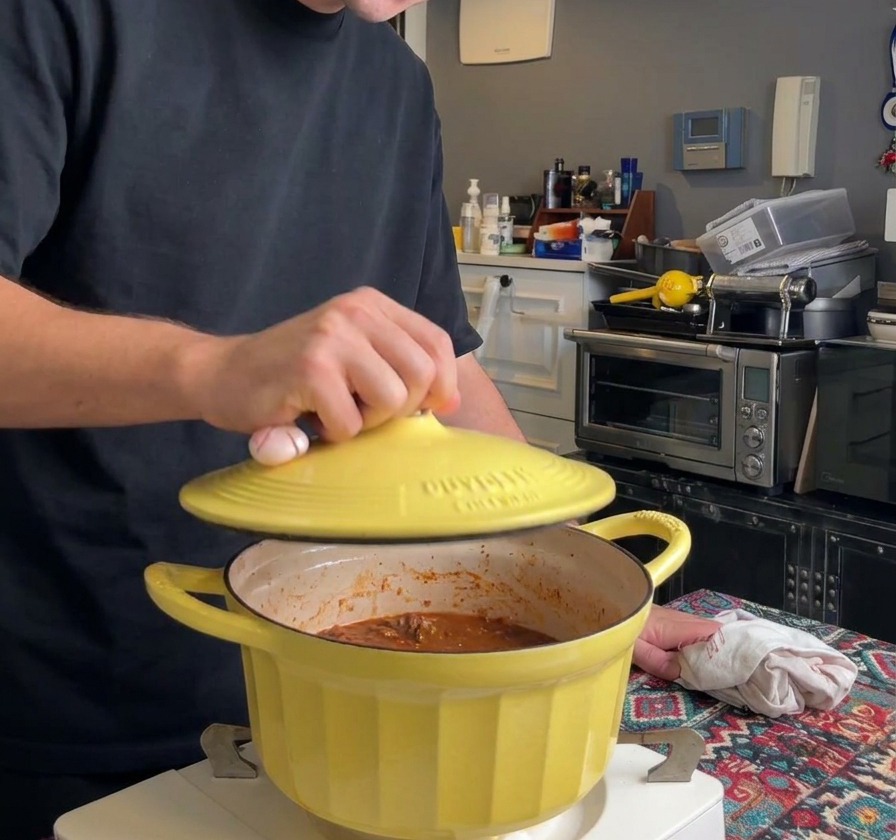
Place the lid on the pot and reduce the heat to its lowest setting. Allow the sauce to simmer gently for at least two hours so the rich flavors can fully develop and meld.
Tip: If the sauce becomes too dry during the long simmering process, simply add a splash of broth or water. - 11Season with salt
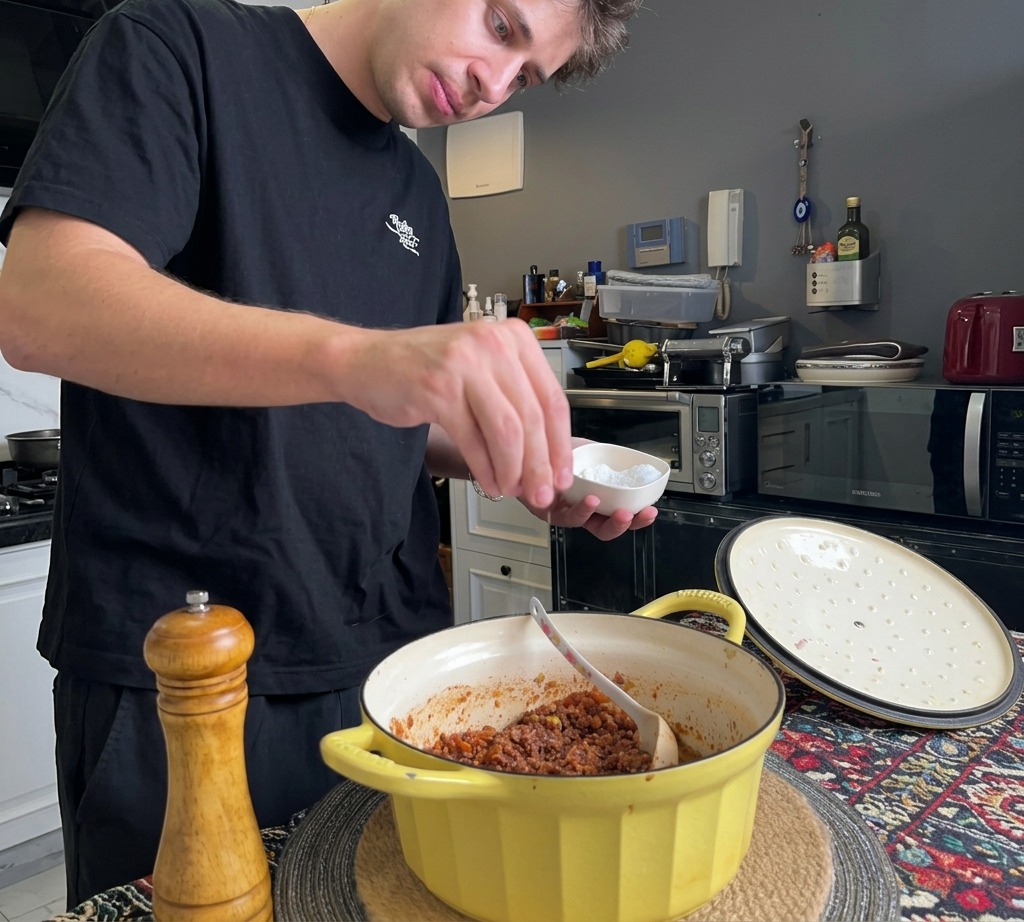
Once the Ragù has simmered for at least two hours and reached a thick, rich consistency, begin the final seasoning. Sprinkle in white salt gradually, tasting as you go to ensure the flavors are perfectly balanced. Since the sauce has reduced significantly, it is crucial to wait until this late stage to avoid over-salting.
Tip: Always season at the very end of the long simmering process because the saltiness concentrates as the liquid evaporates. - 12Add fresh black pepper
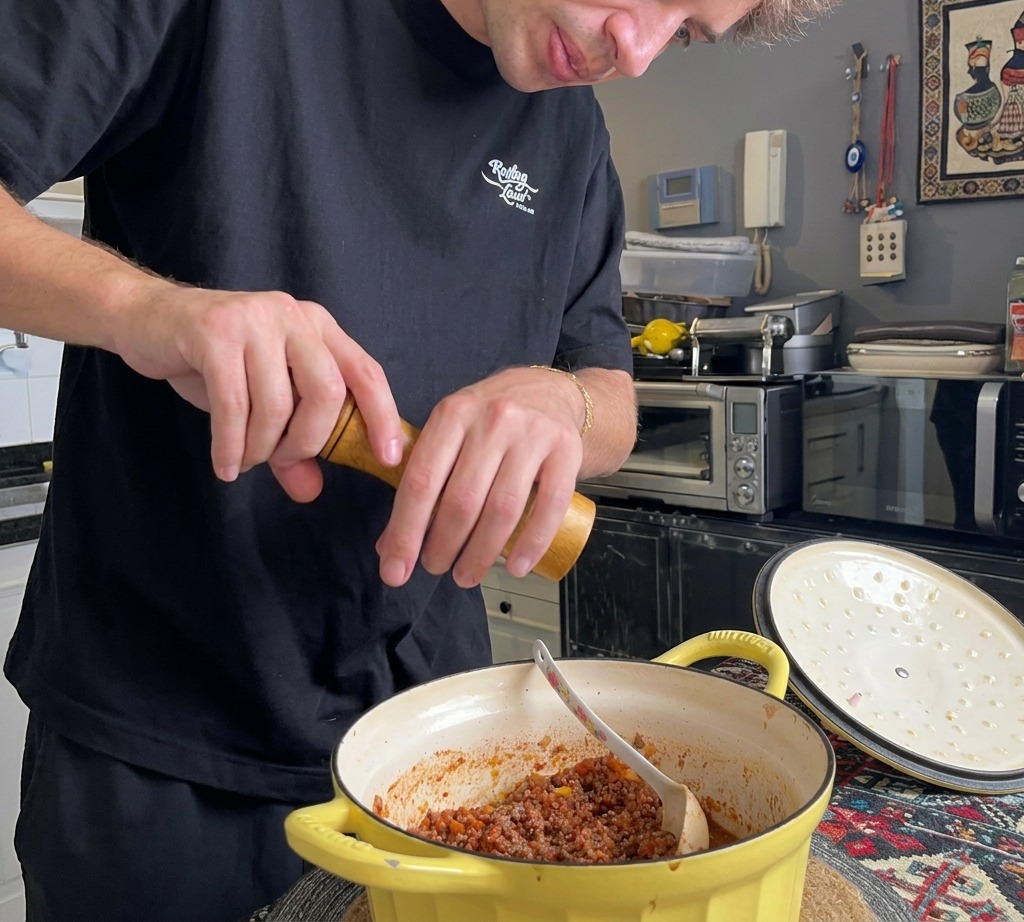
Complete the seasoning by grinding fresh black pepper directly into the finished sauce. The freshly ground pepper provides a bright, aromatic heat that complements the deep, savory notes of the slow-cooked meat and vegetables. Stir the sauce one last time to incorporate the seasonings before serving.
Tip: Using a pepper mill ensures you get the most flavorful essential oils from the peppercorns compared to pre-ground pepper.