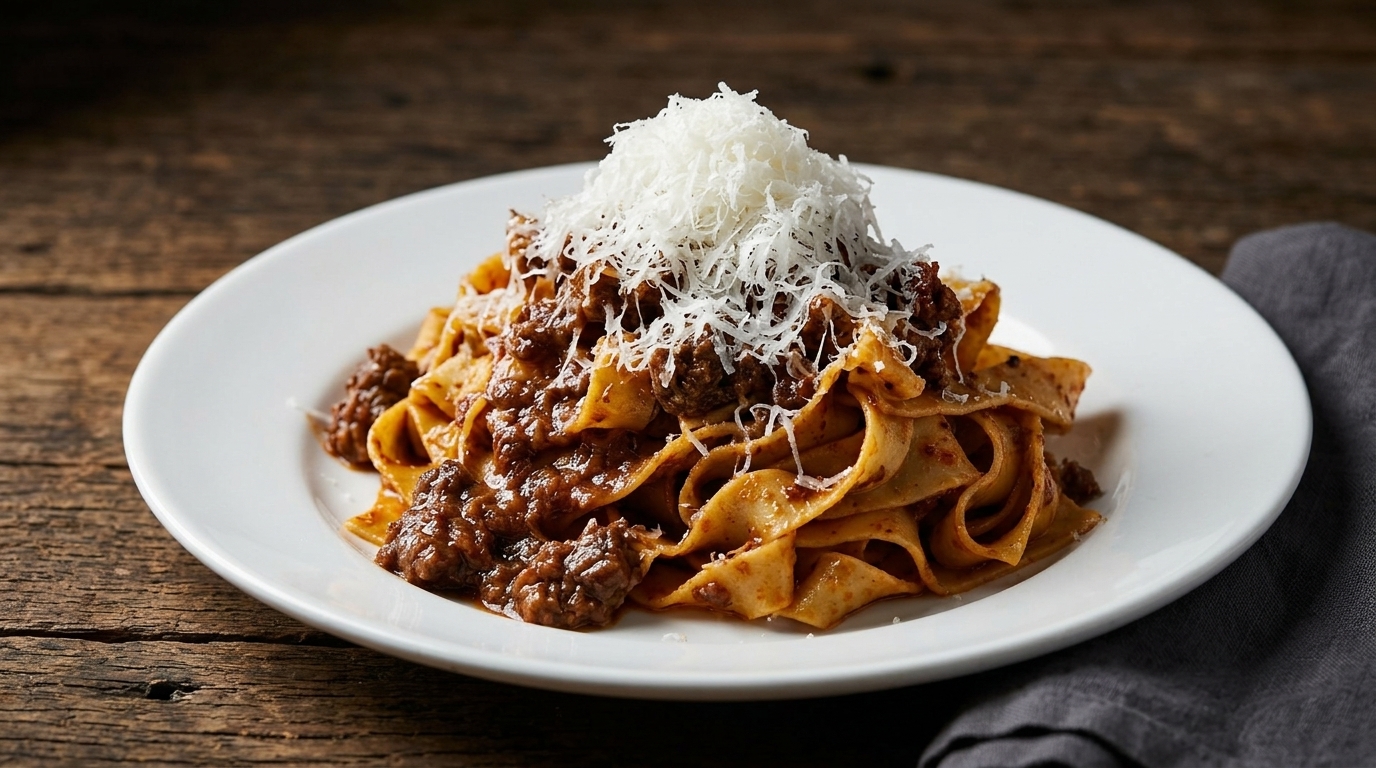
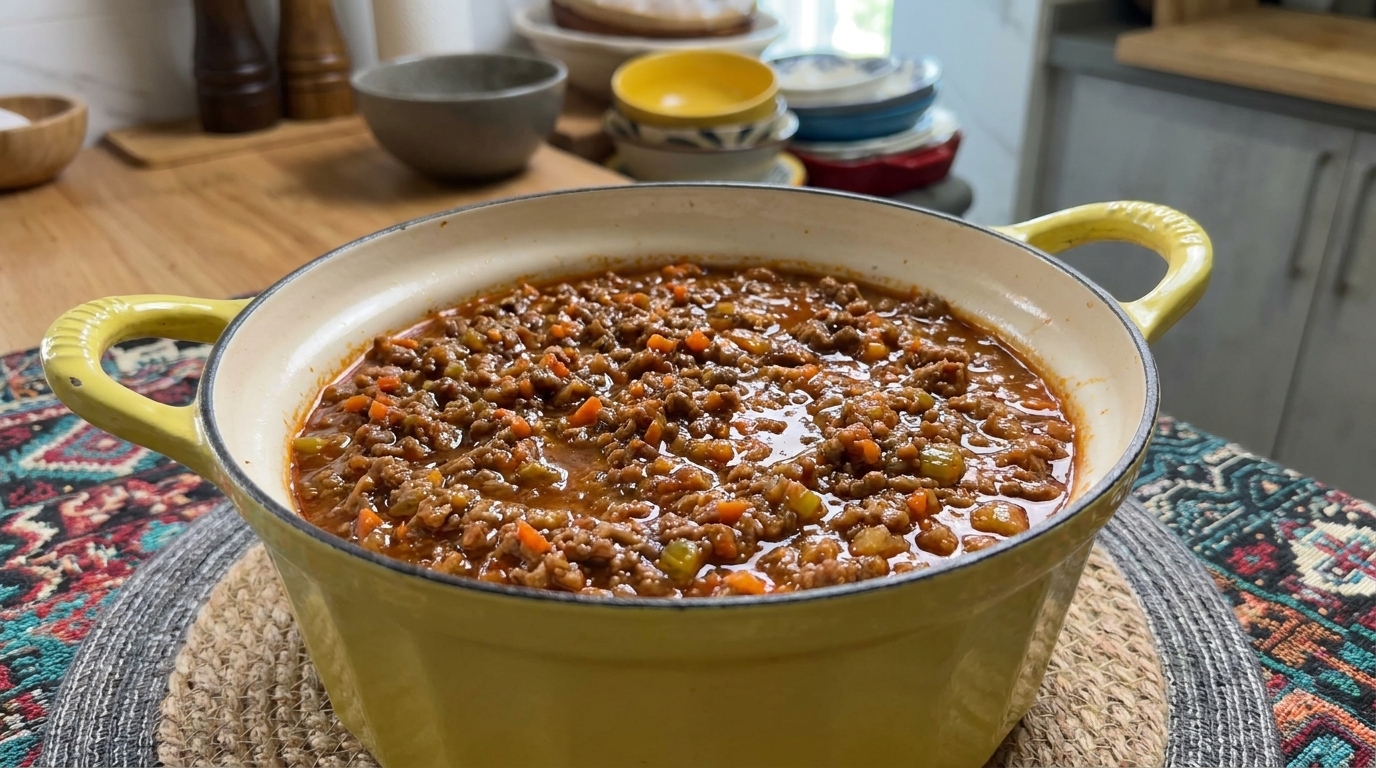
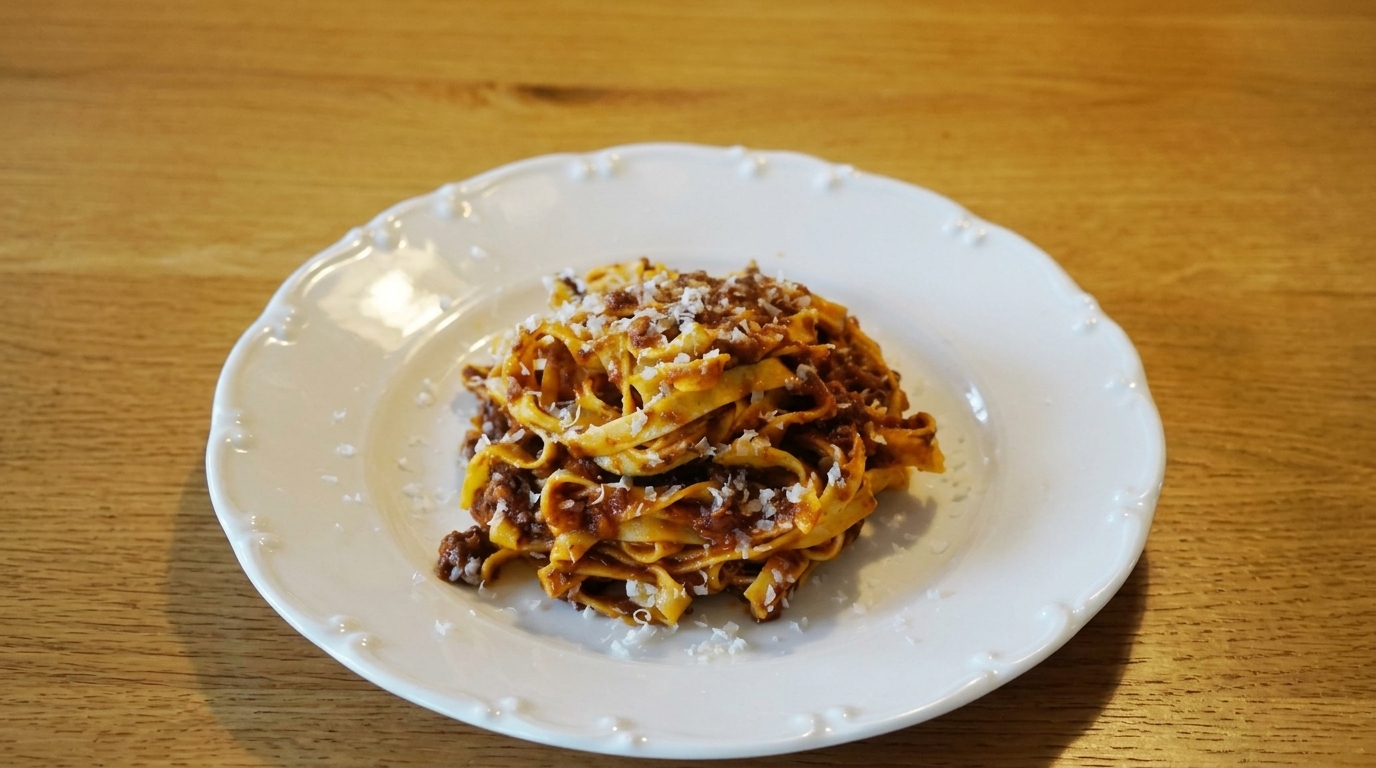
Authentic Pasta alla Genovese (Neapolitan Slow-Cooked Onion Ragù)
A legendary Neapolitan sauce where a mountain of onions slowly dissolves into a sweet, dark, umami-rich jam alongside melt-in-your-mouth beef.
Despite its name, Pasta alla Genovese is a foundational dish of Naples, not Genoa. This recipe relies on an incredible ratio of onions—typically three times the weight of the meat—which are simmered for five hours until they transform from a pile of vegetables into a silky, mahogany-colored sauce. It is a masterclass in patience and the magic of slow caramelization.
Ingredients
- 400 g beef brisket or chuck
- 1.2 kg onions (red or white)
- 1 carrot
- 1 celery stalk
- 100 ml dry red wine
- 400 g Casarecce pasta
- 2 tbsp olive oil
- to taste salt and pepper
- to taste grated Parmesan cheese
Instructions
- 1Prepare the celery
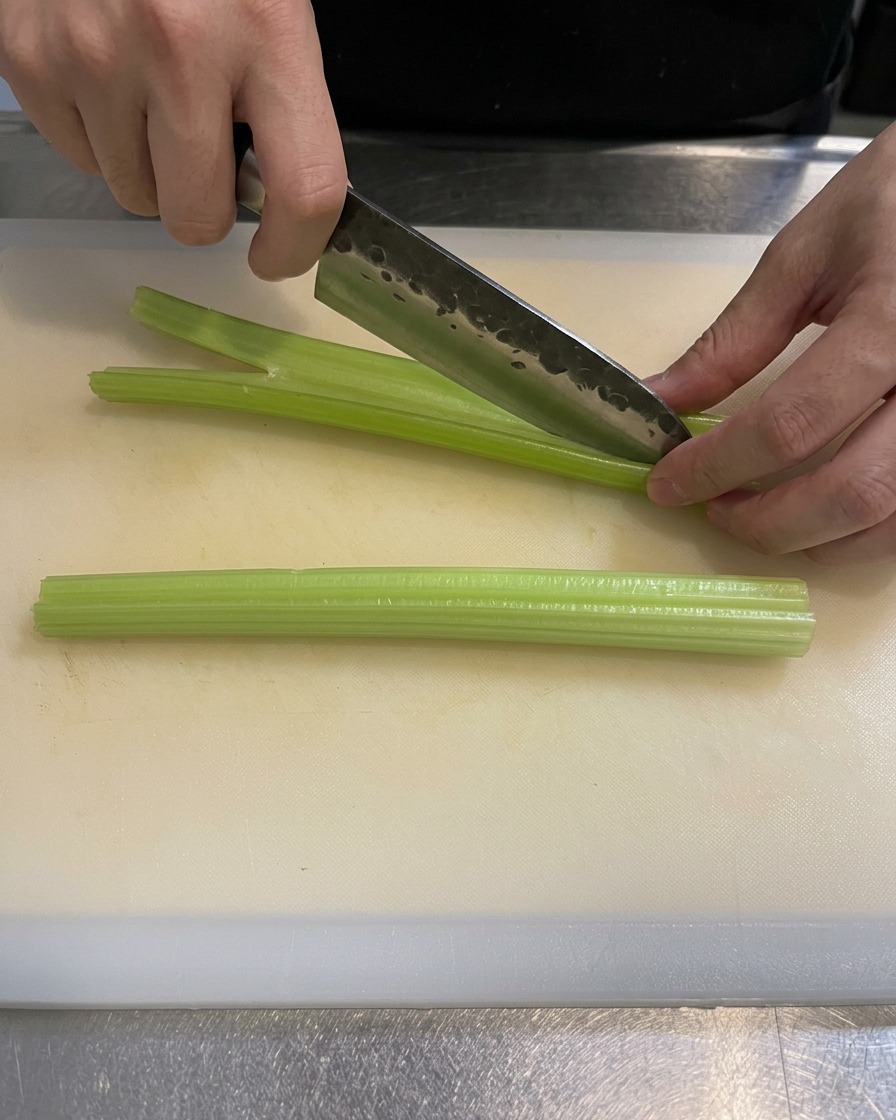
Begin by preparing the aromatic base for the Genovese sauce. Wash the celery stalks thoroughly and slice them into small, uniform pieces. These vegetables will slowly break down during the long cooking process, adding essential depth and savory notes to the final dish.
Tip: Trim away any tough or fibrous outer strings from the celery before slicing to ensure a smoother texture in the finished sauce. - 2Dice the carrot
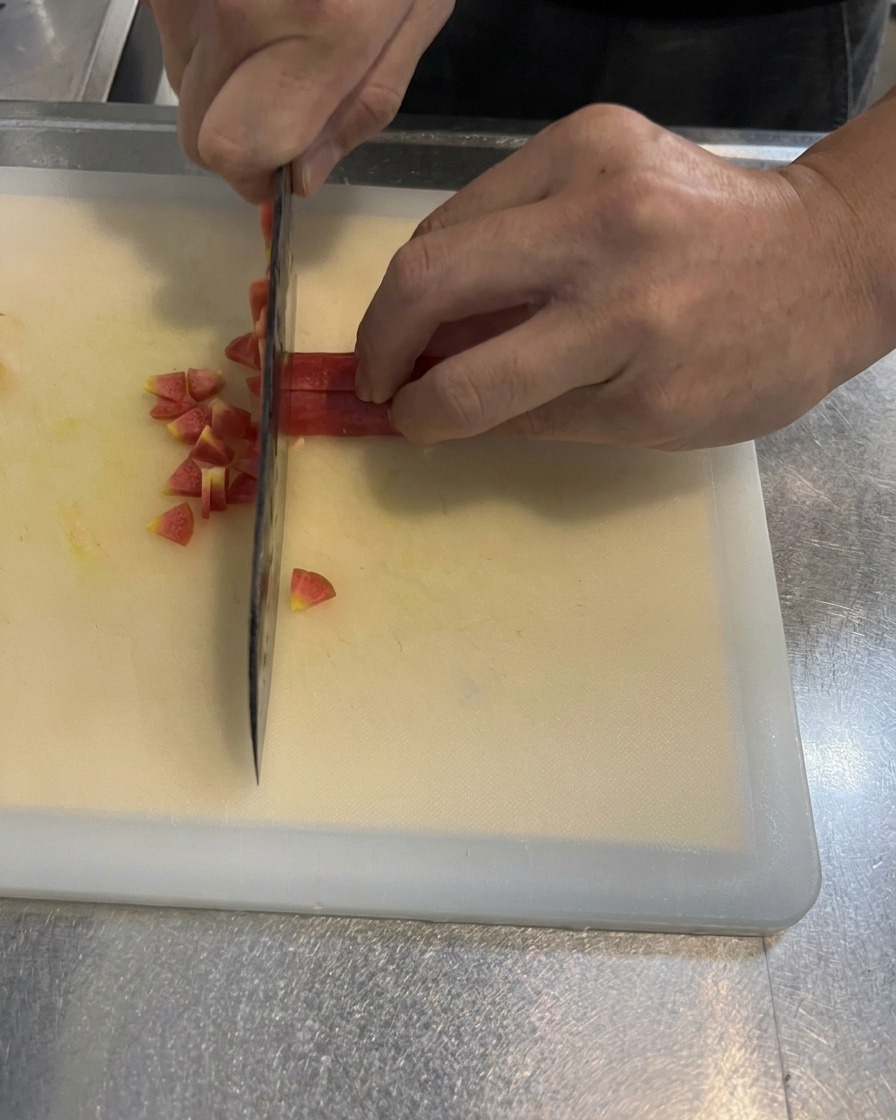
Peel the carrot and dice it into small, uniform cubes. Along with the celery and a large quantity of onions, the carrot provides a subtle sweetness and body as it caramelizes and eventually dissolves into the meat sauce over several hours of simmering.
Tip: Keep the cubes small and consistent in size so they soften and integrate into the sauce at the same rate as the other aromatics. - 3Slice the red onions
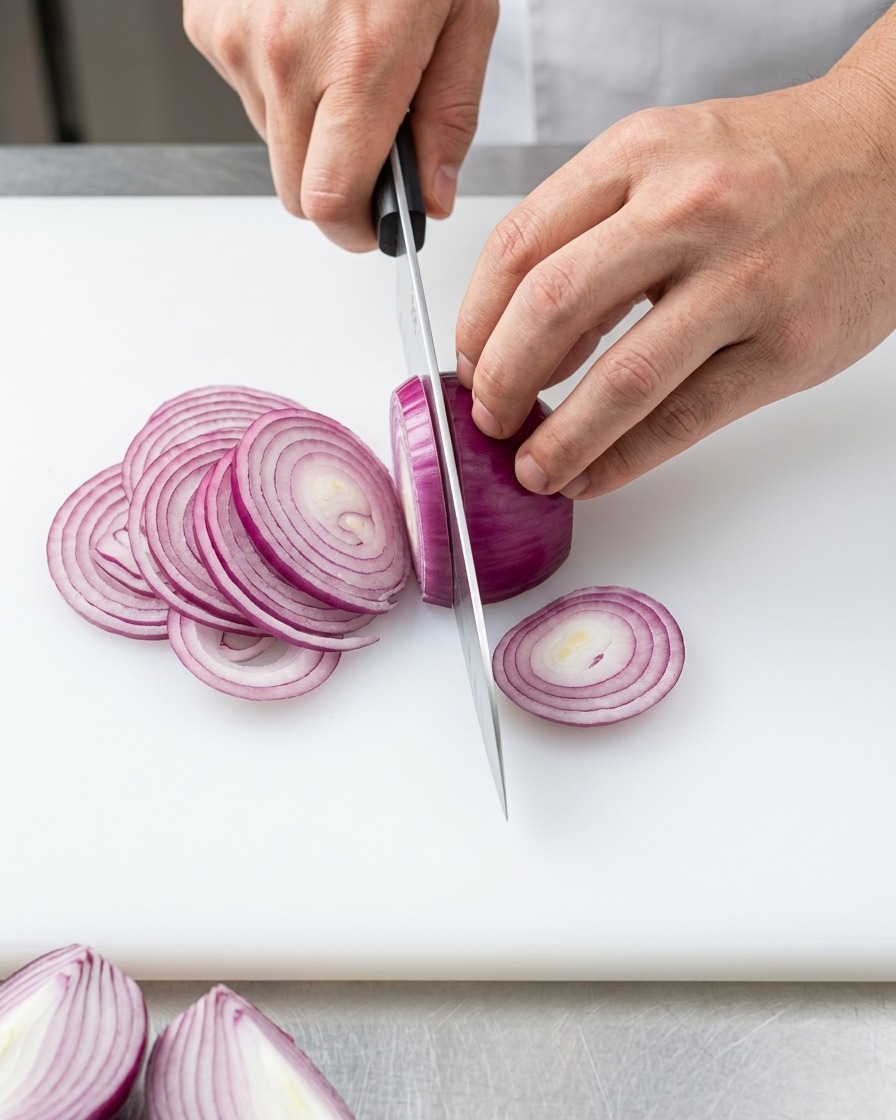
Peel the red onions and slice them into thin vertical strips. For an authentic Pasta alla Genovese, you will need a massive amount of onions—roughly three times the weight of the meat—as they are the primary ingredient that transforms into a rich, jammy sauce.
Tip: Using a very sharp knife helps produce cleaner, thinner slices and reduces the release of the gases that cause eye irritation. - 4Cube the beef brisket
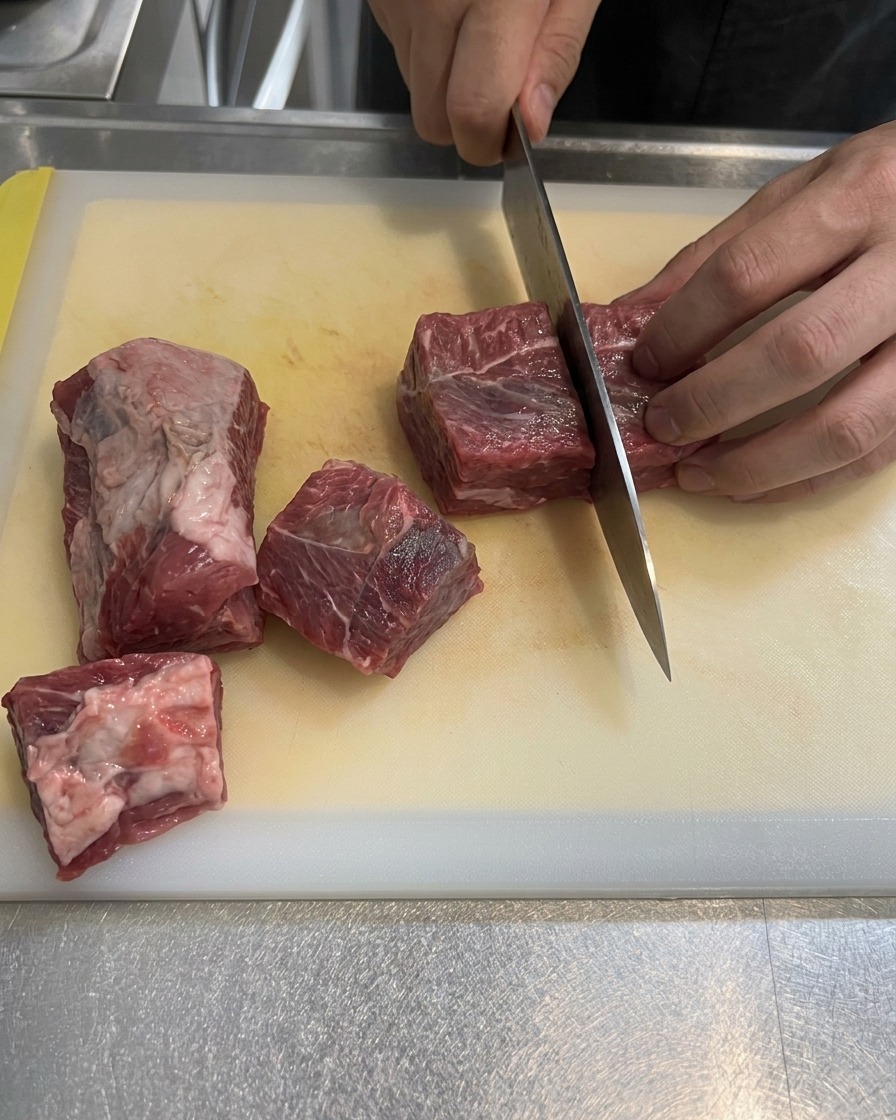
Cut the raw beef brisket into large, thick cubes. Brisket is an ideal cut for slow-cooking because its high connective tissue breaks down into a tender, succulent texture that pairs perfectly with the caramelized onion sauce.
Tip: Avoid cutting the meat too small; larger cubes retain more moisture during the long simmer and are easier to shred by hand later. - 5Cold sear the beef
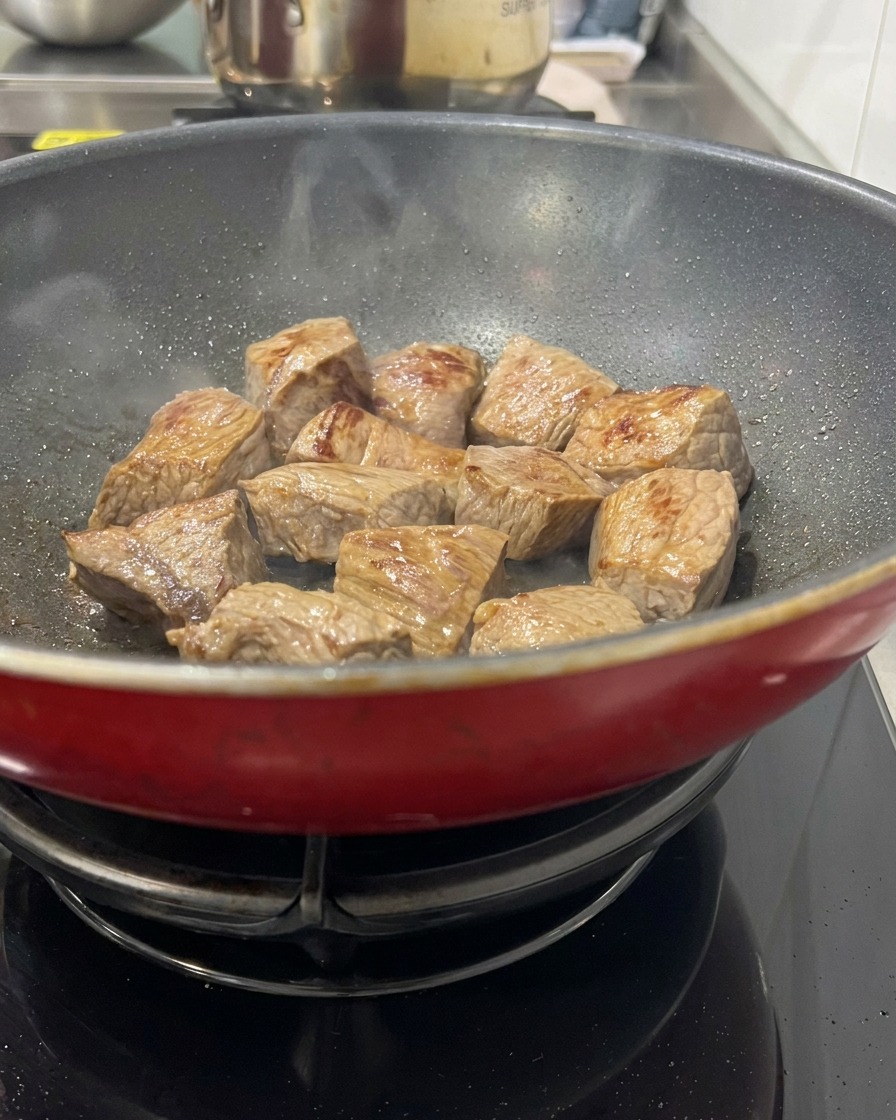
Place the beef cubes into a cold pan and then turn the heat to medium. This cold sear method allows the meat to brown more evenly and provides a forgiving, beautiful color that adds significant depth to the sauce.
Tip: Dont crowd the pan; sear the meat in batches if necessary to ensure the temperature stays high enough to brown the surface rather than steaming it. - 6Sauté the vegetables
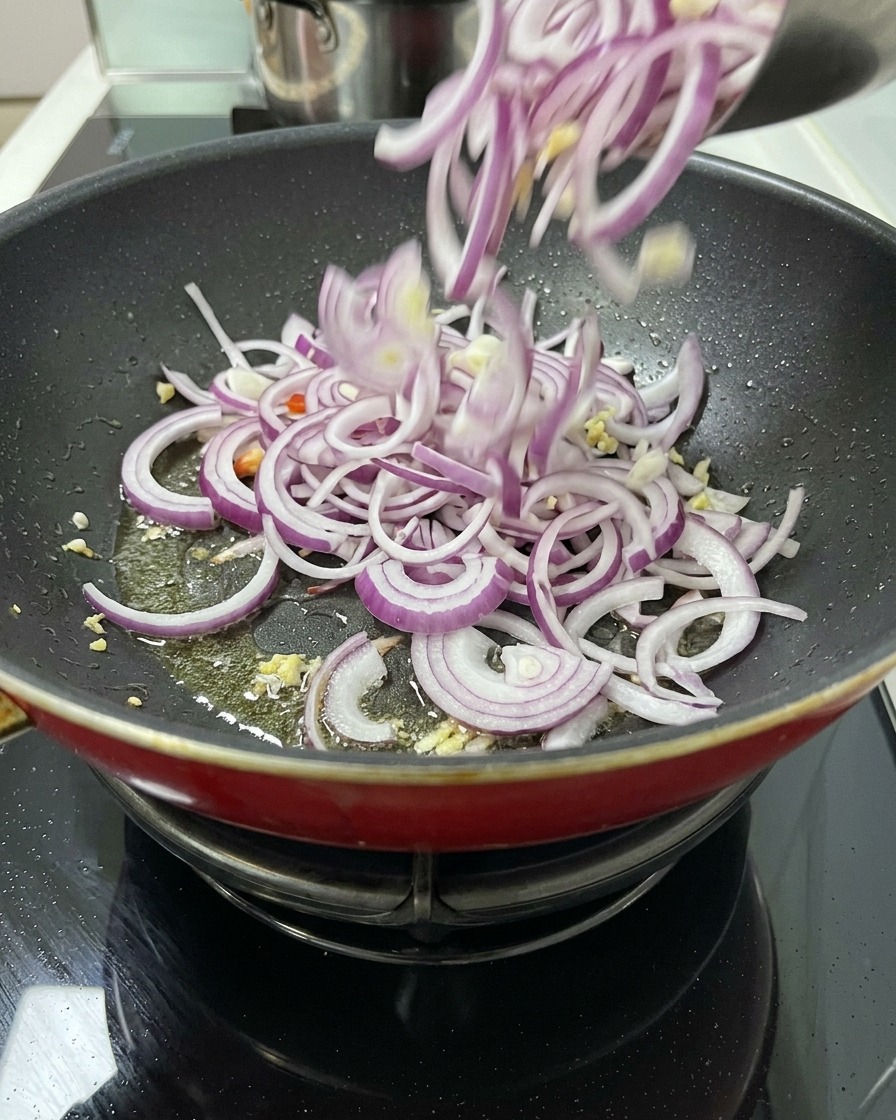
After removing the seared meat, add the massive pile of sliced onions and the diced carrots and celery into the same pan. Sauté over medium-high heat until they soften and shrink. The onions will release their moisture and help deglaze the flavorful browned bits from the beef.
Tip: The onions will look like a lot initially, but they will reduce significantly in volume as they cook down and caramelize. - 7Deglaze with red wine
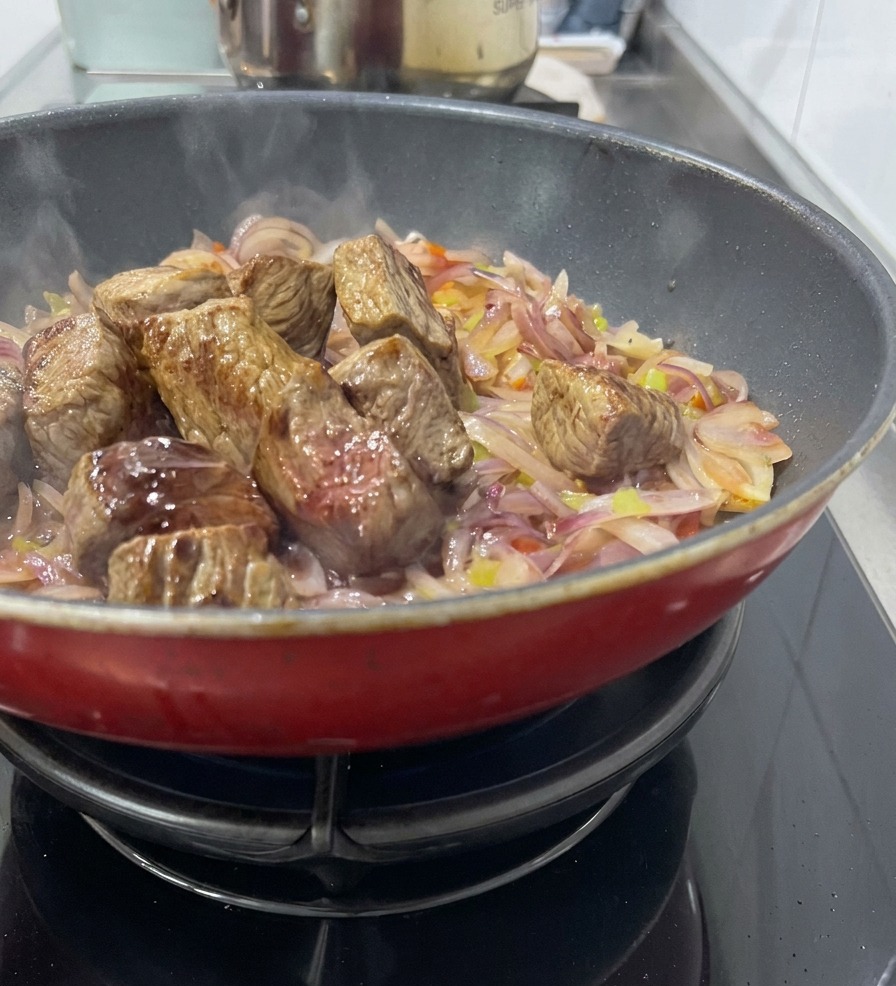
Return the seared beef to the pan with the softened vegetables. Pour in the red wine and stir constantly to lift the browned bits from the bottom. Continue cooking until the sharp aroma of alcohol has dissipated.
Tip: Use a dry red wine to complement the rich beefiness without making the sauce overly sweet from the onions. - 8Deglaze and add water
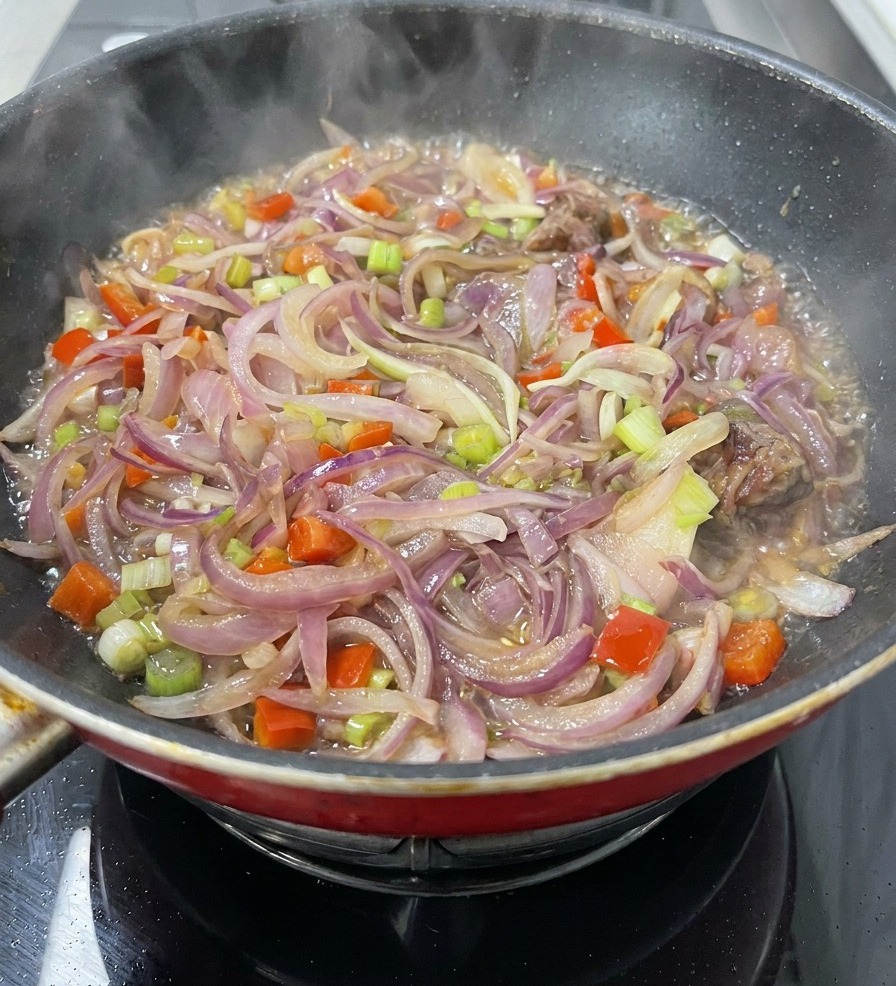
Once the vegetables have softened and the meat is reintroduced with a splash of red wine, add a small amount of water to the pan. This provides the necessary liquid to begin the long simmering process, allowing the onions to break down into a thick, savory sauce.
Tip: Dont over-water; the onions will release a significant amount of liquid as they cook down over the several-hour simmering period. - 9Simmer until jammy
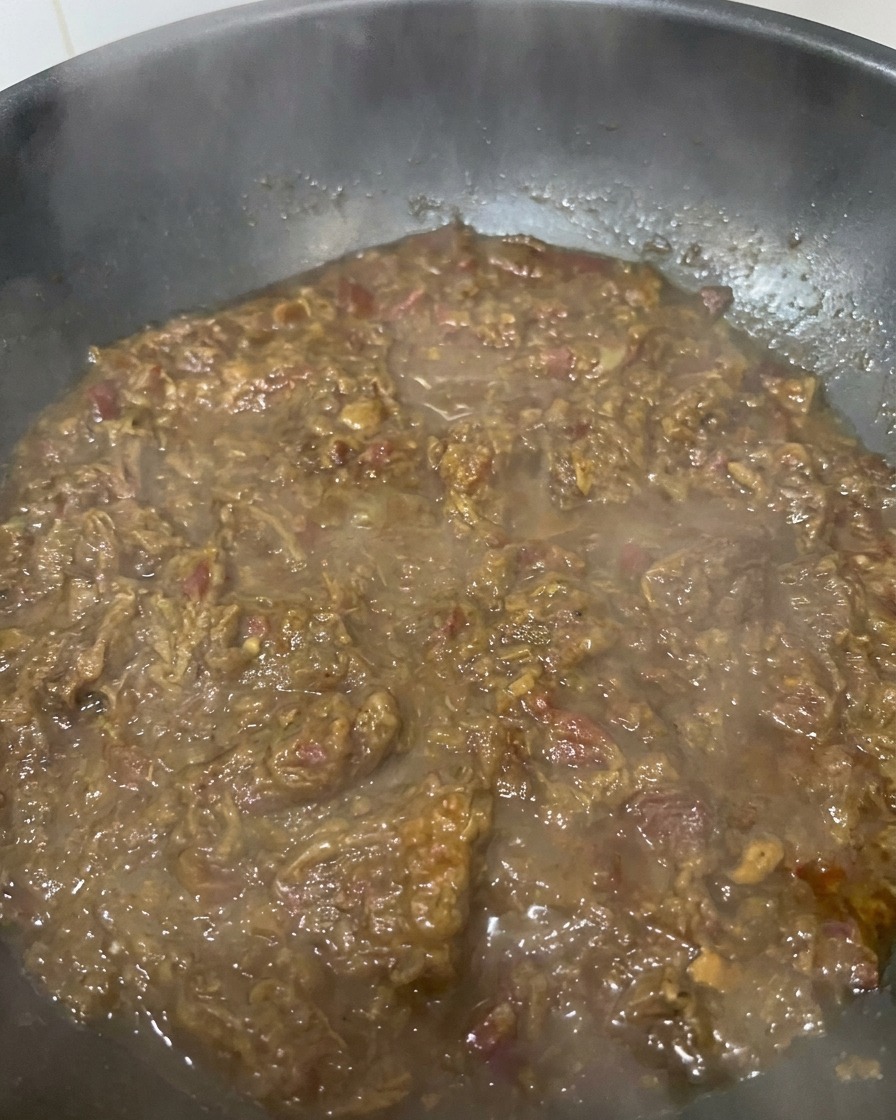
Simmer the mixture over very low heat for approximately 5 hours until the onions have completely dissolved into a mahogany-colored jam. The sauce should be thick, fragrant, and highly concentrated.
Tip: If the sauce thickens too much before the onions are fully dissolved, add a tiny splash of water to keep it from sticking. - 10Shred the tender beef
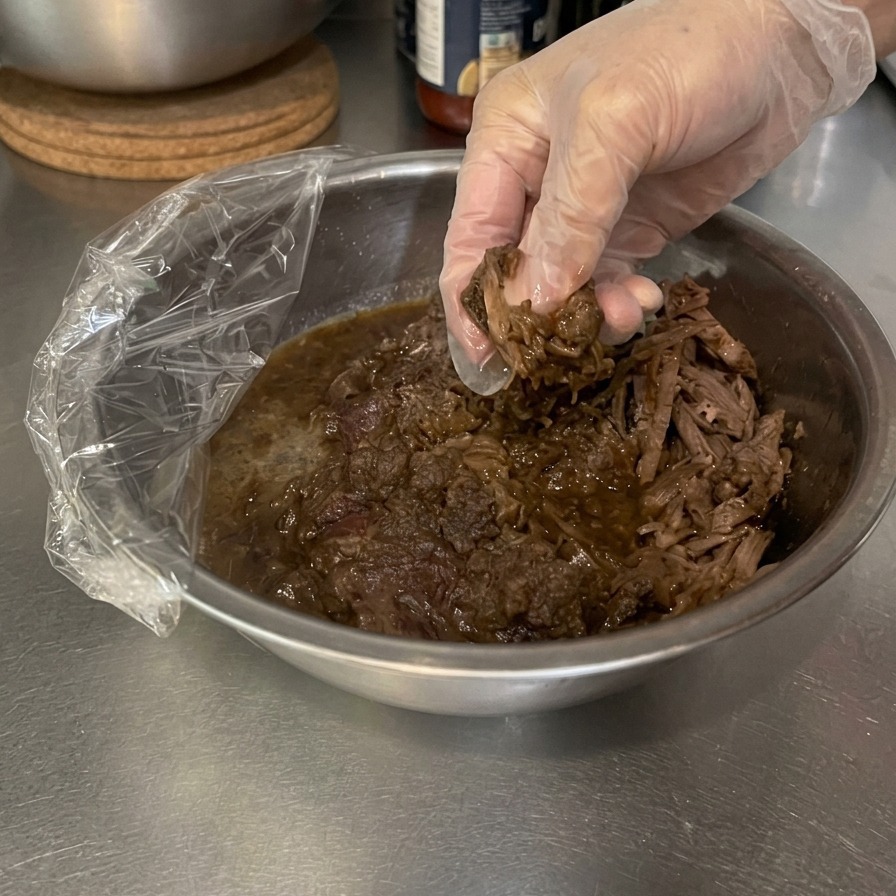
Once the meat is fork-tender and the sauce has cooled slightly, remove the beef and shred it by hand into small strips. This traditional method ensures the meat integrates perfectly with the thick onion sauce.
Tip: Shredding the meat while it is still warm makes the process much faster and easier. - 11Boil the Casarecce
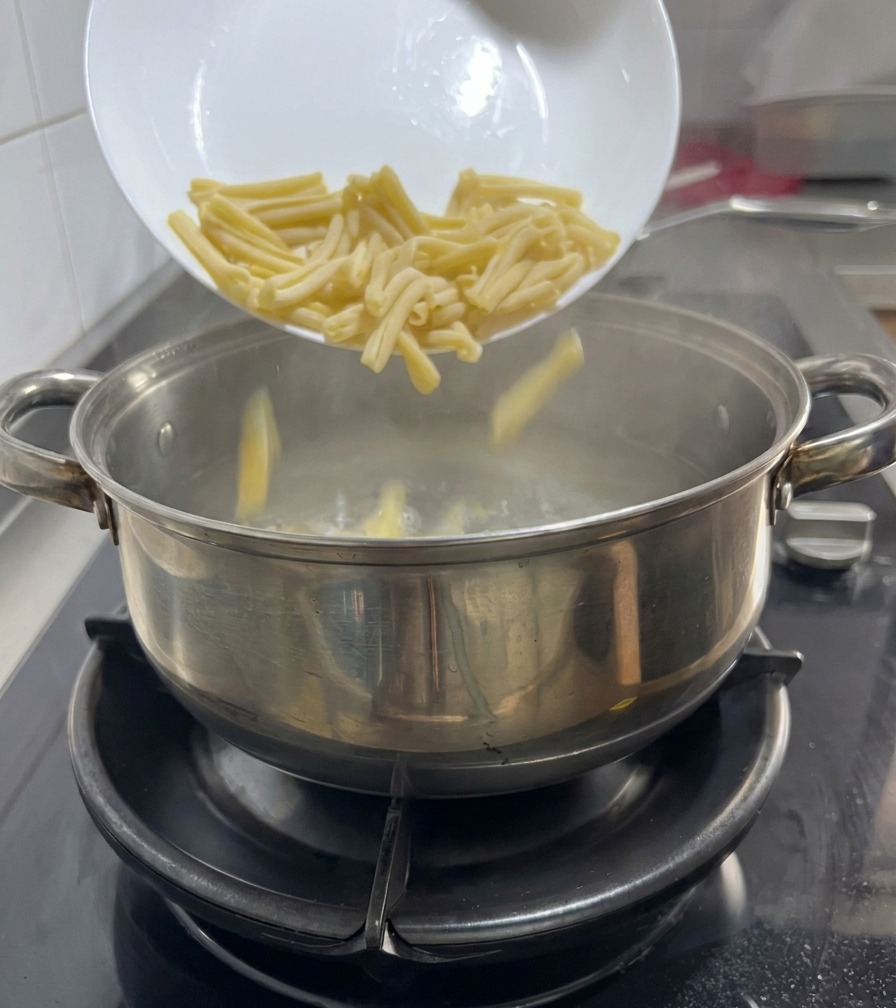
Bring a large pot of salted water to a boil and add the Casarecce pasta. Cook until just al dente, as the pasta will finish cooking and absorbing flavors in the sauce later.
Tip: Reserve a cup of the starchy pasta water before draining; it helps emulsify the sauce and coat the noodles perfectly. - 12Reheat the sauce
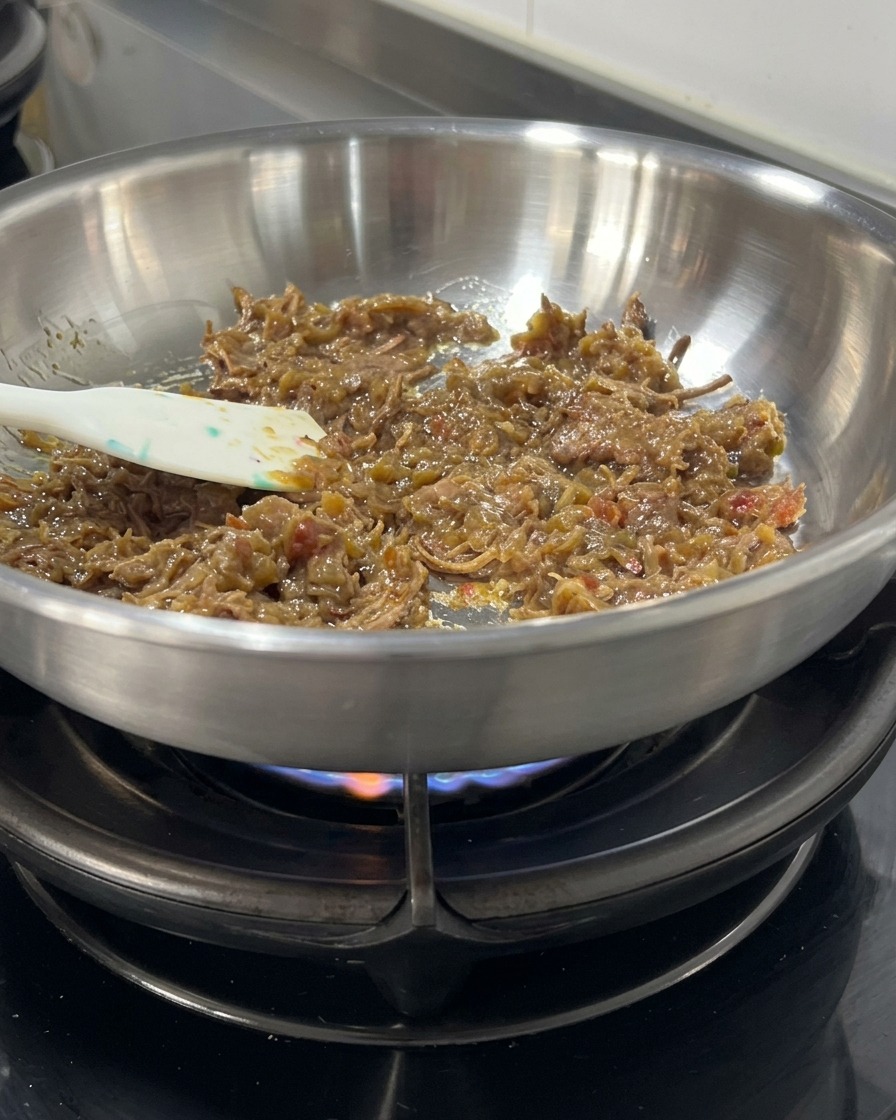
Place the concentrated meat sauce and shredded beef back into a clean skillet with a light drizzle of olive oil. Heat it gently until it begins to steam, preparing it to be tossed with the cooked pasta.
Tip: Keep the heat low during reheating to prevent the sugars in the caramelized onions from burning. - 13Toss the pasta with sauce
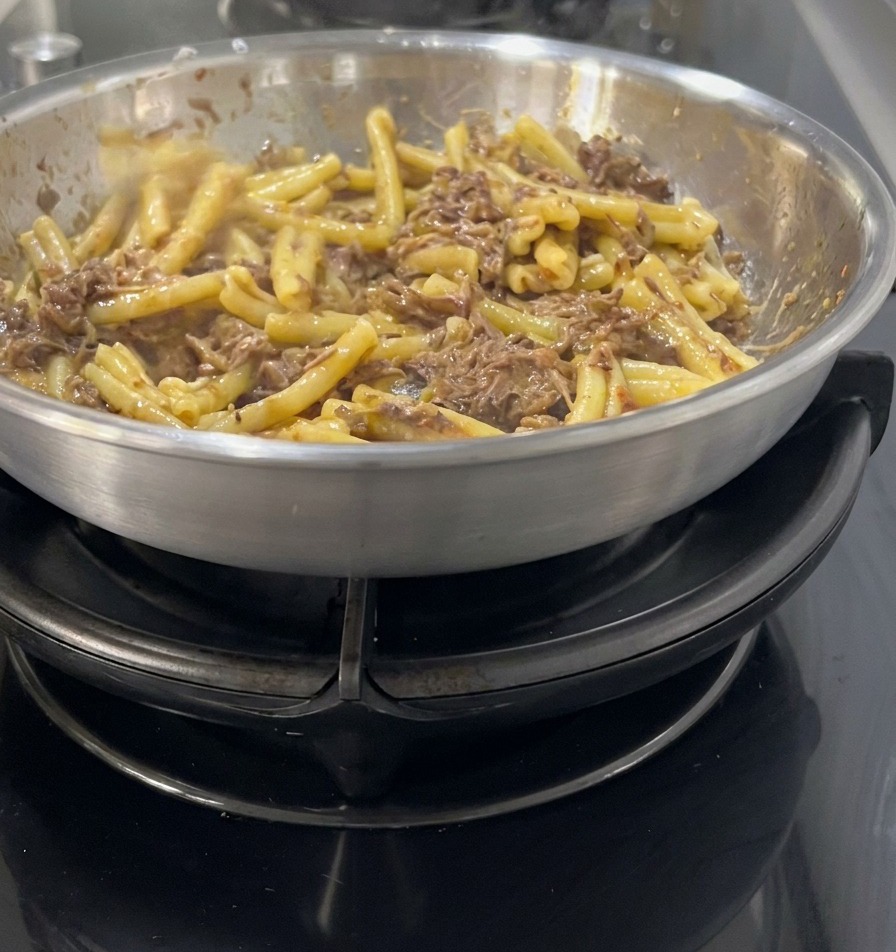
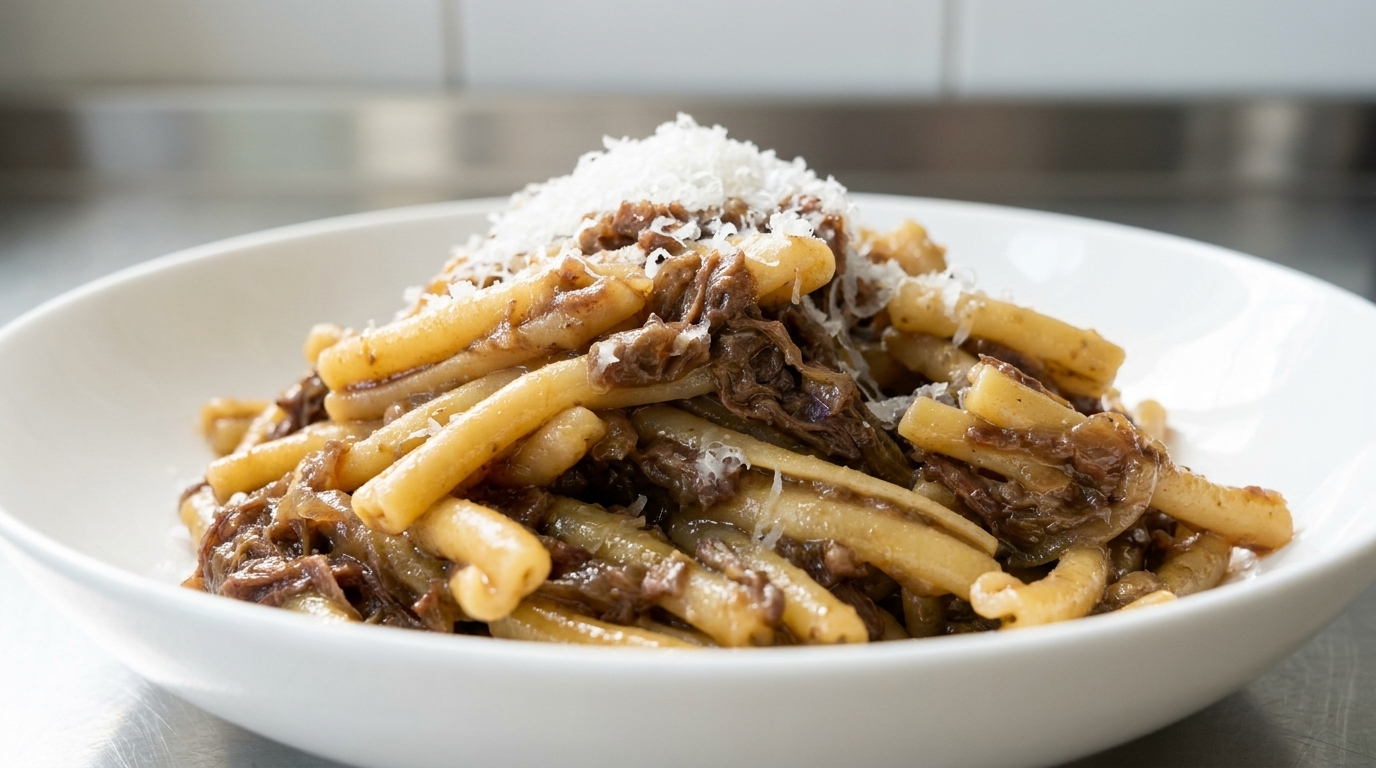
Add the cooked Casarecce pasta to the pan containing the heated Genovese sauce. Incorporate a small amount of starchy pasta water and stir gently over low heat. This process emulsifies the fats and liquids, creating a glossy sauce that clings perfectly to the pasta.
Tip: Casarecce is the ideal pasta shape here because its twisted structure effectively traps the shredded meat and rich onion sauce.