Korean Army Stew (Budae Jjigae)
Rice Cakes
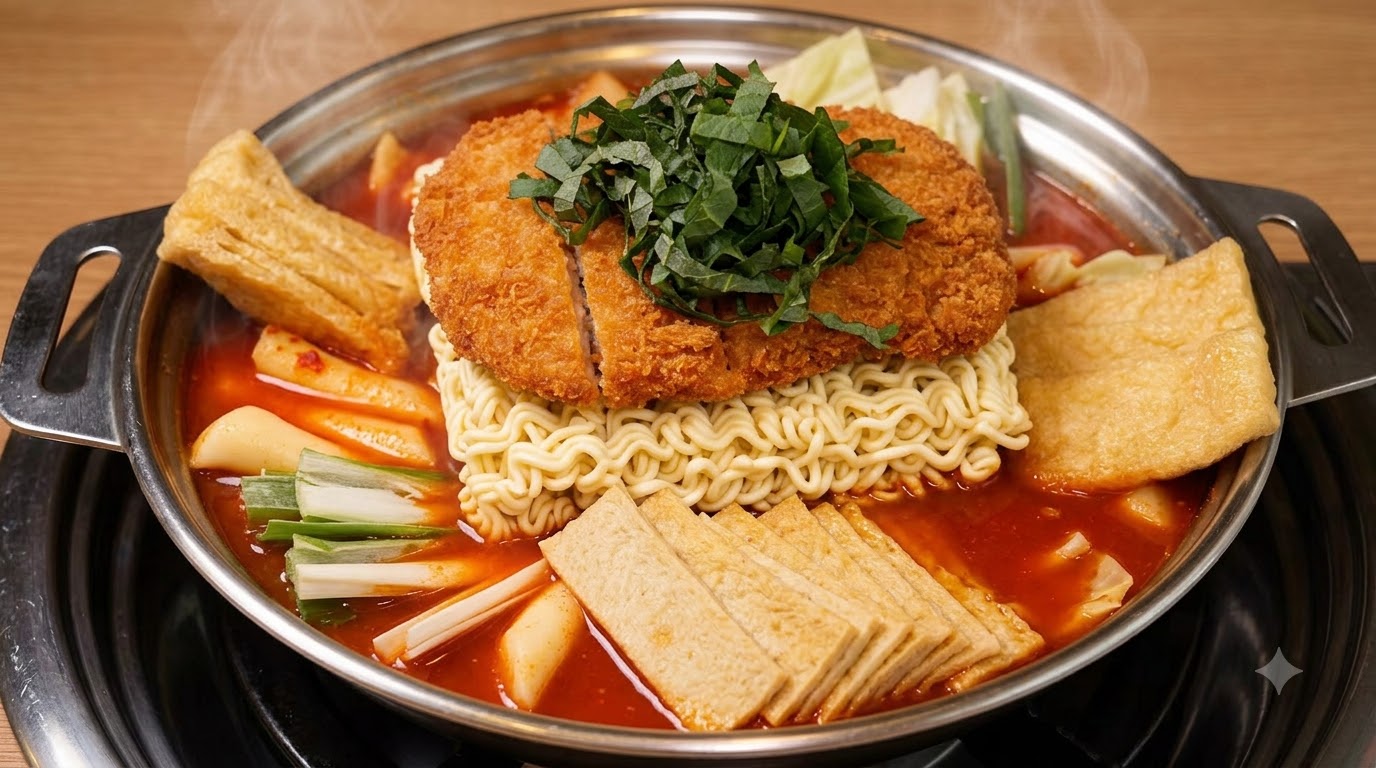
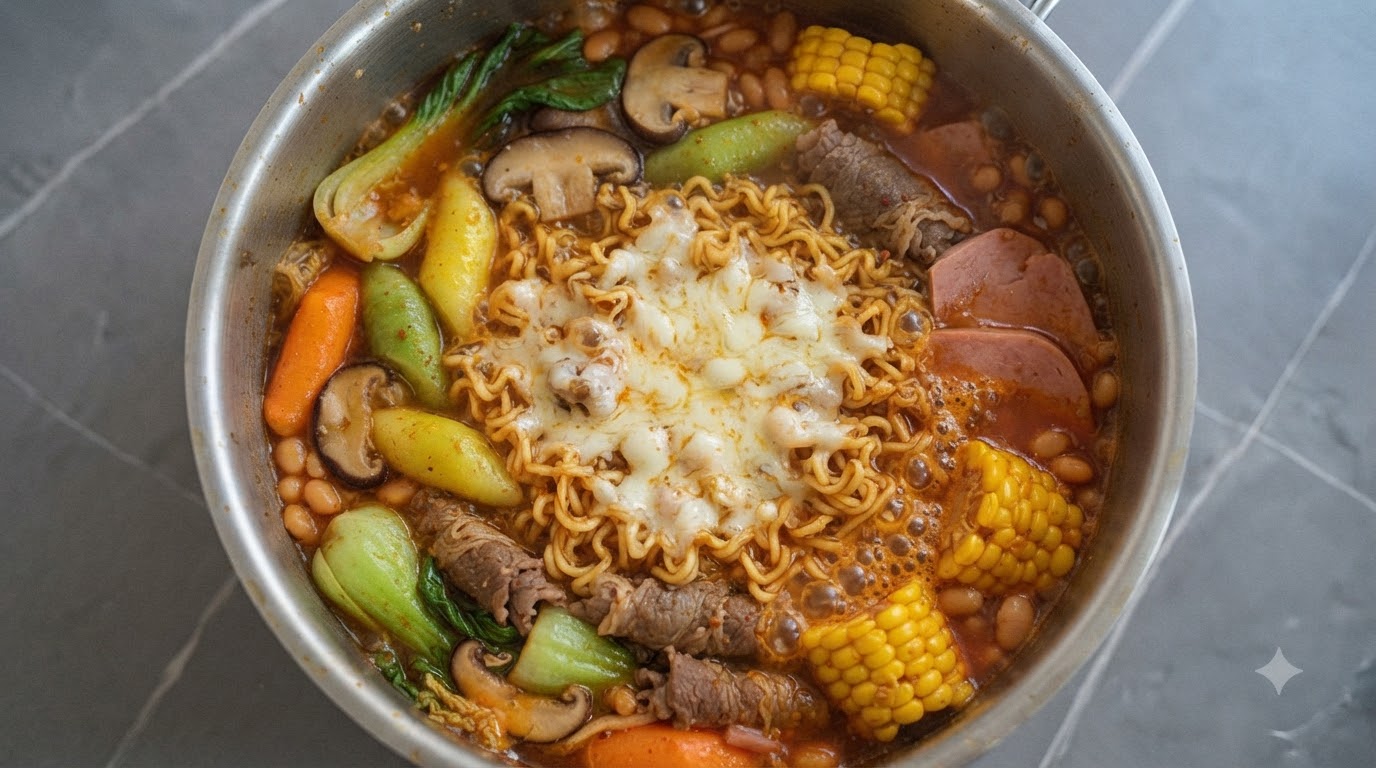
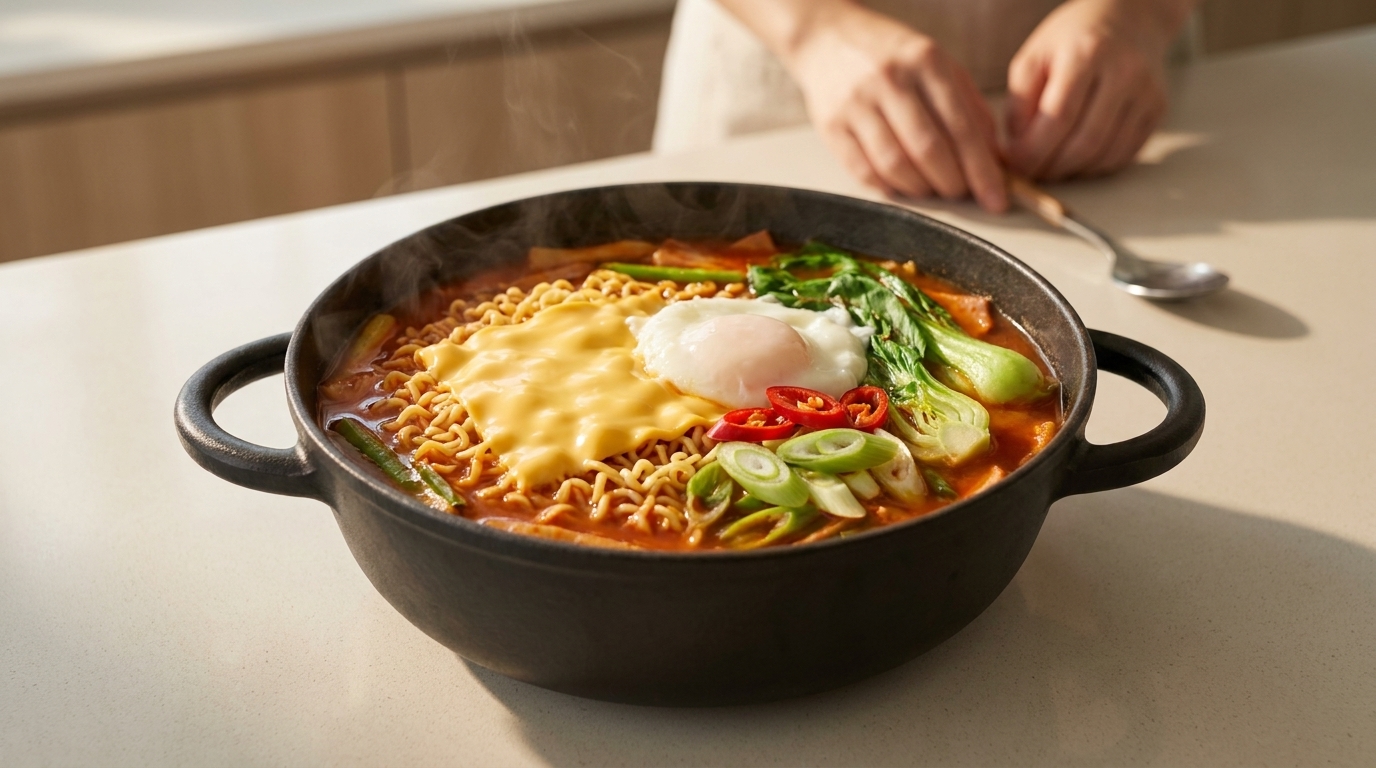
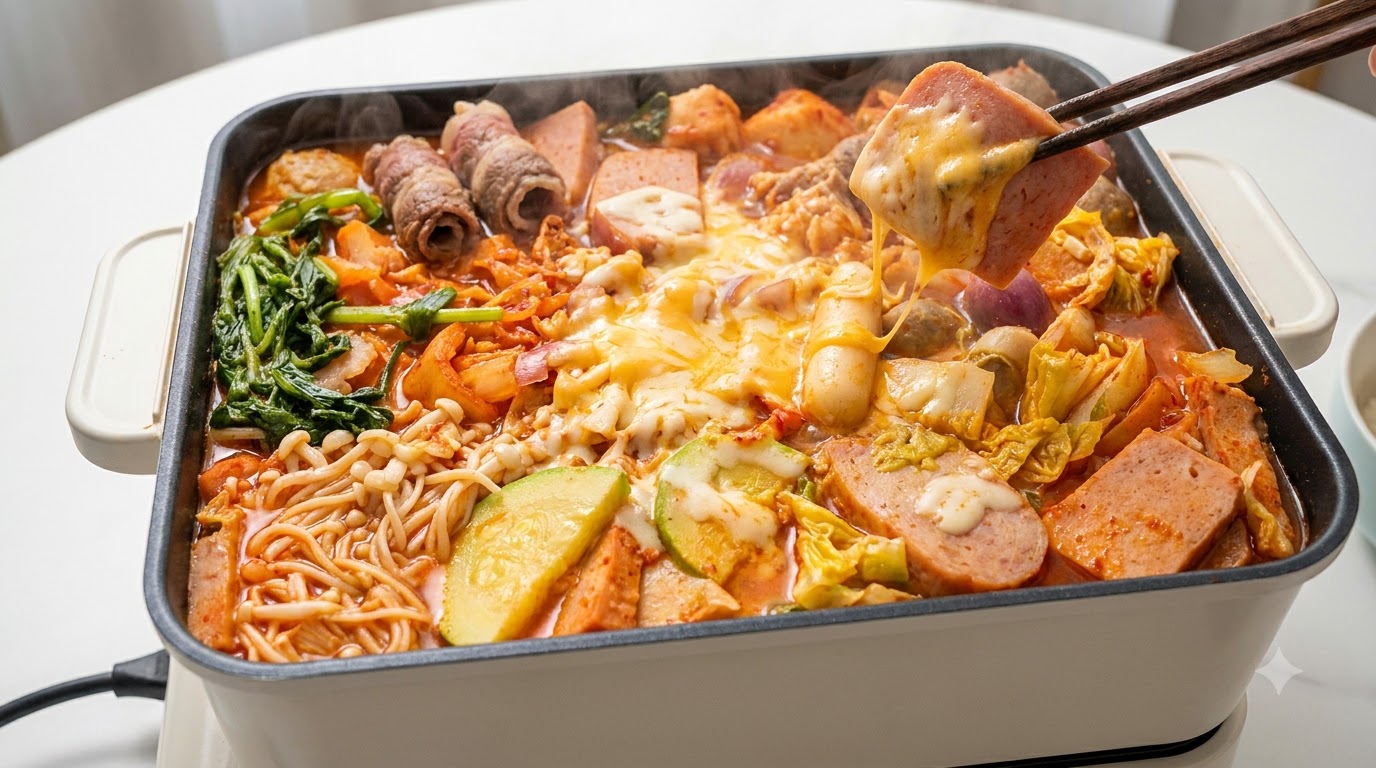
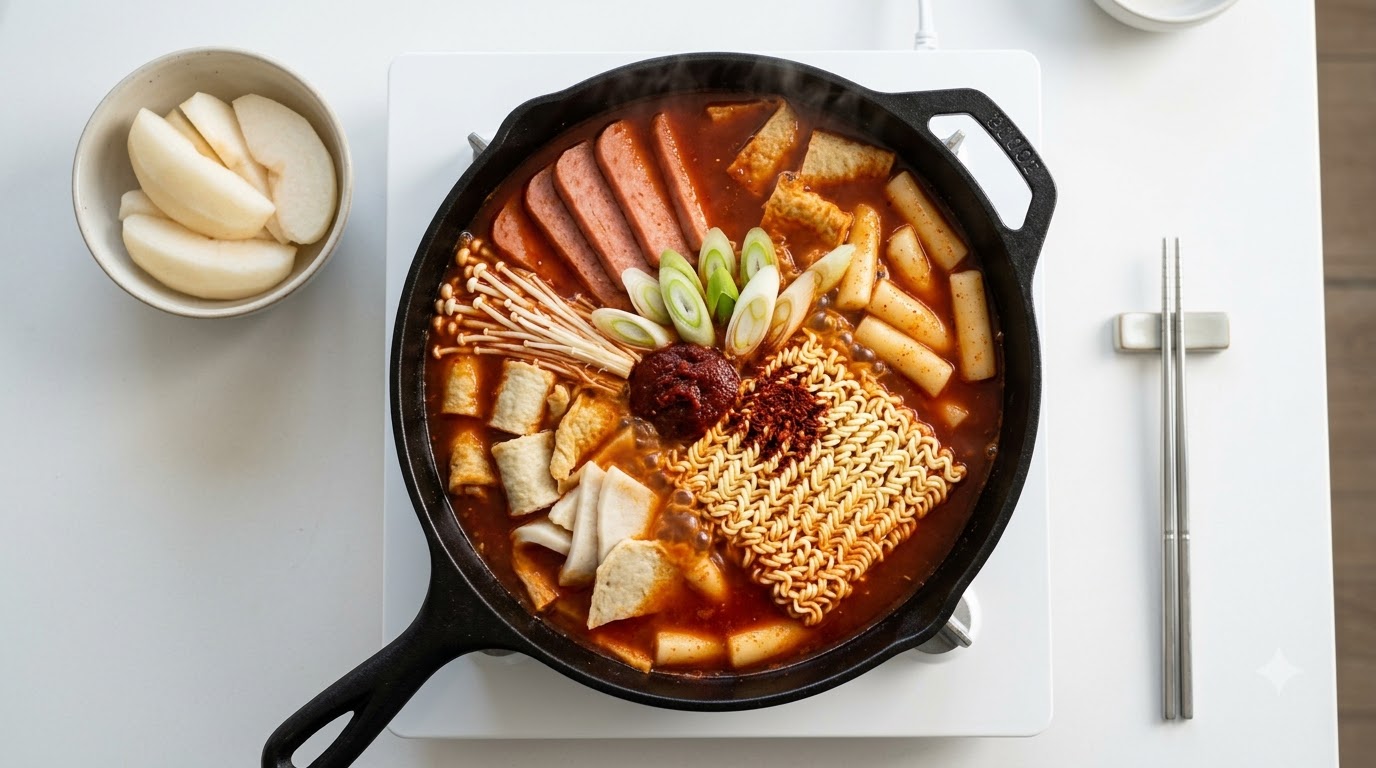
A comforting, spicy, and deeply savory Korean Army Stew featuring luncheon meat, fish cakes, and instant ramen noodles simmering in a vibrant gochujang broth.
Budae Jjigae, or Army Base Stew, is a beautiful testament to Korean culinary ingenuity. Born out of necessity following the Korean War, this beloved dish harmoniously blends American surplus processed meats like luncheon meat with traditional Korean staples such as kimchi, gochujang, and rice cakes. Today, it remains a wildly popular comfort food, meant to be enjoyed bubbling hot in the center of the table with friends and family.
Ingredients
- 200 g luncheon meat (like Spam)
- 2 sheets Korean fish cakes
- 1 cup Korean rice cakes (tteok)
- 1 pack enoki mushrooms
- 2 cups cabbage (or bok choy)
- 1/2 cup aged kimchi
- 1 packet instant ramen noodles (like Shin Ramyun)
- 2 tbsp Korean spicy sauce (gochujang)
- 3 cups water or anchovy broth
Instructions
- 1Cut the fish cakes
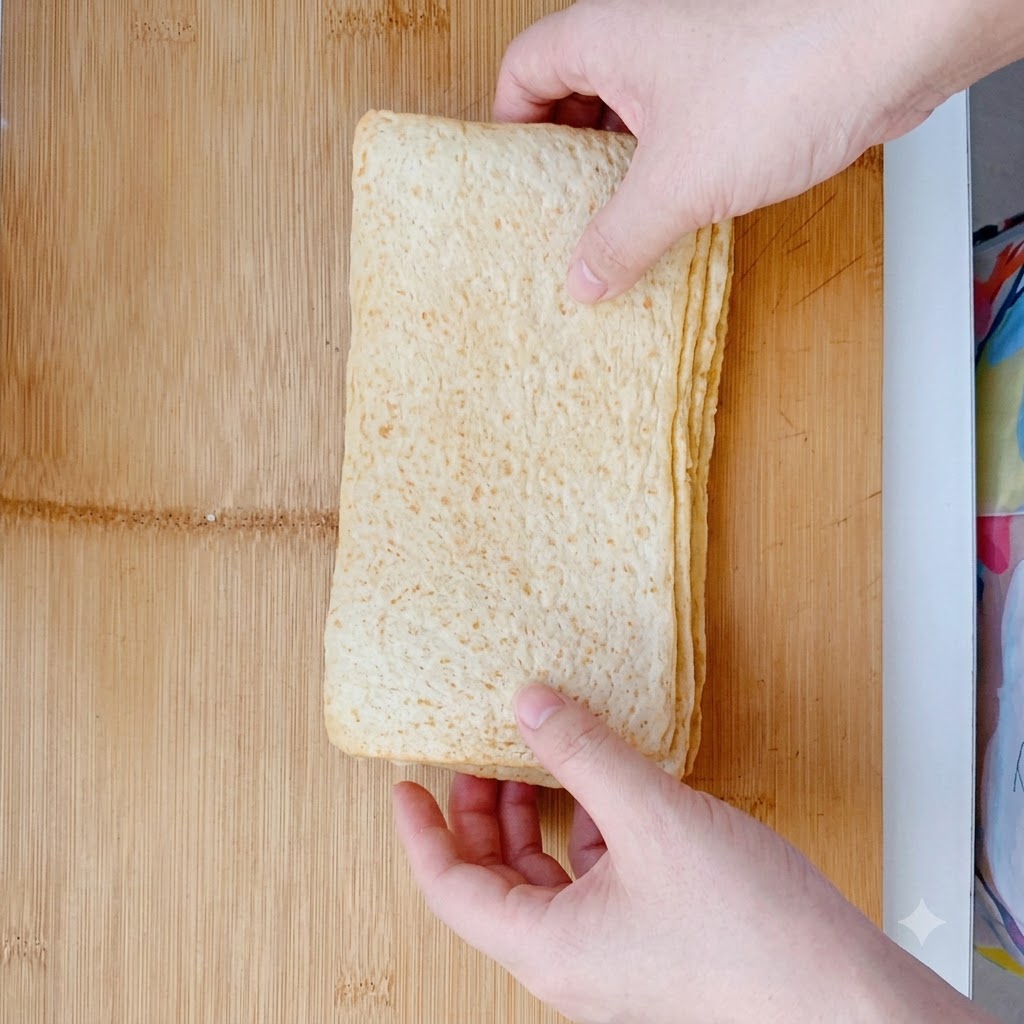
Place the fish cakes on a wooden cutting board and slice them evenly into large rectangular pieces, then set them aside.
Tip: Cut them evenly so they cook at a consistent rate. - 2Chop the cabbage
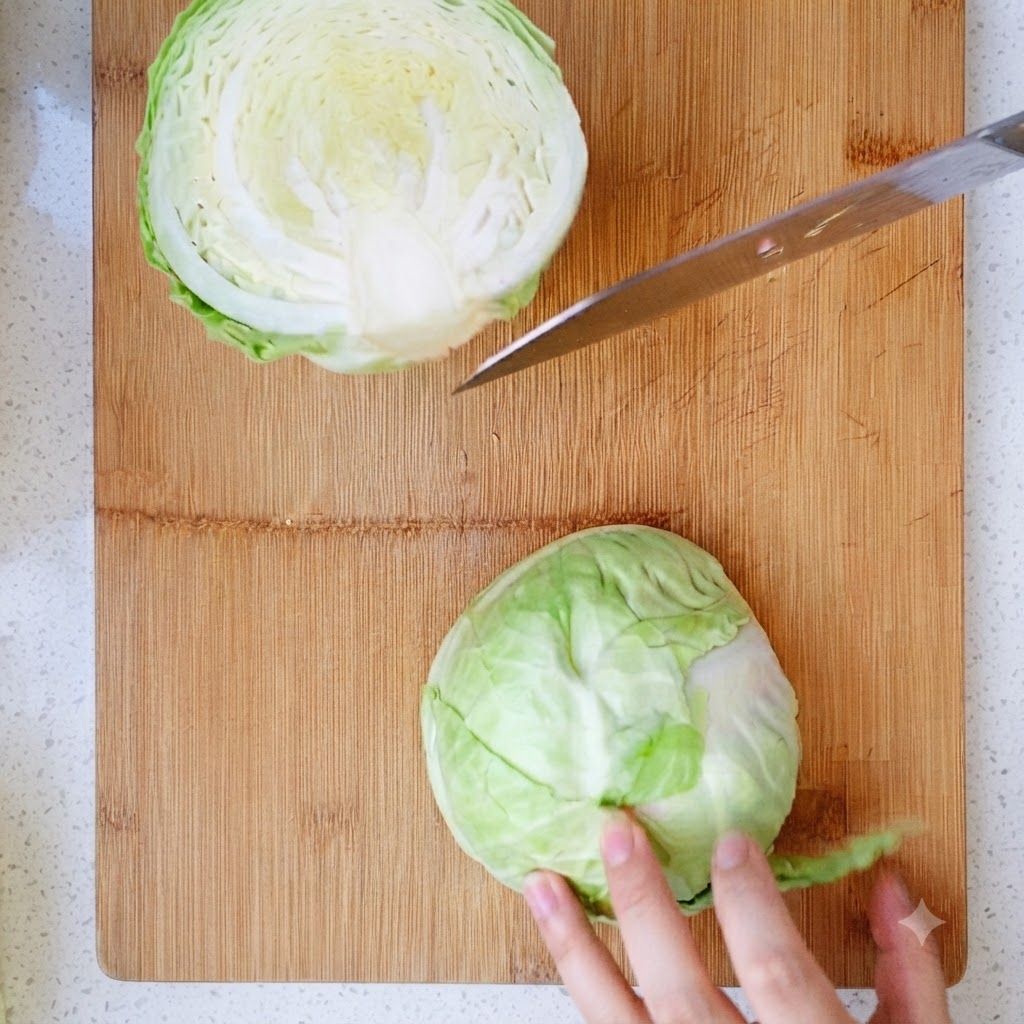
Cut the cabbage into large, uniform chunks on the wooden cutting board and wash them thoroughly. You can easily substitute it with bok choy or other leafy greens if preferred.
Tip: Cut the vegetables into uniform large pieces so they hold their texture well when cooked. - 3Prep the enoki mushrooms
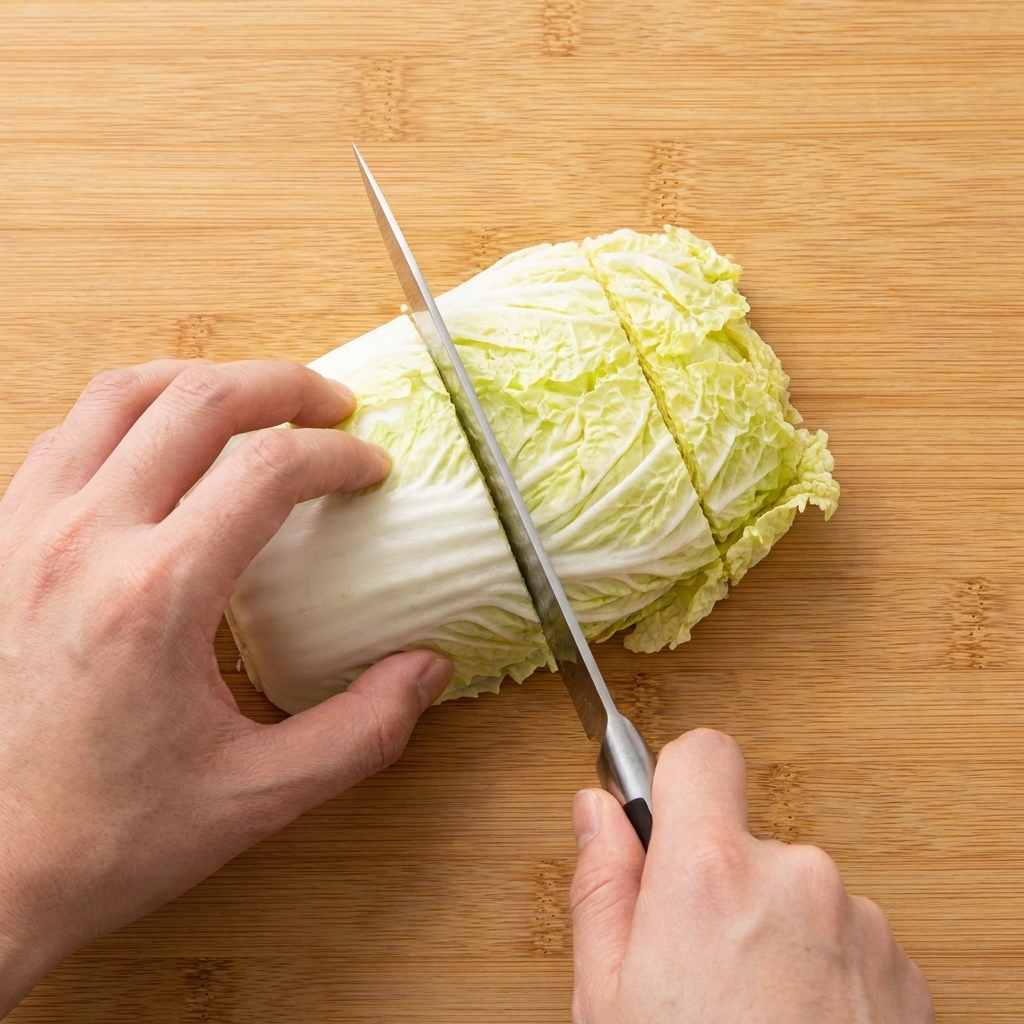
Trim off the root ends of the enoki mushrooms, gently tear them apart into manageable bite-sized clusters by hand, and rinse them well.
Tip: Alternative vegetables like bok choy or mushrooms can also be used if cabbage is unavailable. - 4Slice the luncheon meat
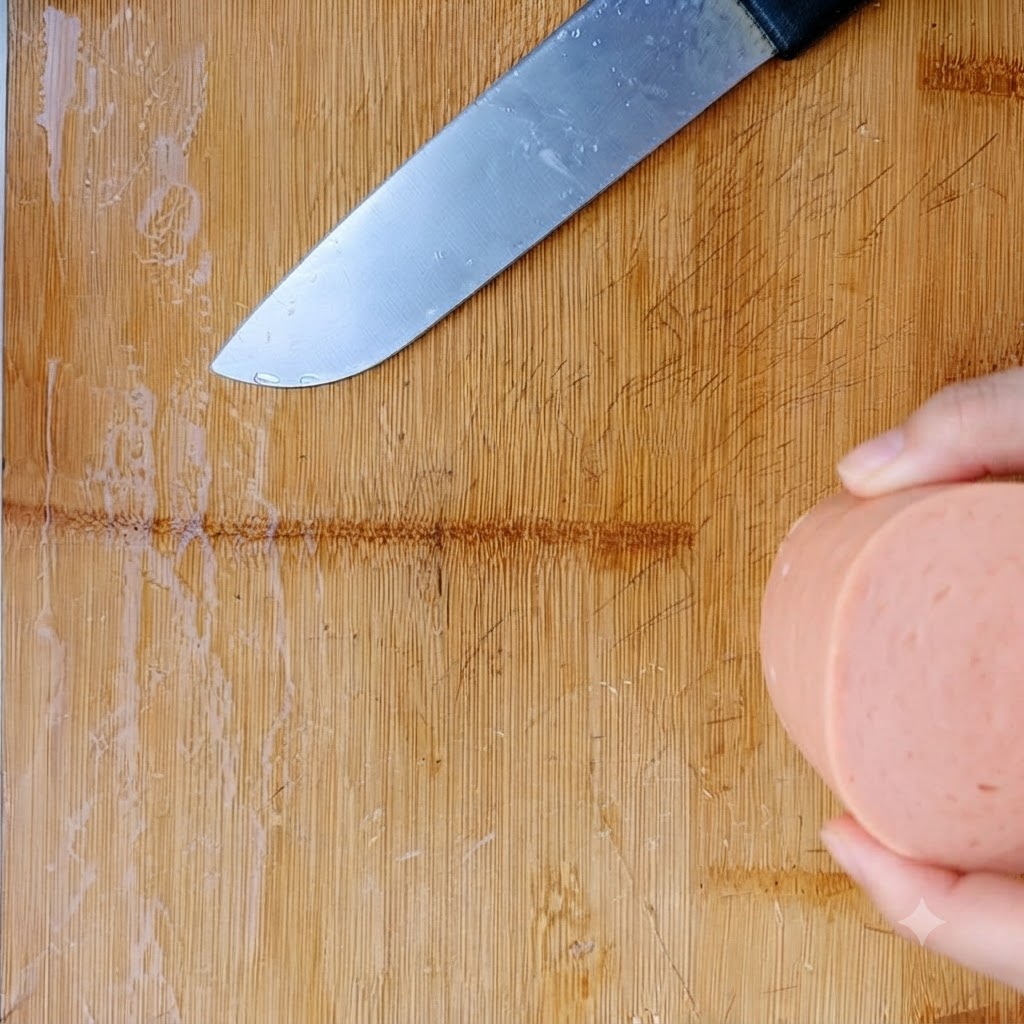
Slice the luncheon meat into thick, even pieces on the cutting board so they retain a hearty texture while boiling.
Tip: Keep the slices thick so they retain their texture during boiling. - 5Arrange ingredients in the pan
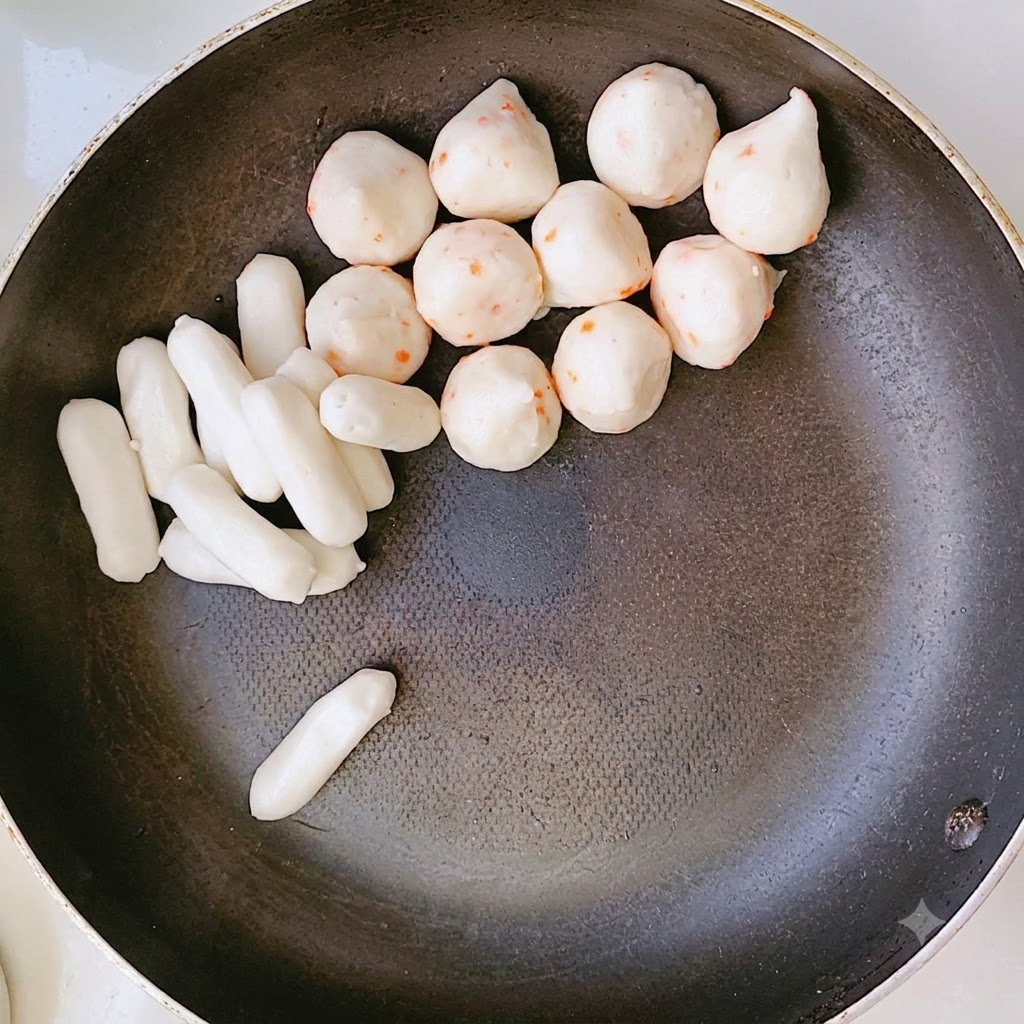
Neatly arrange all the prepared ingredients into your cooking pan placing components that require a longer cooking time at the very bottom
Tip: Layering correctly ensures everything cooks evenly in the broth - 6Add sauce, kimchi, and noodles
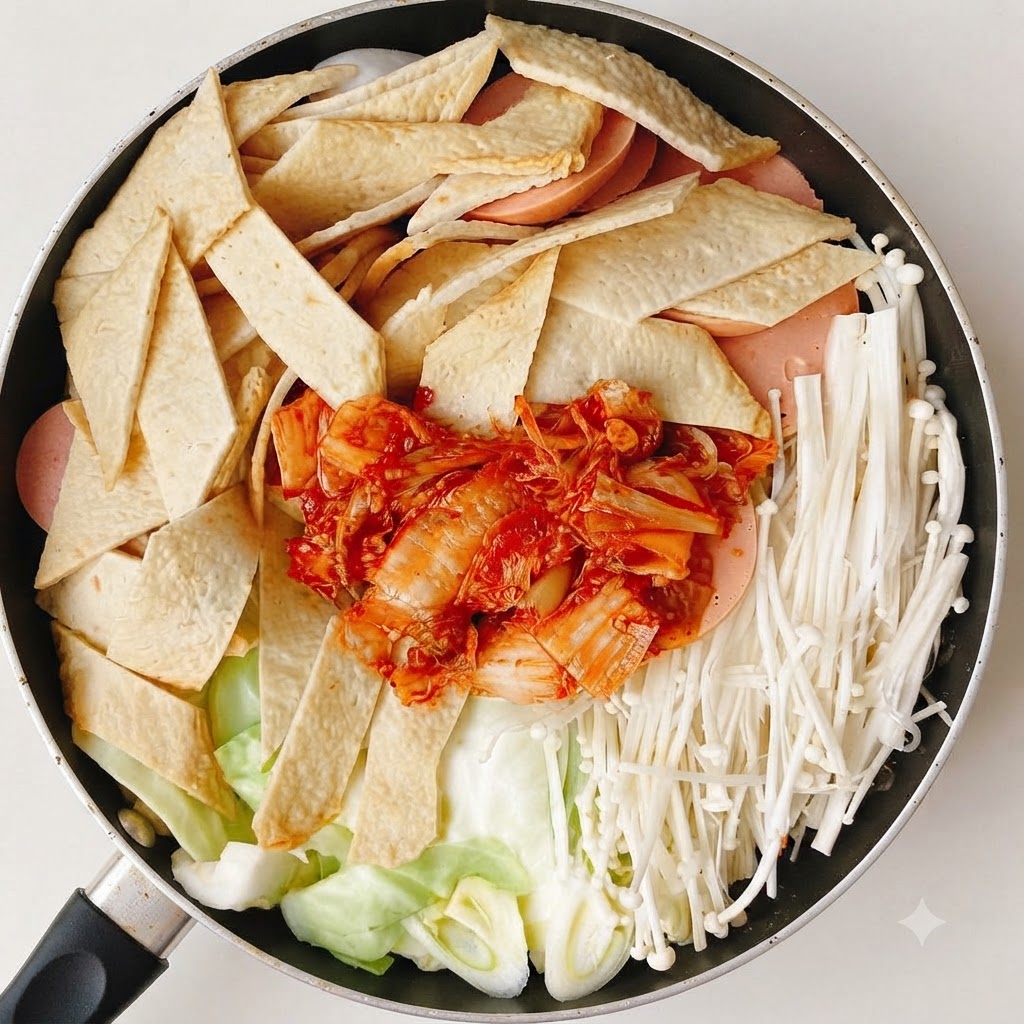
Spoon the Korean spicy sauce and kimchi into the center of the pan, pour in enough water, and bring to a boil. After simmering for seven to eight minutes, make space in the middle to add the instant ramen noodles and cook until tender.
Tip: Add noodles in the middle after boiling for seven to eight minutes.