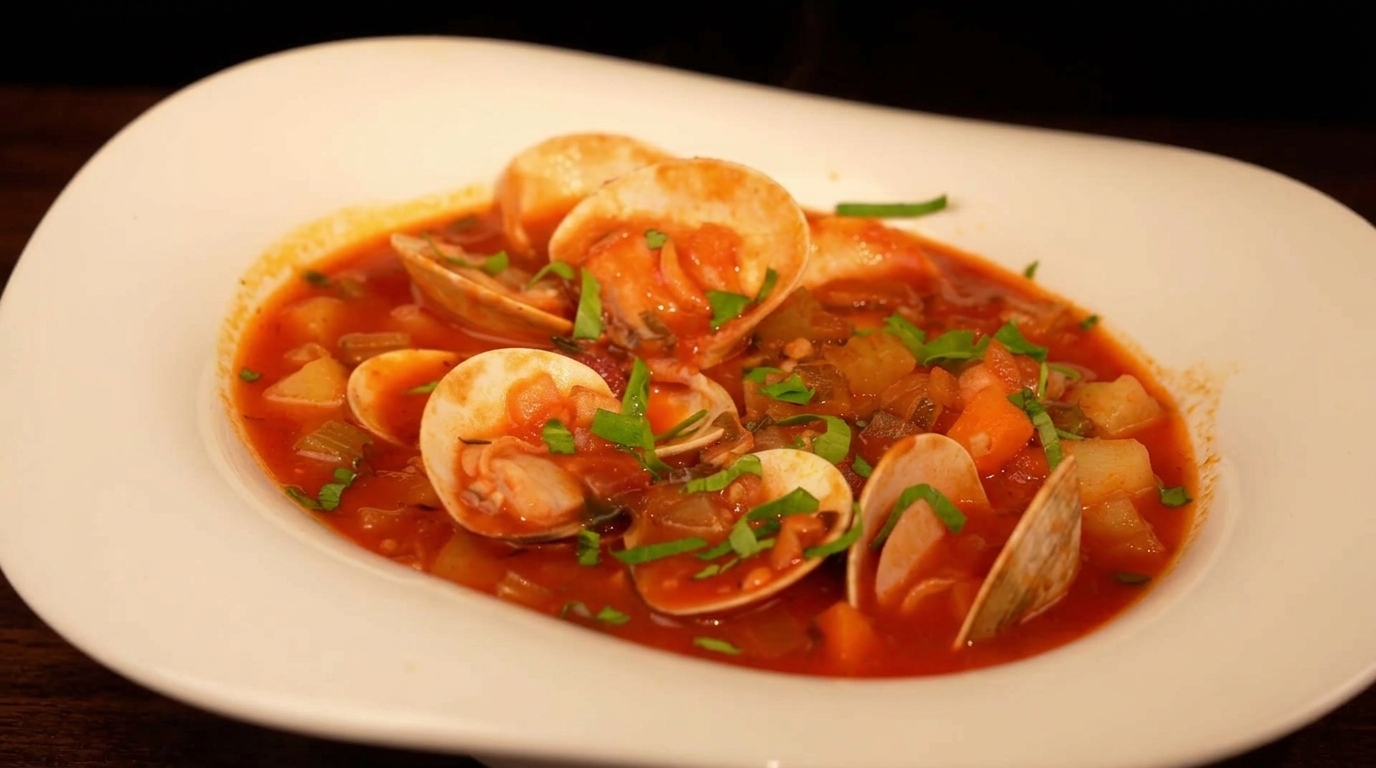
Manhattan Clam Chowder
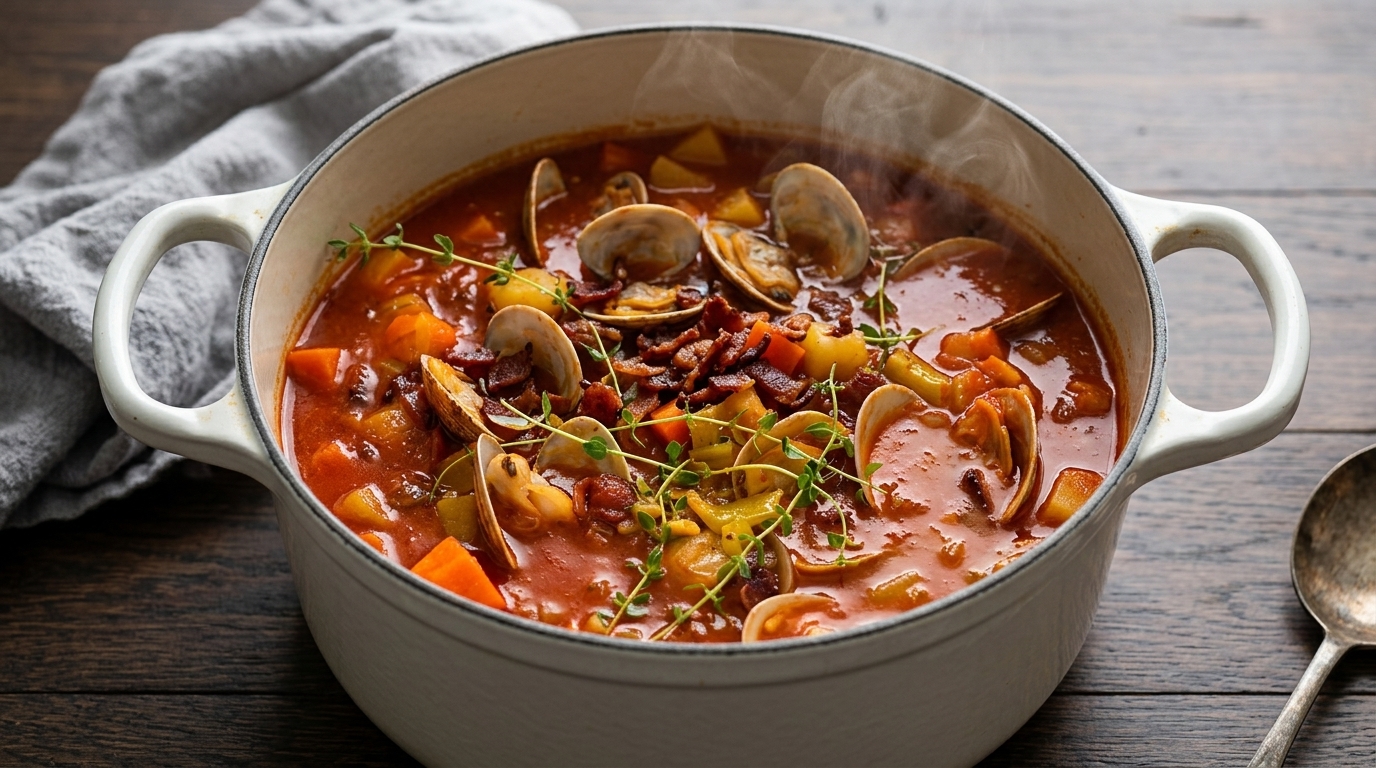
Crispy Bacon
A vibrant, tomato-based coastal classic featuring sweet clams, smoky bacon, and tender root vegetables simmered in a rich, aromatic broth.
Unlike the creamy New England version, Manhattan Clam Chowder is defined by its robust tomato base and clear, savory profile. Originating in the mid-19th century, this red chowder reflects the influence of Italian and Portuguese immigrants in the Northeast United States, emphasizing fresh seafood and garden vegetables over heavy dairy.
Ingredients
- 500 g fresh clams
- 150 ml white wine
- 400 g canned peeled tomatoes
- 100 g bacon
- 1 medium onion
- 2 cloves garlic
- 1 large potato
- 1 large carrot
- 1 stalk celery
- 1 small green bell pepper
- optional thyme
- to taste salt
Instructions
- 1Soak the clams
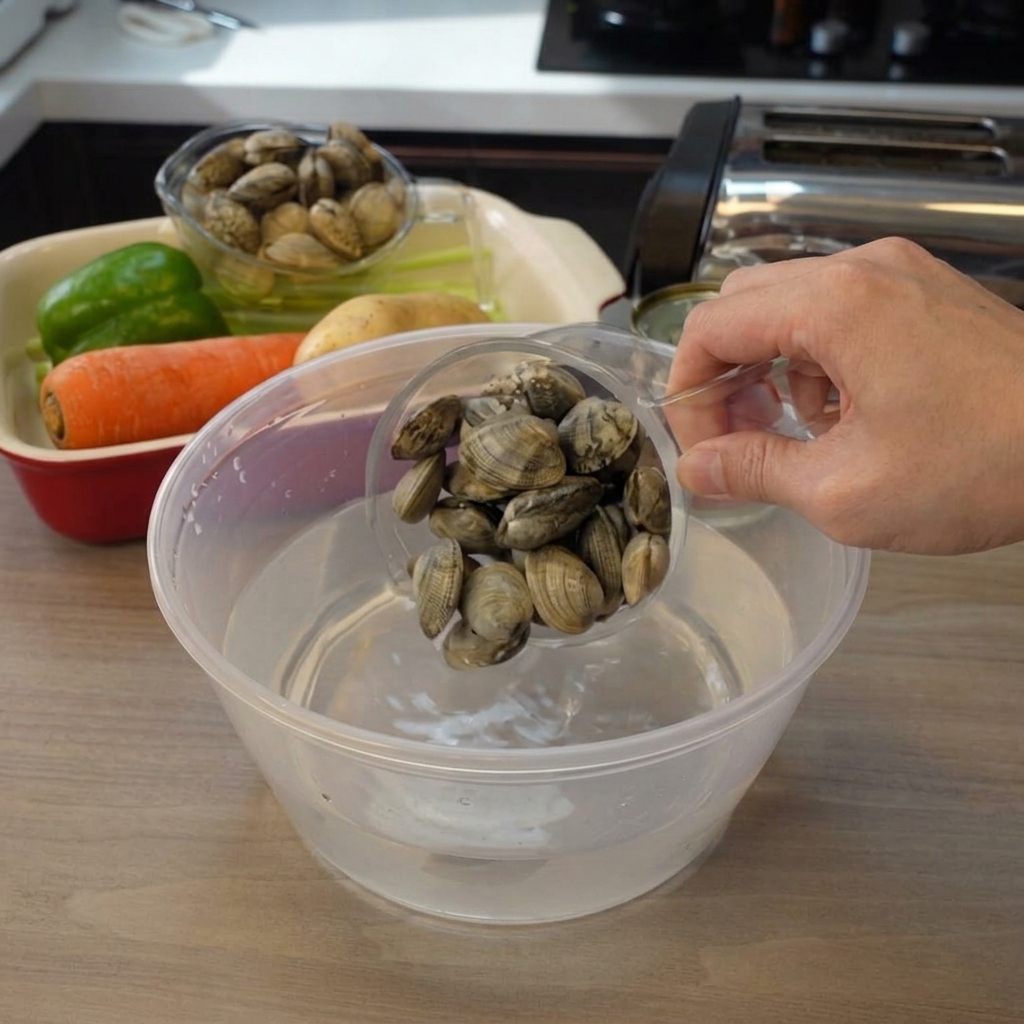
Place the raw clams into a bowl of light salt water. Soak them thoroughly to encourage the clams to spit out any trapped sand and impurities before cooking. This ensures a clean and smooth broth for your chowder.
Tip: Adding a few drops of vegetable oil or a metal spoon to the salt water can help the clams spit out sand faster. - 2Steam with white wine
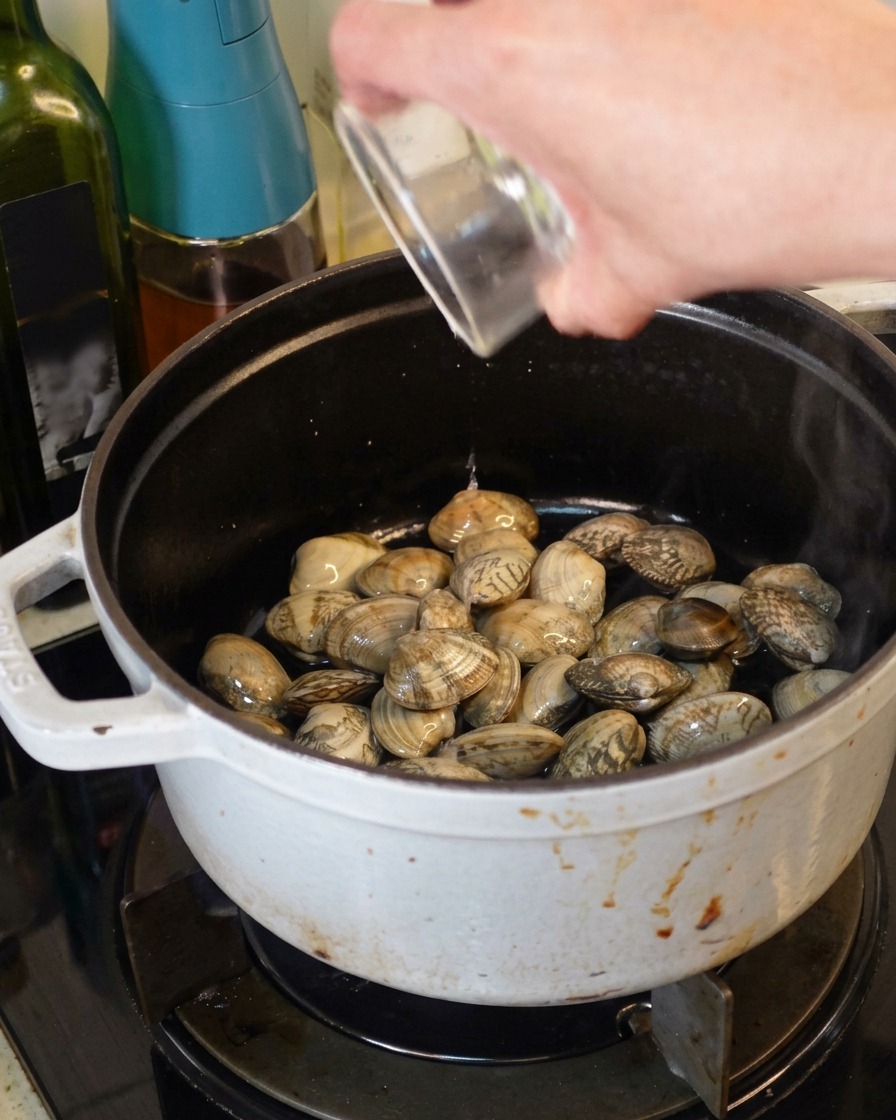
Place the cleaned clams into a pot and pour in a glass of white wine. Heat the pot and cook the clams just until their shells open. Once opened, remove the pot from the heat and set the cooked clams aside for later use.
Tip: Discard any clams that remain firmly closed after steaming, as they may not be fresh or safe to eat. - 3Prepare the tomato base

Empty a can of juicy, peeled tomatoes into a tall blending container. Canned tomatoes provide a rich, sweet, and tart flavor base that gives Manhattan clam chowder its signature red color and depth.
Tip: You can use fresh tomatoes if they are very ripe, but canned tomatoes often provide a more consistent and deeper flavor for soups. - 4Blend the tomatoes
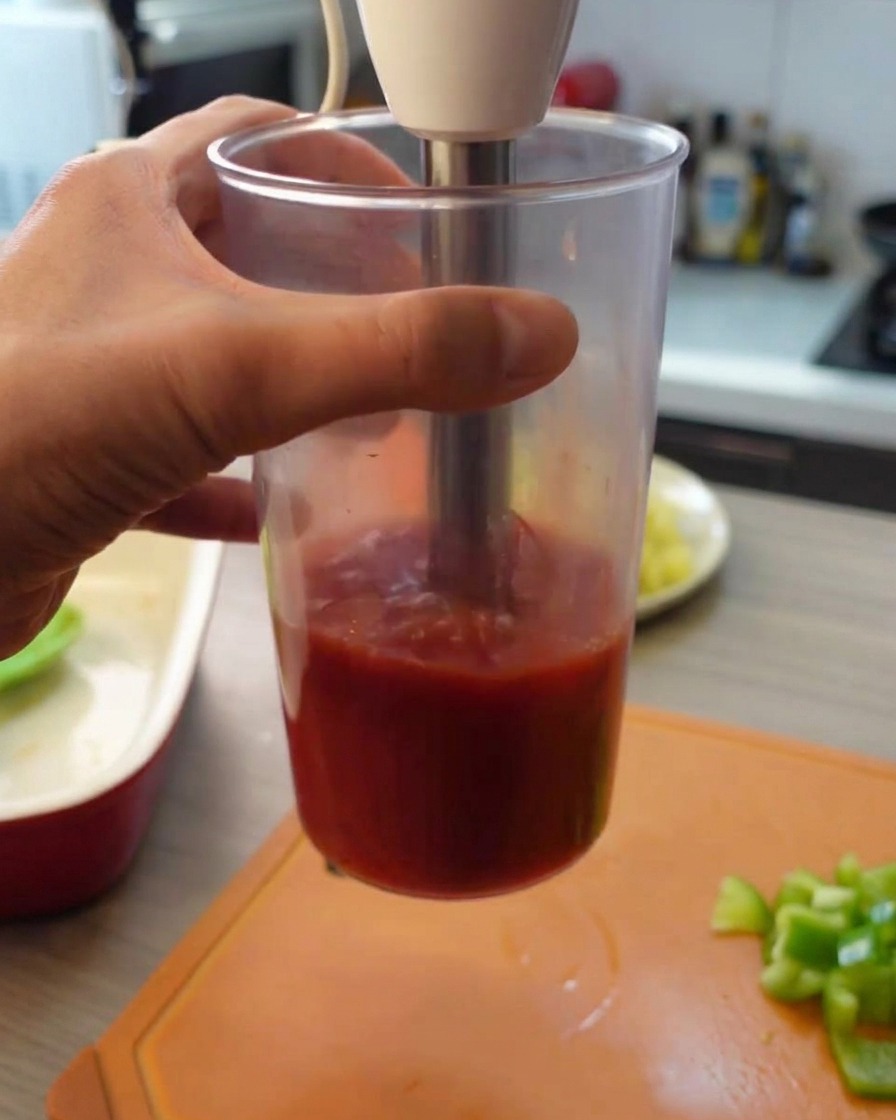
Insert a hand blender into the tall container and pulse until the canned tomatoes are crushed into a silky, smooth purée. This ensures the chowder has a rich, even texture without large chunks of tomato breaking up the broth.
Tip: Keep the blender blade fully submerged near the bottom of the container to prevent the tomato juice from splashing out. - 5Dice the aromatics
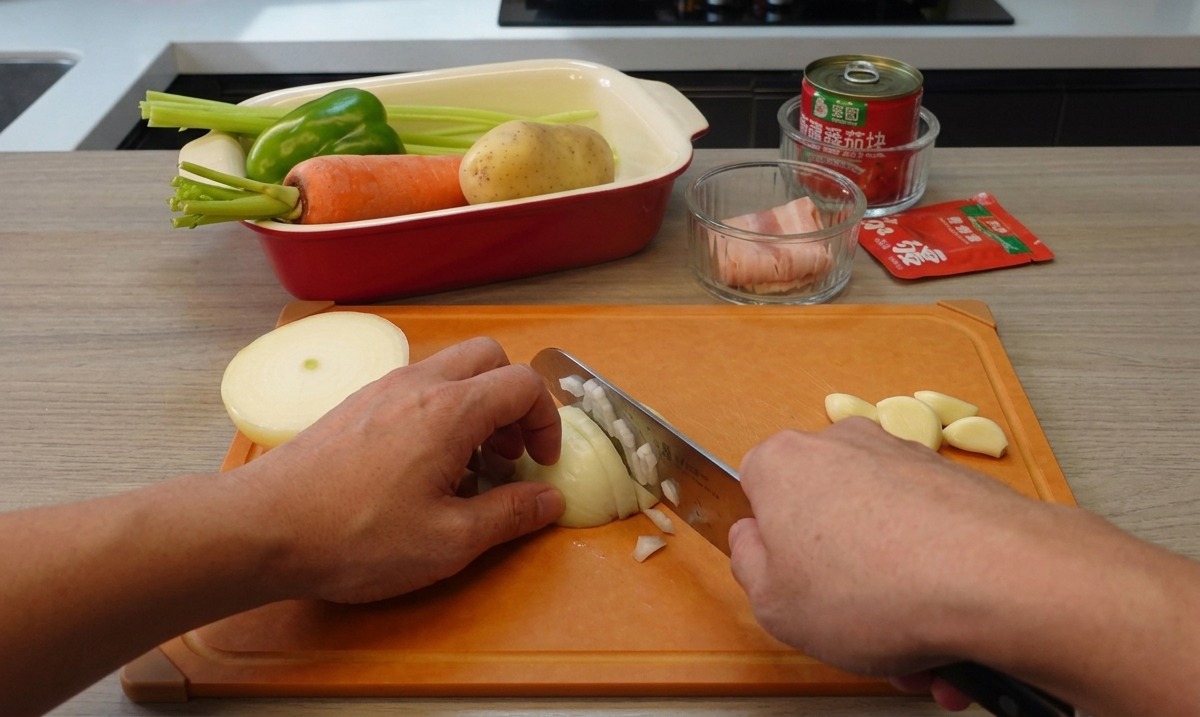
Peel and finely dice the onion using a sharp kitchen knife on a cutting board. Mince the garlic cloves as well. These classic aromatic ingredients will be sautéed to build the foundational savory flavors of the chowder.
Tip: A sharp knife prevents crushing the onion cells, which helps reduce the release of the sulfur compounds that make your eyes water. - 6Dice the vegetables
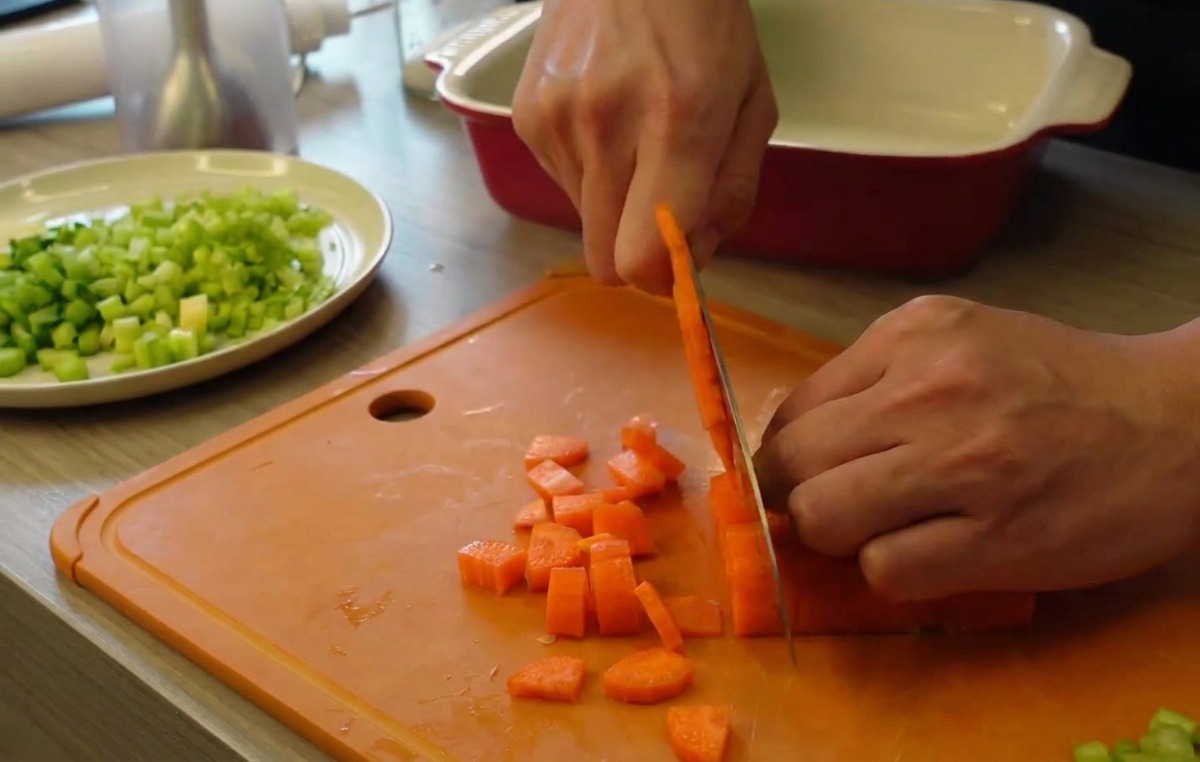
Chop the carrots, celery, and potatoes into small, uniform cubes. The natural starch from the potatoes will help gently thicken the soup as it simmers, while the carrots and celery add sweetness and a slight crunch to the chowder base.
Tip: Cutting all the vegetables to roughly the same size ensures they cook evenly and makes the soup more pleasant to eat. - 7Chop the bell peppers
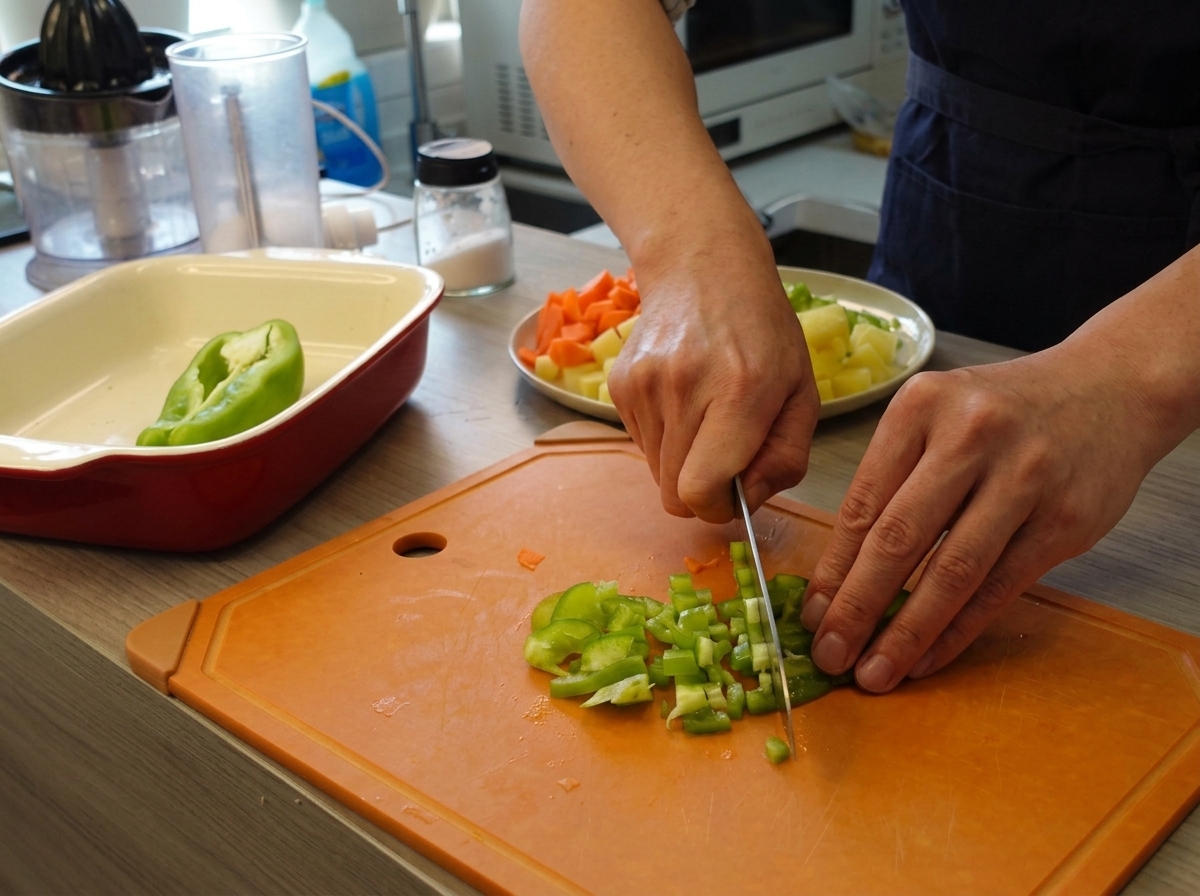
Cut the green bell peppers into small, uniform pieces on a cutting board. These peppers will add a subtle hint of spiciness and depth to the sweet and sour tomato base of the soup.
Tip: Try to dice the peppers to a similar size as your other vegetables, like the potatoes and carrots, for even cooking and a consistent texture in every bite. - 8Slice the bacon
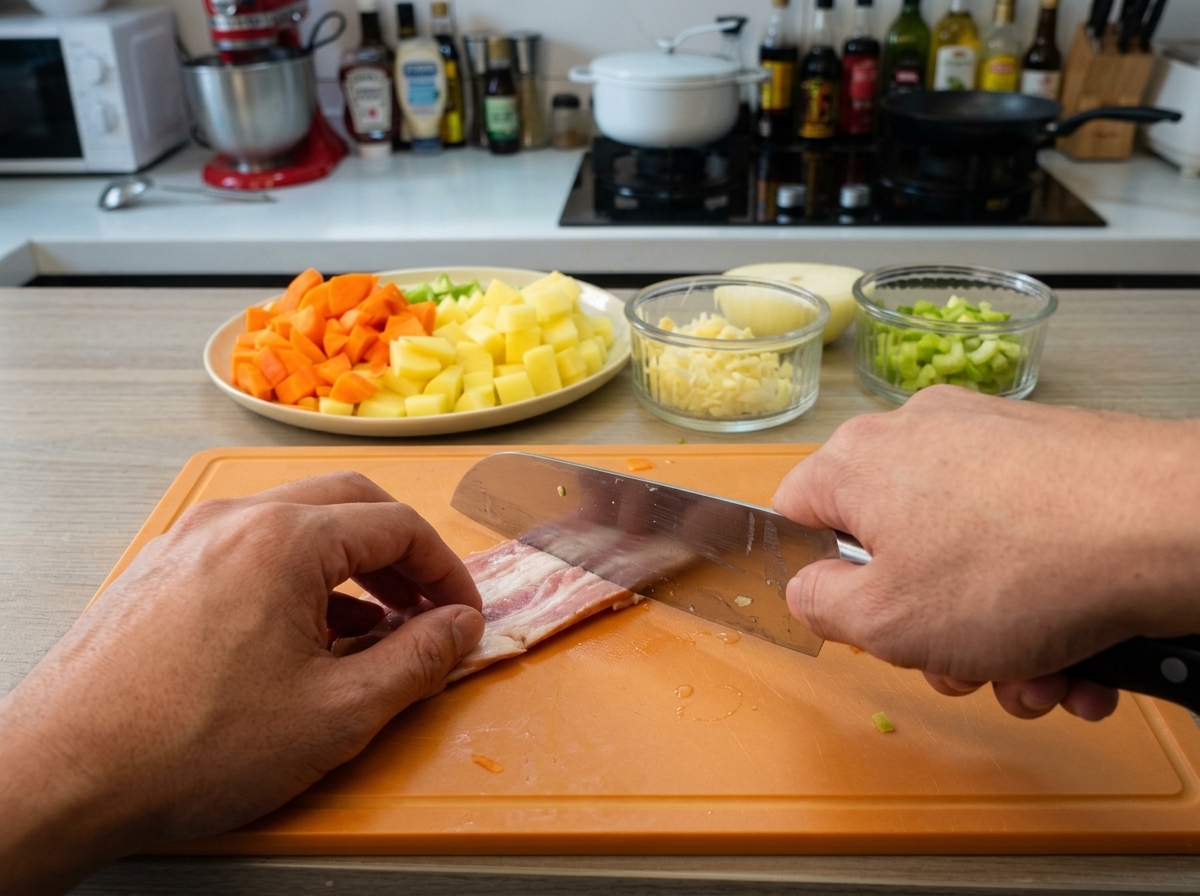
Cut the strips of raw bacon into small, bite-sized pieces. The bacon will be rendered down to provide a rich, flavorful fat base that pairs beautifully with the chowder vegetables.
Tip: If you prefer a lighter version of this soup or are watching your figure, you can substitute the bacon with a drizzle of olive oil instead. - 9Fry the bacon
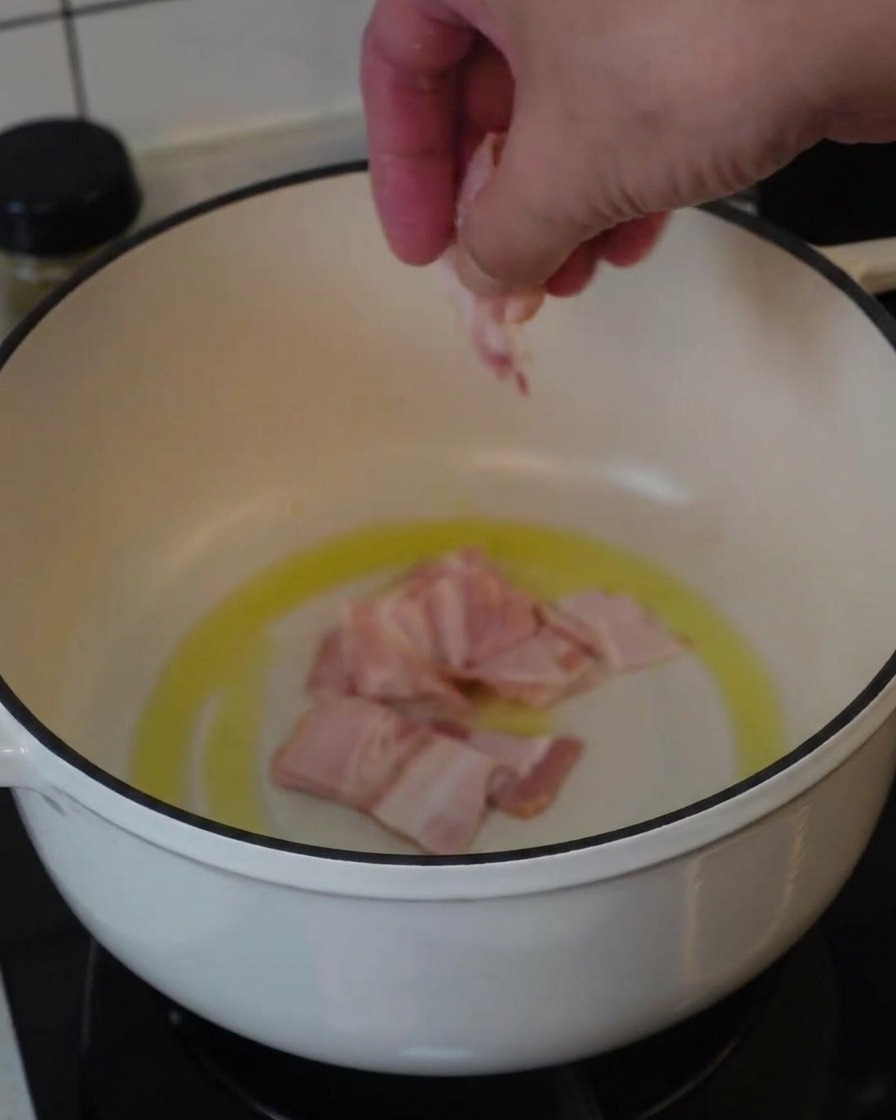
Place the pieces of bacon into a pot over the stove. Fry them gently until the fat renders out and the bacon pieces turn browned and crispy. Once crispy, set the bacon aside to use as a garnish later.
Tip: Starting the bacon in a cold or slightly warm pot helps the fat render out more slowly and evenly without burning the meat. - 10Sauté the aromatics
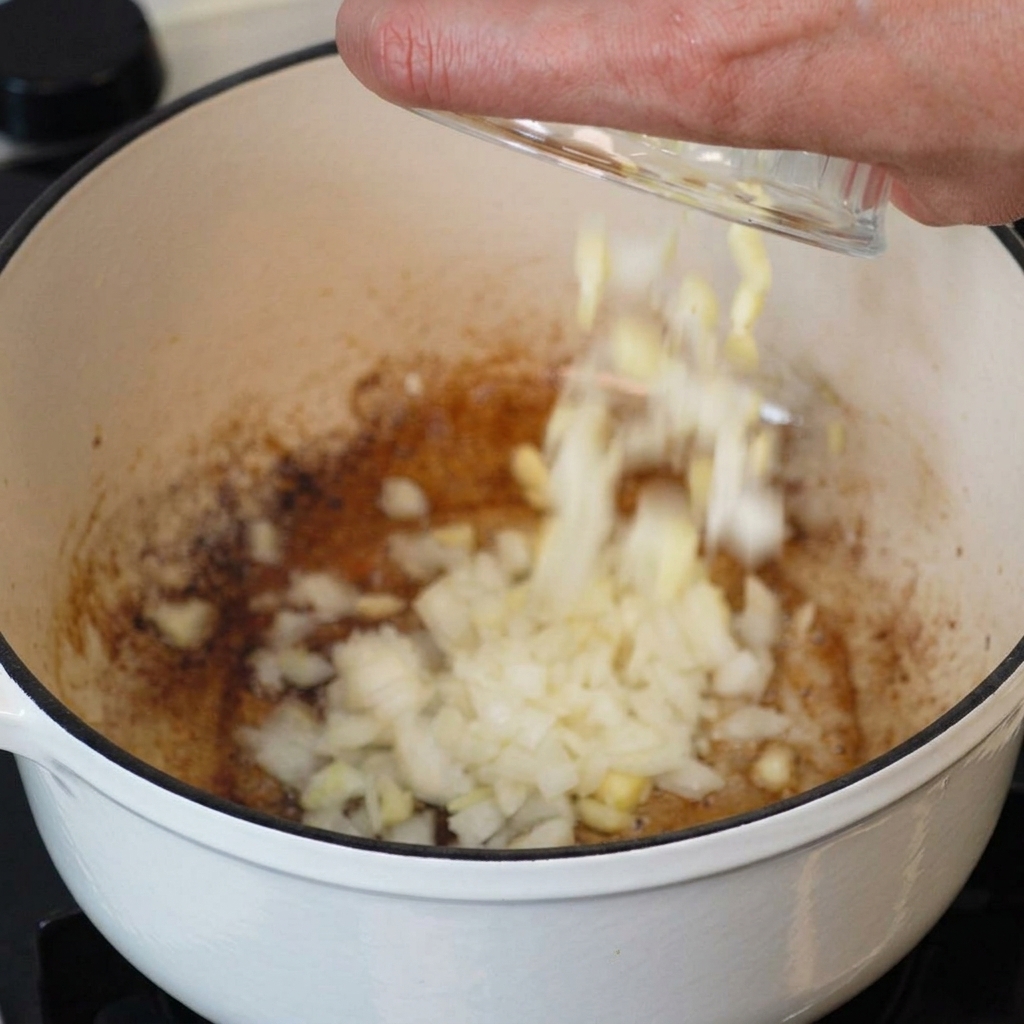
In the same pot used for the bacon, add the minced garlic and chopped onions. Stir-fry them in the residual bacon fat until they become fragrant and semi-transparent. This creates a savory flavor base for the vegetables.
Tip: Scrape the bottom of the pot while stirring to release the fond or browned bits; these contain concentrated flavor that enriches the entire broth.