Pork Rib, Clam,
Kelp Soup
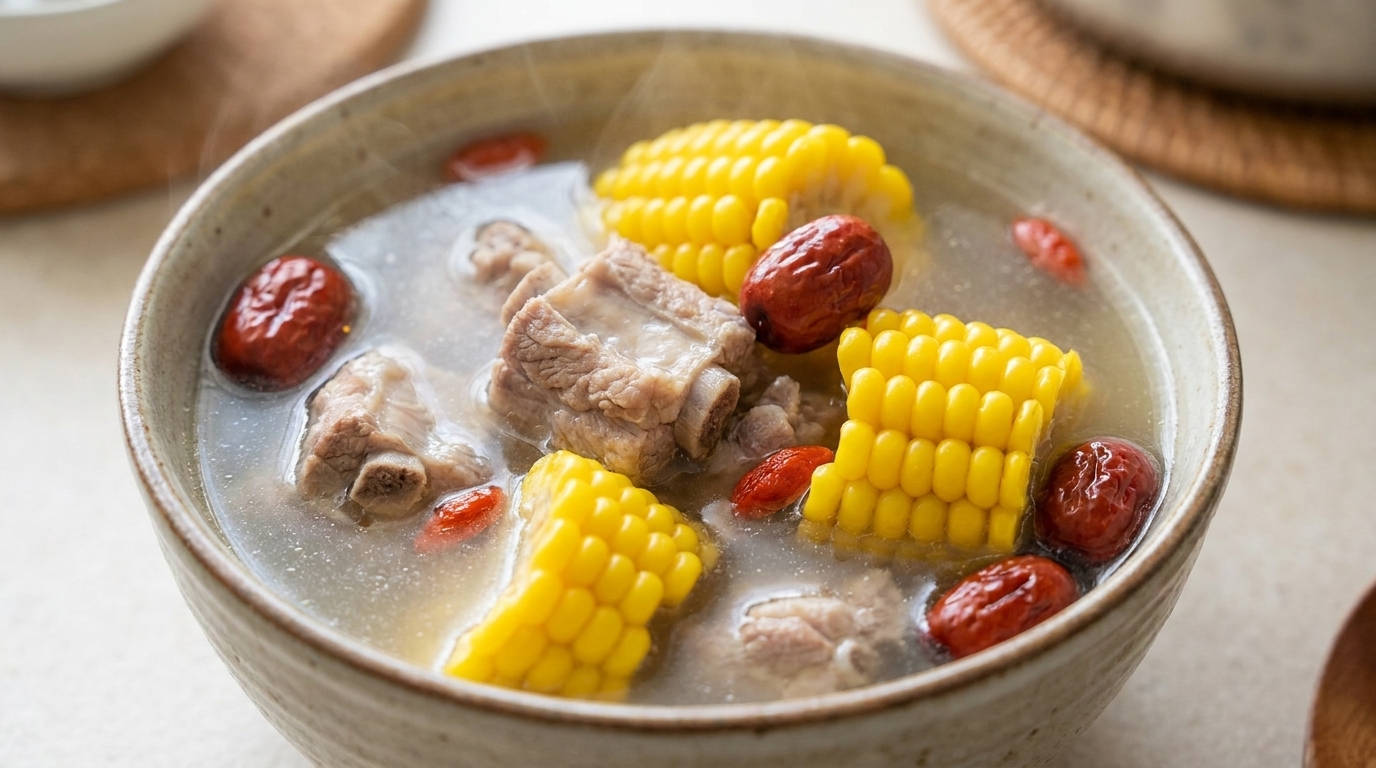
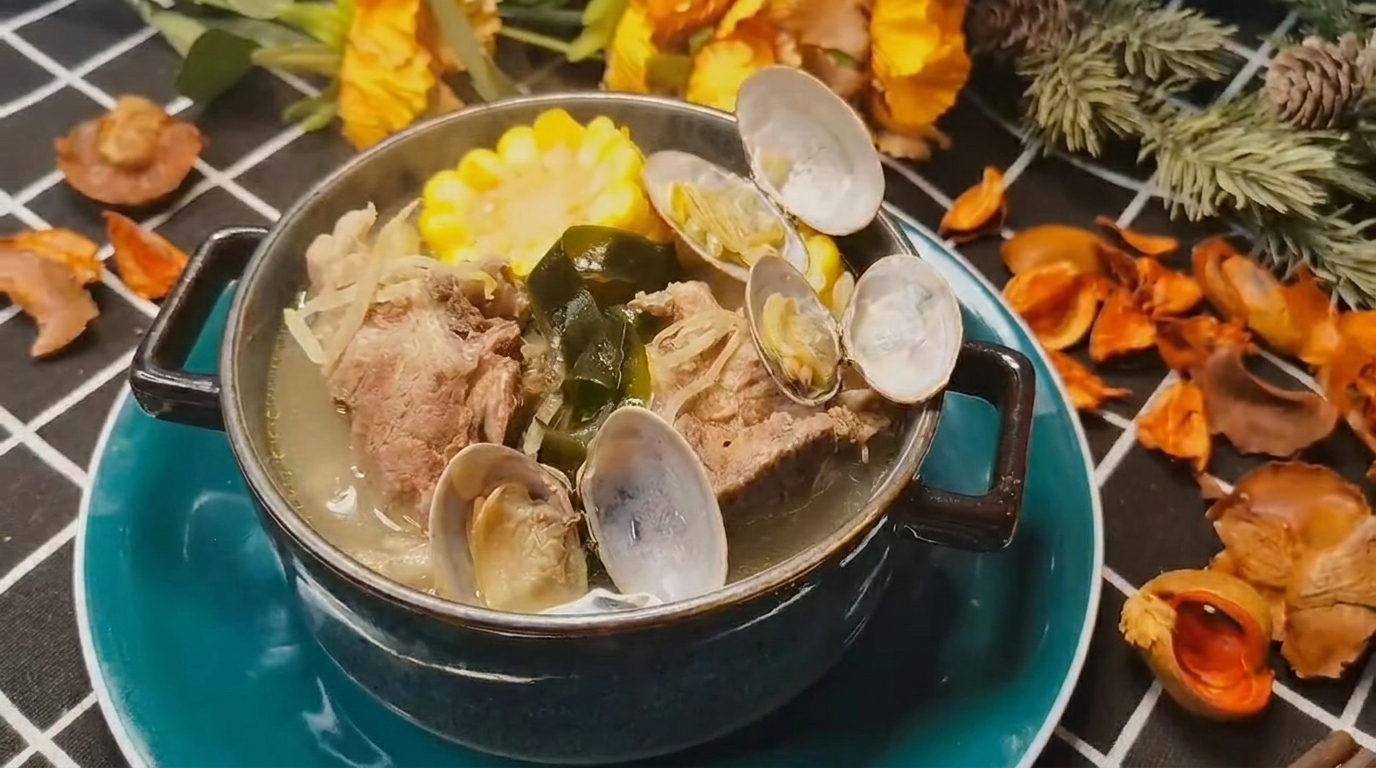
A comforting, restorative soup that highlights the natural sweetness of fresh clams, tender pork ribs, and earthy kelp. A simple, soulful dish for cold days.
In the quiet chill of winter, few things are as restorative as a bowl of warm, clear soup. This recipe relies on the patient harmony of fresh ingredients rather than heavy seasoning. The combination of succulent pork ribs, briny clams, and nutrient-rich kelp creates a deeply layered umami profile that feels both nourishing and light.
Ingredients
- 500 g pork ribs
- 300 g fresh clams
- 50 g dried kelp
- 1 unit corn on the cob
- 100 g mushrooms
- 50 g bean sprouts
- 2 tbsp cooking wine
- to taste salt
Instructions
- 1Purge the clams

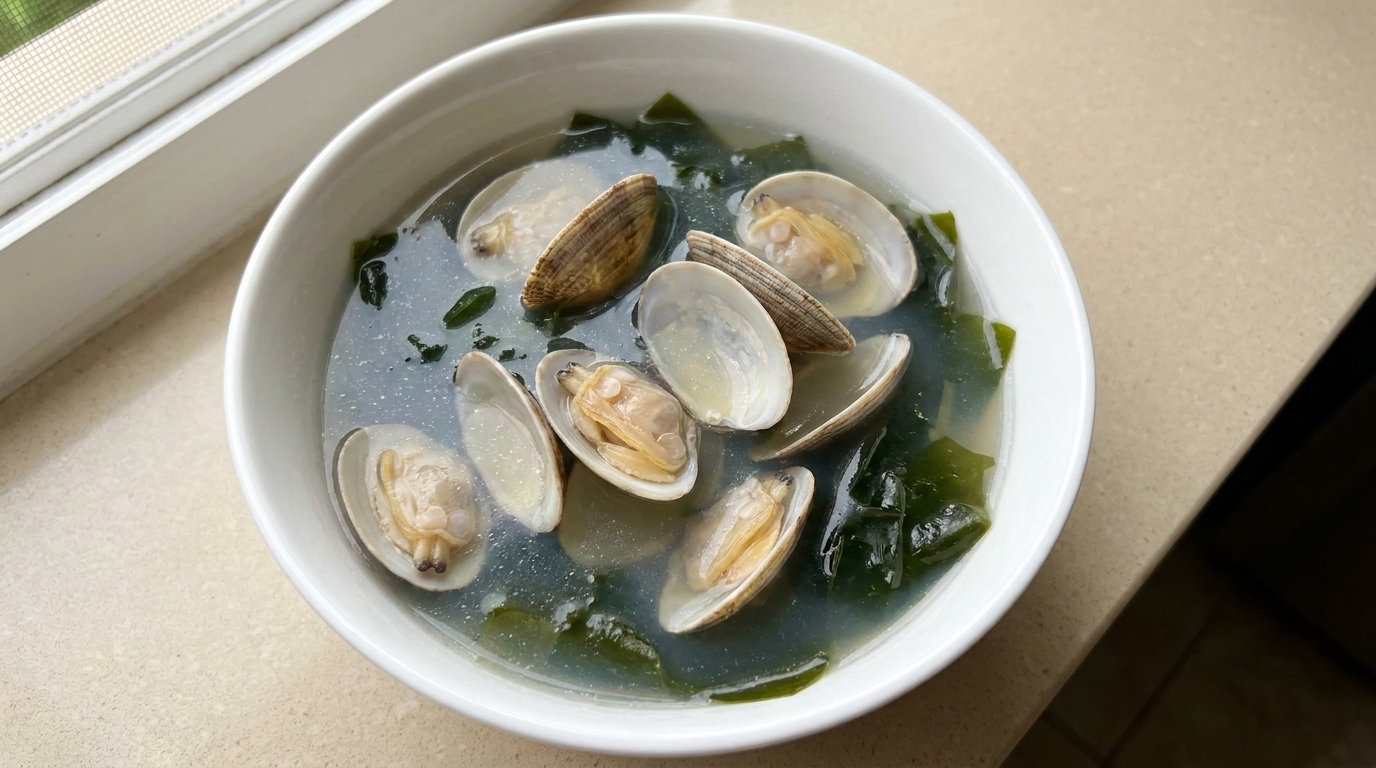
Place the fresh clams in a white bowl and cover with clean water. Let them soak to allow the clams to purge any sand from their shells. This ensures a clean, grit-free soup.
Tip: You can add a pinch of salt to the water to mimic the ocean environment, which encourages clams to open and release sand faster. - 2Blanch the pork ribs
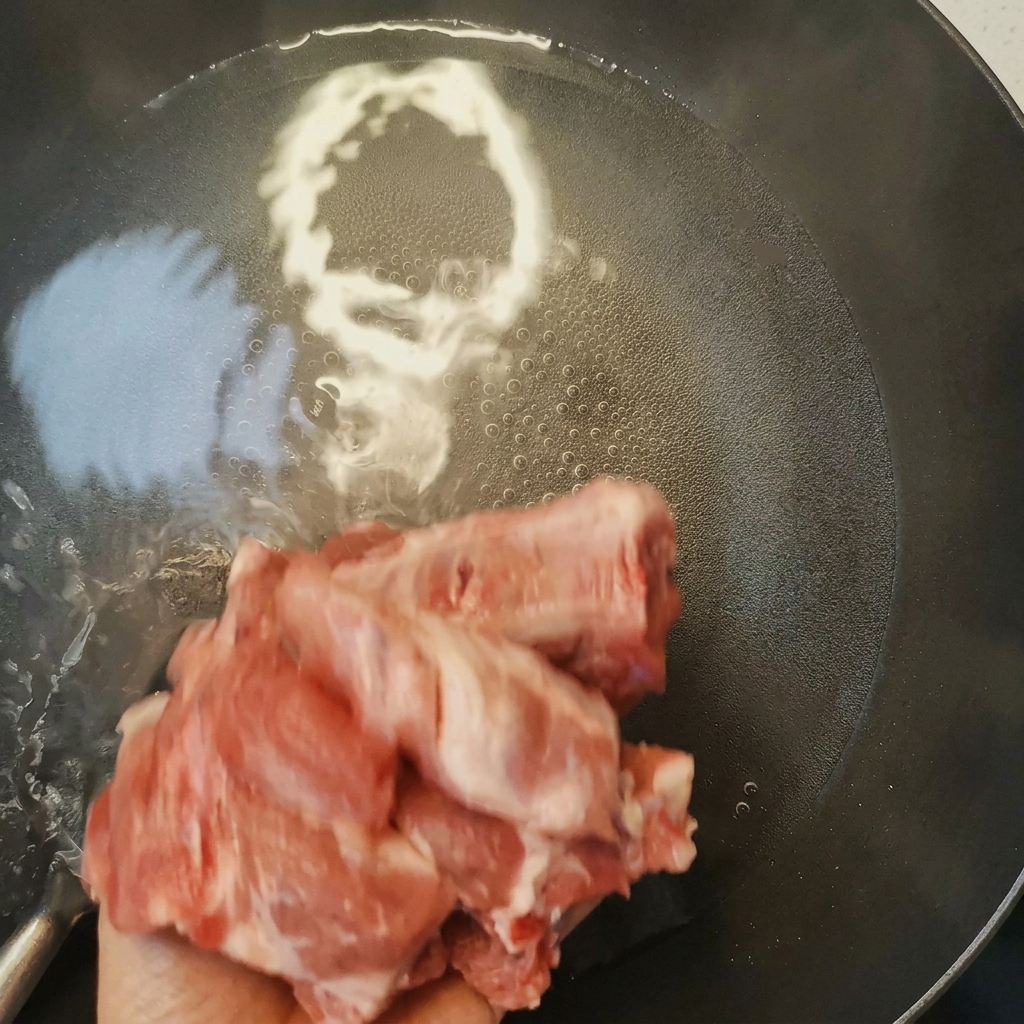
Place the pork ribs into a pan of boiling water and add a splash of cooking wine. Blanch the ribs to remove impurities and any gamey smell. Once the water returns to a boil and foam appears, drain the ribs.
Tip: Blanching is essential for a clear, clean-tasting broth. - 3Prepare the vegetable base
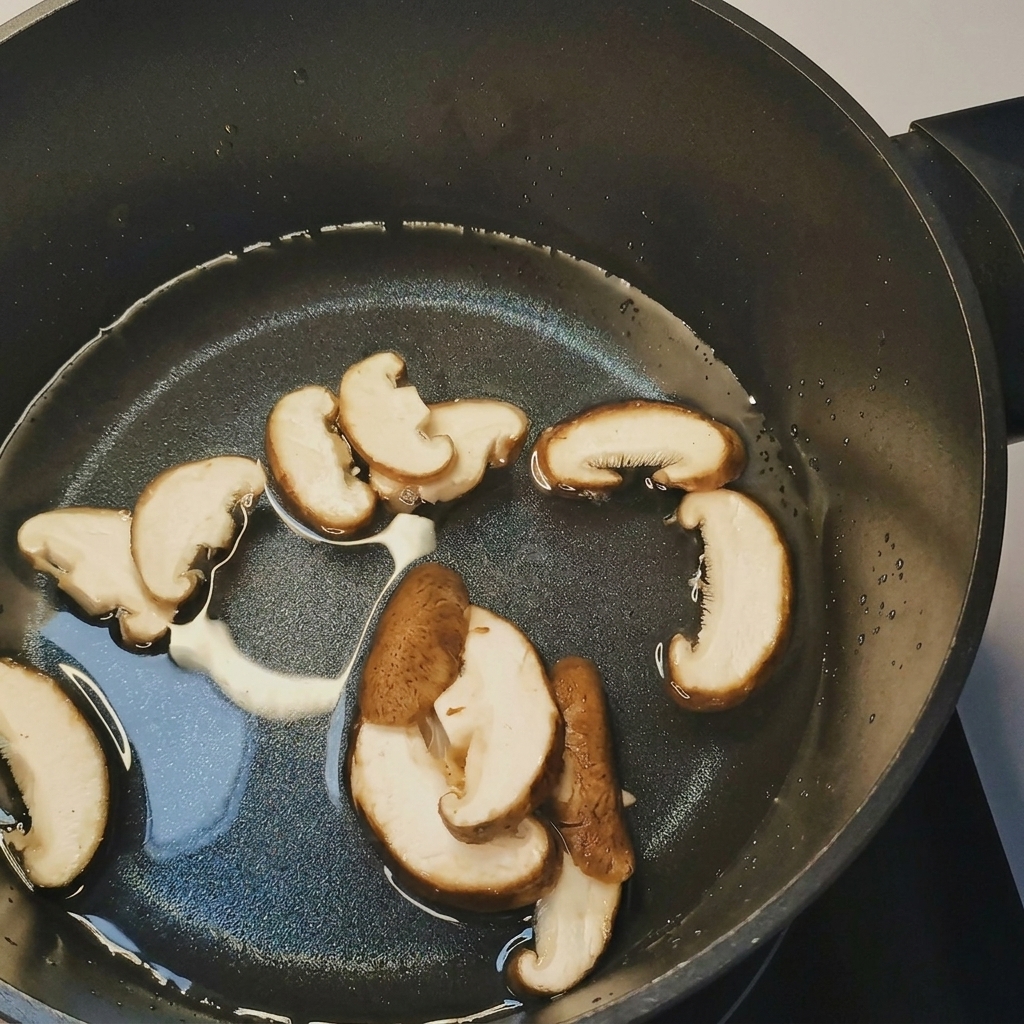
Add the sliced mushrooms, fresh bean sprouts, and corn into a pot of boiling water. These ingredients will release their natural sweetness into the broth as they cook.
Tip: Make sure to slice the mushrooms evenly so they cook through at the same rate. - 4Combine ingredients
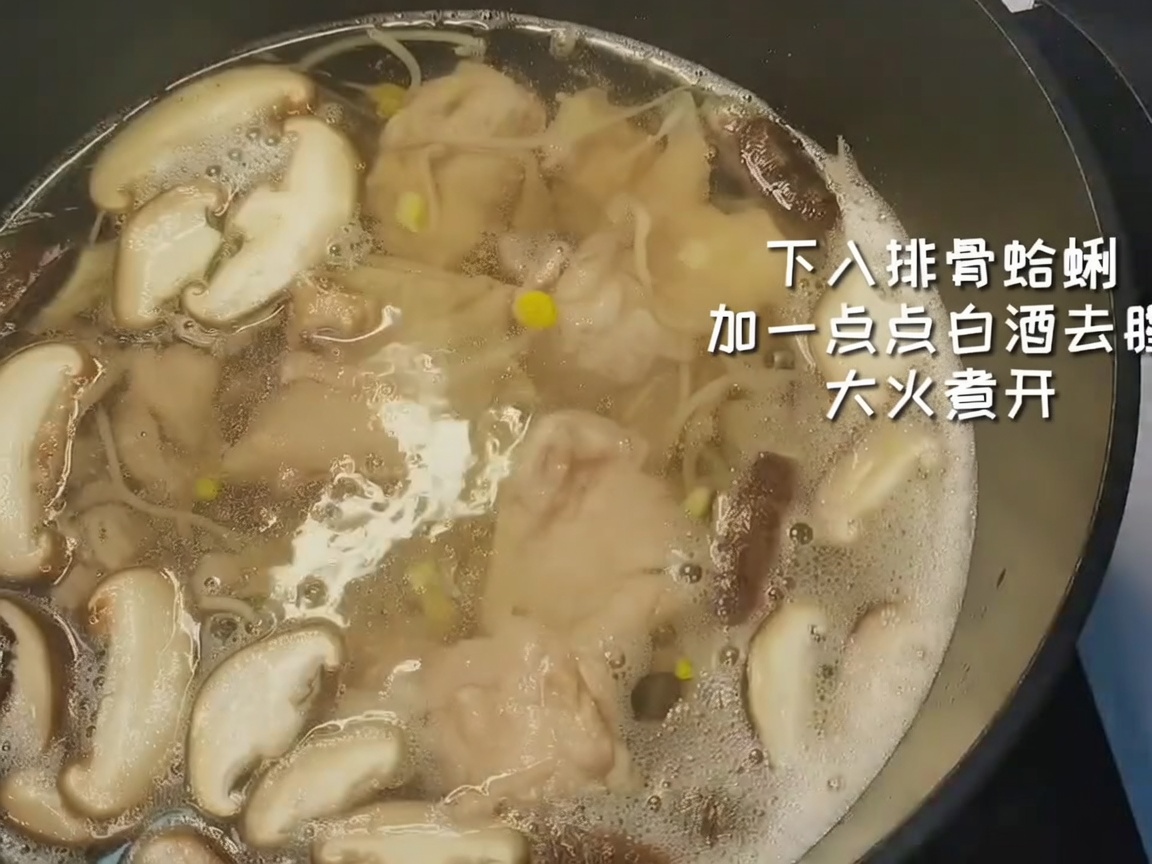
Add the blanched pork ribs and the cleaned clams into the pot with the vegetable base. The combination of pork, clams, and vegetables creates a rich, layered flavor profile.
Tip: Add the clams gently to ensure they dont break. - 5Enhance with cooking wine
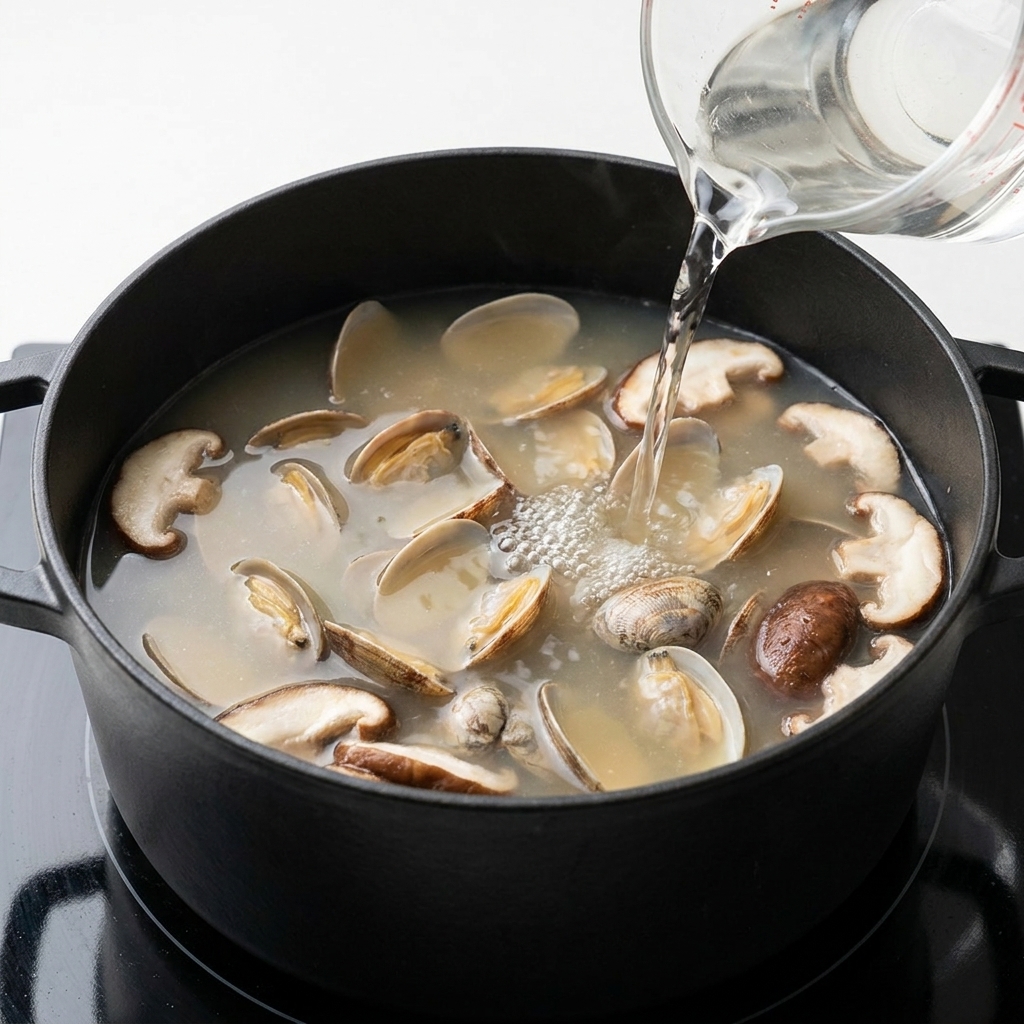
Pour a small amount of cooking wine into the pot to help balance the flavors and further remove any unwanted odors from the ingredients.
Tip: Use a high-quality cooking wine to elevate the overall taste of the soup. - 6Add kelp
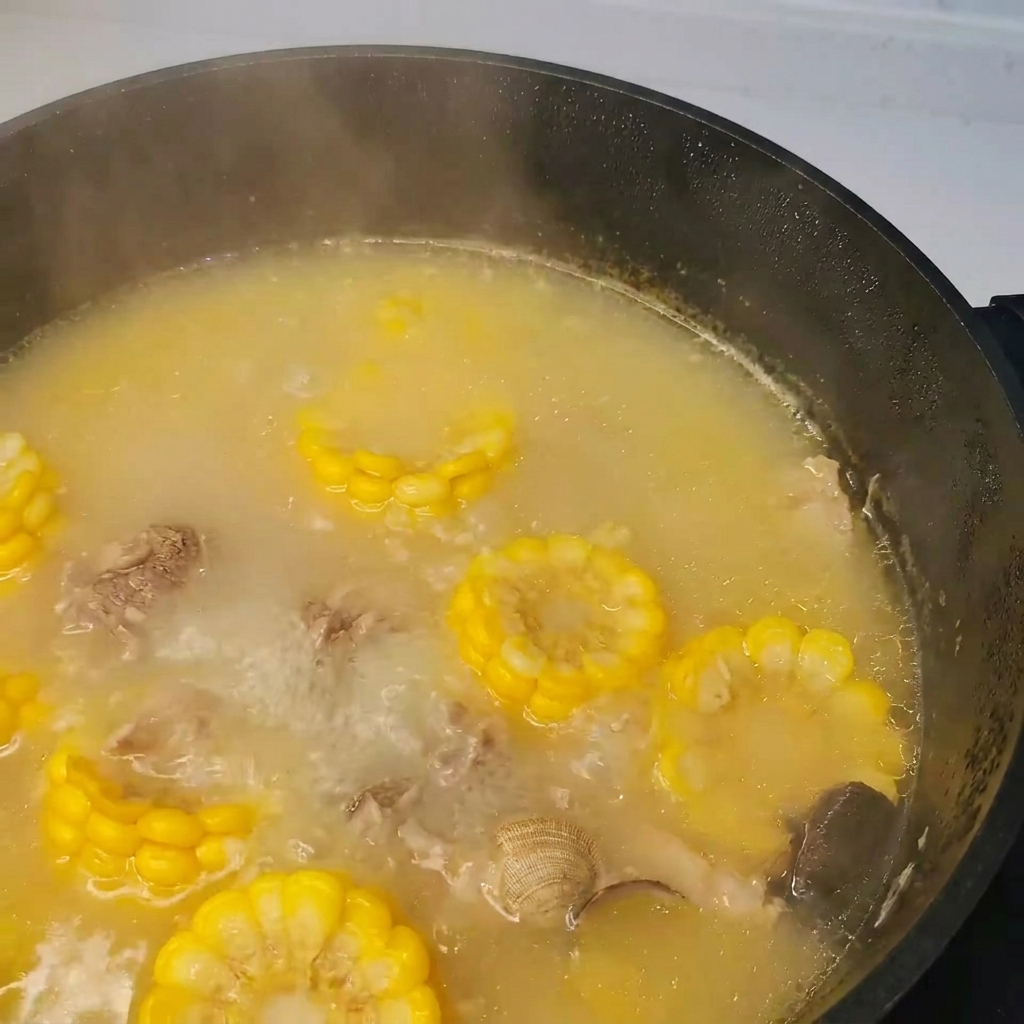
Finally, add the kelp (seaweed) to the boiling soup. Kelp adds a deep, savory umami note that ties the clam and pork flavors together.
Tip: Kelp cooks quickly; adding it last ensures it retains a pleasant texture. - 7Season the soup
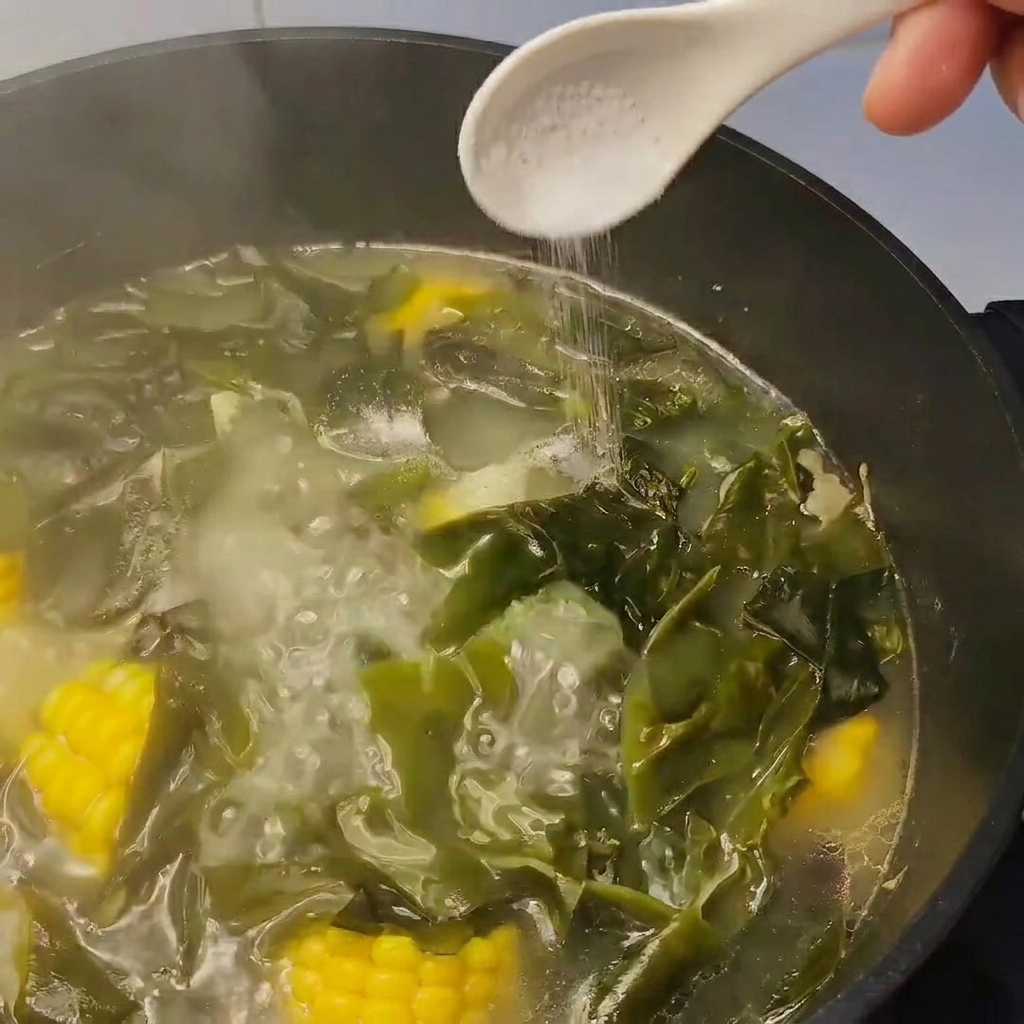
Add a small amount of salt to the simmering soup to enhance the natural flavors of the pork, clams, and kelp. Stir gently to ensure the salt is fully dissolved and well-distributed throughout the broth.
Tip: Season sparingly at first; the clams already contribute natural salinity to the broth.