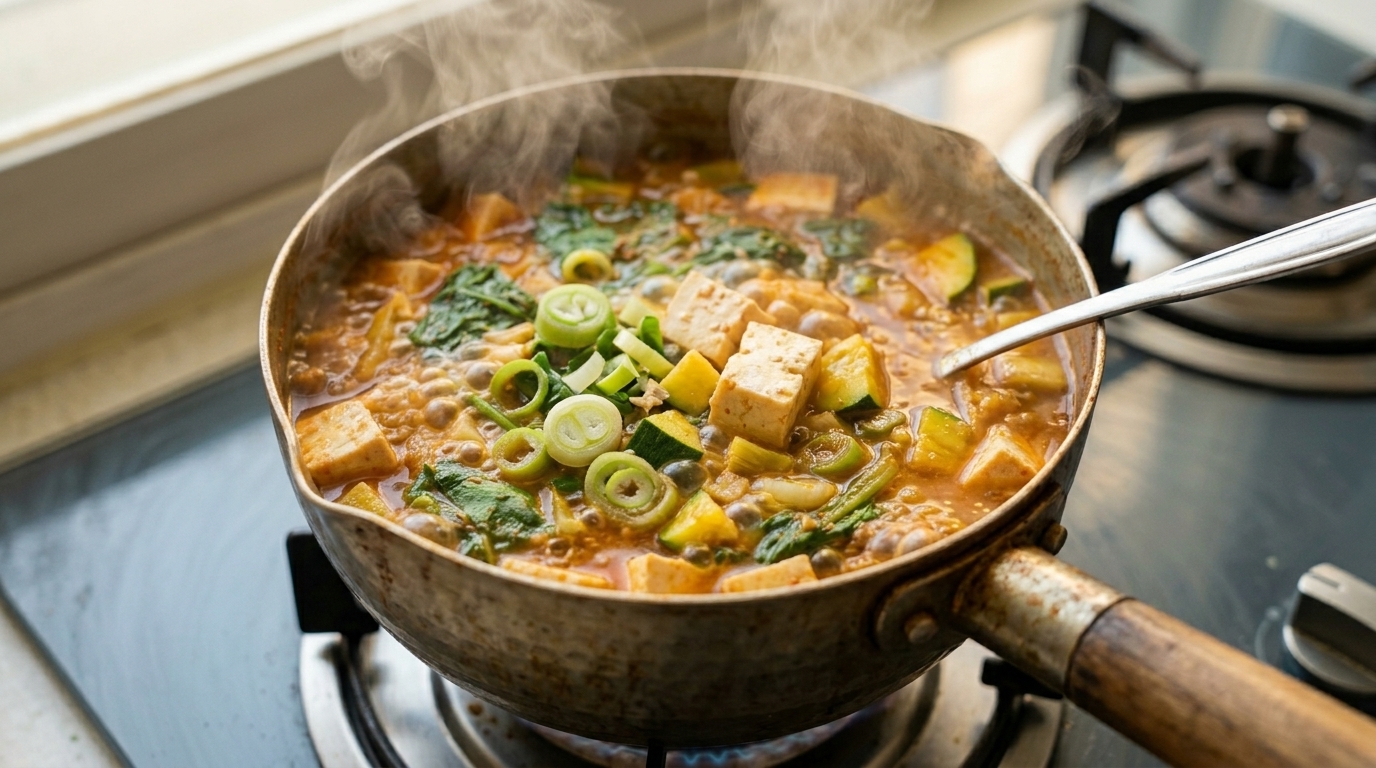
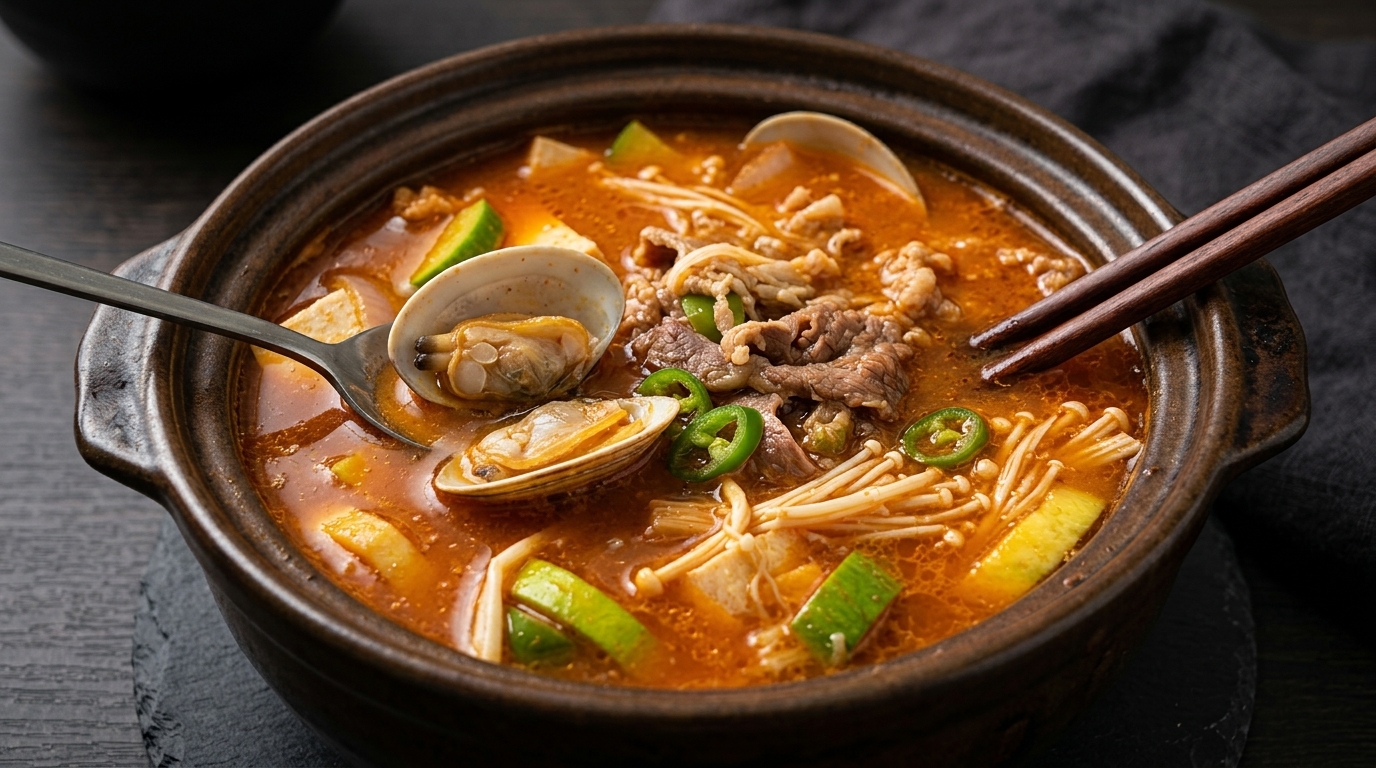
Authentic Korean Beef Soybean Paste Soup (Doenjang-jjigae)
A soul-warming Korean classic featuring a deep, savory broth made from fermented soybean paste, tender beef slices, and hearty vegetables.
Doenjang-jjigae is the quintessential Korean comfort food, found on nearly every family dinner table and in every traditional restaurant. This version uses thinly sliced beef and a specialized soup-grade soybean paste to recreate that rich, complex umami flavor that perfectly balances salty, savory, and a hint of spice.
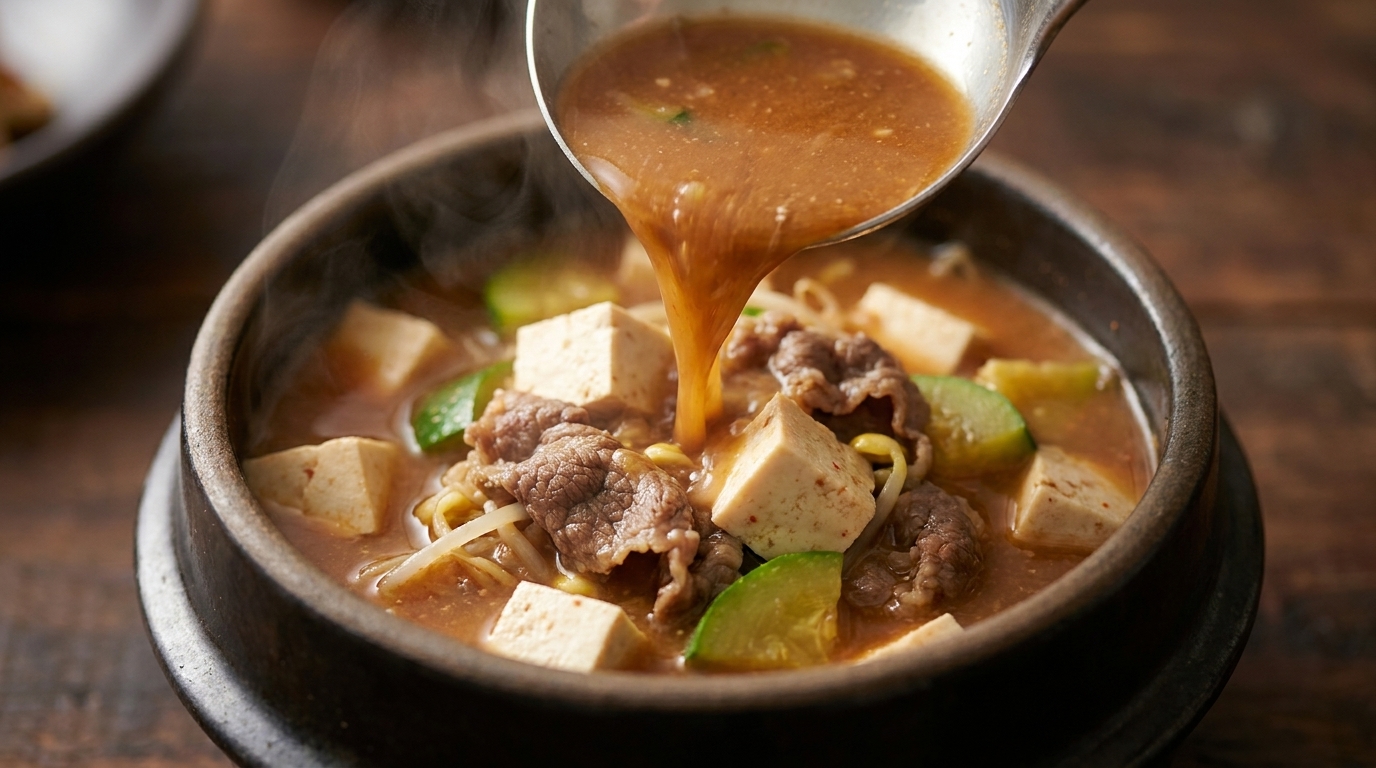
Ingredients
- 150 g beef (thinly sliced shabu-shabu style)
- 1 unit potato
- 12 unit zucchini
- 12 unit red onion
- 200 g soft tofu
- 3–4 units shiitake mushrooms
- 100 g soy bean sprouts
- 1 tbsp cooking oil
- 1 liter water
- 2 tbsp Korean soybean paste (Doenjang)
- 1 tbsp minced garlic
- 1 tsp beef bouillon powder
- 1 tbsp Korean red chili flakes (Gochugaru)
Instructions
- 1Dice the potato
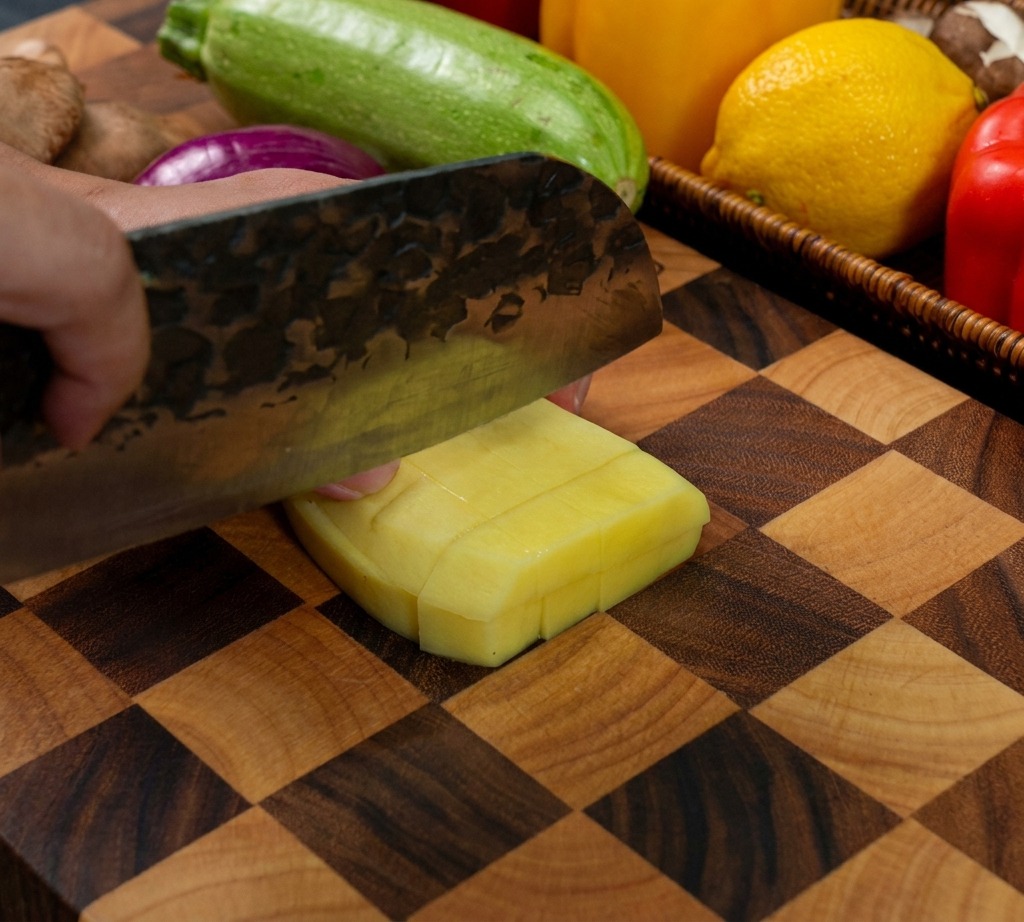
Start by peeling a potato and slicing it into uniform cubes. Maintaining consistent sizing is important as it ensures all pieces cook evenly once they are added to the soup later on.
Tip: Keep the diced potato in a bowl of cold water if you arent using it immediately to prevent it from turning brown. - 2Slice the zucchini
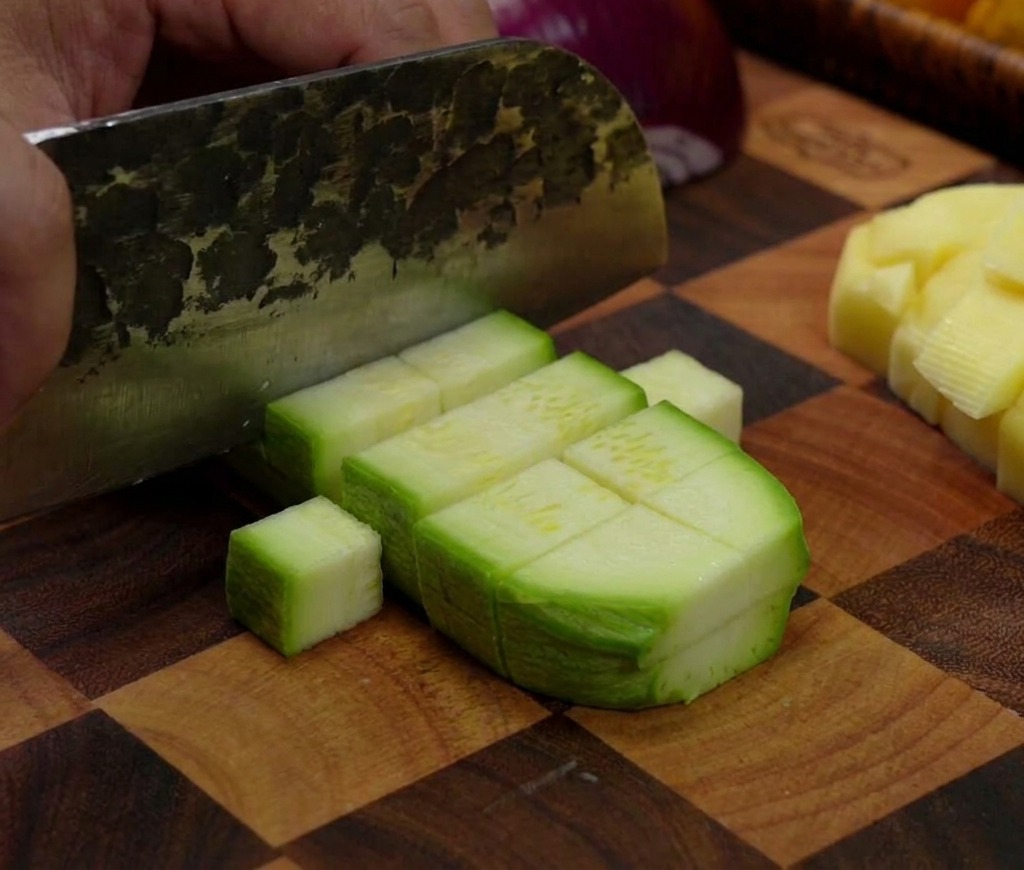
Take a fresh zucchini and cut it into small, rectangular pieces or cubes similar in size to the potato. Zucchini adds a mild sweetness and a nice texture to the finished soybean paste stew.
Tip: If the zucchini is very large, you can quarter it lengthwise first before slicing to get bite-sized pieces. - 3Cut the tofu
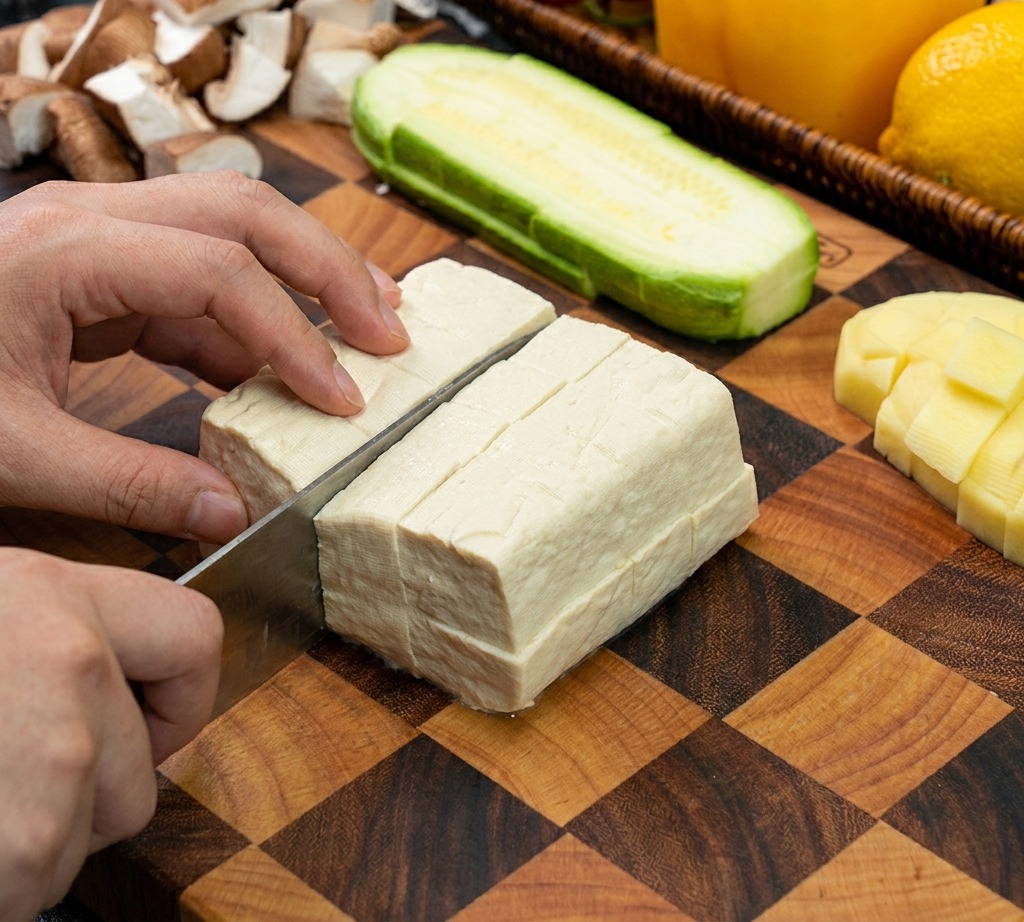
Take a block of soft white tofu and carefully slice it into thick, even cubes. Tofu is a staple ingredient in Korean stews, absorbing the savory flavors of the broth while providing a soft contrast to the vegetables.
Tip: Handle the tofu gently after cutting to ensure the cubes stay intact when added to the simmering pot. - 4Sauté the onions
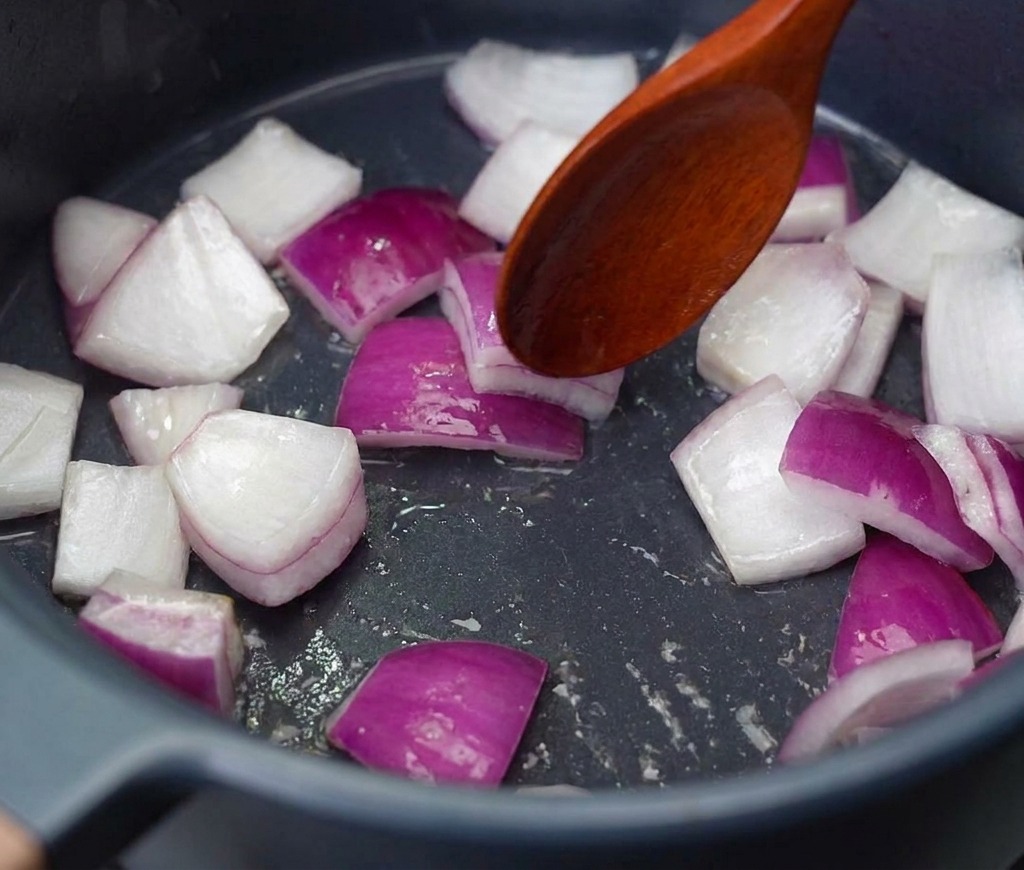
Heat a small amount of oil in a heavy-bottomed pot. Add the chopped purple onion pieces and sauté them with a wooden spoon until they become translucent and fragrant, which builds the base flavor for the soup.
Tip: Dont let the onions brown too much; you just want them softened and aromatic to release their natural sweetness. - 5Add the beef slices
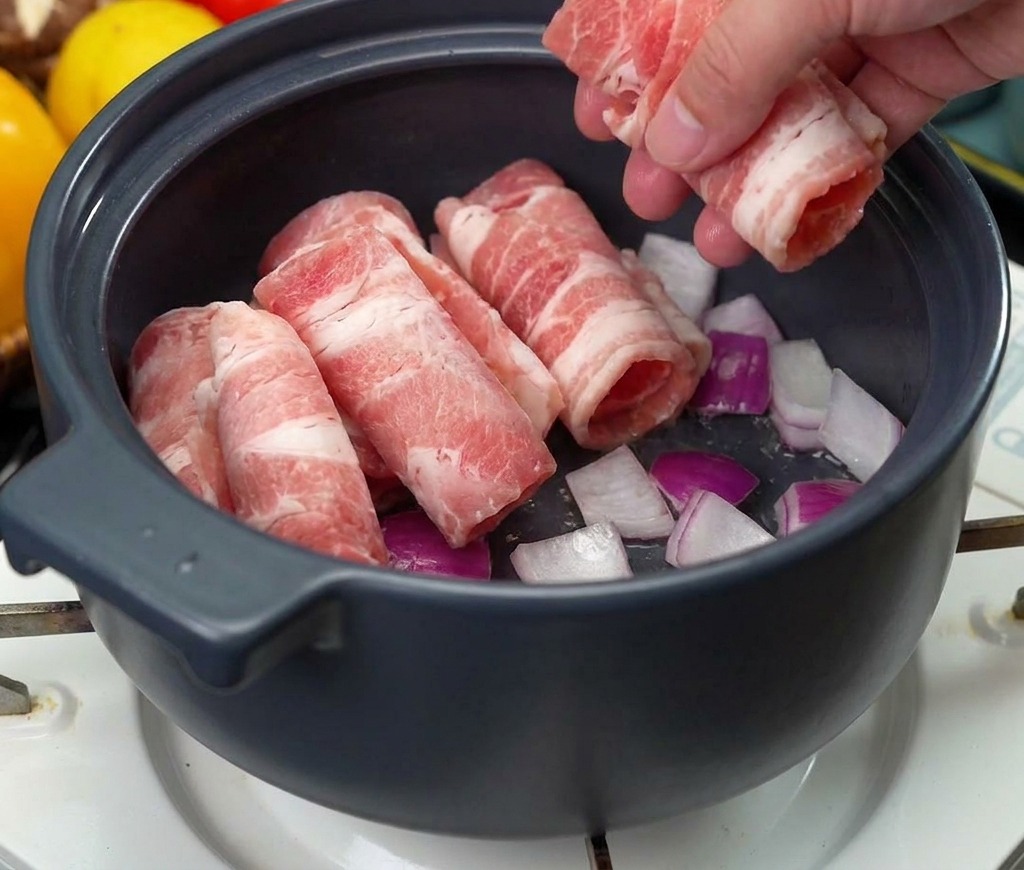
Once the onions are fragrant, add the thinly sliced beef directly into the pot. Using thin slices ensures the meat cooks quickly and remains tender within the hearty broth.
Tip: If you prefer a leaner soup, you can pat the beef dry before adding it to remove any excess moisture. - 6Stir-fry the beef
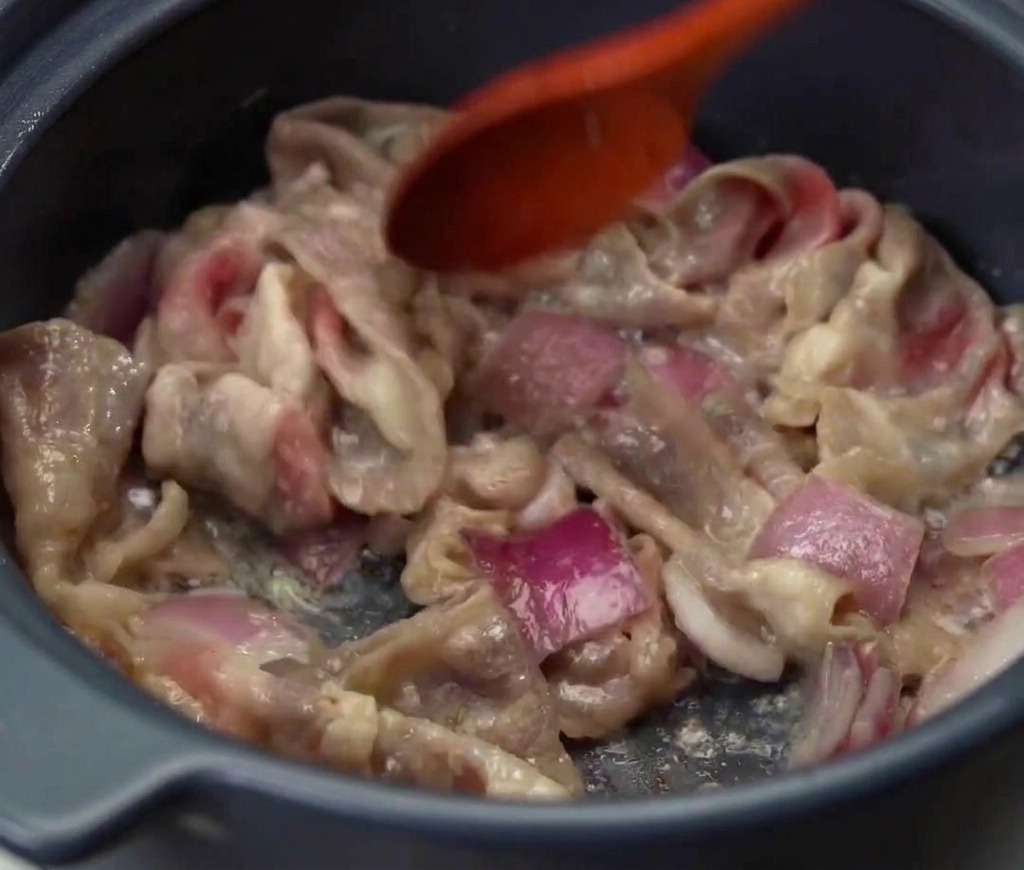
Stir-fry the beef together with the onions until the meat is no longer pink and the surface appears nicely browned. This step renders out some fat and develops a deep, savory flavor before adding the liquids.
Tip: Avoid overcrowding the pot so the meat browns properly instead of steaming in its own juices. - 7Add the denser vegetables
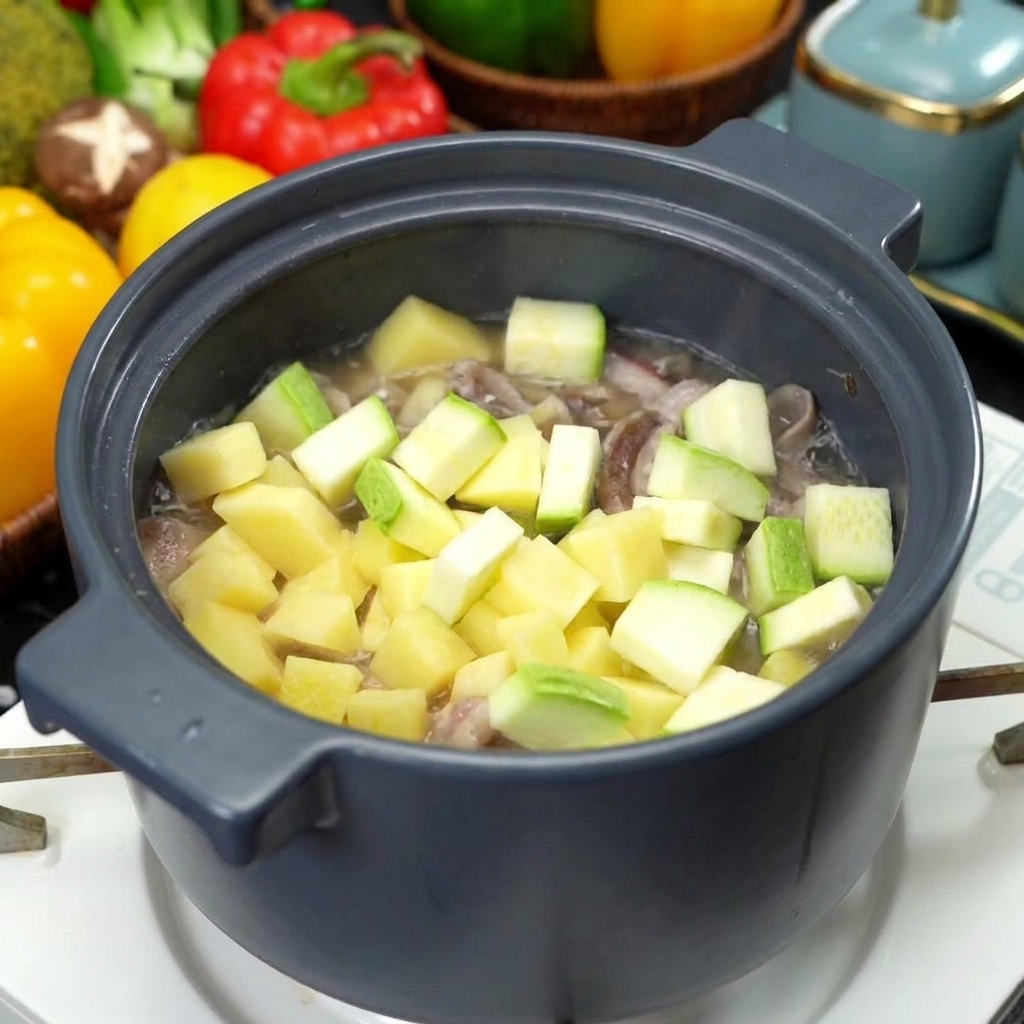
Add the cubed raw potatoes and half of the zucchini to the pot with the stir-fried beef. These denser vegetables require more time to soften and will absorb the rich fats from the beef as they cook.
Tip: Cut the potato and zucchini into similar-sized cubes so they cook at the same rate. - 8Pour in the soup base
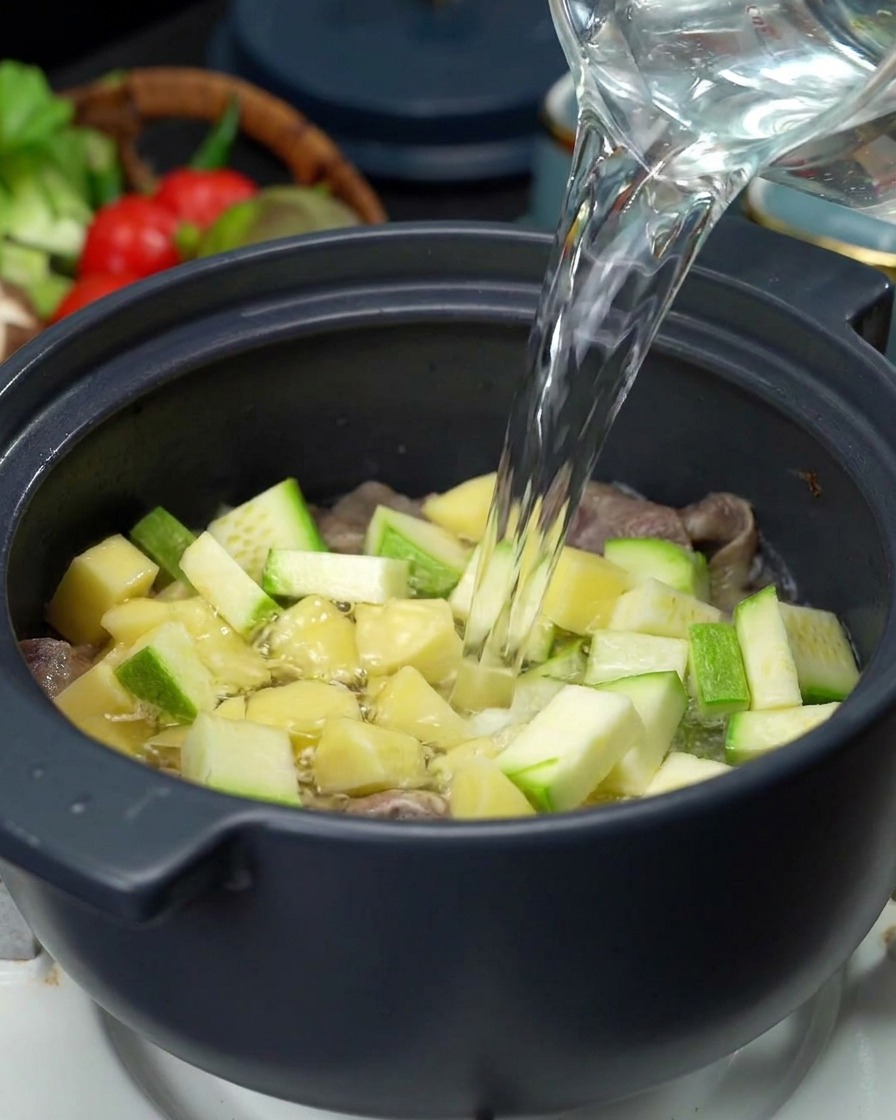
Pour fresh water from a pitcher into the pot until the beef and vegetables are well-covered. This water will form the liquid foundation of your soybean paste soup, carrying the flavors of all the ingredients as they simmer.
Tip: For an even richer flavor, you can use the water used for rinsing rice (쌀뜨물) instead of plain water. - 9Add the Korean soybean paste
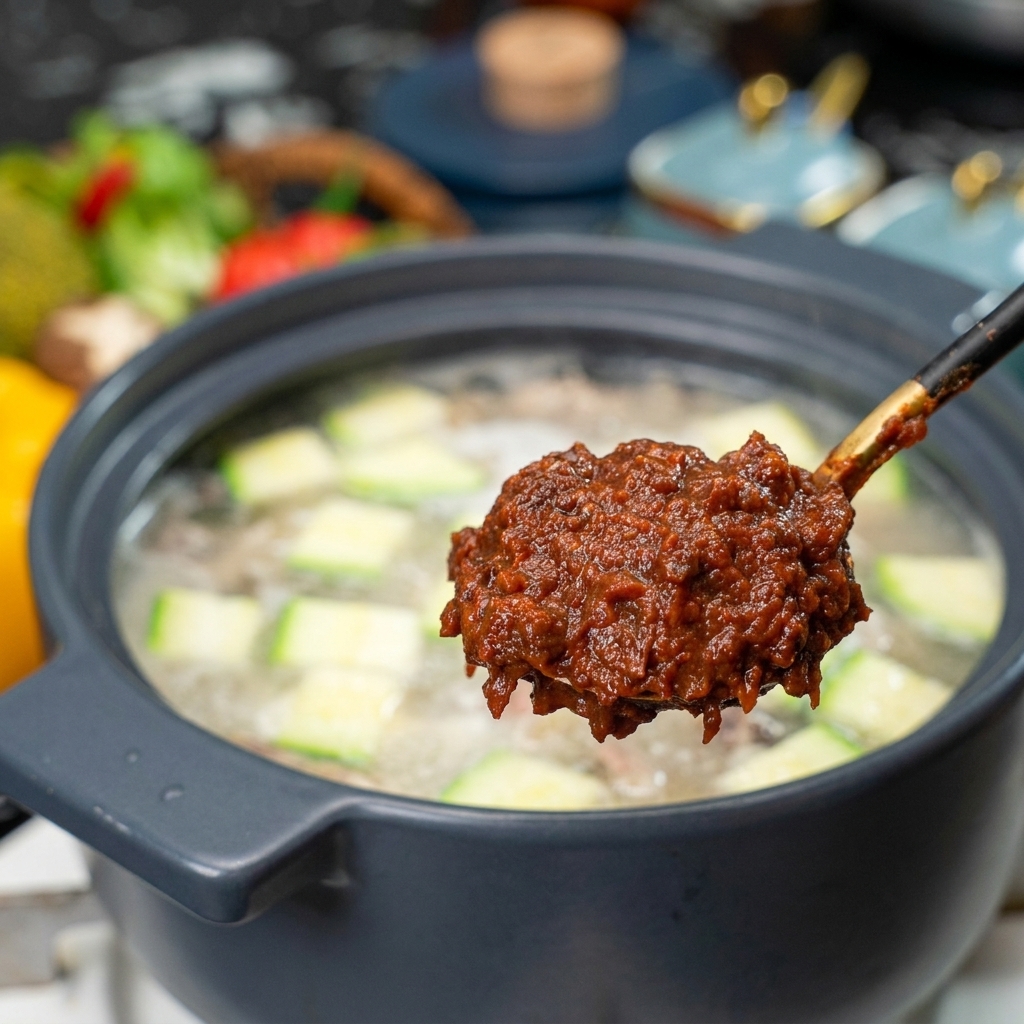
Add a generous spoonful of thick, dark brown Korean soybean paste (Doenjang) to the pot. This is the soul of the dish, providing the deep, fermented umami and salty base that defines this classic Korean soup.
Tip: If your soybean paste is very chunky, you can dissolve it through a fine-mesh strainer into the broth for a smoother texture. - 10Dissolve the paste thoroughly
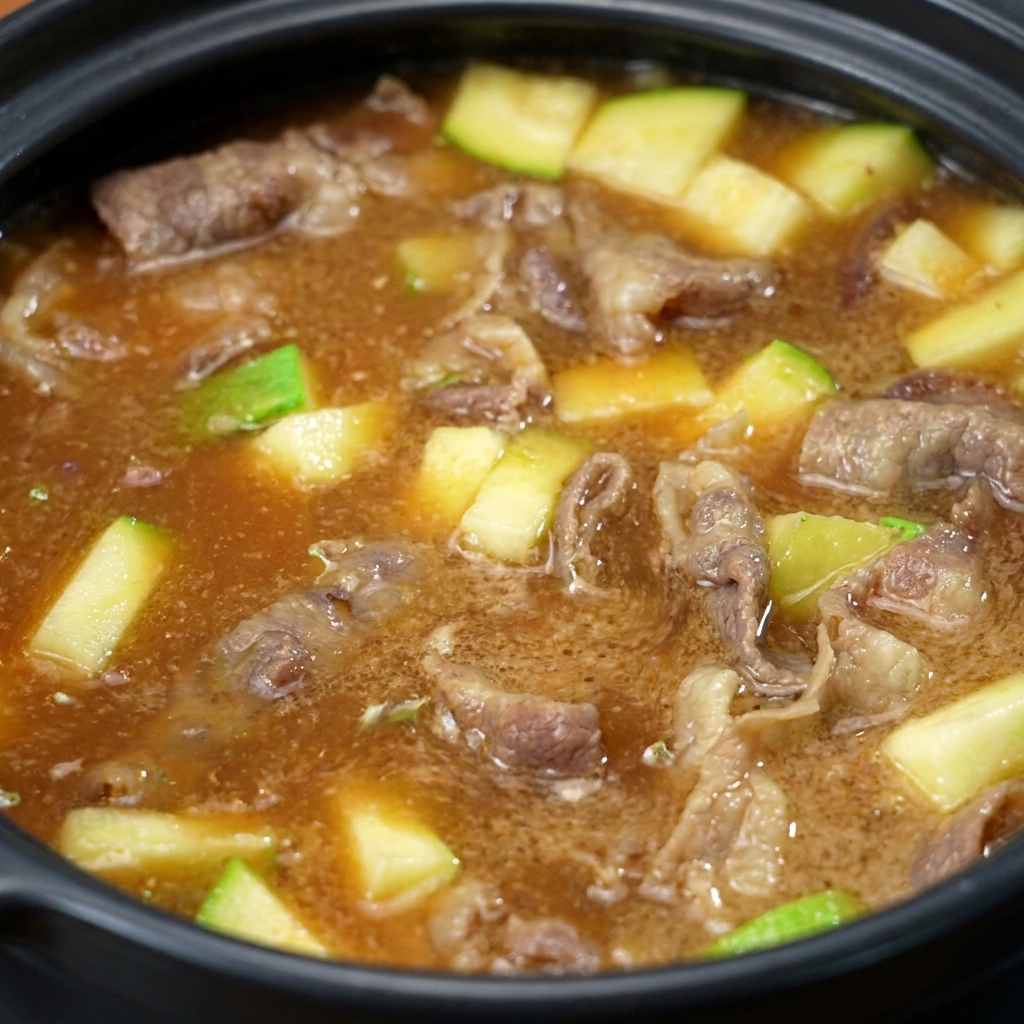
Stir the soup well until the soybean paste is fully dissolved and integrated. The clear water should transform into a rich, cloudy, and fragrant brown broth, signaling that the base of the stew is ready for further seasoning.
Tip: Make sure there are no large clumps of paste left at the bottom of the pot to ensure even flavor throughout the soup. - 11Season with garlic and beef powder
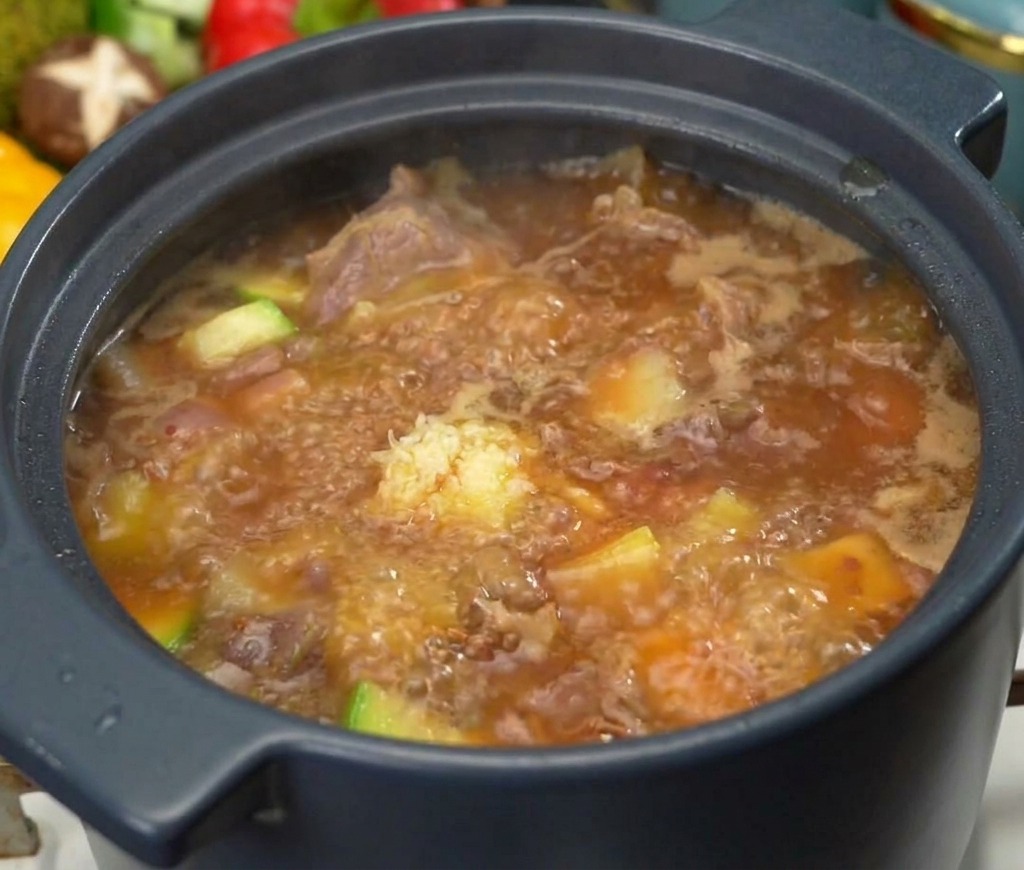
Once the soybean paste has dissolved, add a generous spoonful of minced garlic and a sprinkle of beef powder into the pot. These seasonings provide the essential aromatic depth and savory punch characteristic of authentic Korean restaurant-style soup. Stir gently to ensure the garlic is well-distributed throughout the bubbling broth.
Tip: Freshly minced garlic is always preferred over the jarred variety for a more potent and clean flavor. - 12Add tofu and shiitake mushrooms
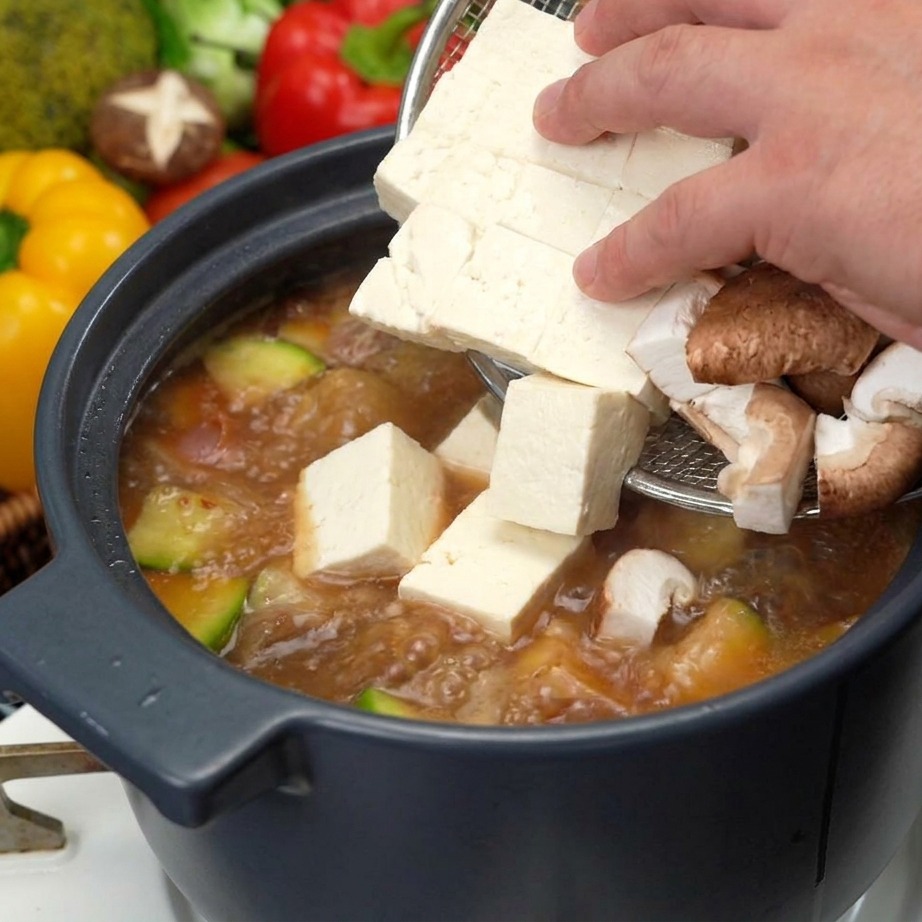
Carefully add the cubes of tofu and sliced shiitake mushrooms into the simmering broth. These ingredients will soak up the savory soybean flavor while adding a soft, silky texture and an earthy depth to the finished soup.
Tip: Use firm or extra-firm tofu so the cubes hold their shape and dont crumble during the remaining simmer time. - 13Add the soy bean sprouts
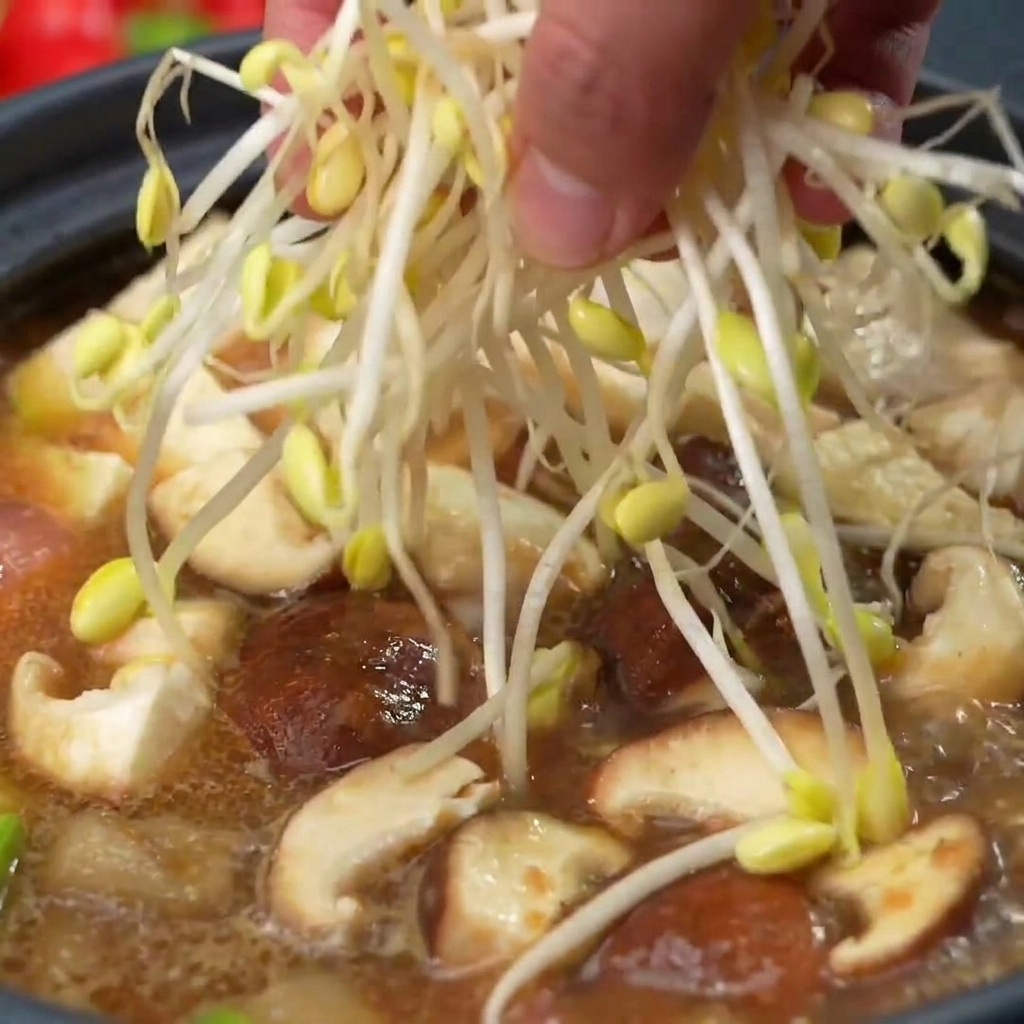
Place a large handful of fresh soy bean sprouts on top of the other ingredients in the pot. The sprouts introduce a light sweetness and a refreshing, crunchy texture that provides a wonderful contrast to the rich and hearty broth. Ensure they are submerged slightly so they can cook evenly.
Tip: Be careful not to overcook the sprouts; you want them to be tender but still retain a bit of their signature snap. - 14Cover and simmer the soup
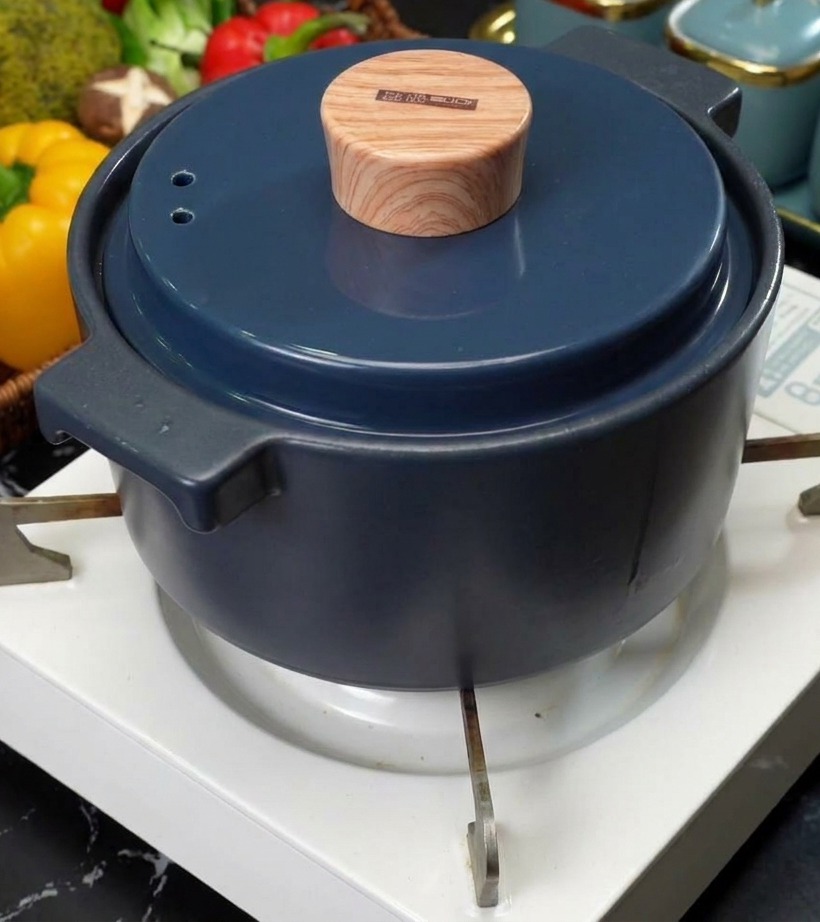
Place the lid on your pot and turn the heat down to low-medium. Let the soup simmer for approximately 10 minutes. This simmering period is crucial for the vegetables to soften completely and for the flavors of the beef and soybean paste to meld into a cohesive, flavorful broth.
Tip: Keeping the lid on prevents too much liquid from evaporating, ensuring your soup maintains the perfect consistency. - 15Finish with red chili flakes
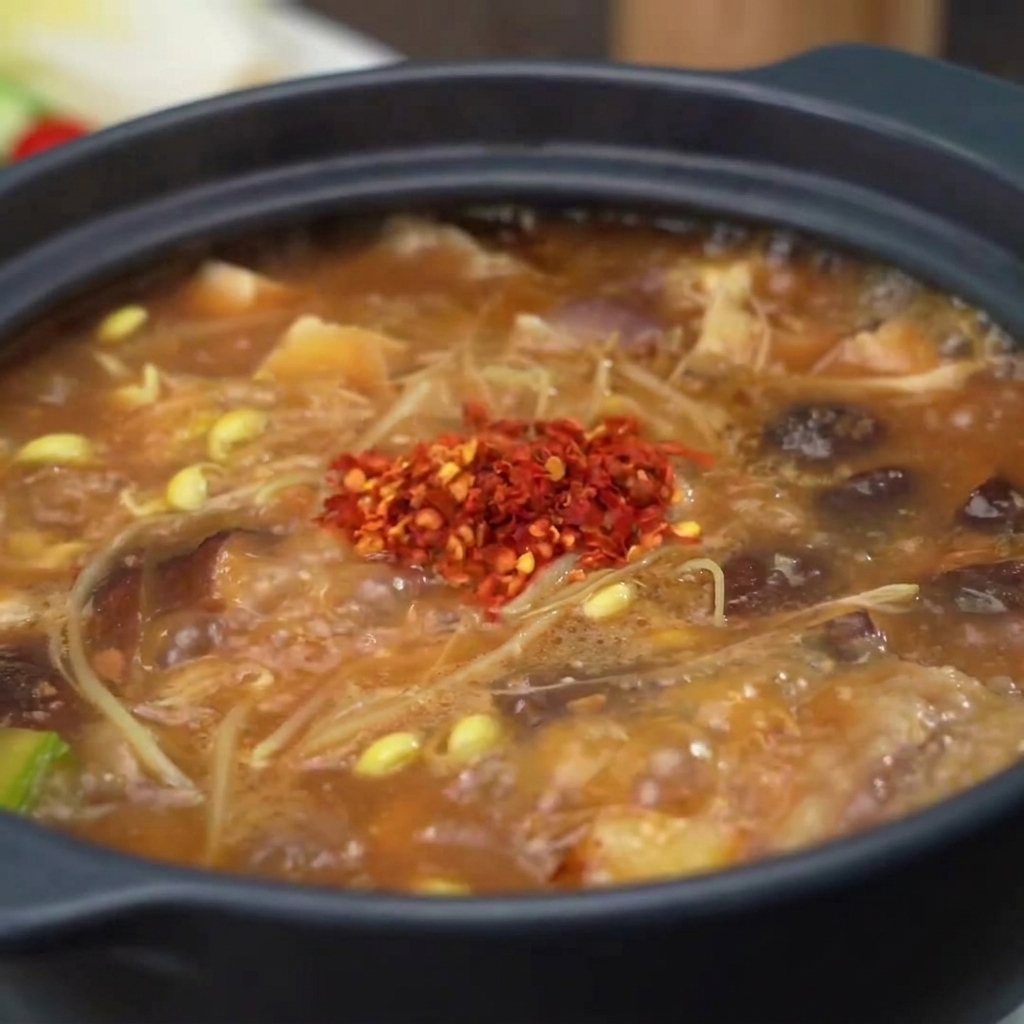
As a final step, sprinkle a spoonful of red chili flakes over the center of the boiling soup. Let it simmer for just a minute longer to allow the spice to bloom and the vibrant red color to bleed into the broth. This adds a gentle heat and beautiful visual appeal to the finished dish.
Tip: Adjust the amount of chili flakes to your liking; Korean Gochugaru is great because it offers a smoky heat without being too sharp.